

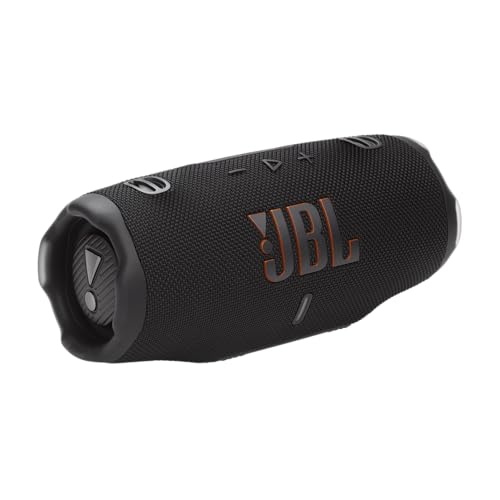



Portable Bluetooth speakers have evolved dramatically since their early days of tinny sound and dead batteries. Today's top models deliver surprisingly powerful audio that can fill rooms, last for days on a single charge, and survive everything from poolside splashes to hiking adventures. Two speakers that represent different philosophies in this space are the JBL Charge 6, released in 2024, and the Bose SoundLink Max, which arrived the same year with a premium approach to portable audio.
Understanding what separates a good portable speaker from a great one requires looking beyond basic specs. The most important factors include sound quality across different volume levels, battery performance in real-world conditions, true portability for your lifestyle, and—perhaps most critically—whether the performance justifies the price tag. At the time of writing, these speakers occupy very different price tiers, with the JBL Charge 6 positioned as a value-oriented option while the Bose SoundLink Max commands a significant premium.
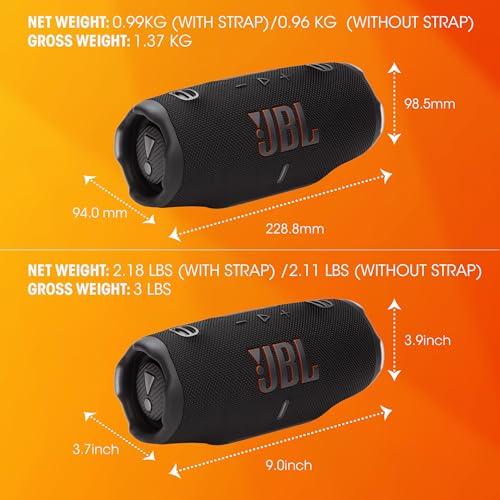
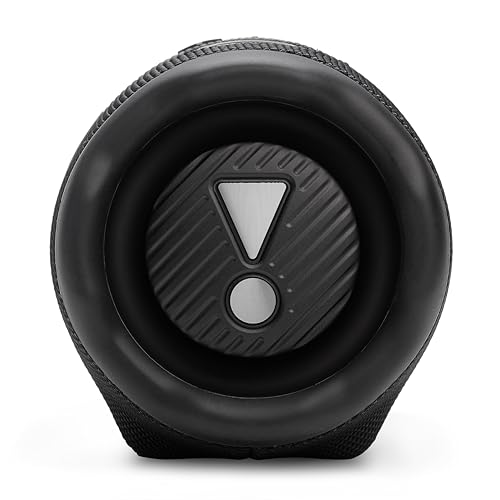
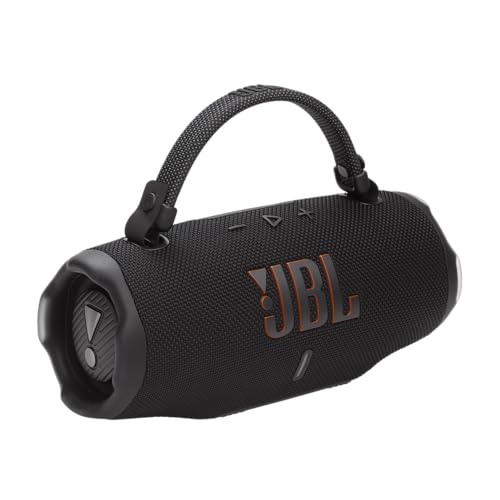
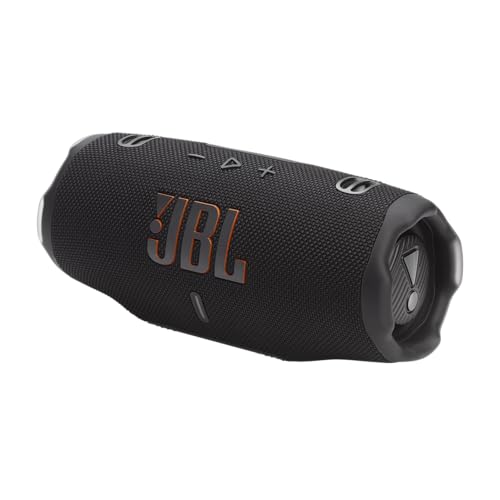
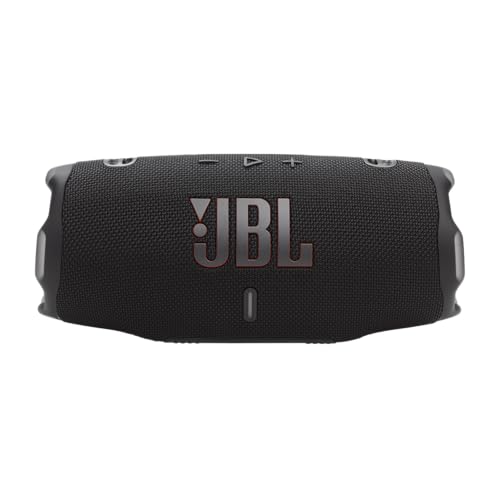
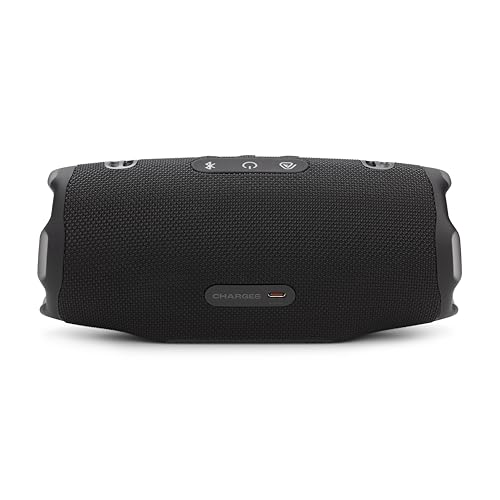
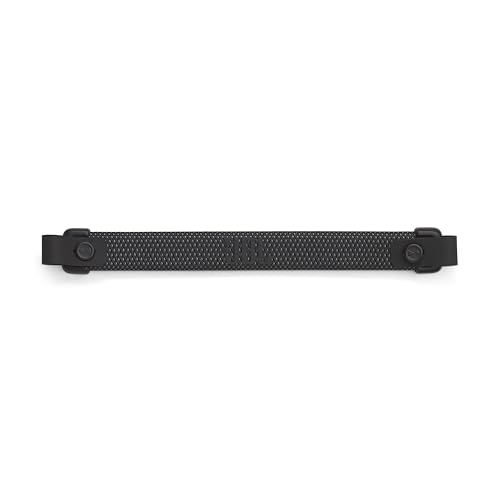
The fundamental difference between these speakers becomes apparent the moment you pick them up. The JBL Charge 6 weighs just over two pounds, making it genuinely portable for backpacking, beach days, or daily commutes. JBL redesigned the handle system with a detachable fabric strap that can be configured as either a carrying loop or grip, while new bumpers prevent the cylindrical speaker from rolling off tables—a small but appreciated improvement.
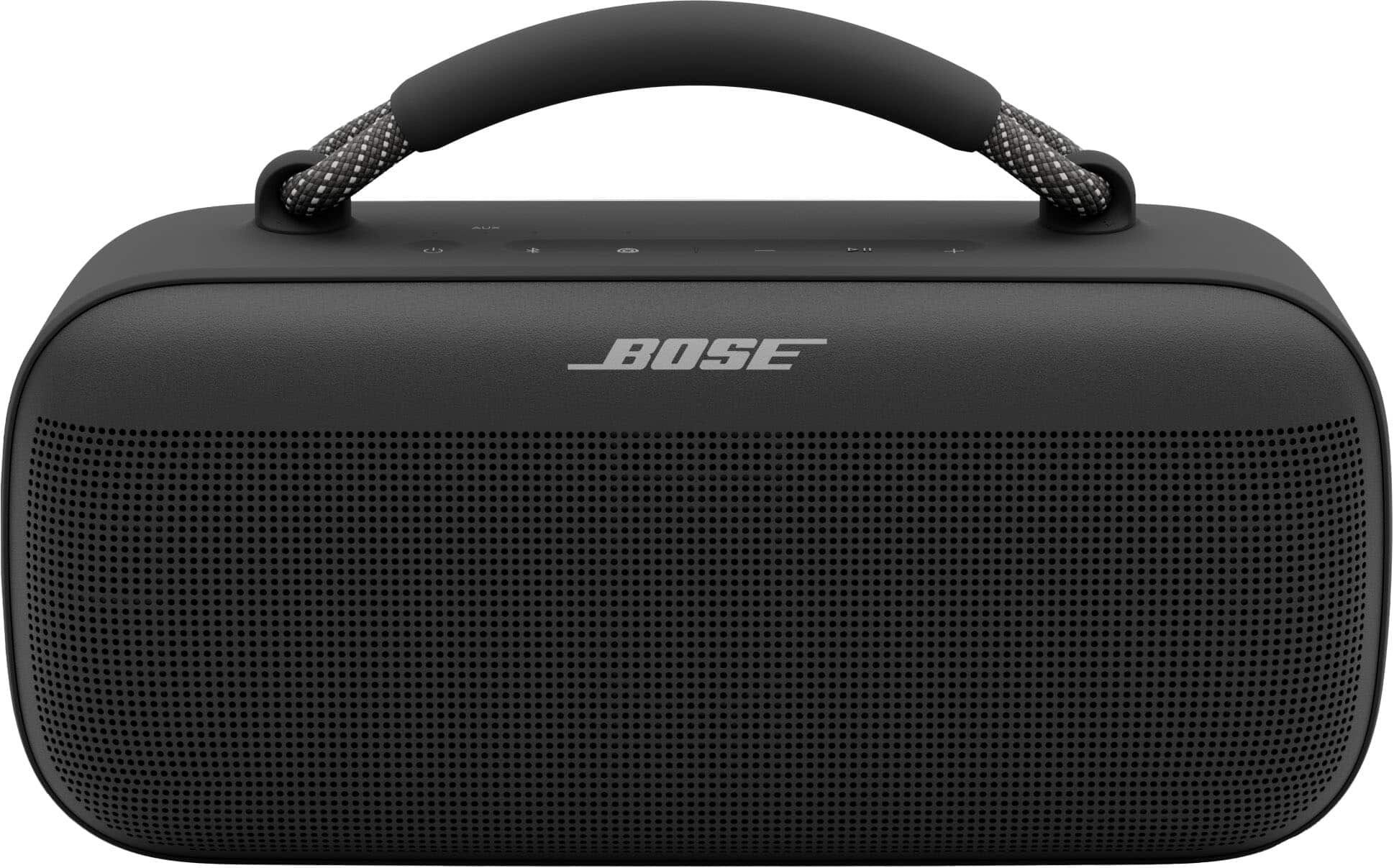
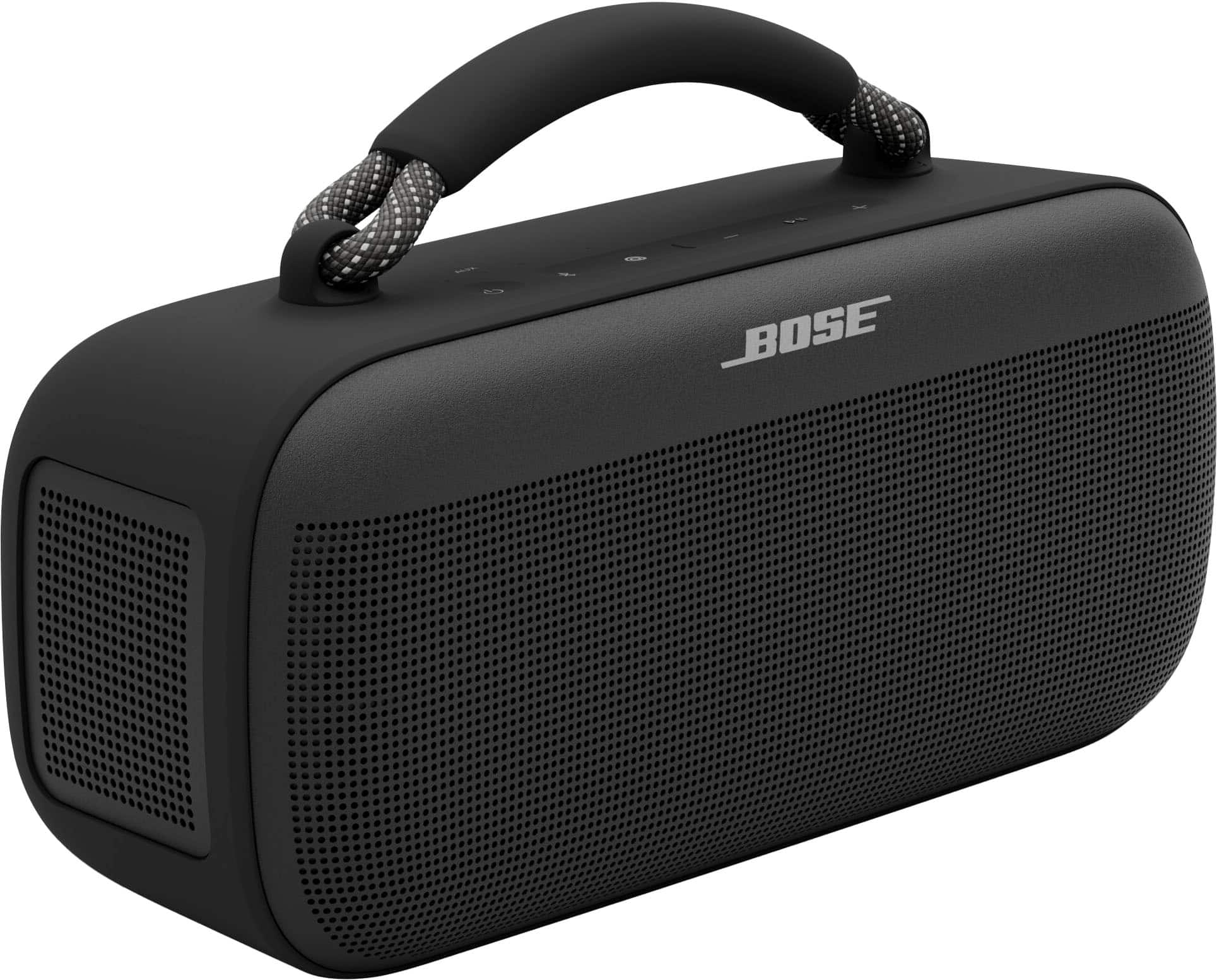
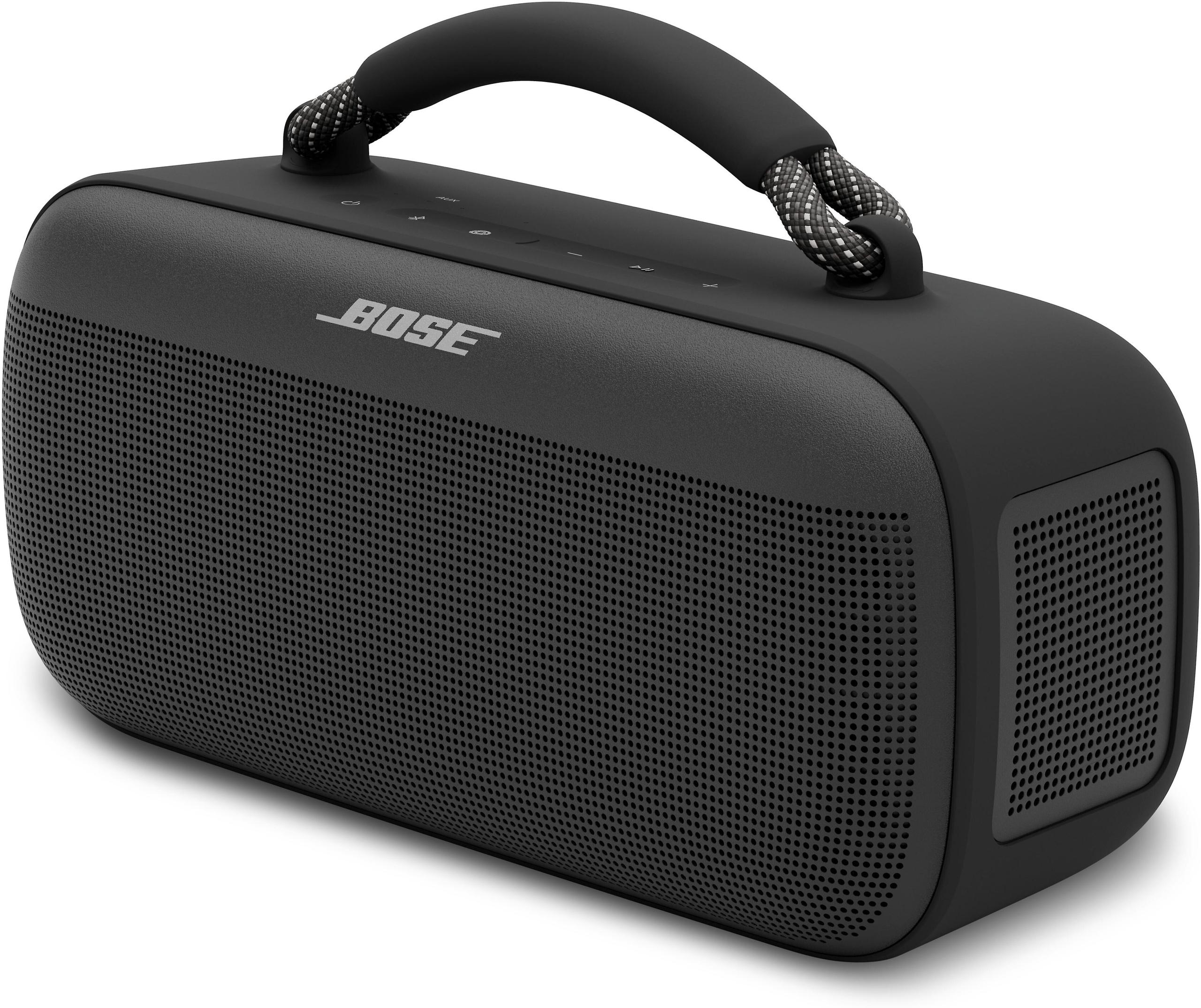
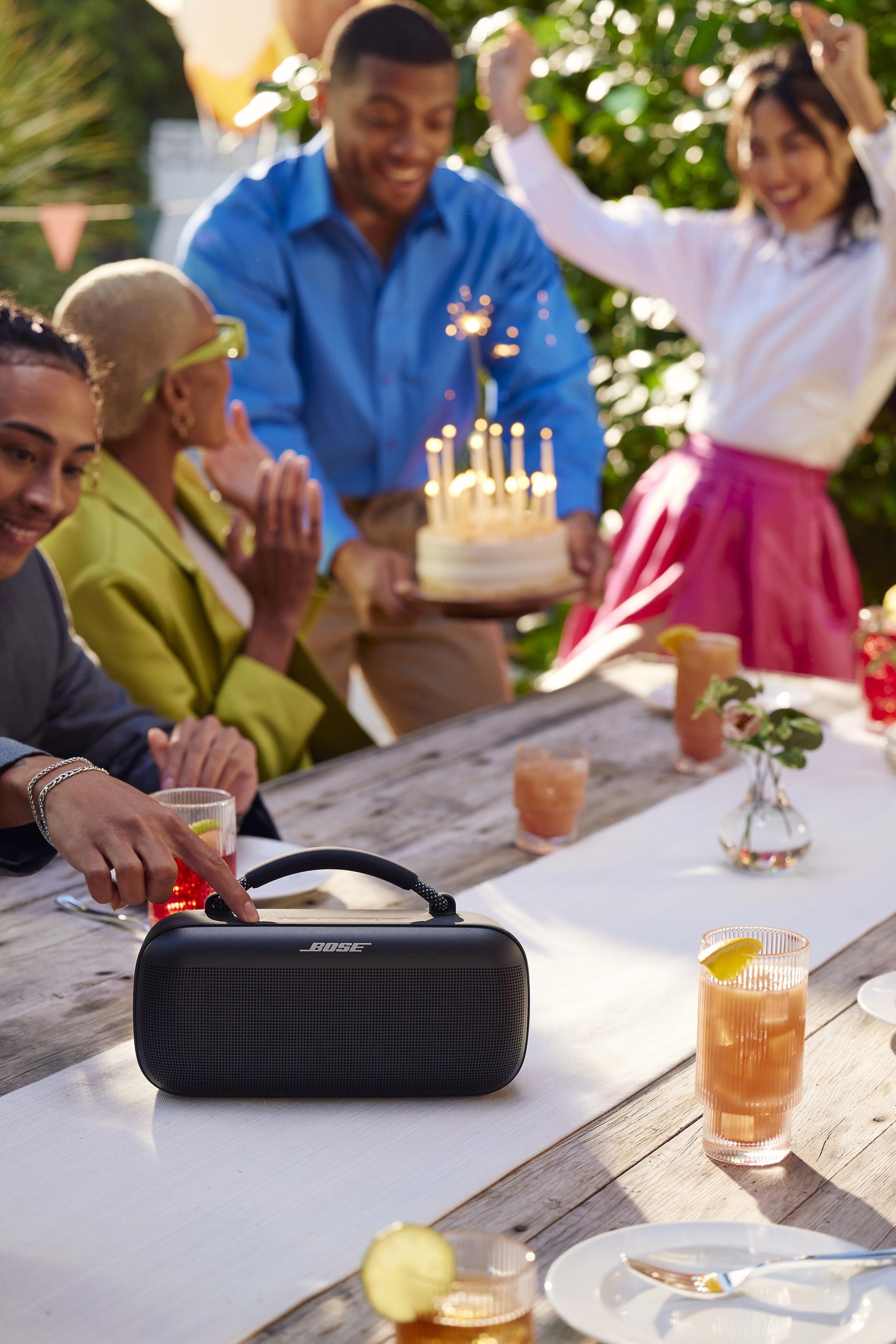
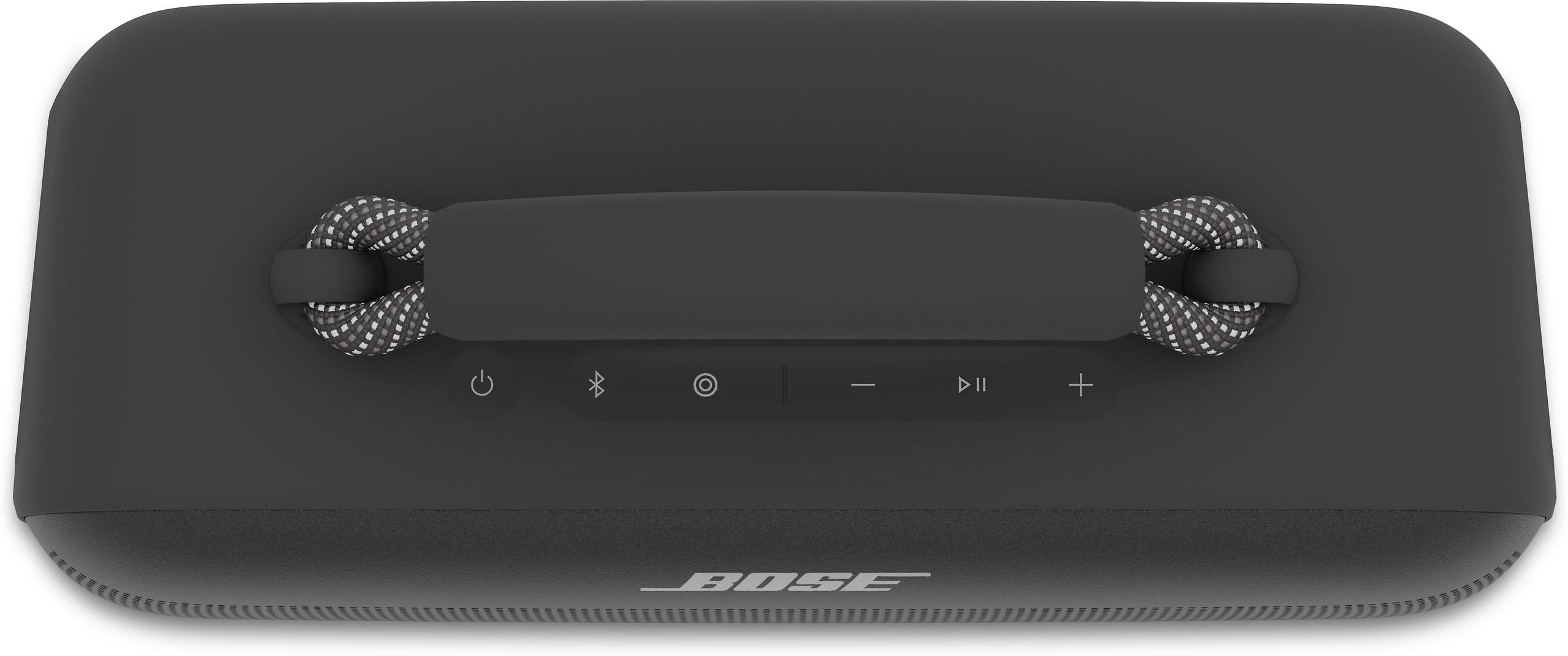
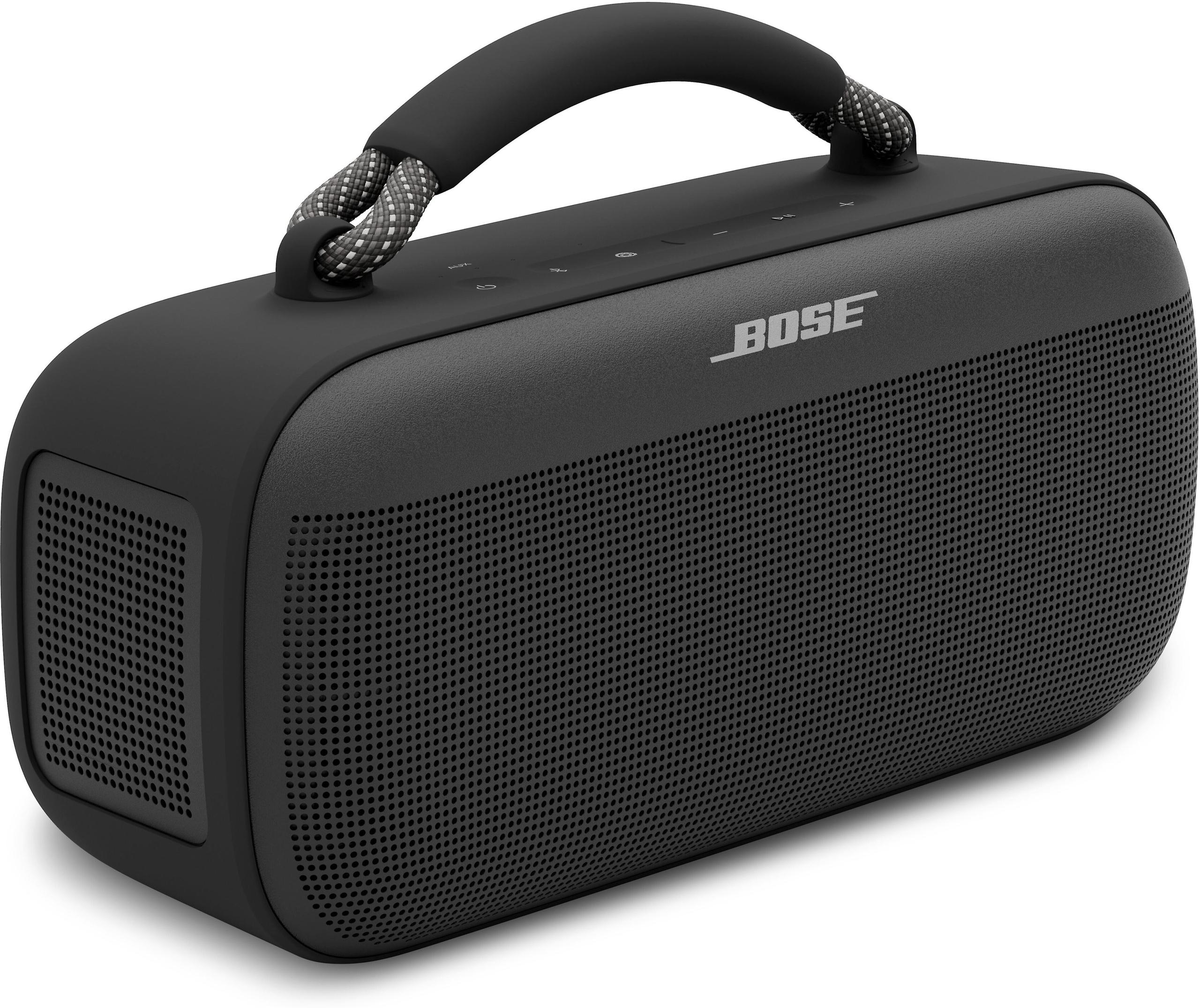
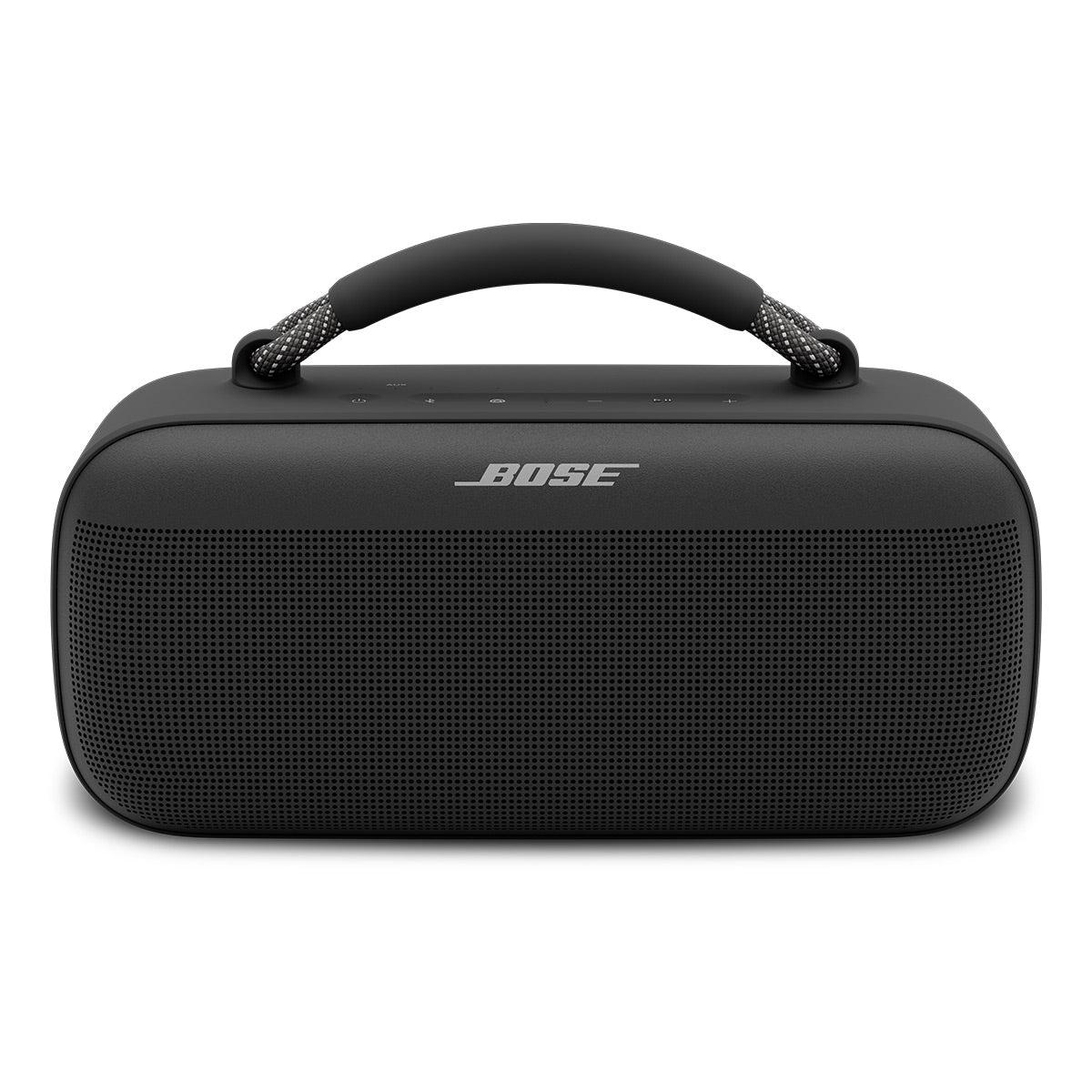
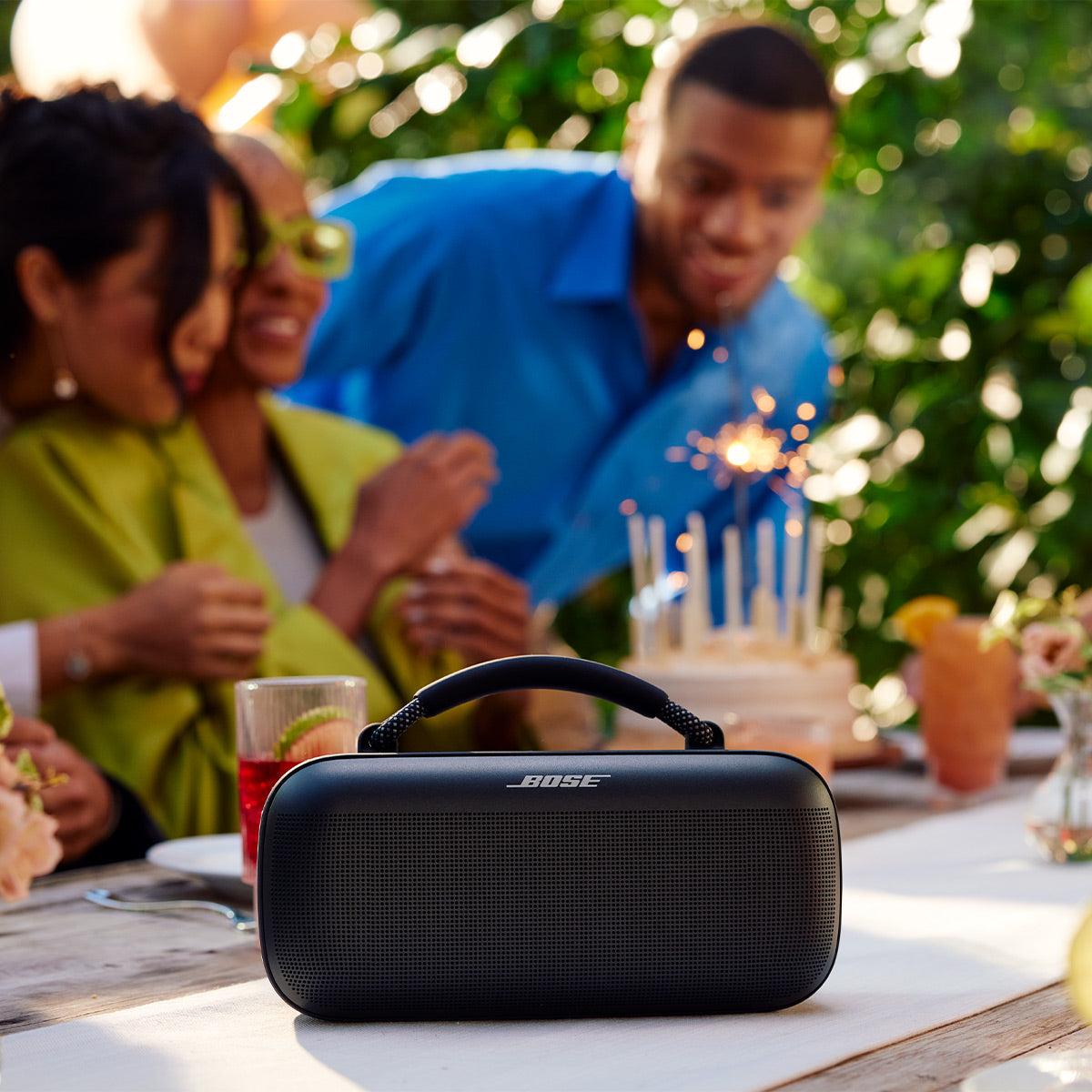
The Bose SoundLink Max, by contrast, weighs nearly five pounds and feels substantially more premium with its aluminum construction and silicone wrapping. While Bose includes a rope handle and offers an optional shoulder strap, this speaker clearly targets different use cases. It's designed for backyard parties, poolside gatherings, or as a semi-permanent audio solution that occasionally moves between rooms rather than true grab-and-go portability.
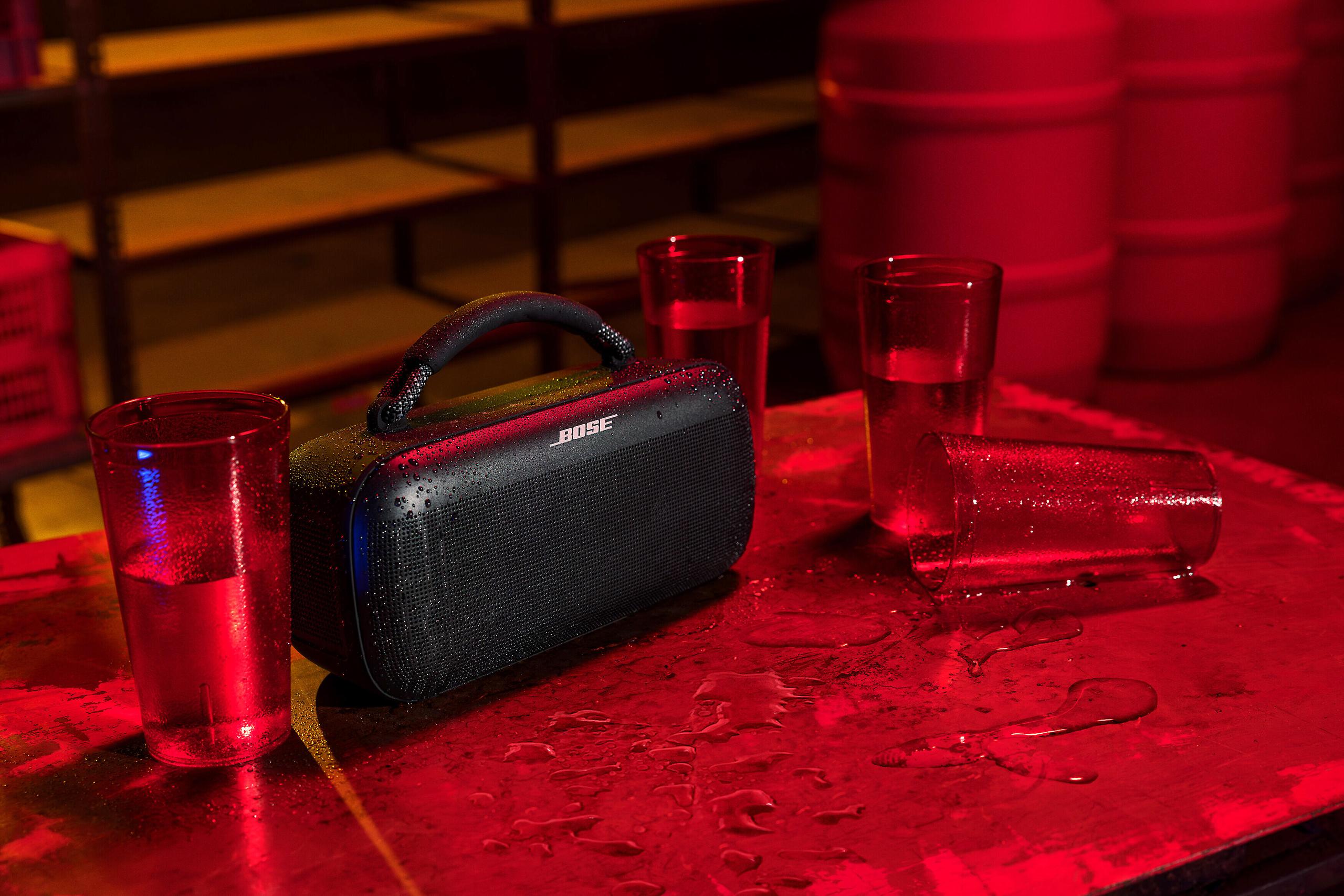
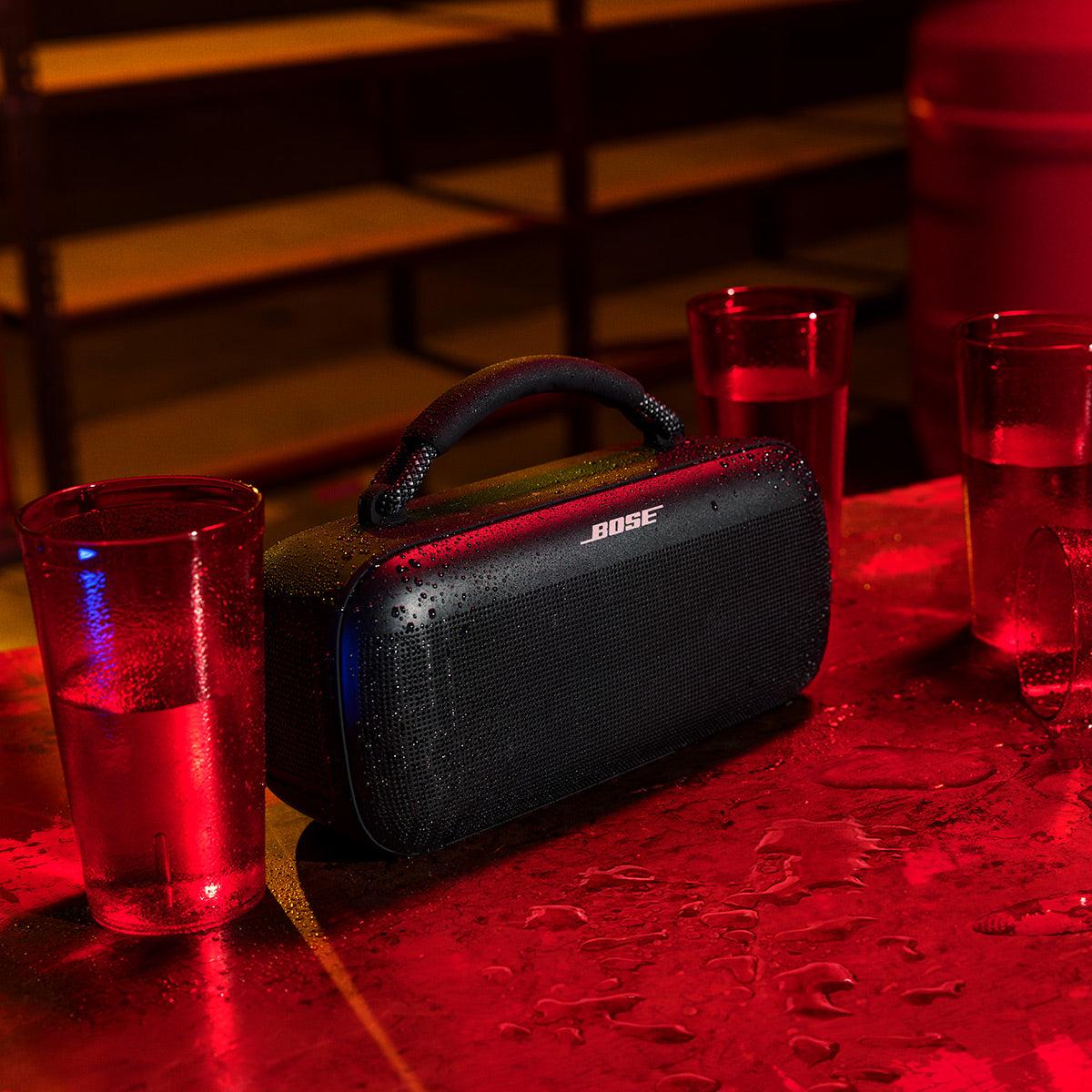
Both speakers earn solid durability ratings, though with different strengths. The JBL Charge 6 achieves an IP68 rating, meaning it can survive submersion up to 1.5 meters for 30 minutes—impressive protection that goes beyond typical water resistance. JBL also claims it can survive drops from one meter onto concrete, though this kind of abuse testing varies significantly in real-world conditions. The Bose SoundLink Max carries an IP67 rating, which still provides excellent water and dust protection but without the submersion capabilities of the JBL.
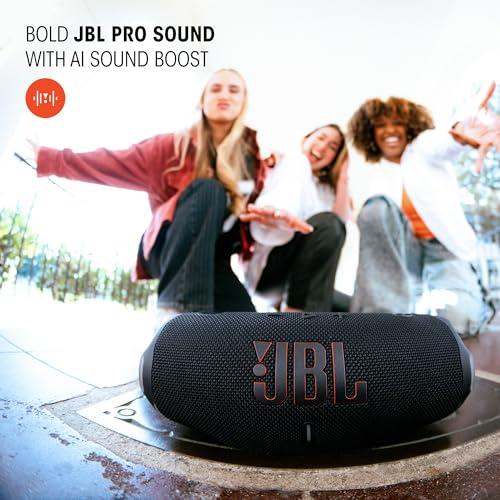
Here's where these speakers reveal their distinct personalities. The JBL Charge 6 employs what the company calls AI Sound Boost technology—a real-time audio processing algorithm that analyzes incoming music to optimize driver performance and minimize distortion. This isn't just marketing speak; the technology actively adjusts how the speaker's drivers respond to different frequencies, allowing the relatively compact 53mm x 93mm oval woofer and 20mm tweeter to perform beyond their physical limitations.
The result is a balanced sound signature that avoids the common portable speaker trap of overwhelming bass that muddles midrange details. The JBL Charge 6 produces what audiophiles call a generous soundstage—meaning instruments and vocals feel spread out rather than cramped together. However, there's an important caveat: this speaker outputs mono audio, meaning it downmixes stereo recordings into a single channel. While this works fine for most casual listening, it eliminates the left-right separation that creates immersive stereo experiences.
The Bose SoundLink Max takes a completely different approach, prioritizing sheer power and volume output. Its dual 89mm transducers (the main drivers that produce sound) work alongside a 23mm tweeter and large passive radiators—essentially speakers without magnets that vibrate sympathetically to enhance bass response. This configuration allows the Bose to achieve significantly higher maximum volumes, reaching sound pressure levels that can genuinely fill large outdoor spaces or compete with background noise at parties.
Research from multiple expert reviews suggests the Bose SoundLink Max can reach approximately 97 decibels at maximum volume—loud enough to cause hearing damage with extended exposure. More importantly, it maintains stereo separation, though reviewers note that the stereo imaging isn't dramatically wide given the speaker's size constraints.
Understanding how these speakers perform at different volume levels is crucial because most people don't listen at maximum output constantly. At low to moderate volumes—think background music while working or quiet evening listening—both speakers perform admirably, though with different characteristics. The Bose SoundLink Max tends to sound slightly richer and more detailed at lower volumes, while the JBL Charge 6 maintains its balanced character across the volume spectrum.
The real differences emerge as you push these speakers harder. Multiple expert evaluations suggest that the JBL Charge 6 maintains better clarity and dynamics at high volumes, thanks largely to its AI Sound Boost technology preventing distortion. The Bose, despite its higher maximum output, begins to show compression effects—where the difference between loud and soft sounds becomes flattened—when pushed to its limits.
This matters more than you might think. Compression makes music sound less engaging and dynamic, turning powerful drum hits into muffled thumps and reducing the emotional impact of crescendos in orchestral music. If you frequently listen at party volumes, the JBL Charge 6 may actually provide a more satisfying experience despite lower maximum output.
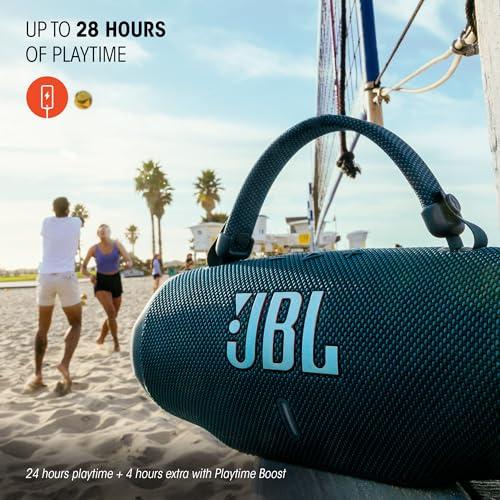
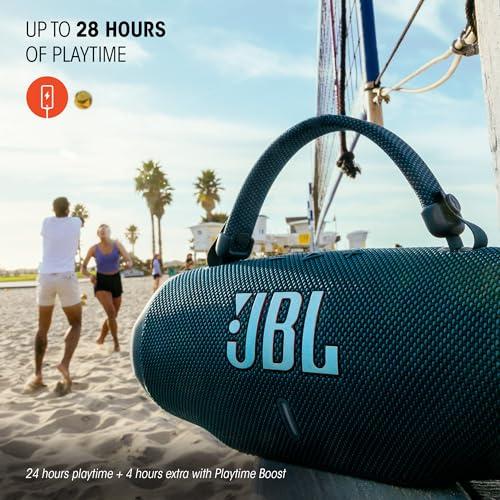
Battery specifications often tell only part of the story, but the differences here are substantial enough to affect daily usage patterns. The JBL Charge 6 claims up to 24 hours of playback, extendable to 28 hours with a feature called Playtime Boost—though this mode reduces bass response and lower-mid frequencies to conserve power. Real-world testing by reviewers suggests more realistic figures of 13-14 hours at high volumes, which still represents excellent performance.
More impressively, the JBL Charge 6 supports fast charging that provides 2.5 hours of playback from just 10 minutes of charging time. This feature proves invaluable for travelers or anyone who forgot to charge their speaker overnight. The full charging cycle takes about 3 hours, making it practical to top off during lunch breaks or short stops.
The Bose SoundLink Max offers 20 hours of claimed battery life, but its charging story is less convenient. A full charge requires 5 hours—significantly longer than the JBL—and fast charging capabilities are more limited. For users who value spontaneous music sessions or frequently travel, this charging differential becomes a meaningful consideration.
Both speakers include power bank functionality through their USB-C ports, allowing you to charge phones or other devices from the speaker's battery. Given the JBL Charge 6's longer battery life, this feature becomes more practical for extended outdoor adventures where power outlets are scarce.
Modern Bluetooth speakers increasingly rely on companion apps to unlock their full potential, and this represents another area where these speakers diverge significantly. The JBL Portable app provides a comprehensive 7-band equalizer that allows precise frequency adjustments across the audio spectrum. This means you can boost treble for podcast clarity, enhance midrange for vocal-heavy music, or fine-tune bass response to match your preferences or room acoustics.
The practical value of extensive EQ options becomes apparent when you consider how different music genres benefit from different tuning. Hip-hop might sound better with enhanced low frequencies, while acoustic folk music might benefit from clarity in the midrange where guitars and vocals live. The JBL Charge 6's app also manages firmware updates, battery monitoring, and multi-speaker pairing functions efficiently.
The Bose Connect app, while well-designed, offers only a basic 3-band EQ with simple bass, midrange, and treble controls. This limitation means less flexibility in tailoring sound to your preferences or compensating for different acoustic environments. However, the app does manage the speaker's Simple Sync technology, which allows pairing with other Bose speakers and soundbars for multi-room audio systems.
Both speakers support modern Bluetooth standards, though with different priorities. The JBL Charge 6 uses Bluetooth 5.4 with Auracast technology—a relatively new standard that allows broadcasting audio to unlimited compatible devices simultaneously. This technology enables interesting use cases like silent discos or sharing audio with multiple listeners without traditional pairing limitations.
The speaker also supports lossless audio playback via USB-C connection, handling high-resolution files up to 24-bit/192kHz resolution. For audiophiles with high-quality music files, this wired connection bypasses Bluetooth compression entirely, though most streaming services don't provide content at these quality levels anyway.
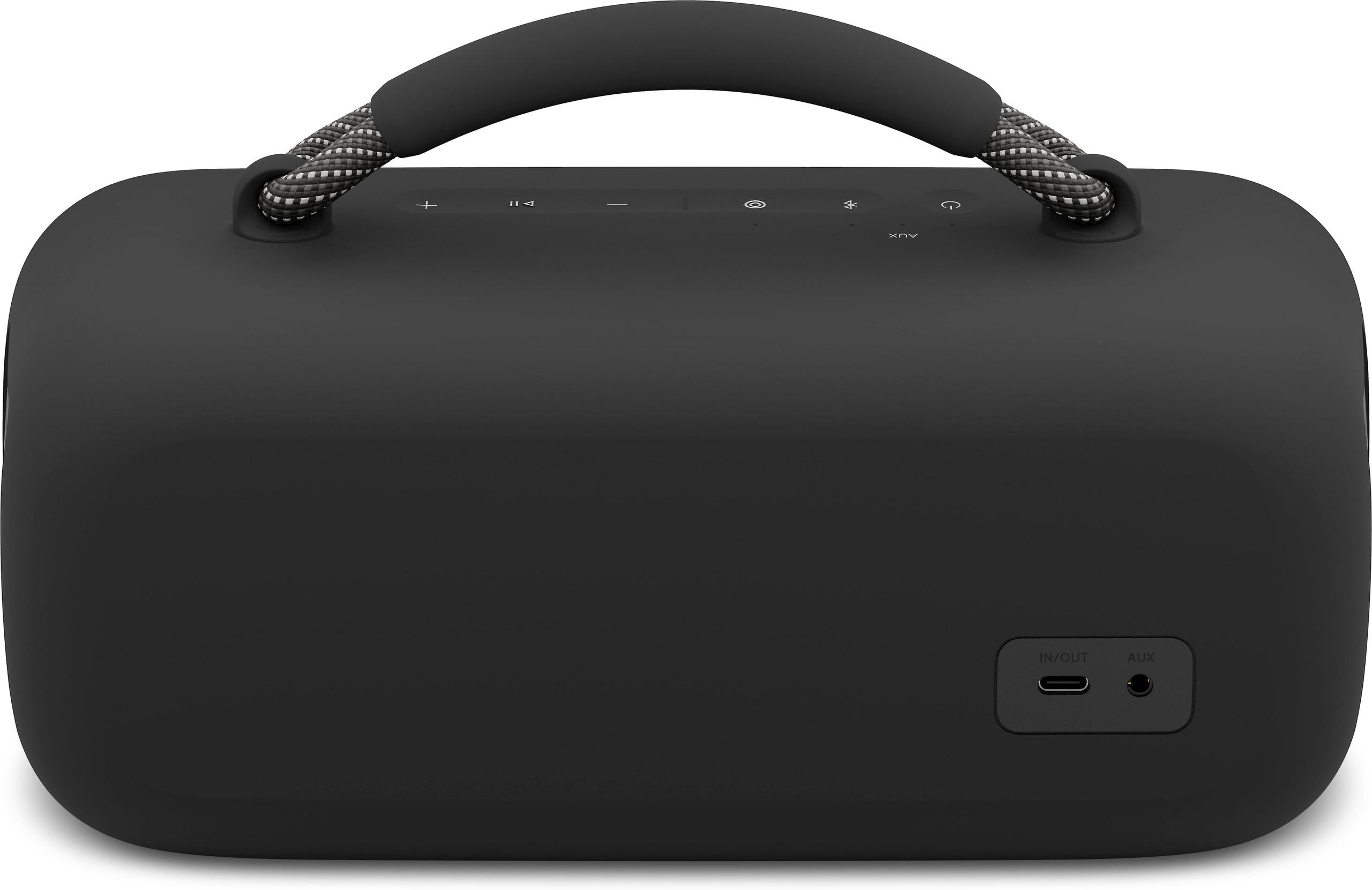
The Bose SoundLink Max implements Bluetooth 5.3 with support for advanced audio codecs including aptX Adaptive, which provides higher quality wireless audio on compatible devices. More practically, it includes a 3.5mm auxiliary input—a feature the JBL Charge 6 completely lacks. This analog input proves valuable for connecting older devices, gaming consoles, or situations where wireless connectivity isn't reliable.
While neither speaker is designed primarily for home theater use, their different characteristics make them suitable for different scenarios. The Bose SoundLink Max's stereo configuration and higher volume output make it more suitable for casual movie watching, especially in smaller rooms where a full surround system isn't practical. The 3.5mm input also simplifies connections to TVs or streaming devices.
However, Bluetooth audio typically introduces latency—a delay between video and audio—that can be distracting during movie watching. The JBL Charge 6's USB-C connection eliminates this latency for compatible devices, though this limits placement flexibility since you'll need a cable connection.
For serious home theater applications, both speakers serve better as temporary solutions rather than permanent installations. Their portable nature means they can enhance outdoor movie nights or provide audio for tablets and laptops, but dedicated home theater speakers will outperform them in fixed installations.
The JBL Charge 6's AI Sound Boost represents genuine innovation in portable speaker design. Unlike simple DSP (Digital Signal Processing) that applies preset adjustments, this technology continuously analyzes audio content and adapts the speaker's response in real-time. This approach helps explain why the speaker maintains clarity at high volumes despite its relatively modest driver size.
The speaker's Auracast support also represents forward-thinking connectivity, though the practical benefits depend on broader adoption of this standard. Currently, few devices support Auracast broadcasting, but this could change as the technology matures.
The Bose SoundLink Max relies more on proven acoustic engineering principles—larger drivers, sophisticated passive radiator tuning, and premium materials—rather than software-based innovations. This approach tends to age well since it doesn't depend on app updates or emerging standards, though it also means fewer opportunities for functional improvements over time.
At the time of writing, these speakers occupy significantly different price tiers, with the Bose SoundLink Max commanding roughly double the price of the JBL Charge 6. This price differential shapes the value equation considerably.
The JBL Charge 6 delivers exceptional features-per-dollar, offering longer battery life, faster charging, extensive customization options, and balanced audio performance at a mid-range price point. For most users seeking a reliable, versatile portable speaker, it provides everything needed without premium pricing.
The Bose SoundLink Max justifies its premium through superior maximum volume, premium build quality, and the brand's reputation for acoustic engineering. However, the performance gains must be weighed against substantial additional cost and some practical limitations like slower charging.
Choose the JBL Charge 6 if you prioritize true portability, want maximum battery life for outdoor adventures, prefer extensive sound customization options, or simply want the best performance-per-dollar value. It's ideal for hikers, travelers, students, or anyone who values a speaker that disappears into their daily routine without compromise.
The JBL Charge 6 also makes sense if you primarily listen at moderate to high volumes rather than maximum output, appreciate fast charging for spontaneous use, or prefer companies with strong environmental sustainability commitments—JBL's use of recycled materials deserves recognition.
Choose the Bose SoundLink Max if you need maximum volume output for large gatherings, value premium build quality and materials over portability, don't mind longer charging times, or require a 3.5mm input for legacy device compatibility. It's the better choice for permanent installations like workshop sound systems, larger outdoor events, or users who prioritize brand prestige and build quality.
The Bose SoundLink Max also makes sense if you frequently push speakers to maximum volume, prefer the rich sound character that larger drivers can provide at lower volumes, or plan to integrate with existing Bose ecosystem products.
Ultimately, both speakers succeed in their respective niches. The JBL Charge 6 represents outstanding value with practical features that enhance daily use, while the Bose SoundLink Max delivers premium performance for users willing to pay for maximum capability. Your choice should align with your actual usage patterns rather than theoretical maximum specifications—most people will find the JBL's combination of portability, battery life, and balanced sound more valuable than the Bose's impressive but situation-specific advantages.
| JBL Charge 6 | Bose SoundLink Max |
|---|---|
| Weight & Portability - Critical for grab-and-go use | |
| 0.96 kg (2.11 lbs) with detachable fabric handle | 2.132 kg (4.7 lbs) with rope handle and optional shoulder strap |
| Water/Dust Protection - Essential for outdoor adventures | |
| IP68 (submersible up to 1.5m for 30 minutes) | IP67 (excellent water resistance, not submersible) |
| Audio Configuration - Affects stereo separation and soundstage | |
| Mono output with 53x93mm woofer + 20mm tweeter (45W total) | Stereo output with dual 89mm drivers + 23mm tweeter |
| Maximum Volume - Important for parties and large spaces | |
| Moderate output with AI Sound Boost for clarity | Significantly louder (97+ dB) with room-filling power |
| Battery Life - Determines uninterrupted listening time | |
| 24 hours standard, 28 hours with Playtime Boost mode | 20 hours at moderate volume |
| Charging Speed - Matters for spontaneous use | |
| 3 hours full charge, 10 min = 150 min playback | 5 hours full charge, limited fast charging |
| Audio Customization - Allows personal sound preferences | |
| 7-band EQ via JBL Portable app | 3-band EQ via Bose Connect app |
| Connectivity Options - Flexibility for different devices | |
| Bluetooth 5.4 + Auracast + USB-C lossless audio | Bluetooth 5.3 + aptX Adaptive + 3.5mm AUX input |
| Multi-Speaker Pairing - Expands sound coverage | |
| Auracast technology for unlimited device broadcasting | Simple Sync with other Bose speakers/soundbars |
| Build Materials - Affects durability and premium feel | |
| 85% recycled plastic with fabric grille | Aluminum construction with silicone wrapping |
| Price Positioning - Value consideration at time of writing | |
| Mid-range pricing with exceptional features-per-dollar | Premium pricing justified by build quality and max volume |
The JBL Charge 6 is better for outdoor adventures due to its superior IP68 rating, which allows submersion up to 1.5 meters for 30 minutes. It's also significantly lighter at 2.11 pounds compared to the Bose SoundLink Max's 4.7 pounds, making it easier to carry on hikes or beach trips. The JBL Charge 6 also offers longer battery life and faster charging, crucial for extended outdoor use.
The Bose SoundLink Max delivers louder, more powerful sound with stereo output and can reach higher volumes suitable for large gatherings. However, the JBL Charge 6 provides more balanced audio with AI Sound Boost technology that prevents distortion at high volumes. The JBL offers superior sound customization with a 7-band EQ compared to the Bose's basic 3-band EQ.
The JBL Charge 6 wins with up to 24 hours of battery life (28 hours with Playtime Boost mode) compared to the Bose SoundLink Max's 20 hours. More importantly, the JBL Charge 6 charges much faster at 3 hours for a full charge versus 5 hours for the Bose SoundLink Max. The JBL also offers superior fast charging with 10 minutes providing 150 minutes of playback.
The Bose SoundLink Max is better for parties due to its significantly higher maximum volume output (97+ dB) and ability to fill large spaces with powerful sound. However, the JBL Charge 6 maintains better audio clarity at high volumes and offers longer battery life for all-day events. For smaller gatherings, the JBL Charge 6 provides excellent performance with better portability.
The JBL Charge 6 offers exceptional value with more features, longer battery life, faster charging, and extensive customization options at a significantly lower price point. The Bose SoundLink Max commands a premium for its superior build quality, maximum volume output, and brand reputation. Most users will find the JBL Charge 6 provides better performance-per-dollar value.
Both speakers support multi-device connectivity but with different approaches. The JBL Charge 6 features Auracast technology for broadcasting to unlimited compatible devices and can pair with another JBL Charge 6 for stereo sound. The Bose SoundLink Max uses Simple Sync technology to connect with other Bose speakers and soundbars, plus supports traditional Bluetooth multipoint connection.
The JBL Charge 6 is significantly more portable at 2.11 pounds with a detachable fabric handle, making it ideal for hiking, commuting, or travel. The Bose SoundLink Max weighs 4.7 pounds with premium aluminum construction and requires a rope handle or shoulder strap for comfortable carrying. The JBL is designed for true grab-and-go use while the Bose targets semi-permanent setups.
Neither the JBL Charge 6 nor the Bose SoundLink Max includes built-in microphones for hands-free calling. Both speakers focus purely on music playback rather than communication features. If phone call capability is important, you'll need to consider other portable speaker models that include microphone functionality.
Both speakers work well indoors but serve different purposes. The Bose SoundLink Max excels in larger rooms with its powerful stereo output and premium build quality suitable for semi-permanent placement. The JBL Charge 6 offers balanced sound perfect for bedrooms, offices, or kitchens, with extensive EQ customization through its app. The JBL's compact size makes it ideal for moving between rooms.
The JBL Charge 6 charges significantly faster with a 3-hour full charge time and impressive fast charging that provides 150 minutes of playback from just 10 minutes of charging. The Bose SoundLink Max requires 5 hours for a full charge with limited fast charging capabilities. For users who frequently forget to charge their devices, the JBL Charge 6 offers much more convenient charging performance.
The Bose SoundLink Max includes a 3.5mm AUX input for connecting older devices, gaming consoles, or situations requiring wired audio. The JBL Charge 6 lacks an analog input but supports lossless audio playback up to 24-bit/192kHz via USB-C connection. Both speakers can charge other devices through their USB-C ports, but the Bose offers more versatile input options.
The JBL Charge 6 offers superior durability with its IP68 rating allowing submersion, plus drop-proof design tested for 1-meter falls onto concrete. The Bose SoundLink Max features premium aluminum construction with IP67 water resistance but cannot withstand submersion. For extreme outdoor conditions and accident-prone users, the JBL Charge 6 provides better protection despite its lower-cost construction materials.
We've done our best to create useful and informative comparisons to help you decide what product to buy. Our research uses advanced automated methods to create this comparison and perfection is not possible - please contact us for corrections or questions. These are the sites we've researched in the creation of this article: rtings.com - youtube.com - stereoguide.com - whathifi.com - youtube.com - elomymelo.com - soundguys.com - elomymelo.com - wifihifi.com - soundguys.com - jbl.com - whathifi.com - soundguys.com - youtube.com - smarthomesounds.co.uk - jbl.com - sweetwater.com - youtube.com - bestbuy.com - jbl.com.sg - jbl.com - dell.com - ca.jbl.com - soundguys.com - soundguys.com - dell.com - staples.com - 365wholesale.com - bose.com - bose.com - bestbuy.com - soundguys.com - staples.com - techforless.com - bestbuy.com - assets.bose.com

Privacy Policy
Terms and Conditions - Affiliate Policy
Home Security
© Copyright 2008-2026.
11816 Inwood Rd #1211, Dallas, TX 75244