




Picking the right portable Bluetooth speaker isn't as simple as it used to be. What started as basic boom boxes that played music from your phone have evolved into sophisticated audio devices with features like spatial audio, power bank capabilities, and app-controlled sound tuning. The JBL Charge 4 and Soundcore Motion X600 represent two very different philosophies in this crowded market, and choosing between them comes down to understanding what you actually need from a portable speaker.
Modern portable speakers need to juggle several competing priorities. You want great sound quality, but also portability. Long battery life is crucial, but so is durability when you're taking speakers to the beach or on camping trips. Then there's the question of whether you want a simple plug-and-play experience or prefer extensive customization options through smartphone apps.
The JBL Charge 4, released in 2018, represents the traditional approach: build a rugged, reliable speaker with exceptional battery life and useful practical features. The Soundcore Motion X600, launched in 2023, embodies the modern evolution with advanced audio processing, spatial sound technology, and premium materials. The five-year gap between these releases shows how much the industry has changed.
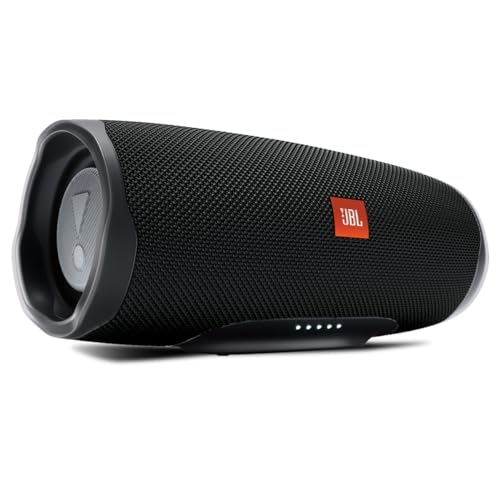
The most fundamental difference between these speakers lies in their approach to producing sound. The JBL Charge 4 uses what's called a single full-range driver - essentially one speaker element that handles all frequencies from bass to treble. It's a 50mm x 90mm racetrack-shaped driver that's paired with two passive radiators (these are like speakers without magnets that vibrate sympathetically to enhance bass response).
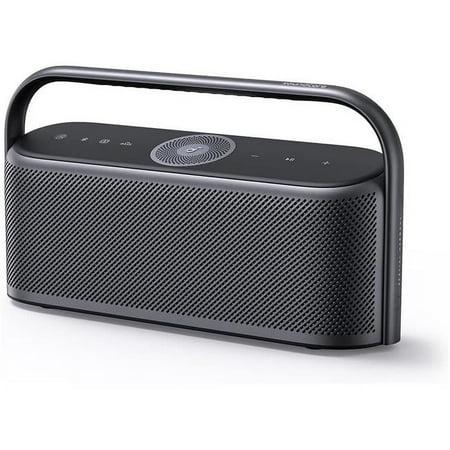
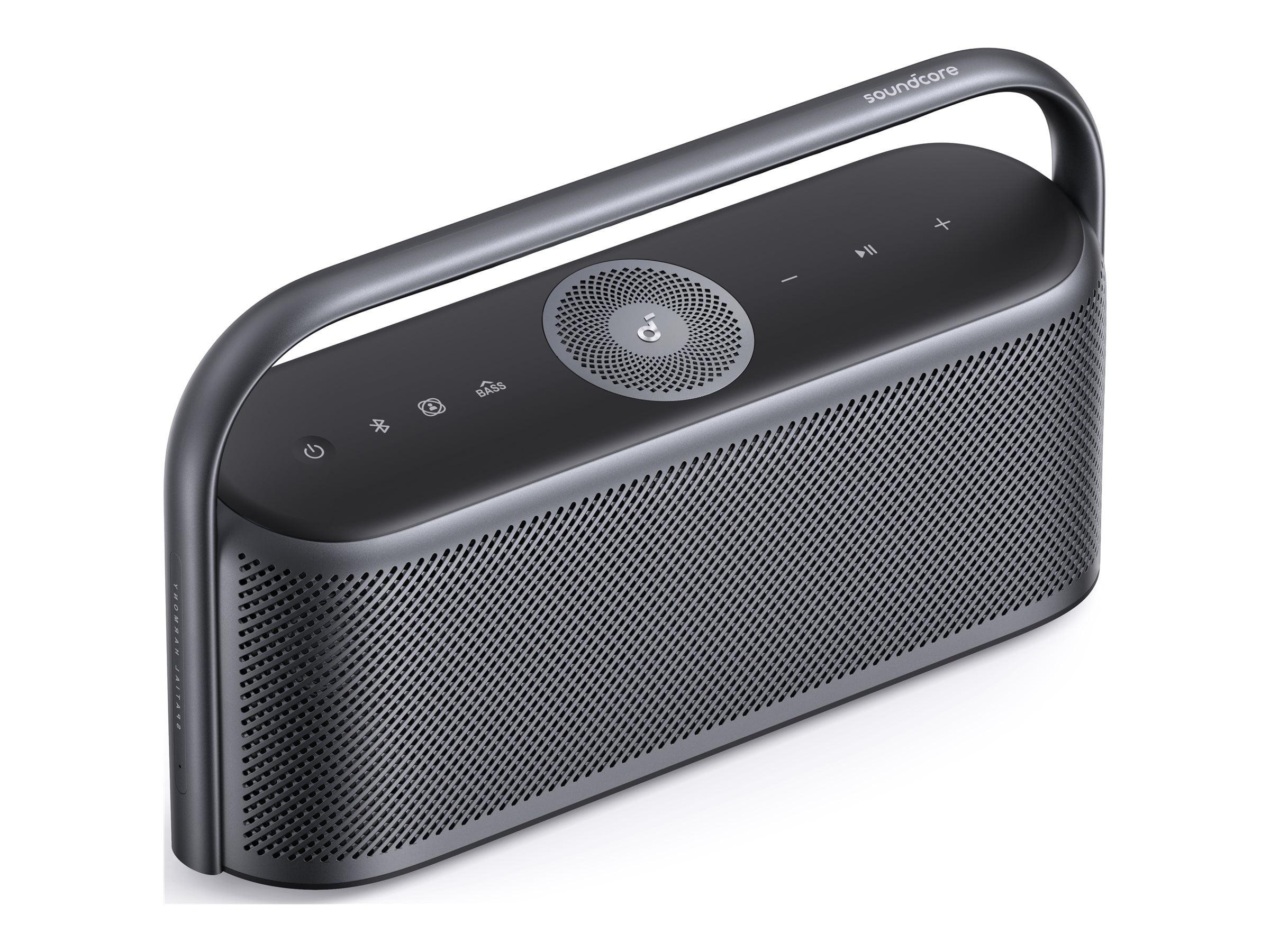
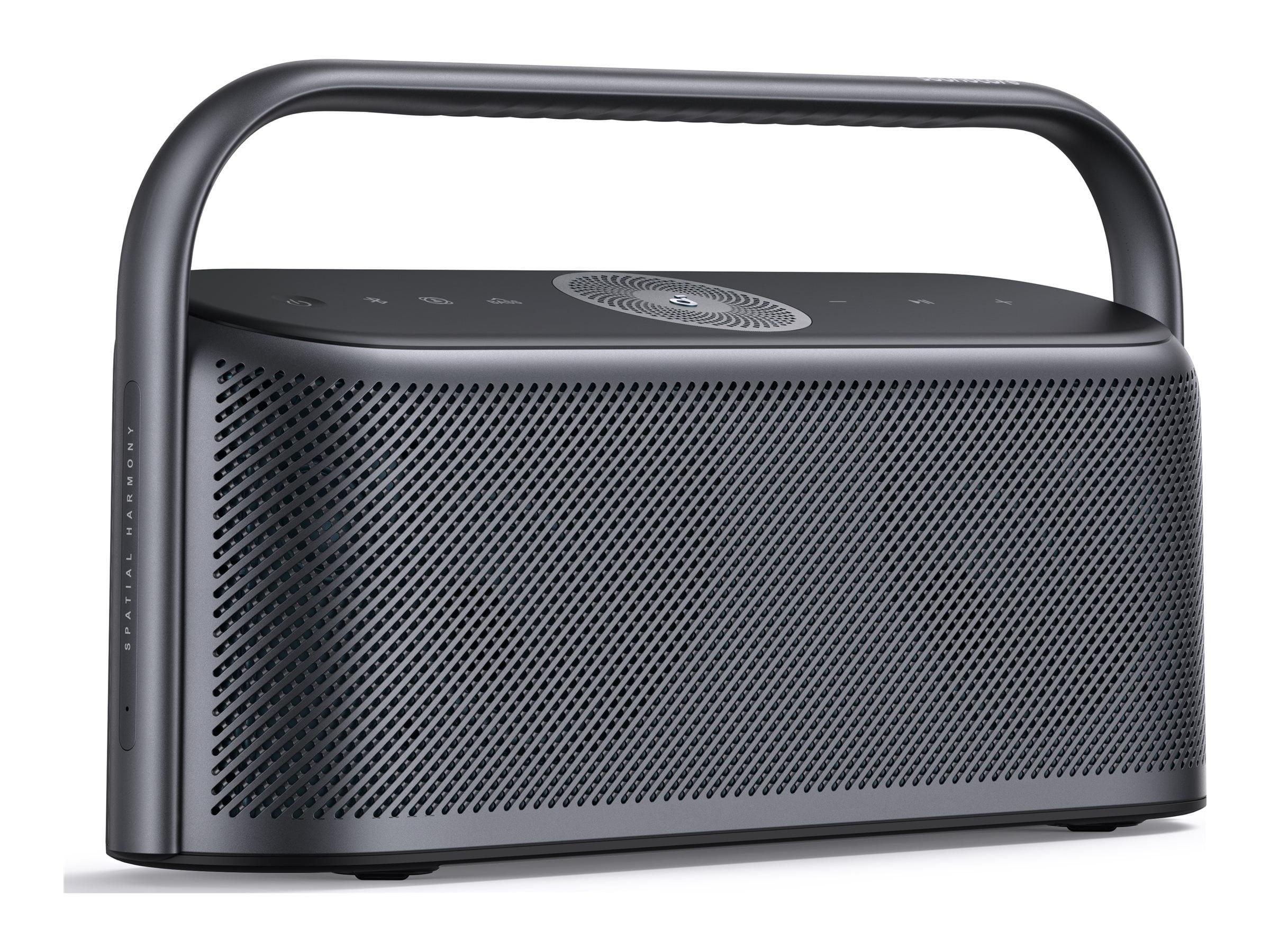
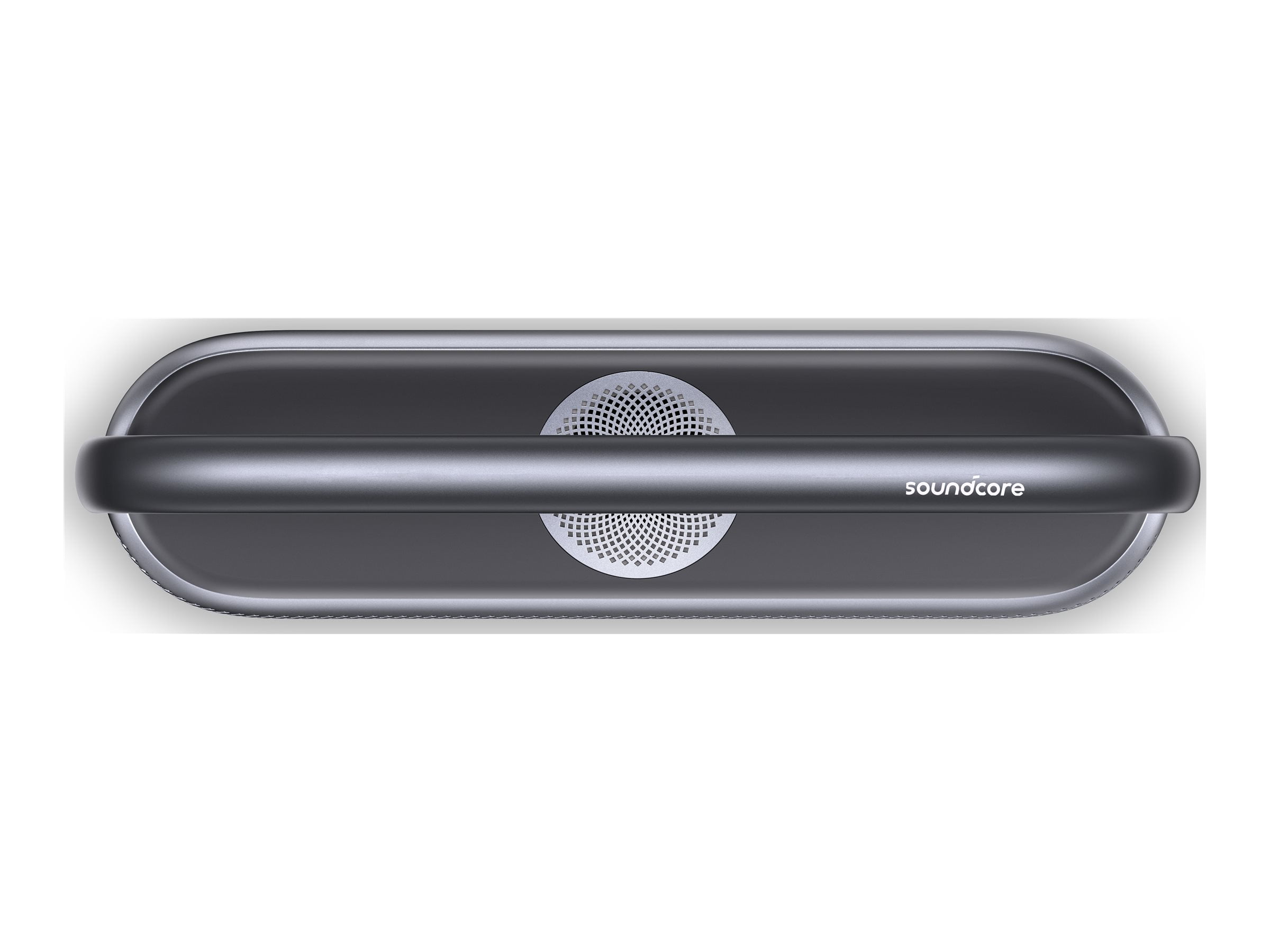
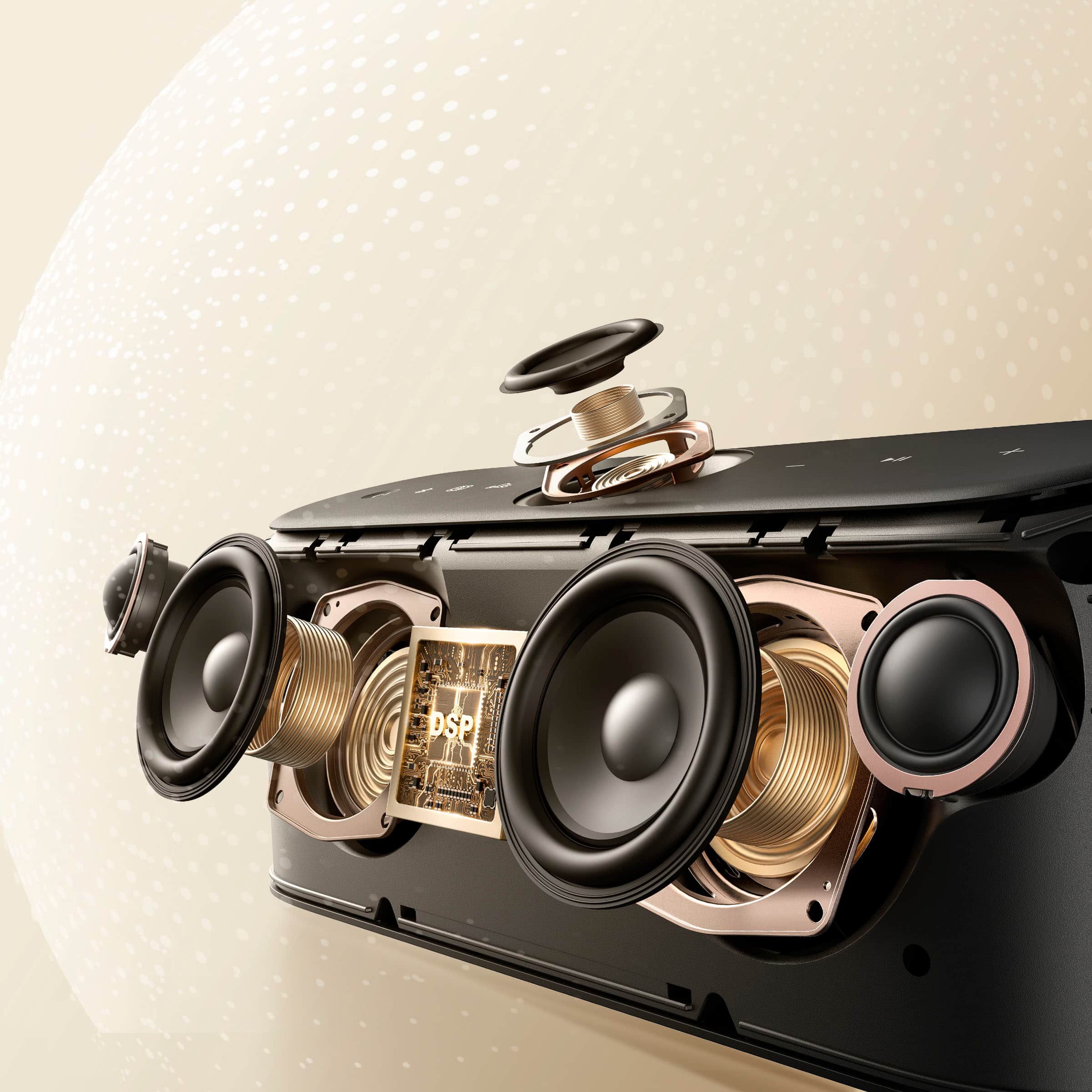
The Soundcore Motion X600, by contrast, uses a five-driver array - think of it as having five specialized speakers working together. Two tweeters handle high frequencies like cymbals and vocal details, two mid/bass drivers cover the meat of the music, and here's where it gets interesting: there's a third tweeter firing straight up from the top of the speaker.
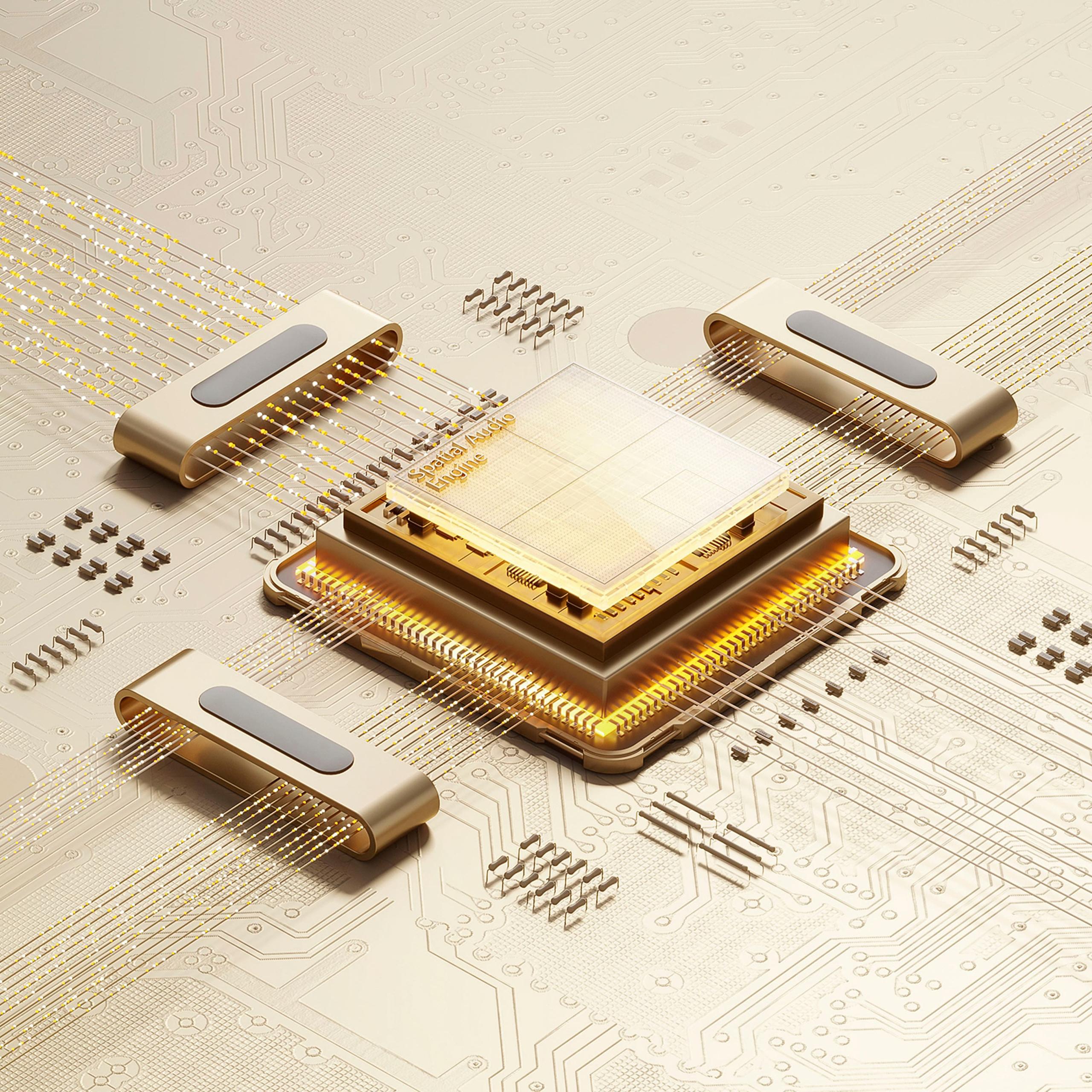
This upward-firing driver is the secret sauce behind the Motion X600's spatial audio feature. Instead of all sound coming from one direction, this setup bounces audio off your ceiling to create the illusion of surround sound from a single speaker. It's similar to how some high-end soundbars work, and the effect can be genuinely impressive when it works well.
Frequency response tells you which musical notes a speaker can reproduce. The JBL Charge 4 covers 60Hz to 20,000Hz, which is respectable for a portable speaker. To put this in perspective, the lowest note on a bass guitar is around 41Hz, so the Charge 4 misses some of that deep rumble you feel in your chest at concerts.
The Soundcore Motion X600 extends much further in both directions: 20Hz to 40,000Hz. Those ultra-high frequencies above 20,000Hz are mostly marketing since most adults can't hear them, but the 20Hz low-end extension is significant. This means the Motion X600 can reproduce those deep bass notes that the Charge 4 simply can't handle.
The Charge 4 puts out 30 watts while the Motion X600 claims 50 watts. But here's where things get tricky - these numbers don't tell the whole story. The Motion X600 splits its 50 watts across five separate drivers and amplifiers, while the Charge 4 concentrates all 30 watts into one driver.
In practice, the Motion X600 gets louder and maintains better sound quality at high volumes. The spatial audio processing also makes music sound fuller and more expansive, even at moderate listening levels. The Charge 4, while plenty loud for most situations, starts to compress and lose bass response when you really crank it up.
Perhaps the biggest philosophical difference between these speakers is how they approach soundstage - that sense of width and depth in music. The JBL Charge 4 is fundamentally a mono speaker. All sound comes from one point, which is fine for background music or small gatherings, but it doesn't create that enveloping experience you get from a good stereo system.
The Motion X600's spatial audio technology is a genuine game-changer here. Our research into user experiences shows that people are consistently surprised by how much more immersive music sounds compared to traditional portable speakers. Vocals seem to float in space, instruments have clear separation, and there's a sense of height and depth that's unusual for a single speaker.
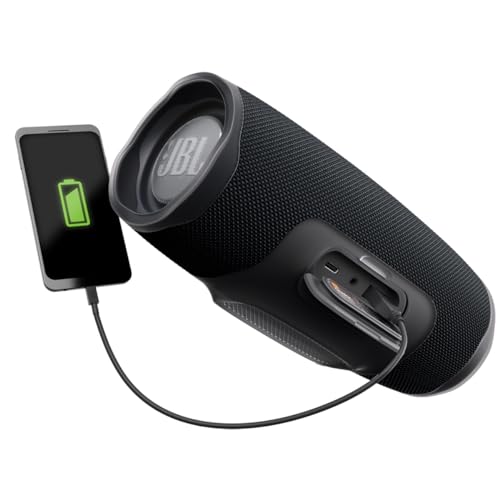
This is where the JBL Charge 4 really shines. Its 7,500mAh battery delivers up to 20 hours of playback - that's genuinely impressive and makes it ideal for camping trips or all-day outdoor events. More importantly, it can function as a power bank to charge your phone or tablet via its USB-A port. This dual functionality is incredibly useful when you're away from power outlets for extended periods.
The Motion X600 offers 12 hours of playback from its 6,400mAh battery. That's still plenty for most uses, but it's notably less than the Charge 4. The Motion X600 also lacks power bank functionality, which might be a dealbreaker if you rely on your speaker to keep your devices charged during outdoor adventures.
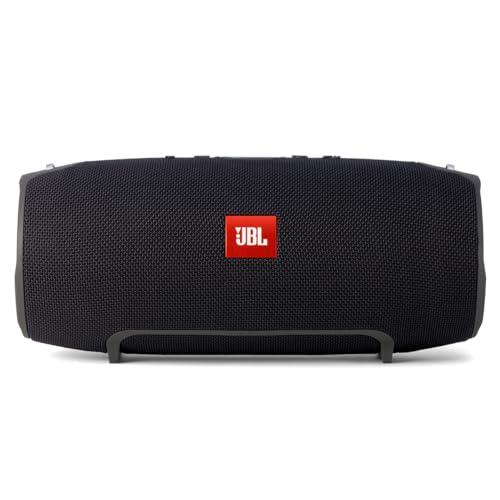
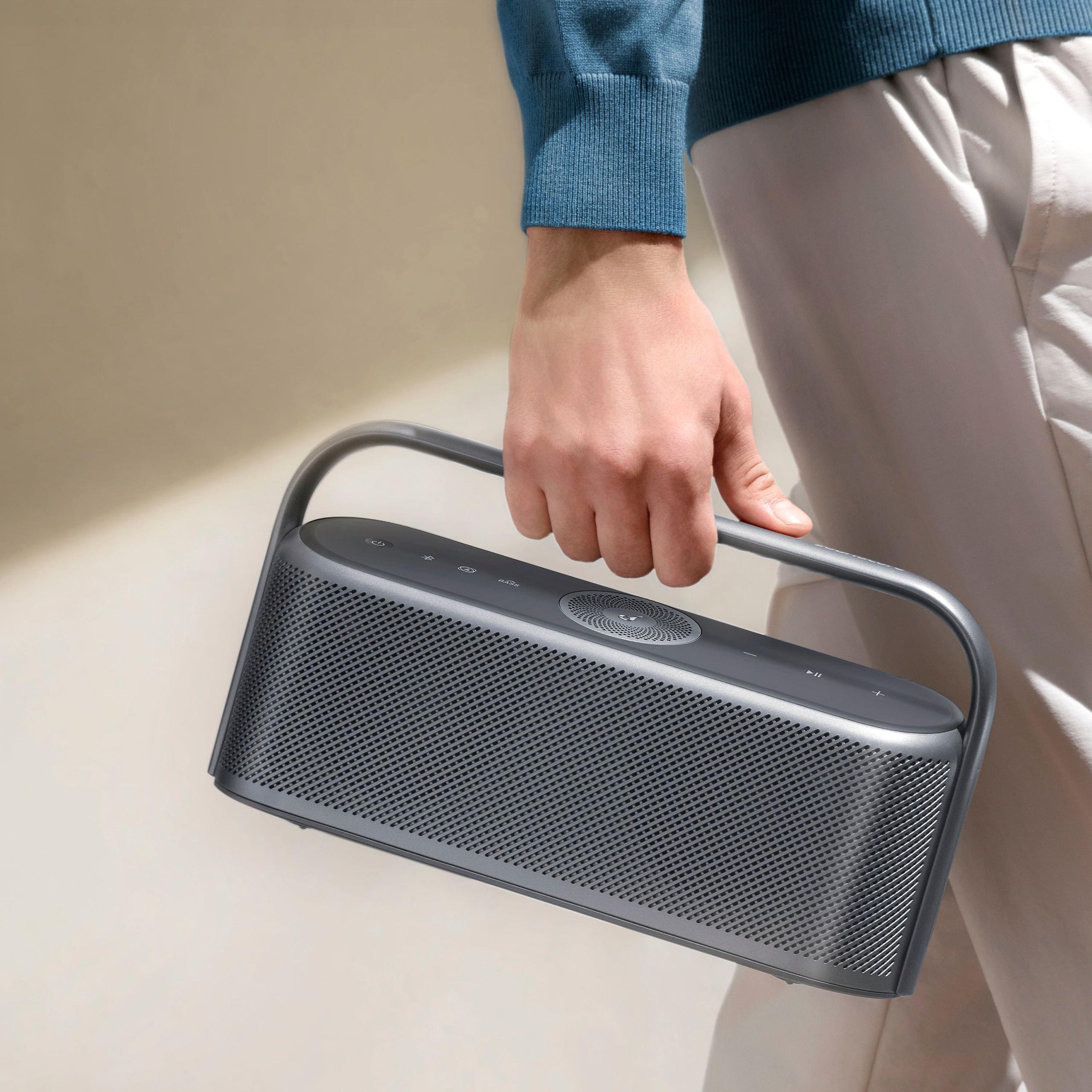
Despite both being called "portable," these speakers have very different ideas about what that means. The JBL Charge 4 weighs just 2.12 pounds and measures roughly 9 x 4 x 4 inches - it's genuinely easy to toss in a backpack or carry by hand for hours.
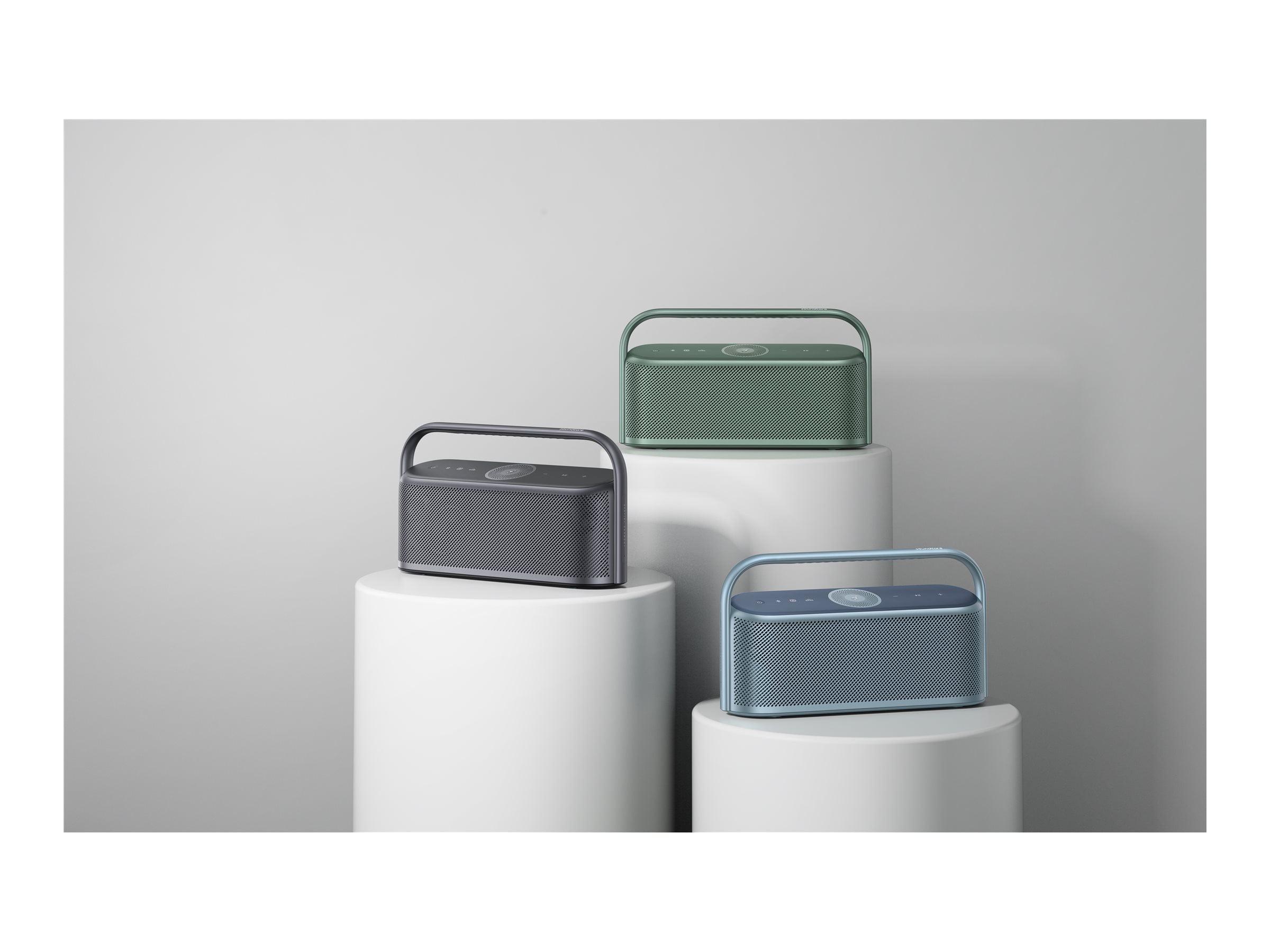
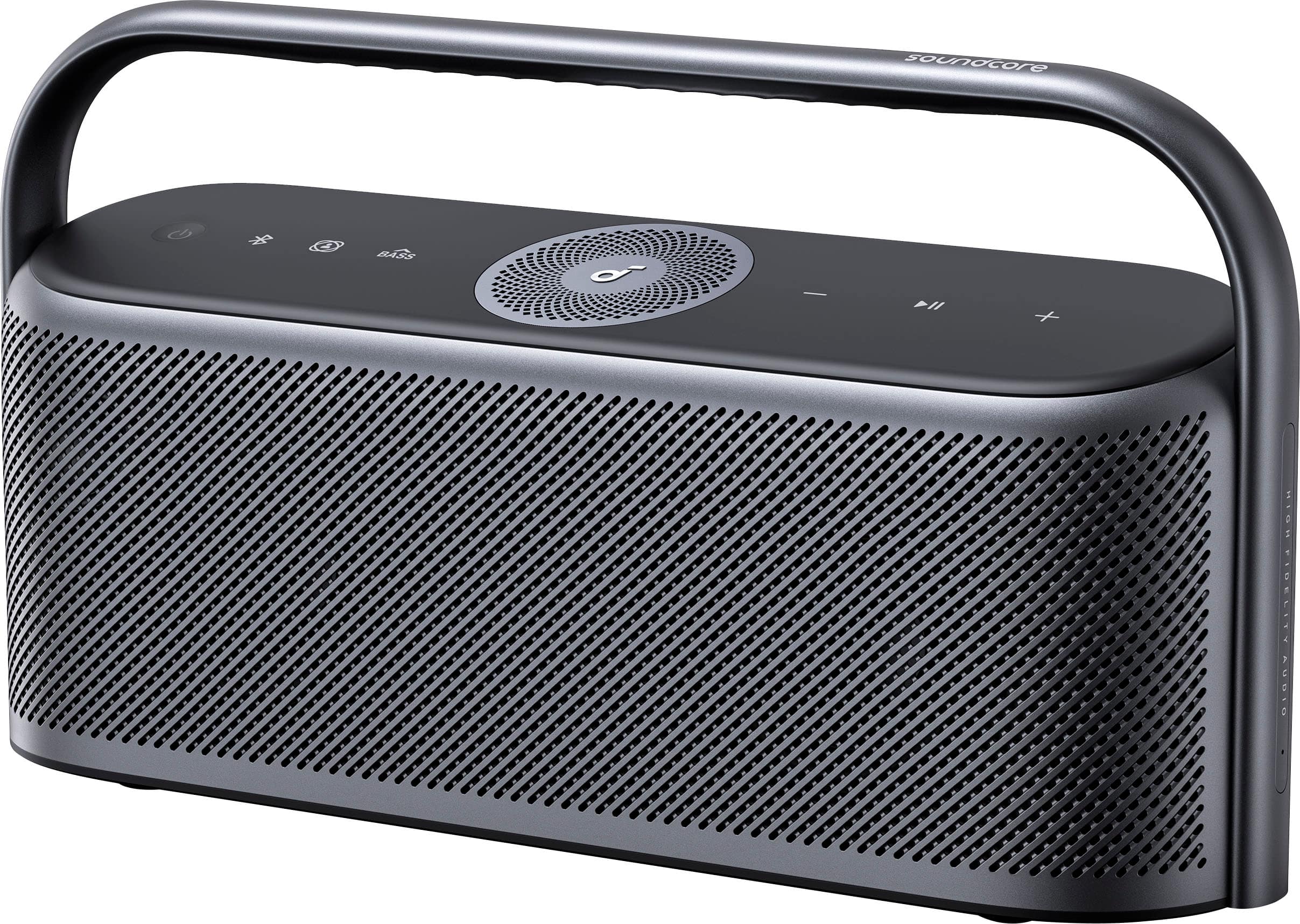
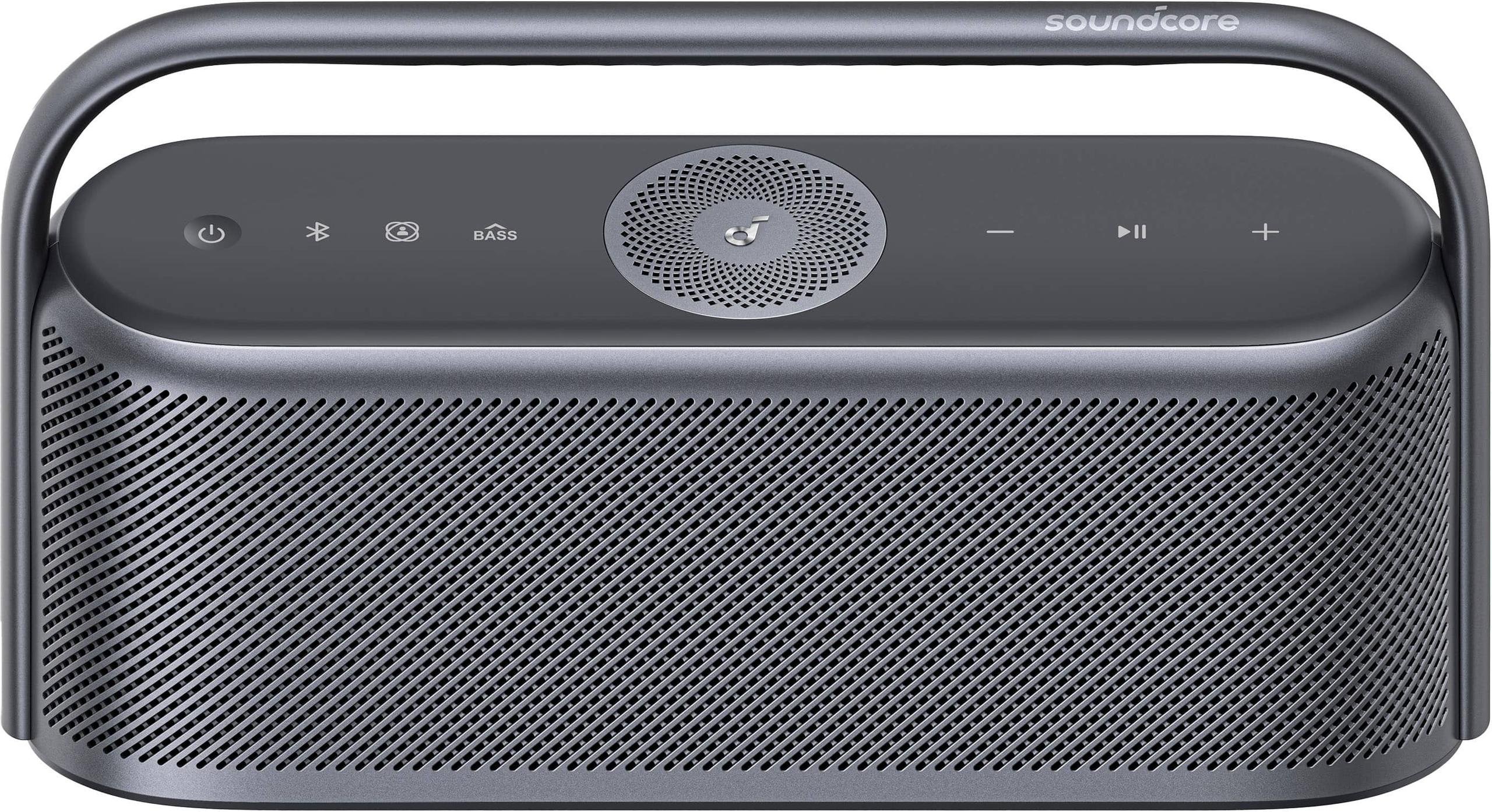
The Motion X600 is significantly larger and heavier at 5.57 pounds. While it has a built-in aluminum handle, this is more of a "portable home speaker" than something you'd want to carry on a long hike. The extra size does contribute to better sound quality, but it's a clear trade-off in true portability.
Both speakers share IPX7 water resistance, meaning they can survive being dunked in up to a meter of water for 30 minutes. This makes them suitable for poolside use, beach trips, or getting caught in rain. However, their construction approaches differ significantly.
The JBL Charge 4 uses a fabric wrap over a plastic body with rubber end caps. This design prioritizes impact resistance and gives it that rugged, outdoor-ready feel that JBL is known for. It's built to bounce around in backpacks and survive drops onto rocks or concrete.
The Motion X600 takes a more premium approach with aluminum construction and a metal mesh grille. It looks and feels more expensive, but this also makes it potentially more vulnerable to dents and scratches from rough handling. It's clearly designed with indoor use or careful outdoor use in mind.
The five-year age gap between these speakers really shows in their connectivity features. The JBL Charge 4 uses Bluetooth 4.2, which was solid technology in 2018 but feels dated now. Connection stability is generally good, but you miss out on the improved range and power efficiency of newer Bluetooth versions.
The Motion X600 includes Bluetooth 5.3, which offers better connection stability, improved range, and lower power consumption. More importantly, it supports LDAC - a high-resolution audio codec that can stream CD-quality music wirelessly if you have compatible source devices. This is particularly relevant if you stream high-quality music from services like Tidal or have a large collection of lossless audio files.
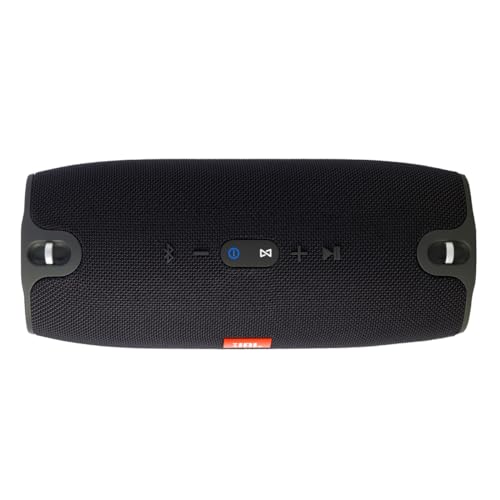
This is another area where the generational difference shows clearly. The JBL Charge 4 has minimal app support - you can pair multiple speakers and adjust basic settings, but there's no equalizer or advanced sound customization.
The Motion X600 shines with its comprehensive app integration. The 9-band equalizer lets you fine-tune the sound signature to your preferences - boost the bass for hip-hop, enhance vocals for podcasts, or create a balanced profile for classical music. The spatial audio effects can be adjusted or turned off entirely, and you can pair two Motion X600 speakers for true stereo sound.
Based on extensive research into user experiences and expert reviews, clear patterns emerge about how these speakers perform in different scenarios.
For outdoor use, particularly camping, beach trips, or backyard gatherings, the JBL Charge 4 consistently gets praise for its durability and battery life. Users appreciate that it just works without fuss, survives rough treatment, and keeps playing long after other speakers have died. The ability to charge phones is frequently mentioned as a crucial feature during extended outdoor activities.
Indoor performance is where the Motion X600 really separates itself. Users consistently describe being impressed by the spatial audio effect, particularly in medium-sized rooms. The sound feels larger and more enveloping than you'd expect from a single speaker. However, several reviews note that the spatial effect works better with some types of music than others - it's most impressive with well-recorded stereo content and less noticeable with heavily compressed pop music.
Neither speaker is designed as a primary home theater solution, but they can serve as supplementary audio for smaller spaces or casual viewing. The Motion X600 is clearly better suited for this role. Its spatial audio processing can enhance the sense of immersion when watching movies or shows, and the wider frequency range means you'll hear more detail in soundtracks and dialogue.
The Charge 4 can work for basic TV audio enhancement, but its mono output and limited frequency range make it less engaging for movie watching. You'd really need to pair two Charge 4 speakers for a decent stereo experience.
At the time of writing, these speakers occupy different price segments, with the Motion X600 positioned as a premium option and the JBL Charge 4 representing more traditional value. The question isn't just about upfront cost - it's about what you're getting for your money.
The Motion X600 delivers audio technology that was previously found in much more expensive speakers. The spatial audio processing, high-resolution codec support, and comprehensive app integration represent genuine innovation. If sound quality is your primary concern and you'll mainly use the speaker at home or in controlled environments, the premium feels justified.
The JBL Charge 4 offers different value - proven reliability, exceptional battery life, and practical utility features. For users who prioritize dependability and versatility over cutting-edge audio technology, it represents solid value that's stood the test of time.
Choose the JBL Charge 4 if you're someone who takes speakers on adventures. If you camp, go to the beach regularly, or need a speaker that can survive being tossed in a backpack and used all day without charging, this is your pick. The power bank feature alone makes it invaluable for extended outdoor activities. It's also the better choice if you want something simple and reliable without dealing with apps and complex features.
The Motion X600 is ideal if you care about audio quality above all else and want a speaker that can serve as your primary music system for a smaller living space. The spatial audio really does work, and the extensive customization options let you dial in the sound exactly how you like it. It's perfect for apartment dwellers, students, or anyone who wants impressive sound quality without the complexity of a full stereo system.
Consider your actual usage patterns honestly. If you mainly listen to music at home and occasionally take the speaker to friends' houses, the Motion X600's superior sound quality will serve you better day-to-day. But if you're genuinely active outdoors or travel frequently, the Charge 4's ruggedness and battery life become essential features rather than nice-to-haves.
The technology gap between 2018 and 2023 is real, but so is the difference in approach. The JBL Charge 4 remains relevant because it prioritized practical features that genuinely matter to many users. The Motion X600 represents where the industry is heading - more sophisticated audio processing and premium materials, but at the cost of some traditional portable speaker advantages.
Both speakers excel at what they're designed to do. Your choice should depend on whether you value proven outdoor utility or cutting-edge home audio performance.
| JBL Charge 4 | Soundcore Motion X600 |
|---|---|
| Driver Configuration - Determines sound quality and spatial effects | |
| Single 50x90mm driver + 2 passive radiators (mono sound) | 5-driver array: 2 tweeters, 2 mid/bass drivers, 1 upward-firing tweeter (spatial audio) |
| Power Output - Affects maximum volume and sound clarity | |
| 30W RMS (concentrated in single driver) | 50W peak (distributed across 5 drivers and amplifiers) |
| Frequency Response - Range of musical notes the speaker can reproduce | |
| 60Hz–20kHz (misses deepest bass notes) | 20Hz–40kHz (reproduces full bass range, extends beyond human hearing) |
| Battery Life - Critical for extended use and outdoor activities | |
| Up to 20 hours (exceptional for multi-day trips) | Up to 12 hours (adequate for most daily use scenarios) |
| Weight and Size - Determines true portability | |
| 2.12 lbs, 8.7" x 3.7" x 3.7" (highly portable, backpack-friendly) | 5.57 lbs, 12.25" x 6.75" x 3.06" (portable but bulkier) |
| Bluetooth Version - Affects connection quality and features | |
| Bluetooth 4.2 (older standard, basic connectivity) | Bluetooth 5.3 with LDAC (modern standard, high-res audio support) |
| Water Resistance - Protection level for outdoor use | |
| IPX7 (submersible up to 1 meter for 30 minutes) | IPX7 (submersible up to 1 meter for 30 minutes) |
| Power Bank Feature - Ability to charge other devices | |
| Yes, USB-A output 5V/2A (charges phones/tablets) | No power bank functionality |
| App Integration - Customization and control options | |
| Basic JBL Connect app (limited features, no EQ) | Full Soundcore app with 9-band EQ and spatial audio controls |
| Multi-Speaker Pairing - Connecting multiple units | |
| JBL Connect+ (links up to 100+ compatible speakers) | Pairs 2 units for true stereo, limited multi-speaker options |
| Build Materials - Durability and premium feel | |
| Durable fabric wrap with rubber housing (rugged outdoor design) | Aluminum construction with metal mesh grille (premium indoor/outdoor) |
| Release Year - Technology generation and feature set | |
| 2018 (proven reliability, traditional approach) | 2023 (modern features, latest audio processing technology) |
The Soundcore Motion X600 delivers significantly better sound quality with its 5-driver array and spatial audio technology. It produces deeper bass (20Hz vs 60Hz), clearer highs, and creates an immersive soundstage that makes music feel three-dimensional. The JBL Charge 4 offers solid, reliable sound but uses a simpler single-driver design that can't match the audio sophistication of the Motion X600.
The JBL Charge 4 provides up to 20 hours of battery life, significantly outlasting the Soundcore Motion X600's 12-hour playback time. If you need a speaker for camping trips, all-day outdoor events, or extended use without charging access, the Charge 4 is the clear winner for battery endurance.
Only the JBL Charge 4 can charge external devices through its USB-A port, functioning as a portable power bank. This makes it invaluable for outdoor activities where you need to keep phones and tablets charged. The Soundcore Motion X600 lacks this power bank functionality entirely.
The JBL Charge 4 is much more portable, weighing only 2.12 pounds compared to the Motion X600's 5.57 pounds. The Charge 4 is also significantly smaller and easier to pack in backpacks or carry bags, making it the better choice for hiking, travel, and outdoor adventures.
The Soundcore Motion X600 is better suited for home theater use thanks to its spatial audio processing and wider frequency range, which enhances movie soundtracks and dialogue clarity. The JBL Charge 4 can supplement TV audio but its mono output and limited frequency response make it less ideal for cinematic experiences.
Both the JBL Charge 4 and Soundcore Motion X600 offer IPX7 water resistance, but the Charge 4 is built more ruggedly with its fabric wrap and rubber housing designed for rough outdoor conditions. The Motion X600 uses premium aluminum construction that looks great but may be more prone to dents and scratches during outdoor adventures.
The Soundcore Motion X600 offers extensive customization through its app, including a 9-band equalizer and spatial audio controls that let you fine-tune the sound to your preferences. The JBL Charge 4 has very limited app functionality with no equalizer options, focusing on simplicity over customization.
The Soundcore Motion X600 produces higher volume levels with its 50W power output and maintains better sound quality at maximum volume. The spatial audio also makes music sound fuller and more room-filling. The JBL Charge 4 provides adequate volume for most situations but may compress and lose bass at very high levels.
The Soundcore Motion X600 uses modern Bluetooth 5.3 with better range, stability, and high-resolution LDAC codec support for superior audio streaming. The JBL Charge 4 uses older Bluetooth 4.2 technology, which is reliable but lacks the advanced features and efficiency of the newer standard found in the Motion X600.
The JBL Charge 4 excels here with JBL Connect+ technology that can link over 100 compatible speakers for massive sound systems. The Soundcore Motion X600 can only pair with one other identical unit for stereo sound, offering more limited multi-speaker options compared to the Charge 4.
Value depends on your priorities. The Soundcore Motion X600 delivers premium audio technology and features typically found in much more expensive speakers, making it excellent value for sound quality enthusiasts. The JBL Charge 4 provides different value through proven reliability, exceptional battery life, and practical utility features that many users find indispensable.
The core difference is philosophy: the JBL Charge 4 prioritizes practical outdoor utility with rugged build quality, exceptional battery life, and power bank functionality. The Soundcore Motion X600 focuses on premium audio performance with spatial sound technology, extensive customization, and modern connectivity features. Choose the Charge 4 for outdoor adventures and the Motion X600 for superior home listening experiences.
We've done our best to create useful and informative comparisons to help you decide what product to buy. Our research uses advanced automated methods to create this comparison and perfection is not possible - please contact us for corrections or questions. These are the sites we've researched in the creation of this article: rtings.com - whathifi.com - whathifi.com - soundguys.com - soundguys.com - streamtechreviews.com - youtube.com - versus.com - applevis.com - versus.com - jbl.com - jbl.com - walmart.com - comparisontabl.es - harmanaudio.com - manuals.plus - jbl.com.sg - jbl.com - mm.jbl.com - bestbuy.com - newpower99.com - forums.woot.com - soundguys.com - dxomark.com - soundcore.com - digitaltrends.com - soundcore.com - crutchfield.com - gadgetsoman.com - gadgetoid.com - nelooq.com - soundcore.com - soundcore.com - audioholics.com

Privacy Policy
Terms and Conditions - Affiliate Policy
Home Security
© Copyright 2008-2026.
11816 Inwood Rd #1211, Dallas, TX 75244