

Choosing the right portable Bluetooth speaker can make or break your outdoor adventures, backyard parties, or even your daily commute. Today we're diving deep into two speakers that represent completely different philosophies: the established mainstream favorite JBL Charge 4 versus the rugged newcomer Turtlebox Ranger.
Before we jump into the specifics, let's talk about what really matters when you're shopping for a portable speaker. The market has evolved dramatically over the past decade, with manufacturers focusing on several key areas that directly impact your listening experience.
Audio performance remains the cornerstone—after all, what good is portability if the sound is terrible? This includes not just how loud a speaker gets, but how clear it sounds at different volumes, how well it handles bass frequencies (the low-pitched sounds that give music its punch), and whether it maintains audio quality when you crank it up for a party.
Battery life and power management have become crucial as our devices multiply. Modern speakers often double as portable chargers, but the trade-off between battery capacity and speaker size creates interesting design challenges. A speaker with a massive battery might last all weekend, but it might also weigh as much as a bowling ball.
Durability and water resistance separate the pretenders from the real outdoor champions. IP ratings (Ingress Protection ratings) tell you exactly how much water and dust a device can handle—IPX7 means it can survive being dunked in water up to one meter deep for 30 minutes, while IP67 adds complete dust protection to that water resistance.
Connectivity features have exploded in complexity. Beyond basic Bluetooth pairing, we now have multi-speaker linking, stereo pairing between two identical units, and varying Bluetooth versions that affect connection stability and audio quality. Some speakers can connect to over 100 other units simultaneously, turning your backyard into a festival-level sound system.
The JBL Charge 4, released in 2018, represents JBL's refined approach to mainstream portable audio. It arrived during a golden period for portable speakers, when manufacturers had figured out the basics and started focusing on reliability and ecosystem features. Since its release, the speaker market has seen improvements in Bluetooth technology (moving from 4.2 to 5.0 and beyond), better power management, and more sophisticated multi-speaker pairing systems.
On the other side, the Turtlebox Ranger launched in 2025 as a premium rugged option, incorporating all the technological advances of the past few years. It represents the current state of portable speaker technology, with Bluetooth 5.4, advanced digital signal processing (DSP—essentially a computer chip that fine-tunes the audio in real-time), and innovative mounting solutions.
When it comes to audio performance, these speakers take fundamentally different approaches, and the differences are immediately apparent when you hear them side by side.
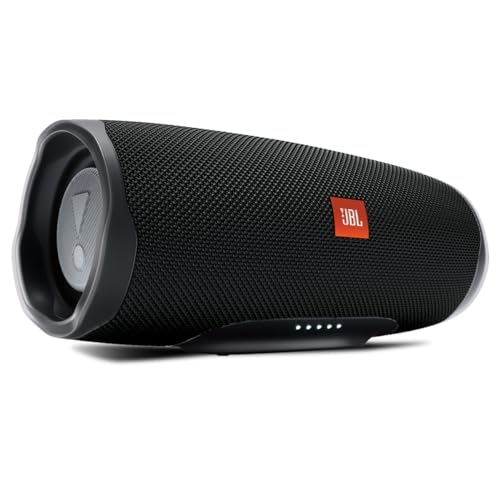
The JBL Charge 4 uses a single proprietary driver—essentially a custom-designed speaker cone—measuring 50 x 90mm in a racetrack shape. This unusual design helps it move more air than a traditional round driver of the same width, which translates to better sound. JBL pairs this with dual passive radiators, which are essentially speaker cones without magnets that vibrate in response to the main driver, adding bass punch without requiring additional power.
However, the JBL Charge 4 is technically a mono speaker, meaning it combines left and right audio channels into a single output. This isn't necessarily bad—many people can't tell the difference in casual listening situations—but it does mean you miss out on stereo separation, where different instruments and voices are positioned across the soundstage.
The audio profile leans toward balanced midrange frequencies, making vocals and lead instruments clear and present. The bass is tasteful rather than overwhelming, though it lacks the deep sub-bass that makes electronic music and hip-hop really thump. At higher volumes, compression kicks in—a safety feature that prevents damage but makes the music sound less dynamic and punchy.
The Turtlebox Ranger, by contrast, features dual 2-inch waterproof drivers in a true stereo configuration, meaning each speaker handles different audio channels. This creates a wider soundstage where you can actually hear instruments positioned left and right, rather than everything coming from a single point.
What's remarkable about the Turtlebox Ranger is its volume capability. At 105 decibels maximum output—roughly as loud as a chainsaw—it significantly outperforms the JBL Charge 4 in raw loudness. More importantly, based on user feedback and professional reviews, it maintains audio clarity even at these extreme volumes. The Class D amplifier with enhanced DSP tuning means the speaker actively adjusts the audio signal hundreds of times per second to prevent distortion and optimize sound quality.
For most users, the Turtlebox Ranger delivers superior audio performance, especially if you need to fill large spaces or compete with ambient noise. The JBL Charge 4 excels in intimate settings where its balanced sound signature and vocal clarity shine.
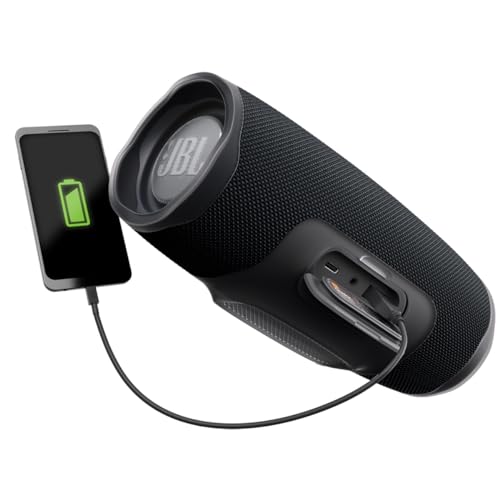
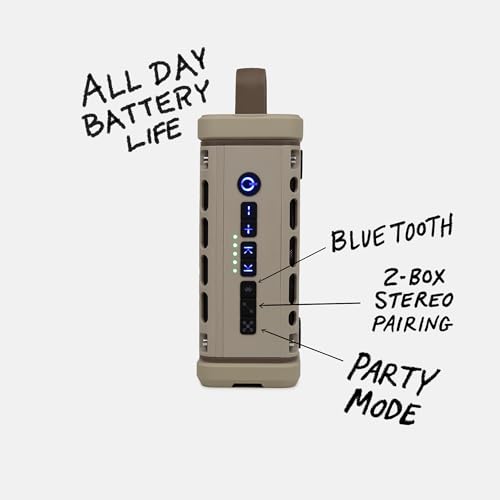
This is where the JBL Charge 4 absolutely dominates. Its massive 7500mAh lithium-ion battery delivers an honest 20 hours of playback at reasonable volumes—we've seen consistent reports of 15-18 hours in real-world usage, which is still exceptional. The 4-hour charging time is reasonable given the battery capacity, and the speaker functions as a reliable power bank, capable of charging your phone or tablet through its USB-A port.
The powerbank feature isn't just a gimmick—it's genuinely useful during extended camping trips or beach days when access to power is limited. The JBL Charge 4 can typically charge a modern smartphone 1-2 times while still maintaining enough juice for several hours of music playback.
The Turtlebox Ranger takes a different approach with its smaller 25.2 Wh battery. While it offers all-day listening at moderate volumes, pushing it to maximum output dramatically reduces battery life to around 5 hours. This isn't necessarily a weakness—it's a design choice that prioritizes portability and performance over pure endurance.
The Turtlebox Ranger does offer powerbank functionality through its USB-C port with 22W output, which is actually more powerful than the JBL Charge 4's charging capability. USB-C also means faster charging times and compatibility with modern device chargers.
For extended outdoor adventures where power access is uncertain, the JBL Charge 4 is the clear winner. For day-long activities where maximum volume might be needed, the Turtlebox Ranger's trade-off becomes more reasonable.
Both speakers are built for outdoor use, but they approach durability differently. The JBL Charge 4 features IPX7 waterproofing, which means it can survive accidental submersion but isn't designed for prolonged underwater use. The fabric and rubber construction feels solid and has proven reliable over several years in the market.
The Turtlebox Ranger steps up to IP67 rating, adding complete dust protection to its water resistance. More significantly, it can handle submersion up to 3 feet deep for 30 minutes, and it's specifically designed for saltwater environments—a huge advantage for beach and boating activities.
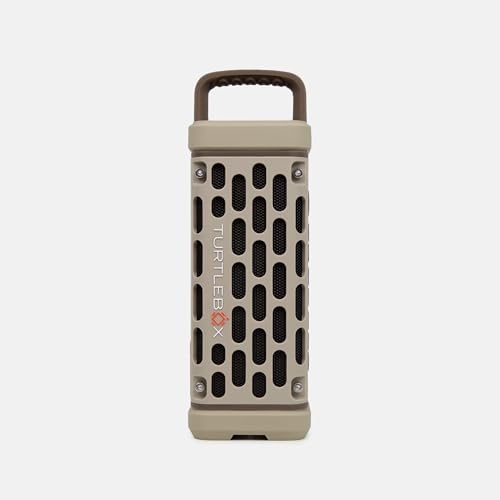
The construction differences are substantial. The Turtlebox Ranger uses crush-proof ABS housing with stainless steel hardware and rubber bumpers. This isn't marketing speak—user reports consistently describe it surviving drops that would damage other speakers, and its resistance to crushing forces makes it suitable for being tossed in bags with heavy equipment.
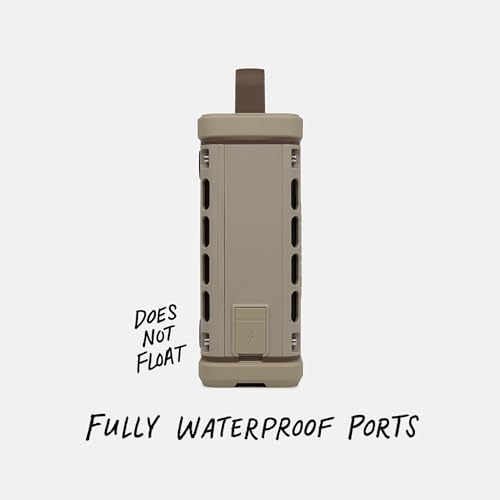
Interestingly, the Turtlebox Ranger doesn't float, unlike some other speakers in the Turtlebox lineup. This might seem like an oversight, but it reflects the speaker's focus on ultimate durability rather than water sports applications.
For normal outdoor use, both speakers offer excellent protection. For extreme environments—construction sites, marine applications, or adventure sports—the Turtlebox Ranger provides superior peace of mind.
The JBL Charge 4 uses Bluetooth 4.2, which was standard when it launched but feels dated compared to current options. However, it's rock-solid reliable and supports simultaneous connection to two devices, allowing easy switching between phones or tablets.
Where the JBL Charge 4 really shines is JBL Connect+, which allows linking with over 100 other JBL Connect+ compatible speakers. This creates legitimate festival-level sound systems and makes the speaker incredibly versatile for large gatherings. The system works seamlessly, and because JBL has sold millions of these speakers, finding compatible units for party mode is easy.
The Turtlebox Ranger leaps ahead with Bluetooth 5.4, offering improved connection stability, lower power consumption, and extended range up to 100 feet. The newer Bluetooth version also provides better audio quality with supported devices.
Party Mode on the Turtlebox Ranger allows unlimited speaker pairing, but only with other Ranger, Gen 3, or Grande models—it won't work with older Turtlebox speakers. True Wireless Stereo (TWS) mode lets you pair two Rangers for classic left/right stereo separation, creating an immersive listening experience.
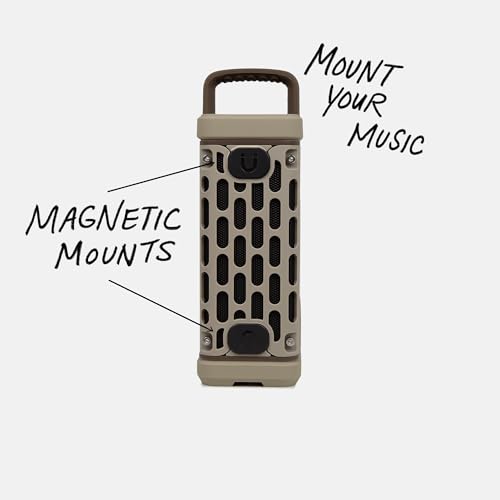
The magnetic mounting system deserves special mention. Dual powerful magnets let you attach the Turtlebox Ranger to metal surfaces—truck tailgates, coolers, tool boxes, or any ferrous metal surface. This hands-free mounting capability opens up placement possibilities that simply aren't available with traditional speakers.
At the time of writing, these speakers occupy different price tiers, with the JBL Charge 4 positioned as a mainstream option and the Turtlebox Ranger commanding premium pricing.
The JBL Charge 4 delivers exceptional value through proven reliability, outstanding battery life, and comprehensive connectivity options. It's a speaker that does exactly what it promises without surprises, and its widespread availability means competitive pricing and easy replacement if needed.
The Turtlebox Ranger justifies its premium pricing through superior audio performance, innovative features, and extreme durability. You're paying for cutting-edge technology, superior materials, and capabilities that simply aren't available in mainstream speakers.
Consider your use case carefully. If you need a reliable speaker for camping, casual outdoor use, and occasional parties, the JBL Charge 4 offers tremendous value. If you need maximum volume, extreme durability, or innovative mounting options, the Turtlebox Ranger provides capabilities that justify the higher investment.
While both speakers are designed for portable use, they can serve different roles in home audio setups. The JBL Charge 4 works well as a secondary speaker for casual listening, though its mono output and moderate volume limits its home theater potential.
The Turtlebox Ranger's true stereo output and superior volume make it more suitable for smaller home theater applications. Two Rangers in TWS mode could actually serve as a compact surround system for apartments or smaller rooms, though dedicated home theater speakers would provide better performance for serious movie watching.
Choose the JBL Charge 4 if you prioritize reliability, battery life, and ecosystem integration. It's perfect for camping enthusiasts, frequent travelers, or anyone who needs dependable audio that lasts all day and can charge their devices. The JBL Connect+ ecosystem makes it ideal for users who might want to expand their setup over time.
The JBL Charge 4 also makes sense for budget-conscious buyers who want proven performance without paying for cutting-edge features they might not use.
Choose the Turtlebox Ranger if you need maximum audio performance, extreme durability, or innovative mounting solutions. It's ideal for professionals who need speakers that survive harsh environments, outdoor enthusiasts who demand the best audio quality, or anyone who values having the latest technology.
The magnetic mounting alone makes the Turtlebox Ranger worth considering for specific applications—mounting to vehicles, boats, or work equipment opens up placement possibilities that transform how you use portable audio.
Ultimately, both speakers excel in their intended roles. The JBL Charge 4 represents mature, reliable technology that delivers consistent performance at moderate cost. The Turtlebox Ranger pushes boundaries with innovative features and superior performance for users willing to invest in premium capabilities.
Your choice should align with your priorities: proven versatility and value with the JBL Charge 4, or cutting-edge performance and durability with the Turtlebox Ranger. Either way, you're getting a speaker that will enhance your audio experience for years to come.
| JBL Charge 4 | Turtlebox Ranger |
|---|---|
| Audio Output - Determines how loud and clear your music sounds | |
| 30W RMS, 60Hz-20kHz range (good for small-medium gatherings) | 105 dB max output with Class D amp (significantly louder, great for large spaces) |
| Speaker Configuration - Affects sound quality and stereo separation | |
| Mono speaker with dual bass radiators (requires pairing for stereo) | True stereo (2.0) with dual 2" drivers (built-in left/right separation) |
| Battery Life - How long you can listen without charging | |
| Up to 20 hours with 7500mAh battery (exceptional for extended use) | 12+ hours moderate volume, 5 hours max volume with 25.2 Wh battery |
| Powerbank Function - Ability to charge your devices | |
| USB-A output at 5V/2A (reliable phone charging capability) | USB-C output at 22W (faster charging for modern devices) |
| Water Resistance - Protection against water damage | |
| IPX7 waterproof (survives submersion, good for pools/showers) | IP67 rating (submersible to 3 feet, plus complete dust protection) |
| Durability - How well it survives drops and rough handling | |
| Fabric and rubber housing (reliable for normal outdoor use) | Crush-proof ABS with stainless steel hardware (extreme durability) |
| Bluetooth Technology - Affects connection quality and range | |
| Bluetooth 4.2 with dual device pairing (older but proven reliable) | Bluetooth 5.4 with 100ft range (latest tech, better stability) |
| Multi-Speaker Pairing - Connect multiple speakers together | |
| JBL Connect+ links 100+ compatible speakers (huge ecosystem) | Party Mode unlimited pairing, TWS stereo mode (newer tech, smaller ecosystem) |
| Unique Features - Special capabilities that set each apart | |
| 3.5mm AUX input, established ecosystem, proven reliability | Magnetic mounting, touch controls, saltwater resistance |
| Size & Weight - Portability and ease of transport | |
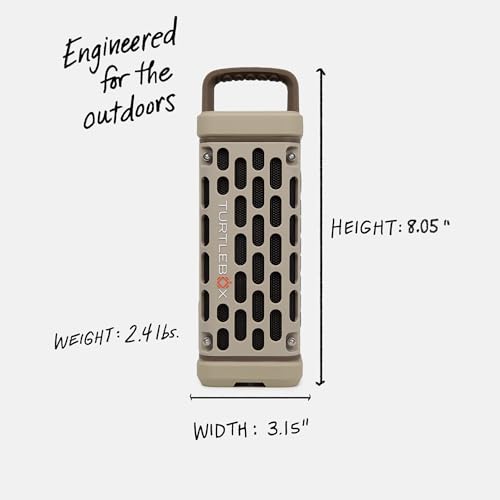
| 8.7 x 3.7 x 3.7 inches, 2.12 lbs (moderately portable) | 8.05 x 3.15 x 3.15 inches, 2.4 lbs (more compact, slightly heavier) |
| Target Price Range - Value positioning at time of writing | |
| Mainstream pricing with frequent discounts (excellent value) | Premium pricing reflecting advanced features and rugged construction |
The Turtlebox Ranger is significantly louder, reaching up to 105 decibels compared to the JBL Charge 4's 30W output. The Turtlebox Ranger maintains audio clarity even at maximum volume, making it better for large outdoor gatherings or noisy environments where you need to overpower ambient sound.
The JBL Charge 4 wins decisively with up to 20 hours of playback from its 7500mAh battery, compared to the Turtlebox Ranger's 12+ hours at moderate volume or just 5 hours at maximum volume. For extended camping trips or all-day events, the JBL Charge 4 provides superior endurance.
Yes, both speakers function as power banks. The JBL Charge 4 uses a USB-A port with 5V/2A output, while the Turtlebox Ranger offers USB-C charging at 22W, which is faster for modern devices. The JBL Charge 4 can typically charge phones multiple times due to its larger battery capacity.
The Turtlebox Ranger offers superior water protection with its IP67 rating, allowing submersion up to 3 feet for 30 minutes and complete dust protection. The JBL Charge 4 has IPX7 rating, which handles water submersion but lacks dust protection. The Turtlebox Ranger is also specifically designed for saltwater environments.
The Turtlebox Ranger has built-in stereo with dual drivers, providing left/right channel separation from a single unit. The JBL Charge 4 is mono, requiring you to pair two units for true stereo sound. For stereo listening from one speaker, the Turtlebox Ranger is the clear choice.
Both speakers support multi-speaker pairing, but differently. The JBL Charge 4 uses JBL Connect+ to link over 100 compatible speakers from JBL's ecosystem. The Turtlebox Ranger offers Party Mode for unlimited pairing, but only with other newer Turtlebox models. The JBL Charge 4 has a much larger compatible speaker ecosystem.
The Turtlebox Ranger is built for extreme durability with crush-proof ABS housing, stainless steel hardware, and military-grade construction that survives drops and impacts that would damage other speakers. The JBL Charge 4 is durable for normal outdoor use but not designed for harsh professional environments like the Turtlebox Ranger.
The Turtlebox Ranger uses modern Bluetooth 5.4 with up to 100-foot range and superior connection stability. The JBL Charge 4 uses older Bluetooth 4.2 technology with shorter range but proven reliability. For the latest connectivity features and extended range, the Turtlebox Ranger performs better.
The JBL Charge 4 provides excellent value with proven reliability, exceptional battery life, and mainstream pricing. The Turtlebox Ranger commands premium pricing but offers superior audio performance, extreme durability, and innovative features. Choose the JBL Charge 4 for budget-conscious reliability or the Turtlebox Ranger if you need maximum performance.
The Turtlebox Ranger works better for home theater applications due to its true stereo output and high volume capability. Two Turtlebox Rangers in wireless stereo mode could serve smaller rooms effectively. The JBL Charge 4 is mono and better suited for casual home listening rather than dedicated home theater use.
Both are highly portable, but the Turtlebox Ranger is slightly more compact at 8.05 x 3.15 inches versus the JBL Charge 4's 8.7 x 3.7 inches. However, the JBL Charge 4 is lighter at 2.12 lbs compared to 2.4 lbs. The Turtlebox Ranger includes unique magnetic mounting for hands-free attachment to metal surfaces.
For beach and pool environments, the Turtlebox Ranger excels with its IP67 rating, saltwater resistance, and extreme durability that handles sand, drops, and submersion better. The JBL Charge 4 works well for pools but the Turtlebox Ranger's superior water protection and rugged construction make it the safer choice for harsh beach conditions.
We've done our best to create useful and informative comparisons to help you decide what product to buy. Our research uses advanced automated methods to create this comparison and perfection is not possible - please contact us for corrections or questions. These are the sites we've researched in the creation of this article: rtings.com - whathifi.com - whathifi.com - soundguys.com - soundguys.com - streamtechreviews.com - youtube.com - versus.com - applevis.com - versus.com - jbl.com - jbl.com - walmart.com - comparisontabl.es - harmanaudio.com - manuals.plus - jbl.com.sg - jbl.com - mm.jbl.com - bestbuy.com - newpower99.com - forums.woot.com - fieldandstream.com - tylerstx.com - comparisontabl.es - gearjunkie.com - rogerssportinggoods.com - youtube.com - armorsound.com - simmonssportinggoods.com - turtleboxaudio.com - outdoorhub.com - backpackeroutdoors.com - youtube.com - tennesseevalleyoutsider.com - turtleboxaudio.com - mrfc.com - linecutterz.com - russells.com - turtleboxaudio.com - flyfishfood.com

Privacy Policy
Terms and Conditions - Affiliate Policy
Home Security
© Copyright 2008-2026.
11816 Inwood Rd #1211, Dallas, TX 75244