

When shopping for a portable Bluetooth speaker, you're basically choosing between two different philosophies: true grab-and-go portability or semi-portable powerhouse performance. The JBL Charge 6 and Sony ULT Field 7 represent these approaches perfectly, and understanding their differences will save you from buyer's remorse.
At the time of writing, these speakers sit in very different price brackets—the JBL Charge 6 costs roughly half what you'd pay for the Sony ULT Field 7. But this isn't just about budget versus premium. These products solve fundamentally different problems, and picking the wrong one means missing out on features you actually need.
Before diving into specifics, it's worth understanding what separates good portable speakers from mediocre ones. The biggest challenge in this category is the physics problem: smaller speakers simply can't move as much air as larger ones, which directly impacts how much bass they can produce and how loud they can get without distorting.
Modern portable speakers solve this through clever engineering tricks. Digital signal processing (DSP)—essentially computer algorithms that modify the audio signal in real-time—can squeeze more performance from small drivers. Advanced battery management extends playing time. And robust wireless connectivity keeps the music flowing reliably.
The key trade-offs always come down to portability versus performance, battery life versus power output, and convenience features versus professional capabilities. Understanding where you'll actually use your speaker helps determine which compromises make sense.
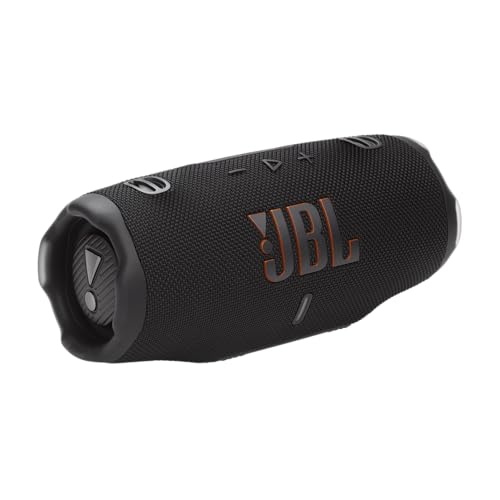
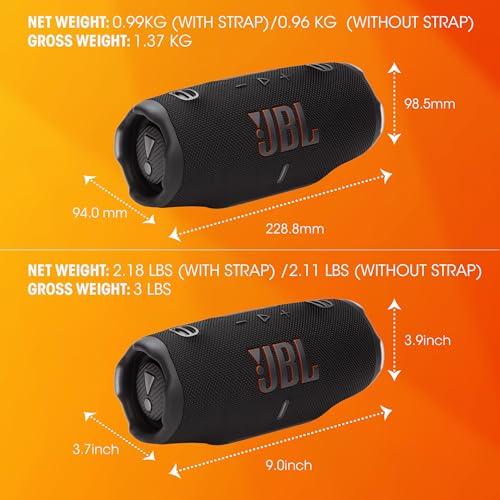
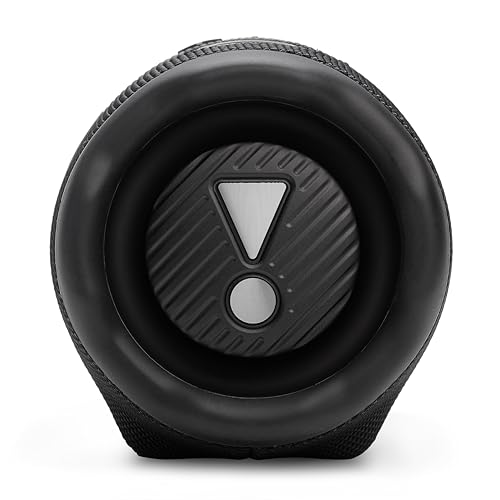
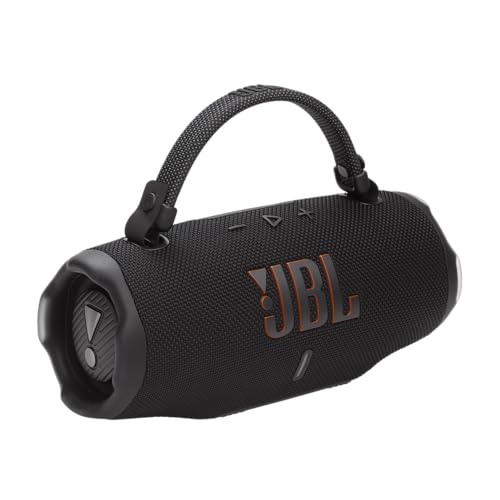
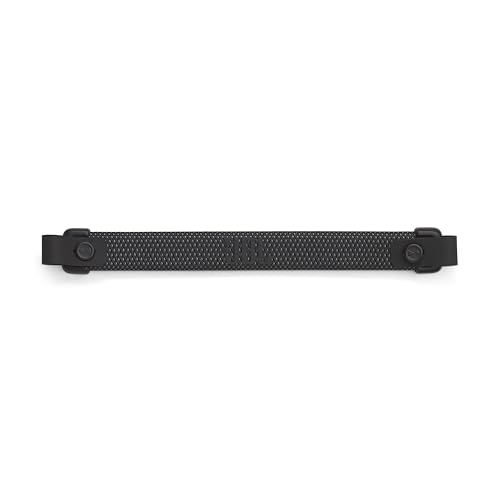
The JBL Charge 6, released in 2025, weighs just over two pounds and fits comfortably in a backpack. JBL designed this as a genuine travel companion that you'd actually want to carry around regularly. The cylindrical shape includes a detachable handle that can work as either a traditional grip or a hanging loop—a small but thoughtful design improvement over previous generations.
What's particularly impressive is how JBL packed advanced technology into such a compact package. The speaker includes Bluetooth 5.4, the latest wireless standard that offers better connection stability and lower power consumption compared to older versions. More importantly, it supports lossless audio playback through its USB-C connection, meaning you can stream high-quality music files without the compression artifacts that typically come with Bluetooth transmission.
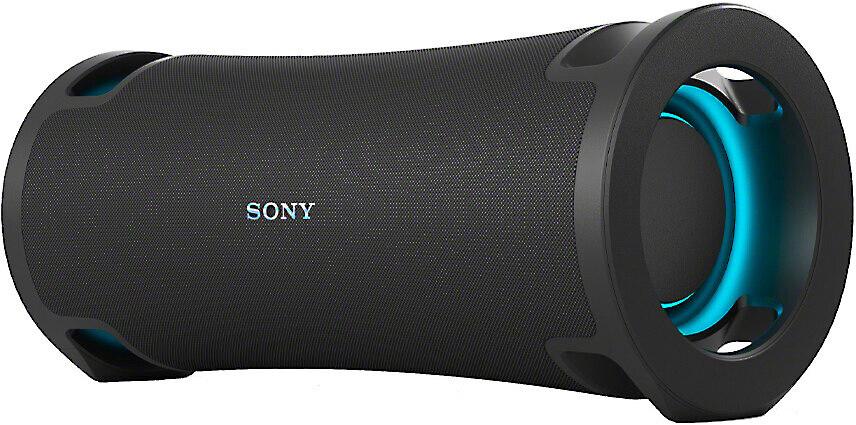
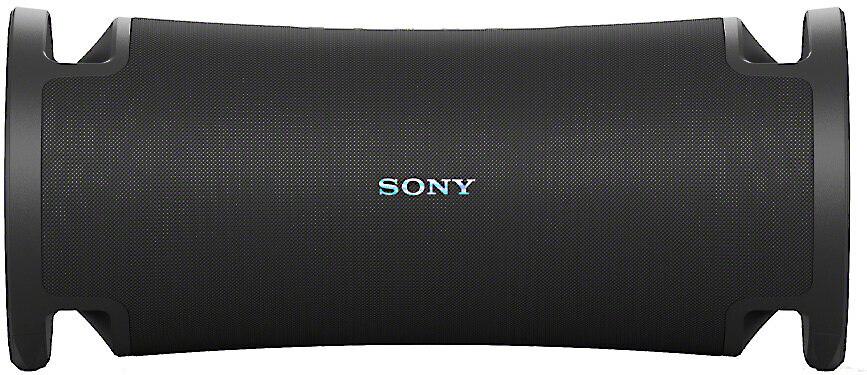
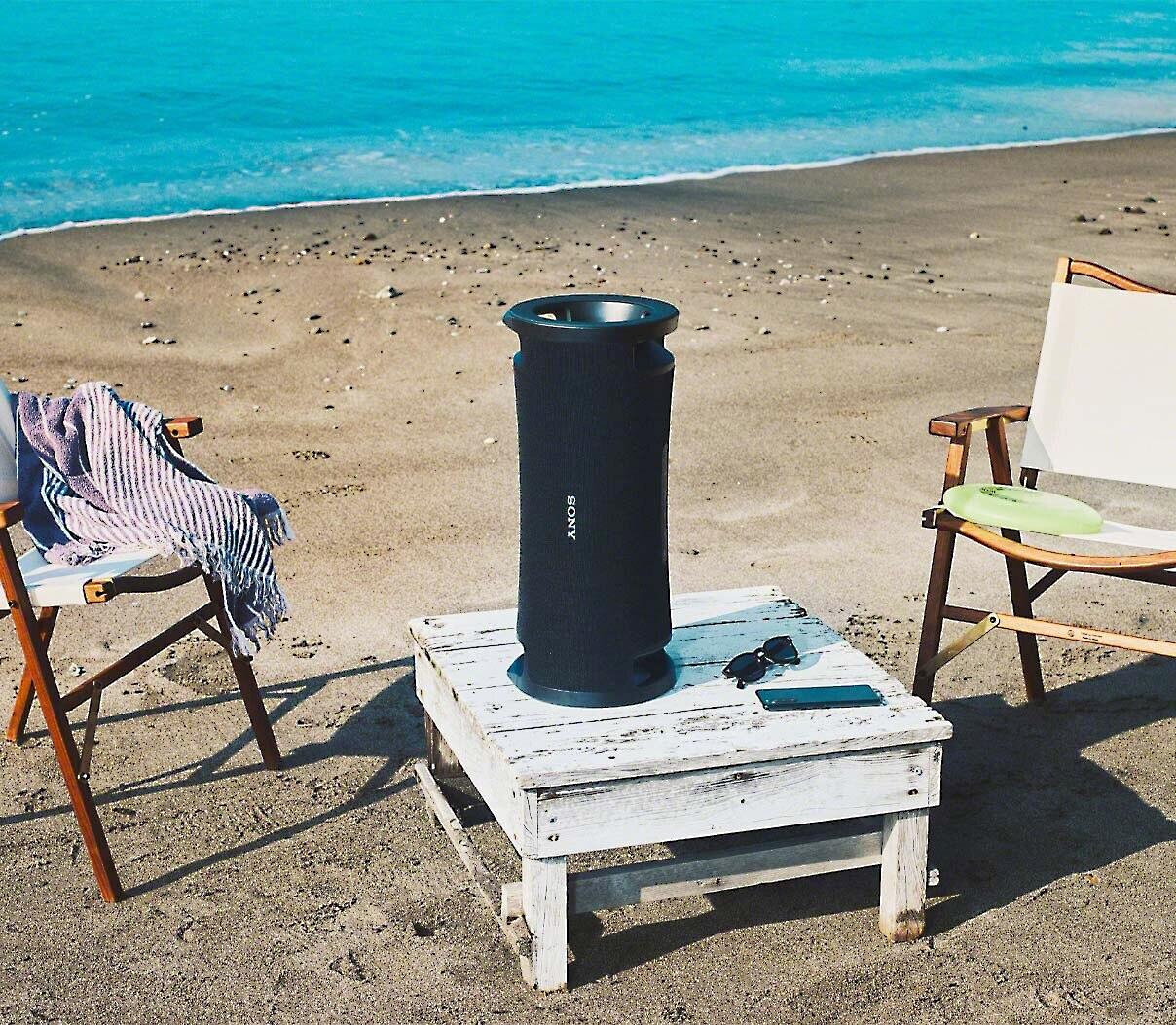
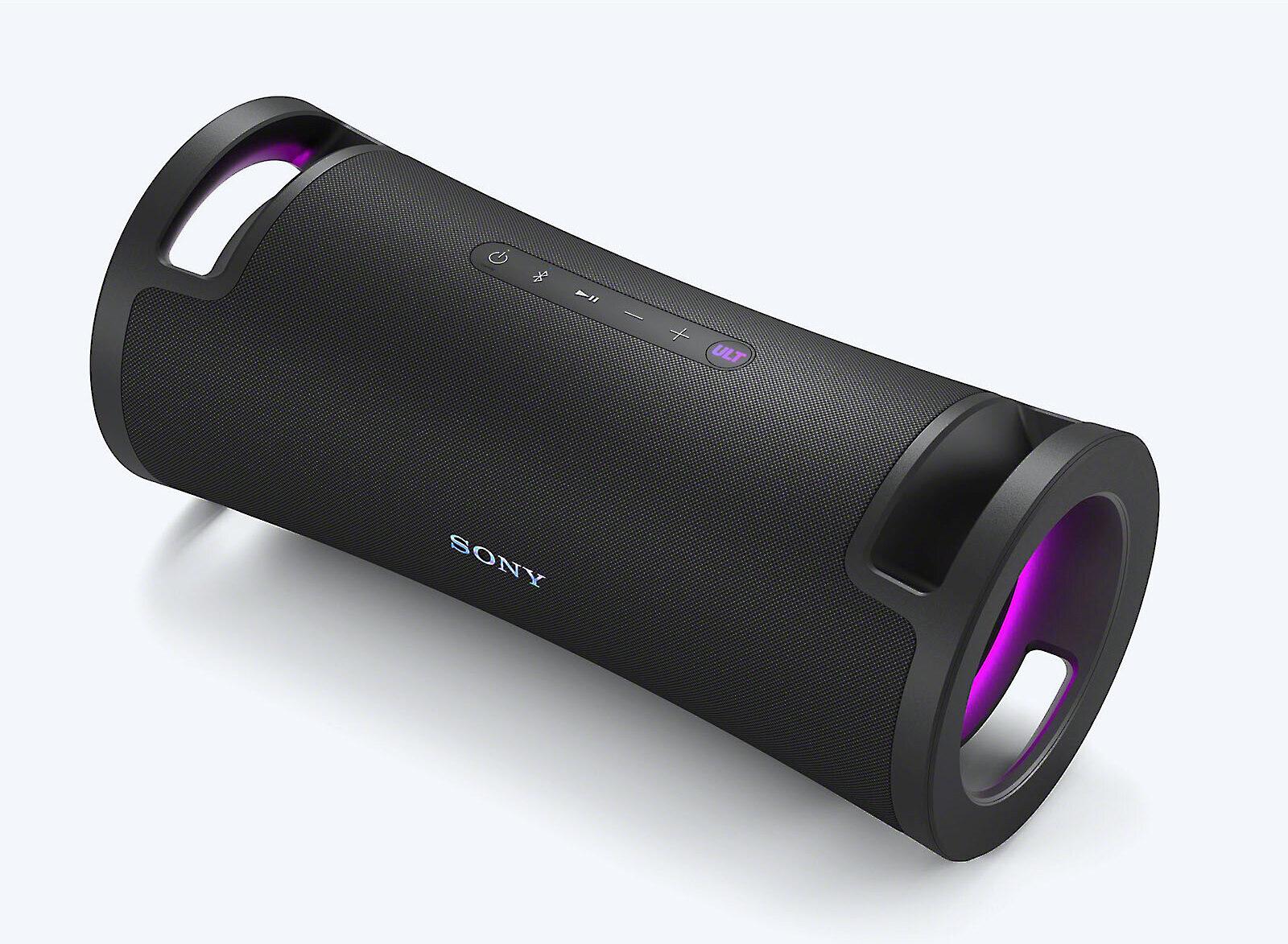
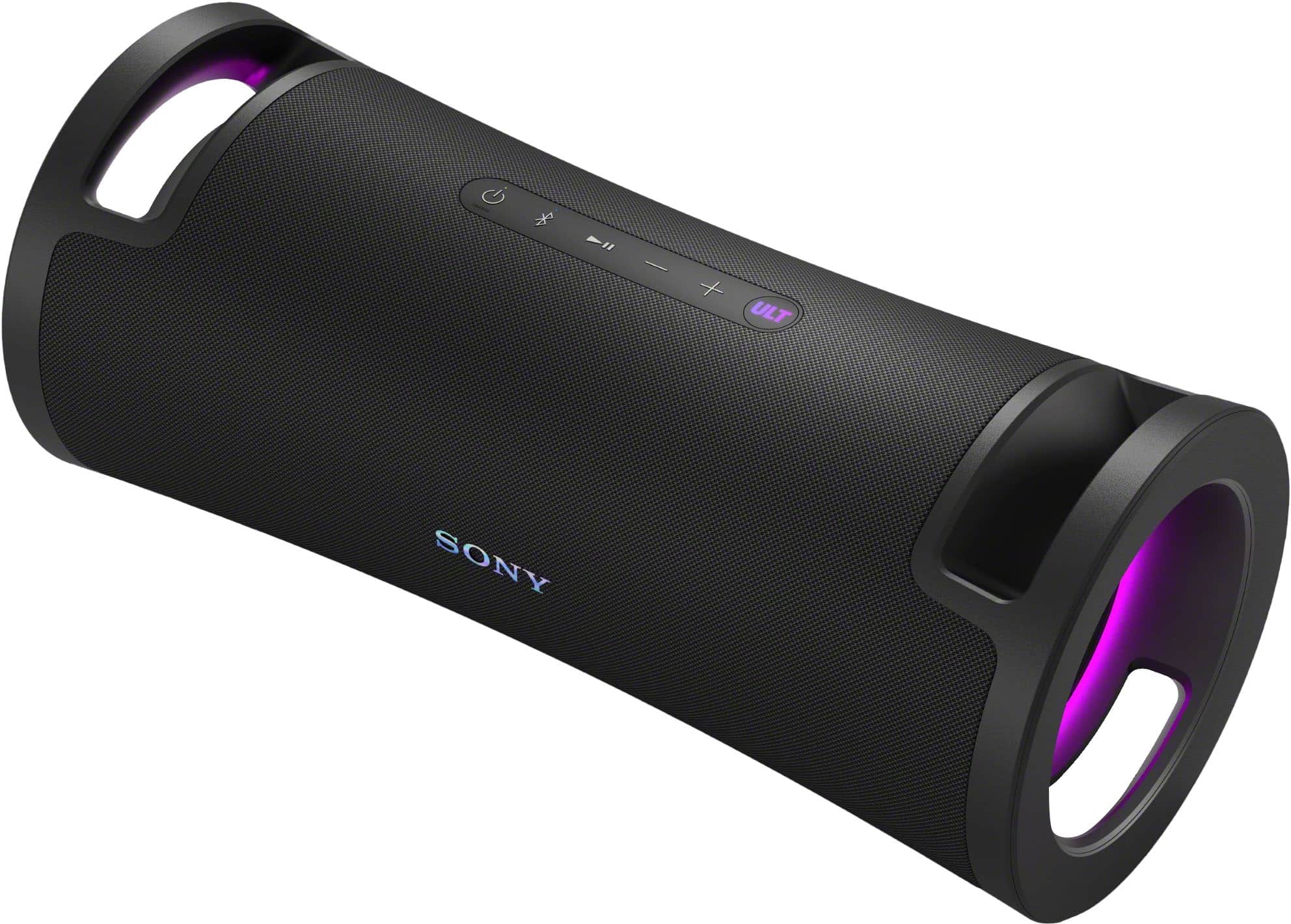
The Sony ULT Field 7, launched in 2024, takes a completely different approach. At nearly 14 pounds, this isn't something you'd casually toss in a bag. Sony designed it as what I'd call a "relocatable" speaker—something you can move around your property or transport in a car, but not truly pocket-portable.
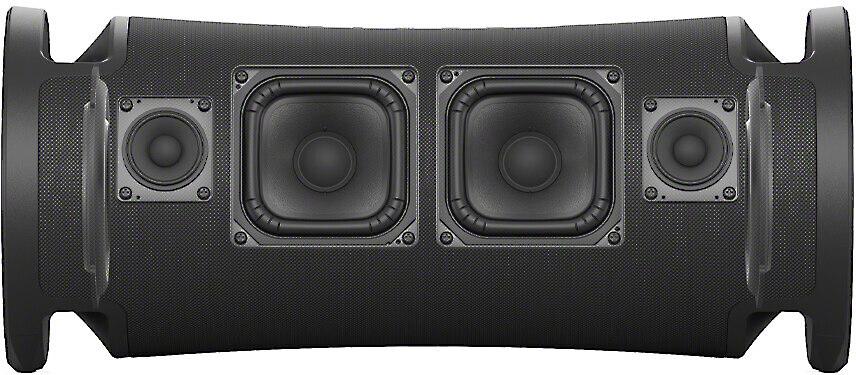
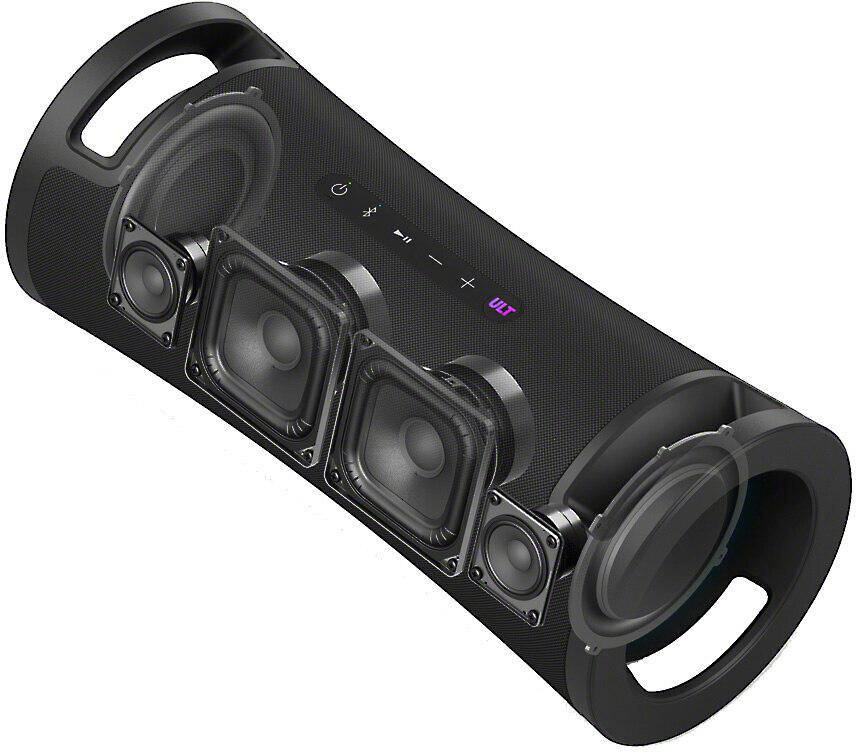
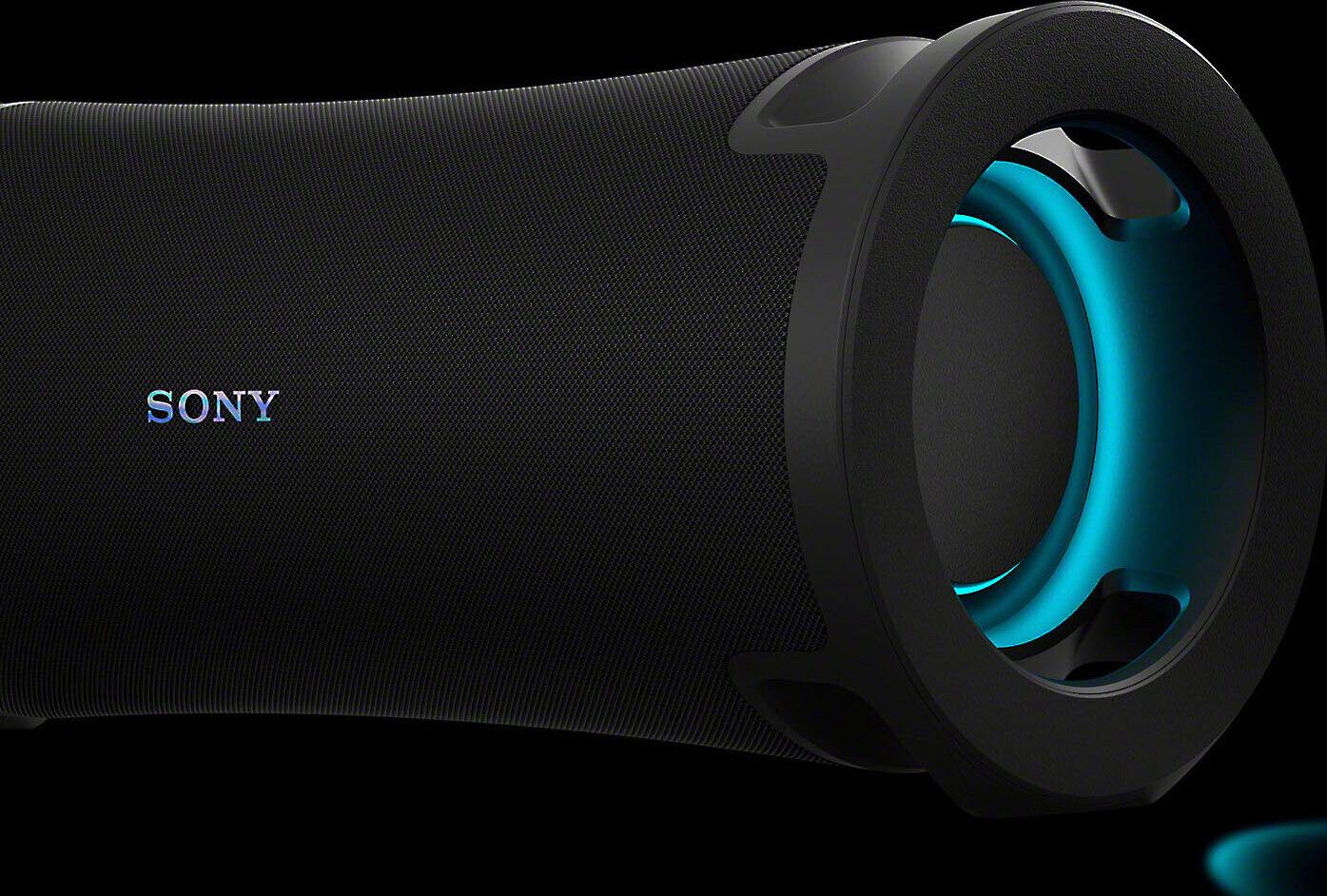
The size advantage becomes obvious when you look at the internal hardware. The Sony ULT Field 7 packs dual 114mm woofers (roughly 4.5 inches each) alongside separate tweeters and passive radiators. This multi-driver design allows for true stereo sound reproduction, something the JBL Charge 6 can't match on its own.
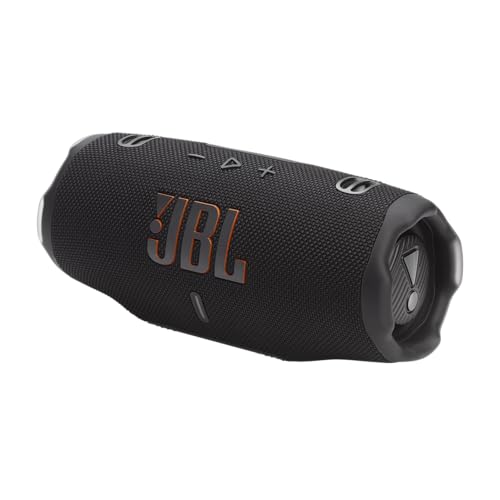
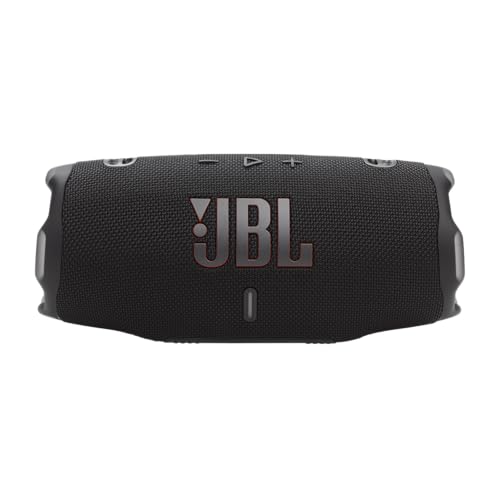
The JBL Charge 6 delivers 45 watts of total power through its single woofer and tweeter combination. While that might sound modest compared to home speakers, it's quite impressive for something you can hold in one hand. The speaker uses an oval "racetrack" woofer design that maximizes the cone area within the cylindrical housing, helping it produce surprisingly deep bass for its size.
But here's where the Sony ULT Field 7 shows its advantage: multiple drivers working together simply produce more sound. With dual woofers and tweeters plus passive radiators (which are essentially speakers without magnets that help extend bass response), the Sony can move significantly more air and create a much larger sound field.
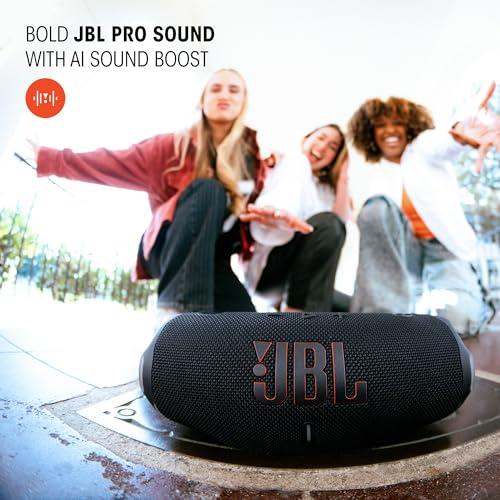
Bass response reveals the biggest difference between these speakers. The JBL Charge 6 handles bass frequencies down to about 56 Hz, which covers most music well but won't give you that chest-thumping impact you feel at live concerts. The AI Sound Boost technology helps by analyzing the audio signal in real-time and adjusting the drivers to minimize distortion, allowing the small woofer to punch above its weight class.
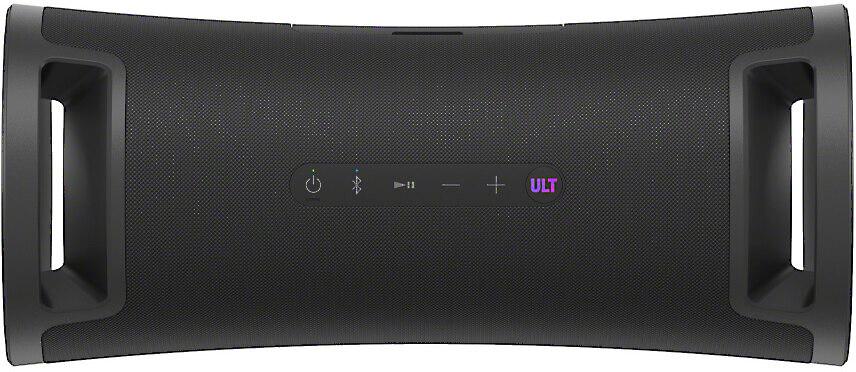
The Sony ULT Field 7 takes a more direct approach with its ULT button—a hardware toggle that provides two levels of bass enhancement. Press it once for "Deep Bass" mode, which adds substantial low-end weight to music. Press it twice for "Attack Bass" mode, which emphasizes the punchy upper bass frequencies that make dance music and hip-hop tracks hit harder.
From our research into user experiences, the Sony clearly wins for bass quantity and impact, especially at higher volumes. However, the JBL's bass integration sounds more natural across different music genres, thanks to its AI processing that adapts to the content being played.
Maximum volume is where size differences become undeniable. The Sony ULT Field 7 can fill large outdoor spaces that would leave the JBL Charge 6 sounding strained. Based on consensus reviews, the Sony maintains clarity and punch even at high volumes, while the JBL starts showing compression and reduced dynamics when pushed to its limits.
However, the JBL Charge 6 has a significant advantage in its frequency response consistency. The Sony's directional characteristics mean the sound changes noticeably as you move around it, particularly in the higher frequencies. The JBL provides more consistent audio regardless of your listening position, which matters for gatherings where people aren't all sitting in the sweet spot.
The JBL Charge 6 includes Bluetooth 5.4, while the Sony ULT Field 7 uses Bluetooth 5.2. In practical terms, both provide reliable connections, but the newer standard in the JBL offers slightly better power efficiency and connection stability, especially when dealing with interference from other wireless devices.
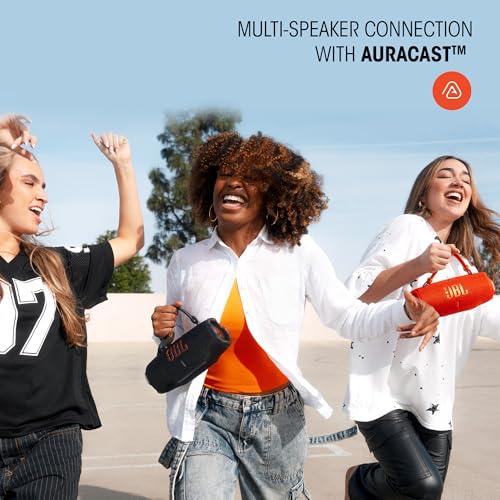
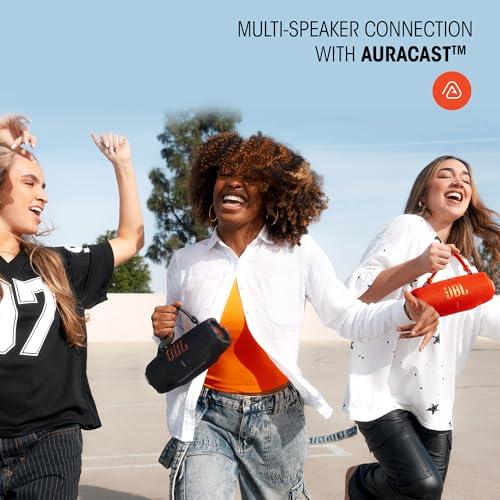
Both speakers support multi-speaker pairing, but they use incompatible systems. The JBL Charge 6 uses Auracast, a newer standard that promises better synchronization but isn't backward compatible with older JBL speakers. The Sony ULT Field 7 uses Sony's Party Connect system, which can theoretically link up to 100 compatible Sony speakers—impressive for large event setups.
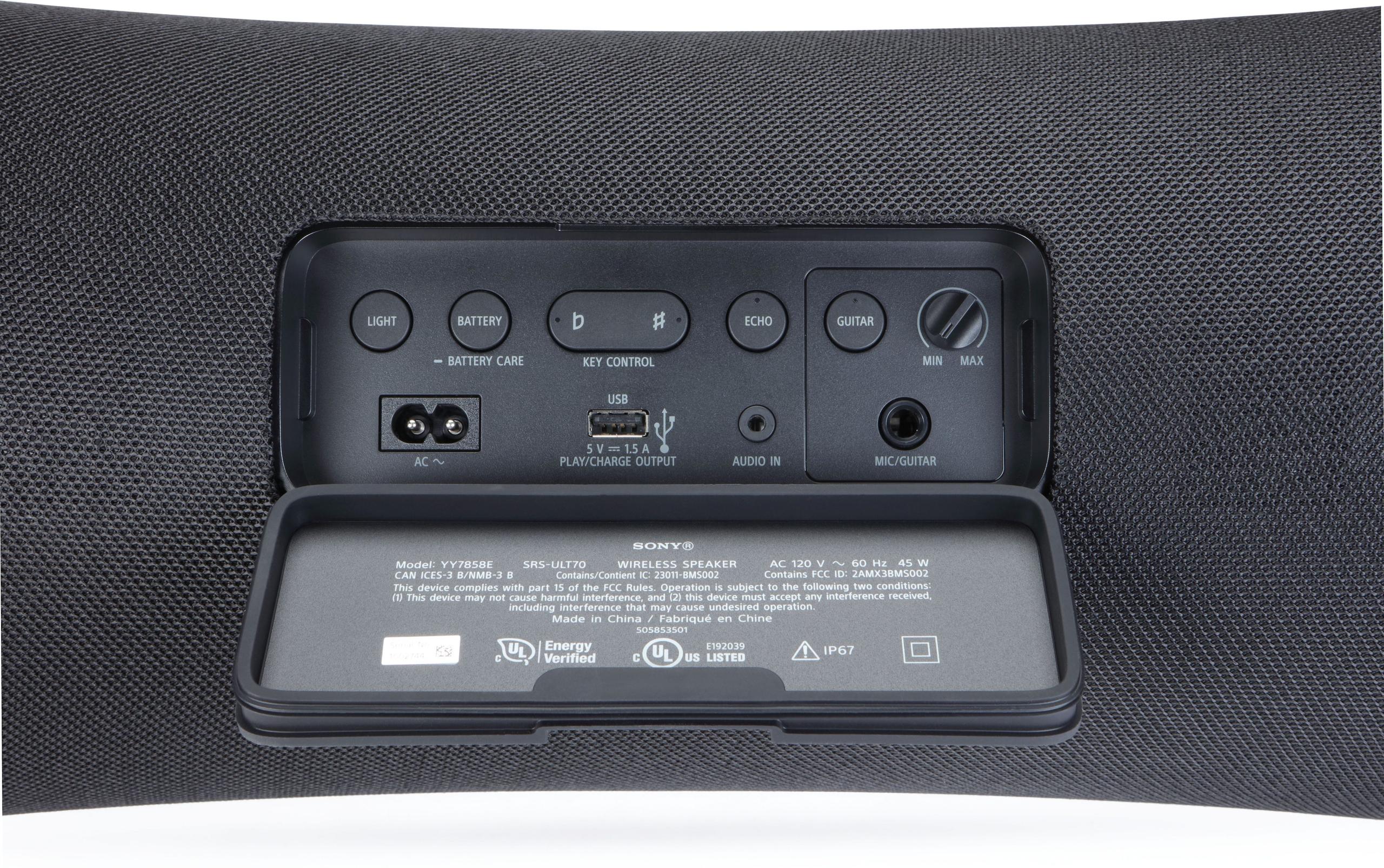
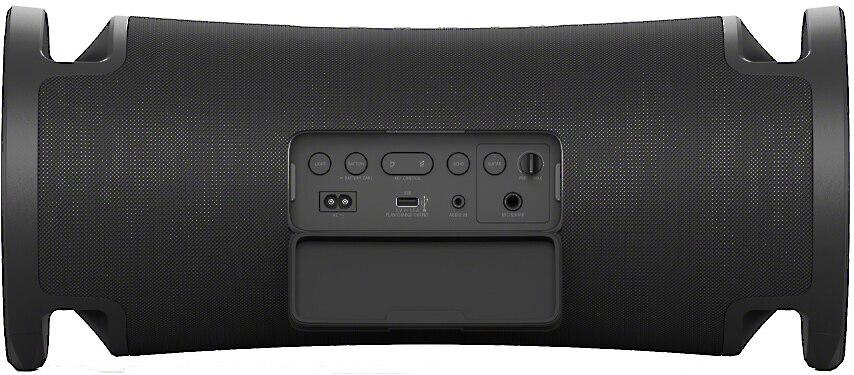
Here's where the Sony ULT Field 7 shows its versatility advantage. The built-in guitar and microphone input (using a standard 1/4-inch TRS jack) means you can plug in instruments or microphones directly. This isn't just a novelty—it's genuinely useful for musicians who want to practice with backing tracks or for anyone hosting events where they need to make announcements.
The JBL Charge 6 lacks analog inputs entirely, focusing instead on digital connectivity. The USB-C port supports both charging and lossless audio input, meaning you can connect it directly to a computer or phone and bypass Bluetooth compression entirely. This feature particularly benefits audiophiles who stream high-resolution music from services like Tidal or Apple Music.
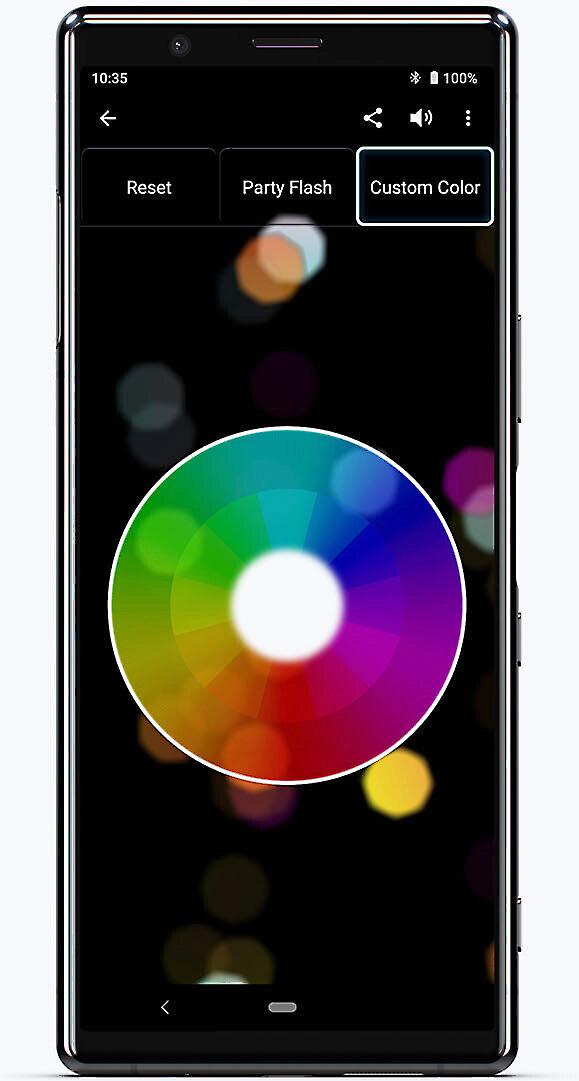
Both speakers offer smartphone apps for customization, but with different philosophies. The JBL Portable app provides a comprehensive 7-band equalizer with no restrictions—you can boost or cut any frequency range as much as you want. This level of control lets you tune the speaker for different music genres or room acoustics.
The Sony Music Center app is more limited in EQ adjustments, and here's the frustrating part: you can't use the custom EQ settings while the ULT bass modes are active. This means choosing between the speaker's signature bass enhancement or your preferred frequency tuning—a significant limitation for users who want both.
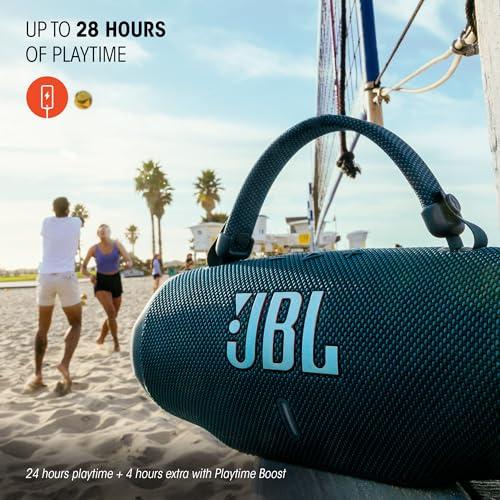
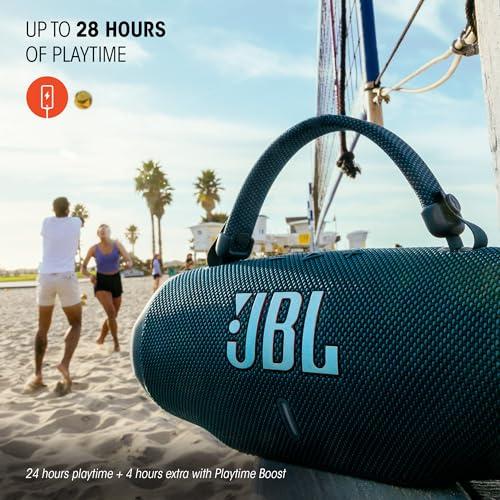
Battery performance shows interesting trade-offs. The JBL Charge 6 offers up to 28 hours of playback with its Playtime Boost mode enabled, though this setting reduces bass output to extend runtime. In normal operation, expect around 24 hours of listening time, which is excellent for a speaker this size.
The Sony ULT Field 7 claims 30 hours of battery life, but this depends heavily on volume levels and whether you use the LED lighting features. Independent testing suggests more realistic expectations of 20-25 hours for typical outdoor use with moderate volume and lighting enabled.
The JBL Charge 6 excels in charging convenience. It reaches full charge in about three hours, and the quick-charge feature provides 150 minutes of playback from just 10 minutes of charging—perfect for those "oops, forgot to charge it" moments before heading out.
The Sony ULT Field 7 takes five hours to fully charge using its included AC adapter. While this isn't terrible, it's less convenient than the JBL's USB-C charging, which works with standard phone chargers and power banks.
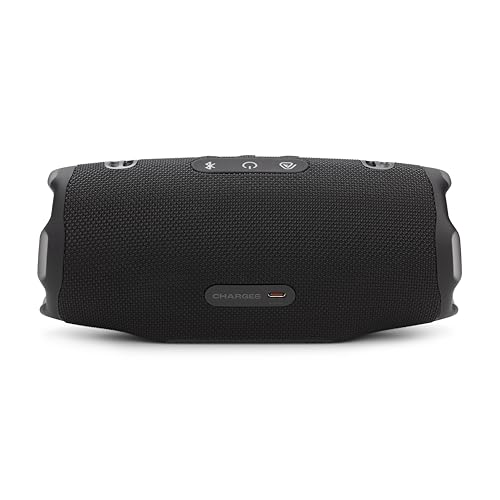
Both speakers function as power banks for charging other devices, though the JBL Charge 6 uses its USB-C port for this purpose while the Sony ULT Field 7 has a dedicated USB-A output.
The JBL Charge 6 achieves an IP68 rating, meaning it can survive complete submersion in up to 1.5 meters of water for 30 minutes. This makes it genuinely pool-party and beach-ready. JBL also drop-tested it to survive one-meter falls onto concrete.
The Sony ULT Field 7 carries an IP67 rating—dust-tight and protected against water immersion, but not designed for the same submersion depth as the JBL. For most outdoor use, this difference won't matter, but it's worth considering if you're frequently around water.
The JBL Charge 6 uses 85% post-consumer recycled plastic in its construction, showing environmental consciousness without compromising durability. The fabric grille and rubber end caps feel solid and should withstand regular transport abuse.
The Sony ULT Field 7 feels more like a piece of audio equipment than a lifestyle accessory. The rubberized handles and feet suggest it's designed to stay in one place more often than being constantly moved around.
At the time of writing, you can buy roughly 2.6 JBL Charge 6 speakers for the price of one Sony ULT Field 7. This price difference reflects not just different feature sets, but fundamentally different use cases.
The JBL Charge 6 delivers exceptional value if you need true portability with premium features. You get the latest Bluetooth standard, lossless audio support, extensive EQ control, excellent battery life, and genuine waterproofing. For most people's actual usage patterns—beach days, camping trips, backyard gatherings with 5-15 people—it provides all the performance you need.
The Sony ULT Field 7 justifies its higher price through sheer output capability and professional features. If you regularly host larger gatherings (20+ people), need to connect instruments or microphones, or want maximum bass impact, the Sony provides capabilities the JBL simply can't match.
Neither speaker is designed as a primary home theater solution, but both can serve as secondary audio sources for outdoor movie nights or casual viewing.
The JBL Charge 6's lossless USB-C connection makes it surprisingly useful for connecting to computers or streaming devices when you need better audio than built-in TV speakers. Its compact size means it won't dominate your living space.
The Sony ULT Field 7's stereo configuration and higher output make it more suitable for larger rooms or outdoor movie setups. The microphone input could be useful for karaoke nights or if you need to provide commentary during events.
For serious home theater use, both speakers would work best as part of a multi-speaker setup rather than standalone solutions.
Want a speaker that truly goes everywhere with you. If your typical use involves carrying it to different locations—beaches, hiking trails, friend's houses—the JBL Charge 6 makes sense. Its combination of advanced wireless features, excellent battery life, and genuine waterproofing covers most people's portable audio needs admirably.
The speaker particularly excels for users who value modern connectivity and convenience features over maximum volume. The lossless USB-C audio support future-proofs your investment as streaming services continue improving audio quality.
Need a speaker that can command attention at larger gatherings or you want professional audio capabilities. The Sony ULT Field 7 makes sense when volume and bass impact are priorities, or when you need features like microphone inputs that the JBL lacks entirely.
This speaker works best for users with dedicated outdoor entertainment areas, musicians who want to practice with backing tracks, or anyone who regularly hosts events requiring higher output levels than typical portable speakers can provide.
These speakers succeed at different goals, making the choice relatively straightforward once you're honest about how you'll actually use them. The JBL Charge 6 represents the pinnacle of true portable speaker design—compact enough to take anywhere but sophisticated enough to satisfy serious listeners. The Sony ULT Field 7 pushes the boundaries of what "portable" means, offering capabilities that approach dedicated outdoor sound systems.
Most buyers will be better served by the JBL Charge 6, simply because its combination of portability, features, and value aligns with how people actually use portable speakers. But if you've found yourself wishing for more volume, deeper bass, or professional audio inputs from previous speakers, the Sony ULT Field 7 delivers those capabilities in a package that's still technically portable, even if it requires planning to move around.
The key is matching the speaker's strengths to your actual needs rather than being swayed by impressive specifications you'll rarely use. Both speakers excel in their intended roles—just make sure you're choosing the right role for your lifestyle.
| JBL Charge 6 Portable Bluetooth Speaker | Sony ULT FIELD 7 Portable Speaker |
|---|---|
| Weight & Portability - Determines if you'll actually carry it around | |
| 2.11 lbs with strap - fits in backpacks easily | 13.89 lbs - requires two hands and car transport |
| Audio Configuration - Affects stereo imaging and soundstage | |
| Mono output (requires pairing for stereo) | True stereo with dual woofers and tweeters |
| Power Output - Controls maximum volume and bass impact | |
| 45W total (30W woofer + 15W tweeter) | Higher output with dual drivers (exact wattage unspecified) |
| Battery Life - Critical for outdoor events and travel | |
| 28 hours max (24 normal + 4 with Playtime Boost) | 30 hours at moderate volume, 25 with lighting |
| Charging Time - Affects convenience between uses | |
| 3 hours full charge, 10 min = 150 min playback | 5 hours via AC adapter, no fast charge |
| Water Resistance - Important for pools, beaches, rain | |
| IP68 (submersible to 1.5m for 30 minutes) | IP67 (water resistant but not submersible) |
| Bluetooth Version - Impacts connection quality and range | |
| 5.4 (latest standard, better efficiency) | 5.2 (reliable but older standard) |
| Audio Inputs - Determines what you can connect | |
| USB-C lossless audio only | Guitar/mic TRS input + 3.5mm AUX + USB-A playback |
| Bass Enhancement - How low frequencies are handled | |
| AI Sound Boost (automatic real-time processing) | ULT button with two bass modes (Deep/Attack) |
| EQ Customization - Sound tuning flexibility | |
| 7-band fully customizable via app | Limited EQ that can't be used with ULT modes |
| Multi-Speaker Pairing - For larger sound systems | |
| Auracast (newer standard, not backward compatible) | Party Connect (up to 100 Sony speakers) |
| Professional Features - For musicians and events | |
| None (focuses on consumer connectivity) | Microphone input, karaoke mode, instrument connectivity |
| Dimensions - Space requirements and storage | |
| 9.0" x 3.9" x 3.7" (compact cylinder) | 20.16" x 8.82" x 8.74" (large rectangular) |
The JBL Charge 6 is significantly better for portability, weighing just 2.11 pounds compared to the Sony ULT FIELD 7's 13.89 pounds. The JBL Charge 6 fits easily in backpacks and includes a detachable handle strap, while the Sony ULT FIELD 7 requires two-handed carrying and is better suited for car transport to fixed locations.
The Sony ULT FIELD 7 delivers significantly more volume and bass impact thanks to its dual woofers and larger size. It can easily fill large outdoor spaces that would leave the JBL Charge 6 sounding strained. However, the JBL Charge 6 provides more balanced bass that integrates better across different music genres.
Both speakers offer excellent battery life, with the Sony ULT FIELD 7 providing up to 30 hours and the JBL Charge 6 offering up to 28 hours. The key difference is charging convenience—the JBL Charge 6 charges in 3 hours via USB-C with fast charging capabilities, while the Sony ULT FIELD 7 takes 5 hours using its AC adapter.
The JBL Charge 6 is superior for water activities with its IP68 rating, allowing complete submersion up to 1.5 meters for 30 minutes. The Sony ULT FIELD 7 has IP67 protection, making it water-resistant but not submersible. The JBL Charge 6's lightweight design also makes it much easier to transport to beach locations.
Only the Sony ULT FIELD 7 offers professional audio inputs, including a guitar/microphone TRS jack and 3.5mm AUX input. This makes it ideal for musicians or event hosts who need to connect instruments or make announcements. The JBL Charge 6 focuses on wireless connectivity and lacks analog inputs entirely.
Sound quality depends on your priorities. The Sony ULT FIELD 7 offers true stereo separation and deeper bass extension, making it better for immersive listening experiences. The JBL Charge 6 provides more consistent audio regardless of listening position and includes AI Sound Boost technology for clearer sound at high volumes, plus lossless audio support via USB-C.
The Sony ULT FIELD 7 is better suited for outdoor movie viewing due to its higher volume output and true stereo configuration, which provides better dialogue clarity and sound effects. The JBL Charge 6 can work for smaller outdoor movie setups but may lack the volume needed for larger gatherings or competing with ambient noise.
The JBL Charge 6 provides exceptional value with premium features like Bluetooth 5.4, lossless audio support, extensive EQ control, and genuine waterproofing at a significantly lower price point. The Sony ULT FIELD 7 justifies its higher cost through professional features, maximum output capability, and true stereo sound that the JBL Charge 6 cannot match.
Both speakers support multi-speaker pairing but use different systems. The JBL Charge 6 uses the newer Auracast standard for linking compatible speakers, while the Sony ULT FIELD 7 uses Party Connect, which can theoretically link up to 100 Sony speakers. However, these systems are not compatible with each other.
The JBL Charge 6 is far superior for camping and hiking due to its lightweight design, superior water resistance, and ability to function as a power bank for charging other devices. The Sony ULT FIELD 7's size and weight make it impractical for backpacking or situations where you need to carry gear long distances.
The Sony ULT FIELD 7 uses a physical ULT button with two bass modes—Deep Bass for added low-end weight and Attack Bass for punchy upper bass. The JBL Charge 6 features AI Sound Boost technology that automatically processes audio in real-time to optimize bass response without user intervention. The Sony ULT FIELD 7's approach provides more dramatic bass enhancement.
The Sony ULT FIELD 7 excels at large outdoor events with its significantly higher volume output, deeper bass impact, and ability to connect microphones for announcements. It can easily handle gatherings of 20+ people in open spaces. The JBL Charge 6 works well for smaller gatherings of 5-15 people but may struggle to fill very large outdoor areas with sufficient volume.
We've done our best to create useful and informative comparisons to help you decide what product to buy. Our research uses advanced automated methods to create this comparison and perfection is not possible - please contact us for corrections or questions. These are the sites we've researched in the creation of this article: rtings.com - youtube.com - stereoguide.com - whathifi.com - youtube.com - elomymelo.com - soundguys.com - elomymelo.com - wifihifi.com - soundguys.com - jbl.com - whathifi.com - soundguys.com - youtube.com - smarthomesounds.co.uk - jbl.com - sweetwater.com - youtube.com - bestbuy.com - jbl.com.sg - jbl.com - dell.com - ca.jbl.com - soundguys.com - soundguys.com - dell.com - rtings.com - hifipicks.com - thesonyshop.ca - techradar.com - rtings.com - sony-africa.com - videoandaudiocenter.com - sony.com - youtube.com - johnlewis.com

Privacy Policy
Terms and Conditions - Affiliate Policy
Home Security
© Copyright 2008-2026.
11816 Inwood Rd #1211, Dallas, TX 75244