



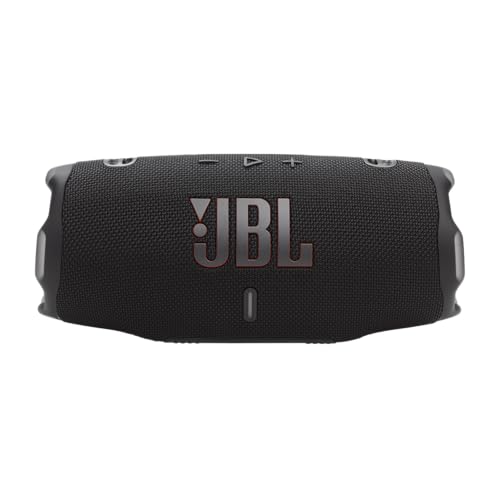
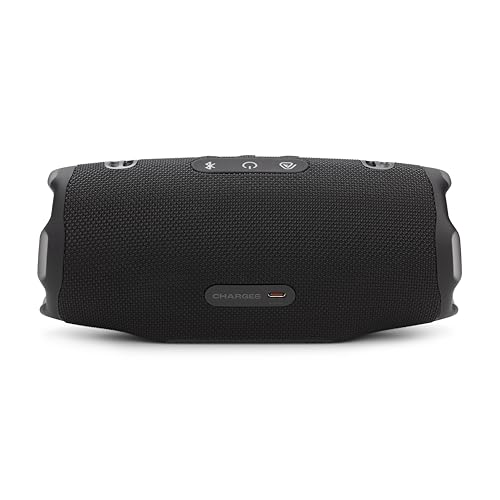
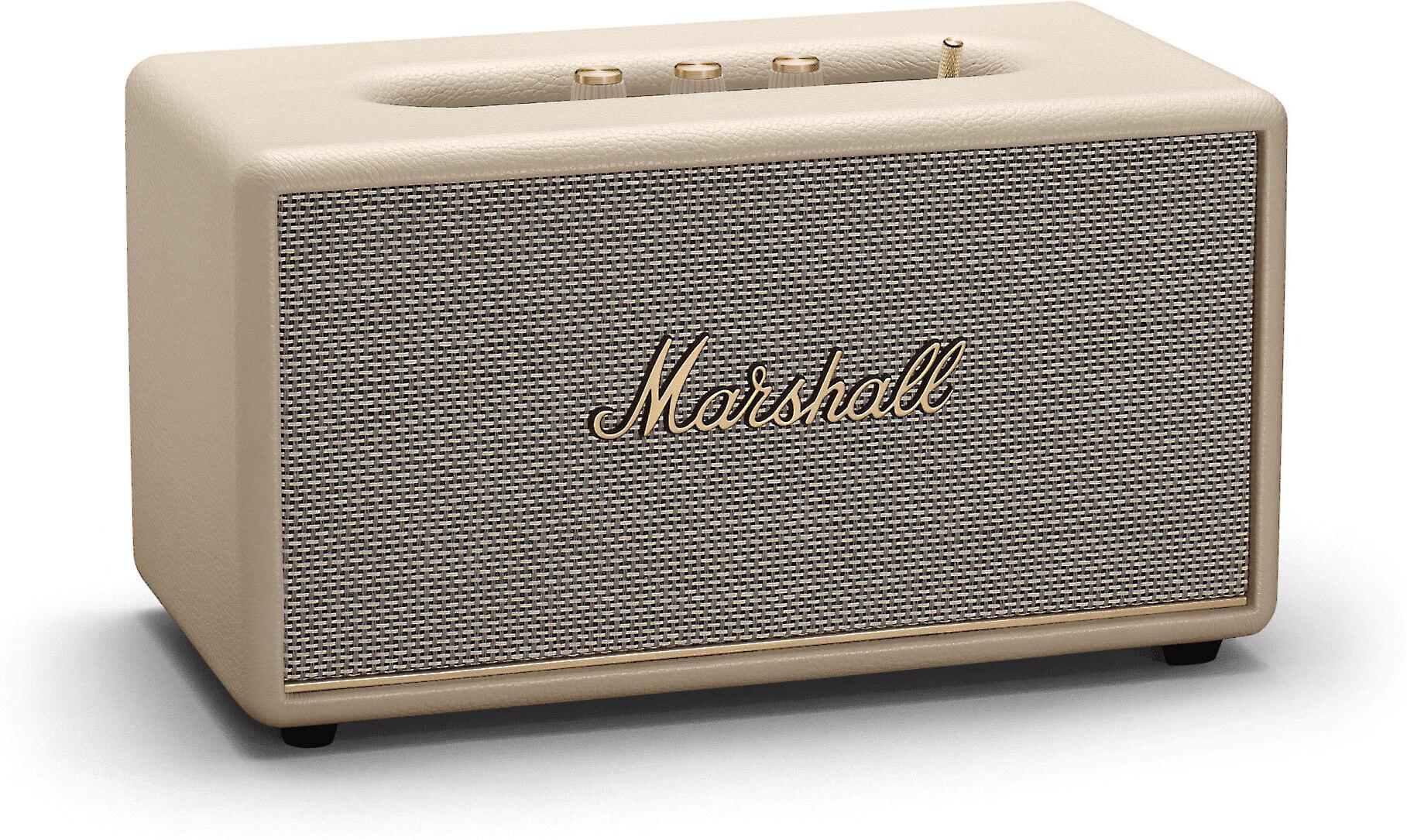
When you're shopping for a Bluetooth speaker, you'll quickly discover that not all speakers are created equal. Some are built to follow you everywhere, while others are designed to stay put and deliver the best possible sound for your home. The JBL Charge 6 and Marshall Stanmore III represent these two very different approaches to wireless audio, and understanding their differences will help you make the right choice for your needs.
Before diving into the specifics, it's important to understand what separates portable speakers from home audio systems. Portable speakers like the JBL Charge 6 are engineered around the idea of mobility—they need to survive drops, splashes, and long days away from power outlets. This means every component, from the battery to the drivers (the parts that actually make sound), must be optimized for efficiency and durability rather than pure performance.
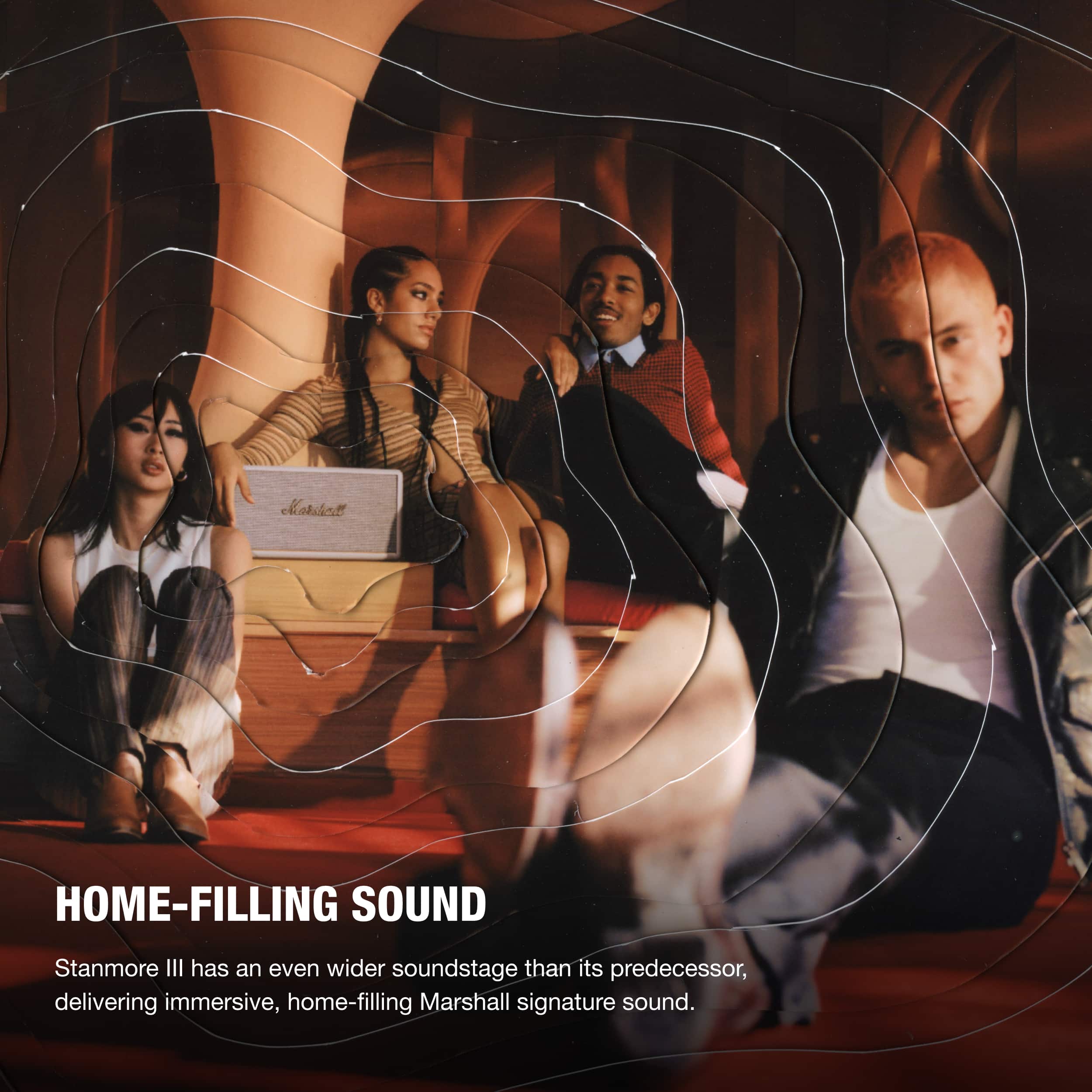
Home speakers like the Marshall Stanmore III take the opposite approach. Since they don't need to worry about battery life or weather resistance, engineers can focus entirely on sound quality. They can use larger, more powerful amplifiers (the electronics that boost audio signals) and bigger drivers without worrying about weight or power consumption.
The tradeoff is fundamental: portability versus performance. Understanding where you fall on this spectrum is the first step to making the right choice.
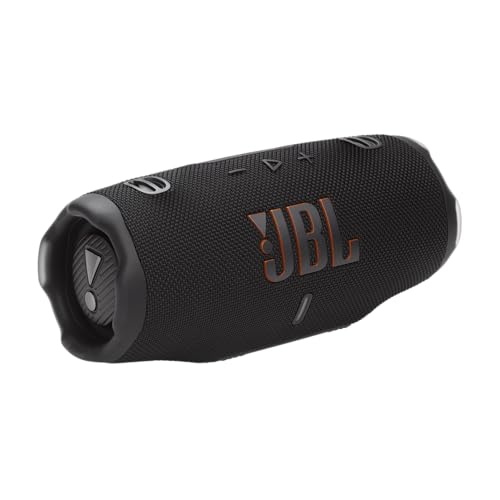
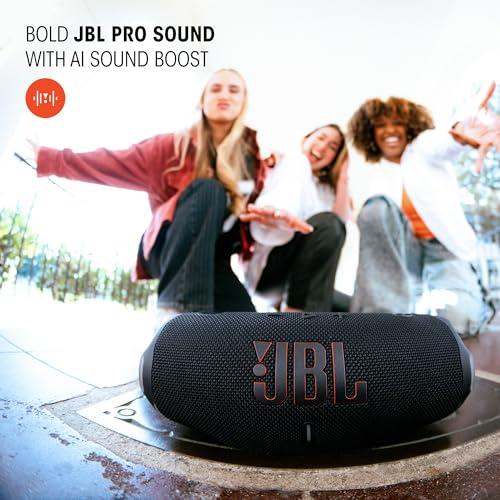
The JBL Charge 6 launched in 2024 as the latest evolution of JBL's popular portable speaker line. What makes this generation particularly interesting is how much JBL improved the fundamentals—battery life jumped to an impressive 24-28 hours, and they added new features like AI Sound Boost technology, which uses real-time audio processing to get the most out of the speaker's drivers without causing distortion.
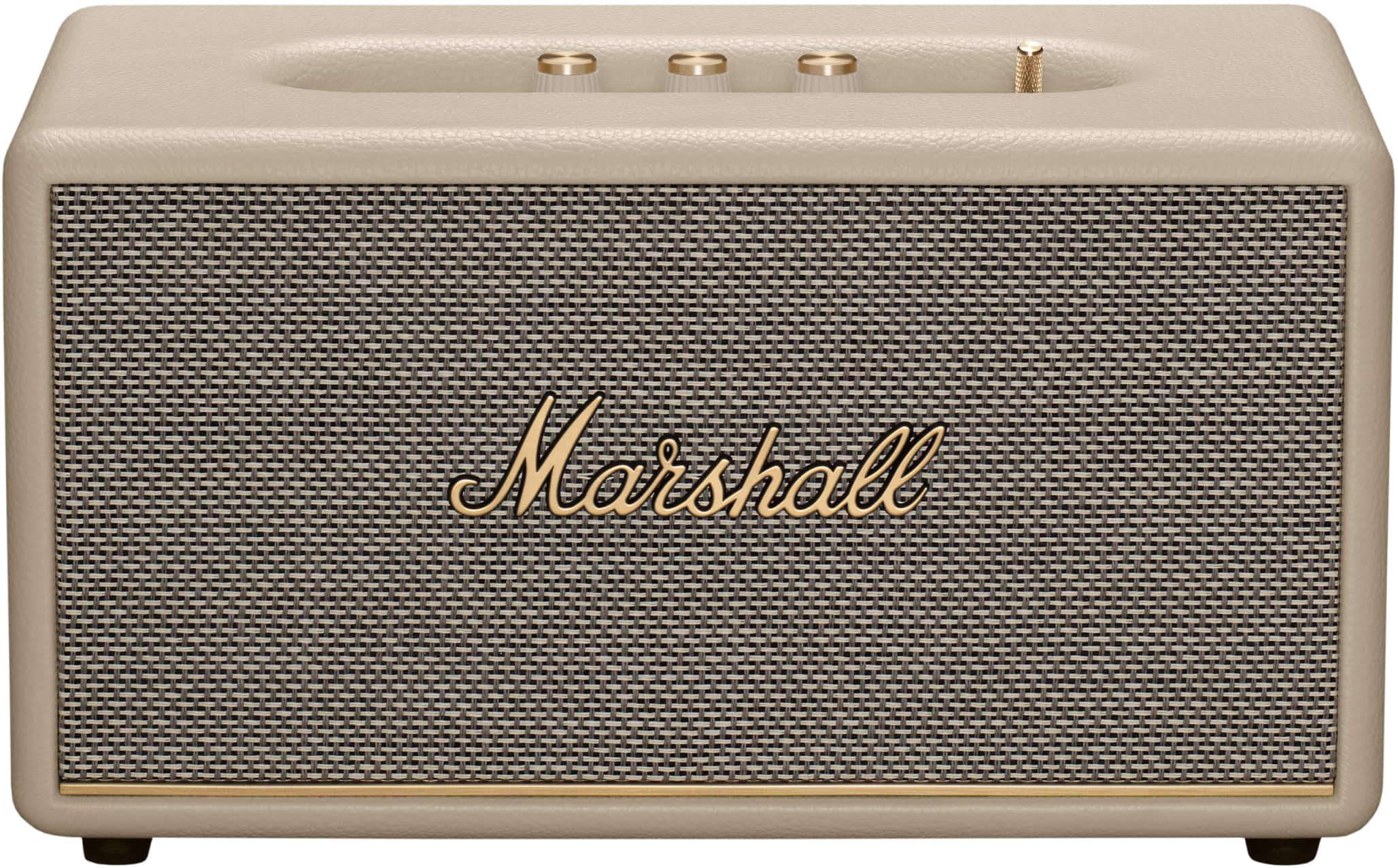
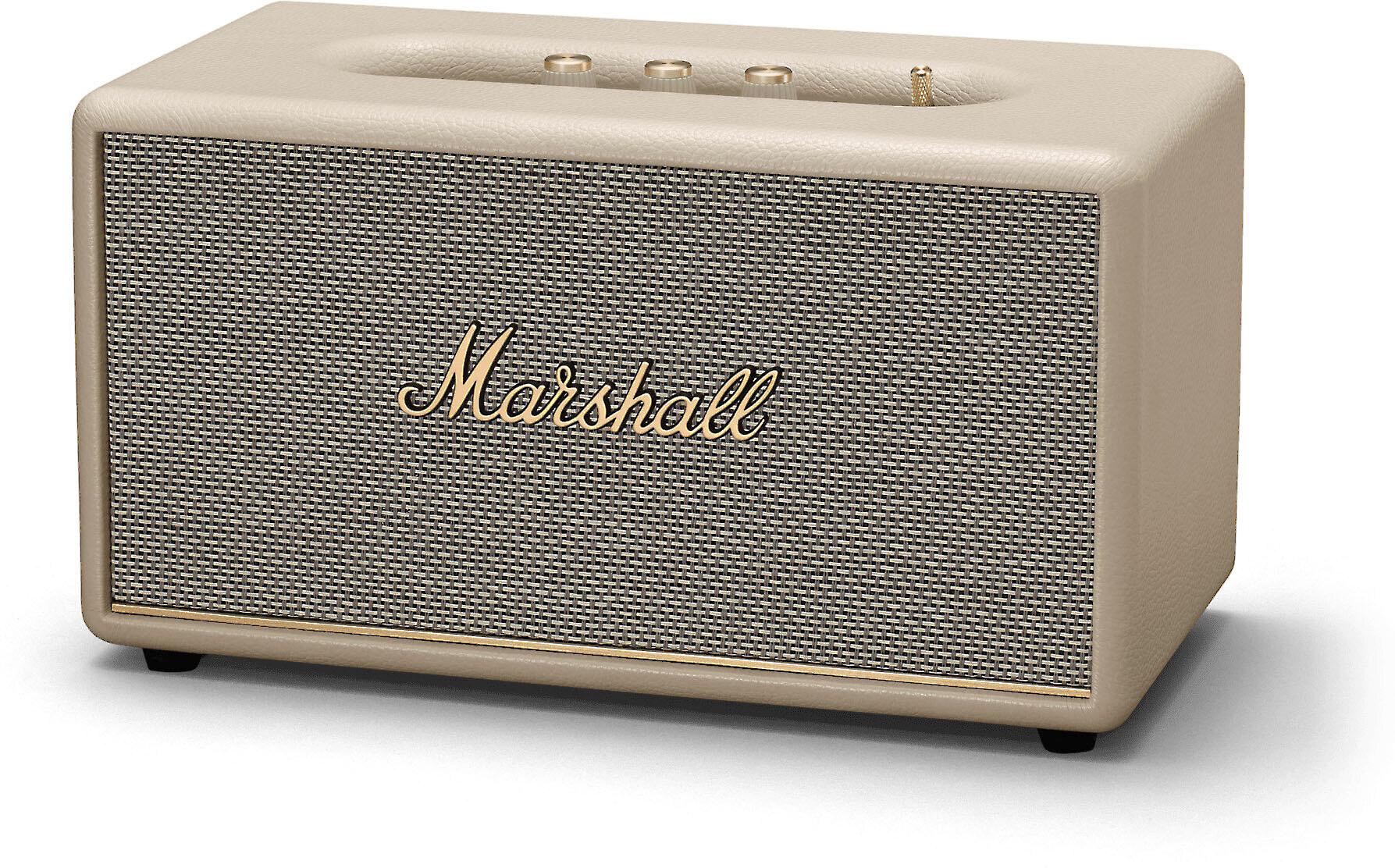
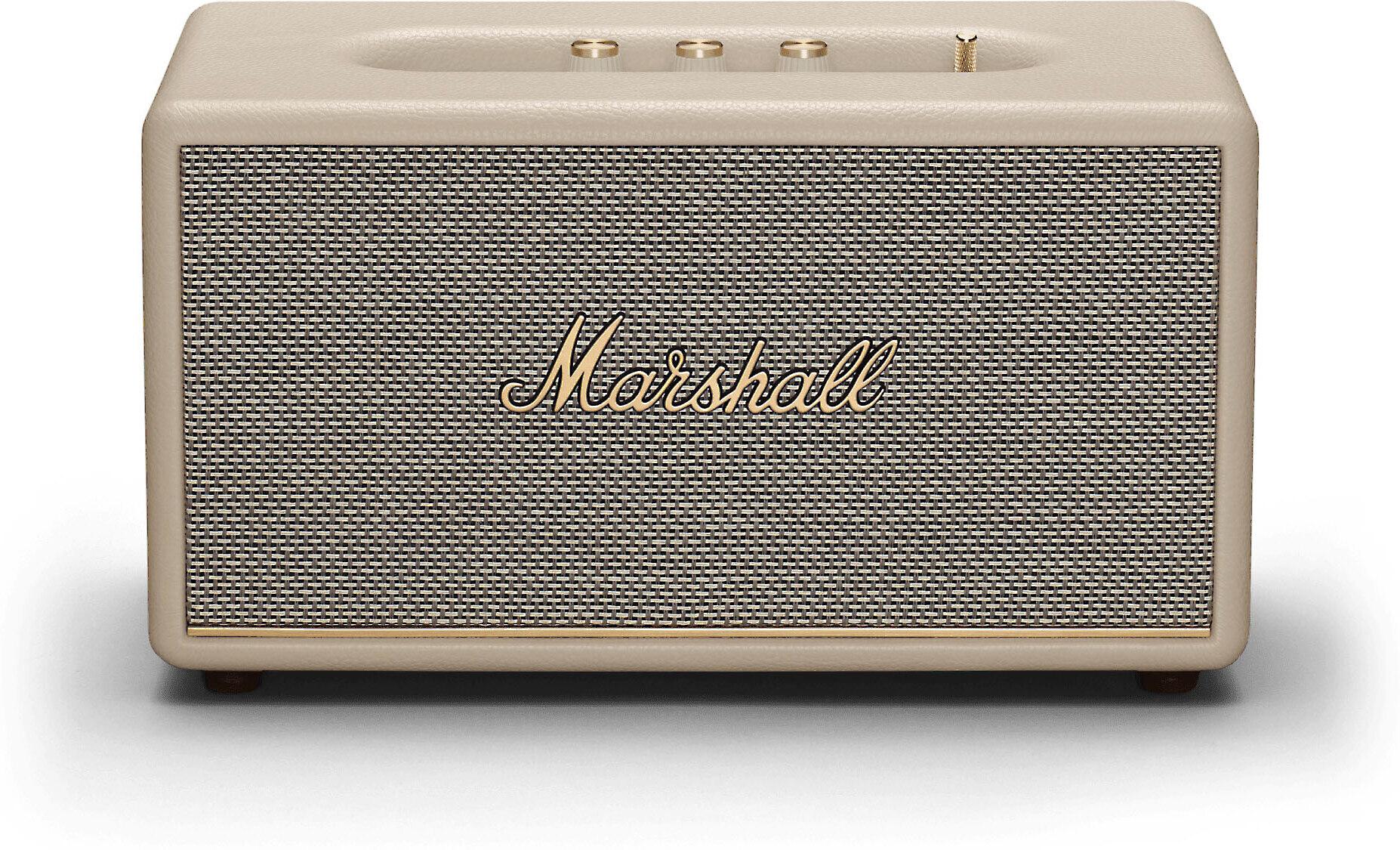
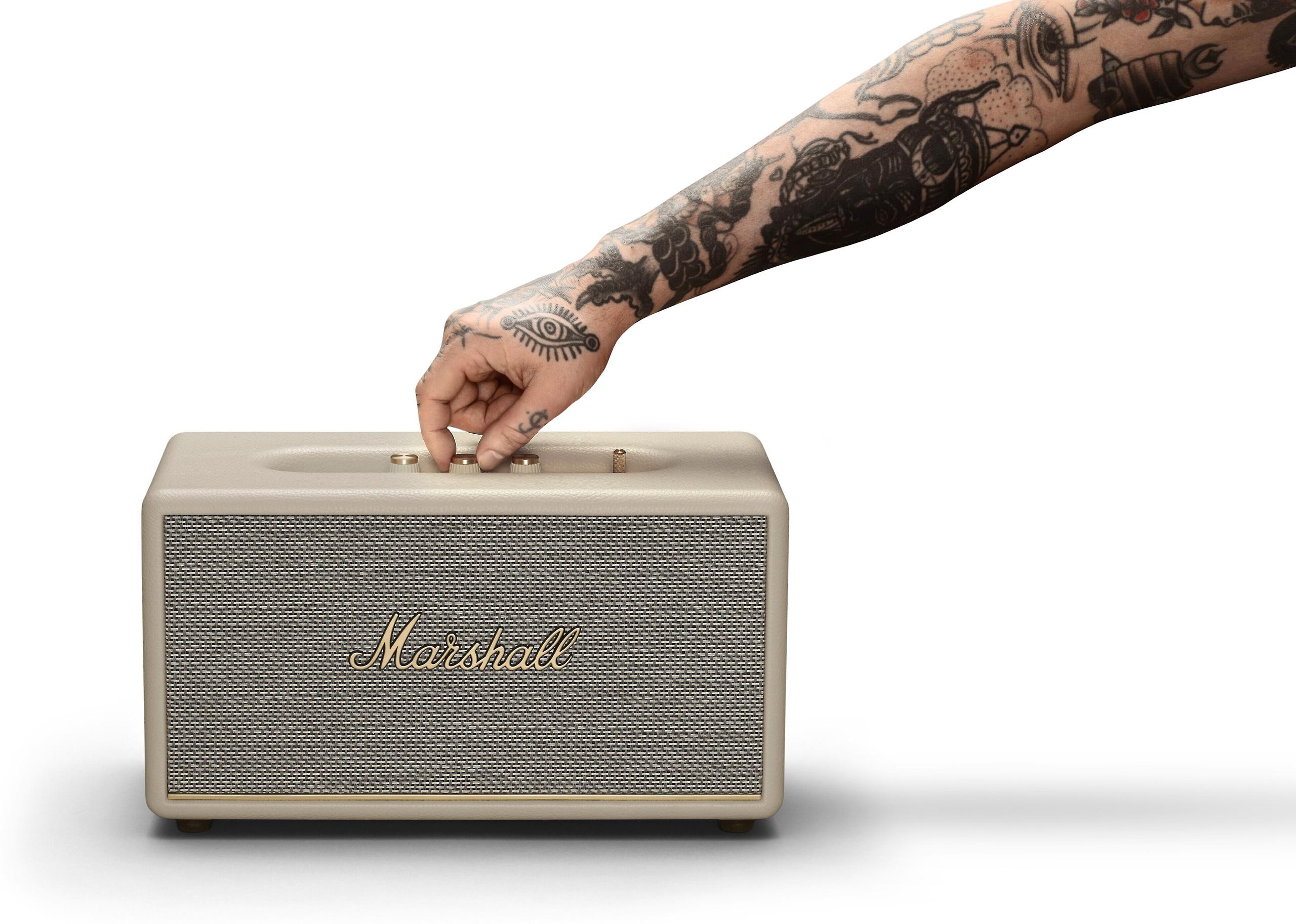
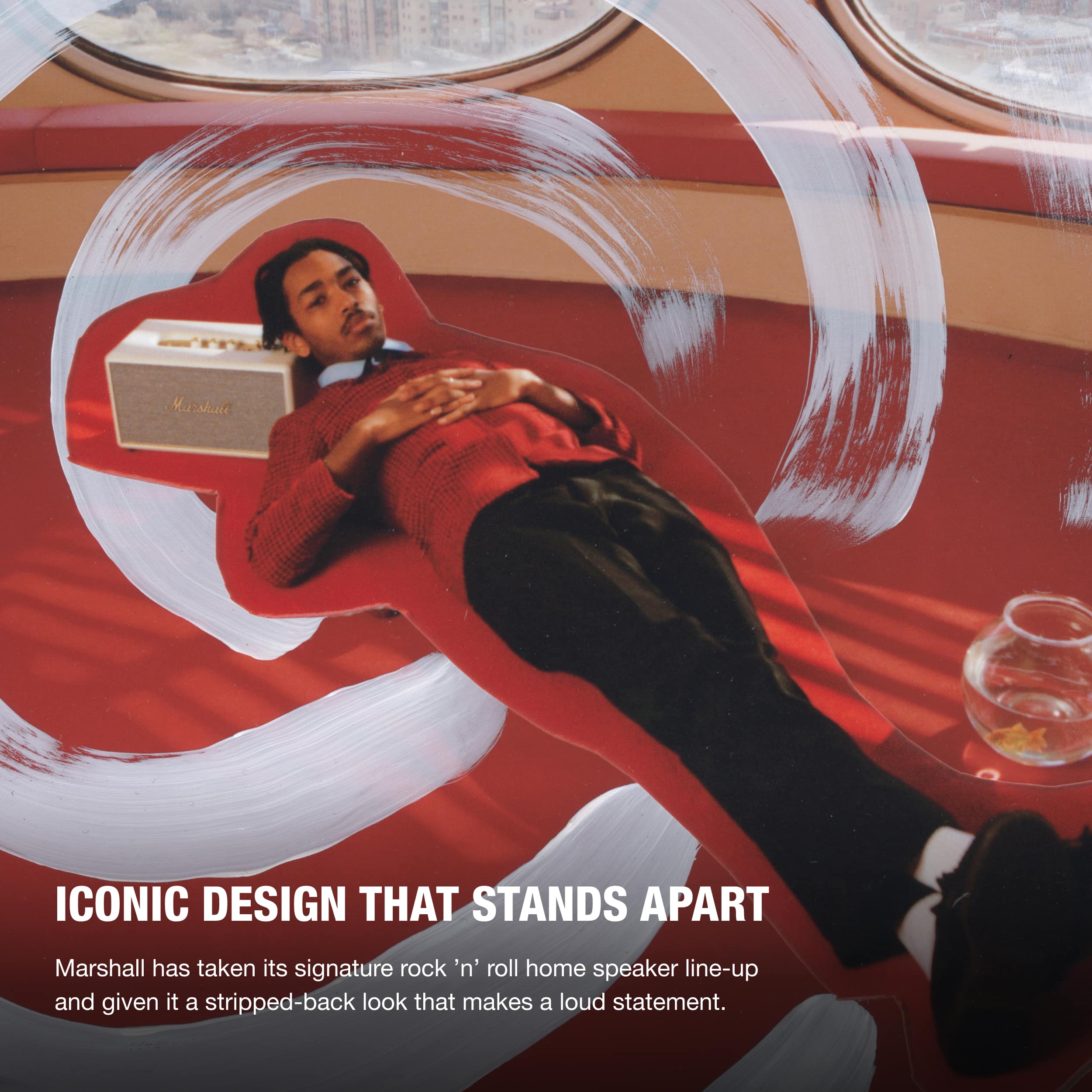
The Marshall Stanmore III, released in 2022, represents Marshall's third-generation take on their iconic home speaker design. Marshall is famous for guitar amplifiers, and the Stanmore III carries that DNA with its vintage-inspired look and powerful amplification. This version added Bluetooth 5.2 connectivity and improved their Dynamic Loudness feature, which automatically adjusts the sound balance as you change volume levels.
Both speakers benefit from recent advances in Bluetooth technology and digital signal processing (DSP), which is essentially computer processing that can optimize audio in real-time. However, they apply these technologies very differently.
Here's where the fundamental differences become crystal clear. The Marshall Stanmore III delivers 80 watts of total power through a sophisticated two-way design—it has a dedicated 50-watt amplifier for the bass-producing woofer and two separate 15-watt amplifiers for the high-frequency tweeters. This separation allows each driver to focus on what it does best, resulting in clearer, more detailed sound across all frequencies.
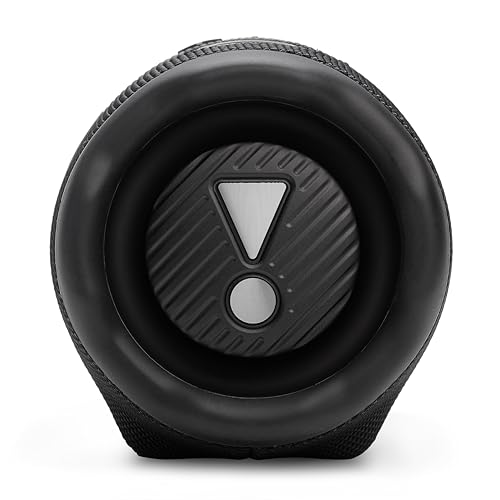
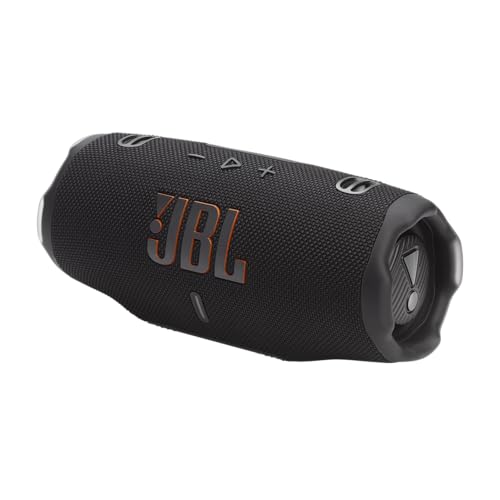
The JBL Charge 6, by comparison, produces 45 watts through a single oval-shaped woofer paired with a smaller tweeter. While this might sound like a significant disadvantage, JBL's engineering is impressive for a portable design. The oval woofer shape maximizes the surface area within the speaker's compact housing, and the AI Sound Boost technology continuously analyzes the audio signal to prevent distortion and maximize output.
What does this mean in practical terms? The Marshall Stanmore III will fill a room more completely and provide better stereo imaging—that sense of instruments and vocals being positioned in space around you. Its frequency response extends down to 45Hz, which means you'll hear deeper bass notes that the JBL Charge 6 (which bottoms out around 56Hz) simply can't reproduce.
However, don't underestimate the Charge 6. For its size and power constraints, it delivers remarkably full sound. The AI Sound Boost feature is particularly clever—it prevents the harsh distortion that typically occurs when you push small speakers to their limits. This means you can crank up the volume for outdoor parties without the sound falling apart.
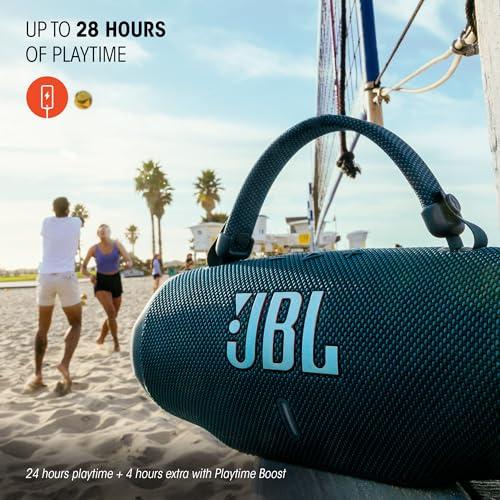
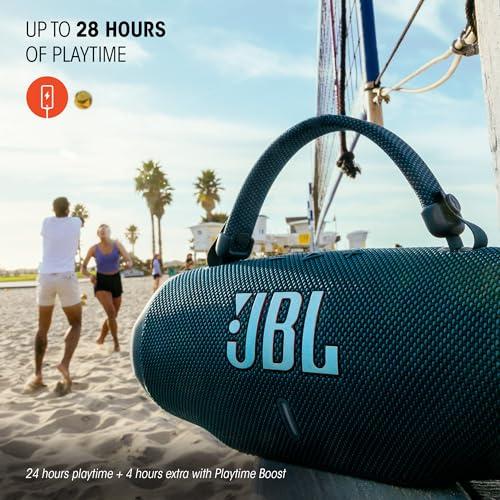
This is where the JBL Charge 6 absolutely dominates. Its 24-hour battery life (extending to 28 hours with Playtime Boost mode) means you can forget about charging for entire weekends. Playtime Boost is an interesting feature that reduces bass output and optimizes the sound profile for speech-heavy content like podcasts, trading some audio richness for extended runtime.
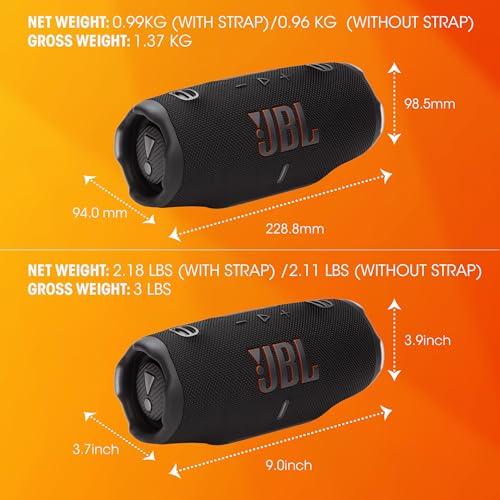
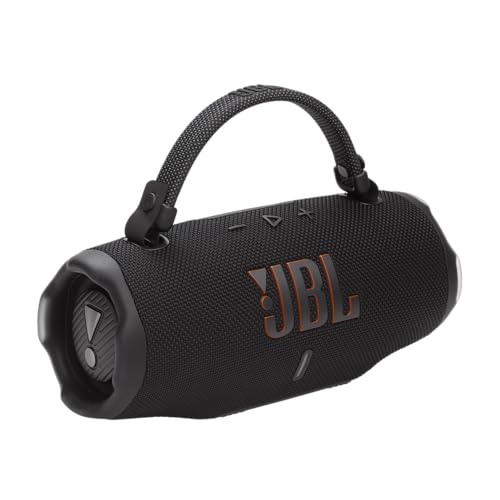
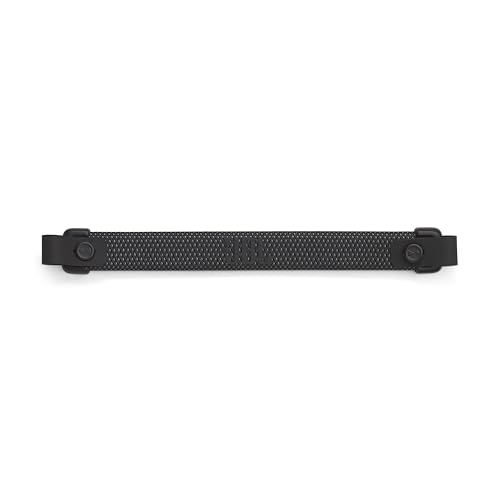
The speaker weighs just over 2 pounds and includes a detachable handle that can be configured in multiple ways. At roughly the size of a large water bottle, it fits easily in backpacks, beach bags, or car cup holders.
The Marshall Stanmore III, weighing nearly 10 pounds and requiring constant AC power, represents the complete opposite philosophy. You're not moving this speaker casually—it's designed to find a permanent spot in your home and stay there. While this might seem limiting, it's actually liberating in a different way. You never have to worry about charging, never have to plan around battery life, and never have to compromise sound quality for power efficiency.
The JBL Charge 6 earns its IP68 rating through serious engineering. This certification means it can survive submersion in up to 1.5 meters of water for 30 minutes and is completely sealed against dust. The speaker has also been drop-tested to survive falls from one meter onto concrete. This isn't just marketing—these are real-world durability standards that mean you can take this speaker to the beach, pool, or camping without worry.
The construction uses 85% post-consumer recycled plastic and recycled fabric for the grille, showing JBL's commitment to sustainability without sacrificing durability. The rubberized exterior and reinforced corners can handle the bumps and scrapes of active use.
The Marshall Stanmore III takes a premium approach with its wooden cabinet, leather-like vinyl covering, and brass hardware. It's built to last, but in a controlled environment. The materials and construction prioritize acoustics and aesthetics over weather resistance. Spilling coffee on the Marshall would be a disaster; the same spill on the JBL would be a minor inconvenience.
Both speakers offer Bluetooth connectivity, but with different philosophies. The JBL Charge 6 uses the newer Bluetooth 5.4 standard and includes Auracast technology, which allows you to pair multiple compatible JBL speakers for wider sound coverage or stereo separation. It also functions as a power bank, letting you charge your phone or tablet through its USB-C port—a genuinely useful feature for outdoor adventures.
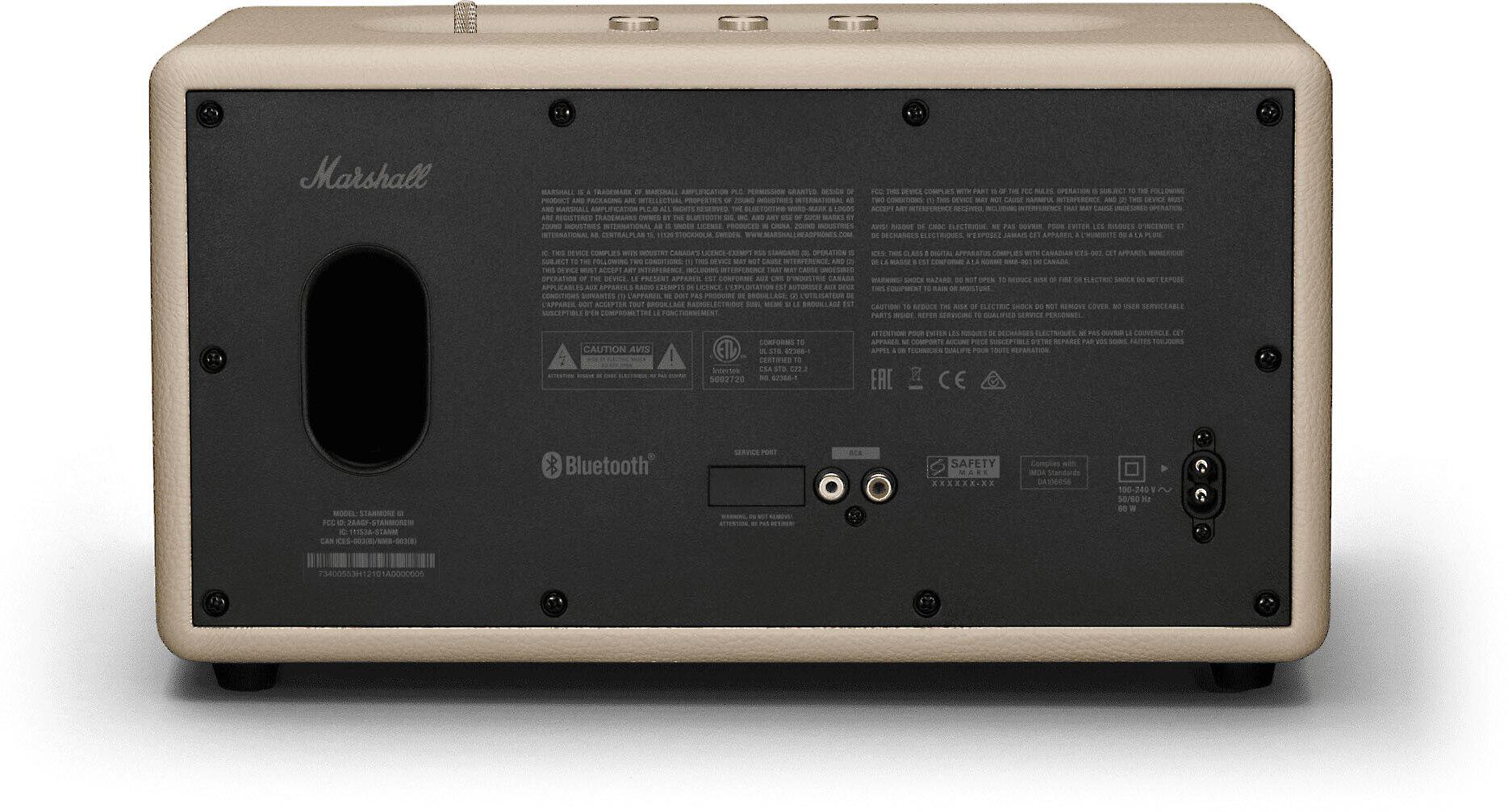
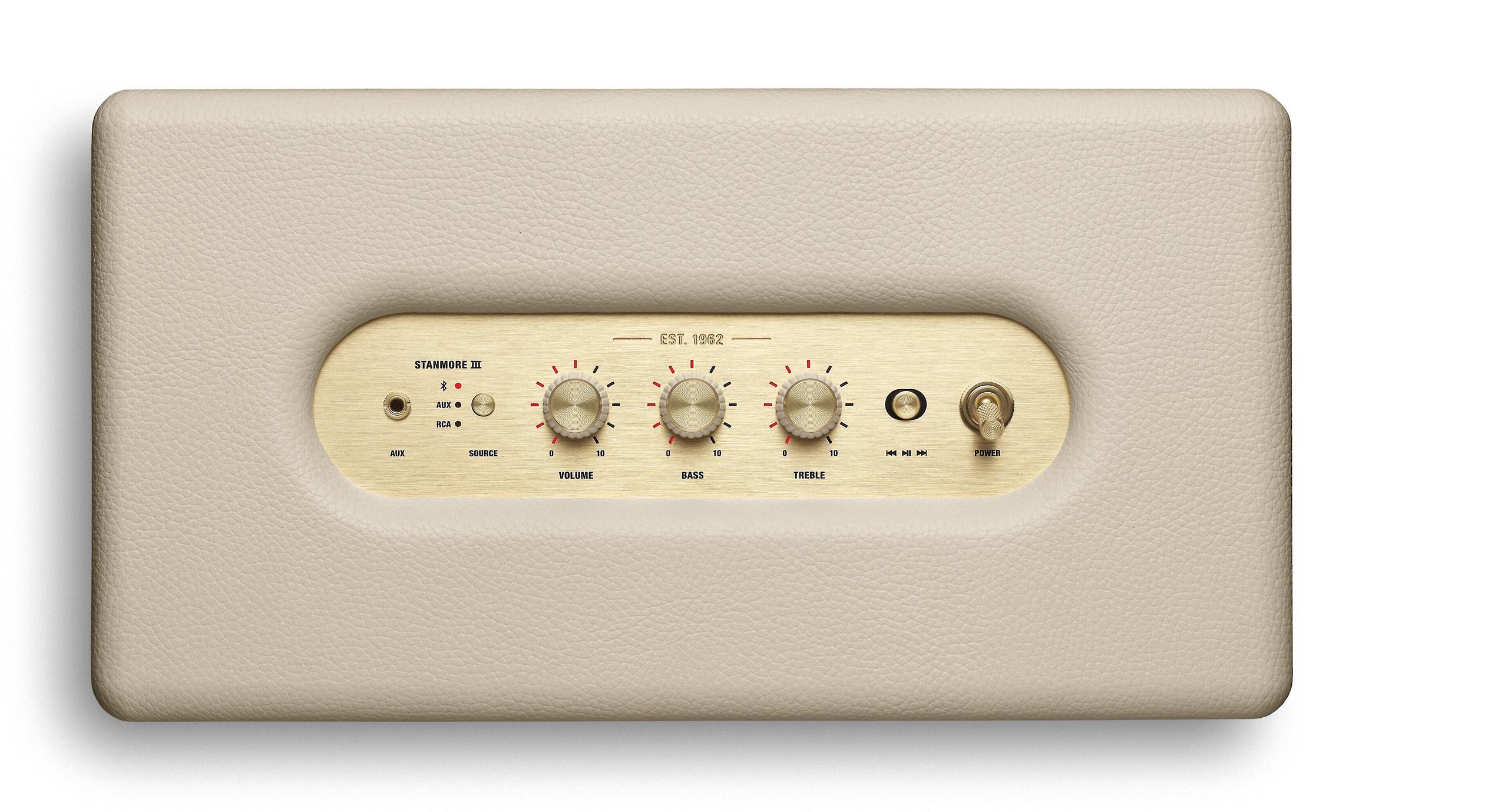
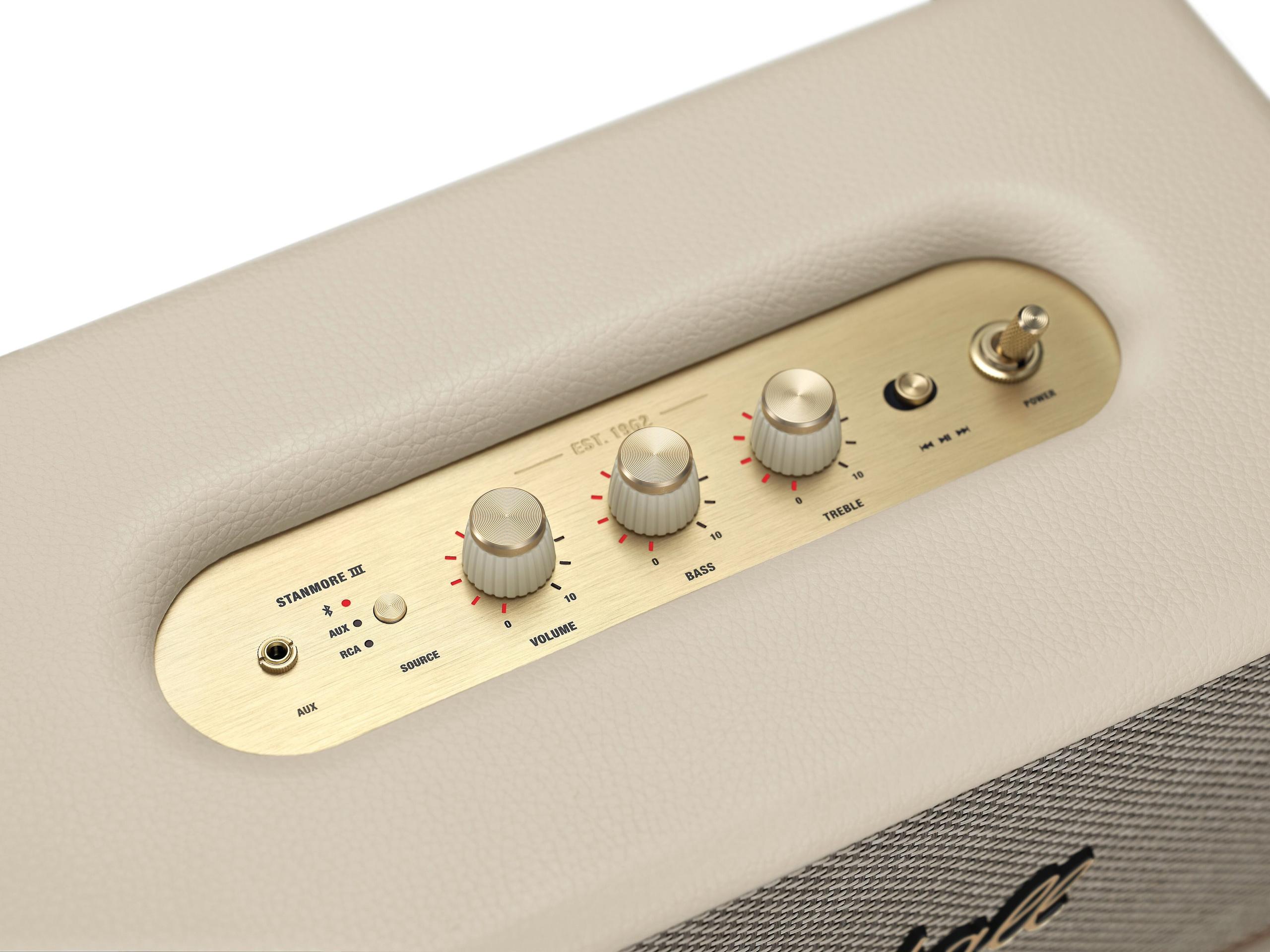
The Marshall Stanmore III provides more connection options for home use. Along with Bluetooth 5.2, it includes a 3.5mm auxiliary input and RCA stereo inputs (the red and white jacks you might remember from older audio equipment). This makes it easy to connect to TVs, turntables, or other audio sources. It can also maintain connections to two Bluetooth devices simultaneously, making it easy to switch between your phone and your partner's music.
The Marshall's physical controls deserve special mention. The analog knobs for volume, bass, and treble provide immediate, tactile control without fumbling through apps. There's something satisfying about turning a proper volume knob that touchscreen controls can't replicate.
The JBL Charge 6 includes several clever technologies that maximize its portable design. The AI Sound Boost continuously analyzes audio content and adjusts the driver behavior to prevent distortion while maximizing output. It's like having a sound engineer constantly optimizing the audio for the speaker's capabilities.
The Marshall's Dynamic Loudness feature addresses a common problem with home audio: music mixed at high volumes often sounds thin and harsh when played quietly, while music mixed for quiet listening can sound muddy when cranked up. Dynamic Loudness automatically adjusts the frequency balance as you change volume, ensuring consistent sound quality whether you're listening at background levels or party volumes.
Both speakers offer companion apps, but with different focuses. The JBL app provides a 7-band equalizer for detailed sound customization and access to features like Playtime Boost. The Marshall app offers similar EQ controls plus the ability to manage multiple input sources and update firmware.
For home theater use, the Marshall Stanmore III has clear advantages. Its analog inputs make it easy to connect directly to TV audio outputs, and its powerful amplification can easily fill a living room with dialogue and soundtrack audio. The stereo separation helps with spatial audio cues that make movies more immersive.
However, both speakers have limitations for serious home theater use. They're both mono or pseudo-stereo designs, meaning they can't provide true left and right channel separation that enhances movie soundtracks. The Marshall's Dynamic Loudness helps with the wide dynamic range of movie audio (the difference between quiet dialogue and loud explosions), but neither speaker can compete with dedicated soundbars or surround sound systems.
For multi-room audio, the JBL Charge 6 offers interesting possibilities through Auracast pairing. You could place multiple units throughout your home for synchronized playback, and the battery operation means you don't need to worry about power outlet placement. However, at the time of writing, this functionality is still relatively new and may not be as seamless as dedicated multi-room systems.
At the time of writing, these speakers sit at different price points that reflect their different priorities. The JBL Charge 6 typically costs significantly less than the Marshall Stanmore III, making it an attractive option for budget-conscious buyers who want versatility.
However, value isn't just about upfront cost. The JBL Charge 6 essentially replaces multiple devices—a portable speaker, a power bank, and potentially multiple speakers if you use the Auracast pairing feature. Its durability also means it's likely to last longer in active use conditions.
The Marshall Stanmore III represents a different kind of value. You're paying for superior sound quality, premium materials, and the iconic Marshall aesthetic. For someone who prioritizes audio quality and style over portability, the higher price may be justified.
Based on extensive research and consensus from both expert reviews and user feedback, the performance differences are exactly what you'd expect from the technical specifications. The Marshall Stanmore III consistently receives praise for its room-filling sound and impressive bass response. Users particularly appreciate the analog controls and the ability to fine-tune the sound without reaching for a phone.
The JBL Charge 6 earns consistent praise for exceeding expectations given its size and price point. The AI Sound Boost technology genuinely works—users report clean, distortion-free audio even at high volumes. The battery life claims hold up in real-world testing, with many users reporting full-day use without charging concerns.
One interesting finding from user reports is that the Marshall's Dynamic Loudness feature can sometimes sound over-processed to critical listeners, while others find it essential for comfortable listening at different volumes. The JBL's Playtime Boost mode receives mixed reviews—it definitely extends battery life, but the sound quality compromise is noticeable, particularly for music listening.
Choose the JBL Charge 6 if your lifestyle demands flexibility. If you find yourself wanting music at the beach, by the pool, during camping trips, or just moving from room to room at home, the portability and battery life make it irreplaceable. The power bank feature adds genuine utility, and the durability means you won't have to baby it. For younger users, renters, or anyone with an active lifestyle, it's hard to beat the versatility.
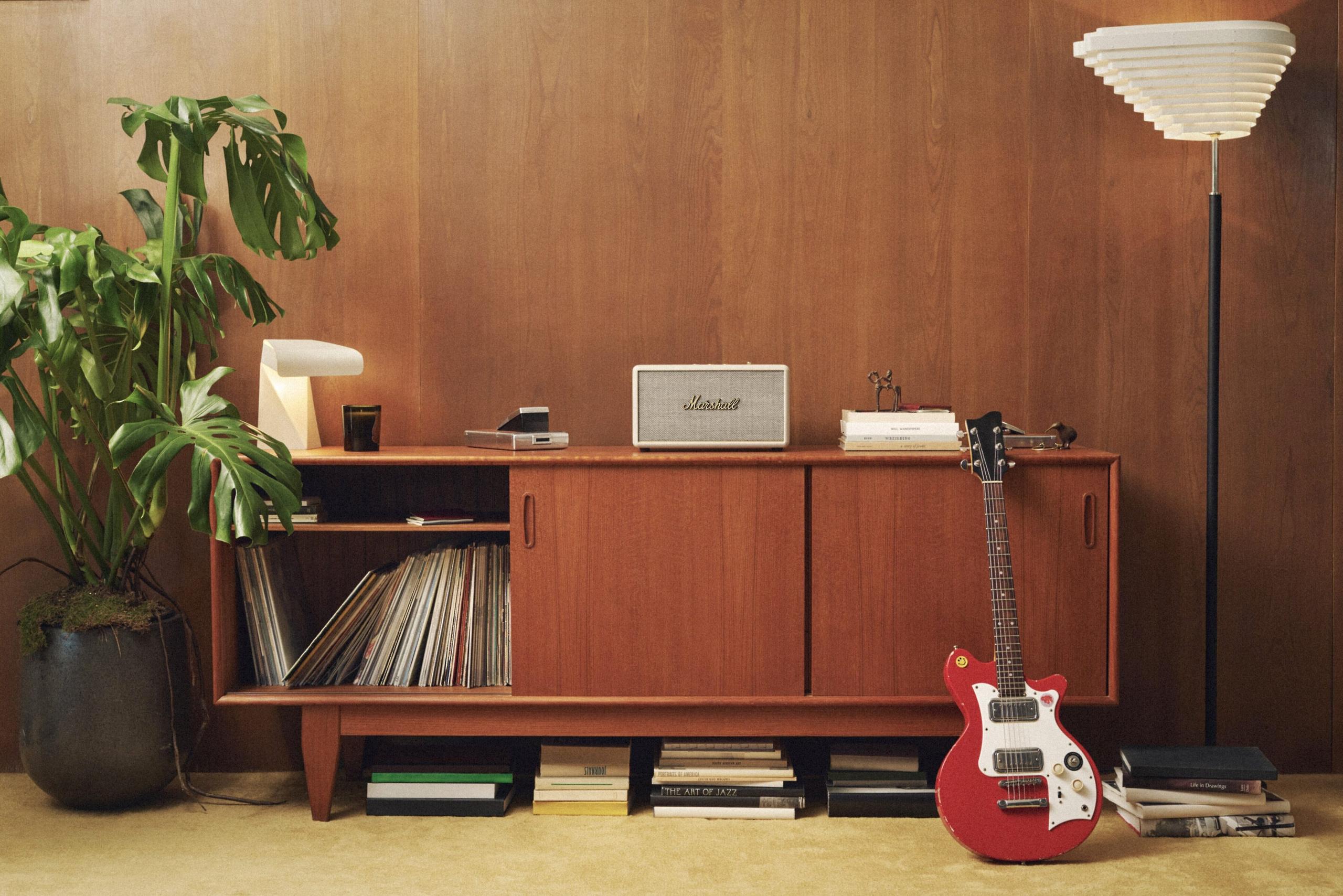
The Marshall Stanmore III makes sense when sound quality trumps convenience. If you have a dedicated listening space, value aesthetic design, and want the best possible audio quality without stepping up to separates or much more expensive speakers, it delivers impressive performance. It's ideal for homeowners who want a permanent audio solution that looks as good as it sounds.
For home theater use, the Marshall's additional inputs and power give it an edge, though both speakers are limited compared to dedicated home theater solutions. For outdoor entertaining, there's no contest—the JBL's weather resistance and battery operation make it the only viable choice.
These speakers succeed at their intended purposes. The JBL Charge 6 maximizes versatility and value for active lifestyles, while the Marshall Stanmore III prioritizes audio quality and aesthetic appeal for home listening. Neither is a compromise—they're both excellent at what they're designed to do.
Your choice comes down to lifestyle fit. If you want one speaker that can handle every situation from poolside parties to quiet bedroom listening, the JBL's adaptability and durability make it the practical choice. If you want the best possible sound quality for home listening and appreciate classic design, the Marshall justifies its premium positioning.
At the time of writing, both speakers represent strong values in their respective categories. The key is honest self-assessment about how and where you'll actually use your speaker. Choose based on your reality, not your aspirations, and you'll be happy with either option.
| JBL Charge 6 Portable Bluetooth Speaker | Marshall Stanmore III Bluetooth Speaker |
|---|---|
| Audio Power Output - Determines maximum volume and room-filling capability | |
| 45W RMS (30W woofer + 15W tweeter) - impressive for portable size | 80W (50W woofer + 2×15W tweeters) - significantly more powerful for home use |
| Speaker Configuration - Affects sound quality and stereo imaging | |
| Mono with passive radiators - good for portable use but no stereo separation | Two-way stereo with dual tweeters - proper left/right separation and soundstaging |
| Frequency Response Range - Shows how deep bass and high treble extend | |
| 56Hz - 20kHz (solid bass for portable speaker) | 45Hz - 20kHz (deeper bass extension for richer low-end) |
| Power Source - Determines where and how long you can use it | |
| Built-in 34Wh battery: 24-28 hours playback, charges in 3 hours | AC power only - unlimited runtime but requires wall outlet |
| Weight and Portability - Critical for mobility and placement flexibility | |
| 2.11 lbs with detachable handle - truly portable | 9.37 lbs stationary design - not meant to be moved frequently |
| Durability Rating - Important for outdoor use and accident protection | |
| IP68 waterproof/dustproof, 1-meter drop resistant | No water/dust protection - indoor use only |
| Connectivity Options - Affects compatibility with different devices | |
| Bluetooth 5.4 only, USB-C charging/audio port | Bluetooth 5.2, 3.5mm aux input, RCA stereo inputs |
| Multi-Device Features - Convenience for households with multiple users | |
| Single Bluetooth connection, Auracast multi-speaker pairing | Dual simultaneous Bluetooth connections, no multi-speaker pairing |
| Special Audio Technologies - Advanced features that enhance sound quality | |
| AI Sound Boost (real-time distortion prevention), Playtime Boost mode | Dynamic Loudness (automatic volume-based EQ), placement compensation |
| Additional Functions - Extra utility beyond basic audio playback | |
| Powerbank function via USB-C port | None - dedicated audio only |
| Physical Controls - Important for ease of use without apps | |
| Basic play/pause button, volume via app or source device | Analog volume, bass, and treble knobs plus source selection |
| Design Philosophy - Reflects intended use and aesthetic priorities | |
| Rugged outdoor-focused with recycled materials | Premium home audio with vintage Marshall amplifier styling |
The JBL Charge 6 is specifically designed for outdoor use with its IP68 waterproof and dustproof rating, meaning it can handle pools, beaches, rain, and dust. It also has a 24-28 hour battery life and drop-resistant construction. The Marshall Stanmore III requires AC power and has no weather protection, making it unsuitable for outdoor use.
The Marshall Stanmore III delivers superior sound quality with 80 watts of power through a two-way stereo design, providing deeper bass (down to 45Hz) and better stereo separation. The JBL Charge 6 offers impressive sound for its portable size with 45 watts and AI Sound Boost technology, but cannot match the Marshall's room-filling power and audio fidelity.
The Marshall Stanmore III is better suited for home theater use thanks to its multiple input options (RCA, 3.5mm aux), higher power output, and Dynamic Loudness feature that helps balance movie audio. The JBL Charge 6 can work for casual TV watching via Bluetooth but lacks the power and connectivity options for serious home theater use.
The JBL Charge 6 typically offers better value due to its lower price point and versatility - it functions as a speaker, powerbank, and outdoor companion. The Marshall Stanmore III costs more but justifies the price with superior sound quality, premium materials, and home-focused features for dedicated listening spaces.
The JBL Charge 6 provides 24 hours of standard playback, extending to 28 hours with Playtime Boost mode, and charges fully in 3 hours. The Marshall Stanmore III has no battery - it requires constant AC power connection, which means unlimited runtime but no portability.
The Marshall Stanmore III can maintain connections to two Bluetooth devices simultaneously, making it easy to switch between users. The JBL Charge 6 typically connects to one device at a time but supports Auracast technology for pairing with other compatible JBL speakers.
The JBL Charge 6 is significantly more durable with IP68 waterproof rating, drop-resistance from 1 meter, and rugged construction designed for active use. The Marshall Stanmore III uses premium materials like wood and vinyl but is designed for careful indoor use and lacks any weather or impact protection.
Neither the JBL Charge 6 nor the Marshall Stanmore III has built-in voice assistants. Both can play audio from voice assistant devices via Bluetooth connection, but you'll need to use your phone or other device to activate voice commands.
The JBL Charge 6 weighs just 2.11 pounds and measures 3.9" × 9.0" × 3.7", making it highly portable with an included detachable handle. The Marshall Stanmore III weighs 9.37 pounds and measures much larger at 13.8" × 7.7" × 7.3", designed as a stationary home speaker.
Yes, both offer sound customization. The JBL Charge 6 provides a 7-band equalizer through the JBL Portable app and features like Playtime Boost mode. The Marshall Stanmore III offers physical bass and treble knobs on top of the speaker plus app-based EQ controls and placement compensation settings.
For outdoor parties, the JBL Charge 6 is ideal due to its weather resistance, long battery life, and ability to pair with other JBL speakers for wider coverage. For indoor parties with AC power available, the Marshall Stanmore III provides more powerful, room-filling sound that can better handle larger spaces and higher volumes.
The JBL Charge 6 connects via Bluetooth 5.4 and includes a USB-C port for charging and lossless audio input. The Marshall Stanmore III offers more versatility with Bluetooth 5.2, 3.5mm auxiliary input, and RCA stereo inputs, making it easier to connect to TVs, turntables, and other audio sources.
We've done our best to create useful and informative comparisons to help you decide what product to buy. Our research uses advanced automated methods to create this comparison and perfection is not possible - please contact us for corrections or questions. These are the sites we've researched in the creation of this article: rtings.com - youtube.com - stereoguide.com - whathifi.com - youtube.com - elomymelo.com - soundguys.com - elomymelo.com - wifihifi.com - soundguys.com - jbl.com - whathifi.com - soundguys.com - youtube.com - smarthomesounds.co.uk - jbl.com - sweetwater.com - youtube.com - bestbuy.com - jbl.com.sg - jbl.com - dell.com - ca.jbl.com - soundguys.com - soundguys.com - dell.com - techgadgetscanada.com - camelcamelcamel.com - crutchfield.com - bestbuy.com - dxomark.com - crutchfield.com - crutchfield.com - marshall.com - marshall-production-1.mobify-storefront.com - exhibit.tech - ooberpad.com - av-connection.com

Privacy Policy
Terms and Conditions - Affiliate Policy
Home Security
© Copyright 2008-2026.
11816 Inwood Rd #1211, Dallas, TX 75244