

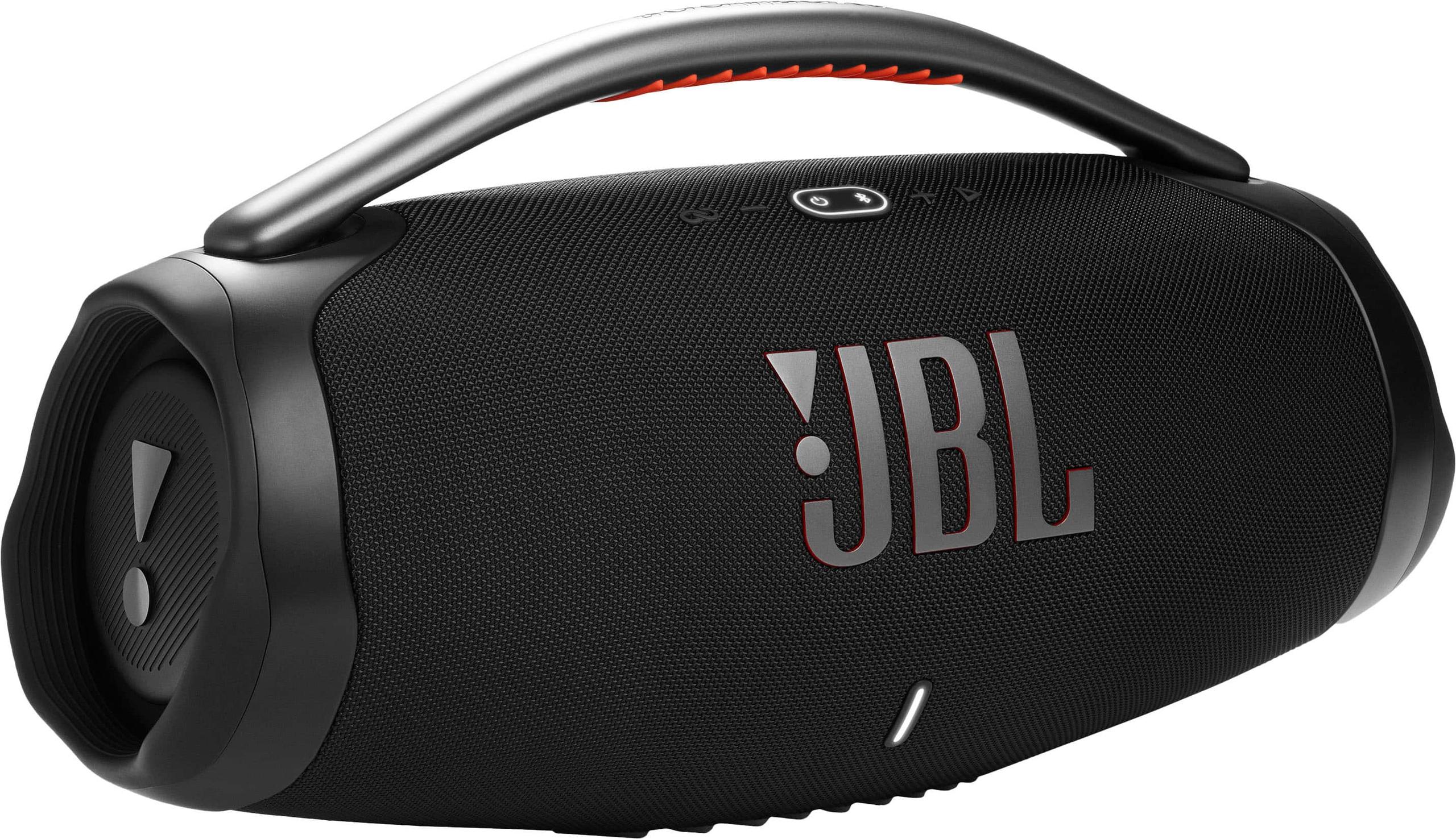
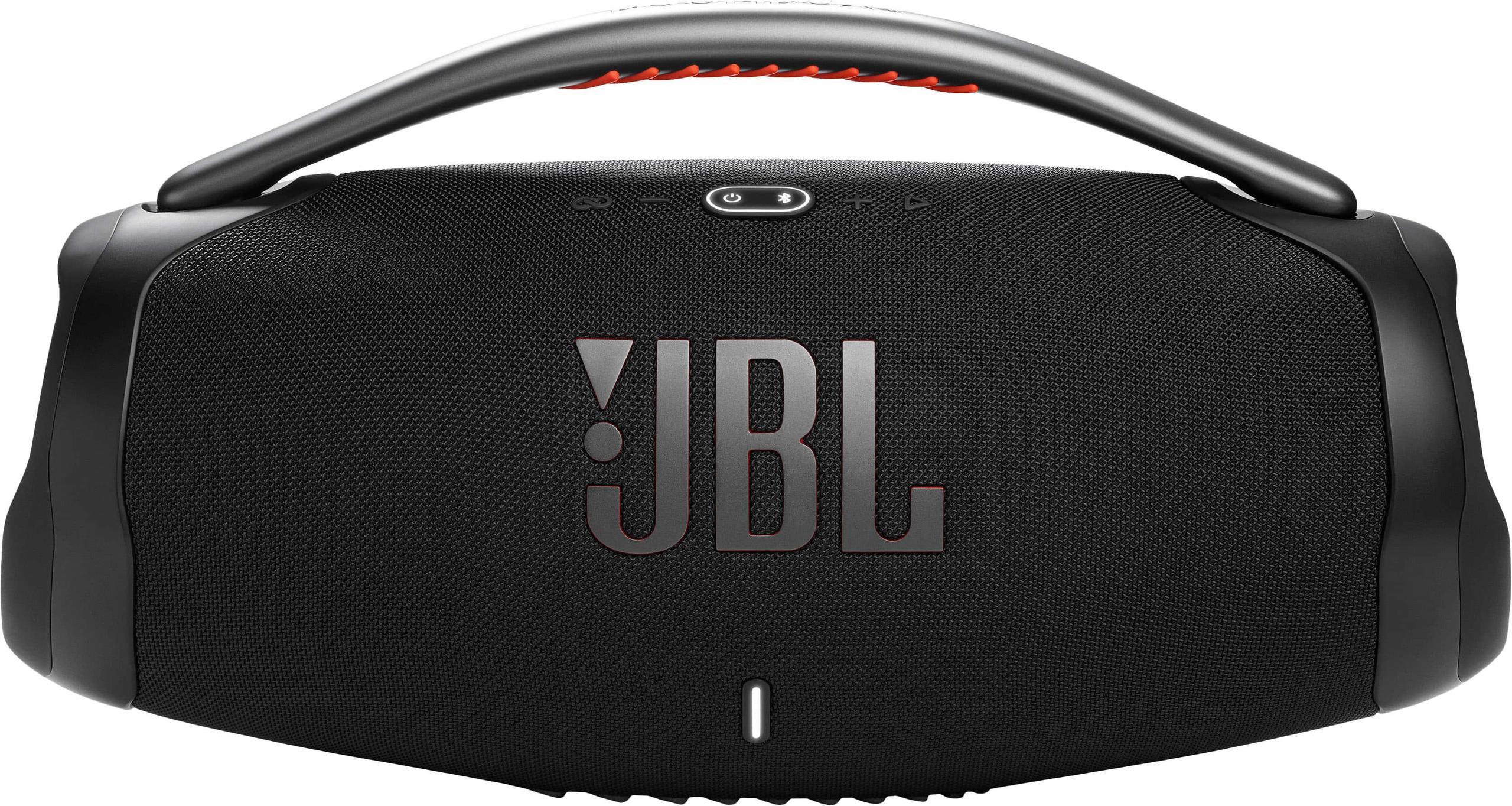
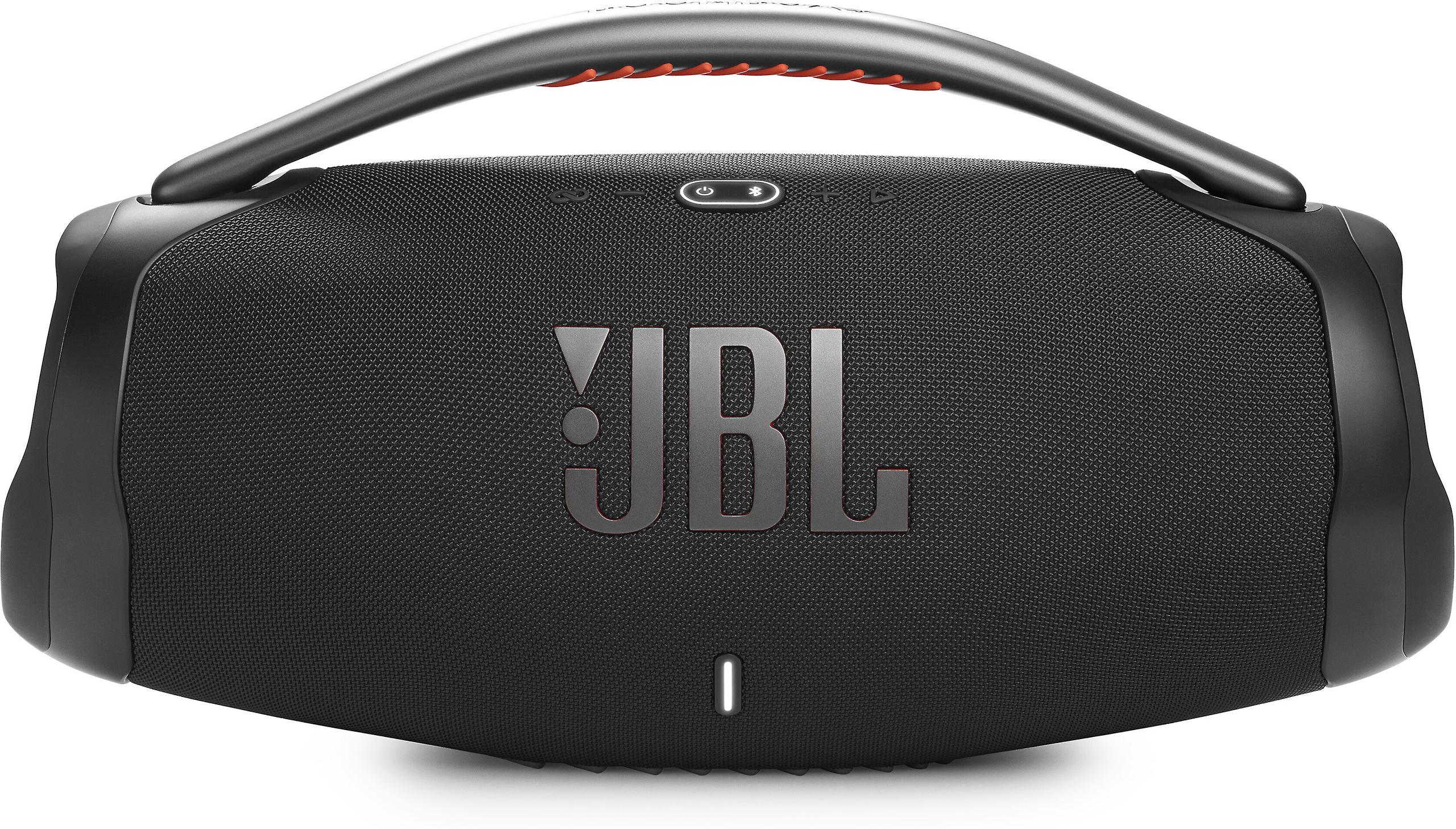
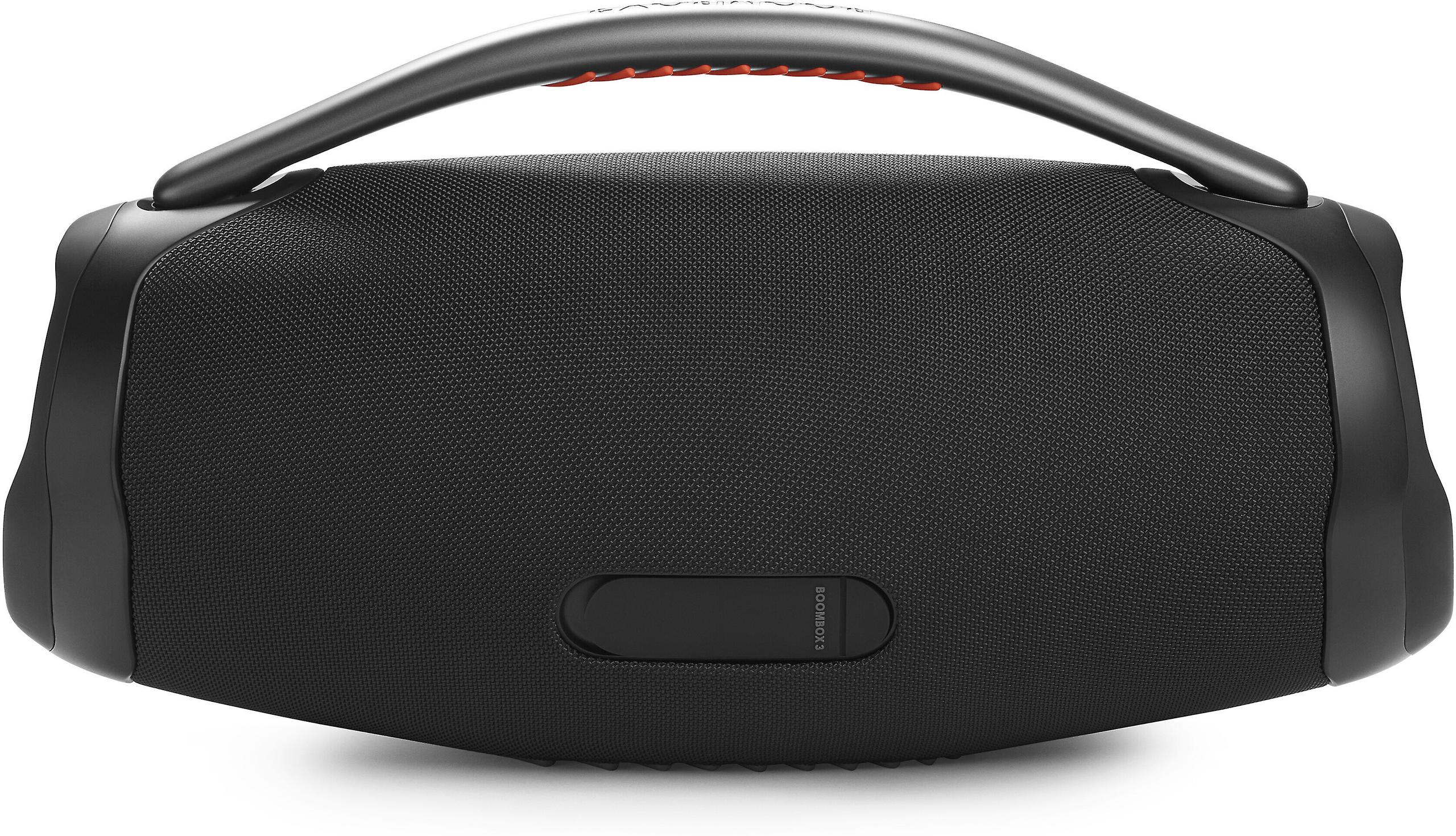
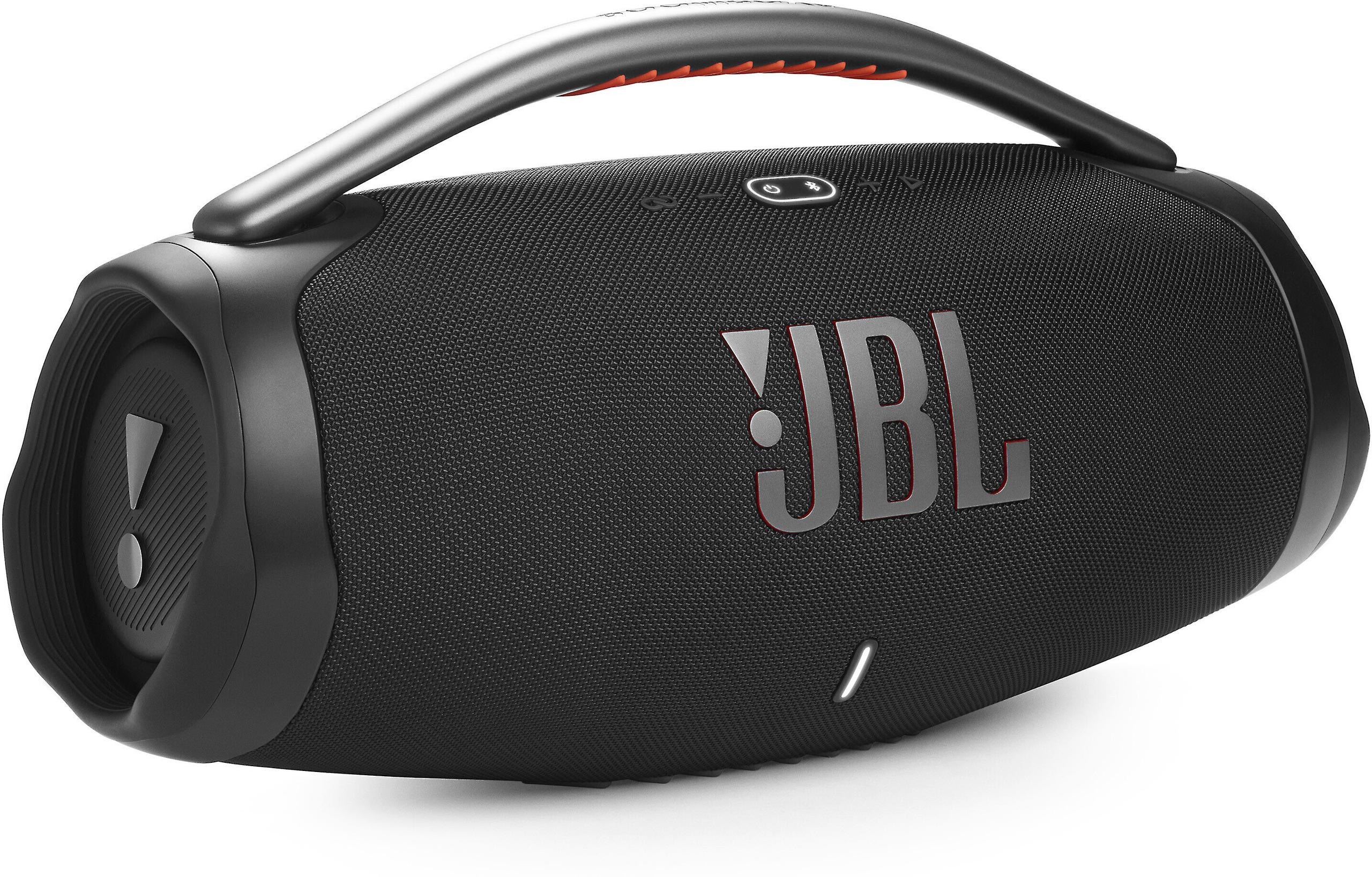
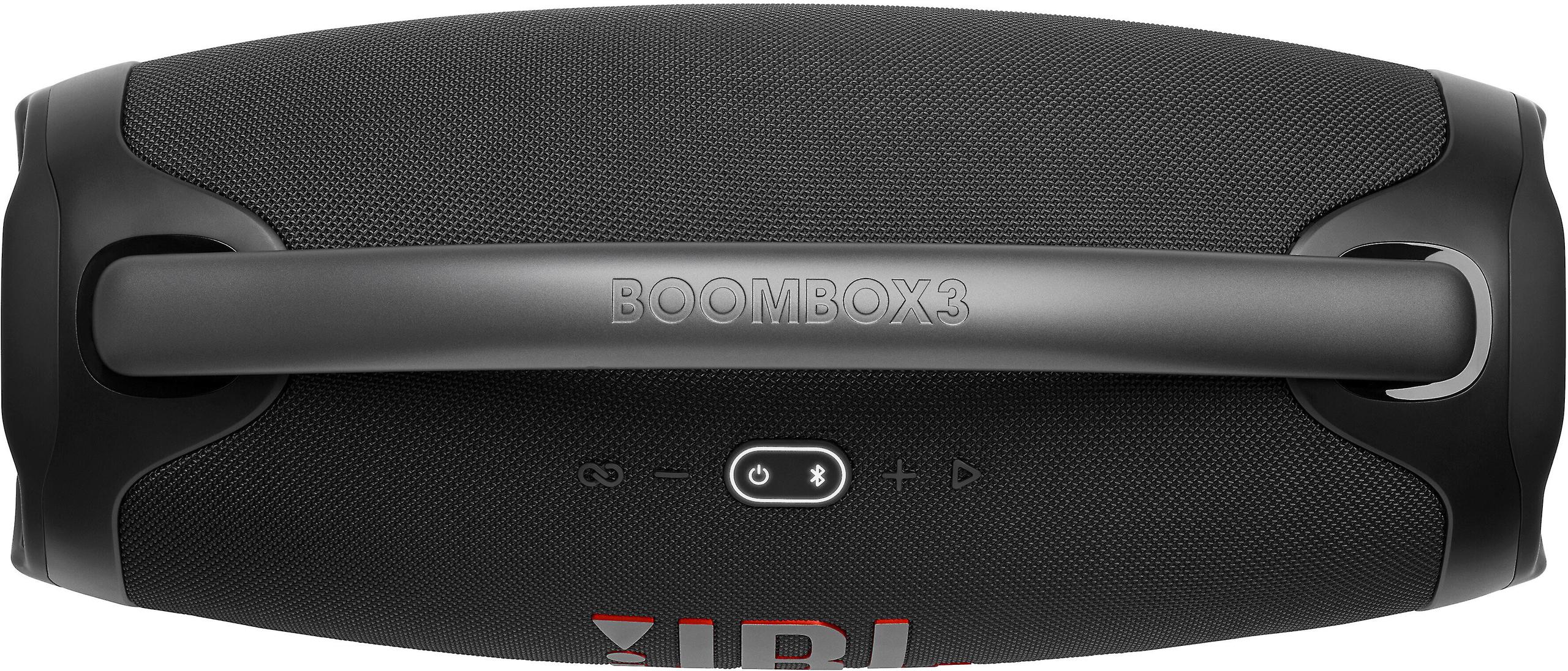
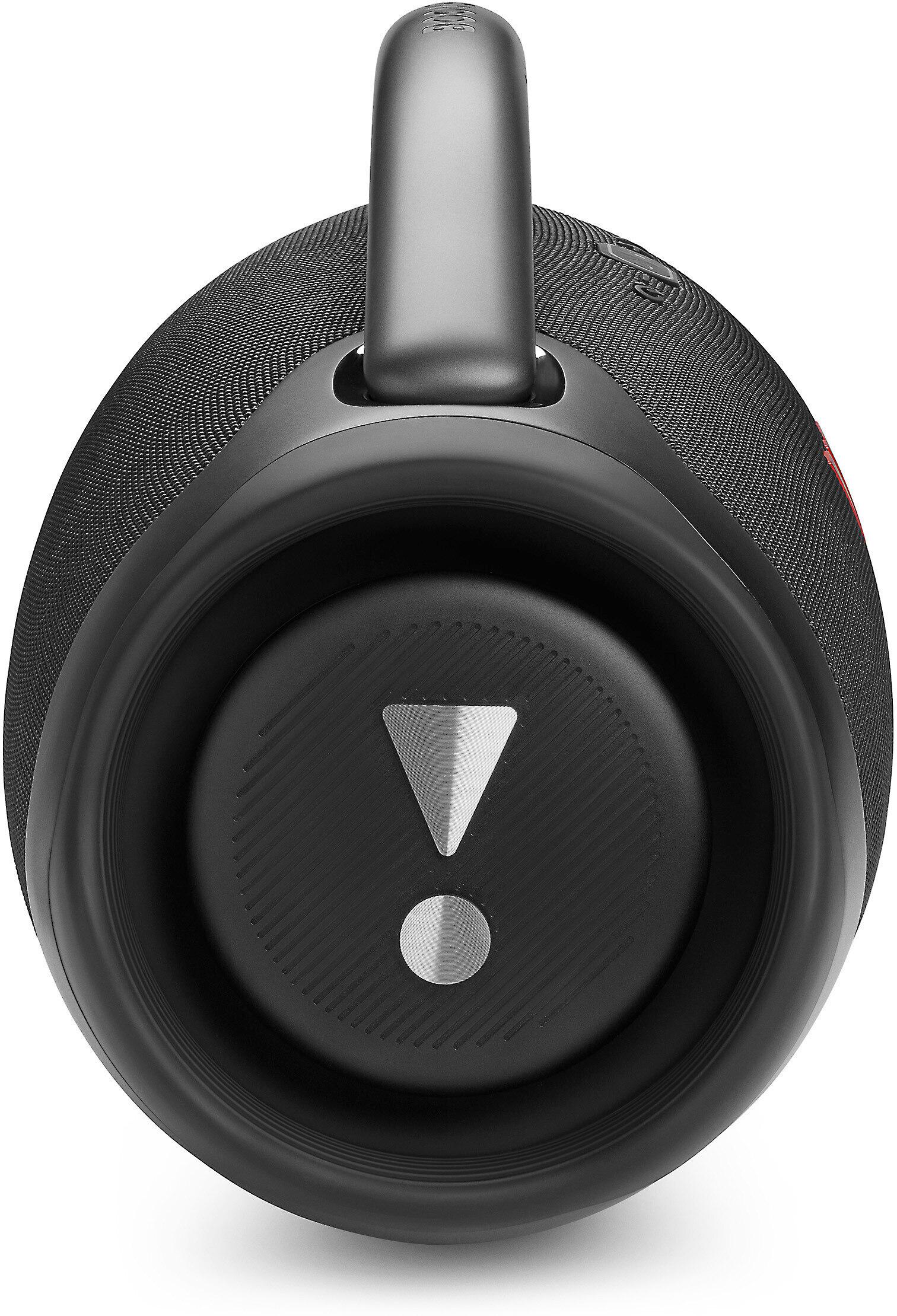
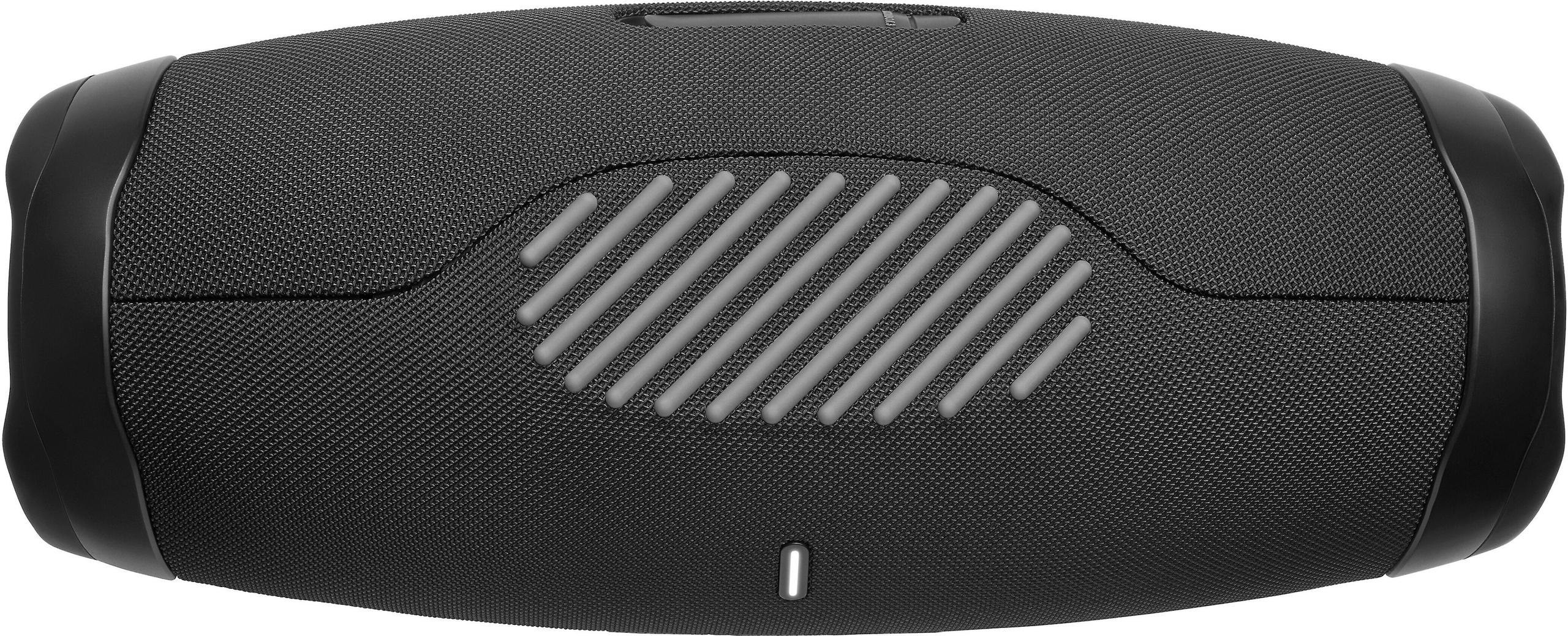

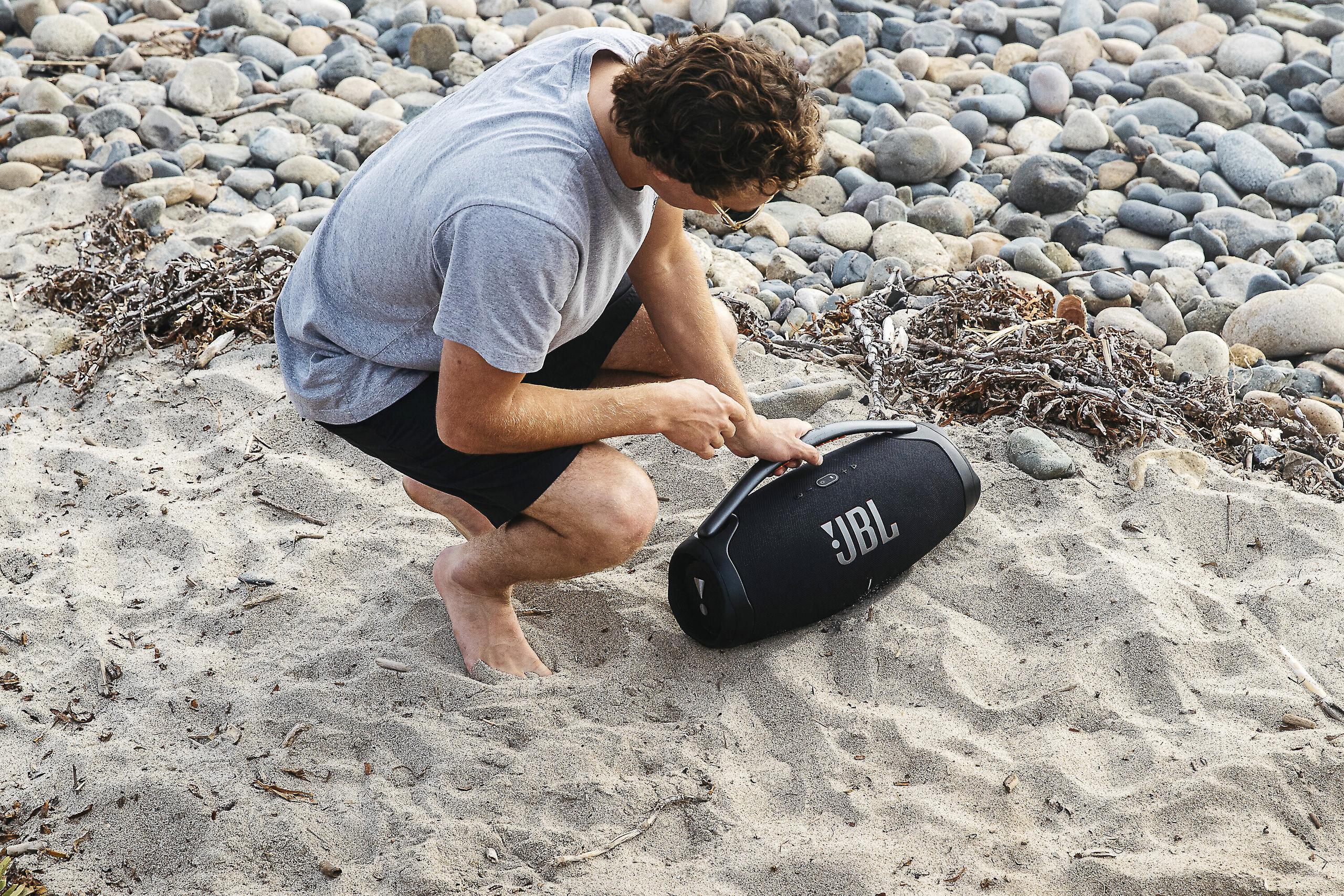



When you're shopping for a portable Bluetooth speaker, you're essentially choosing between two different philosophies: grab-and-go convenience or stay-and-play power. JBL's lineup perfectly illustrates this divide with the JBL Charge 4 representing the pinnacle of true portability, while the JBL Boombox 3 delivers flagship-level audio performance in a larger package.
Understanding this fundamental trade-off will help you make the right choice for your lifestyle and listening habits. Let's dive deep into what makes each speaker tick and when you should choose one over the other.
Portable Bluetooth speakers aren't just about wireless audio anymore—they've evolved into lifestyle accessories that need to match how and where you actually listen to music. The most important considerations when choosing include portability versus power output, battery life for extended use, sound quality across different volume levels, and durability for outdoor environments.
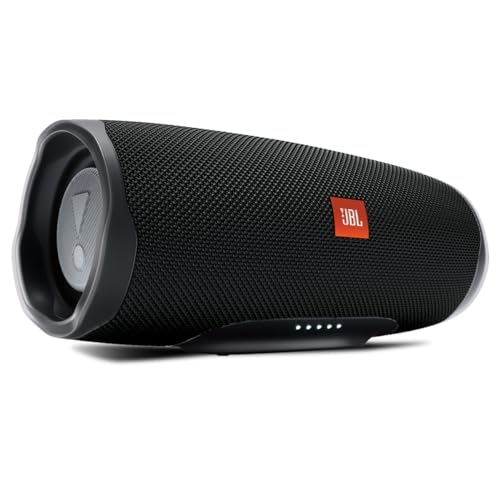
The JBL Charge 4, released in 2018, represents the sweet spot of the compact-portable category. At just over two pounds, it's genuinely portable while still delivering respectable sound quality and unique features like powerbank functionality. The JBL Boombox 3, launched in 2022, sits in the large-portable category where maximum audio performance takes priority over ultimate portability.
What's particularly interesting is how speaker technology has evolved between these two generations. The four-year gap between releases shows up in everything from Bluetooth versions to driver design philosophy, giving us a clear picture of how priorities have shifted in portable audio.
The most obvious difference between these speakers is their power output, but raw wattage numbers don't tell the whole story. The JBL Charge 4 delivers 30W RMS (Root Mean Square—basically the continuous power it can sustain), which translates to enough volume for small to medium rooms and outdoor gatherings of 10-15 people.
In contrast, the JBL Boombox 3 pumps out 180W when plugged into AC power, dropping to 136W on battery. This isn't just about getting louder—it's about maintaining clean, distortion-free audio even when you crank the volume. Based on user feedback and expert reviews, the Boombox 3 can easily fill large outdoor spaces and compete with background noise at parties, something the Charge 4 struggles with.
Here's what this means practically: if you're listening at moderate volumes in your bedroom or by the pool, both speakers will sound great. Push them to their limits, and the JBL Boombox 3 maintains composure while the JBL Charge 4 starts to compress the audio and lose clarity.
This is where things get technically interesting. The JBL Charge 4 uses a single racetrack-shaped driver (50x90mm) paired with dual passive radiators. Passive radiators are basically speakers without magnets that vibrate sympathetically to enhance bass response—think of them as bass boosters that don't require additional power.
The JBL Boombox 3 takes a completely different approach with a true stereo configuration: a dedicated 189x114mm subwoofer (the component responsible for deep bass), dual 2.75-inch woofers (handling mid-bass and midrange frequencies), and dual 0.75-inch tweeters (reproducing high frequencies and detail).
What does this mean for your ears? The Charge 4's mono setup means you're missing stereo separation—that sense of instruments and vocals being positioned in different parts of the soundstage. You can pair two Charge 4 speakers for stereo, but that doubles your cost and complexity. The JBL Boombox 3 delivers true stereo out of the box, creating a more immersive listening experience that's particularly noticeable with well-recorded music.
Frequency response tells us which sounds a speaker can reproduce, measured in Hertz (Hz). Lower numbers mean deeper bass, higher numbers mean more detailed treble. The JBL Charge 4 handles 60Hz to 20kHz, while the JBL Boombox 3 digs down to 40Hz.
That 20Hz difference is significant. Most of the bass you feel in your chest during live music or movie sound effects lives in that 40-60Hz range. User reviews consistently praise the Boombox 3's ability to deliver that physical bass impact that makes music feel more engaging, while the Charge 4's bass, though present, lacks that deeper foundation.
However, the Charge 4's bass tuning deserves credit for being tasteful and well-balanced. Rather than the boomy, overwhelming bass some portable speakers produce, JBL tuned it to complement rather than overpower vocals and midrange instruments.
Numbers on a spec sheet don't always translate to real-world usability, but in this case, they tell a clear story. The JBL Charge 4 measures 8.7 x 3.7 x 3.7 inches and weighs 2.12 pounds. You can genuinely carry this in one hand, toss it in a backpack, or even fit it in a large jacket pocket.
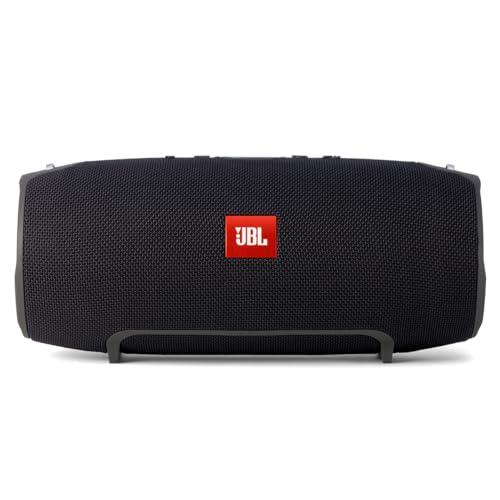
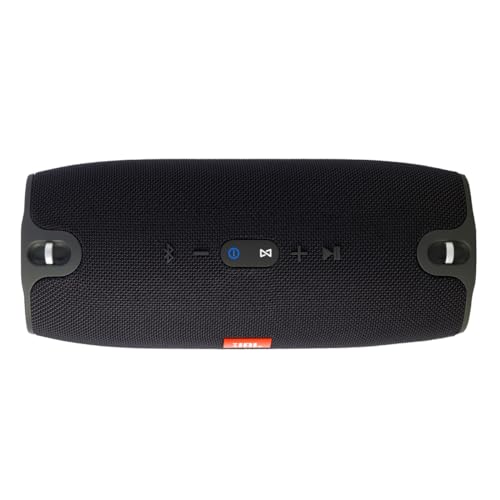
The JBL Boombox 3, at 19.0 x 10.1 x 7.9 inches and 14.7 pounds, requires two hands and deliberate transportation. Think of it more like a portable stereo system than a truly portable speaker. The metal handle with silicone grips helps, but this isn't something you'll casually bring on a hike.
This size difference fundamentally changes how you use each speaker. The Charge 4 encourages spontaneous music sharing—it's always ready to go. The Boombox 3 requires planning and setup, making it better suited for events where it'll stay put for hours.
Both speakers handle outdoor conditions well, but with different approaches. The JBL Charge 4's IPX7 rating means it can survive submersion in up to one meter of water for 30 minutes. Perfect for poolside use where accidental dunking might happen.
The JBL Boombox 3's IP67 rating adds dust protection to the water resistance equation. The "6" means complete dust-tight protection, while the "7" matches the Charge 4's water resistance. For beach use or dusty outdoor events, this extra protection matters.
JBL rates the JBL Charge 4 at 20 hours of playback, though real-world usage typically delivers 13-15 hours depending on volume levels and content. The JBL Boombox 3 claims 24 hours, and user reports suggest it actually achieves or even exceeds this rating, particularly at moderate volumes.
The difference comes down to power management philosophy. The Charge 4 prioritizes consistent performance across its entire battery cycle, while the Boombox 3 includes more sophisticated power management that adjusts output based on remaining battery life.
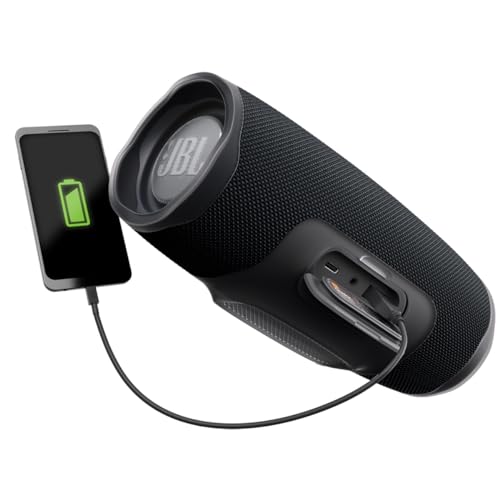
Here's where the JBL Charge 4 offers something truly unique in its size class—it doubles as a powerbank. The built-in 7500mAh battery can charge your smartphone via a USB-A port, delivering 5V/2A output. During long outdoor adventures or power outages, this feature transforms the speaker from an entertainment device into an essential utility.
The JBL Boombox 3 also includes powerbank functionality, but given its larger battery and intended use case, it's more about convenience than necessity. When you're setting up for a party, being able to charge devices is nice; when you're camping for three days, it's essential.
The four-year gap between these speakers shows up clearly in their Bluetooth implementations. The JBL Charge 4 uses Bluetooth 4.2, which was perfectly adequate in 2018 but now feels dated. Connection stability is generally good, but range and device switching aren't as smooth as newer standards.
The JBL Boombox 3's Bluetooth 5.3 offers improved range, faster device switching, and better handling of interference from other wireless devices. In practice, this means fewer dropouts and more reliable connections, especially in crowded wireless environments like apartment buildings or busy outdoor areas.
Both speakers support multi-speaker pairing, but through different systems that aren't compatible with each other. The JBL Charge 4 uses JBL Connect+, which works with over 100 older JBL speakers—great if you already own compatible models or want to build a system over time.
The JBL Boombox 3 uses the newer PartyBoost protocol, which offers better synchronization and audio quality but only works with newer JBL speakers. It's technically superior but less flexible if you're mixing and matching older models.
At the time of writing, these speakers occupy very different price tiers that reflect their target markets. The JBL Charge 4, now several years old, typically sells for significantly less than its original launch price, making it exceptional value for anyone prioritizing portability and essential features.
The JBL Boombox 3 commands premium pricing as JBL's current flagship portable speaker. Whether that premium is justified depends entirely on how you plan to use it. If you need maximum volume and audio quality, the performance gap justifies the price difference. If you primarily listen at moderate volumes or need true portability, the Charge 4 delivers 80% of the experience at a much lower cost.
The JBL Charge 4 excels in scenarios where portability matters most. Think hiking, camping, beach days, or travel where luggage space is limited. Its powerbank functionality makes it invaluable during outdoor adventures where device charging options are scarce.
For apartment dwellers or anyone who needs to frequently move their speaker between rooms, the Charge 4's grab-and-go design eliminates friction. You'll actually use it more often because it's always ready to relocate.
The speaker also works well for personal listening or small group gatherings up to about 8 people. In bedroom, office, or small patio settings, its audio quality is entirely adequate and its size advantage becomes a daily benefit.
The JBL Boombox 3 justifies its size and cost when audio performance matters most. Large gatherings, outdoor parties, or any situation where you need to overcome background noise and fill significant space with sound.
It also works surprisingly well as a home audio solution for smaller rooms. While it won't replace a proper stereo system, it can serve as the primary music source for workshops, garages, or covered patios where traditional speakers aren't practical.
The stereo imaging and dedicated subwoofer make it genuinely enjoyable for critical listening sessions where you want to hear music as the artist intended, not just have background sound.
Neither speaker is specifically designed for home theater use, but both can serve as temporary solutions. The JBL Charge 4's mono output and limited bass make it unsuitable for movie watching beyond casual phone or tablet viewing.
The JBL Boombox 3's stereo configuration and superior bass response make it more viable for casual home theater use, particularly for smaller rooms or outdoor movie nights. However, both speakers lack the low-latency audio codecs (like aptX Low Latency) that prevent the annoying audio delay you sometimes get with Bluetooth speakers during video watching.
The engineering philosophy difference between these speakers extends beyond just size. The JBL Charge 4 uses a single full-range driver with passive radiators, prioritizing efficiency and battery life. This design works well for its size but inherently limits stereo imaging and frequency separation.
The JBL Boombox 3's three-way driver system (subwoofer, woofers, tweeters) allows each component to focus on its optimal frequency range. The dedicated subwoofer handles deep bass without compromising midrange clarity, while the separate tweeters ensure high-frequency details don't get lost.
Both speakers employ different strategies for maximizing battery life. The Charge 4 uses more conservative power management that maintains consistent output throughout the battery cycle. The Boombox 3 includes more sophisticated algorithms that can boost performance when plugged into AC power while extending battery life through intelligent power scaling.
The choice between the JBL Charge 4 and JBL Boombox 3 ultimately comes down to honest assessment of your priorities and use patterns.
Choose the JBL Charge 4 if you value true portability, need powerbank functionality, have budget constraints, or primarily listen at moderate volumes. It's the better choice for active lifestyles, travel, and situations where you'll frequently move the speaker around.
Choose the JBL Boombox 3 if audio quality is paramount, you regularly host larger gatherings, need maximum volume capability, or plan to use the speaker primarily in fixed locations. It's worth the premium if you want flagship performance and don't mind the size trade-off.
Consider your listening habits honestly. If 80% of your music listening happens at moderate volumes with small groups, the JBL Charge 4 provides excellent value and daily usability advantages. If you frequently need room-filling sound or host events where audio quality makes a difference, the JBL Boombox 3's performance advantages justify the investment.
Both speakers represent excellent execution of their respective design philosophies. Your choice should align with how you actually live and listen to music, not just what sounds impressive in theory.
| JBL Charge 4 | JBL Boombox 3 |
|---|---|
| Power Output - Determines maximum volume and clarity at high levels | |
| 30W RMS (good for small-medium rooms) | 180W AC / 136W battery (party-level volume) |
| Audio Configuration - Affects stereo imaging and soundstage | |
| Mono with single driver + passive radiators | True stereo with dedicated subwoofer, woofers, tweeters |
| Frequency Range - Lower numbers mean deeper bass response | |
| 60Hz - 20kHz (limited deep bass) | 40Hz - 20kHz (much deeper, impactful bass) |
| Size & Weight - Determines true portability vs stationary use | |
| 8.7" × 3.7" × 3.7", 2.12 lbs (genuinely portable) | 19.0" × 10.1" × 7.9", 14.7 lbs (requires two hands) |
| Battery Life - Critical for outdoor and extended use | |
| 20 hours rated (13-15 hours real-world) | 24 hours rated (often exceeds in practice) |
| Water/Dust Resistance - Protection level for outdoor conditions | |
| IPX7 (waterproof, submersible to 1 meter) | IP67 (waterproof + complete dust protection) |
| Bluetooth Version - Affects connection stability and range | |
| 4.2 (older standard, adequate performance) | 5.3 (newer standard, better range and stability) |
| Powerbank Function - Ability to charge other devices | |
| Yes, USB-A output 5V/2A (very useful for camping/travel) | Yes, higher capacity (convenient but less essential) |
| Speaker Pairing - Multi-speaker connectivity options | |
| JBL Connect+ (works with 100+ older JBL models) | PartyBoost (better quality, newer JBL models only) |
| Charging Method - Convenience and universality | |
| USB-C (4 hours charge time, universal cable) | AC adapter (6.5 hours, requires proprietary charger) |
| Release Year - Technology generation and current value | |
| 2018 (older but proven, excellent current value) | 2022 (latest tech, premium current pricing) |
The JBL Charge 4 is significantly more portable, weighing just 2.12 pounds and measuring 8.7 x 3.7 x 3.7 inches. You can easily carry it in one hand or pack it in a backpack for hiking, camping, or beach trips. The JBL Boombox 3 weighs 14.7 pounds and requires two hands to carry, making it better suited for stationary use at parties or gatherings rather than active travel.
The JBL Boombox 3 delivers superior sound quality with its dedicated subwoofer, dual woofers, and tweeters providing true stereo sound and deeper bass (40Hz frequency response). The JBL Charge 4 offers good sound quality for its size but uses a mono configuration with limited bass extension (60Hz), making it less suitable for bass-heavy music or large spaces.
The JBL Boombox 3 offers 24 hours of battery life and often exceeds this rating in real-world use. The JBL Charge 4 provides 20 hours rated battery life, though actual usage typically delivers 13-15 hours depending on volume levels. Both speakers include powerbank functionality to charge your devices.
The JBL Boombox 3 is specifically designed for parties with its 180W power output that can easily fill large outdoor spaces and compete with crowd noise. The JBL Charge 4 works well for small to medium gatherings (10-15 people) but lacks the volume and bass impact needed for larger parties or events.
Both speakers offer excellent water protection. The JBL Charge 4 has IPX7 rating, meaning it can be submerged in up to 1 meter of water for 30 minutes. The JBL Boombox 3 features IP67 rating, which adds complete dust protection to the same water resistance, making it better for sandy beach environments.
The JBL Charge 4 typically offers exceptional value as an older model with proven performance at a lower price point. It delivers about 80% of premium features for significantly less cost. The JBL Boombox 3 commands premium pricing but justifies it with flagship audio performance - worth it if maximum sound quality is your priority.
Yes, but they use different systems. The JBL Charge 4 uses JBL Connect+ technology that works with over 100 compatible older JBL speakers. The JBL Boombox 3 uses the newer PartyBoost protocol, which offers better synchronization but only works with newer JBL models released after 2019.
For most home use, the JBL Charge 4 is more practical due to its compact size and easy room-to-room portability. However, if you want the best possible sound quality for a dedicated listening space, the JBL Boombox 3 delivers superior stereo imaging and bass response that can serve as a primary music system for smaller rooms.
The JBL Boombox 3 features newer Bluetooth 5.3 technology offering better range, faster device switching, and improved stability in crowded wireless environments. The JBL Charge 4 uses Bluetooth 4.2, which provides adequate performance but may experience more dropouts and slower connections compared to the newer standard.
The JBL Charge 4 charges via USB-C in about 4 hours, using the same universal cable as most modern devices. The JBL Boombox 3 requires 6.5 hours to charge using a proprietary AC adapter, which is less convenient for travel but supports the larger battery capacity.
Neither speaker is optimized for home theater use, but the JBL Boombox 3 performs better for casual movie watching thanks to its stereo configuration and superior bass response. The JBL Charge 4 works for phone or tablet viewing but lacks the stereo imaging needed for immersive movie experiences. Both may have slight audio delay with video content.
Both the JBL Charge 4 and JBL Boombox 3 include powerbank features, but the Charge 4's USB-A output is more essential for its target use cases like camping and travel. The Charge 4's smaller battery (7500mAh) still provides useful device charging, while the Boombox 3's larger capacity offers more charging power but is less critical given its stationary nature.
We've done our best to create useful and informative comparisons to help you decide what product to buy. Our research uses advanced automated methods to create this comparison and perfection is not possible - please contact us for corrections or questions. These are the sites we've researched in the creation of this article: rtings.com - whathifi.com - whathifi.com - soundguys.com - soundguys.com - streamtechreviews.com - youtube.com - versus.com - applevis.com - versus.com - jbl.com - jbl.com - walmart.com - comparisontabl.es - harmanaudio.com - manuals.plus - jbl.com.sg - jbl.com - mm.jbl.com - bestbuy.com - newpower99.com - forums.woot.com - tomsguide.com - sweetwater.com - bestbuy.com - jbl.com - rtings.com - harmanaudio.com - jbl.com - jbl.com - thepowercentre.ca - youtube.com - bhphotovideo.com - krazykileys.ca

Privacy Policy
Terms and Conditions - Affiliate Policy
Home Security
© Copyright 2008-2026.
11816 Inwood Rd #1211, Dallas, TX 75244