




If you've ever tried to choose between portable Bluetooth speakers, you know it can feel overwhelming. The market is packed with options that all promise great sound, long battery life, and convenient portability. But here's the thing: not all portable speakers are trying to solve the same problem. Some are built for backyard parties, others for your nightstand, and some try to do everything at once.
Today we're comparing two speakers that represent completely different philosophies: the JBL Charge 4 and the Sony LinkBuds Wireless Portable Speaker. At the time of writing, both fall into the premium portable speaker category price-wise, but they're targeting very different users and use cases.
Before diving into these specific products, it's worth understanding what makes a great portable speaker. The key factors break down into several categories:
Sound Quality includes not just how loud a speaker can get, but how clear it sounds at different volumes, how well it handles bass (low frequencies), and whether it can create a sense of space in your music. Battery Life matters because nobody wants their soundtrack dying mid-party. Durability determines whether your speaker survives a drop, a splash, or a sandy beach day. Connectivity covers how easily it pairs with your devices and what extra connection options you have.
But here's what many people miss: portability isn't just about size and weight. It's about whether the speaker fits your lifestyle. A speaker that's perfect for hiking might be terrible for your kitchen counter, and vice versa.
The JBL Charge 4 launched in 2018 and represents JBL's tried-and-true approach to portable audio. It's part of a speaker line that's been refined over multiple generations, with each version improving on the last while maintaining the core philosophy: deliver powerful, reliable sound that can handle whatever you throw at it.
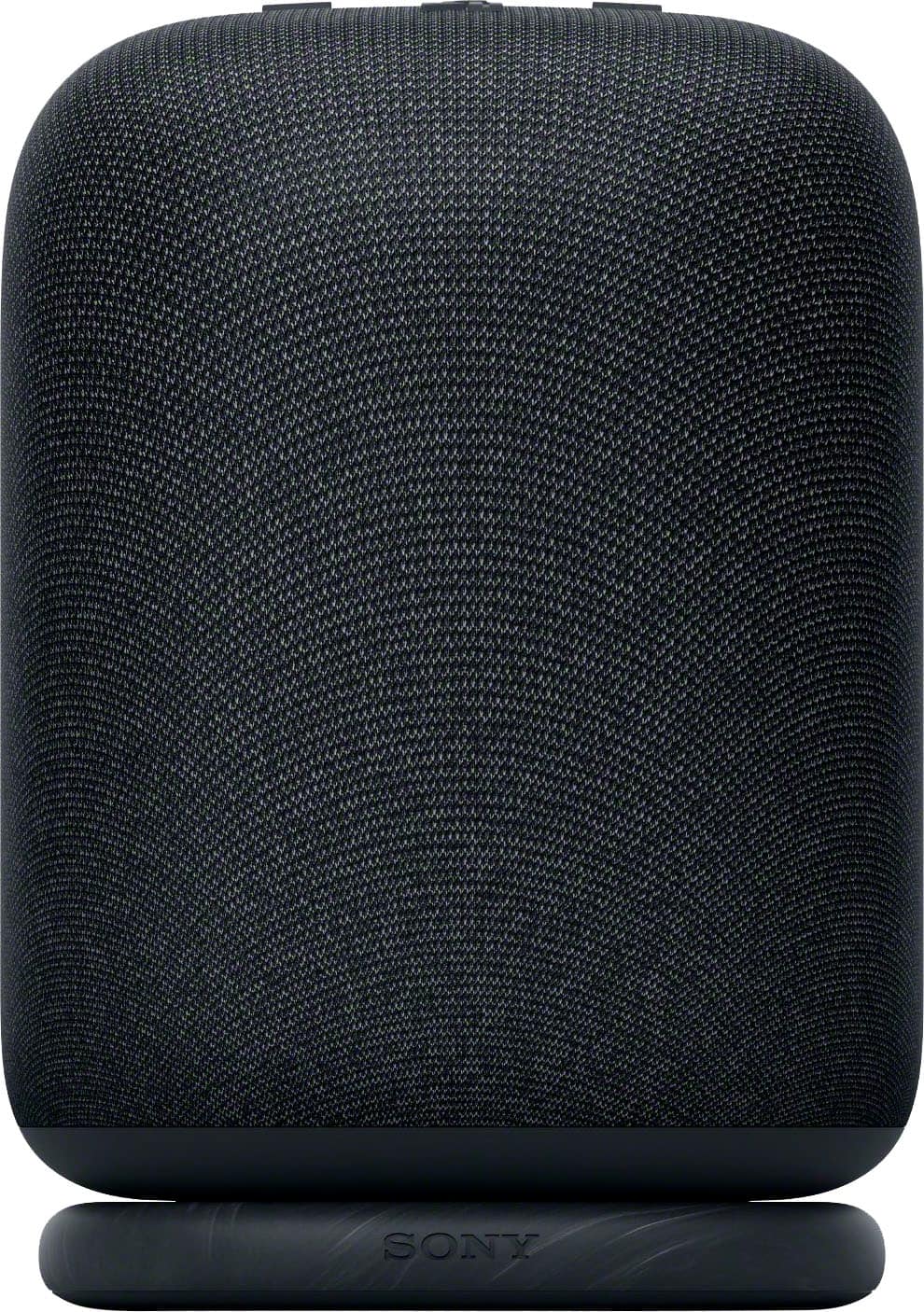
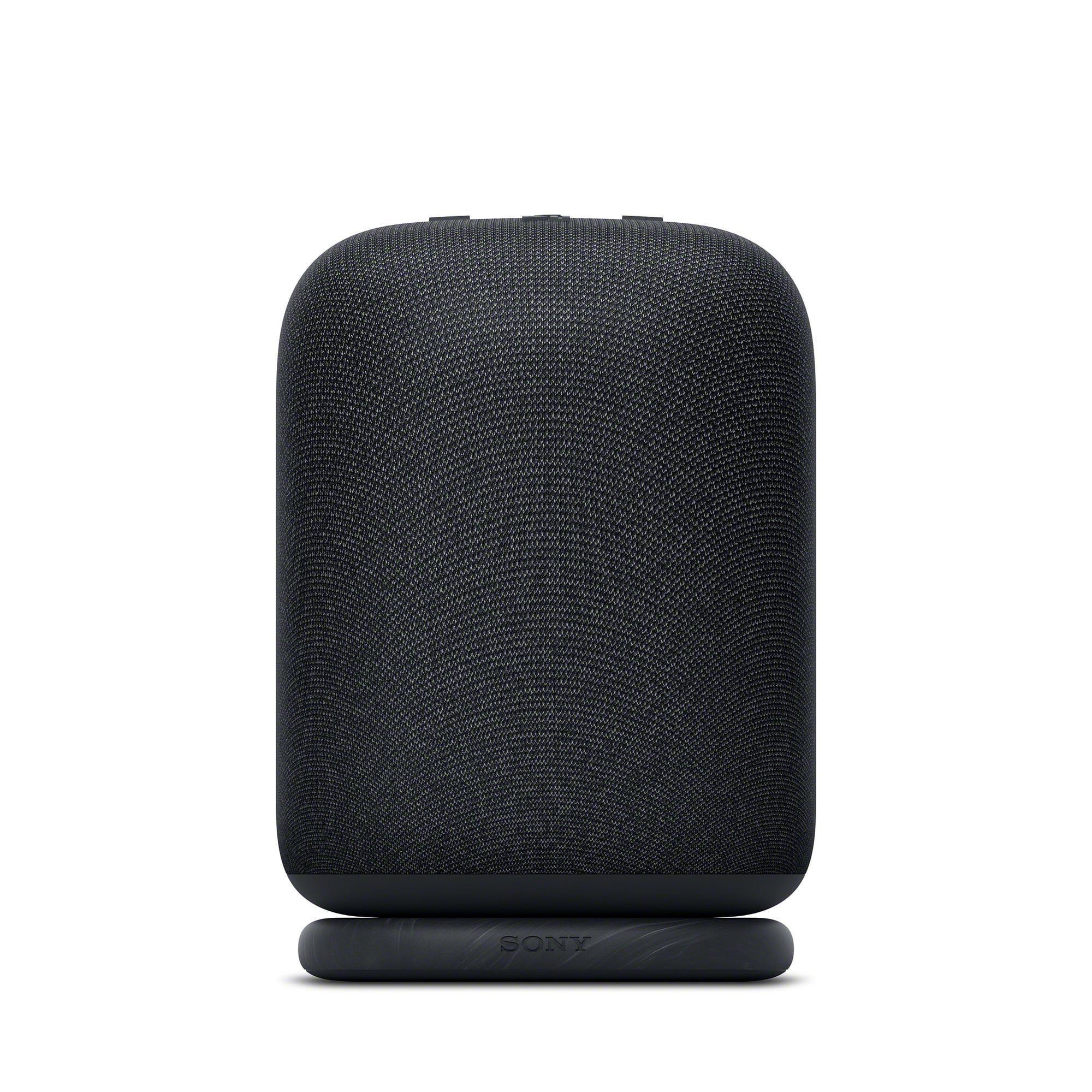
The Sony LinkBuds Wireless Portable Speaker arrived much more recently in 2024, representing Sony's attempt to rethink what a portable speaker should be in our increasingly connected world. Rather than just making another loud speaker, Sony focused on smart features and ecosystem integration.
These different release timelines matter. The JBL Charge 4 has had years of real-world testing and user feedback, while the Sony LinkBuds incorporates newer Bluetooth technology and processing power that wasn't available when JBL designed their speaker.
When it comes to audio performance, these speakers take fundamentally different approaches that reveal their intended audiences.
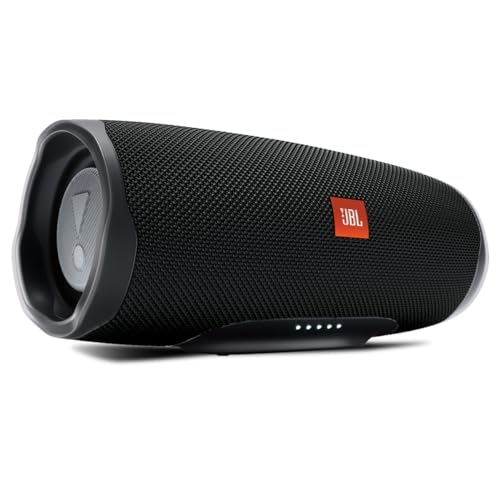
The JBL Charge 4 packs a 30W RMS amplifier (RMS stands for Root Mean Square, which is a more honest way to measure continuous power output than peak watts). This drives a single racetrack-shaped driver measuring 50 x 90mm, which is significantly larger than what you'll find in most portable speakers.
What makes the bass really punchy, though, are the dual passive radiators. These are essentially speakers without voice coils that vibrate sympathetically with the main driver, extending the low-frequency response without requiring additional amplification. It's an elegant engineering solution that gives you more bass than the speaker's size would suggest possible.
In practice, this setup delivers sound that fills outdoor spaces effectively. The frequency response spans 60Hz to 20kHz, which means it can reproduce most of the audible spectrum, though it won't give you the deepest sub-bass frequencies (those are typically below 60Hz). The result is punchy, engaging sound that works well for most music genres, particularly those with prominent drums and bass lines.
The Sony LinkBuds takes a completely different path with a two-way driver system. This means it has separate drivers optimized for different frequency ranges: a dedicated tweeter for high frequencies and an X-Balanced Speaker unit for woofers (mid and low frequencies). This approach typically provides better frequency separation and clearer detail than single-driver designs.
Sony's X-Balanced driver technology uses an oval shape rather than the traditional circular design. This allows for a larger diaphragm area within the same space constraints, theoretically providing better sound movement and less distortion. The dedicated tweeter ensures that cymbals, vocals, and other high-frequency content don't get muddied by bass frequencies.
Perhaps more importantly, the Sony LinkBuds includes a Sound Diffusion Processor that uses digital signal processing (DSP) to optimize audio for room acoustics. This is sophisticated technology that analyzes the audio signal in real-time and adjusts it to sound better in your specific environment.
Based on extensive research into user experiences and professional reviews, these different approaches create notably different listening experiences. The JBL Charge 4 excels when you need volume and presence. It can get significantly louder than the Sony LinkBuds while maintaining reasonable clarity, making it the obvious choice for outdoor gatherings or larger rooms.
However, the Sony LinkBuds demonstrates superior instrument separation and vocal clarity at moderate volumes. If you're listening to jazz, acoustic music, or podcasts, the Sony's two-way design provides noticeably more detailed sound reproduction. The trade-off is that it simply cannot match the JBL's ability to energize a party or fill a large space with sound.
For home theater use, neither speaker is ideal since both output mono audio (single-channel) rather than stereo. However, both can be paired with a second identical unit to create true stereo sound, though this obviously doubles your investment.
Battery performance reveals another key difference in design philosophy between these speakers.
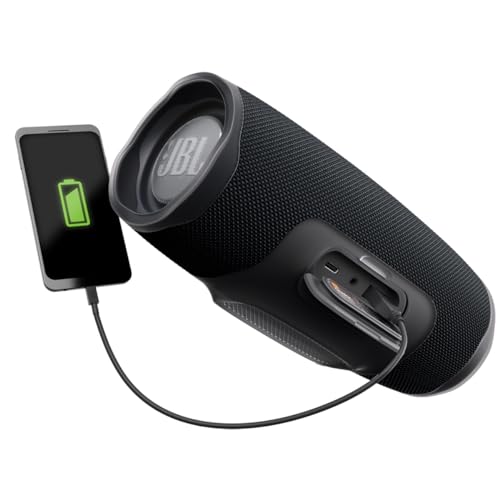
The JBL Charge 4 earned its "Charge" name by incorporating a substantial 7500mAh lithium-ion battery that serves dual purposes. Not only does it provide up to 20 hours of playback time (though real-world testing suggests closer to 13 hours at moderate volumes), but it also functions as a power bank for your other devices.
This powerbank feature shouldn't be underestimated. The speaker can output 5V at 2A through its USB-A port, which is enough to charge most smartphones at a reasonable rate. For camping trips, beach days, or anywhere you might be away from power outlets for extended periods, this functionality can be genuinely valuable.
The charging time is about 4 hours using the included USB-C cable, which is reasonable given the large battery capacity. USB-C charging was still relatively new when the JBL Charge 4 launched in 2018, making it forward-thinking in terms of connectivity.
The Sony LinkBuds actually offers slightly longer playback time at up to 25 hours, despite not having powerbank functionality. This suggests more efficient power management and possibly lower overall power consumption due to its more moderate output levels.
What sets Sony apart is the included charging dock. Rather than fumbling with cables, you simply place the speaker on its cradle to charge. This convenience factor shouldn't be overlooked if you plan to use the speaker regularly at home. The dock also includes quick charging capability, providing 70 minutes of playback from just 10 minutes of charging.
The dock does add to the overall package size and weight, but it transforms the Sony LinkBuds into more of a lifestyle accessory than purely portable device.
This is where the different target audiences become most apparent.
The JBL Charge 4 carries an IPX7 waterproof rating, which means it can survive being submerged in up to one meter of water for 30 minutes. This isn't just splash-resistant – it's legitimately waterproof. The speaker achieves this through careful sealing of all electronic components and port covers that create watertight barriers.
The construction combines durable fabric wrapping with rugged rubber housing. This isn't just aesthetic; the materials are chosen to withstand drops, bumps, and outdoor conditions. After years in the market, user reports consistently praise the JBL Charge 4's ability to survive rough treatment.
The fabric covering is tightly woven and designed to resist tearing, while the rubber components protect the vulnerable corners and provide grip to prevent slipping. It's clear that JBL designed this speaker expecting it to live a hard life.
The Sony LinkBuds takes a more refined approach with its soft fabric exterior and premium finish options. It's undeniably more attractive as a home accessory, but this comes with compromises. The IPX4 rating only protects against splashing water, not submersion or heavy rain.
The fabric covering, while aesthetically pleasing, is more vulnerable to tearing or staining than JBL's tougher materials. This isn't necessarily a flaw – it reflects Sony's expectation that this speaker will primarily live indoors or in controlled environments.
The build quality is solid, but it's optimized for different priorities: visual appeal and tactile comfort over extreme durability.
Both speakers offer modern Bluetooth connectivity, but their additional features reveal their different design philosophies.
The JBL Charge 4 includes JBL Connect+ technology, which allows you to wirelessly link over 100 compatible JBL speakers. This might sound like marketing hyperbole, but it's actually quite practical. You can start with one speaker and add more over time, creating increasingly powerful sound systems for large gatherings.
The speaker can also connect to two devices simultaneously, allowing friends to take turns playing music without constantly re-pairing devices. There's also a 3.5mm auxiliary input for devices without Bluetooth, which might seem old-fashioned but can be valuable for older devices or situations where Bluetooth isn't practical.
The Sony LinkBuds represents a more sophisticated approach to connectivity. The standout feature is Auto Switch technology, which allows seamless audio handoff between the speaker and compatible Sony LinkBuds headphones. If you're listening to music on the speaker and put on your headphones, the audio automatically transfers without interruption.
This ecosystem integration extends to other features like Quick Access, which provides one-touch access to your favorite music services, and Auto Play, which can automatically start playing preset music at scheduled times. The Sound Connect app provides customization options that go well beyond what JBL offers with the Charge 4.
The Sony LinkBuds also supports advanced Bluetooth features like Fast Pair with Android devices and Swift Pair with Windows computers, making initial setup notably quicker and easier.
At the time of writing, both speakers fall into the premium portable speaker category, though pricing can vary significantly based on sales and availability.
The JBL Charge 4 offers exceptional versatility for its price point. You're getting a capable speaker, a power bank, a party amplification system (through Connect+), and proven durability all in one package. For many users, the powerbank function alone adds significant value, potentially eliminating the need for a separate battery pack.
The speaker's ability to handle diverse use cases – from intimate indoor listening to outdoor parties – makes it a safe investment. Even if your needs change over time, the JBL Charge 4 is likely to remain useful.
The Sony LinkBuds commands a premium for its smart features and ecosystem integration. You're paying for more sophisticated technology, better build materials in some respects, and features that didn't exist when the JBL Charge 4 was designed.
However, this premium only makes sense if you'll actually use the smart features. If you don't own other Sony audio devices or don't care about automated music scheduling, much of what you're paying for becomes irrelevant.
Need maximum versatility. The JBL Charge 4 handles more scenarios effectively than almost any other portable speaker. Whether you're hosting a pool party, going camping, or just listening at home, it delivers solid performance.
Value practical features. The powerbank functionality and true waterproofing provide real utility beyond just playing music. These features can genuinely improve your outdoor adventures or travel experiences.
Want proven reliability. With years of user feedback, the JBL Charge 4 has demonstrated long-term durability and consistent performance. You're buying something with a track record.
Prioritize bass and volume. For music genres that benefit from punchy bass or situations where you need to fill larger spaces with sound, the JBL's single-driver design and passive radiators deliver.
Already own Sony audio products. The ecosystem integration provides genuine value if you use Sony headphones or other Sony audio devices. The seamless switching between devices creates a premium user experience.
Prioritize sound clarity over volume. The two-way driver system and sophisticated processing deliver noticeably cleaner sound at moderate volumes, particularly for vocal-heavy content or detailed music.
Value smart features and aesthetics. If you appreciate automated features, attractive industrial design, and the convenience of dock charging, the Sony offers a more refined daily experience.
Primarily listen in controlled environments. The Sony LinkBuds excels for home use, office environments, or situations where you don't need extreme durability.
These speakers represent two valid but different approaches to portable audio. The JBL Charge 4 is the Swiss Army knife of portable speakers – it might not excel in every single area, but it handles almost everything well enough to be your only speaker. Its combination of power, durability, and utility features makes it an excellent choice for most users.
The Sony LinkBuds is more specialized, targeting users who want sophisticated features and pristine sound quality for personal listening. It's the better choice if you value innovation and ecosystem integration over raw versatility.
For most people, the JBL Charge 4 represents better overall value. Its broad capabilities and proven track record make it a safer investment that's likely to serve you well across various situations. However, if you're already invested in Sony's audio ecosystem or primarily need a speaker for refined indoor listening, the Sony LinkBuds offers genuinely innovative features that justify its premium positioning.
The choice ultimately comes down to whether you want a versatile tool that handles everything competently, or a specialized device that excels in specific scenarios while offering cutting-edge smart features.
| JBL Charge 4 Portable Bluetooth Speaker | Sony LinkBuds Wireless Portable Speaker |
|---|---|
| Audio Output Power - Determines maximum volume and outdoor performance | |
| 30W RMS (party-level volume, fills outdoor spaces) | Lower output (designed for personal/small room listening) |
| Driver Configuration - Affects sound clarity and separation | |
| Single racetrack driver (50x90mm) with dual passive radiators | Two-way system: dedicated tweeter + X-Balanced woofer |
| Water Resistance - Critical for outdoor and poolside use | |
| IPX7 waterproof (submersible up to 1 meter for 30 minutes) | IPX4 splash resistant only (light rain/kitchen splashes) |
| Battery Life - Real-world playback duration | |
| Up to 20 hours rated (13 hours typical use) | Up to 25 hours (more efficient power management) |
| Powerbank Function - Charges your phone and other devices | |
| Yes, USB-A output 5V/2A (major practical advantage) | No powerbank capability |
| Multi-Speaker Connectivity - Links multiple units together | |
| JBL Connect+ (wirelessly link 100+ compatible speakers) | Bluetooth pairing with second unit for stereo only |
| Smart Features - Automated and ecosystem integration | |
| Basic controls, no voice assistant or app features | Auto Switch, Quick Access, Auto Play scheduling via app |
| Charging Method - Daily convenience factor | |
| USB-C cable charging (4-hour charge time) | Charging dock included plus quick charge (70 min from 10 min) |
| Audio Processing - Sound enhancement technology | |
| Standard amplification, no DSP features | Sound Diffusion Processor with room acoustic optimization |
| Build Materials - Durability vs aesthetics trade-off | |
| Rugged fabric and rubber housing (adventure-ready) | Soft fabric exterior with premium finish (home-focused) |
| Bluetooth Version - Connection stability and features | |
| Bluetooth 4.2 (proven reliability, dual device pairing) | Bluetooth 5.3 (newer standard, advanced pairing features) |
| Release Year - Technology generation and market maturity | |
| 2018 (mature product with extensive user feedback) | 2024 (latest technology, limited long-term testing) |
The JBL Charge 4 is significantly better for outdoor parties. With 30W RMS output power and dual passive radiators, it delivers much louder volume and stronger bass that can fill outdoor spaces effectively. Its IPX7 waterproof rating means it can handle pool splashes, rain, or even accidental submersion. The Sony LinkBuds is designed for personal listening and lacks the volume and weather protection needed for outdoor gatherings.
Neither speaker is ideal for home theater use since both output mono audio rather than stereo. However, you can pair two identical units together to create stereo sound. The JBL Charge 4 would provide more impactful movie sound effects and dialogue clarity at higher volumes, while the Sony LinkBuds offers better instrument separation for music and quieter dialogue scenes but lacks the power for action sequences.
The Sony LinkBuds has slightly longer battery life at up to 25 hours compared to the JBL Charge 4's rated 20 hours (though real-world usage typically yields around 13 hours). However, the JBL Charge 4 doubles as a powerbank to charge your phone or tablet, which can be invaluable during long trips or outdoor adventures.
The JBL Charge 4 focuses on powerful, punchy sound with strong bass that works well for most music genres and gets loud enough for groups. The Sony LinkBuds uses a two-way driver system with a dedicated tweeter that provides clearer instrument separation and more detailed sound at moderate volumes, making it better for vocals, podcasts, and acoustic music.
The JBL Charge 4 is much more durable with its IPX7 waterproof rating, rugged rubber housing, and tough fabric exterior designed to withstand drops and rough handling. The Sony LinkBuds has only IPX4 splash resistance and a softer fabric covering that's more suited for indoor use and careful handling.
Neither the JBL Charge 4 nor the Sony LinkBuds has built-in voice assistant support. However, both can play audio from your phone's voice assistant when connected via Bluetooth, so you can still use voice commands through your connected device.
The JBL Charge 4 typically offers better overall value due to its versatility - it functions as a speaker, powerbank, and waterproof outdoor companion all in one. The Sony LinkBuds commands a premium for its smart features and ecosystem integration, which only provides value if you already use Sony audio products or specifically need its automated features.
Yes, but they work differently. The JBL Charge 4 uses JBL Connect+ technology to wirelessly link over 100 compatible JBL speakers for massive sound systems. The Sony LinkBuds can only pair with one other Sony LinkBuds unit to create stereo sound, limiting your expansion options.
The Sony LinkBuds is better for home office use with its cleaner sound quality at moderate volumes, attractive design that fits home decor, and convenient charging dock. Its Smart features like Auto Play can start your workday playlist automatically. The JBL Charge 4 might be too powerful and bass-heavy for focused work environments.
The JBL Charge 4 uses standard USB-C cable charging and takes about 4 hours to fully charge. The Sony LinkBuds includes a convenient charging dock that eliminates cable fumbling, plus offers quick charging that provides 70 minutes of playback from just 10 minutes of charging, making it more convenient for daily home use.
The Sony LinkBuds has newer Bluetooth 5.3 technology with advanced pairing features like Fast Pair for Android and Swift Pair for Windows. The JBL Charge 4 uses Bluetooth 4.2 but offers practical features like connecting to two devices simultaneously for shared listening. Both provide reliable connections within typical Bluetooth range.
The Sony LinkBuds offers sophisticated smart features including Auto Switch (seamless handoff with Sony headphones), Quick Access button for favorite music services, and Auto Play scheduling. The JBL Charge 4 focuses on practical features like powerbank functionality and multi-speaker connectivity rather than smart automation, making the Sony better for tech enthusiasts and the JBL better for outdoor adventurers.
We've done our best to create useful and informative comparisons to help you decide what product to buy. Our research uses advanced automated methods to create this comparison and perfection is not possible - please contact us for corrections or questions. These are the sites we've researched in the creation of this article: rtings.com - whathifi.com - whathifi.com - soundguys.com - soundguys.com - streamtechreviews.com - youtube.com - versus.com - applevis.com - versus.com - jbl.com - jbl.com - walmart.com - comparisontabl.es - harmanaudio.com - manuals.plus - jbl.com.sg - jbl.com - mm.jbl.com - bestbuy.com - newpower99.com - forums.woot.com - tomsguide.com - helpguide.sony.net - hometechnologyreview.com - rtings.com - electronics.sony.com - hometechnologyreview.com - whathifi.com - sony.com - whathifi.com - soundguys.com - youtube.com - youtube.com - techradar.com - bestbuy.com - youtube.com - youtube.com - versus.com - rtings.com - sony.com - center.lv - youtube.com - youtube.com - sony.com - walmart.com - youtube.com - sony.com

Privacy Policy
Terms and Conditions - Affiliate Policy
Home Security
© Copyright 2008-2026.
11816 Inwood Rd #1211, Dallas, TX 75244