

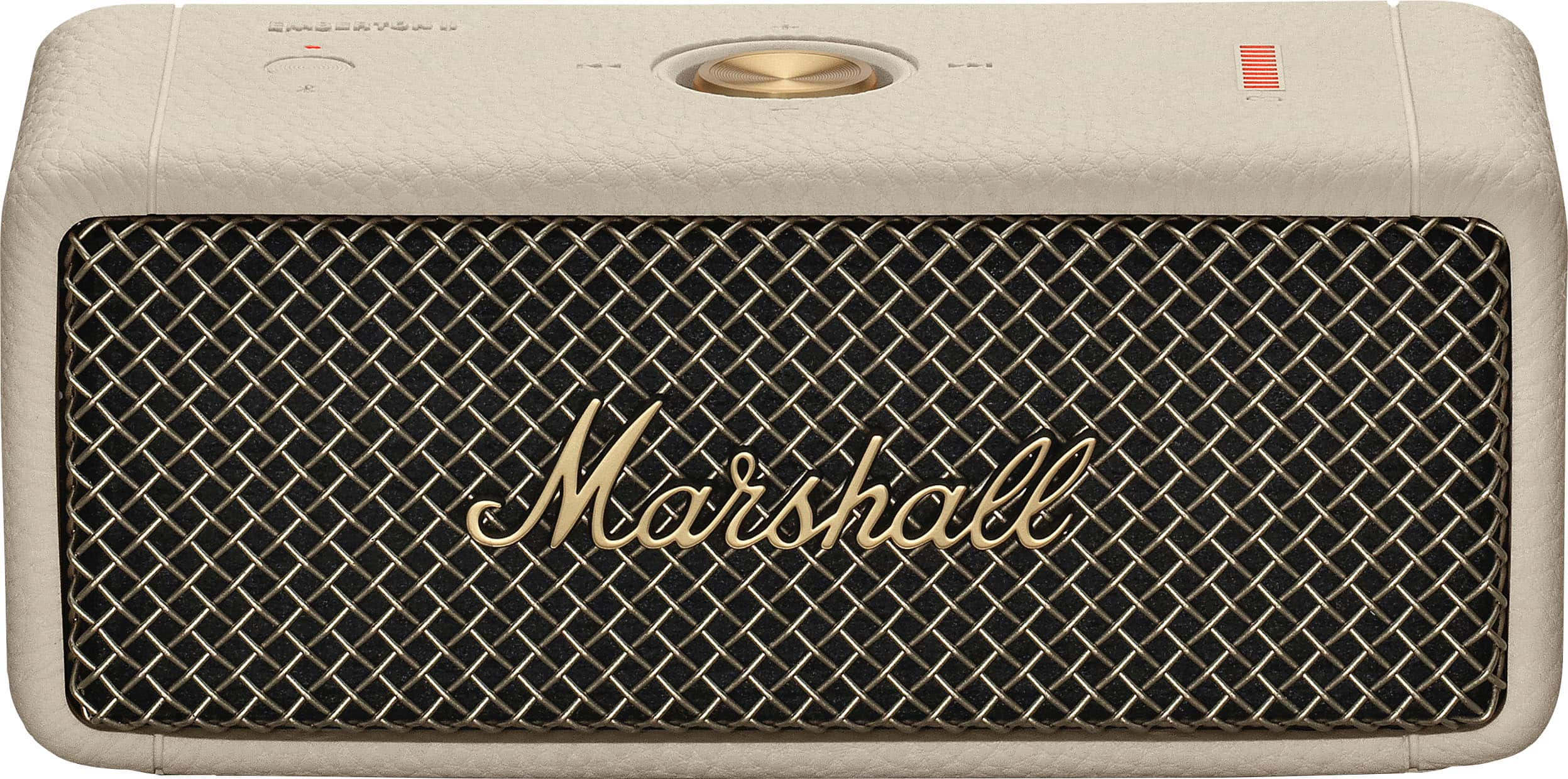
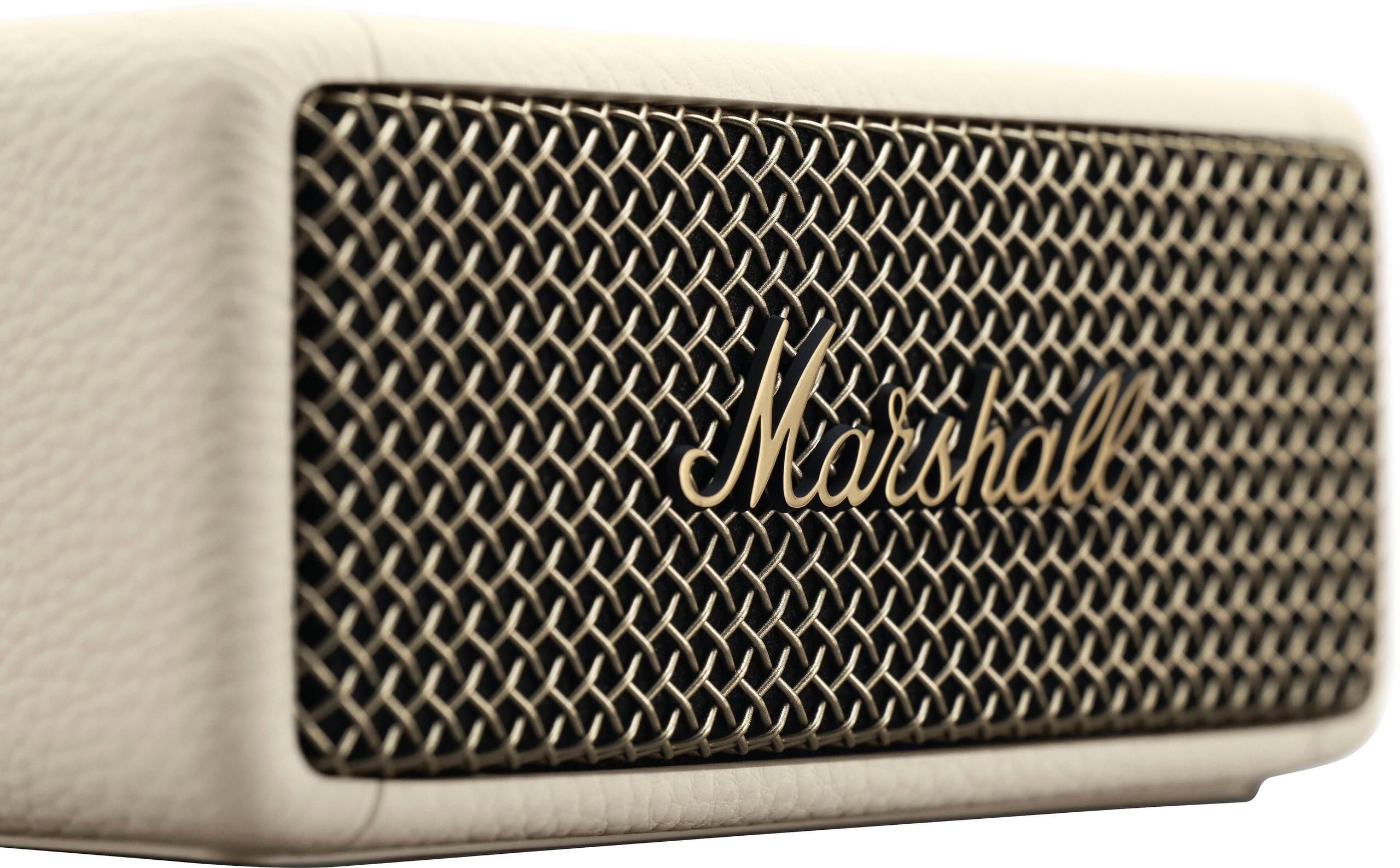

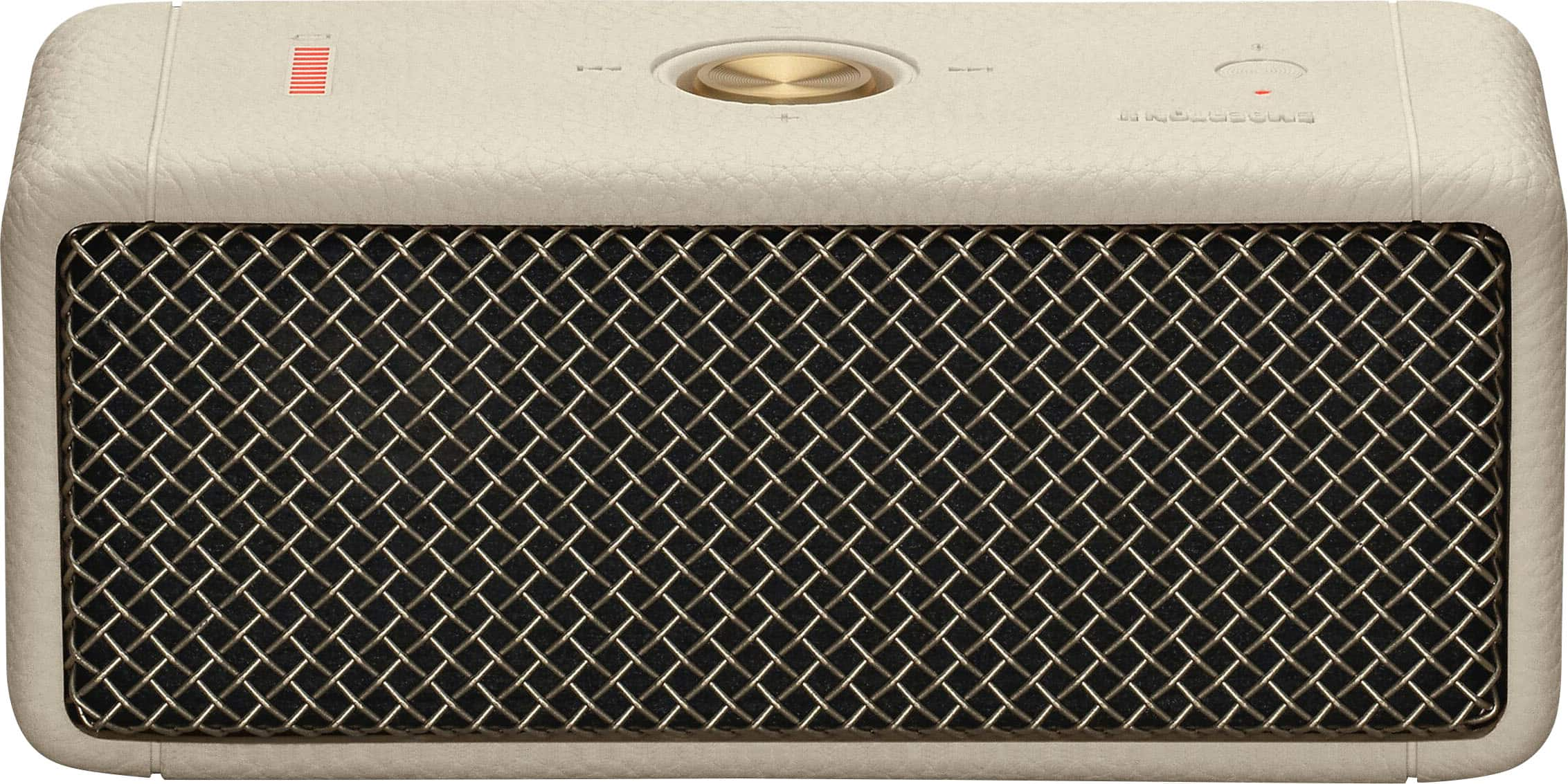
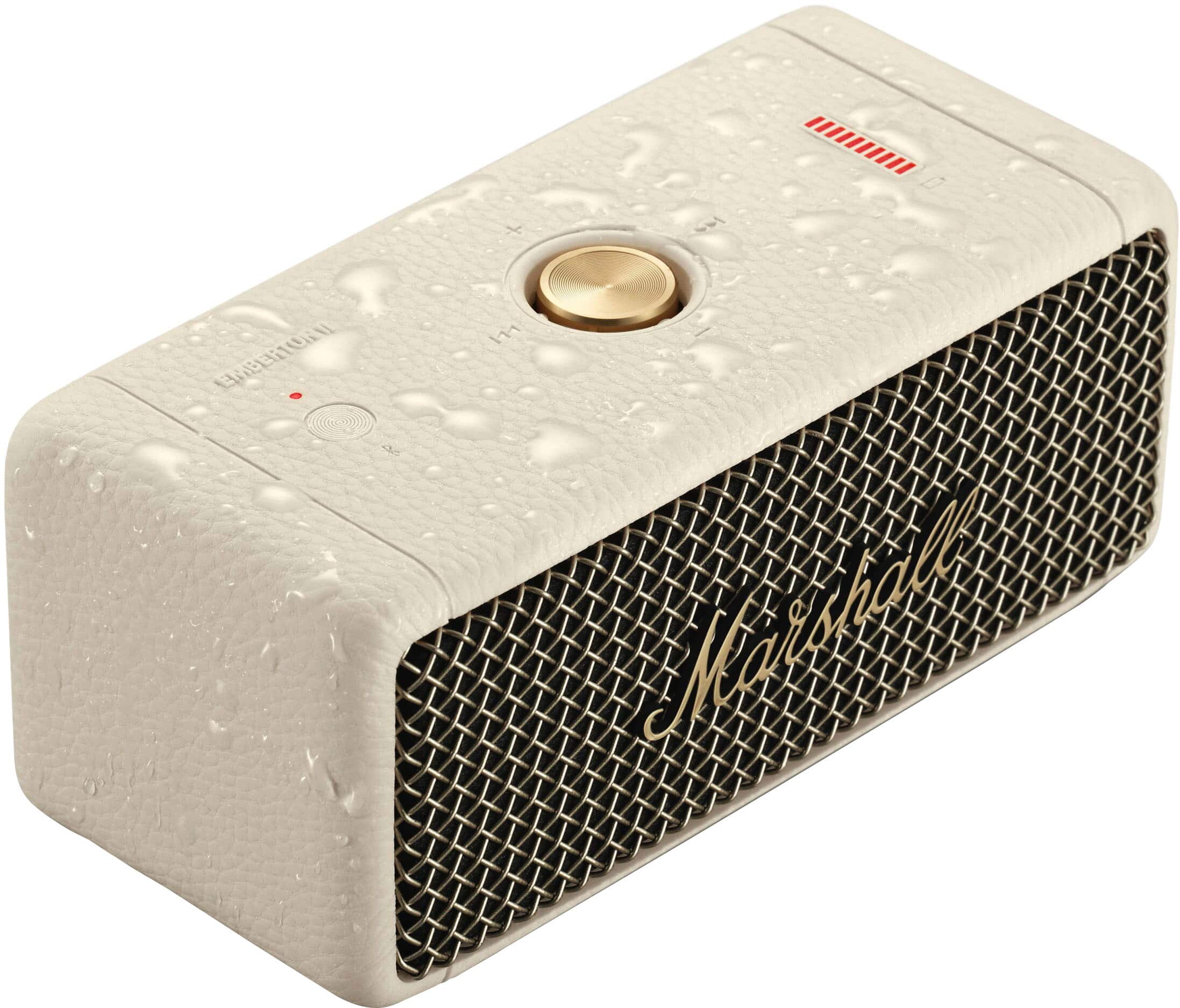

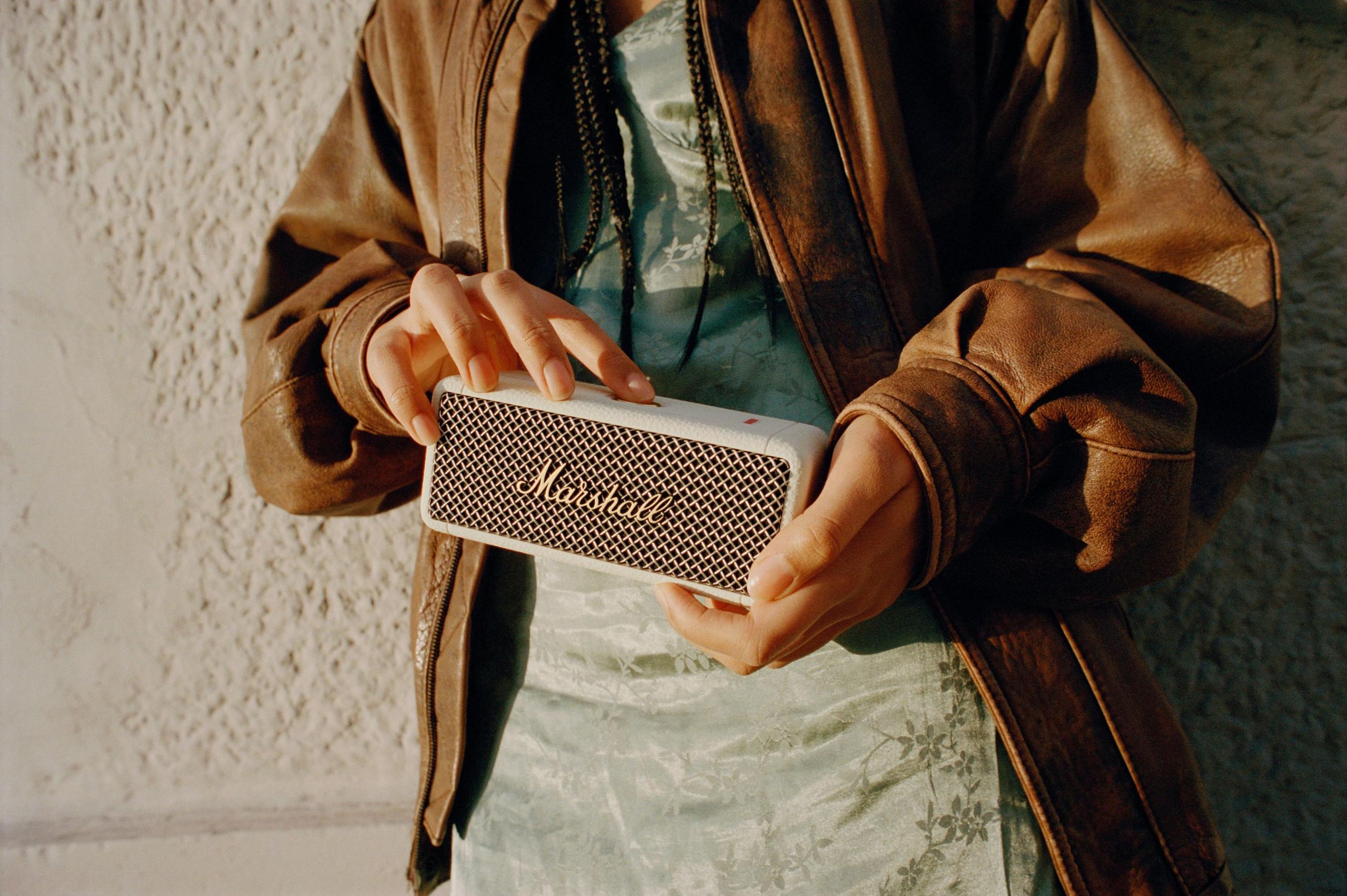


When you're looking for a portable Bluetooth speaker that can handle everything from poolside parties to quiet evenings at home, the choice often comes down to what matters most to you: raw power and utility features, or refined sound quality and modern design. Two speakers that perfectly represent these different philosophies are the JBL Charge 4 and the Marshall Emberton II.
At the time of writing, both speakers sit in the premium portable category, though the Marshall typically costs slightly less despite being the newer product. This price difference immediately hints at the different approaches these companies have taken to portable audio.
Before diving into the specifics, it's worth understanding what separates excellent portable speakers from mediocre ones. The best portable speakers need to excel in several key areas: sound quality that doesn't sacrifice clarity for volume, battery life that can handle all-day use, durability that survives real-world abuse, and practical features that enhance your listening experience.
Sound quality in portable speakers is particularly tricky because of physics limitations. Smaller drivers (the cone-shaped components that produce sound) simply can't move as much air as larger ones, which affects bass response and overall volume. This is why many portable speakers use passive radiators—additional cone-like components that vibrate sympathetically to boost bass without requiring extra power.
Battery technology has improved dramatically in recent years, with newer speakers achieving significantly longer playback times from smaller, more efficient batteries. Modern Bluetooth versions also play a role here, with newer standards like Bluetooth 5.1 offering better power efficiency and connection stability compared to older versions like Bluetooth 4.2.
The JBL Charge 4 launched in 2018, representing JBL's tried-and-true approach to portable audio: powerful, bass-heavy sound with practical features that make it genuinely useful in real-world scenarios. The Marshall Emberton II arrived in 2022, four years later, incorporating lessons learned from the evolution of portable audio technology.
This four-year gap is significant in tech terms. Between 2018 and 2022, we saw major improvements in battery efficiency, Bluetooth connectivity, and digital signal processing. The Marshall benefits from all these advances, while the JBL represents the pinnacle of 2018 technology—which, to be fair, was already quite impressive.
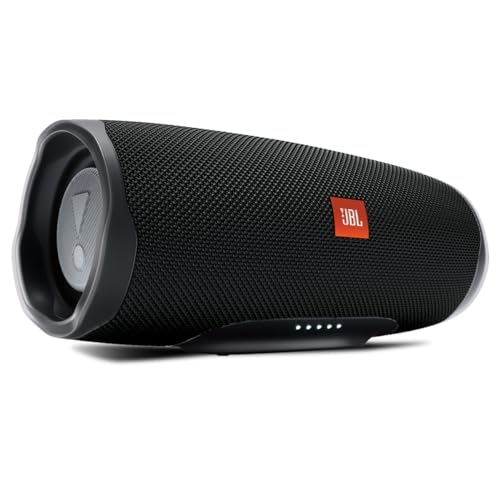
Here's where things get interesting, and where your personal preferences will heavily influence your decision. The JBL Charge 4 uses what's called a mono configuration—essentially one main driver doing all the heavy lifting. This 50×90mm driver is relatively large for a portable speaker and produces 30 watts of RMS power (RMS stands for "root mean square," which is basically a way of measuring consistent power output rather than peak bursts).
The mono approach has both advantages and drawbacks. On the plus side, it means all the power is concentrated into one driver, which can produce impressive volume levels and strong bass response. The JBL Charge 4 also includes dual passive radiators that work like subwoofers, vibrating in response to the main driver to enhance low-frequency response. This setup makes the Charge 4 surprisingly powerful for its size.
However, mono sound means no stereo separation. When you listen to music, instruments that should appear to come from different positions in the soundstage all seem to originate from the same point. For casual listening, this might not bother you, but for more attentive listening sessions, the lack of stereo imaging becomes noticeable.
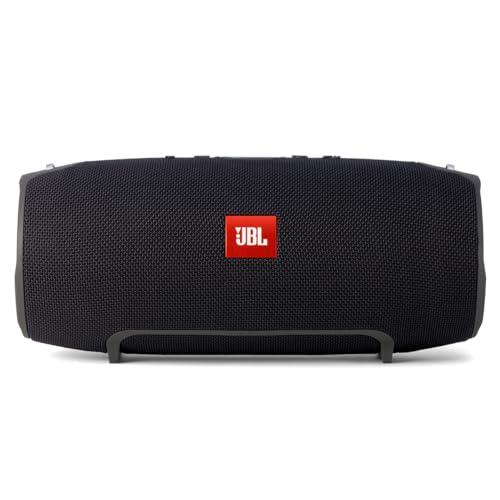
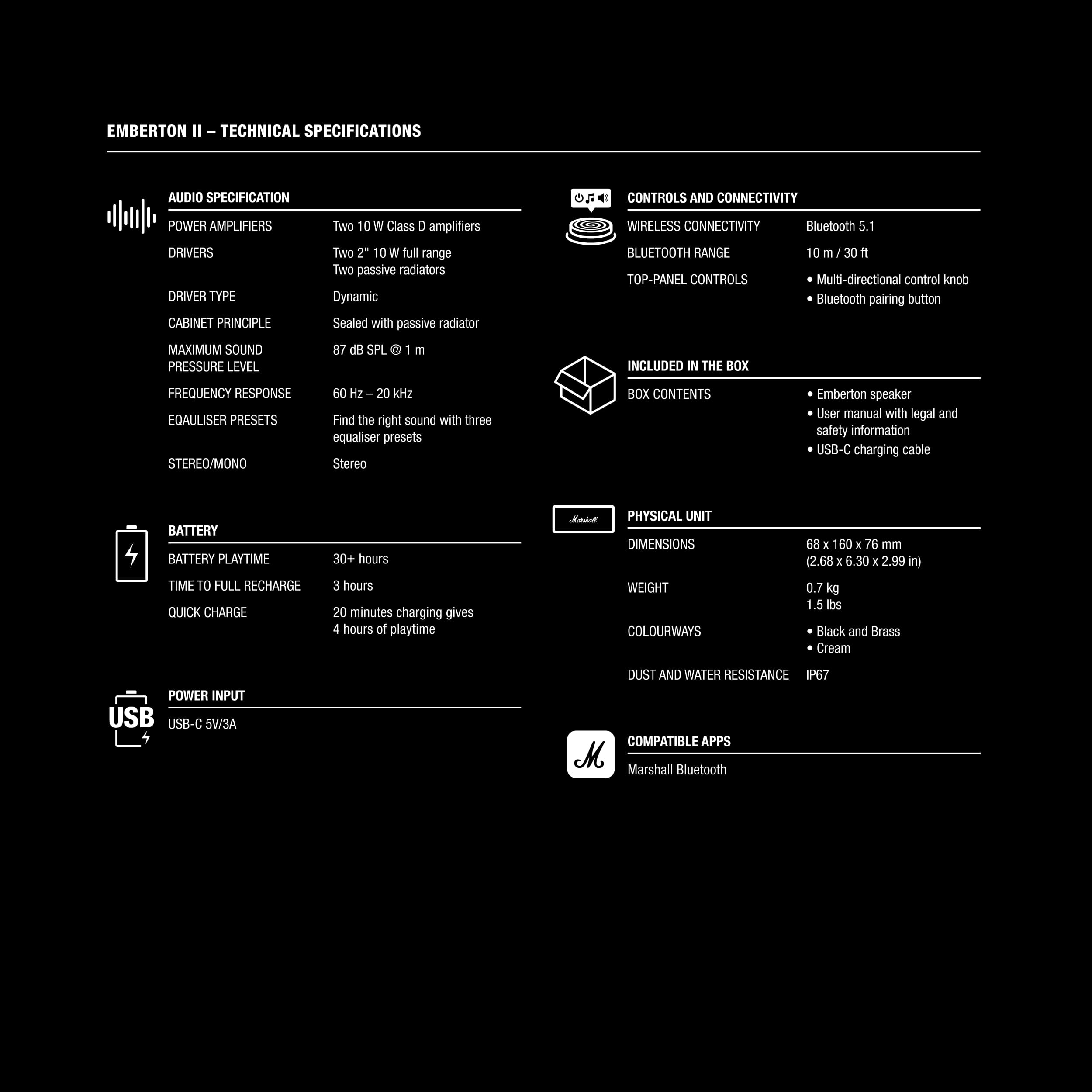
The Marshall Emberton II takes a completely different approach with its True Stereophonic technology. Instead of one large driver, it uses two smaller 2-inch full-range drivers, each producing 10 watts for a total of 20 watts RMS. This might seem like less power on paper, but the reality is more nuanced.
True Stereophonic is Marshall's proprietary technology that analyzes stereo audio and separates spatial information to create what they call a 360-degree soundstage. In practical terms, this means instruments and vocals appear to come from different positions around the speaker, creating a much more immersive listening experience. The Marshall Emberton II also includes passive radiators to enhance bass response.
Based on our research of user reviews and expert opinions, the sound quality difference is quite pronounced. The JBL Charge 4 produces louder, more powerful sound that's excellent for outdoor use and larger gatherings. Its bass response is particularly impressive, with a warm, punchy character that makes electronic music and hip-hop sound engaging.
The Marshall Emberton II, meanwhile, offers superior clarity and detail across the frequency spectrum. Vocals sound more natural, instruments have better separation, and the overall sound is more balanced. The 360-degree soundstage means the speaker sounds good from multiple listening positions, unlike traditional forward-firing speakers that have a sweet spot directly in front.
For home use, including potential home theater applications, the Marshall's stereo imaging gives it a significant advantage. While neither speaker is designed to replace a proper home theater system, the Marshall Emberton II can provide a more satisfying experience for movie dialogue and music listening in smaller rooms.
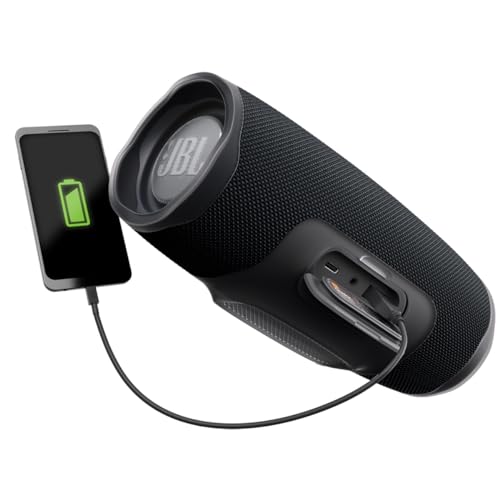
This is where the four-year technology gap really shows. The JBL Charge 4 packs a substantial 27 watt-hour battery that provides up to 20 hours of playback time. That's genuinely impressive performance, and the large battery capacity enables the speaker's powerbank feature—you can charge your phone or tablet from the speaker's USB-A port.
The Marshall Emberton II achieves something remarkable: 30+ hours of playback from a smaller 19.29 watt-hour battery. This is a perfect example of how newer technology can deliver better results with fewer resources. The combination of more efficient Bluetooth 5.1, optimized power management, and better amplifier design means the Marshall squeezes significantly more music time from each charge.
The charging experience also favors the Marshall. While the JBL Charge 4 takes about 4 hours to fully charge, the Marshall Emberton II charges in just 3 hours. Even more impressive is the Marshall's quick-charge capability: 20 minutes of charging provides 4 hours of playback, which is perfect for those "forgot to charge it" moments.
However, the JBL's powerbank functionality shouldn't be overlooked. If you're spending a day at the beach or camping, being able to charge your phone from your speaker can be genuinely useful. The Marshall Emberton II doesn't offer this feature, focusing purely on audio performance.
Both speakers are built to handle real-world use, but they approach durability differently. The JBL Charge 4 features an IPX7 rating, meaning it can be fully submerged in water up to one meter deep for 30 minutes. This makes it genuinely waterproof, perfect for poolside use or even accidental drops in water.
The Marshall Emberton II goes a step further with an IP67 rating. The "6" indicates it's completely dust-tight, while the "7" provides the same water resistance as the JBL. This dust protection is particularly valuable if you're using the speaker in sandy environments like beaches or dusty outdoor areas.
In terms of physical construction, both speakers feel solid and well-built, though they take different design approaches. The JBL Charge 4 has a more utilitarian look with its fabric covering and rubber bumpers. It's clearly designed to take abuse and keep working.
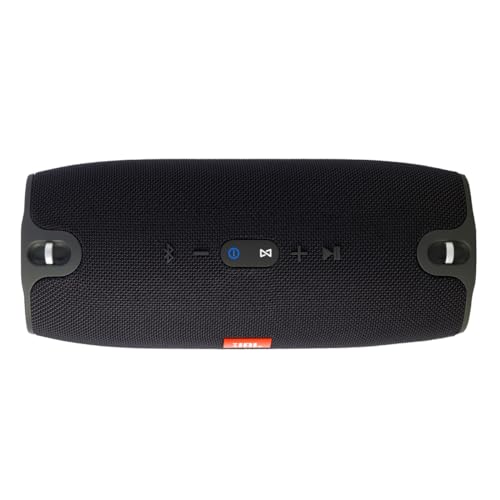
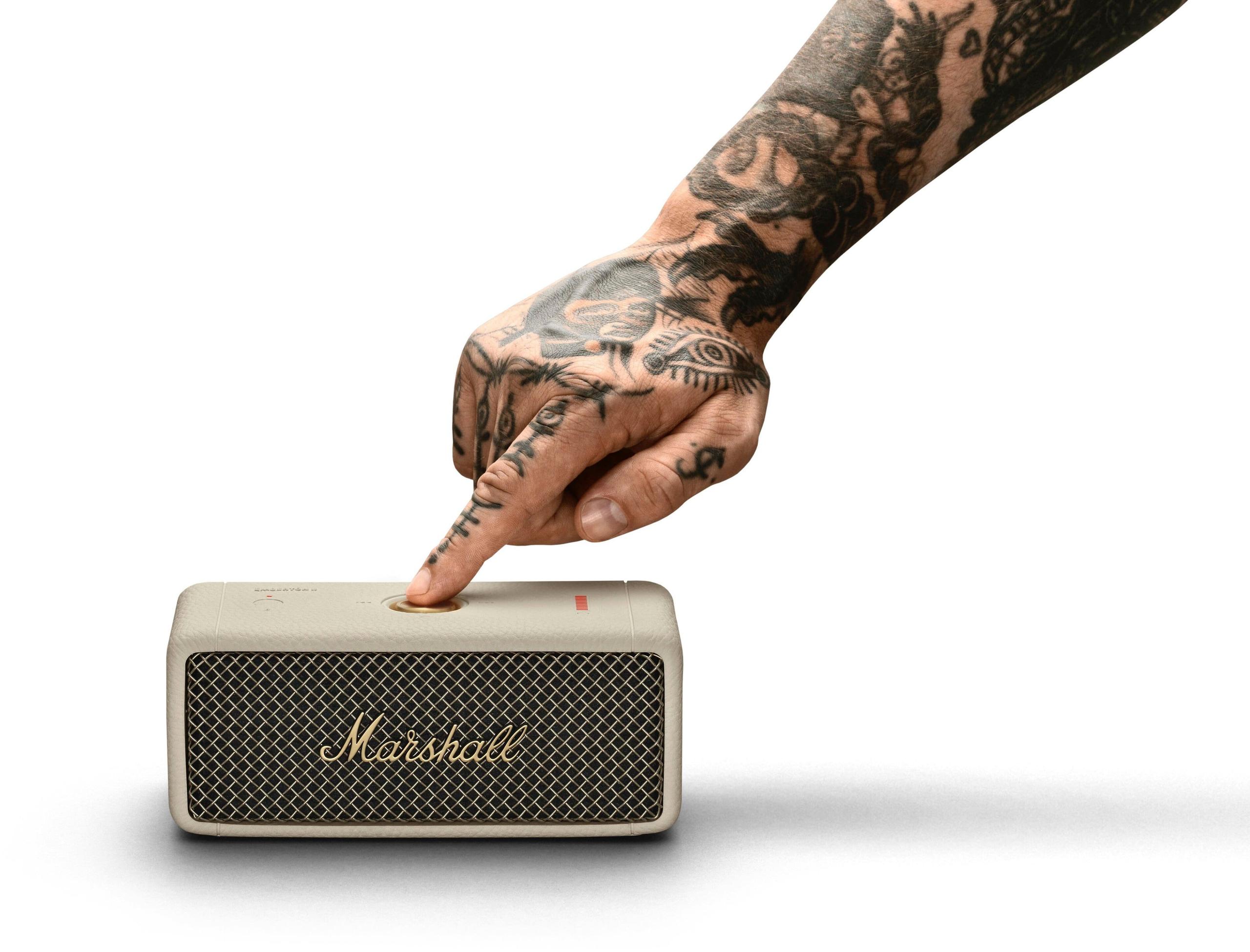
The Marshall Emberton II opts for a more premium aesthetic with its metal grille and textured silicone exterior. It feels substantial despite being significantly smaller and lighter than the JBL. The multi-directional control knob is particularly well-executed, providing tactile feedback that makes it easy to adjust volume or skip tracks without looking.
The technology gap between these speakers is most apparent in their connectivity features. The JBL Charge 4 uses Bluetooth 4.2, which was standard when it launched but feels dated now. It's reliable and functional, but it doesn't offer the power efficiency or connection stability of newer Bluetooth versions.
The Marshall Emberton II features Bluetooth 5.1, which provides several advantages: better power efficiency (contributing to that excellent battery life), more stable connections, and lower latency for video watching. The difference in connection stability might not be immediately obvious, but Bluetooth 5.1 handles interference better and maintains connections over slightly longer distances.
The JBL Charge 4 includes a 3.5mm auxiliary input, which might seem old-fashioned but is actually quite practical. You can connect devices that don't have Bluetooth, or save battery life on your phone by using a wired connection. The Marshall Emberton II is Bluetooth-only, which reflects the modern trend toward wireless-everything but reduces flexibility.
Both speakers support multi-speaker pairing, though they use different systems. The JBL Charge 4 uses JBL Connect+, which can theoretically link over 100 compatible speakers. The Marshall Emberton II uses Stack Mode, which is more limited but still allows you to create impressive multi-room or outdoor setups.
After analyzing extensive user feedback and expert reviews, some clear patterns emerge about how these speakers perform in different scenarios.
For outdoor gatherings and parties, the JBL Charge 4 generally receives higher marks. Its higher volume output and punchy bass response work well in open spaces where sound has room to dissipate. The powerbank feature is genuinely useful during day-long outdoor events, and the robust build quality inspires confidence when the speaker inevitably gets knocked around.
For home use and more intimate listening sessions, the Marshall Emberton II consistently receives praise for its sound quality and refinement. The stereo imaging makes a noticeable difference when listening to well-recorded music, and the more balanced frequency response means it doesn't fatigue your ears during extended listening sessions.
The size difference is also significant in real-world use. The Marshall Emberton II is 27% lighter and much more compact, making it genuinely pocketable for many people. You're more likely to have it with you when you want it, which is a major practical advantage.
While neither speaker is designed to replace a proper home theater system, they can serve as significant upgrades for TV audio or as part of a simple streaming setup. The Marshall Emberton II has clear advantages here thanks to its stereo imaging and more balanced frequency response.
For movie and TV watching, dialogue clarity is crucial, and the Marshall's more balanced midrange response means voices sound more natural. The 360-degree soundstage also means you don't need to position the speaker as precisely relative to your viewing position.
The JBL Charge 4 can work for home theater use, but its bass-heavy signature might make dialogue less clear, and the mono configuration means you won't get any sense of stereo positioning from movie soundtracks.
Based on our research and analysis of user experiences, here's how to choose between these speakers:
Choose the JBL Charge 4 if you prioritize maximum volume and bass response, need powerbank functionality for charging devices, want the flexibility of auxiliary input, or frequently use your speaker for large outdoor gatherings. Despite being older technology, it remains excellent for scenarios where raw power and utility features matter most.
Choose the Marshall Emberton II if you prioritize sound quality and balance, want exceptional battery life, prefer a more compact and portable design, or plan to use the speaker primarily for personal listening or smaller gatherings. Its modern technology and superior audio engineering make it the better choice for most users, especially considering it typically costs less than the JBL.
The Marshall Emberton II represents better overall value for most people. It offers superior technology, better sound quality, longer battery life, and more modern features at a lower price point. However, the JBL Charge 4 still makes sense for specific use cases where its unique strengths—maximum volume, powerbank functionality, and auxiliary input—are priorities.
Both speakers are genuinely excellent products that have earned their reputations through solid engineering and real-world performance. Your choice should ultimately depend on how you plan to use your speaker and what features matter most to your listening habits.
| JBL Charge 4 | Marshall Emberton II |
|---|---|
| Audio Configuration - Determines sound quality and stereo imaging | |
| Mono 1.0 system with single 50×90mm driver | True stereo 2.0 system with dual 2-inch full-range drivers |
| Power Output - Affects maximum volume and bass response | |
| 30W RMS (more power for louder outdoor use) | 20W RMS (2×10W, optimized for clarity over volume) |
| Sound Technology - Impact on listening experience | |
| Dual passive radiators for enhanced bass | True Stereophonic 360° technology for immersive soundstage |
| Battery Life - Critical for all-day use | |
| Up to 20 hours playback | 30+ hours playback (50% longer despite smaller battery) |
| Charging Speed - Convenience for quick top-ups | |
| 4 hours full charge via USB-C | 3 hours full charge, 20 minutes for 4 hours playback |
| Bluetooth Version - Affects connection stability and power efficiency | |
| Bluetooth 4.2 (older standard, less efficient) | Bluetooth 5.1 (modern standard with better efficiency) |
| Water/Dust Protection - Durability for outdoor use | |
| IPX7 (waterproof but not dustproof) | IP67 (fully waterproof and dustproof) |
| Size & Weight - Portability factor | |
| 965g, 220×95×93mm (larger, heavier) | 700g, 160×76×68mm (27% lighter, much more compact) |
| Powerbank Feature - Added utility for device charging | |
| Yes (USB-A output for charging phones/tablets) | No powerbank functionality |
| Wired Connectivity - Flexibility for non-Bluetooth devices | |
| 3.5mm AUX input included | Bluetooth only (no wired input) |
| Multi-Speaker Pairing - For larger sound systems | |
| JBL Connect+ (up to 100+ speakers) | Stack Mode (multiple speaker pairing) |
| Release Year - Technology generation and features | |
| 2018 (proven but older technology) | 2022 (modern features and efficiency improvements) |
The Marshall Emberton II offers superior sound quality with its True Stereophonic technology that creates 360-degree stereo imaging and better instrument separation. The JBL Charge 4 delivers louder, more bass-heavy mono sound that's great for outdoor use but lacks stereo separation. For detailed listening and home use, the Marshall provides cleaner, more balanced audio.
The Marshall Emberton II significantly outperforms the JBL Charge 4 with 30+ hours of battery life compared to 20 hours. Despite having a smaller battery capacity, the Marshall's newer 2022 technology and Bluetooth 5.1 efficiency deliver 50% longer playback time. The Marshall also charges faster at 3 hours versus 4 hours for the JBL.
The Marshall Emberton II is much more portable, weighing 27% less than the JBL Charge 4 at 700g versus 965g. The Marshall's compact dimensions make it genuinely pocketable for many users, while the JBL is bulkier but still manageable for travel. If portability is your priority, the Marshall is the clear winner.
Only the JBL Charge 4 includes powerbank functionality with a USB-A port that can charge your phone or tablet. This feature uses the speaker's large 7500mAh battery to power external devices. The Marshall Emberton II doesn't offer device charging, focusing purely on audio performance and longer playback time.
The JBL Charge 4 is better suited for outdoor parties due to its higher 30W power output that produces louder volume levels and stronger bass response. Its powerbank feature is also useful for day-long events. The Marshall Emberton II is better for smaller gatherings where sound quality matters more than maximum volume.
Both speakers offer excellent water protection, but the Marshall Emberton II has a superior IP67 rating that protects against both water and dust ingress. The JBL Charge 4 has an IPX7 rating that's fully waterproof but not dustproof. For beach use with sand exposure, the Marshall's dust protection is advantageous.
The Marshall Emberton II is better for home theater use thanks to its stereo imaging that creates a more immersive soundstage for movies and TV shows. Its balanced frequency response also provides clearer dialogue. The JBL Charge 4 can work for home theater but its mono configuration and bass-heavy signature make it less ideal for movie audio.
Yes, both speakers support multi-speaker pairing but use different systems. The JBL Charge 4 uses JBL Connect+ technology that can theoretically link over 100 compatible speakers. The Marshall Emberton II uses Stack Mode for connecting multiple Marshall speakers together, though it's more limited in the total number of units.
The Marshall Emberton II features modern Bluetooth 5.1 technology that offers better connection stability, lower power consumption, and reduced latency compared to the JBL Charge 4's older Bluetooth 4.2. The Marshall also maintains connections over slightly longer distances and handles interference better.
Only the JBL Charge 4 includes a 3.5mm auxiliary input for connecting devices without Bluetooth, such as older MP3 players or laptops without wireless capability. The Marshall Emberton II is Bluetooth-only, which reduces flexibility but reflects the modern trend toward wireless connectivity.
The Marshall Emberton II typically offers better overall value, providing superior sound quality, longer battery life, modern Bluetooth 5.1, and better build quality while often costing less than the JBL Charge 4. However, the JBL provides better value if you specifically need powerbank functionality, auxiliary input, or maximum volume output.
For everyday home use, the Marshall Emberton II is generally the better choice due to its superior stereo sound quality, 30+ hour battery life, and compact size that's easy to move around the house. The JBL Charge 4 works well for home use too, especially if you want the flexibility of wired connections or need to charge devices from the speaker.
We've done our best to create useful and informative comparisons to help you decide what product to buy. Our research uses advanced automated methods to create this comparison and perfection is not possible - please contact us for corrections or questions. These are the sites we've researched in the creation of this article: rtings.com - whathifi.com - whathifi.com - soundguys.com - soundguys.com - streamtechreviews.com - youtube.com - versus.com - applevis.com - versus.com - jbl.com - jbl.com - walmart.com - comparisontabl.es - harmanaudio.com - manuals.plus - jbl.com.sg - jbl.com - mm.jbl.com - bestbuy.com - newpower99.com - forums.woot.com - techradar.com - dreamwaveus.com - crutchfield.com - soundguys.com - gadgets360.com - rtings.com - youtube.com - youtube.com - youtube.com - shop.ash-asia.com - crutchfield.com - gadgetstyler.com - youtube.com - avstore.in

Privacy Policy
Terms and Conditions - Affiliate Policy
Home Security
© Copyright 2008-2026.
11816 Inwood Rd #1211, Dallas, TX 75244