





The portable speaker market has transformed dramatically in recent years, evolving from simple Bluetooth boxes into sophisticated audio systems that blur the lines between home entertainment and on-the-go convenience. Today's buyers face a fascinating choice between speakers optimized for true mobility versus those prioritizing premium sound quality with smart features.
This comparison between the JBL Charge 6 (released in 2025) and the Sonos Move 2 (released in 2023) perfectly illustrates this divide. At the time of writing, these speakers sit in completely different price brackets—the JBL represents excellent value in the mid-range category, while the Sonos commands premium pricing that reflects its advanced feature set and superior audio engineering.
Before diving into specifics, it's worth understanding what separates truly excellent portable speakers from mediocre ones. The most important performance metrics include frequency response (how well the speaker reproduces different musical notes from deep bass to sparkling highs), maximum volume output measured in decibels, battery life during real-world use, and build quality that determines long-term durability.
Modern portable speakers also incorporate sophisticated digital signal processing (DSP)—essentially tiny computers that analyze audio in real-time and adjust the output to prevent distortion and optimize sound quality. The quality of this processing often separates premium speakers from budget alternatives.
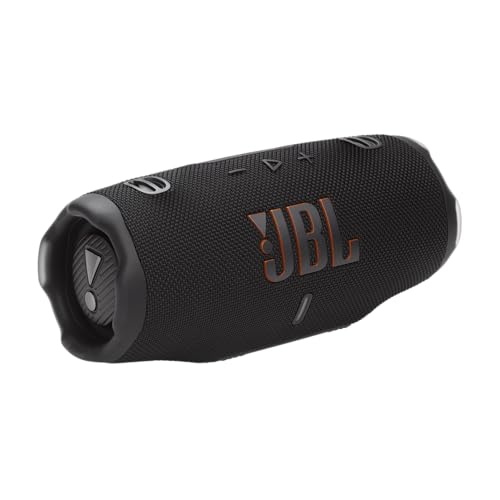
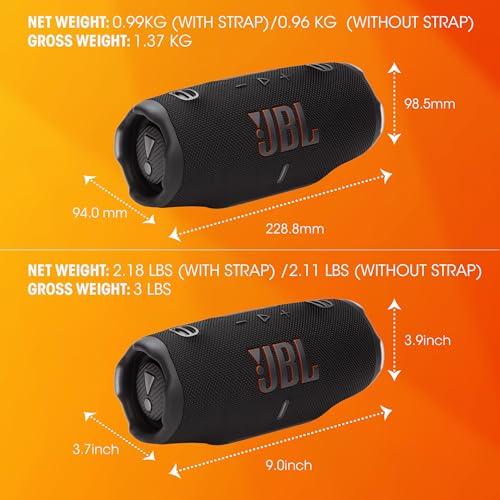
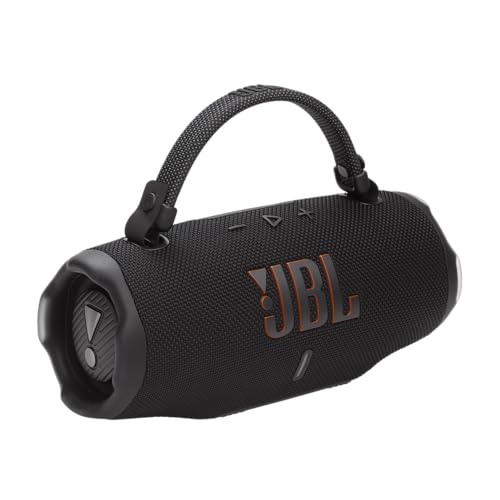
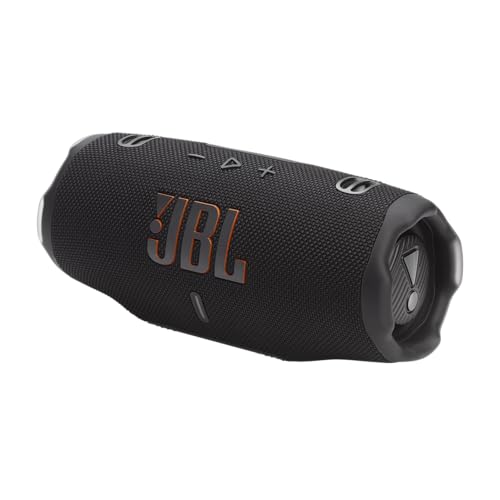
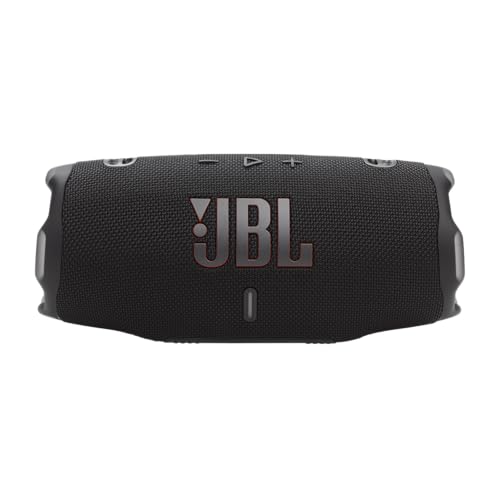
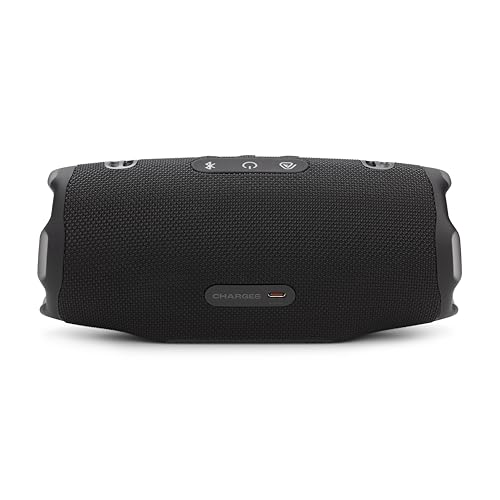
The JBL Charge 6 weighs just 2.1 pounds and measures small enough to slip into most backpacks without dominating your carry space. JBL designed this speaker around the concept of true portability—you can genuinely take it anywhere without second thoughts about weight or durability.
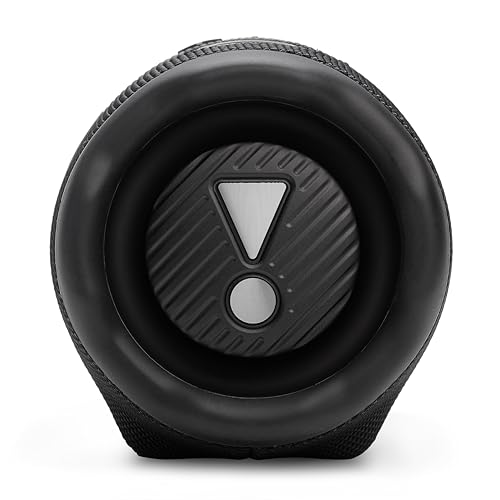
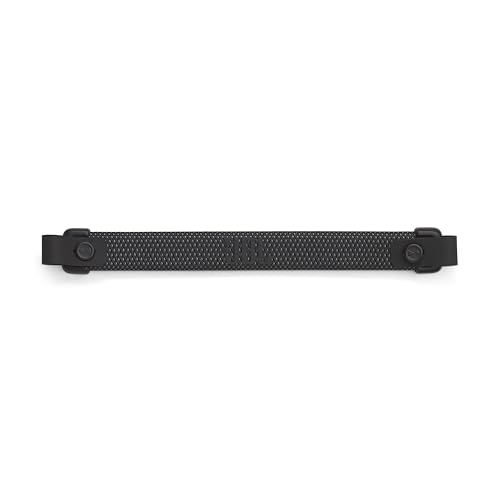
The cylindrical design features a removable handle strap that makes carrying effortless, while the fabric mesh exterior provides both protection and visual appeal. Most importantly, the Charge 6 earned an IP68 rating, meaning it can survive complete submersion in water up to 1.5 meters deep for 30 minutes. This isn't just splash-resistance; it's full waterproofing that lets you use the speaker poolside, at the beach, or during unexpected downpours without worry.
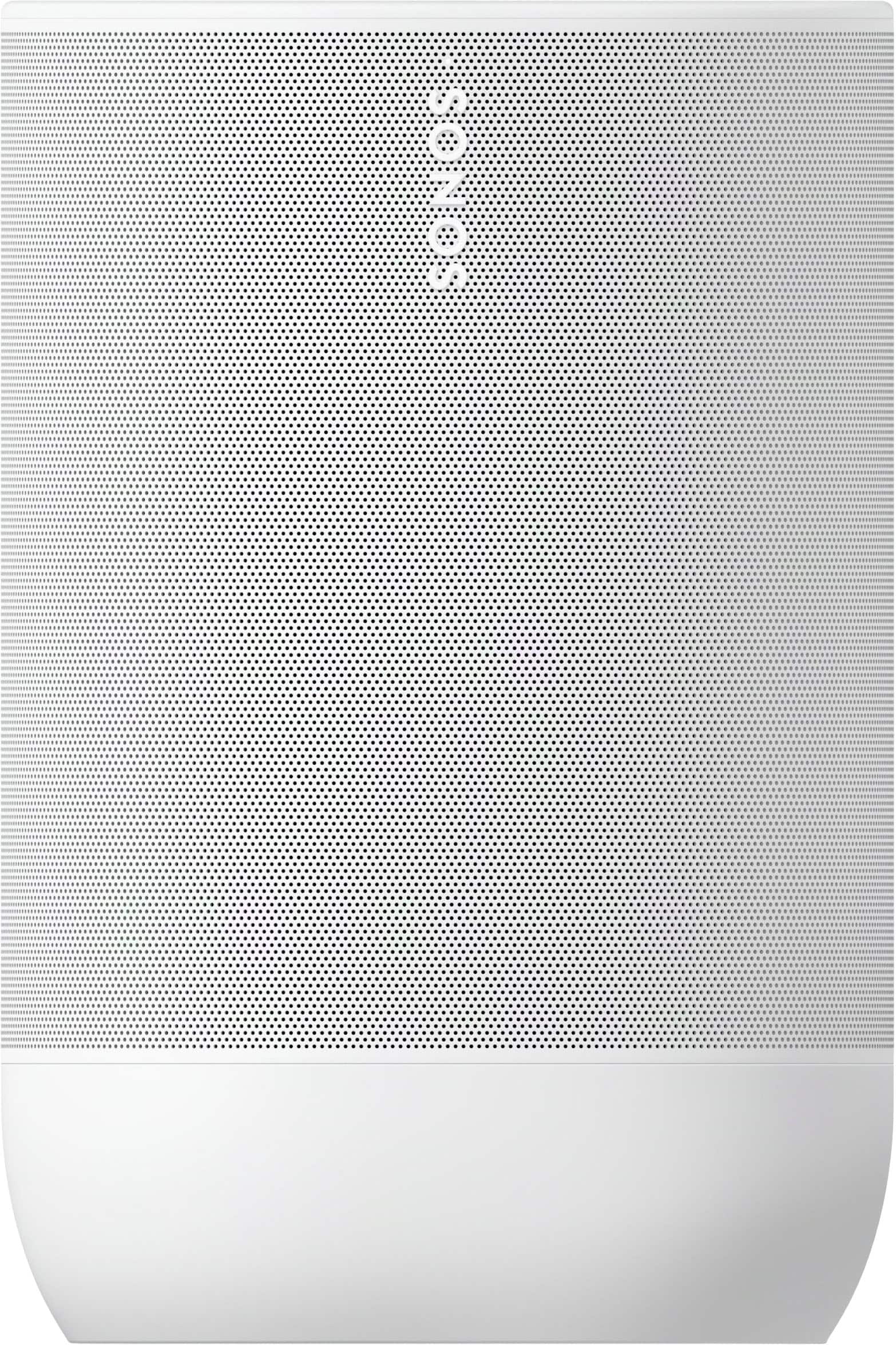
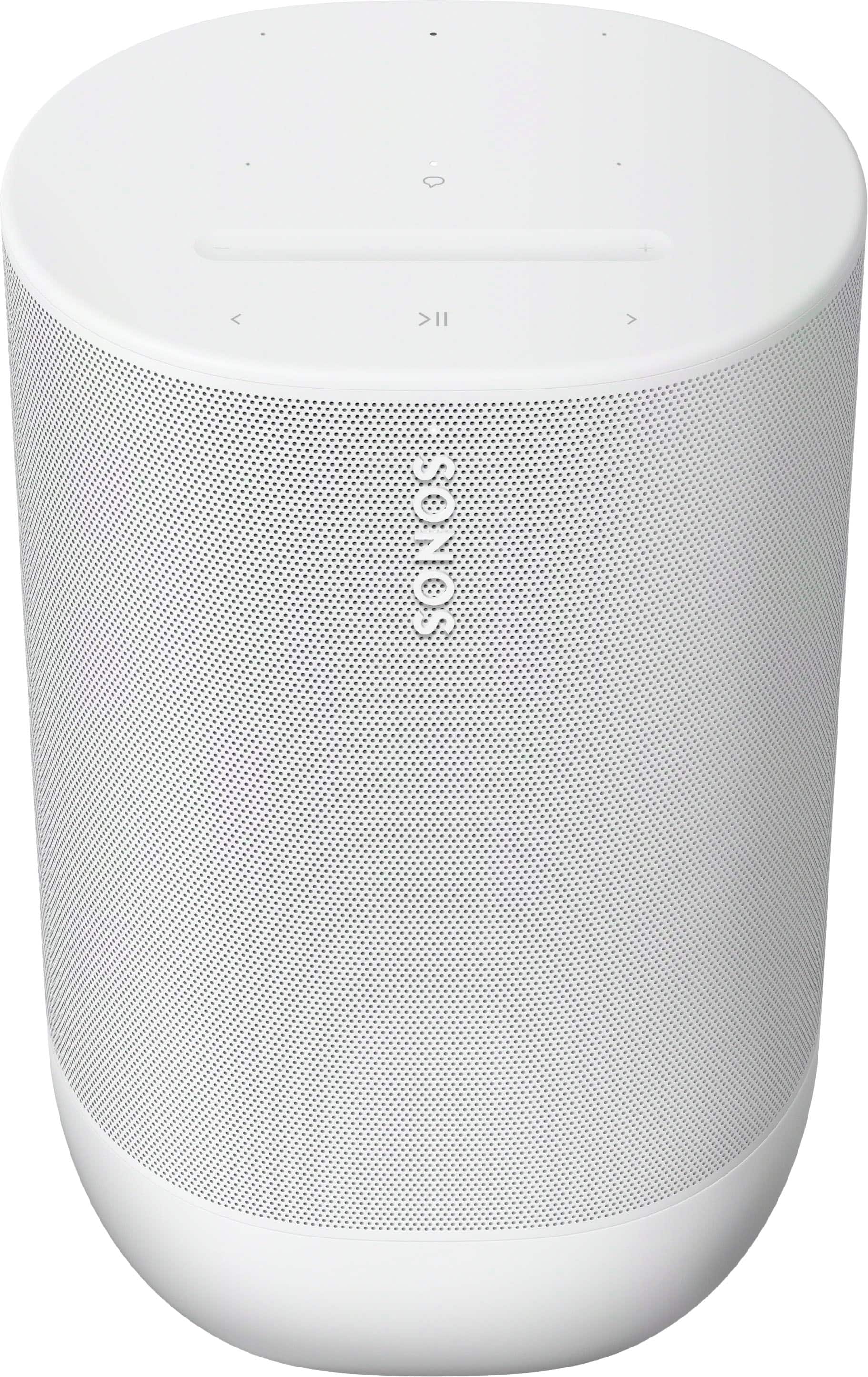
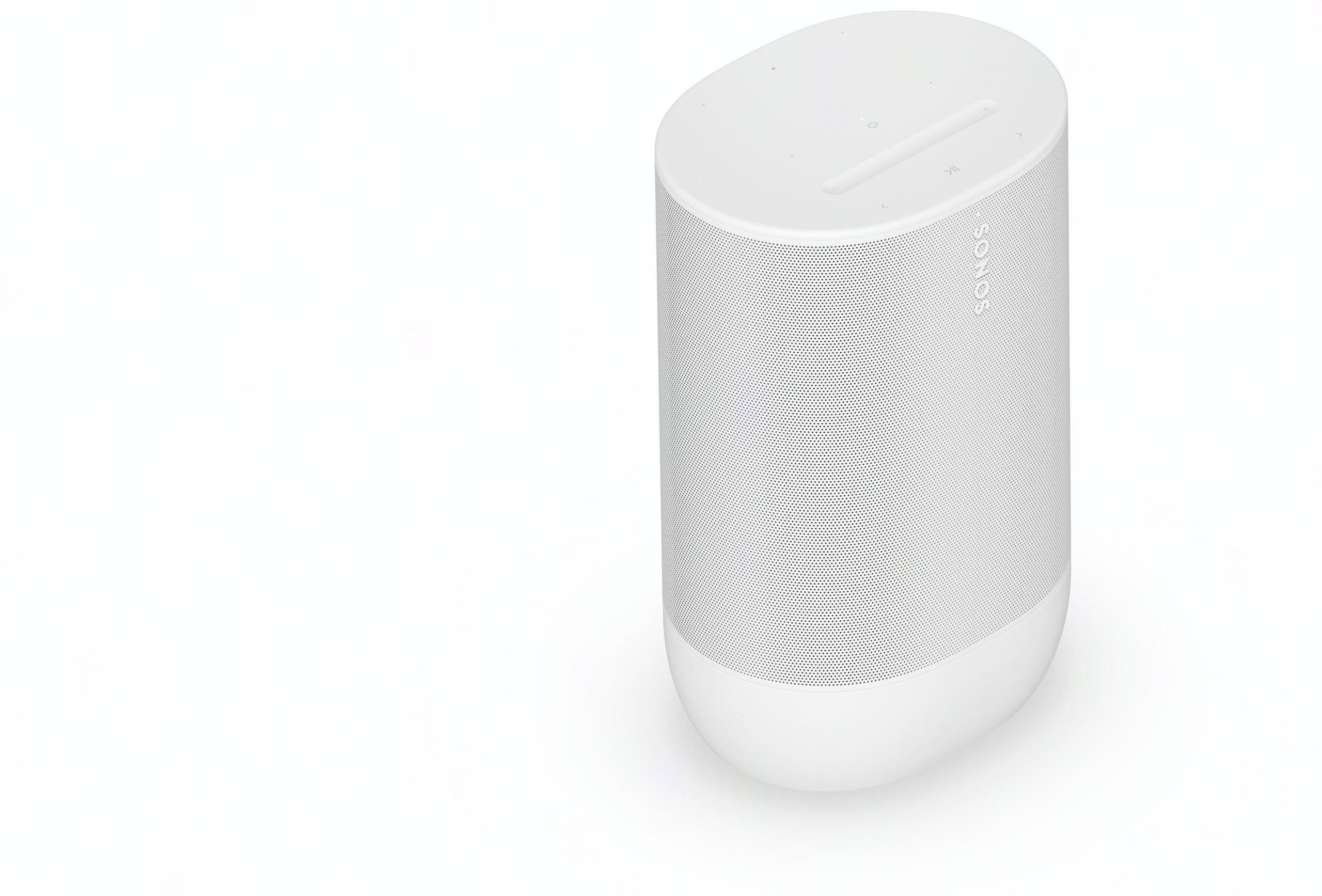
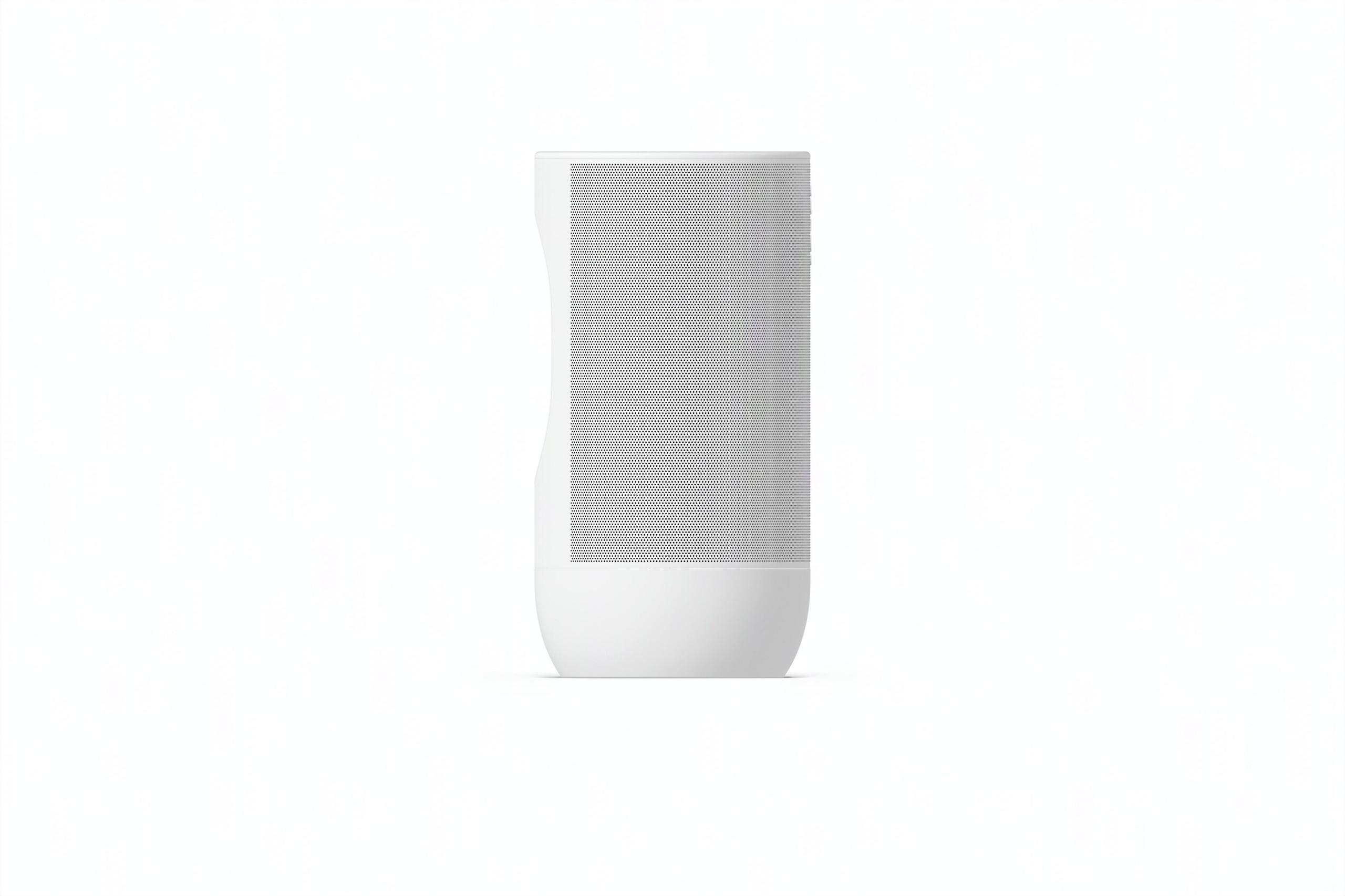
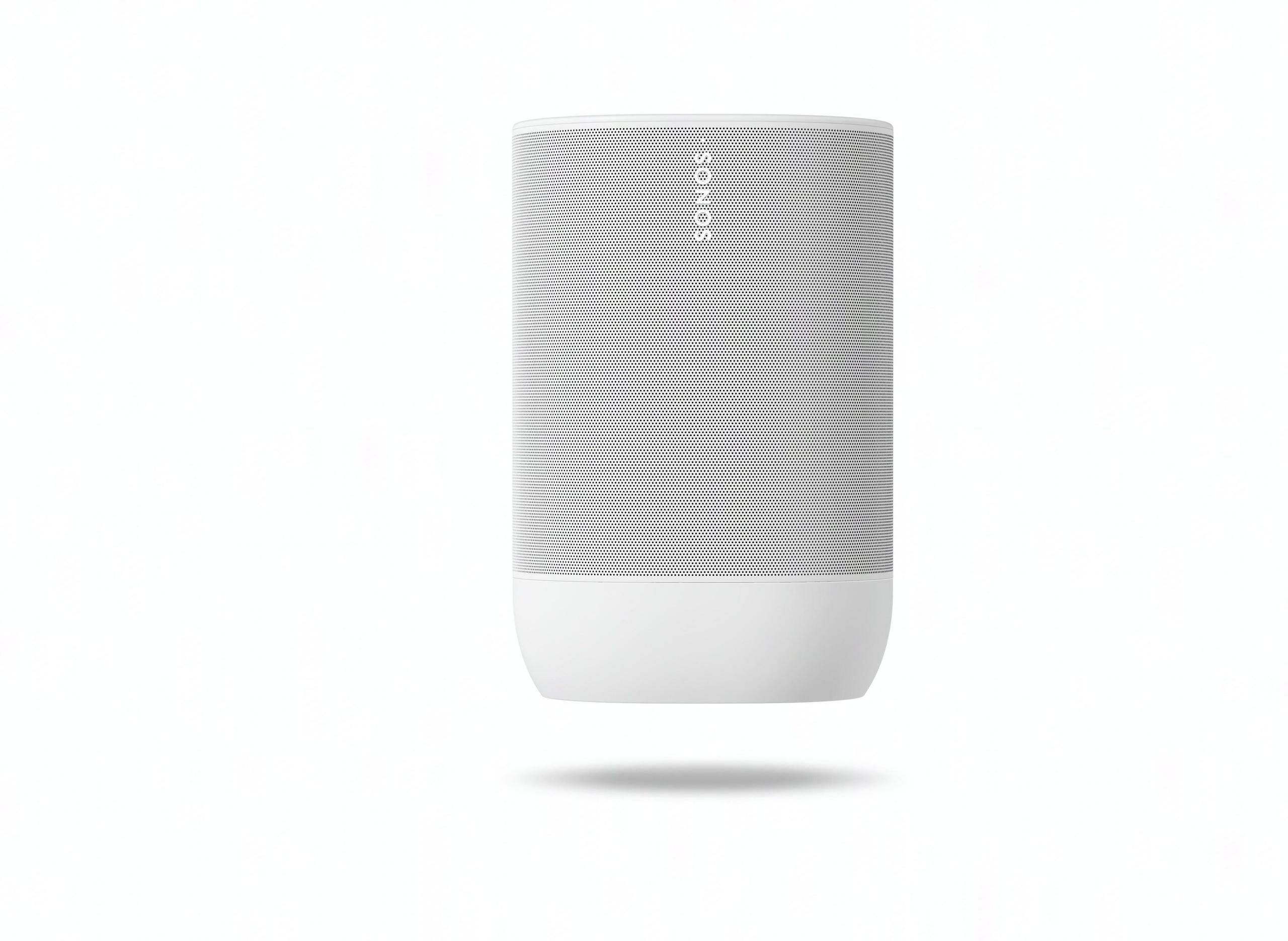
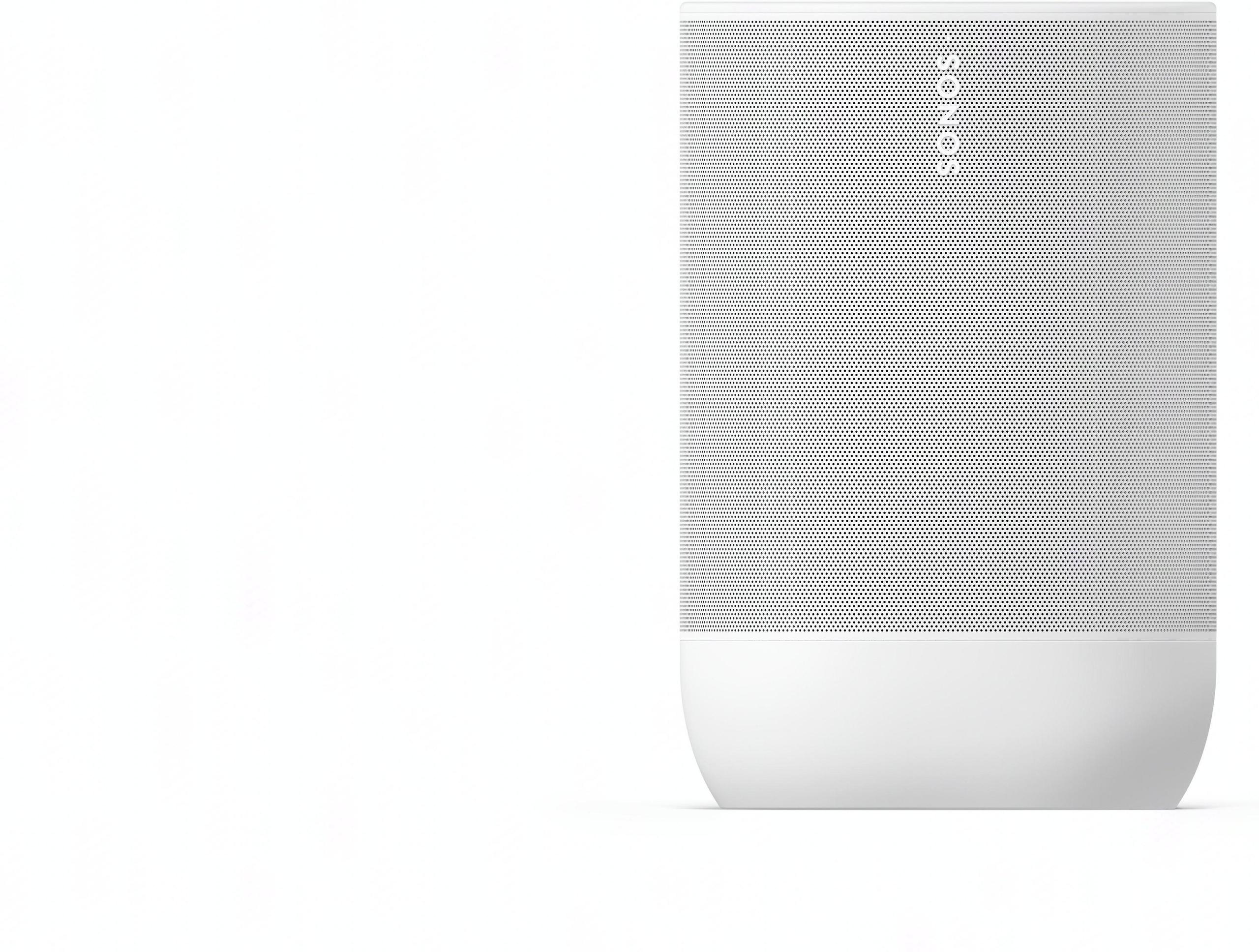
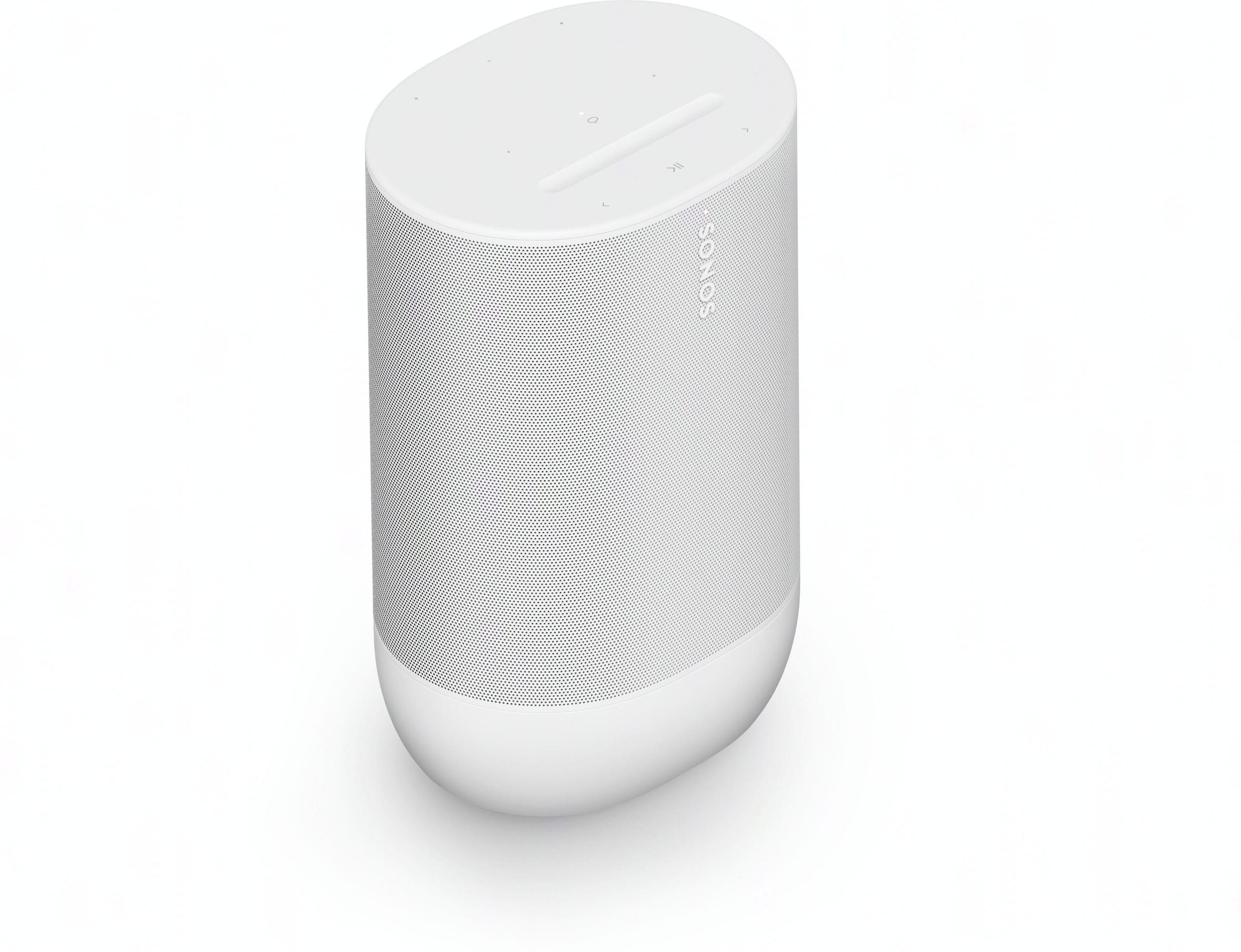
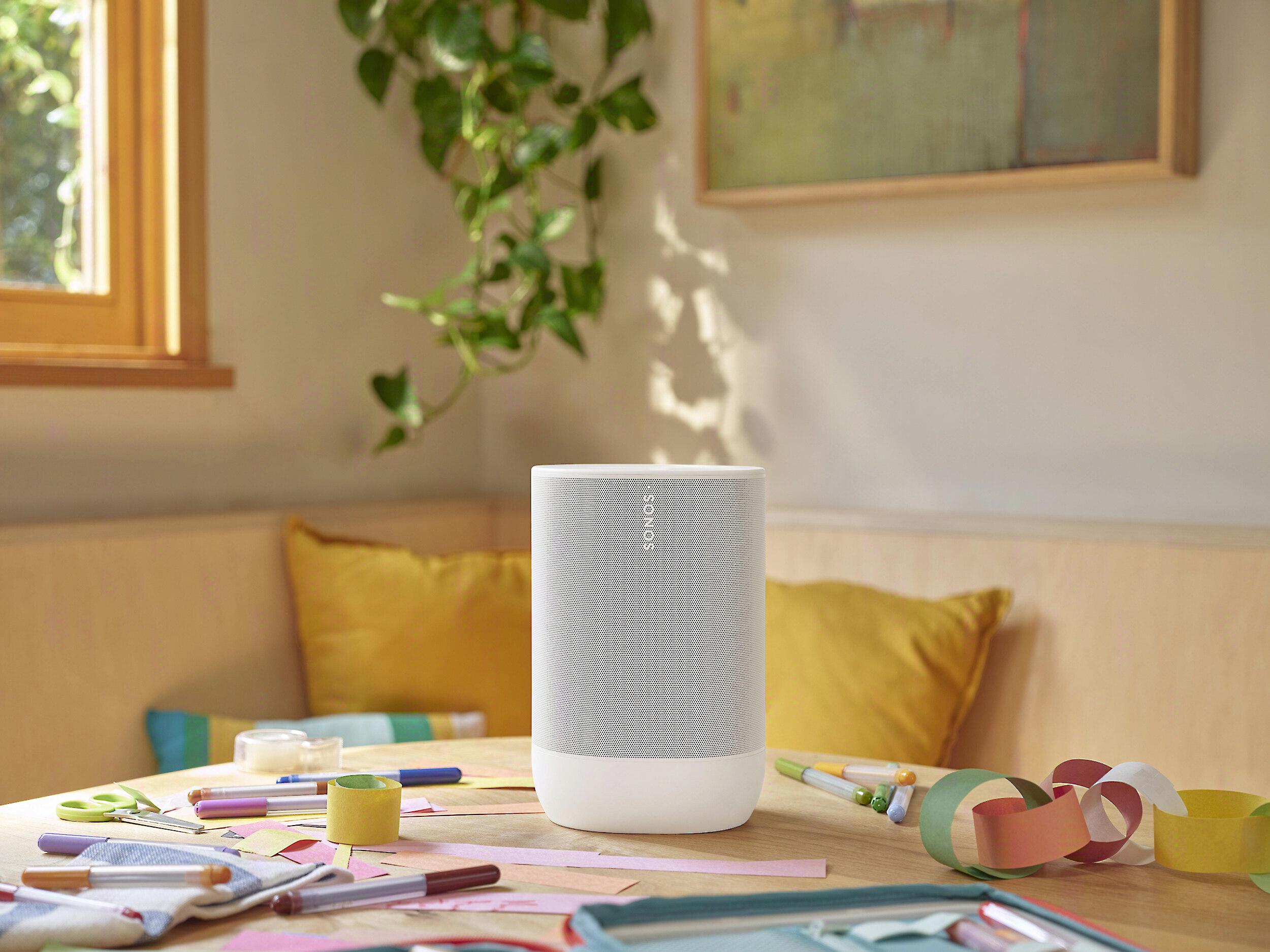
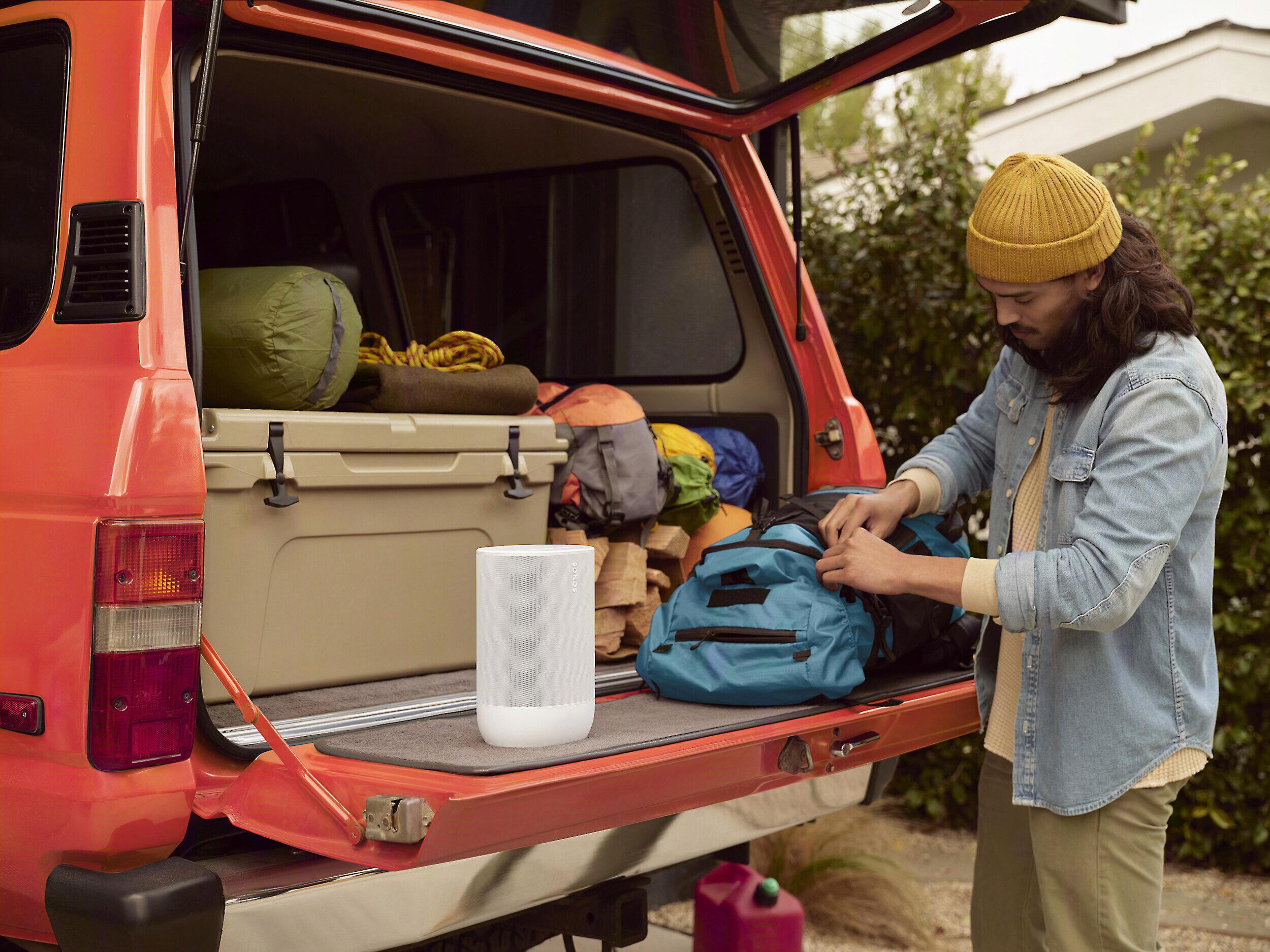
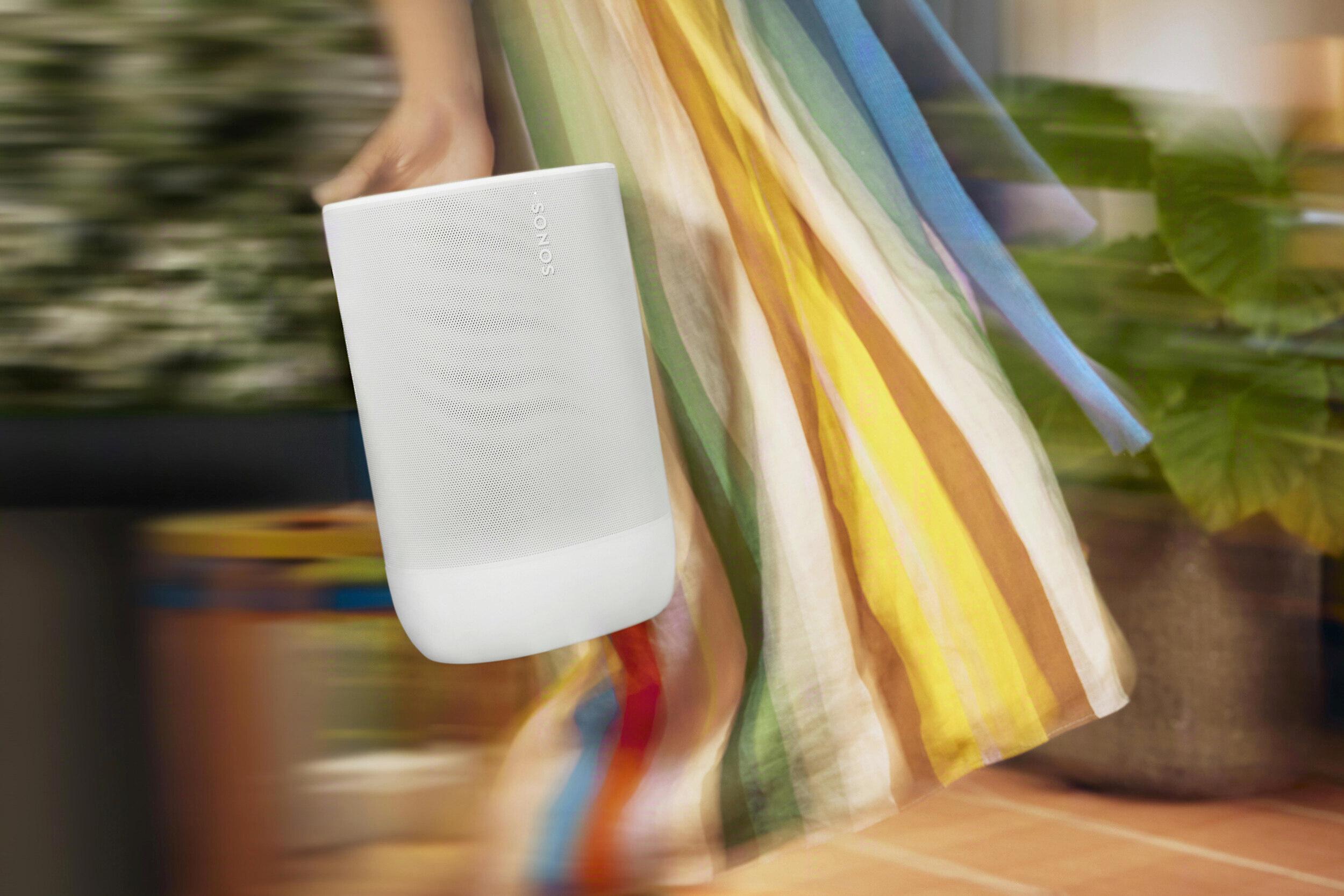
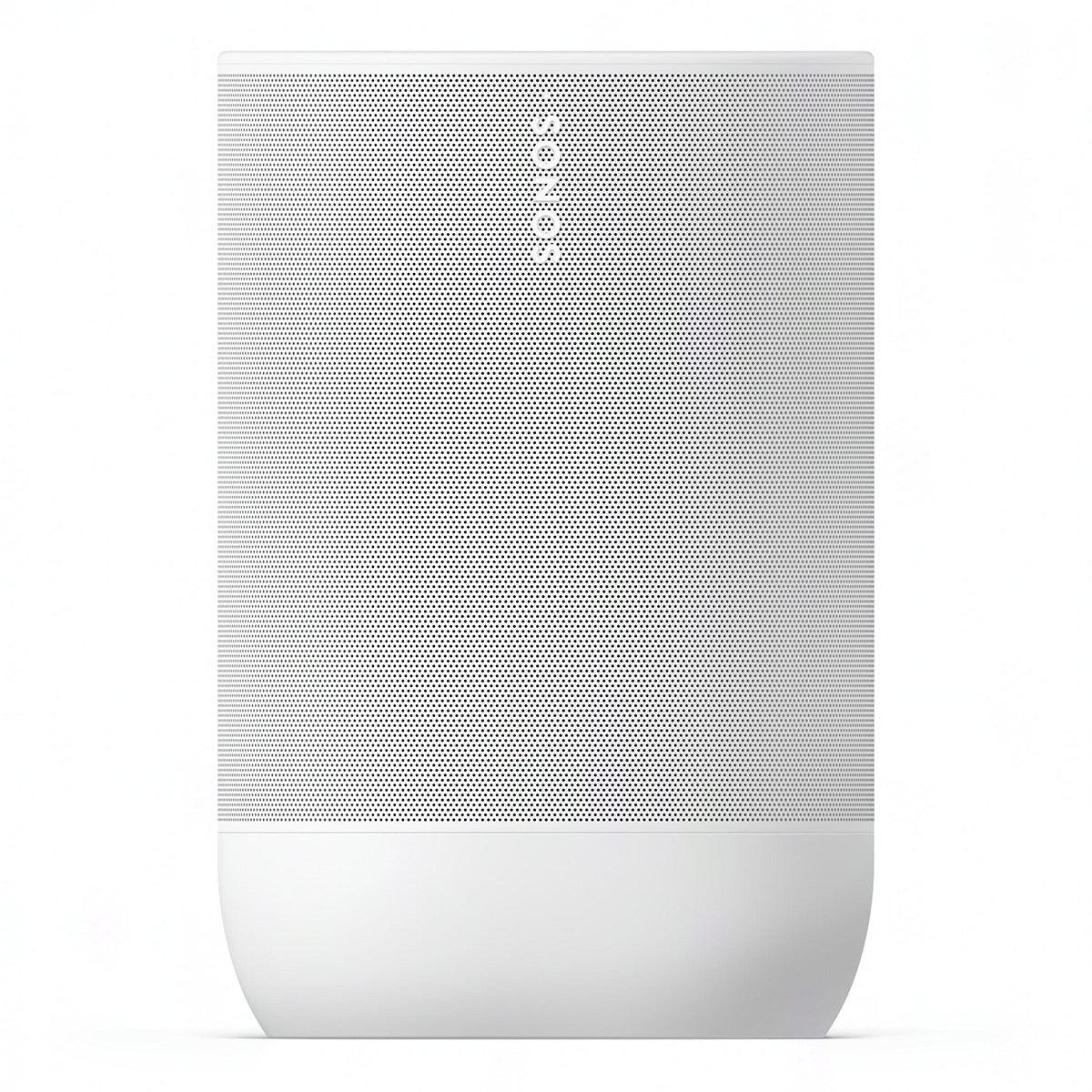
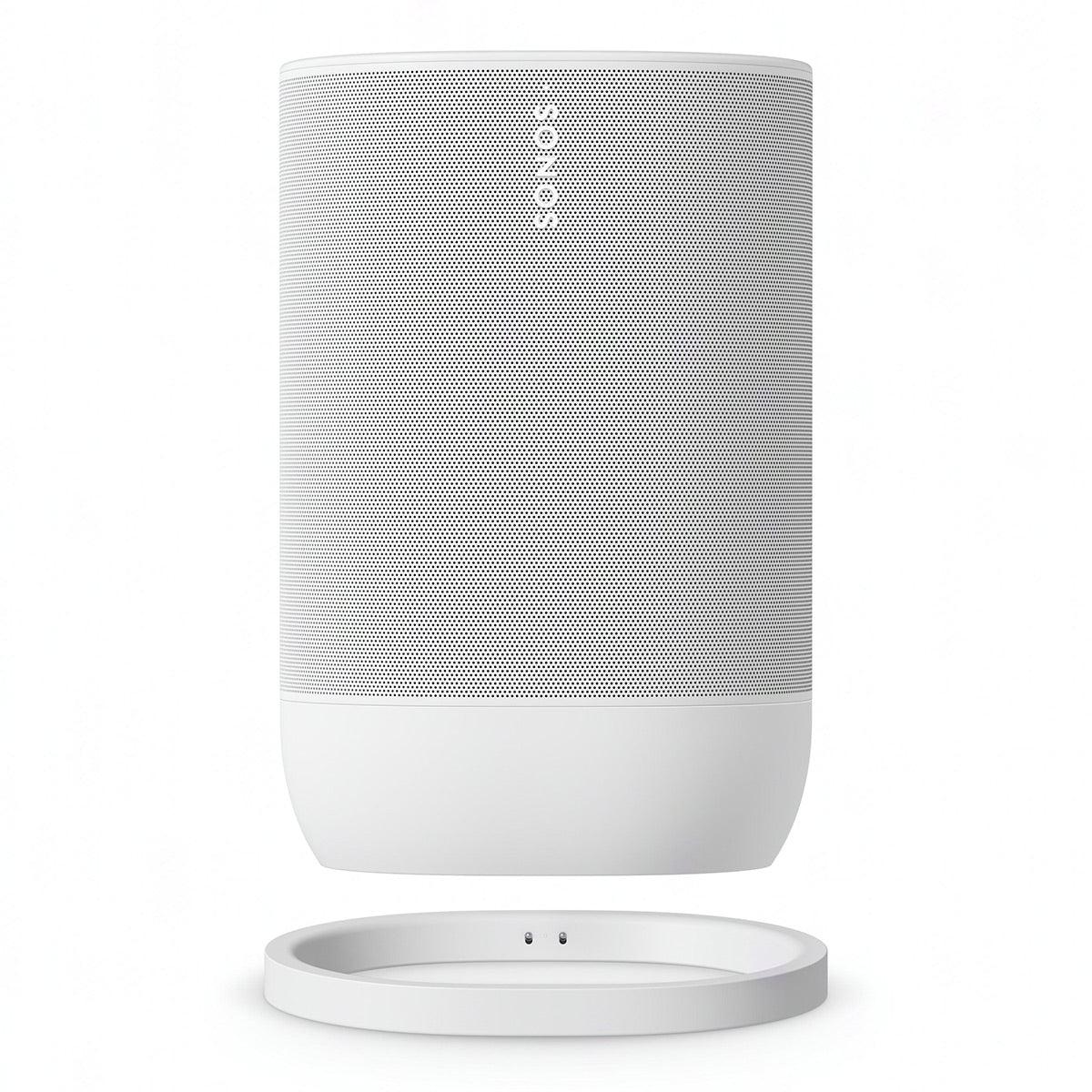
The Sonos Move 2 takes a fundamentally different approach. At 6.6 pounds—more than three times heavier than the JBL—it's designed for what I'd call "room-to-room portability" rather than true travel convenience. Think moving from your living room to the back deck for dinner, not hiking to a mountaintop campsite.
Sonos built the Move 2 with premium materials and a sophisticated internal architecture that prioritizes sound quality above all else. The speaker includes a wireless charging base, suggesting Sonos expects users to have a dedicated "home" location where the speaker lives when not in temporary use elsewhere.
This represents the most significant difference between these speakers, and understanding the technical details helps explain why they sound so different.
The Sonos Move 2 features dual tweeters (small speakers that handle high frequencies like cymbals and vocal clarity) positioned to create genuine left and right channel separation. This means when you're listening to music mixed in stereo, you'll hear instruments placed across a realistic soundstage rather than everything coming from a single point.
Combined with a dedicated mid-woofer (a larger driver that handles bass and midrange frequencies), this creates what audio engineers call a "2.1 configuration"—two tweeters plus one woofer. The frequency response spans from 55 Hz to 20,000 Hz, meaning it can reproduce everything from deep bass notes to the highest harmonics that human ears can detect.
Perhaps most impressively, the Move 2 includes automatic Trueplay tuning. Using built-in microphones, the speaker analyzes how sound reflects off walls, furniture, and other surfaces in your space, then adjusts its output every 60 seconds to compensate for room acoustics. If you move from a small bedroom to a large living room, the speaker automatically adapts its sound profile to maintain optimal performance.
The JBL Charge 6 uses what's called a mono configuration—a single audio channel that combines left and right stereo information. While this eliminates true stereo separation, JBL optimized the single-channel approach with a carefully tuned 53×93mm oval woofer paired with a 20mm tweeter.
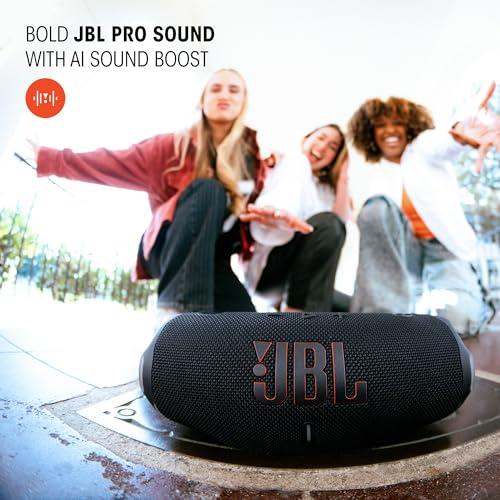
The key innovation here is AI Sound Boost technology, which analyzes incoming audio in real-time and adjusts the speaker's drivers to prevent distortion while maximizing volume output. This allows the Charge 6 to punch above its weight class in terms of loudness and clarity, though it can't match the spatial imaging of true stereo speakers.
The frequency response extends from 56 Hz to 20,000 Hz—slightly less deep bass extension than the Sonos, but still impressive for a speaker this compact.
Based on extensive research of professional reviews and user feedback, the Sonos Move 2 delivers noticeably superior audio quality in almost every scenario. The stereo separation creates a more immersive listening experience, especially for music with complex arrangements. The automatic room tuning means it sounds excellent regardless of placement, while the JBL Charge 6 requires more careful positioning to achieve optimal performance.
However, the JBL's mono configuration offers one unexpected advantage: it doesn't suffer from "sweet spot" limitations. With stereo speakers, you need to position yourself between the left and right channels for optimal sound. The Charge 6 sounds consistent regardless of your listening position, making it better for situations where multiple people are gathered around the speaker.
The Sonos Move 2 functions as a genuine smart speaker when connected to Wi-Fi. It supports both Amazon Alexa and Sonos Voice Control, allowing hands-free music playback, smart home control, and voice queries. The Wi-Fi 6 connectivity enables multiroom audio synchronization—you can play the same music across multiple Sonos speakers throughout your home, or different music in different rooms.
The speaker also supports Apple AirPlay 2, making it effortless to stream directly from iPhones, iPads, and Macs. When you're away from Wi-Fi, it seamlessly switches to Bluetooth 5.0 for standard wireless streaming from any device.
Perhaps most importantly for home theater enthusiasts, the Move 2 can integrate with Sonos soundbars and other home theater components when used indoors, providing surround sound capabilities for movie watching.
The JBL Charge 6 deliberately keeps things simple with Bluetooth 5.4 connectivity—the latest Bluetooth standard that offers improved connection stability and energy efficiency compared to earlier versions. The speaker pairs quickly with phones, tablets, and laptops without requiring app setup or Wi-Fi configuration.
The JBL Portable app provides a 7-band equalizer, allowing you to adjust bass, midrange, and treble frequencies to match your musical preferences. The app also enables Auracast connectivity—a newer technology that lets you wirelessly connect multiple compatible JBL speakers for expanded sound coverage.
This simplicity proves advantageous in many scenarios. The Charge 6 works immediately out of the box without network configuration, making it ideal for travel, outdoor events, or situations where Wi-Fi isn't available or reliable.
Both speakers claim 24-hour battery life, which represents exceptional endurance in the portable speaker category. However, they achieve this through different approaches that affect real-world usability.
The JBL Charge 6 includes a feature called Playtime Boost that can extend battery life to 28 hours by reducing bass output and lower midrange frequencies—essentially trading some sound quality for longer runtime. This proves particularly useful during extended camping trips or long days at the beach where charging opportunities are limited.
The speaker also functions as a powerbank, allowing you to charge smartphones, tablets, or other USB devices from its internal battery. This dual functionality can be genuinely valuable during outdoor adventures where multiple devices need power.
Fast charging provides 150 minutes of playback from just 10 minutes of charging time—useful when you need quick power before heading out.
The Sonos Move 2 includes a wireless charging base that makes daily use more convenient. Simply place the speaker on the base when you're home, and it maintains full charge without plugging in cables. The charging base uses a smaller, detachable power adapter compared to the previous generation, making it easier to position discretely or pack for travel.
Most importantly for long-term ownership, the Move 2 features a user-replaceable battery. After several years when the battery capacity inevitably degrades, you can install a new one rather than replacing the entire speaker—a sustainability feature that reduces long-term costs and environmental impact.
The JBL Charge 6 was engineered specifically for challenging environments. Beyond the IP68 waterproofing, it's drop-tested to survive 1-meter falls onto concrete—the kind of accidents that happen during active use. The fabric mesh covering provides additional protection against impacts while allowing sound to pass through clearly.
This durability extends to temperature resistance, with the speaker functioning reliably in conditions from freezing to over 100°F. Such resilience makes it genuinely suitable for winter ski trips, summer beach days, or desert camping where temperature extremes are common.
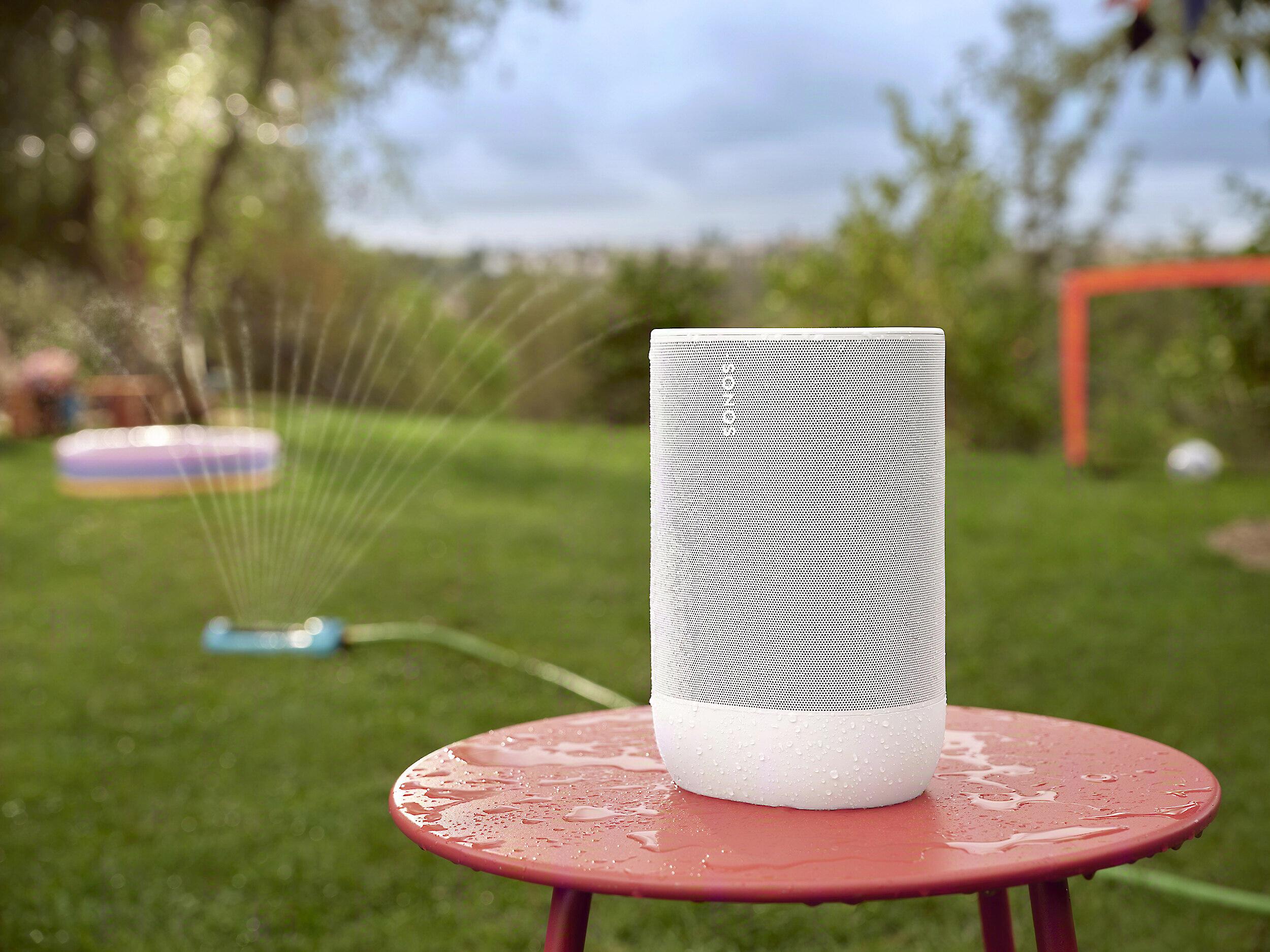
The Sonos Move 2 offers IP56 water and dust resistance—sufficient for outdoor dinner parties, light rain, or poolside use, but not designed for submersion or extreme conditions. The premium materials and sophisticated internal components prioritize audio performance over rugged durability.
This doesn't mean the Move 2 is fragile, but it's clearly designed for more controlled environments where you're unlikely to drop it in a river or bury it in sand.
For users with existing Sonos systems, the Move 2 integrates seamlessly. You can start music in your living room on a Sonos soundbar, then grab the Move 2 and continue the same playlist outside without interruption. This ecosystem integration represents a compelling advantage if you're already invested in Sonos products.
The speaker also includes a 3.5mm auxiliary input for connecting turntables, CD players, or other analog audio sources—useful for vinyl enthusiasts or users with older audio equipment.
The JBL Charge 6 operates independently without requiring ecosystem integration. While you can connect multiple JBL speakers using Auracast technology, each speaker functions perfectly on its own. This independence proves valuable if you want a single, versatile speaker rather than building a multi-room audio system.
For home theater use, the Sonos Move 2 offers significant advantages through its ability to integrate with Sonos soundbars and other home theater components. When watching movies, it can provide surround sound effects or serve as a rear channel speaker for true surround sound setups.
The JBL Charge 6 lacks this integration capability, though its mono output actually works well for casual movie watching since dialogue and sound effects don't suffer from stereo positioning issues.
The JBL Charge 6 represents exceptional value for active lifestyles. If you frequently travel, enjoy outdoor activities, or need a speaker that can survive accidents and weather exposure, the combination of true portability, waterproofing, and powerbank functionality creates compelling value.
Its simplicity also appeals to users who want reliable audio without complexity. College students, travelers, and outdoor enthusiasts consistently appreciate speakers that work immediately without setup requirements or compatibility concerns.
The Sonos Move 2 makes sense for users who prioritize audio quality and smart features over ultimate portability. If you primarily listen to music at home with occasional outdoor use, want voice control capabilities, or plan to integrate with existing Sonos products, the superior sound quality and advanced features justify the higher price.
Home theater enthusiasts particularly benefit from its integration capabilities, while music lovers appreciate the stereo imaging and automatic room optimization.
Choose the JBL Charge 6 if you need genuine portability, plan to use the speaker outdoors frequently, want powerbank functionality, or prefer straightforward Bluetooth connectivity without smart features. Its combination of durability, battery life, and competitive pricing makes it ideal for active lifestyles and travel.
Choose the Sonos Move 2 if audio quality tops your priority list, you want smart home integration, plan primarily indoor use with occasional outdoor listening, or already own Sonos products. The superior stereo sound, voice control, and automatic tuning create a premium experience worth the investment for discerning listeners.
Both speakers excel in their intended roles—the key is honestly assessing whether you need a rugged travel companion or a sophisticated portable audio system for your home environment.
| JBL Charge 6 | Sonos Move 2 |
|---|---|
| Weight - Critical for true portability and travel | |
| 2.1 lbs (genuinely portable for backpacking/travel) | 6.6 lbs (room-to-room mobility, not travel-friendly) |
| Audio Architecture - Determines sound quality and stereo imaging | |
| Mono configuration with AI Sound Boost processing | Dual-tweeter stereo design with automatic Trueplay tuning |
| Water Resistance - Essential for outdoor and poolside use | |
| IP68 (fully submersible, adventure-ready) | IP56 (splash-resistant, light outdoor use only) |
| Maximum Output - How loud the speaker can get | |
| 85 dB (good for personal/small group listening) | 95 dB (room-filling volume for parties) |
| Smart Features - Voice control and home automation capabilities | |
| Bluetooth 5.4 only, no voice control | Wi-Fi 6, Alexa/Sonos Voice Control, multiroom audio |
| Battery Life - How long you can listen without charging | |
| 24 hours standard, 28 hours with Playtime Boost | 24 hours with wireless charging base included |
| Powerbank Function - Ability to charge other devices | |
| Yes, can charge phones/tablets via USB-C | Yes, can charge devices but primarily for emergencies |
| Connectivity Options - How you can connect audio sources | |
| Bluetooth 5.4, USB-C lossless audio, Auracast pairing | Wi-Fi 6, Bluetooth 5.0, AirPlay 2, 3.5mm aux input |
| Ecosystem Integration - Works with other speakers/smart home | |
| JBL Charge 6 pairs with other JBL Auracast speakers | Sonos Move 2 integrates with full Sonos ecosystem |
| Frequency Response - Range of musical notes the speaker reproduces | |
| 56 Hz - 20 kHz (good bass extension for size) | 55 Hz - 20 kHz (slightly deeper bass, wider soundstage) |
| Charging Method - How you power up the speaker | |
| USB-C only (cable not included) | Wireless charging base + USB-C option |
| Durability Testing - Resistance to drops and impacts | |
| Drop-tested to 1 meter, shock-absorbent design | Premium build quality, not specifically drop-tested |
| App Features - Software customization and control options | |
| JBL Portable app with 7-band EQ | Sonos app with advanced EQ, room correction, multiroom |
The JBL Charge 6 is significantly better for travel and outdoor use. At just 2.1 pounds, it's three times lighter than the Sonos Move 2 and features IP68 waterproofing that allows complete submersion. The JBL Charge 6 also includes a powerbank function to charge your devices and has been drop-tested for durability, making it ideal for camping, beach trips, and hiking.
The Sonos Move 2 delivers superior sound quality with its dual-tweeter stereo design and automatic Trueplay tuning that adjusts to your room's acoustics. While the JBL Charge 6 offers good sound with AI Sound Boost technology, it uses a mono configuration that can't match the stereo separation and room-filling 95 dB output of the Sonos Move 2.
Only the Sonos Move 2 offers smart home features with built-in Alexa and Sonos Voice Control, plus Wi-Fi connectivity for multiroom audio. The JBL Charge 6 is a simple Bluetooth speaker without voice control or smart home integration, focusing instead on portability and durability.
Both the JBL Charge 6 and Sonos Move 2 offer impressive 24-hour battery life. However, the JBL Charge 6 can extend to 28 hours with Playtime Boost mode and includes fast charging that provides 150 minutes of playback from just 10 minutes of charging.
Yes, both speakers support multi-speaker connectivity but use different technologies. The JBL Charge 6 uses Auracast to connect with other compatible JBL speakers, while the Sonos Move 2 integrates with the entire Sonos ecosystem for synchronized multiroom audio and can work with Sonos soundbars for home theater setups.
The JBL Charge 6 is significantly more waterproof with an IP68 rating that allows submersion up to 1.5 meters for 30 minutes. The Sonos Move 2 has only IP56 rating, making it splash-resistant but not suitable for pool parties or beach use where full waterproofing is needed.
Both speakers can connect to computers, but differently. The Sonos Move 2 offers lossless Wi-Fi streaming and a 3.5mm auxiliary input for direct connection. The JBL Charge 6 connects via Bluetooth 5.4 or USB-C for lossless audio playback up to 24-bit/192kHz resolution.
The JBL Charge 6 offers exceptional value with its combination of true portability, waterproofing, powerbank function, and solid audio quality at a much lower price point. The Sonos Move 2 justifies its premium pricing with superior sound quality, smart features, and home theater integration capabilities.
The Sonos Move 2 excels for home theater applications as it can integrate with Sonos soundbars and provide surround sound effects. Its stereo design and room tuning also make it excellent for movie dialogue clarity. The JBL Charge 6 works for casual movie watching but lacks home theater integration features.
The JBL Charge 6 uses simple touch controls and the JBL Portable app for EQ adjustments. The Sonos Move 2 offers more control options including touch controls, voice commands through Alexa or Sonos Voice Control, and the comprehensive Sonos app for advanced settings and multiroom management.
The Sonos Move 2 is ideal for small apartments with its automatic Trueplay room tuning, stereo sound quality, and ability to integrate with other Sonos speakers as your system grows. The JBL Charge 6 works well too but is better suited for users who prioritize portability over room-optimized audio performance.
Neither the JBL Charge 6 nor the Sonos Move 2 includes a built-in microphone for hands-free phone calls. Both speakers focus purely on music playback rather than call functionality, though you can use voice control on the Sonos Move 2 for music commands and smart home control.
We've done our best to create useful and informative comparisons to help you decide what product to buy. Our research uses advanced automated methods to create this comparison and perfection is not possible - please contact us for corrections or questions. These are the sites we've researched in the creation of this article: rtings.com - youtube.com - stereoguide.com - whathifi.com - youtube.com - elomymelo.com - soundguys.com - elomymelo.com - wifihifi.com - soundguys.com - jbl.com - whathifi.com - soundguys.com - youtube.com - smarthomesounds.co.uk - jbl.com - sweetwater.com - youtube.com - bestbuy.com - jbl.com.sg - jbl.com - dell.com - ca.jbl.com - soundguys.com - soundguys.com - dell.com - cnet.com - shop.menshealth.com - youtube.com - whathifi.com - 9to5toys.com - abt.com - youtube.com - ceiling-speakers.co.uk - sonos.com - youtube.com - bhphotovideo.com

Privacy Policy
Terms and Conditions - Affiliate Policy
Home Security
© Copyright 2008-2026.
11816 Inwood Rd #1211, Dallas, TX 75244