





When you're choosing between JBL's portable Bluetooth speakers, you're really deciding between two completely different philosophies of portable audio. The JBL Charge 6 and JBL Go 3 might share the same brand badge, but they're designed for entirely different users and situations. Understanding these differences will help you pick the right speaker for your needs without overspending or ending up disappointed.
Before diving into specifics, let's talk about what actually matters in a portable Bluetooth speaker. The most important factors are sound quality, battery life, portability, and durability – but the weight you give each factor depends entirely on how you plan to use your speaker.
Sound quality comes down to several technical aspects. Driver size (the actual speaker components that produce sound) directly impacts how much air the speaker can move, which translates to volume and bass response. Frequency response tells you the range of sounds the speaker can reproduce – humans can hear roughly 20Hz to 20,000Hz, with lower numbers representing deeper bass and higher numbers representing treble. RMS power (Root Mean Square) gives you the continuous power output, which is more reliable than peak power ratings that some manufacturers use for marketing.
Battery life isn't just about hours of playback – it's about matching your usage patterns. A speaker with 5 hours might be perfect for daily commutes but terrible for weekend camping trips. Portability involves both size and weight, but also features like carrying straps or clips that make transport easier.
Durability is measured by IP ratings – those cryptic numbers like IP67 or IP68 that appear in speaker specs. The first digit (0-6) rates dust protection, while the second (0-9) rates water protection. IP67 means complete dust protection and can handle water immersion up to 1 meter for 30 minutes. IP68 is even better, allowing deeper or longer submersion.
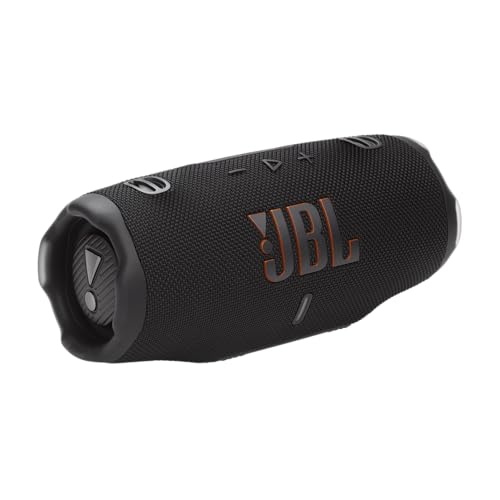
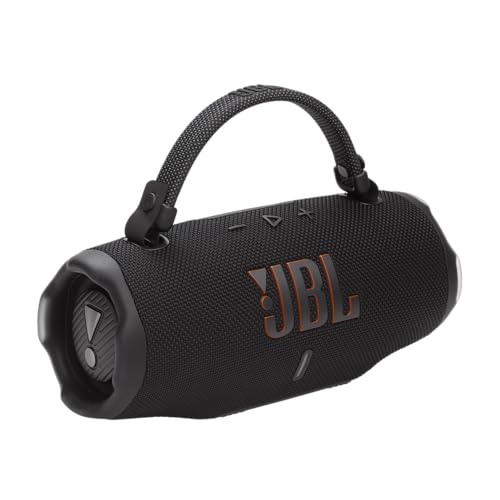
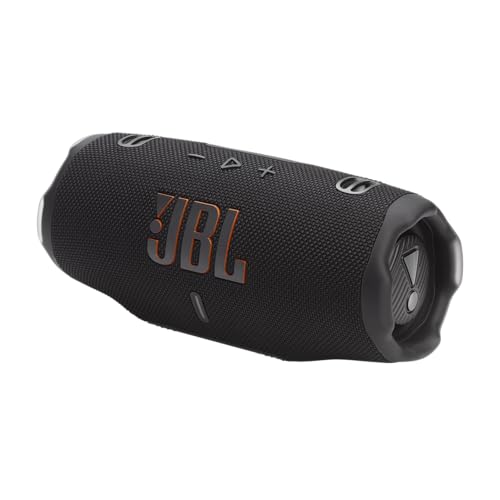
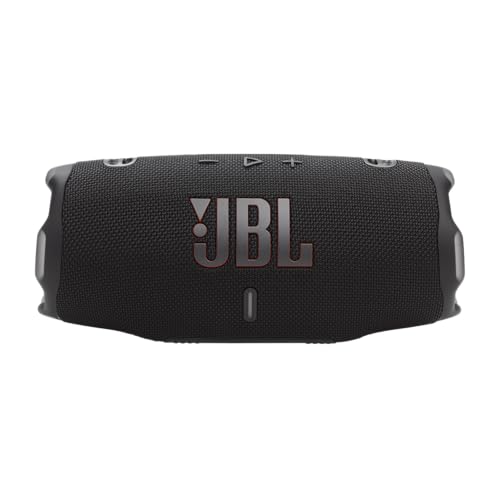
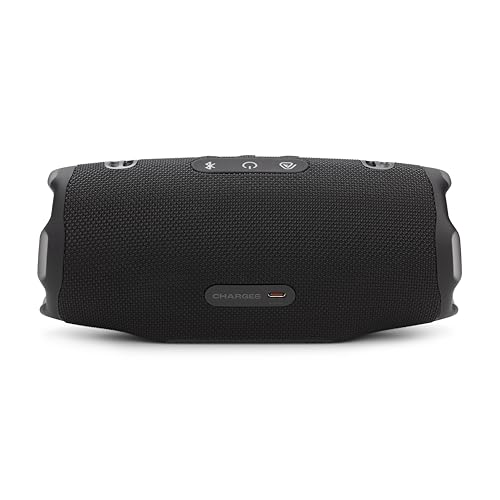
The JBL Charge 6, released in 2024, represents JBL's mid-range portable speaker philosophy. At the time of writing, it typically costs around $170, positioning it as a serious investment in portable audio quality. This speaker prioritizes powerful sound, extended battery life, and premium features over ultimate portability.
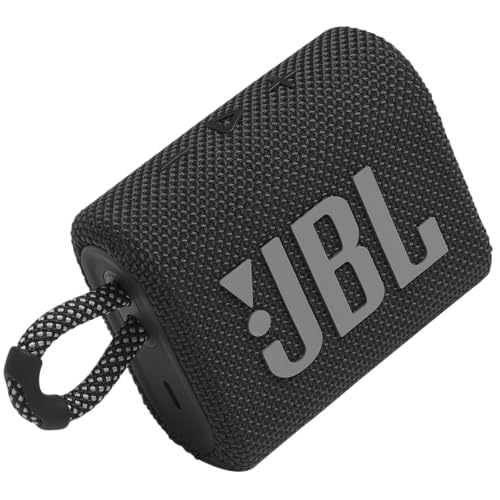
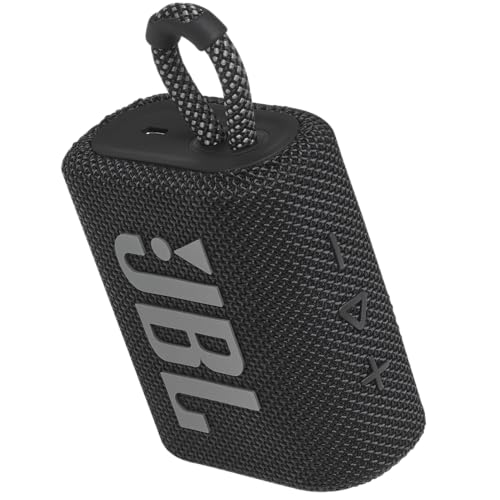
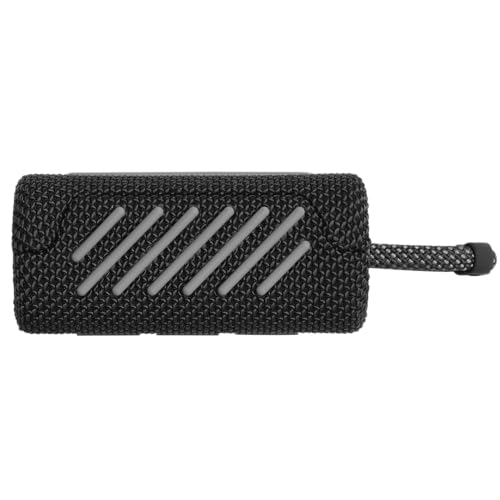
The JBL Go 3, launched in 2020, embodies JBL's ultra-portable approach. Priced around $30 at the time of writing, it makes portability and affordability the top priorities, accepting limitations in sound quality and battery life as necessary trade-offs.
These speakers serve fundamentally different purposes, and understanding this difference is crucial to making the right choice.
The audio performance gap between these speakers is enormous, and it all comes down to physics. The JBL Charge 6 packs a 45W RMS amplifier powering a two-way driver system – a specialized woofer for bass and midrange sounds, plus a separate tweeter for high frequencies. This two-way configuration allows each driver to focus on what it does best, resulting in clearer, more detailed sound across the entire frequency spectrum.
More importantly, the Charge 6's larger woofer (53mm x 93mm oval shape) can physically move more air than smaller drivers. This translates directly to better bass response and overall volume capability. The frequency response extends down to 56Hz, which means you'll actually hear meaningful bass in your music – not just the illusion of bass that smaller speakers sometimes create by boosting midrange frequencies.
The JBL Go 3 works with just 4.2W of power through a single 43mm x 47mm driver. While JBL has tuned it well for its size, physics imposes hard limits on what's possible. The frequency response only reaches down to 110Hz, meaning the deep bass in electronic music, hip-hop, or movie soundtracks simply won't be present. You'll hear clear vocals and decent midrange detail, but the sound lacks the full-bodied character that makes music truly engaging.
In our research of user experiences and professional reviews, the difference is immediately apparent when you play the same song on both speakers. The Charge 6 delivers what we'd call "real speaker" performance – the kind of sound that can fill a room or outdoor space with rich, detailed audio. The Go 3 provides what's better described as "enhanced smartphone speaker" performance – clearly better than built-in device speakers, but fundamentally limited by its tiny size.
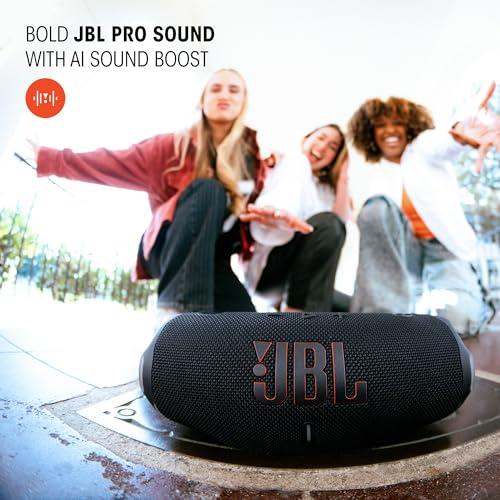
JBL's AI Sound Boost technology in the Charge 6 deserves special mention. This real-time audio processing analyzes your music and optimizes the drivers to minimize distortion, especially at higher volumes. It's not just marketing fluff – this technology allows the speaker to play louder and cleaner than you'd expect from its size. The Go 3 lacks this sophisticated processing, relying instead on more basic amplifier circuitry.
For home theater use, the Charge 6 can serve as a decent supplementary speaker for casual movie watching on a laptop or tablet, though it won't replace a proper sound system. The Go 3 simply doesn't have the dynamic range or volume needed for any meaningful home theater application.
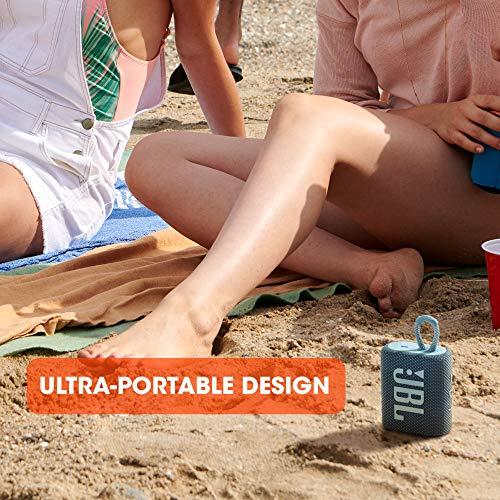
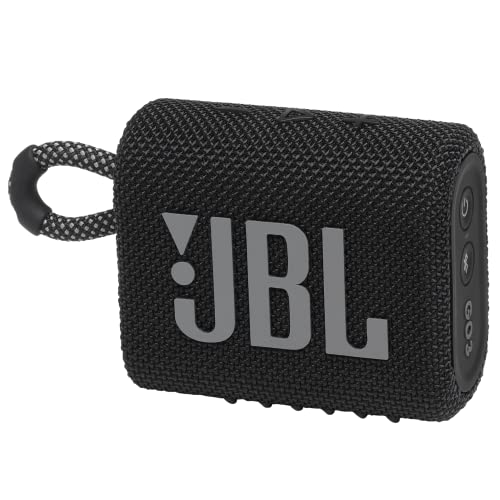
Here's where the tables turn completely. The JBL Go 3 weighs just 209 grams – about the same as a large smartphone – and measures roughly 3.4 x 2.7 x 1.6 inches. It literally fits in most pockets and includes a fabric loop for attaching to bags or carabiners. This ultra-portable design makes it incredibly convenient for daily carry, travel, or any situation where every ounce and inch matters.
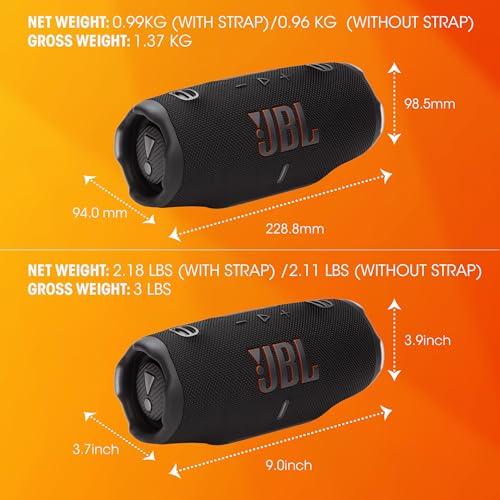
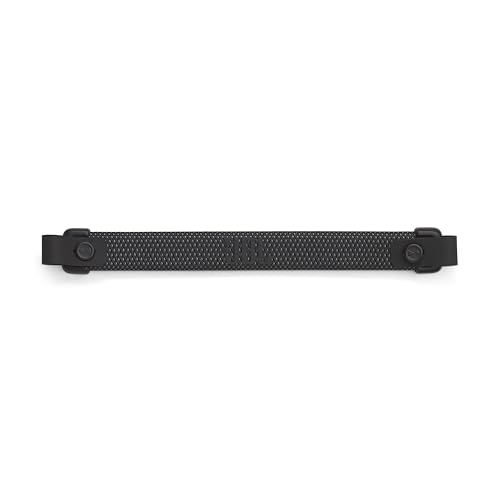
The JBL Charge 6, at nearly 1 kilogram (2.2 pounds), requires deliberate packing decisions. While JBL includes a carrying strap, this speaker demands dedicated bag space. It's portable in the sense that you can easily take it to the beach or park, but it's not something you'll casually slip into a jacket pocket.
This size difference reflects the fundamental physics of audio reproduction. Larger drivers and amplifiers simply require more space and power, which means larger batteries and more substantial housings. The Charge 6 uses this size to deliver genuinely impressive performance, while the Go 3 maximizes convenience within severe size constraints.
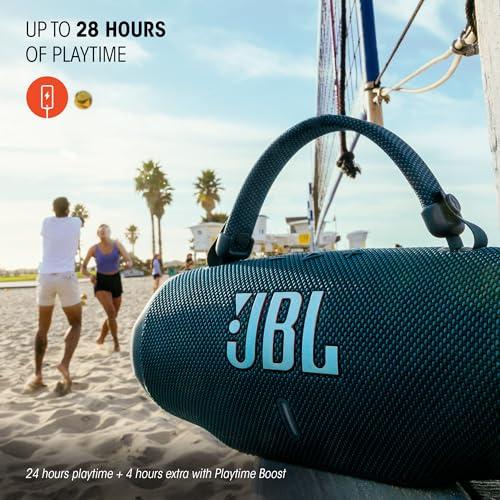
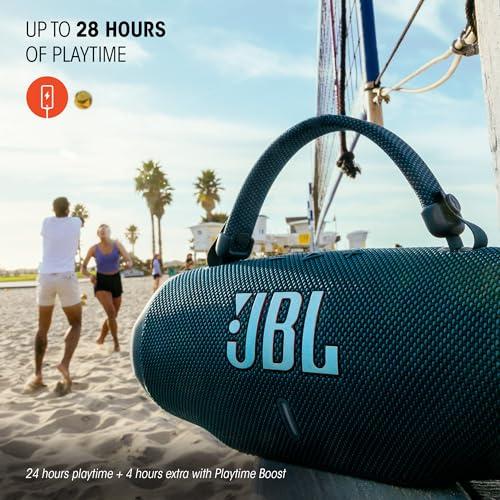
Battery performance reveals another philosophical difference between these speakers. The JBL Charge 6 packs a massive 4,722mAh battery that delivers up to 24 hours of standard playback, extending to 28 hours when Playtime Boost mode is activated. This feature reduces bass frequencies and power consumption to extend battery life – a clever engineering solution that gives you options based on your priorities.
Even more impressive, the Charge 6 functions as a power bank, meaning it can charge your smartphone or other devices through its USB port. For camping trips, beach days, or any extended outdoor adventure, this dual functionality is incredibly valuable. You're essentially carrying both your entertainment system and emergency phone charger in one device.
The JBL Go 3 provides 5 hours of playback from its much smaller 750mAh battery. While this might seem limiting, it actually matches many people's daily usage patterns perfectly. A morning commute, lunch break playlist, and evening workout easily fit within this timeframe. The speaker also charges fully in just 2.5 hours, making it easy to top off during the day.
However, if you're planning any extended listening sessions – like a day at the beach, camping trip, or outdoor party – the Go 3's battery life becomes a real limitation. You'll need to plan charging opportunities or accept that your music might cut out at inconvenient times.
Both speakers handle water and dust well, but with important differences. The JBL Charge 6 achieves an IP68 rating, which represents the highest level of protection available in consumer electronics. This means it can survive submersion in up to 1.5 meters of water for 30 minutes and is completely dust-tight. JBL has also drop-tested it from 1 meter onto concrete, making it genuinely rugged for outdoor use.
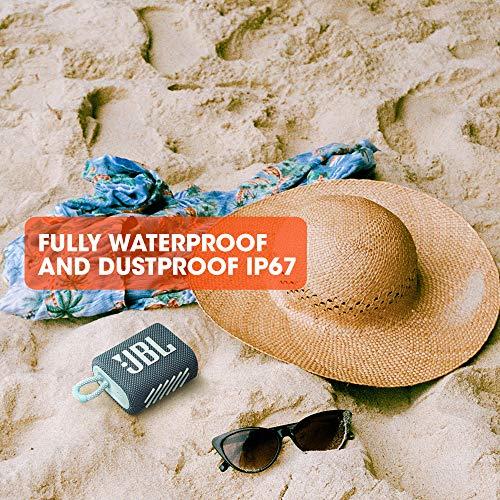
The JBL Go 3 offers IP67 protection – still excellent, but with slightly less water resistance. It can handle being submerged in up to 1 meter of water for 30 minutes and is completely dust-tight. For most real-world scenarios – rain, splash zones, beach sand – this protection is perfectly adequate.
The build quality difference extends beyond ratings. The Charge 6 uses premium materials including 85% post-consumer recycled plastic and feels substantial in your hands. The Go 3 uses quality materials for its price point but feels appropriately light and compact rather than premium.
The JBL Charge 6 showcases JBL's latest connectivity innovations. Bluetooth 5.4 provides improved connection stability and energy efficiency compared to older versions. The Auracast technology allows you to connect multiple compatible JBL speakers for synchronized playback – perfect for creating a larger sound system for parties or events. You can even stereo pair two Charge 6 speakers for true left/right channel separation.
Through the JBL Portable app, you get access to a 7-band equalizer, letting you fine-tune the sound signature for different music genres or personal preferences. This level of customization is rare in portable speakers and adds significant value for listeners who want control over their audio experience.
The Charge 6 also supports lossless audio playback up to 24-bit/192kHz through its USB-C connection. For audiophiles with high-quality music files, this wired connection bypasses Bluetooth compression entirely, delivering the full quality of your source material.
The JBL Go 3 keeps connectivity simple with Bluetooth 5.1 and basic pairing. However, it includes one feature the Charge 6 lacks – a built-in microphone for hands-free calling and voice assistant activation. This seemingly small addition makes the Go 3 more practical for work-from-home scenarios or staying connected while exercising.
At the time of writing, the JBL Charge 6 costs roughly six times more than the Go 3, but delivers more than ten times the power output plus significantly more features. From a pure performance-per-dollar calculation, the Charge 6 offers exceptional value for listeners who will use its capabilities.
However, value isn't just about specifications – it's about matching features to your actual needs. If you primarily listen alone during commutes or workouts, the Go 3's superior portability might be worth more to you than the Charge 6's extra power and features.
The Charge 6 justifies its higher price for users who want a single speaker that can serve multiple roles – personal listening device, party speaker, outdoor adventure companion, and emergency power bank. The Go 3 maximizes accessibility, bringing quality JBL sound to users with modest needs and budgets.
For Outdoor Adventures: The JBL Charge 6 excels for camping, beach trips, or backyard gatherings where you need quality sound for extended periods. The 24+ hour battery life eliminates charging anxiety during multi-day adventures, while the IP68 rating handles any weather conditions. The power bank feature becomes invaluable when you're away from electrical outlets.
For Daily Commuting: The JBL Go 3 shines here, slipping easily into bags or pockets without adding noticeable weight. The 5-hour battery life perfectly matches most daily routines, and the built-in microphone handles important calls without switching devices.
For Home Use: The Charge 6 can serve as a secondary home audio system for patios, workshops, or bathrooms. The USB-C lossless audio connection makes it suitable for desktop computer use, while the app-based EQ lets you optimize sound for your space. The Go 3 works well for personal listening in bedrooms or as a shower speaker.
For Exercise: This depends on your workout style. Runners and cyclists benefit from the Go 3's ultra-light weight, while gym sessions or home workouts might prefer the Charge 6's motivating bass response and volume capability.
Choose the JBL Charge 6 if sound quality matters to you and you can justify the higher investment. This speaker delivers genuinely impressive audio that can enhance your music listening experience, whether you're alone or with friends. The extended battery life and power bank functionality make it incredibly practical for outdoor activities, while the app-based customization appeals to listeners who want control over their sound.
The Charge 6 also makes sense if you want one speaker for multiple scenarios – it's capable enough to serve as your primary portable speaker for everything from personal listening to small parties.
Choose the JBL Go 3 if portability is your top priority and you primarily listen alone. This speaker excels for travel, commuting, and situations where every ounce and inch matters. The built-in microphone adds practical value for work calls and voice assistants, while the budget-friendly price makes it accessible to nearly everyone.
The Go 3 is also perfect as a secondary speaker – keep it in your gym bag, travel kit, or office for convenient audio access without worrying about theft or damage to a more expensive device.
These speakers represent different solutions to the portable audio challenge. The JBL Charge 6 prioritizes performance and versatility, delivering impressive sound quality and features at a premium price. The JBL Go 3 maximizes convenience and accessibility, providing solid basic audio performance in an ultra-portable, affordable package.
Neither speaker is objectively better – they're optimized for different users and use cases. Your choice should depend on whether you value audio quality and extended battery life (Charge 6) or maximum portability and budget-friendliness (Go 3). Both represent excellent value within their respective categories, maintaining JBL's reputation for reliable, well-tuned portable audio solutions.
| JBL Charge 6 | JBL Go 3 |
|---|---|
| Audio Output Power - Determines maximum volume and sound quality | |
| 45W RMS (genuinely loud, fills outdoor spaces) | 4.2W RMS (personal listening only, limited room-filling capability) |
| Driver Configuration - Affects sound clarity and frequency range | |
| 2-way system: 53mm x 93mm woofer + 20mm tweeter | Single 43mm x 47mm driver (all frequencies through one speaker) |
| Frequency Response - Shows how deep the bass goes and treble extends | |
| 56Hz - 20kHz (meaningful bass extension for full sound) | 110Hz - 20kHz (limited bass, focuses on vocals and midrange) |
| Battery Life - Critical for extended use without charging | |
| 24-28 hours (all-day festivals, multi-day camping) | 5 hours (daily commutes, short listening sessions) |
| Size and Weight - Determines true portability | |
| 990g, 9.0" x 3.9" x 3.7" (requires bag space, includes strap) | 209g, 3.4" x 2.7" x 1.6" (truly pocket-sized with fabric loop) |
| Water Protection - Essential for outdoor and shower use | |
| IP68 (submersible to 1.5m, completely waterproof) | IP67 (splash-proof, brief submersion to 1m) |
| Bluetooth Version - Affects connection stability and features | |
| 5.4 with Auracast multi-speaker pairing | 5.1 standard pairing only |
| Sound Customization - Personalizes audio to your preferences | |
| 7-band EQ via JBL Portable app + 4 presets | No EQ options (fixed JBL tuning) |
| Extra Features - Additional functionality beyond basic audio | |
| Power bank for device charging, USB-C lossless audio, AI Sound Boost | Built-in microphone for hands-free calls, auto power-off |
| Build Materials and Durability - Longevity and premium feel | |
| 85% recycled plastic, drop-tested from 1m, premium finish | Standard plastic construction, compact durability focus |
| Charging Time and Method - Convenience of powering up | |
| USB-C, 3 hours full charge, 10min = 150min playback | USB-C, 2.5 hours full charge, standard charging speed |
The JBL Charge 6 delivers significantly better sound quality with its 45W power output and 2-way driver system featuring a dedicated woofer and tweeter. It produces deeper bass (down to 56Hz) and clearer highs compared to the JBL Go 3, which uses a single 4.2W driver with limited bass response starting at 110Hz. For music lovers who want rich, full sound, the Charge 6 is the clear winner.
The JBL Charge 6 offers exceptional battery life with 24-28 hours of playback, making it perfect for all-day events and camping trips. The JBL Go 3 provides 5 hours of battery life, which works well for daily commutes and short listening sessions. If extended use without charging is important, the Charge 6 is unmatched in its category.
The JBL Go 3 is far more portable, weighing only 209 grams and fitting easily in pockets or small bags with its integrated fabric loop. The JBL Charge 6 weighs nearly 1 kilogram and requires dedicated bag space, though it includes a carrying strap. For maximum portability and travel convenience, the Go 3 is the obvious choice.
The JBL Charge 6 can serve as a supplementary speaker for casual movie watching on laptops or tablets, offering decent volume and clarity for small rooms. However, neither speaker is designed for serious home theater use. The JBL Go 3 lacks the power and dynamic range needed for any meaningful home theater application.
The JBL Charge 6 excels outdoors with its IP68 waterproof rating (submersible to 1.5 meters), powerful sound that fills outdoor spaces, and 24+ hour battery life for extended adventures. While the JBL Go 3 offers good IP67 water resistance, its limited volume and 5-hour battery make it better suited for personal outdoor activities rather than group gatherings.
The JBL Go 3 includes a built-in microphone that supports voice assistant activation and hands-free calling. The JBL Charge 6 does not have a microphone, so it cannot handle voice commands or phone calls directly. For voice assistant functionality, the Go 3 is the only option between these two speakers.
Value depends on your needs. The JBL Go 3 offers exceptional affordability for basic portable audio needs, making quality JBL sound accessible to budget-conscious buyers. The JBL Charge 6 provides superior performance-per-dollar for listeners who want powerful sound, extended battery life, and premium features. Both represent excellent value within their respective price categories.
The JBL Charge 6 supports Auracast technology for connecting multiple compatible JBL speakers and can stereo pair with another Charge 6. The JBL Go 3 only supports basic single-device Bluetooth pairing without multi-speaker connectivity. For party setups or stereo sound, only the Charge 6 offers these advanced features.
Both speakers use USB-C charging, but the JBL Charge 6 offers additional functionality as a power bank to charge your devices. It also supports fast charging with 150 minutes of playback from just 10 minutes of charging. The JBL Go 3 charges slightly faster to full capacity (2.5 hours vs 3 hours) but cannot charge other devices.
For gym use, the JBL Go 3 wins due to its ultra-light weight and compact size that won't weigh down your gym bag. However, if you prefer motivating bass and don't mind the extra weight, the JBL Charge 6 delivers more powerful, energizing sound. The choice depends on whether you prioritize portability or audio performance for your workouts.
The JBL Charge 6 offers extensive customization through the JBL Portable app with a 7-band equalizer and multiple presets, plus support for lossless audio via USB-C. The JBL Go 3 provides no sound customization options beyond JBL's default tuning. For listeners who want control over their audio experience, the Charge 6 is the only choice.
Choose the JBL Charge 6 if you want powerful sound quality, all-day battery life, outdoor durability, and advanced features like app control and device charging. Pick the JBL Go 3 if you prioritize maximum portability, budget-friendly pricing, hands-free calling capability, and primarily listen alone during commutes or personal activities. Both excel in their intended use cases.
We've done our best to create useful and informative comparisons to help you decide what product to buy. Our research uses advanced automated methods to create this comparison and perfection is not possible - please contact us for corrections or questions. These are the sites we've researched in the creation of this article: rtings.com - youtube.com - stereoguide.com - whathifi.com - youtube.com - elomymelo.com - soundguys.com - elomymelo.com - wifihifi.com - soundguys.com - jbl.com - whathifi.com - soundguys.com - youtube.com - smarthomesounds.co.uk - jbl.com - sweetwater.com - youtube.com - bestbuy.com - jbl.com.sg - jbl.com - dell.com - ca.jbl.com - soundguys.com - soundguys.com - dell.com - rtings.com - streamtechreviews.com - english.achoreviews.com - smarthomesounds.co.uk - soundguys.com - rtings.com - walmart.com - soundguys.com - youtube.com - youtube.com - jbl.com - youtube.com - selectoguru.com - versus.com - videoandaudiocenter.com - harmanaudio.com - jbl.com - bestbuy.com - forum.hifiguides.com - manuals.plus - kh.jbl.com - th.jbl.com - mm.jbl.com - jbl.com - bestbuy.com - youtube.com - youtube.com - youtube.com - jbl.com - bestbuy.com - bestbuy.com - jbl.com.tw - youtube.com

Privacy Policy
Terms and Conditions - Affiliate Policy
Home Security
© Copyright 2008-2026.
11816 Inwood Rd #1211, Dallas, TX 75244