





Portable Bluetooth speakers have come a long way from the tinny, underpowered devices of just a few years ago. Today's best models deliver surprisingly rich sound that can fill rooms or outdoor spaces while lasting all day on a single charge. But with so many options available, choosing the right speaker often comes down to understanding what you'll actually use it for.
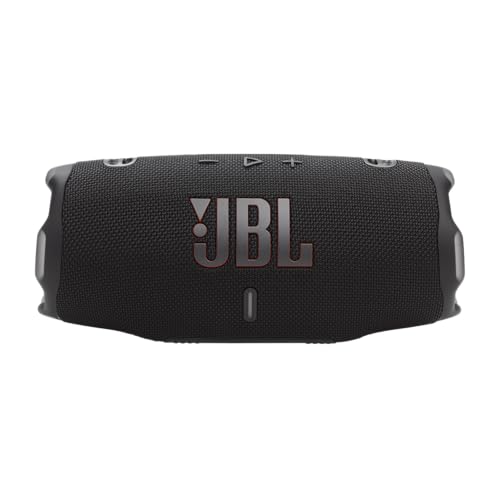
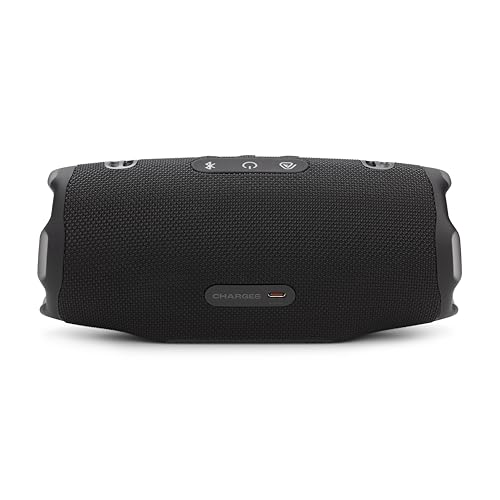
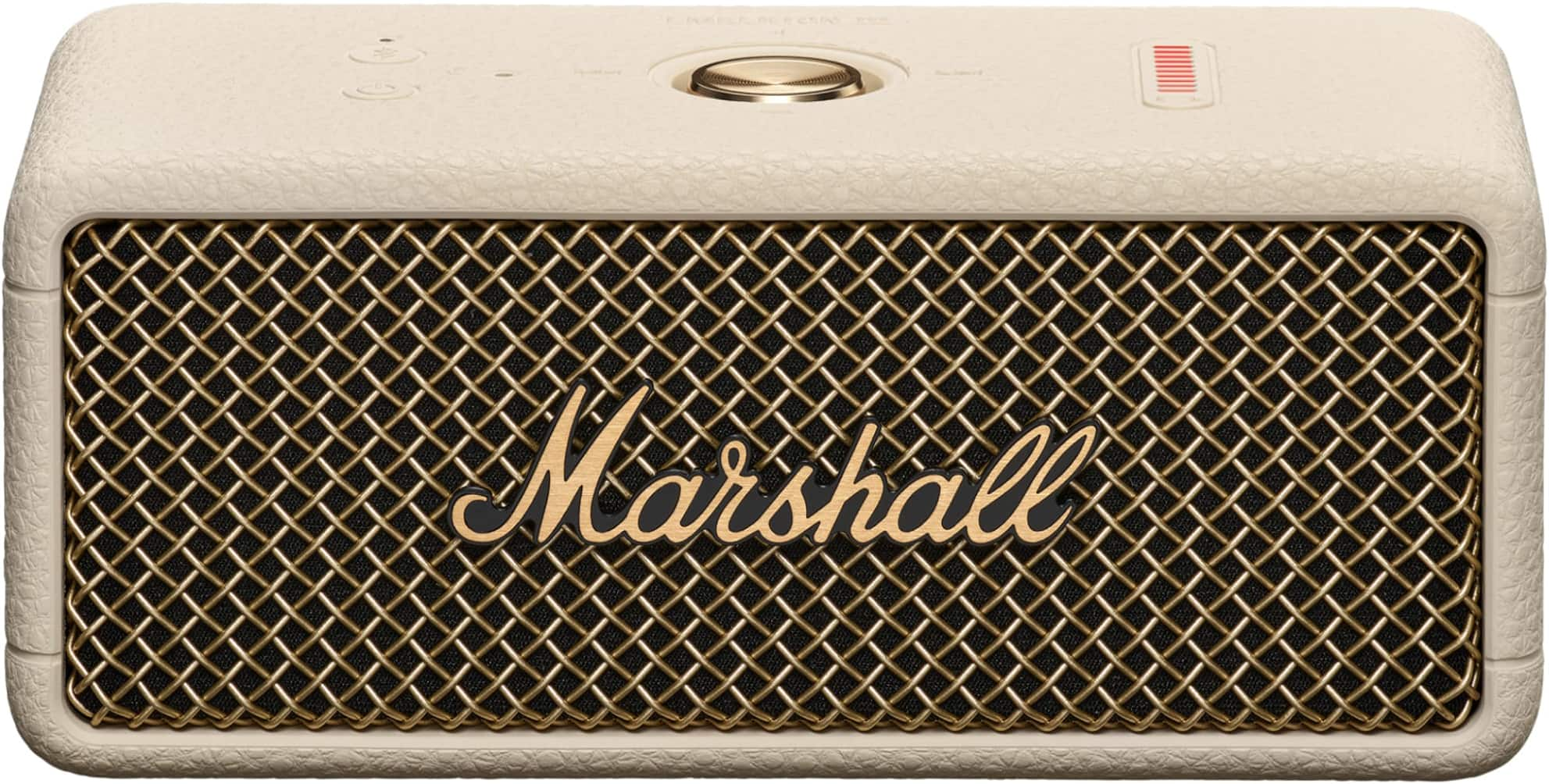
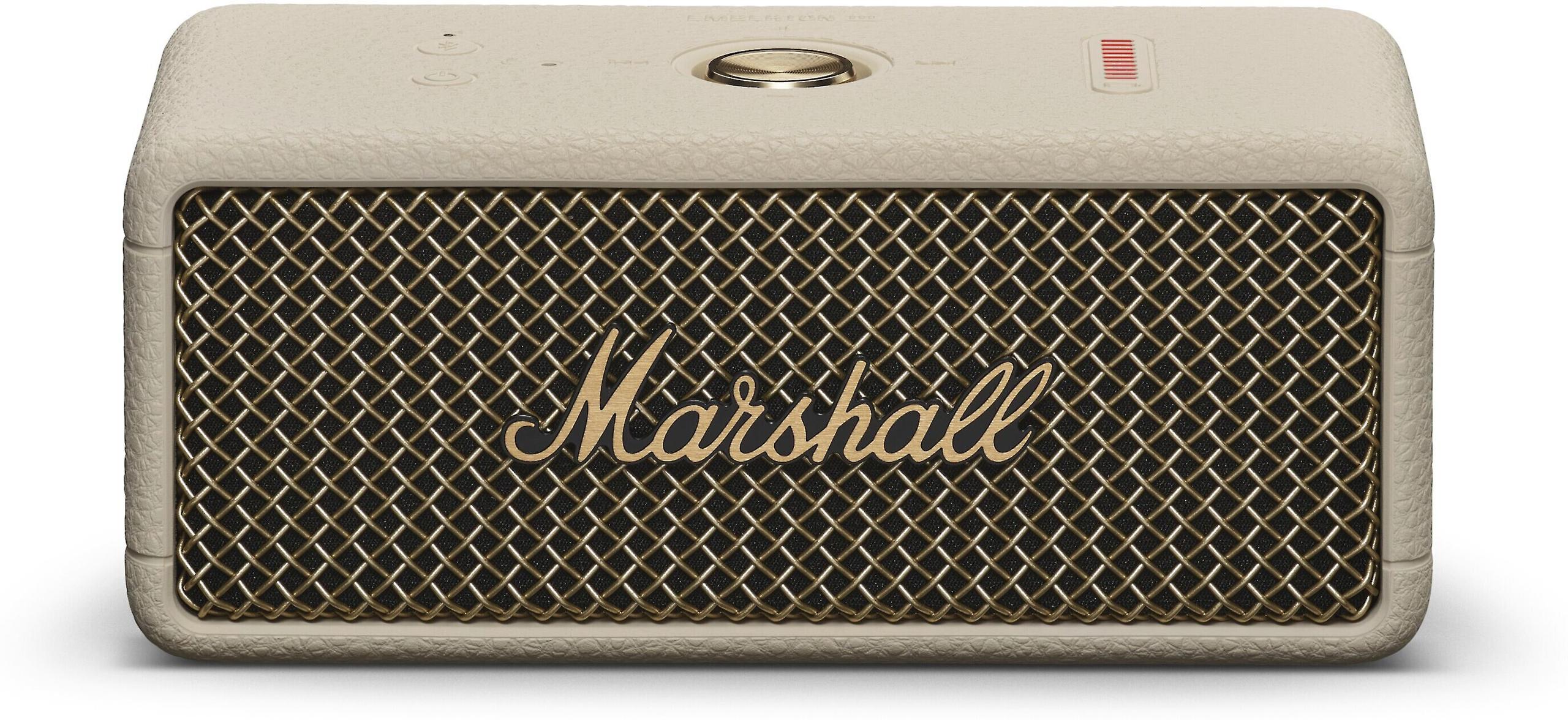
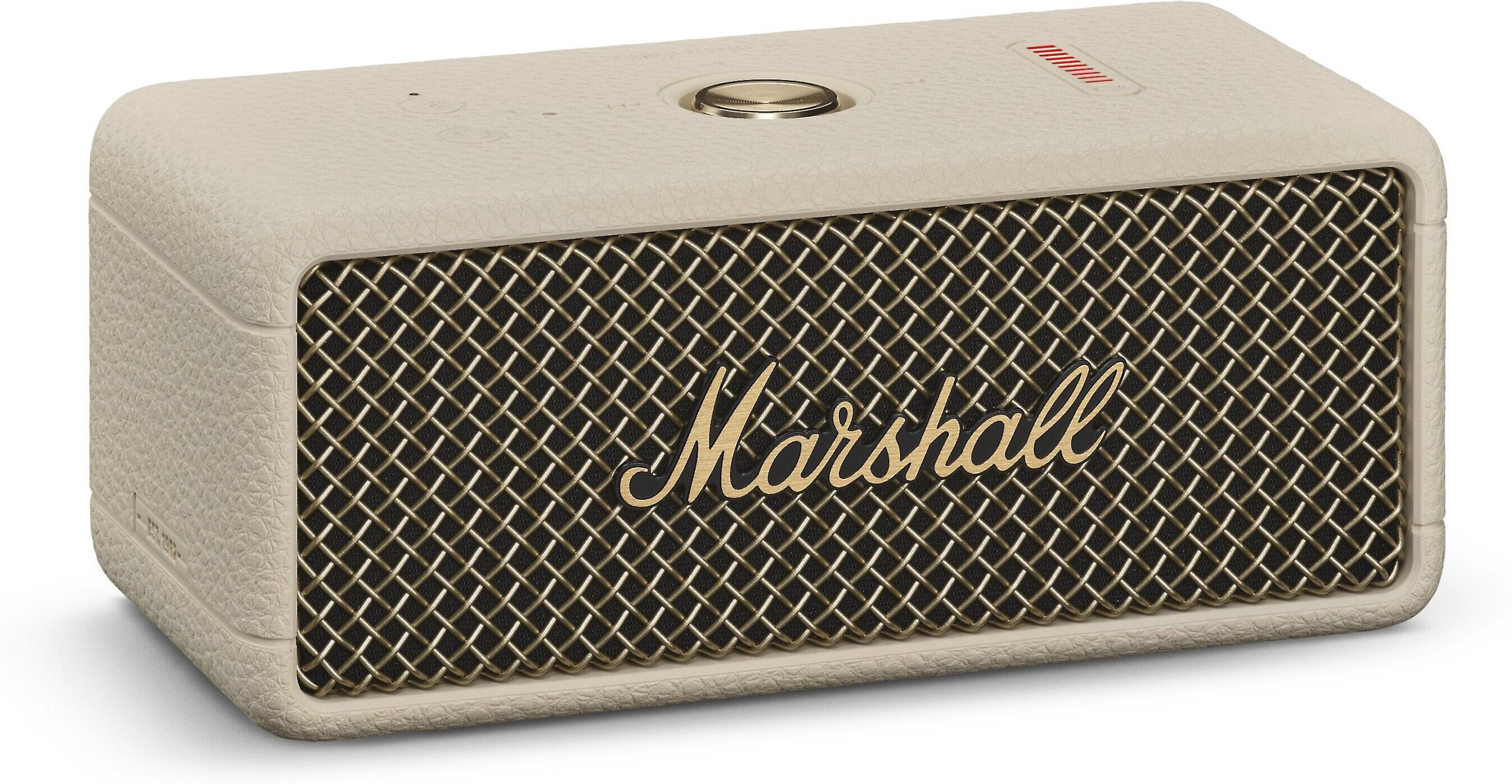
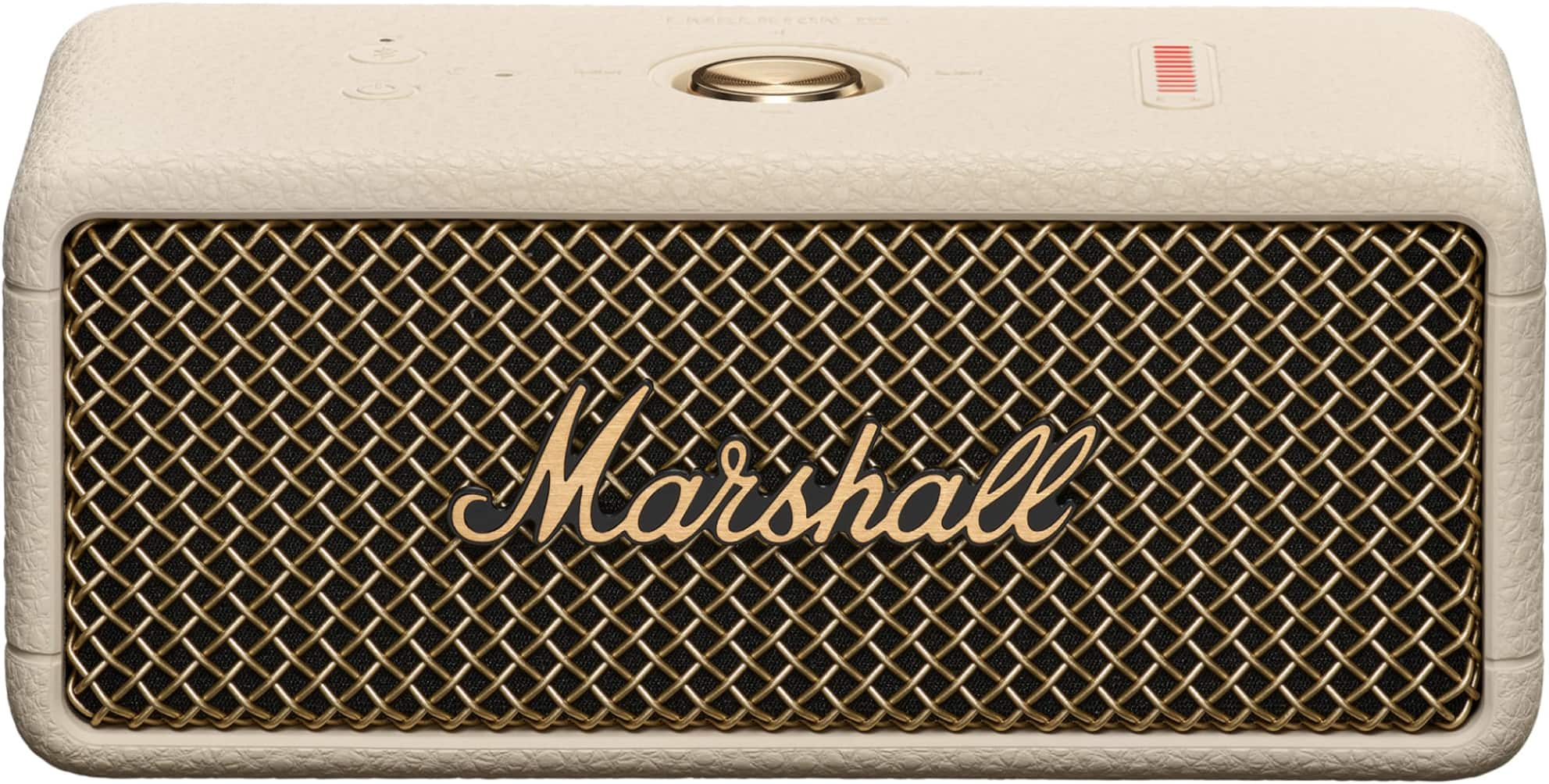
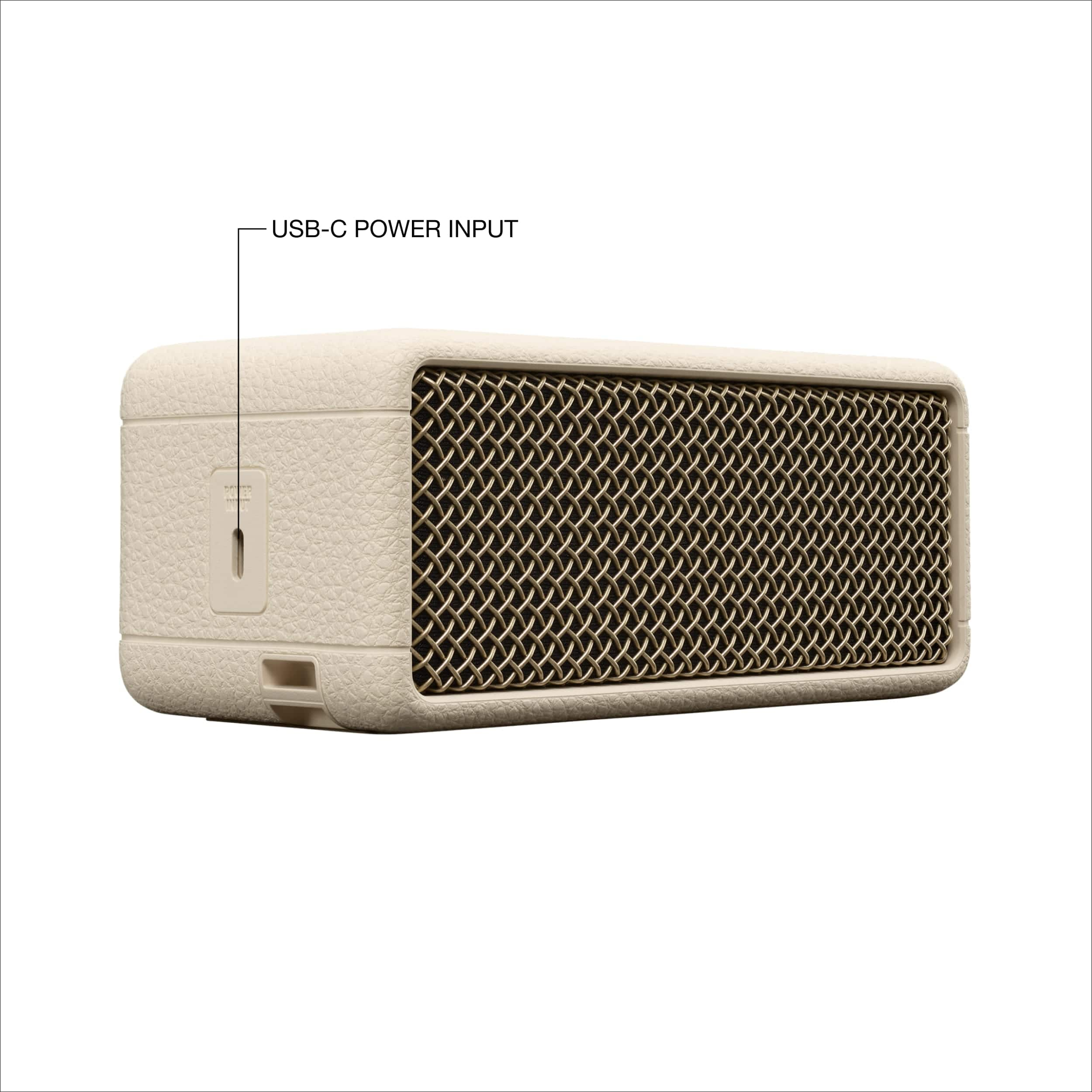
Two speakers that perfectly illustrate different approaches to portable audio are the JBL Charge 6 and Marshall Emberton III. Released in 2024 and 2025 respectively, both represent the latest thinking from their manufacturers—but they couldn't be more different in their design philosophy. The JBL Charge 6 prioritizes raw power and utility features in a rugged package, while the Marshall Emberton III focuses on refined sound quality and maximum portability in an ultra-compact design.
At the time of writing, these speakers sit in different price brackets that reflect their distinct approaches. The Marshall Emberton III typically costs about $30 less than the JBL Charge 6, making it the more budget-friendly option despite being packed with premium features. This price difference becomes important when considering what you're getting for your money.
Before diving into specifics, it's worth understanding what makes today's portable speakers so much better than earlier generations. Modern speakers use sophisticated digital signal processing (DSP)—essentially computer chips that analyze and optimize audio in real-time. They also benefit from improved battery chemistry that allows smaller cells to run longer, and advanced Bluetooth codecs that transmit higher-quality audio wirelessly.
The most important performance characteristics to consider are maximum volume output (measured in watts), frequency response (how deep the bass goes and how clear the highs sound), battery life, and build quality. But raw specifications only tell part of the story—how a speaker actually sounds and feels to use matters just as much as the numbers on paper.
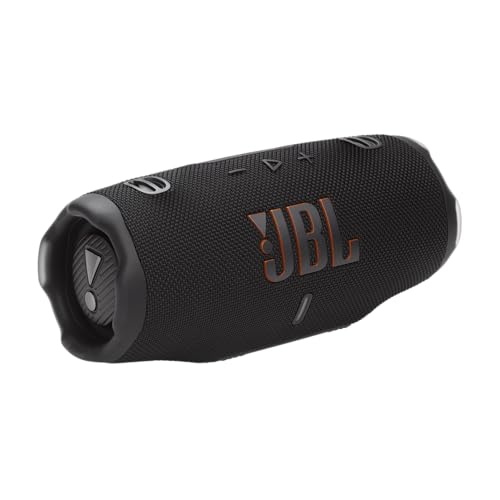
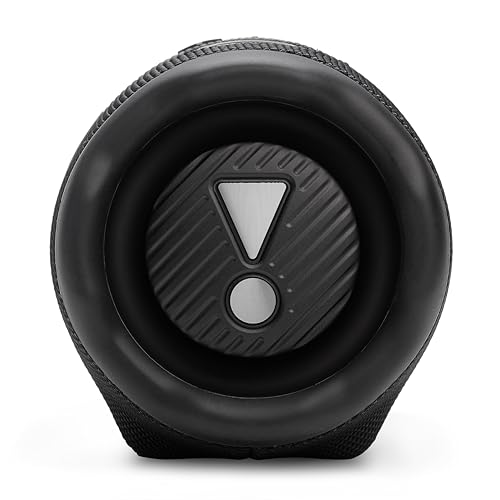
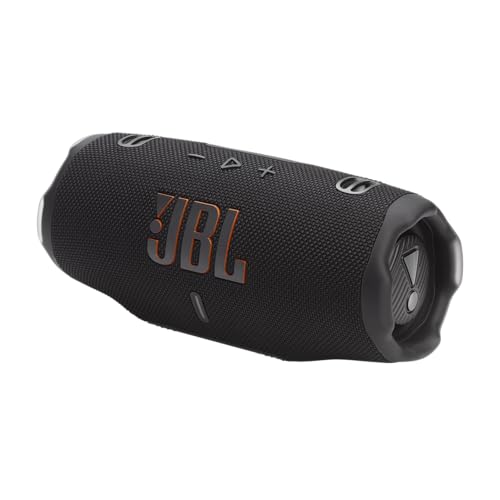
The biggest difference between these speakers lies in their approach to sound reproduction. The JBL Charge 6 delivers significantly more acoustic power with its 45-watt total output. This comes from a newly designed oval woofer (the driver that handles bass and midrange) paired with a separate 20mm tweeter (for high frequencies). This two-way system allows each driver to specialize in what it does best.
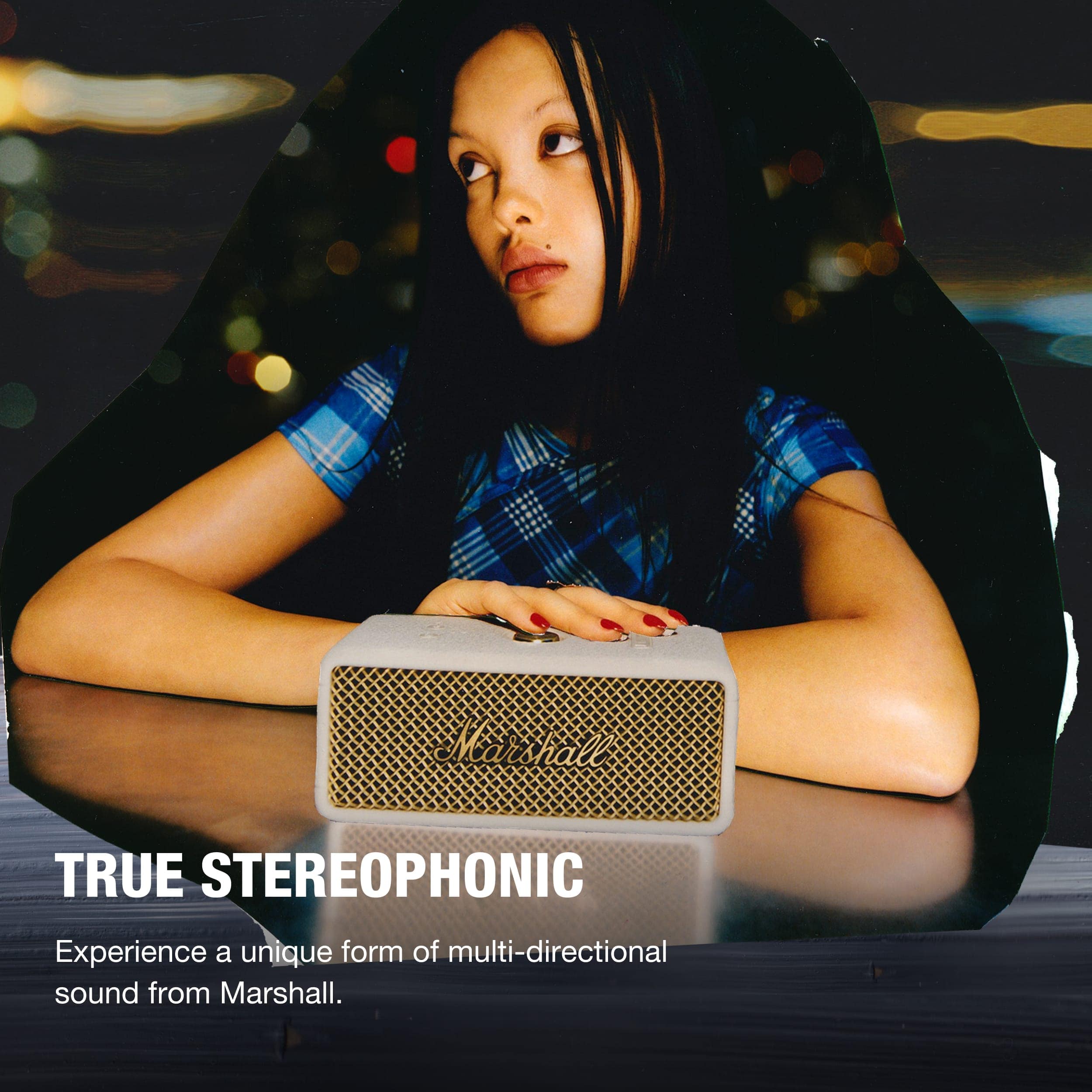
By contrast, the Marshall Emberton III uses two smaller 2-inch full-range drivers, each handling the complete frequency spectrum. While this setup only produces 20 watts total, it creates something the JBL Charge 6 cannot: true stereo sound. When you play music through the Marshall Emberton III, instruments and vocals are positioned across a left-right soundstage, just like they would be with proper home stereo speakers.
This difference is more significant than it might initially appear. The JBL Charge 6 takes stereo music and mixes it down to mono—everything comes from one direction. For casual background listening, this isn't necessarily a problem, especially since the speaker's power advantage means it can fill larger spaces with sound. But for actually sitting down and enjoying music, the Marshall Emberton III's stereo imaging creates a more immersive and engaging experience.
If you regularly need to provide music for outdoor gatherings, pool parties, or large spaces, the JBL Charge 6's power advantage becomes crucial. Our research into user experiences consistently shows that the JBL Charge 6 can comfortably fill spaces where the Marshall Emberton III starts to sound strained. The difference is particularly noticeable in noisy environments—at a beach with wind and waves, or during a backyard barbecue with competing conversation, that extra power matters.
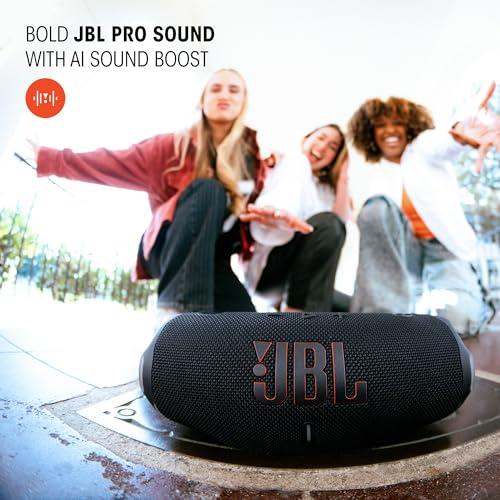
The JBL Charge 6 also incorporates AI Sound Boost technology, which continuously analyzes the audio signal and adjusts the drivers to minimize distortion at higher volumes. This isn't just marketing speak—it's a real technological advancement that allows the speaker to maintain cleaner sound when pushed to its limits.
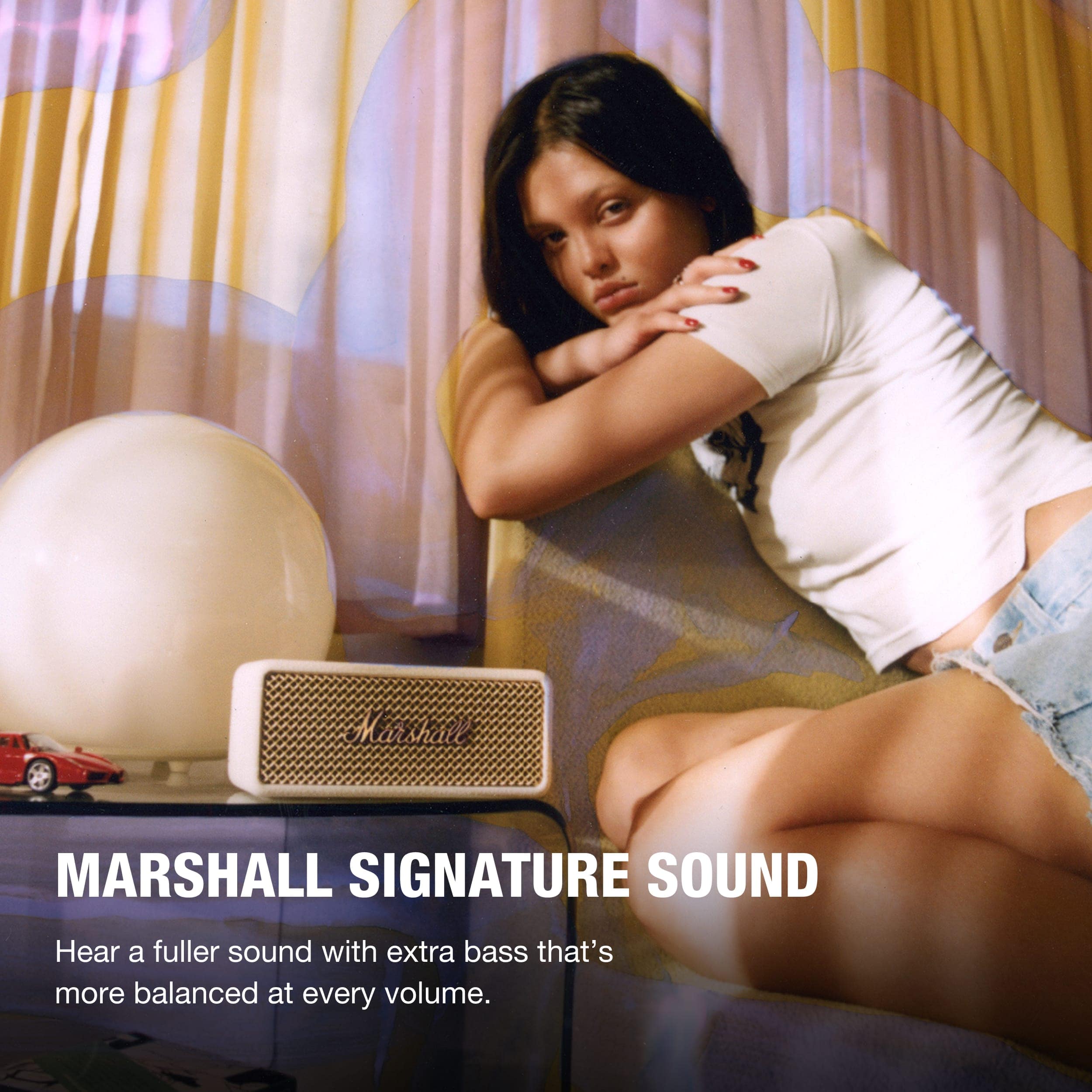
The Marshall Emberton III counters with its own intelligent audio processing called Dynamic Loudness. This feature automatically adjusts the tonal balance based on your listening volume. At low volumes, it boosts bass and treble to maintain fullness (since our ears naturally perceive less bass and treble at quiet levels). At higher volumes, it prevents harshness and maintains clarity. It's a more subtle technology than JBL's approach, but one that makes the speaker sound good at every volume level.
Both speakers cover similar frequency ranges—roughly from 56-65 Hz up to 20,000 Hz. The lower number represents how deep the bass goes (lower is deeper), while 20,000 Hz is about the upper limit of human hearing. The JBL Charge 6 reaches slightly deeper into bass territory, which makes sense given its larger woofer.
In practice, user reviews and expert opinions suggest these speakers have distinctly different sound signatures. The JBL Charge 6 tends to emphasize impact and presence—it hits harder and sounds more dramatic. The Marshall Emberton III focuses on clarity and accuracy, with better separation between instruments and vocals. Neither approach is inherently better; it depends entirely on what you're listening for and how you plan to use the speaker.
Here's where the philosophical differences between these speakers become most apparent. The Marshall Emberton III is genuinely pocketable at just 1.5 pounds and roughly the size of a large smartphone. You can literally slip it into a jacket pocket or small bag without thinking about it. This makes it perfect for daily commuting, travel, or any situation where every ounce matters.
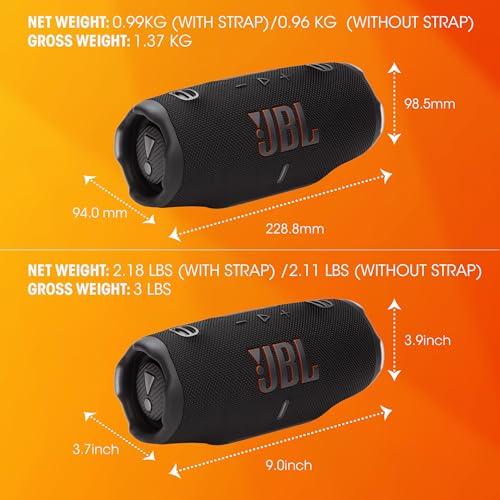
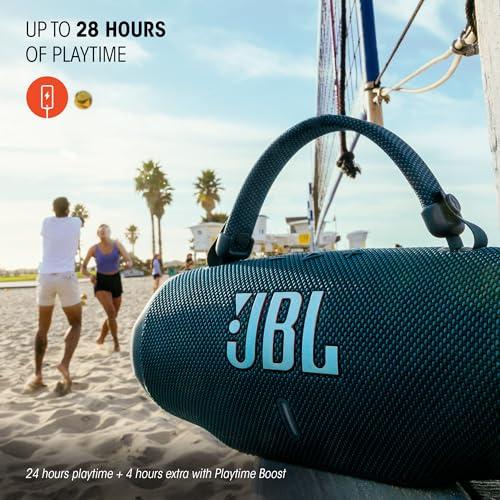
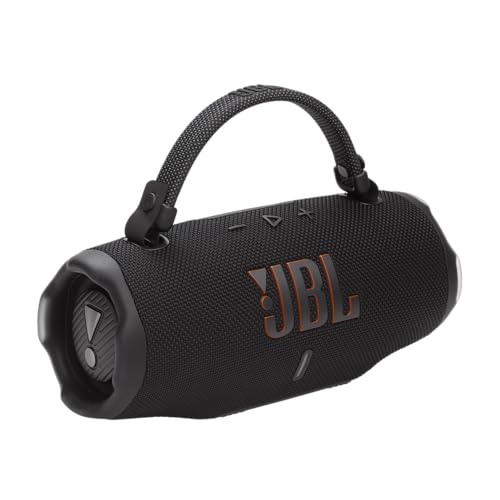
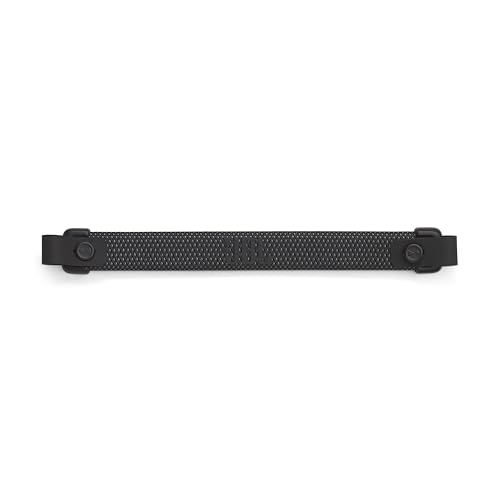
The JBL Charge 6, while still considered portable, weighs 2.11 pounds and takes up significantly more space. It's the kind of speaker you throw in a backpack or beach bag, not something you'd casually carry around. JBL acknowledges this with the inclusion of a removable handle strap, making it easier to carry when you do need to move it around.
This size difference has real implications for how you'll use each speaker. The Marshall Emberton III excels as a personal audio companion—something you might bring to a coffee shop, use in a hotel room, or enjoy in a small apartment. The JBL Charge 6 is better suited for intentional music sessions where you've planned to bring speakers for a group.
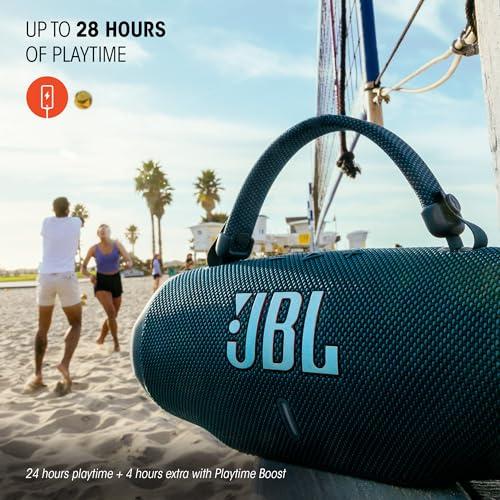
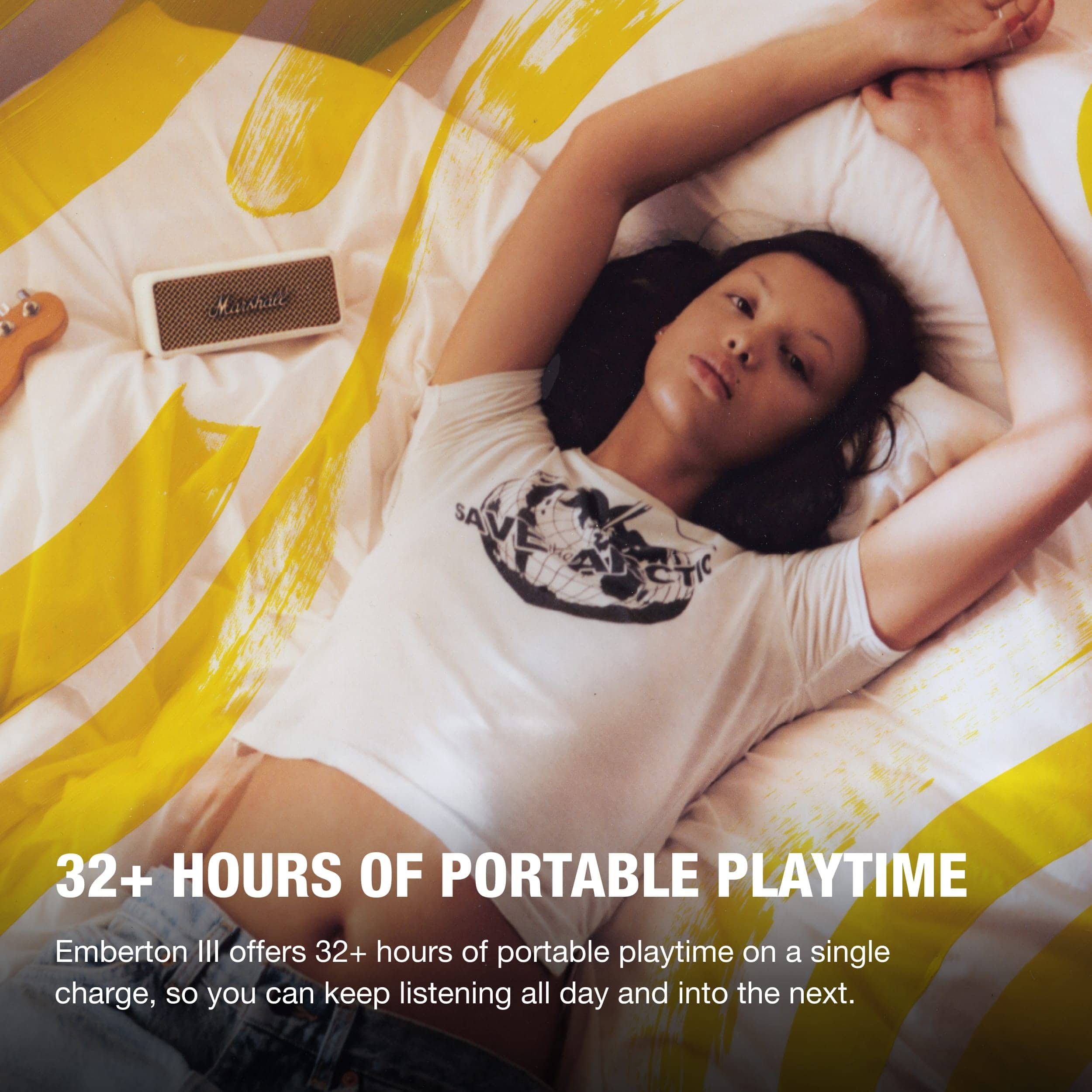
Despite being much smaller, the Marshall Emberton III actually outlasts the JBL Charge 6 in terms of playback time. The Marshall delivers up to 32 hours of listening time compared to the JBL's 28 hours (though the JBL Charge 6 can extend this to 32 hours with its Playtime Boost mode, which optimizes the sound profile for efficiency).
This achievement is particularly impressive when you consider that the Marshall Emberton III uses a much smaller battery. The efficiency comes from its Bluetooth 5.3 LE (Low Energy) implementation and careful power management throughout the device. In an era where we're constantly managing device battery life, having a speaker that can truly last for days without charging is liberating.
Charging speed also favors the Marshall Emberton III. It reaches full capacity in just 2 hours compared to the JBL Charge 6's 3 hours. More importantly for daily use, 20 minutes of charging gives you 6 hours of playback time with the Marshall—perfect for those moments when you forgot to charge overnight but need music for the day.
One frustrating aspect of the JBL Charge 6 is that it doesn't include a charging cable in the box, despite being the more expensive speaker. This seems like an oversight for a premium product, especially when the Marshall Emberton III includes everything you need to get started.
The JBL Charge 6 includes one feature that could be a dealbreaker for some users: it doubles as a power bank. The built-in USB-C port can charge your phone, tablet, or other devices. If you're planning a camping trip, beach day, or any extended time away from wall outlets, this functionality essentially means you're buying a speaker and portable charger in one device.
This feature has proven incredibly practical in real-world use. Being able to boost your phone's battery while enjoying music eliminates the anxiety of running out of power during outdoor activities. The Marshall Emberton III lacks this capability entirely, which limits its utility for extended adventures.
The JBL Charge 6 also supports Auracast, a new Bluetooth technology that allows you to connect multiple compatible speakers for synchronized playback. Think of it as the next evolution of JBL's PartyBoost feature. While this requires buying multiple speakers to take advantage of, it opens up possibilities for whole-home audio or larger outdoor setups.
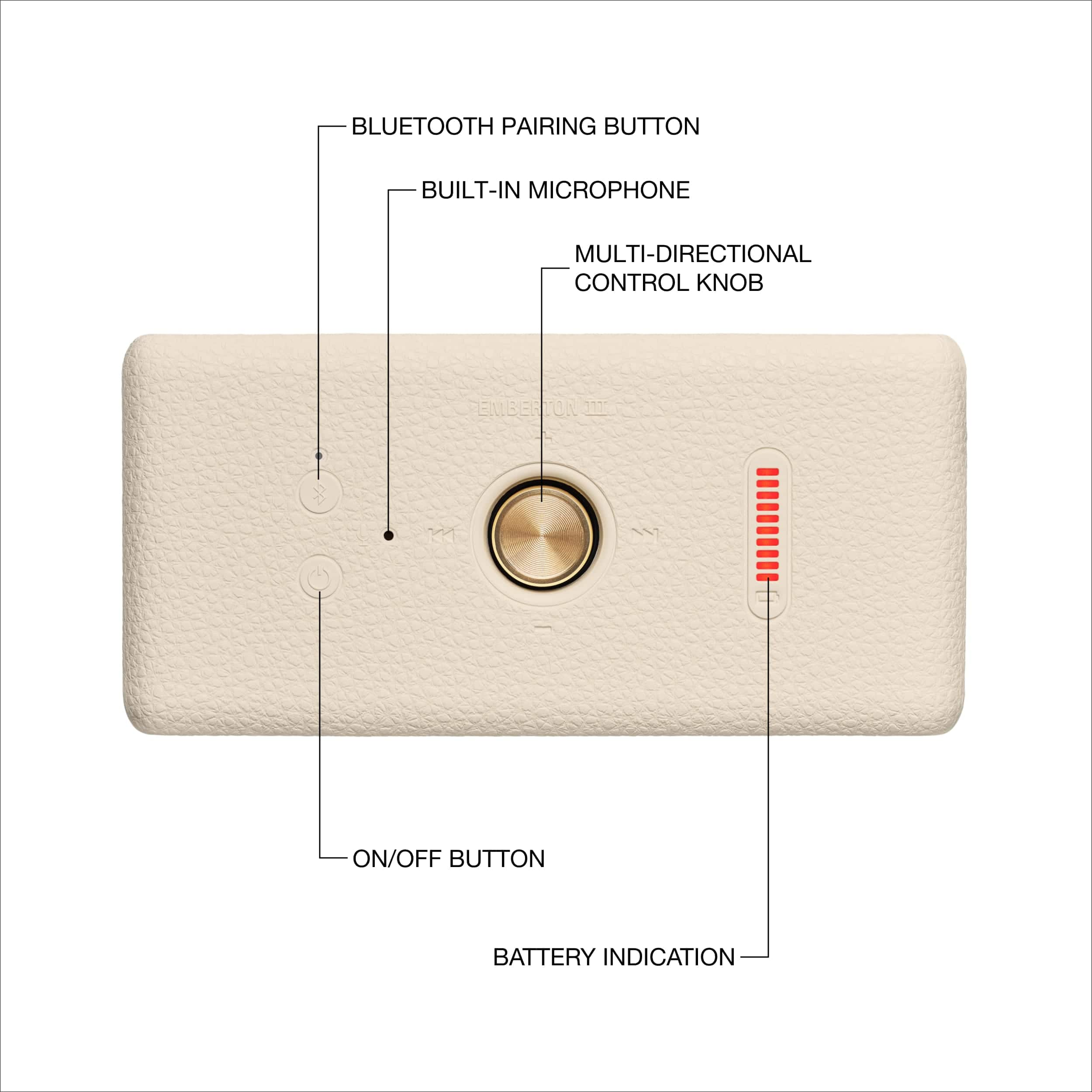
The Marshall Emberton III focuses on refinement rather than flashy features. Its multi-directional control knob provides tactile, physical control that works reliably even when you can't see the speaker. It also includes a built-in microphone for hands-free calling—something the JBL Charge 6 surprisingly lacks.
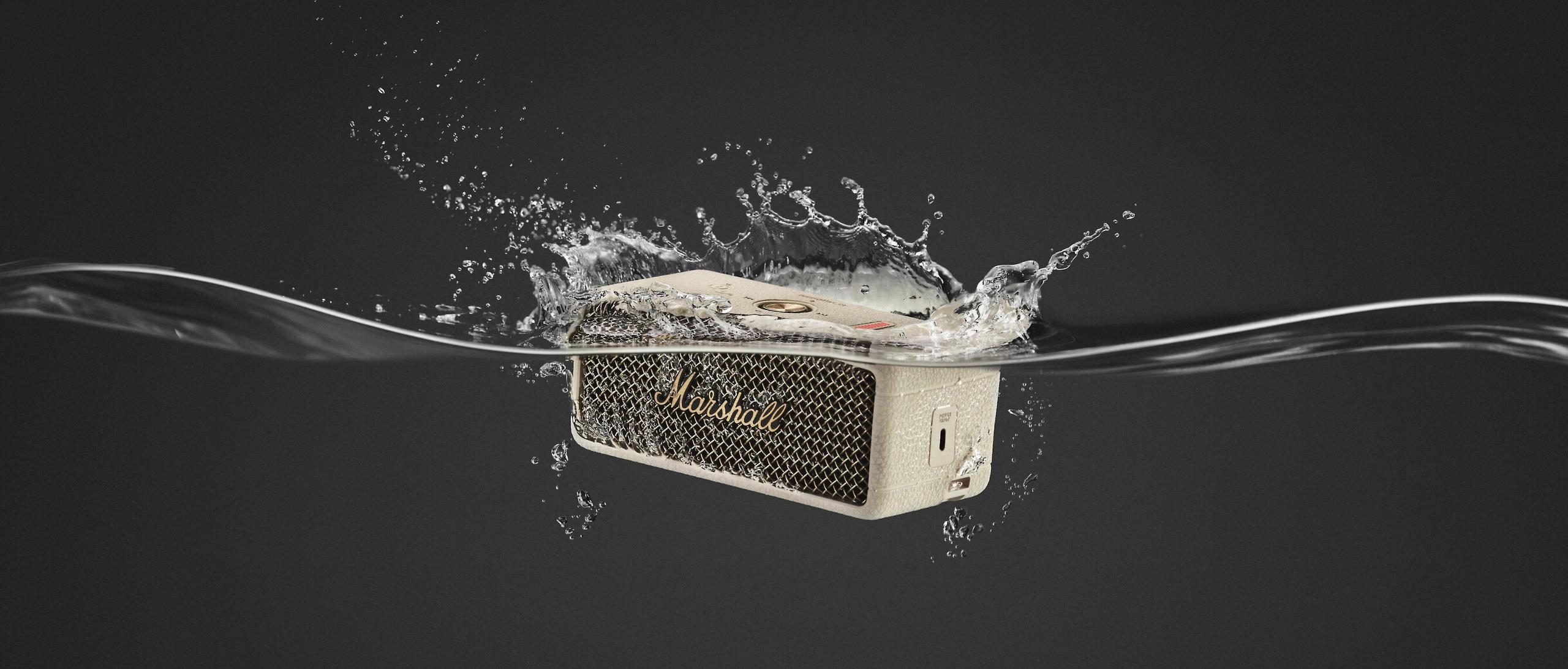
Both speakers are built to handle the elements, but with different levels of protection. The JBL Charge 6 boasts an IP68 rating, which represents the highest standard for dust and water resistance. The "6" means complete protection against dust, while the "8" indicates it can handle submersion in water deeper than 1 meter for extended periods.
The Marshall Emberton III carries an IP67 rating—still excellent protection, but with slightly less water resistance. It can handle submersion up to 1 meter for 30 minutes, which covers most real-world scenarios like getting caught in rain or accidentally dropping it in shallow water.
For most users, both ratings provide more than adequate protection. The JBL Charge 6's edge comes into play for activities like kayaking, beach use in sandy conditions, or industrial environments where dust and moisture are serious concerns.
While both speakers are designed primarily for portable use, they can serve different roles in home audio setups. The Marshall Emberton III's true stereo sound and compact size make it surprisingly good for personal listening or as a bedroom speaker. Its 360-degree sound dispersion means you don't need to position it perfectly to get good audio, making it more flexible than traditional desktop speakers.
The JBL Charge 6's mono output limits its home audio appeal unless you buy two and pair them for stereo. However, its higher power output makes it better for filling larger rooms with background music during parties or gatherings.
Neither speaker is designed to replace a proper home theater system, but both can enhance TV audio for casual viewing or serve as convenient wireless speakers for streaming music throughout your home.
Both speakers offer modern Bluetooth connectivity with good range and connection stability. The JBL Charge 6 uses the newer Bluetooth 5.4 standard, while the Marshall Emberton III uses 5.3. In practice, both provide reliable connections with minimal dropouts.
Each manufacturer offers companion apps that unlock additional features. The JBL Portable app provides a 7-band equalizer for fine-tuning sound, access to Playtime Boost mode, and speaker pairing functions. The Marshall Bluetooth app offers three EQ presets and will eventually enable Auracast functionality through a firmware update.
At the time of writing, the pricing reflects each speaker's positioning. The Marshall Emberton III offers better value for users who prioritize sound quality, portability, and battery efficiency. You're getting true stereo sound, longer battery life, faster charging, and premium build quality for less money.
The JBL Charge 6 justifies its higher price through raw power, utility features, and superior weather protection. If you need maximum volume, power bank functionality, or extreme durability, the additional cost delivers meaningful benefits.
After researching user experiences and expert opinions extensively, these speakers serve fundamentally different purposes despite superficial similarities.
Choose the JBL Charge 6 if you regularly host outdoor gatherings, need a speaker that can power through noisy environments, or want the peace of mind that comes with being able to charge other devices. It's the better choice for active lifestyles that demand durability and power above all else.
Choose the Marshall Emberton III if you value sound quality over volume, need something truly portable for daily use, or appreciate getting premium features at a lower price point. It's perfect for personal listening, travel, and situations where the speaker itself becomes part of the aesthetic.
Both speakers represent excellent engineering and will serve their intended users well. The key is honestly assessing how you'll actually use a portable speaker and choosing the one that best matches those real-world scenarios. In my experience researching portable audio, the speakers that disappoint are usually the ones chosen for specs rather than actual usage patterns.
The Marshall Emberton III succeeds because it makes the most of limited space and power, delivering genuinely good audio in a package small enough to take anywhere. The JBL Charge 6 succeeds because it doesn't compromise on the features that matter most for outdoor and group use. Choose based on which philosophy better matches your listening habits, and you'll be happy with either decision.
| JBL Charge 6 | Marshall Emberton III |
|---|---|
| Audio Configuration - Determines sound quality and stereo experience | |
| Mono (single-channel output with 53mm woofer + 20mm tweeter) | True stereo (dual 2" full-range drivers with left/right separation) |
| Power Output - Affects maximum volume and ability to fill large spaces | |
| 45W total (30W woofer + 15W tweeter) | 20W total (2 × 10W stereo drivers) |
| Size & Weight - Critical for portability and daily carry convenience | |
| 9.85 × 22.88 × 9.4 cm, 2.11 lbs (requires bag/backpack) | 6.8 × 16.0 × 7.69 cm, 1.5 lbs (truly pocketable) |
| Battery Life - Determines how long you can use without charging | |
| Up to 28 hours (32 hours with Playtime Boost mode) | Up to 32 hours (superior efficiency despite smaller battery) |
| Charging Speed - Important for daily use convenience | |
| 3 hours full charge, 10 min = 150 min playback (no cable included) | 2 hours full charge, 20 min = 6 hours playback (cable included) |
| Water/Dust Protection - Determines durability for outdoor use | |
| IP68 (submersion up to 1.5m for 30 minutes, highest dust protection) | IP67 (submersion up to 1m for 30 minutes, excellent dust protection) |
| Power Bank Function - Adds utility for charging other devices | |
| Yes, built-in USB-C power bank for phones/tablets | No power bank capability |
| Bluetooth Version - Affects connection range and stability | |
| 5.4 (latest standard with improved range and efficiency) | 5.3 LE (Low Energy for better battery performance) |
| Frequency Response - Shows bass depth and treble extension | |
| 56 Hz - 20 kHz (deeper bass extension) | 65 Hz - 20 kHz (slightly less deep bass) |
| Multi-Speaker Connectivity - For larger sound setups | |
| Auracast technology for connecting multiple JBL Charge 6 speakers | Future Auracast support via firmware update |
| Built-in Microphone - For hands-free calling | |
| No microphone (cannot make phone calls) | Yes, built-in microphone for speakerphone calls |
| Smart Audio Processing - Enhances sound quality automatically | |
| AI Sound Boost (real-time optimization to reduce distortion) | Dynamic Loudness (adjusts tonal balance based on volume level) |
The JBL Charge 6 is significantly better for outdoor parties and large gatherings due to its 45W power output compared to the Marshall Emberton III's 20W. The JBL Charge 6 can fill larger spaces with sound and compete with ambient noise like wind, waves, or conversations. Its AI Sound Boost technology also helps maintain clear audio even at maximum volume levels.
The Marshall Emberton III generally offers better sound quality thanks to its true stereo configuration with separate left and right drivers. This creates proper instrument separation and a wider soundstage compared to the JBL Charge 6's mono output. The Marshall Emberton III also features Dynamic Loudness technology that automatically optimizes sound based on your listening volume.
The Marshall Emberton III is much more portable, weighing only 1.5 pounds and measuring small enough to fit in a jacket pocket. The JBL Charge 6 weighs 2.11 pounds and is significantly larger, requiring a bag or backpack for transport. For daily commuting and travel, the Marshall Emberton III is the clear winner.
The Marshall Emberton III offers longer battery life with up to 32 hours of playback compared to the JBL Charge 6's 28 hours (extendable to 32 hours with Playtime Boost mode). The Marshall Emberton III also charges faster, reaching full capacity in 2 hours versus 3 hours for the JBL Charge 6.
Only the JBL Charge 6 can charge other devices through its built-in power bank function via USB-C. This feature is perfect for camping trips or beach days when you need to keep your phone charged. The Marshall Emberton III does not have power bank capability.
The Marshall Emberton III is better suited for home use due to its true stereo sound and 360-degree audio dispersion. It works well for personal listening, bedroom use, or small room audio without needing perfect positioning. The JBL Charge 6's mono output limits its indoor appeal unless you buy two speakers to create a stereo pair.
The JBL Charge 6 offers superior durability with an IP68 rating, allowing submersion up to 1.5 meters for 30 minutes and providing the highest level of dust protection. The Marshall Emberton III has an IP67 rating, which is still excellent but slightly less water-resistant. Both speakers can handle rain, splashes, and outdoor conditions effectively.
The Marshall Emberton III typically offers better value for money, costing less while providing true stereo sound, longer battery life, faster charging, and a more portable design. The JBL Charge 6 costs more but justifies the price with higher power output, power bank functionality, and superior weather protection for users who need these specific features.
Both speakers support multi-speaker connectivity, but with different technologies. The JBL Charge 6 uses Auracast technology to connect multiple compatible JBL speakers for synchronized playback. The Marshall Emberton III will support Auracast in the future via firmware update, allowing connection with other compatible Marshall speakers.
The Marshall Emberton III is better for phone calls as it includes a built-in microphone for hands-free calling. The JBL Charge 6 surprisingly lacks a microphone, so you cannot use it for speakerphone calls or video conferences.
The JBL Charge 6 gets significantly louder due to its 45W power output and produces deeper bass with its larger oval woofer design. It also extends slightly deeper into bass frequencies (56 Hz vs 65 Hz). However, the Marshall Emberton III provides cleaner, more accurate bass reproduction even if it's not as powerful.
Choose the JBL Charge 6 if you need maximum volume for outdoor parties, want power bank functionality for charging devices, or require the most durable speaker for harsh conditions. Choose the Marshall Emberton III if you prioritize sound quality and stereo separation, need maximum portability for daily use, want faster charging, or prefer better value for money with longer battery life.
We've done our best to create useful and informative comparisons to help you decide what product to buy. Our research uses advanced automated methods to create this comparison and perfection is not possible - please contact us for corrections or questions. These are the sites we've researched in the creation of this article: rtings.com - youtube.com - stereoguide.com - whathifi.com - youtube.com - elomymelo.com - soundguys.com - elomymelo.com - wifihifi.com - soundguys.com - jbl.com - whathifi.com - soundguys.com - youtube.com - smarthomesounds.co.uk - jbl.com - sweetwater.com - youtube.com - bestbuy.com - jbl.com.sg - jbl.com - dell.com - ca.jbl.com - soundguys.com - soundguys.com - dell.com - techradar.com - bgr.com - androidcentral.com - crutchfield.com - goodhousekeeping.com - bhphotovideo.com - youtube.com - youtube.com - timesofindia.indiatimes.com - bestbuy.com - group.marshall.com

Privacy Policy
Terms and Conditions - Affiliate Policy
Home Security
© Copyright 2008-2026.
11816 Inwood Rd #1211, Dallas, TX 75244