







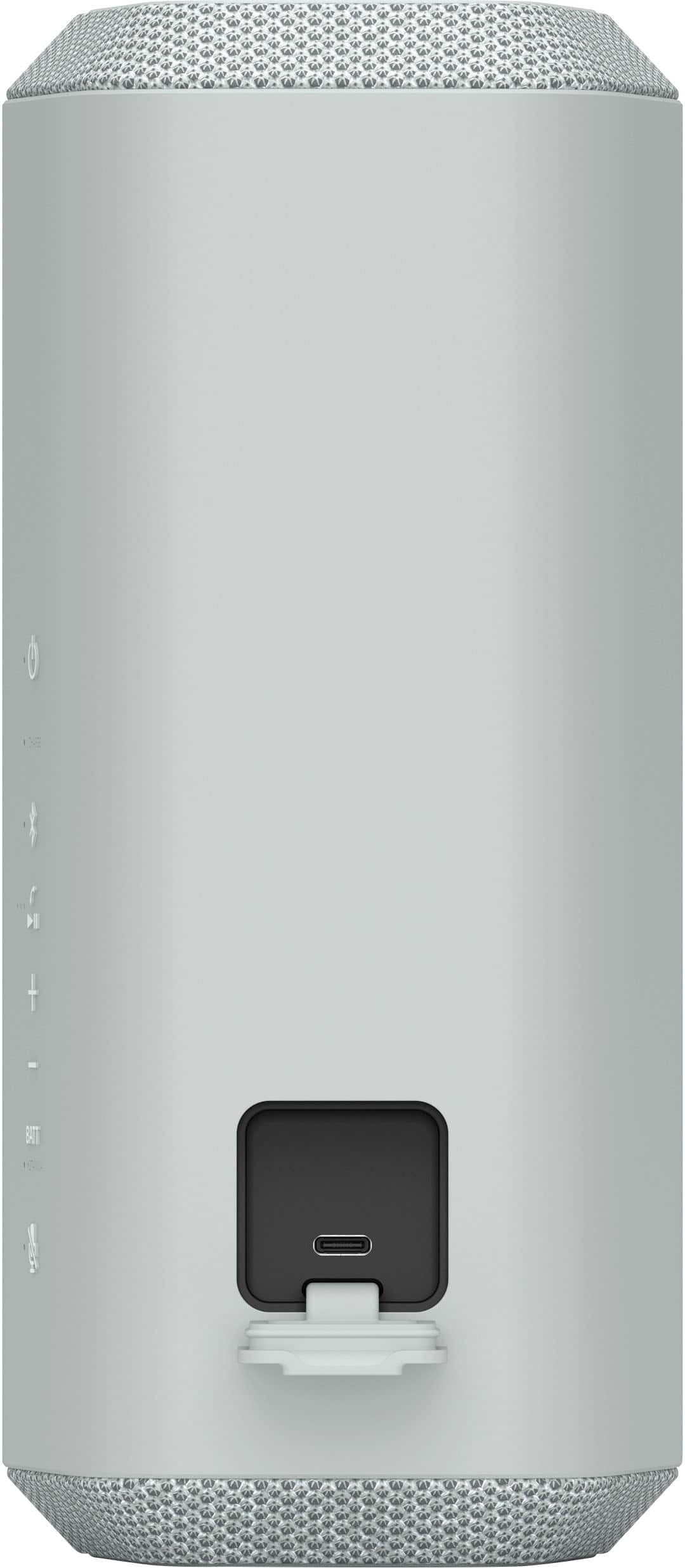
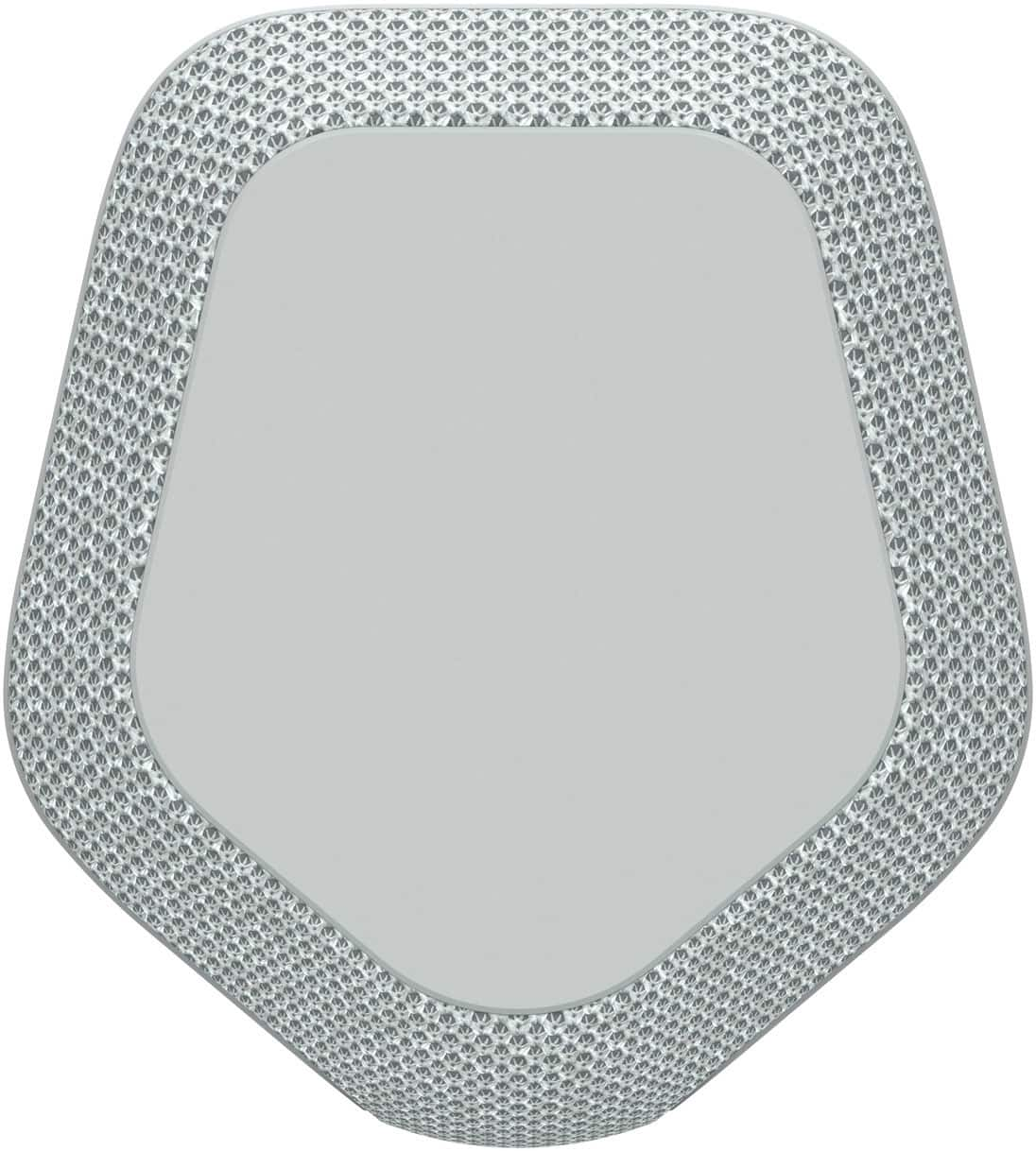
Portable Bluetooth speakers have become the Swiss Army knives of audio gear. They're your workout companion, party starter, camping buddy, and sometimes even your home theater enhancement. But with dozens of options flooding the market, choosing the right one can feel overwhelming. Today, we're diving deep into two compelling choices that represent different philosophies in portable audio: the JBL Charge 6 and the Sony XE300.
Both speakers launched with similar price points (at the time of writing), but they take distinctly different approaches to delivering great sound. Understanding these differences is crucial because the "best" speaker entirely depends on how you plan to use it.
Before we dive into specifics, let's talk about what actually matters in a portable Bluetooth speaker. Sound quality is obviously important, but it's more nuanced than just "good" or "bad." You need to consider the balance between bass (low frequencies that give music its punch), midrange (where vocals and most instruments live), and treble (the crisp highs that add sparkle and detail).
Battery life is another critical factor—there's nothing worse than your speaker dying mid-party. But it's not just about raw hours; charging speed and whether the speaker can charge your phone (called power bank functionality) matter too.
Durability separates the survivors from the casualties. Water resistance ratings like IP67 and IP68 might seem like alphabet soup, but they determine whether your speaker survives a poolside splash or a camping trip in the rain. The first digit represents dust protection (6 means completely dust-tight), while the second covers water resistance (7 means it can handle being submerged briefly, while 8 means longer submersion is safe).
Volume and power output determine whether your speaker can fill a room or just provide background music. This is where wattage (the measure of electrical power) comes into play, but manufacturers often exaggerate these numbers, so real-world performance matters more than spec sheets.
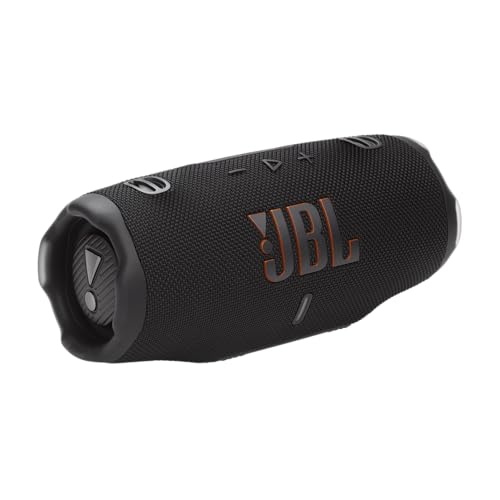
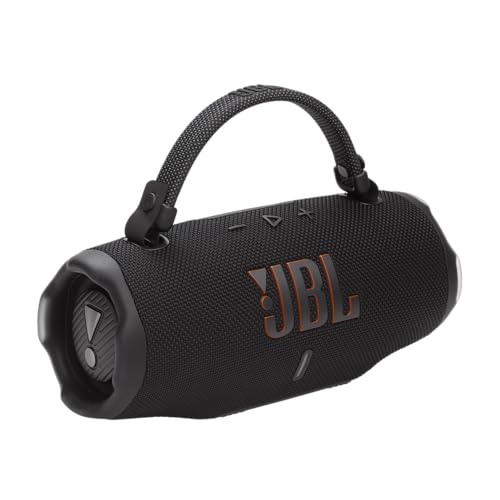
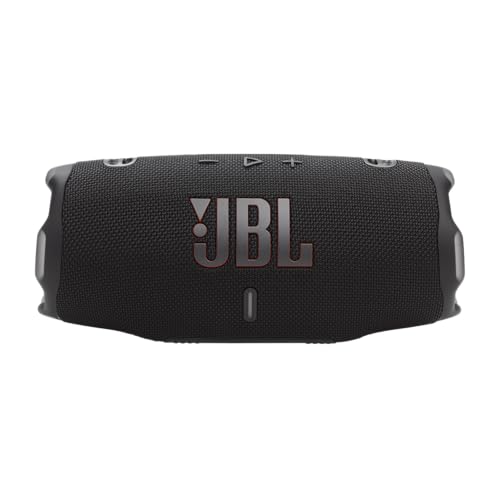
The JBL Charge 6, released in 2025, represents JBL's latest evolution in their popular Charge series. It's built around the philosophy that portable speakers should be powerful, durable, and versatile enough to handle anything you throw at them. At its core, it's an outdoor warrior that happens to sound great indoors too.
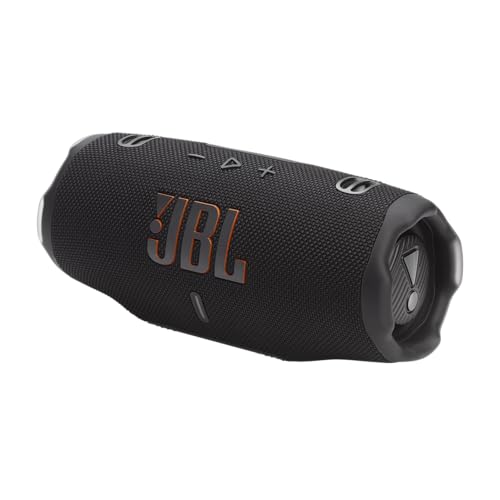
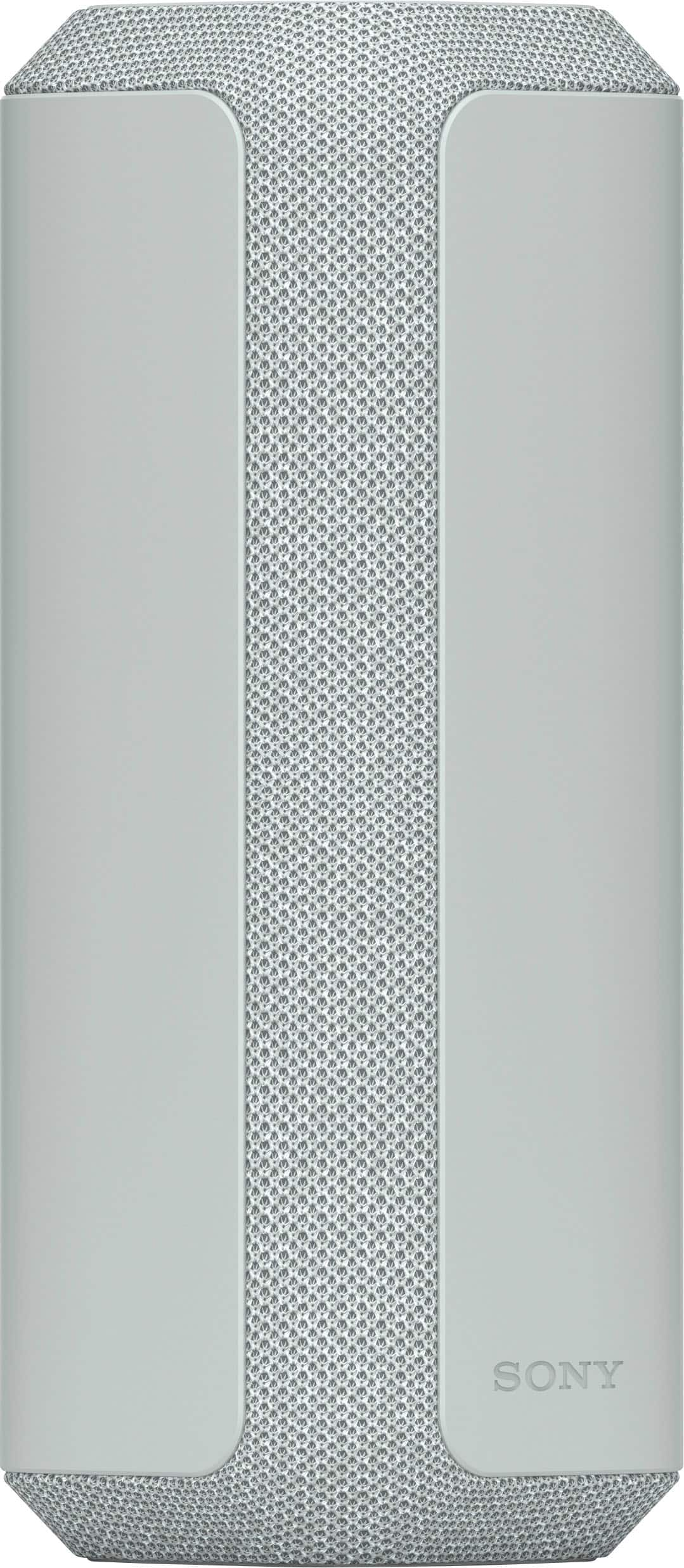
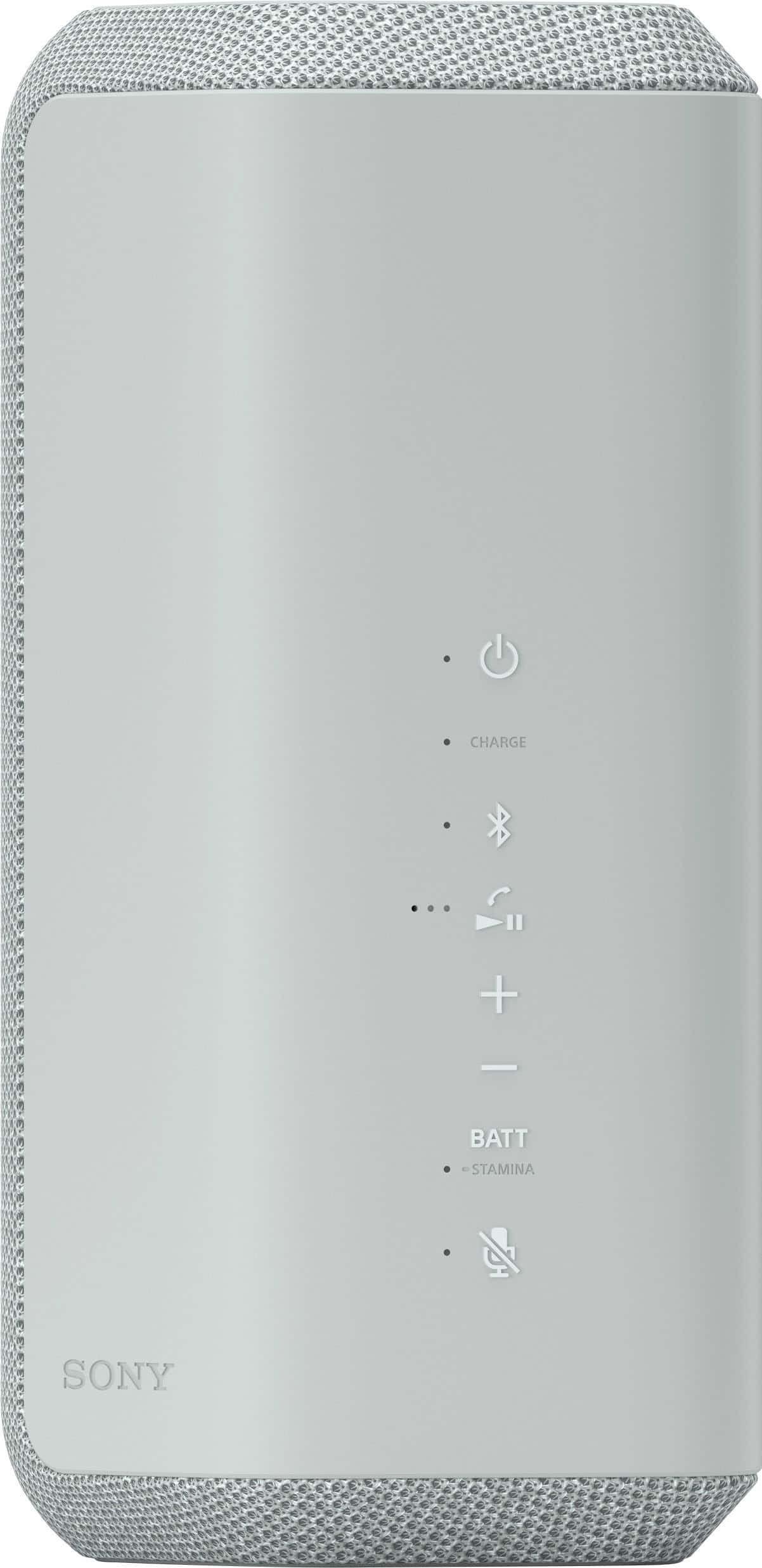
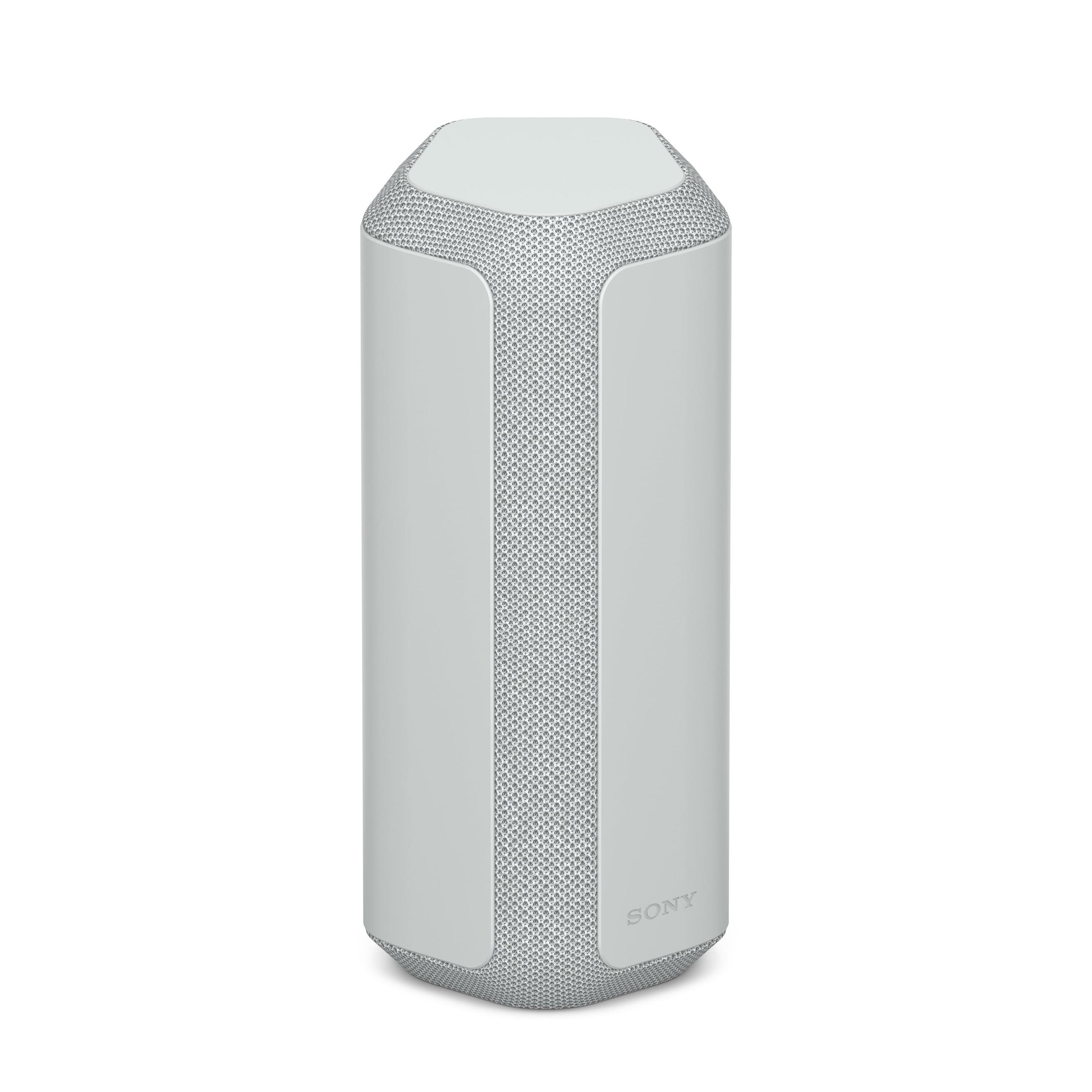
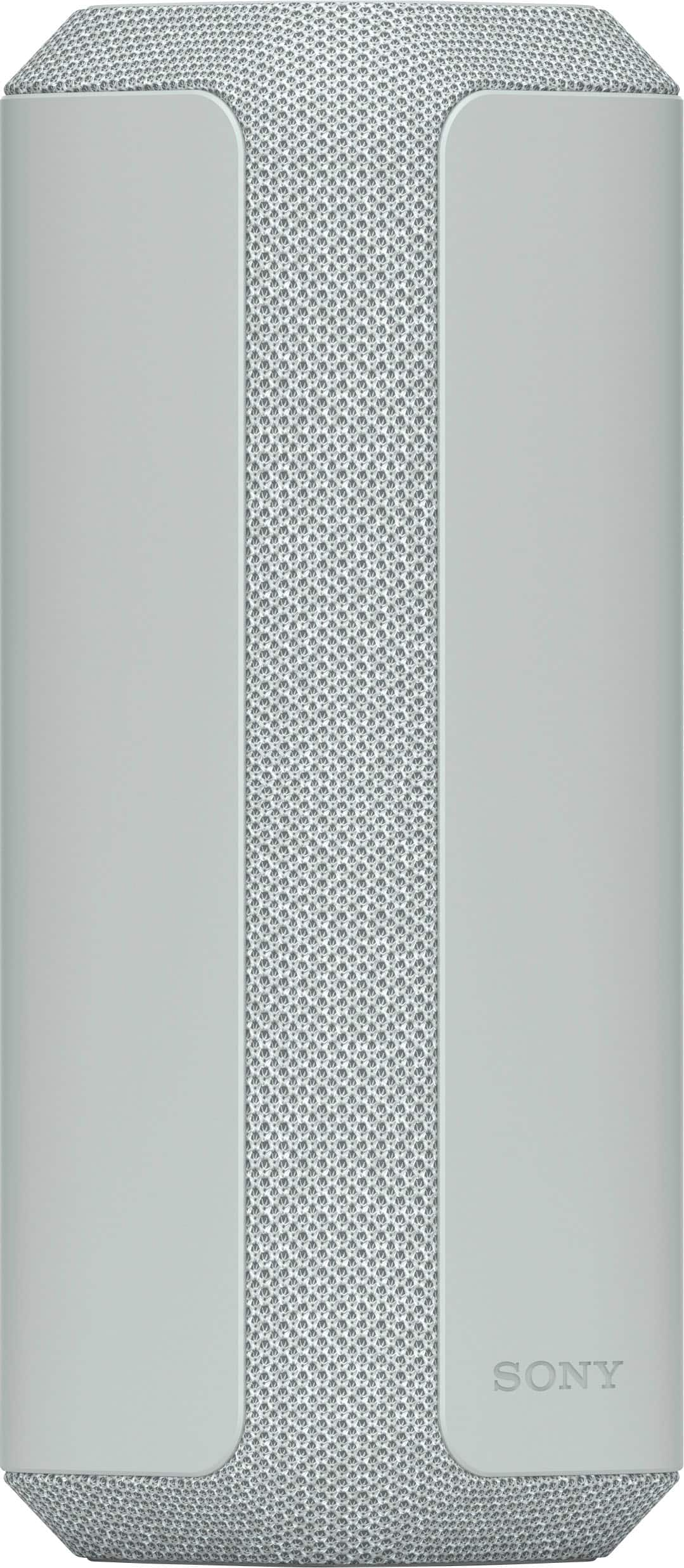
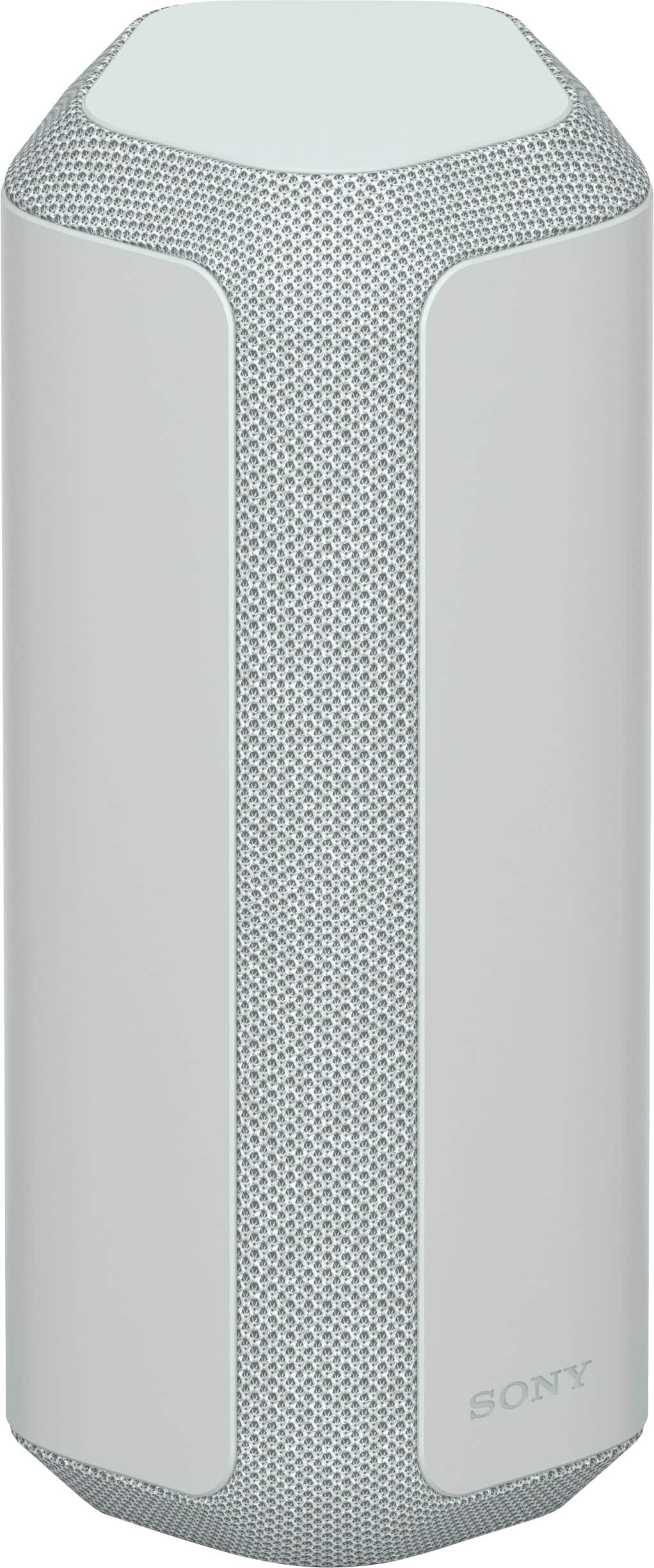
The Sony XE300, which hit the market in 2022, takes a more audiophile-focused approach. Sony designed it with their Line-Shape Diffuser technology—a concept borrowed from professional concert sound systems—to create more even sound distribution. It's the choice for listeners who prioritize sound quality and features over raw power.
The age difference between these speakers is worth noting. The JBL Charge 6 benefits from three additional years of technological advancement, including newer Bluetooth standards and more efficient battery management. However, the Sony XE300 was already mature when it launched, incorporating Sony's decades of audio expertise.
Here's where things get interesting. The JBL Charge 6 uses what's called a mono configuration—it combines left and right audio channels into a single output. This might sound like a limitation, but JBL optimized this approach for maximum impact. The speaker features a large oval woofer (53mm x 93mm) dedicated to bass and midrange, paired with a separate 20mm tweeter for highs. This two-way system, combined with dual passive radiators (essentially speakers without magnets that move in response to air pressure from the main drivers), creates surprisingly powerful bass for the speaker's size.
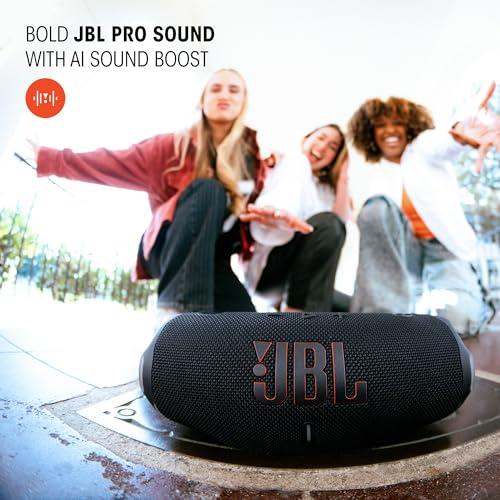
The secret sauce is JBL's AI Sound Boost technology. This isn't marketing fluff—it's a real-time audio processing system that analyzes your music and adjusts the drivers to prevent distortion while maximizing volume. Think of it as a smart limiter that keeps your music clean even when you're pushing the speaker hard.
The Sony XE300, meanwhile, maintains true stereo separation with two 49mm x 71mm full-range drivers. This means you get actual left and right channels, which creates a wider soundstage (the perceived space where instruments are positioned). Sony's X-Balanced Speaker Units use a unique non-circular diaphragm design that maximizes the surface area within the speaker housing, allowing for more air movement and better bass response.
But Sony's real innovation is the Line-Shape Diffuser. Traditional speakers project sound in a cone-like pattern, which means people sitting to the sides hear different sound than those directly in front. Sony's diffuser spreads sound more evenly across a wider area, making it ideal for situations where listeners are scattered around a room rather than sitting in a sweet spot.
From our research into user and expert reviews, the sound quality comparison breaks down like this: the Sony XE300 generally wins for pure audio fidelity at moderate volumes. Its stereo configuration and deeper bass extension (reaching down to 20 Hz compared to the JBL's 56 Hz) create a more immersive listening experience for genres like electronic music, hip-hop, and anything with complex arrangements.
However, the JBL Charge 6 dominates when volume matters. Its 45W RMS power output significantly outclasses the Sony's unspecified but likely much lower wattage. When you're at the beach, hosting a backyard party, or trying to fill a large space with sound, the JBL's ability to go loud without falling apart becomes crucial. The AI Sound Boost technology really shines here, maintaining clarity even at volumes that would turn other speakers into distorted messes.
Both speakers claim 24 hours of battery life, but as with most tech specs, the reality is more complicated. The JBL Charge 6 packs a substantial 34 Wh battery (that's watt-hours, a measure of energy capacity), while the Sony XE300 uses a smaller 19.98 Wh battery.
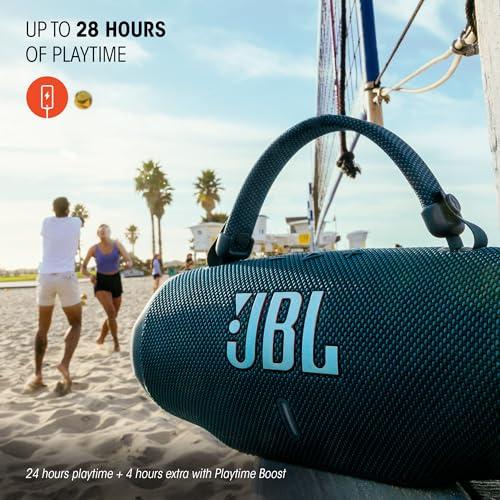
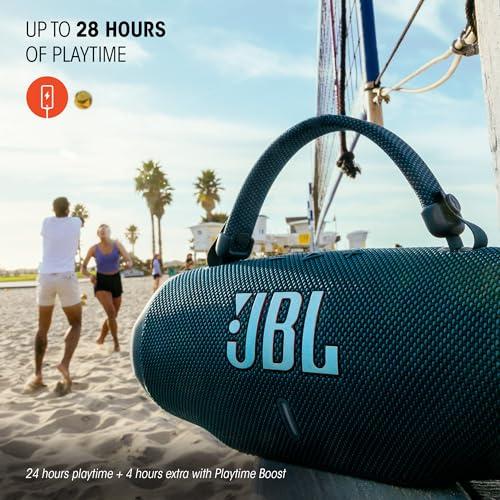
This capacity difference matters enormously in real-world use. Based on user reports and expert testing, the JBL Charge 6 typically delivers 10-15 hours of actual playback at reasonable volumes, with the potential to extend this to nearly 20 hours using its Playtime Boost mode. This feature reduces bass output and optimizes power consumption—essentially trading some sound quality for extended runtime.
The Sony XE300, despite Sony's 24-hour claim, usually delivers 8-14 hours depending on volume and features used. The smaller battery simply can't match the JBL's endurance, especially when you factor in power-hungry features like the Line-Shape Diffuser processing.
Charging speed tells another part of the story. The JBL Charge 6 charges completely in just 3 hours, while the Sony XE300 needs 5 hours for a full charge. Both offer quick-charge features, but the JBL's 10-minute charge providing 150 minutes of playback significantly outpaces the Sony's 70 minutes from the same charging time.
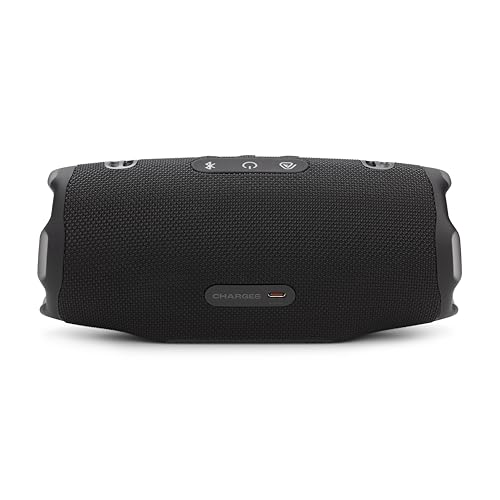
The JBL Charge 6 also doubles as a power bank, letting you charge your phone or tablet through its USB-C port. This feature alone can be a game-changer for camping trips or long days at the beach where your phone battery is precious. The Sony XE300 lacks this functionality entirely.
The durability story reveals each speaker's intended use case clearly. The JBL Charge 6 earns an IP68 rating, meaning it's completely dust-sealed and can survive submersion in up to 1.5 meters of water for 30 minutes. It's also been drop-tested from 1 meter onto concrete. JBL clearly designed this speaker for outdoor adventures where accidents happen.
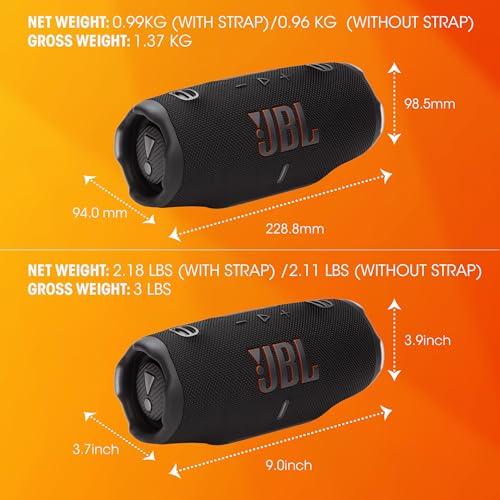
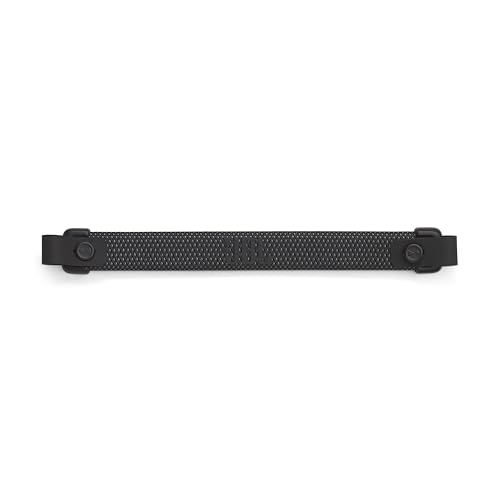
At 0.96kg (2.11 pounds), the JBL Charge 6 is also notably lighter than the Sony XE300's 1.3kg (2.87 pounds). This might seem minor, but when you're carrying gear on a hike or stuffing a speaker into a beach bag, every gram counts. The JBL also includes a removable handle strap that wasn't present on the previous Charge 5, addressing a common user complaint.
The Sony XE300 carries an IP67 rating, which means it's dust-tight and can handle water immersion, but not as deeply or for as long as the JBL. The rubberized exterior feels premium but, according to user reports, tends to show scratches and collect dirt more readily than the JBL's fabric-wrapped design.
Interestingly, Sony incorporated some forward-thinking environmental features into the Sony XE300, while JBL went even further with the Charge 6, using 85% post-consumer recycled plastic and 100% recycled fabric for the speaker grille. This might not affect performance, but it's worth considering for environmentally conscious buyers.
Both speakers support modern Bluetooth standards, but the JBL Charge 6 benefits from its 2025 release date with Bluetooth 5.4 versus the Sony XE300's Bluetooth 5.2. The practical difference is minimal for most users, but the newer standard offers slightly better range and efficiency.
Where they diverge significantly is in audio codec support. The Sony XE300 supports LDAC, Sony's high-resolution audio codec that can transmit much more data than standard Bluetooth audio. If you have an Android phone and high-quality music files, LDAC can deliver noticeably better sound quality than the standard codecs both speakers support.
The JBL Charge 6 takes a different approach, offering USB-C wired connectivity that supports lossless audio up to 24-bit/192kHz resolution. This wired connection bypasses Bluetooth entirely, delivering the highest possible audio quality from compatible sources like laptops or high-end smartphones.
Multi-speaker connectivity differs between the brands too. JBL's new Auracast technology lets you connect multiple compatible speakers, while Sony's Party Connect can theoretically link up to 100 speakers. Both also support stereo pairing with a second identical speaker, which transforms the listening experience significantly by providing true left-right separation.
The Sony XE300 includes a built-in microphone with echo cancellation, enabling hands-free calling and voice assistant access. The JBL Charge 6 lacks this entirely, which might be a deal-breaker for business users or anyone who regularly takes calls through their speaker.
Both speakers integrate with comprehensive smartphone apps, but they take different approaches to user control. The JBL Portable app provides a 7-band graphic equalizer—a significant upgrade from the 3-band EQ in previous JBL speakers. This lets you fine-tune the sound across seven frequency ranges, from deep bass to airy highs.
Sony's Music Center app offers similar EQ functionality along with access to advanced features like Battery Care (which optimizes charging to extend battery life) and the ability to adjust the Line-Shape Diffuser settings. The Sony app also integrates with popular music services and provides more comprehensive multi-speaker management tools.
For outdoor gatherings, camping trips, or beach days, the JBL Charge 6 is the clear winner. Its superior volume output, longer battery life, better water protection, and power bank functionality make it the ideal outdoor companion. The AI Sound Boost technology ensures your music stays clear even when you're pushing it hard to overcome wind and ambient noise.
The mono configuration, which might seem like a limitation, actually works in the JBL's favor outdoors where listeners are often moving around rather than sitting in optimal stereo positions.
Indoors, the Sony XE300 shows its strengths. The stereo separation creates a more immersive listening experience, especially for genres with complex arrangements or soundscapes. The Line-Shape Diffuser technology ensures consistent sound quality whether you're sitting directly in front of the speaker or off to the side.
For home theater enhancement, neither speaker is ideal due to latency issues with Bluetooth audio, but the JBL Charge 6's USB-C wired connection eliminates this problem entirely when connected to a TV or streaming device.
The Sony XE300's built-in microphone and speakerphone capability make it much better suited for video calls, conference rooms, or any situation where you need two-way communication. The JBL Charge 6 simply can't compete in this category.
At the time of writing, both speakers compete in the same general price range, making the value comparison particularly interesting. The JBL Charge 6 delivers more measurable performance per dollar—higher power output, longer battery life, better durability, and additional functionality like power banking.
The Sony XE300 offers more sophisticated audio processing and features that appeal to listeners who prioritize sound quality over raw volume. However, its lower power output and shorter battery life make it feel less competitive at similar pricing.
You primarily use speakers outdoors, host parties, travel frequently, or want maximum versatility. The power bank functionality alone adds significant value for active users. It's also the better choice if you regularly need to fill large spaces with sound or want the peace of mind that comes with superior durability.
Sound quality is your top priority, you mainly listen indoors or in smaller groups, or you need speakerphone capability for work. It's also worth considering if you have high-quality music files and an Android device that supports LDAC.
The JBL Charge 6 represents better overall value for most users. Its combination of power, battery life, durability, and versatility creates a speaker that excels in the widest range of situations. While the Sony XE300 offers superior sound quality in controlled environments, its limitations in power output and battery life make it feel like a more specialized tool.
Unless you specifically need the Sony's unique features—stereo separation, speakerphone capability, or LDAC support—the JBL Charge 6 delivers more performance and functionality for your investment. It's the speaker that's ready for whatever you throw at it, whether that's a quiet evening at home or a weekend camping adventure.
| JBL Charge 6 | Sony XE300 |
|---|---|
| Audio Configuration - Determines stereo vs mono sound experience | |
| Mono (single channel) with 53×93mm woofer + 20mm tweeter | Stereo (dual channel) with 2× 49×71mm full-range drivers |
| Power Output - Critical for volume and outdoor performance | |
| 45W RMS (significantly louder for parties and outdoor use) | ~10W equivalent (better for intimate listening) |
| Frequency Response - Shows bass depth and treble extension | |
| 56 Hz - 20 kHz (good bass, excellent clarity) | Extends to 20 Hz (deeper bass, warmer sound) |
| Battery Capacity - Real-world playback duration | |
| 34 Wh (10-15 hours typical use, up to 28 hours max) | 19.98 Wh (8-14 hours typical use, advertised 24 hours) |
| Charging Speed - How quickly you get back to listening | |
| 3 hours full charge, 10 min = 150 min playback | 5 hours full charge, 10 min = 70 min playback |
| Water/Dust Resistance - Durability for outdoor adventures | |
| IP68 (submersible 1.5m for 30 min, completely dust-sealed) | IP67 (brief submersion, dust-tight but less protection) |
| Weight - Portability for travel and outdoor activities | |
| 0.96 kg / 2.11 lbs (easier to carry on adventures) | 1.3 kg / 2.87 lbs (35% heavier, less portable) |
| Power Bank Function - Charges your devices on the go | |
| Yes, via USB-C (essential for camping/beach trips) | No (limits versatility for outdoor use) |
| Bluetooth Version - Connection stability and range | |
| 5.4 with Auracast (newest standard, future-proof) | 5.2 with Party Connect (solid but older) |
| Audio Codecs - Sound quality over wireless connection | |
| SBC, AAC + USB-C lossless (24-bit/192kHz wired) | SBC, AAC, LDAC (high-res wireless on Android) |
| Microphone - Hands-free calling capability | |
| None (no speakerphone or voice assistant) | Built-in with echo cancellation (great for calls) |
| Special Audio Features - Unique sound technologies | |
| AI Sound Boost (prevents distortion at high volume) | Line-Shape Diffuser (even sound distribution) |
| EQ Customization - Sound tuning options | |
| 7-band graphic EQ via JBL Portable app | 3-band EQ plus advanced controls via Sony Music Center |
| Release Year - Technology generation and future support | |
| 2025 (latest tech, newest features) | 2022 (mature but older generation) |
The JBL Charge 6 is significantly better for outdoor parties. It delivers 45W of power compared to the Sony XE300's much lower output, meaning it can get much louder and fill larger outdoor spaces. The JBL Charge 6 also has superior IP68 water resistance versus IP67 on the Sony, making it safer around pools and weather. Plus, the JBL's power bank function lets you charge phones during long outdoor events.
The Sony XE300 delivers true stereo sound with separate left and right channels, creating a wider soundstage and better instrument separation. The JBL Charge 6 uses a mono configuration that combines both channels into a single output. While this means less stereo separation, the JBL Charge 6 optimizes this approach for maximum volume and impact, especially outdoors where stereo positioning matters less.
The JBL Charge 6 has significantly better battery performance with a 34 Wh battery versus the Sony XE300's 19.98 Wh capacity. In real-world use, the JBL Charge 6 typically delivers 10-15 hours of playback compared to 8-14 hours from the Sony. The JBL also charges faster (3 hours vs 5 hours) and includes a Playtime Boost mode that can extend runtime up to 28 hours.
Only the Sony XE300 supports hands-free calling with its built-in microphone and echo cancellation technology. This makes it ideal for business calls, video conferences, or voice assistant use. The JBL Charge 6 has no microphone at all, so it cannot be used for any two-way communication. If speakerphone capability is important, the Sony XE300 is your only option.
For home listening, the Sony XE300 generally provides better sound quality with its stereo configuration, deeper bass extension (down to 20 Hz), and Line-Shape Diffuser technology that spreads sound evenly across rooms. The JBL Charge 6 is optimized more for volume and outdoor use. However, if you need to fill large rooms or want maximum volume for parties, the JBL Charge 6's 45W power output gives it a clear advantage.
Both speakers offer multi-device connectivity but with different approaches. The JBL Charge 6 uses Bluetooth 5.4 with Auracast technology and can pair with up to 2 devices simultaneously. The Sony XE300 features Bluetooth 5.2 with multipoint connection and Party Connect that can theoretically link up to 100 speakers. Both support stereo pairing with a second identical speaker for true left-right separation.
The JBL Charge 6 is more durable with an IP68 rating that allows submersion up to 1.5 meters for 30 minutes, plus it's been drop-tested from 1 meter. The Sony XE300 has an IP67 rating, which is waterproof but not as robust for submersion. The JBL Charge 6 is also lighter at 2.11 lbs versus the Sony's 2.87 lbs, making it more portable for outdoor adventures.
Only the JBL Charge 6 functions as a power bank, allowing you to charge smartphones, tablets, and other USB-C devices through its port. This feature is incredibly useful for camping, beach trips, or anywhere you need extra battery life for your devices. The Sony XE300 lacks power bank functionality entirely, so it cannot charge external devices.
Both offer good app integration but with different strengths. The JBL Charge 6 includes a 7-band graphic equalizer through the JBL Portable app, giving you precise control over sound frequencies. The Sony XE300 uses the Sony Music Center app with 3-band EQ plus advanced features like Battery Care and Line-Shape Diffuser controls. The Sony XE300 app also integrates better with music streaming services.
Neither speaker is ideal for home theater due to Bluetooth audio latency that causes lip-sync issues. However, the JBL Charge 6 offers a significant advantage with its USB-C wired connection that supports lossless audio up to 24-bit/192kHz resolution and eliminates latency completely. The Sony XE300 only supports Bluetooth connectivity, making it less suitable for TV or home theater enhancement.
The JBL Charge 6 generally offers better overall value with higher power output (45W), longer battery life, superior durability (IP68), power bank functionality, and faster charging. The Sony XE300 provides better sound quality for quiet listening and includes speakerphone capability, but its lower volume and shorter battery life limit its versatility. For most users, the JBL Charge 6 delivers more features and performance per dollar.
The key decision comes down to intended use: choose the JBL Charge 6 if you prioritize volume, battery life, outdoor durability, and versatility with power bank functionality. Choose the Sony XE300 if you value stereo sound quality, need speakerphone capability for calls, or primarily listen indoors at moderate volumes. The JBL Charge 6 is the better all-around performer, while the Sony XE300 excels in specific use cases like business calls and quiet home listening.
We've done our best to create useful and informative comparisons to help you decide what product to buy. Our research uses advanced automated methods to create this comparison and perfection is not possible - please contact us for corrections or questions. These are the sites we've researched in the creation of this article: rtings.com - youtube.com - stereoguide.com - whathifi.com - youtube.com - elomymelo.com - soundguys.com - elomymelo.com - wifihifi.com - soundguys.com - jbl.com - whathifi.com - soundguys.com - youtube.com - smarthomesounds.co.uk - jbl.com - sweetwater.com - youtube.com - bestbuy.com - jbl.com.sg - jbl.com - dell.com - ca.jbl.com - soundguys.com - soundguys.com - dell.com - bestbuy.com - sony.co.uk - soundguys.com - bestbuy.com - cgmagonline.com - sony.com - sony.com - bestbuy.com - sony.com - electronics.sony.com - helpguide.sony.net

Privacy Policy
Terms and Conditions - Affiliate Policy
Home Security
© Copyright 2008-2026.
11816 Inwood Rd #1211, Dallas, TX 75244