


When you're shopping for a portable Bluetooth speaker, you'll quickly discover that not all speakers are created equal. The market has evolved dramatically since the early days of tinny, underpowered wireless speakers, and today's options can genuinely surprise you with their capabilities. Two speakers that perfectly illustrate different approaches to portable audio are the JBL Charge 4 and the Marshall Stockwell II.
These speakers, both released around 2019, represent distinct philosophies in portable audio design. The JBL Charge 4 takes the "adventure-ready" approach, prioritizing durability and utility features, while the Marshall Stockwell II focuses on refined sound quality and user control. Understanding these differences will help you choose the speaker that matches your lifestyle and listening preferences.
Before diving into specifics, it's worth understanding what separates good portable speakers from great ones. The most obvious factor is sound quality, but that's just the beginning. Battery life determines whether your speaker will last through a full day at the beach or die halfway through your backyard barbecue. Durability affects whether your speaker will survive being tossed in a backpack or accidentally dropped in a puddle.
Modern portable speakers also serve multiple roles beyond just playing music. Some double as power banks (portable batteries that can charge your phone), while others focus on connectivity features that let you link multiple speakers together. The best speakers balance these features without compromising their primary purpose: delivering great sound.
The technical specifications that matter most include power output (measured in watts, which determines maximum volume), frequency response (the range of sounds the speaker can reproduce), and battery capacity (measured in milliamp-hours or mAh, which indicates how long it will play). Water resistance ratings, measured by IP (Ingress Protection) codes, tell you how well the speaker handles moisture and dust.
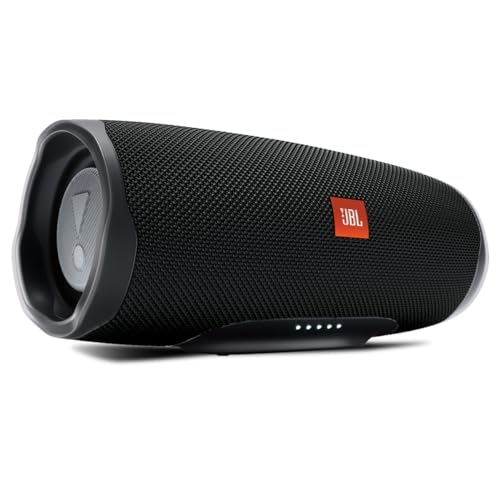
The JBL Charge 4 launched in 2019 as JBL's answer to users who needed a speaker that could keep up with active lifestyles. JBL, a company with decades of experience in professional audio, designed the Charge 4 around the principle that great sound shouldn't be fragile.
The most immediately noticeable characteristic of the JBL Charge 4 is its substantial power output. With 30 watts of total power, it can fill medium-sized rooms and outdoor spaces with surprisingly robust sound. This power comes from a unique driver configuration: instead of using multiple small drivers, JBL opted for a single, larger racetrack-shaped driver (50mm x 90mm) paired with dual passive radiators.
Passive radiators are essentially speakers without magnets that vibrate in response to air movement from the main driver. They're particularly effective at enhancing bass response without requiring additional power or space. In the JBL Charge 4, these radiators help create bass that feels much deeper than you'd expect from a speaker this size.
The sound signature is decidedly consumer-friendly, with emphasis on mid-bass frequencies that make rock, pop, and electronic music sound engaging and energetic. However, this comes with trade-offs. The speaker operates in mono, meaning it doesn't create true stereo separation unless you pair it with a second unit. For casual listening, this isn't problematic, but audiophiles might notice the lack of spatial imaging.
At higher volumes, the JBL Charge 4 maintains its composure better than many competitors, though like all portable speakers, it experiences some compression and tonal shifts when pushed to maximum levels. The frequency response, rated at 60Hz to 20kHz, means it won't reproduce the deepest bass notes that larger home speakers can handle, but it provides enough low-end punch for most music genres.
Where the JBL Charge 4 truly excels is durability. The IPX7 waterproof rating means this speaker can be fully submerged in up to one meter of water for 30 minutes without damage. This isn't just "splash-proof" – you can literally drop it in a swimming pool and fish it out later with no concerns.
The construction combines durable fabric wrapping with rubber bumpers and sealed port covers. This design philosophy reflects JBL's understanding that portable speakers need to handle real-world abuse. Whether you're throwing it in a beach bag, setting it on sandy surfaces, or using it during outdoor workouts, the JBL Charge 4 shrugs off treatment that would damage more delicate speakers.
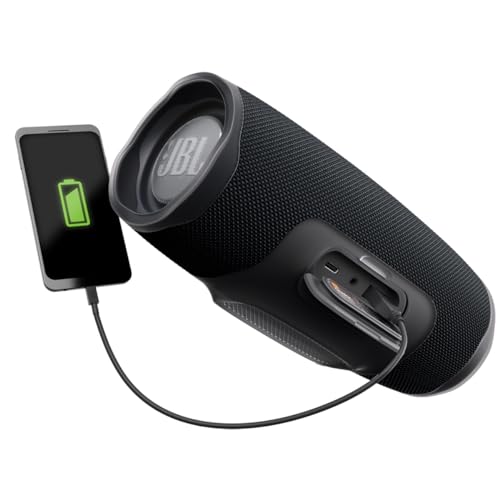
Perhaps the most distinctive feature of the JBL Charge 4 is its dual role as a power bank. The integrated 7500mAh battery not only provides up to 20 hours of music playback but can also charge your smartphone or tablet through its USB-A port. This feature transforms the speaker from a single-purpose device into an essential piece of travel gear.
During extended camping trips or beach days, having a reliable way to charge your devices becomes invaluable. The JBL Charge 4 essentially combines two pieces of gear into one, reducing what you need to pack and carry. While charging devices does reduce music playback time, the large battery capacity means you're unlikely to run out of power for either function during typical use.
The JBL Charge 4 includes JBL Connect+ technology, which allows you to wirelessly link over 100 compatible JBL speakers. This feature is particularly valuable for parties or large gatherings where a single speaker, regardless of quality, simply can't fill the space adequately. The ability to place linked speakers around a yard or large room creates a much more immersive audio experience.
The Bluetooth 4.2 connection supports connecting two devices simultaneously, allowing easy switching between phones or tablets without the need to disconnect and reconnect. A 3.5mm auxiliary input provides a wired backup option when Bluetooth isn't available or when you want to conserve battery life.
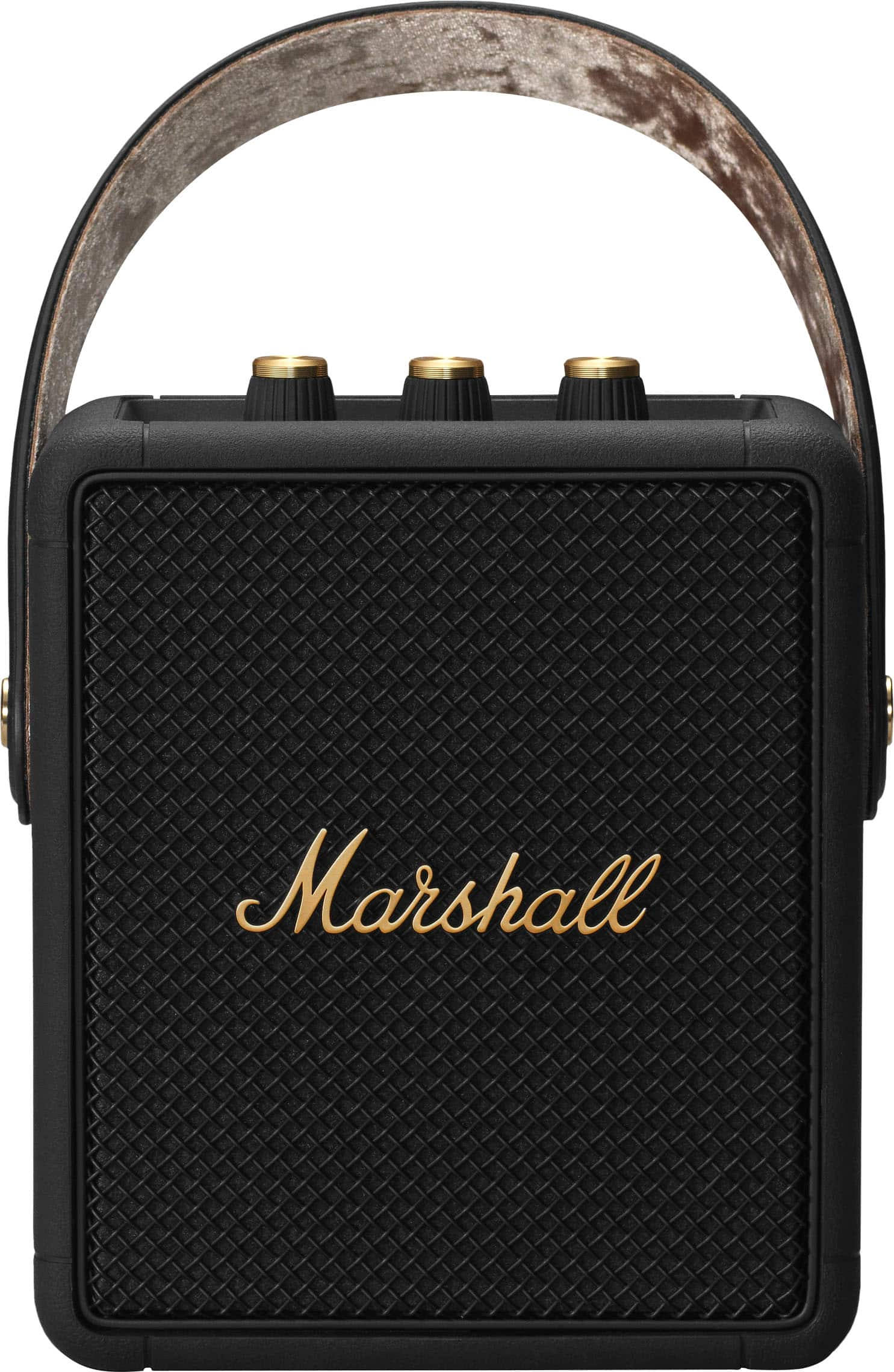
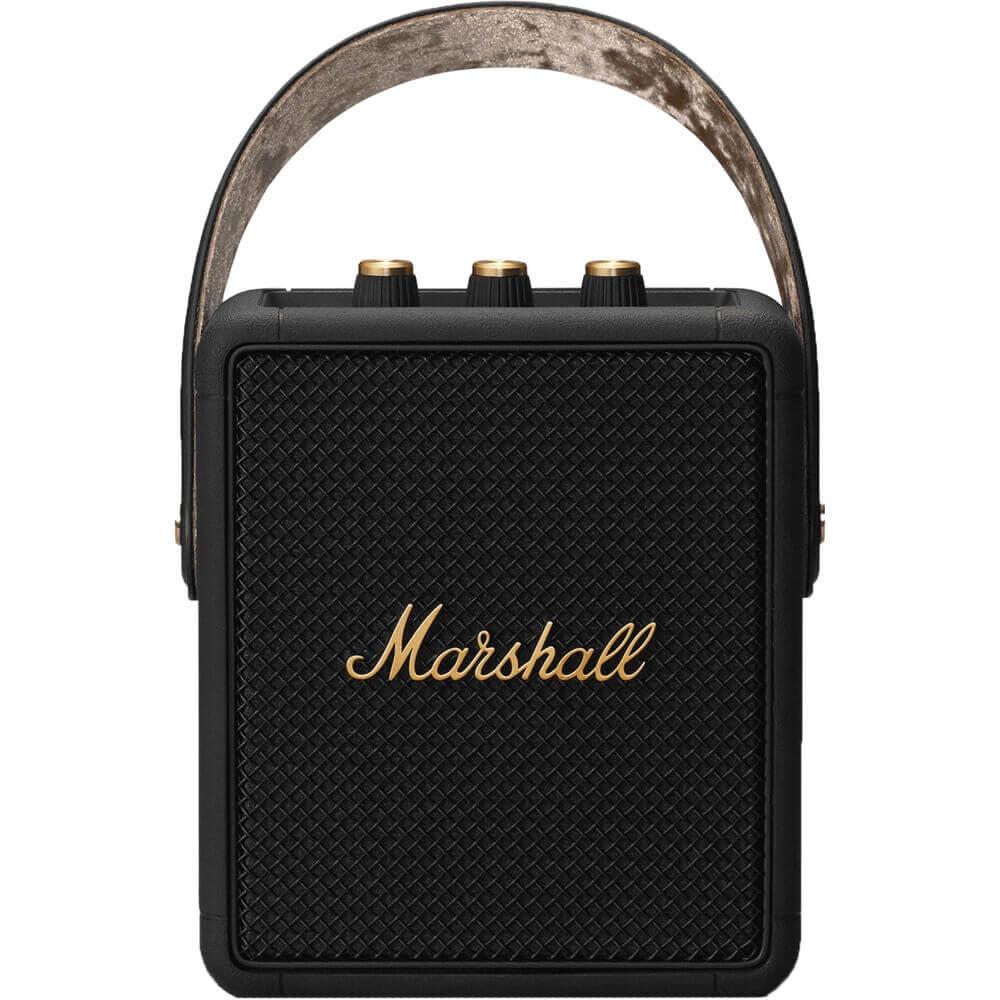
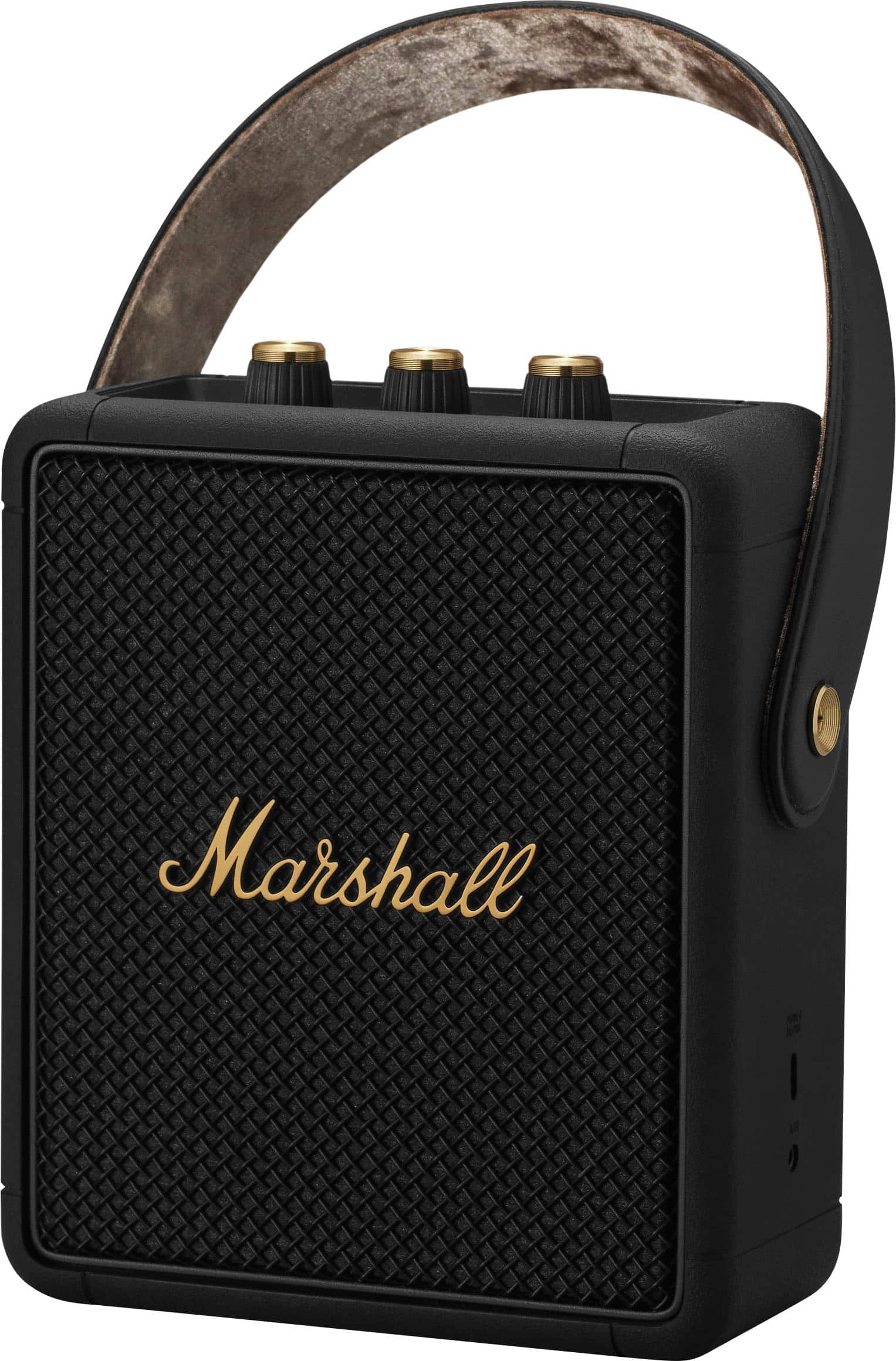
The Marshall Stockwell II, also released in 2019, represents a completely different approach to portable audio. Marshall, famous for guitar amplifiers used by legendary rock musicians, brought their audio expertise and distinctive aesthetic to the portable speaker market.
While the JBL Charge 4 uses brute force to create impact, the Marshall Stockwell II relies on precision engineering. Its 20-watt total output comes from a more sophisticated three-driver system: one 10-watt woofer handles bass and midrange frequencies, while two 5-watt tweeters manage higher frequencies.
This driver configuration enables true stereo separation, creating a wider soundstage that makes music feel more spacious and natural. The frequency response spans the same 60Hz to 20kHz range as the JBL Charge 4, but the Marshall's approach to reproducing those frequencies feels more balanced and refined.
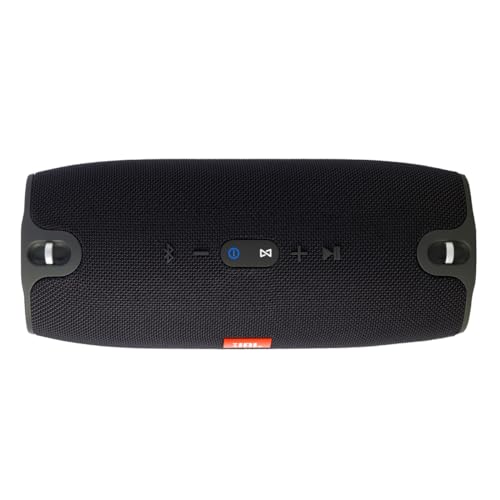
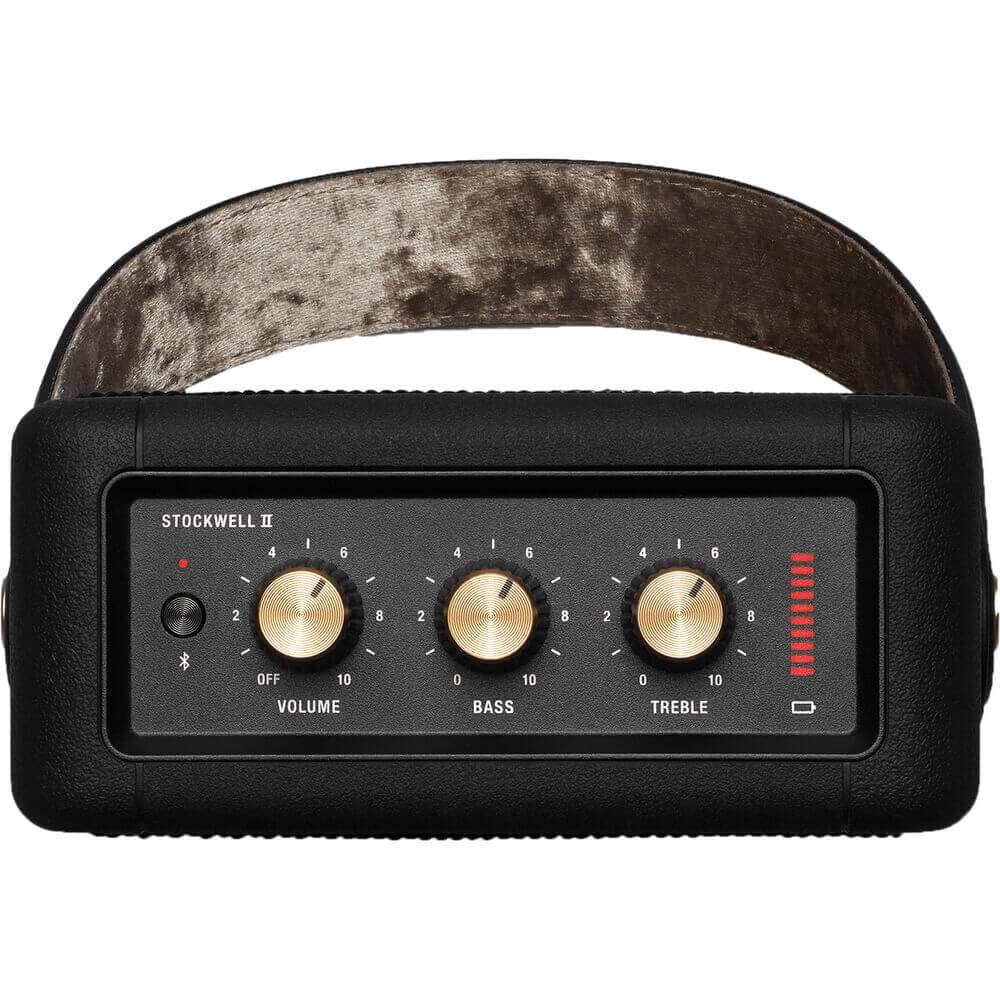
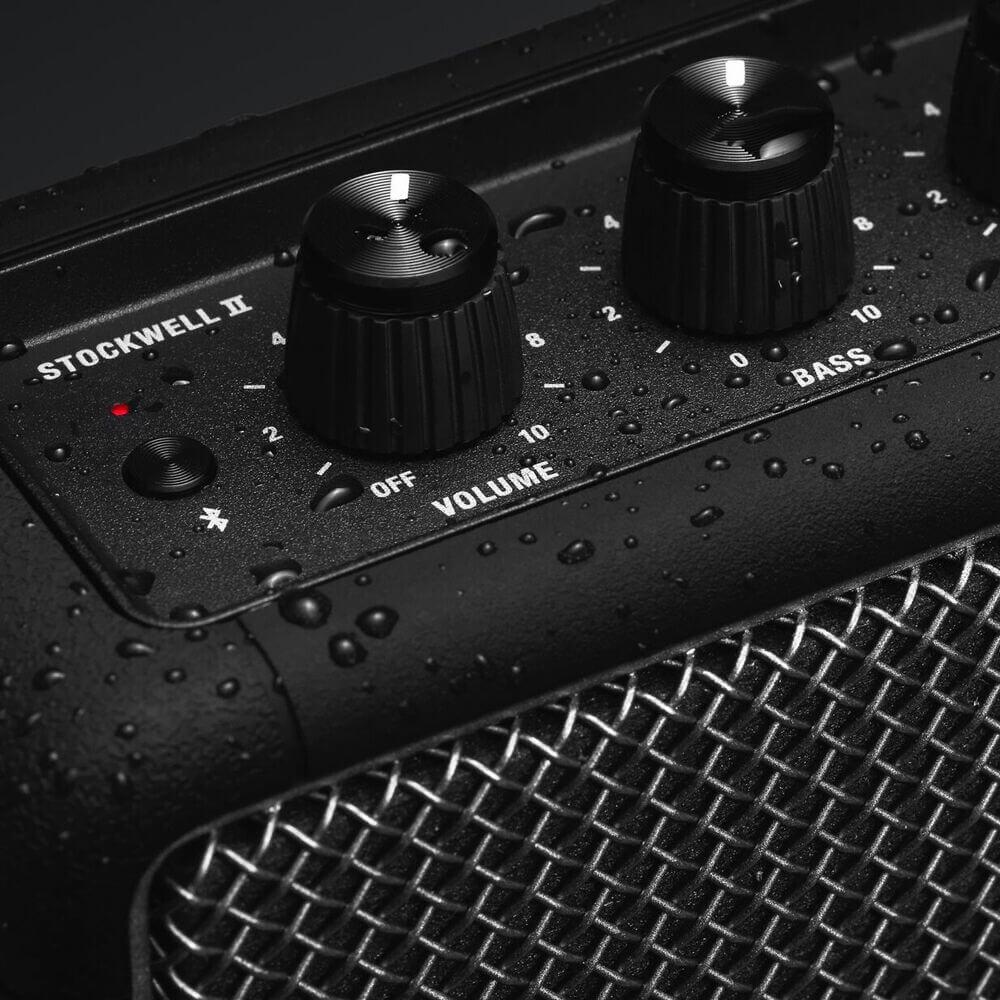
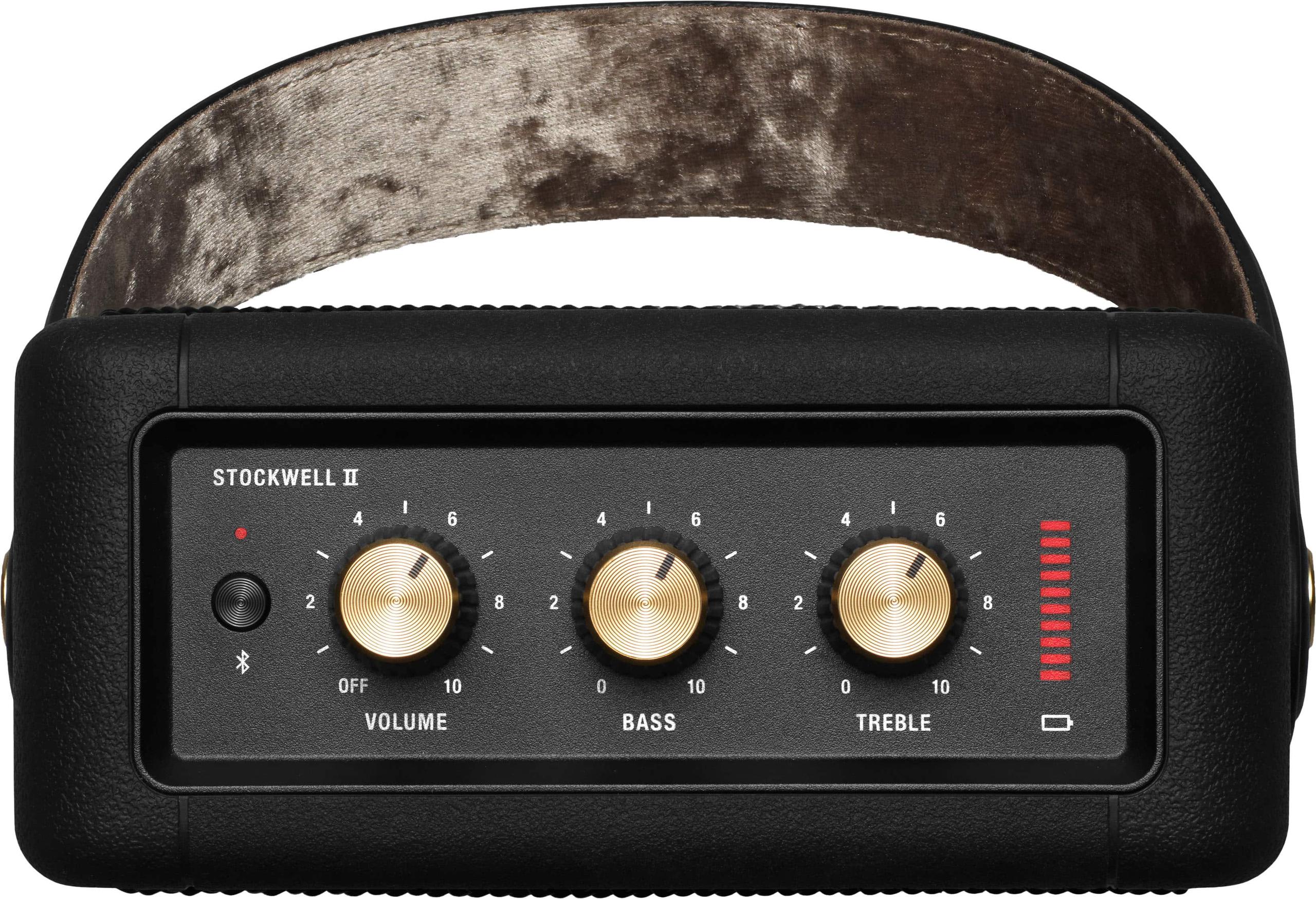
What truly sets the Marshall Stockwell II apart is its analog EQ controls. Physical knobs for bass and treble adjustment let you fine-tune the sound in real-time, something virtually no other portable speaker offers. This feature reflects Marshall's amplifier heritage – musicians expect to have control over their sound, and the Marshall Stockwell II extends that philosophy to portable audio.
The sound character is notably more neutral than the JBL Charge 4, with better vocal clarity and more natural instrument reproduction. Rock, jazz, and acoustic music particularly benefit from this approach, though the speaker handles all genres competently. The trade-off is maximum volume – while adequately loud for most situations, it can't match the room-filling power of the JBL.
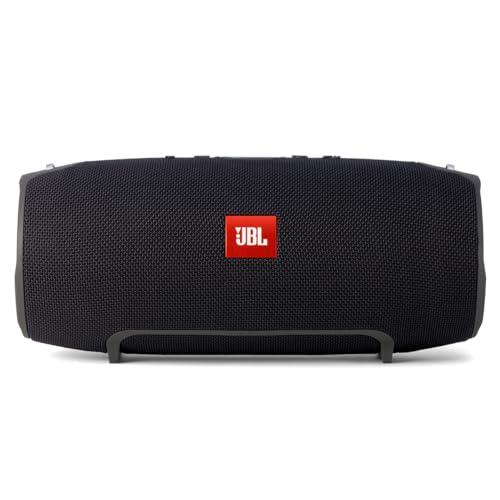
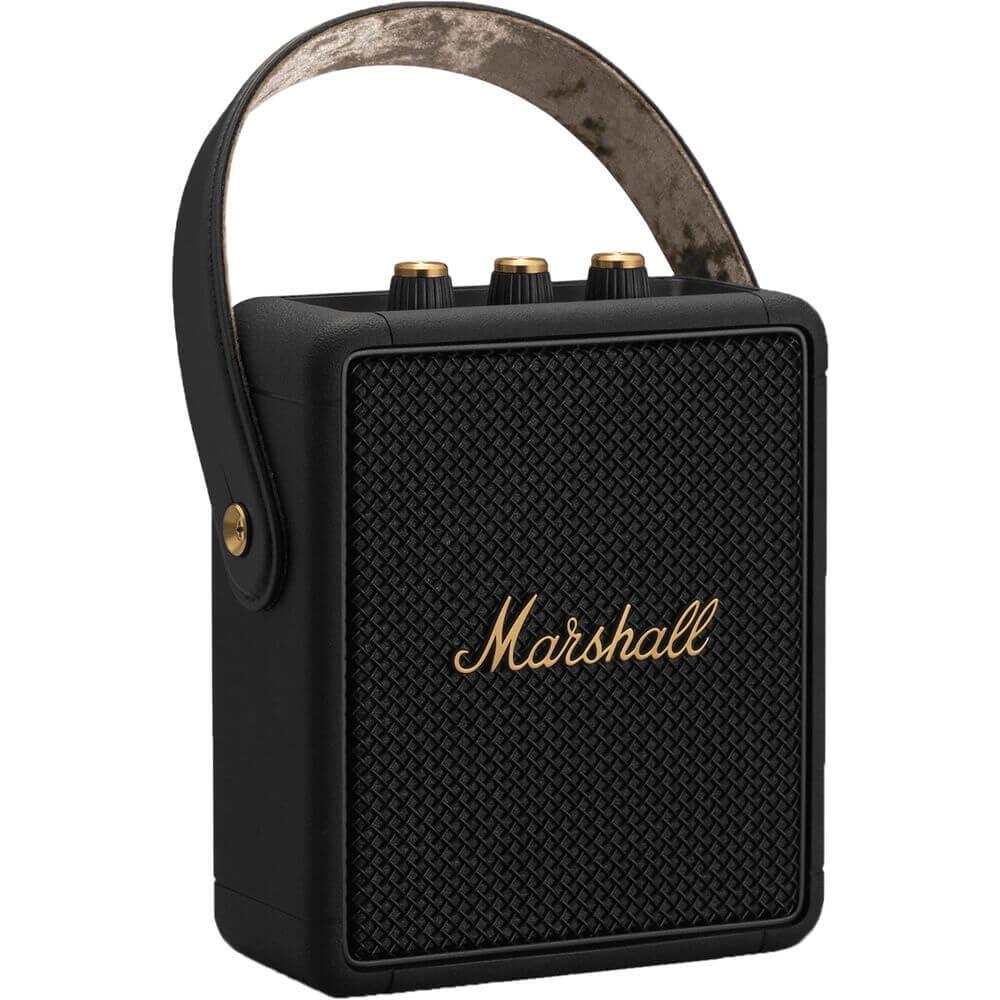
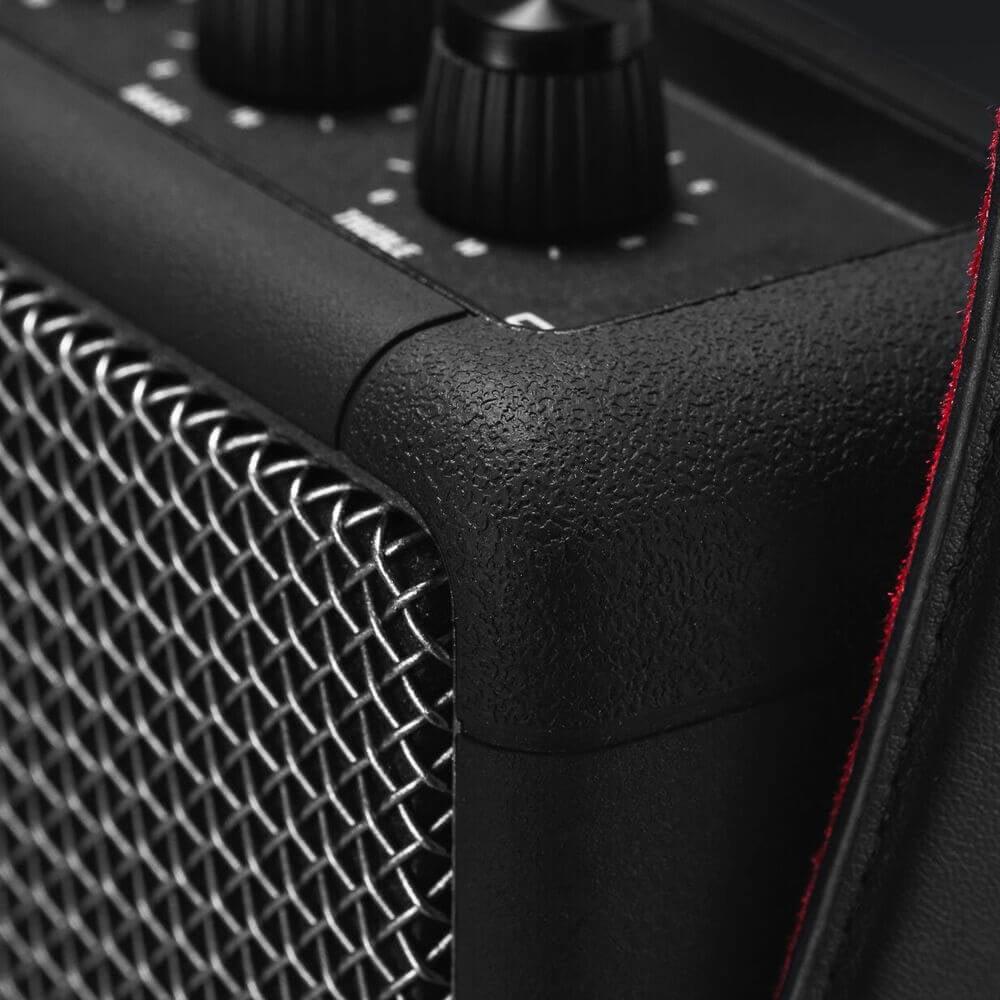
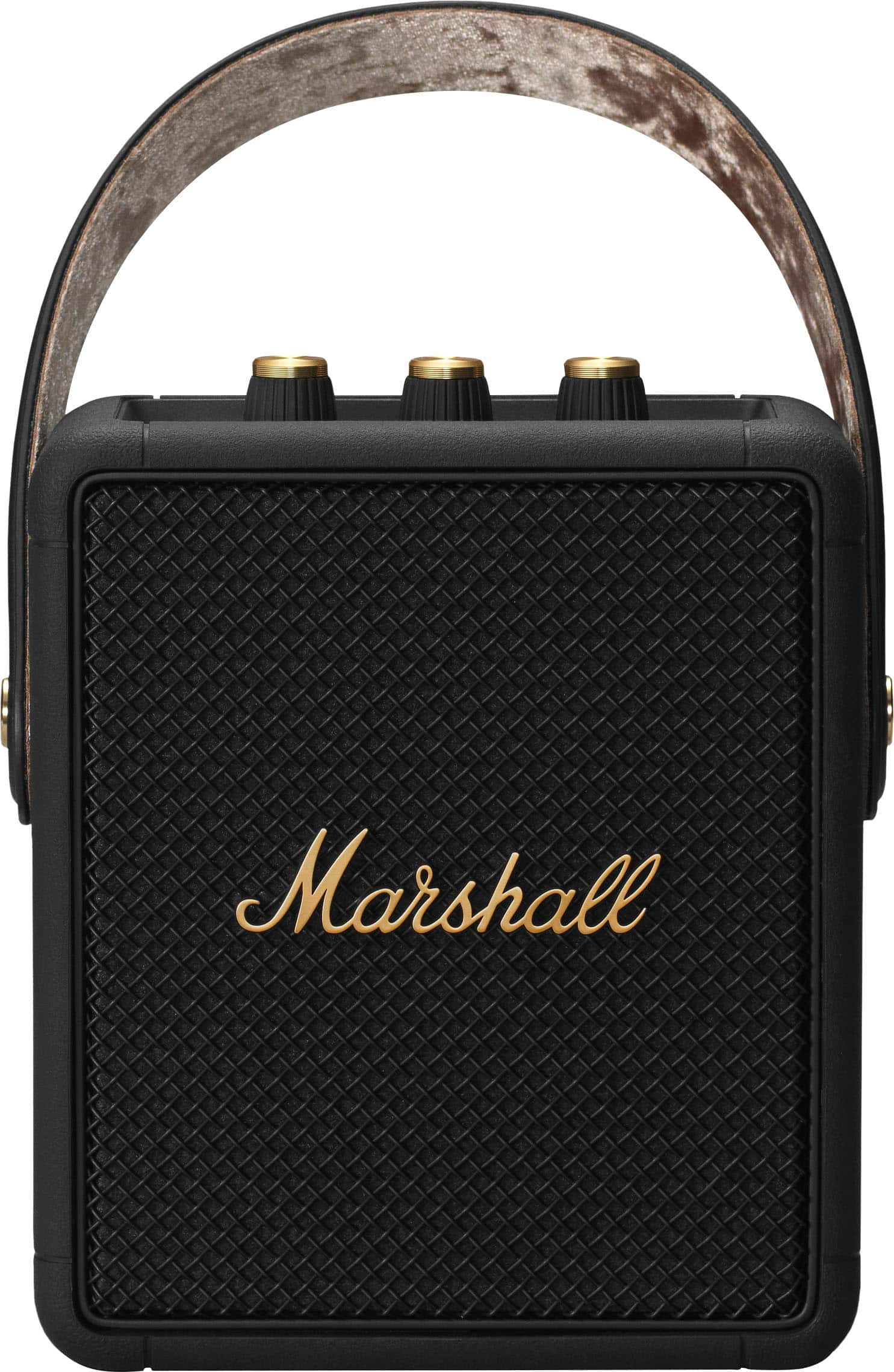
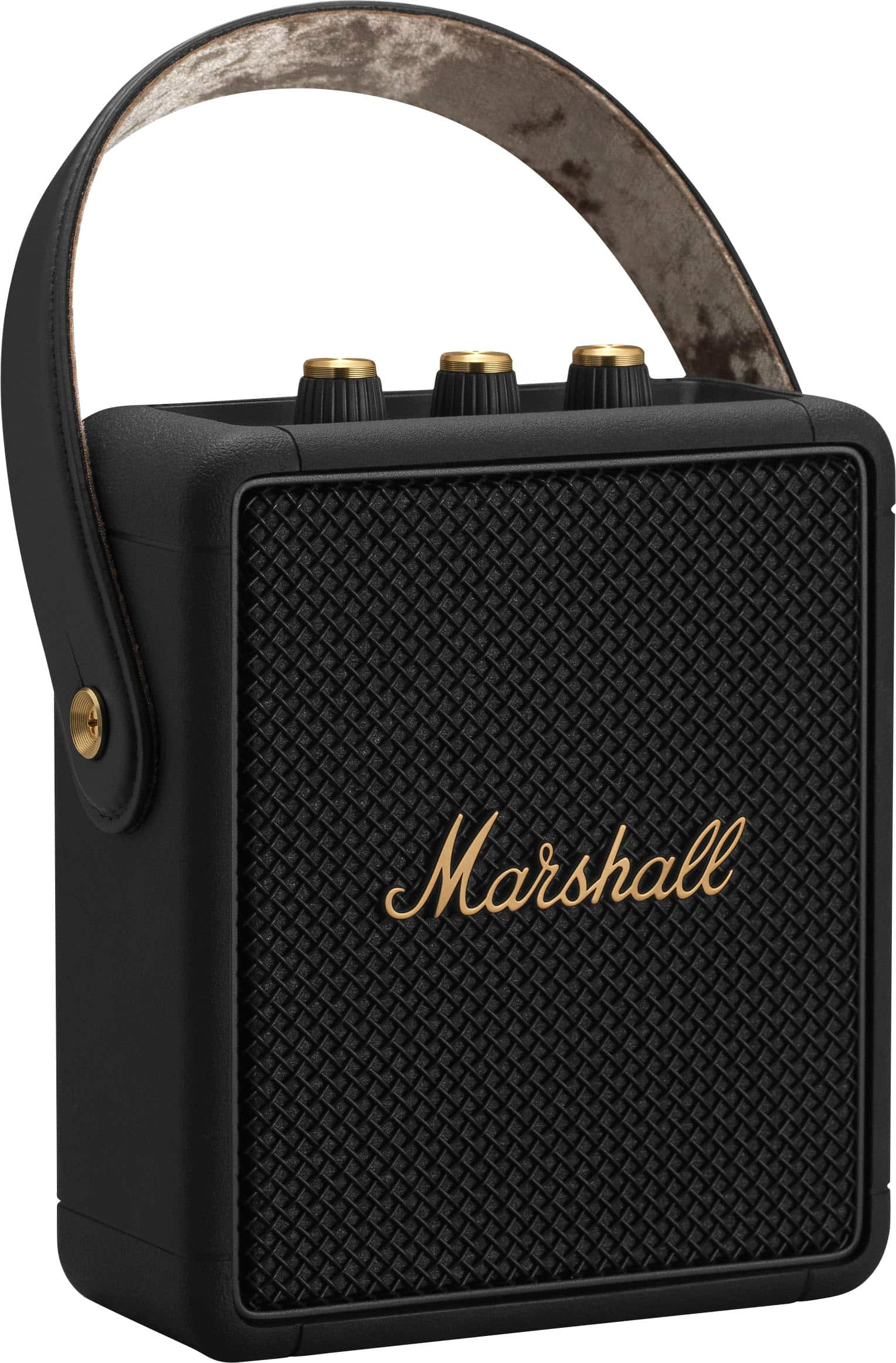
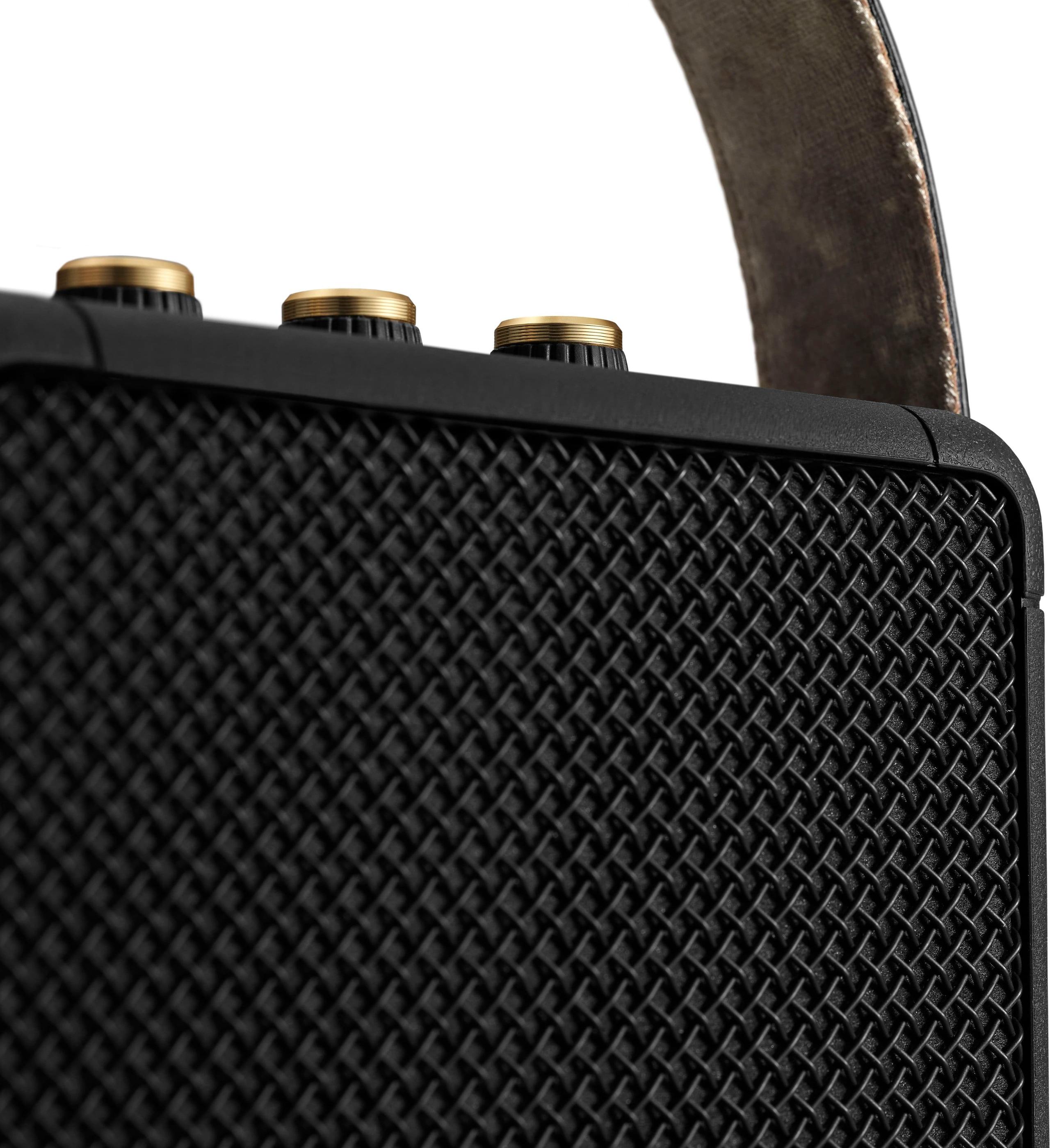
The Marshall Stockwell II feels premium in ways that go beyond simple durability. The silicone exterior provides excellent grip and protection, while the steel mesh grille recalls classic Marshall amplifier aesthetics. The analog control knobs operate with satisfying mechanical precision, and the overall fit and finish feels more like a piece of audio equipment than a basic tech accessory.
However, this premium construction comes with practical compromises. The IPX4 rating provides splash resistance but falls far short of the JBL Charge 4's submersion capability. Light rain or accidental spills won't damage the Marshall Stockwell II, but you wouldn't want to use it poolside or during water activities.
At 1.38 kg (3.04 lbs), it's slightly heavier than might be ideal for frequent travel, though still portable enough for most users. The weight comes from the premium materials and more complex internal construction, which contribute to better sound quality but reduce convenience for truly mobile use.
One area where the Marshall Stockwell II demonstrates clear superiority is charging speed. The quick-charge capability provides six hours of playback from just a 20-minute charge, making it incredibly convenient for users who frequently forget to charge their devices overnight. Full charging takes five hours via USB-C.
The Bluetooth 5.0 connection offers improved range and stability compared to the JBL Charge 4's Bluetooth 4.2, though both work reliably in typical use scenarios. Like the JBL, it can connect to two devices simultaneously, enabling easy switching between audio sources.
The Marshall Stockwell II lacks the multi-speaker linking capability of the JBL Charge 4, but this reflects its different target audience. Users choosing the Marshall are typically more interested in personal listening quality than creating large sound systems.
When comparing these speakers directly, the performance differences become clear through specific use scenarios. For outdoor gatherings, the JBL Charge 4's superior maximum volume and bass response make it the obvious choice. Its ability to maintain composure at high volumes means it won't distort when trying to overcome background noise at parties or beach gatherings.
The waterproof capability of the JBL Charge 4 isn't just about extreme situations – it provides peace of mind in any environment where moisture might be present. Poolside parties, camping trips, or even humid climates become non-issues when your speaker can handle complete submersion.
For indoor listening or casual outdoor use, the Marshall Stockwell II's superior sound quality becomes the deciding factor. The stereo separation creates a more engaging listening experience, while the analog EQ controls let you optimize sound for your specific musical preferences or room acoustics. Vocal-heavy content, from podcasts to acoustic music, benefits significantly from the Marshall's more balanced approach.
The quick-charging feature of the Marshall Stockwell II proves valuable for spontaneous use. If you're heading out and realize your speaker is dead, a brief charging session provides enough power for several hours of listening. The JBL Charge 4's longer charging time requires more planning, though its power bank feature provides different utility benefits.
Battery life is essentially equivalent between both speakers at around 20 hours, though real-world performance varies based on volume levels and content. Both offer sufficient longevity for extended use without frequent recharging.
At the time of writing, both speakers occupy similar price ranges in the premium portable speaker market, though specific pricing varies by retailer and current promotions. The value proposition differs significantly based on user priorities.
The JBL Charge 4 provides excellent utility value through its combination of rugged construction, power bank functionality, and party-ready volume levels. Users who need reliability in challenging environments or who value the device-charging capability will find the price justified by these practical benefits.
The Marshall Stockwell II commands its price through superior audio quality, premium materials, and unique control features. The analog EQ controls alone set it apart from virtually all competitors in this category, while the build quality feels more substantial than typical tech accessories.
Both speakers have maintained relevance since their 2019 release, though the audio technology landscape has evolved. Newer speakers often include features like voice assistant integration, more advanced app control, or improved codec support. However, the fundamental approaches of these speakers – rugged utility versus refined quality – remain compelling.
While neither speaker is designed primarily for home theater use, they can serve as temporary solutions in specific scenarios. The JBL Charge 4's ability to link multiple speakers makes it potentially useful for creating surround-like effects in smaller rooms, though true surround sound requires purpose-built systems.
The Marshall Stockwell II's superior vocal clarity and stereo separation make it better suited for dialogue-heavy content, though both speakers lack the dynamic range and bass extension needed for cinematic experiences. They work well as bedroom or kitchen speakers where convenience matters more than ultimate performance.
For multi-room audio, the JBL Charge 4's Connect+ technology provides basic capability to place speakers throughout a home, though this requires multiple units and doesn't offer the seamless control of dedicated multi-room systems.
The choice between these speakers ultimately comes down to matching their strengths with your specific needs and lifestyle. The JBL Charge 4 excels when durability, maximum volume, and utility features take priority. If you frequently use speakers outdoors, need device charging capability, or want to create larger sound systems for parties, the JBL provides unmatched practical value.
Choose the JBL Charge 4 if you're an outdoor enthusiast, frequent traveler, or someone who needs a speaker that can handle abuse while providing reliable performance. Its rugged construction and power bank functionality make it ideal for camping trips, beach vacations, or any scenario where you need dependable audio and device charging in one package.
The Marshall Stockwell II appeals to users who prioritize sound quality, aesthetic appeal, and control flexibility. If you primarily listen indoors or in protected environments, value the ability to fine-tune your audio experience, and appreciate premium build quality, the Marshall justifies its position in your audio setup.
Select the Marshall Stockwell II if you're an audio enthusiast, spend most listening time indoors, or want a speaker that doubles as an attractive piece of audio equipment. Its superior sound quality and unique control features make it ideal for focused listening sessions or as a sophisticated addition to home or office environments.
Both speakers represent mature, well-executed approaches to portable audio, with their 2019 designs remaining competitive in today's market. Your choice should align with whether you need an adventure-ready audio companion or a refined listening device that happens to be portable.
The portable speaker market continues evolving, but the fundamental trade-offs these speakers represent – rugged utility versus refined quality – remain relevant considerations for any buyer. Understanding your priorities and use patterns will lead you to the right choice between these two excellent but distinctly different options.
| JBL Charge 4 Portable Bluetooth Speaker | Marshall Stockwell II Portable Bluetooth Speaker |
|---|---|
| Power Output - Determines maximum volume and room-filling capability | |
| 30W RMS (single driver + passive radiators for punchy sound) | 20W total (3-driver system: 10W woofer + dual 5W tweeters) |
| Water Resistance - Critical for outdoor and poolside use | |
| IPX7 waterproof (survives full submersion up to 1m for 30 minutes) | IPX4 splash-resistant (light rain and spills only) |
| Audio Configuration - Affects sound quality and stereo imaging | |
| Mono speaker (stereo requires pairing two units) | True stereo with dedicated left/right channels |
| Sound Customization - How much control you have over audio | |
| Fixed sound signature, no EQ adjustment | Analog bass and treble knobs for real-time tuning |
| Battery Life - Runtime for extended listening sessions | |
| Up to 20 hours (7500mAh battery) | Up to 20 hours with quick charge (6 hours from 20-minute charge) |
| Power Bank Function - Charges your devices when needed | |
| Yes, USB-A output for charging phones/tablets | No power bank capability |
| Multi-Speaker Connectivity - Expanding your sound system | |
| JBL Connect+ links 100+ compatible speakers | No multi-speaker linking |
| Bluetooth Version - Connection stability and range | |
| Bluetooth 4.2 (reliable but older standard) | Bluetooth 5.0 (improved range and stability) |
| Weight and Portability - How easy it is to carry around | |
| 965g (2.12 lbs) with rugged fabric/rubber construction | 1.38kg (3.04 lbs) with premium silicone and steel grille |
| Charging Speed - How quickly you get back to listening | |
| 4 hours to full charge via USB-C | 5 hours full charge, but 20 minutes gives 6 hours playback |
| Best Use Cases - Where each speaker excels | |
| Outdoor adventures, camping, poolside parties, device charging | Indoor listening, office use, audiophile-focused sessions |
The JBL Charge 4 is significantly better for outdoor use due to its IPX7 waterproof rating, which allows complete submersion in water up to 1 meter deep. The Marshall Stockwell II only offers IPX4 splash resistance, making it suitable for light rain but not poolside or beach activities. The JBL Charge 4 also delivers 30W of power compared to the Marshall's 20W, providing better volume for outdoor gatherings.
Neither the JBL Charge 4 nor Marshall Stockwell II is designed primarily for home theater use, but both can serve as temporary solutions. The Marshall Stockwell II offers better dialogue clarity due to its stereo configuration and balanced sound, while the JBL Charge 4 can link multiple speakers for basic surround effects. However, dedicated soundbars or home theater systems provide much better performance for movie watching.
The Marshall Stockwell II generally offers superior sound quality with its three-driver stereo system, providing better instrument separation and vocal clarity. It also features analog bass and treble controls for customization. The JBL Charge 4 focuses more on powerful, bass-forward sound that's great for parties but operates in mono unless paired with another unit.
Only the JBL Charge 4 can charge your devices, featuring a built-in power bank function with USB-A output. This makes it incredibly useful for camping trips or extended outdoor activities. The Marshall Stockwell II does not offer device charging capability, focusing instead on audio quality and fast self-charging features.
The JBL Charge 4 achieves higher maximum volume with its 30W power output compared to the Marshall Stockwell II's 20W. The JBL's single powerful driver and passive radiators create more room-filling sound, making it better for large gatherings or outdoor events where you need to overcome background noise.
Both the JBL Charge 4 and Marshall Stockwell II offer approximately 20 hours of battery life under normal listening conditions. However, the Marshall Stockwell II features superior quick-charge capability, providing 6 hours of playback from just 20 minutes of charging, while the JBL Charge 4 takes about 4 hours for a full charge.
The JBL Charge 4 supports JBL Connect+ technology, allowing you to wirelessly link over 100 compatible JBL speakers for expanded sound coverage. This feature is excellent for parties or large outdoor areas. The Marshall Stockwell II does not offer multi-speaker connectivity, focusing instead on individual listening quality.
The JBL Charge 4 is slightly more travel-friendly at 965g (2.12 lbs) with its rugged construction that can handle being tossed in luggage. The Marshall Stockwell II weighs 1.38kg (3.04 lbs) and features more premium materials that require careful handling. Both are portable, but the JBL Charge 4 better withstands travel abuse.
The Marshall Stockwell II provides true stereo sound through its dual tweeter configuration, creating better spatial imaging and instrument separation. The JBL Charge 4 is a mono speaker that only achieves stereo when paired with a second unit, though its single-driver design still produces engaging sound for most listeners.
The Marshall Stockwell II wins for quick charging, delivering 6 hours of playback from just 20 minutes of charging time. This makes it ideal for spontaneous use when you forgot to charge overnight. The JBL Charge 4 requires longer charging periods but offers the unique ability to charge your other devices while playing music.
The Marshall Stockwell II features unique analog bass and treble control knobs that let you adjust sound in real-time, reflecting Marshall's amplifier heritage. The JBL Charge 4 has a fixed sound signature without EQ controls, though it's tuned for broad appeal. The Marshall's customization options make it better for audiophiles who want control over their sound.
Value depends on your priorities: the JBL Charge 4 provides excellent utility value with its waterproofing, power bank function, and party-ready volume levels. The Marshall Stockwell II offers premium audio value through superior sound quality, build materials, and unique control features. Choose the JBL Charge 4 for outdoor adventures and device charging, or the Marshall Stockwell II for refined indoor listening.
We've done our best to create useful and informative comparisons to help you decide what product to buy. Our research uses advanced automated methods to create this comparison and perfection is not possible - please contact us for corrections or questions. These are the sites we've researched in the creation of this article: rtings.com - whathifi.com - whathifi.com - soundguys.com - soundguys.com - streamtechreviews.com - youtube.com - versus.com - applevis.com - versus.com - jbl.com - jbl.com - walmart.com - comparisontabl.es - harmanaudio.com - manuals.plus - jbl.com.sg - jbl.com - mm.jbl.com - bestbuy.com - newpower99.com - forums.woot.com - bestbuy.com - stuff.tv - idownloadblog.com - stereoguide.com - kendallgiles.com - termagoods.com - aplaze.com - manua.ls - youtube.com - sg.tcacoustic.asia - marshall.com - youtube.com

Privacy Policy
Terms and Conditions - Affiliate Policy
Home Security
© Copyright 2008-2026.
11816 Inwood Rd #1211, Dallas, TX 75244