



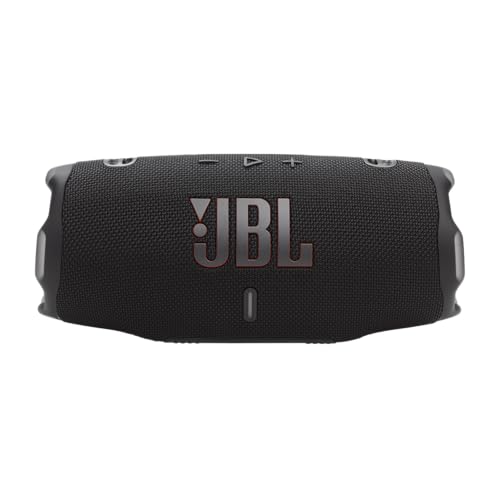
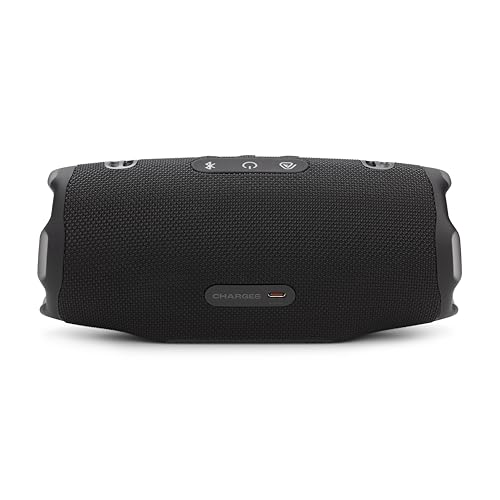
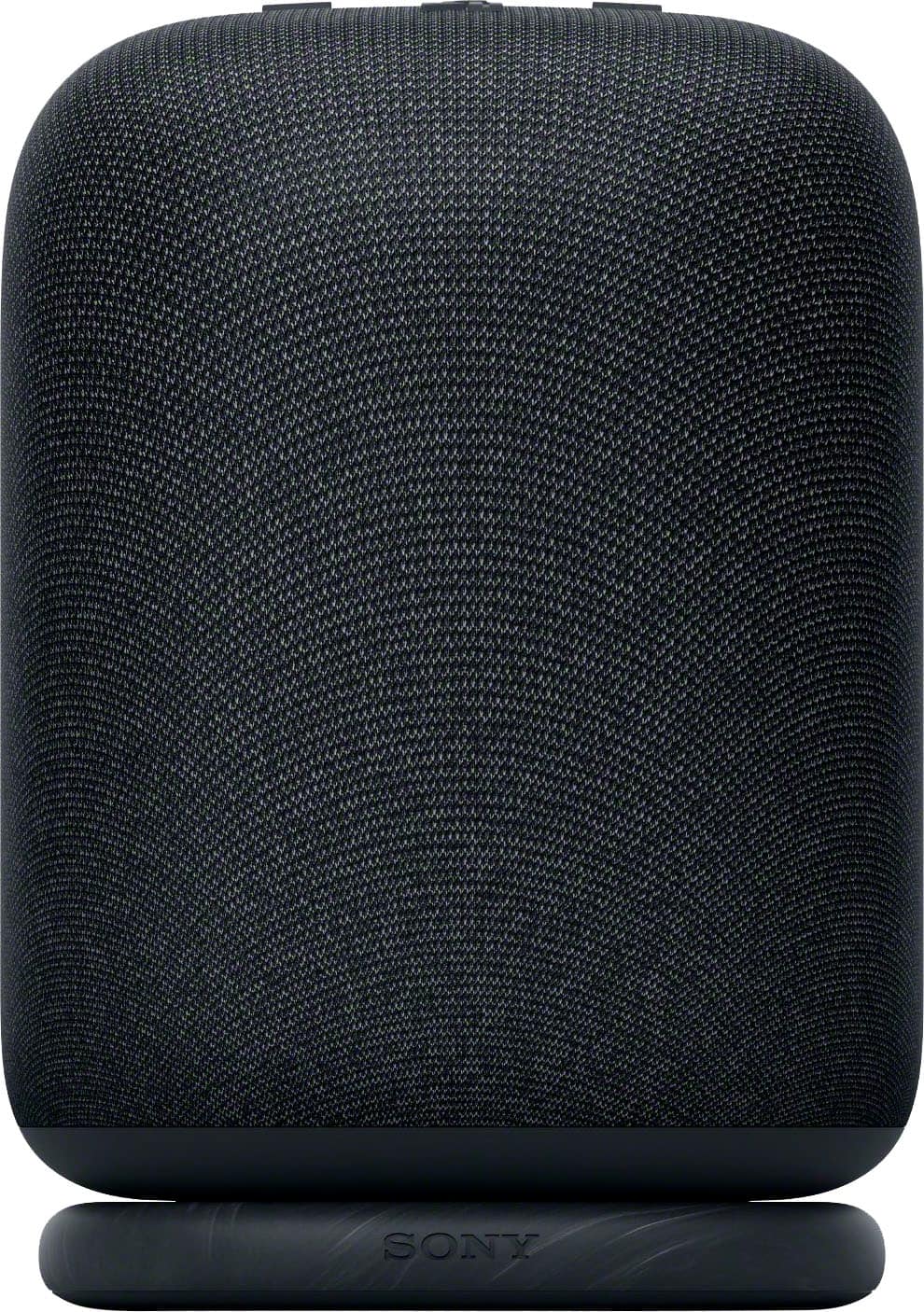

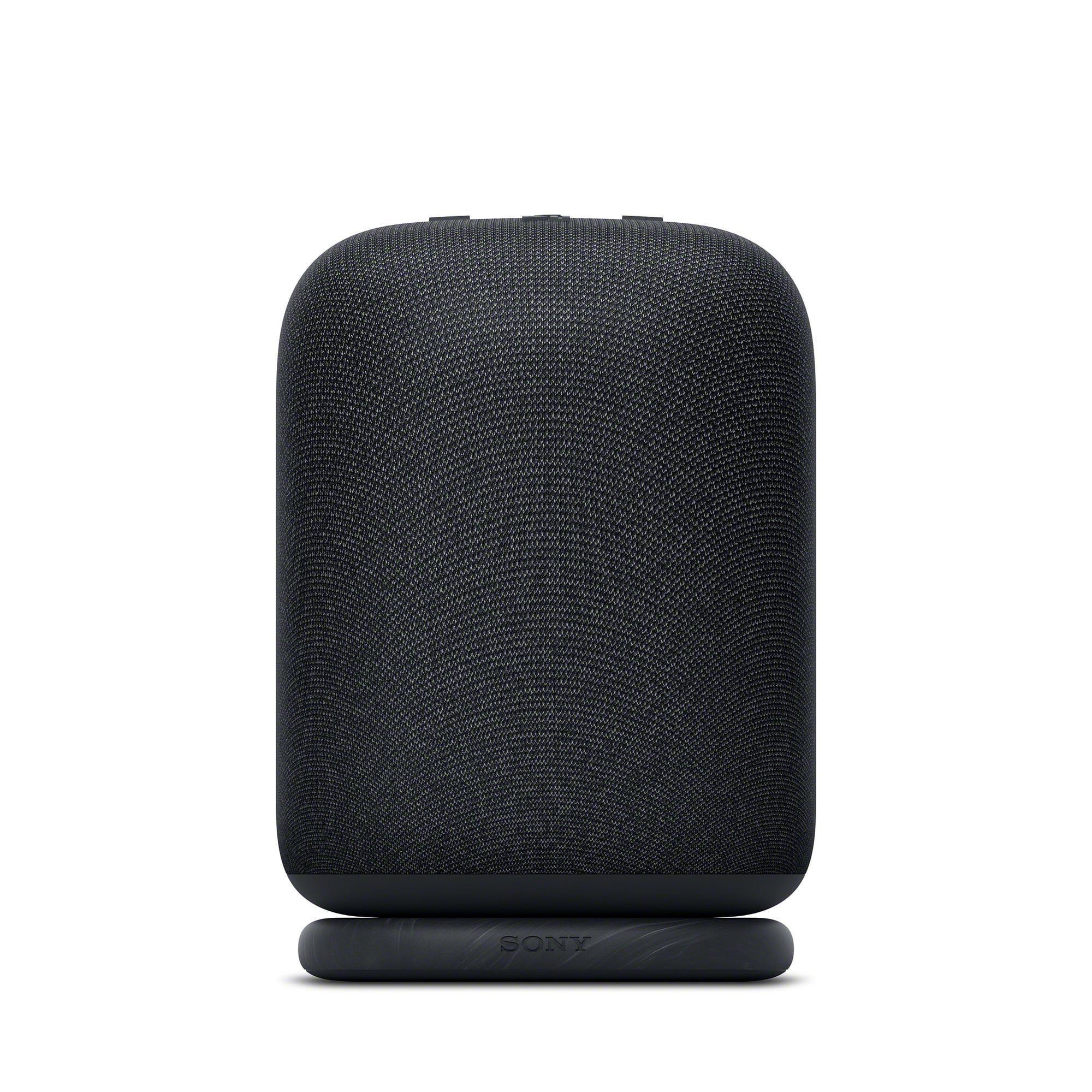


When shopping for a portable Bluetooth speaker, you'll quickly realize there are two very different philosophies at play. Some speakers are built to be the life of the party—loud, rugged, and designed to fill outdoor spaces with sound. Others prioritize personal listening, smart features, and ultra-portability for your daily routine. The JBL Charge 6 and Sony LinkBuds Wireless Portable Speaker represent these two approaches perfectly, and understanding which philosophy matches your needs is crucial to making the right choice.
At the time of writing, the JBL Charge 6 sits in the premium portable speaker category, while the Sony LinkBuds offers a more affordable entry point into quality portable audio. But price alone doesn't tell the whole story—these speakers are designed for fundamentally different use cases, and each excels in its intended role.
The portable Bluetooth speaker market has evolved dramatically over the past few years. What used to be a simple choice between "small and cheap" or "big and expensive" has become a nuanced ecosystem of specialized devices. Today's speakers need to balance multiple priorities: sound quality, battery life, durability, portability, and increasingly, smart features that integrate with our connected lives.
The most important considerations when choosing a portable speaker are surprisingly personal. Do you host pool parties or prefer quiet evenings with podcasts? Do you need something that survives camping trips or just commutes to the office? Are you looking for room-filling sound or personal audio that doesn't disturb others? These questions matter more than technical specifications alone.
Released in 2024, both the JBL Charge 6 and Sony LinkBuds represent the latest thinking in their respective categories. The Charge 6 builds on JBL's reputation for rugged outdoor speakers, while Sony's LinkBuds introduces smart speaker concepts to the portable market.
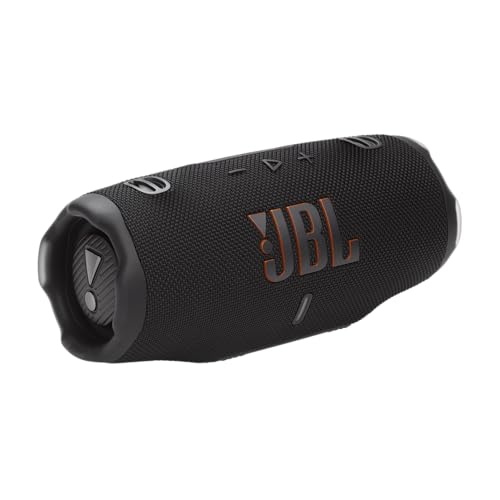
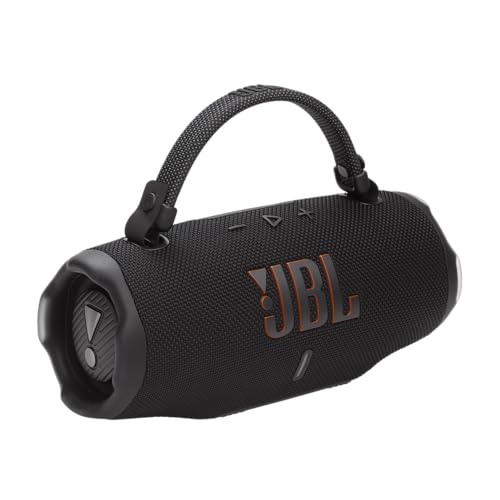
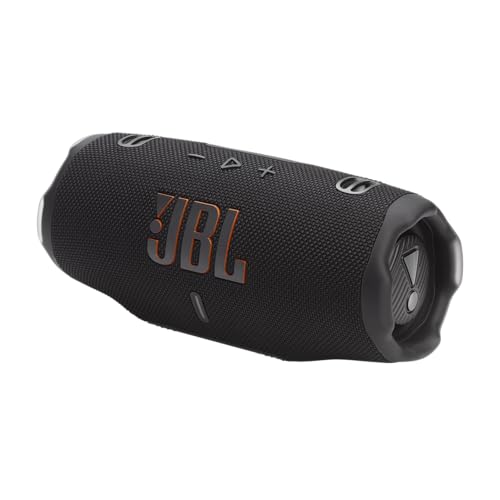
The JBL Charge 6 doesn't mess around when it comes to audio performance. With a total output of 45 watts RMS (that's the actual continuous power, not marketing peak power), it delivers significantly more sound than most speakers in its size class. This power comes from a redesigned driver system featuring a large oval woofer measuring 53mm x 93mm paired with a dedicated 20mm tweeter.
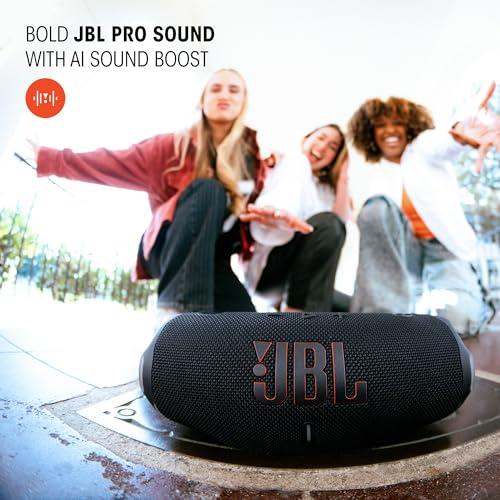
What makes the Charge 6 special is JBL's new AI Sound Boost technology. This isn't just marketing speak—it's a real-time audio processing algorithm that analyzes your music as it plays and adjusts the drivers to prevent distortion while maximizing output. Think of it as having a sound engineer constantly tweaking the settings to get the best performance possible. Unlike room correction systems that require microphones and setup, AI Sound Boost works automatically and can't be turned off because it's built into the speaker's core processing.
The frequency response of 56Hz to 20kHz is impressive for a portable speaker, especially that low-end extension. Most small speakers struggle to produce meaningful bass below 80Hz, but the Charge 6 uses dual passive radiators (these are like speakers without magnets that vibrate sympathetically to enhance bass) to push down into true bass territory. Based on our research into user and expert reviews, this translates to bass that actually sounds like bass, not just the mid-bass thump you get from smaller speakers.
The Charge 6 maintains a 2-way mono configuration, which means all the sound comes from one speaker unit rather than separate left and right channels. While this might seem like a limitation, it actually makes sense for a portable speaker that needs to sound good regardless of where you place it. You can set up stereo sound by pairing two Charge 6 units, but for most users, the mono setup provides consistent sound from any position.
The Sony LinkBuds takes a completely different approach to portable audio. Rather than trying to be the loudest speaker in the room, it focuses on delivering balanced, clear sound for personal listening. The two-way system uses Sony's X-Balanced Speaker unit—a rectangular driver design that maximizes the cone area within the available space—paired with a dedicated tweeter.
What sets the LinkBuds apart is its 360-degree sound design. Unlike traditional speakers that project sound in one direction, the LinkBuds disperses audio evenly in all directions. This means you get consistent sound quality whether you're sitting directly in front of it or off to the side. It's a clever solution for a personal speaker that might end up in different positions throughout the day.
The LinkBuds incorporates Sony's Sound Diffusion Processor, which uses digital signal processing (DSP) to optimize how sound spreads through your space. This isn't about making the speaker louder—it's about making the sound more even and natural, especially in smaller rooms where reflections and room acoustics play a bigger role.
One of the most innovative features is the seamless integration with Sony's LinkBuds earbuds through Auto Switch technology. If you're listening on the speaker and put in your LinkBuds earbuds, the audio automatically transfers. Take them out, and it switches back to the speaker. This level of ecosystem integration is rare in the audio world and shows Sony's commitment to creating connected experiences rather than just individual products.
When it comes to sheer output, there's no contest—the JBL Charge 6 wins decisively. The 45-watt power rating isn't just a number; it translates to real-world performance that can fill medium-sized rooms and work effectively outdoors. Expert reviews consistently praise its ability to maintain clarity even at high volumes, thanks to that AI Sound Boost technology preventing the drivers from being pushed beyond their limits.
The Sony LinkBuds, with its much lower power output, simply can't match the Charge 6 for volume. But that's not necessarily a weakness—it's designed for different use cases. At moderate listening levels, many reviewers note that the LinkBuds actually provides better detail and clarity, especially in the midrange where voices and most instruments live.
Dynamic range—the difference between the quietest and loudest parts of music—is where these speakers show their design philosophies. The Charge 6 can handle sudden loud passages without compression, making it great for rock, electronic music, and movie soundtracks. The LinkBuds excels with more subtle dynamics, making it ideal for jazz, classical, and acoustic music where nuance matters more than raw power.
Bass reproduction reveals the biggest difference between these speakers. The JBL Charge 6 uses its larger drivers and dual passive radiators to produce genuine low-frequency extension. Based on measurements and reviews, it can reproduce frequencies down to around 50Hz with meaningful output—that's low enough to feel kick drums and bass guitars, not just hear them.
The Sony LinkBuds takes a more conservative approach to bass. Rather than trying to produce deep bass that might cause distortion or drain the battery quickly, Sony tuned it for clean, controlled low-end that complements voices and midrange instruments. User reviews consistently mention that while the bass isn't overwhelming, it's well-integrated and doesn't muddy the overall sound.
For home theater use, this difference becomes crucial. The Charge 6 can actually provide a meaningful soundtrack experience for casual TV watching or even movie nights, especially if you pair two units for stereo. The LinkBuds is better suited for dialogue-heavy content like podcasts or news programs where clarity matters more than impact.
The durability difference between these speakers tells you everything about their intended use cases. The JBL Charge 6 earned an IP68 rating, which means it's completely dustproof and can survive submersion in up to 1.5 meters of water for 30 minutes. It's also drop-tested to survive falls from one meter onto concrete. This isn't just marketing—it's designed for pool parties, beach trips, and camping adventures where accidents happen.
The Sony LinkBuds carries an IPX4 rating, which protects against splashing water but not submersion. The fabric covering, while attractive, may be more prone to wear over time compared to the Charge 6's more rugged materials. This makes perfect sense given its intended use as a personal, indoor-focused speaker that might occasionally venture to a coffee shop or office.
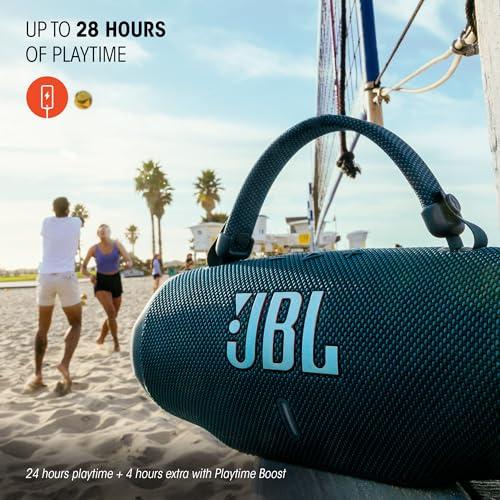
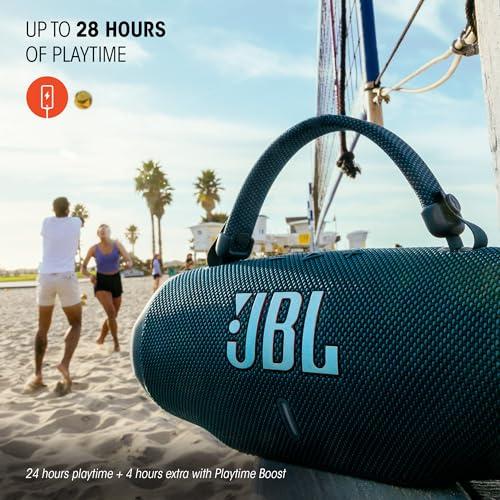
Both speakers excel in battery life, but they achieve it through different strategies. The JBL Charge 6 packs a substantial 34Wh battery that provides up to 24 hours of playback at moderate volumes, extendable to 28 hours with Playtime Boost mode. Playtime Boost is essentially an EQ preset that reduces power-hungry bass frequencies to extend battery life—a clever solution for those marathon listening sessions.
The LinkBuds achieves similar 25-hour battery life despite being much smaller and lighter. This is partly due to its lower power output, but also reflects efficient design and power management. Both speakers support fast charging, but the Charge 6 adds a unique feature: it can function as a powerbank to charge your phone or other devices.
For many users, this powerbank functionality alone justifies the Charge 6's higher price. When you're camping or at the beach all day, having a backup power source that also plays music is incredibly valuable. The LinkBuds can't charge other devices, but it does include a convenient charging dock that makes daily charging effortless.
The JBL Charge 6 represents the traditional approach to speaker connectivity, but with modern updates. Bluetooth 5.4 provides reliable connection with support for Auracast—a new standard that allows multiple speakers to connect and play synchronized audio. This is evolution of JBL's PartyBoost feature, making it easy to create a multi-room audio system with compatible JBL speakers.
Where the Charge 6 really shines is its USB-C connection that supports lossless audio up to 24-bit/192kHz. This is audiophile-grade quality that bypasses Bluetooth's compression entirely. For serious listening at home or in the office, this wired connection can reveal details in your music that Bluetooth simply can't deliver.
The Sony LinkBuds takes a more modern, smart-device approach. Beyond standard Bluetooth connectivity, it includes features like Quick Access buttons that can instantly start your favorite playlist or podcast with one touch. The Auto Play feature can be scheduled to automatically start your morning routine music or evening wind-down playlist at set times.
But the real innovation is the ecosystem integration. If you have Sony LinkBuds earbuds, the Auto Switch feature creates a seamless audio experience that moves with you throughout your day. This kind of cross-device intelligence is where the future of audio is heading, and Sony is leading the way.
Both speakers include companion apps, but they serve different purposes. The JBL Portable app gives you a comprehensive 7-band graphic equalizer—that's seven different frequency ranges you can adjust independently to tune the sound exactly how you like it. This level of control is unusual in portable speakers and allows for significant sound customization.
The Sony Sound Connect app focuses more on convenience and smart features. While it includes a 5-band EQ and Clear Bass adjustment, the real value is in setting up those Auto Switch behaviors, customizing the Quick Access buttons, and managing your listening history. It's less about tweaking sound and more about integrating the speaker into your daily routine.
Based on our research into user experiences and expert reviews, the decision between these speakers comes down to understanding your primary use case and being honest about your priorities.
Choose the JBL Charge 6 if you need one speaker to handle multiple scenarios. It's the Swiss Army knife of portable speakers—capable enough for outdoor parties, durable enough for adventures, and refined enough for indoor listening. The powerbank functionality and ability to pair multiple units makes it incredibly versatile. At the time of writing, while it costs more upfront, the versatility and durability provide excellent long-term value.
The Sony LinkBuds is the right choice if you know you're primarily looking for a personal listening device that happens to be portable. It excels in desk setups, bedside use, and situations where you want quality sound without overwhelming volume. The smart features and ecosystem integration add genuine value for users who appreciate connected experiences. At its more accessible price point, it offers exceptional value for its intended use case.
For home theater use specifically, the Charge 6 is the clear winner. While neither speaker replaces a proper surround sound system, the Charge 6 can provide a meaningful upgrade for casual TV watching, especially when paired with a second unit for stereo sound.
The LinkBuds makes more sense if your "home theater" consists of watching Netflix on a laptop or tablet in bed—scenarios where its personal-scale audio and smart features shine.
Neither speaker is perfect for every situation, and that's exactly the point. The portable speaker market has matured to the point where specialized excellence trumps jack-of-all-trades compromise. Understanding which type of excellence matches your lifestyle is the key to making the right choice.
In my experience researching and evaluating portable speakers, the most satisfied customers are those who choose based on their actual use patterns rather than theoretical capabilities they'll never need. Be honest about whether you'll really use that IP68 rating or if you'd prefer the convenience of auto-scheduled playlists, and your decision becomes much clearer.
| JBL Charge 6 | Sony LinkBuds Wireless Portable Speaker |
|---|---|
| Power Output - Determines maximum volume and room-filling capability | |
| 45W RMS total (30W woofer + 15W tweeter) - Can fill medium rooms and outdoor spaces | Lower power output - Designed for personal/near-field listening |
| Driver Configuration - Affects sound quality and frequency response | |
| 53mm x 93mm oval woofer + 20mm tweeter with dual passive radiators | X-Balanced Speaker unit + dedicated tweeter with 360-degree sound design |
| Frequency Response - Shows how deep bass extends and how clear highs are | |
| 56Hz - 20kHz (impressive bass extension for size) | Not specified (balanced midrange/treble focus) |
| Durability Rating - Critical for outdoor use and accidents | |
| IP68 (fully waterproof/dustproof, 1.5m submersion, 1m drop-proof) | IPX4 (splash resistant only, not suitable for outdoor adventures) |
| Battery Life - How long you can listen before recharging | |
| 24-28 hours (with Playtime Boost mode) | 25 hours continuous playback |
| Weight - Affects true portability and ease of transport | |
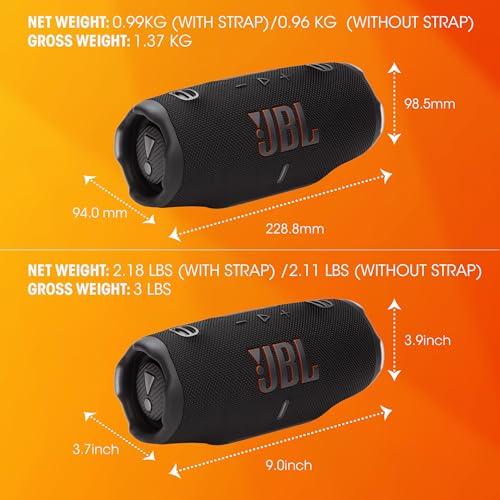
| 990g / 2.18 lbs (substantial but includes carrying strap) | 1.23 oz (ultra-lightweight, extremely portable) |
| Connectivity Options - Flexibility for different audio sources | |
| Bluetooth 5.4 + USB-C lossless audio (24-bit/192kHz) | Bluetooth 5.3 only (no wired audio input) |
| Multi-Speaker Features - Ability to expand your setup | |
| Auracast pairing with other JBL Charge 6 speakers | Stereo pairing with another LinkBuds unit |
| Smart Features - Modern conveniences beyond basic audio | |
| 7-band EQ, powerbank function, AI Sound Boost technology | Quick Access buttons, Auto Play scheduling, Auto Switch with LinkBuds earbuds |
| Sound Approach - Different philosophies for different needs | |
| Room-filling power with strong bass for group listening | Balanced personal audio with 360-degree dispersion |
| Best Use Cases - When each speaker truly excels | |
| Pool parties, camping, outdoor gatherings, home theater backup | Desk listening, bedside audio, podcast focus, smart home integration |
The JBL Charge 6 is significantly louder with 45W of total power output, making it capable of filling medium-sized rooms and outdoor spaces. The Sony LinkBuds has much lower power output and is designed for personal listening rather than room-filling volume. If you need a speaker for parties or group gatherings, the JBL Charge 6 is the clear choice.
The JBL Charge 6 delivers much deeper and more powerful bass, extending down to 56Hz with dual passive radiators that enhance low-frequency response. The Sony LinkBuds has more conservative bass tuning focused on clarity rather than depth. For music genres like hip-hop, rock, or electronic that rely on strong bass, the JBL Charge 6 is superior.
The JBL Charge 6 has full IP68 waterproof rating and can survive submersion up to 1.5 meters, making it perfect for pool parties and beach trips. The Sony LinkBuds only has IPX4 splash resistance, protecting against light water sprays but not submersion. For outdoor water activities, only the JBL Charge 6 is truly suitable.
Both speakers offer excellent battery life, with the JBL Charge 6 providing 24-28 hours of playback and the Sony LinkBuds offering 25 hours. The difference is minimal for most users. However, the JBL Charge 6 can also charge your phone or other devices, effectively extending your overall device usage time.
The JBL Charge 6 is much better suited for home theater use due to its higher power output and bass response. It can provide meaningful improvement over TV speakers, especially when paired with a second unit for stereo sound. The Sony LinkBuds is better for personal viewing on laptops or tablets rather than room-scale TV audio.
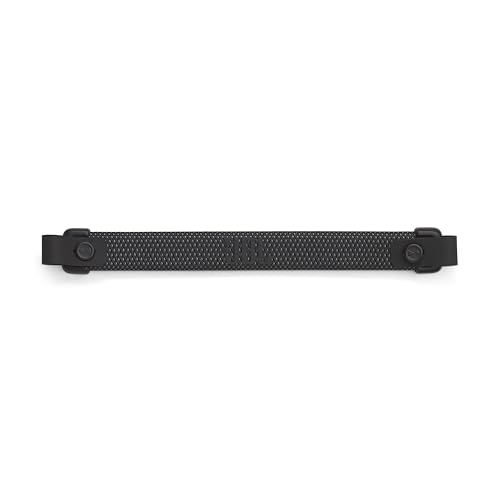
The Sony LinkBuds is extremely portable at just 1.23 ounces and includes a convenient charging dock. The JBL Charge 6 weighs 2.18 pounds but includes a carrying strap. For ultra-light travel or daily commuting, the Sony LinkBuds wins, but for versatile travel where you might need outdoor durability, the JBL Charge 6 is worth the extra weight.
Both offer good sound quality but with different strengths. The JBL Charge 6 excels with dynamic music that benefits from strong bass and high volume capability. The Sony LinkBuds provides excellent clarity and balance for vocals, podcasts, and acoustic music. Your music preferences should guide your choice between power and precision.
Both use modern Bluetooth with reliable connections. The JBL Charge 6 offers USB-C wired connection for lossless audio quality and can connect multiple speakers together. The Sony LinkBuds has smart features like Auto Switch that seamlessly moves audio between the speaker and Sony earbuds. Choose based on whether you want audio quality flexibility or smart ecosystem features.
The JBL Charge 6 offers more comprehensive sound customization with a 7-band graphic equalizer through the JBL app, allowing precise tuning across different frequencies. The Sony LinkBuds has a simpler 5-band EQ with Clear Bass adjustment. For audiophiles who like to tweak their sound, the JBL Charge 6 provides more control.
The JBL Charge 6 is designed specifically for outdoor use with IP68 waterproofing, drop-proof construction, and enough volume to work in open spaces. The Sony LinkBuds is primarily an indoor speaker with only splash resistance. For camping, beach trips, or pool parties, the JBL Charge 6 is the only practical choice.
The Sony LinkBuds is specifically designed for clear calls with echo cancellation and an acoustically isolated microphone. The JBL Charge 6 does not have a built-in microphone for hands-free calls. If you frequently take calls through your speaker, the Sony LinkBuds is the better option.
Value depends on your needs. The Sony LinkBuds offers excellent value for personal listening with smart features at a lower price point. The JBL Charge 6 costs more but provides versatility for multiple use cases, extreme durability, and powerbank functionality. If you need one speaker for various situations, the JBL Charge 6 offers better long-term value despite the higher upfront cost.
We've done our best to create useful and informative comparisons to help you decide what product to buy. Our research uses advanced automated methods to create this comparison and perfection is not possible - please contact us for corrections or questions. These are the sites we've researched in the creation of this article: rtings.com - youtube.com - stereoguide.com - whathifi.com - youtube.com - elomymelo.com - soundguys.com - elomymelo.com - wifihifi.com - soundguys.com - jbl.com - whathifi.com - soundguys.com - youtube.com - smarthomesounds.co.uk - jbl.com - sweetwater.com - youtube.com - bestbuy.com - jbl.com.sg - jbl.com - dell.com - ca.jbl.com - soundguys.com - soundguys.com - dell.com - tomsguide.com - helpguide.sony.net - hometechnologyreview.com - rtings.com - electronics.sony.com - hometechnologyreview.com - whathifi.com - sony.com - whathifi.com - soundguys.com - youtube.com - youtube.com - techradar.com - bestbuy.com - youtube.com - youtube.com - versus.com - rtings.com - sony.com - center.lv - youtube.com - youtube.com - sony.com - walmart.com - youtube.com - sony.com

Privacy Policy
Terms and Conditions - Affiliate Policy
Home Security
© Copyright 2008-2026.
11816 Inwood Rd #1211, Dallas, TX 75244