


When it comes to portable Bluetooth speakers, JBL has dominated the market for years with speakers that balance sound quality, durability, and features. But choosing between the JBL Charge 4 and JBL Flip 6 isn't straightforward—these speakers represent different philosophies in portable audio design, each excelling in distinct areas.
The portable speaker market has exploded over the past decade, transforming from basic wireless audio devices into sophisticated entertainment systems. Today's buyers expect more than just decent sound: they want speakers that can survive outdoor adventures, last through extended listening sessions, and integrate seamlessly with modern devices. Understanding what matters most in your specific situation will help you choose between these two excellent but different options.
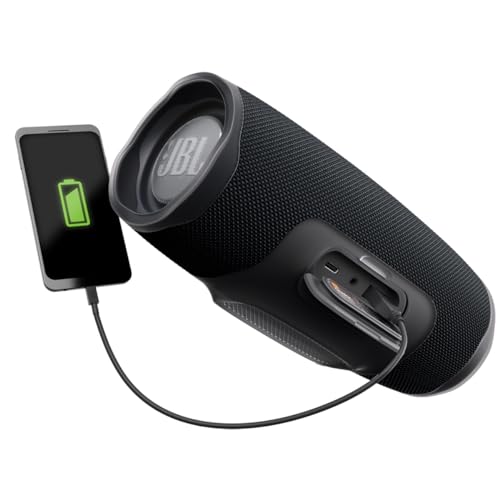
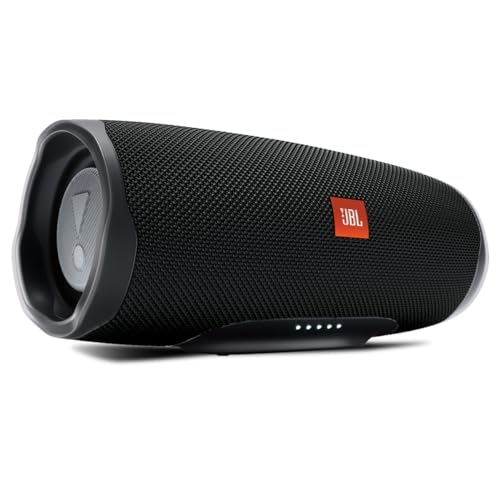
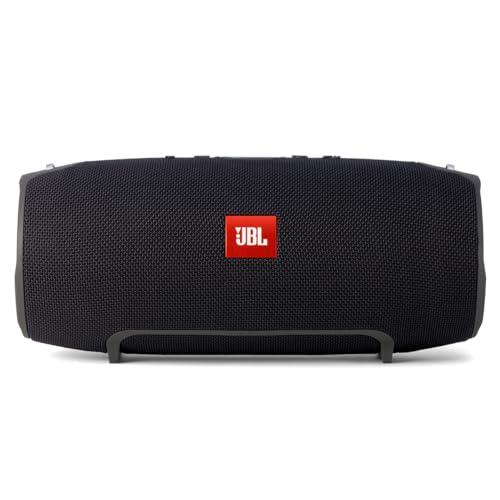
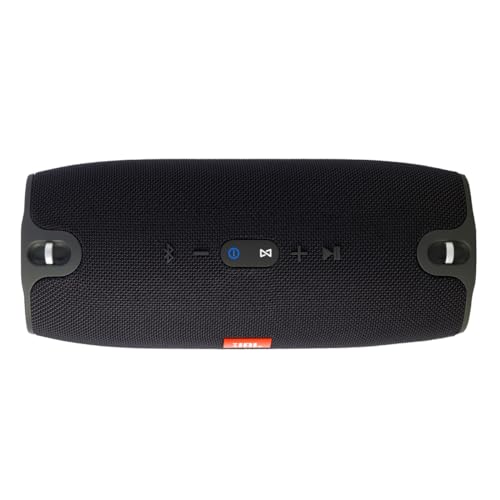
The JBL Charge 4, released in 2018, belongs to JBL's mid-size speaker category. It's built around the concept of extended use—think camping trips, beach days, or backyard parties where you need hours of music and the ability to keep your devices charged. At the time of writing, it typically sells for significantly less than its original launch price, making it an attractive value proposition for buyers seeking maximum battery life and utility features.
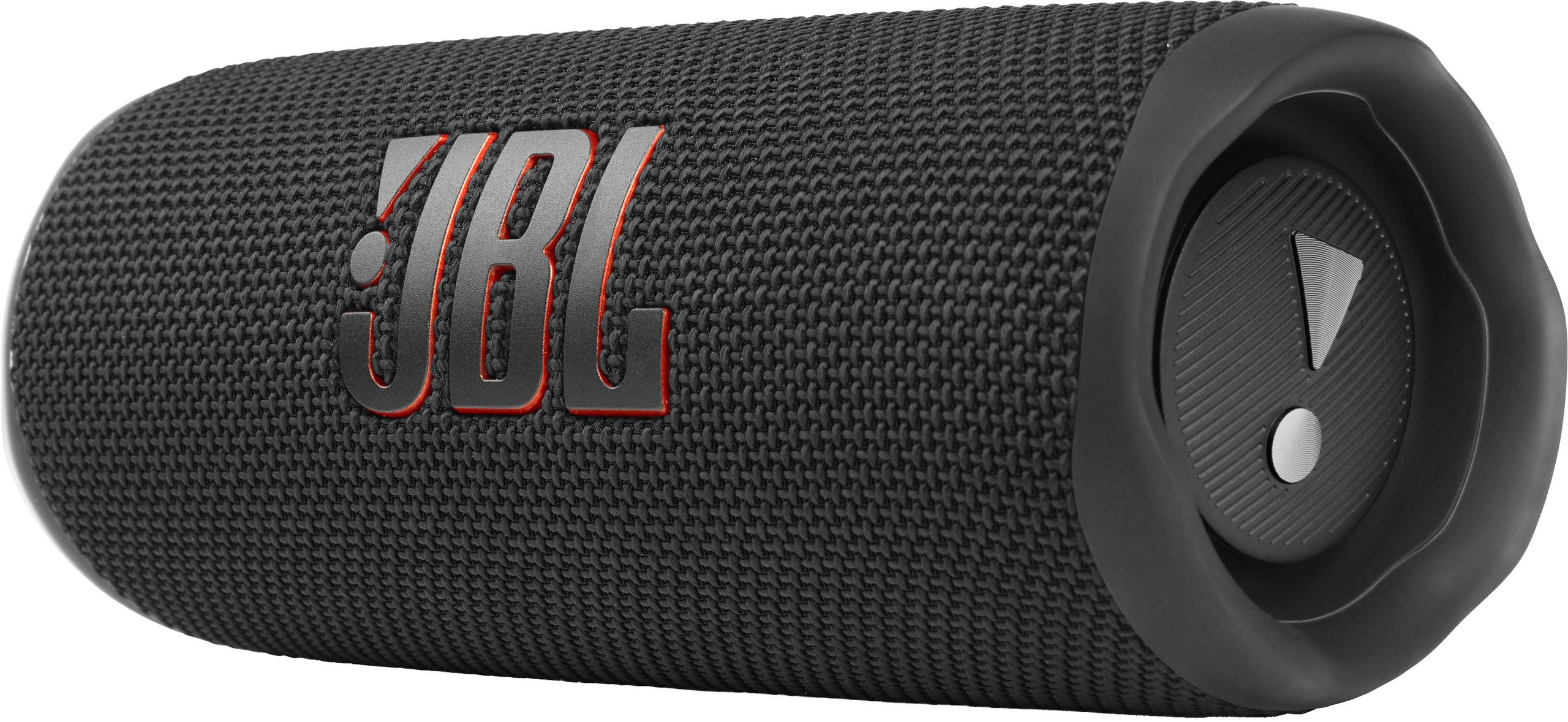
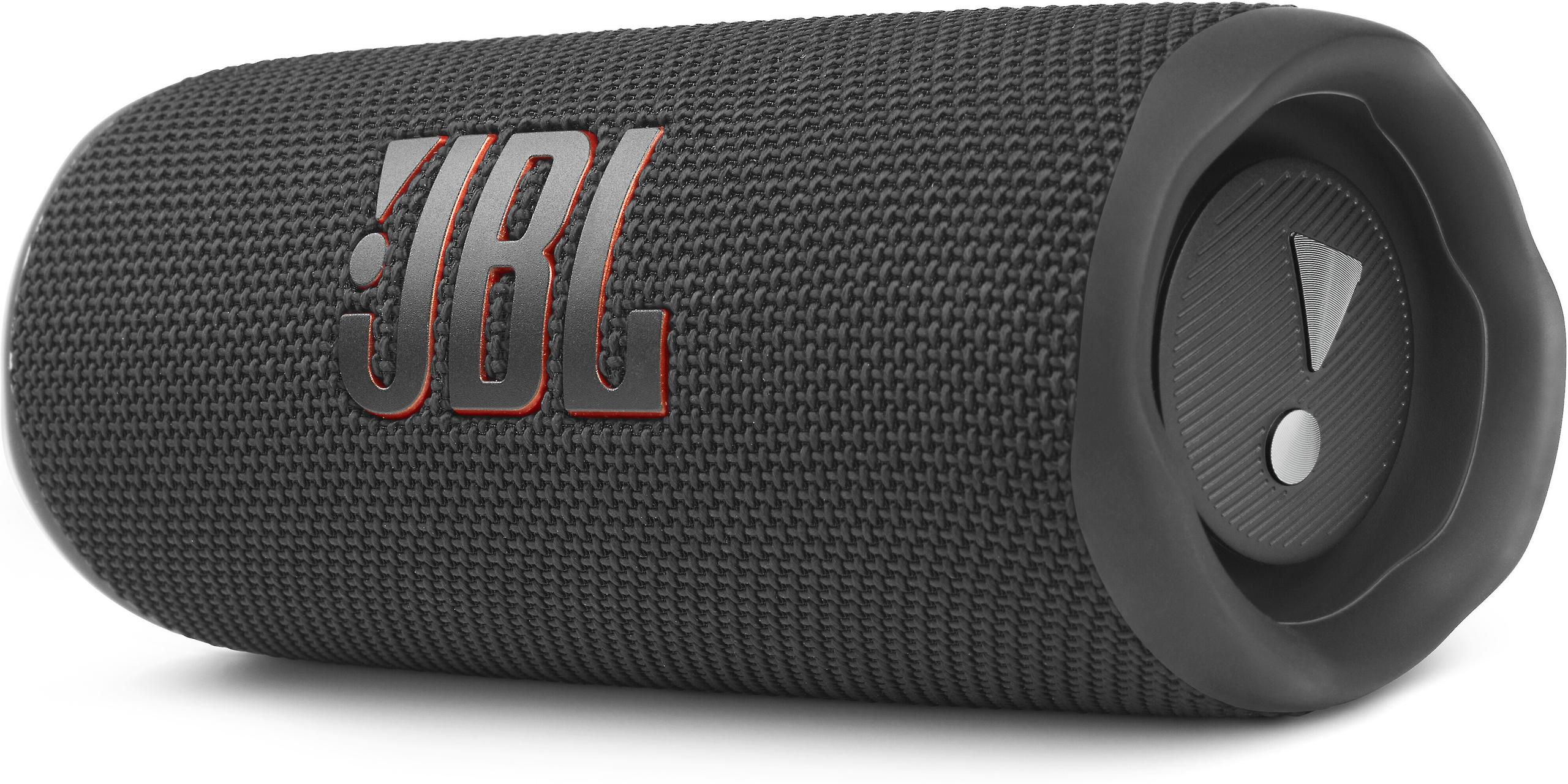
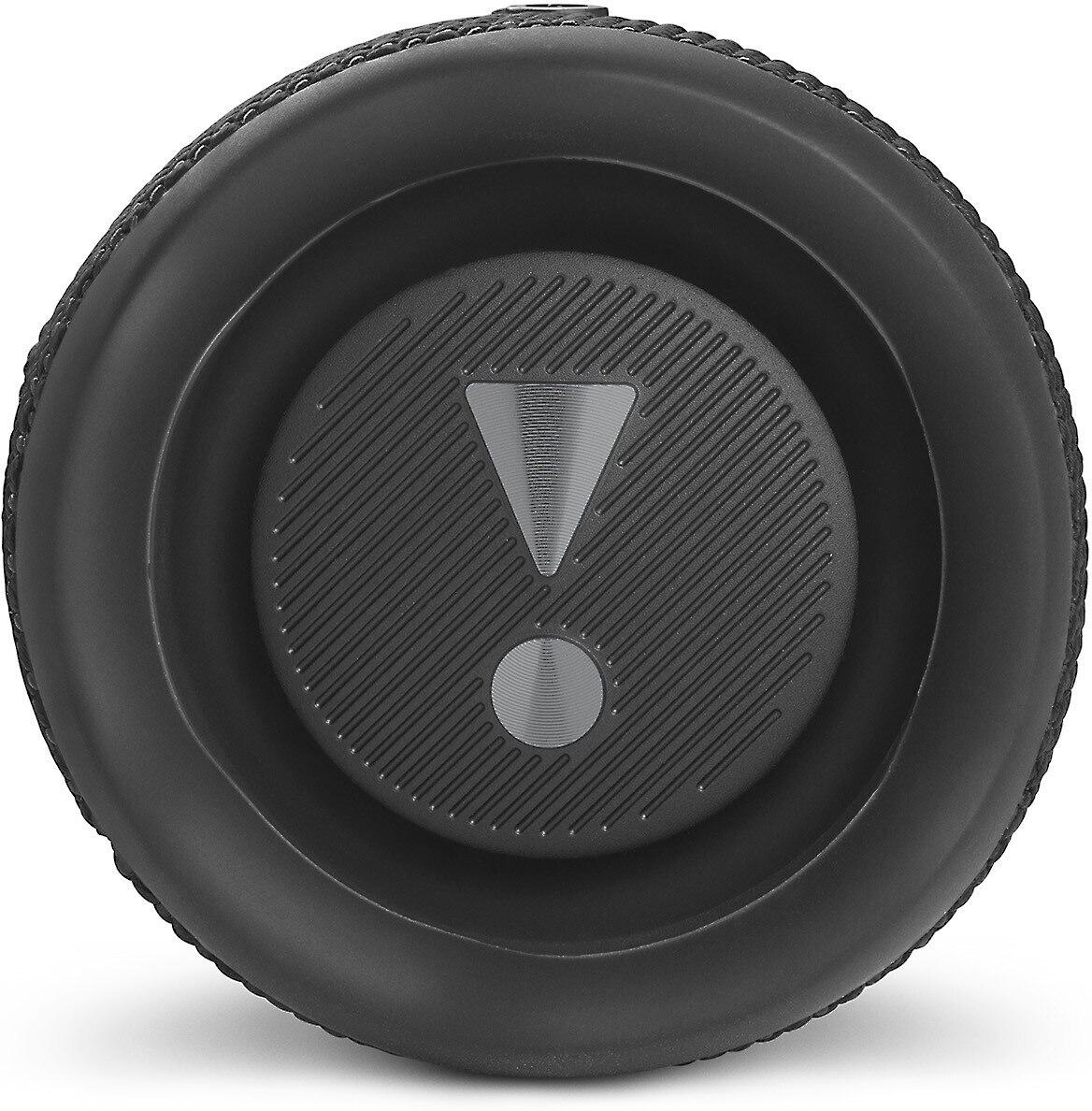
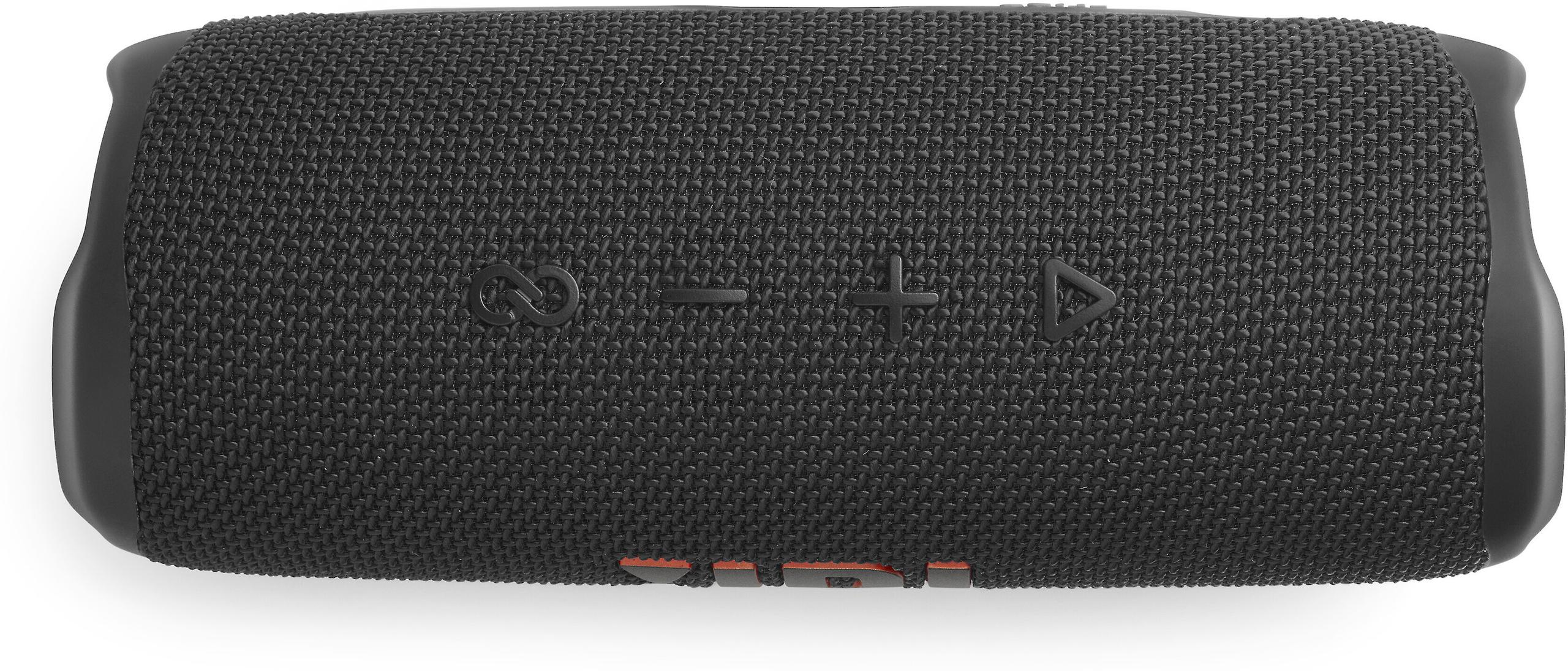
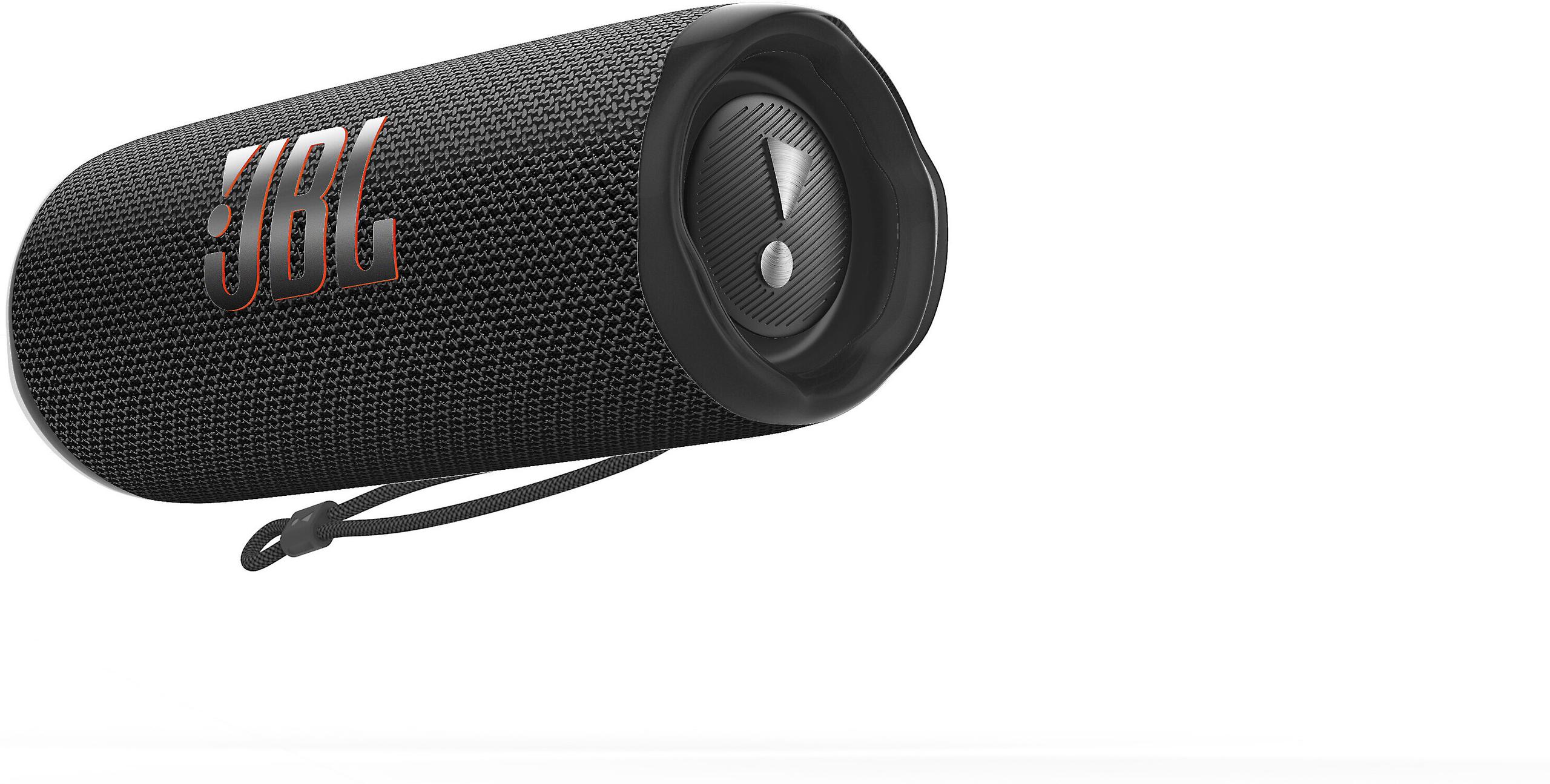
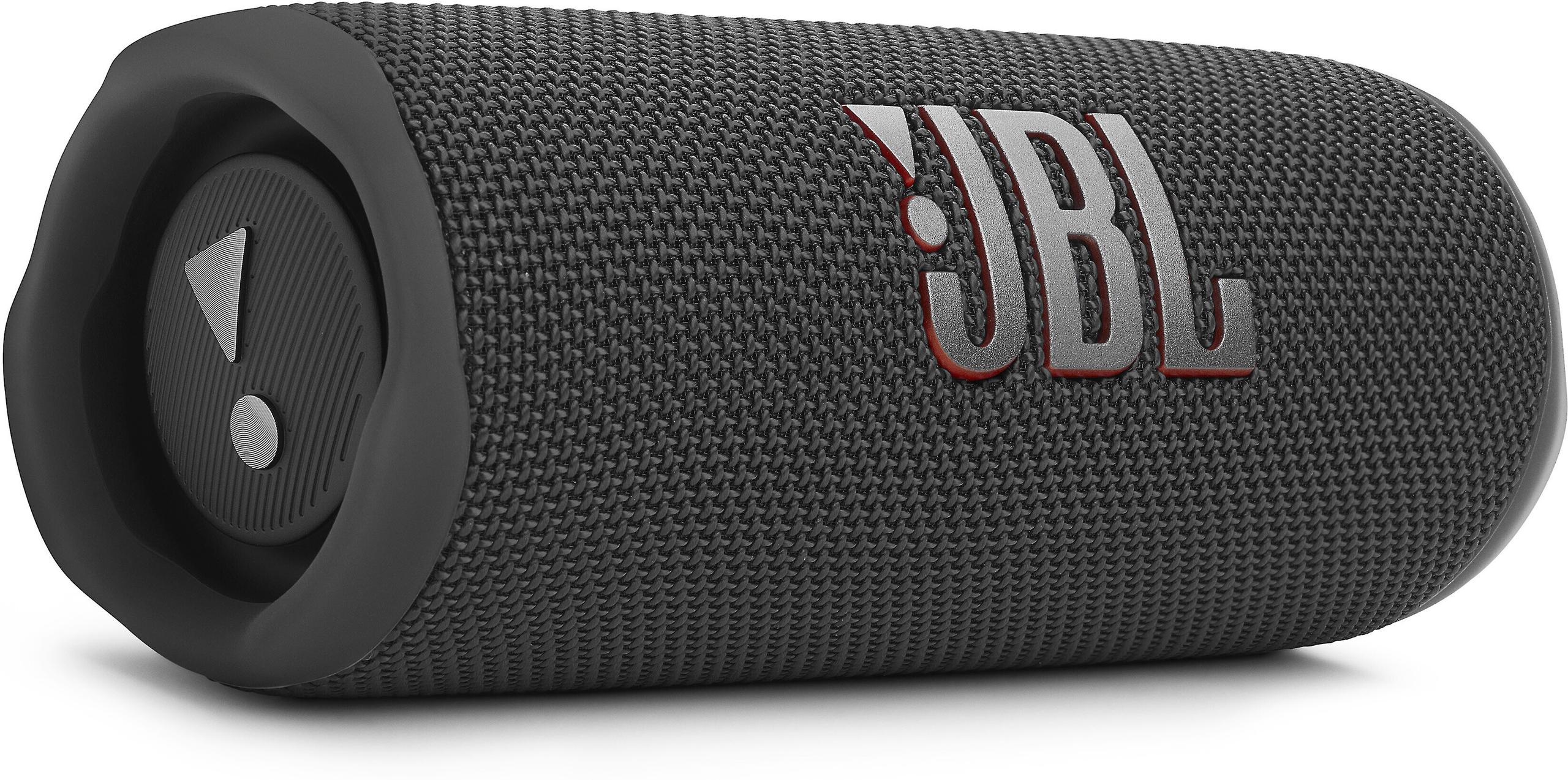
The JBL Flip 6, launched in 2022, represents JBL's modern take on compact portable audio. Despite being smaller and generally less expensive than the Charge 4, it incorporates four years of technological advancement. The Flip series has always focused on portability without sacrificing too much sound quality, and the Flip 6 pushes that concept further with refined engineering and modern connectivity.
The key difference in philosophy is clear: the Charge 4 prioritizes endurance and utility, while the Flip 6 emphasizes modern features and refined portability. Neither approach is inherently better—it depends entirely on how you plan to use your speaker.
The physical differences between these speakers are immediately obvious. The JBL Charge 4 is substantially larger and heavier, measuring about 8.7 inches long and weighing over two pounds. It's designed to sit somewhere and pump out music rather than travel constantly in a backpack or purse.
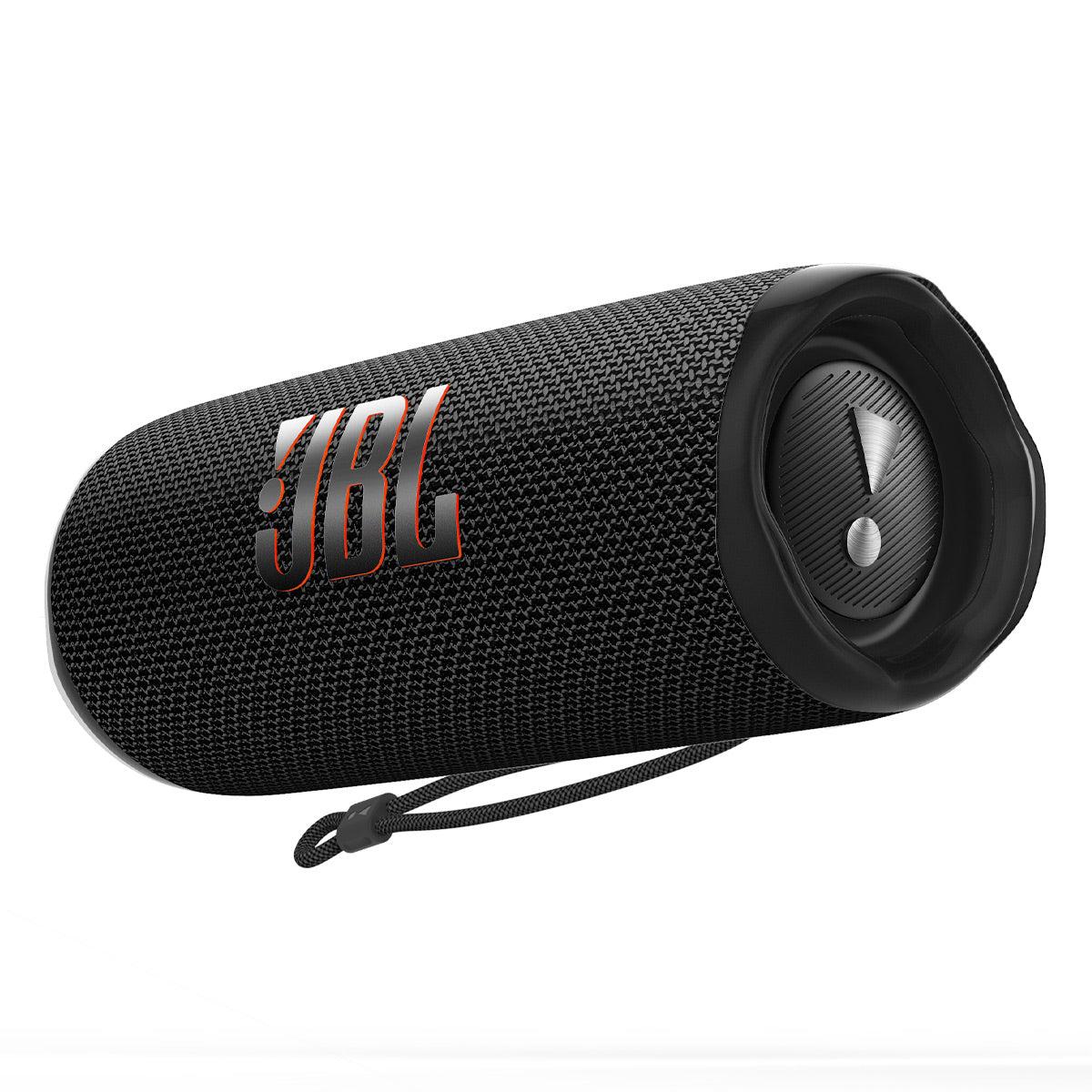
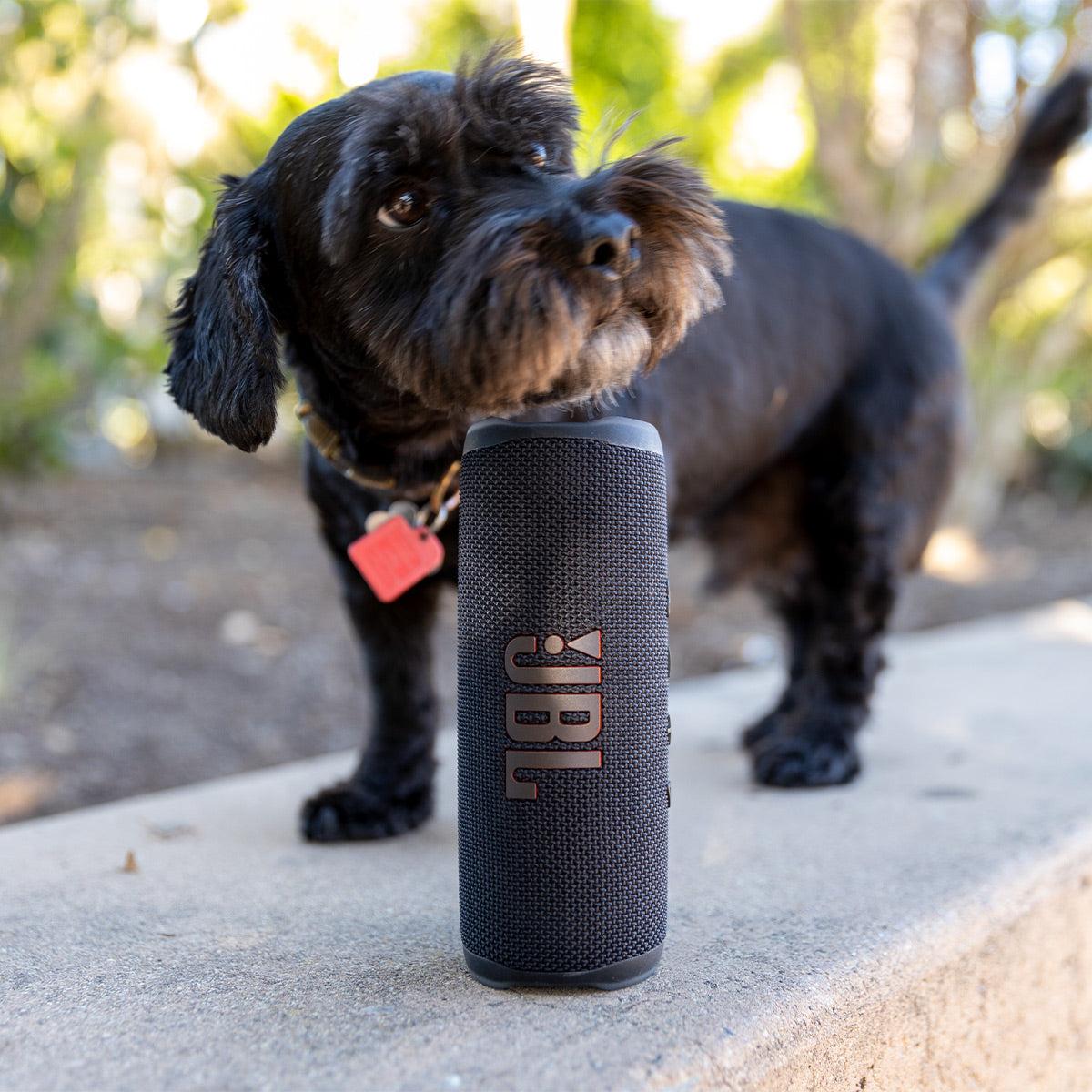
In contrast, the JBL Flip 6 is genuinely pocket-friendly—well, cargo pocket-friendly—at just seven inches long and weighing about 1.2 pounds. JBL includes a removable carrying strap, acknowledging that this speaker is meant to go everywhere with you. The size difference translates directly to portability: you'll barely notice the Flip 6 in a bag, while the Charge 4 requires dedicated space and planning.
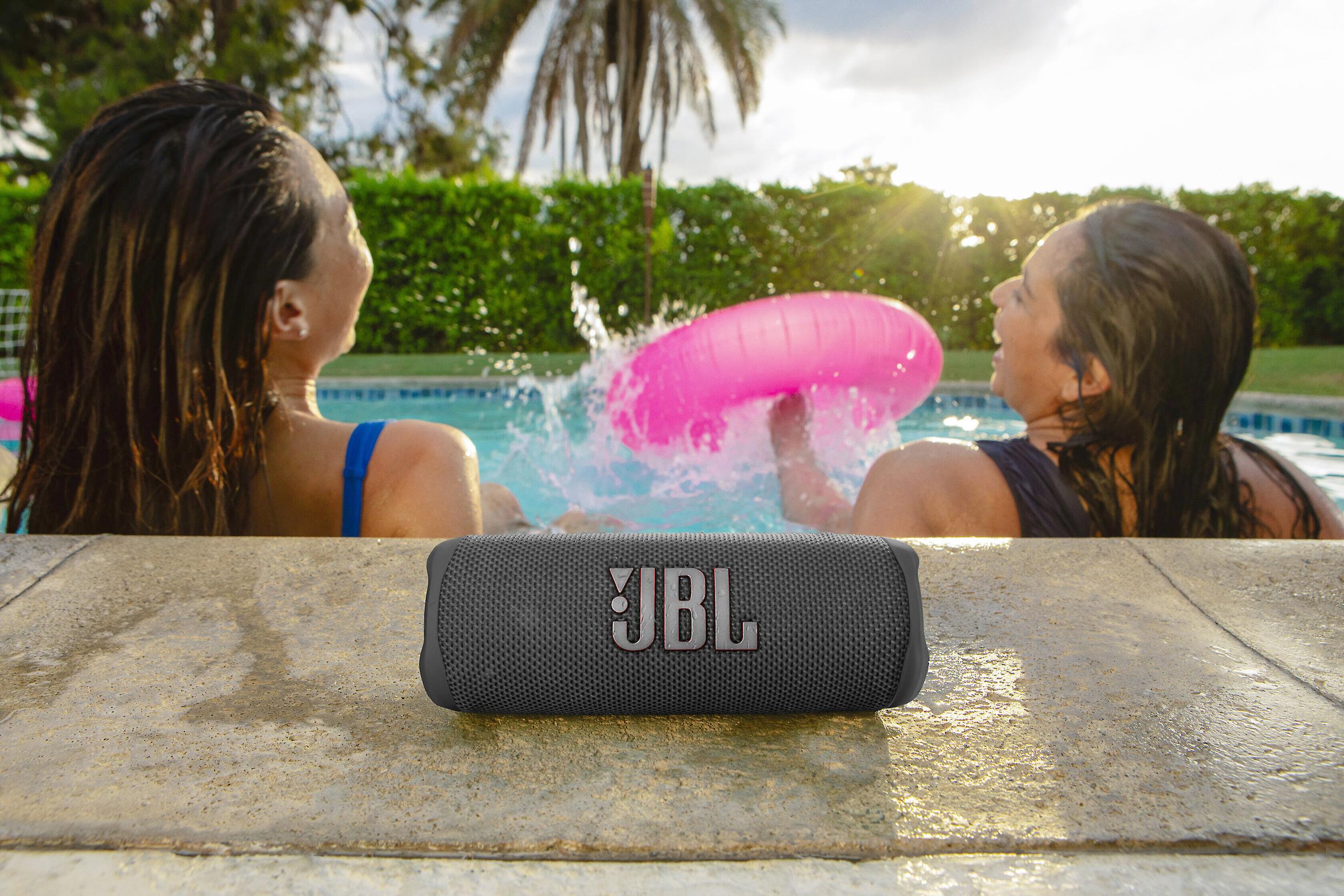
Both speakers feature robust construction, but their durability ratings differ in important ways. The Charge 4 carries an IPX7 waterproof rating, meaning it can survive being submerged in up to three feet of water for 30 minutes. That's excellent protection for poolside use or unexpected rain.
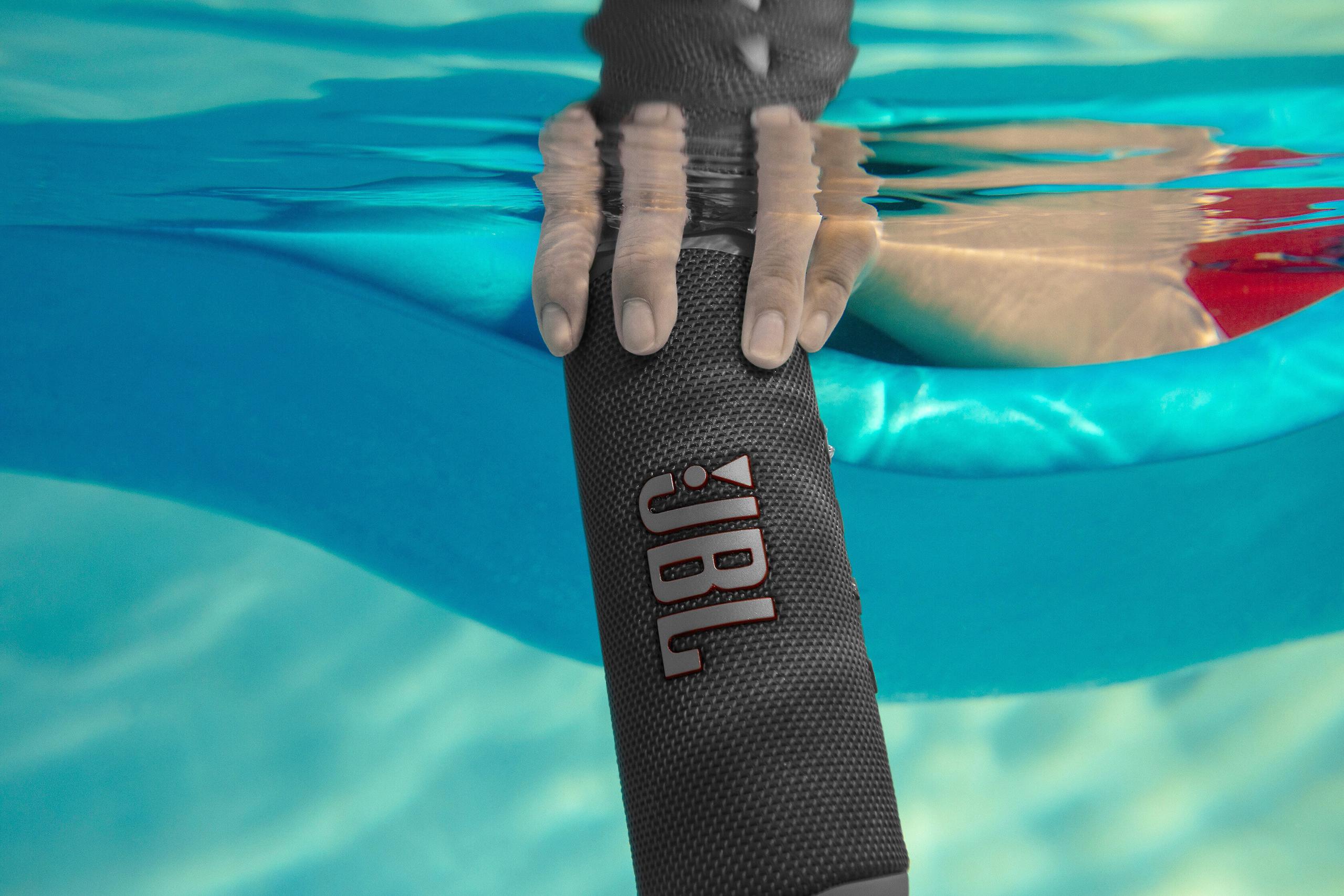
The Flip 6 ups the ante with IP67 rating—the same water protection plus dust resistance. That first "6" indicates complete dust protection, making it better suited for beach environments, camping in dusty conditions, or outdoor festivals where sand and dirt are concerns. In practical terms, both will handle typical outdoor mishaps just fine, but the Flip 6 offers slightly better all-around environmental protection.
Here's where things get technically interesting, and where the size difference really matters for sound quality. Audio reproduction in portable speakers is largely about managing physics within tight constraints—bigger drivers can move more air and typically produce more bass, while smaller speakers must rely on clever engineering to compete.
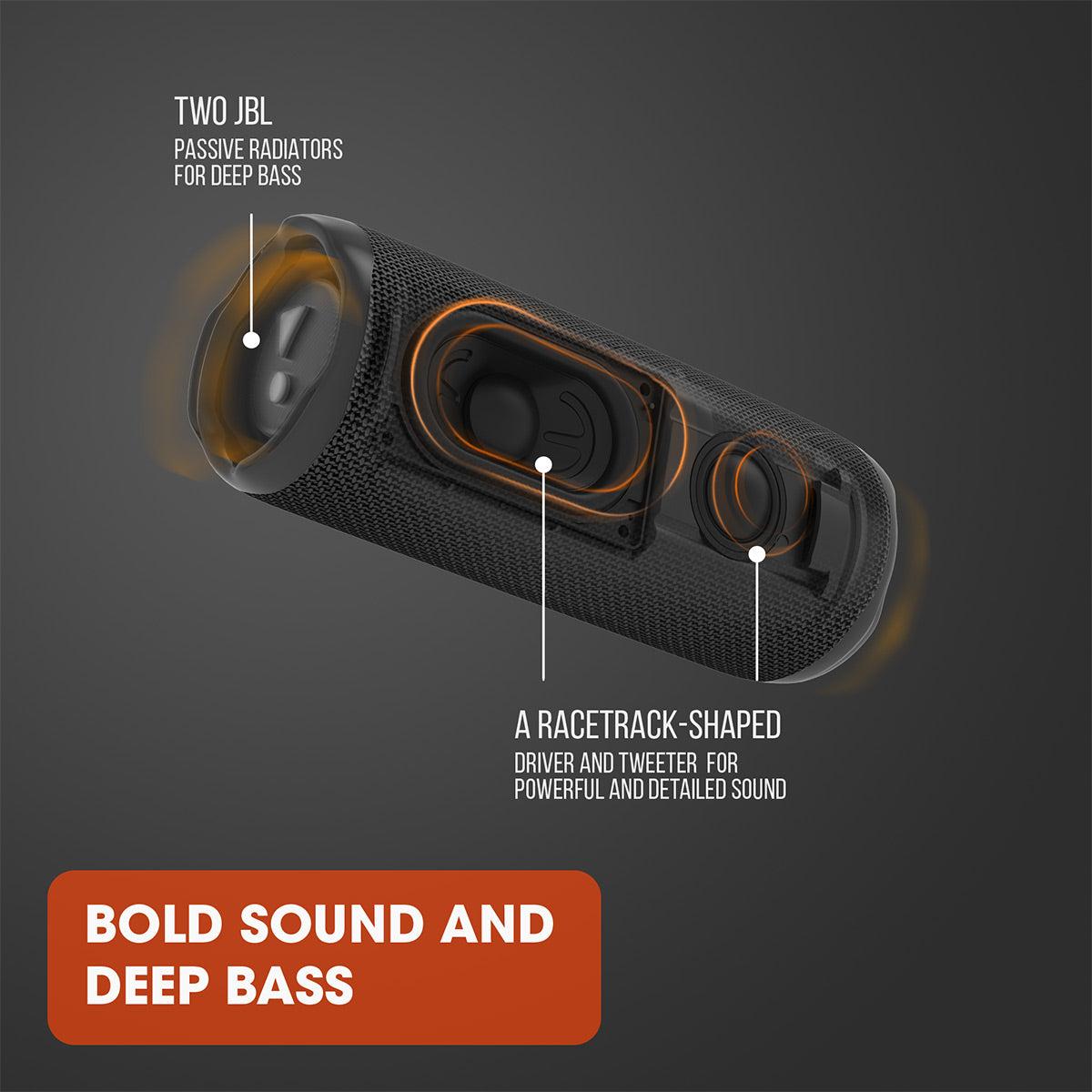
The JBL Charge 4 uses a single large proprietary driver measuring 50×90mm (that unusual oval shape is called a "racetrack" driver) paired with dual passive radiators. Passive radiators are essentially speakers without magnets—they vibrate in response to the air pressure changes created by the main driver, effectively extending bass response without requiring additional amplification.
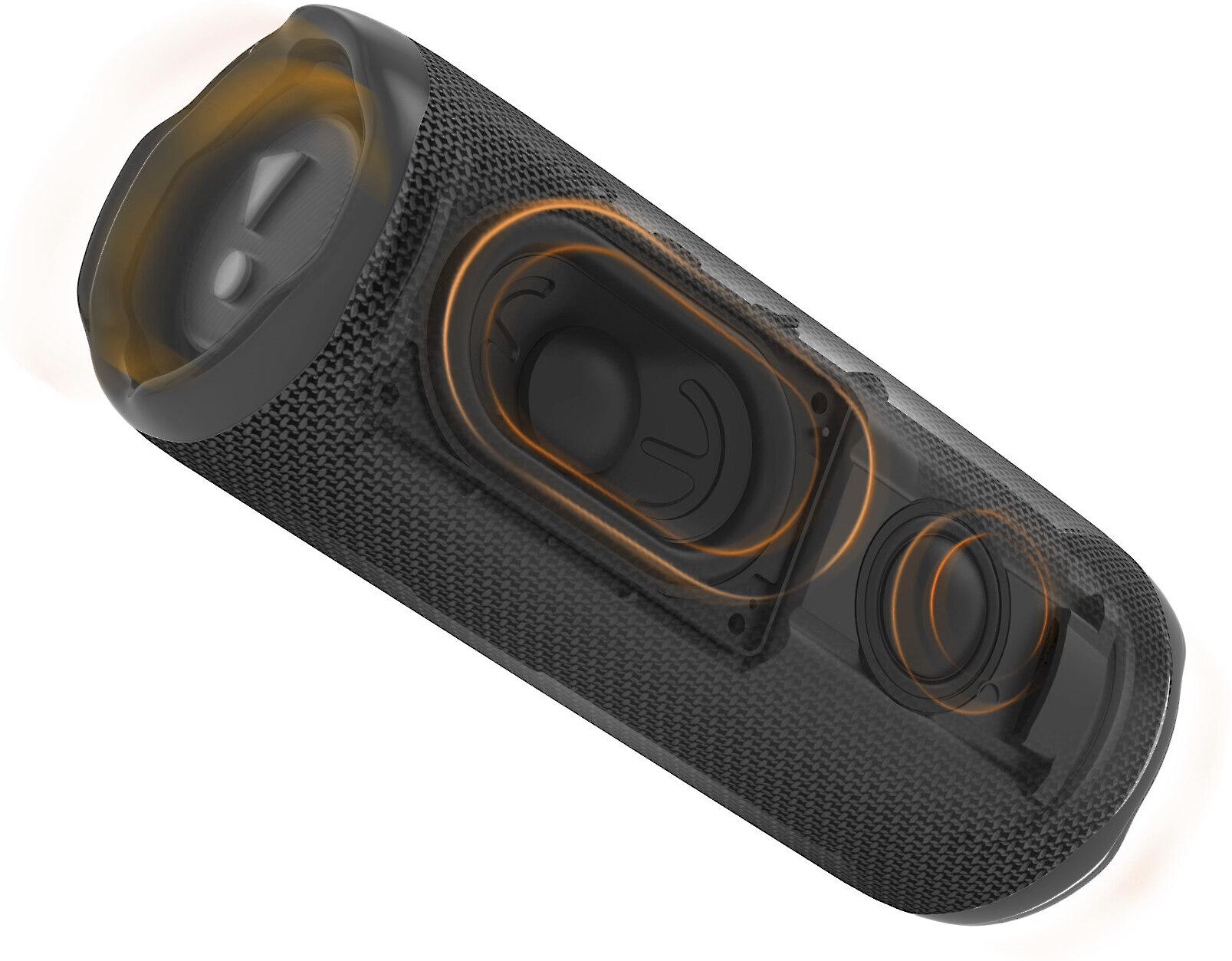
The JBL Flip 6 takes a more sophisticated approach with a true 2-way speaker system. It combines a 45×80mm woofer with a dedicated 16mm tweeter, plus dual passive radiators. This separation of duties—woofer handling bass and midrange, tweeter handling high frequencies—typically results in clearer, more detailed sound reproduction.
Having a dedicated tweeter (the small driver that handles high frequencies like cymbals, guitar harmonics, and vocal nuances) gives the Flip 6 a significant advantage in reproducing detail and clarity. The Charge 4 must rely on its single driver to handle everything from deep bass to high treble, which inevitably involves compromises.
Bass reproduction reveals the fundamental trade-off between these speakers. The Charge 4's larger driver and cabinet can physically move more air, resulting in deeper bass extension—you'll feel more of that satisfying thump in bass-heavy music like hip-hop or electronic genres. At higher volumes, the Charge 4 maintains cleaner bass performance with less compression, meaning the sound doesn't become muddy or distorted as easily.
The Flip 6 compensates for its size limitations through refined tuning. While it can't match the raw bass depth of the Charge 4, it delivers more balanced bass at moderate volumes. The passive radiators are carefully tuned to provide satisfying low-end punch without overwhelming the midrange frequencies where vocals and most instruments live.
For most listening situations—background music, casual outdoor use, small gatherings—the Flip 6's bass response is entirely adequate and arguably more appropriate. It won't rattle your chest, but it won't sound thin either.
The midrange frequencies (roughly 200Hz to 2kHz) contain most of the fundamental information in vocals and many instruments. This is where the Flip 6's 2-way design shows its advantages. By dedicating the tweeter to high frequencies, the woofer can focus on midrange reproduction without the compromises inherent in full-range designs.
Our research into professional reviews and user feedback consistently shows that the Flip 6 produces clearer vocals and better instrument separation. You can more easily distinguish individual elements in complex musical passages—the guitar riff doesn't disappear when the vocalist comes in, and background harmonies remain audible.
The Charge 4 struggles more in the upper midrange, with a notable dip around 4.5kHz that can make some vocals sound slightly recessed or distant. High-frequency extension also suffers without a dedicated tweeter, leading to less sparkle and detail in cymbals, acoustic guitar strings, and other treble-heavy elements.
Both speakers officially output 30W RMS, but they handle volume differently. The Charge 4's larger drivers and cabinet allow it to play louder with less distortion, making it better suited for larger outdoor spaces or situations where you need to compete with ambient noise.
The Flip 6 reaches its physical limits sooner—push it to maximum volume and you'll hear compression and distortion that the Charge 4 avoids. However, for typical listening levels, the Flip 6 actually sounds more balanced and controlled.
Battery performance represents perhaps the starkest difference between these speakers. The JBL Charge 4 packs a massive 7500mAh battery that delivers up to 20 hours of playback—genuinely all-day performance that can handle weekend camping trips or long beach days without anxiety about finding power.
The Flip 6 offers 12 hours of playback from its smaller 4800mAh battery, which is respectable but clearly positions it for different use cases. Twelve hours covers most daily activities, commutes, or evening gatherings, but falls short for extended outdoor adventures.
Charging times favor the Flip 6 at 2.5 hours versus the Charge 4's 4-hour charging requirement. Both use USB-C charging, but the Charge 4 requires higher current due to its larger battery capacity.
The Charge 4's unique power bank functionality sets it apart from most portable speakers. That USB-A output port can charge your phone, tablet, or other devices at up to 2A current. During extended outdoor activities, this dual-purpose design eliminates the need for separate power banks—your speaker becomes part of your device charging strategy.
The Flip 6 lacks this feature entirely, focusing instead on optimizing its own power consumption and charging speed.
The four-year gap between these speakers' releases becomes apparent in their connectivity and smart features. The JBL Charge 4 uses Bluetooth 4.2, which was standard in 2018 but feels dated now. It's perfectly functional for basic audio streaming, but lacks the improved stability and range of newer Bluetooth versions.
The JBL Flip 6 features Bluetooth 5.1, offering better connection stability, improved range, and lower power consumption. In practical terms, you'll experience fewer dropouts and can maintain connection at greater distances from your source device.
Audio input options differ significantly. The Charge 4 includes a 3.5mm AUX input, allowing wired connections to devices without Bluetooth or situations where you want to preserve phone battery. This might seem minor, but it's genuinely useful for connecting older devices or maintaining audio quality in electrically noisy environments.
The Flip 6 eliminates the AUX input entirely, reflecting the modern assumption that everything connects wirelessly. This decision saves space and maintains water resistance, but removes flexibility for users who occasionally need wired connections.
App integration reveals another generational difference. The Charge 4 works with JBL's basic app for speaker pairing and firmware updates, but offers no sound customization. The Flip 6 includes full graphic EQ functionality through the JBL Portable app, allowing users to adjust bass, midrange, and treble to their preferences or room acoustics.
This EQ capability shouldn't be underestimated—it effectively allows you to tune the Flip 6 for different music genres or listening environments. Want more bass for electronic music? Boost the low frequencies. Listening to podcasts? Enhance the midrange for clearer speech. The Charge 4 gives you no such flexibility.
Both speakers support multi-speaker pairing, but use different systems that aren't compatible with each other. The Charge 4 uses JBL Connect+, which works with over 100 older JBL speakers—useful if you already own JBL speakers or find deals on older models. The Flip 6 uses the newer PartyBoost system, which currently works with fewer speakers but represents JBL's future direction.
While neither speaker is designed specifically for home theater use, they can serve as simple TV audio upgrades in small spaces like dorm rooms or apartments. The Charge 4's AUX input makes it easy to connect to TV headphone outputs, and its larger drivers provide more substantial dialogue clarity and background music presence.
The Flip 6's Bluetooth 5.1 offers lower latency for wireless TV connections, reducing the annoying sync issues where audio lags behind video. However, its smaller size limits its effectiveness for anything beyond basic TV audio enhancement in very small rooms.
For serious home theater applications, both speakers fall short of dedicated soundbars or bookshelf speakers, but they can certainly improve upon built-in TV speakers in casual viewing situations.
At the time of writing, both speakers offer compelling value propositions, though in different ways. The JBL Charge 4 typically sells for significantly less than its original price while offering premium features like the power bank functionality and extended battery life that competing speakers often lack.
The JBL Flip 6 commands a price premium for its modern features and refined engineering, but that premium buys you genuinely better sound quality, current-generation connectivity, and ongoing software support. It's also more likely to remain compatible with future devices and standards.
For budget-conscious buyers, the Charge 4 often represents better raw value—more speaker for less money, especially if you prioritize battery life and utility features over the latest connectivity standards.
After extensive research into expert reviews and user experiences, clear usage patterns emerge for each speaker.
Choose the JBL Charge 4 if:
Choose the JBL Flip 6 if:
The JBL Flip 6 is the better all-around speaker for most people. Its modern features, superior portability, and refined sound quality make it more versatile for daily use. However, the Charge 4 remains the champion for extended outdoor adventures where its massive battery life and power bank functionality provide genuinely useful advantages that the Flip 6 simply cannot match.
Consider your typical listening scenarios carefully. If you're usually within 12 hours of a charging source and value portability, the Flip 6 is the smarter choice. If you regularly find yourself in situations where 20-hour battery life and device charging capability would be genuinely useful, the Charge 4 delivers unique value that's hard to find elsewhere in this price range.
Both speakers represent solid engineering from a respected audio brand, but they're optimized for fundamentally different use cases. Your lifestyle and priorities should drive the decision more than raw specifications or price alone.
| JBL Charge 4 | JBL Flip 6 |
|---|---|
| Release Year & Technology Generation - Affects connectivity and app features | |
| 2018 release with older Bluetooth 4.2 | 2022 release with modern Bluetooth 5.1 |
| Size & Weight - Critical for daily portability | |
| 220×95×93mm, 965g (requires dedicated bag space) | 178×68×72mm, 550g (fits in most bags easily) |
| Driver Configuration - Determines sound quality and detail | |
| Single 50×90mm driver (no dedicated tweeter) | 2-way system: woofer + dedicated 16mm tweeter |
| Water & Dust Protection - Important for outdoor durability | |
| IPX7 waterproof only (submersible to 1 meter) | IP67 waterproof + dustproof (better all-around protection) |
| Battery Life - Key differentiator for extended use | |
| Up to 20 hours (ideal for camping/festivals) | Up to 12 hours (sufficient for daily use) |
| Power Bank Function - Unique utility feature | |
| Yes, USB-A output charges devices (5V/2A) | No power bank capability |
| Audio Inputs - Flexibility for different devices | |
| 3.5mm AUX input + Bluetooth | Bluetooth only (no wired option) |
| App Features & Sound Customization - Modern convenience | |
| Basic app, no EQ adjustment | Full graphic EQ through JBL Portable app |
| Multi-Speaker Pairing - Party and stereo capabilities | |
| JBL Connect+ (works with 100+ older JBL speakers) | PartyBoost (newer standard, fewer compatible models) |
| Charging Time - Convenience for daily use | |
| 4 hours (due to larger 7500mAh battery) | 2.5 hours (smaller 4800mAh battery) |
| Sound Character - Bass vs. balanced performance | |
| Deeper bass, larger sound, better at high volumes | More balanced, clearer highs, detailed midrange |
Both speakers are excellent for outdoor use, but they serve different purposes. The JBL Charge 4 is better for extended outdoor adventures like camping or beach trips thanks to its 20-hour battery life and power bank function to charge your devices. The JBL Flip 6 is better for daily outdoor activities due to its superior portability and IP67 rating that protects against both water and dust. Choose the Charge 4 for long trips, or the Flip 6 for frequent transport.
The JBL Flip 6 offers more balanced, detailed sound thanks to its 2-way speaker system with a dedicated tweeter for clear highs and vocals. The JBL Charge 4 produces deeper bass and can play louder without distortion due to its larger driver and cabinet. For most music genres, the Flip 6 sounds more refined, while the Charge 4 is better for bass-heavy music and larger spaces.
The JBL Charge 4 significantly outperforms the Flip 6 with up to 20 hours of playback versus 12 hours. The Charge 4 also functions as a power bank to charge your phone or tablet, making it ideal for extended use without access to power outlets. However, the JBL Flip 6 charges faster at 2.5 hours compared to 4 hours for the Charge 4.
Both speakers are waterproof, but with different levels of protection. The JBL Charge 4 has IPX7 rating, meaning it can be submerged in up to 1 meter of water for 30 minutes. The JBL Flip 6 has IP67 rating, offering the same water protection plus complete dust resistance. For beach or dusty environments, the Flip 6 provides better overall protection.
The JBL Flip 6 is significantly more portable, weighing 550g compared to the Charge 4's 965g. The Flip 6 is also much smaller and includes a removable carrying strap. You can easily carry the JBL Flip 6 in most bags, while the Charge 4 requires dedicated space and planning for transport.
The JBL Flip 6 includes a full graphic EQ through the JBL Portable app, allowing you to adjust bass, midrange, and treble to your preferences. The JBL Charge 4 has only basic app functionality with no sound customization options. If you want to tune your speaker for different music genres or environments, the Flip 6 is the clear choice.
The JBL Charge 4 produces deeper, more powerful bass due to its larger driver and cabinet size. It maintains cleaner bass performance at higher volumes without compression. The JBL Flip 6 offers more balanced bass that doesn't overpower vocals and midrange frequencies. For bass-heavy music like hip-hop or electronic, the Charge 4 is superior, while the Flip 6 works better for varied music genres.
The JBL Charge 4 includes a 3.5mm AUX input for wired connections to phones, laptops, or other devices. The JBL Flip 6 only supports Bluetooth connectivity with no AUX input option. If you need wired audio connections for older devices or to save phone battery, the Charge 4 is more versatile.
The JBL Flip 6 uses modern Bluetooth 5.1 for better connection stability and range, while the JBL Charge 4 uses older Bluetooth 4.2. Both can connect to two devices simultaneously for easy switching between phones or tablets. The Flip 6 offers superior wireless performance, but the Charge 4 adds wired connectivity options.
Both speakers support multi-speaker pairing but use different systems. The JBL Charge 4 uses Connect+ technology, compatible with over 100 older JBL speakers. The JBL Flip 6 uses the newer PartyBoost system, which works with fewer models currently but represents JBL's future direction. Neither system is compatible with the other.
Value depends on your priorities. The JBL Charge 4 typically offers more features per dollar, including longer battery life, power bank functionality, and AUX input. The JBL Flip 6 costs more but provides modern connectivity, sound customization, and superior portability. Choose the Charge 4 for maximum utility, or the Flip 6 for current technology and convenience.
For home use, the JBL Flip 6 is generally better due to its more balanced sound, app-based EQ for room tuning, and modern Bluetooth connectivity. The JBL Charge 4 works well if you want deeper bass or plan to use the AUX input for TV connections. However, neither speaker is designed for serious home theater use—consider dedicated bookshelf speakers or soundbars for primary home audio systems.
We've done our best to create useful and informative comparisons to help you decide what product to buy. Our research uses advanced automated methods to create this comparison and perfection is not possible - please contact us for corrections or questions. These are the sites we've researched in the creation of this article: rtings.com - whathifi.com - whathifi.com - soundguys.com - soundguys.com - streamtechreviews.com - youtube.com - versus.com - applevis.com - versus.com - jbl.com - jbl.com - walmart.com - comparisontabl.es - harmanaudio.com - manuals.plus - jbl.com.sg - jbl.com - mm.jbl.com - bestbuy.com - newpower99.com - forums.woot.com - techradar.com - phonearena.com - youtube.com - tomsguide.com - outeraudio.com - wcucampusstore.com - jbl.com.sg - pcrichard.com - kh.jbl.com - musicarts.com - jbl.com - cnet.com - youtube.com

Privacy Policy
Terms and Conditions - Affiliate Policy
Home Security
© Copyright 2008-2026.
11816 Inwood Rd #1211, Dallas, TX 75244