




Portable Bluetooth speakers have become one of those essential tech items that somehow end up everywhere—from backyard barbecues to bedroom nightstands. But choosing the right one isn't as straightforward as it might seem. The JBL Charge 6 and Marshall Stockwell II represent two distinct philosophies in portable audio, and understanding their differences can save you from buyer's remorse.
At the time of writing, these speakers sit in similar price ranges but approach portable audio from completely different angles. The JBL Charge 6, released in 2024, embodies the modern "go anywhere, do anything" mentality with serious waterproofing and extended battery life. The Marshall Stockwell II, launched back in 2019, takes a more traditional hi-fi approach with genuine stereo sound and analog controls that audio enthusiasts appreciate.
Before diving into specifics, it's worth understanding what makes a portable speaker actually good. Unlike your home stereo system, portable speakers face unique challenges: they need to sound decent despite tiny drivers, survive being tossed around, and run for hours on battery power.
The most critical performance metric is frequency response—essentially, how well a speaker reproduces different pitches from deep bass to crisp treble. Most portable speakers struggle with bass because producing low frequencies requires moving a lot of air, which typically needs large drivers and lots of power. That's why many small speakers sound thin or tinny.
Power output, measured in watts RMS (Root Mean Square), tells you how loud a speaker can get cleanly. But raw wattage doesn't tell the whole story—speaker efficiency, driver quality, and internal amplifier design all affect real-world performance. A well-designed 20-watt speaker can sometimes outperform a poorly designed 40-watt one.
Driver configuration matters too. Most portable speakers use either a single full-range driver (handling all frequencies) or separate woofers (for bass) and tweeters (for treble). True stereo speakers have multiple drivers positioned to create a sense of space and instrument separation that mono speakers simply can't match.
The JBL Charge 6 and Marshall Stockwell II represent fundamentally different design philosophies, and this shapes everything from their sound signature to their ideal use cases.
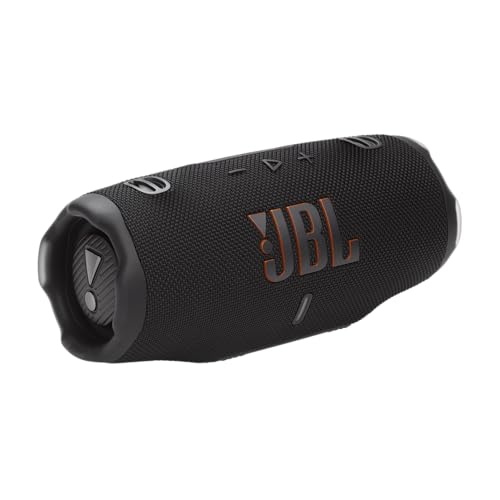
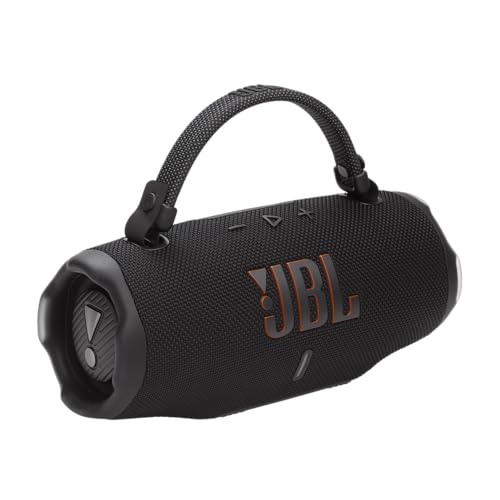
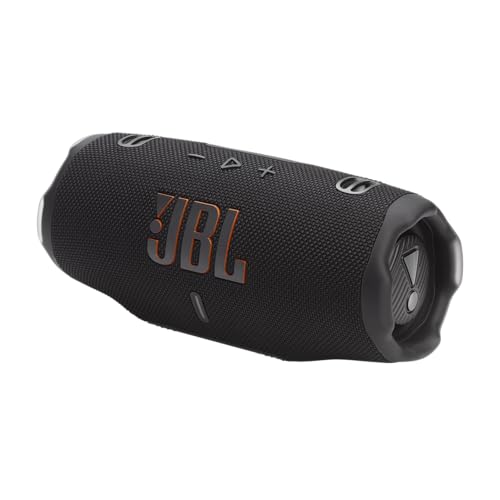
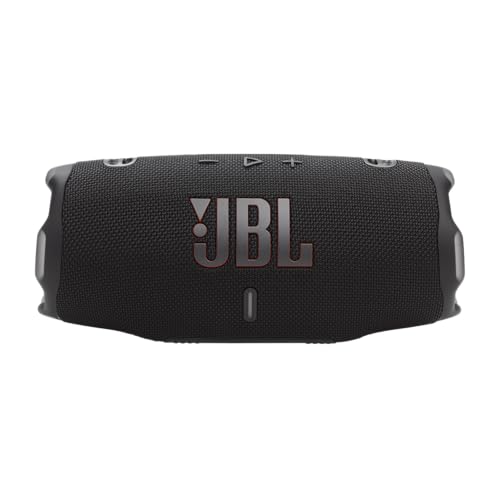
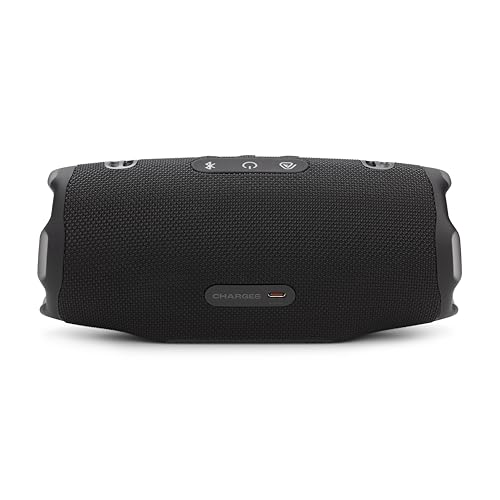
JBL built the Charge 6 as the ultimate outdoor companion. Everything about its design screams durability and convenience—from the IP68 waterproof rating (meaning it can be fully submerged) to the rugged fabric exterior that can handle being dropped on concrete. This speaker prioritizes practicality over audiophile refinement, targeting users who want their music to follow them anywhere without worry.
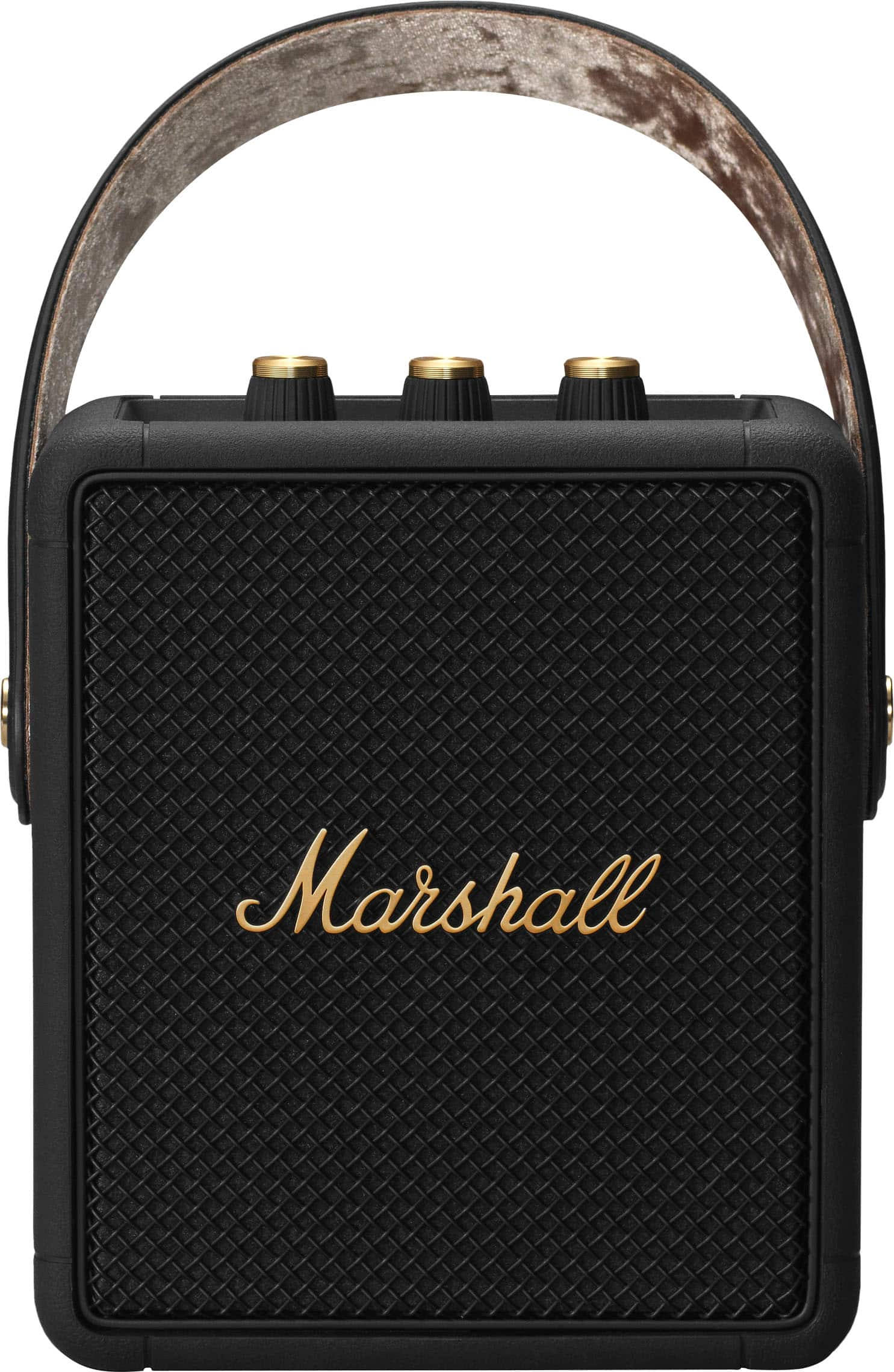
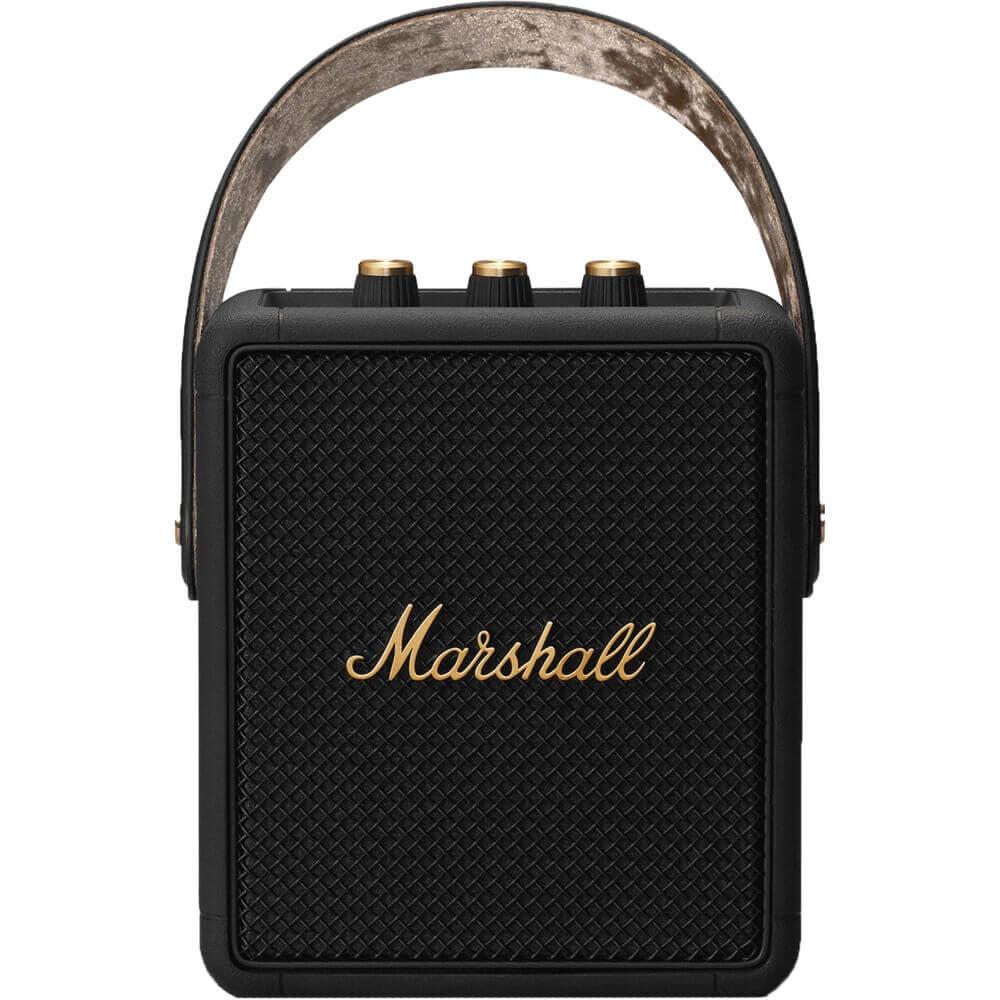
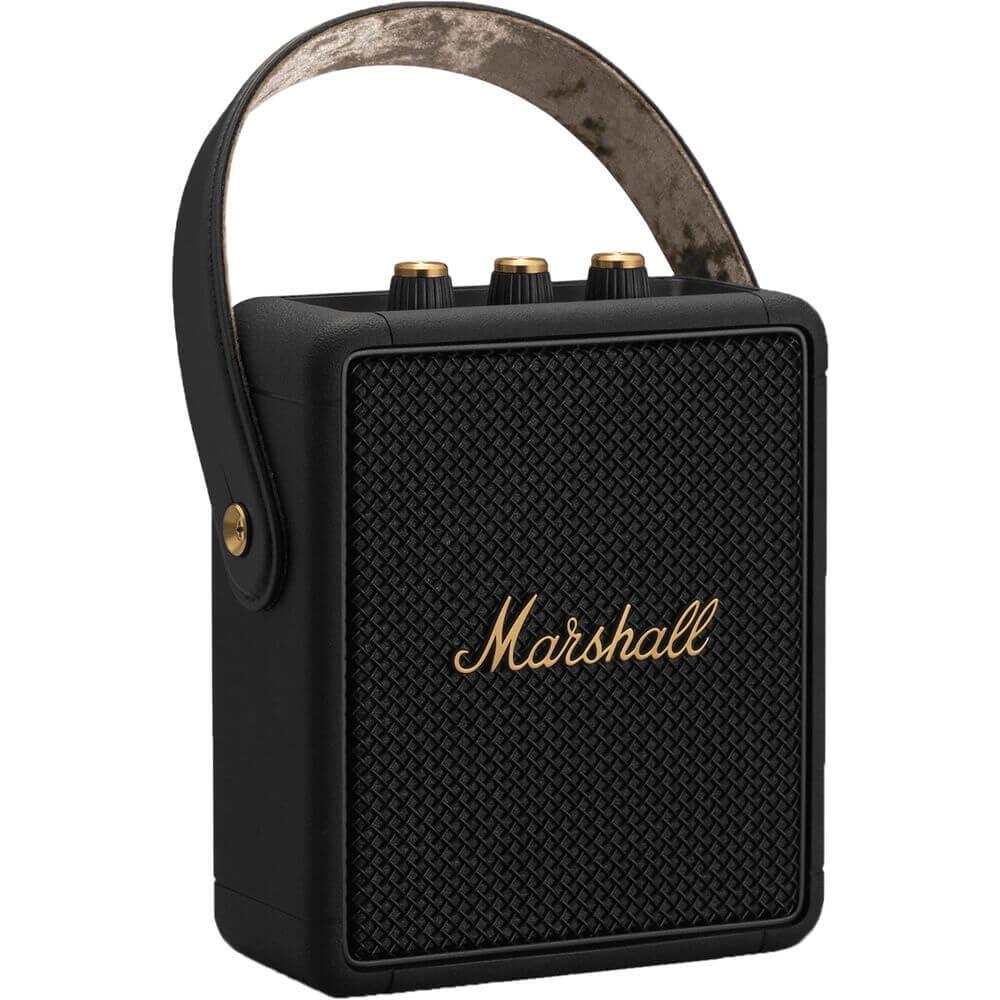
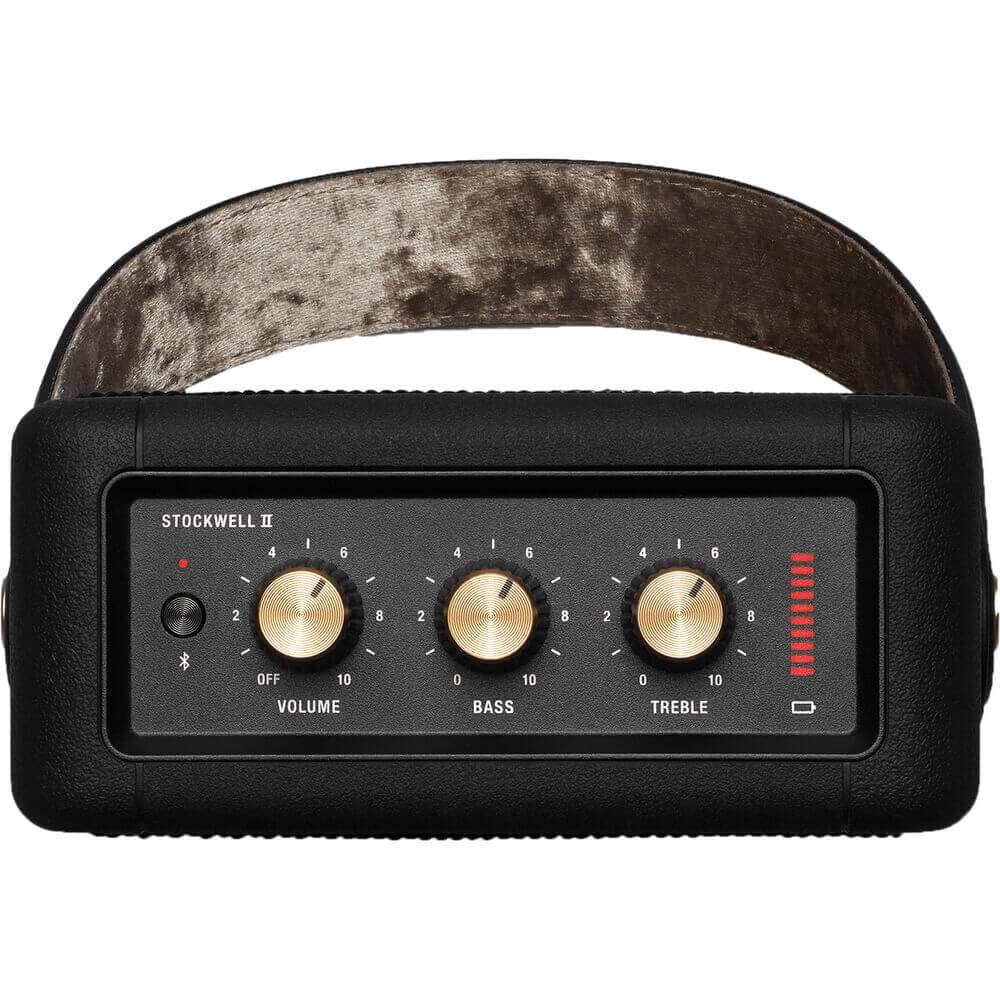
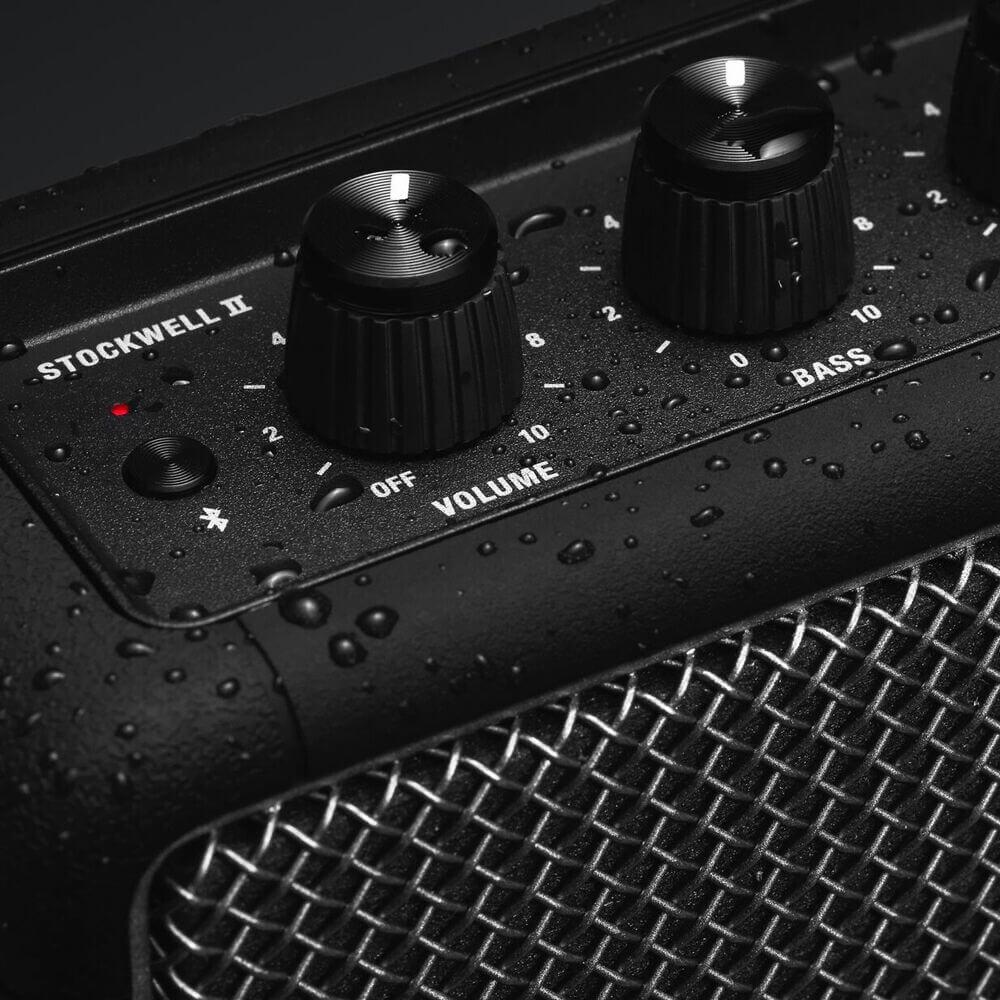
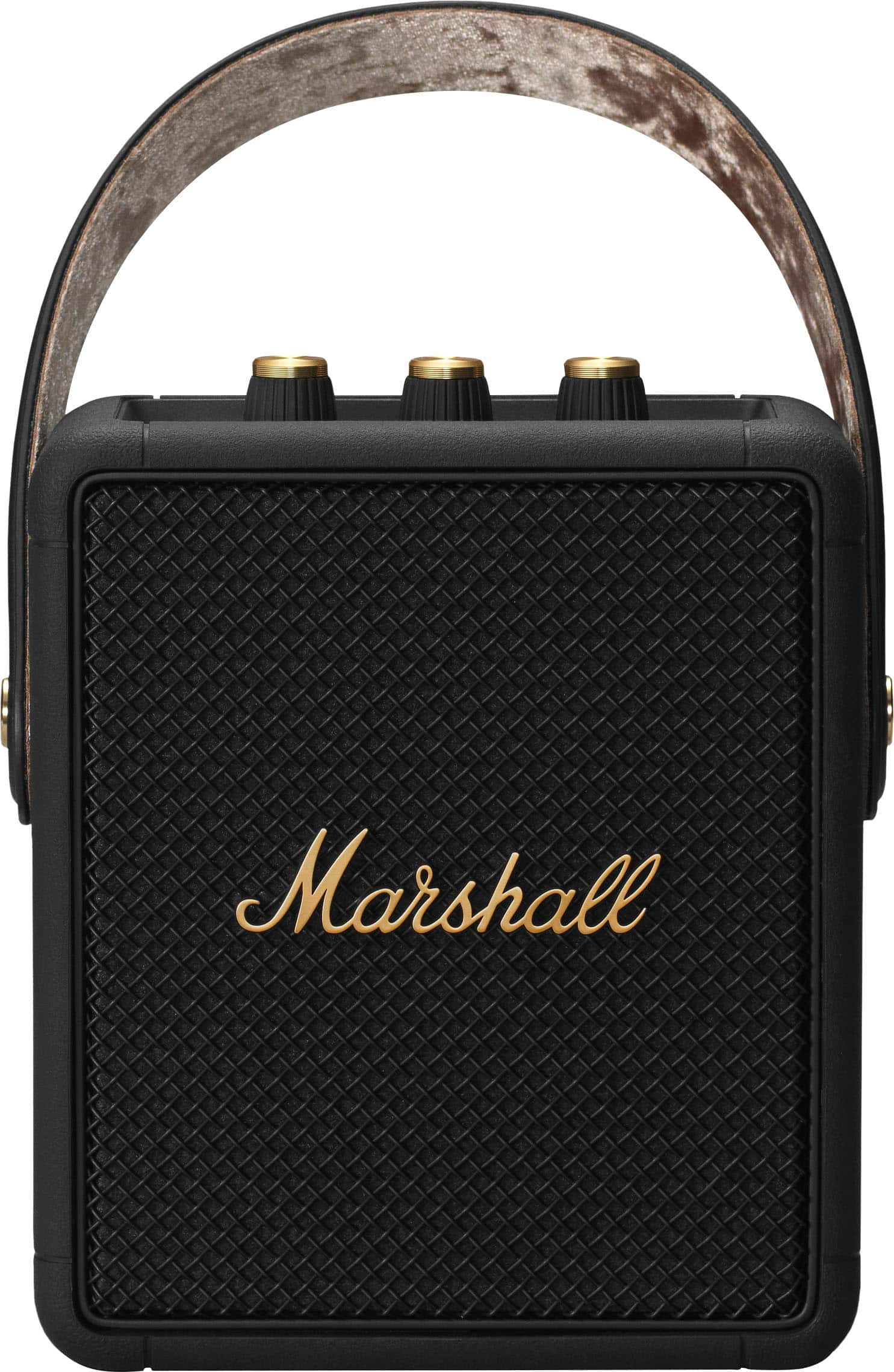
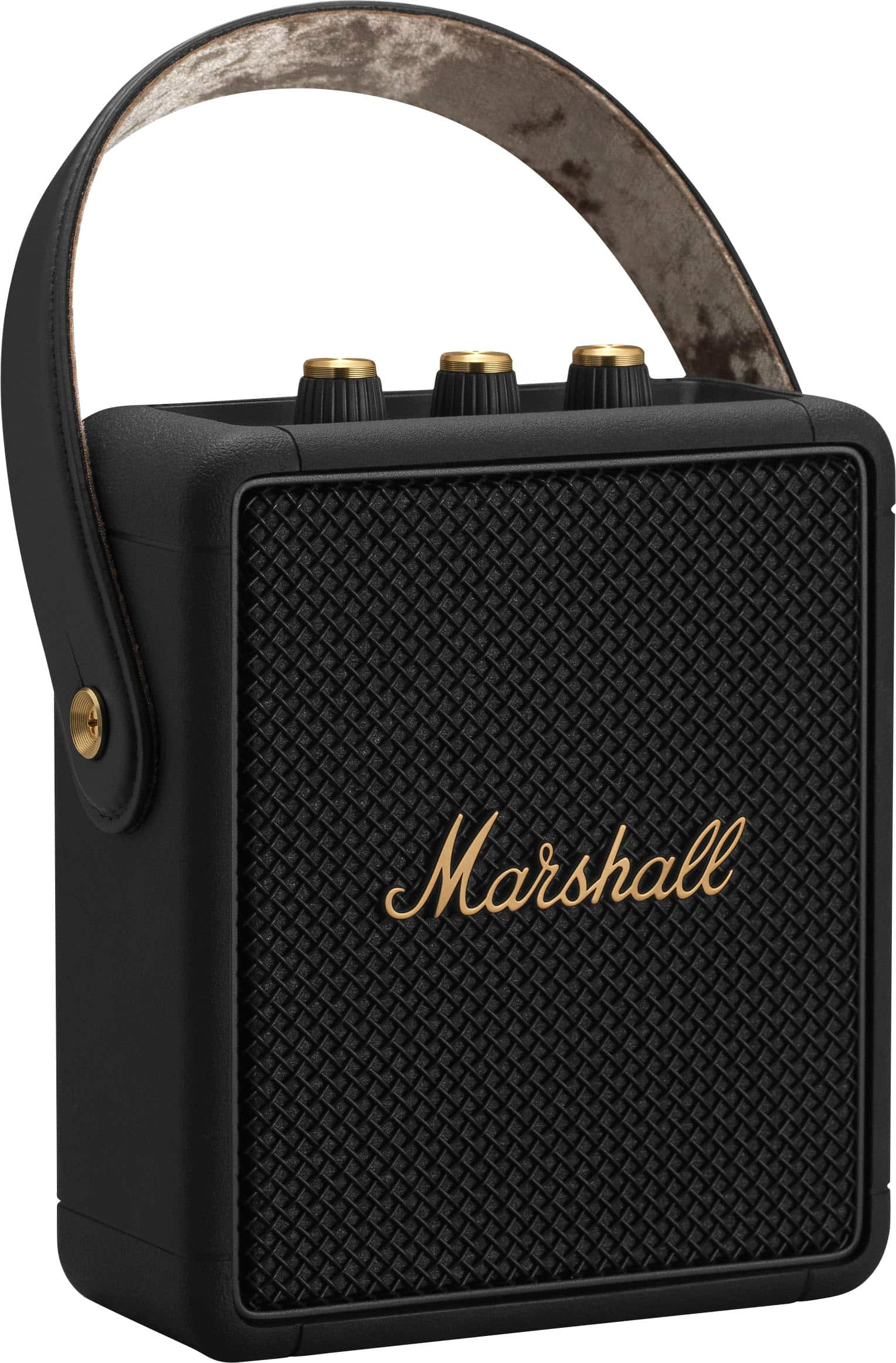
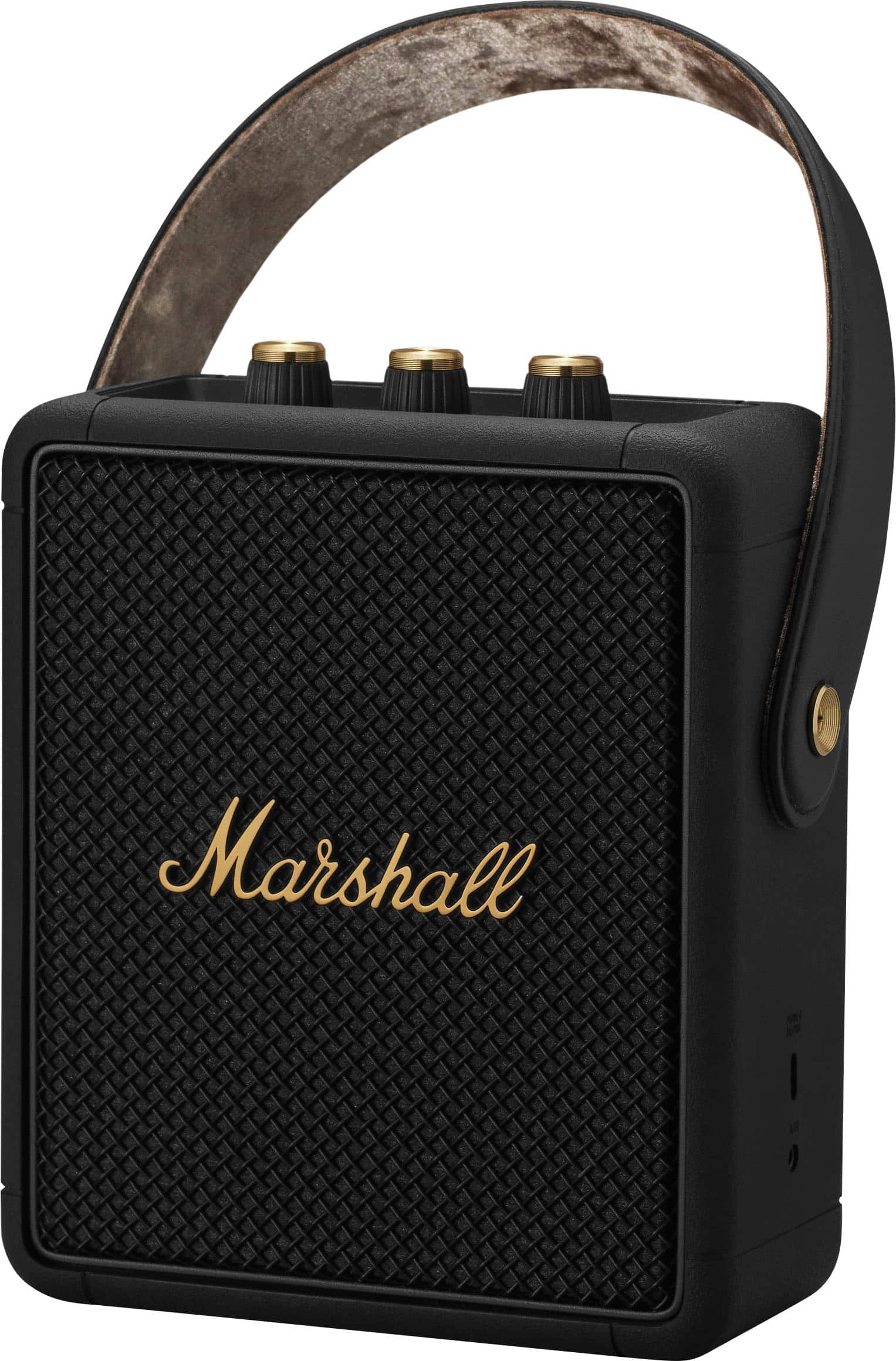
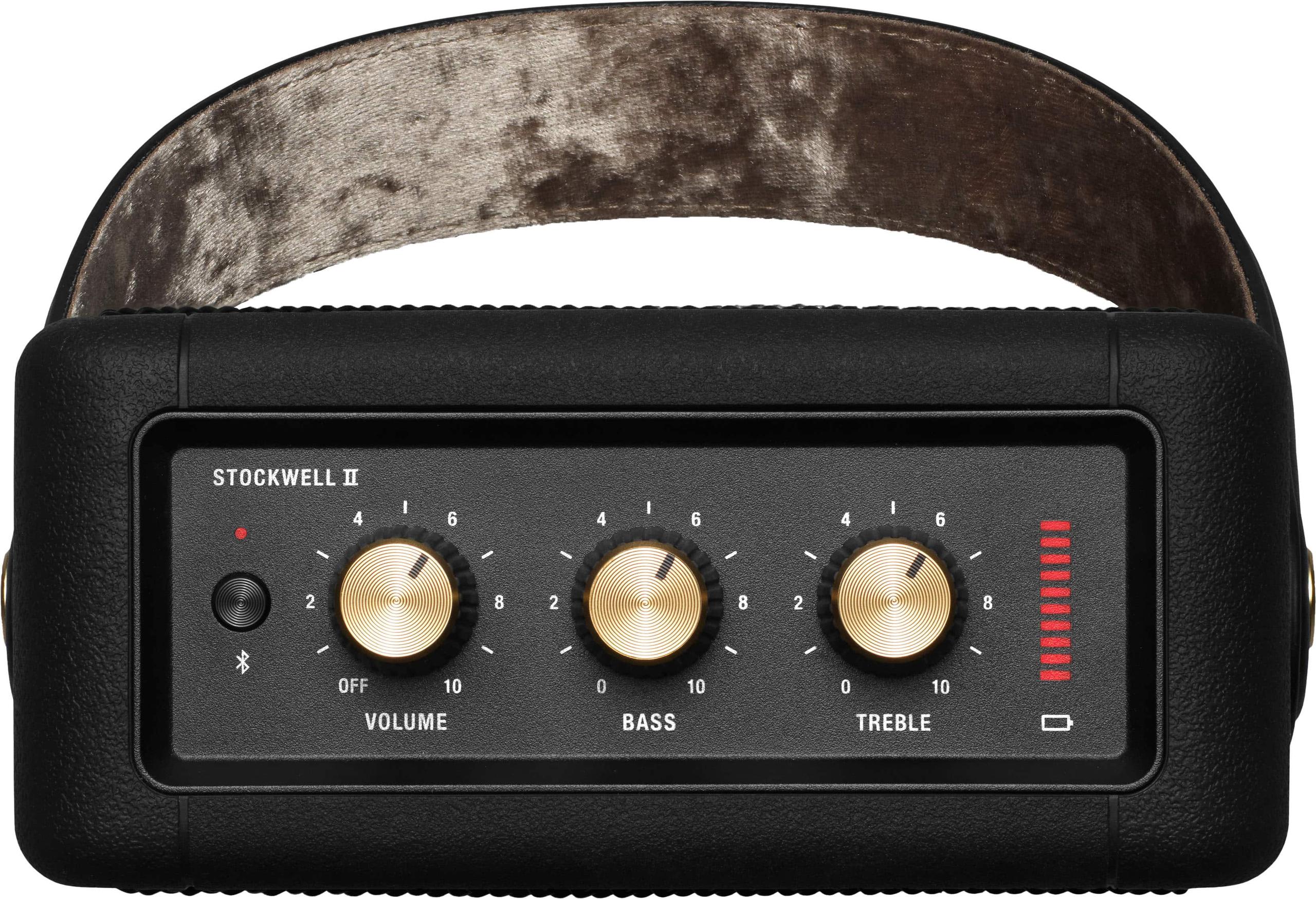
The Marshall Stockwell II, on the other hand, brings Marshall's legendary amplifier heritage to the portable world. Those familiar gold control knobs aren't just for show—they're analog bass and treble controls that let you fine-tune your sound in real-time, just like adjusting a guitar amp. Marshall clearly designed this speaker for people who care deeply about sound quality and want hands-on control over their audio experience.
This philosophical difference extends to their target audiences. The JBL Charge 6 appeals to active users—hikers, beachgoers, and anyone who needs a speaker that won't quit when things get rough. The Marshall Stockwell II attracts audio enthusiasts who prioritize sound quality and appreciate the tactile experience of physical controls.
When it comes to pure power, the JBL Charge 6 dominates with 45 watts RMS compared to the Marshall Stockwell II's 20 watts. This significant power advantage translates directly to volume capability—the JBL can fill larger outdoor spaces and compete with ambient noise much more effectively.
But raw power only tells part of the story. The Marshall Stockwell II uses a true stereo configuration with one 3-inch woofer and two separate tweeters, creating genuine left and right channels. This setup produces superior spatial imaging—the ability to place instruments and vocals in a three-dimensional soundstage. When listening to well-recorded music, you can actually perceive where different instruments are positioned, creating a more immersive experience.
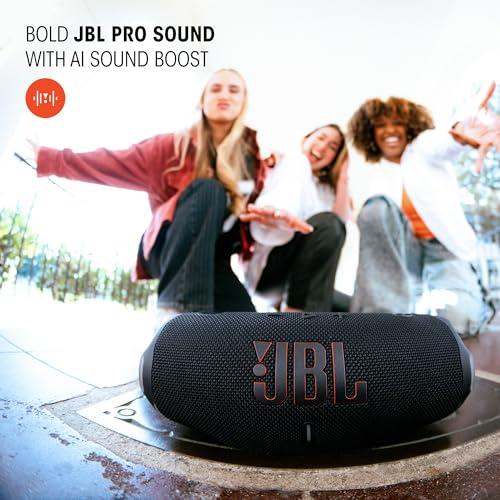
The JBL Charge 6 uses a mono configuration that downmixes stereo sources into a single channel. While this might sound limiting, JBL's engineers have done impressive work with their AI Sound Boost technology. This proprietary algorithm analyzes music in real-time and adjusts the driver output to minimize distortion while maximizing volume. The result is surprisingly clean sound even at high volumes, where many portable speakers start to sound harsh or muddy.
Both speakers cover similar frequency ranges—the Marshall spans 60Hz to 20kHz while the JBL reaches slightly lower at 56Hz to 20kHz. In practice, both produce respectable bass for their size, though neither will satisfy serious bass enthusiasts without some compromise.
The Marshall Stockwell II's unique selling point is its analog EQ controls. These aren't digital presets—they're actual analog circuits that boost or cut bass and treble frequencies in real-time. This gives you immediate, tactile control over your sound without needing to navigate phone apps or remember complex button combinations. For audio enthusiasts, this hands-on approach is refreshing in an increasingly digital world.
Here's where these speakers truly diverge. The Marshall Stockwell II offers something increasingly rare in modern audio equipment: direct, analog sound control. Those gold knobs aren't just decorative—the bass and treble controls use actual analog circuits to shape your sound. Twist the bass knob clockwise, and you're physically adjusting the amplifier's frequency response curve. It's immediate, intuitive, and gives you precise control without any latency or digital processing artifacts.
The JBL Charge 6 takes the modern app-based approach through the JBL Portable app. This digital system offers more sophisticated control with a 7-band equalizer that lets you adjust specific frequency ranges with precision. The app also includes Playtime Boost, which extends battery life by reducing power-hungry bass frequencies—essentially trading some sound quality for longer playback time.
Both approaches have merit, but they serve different users. The Marshall's analog controls are perfect for real-time adjustments while listening—you can immediately hear the effect of your changes without interrupting the music. The JBL's digital approach offers more precise control and additional features like preset EQ curves and battery optimization, but requires you to have your phone handy and navigate through menus.
This is where the philosophical differences become most apparent. The JBL Charge 6 earned an IP68 rating, meaning it's completely dustproof and can survive full submersion in water up to 1.5 meters deep for 30 minutes. It's also drop-tested to survive 1-meter falls onto concrete. This level of protection means you can literally take it anywhere—beach, pool, camping trips, or even kayaking—without worry.
The Marshall Stockwell II settles for IPX4 protection, which handles splashes and light rain but can't survive submersion. This rating is adequate for most indoor use and controlled outdoor environments like covered patios, but it's not designed for beach volleyball or poolside parties where water exposure is inevitable.
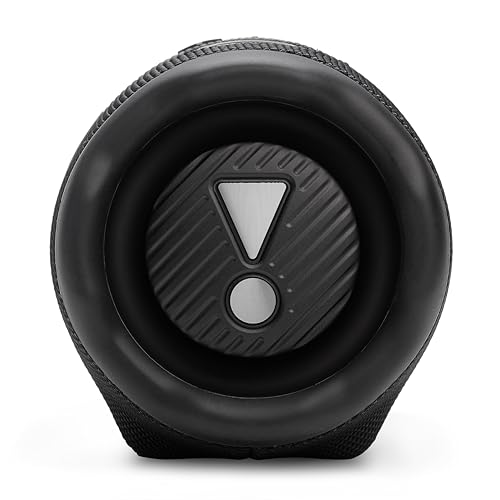
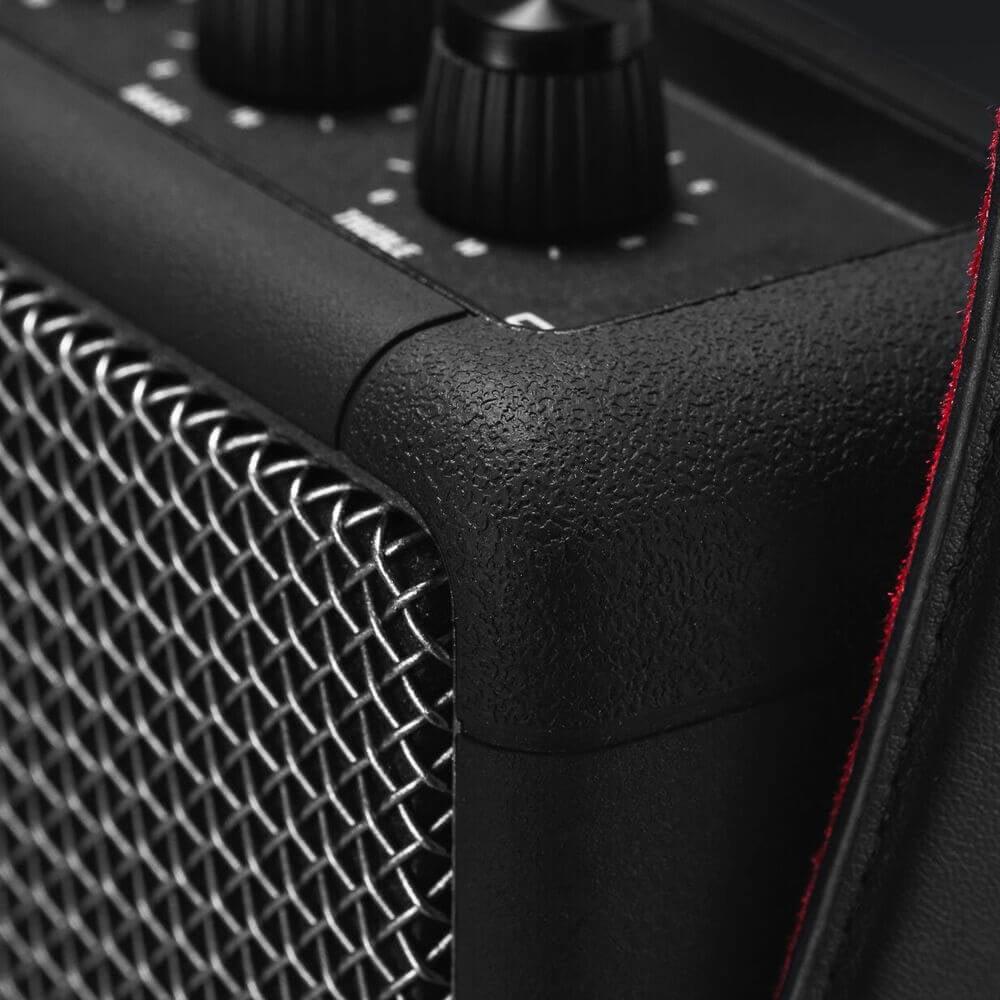
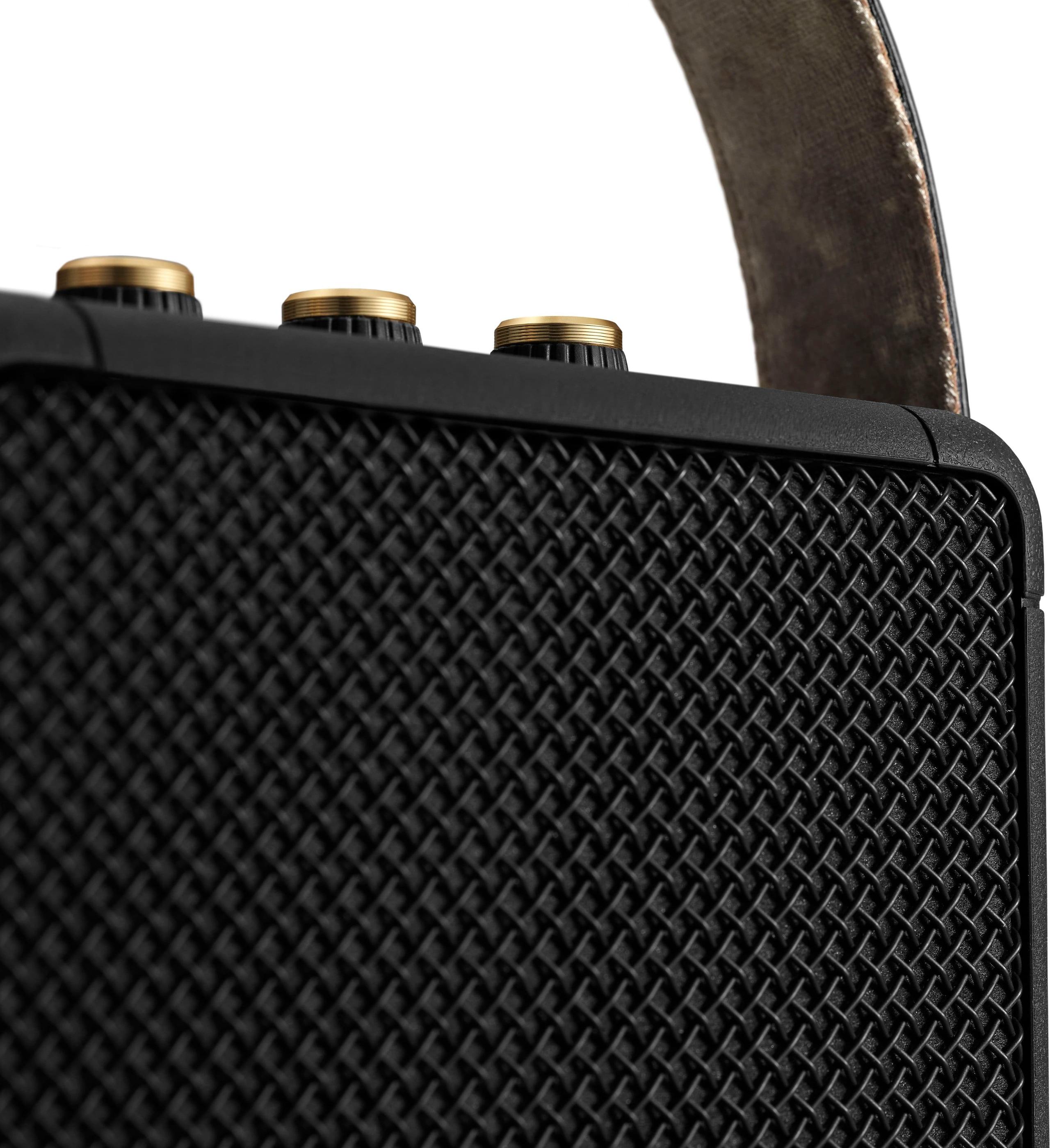
The build quality differs significantly too. The JBL uses a rugged fabric exterior over a plastic housing designed to absorb impacts. The Marshall features a more premium combination of metal grilles and vinyl covering that feels substantial but isn't designed for abuse.
For users who need a speaker that can handle truly harsh conditions, the JBL Charge 6 is the clear winner. But if your primary use is indoor listening with occasional outdoor use in controlled environments, the Marshall offers better sound quality without unnecessary ruggedization.
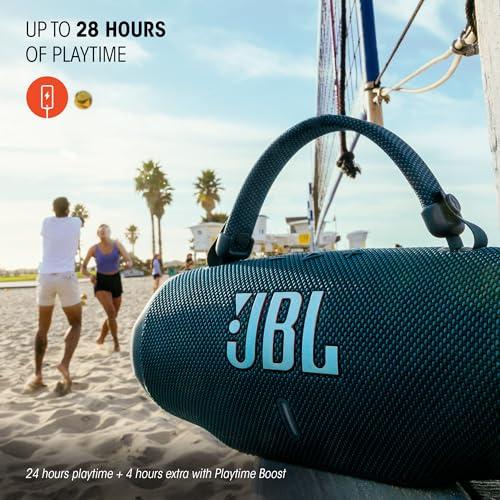
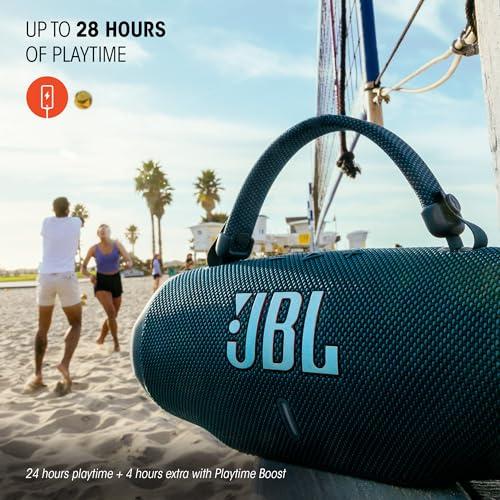
Both speakers offer impressive battery life, but with different strengths. The JBL Charge 6 provides up to 24 hours of playback from its large 34Wh battery, extendable to 28 hours with Playtime Boost enabled. This mode reduces bass output and lower-mid frequencies to conserve power—not ideal for sound quality but excellent for extending listening time during long trips.
The Marshall Stockwell II offers 20 hours from its smaller 19.24Wh battery, but includes exceptional quick-charge capability. Just 20 minutes of charging provides 6 hours of playback—perfect for those situations where you forgot to charge overnight but need music for a gathering.
Charging speeds differ significantly. The JBL reaches full charge in 3 hours, while the Marshall takes 5 hours for a complete charge. However, the Marshall includes its charger in the box, while JBL expects you to use your own USB-C charger.
Both speakers function as power banks, letting you charge phones or other devices through their USB-C ports. The JBL has more capacity for device charging thanks to its larger battery, making it more useful for extended outdoor adventures where you might need to top up your phone.
The JBL Charge 6 benefits from being released in 2024, incorporating Bluetooth 5.4 with Auracast technology. This newer standard allows you to connect multiple compatible JBL speakers for synchronized playback across larger areas—imagine having several speakers throughout your backyard all playing the same music in perfect sync.
The Marshall Stockwell II uses older Bluetooth 5.0 but includes a 3.5mm auxiliary input for wired connections. This analog input bypasses Bluetooth entirely, potentially offering better sound quality from high-quality sources and avoiding any wireless compression artifacts.
The JBL also supports multi-device pairing, letting you connect two devices simultaneously and switch between them seamlessly. The Marshall offers similar multi-host functionality but through the older Bluetooth standard.
For users building a multi-room audio system or wanting the latest wireless technology, the JBL offers clear advantages. But for users who value wired connections or don't need the latest Bluetooth features, the Marshall provides everything necessary.
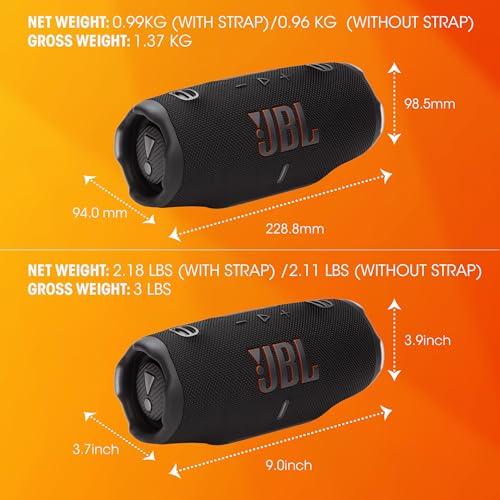
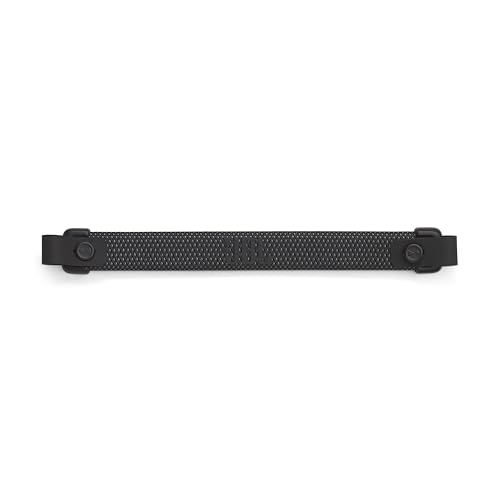
Despite both being "portable," these speakers have different interpretations of what that means. The JBL Charge 6 weighs just 2.11 pounds and measures roughly 9 inches long—truly packable for backpacking or travel. Its cylindrical shape rolls easily into bags, and the included strap makes carrying comfortable.
The Marshall Stockwell II weighs 3.04 pounds—44% heavier—with a wider, flatter profile. This design is less convenient for backpack travel but more stable on surfaces like desks or picnic tables. The weight comes partly from the metal components and more substantial construction, which contributes to its premium feel.
For users prioritizing true portability and frequent travel, the JBL wins easily. But for users who primarily use their speaker in fixed locations with occasional transport, the Marshall offers better surface stability and premium build quality.
While neither speaker is designed specifically for home theater use, both can enhance TV audio or serve as desktop speakers. The Marshall Stockwell II has clear advantages here thanks to its true stereo configuration and 3.5mm input for direct connection to TV headphone outputs.
The stereo imaging makes a noticeable difference when watching movies or TV shows. Dialogue appears to come from the center, while sound effects and music spread across the stereo field, creating a more immersive experience than mono speakers can provide.
The JBL Charge 6 can work for home theater use, but you'd need to pair two units through the app to achieve stereo sound, effectively doubling the cost. For dedicated home use, the Marshall offers better value and performance.
At the time of writing, these speakers occupy similar price ranges but offer different value propositions. The Marshall Stockwell II typically costs less despite being older, making it an excellent value for users who prioritize sound quality over ruggedness.
The JBL Charge 6 commands a premium for its modern features, superior durability, and longer battery life. For users who need these capabilities, the extra cost is justified. For users who don't, the Marshall offers better sound quality per dollar spent.
Consider the total cost of ownership too. The Marshall includes its charger, while the JBL requires you to provide your own USB-C charger—potentially adding $20-30 to the real cost.
The decision ultimately comes down to your primary use cases and priorities.
Choose the JBL Charge 6 if:
Choose the Marshall Stockwell II if:
The Marshall Stockwell II excels as a desktop companion, bedroom speaker, or controlled outdoor use where its superior sound quality and analog controls shine. The JBL Charge 6 dominates for active lifestyles, outdoor adventures, and situations where durability trumps audiophile refinement.
Neither speaker is objectively better—they're optimized for different users and scenarios. Understanding your primary use cases and priorities will guide you to the right choice. For most users, the decision comes down to whether you value sound quality and control (Marshall) or durability and convenience (JBL) more highly.
| JBL Charge 6 | Marshall Stockwell II |
|---|---|
| Power Output - Directly affects maximum volume and bass impact | |
| 45W RMS (30W woofer + 15W tweeter) | 20W RMS (10W woofer + dual 5W tweeters) |
| Audio Configuration - Determines stereo imaging and spatial sound | |
| Mono speaker (requires pairing for stereo) | True stereo with dual tweeters |
| Water Resistance - Critical for outdoor and poolside use | |
| IP68 (fully waterproof, submersible to 1.5m) | IPX4 (splash-resistant only) |
| Battery Life - Affects how long you can listen without charging | |
| 24 hours standard, 28 hours with Playtime Boost | 20 hours standard playback |
| Charging Speed - Important for forgotten overnight charges | |
| 3 hours full charge, 10 min = 150 min playback | 5 hours full charge, 20 min = 6 hours playback |
| Weight - Impacts true portability for travel and hiking | |
| 2.11 lbs (0.96 kg) | 3.04 lbs (1.38 kg) |
| Sound Customization - How you control and adjust audio | |
| App-based 7-band EQ with AI Sound Boost | Physical analog bass/treble knobs on device |
| Bluetooth Version - Affects connection stability and features | |
| Bluetooth 5.4 with Auracast multi-speaker pairing | Bluetooth 5.0 with multi-device connection |
| Wired Audio Input - Bypass Bluetooth for better quality | |
| USB-C audio (Hi-Res up to 24-bit/192kHz) | 3.5mm auxiliary input |
| Included Accessories - Affects total value and convenience | |
| USB-C cable only (charger not included) | USB-C cable and wall charger included |
| Release Year - Indicates technology generation and features | |
| 2024 (latest features and Bluetooth standards) | 2019 (proven design, older connectivity) |
The JBL Charge 6 is significantly better for outdoor use thanks to its IP68 waterproof rating, which means it can be fully submerged in water up to 1.5 meters deep. The Marshall Stockwell II only has IPX4 splash resistance, making it unsuitable for pool parties or beach trips. The JBL Charge 6 also produces 45 watts of power compared to the Marshall's 20 watts, giving it much better performance in noisy outdoor environments.
The Marshall Stockwell II offers true stereo sound with separate left and right channels, creating better instrument separation and spatial imaging. The JBL Charge 6 uses a mono configuration that's louder overall but lacks stereo separation unless you pair two units together. The Marshall Stockwell II also features analog bass and treble controls for real-time sound adjustment, while the JBL Charge 6 relies on app-based digital EQ controls.
The JBL Charge 6 wins with 24 hours of standard playback, extendable to 28 hours using Playtime Boost mode. The Marshall Stockwell II provides 20 hours of playback. However, the Marshall Stockwell II has superior quick-charge capability, providing 6 hours of playback from just 20 minutes of charging, compared to the JBL Charge 6's 150 minutes from 10 minutes of charging.
The Marshall Stockwell II is better suited for TV use because it has a 3.5mm auxiliary input for direct wired connection and true stereo sound that enhances dialogue clarity and sound effects positioning. The JBL Charge 6 only offers USB-C audio input and mono sound, though you could pair two units for stereo. For dedicated home theater use, the Marshall Stockwell II provides better value and performance.
The JBL Charge 6 is significantly more portable, weighing 2.11 pounds compared to the Marshall Stockwell II's 3.04 pounds. The JBL Charge 6 has a more compact cylindrical design that fits easily in backpacks, while the Marshall Stockwell II has a wider, flatter profile that's less travel-friendly but more stable on surfaces.
Yes, both the JBL Charge 6 and Marshall Stockwell II can charge external devices through their USB-C ports. The JBL Charge 6 has a larger 34Wh battery that provides more charging capacity for your devices, making it better for extended outdoor trips where you need to top up your phone or other gadgets.
The JBL Charge 6 gets significantly louder with 45 watts of power compared to the Marshall Stockwell II's 20 watts. This makes the JBL Charge 6 much better for large gatherings or outdoor parties. Both speakers produce decent bass for their size, but the JBL Charge 6 has more bass impact due to its higher power output and larger driver configuration.
The JBL Charge 6 uses newer Bluetooth 5.4 with Auracast technology for connecting multiple speakers together, while the Marshall Stockwell II uses older Bluetooth 5.0. The JBL Charge 6 offers more modern wireless features and better connection stability. However, the Marshall Stockwell II includes a 3.5mm aux input that the JBL Charge 6 lacks.
The Marshall Stockwell II excels here with physical analog bass and treble control knobs right on the speaker, allowing real-time sound adjustment without any apps. The JBL Charge 6 requires the JBL Portable app for sound customization, offering a 7-band EQ but no physical controls. For users who prefer hands-on control, the Marshall Stockwell II is the clear winner.
The Marshall Stockwell II typically offers better value for pure sound quality, especially if you prioritize stereo imaging and don't need extreme durability. The JBL Charge 6 provides better value if you need waterproofing, longer battery life, and maximum volume. The Marshall Stockwell II also includes a wall charger in the box, while the JBL Charge 6 doesn't.
For indoor use, the Marshall Stockwell II is superior thanks to its true stereo sound, analog controls, and premium build quality. For outdoor use, the JBL Charge 6 dominates with its IP68 waterproofing, higher power output, and rugged construction. The Marshall Stockwell II works for controlled outdoor environments like covered patios, but the JBL Charge 6 handles any outdoor condition.
Music enthusiasts should choose the Marshall Stockwell II for its true stereo configuration, analog EQ controls, and focus on sound quality over features. The dual tweeters create better instrument separation and spatial imaging that audiophiles appreciate. While the JBL Charge 6 offers impressive volume and modern features, the Marshall Stockwell II provides a more refined listening experience for critical music enjoyment.
We've done our best to create useful and informative comparisons to help you decide what product to buy. Our research uses advanced automated methods to create this comparison and perfection is not possible - please contact us for corrections or questions. These are the sites we've researched in the creation of this article: rtings.com - youtube.com - stereoguide.com - whathifi.com - youtube.com - elomymelo.com - soundguys.com - elomymelo.com - wifihifi.com - soundguys.com - jbl.com - whathifi.com - soundguys.com - youtube.com - smarthomesounds.co.uk - jbl.com - sweetwater.com - youtube.com - bestbuy.com - jbl.com.sg - jbl.com - dell.com - ca.jbl.com - soundguys.com - soundguys.com - dell.com - bestbuy.com - stuff.tv - idownloadblog.com - stereoguide.com - kendallgiles.com - termagoods.com - aplaze.com - manua.ls - youtube.com - sg.tcacoustic.asia - marshall.com - youtube.com

Privacy Policy
Terms and Conditions - Affiliate Policy
Home Security
© Copyright 2008-2026.
11816 Inwood Rd #1211, Dallas, TX 75244