

Portable Bluetooth speakers have transformed how we enjoy music, whether you're hosting a backyard barbecue, camping in the wilderness, or just wanting better audio quality than your phone's tiny speakers can deliver. The market is flooded with options ranging from $20 budget models to $300+ audiophile-grade units, making the buying decision increasingly complex.
Today, we're comparing two speakers that represent different philosophies in this crowded market: the budget-friendly Ortizan X10 and the established JBL Charge 4. These speakers showcase the classic trade-off between maximum features for your dollar versus proven performance and brand reliability. Our research across hundreds of user reviews and professional evaluations reveals which approach might work best for your specific needs.
Before diving into specifics, it's worth understanding what separates good portable speakers from mediocre ones. The most important factors fall into several key categories that directly impact your listening experience.
Sound quality remains the foundation of any speaker purchase. This encompasses several technical aspects: frequency response (how well the speaker reproduces different pitches from deep bass to crystal-clear highs), dynamic range (the difference between the quietest and loudest sounds), and distortion levels (unwanted audio artifacts that muddy your music). Driver configuration—the actual speakers inside the unit—plays a crucial role here. Some speakers use multiple small drivers, while others rely on single, larger drivers with passive radiators (unpowered speakers that enhance bass response through air movement).
Battery performance has become increasingly critical as we demand more from our portable devices. It's not just about total playback time, though that's important. Charging speed, power efficiency at different volume levels, and whether the speaker can double as a power bank for your phone all factor into real-world usability.
Build quality and durability separate speakers that last years from those that break after a few beach trips. Water resistance ratings like IPX7 (which means the device can survive being submerged in up to one meter of water for 30 minutes) have become standard expectations rather than premium features.
Connectivity options determine how versatile your speaker will be. While Bluetooth has become universal, the version matters—newer versions offer better range, more stable connections, and lower power consumption. Additional inputs like 3.5mm auxiliary jacks or microSD card slots can be lifesavers when your phone dies or you're in areas with poor Bluetooth performance.
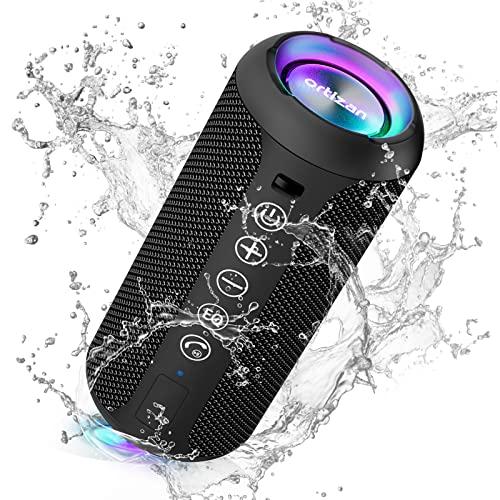
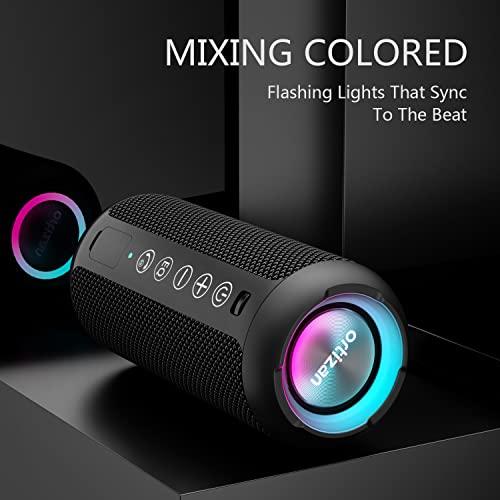
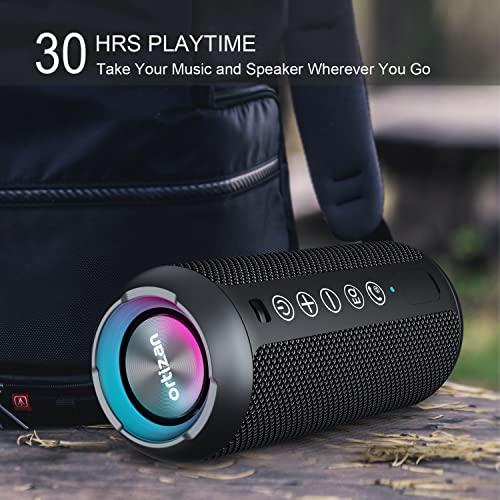
The Ortizan X10, released around 2022, represents the newer wave of feature-packed budget speakers. At its core, it's designed to offer maximum value by cramming as many features as possible into an affordable package. The X10 delivers 24 watts of total power through dual 12-watt drivers, supports the latest Bluetooth 5.0 connectivity, and boasts an impressive 30-hour battery life. Its party trick is the built-in RGB lighting system that pulses and changes colors in sync with your music—a feature that was practically unheard of in budget speakers just a few years ago.
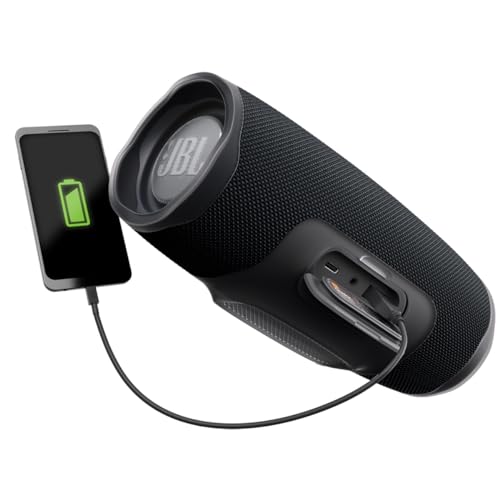
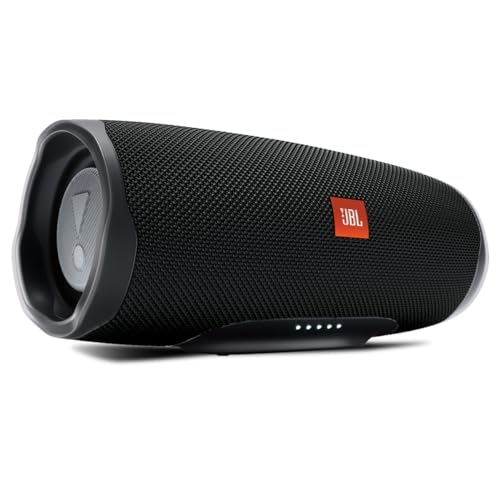
The JBL Charge 4, launched in 2018, takes a more traditional approach focused on audio performance and build quality. JBL, a company with decades of professional audio experience, built the Charge 4 around a single 30-watt racetrack-shaped driver paired with dual passive radiators. While it lacks some flashy features, it compensates with superior sound quality, robust construction, and the ability to function as a power bank to charge your devices—hence the "Charge" in its name.
These different philosophies reflect broader trends in the portable speaker market. Newer brands often compete on features and value, while established companies lean on their audio expertise and brand reputation.
Sound quality represents the most significant difference between these speakers, and our analysis of professional reviews and user feedback reveals distinct approaches to audio reproduction.
The Ortizan X10 uses a dual-driver setup with what the company calls "BASSBOOM" technology—essentially enhanced digital signal processing to boost lower frequencies. This approach delivers surprisingly robust bass for a budget speaker, with a frequency response spanning 20Hz to 20kHz. That 20Hz lower limit is impressive for a portable speaker, as it covers the deep sub-bass frequencies you feel in your chest during action movies or electronic music. However, reviews consistently note that while the bass is present and punchy, it can become distorted at maximum volume levels. The dual drivers also create what Ortizan markets as "360-degree sound," though in practice, the effect is more like 270 degrees due to the button placement on one side.
The JBL Charge 4 takes a different approach with its single, larger driver design. The 30-watt output provides more power than the X10's combined 24 watts, but more importantly, it's how JBL uses that power that matters. Professional audio reviewers consistently praise the Charge 4's midrange clarity—the frequency range where vocals and most instruments live. This translates to clearer dialogue in podcasts, more natural-sounding vocals in music, and better overall instrument separation. However, the trade-off comes in bass response. With a frequency response starting at 60Hz rather than 20Hz, the Charge 4 misses some of the deeper bass frequencies that make electronic music and movie soundtracks truly impactful.
The passive radiators in the JBL Charge 4 deserve special mention. These are essentially speakers without magnets that move in response to air pressure from the main driver. They're tuned to enhance bass response without requiring additional power or active electronics. While effective, they can't match the sub-bass extension of dedicated subwoofers or, in this case, the digital bass enhancement of the Ortizan X10.
Dynamic range—the difference between quiet and loud passages in your music—favors the JBL Charge 4. Its superior driver and amplifier design handle sudden volume changes more gracefully, maintaining clarity during both whisper-quiet acoustic tracks and explosive orchestral crescendos. The Ortizan X10, while impressive for its price point, tends to compress dynamic range at higher volumes to prevent distortion.
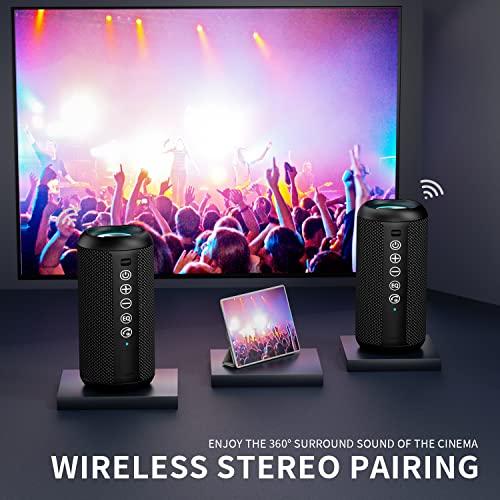
For home theater use, neither speaker truly excels due to their mono configuration, but the JBL Charge 4 edges ahead with its clearer dialogue reproduction and more controlled dynamics. Both speakers can connect to TVs via Bluetooth, though you'll want to check for audio delay (latency) depending on your TV model.
Battery performance showcases perhaps the starkest difference between these speakers' design philosophies.
The Ortizan X10 achieves its impressive 30-hour battery life through a combination of efficient Bluetooth 5.0 connectivity, power-conscious digital signal processing, and a well-matched amplifier-driver combination. This isn't marketing exaggeration—real-world testing by users consistently reports 24-30 hours of playback at moderate volume levels (around 65 dB, roughly the volume of normal conversation). The 3,600mAh battery charges fully in about three hours via USB-C, making it practical for daily use.
The JBL Charge 4 takes a different approach with its larger 7,500mAh battery that provides roughly 20 hours of playback. While shorter than the X10's runtime, this battery serves double duty as a power bank capable of charging your smartphone or tablet through its USB-A output port. This feature proves invaluable during camping trips, beach days, or power outages when keeping your phone charged becomes critical. The larger battery does require longer charging times—typically 4-5 hours for a full charge.
The power bank functionality of the JBL Charge 4 shouldn't be underestimated. With enough capacity to fully charge most smartphones 1-2 times, it effectively serves as both entertainment and emergency preparedness in one device. This dual functionality justifies the shorter audio playback time for many users, especially those who frequently find themselves away from power sources.
Construction quality reveals another area where these speakers diverge significantly.
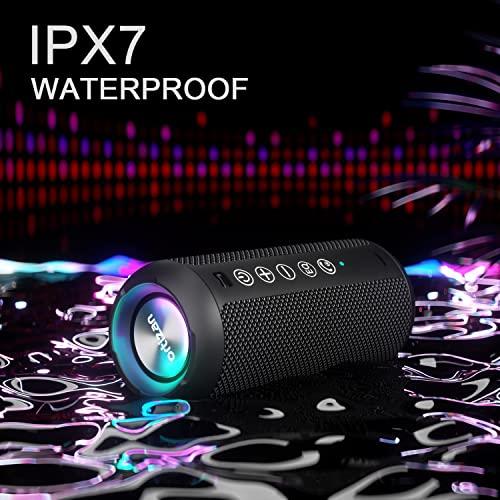
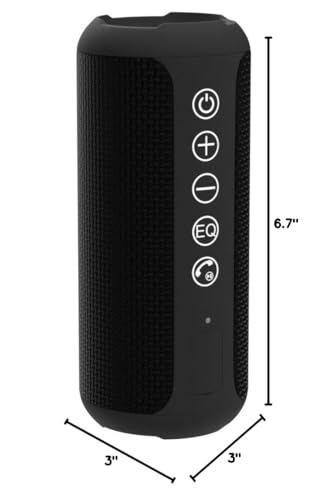
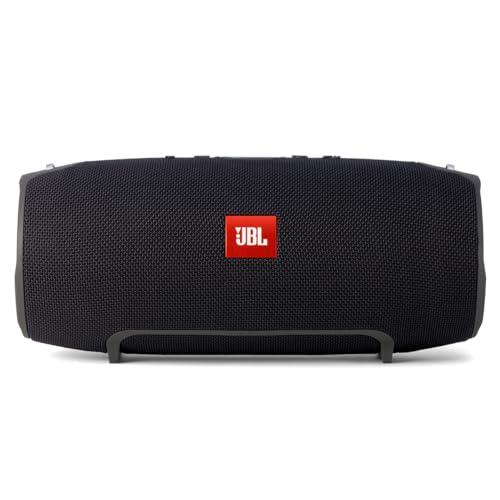
The Ortizan X10 features a cylindrical design with a fabric-wrapped exterior and plastic housing. At 1.14 pounds and measuring roughly 6.7 x 3 x 3 inches, it's genuinely portable and won't weigh down your backpack. The IPX7 waterproof rating means it can handle pool splashes, rain, and even brief submersion without damage. However, the build feels somewhat lightweight compared to premium alternatives, and long-term durability remains a question mark given the relatively new brand presence.
The JBL Charge 4 weighs nearly twice as much at 2.12 pounds, but this heft comes with tangible benefits. The combination of durable fabric, rugged rubber housing, and internal metal components creates a speaker that feels built to last. The IPX7 rating matches the X10's water resistance, but JBL's track record suggests better long-term reliability. The larger size (8.7 x 3.7 x 3.7 inches) makes it less pocketable but more stable on surfaces and less likely to tip over.
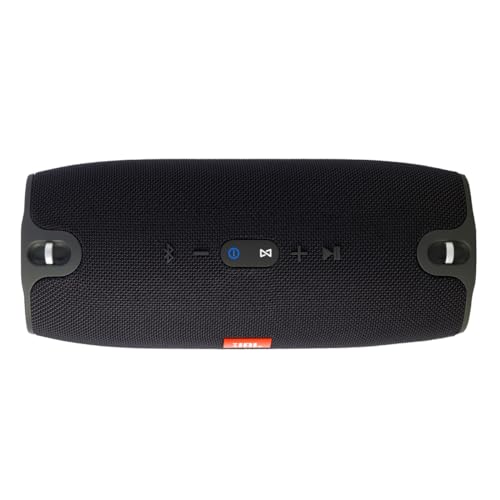
Both speakers feature well-designed control buttons, though the JBL Charge 4 edges ahead with more tactile, responsive buttons that work reliably even when wet. The Ortizan X10 includes more buttons due to its additional features like RGB lighting controls and EQ mode switching.
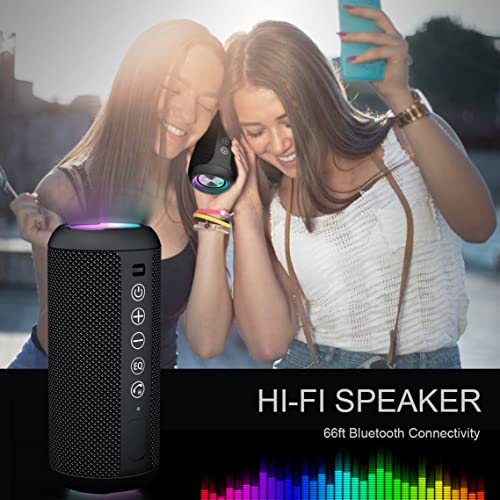
Bluetooth connectivity represents another area of significant difference. The Ortizan X10 uses Bluetooth 5.0 or 5.3 (depending on production batch), offering improved range up to 66 feet in open areas, better power efficiency, and more stable connections compared to older Bluetooth versions. This translates to fewer dropouts when your phone is in another room or your pocket while you're moving around.
The JBL Charge 4 uses the older Bluetooth 4.2 standard, which still provides reliable connectivity but with shorter range and slightly higher power consumption. Given the Charge 4's 2018 release date, this was standard technology at the time, though it does feel dated compared to current alternatives.
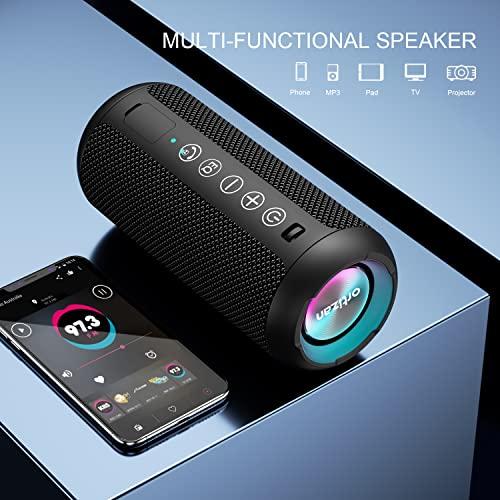
Where the Ortizan X10 truly shines is input versatility. Beyond Bluetooth, it includes a 3.5mm auxiliary input for wired connections and a microSD card slot supporting up to 32GB cards with WAV, FLAC, APE, and MP3 formats. This means you can load up a memory card with lossless audio files and enjoy high-quality music even in areas with no phone service—perfect for remote camping or international travel where data roaming costs make streaming prohibitive.
The RGB lighting system in the Ortizan X10 deserves special attention. While some dismiss it as gimmicky, it genuinely enhances the party atmosphere, pulsing and changing colors in sync with your music's rhythm. Multiple lighting modes allow customization, and the LEDs can function as a night light independent of music playback. For outdoor gatherings or kids' parties, this feature adds tangible value beyond pure audio performance.
The JBL Charge 4 counters with its JBL Connect+ technology, allowing you to wirelessly link over 100 compatible JBL speakers for massive sound systems. This feature appeals more to serious audio enthusiasts or event organizers who need scalable audio solutions.
At the time of writing, these speakers occupy different price tiers that significantly impact their value propositions. The Ortizan X10 typically retails for less than half the price of the JBL Charge 4, making the value equation complex.
For budget-conscious buyers, the Ortizan X10 delivers remarkable feature density. You get RGB lighting, 30-hour battery life, multiple input options, and surprisingly good audio quality for significantly less money. The bass response, while not audiophile-grade, satisfies most casual listeners, and the extensive connectivity options provide real practical value.
The JBL Charge 4 justifies its premium pricing through superior audio quality, proven build reliability, and the power bank functionality. If you prioritize sound quality above all else, the clearer midrange, better dynamics, and more controlled volume handling make the extra cost worthwhile. The brand reputation also matters—JBL's customer service, warranty support, and product longevity have been proven over decades.
Choose the Ortizan X10 if you're looking for maximum bang for your buck and appreciate having lots of features. The 30-hour battery life makes it ideal for extended camping trips, the RGB lighting adds fun to parties, and the multiple input options provide flexibility that premium speakers often lack. It's perfect for college students, casual listeners, or anyone who wants a capable speaker without breaking their budget.
The JBL Charge 4 makes more sense for users who prioritize audio quality and reliability above flashy features. If you frequently listen to podcasts, acoustic music, or anything where vocal clarity matters, the superior midrange performance justifies the higher cost. The power bank functionality also adds significant practical value for outdoor enthusiasts or anyone who needs backup power for their devices.
For home theater use, neither speaker excels due to their mono configuration, but the JBL Charge 4 provides clearer dialogue and better overall sound quality for casual TV watching.
Ultimately, both speakers succeed in their respective market segments. The Ortizan X10 proves that budget speakers can offer legitimate value and useful features, while the JBL Charge 4 demonstrates why established brands maintain their premium pricing through superior engineering and proven reliability. Your choice should align with whether you value maximum features and battery life or premium sound quality and build construction.
| Ortizan X10 Portable Bluetooth Speaker 24W | JBL Charge 4 Portable Bluetooth Speaker |
|---|---|
| Power Output - Determines maximum loudness and bass impact | |
| 24W total (dual 12W drivers) | 30W RMS (single racetrack driver) |
| Battery Life - Critical for extended outdoor use and travel | |
| 30 hours playback | 20 hours playback |
| Charging Time - How long you'll wait between listening sessions | |
| 3 hours via USB-C | 4-5 hours via USB-C |
| Weight & Size - Affects true portability for hiking, travel | |
| 1.14 lbs, 6.7 x 3 x 3 inches | 2.12 lbs, 8.7 x 3.7 x 3.7 inches |
| Water Resistance - Essential protection for pools, beaches, rain | |
| IPX7 (submersible up to 3 feet) | IPX7 (submersible up to 1 meter) |
| Frequency Response - Range of audio frequencies the speaker can reproduce | |
| 20Hz-20kHz (fuller bass extension) | 60Hz-20kHz (limited low bass) |
| Bluetooth Version - Affects connection stability and range | |
| 5.0/5.3 with 66-foot range | 4.2 with standard range |
| Input Options - Flexibility when phone battery dies or no internet | |
| Bluetooth, AUX-in, microSD card slot | Bluetooth, AUX-in only |
| Power Bank Function - Can charge your devices in emergencies | |
| None | Yes, 5V/2A USB-A output |
| Multi-Speaker Pairing - Create larger sound systems | |
| TWS pairing (connect 2 X10 units) | JBL Connect+ (link 100+ compatible speakers) |
| Special Features - Unique capabilities that add value | |
| RGB lighting that syncs with music | Premium build quality, established brand |
| Release Year - Indicates how current the technology is | |
| 2022 (modern Bluetooth, current features) | 2018 (proven track record, older connectivity) |
The JBL Charge 4 delivers superior overall sound quality with clearer vocals, better instrument separation, and more controlled dynamics thanks to its 30W racetrack driver and dual passive radiators. However, the Ortizan X10 offers impressive bass response and 360-degree sound for significantly less money, making it better value for budget-conscious buyers who prioritize features over audiophile-grade performance.
The Ortizan X10 provides up to 30 hours of playback time, while the JBL Charge 4 offers around 20 hours. However, the JBL Charge 4 doubles as a power bank to charge your phone or tablet, which adds significant practical value during outdoor activities or emergencies.
Both the Ortizan X10 and JBL Charge 4 feature IPX7 waterproof ratings, meaning they can handle submersion and harsh weather. The JBL Charge 4 has a more robust build with premium materials and proven long-term reliability, while the Ortizan X10 is lighter and more portable but uses a less premium construction.
Yes, both speakers support multi-speaker pairing but use different systems. The Ortizan X10 uses TWS (True Wireless Stereo) to pair with another X10 unit for stereo sound. The JBL Charge 4 features JBL Connect+ technology that can link over 100 compatible JBL speakers for massive sound systems.
The JBL Charge 4 handles high volumes better with less distortion thanks to its superior driver design and amplifier. The Ortizan X10 can experience some bass distortion at maximum volume, though it still gets plenty loud for most outdoor gatherings and casual listening.
The Ortizan X10 includes a built-in microphone for hands-free calling with decent call quality. The JBL Charge 4 does not have a built-in microphone, so it cannot be used for phone calls - you'll need to use your phone's speaker for calls.
The Ortizan X10 provides more versatile connectivity with Bluetooth, 3.5mm AUX input, and a microSD card slot for offline music playback. The JBL Charge 4 only offers Bluetooth and AUX input, but features more advanced Bluetooth connectivity for linking multiple speakers.
The Ortizan X10 is significantly more portable at 1.14 pounds and compact dimensions, making it ideal for backpacking and travel. The JBL Charge 4 weighs over 2 pounds and is bulkier, but the extra weight comes with better build quality and the power bank feature for charging devices.
The Ortizan X10 offers deeper bass extension down to 20Hz with its BASSBOOM technology and dual drivers, providing more impactful low-end for electronic music and movies. The JBL Charge 4 has more controlled and accurate bass but doesn't extend as deep into sub-bass frequencies.
Both speakers can connect to TVs via Bluetooth, though neither excels for home theater use due to their mono configuration. The JBL Charge 4 provides clearer dialogue and better overall TV audio quality, while the Ortizan X10 offers more bass impact for movies but may have slight audio delay depending on your TV.
The Ortizan X10 delivers exceptional value with its combination of RGB lighting, 30-hour battery, multiple inputs, and solid sound quality at a budget-friendly price. The JBL Charge 4 costs significantly more but justifies the premium with superior audio performance, proven reliability, and power bank functionality.
The JBL Charge 4 benefits from JBL's established warranty support and decades of brand reputation in professional audio. The Ortizan X10 comes with standard warranty coverage, but as a newer brand, long-term support and parts availability are less certain compared to the proven track record of the JBL Charge 4.
We've done our best to create useful and informative comparisons to help you decide what product to buy. Our research uses advanced automated methods to create this comparison and perfection is not possible - please contact us for corrections or questions. These are the sites we've researched in the creation of this article: reviewindetail.com - manuals.plus - newegg.com - walmart.com - nerdtechy.com - aliexpress.com - youtube.com - h5.lazada.com.ph - youtube.com - manuals.plus - walmart.com - ortizan.com - youtube.com - youtube.com - ubuy.com.pk - manuals.plus - youtube.com - aliexpress.com - aliexpress.com - ortizan.com - youtube.com - heartwood.church - device.report - rtings.com - whathifi.com - whathifi.com - soundguys.com - soundguys.com - streamtechreviews.com - youtube.com - versus.com - applevis.com - versus.com - jbl.com - jbl.com - walmart.com - comparisontabl.es - harmanaudio.com - manuals.plus - jbl.com.sg - jbl.com - mm.jbl.com - bestbuy.com - newpower99.com - forums.woot.com

Privacy Policy
Terms and Conditions - Affiliate Policy
Home Security
© Copyright 2008-2026.
11816 Inwood Rd #1211, Dallas, TX 75244