




When you're shopping for a premium portable Bluetooth speaker, you're essentially choosing between two different philosophies. Do you want maximum bang for your buck with features that'll handle whatever life throws at you? Or are you after that refined, room-filling audio experience that makes your music sound like it's floating in the air around you?
The JBL Charge 6 and Bose SoundLink Revolve+ II represent these two approaches perfectly. Both launched in 2021, these speakers have had time to prove themselves in the real world, and our research into user experiences and expert reviews reveals some clear winners in different scenarios.
Before diving into the nitty-gritty, let's talk about what you should actually care about when spending serious money on a Bluetooth speaker. At this price point—we're talking mid-to-upper range pricing at the time of writing—you're not just buying a device that plays music. You're investing in an audio experience that needs to excel across multiple areas.
Sound quality is obviously crucial, but it's more nuanced than just "louder equals better." You want a speaker that maintains clarity when you crank it up for a party, delivers punchy bass without overwhelming the mids where vocals live, and handles everything from acoustic folk to electronic dance music without breaking a sweat.
Battery life becomes critical when you're away from power outlets. There's nothing worse than your speaker dying halfway through a camping trip or backyard barbecue. But it's not just about raw hours—charging speed and power management features matter too.
Durability separates the survivors from the casualties. Premium speakers should handle splashes, drops, and the general abuse that comes with being portable. The difference between water-resistant and waterproof can make or break your speaker's lifespan.
Connectivity goes beyond basic Bluetooth pairing. Modern speakers should handle multiple devices seamlessly, offer alternatives to wireless connections, and ideally let you link multiple speakers for bigger sound.
The sweet spot in this category delivers excellent performance across all these areas without breaking the bank. Both our contenders hit this mark, but in very different ways.
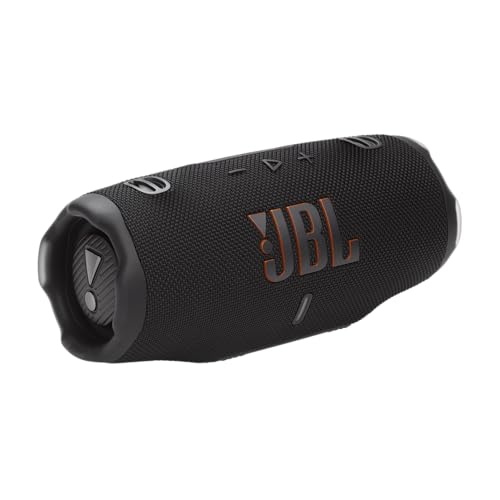
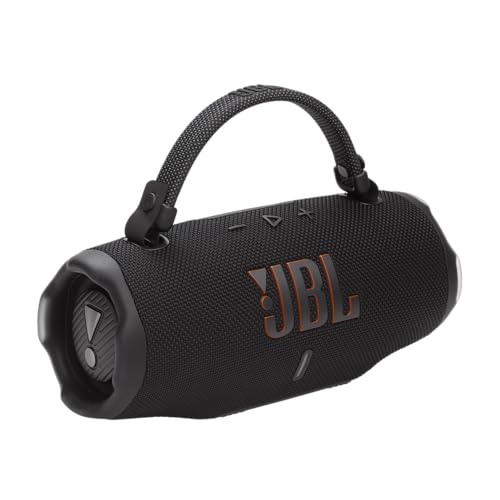
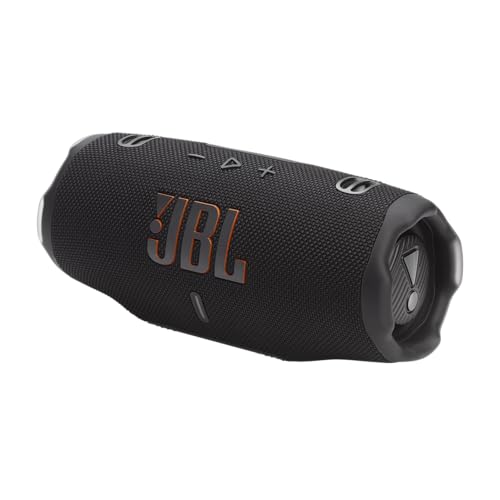
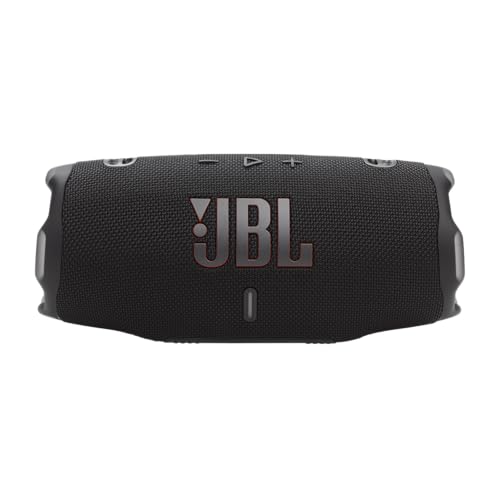
The JBL Charge 6 represents JBL's "adventure-ready" philosophy. Released in 2021 as an evolution of the popular Charge series, it doubles down on durability, battery life, and practical features. JBL has been refining this formula for years, and the Charge 6 benefits from all that iteration. The most significant upgrade from its predecessor involves the new AI Sound Boost technology—essentially a smart algorithm that analyzes your music in real-time and adjusts the drivers to prevent distortion while maximizing volume.
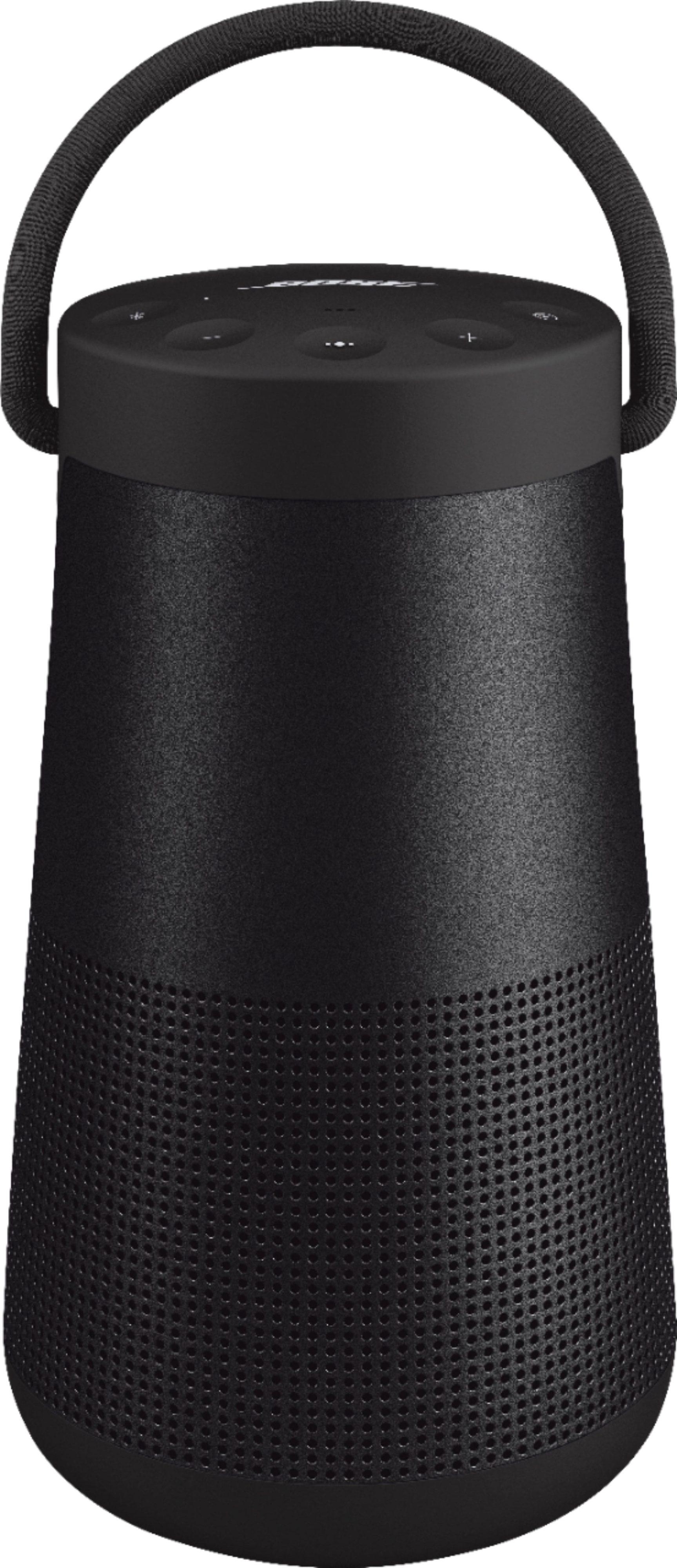
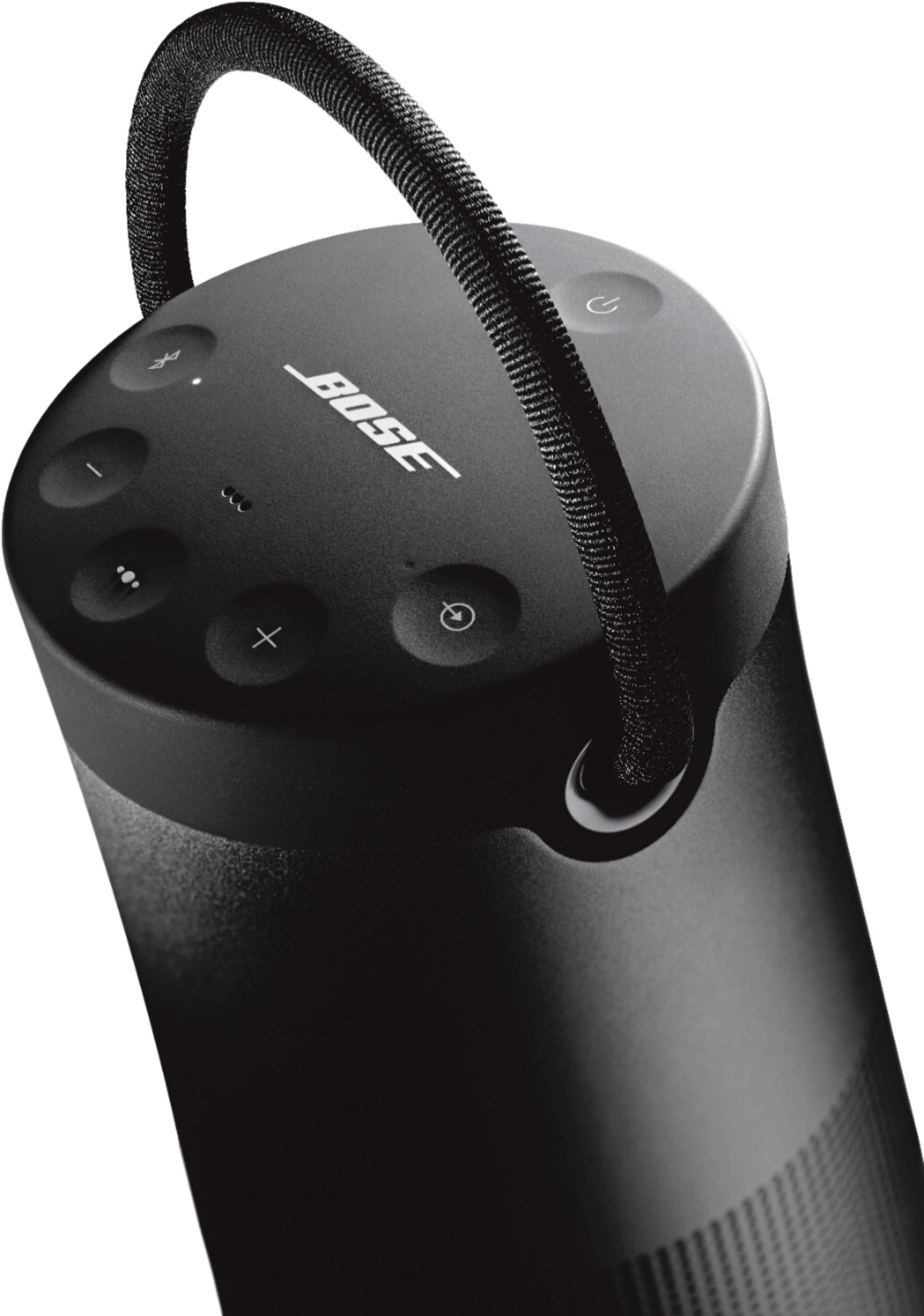
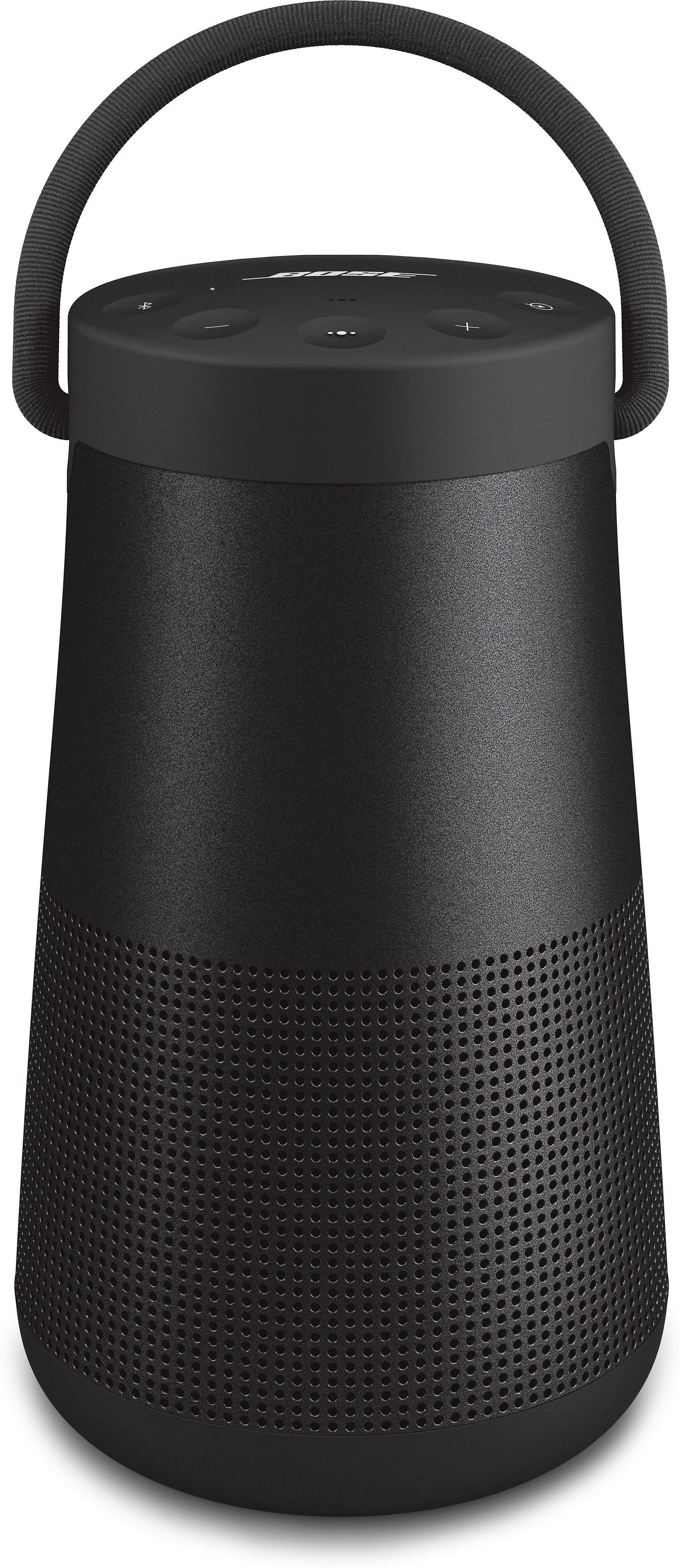
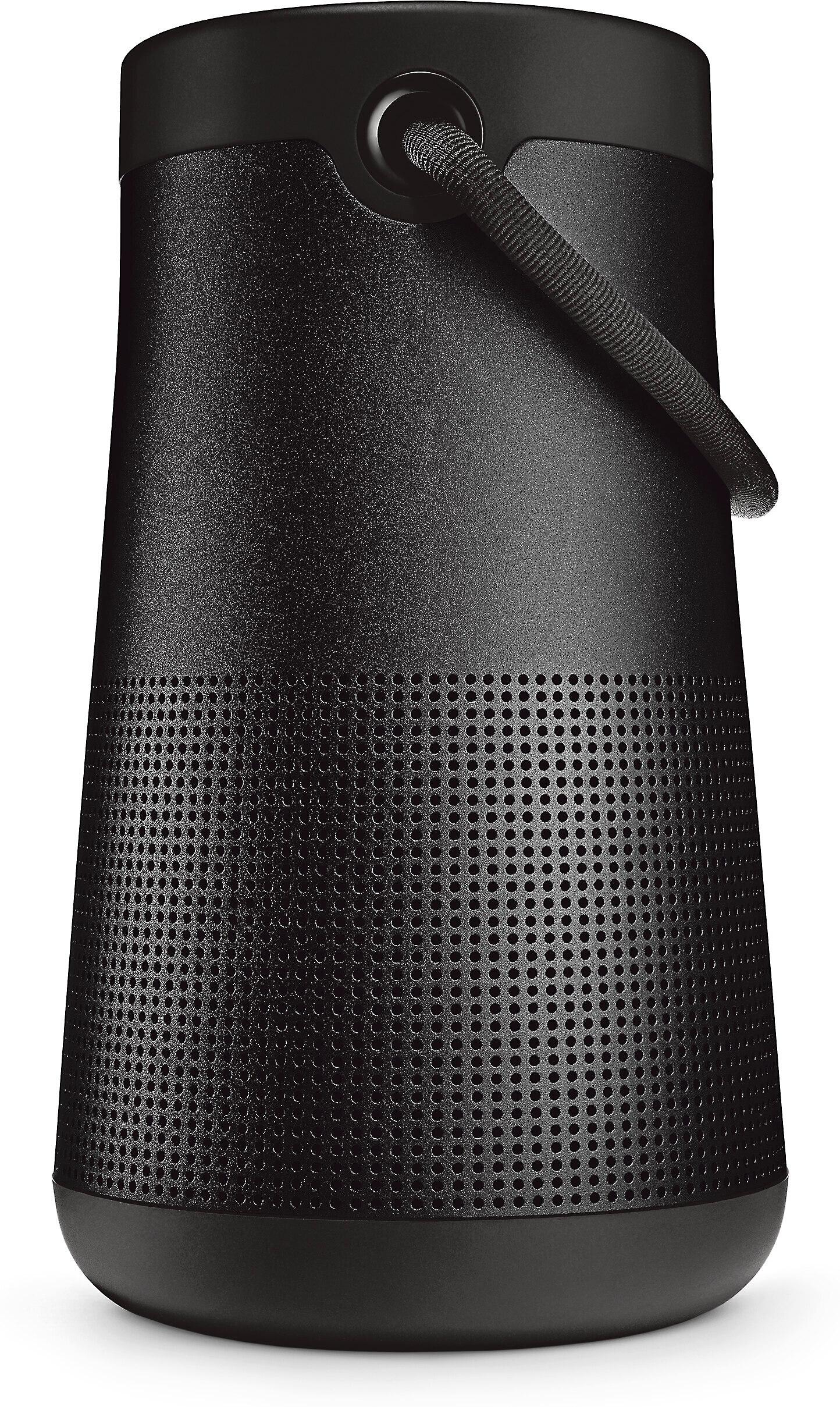
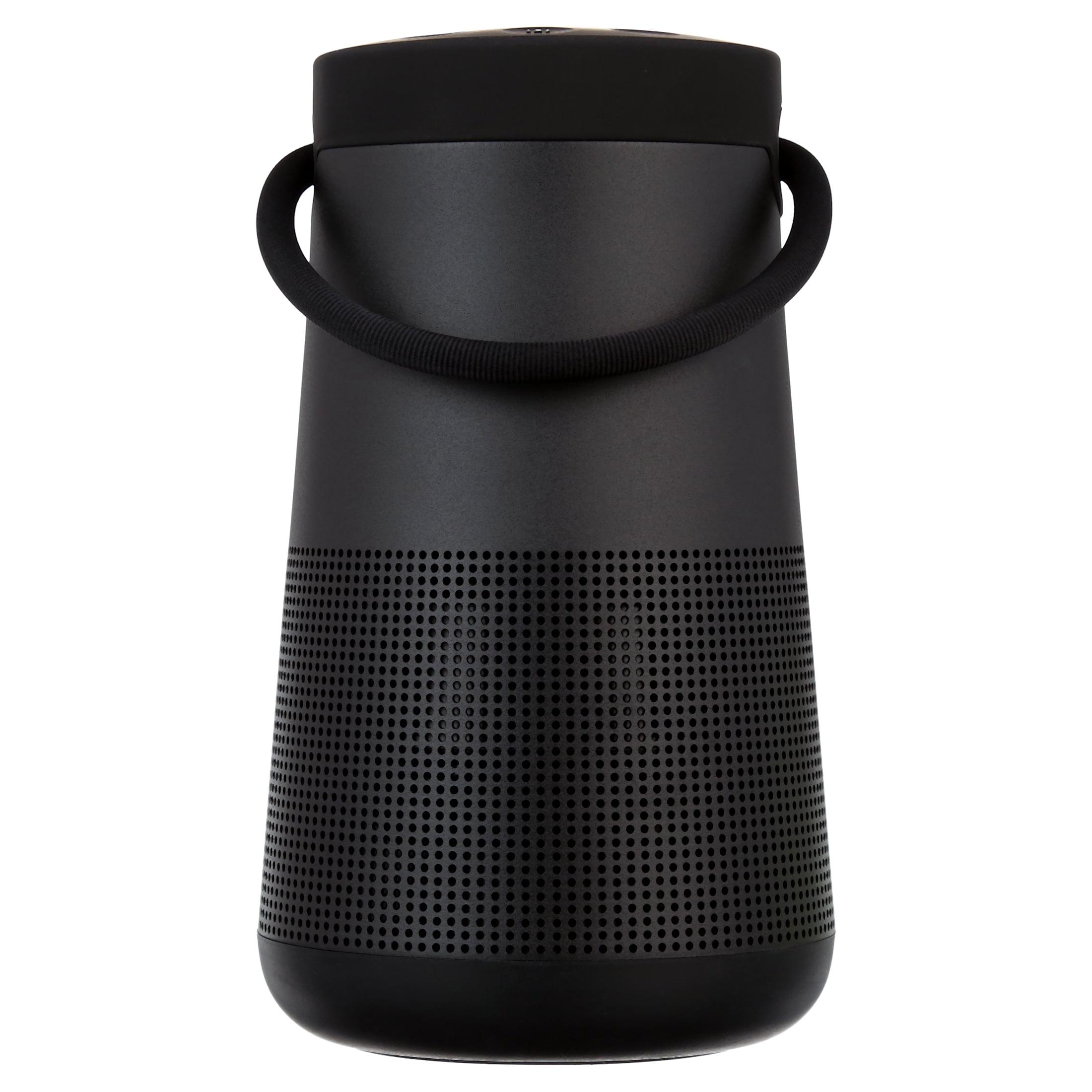
The Bose SoundLink Revolve+ II, also from 2021, takes a completely different approach. Where JBL focuses on ruggedness, Bose prioritizes acoustic innovation with its 360-degree sound projection. This isn't just marketing speak—the speaker uses a downward-firing driver and acoustic deflector (think of it as a sound distributor that spreads audio evenly in all directions) to create an omnidirectional audio experience.
These design philosophies lead to speakers that excel in different situations, and understanding these differences is key to making the right choice.
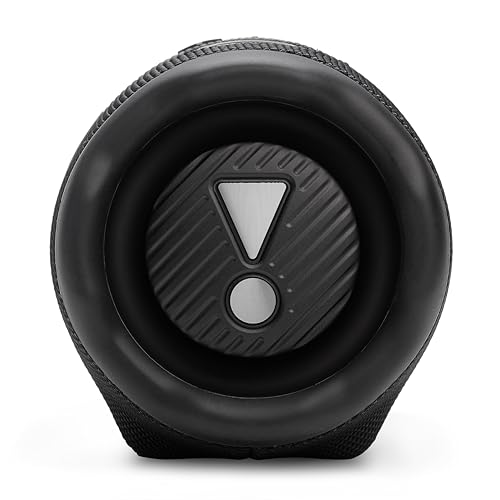
Let's start with what you'll actually hear. The JBL Charge 6 uses a traditional forward-firing approach with a substantial 53mm x 93mm oval woofer (the driver that handles bass and midrange) paired with a 20mm tweeter (for high frequencies). This setup, combined with dual passive radiators on the sides (these are essentially bass ports that move air to enhance low-end response), delivers a total of 45 watts of power.
What makes this interesting is how the power is distributed: 30 watts to the woofer and 15 watts to the tweeter. This asymmetric power allocation means the Charge 6 can push serious bass without the high frequencies getting overwhelmed—a common problem with lesser speakers.
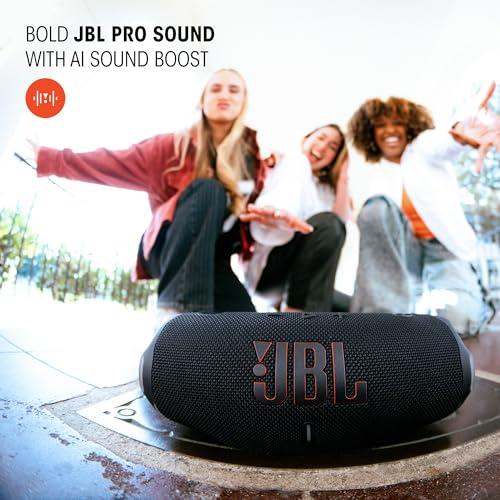
The real game-changer is JBL's AI Sound Boost technology. Think of this as a smart bouncer for your music: it constantly monitors the audio signal and prevents the drivers from being pushed beyond their limits, which would cause distortion. In practice, this means you can crank the JBL Charge 6 to maximum volume and still get clean, detailed sound where cheaper speakers would start sounding like they're being strangled.
Our research into user experiences consistently shows the Charge 6 excelling at high volumes. One particularly telling comparison found that above 50% volume, the Charge 6 pulls ahead of most competitors with more powerful and balanced sound. The seven-band equalizer in the JBL Portable app lets you fine-tune this performance to match your music preferences—something that's surprisingly rare in this price range.
The Bose SoundLink Revolve+ II takes a fundamentally different approach. Instead of firing sound in one direction, it uses that downward-facing driver and acoustic deflector to spread sound 360 degrees around the room. This creates what Bose calls "uniform coverage"—meaning the person standing behind the speaker gets basically the same audio experience as someone in front of it.
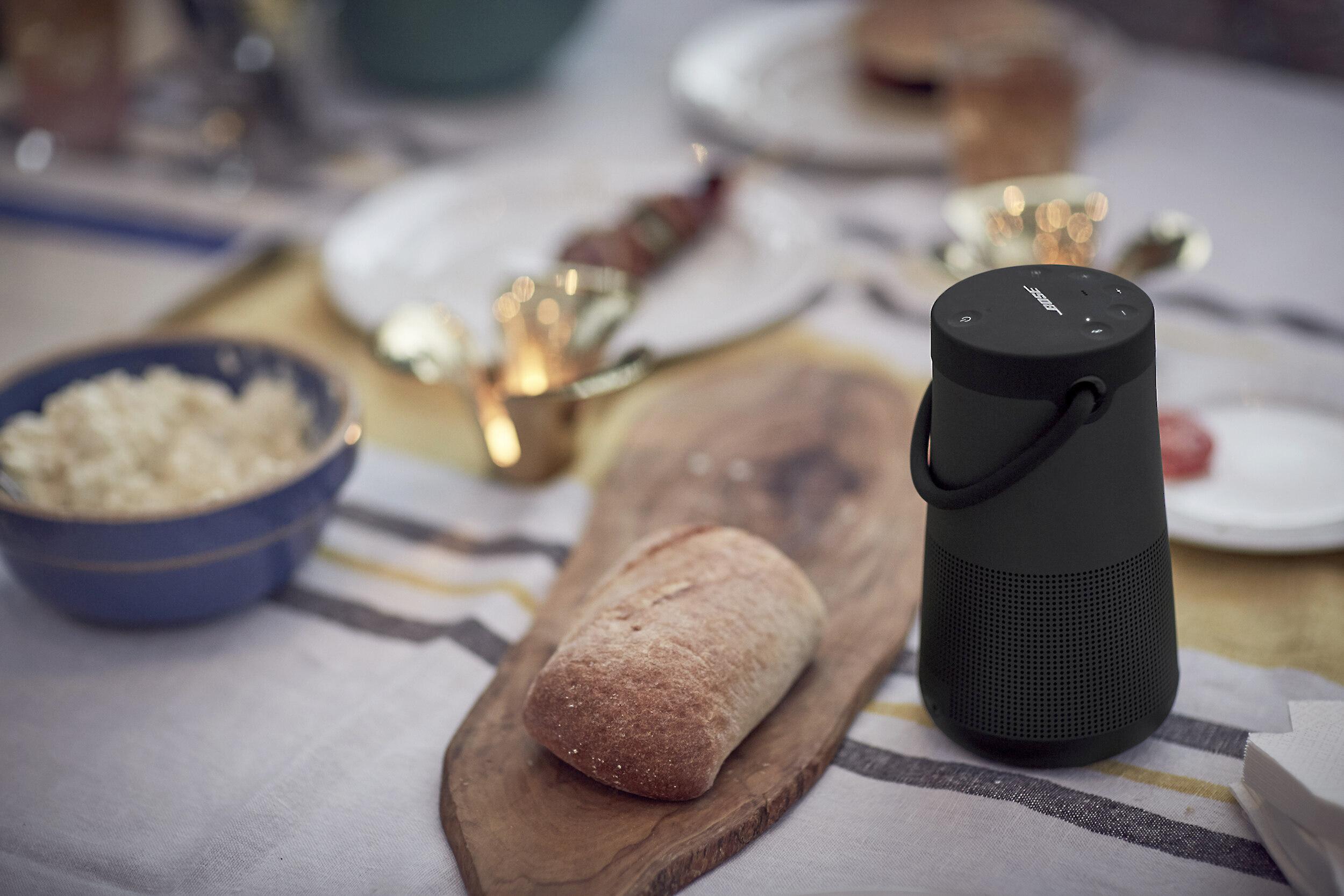
This omnidirectional approach has real advantages for certain situations. Place the Bose SoundLink Revolve+ II in the center of a room during a party, and everyone gets quality sound regardless of where they're standing. The audio seems to float in the space rather than coming from a specific point, which can be particularly impressive for ambient or acoustic music.
However, this 360-degree design comes with trade-offs. The speaker has to work harder to fill a space, which can impact maximum volume compared to directional speakers. User reports suggest the Revolve+ II starts to compress (lose dynamic range) at higher volumes, and the omnidirectional design means you can't really optimize placement for critical listening the way you can with traditional speakers.
For sound quality, the JBL Charge 6 wins on raw performance and customization, while the Bose SoundLink Revolve+ II wins on spatial experience and room-filling capabilities.
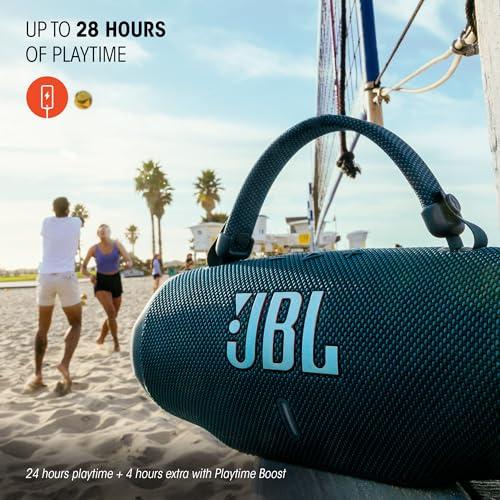
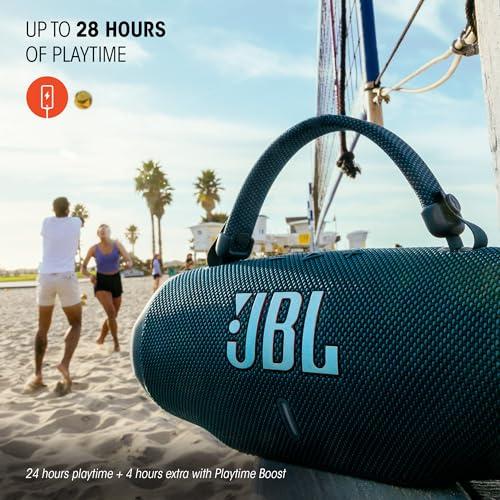
Here's where the JBL Charge 6 absolutely dominates. JBL claims up to 24 hours of playback time, and real-world testing consistently shows it delivering on this promise at moderate volumes. But here's the kicker—there's a Playtime Boost mode that extends this to 28 hours by reducing bass frequencies and lower-mids to decrease power consumption.
Even more impressive is the fast charging capability. Ten minutes of charging gives you 150 minutes of playback. This isn't just convenient—it's a game-changer for situations where you need quick power top-ups.
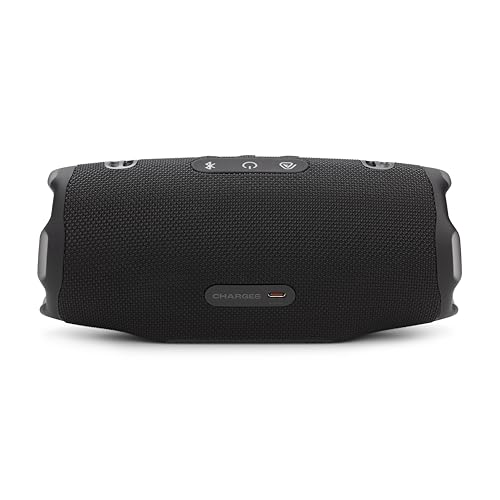
The Charge 6's USB-C port does double duty as both a charging input and a power bank output. This means your speaker can charge your phone, tablet, or other devices when you're away from power sources. It's a feature that sounds gimmicky until you're camping and realize your phone is at 5% battery.
The Bose SoundLink Revolve+ II offers up to 17 hours of battery life, which is respectable but significantly shorter than the JBL. At the time of writing, this represents about a 40% difference in runtime—enough to matter for extended use scenarios like camping trips or all-day outdoor events.
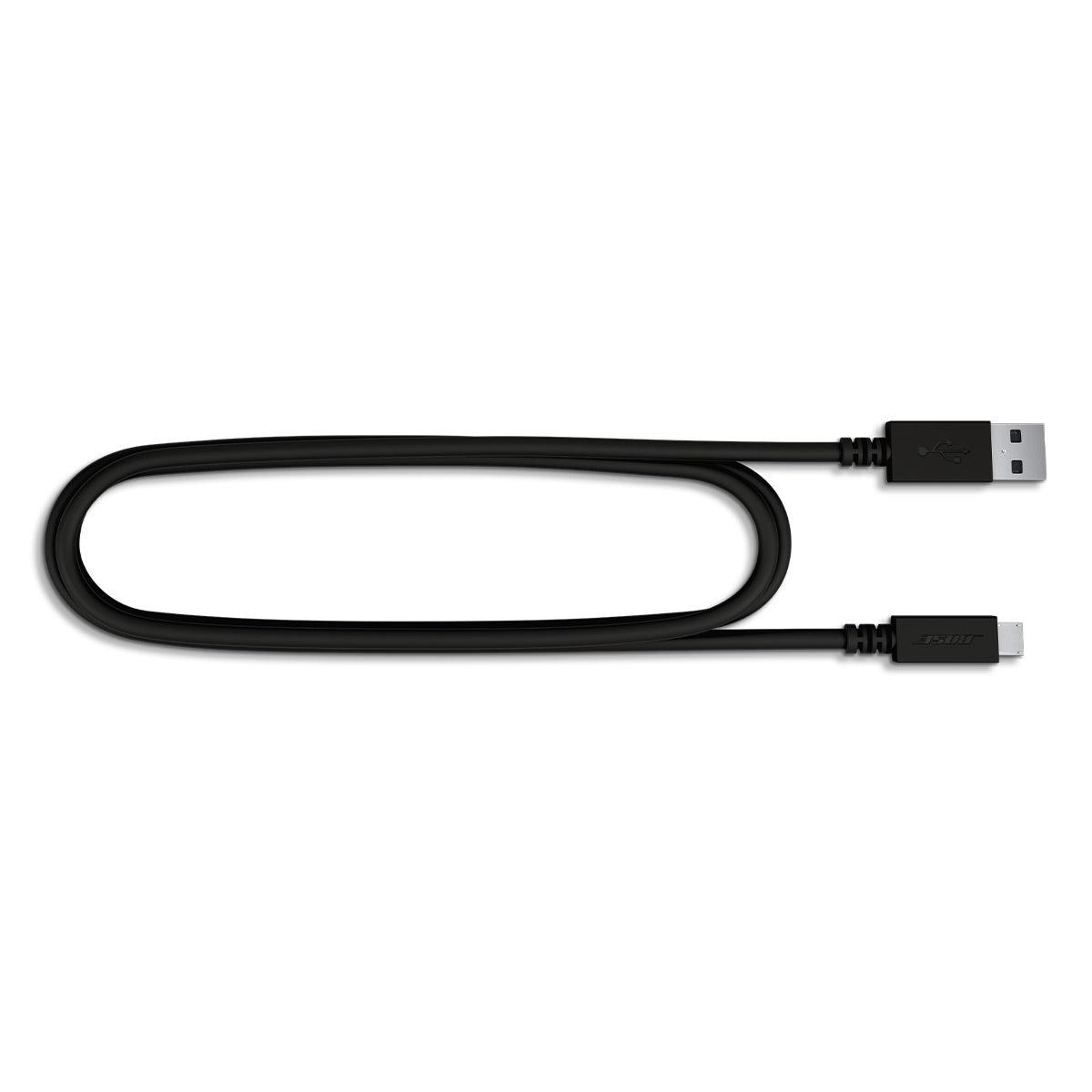
Bose uses an older Micro-B USB charging port, which charges more slowly and doesn't offer the versatility of USB-C. The full charge takes about 4 hours compared to the Charge 6's 3 hours, though you can play music while the Bose is charging.
The JBL Charge 6 wins decisively on battery life and charging convenience.
Water resistance ratings use the IP (Ingress Protection) system, where the first number rates dust protection and the second rates water protection. The JBL Charge 6 achieves IP68 rating—the first "6" means it's completely dust-tight, and the "8" means it can handle full submersion in water up to 1.5 meters deep for 30 minutes.
This isn't just marketing. The IP68 rating means you can literally drop the JBL Charge 6 in a pool, lake, or ocean and it'll keep working. For beach trips, poolside parties, or kayaking adventures, this level of protection is invaluable.
JBL has also tested the Charge 6 for drop resistance up to one meter, meaning it should survive falls onto concrete without damage. The construction uses 85% post-consumer recycled plastic, which not only helps the environment but also tends to be more impact-resistant than virgin plastic.
The Bose SoundLink Revolve+ II carries an IP55 rating. The "5" for dust means it's dust-protected (some dust may enter but won't damage operation), and the second "5" means it can handle water jets from any direction but not full submersion.
In practical terms, the Bose can handle rain, splashes, and dusty environments, but you wouldn't want to drop it in water. The aluminum body construction feels premium and should handle normal drops and impacts well, but it's not as ruggedized as the JBL.
The JBL Charge 6 wins clearly for outdoor adventures and harsh environments.
Both speakers handle basic Bluetooth connectivity well, but they diverge in their additional features. The JBL Charge 6 uses Bluetooth 5.4 with Auracast technology, which is JBL's system for connecting multiple compatible speakers. You can pair two Charge 6 speakers for stereo sound or connect multiple units for larger sound coverage.
The USB-C port on the Charge 6 isn't just for charging—it supports lossless audio transmission up to 24-bit/192kHz. For audiophiles using high-quality music services like Tidal or Apple Music's lossless tiers, this wired connection bypasses Bluetooth compression entirely. This is particularly useful for home use where you want the highest possible audio quality.
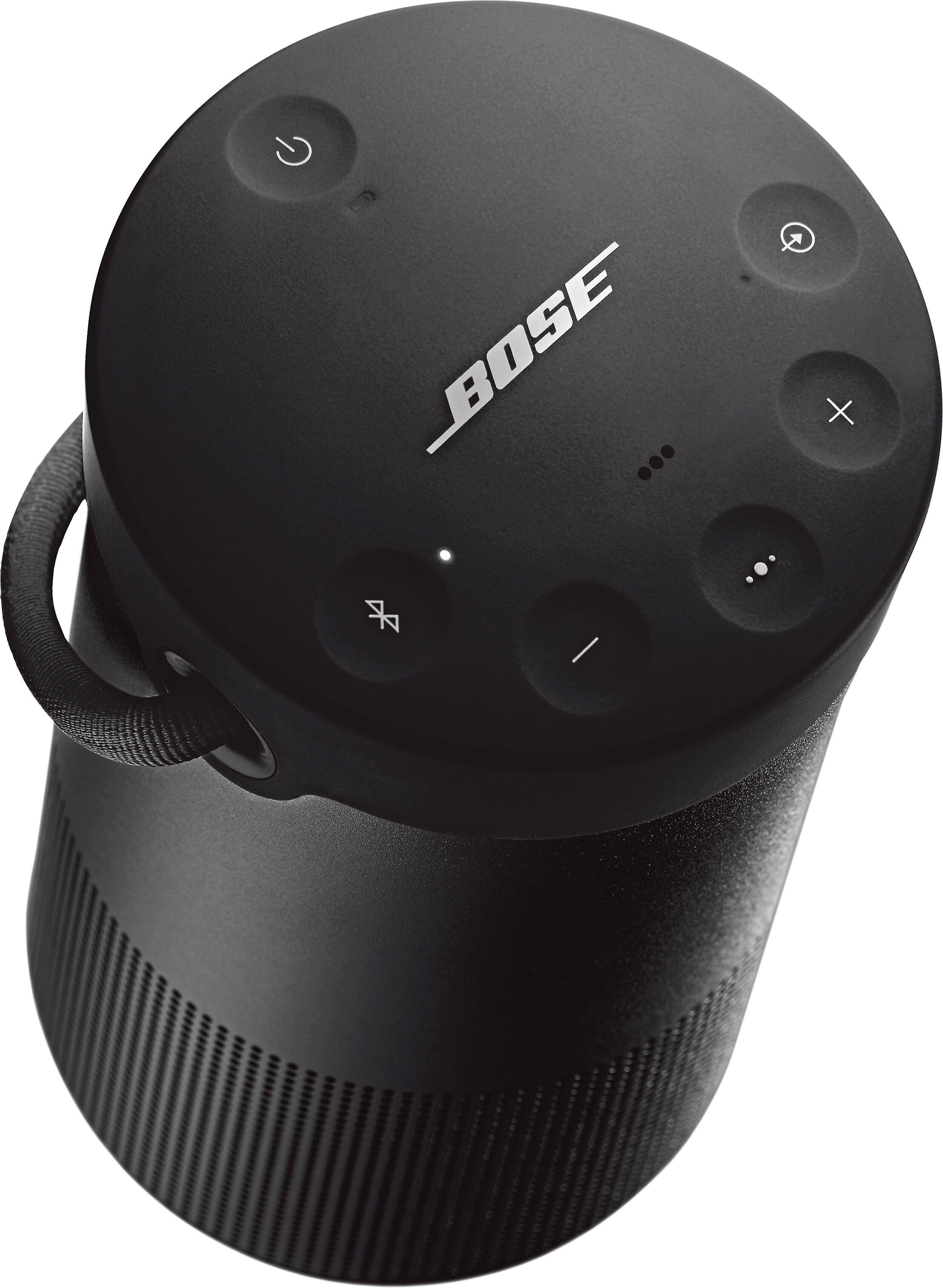
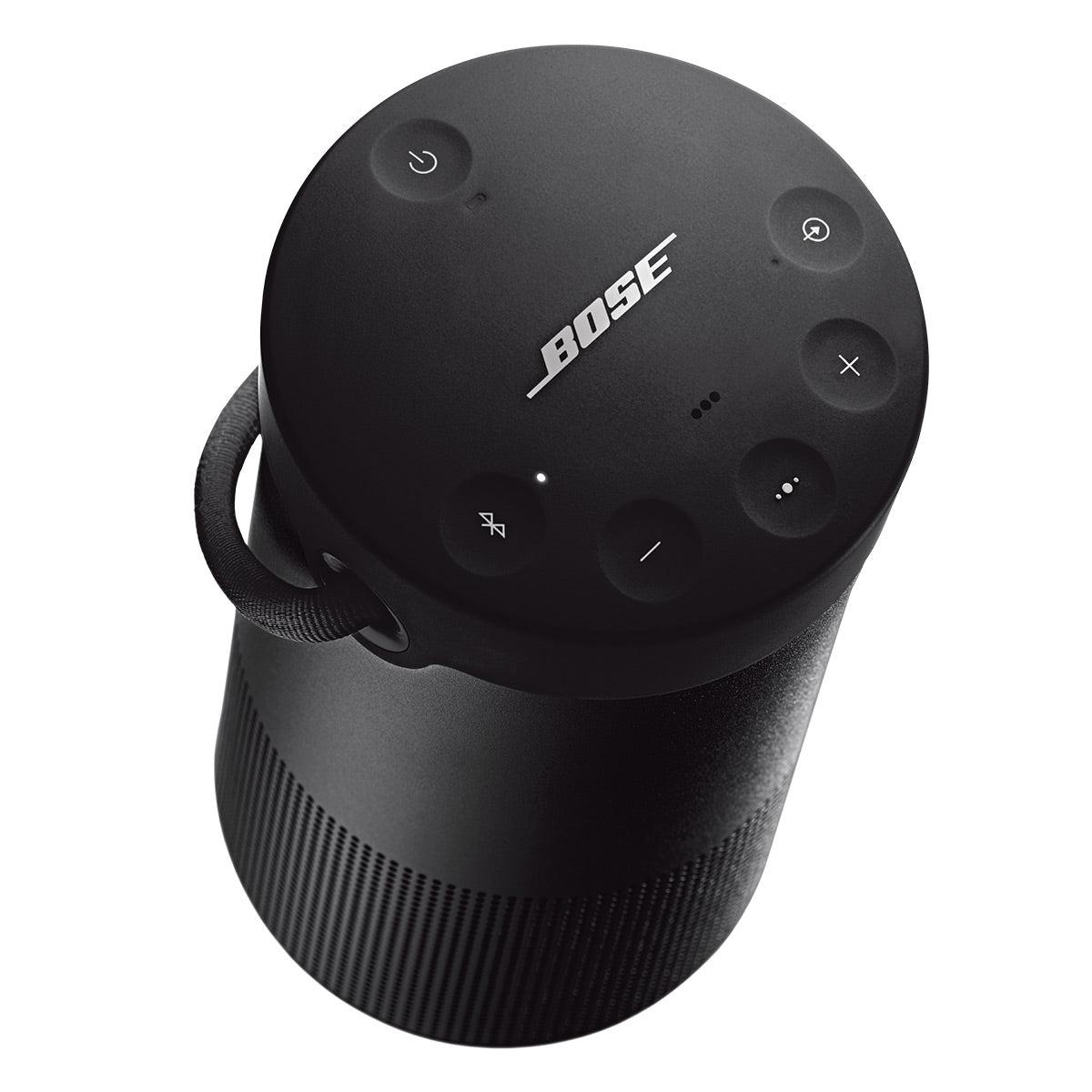
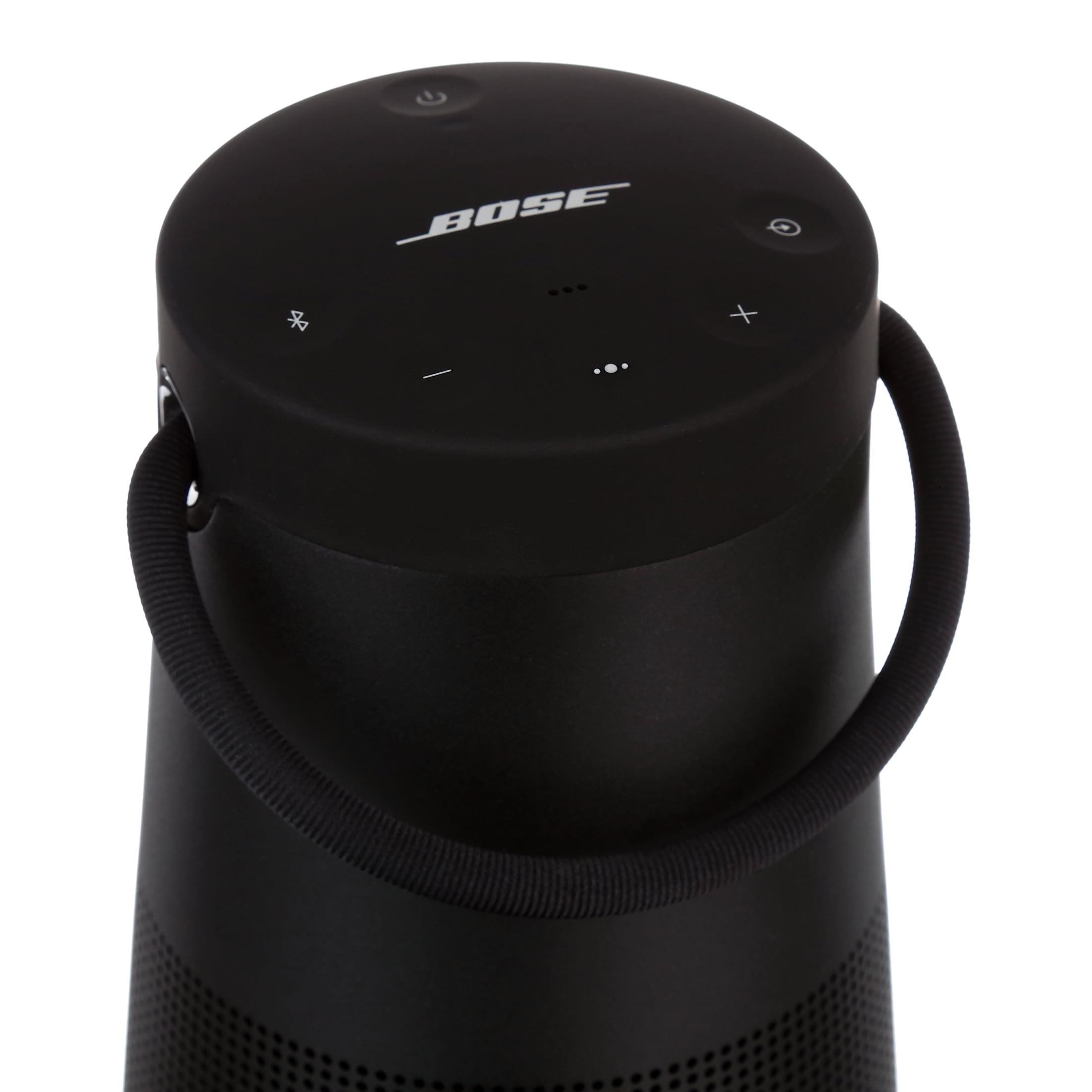
The Bose SoundLink Revolve+ II integrates Amazon Alexa directly into the speaker, meaning you can control smart home devices, ask questions, and control music playback with voice commands. It also supports Siri and Google Assistant through your connected phone. The built-in speakerphone functionality handles calls clearly, which the JBL lacks entirely.
Bose's Party Mode and Stereo Mode let you pair two Revolve+ II speakers for either synchronized playback or true left/right stereo separation. The Bose Connect app manages these connections and provides some audio customization, though not as extensive as JBL's seven-band equalizer.
The JBL Charge 6 wins for audio enthusiasts and power users, while the Bose SoundLink Revolve+ II wins for smart home integration and voice control.
While both speakers are designed for portability, they can serve double duty in home audio setups. The JBL Charge 6's USB-C lossless audio connection makes it surprisingly capable as a desktop speaker or even a small room audio solution. The customizable EQ lets you tune the sound for your specific space and preferences.
However, both speakers output mono sound when used individually. For any serious home listening, you'd want to pair two units for true stereo. The Charge 6's better high-volume performance gives it an edge for larger spaces, but the initial investment for two speakers becomes significant.
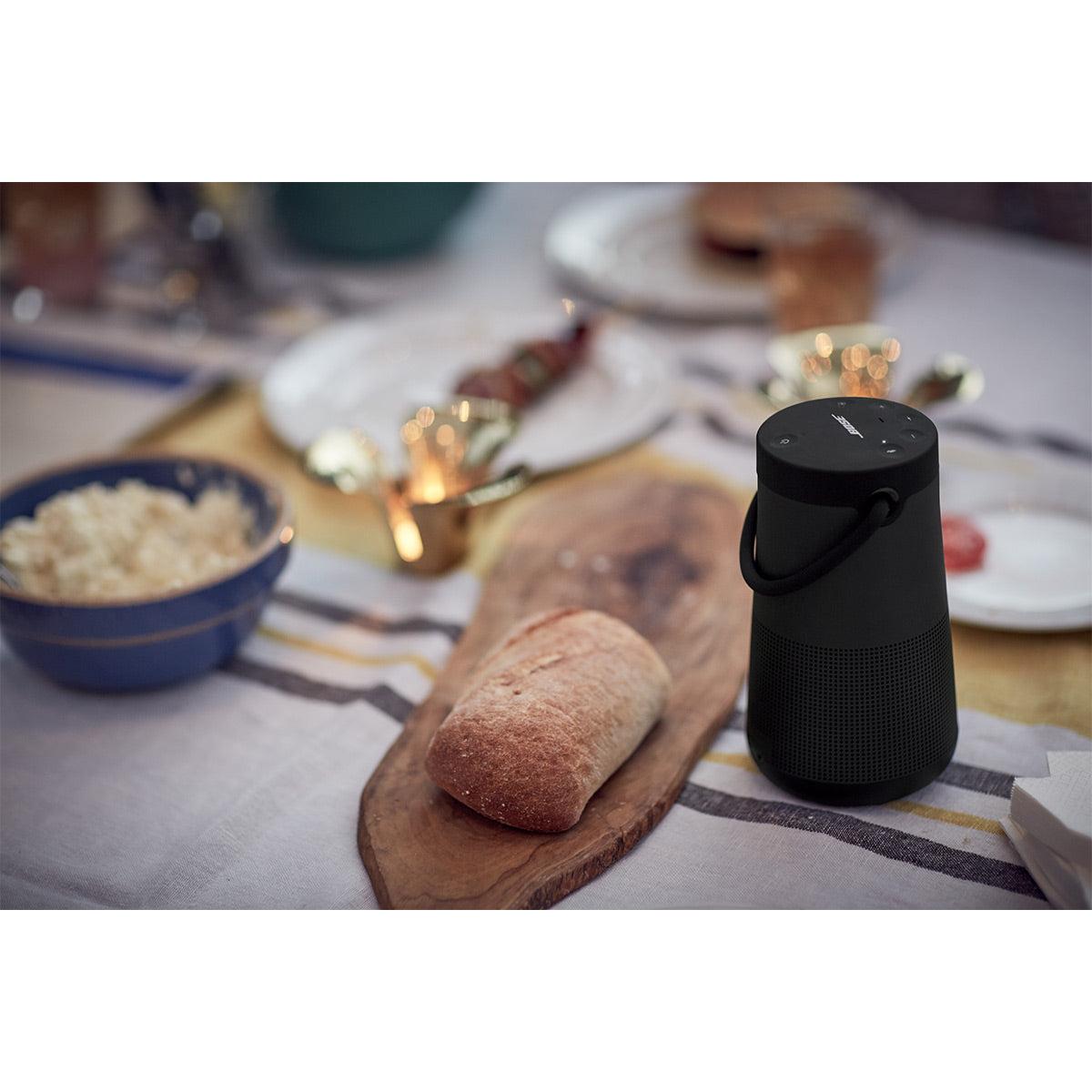
The Bose SoundLink Revolve+ II's 360-degree design actually works well for background music in homes or offices. Place it centrally, and it provides even coverage throughout a room without the directional sweet spot issues of traditional speakers. The aluminum construction also looks more at home in upscale environments compared to the ruggedized plastic of the JBL.
For home theater use, neither speaker is ideal due to audio latency (delay) over Bluetooth connections. The JBL Charge 6's wired USB-C connection could work for this application, but you'd really want dedicated home theater speakers for serious movie watching.
At the time of writing, the JBL Charge 6 typically retails for significantly less than the Bose SoundLink Revolve+ II—we're talking about a price difference of approximately $100 or about 50% more for the Bose.
When you break down what you get for your money, the value proposition becomes clear. The JBL Charge 6 offers 40% more battery life, superior water protection, power bank functionality, lossless audio connectivity, and more customizable sound—all at the lower price point.
The Bose SoundLink Revolve+ II's premium pricing reflects its brand positioning and the acoustic innovation of 360-degree sound, but the price-to-performance ratio favors JBL heavily.
This pricing gap means you could buy a JBL Charge 6 and have money left over for accessories, or you could buy two Charge 6 speakers for true stereo sound and still spend less than one Bose.
The JBL Charge 6 is the clear winner for most people. It delivers exceptional value with superior battery life, waterproof protection, and versatile functionality. Choose it if you want maximum features per dollar, need extended battery life for outdoor adventures, face harsh environments, appreciate power bank functionality, want customizable sound, or frequently listen at higher volumes.
The Bose SoundLink Revolve+ II excels in specific scenarios where its 360-degree audio and premium build quality matter more than raw specifications. Choose it if you prioritize room-filling sound distribution, regularly use voice assistants, prefer refined aesthetics, need placement flexibility, or value brand prestige.
For outdoor enthusiasts, budget-conscious buyers, or anyone who wants a speaker that can handle whatever life throws at it, the JBL Charge 6 represents exceptional value and practical functionality.
For users who prioritize acoustic innovation, smart home integration, and premium aesthetics over battery life and ruggedness, the Bose SoundLink Revolve+ II offers a unique and refined audio experience—just be prepared to pay for that refinement.
The bottom line: unless you specifically need 360-degree audio or voice assistant integration, the JBL Charge 6 delivers more speaker for your money while handling more real-world scenarios with confidence.
| JBL Charge 6 | Bose SoundLink Revolve+ II |
|---|---|
| Battery Life - Critical for outdoor use and all-day events | |
| 24 hours standard, 28 hours with Playtime Boost | 17 hours continuous playback |
| Water Protection - Determines survivability near water | |
| IP68 rating (fully waterproof, submersible to 1.5m) | IP55 rating (water-resistant, splash protection only) |
| Audio Configuration - Affects sound quality and volume capability | |
| 45W total: 53mm oval woofer + 20mm tweeter, mono output | 360-degree omnidirectional sound, stereo configuration |
| Sound Customization - Control over your audio experience | |
| 7-band customizable EQ via app | Limited EQ options through Bose Connect app |
| Charging Technology - Convenience and versatility | |
| USB-C fast charging (10 min = 150 min playback) | Micro-B USB, 4-hour full charge time |
| Power Bank Function - Extra utility beyond music | |
| Built-in USB-A port charges external devices | No power bank capability |
| Lossless Audio Support - Maximum quality for audiophiles | |
| USB-C wired connection up to 24-bit/192kHz | No lossless audio input option |
| Voice Assistant Integration - Smart home and hands-free control | |
| No built-in voice assistants | Amazon Alexa, Siri, Google Assistant support |
| Multi-Speaker Pairing - Scaling up your sound system | |
| Auracast technology (newer JBL speakers only) | Party Mode and Stereo Mode with second unit |
| Build Materials and Design - Durability vs aesthetics | |
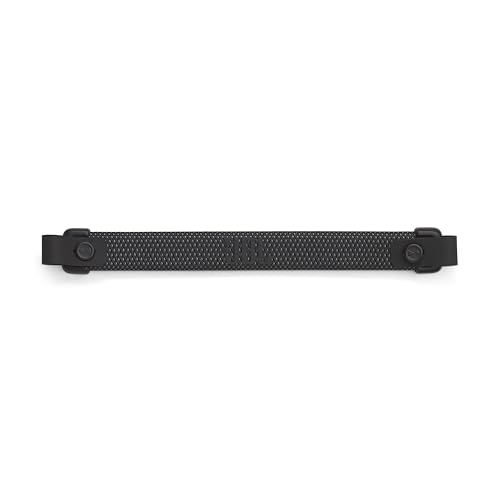
| 85% recycled plastic, fabric grille, detachable handle | Premium aluminum body with fabric handle |
| Bluetooth Version - Connection stability and range | |
| Bluetooth 5.4 with multi-device pairing | Bluetooth 4.2 with multi-point technology |
| Weight and Portability - Ease of transport | |
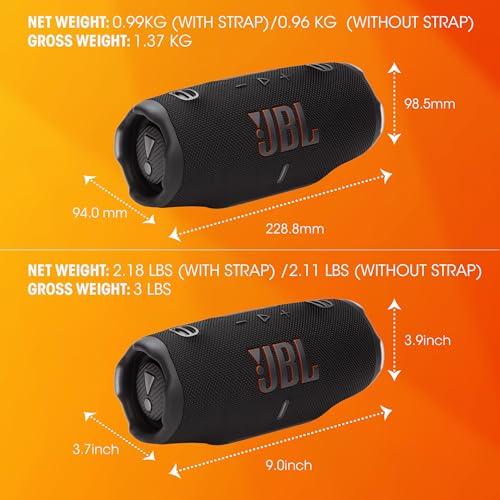
| 2.18 lbs with strap, 2.11 lbs without | 4.13 lbs with integrated handle |
The JBL Charge 6 offers significantly better battery life with up to 24 hours of playback time, extending to 28 hours with Playtime Boost mode. The Bose SoundLink Revolve+ II provides up to 17 hours of battery life. The JBL Charge 6 also features fast charging, giving you 150 minutes of playback from just 10 minutes of charging.
The JBL Charge 6 is fully waterproof with an IP68 rating, meaning it can be submerged in water up to 1.5 meters deep for 30 minutes. The Bose SoundLink Revolve+ II has an IP55 rating, which provides water resistance against splashes and light rain but cannot handle full submersion. For pool parties or beach use, the JBL Charge 6 is the clear winner.
The JBL Charge 6 delivers 45 watts of power through a traditional forward-firing design with customizable 7-band EQ for personalized sound tuning. The Bose SoundLink Revolve+ II features 360-degree omnidirectional sound that fills rooms evenly from any placement position. The JBL Charge 6 excels at high volumes with minimal distortion, while the Bose SoundLink Revolve+ II creates a more spacious, room-filling audio experience.
Yes, the JBL Charge 6 includes a built-in power bank feature with a USB-A port that can charge smartphones, tablets, and other devices. The Bose SoundLink Revolve+ II does not have power bank functionality. This makes the JBL Charge 6 more versatile for camping trips or situations where you need backup power.
For outdoor parties, the JBL Charge 6 is generally better due to its superior battery life (24-28 hours vs 17 hours), full waterproof protection, and ability to maintain clear sound at high volumes. However, if you want sound that reaches everyone equally regardless of where they're standing, the Bose SoundLink Revolve+ II's 360-degree audio design can be advantageous for circular gatherings.
The Bose SoundLink Revolve+ II has built-in support for Amazon Alexa, Siri, and Google Assistant, allowing hands-free voice control and smart home integration. The JBL Charge 6 does not include built-in voice assistant support, though you can still use voice commands through your connected phone. For smart home users, the Bose SoundLink Revolve+ II offers more convenience.
Both speakers support multi-speaker pairing but use different technologies. The JBL Charge 6 uses Auracast technology to connect multiple compatible JBL speakers for expanded sound coverage. The Bose SoundLink Revolve+ II offers Party Mode for synchronized playback and Stereo Mode for true left/right separation when paired with another Bose SoundLink Revolve+ II.
For home use, the JBL Charge 6 offers lossless audio playback through its USB-C connection and extensive EQ customization, making it excellent for desktop or small room audio. The Bose SoundLink Revolve+ II's 360-degree design works well for background music throughout a room and has a more premium aesthetic that fits upscale home environments. Both output mono sound when used individually.
The JBL Charge 6 uses a modern USB-C port that supports fast charging, lossless audio input, and power bank output functionality. The Bose SoundLink Revolve+ II uses an older Micro-B USB port primarily for charging, which takes about 4 hours for a full charge compared to the JBL Charge 6's 3-hour charge time.
The JBL Charge 6 generally offers better value with longer battery life, superior water protection, power bank functionality, lossless audio support, and customizable EQ at a lower price point. The Bose SoundLink Revolve+ II costs more but provides unique 360-degree audio, voice assistant integration, and premium build quality. Most users will find the JBL Charge 6 delivers more features per dollar spent.
The Bose SoundLink Revolve+ II includes a built-in speakerphone with clear call quality and voice assistant support for hands-free calling. The JBL Charge 6 does not have a built-in microphone, so it cannot handle phone calls directly. For users who frequently take calls through their speaker, the Bose SoundLink Revolve+ II is the only viable option.
The JBL Charge 6 is more durable for travel with its IP68 waterproof rating, 1-meter drop resistance, and rugged plastic construction designed for outdoor adventures. The Bose SoundLink Revolve+ II features a premium aluminum body that looks sophisticated but offers less protection against water damage and harsh environments. For camping, hiking, or beach trips, the JBL Charge 6 is the more reliable choice.
We've done our best to create useful and informative comparisons to help you decide what product to buy. Our research uses advanced automated methods to create this comparison and perfection is not possible - please contact us for corrections or questions. These are the sites we've researched in the creation of this article: rtings.com - youtube.com - stereoguide.com - whathifi.com - youtube.com - elomymelo.com - soundguys.com - elomymelo.com - wifihifi.com - soundguys.com - jbl.com - whathifi.com - soundguys.com - youtube.com - smarthomesounds.co.uk - jbl.com - sweetwater.com - youtube.com - bestbuy.com - jbl.com.sg - jbl.com - dell.com - ca.jbl.com - soundguys.com - soundguys.com - dell.com - rtings.com - dxomark.com - youtube.com - bestbuy.com - techradar.com - bhphotovideo.com - boselatam.com - nfm.com - bose.com - support.bose.com - bose.com - abt.com - bose.com

Privacy Policy
Terms and Conditions - Affiliate Policy
Home Security
© Copyright 2008-2026.
11816 Inwood Rd #1211, Dallas, TX 75244