

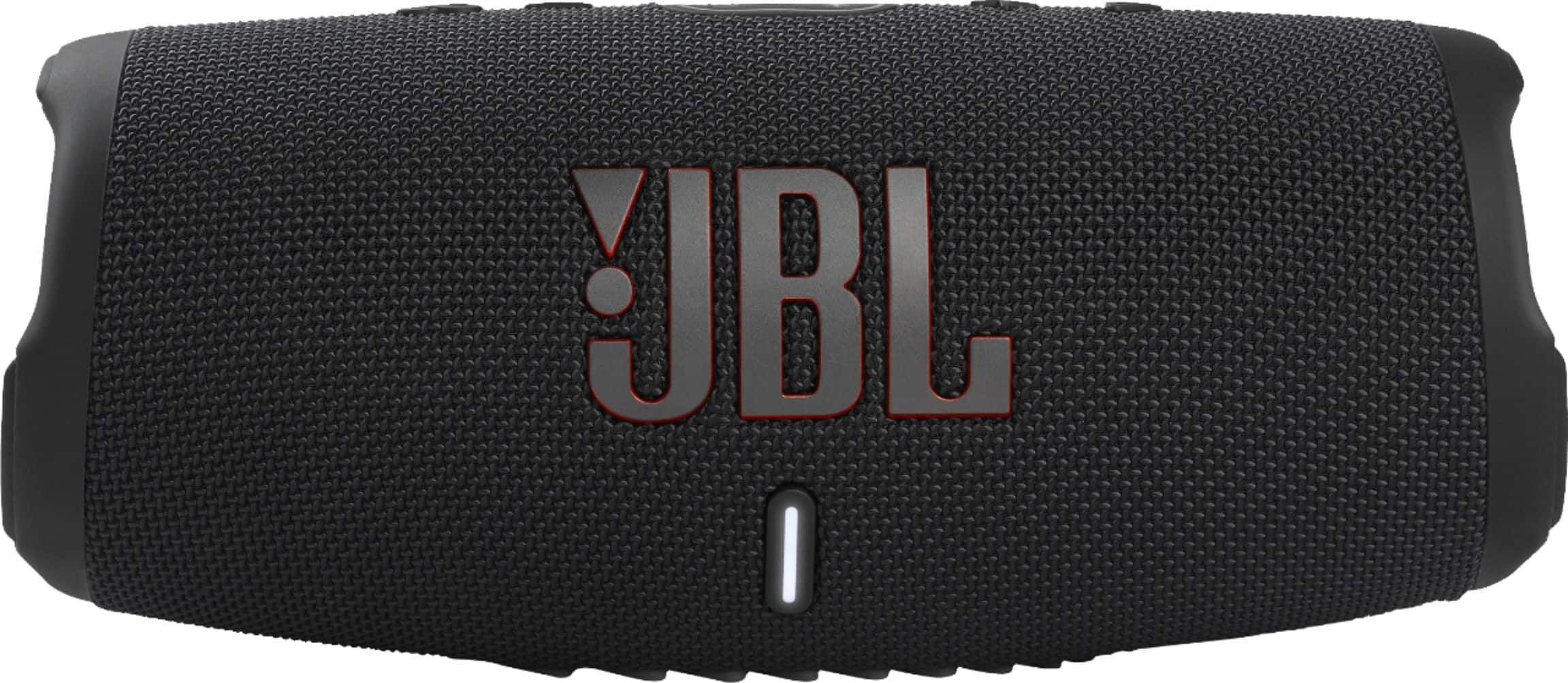
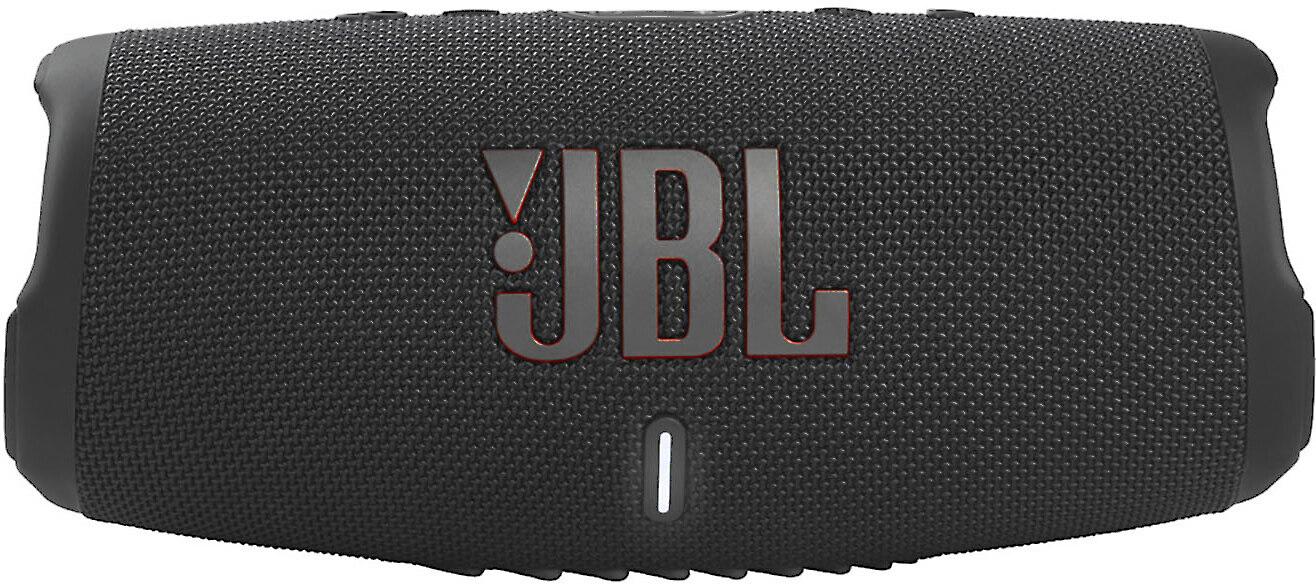
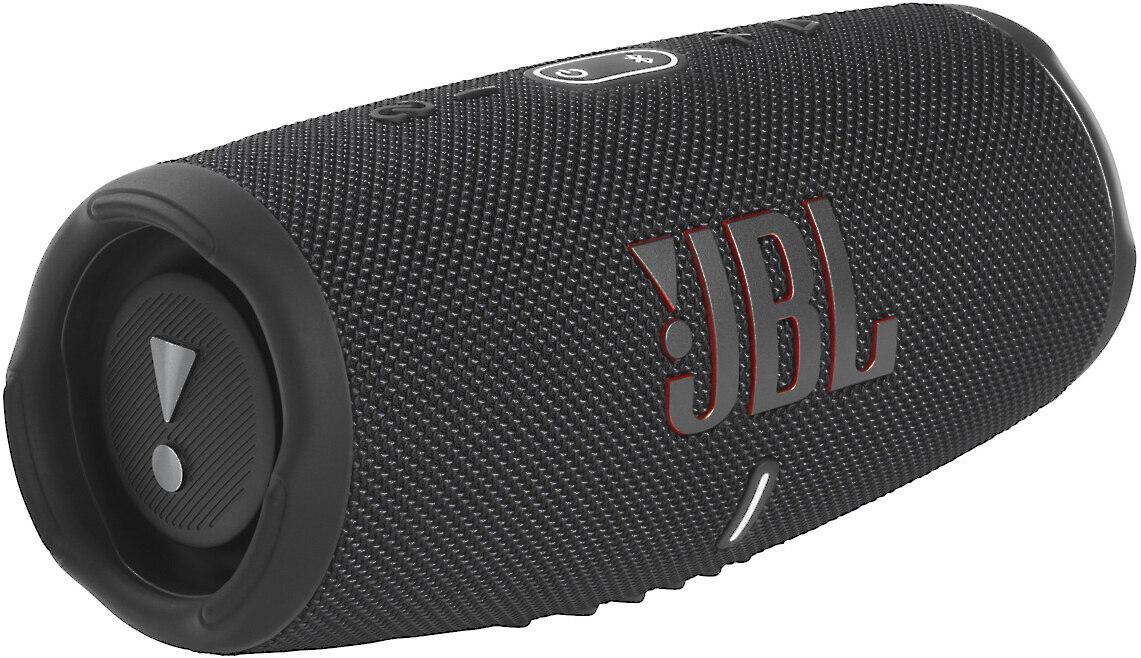

If you're shopping for a portable Bluetooth speaker that can survive beach days and power your devices, you've probably stumbled across JBL's Charge series. These speakers have dominated the "rugged portable with powerbank" category for years, but choosing between the Charge 4 and Charge 5 isn't as straightforward as picking the newer model.
Both speakers share the same core mission: deliver big sound in a portable package while keeping your phone charged. But the devil's in the details, and those details can make or break your listening experience depending on how you plan to use your speaker.
Before diving into the comparison, let's talk about what really matters in a portable Bluetooth speaker. Audio quality tops the list – you want clear vocals, punchy bass, and highs that don't sound like they're coming through a tin can. Battery life is crucial since these speakers are designed for all-day adventures. Durability matters too, especially the IP rating system that tells you how well a device handles water and dust (the first number is dust protection, the second is water protection).
Connectivity has become increasingly important as our devices multiply. Will your speaker work reliably at a distance? Can you connect multiple devices? These practical considerations often matter more than spec sheets suggest.
The Charge 4, released in 2018, and Charge 5, which hit shelves in 2021, represent JBL's evolution in portable audio. The three-year gap brought significant technological improvements, but it also created some trade-offs that might surprise you.
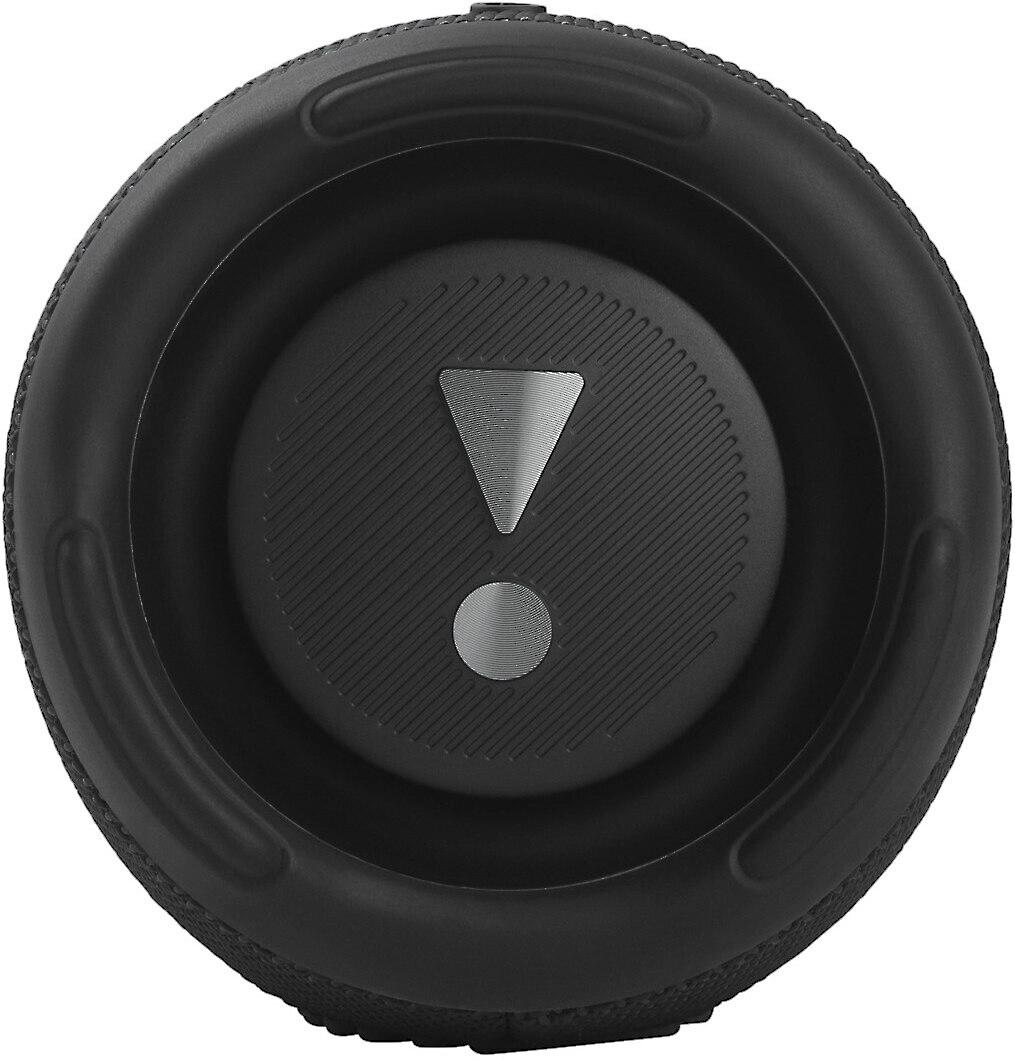
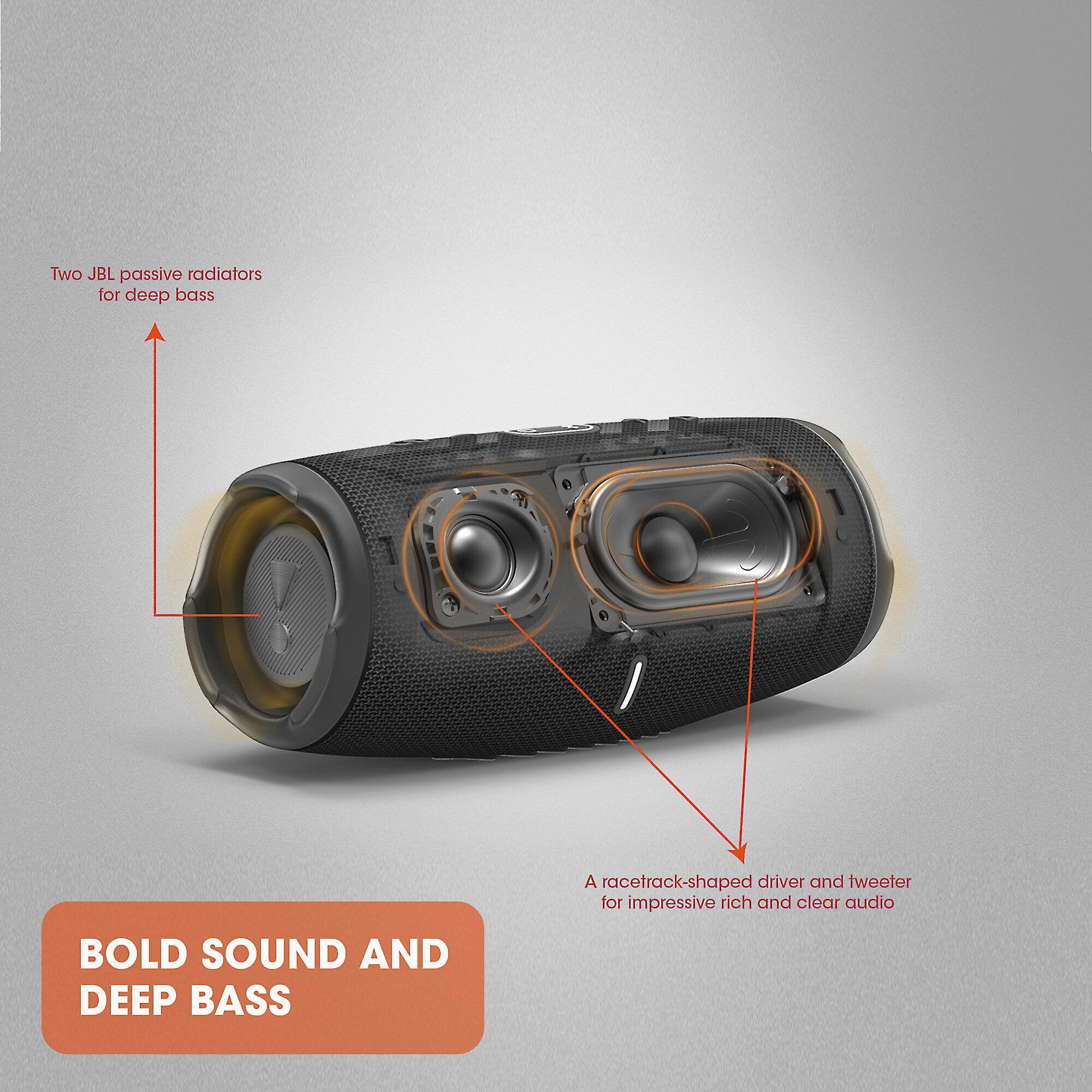
Here's where things get interesting. On paper, the Charge 5 should demolish the Charge 4 in audio quality – and in many ways, it does. The newer speaker features a completely redesigned driver system with a dedicated 20mm tweeter (the small driver that handles high frequencies) working alongside a larger 52x90mm woofer (the main driver for bass and midrange). This two-driver setup, called a coaxial configuration, allows each driver to specialize in what it does best.
The Charge 4, by contrast, uses a single 50x90mm driver to handle everything from deep bass to crisp highs. Think of it like asking one person to play both piano and drums versus having specialized musicians for each instrument.
This architectural difference shows up immediately when you listen. The Charge 5 delivers noticeably clearer highs – cymbal crashes sound more detailed, and vocals cut through busy mixes with better clarity. The soundstage (how wide and open the music sounds) also improves significantly thanks to the tweeter's ability to spread high frequencies more evenly.
But here's where expectations meet reality: despite the Charge 5's superior design, many listeners prefer the Charge 4's bass quality. While the newer speaker pumps out more powerful low-end thanks to its 40W RMS output versus 30W, that extra power comes with a trade-off. The bass sounds more impactful but less refined – there's more thump but less texture and detail in bass lines.
Our research into user feedback reveals this consistently: the Charge 5 hits harder, but the Charge 4 sounds cleaner in the low frequencies. If you're primarily listening to bass-heavy genres like hip-hop or electronic music, you might actually prefer the Charge 4's more controlled approach, even though it's technically the older design.
Volume capabilities clearly favor the Charge 5. The additional 10 watts of power output translates to noticeably louder maximum levels without the compression and distortion that plague the Charge 4 when pushed hard. For outdoor parties or large gatherings, this difference is significant.
Both speakers maintain their frequency response between 60Hz and 20kHz, which covers the full range of human hearing. However, the Charge 5's dual-driver system handles this range more effectively, especially at higher volumes where single-driver designs typically struggle.
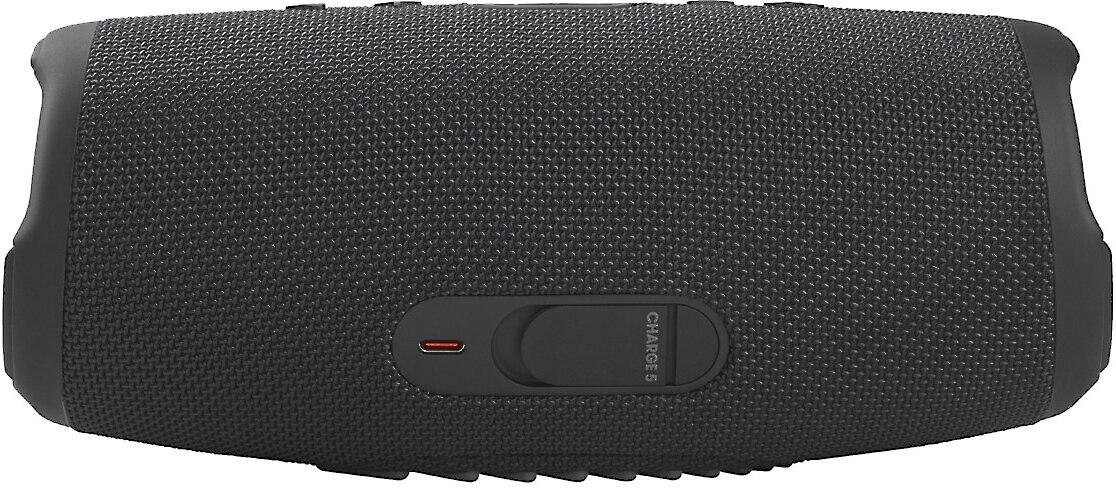
The connectivity story reveals one of the most controversial decisions JBL made with the Charge 5: removing the 3.5mm auxiliary input. This seemingly small change has major implications for how you can use these speakers.
The Charge 4 includes a standard headphone jack, protected behind a rubber flap alongside the USB ports. This means you can connect virtually any audio source – old iPods, laptops without Bluetooth, airplane entertainment systems, or devices with dead batteries. It's the kind of versatility that seems mundane until you need it.
The Charge 5 abandoned this port entirely, betting that Bluetooth connectivity had matured enough to make wired connections obsolete. In many ways, they were right. The speaker uses Bluetooth 5.1, a significant upgrade over the Charge 4's Bluetooth 4.2. This translates to more reliable connections, better range (up to 40-50 meters versus about 10 meters), and improved codec support (the technology that compresses and transmits audio wirelessly).
Our evaluation of user reports shows the Charge 5 maintains stable connections in scenarios where the Charge 4 struggles – through walls, at greater distances, and in areas with wireless interference. The newer Bluetooth standard also handles multiple device connections more gracefully.
The speaker pairing systems differ significantly too. The Charge 4 uses JBL's Connect+ technology, which lets you link up to 100 compatible speakers. This sounds impressive, but it only works with older JBL models from that era. The Charge 5 uses PartyBoost, JBL's newer pairing standard that works with their current speaker lineup but isn't backward compatible.
If you already own other JBL speakers, this compatibility difference could determine your choice. Connect+ gives you more flexibility with existing gear, while PartyBoost ensures compatibility with JBL's future releases.
Both speakers handle water admirably, but their protection levels differ in important ways. The Charge 4 carries an IPX7 rating, meaning it can survive submersion in up to one meter of water for 30 minutes. The "X" indicates no official dust protection rating, though the speaker's build quality provides reasonable resistance to sand and dirt.
The Charge 5 earned a full IP67 rating, adding certified dust protection to its water resistance credentials. That "6" rating means the speaker is completely dust-tight – no particles can enter the enclosure under normal use conditions. For beach trips, hiking, or construction sites, this difference matters.
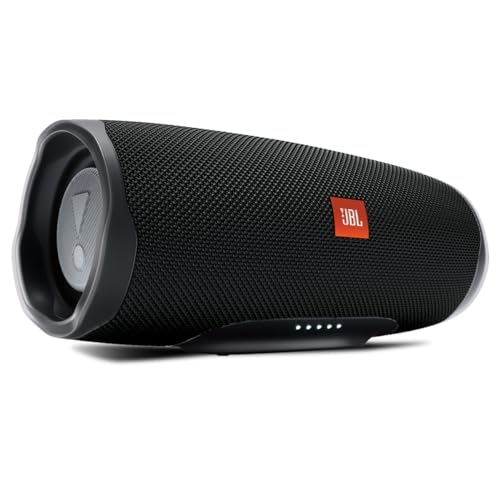
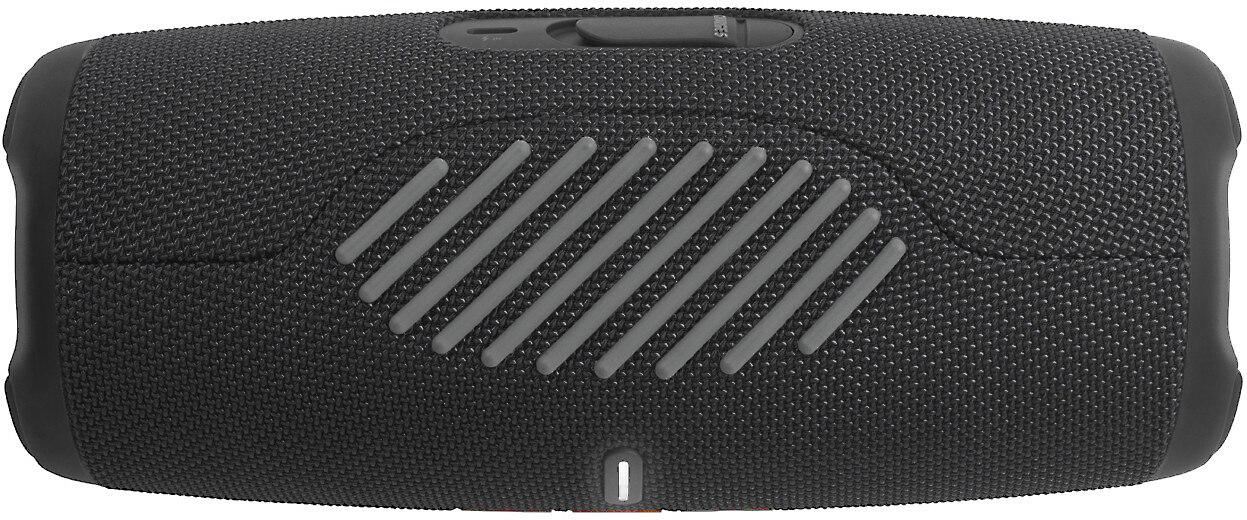
The build quality improvements extend beyond ratings. The Charge 5 features enhanced rubber sections that better absorb impacts and more secure port covers that seal tighter. However, JBL's design changes made the newer speaker slightly less stable – the rubber pattern on the bottom includes diagonal lines that can cause the speaker to tip more easily than the Charge 4's flatter base.
Both speakers use similar fabric wrapping and plastic construction, but three years of design refinement shows in the Charge 5's more premium feel and tighter construction tolerances.
Here's one area where both speakers perform identically: battery life. Each packs a 7500mAh lithium-ion battery rated for 20 hours of playback at moderate volumes. Real-world usage typically delivers 13-16 hours depending on volume levels and music content, which remains excellent for the category.
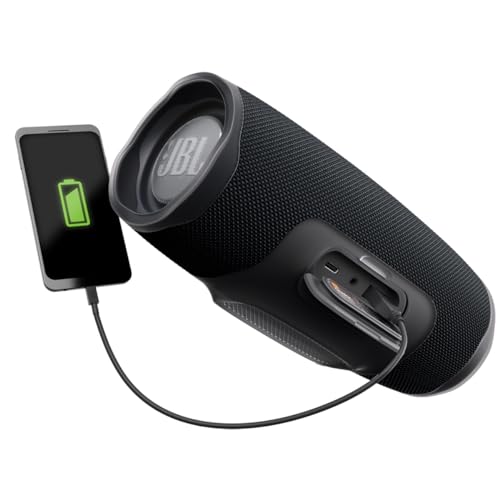
The powerbank functionality works identically on both speakers. A USB-A port lets you charge phones, tablets, or other devices using the speaker's battery. The output provides 5V at 2A, which charges most devices at reasonable speeds, though not as fast as dedicated fast-charging bricks.
This dual-purpose design distinguishes both Charge models from competitors. You're essentially carrying a speaker and portable charger in one device, which proves incredibly valuable during camping trips or long days at the beach where outlets are scarce.
Charging both speakers requires about 4 hours via USB-C, and both support pass-through charging (you can charge the speaker while it charges your devices). The efficiency and management systems appear identical between generations.
The Charge 5 gains a significant advantage through the JBL Portable app, which provides parametric EQ controls. This means you can adjust bass, midrange, and treble levels to match your preferences or compensate for different acoustic environments. The Charge 4 offers no app-based sound customization.
This EQ capability partially addresses the Charge 5's bass character issues – you can dial back the low-end emphasis if you prefer the Charge 4's more balanced approach. However, even with EQ adjustments, the fundamental character difference between the single-driver and dual-driver designs remains apparent.
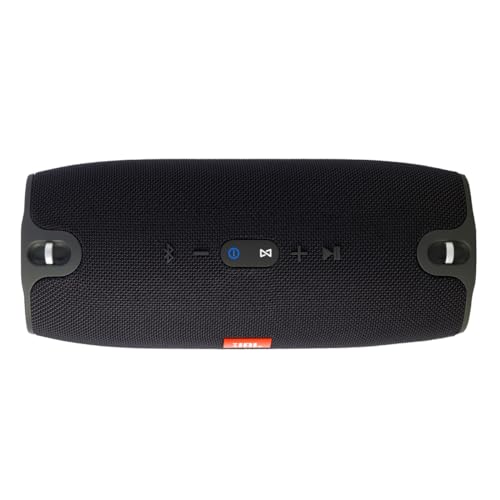
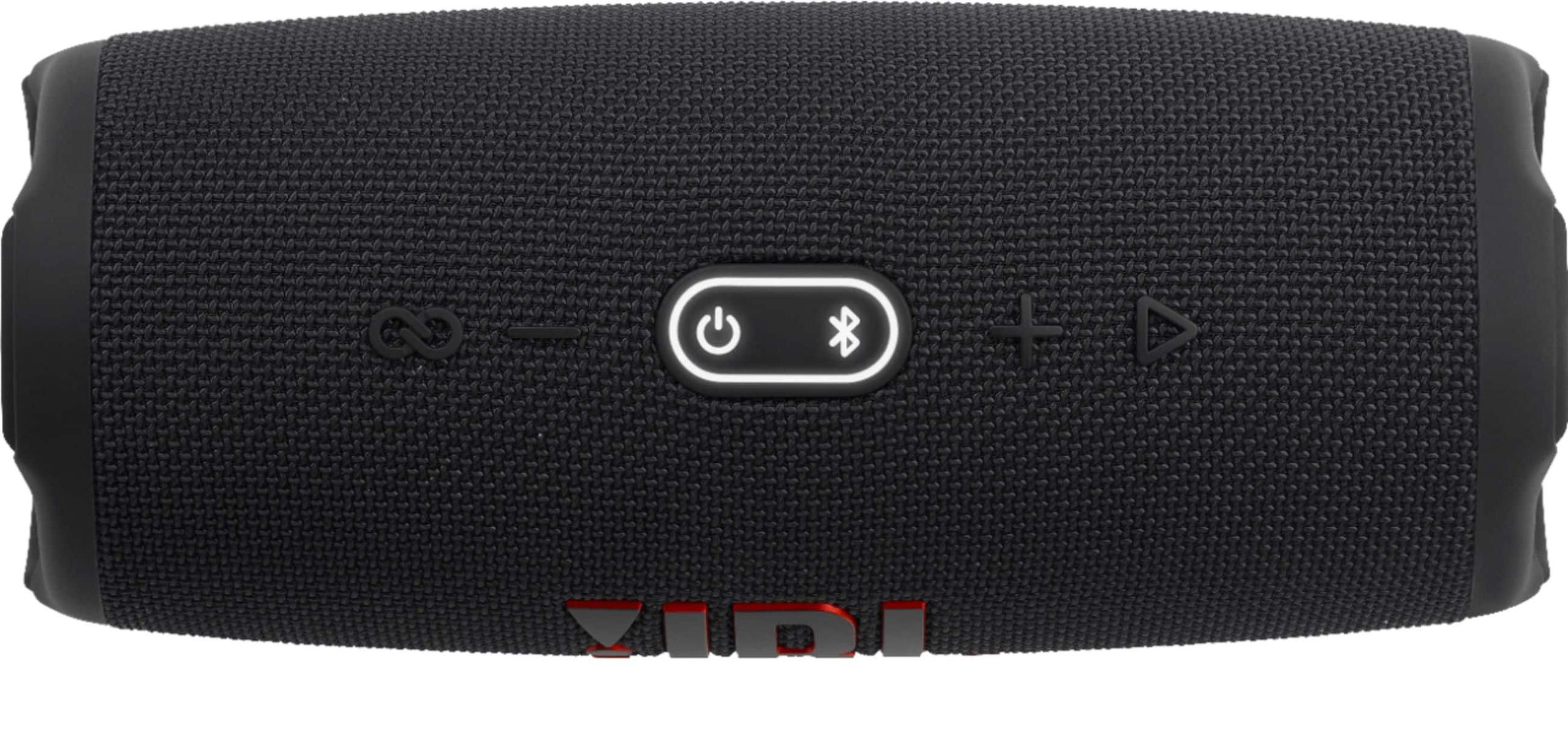
Physical controls work similarly on both speakers, with dedicated buttons for power, Bluetooth pairing, volume, and play/pause. Neither includes voice assistant integration, which keeps the focus on pure audio performance rather than smart features.
While both speakers excel outdoors, their indoor performance reveals interesting characteristics. The Charge 4's more balanced sound signature works well for background music or casual TV audio, though its mono output limits immersive experiences.
The Charge 5's extra power and enhanced bass response can better fill larger rooms, but that same bass emphasis might overwhelm smaller spaces. The EQ controls help here, letting you tune the sound for your specific room acoustics.
For actual home theater use, both speakers fall short of dedicated soundbars or stereo systems. The mono output, while adequate for portable use, can't match the spatial audio experience you get from properly positioned stereo speakers. However, for casual movie watching on laptops or tablets, either speaker provides clear dialogue and decent dynamic range.
The Charge 4's auxiliary input gives it an edge for connecting to TVs or other devices without Bluetooth, though this advantage diminishes as more devices gain wireless capabilities.
Choose the Charge 4 if you:
The Charge 4 represents incredible value in today's market. You're getting about 85% of the Charge 5's performance at roughly 70% of the cost. For casual listeners who don't need bleeding-edge audio quality, this older model delivers exceptional bang for your buck.
Choose the Charge 5 if you:
The Charge 5 justifies its premium through meaningful improvements in audio quality, durability, and connectivity. If you're an audio enthusiast or plan to use the speaker heavily in challenging environments, the extra cost pays dividends.
Both speakers excel in their intended roles, but they serve slightly different audiences. The Charge 4 stands as one of the best value propositions in portable audio – it delivers professional-quality sound at a price that won't break your budget. The auxiliary input adds genuine utility, and the cleaner bass response appeals to listeners who prioritize accuracy over impact.
The Charge 5 represents JBL's vision of what a modern portable speaker should be. It sounds better, lasts longer in harsh conditions, and integrates better with contemporary devices. The audio improvements are immediately apparent, especially at higher volumes where the dual-driver design shines.
Your choice ultimately depends on priorities. If value and versatility top your list, the Charge 4 delivers incredible performance for the money. If you want the best possible audio quality and can afford the premium, the Charge 5 provides a noticeably superior listening experience that justifies its higher price.
Either way, you're getting a speaker that can soundtrack your adventures for years to come while keeping your devices charged along the way. That combination of durability, sound quality, and practical utility explains why the Charge series has dominated this category for so long.
| JBL Charge 4 | JBL Charge 5 |
|---|---|
| Audio Configuration - Determines sound clarity and separation | |
| Single 50x90mm driver handles all frequencies | Dedicated 20mm tweeter + 52x90mm woofer for better clarity |
| Power Output - Affects maximum volume and headroom | |
| 30W RMS (adequate for most outdoor use) | 40W RMS (noticeably louder, better for parties) |
| Bluetooth Version - Impacts range and connection stability | |
| Bluetooth 4.2 (~10m range, occasional dropouts) | Bluetooth 5.1 (40-50m range, rock-solid connection) |
| Water/Dust Protection - Critical for outdoor durability | |
| IPX7 (waterproof only, no dust rating) | IP67 (fully waterproof and dustproof) |
| Wired Connectivity - Essential for non-Bluetooth devices | |
| 3.5mm aux input (connects to any audio source) | No aux input (Bluetooth only) |
| Speaker Pairing System - For multi-speaker setups | |
| Connect+ (works with older JBL speakers) | PartyBoost (works with newer JBL speakers only) |
| App Features - Customization and control options | |
| Basic pairing only (no sound adjustment) | Full EQ controls and sound customization |
| Bass Character - How low frequencies sound and feel | |
| Cleaner, more detailed bass with better texture | More powerful but muddier bass, emphasis on impact |
| Physical Stability - Important for placement on surfaces | |
| Flat bottom, very stable (rarely tips over) | Diagonal rubber pattern, less stable (can tip easier) |
| Battery Life - Identical performance for both models | |
| 20 hours rated, ~13-16 hours real-world use | 20 hours rated, ~13-16 hours real-world use |
| Powerbank Function - Charges external devices via USB-A | |
| 5V/2A output (charges phones and tablets) | 5V/2A output (identical charging capability) |
| Release Date - Age affects current market value | |
| 2018 (mature product with proven reliability) | 2021 (JBL Charge 5 represents latest tech) |
The JBL Charge 5 delivers superior overall sound quality thanks to its dedicated tweeter and larger woofer design. It produces clearer highs, louder maximum volume, and more powerful bass. However, the JBL Charge 4 offers cleaner, more detailed bass reproduction that some listeners prefer. If you prioritize audio clarity and maximum volume, choose the Charge 5. If you prefer balanced, refined bass, the Charge 4 might suit you better.
The biggest difference is the audio system design. The JBL Charge 5 uses a two-driver setup (separate tweeter and woofer) compared to the Charge 4's single driver handling all frequencies. The newer model also removes the aux input, upgrades to Bluetooth 5.1, and adds dust protection with IP67 rating. Additionally, the Charge 5 includes app-based EQ controls that the Charge 4 lacks.
Both the JBL Charge 4 and Charge 5 offer identical battery performance with 20-hour rated playtime and 7500mAh capacity. Both function as powerbanks to charge your devices and take about 4 hours to fully recharge via USB-C. Battery life isn't a deciding factor between these models.
The JBL Charge 5 is worth the premium if you prioritize superior audio quality, maximum volume, dust protection, and future-proof connectivity. The improvements in sound clarity and loudness are immediately noticeable. However, the JBL Charge 4 offers exceptional value, delivering about 85% of the performance at a lower cost, making it perfect for budget-conscious buyers who don't need bleeding-edge features.
The JBL Charge 5 offers superior protection with IP67 rating, providing both waterproofing and complete dust protection. The Charge 4 has IPX7 rating, which means excellent water resistance but no official dust protection. For beach trips, hiking, or dusty environments, the Charge 5's enhanced durability is worth considering, though both handle water exposure excellently.
Only the JBL Charge 4 includes a 3.5mm aux input for connecting wired devices like older iPods, laptops, or airplane entertainment systems. JBL removed this port from the Charge 5, making it Bluetooth-only. If you need wired connectivity for non-Bluetooth devices, the Charge 4 is your only option between these two models.
The JBL Charge 5 gets significantly louder with 40W output versus 30W, and produces more impactful, powerful bass. It's better for outdoor parties and large gatherings where maximum volume matters. The Charge 4 has a lower maximum volume but offers cleaner, more detailed bass reproduction. Choose the Charge 5 for power, or the Charge 4 for bass quality.
Yes, both the JBL Charge 4 and Charge 5 function as powerbanks with identical 5V/2A USB-A output ports. You can charge phones, tablets, or other devices while listening to music. This powerbank feature is one of the key advantages of the Charge series over other portable speakers and works equally well on both models.
The JBL Charge 5 has significantly better Bluetooth performance with version 5.1 offering 40-50 meter range and more stable connections. The Charge 4 uses Bluetooth 4.2 with about 10-meter range and occasional connection issues. For reliable wireless performance at distance, the Charge 5 is clearly superior.
Yes, but they use different systems. The JBL Charge 4 uses Connect+ technology that works with older JBL speakers, while the Charge 5 uses PartyBoost that only works with newer JBL models. If you already own older JBL speakers, stick with the Charge 4. For future JBL purchases, the Charge 5 ensures compatibility.
The JBL Charge 5 is better for outdoor use due to its IP67 dust protection, louder maximum volume, and more powerful bass that carries better in open spaces. However, the Charge 4 offers more versatility with its aux input for connecting devices without Bluetooth. Both handle water exposure excellently, making either suitable for pool parties or beach trips.
The main downsides of the JBL Charge 5 include the removal of the aux input (limiting device compatibility), muddier bass quality despite more power, and less stable placement due to its rubber base design. The Charge 4 offers cleaner bass, better stability, wired connectivity options, and superior value. Consider these trade-offs when deciding between the Charge 4 and Charge 5.
We've done our best to create useful and informative comparisons to help you decide what product to buy. Our research uses advanced automated methods to create this comparison and perfection is not possible - please contact us for corrections or questions. These are the sites we've researched in the creation of this article: rtings.com - whathifi.com - whathifi.com - soundguys.com - soundguys.com - streamtechreviews.com - youtube.com - versus.com - applevis.com - versus.com - jbl.com - jbl.com - walmart.com - comparisontabl.es - harmanaudio.com - manuals.plus - jbl.com.sg - jbl.com - mm.jbl.com - bestbuy.com - newpower99.com - forums.woot.com - techradar.com - outeraudio.com - youtube.com - soundguys.com - howtogeek.com - jbl.com - abt.com - youtube.com - harmanaudio.com - homedepot.com - bhphotovideo.com - dxomark.com

Privacy Policy
Terms and Conditions - Affiliate Policy
Home Security
© Copyright 2008-2026.
11816 Inwood Rd #1211, Dallas, TX 75244