






Portable Bluetooth speakers have become the Swiss Army knife of audio gear. Whether you're hosting a backyard barbecue, heading to the beach, or just want better sound than your phone's tiny speakers can deliver, these devices bridge the gap between convenience and quality. But with hundreds of options flooding the market, choosing the right one requires understanding what really matters.
The two speakers we're comparing today—the JBL Charge 6 from 2025 and the Sony ULT FIELD 1 from 2024—represent different philosophies in portable audio. One prioritizes versatility and endurance, while the other focuses on delivering powerful bass at an accessible price point. Let's dive into what sets them apart and which might be right for your needs.
Before we get into specifics, it's worth understanding what makes a portable speaker truly great. The most important factors fall into several categories: sound quality across different volume levels, battery life for extended use, durability for outdoor adventures, and connectivity options that actually work reliably.
Sound quality isn't just about how loud a speaker gets—though that matters too. It's about maintaining clarity when you crank the volume, delivering bass that doesn't sound muddy, and ensuring voices and instruments remain distinct rather than blending into audio soup. Many cheaper speakers sound decent at moderate volumes but fall apart when pushed harder, which defeats the purpose if you're trying to fill a larger space or compete with outdoor noise.
Battery life has become increasingly critical as our expectations have grown. A speaker that dies after four hours isn't much use for a day at the beach or a camping trip. The best portable speakers now offer 15-20+ hours of playback, fundamentally changing how we think about portable audio.
Durability matters because these speakers live tough lives. They get dropped, splashed, covered in sand, and stuffed into backpacks. The IP rating system (Ingress Protection) tells you how well a speaker handles water and dust—IP67 means it can survive temporary submersion, while IP68 can handle deeper water for longer periods.
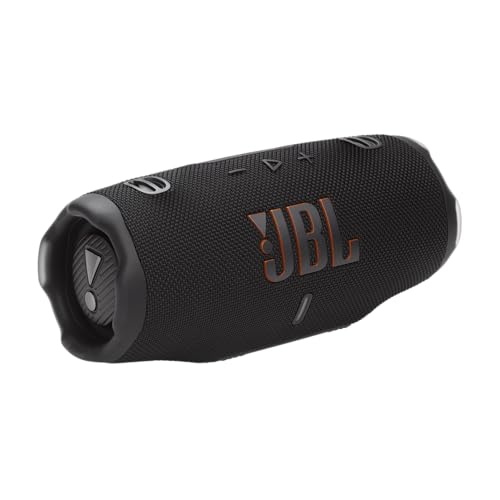
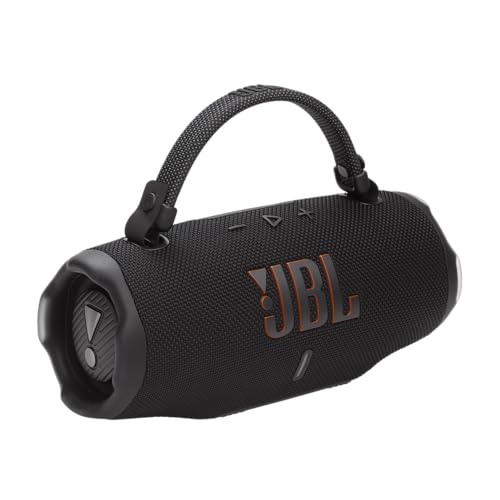
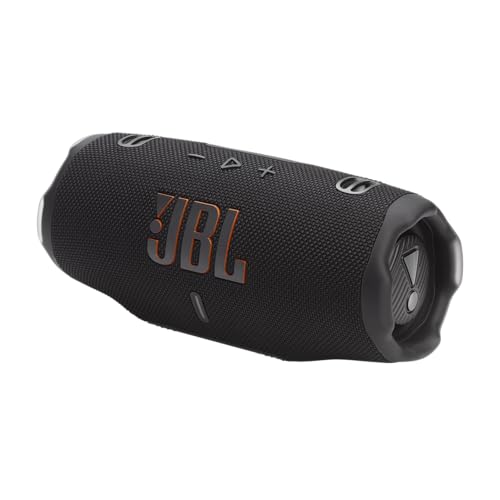
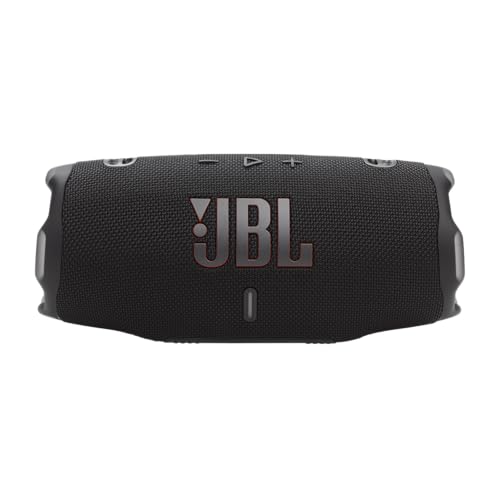
Released in 2025, the JBL Charge 6 represents JBL's flagship portable speaker philosophy: pack in every useful feature while maintaining excellent build quality. At the time of writing, it sits in the premium mid-range category, costing significantly more than budget options but less than high-end alternatives.
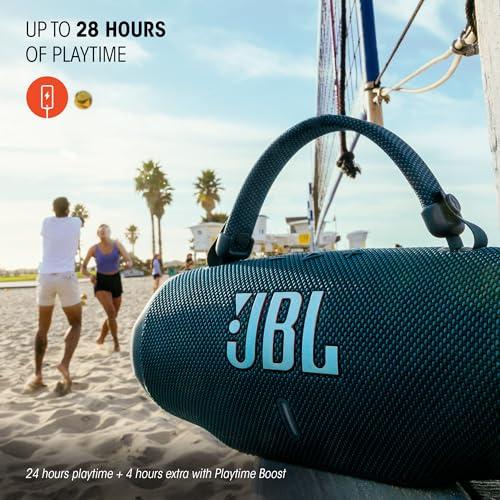
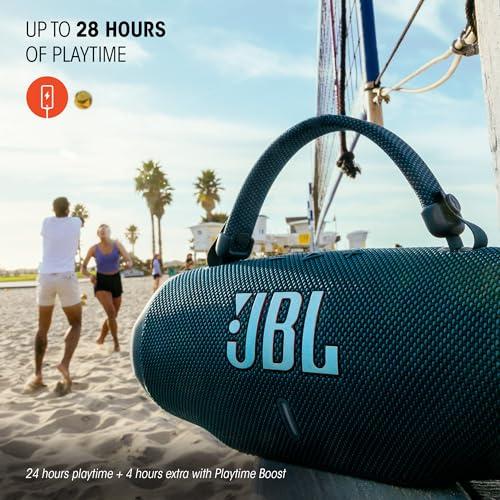
The Charge 6's standout feature is its marathon battery life—up to 28 hours on a single charge. This isn't marketing fluff; it achieves this through a combination of a large 34Wh battery and smart power management. The "Playtime Boost" mode extends listening time by reducing power-hungry bass frequencies, though this comes with a noticeable change in sound character.
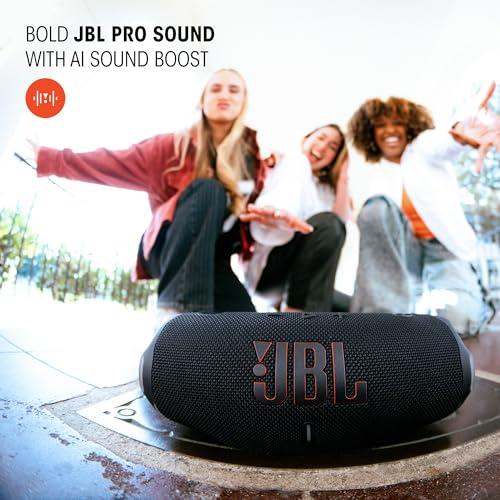
What sets the JBL Charge 6 apart is its versatility. It functions as a power bank to charge your devices, supports lossless audio playback through its USB-C port (meaning you can play high-quality music files at their full resolution without Bluetooth compression), and includes a comprehensive 7-band equalizer for sound customization. The "AI Sound Boost" technology analyzes audio in real-time to push the drivers harder while minimizing distortion—essentially giving you more volume without the harshness that typically comes with maxing out a small speaker.
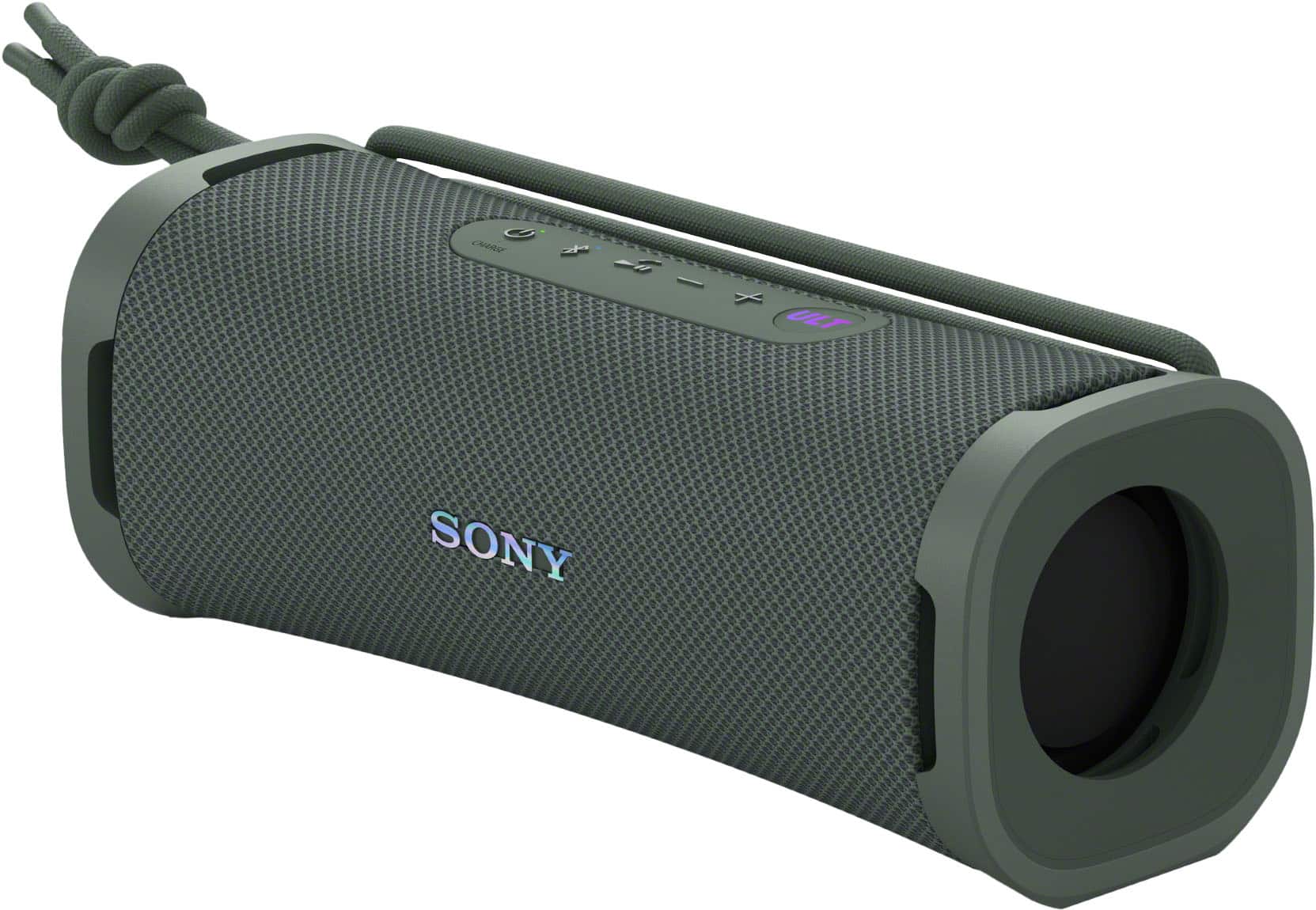
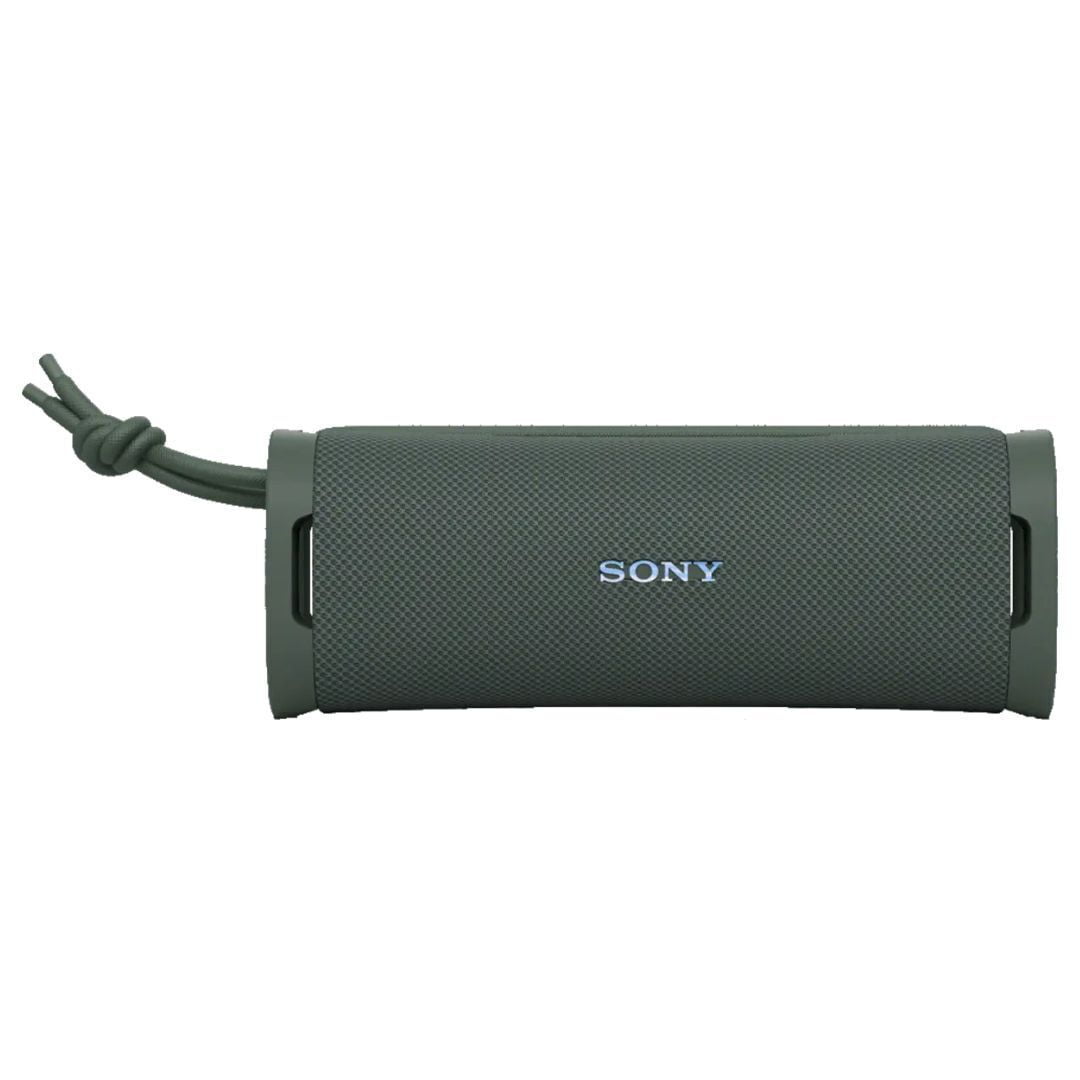
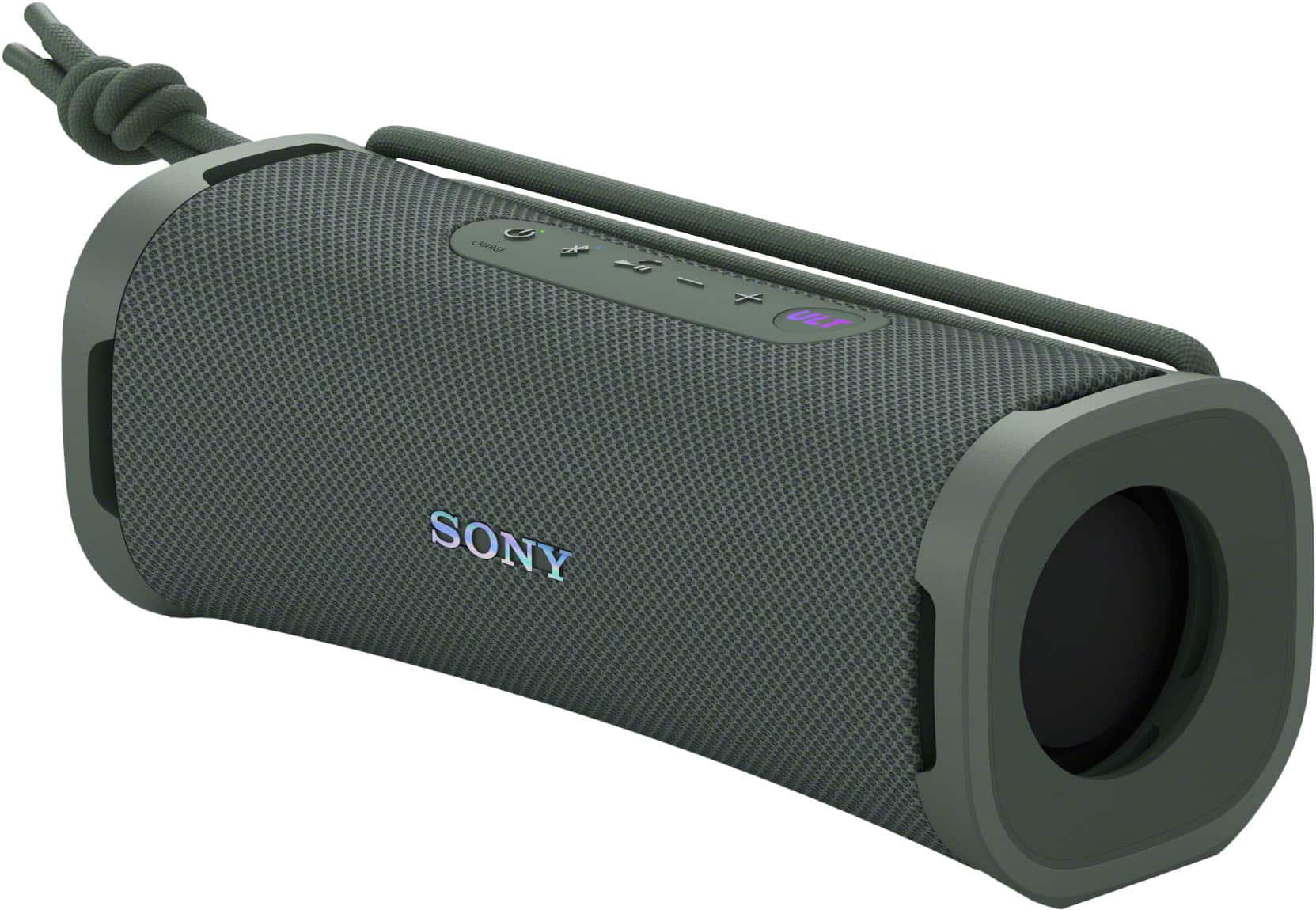
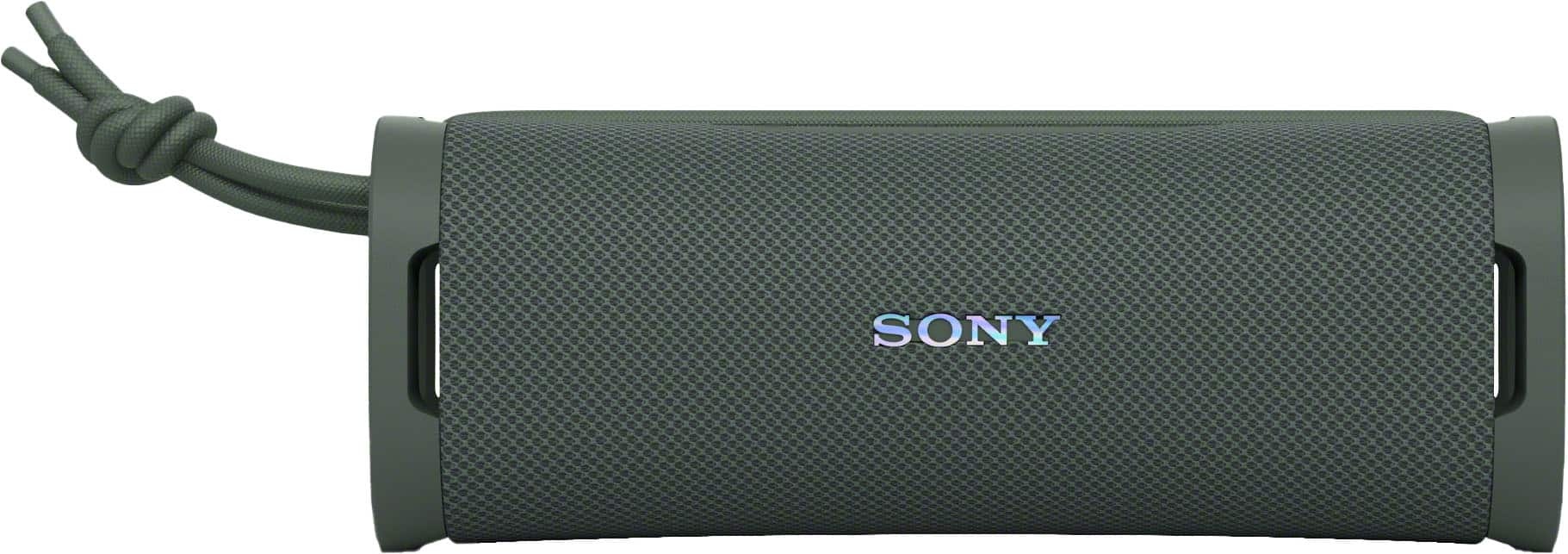
Sony's approach with the 2024 ULT FIELD 1 is more focused. Rather than trying to be everything to everyone, it excels at one thing: delivering powerful bass response that belies its compact size. At the time of writing, it's positioned as a budget-friendly option, costing considerably less than the JBL while still offering premium build quality.
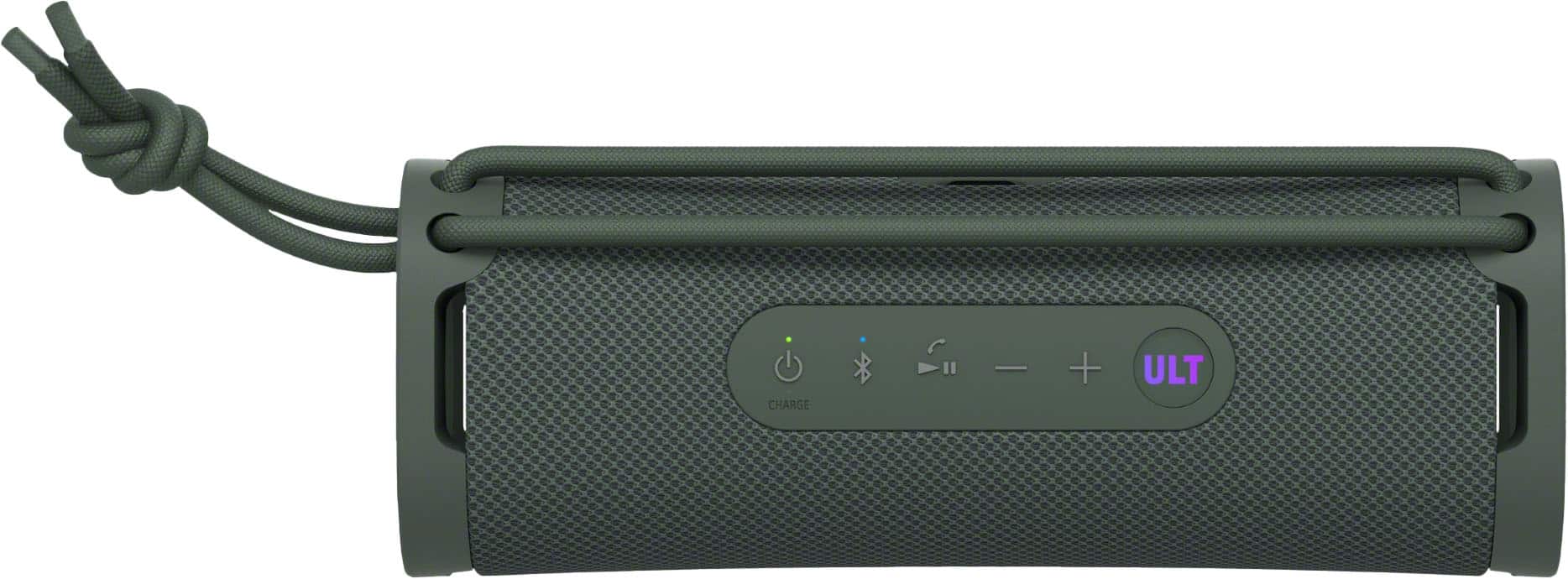
The defining feature is Sony's "ULT Power Sound" mode—essentially a bass boost that transforms the speaker's character. Without ULT mode engaged, the Sony ULT FIELD 1 delivers a balanced, somewhat restrained sound. Flip the switch, and it becomes a bass powerhouse that can energize hip-hop, electronic music, and other bass-heavy genres in ways that speakers twice its size struggle to match.
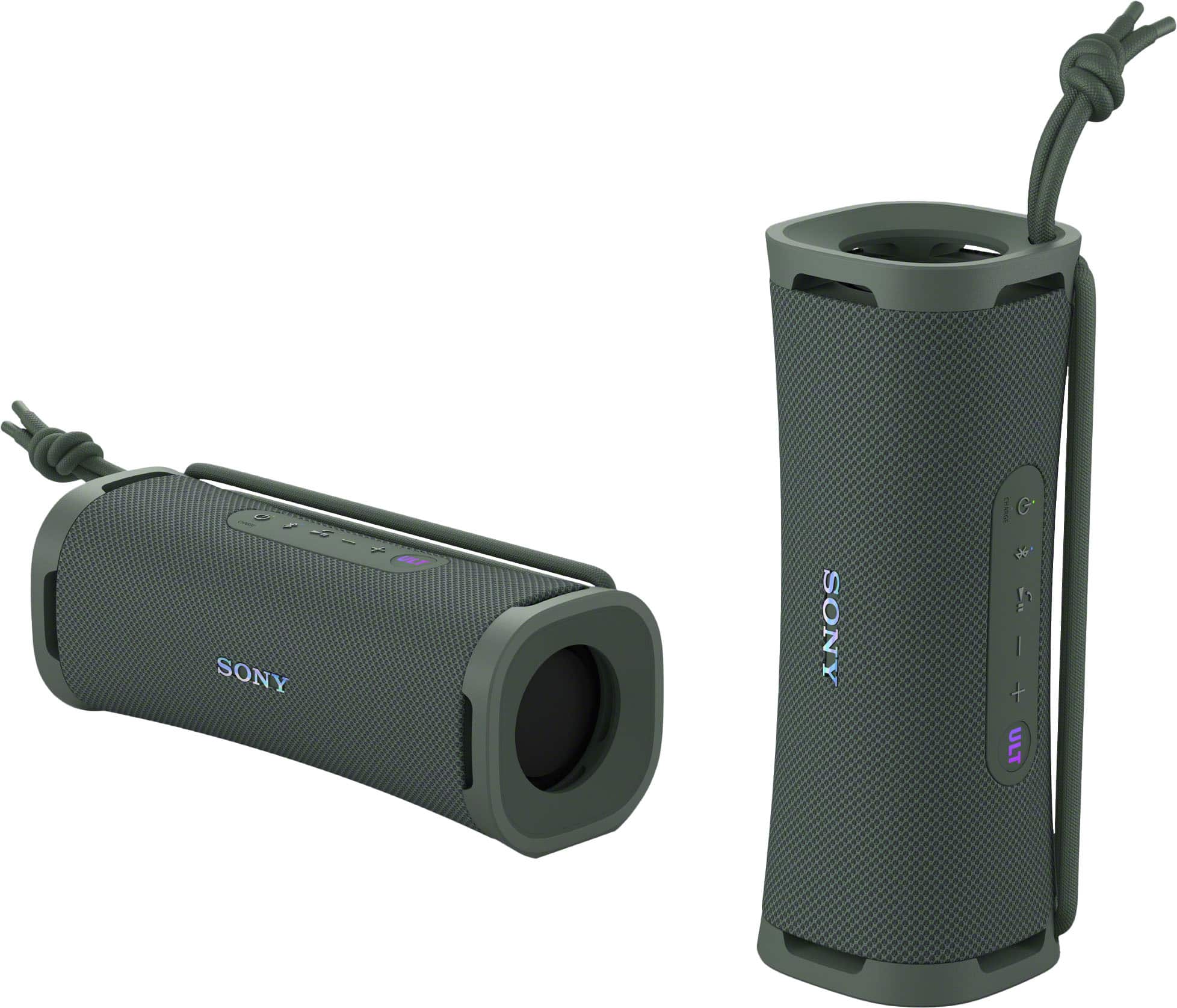
Sony also includes practical features like hands-free calling with echo cancellation and "Party Connect" technology that lets you link up to 100 compatible Sony speakers. The build quality emphasizes true portability—it's about 35% lighter than the JBL Charge 6 and includes thoughtful design touches like squared sides that prevent it from rolling away.
Sound quality in portable speakers involves several key measurements, but the most important are frequency response (how evenly it reproduces different pitches), dynamic range (the difference between quiet and loud sounds), and distortion at various volume levels.
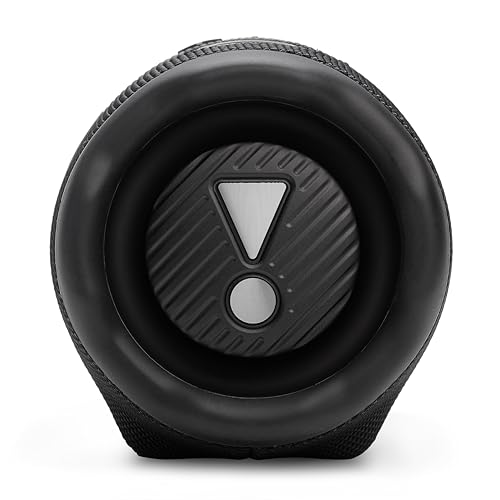
The JBL Charge 6 takes a more technical approach to sound reproduction. Its 45-watt total output comes from a sophisticated two-way system: a large oval woofer handles bass and midrange frequencies, while a separate tweeter manages the highs. This driver separation, combined with digital signal processing (DSP) that acts like a traffic controller for different frequencies, results in cleaner sound reproduction across the spectrum.
Our research into user and expert reviews consistently shows the JBL Charge 6 maintains its composure at higher volumes better than most competitors. The AI Sound Boost technology appears to work as advertised, allowing the speaker to get genuinely loud without the harshness or distortion that typically plague small speakers pushed to their limits. The 7-band EQ also means you can tune the sound to your preferences or compensate for different listening environments.
The Sony ULT FIELD 1 takes a different approach. Its 30-watt output is more modest, but Sony has tuned the speaker for maximum impact in its size class. The ULT mode doesn't just boost bass—it fundamentally changes the speaker's personality. Reviews suggest this mode can make the Sony sound larger than speakers with higher power ratings, though it comes at the cost of battery life and can sometimes overwhelm other frequencies.
For home theater use, both speakers have limitations since they're designed primarily for portable use. However, the JBL Charge 6's USB-C lossless audio input makes it more suitable as a desktop speaker or TV audio upgrade. You can connect it directly to a computer or streaming device and bypass Bluetooth compression entirely, getting CD-quality or better audio reproduction.
The sound signature differences are telling: the JBL Charge 6 aims for versatility and accuracy that works across music genres, while the Sony ULT FIELD 1 optimizes for genres where bass impact matters most. If you primarily listen to acoustic music, podcasts, or classical music, the JBL's more neutral tuning serves you better. If your playlist leans toward hip-hop, EDM, or pop music with heavy production, the Sony's approach might prove more engaging.
Battery performance in portable speakers involves more than just total runtime—charging speed, power management features, and real-world performance under different conditions all matter.
The JBL Charge 6 dominates this category with its impressive 24-28 hour runtime. The base 24 hours represents normal operation, while the additional 4 hours come from the Playtime Boost mode that reduces bass output to conserve power. This might sound like a compromise, but in practice, it's brilliant—you get the full sound experience when you want it, with the option to extend battery life when needed.
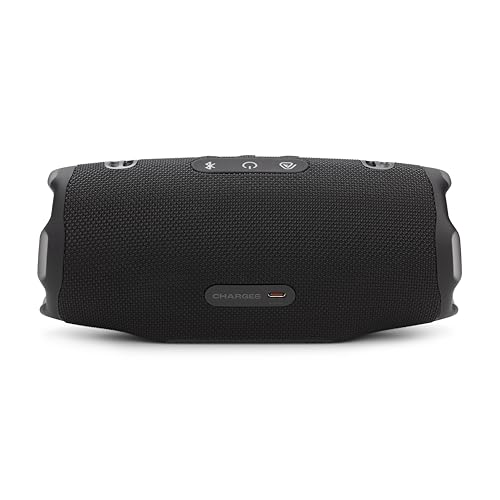
The charging technology is equally impressive. A full charge takes just 3 hours, and a 10-minute quick charge provides 2.5 hours of playback. The power bank functionality adds another layer of utility—you can charge your phone or other devices directly from the speaker. This feature proves invaluable during camping trips or long days at the beach where outlet access is limited.
The Sony ULT FIELD 1 offers a more modest 12 hours of battery life, though this drops significantly when using the signature ULT bass mode. Reviews suggest heavy ULT usage can reduce runtime to 8-9 hours, which is still respectable but notably less than the JBL's baseline performance. The 5-hour charging time is also longer, though the 10-minute quick charge providing 2 hours of playback helps somewhat.
For extended outdoor adventures, the battery difference is substantial. The JBL Charge 6 can handle a weekend camping trip without recharging, while the Sony ULT FIELD 1 requires more planning around power availability.
Both speakers emphasize rugged construction, but they approach durability differently.
The JBL Charge 6 earns an IP68 rating, meaning it can survive submersion in up to 1.5 meters of water for 30 minutes. This goes beyond splash resistance—you can literally drop it in a pool and retrieve it later without damage. The speaker also includes drop-proof certification for falls up to 1 meter, addressing another common failure point for portable speakers.
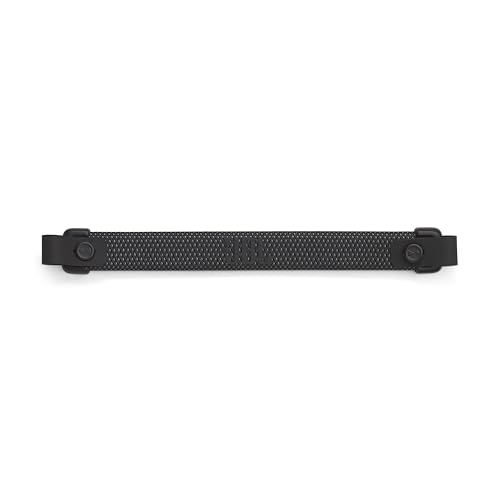
The construction uses 85% post-consumer recycled plastic, which is environmentally responsible without compromising durability. The detachable carrying strap is a welcome addition that wasn't present on the previous Charge 5, making transport more convenient.
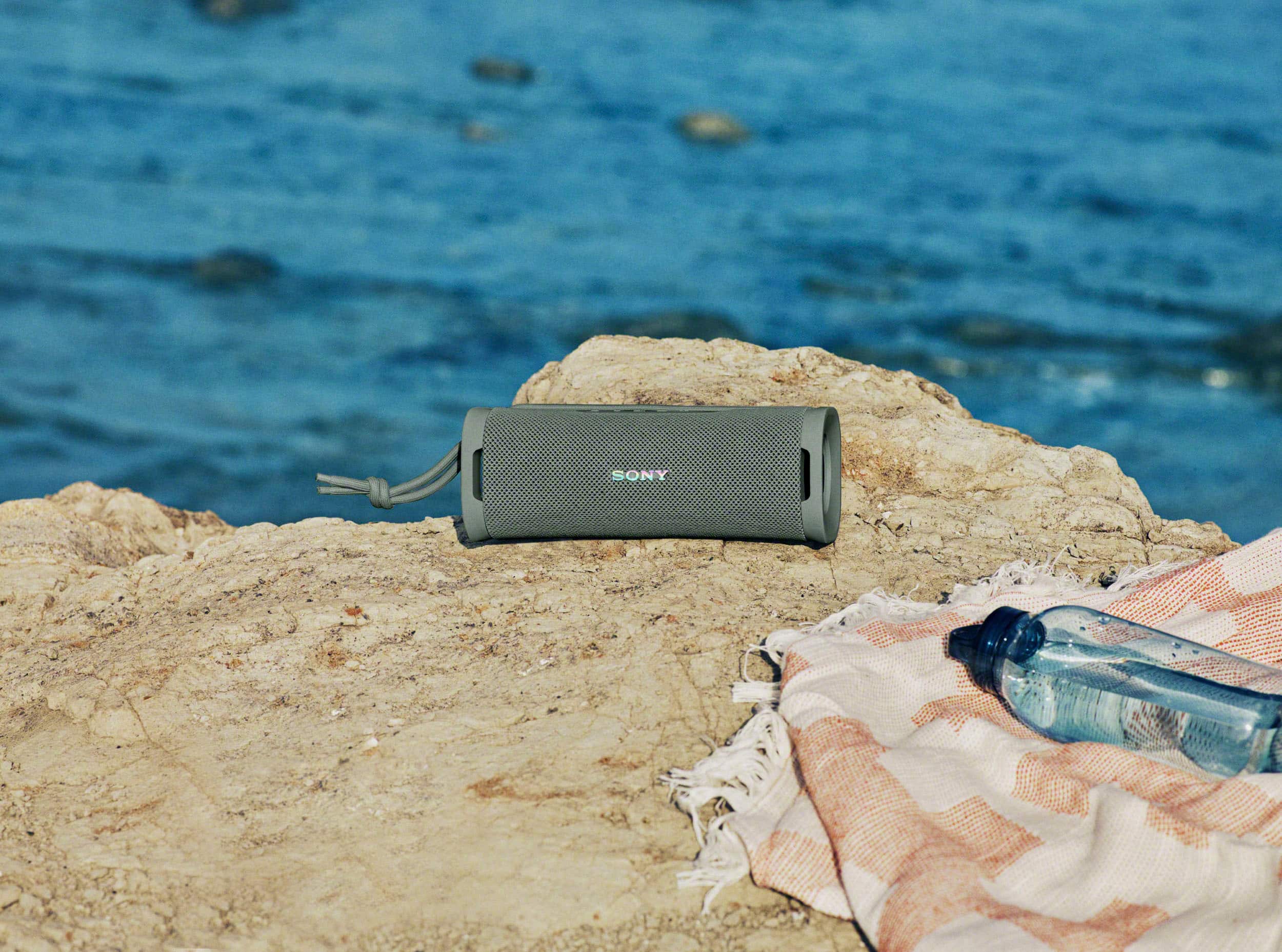
The Sony ULT FIELD 1 features IP67 rating—one step below the JBL's protection level but still excellent for most situations. Where Sony distinguishes itself is with MIL-STD 810H shock compliance, a military standard for equipment durability. The squared design also prevents the speaker from rolling away when placed on inclined surfaces, a small but practical advantage.
Both speakers should survive the typical abuse of outdoor life, but the JBL Charge 6's superior water resistance provides extra peace of mind for water-focused activities.
Modern portable speakers need to connect reliably not just to your phone, but to multiple devices and other speakers for larger gatherings.
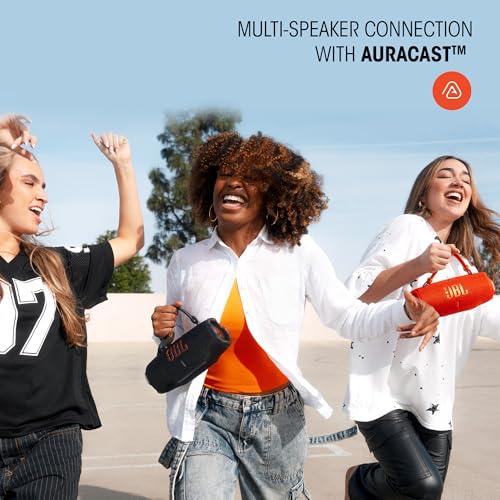
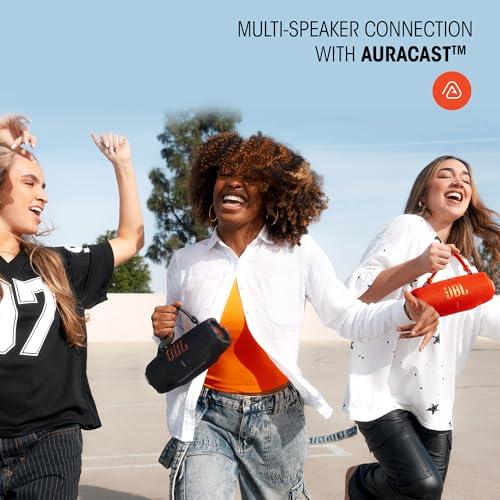
The JBL Charge 6 uses Bluetooth 5.4, the latest version offering improved range and connection stability. It can maintain connections to two devices simultaneously, letting you and a friend take turns controlling music without reconnecting. The Auracast technology for linking multiple speakers represents JBL's newest approach, though it's not backward compatible with older JBL speakers using the previous PartyBoost system.
The USB-C port serves multiple purposes: charging the speaker, charging other devices, and playing lossless audio. This wired audio option eliminates Bluetooth latency and compression, making it suitable for watching videos or critical listening sessions.
The Sony ULT FIELD 1 uses Bluetooth 5.3 with Fast Pair for Android devices, making initial setup quicker. Sony's Party Connect system can link up to 100 compatible speakers—a much more ambitious ecosystem than JBL's approach, though it requires staying within Sony's speaker family.
Sony includes hands-free calling with echo cancellation, a feature absent from the JBL Charge 6. If you regularly take calls on speaker or use voice assistants, this capability proves valuable.
At the time of writing, these speakers occupy different price tiers, which affects their value calculations significantly.
The JBL Charge 6 commands a premium price but justifies it through comprehensive features and exceptional battery life. When you calculate the cost per hour of use over the speaker's lifespan, the superior battery life and durability make it competitive with cheaper options that need replacement sooner. The power bank function also eliminates the need for separate charging devices, adding practical value.
The Sony ULT FIELD 1 offers excellent performance-per-dollar at its more accessible price point. While it lacks some premium features, it delivers the core portable speaker experience very well. The substantial bass boost capability would require much larger, more expensive speakers to achieve through traditional means.
For budget-conscious buyers, the Sony provides a clear path to quality portable audio without breaking the bank. For users who want maximum versatility and don't mind paying more upfront, the JBL offers better long-term value through extended battery life and additional functionality.
Your choice between these speakers should align with your primary use cases and priorities.
Choose the JBL Charge 6 if you're planning extended outdoor adventures, hosting frequent gatherings, or want maximum versatility. The combination of exceptional battery life, power bank functionality, and customizable sound makes it ideal for camping trips, beach days, or anywhere reliable power is uncertain. The USB-C lossless audio also makes it a credible desktop speaker for home use.
The JBL Charge 6 also suits users who appreciate being able to fine-tune their audio experience. The 7-band EQ allows optimization for different music genres, listening environments, or personal preferences. If you're someone who enjoys tweaking settings to get things just right, the JBL's customization options will appeal to you.
Choose the Sony ULT FIELD 1 if budget is your primary constraint or if you prioritize portability and bass impact above all else. Its lighter weight makes it genuinely more portable for hiking, commuting, or frequent travel. The ULT bass mode delivers impressive low-end impact that enhances bass-heavy music in ways that more expensive speakers often can't match.
The Sony also makes sense if you need hands-free calling capability or already own other Sony speakers that can link through Party Connect. The lower price makes it easier to buy multiple units for whole-home audio or outdoor parties.
Both speakers succeed at their intended purposes, but they serve different users and situations. The JBL Charge 6 represents the premium approach: maximum features, exceptional battery life, and versatile performance that handles any situation well. It's the choice for users who want one speaker that can do everything and are willing to pay extra for that comprehensive capability.
The Sony ULT FIELD 1 takes the focused approach: deliver excellent bass performance and solid overall quality at an accessible price. It's perfect for users who know what they want (powerful bass for their music) and don't need to pay for features they won't use.
In my experience evaluating portable speakers, the battery life difference proves more significant in real-world use than many buyers anticipate. The JBL Charge 6's ability to handle multi-day events without recharging changes how you think about portable audio—it becomes truly portable rather than tethered to charging opportunities.
However, the Sony ULT FIELD 1's bass capability shouldn't be underestimated. For users whose music libraries emphasize electronic, hip-hop, or heavily produced pop music, the ULT mode provides an impact that larger, more expensive speakers often struggle to match.
Your choice ultimately depends on whether you value comprehensive features and maximum battery life (JBL Charge 6) or prefer focused bass performance at a more accessible price point (Sony ULT FIELD 1). Both represent solid value in their respective categories, and either will serve you well for years of portable audio enjoyment.
| JBL Charge 6 | Sony ULT FIELD 1 |
|---|---|
| Audio Output - Determines maximum volume and sound quality | |
| 45W total (30W woofer + 15W tweeter) with AI Sound Boost | 30W total with ULT Power Sound bass boost mode |
| Battery Life - Critical for extended outdoor use and events | |
| 24-28 hours (28 with Playtime Boost mode) | 12 hours standard (reduced to 8-9 hours with ULT mode) |
| Charging Speed - Convenience for quick top-ups | |
| 3 hours full charge, 10 minutes = 2.5 hours playback | 5 hours full charge, 10 minutes = 2 hours playbook |
| Water Protection - Durability for pools, beaches, and rain | |
| IP68 (submersible to 1.5m for 30 minutes) | IP67 (temporary water submersion only) |
| Weight - Impacts true portability for travel and hiking | |
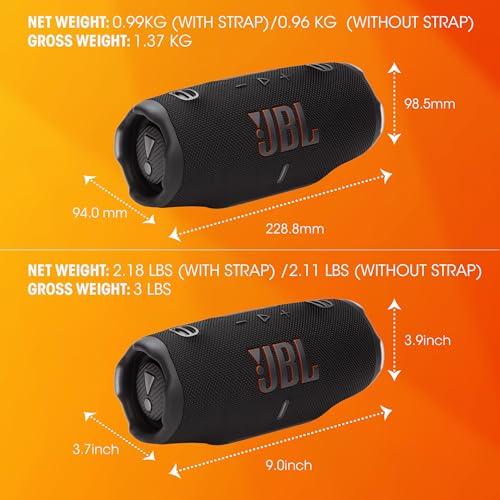
| 0.96 kg (2.11 lbs) without strap | 0.65 kg (1.43 lbs) - 35% lighter for easier carrying |
| Sound Customization - Ability to tune audio to your preferences | |
| 7-band customizable EQ via JBL Portable app | Limited EQ options, relies on ULT mode for sound changes |
| Connectivity Features - Additional functionality beyond basic Bluetooth | |
| USB-C lossless audio input, power bank function, dual-device pairing | Hands-free calling, Fast Pair (Android), Party Connect ecosystem |
| Multi-Speaker Pairing - For larger gatherings and whole-home audio | |
| Auracast (newer standard, not backward compatible) | Party Connect (up to 100 Sony speakers, broader compatibility) |
| Bass Response - Low-frequency impact for music genres that emphasize bass | |
| Balanced bass with EQ customization options | Powerful ULT mode specifically designed for bass-heavy music |
| Bluetooth Version - Connection stability and range | |
| 5.4 (latest standard with improved stability) | 5.3 (excellent performance, slightly older) |
The JBL Charge 6 is significantly better for extended outdoor use. Its 24-28 hour battery life can handle multi-day camping trips without recharging, while the Sony ULT FIELD 1 provides only 12 hours. The JBL Charge 6 also has superior IP68 water protection (can be submerged) versus the Sony's IP67 rating, and includes power bank functionality to charge your devices when outlets aren't available.
The JBL Charge 6 delivers higher maximum volume with its 45W output compared to the Sony ULT FIELD 1's 30W. More importantly, the JBL's AI Sound Boost technology maintains audio clarity at high volumes, while user reviews indicate the Sony can become harsh when pushed to maximum levels. For filling larger spaces or competing with outdoor noise, the JBL Charge 6 performs better.
The Sony ULT FIELD 1 provides excellent value at its lower price point, especially for bass-heavy music lovers. However, the JBL Charge 6 offers better long-term value through superior battery life, power bank functionality, and comprehensive features. When calculated over years of use, the JBL's extended battery life and durability justify its higher upfront cost.
The JBL Charge 6 is much better suited for home theater use thanks to its USB-C lossless audio input, which eliminates Bluetooth latency and compression when connected to TVs or streaming devices. Both speakers output mono sound (not stereo), but you can pair two JBL Charge 6 units for true stereo separation. The Sony ULT FIELD 1 lacks wired audio input options.
This depends on your preferences. The Sony ULT FIELD 1 delivers more dramatic bass impact through its ULT Power Sound mode, making it excellent for hip-hop, EDM, and bass-heavy genres. The JBL Charge 6 provides more balanced, customizable bass through its 7-band EQ system. For pure bass punch, choose Sony; for versatile, tunable bass across all music genres, choose JBL.
The JBL Charge 6 charges much faster, reaching full capacity in 3 hours versus 5 hours for the Sony ULT FIELD 1. Both offer useful quick-charge features: the JBL provides 2.5 hours of playback from a 10-minute charge, while the Sony gives 2 hours. The JBL Charge 6's faster charging and longer runtime make it more convenient for frequent use.
The Sony ULT FIELD 1 wins on pure portability, weighing 35% less than the JBL Charge 6 at just 1.43 pounds. Its compact size and squared design (prevents rolling) make it ideal for backpacking and frequent travel. However, the JBL Charge 6's detachable carrying strap and power bank function add convenience that many travelers appreciate despite the extra weight.
Both speakers support multi-speaker connectivity but use different systems. The Sony ULT FIELD 1 uses Party Connect technology that can link up to 100 compatible Sony speakers. The JBL Charge 6 uses the newer Auracast standard, which offers excellent performance but isn't backward compatible with older JBL speakers. Sony offers broader ecosystem compatibility currently.
The JBL Charge 6 provides significantly more sound customization through its 7-band EQ in the JBL Portable app, allowing precise tuning across different frequency ranges. The Sony ULT FIELD 1 offers limited customization options, relying primarily on its ULT bass boost mode. For users who like to fine-tune their audio experience, the JBL is the clear choice.
The Sony ULT FIELD 1 includes hands-free calling with echo cancellation and Fast Pair support for Android devices. The JBL Charge 6 lacks built-in microphone and calling capabilities entirely. If you frequently take calls through your speaker or use voice assistants, the Sony is the only viable option between these two.
Both speakers are built for outdoor durability, but the JBL Charge 6 has a slight edge with its IP68 rating allowing deeper water submersion (1.5 meters for 30 minutes) and 1-meter drop-proof certification. The Sony ULT FIELD 1 features IP67 protection and MIL-STD 810H shock compliance. Both will survive typical outdoor abuse, but the JBL Charge 6 offers superior water protection.
Choose the Sony ULT FIELD 1 if you primarily listen to bass-heavy genres like hip-hop, EDM, dubstep, or heavily produced pop music—its ULT mode excels with these styles. Select the JBL Charge 6 for versatility across all genres, especially if you enjoy acoustic music, jazz, classical, or podcasts where balanced sound reproduction and vocal clarity matter more than pure bass impact.
We've done our best to create useful and informative comparisons to help you decide what product to buy. Our research uses advanced automated methods to create this comparison and perfection is not possible - please contact us for corrections or questions. These are the sites we've researched in the creation of this article: rtings.com - youtube.com - stereoguide.com - whathifi.com - youtube.com - elomymelo.com - soundguys.com - elomymelo.com - wifihifi.com - soundguys.com - jbl.com - whathifi.com - soundguys.com - youtube.com - smarthomesounds.co.uk - jbl.com - sweetwater.com - youtube.com - bestbuy.com - jbl.com.sg - jbl.com - dell.com - ca.jbl.com - soundguys.com - soundguys.com - dell.com - rtings.com - youtube.com - youtube.com - soundguys.com - techradar.com - electronics.sony.com - thesonyshop.ca - bestbuy.com - electronics.sony.com - sony.ca - stereoguide.com - youtube.com - electronics.sony.com

Privacy Policy
Terms and Conditions - Affiliate Policy
Home Security
© Copyright 2008-2026.
11816 Inwood Rd #1211, Dallas, TX 75244