

Portable speakers have come a long way from the tinny, barely-audible devices we used to clip onto our phones. Today's market splits into two distinct camps: traditional powerhouse speakers that prioritize raw performance and battery life, and smart speakers that focus on connectivity and seamless integration with your digital life. The JBL Charge 4 and Sonos Roam 2 represent these two approaches perfectly, each excelling in different ways that matter to different users.
Understanding which camp you fall into is crucial for making the right choice. Are you the type who needs a speaker that can blast music all day at the beach without dying, or do you want something that automatically adjusts its sound based on where you place it and seamlessly connects to your smart home? Both approaches have merit, but they serve very different needs.
The portable speaker category has evolved dramatically over the past few years. What used to be a simple decision based on size and price now involves considerations like voice assistant integration, automatic sound tuning, multi-room connectivity, and ecosystem compatibility. The most important factors to consider include audio performance (how good it sounds and how loud it gets), battery life, connectivity options, durability, smart features, and overall value.
Audio performance remains the foundation of any good speaker. This encompasses not just volume output but also frequency response (how well it reproduces different pitches from deep bass to high treble), soundstage (how wide and immersive the audio feels), and clarity across different types of content. Battery life has become increasingly important as we use these speakers for longer periods and in more remote locations. Connectivity has exploded in complexity, with options ranging from simple Bluetooth to WiFi, AirPlay, and hybrid systems that can switch between connection types automatically.
Smart features represent the newest frontier, including voice assistants, automatic sound adjustment based on room acoustics, and integration with larger audio ecosystems. These features can dramatically enhance the user experience but often come at the cost of battery life and sometimes complicate what should be simple operations.
The JBL Charge 4 launched around 2018-2019 as part of JBL's established Charge series, which has always focused on combining excellent sound with practical features like power bank functionality. JBL has built its reputation on creating speakers that can handle the outdoors while delivering impressive volume and battery life. The Charge 4 represented the company's approach of prioritizing what matters most for outdoor use: durability, loudness, and all-day battery life.
Since 2019, the portable speaker market has shifted significantly toward smart features and ecosystem integration. Companies have developed more sophisticated audio processing, automatic room correction, and seamless connectivity between home and portable use. This evolution has created a divide between traditional "dumb" speakers that focus purely on performance and smart speakers that offer convenience features.
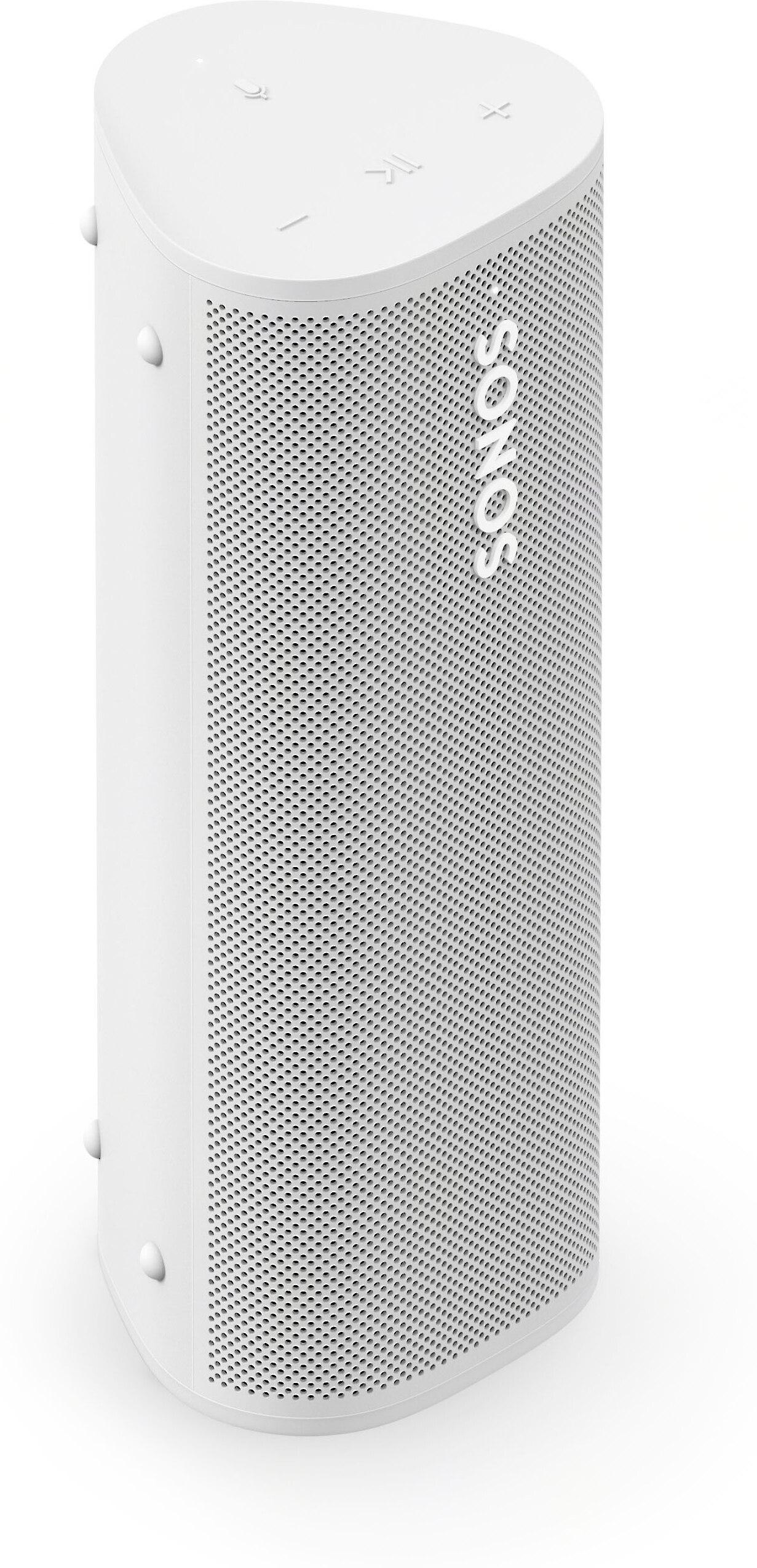
The Sonos Roam 2, released in 2024, represents Sonos's latest thinking on portable audio. Sonos built its reputation on multi-room home audio systems, and the Roam 2 extends that ecosystem expertise into the portable realm. It incorporates years of development in automatic audio tuning, seamless connectivity switching, and integration between home and mobile environments.
The five-year gap between these products' releases reflects the industry's rapid evolution. While the JBL Charge 4 focuses on perfecting traditional speaker performance, the Sonos Roam 2 represents the modern smart speaker approach with features that would have been impossible or prohibitively expensive in 2019.
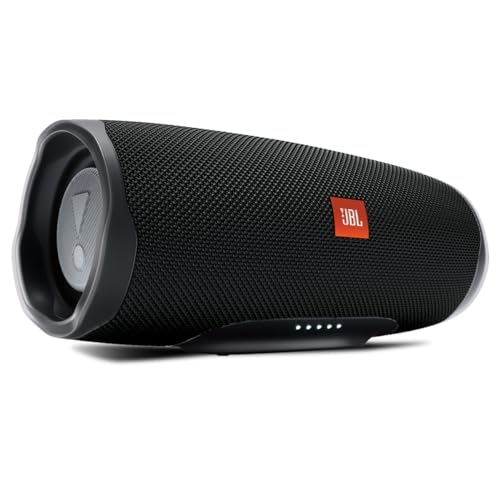
Sound quality represents the most crucial performance characteristic, but it's also the most complex to evaluate. The JBL Charge 4 uses a single racetrack-style driver – an oval-shaped speaker element that can move more air than a traditional round driver of similar size. This design, combined with dual passive radiators (speaker cones without magnets that vibrate sympathetically to enhance bass), allows the Charge 4 to produce significantly more volume and bass response than you'd expect from its size.
Our research into user experiences and expert evaluations reveals that the JBL Charge 4 can produce approximately 50% higher maximum volume than the Sonos Roam 2. This difference becomes crucial in outdoor environments where you're competing with wind, traffic, or conversation. The Charge 4's frequency response extends down to 60Hz, providing solid bass reproduction that works well for most music genres, though it won't reproduce the deepest sub-bass frequencies you feel in your chest at concerts.
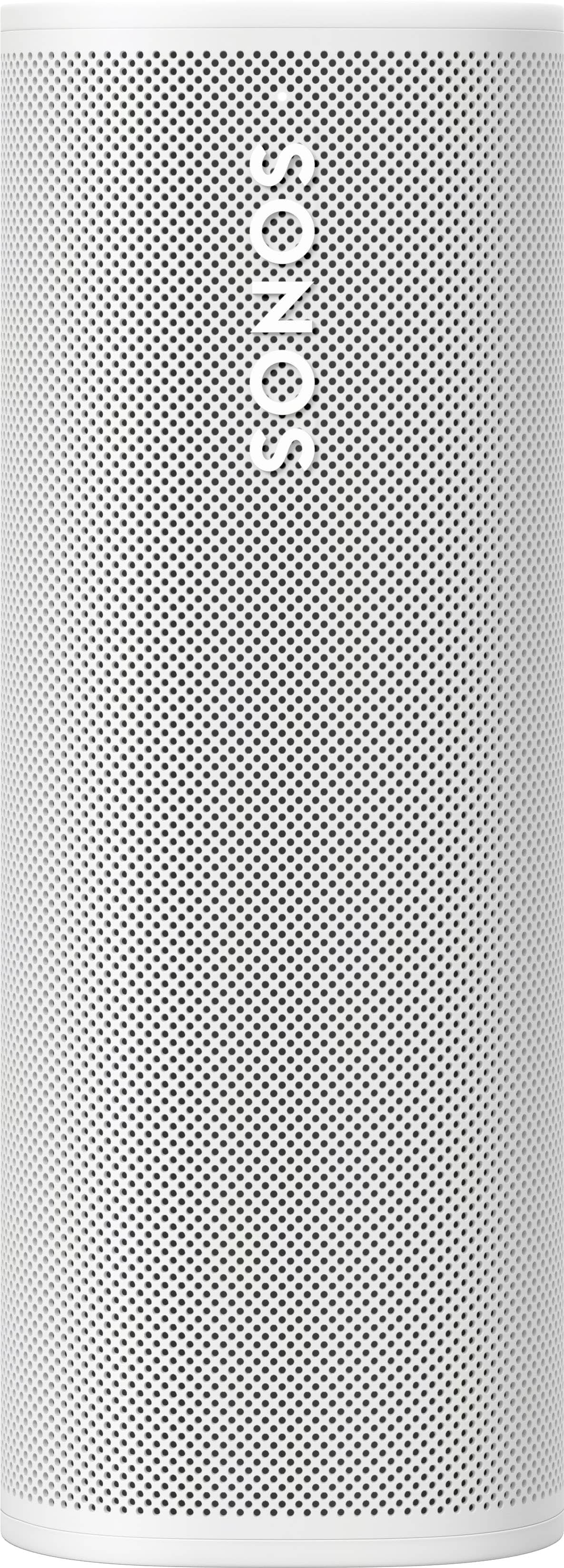
The Sonos Roam 2 takes a completely different approach with its dual-driver configuration. It uses a dedicated tweeter (a small speaker optimized for high frequencies) and a custom racetrack mid-woofer, each powered by separate Class-H amplifiers. This separation reduces crosstalk – unwanted interference between different frequency ranges – resulting in cleaner sound reproduction. Class-H amplifiers are more efficient than traditional designs, switching between different voltage levels based on the audio signal's demands, which helps preserve battery life while maintaining audio quality.
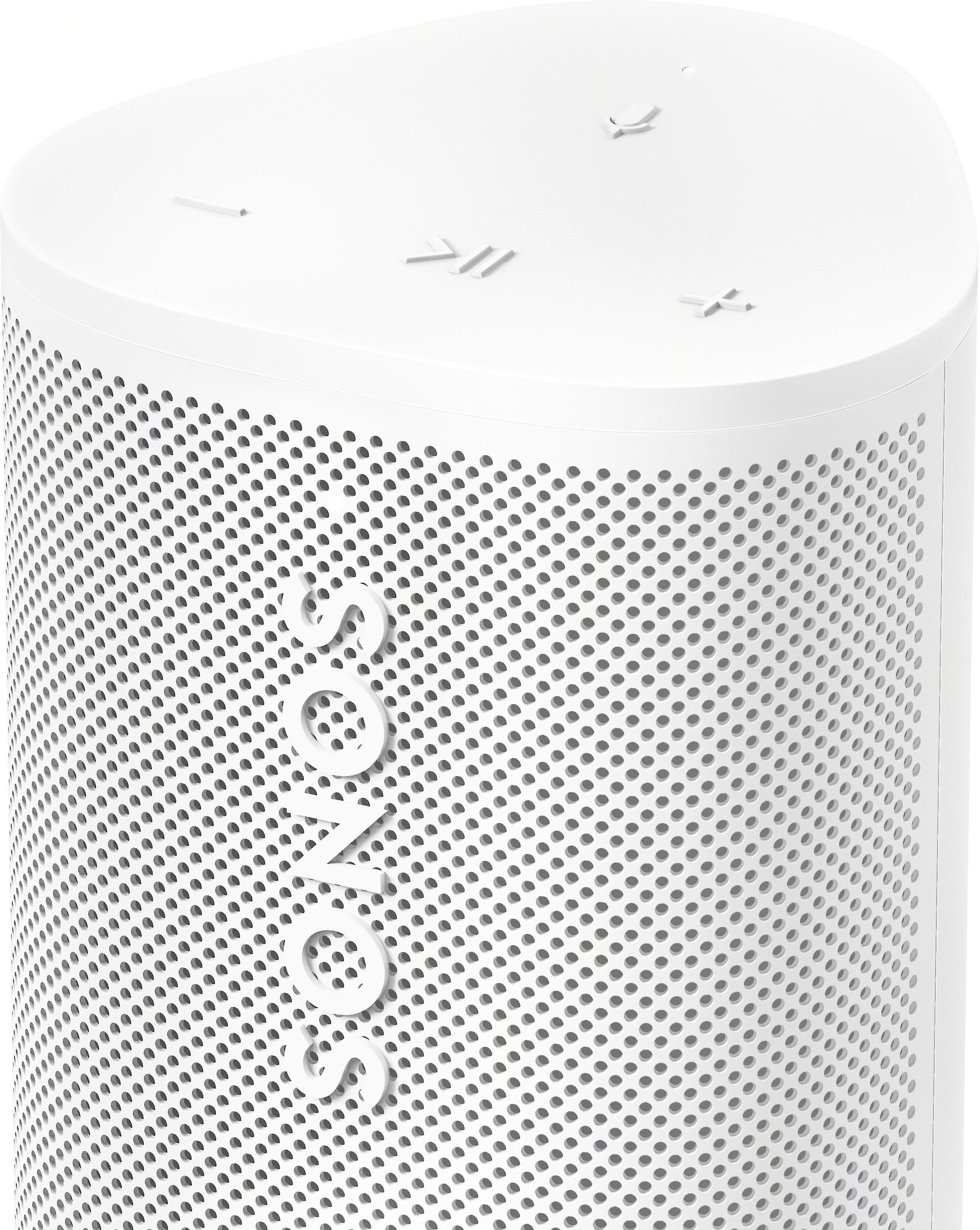
The Roam 2's standout feature is Automatic Trueplay tuning, which uses built-in microphones to analyze the acoustic environment and adjust the speaker's equalization in real-time. This technology, which works on both WiFi and Bluetooth connections, means the speaker sounds optimized whether you place it on a kitchen counter, in a bathroom, or outside on a patio. Traditional speakers, including the JBL Charge 4, sound different depending on their placement, often requiring manual adjustment or simply accepting compromised sound quality.
Based on our analysis of user feedback, the Sonos Roam 2 delivers more balanced sound across the frequency spectrum, with particular strength in vocal clarity and mid-range reproduction. However, it can't match the JBL Charge 4 for raw volume output or bass impact in large outdoor spaces. The choice often comes down to whether you prioritize maximum loudness and bass punch or consistent, well-balanced sound quality.
Battery performance encompasses more than just playback duration – it includes charging speed, power management features, and additional functionality like device charging. The JBL Charge 4 delivers an impressive 20-hour battery life, which genuinely changes how you use the speaker. This extended runtime means you can take it on weekend camping trips, all-day beach excursions, or multi-day festivals without worrying about finding power outlets.
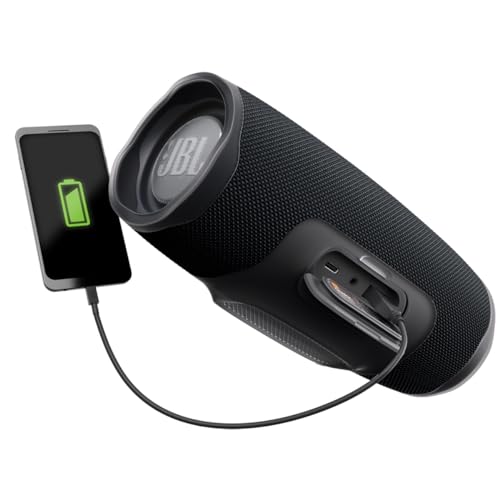
The Charge 4's power bank functionality adds genuine utility beyond just playing music. Its USB-A output can charge smartphones, tablets, or other small devices, essentially serving as a backup battery pack. This feature becomes invaluable during extended outdoor activities or emergency situations where device charging is critical. The 7500mAh battery capacity provides enough power to fully charge most smartphones while still maintaining several hours of music playback.
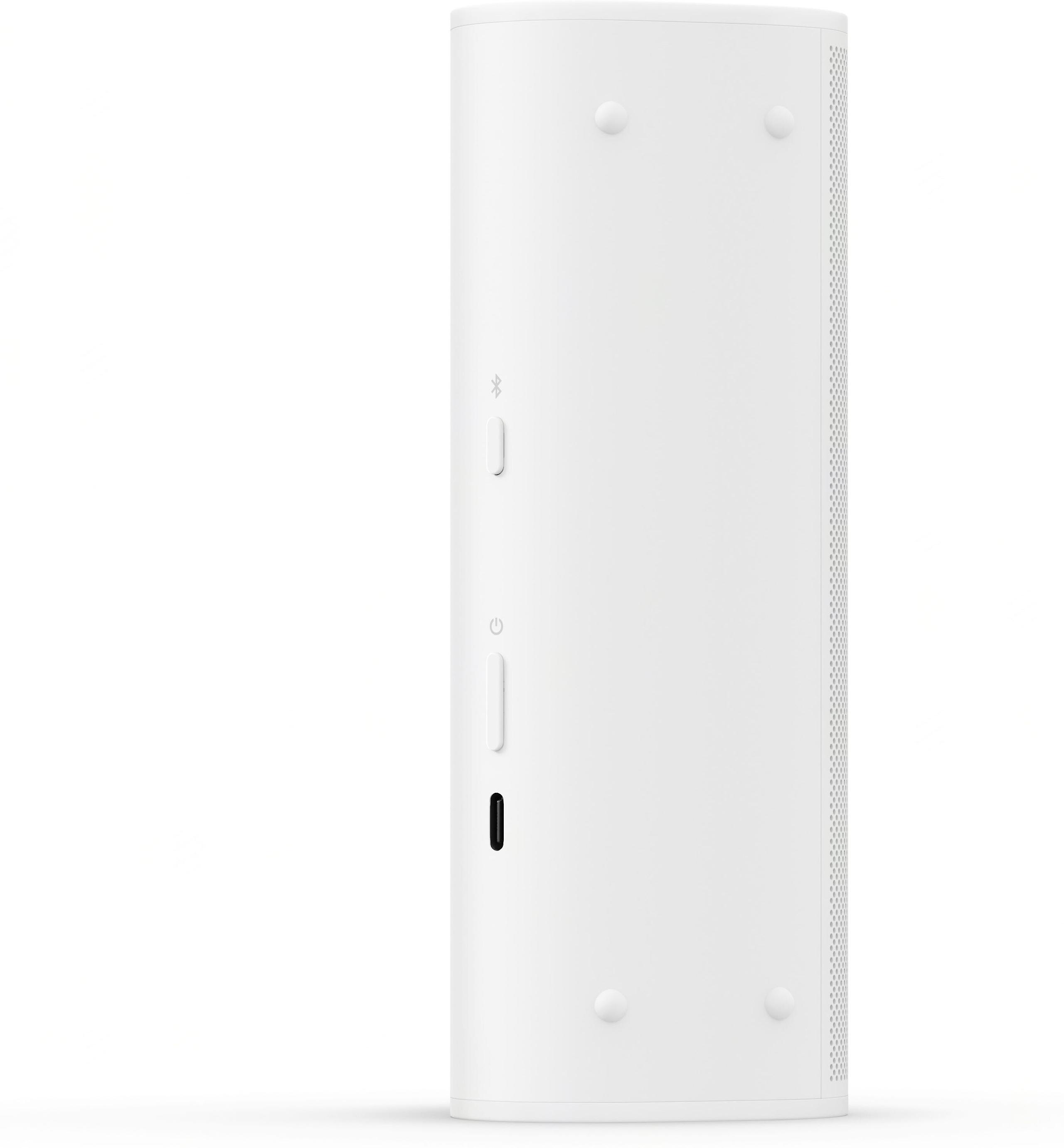
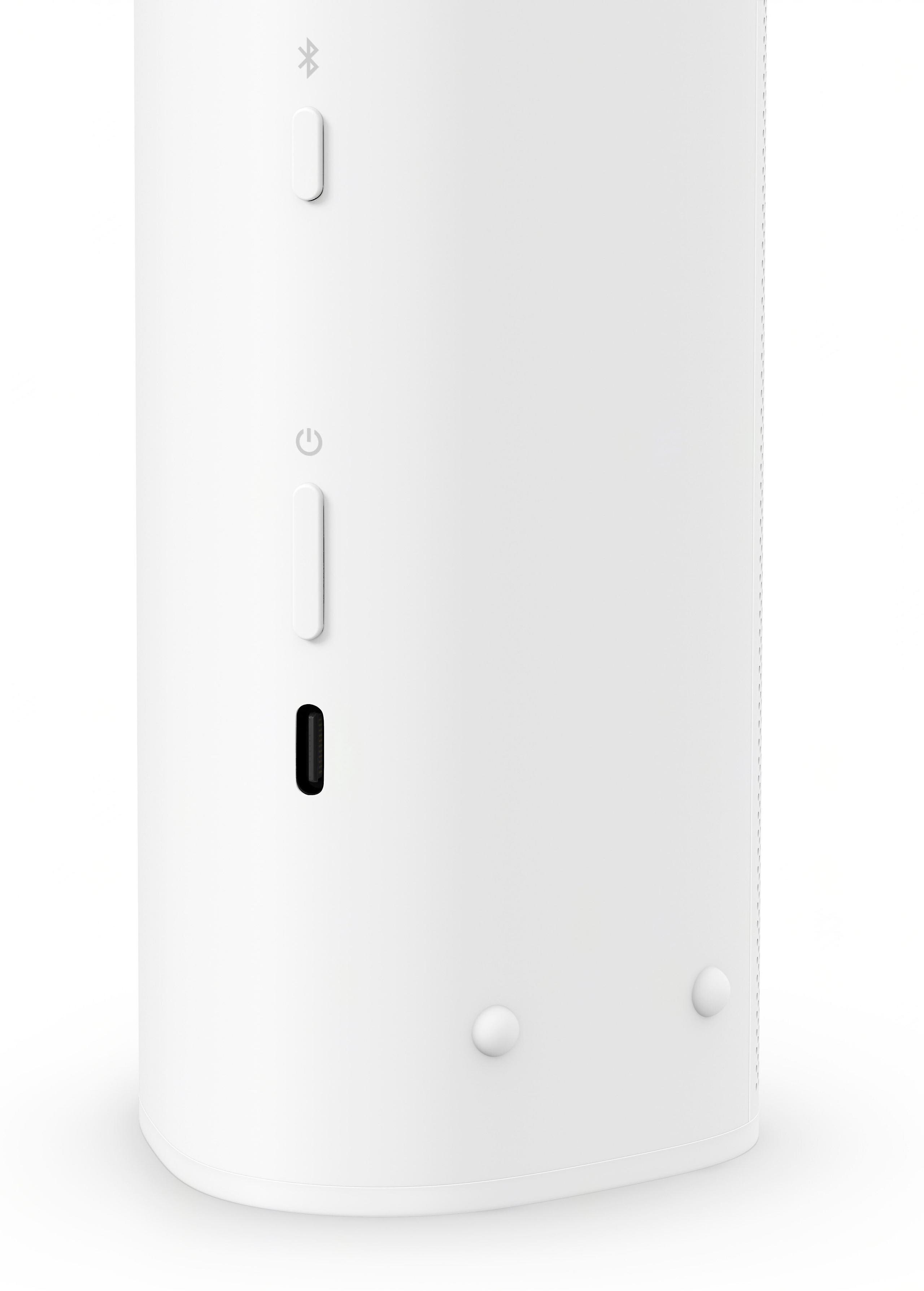
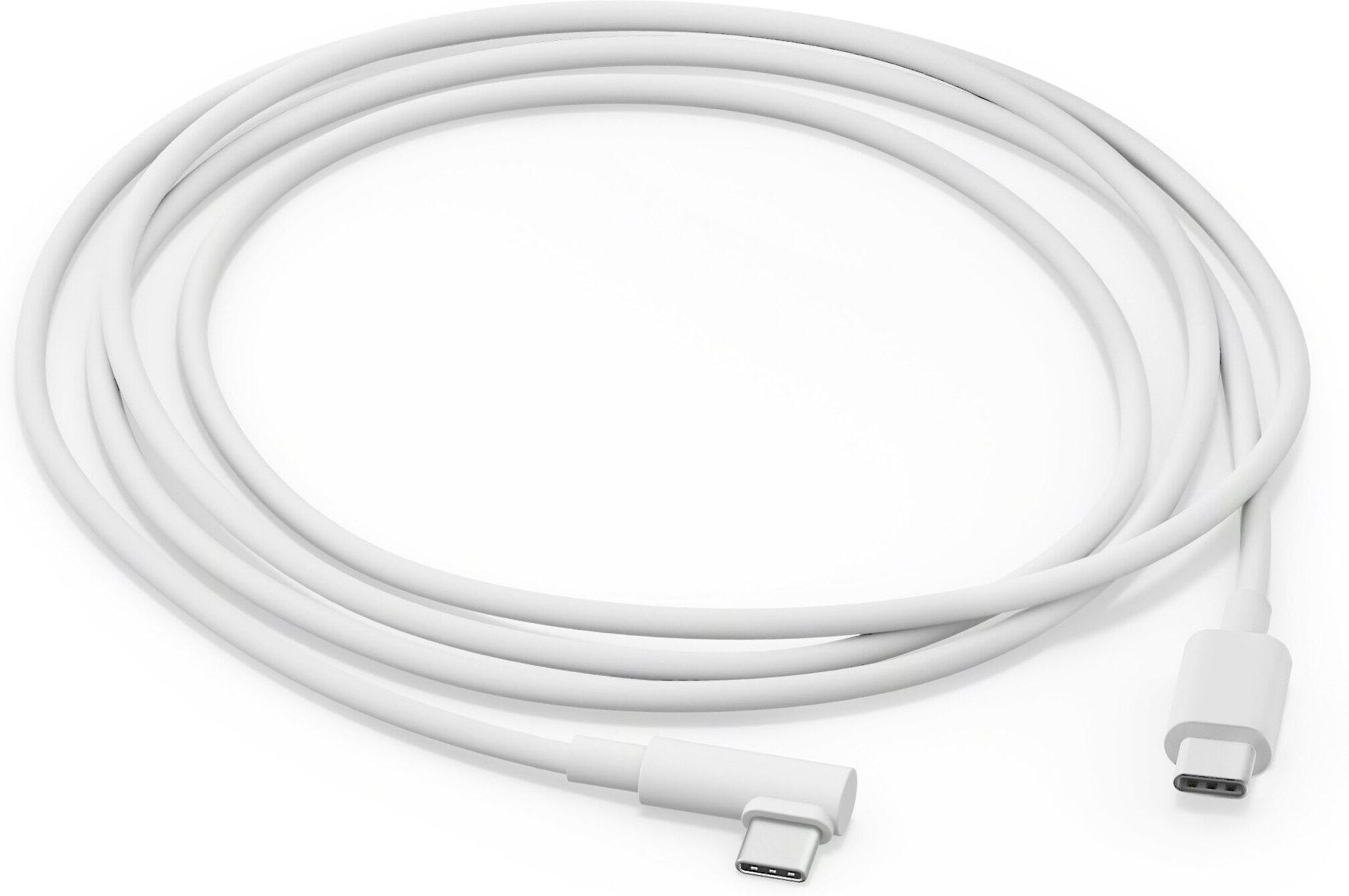
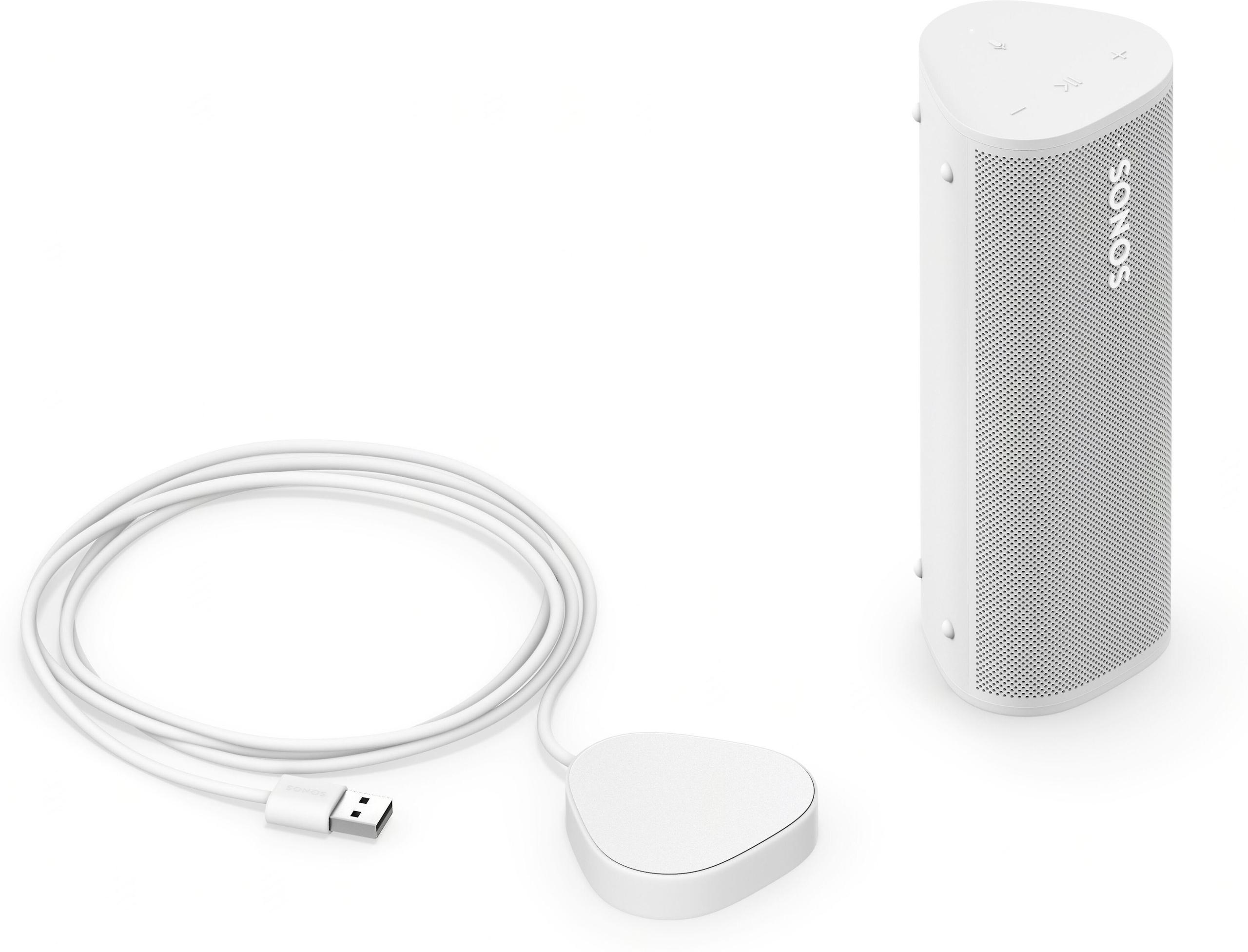
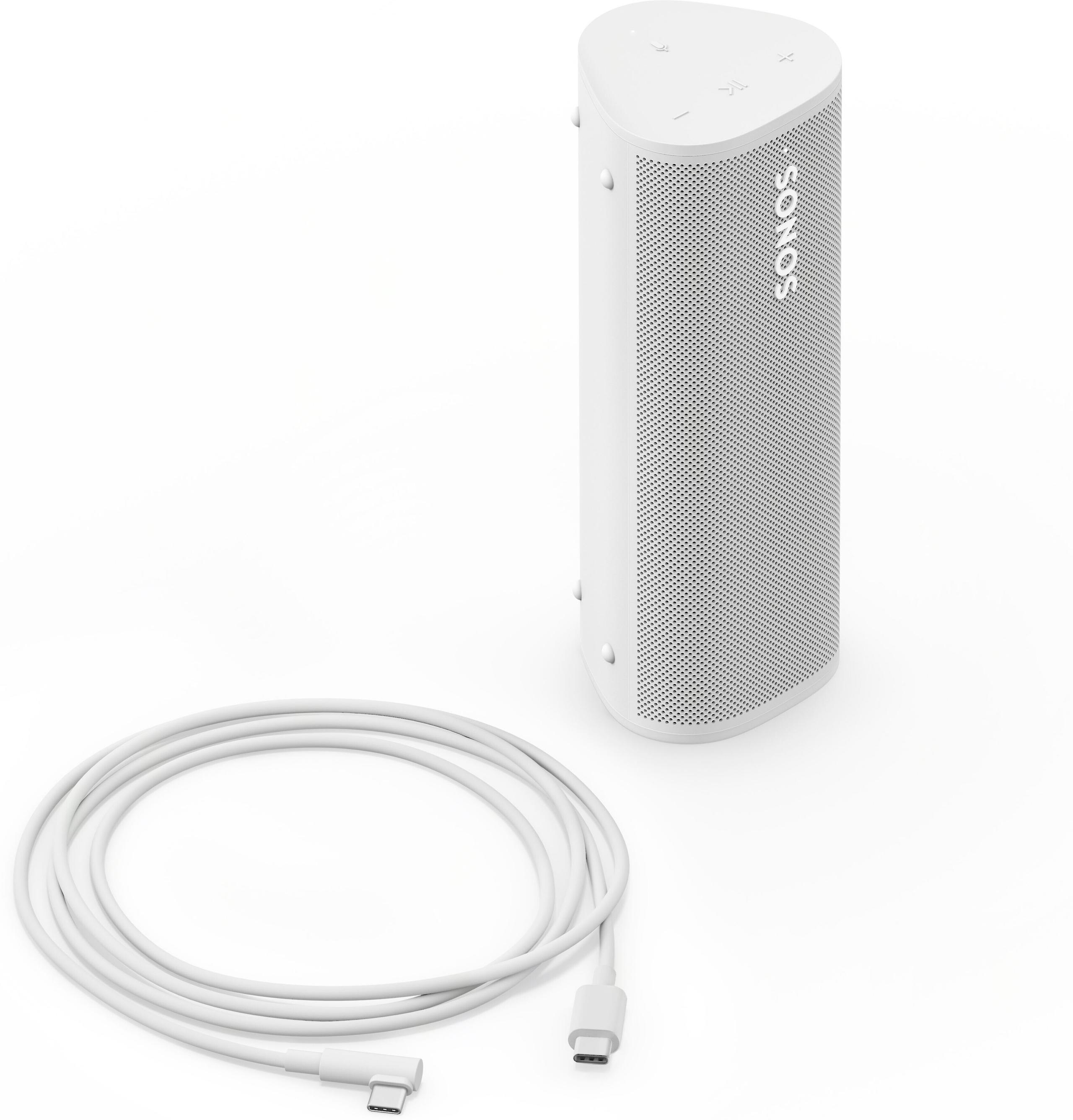
In contrast, the Sonos Roam 2 offers a 10-hour battery life, which reflects the energy demands of its smart features and more complex internal processing. While this duration suffices for most daily use scenarios, it requires more frequent charging for extended activities. However, the Roam 2 compensates with more convenient charging options, including both USB-C fast charging and wireless Qi charging compatibility. The ability to simply place the speaker on any wireless charging pad eliminates the need to manage cables and makes topping off the battery more convenient.
The different battery philosophies reflect each product's intended use cases. The JBL Charge 4 prioritizes maximum independence from power sources, making it ideal for situations where charging opportunities are limited. The Sonos Roam 2 assumes more regular access to charging infrastructure but makes the charging process more convenient and flexible.
Connectivity represents perhaps the largest philosophical difference between these speakers. The JBL Charge 4 uses a traditional Bluetooth-only approach, connecting to devices using Bluetooth 4.2. While this limits functionality compared to newer standards, it provides universal compatibility and straightforward operation. Every smartphone, tablet, and computer can connect without additional setup or app requirements.
The JBL Charge 4 supports PartyBoost technology, allowing connection to up to 100 compatible JBL speakers for expanded coverage. This feature works well for large gatherings where you need to fill a bigger space with synchronized audio. The setup process is simple – press the PartyBoost button on each speaker you want to connect, and they automatically sync their audio output.
The Sonos Roam 2 offers a fundamentally different approach with its hybrid connectivity system. It can connect via WiFi, Bluetooth 5.2, or Apple's AirPlay 2 protocol, and can automatically switch between connection types based on availability and user preferences. This flexibility means you can start playing music on WiFi at home, then seamlessly switch to Bluetooth when you take the speaker outside your network range.
Bluetooth 5.2 provides several advantages over the JBL Charge 4's 4.2 standard, including lower latency (reduced delay between audio and video when watching movies), improved connection stability, and better power efficiency. The Sonos Roam 2 also supports simultaneous connections to multiple devices, allowing seamless handoff between family members' phones or tablets.
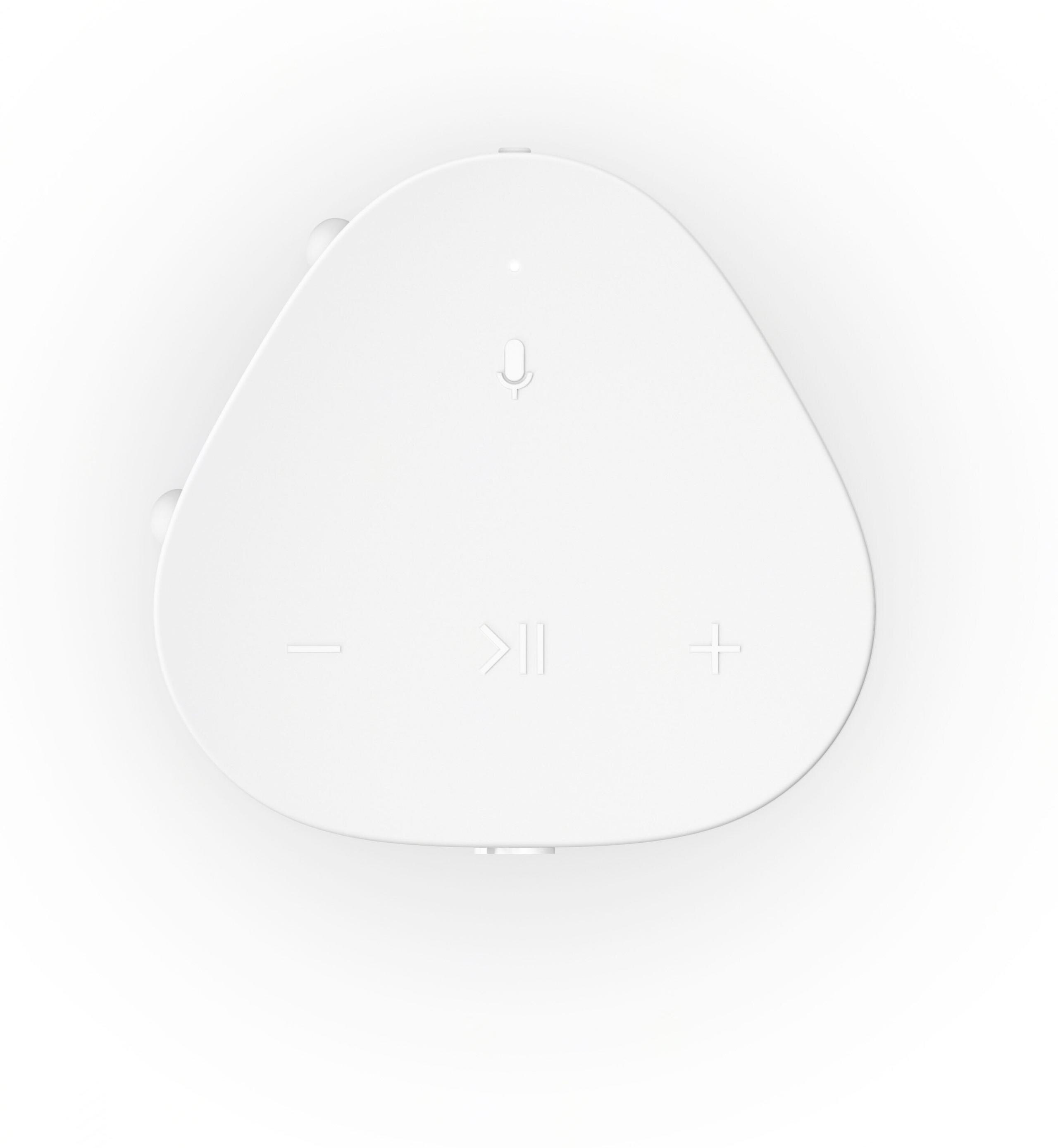
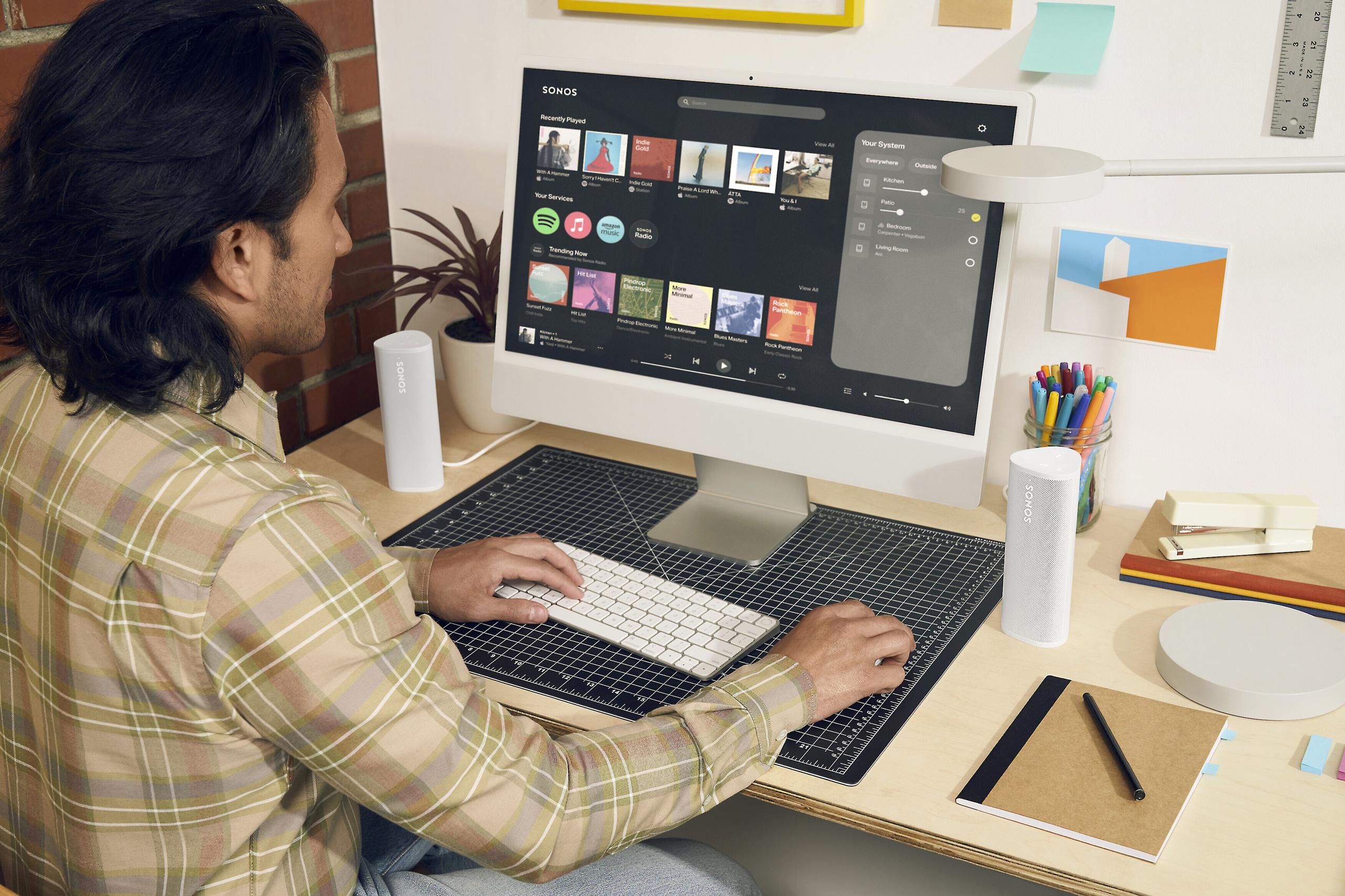
The Roam 2's integration with Google Assistant and Amazon Alexa adds voice control capabilities that transform how you interact with the speaker. You can ask for weather updates, control smart home devices, or request specific songs without touching your phone. This functionality requires either WiFi connectivity or Bluetooth connection to a phone with internet access.
For users invested in the Sonos ecosystem, the Sonos Roam 2 can integrate seamlessly with existing Sonos speakers for multi-room audio. You can group it with other Sonos devices to play synchronized music throughout your home, or use it as a portable extension of your main audio system. This integration extends to home theater use, where paired Roam 2 speakers can function as wireless surround sound speakers for compatible Sonos soundbars.
Both speakers prioritize durability but take different approaches. The JBL Charge 4 features IPX7 water resistance, meaning it can withstand immersion in up to one meter of water for 30 minutes. This rating makes it suitable for poolside use, beach trips, and accidental spills, though it doesn't protect against dust ingress. The speaker's rubberized construction and fabric wrap provide protection against drops and scrapes common in outdoor use.
The Sonos Roam 2 offers superior IP67 protection, which includes both dust and water resistance. The "6" rating means complete protection against dust ingress, while the "7" maintains the same water resistance as the JBL Charge 4. This comprehensive protection makes the Roam 2 better suited for dusty environments like construction sites or desert camping.
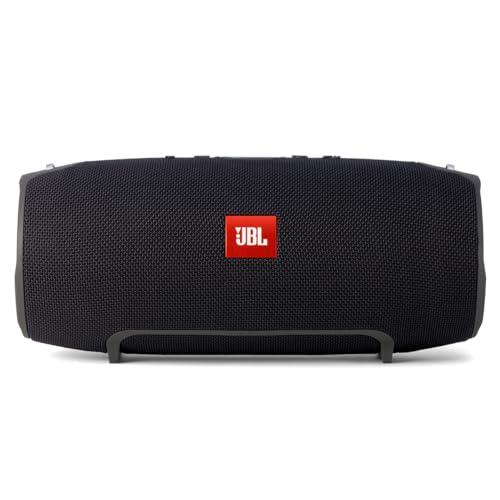
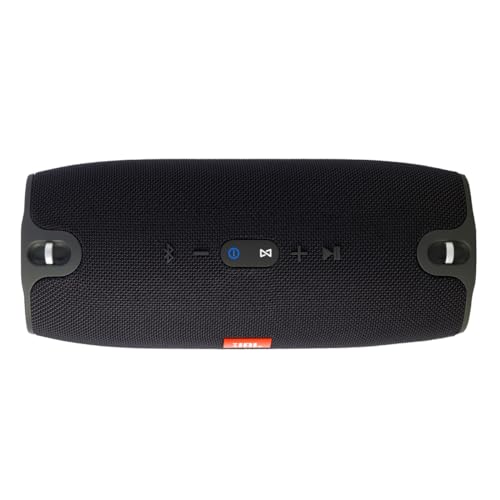
Design philosophy differs significantly between the two speakers. The JBL Charge 4's horizontal orientation and larger size (8.7 x 3.7 x 3.7 inches) accommodate bigger drivers and passive radiators, contributing to its superior volume output. However, this size makes it less convenient for daily carry or travel.
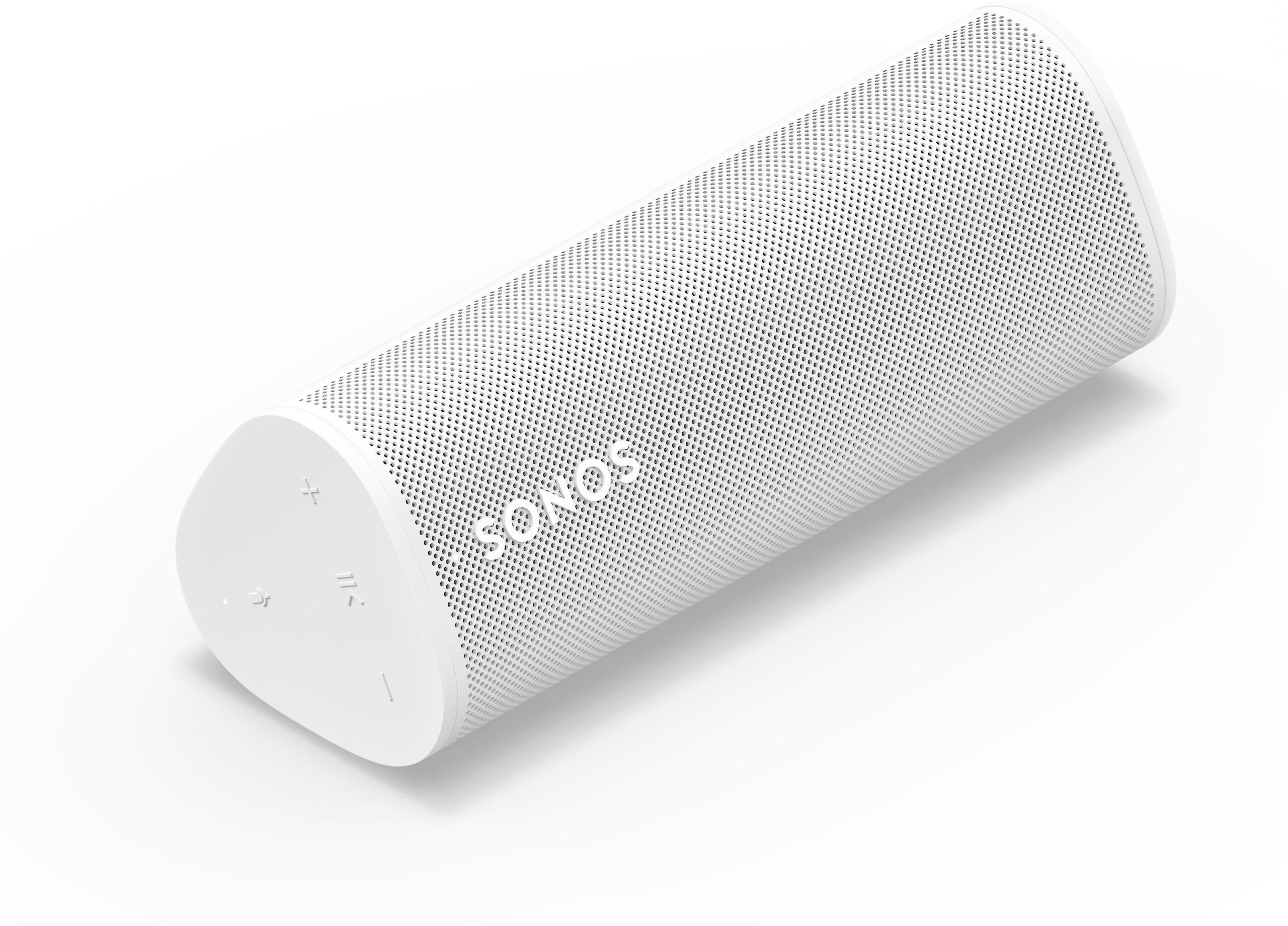
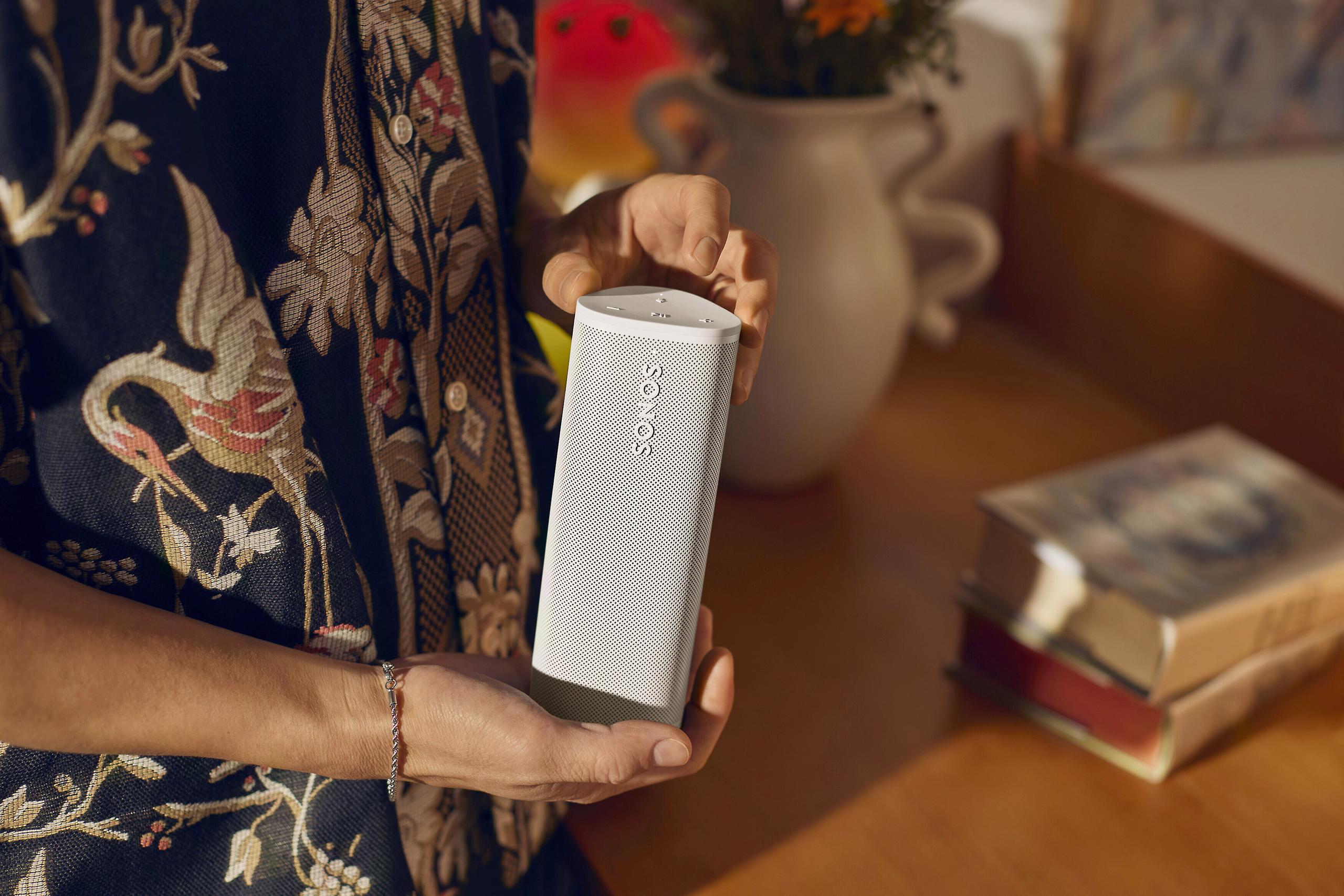
The Sonos Roam 2's compact vertical design (6.61 inches tall, 2.32 inches wide) prioritizes portability. At 1.53 pounds, it's significantly lighter than the Charge 4's 2.11 pounds, making it more suitable for backpack travel or daily commuting. The speaker can operate in both vertical and horizontal orientations, with its automatic Trueplay tuning adjusting the sound profile based on positioning.
At the time of writing, the JBL Charge 4 typically costs significantly less than the Sonos Roam 2, despite being the older product. This pricing reflects the different target markets and feature sets. The Charge 4 represents excellent value for users prioritizing audio performance and battery life over smart features.
The Sonos Roam 2 commands a premium price that reflects its advanced features and ecosystem integration capabilities. For users already invested in Sonos products or those who value automatic sound optimization and smart connectivity, this premium can be justified. However, casual users who primarily need Bluetooth audio playback may find the additional features unnecessary.
Value assessment depends heavily on individual use cases. The JBL Charge 4 offers better performance per dollar for traditional speaker functionality, while the Sonos Roam 2 provides better value when considering its smart features and ecosystem integration capabilities.
The JBL Charge 4 excels in scenarios requiring maximum volume, extended battery life, and device charging capabilities. It's ideal for beach trips, camping expeditions, outdoor parties, tailgating, and any situation where you need reliable, powerful audio without access to charging infrastructure. The power bank functionality makes it particularly valuable for extended outdoor activities where device battery life becomes a concern.
Pool parties and beach gatherings represent the Charge 4's sweet spot, where its water resistance, high volume output, and long battery life provide clear advantages. The speaker's ability to pair with additional JBL speakers makes it suitable for larger gatherings where you need to fill more space with sound.
The Sonos Roam 2 targets users seeking versatility and intelligent functionality over raw performance. It's perfect for daily commuters who want quality audio during travel, professionals who need consistent sound quality in varying meeting spaces, and anyone wanting seamless integration between home and portable audio systems.
For home theater applications, the Sonos Roam 2 offers unique capabilities when paired with compatible Sonos soundbars. Two Roam 2 speakers can function as wireless surround sound speakers, providing genuine 5.1 audio without running cables throughout your room. This functionality makes the Roam 2 particularly appealing for renters or anyone wanting flexible home theater setups.
Smart home enthusiasts will appreciate the Roam 2's voice assistant integration and multi-room audio capabilities. The ability to include the portable speaker in whole-home audio groups extends the Sonos ecosystem beyond fixed installations.
Choosing between these speakers requires honest assessment of your primary use cases and preferences. Select the JBL Charge 4 if battery life and volume output are your top priorities, if you frequently use speakers in outdoor environments, or if you value the power bank functionality for device charging. The Charge 4 also makes sense for budget-conscious buyers who want excellent performance without paying for smart features they won't use.
Choose the Sonos Roam 2 if you prioritize sound quality consistency across different environments, want smart home integration capabilities, or need a highly portable speaker for frequent travel. The Roam 2 is also the clear choice for existing Sonos ecosystem users and anyone interested in wireless surround sound capabilities.
Consider your long-term needs when making this decision. The JBL Charge 4 represents a mature, stable platform that will continue working as designed for years. The Sonos Roam 2 offers more future-proofing through software updates and expanding ecosystem integration, but requires ongoing internet connectivity for many features.
Both speakers excel in their respective approaches, making the choice dependent on whether you prioritize raw performance and independence (Charge 4) or intelligent features and ecosystem integration (Roam 2). Neither choice is wrong – they simply serve different user needs and preferences in the evolving portable speaker landscape.
| JBL Charge 4 | Sonos Roam 2 |
|---|---|
| Battery Life - Critical for outdoor use and extended listening | |
| 20 hours (exceptional for all-day events) | 10 hours (sufficient for daily use, requires more frequent charging) |
| Maximum Volume - Determines suitability for parties and outdoor gatherings | |
| Significantly louder (~50% higher output, better for large spaces) | Moderate volume (fine for personal/small group listening) |
| Water Resistance - Protection level for outdoor activities | |
| IPX7 (submersible to 1m, no dust protection) | IP67 (submersible to 1m plus complete dust protection) |
| Smart Features - Convenience and automation capabilities | |
| None (simple Bluetooth-only operation) | Voice assistants, automatic sound tuning, multi-room audio |
| Audio Configuration - Sound quality approach | |
| Single racetrack driver + dual passive radiators (louder, more bass) | Dual drivers with separate amplifiers (more balanced, cleaner sound) |
| Connectivity Options - Flexibility for different devices and situations | |
| Bluetooth 4.2 only (universal but basic) | WiFi, Bluetooth 5.2, AirPlay 2 (automatic switching between types) |
| Size and Portability - Impact on daily carrying and travel | |
| 8.7" x 3.7" x 3.7", 2.11 lbs (bulkier but accommodates larger drivers) | 6.61" x 2.32" x 2.44", 1.53 lbs (compact and lightweight for daily carry) |
| Power Bank Feature - Ability to charge other devices | |
| Yes, USB-A output (valuable for camping and emergencies) | No charging capability for other devices |
| Automatic Sound Adjustment - Optimization for different environments | |
| Manual adjustment only (sounds different in various locations) | Automatic Trueplay tuning (analyzes room and adjusts EQ automatically) |
| Multi-Speaker Connectivity - Expanding audio coverage | |
| PartyBoost (connects up to 100 JBL speakers) | Sonos ecosystem integration (works with all Sonos products) |
| Charging Options - Convenience and flexibility | |
| USB-C cable only (4-hour charge time) | USB-C or wireless Qi charging (more convenient, faster charging) |
| Home Theater Integration - Surround sound capabilities | |
| None (standalone speaker only) | Can pair as wireless surround speakers with compatible Sonos soundbars |
The JBL Charge 4 offers significantly better battery life with 20 hours of playback compared to the Sonos Roam 2's 10 hours. For camping trips, beach days, or extended outdoor activities, the JBL Charge 4 provides twice the listening time and can also charge your phone through its USB port.
The JBL Charge 4 produces approximately 50% higher volume output than the Sonos Roam 2, making it better suited for large gatherings and outdoor parties. The JBL Charge 4 uses a larger driver and passive radiators to achieve this superior loudness for crowd situations.
Only the Sonos Roam 2 integrates with smart home systems, supporting Google Assistant, Amazon Alexa, and full Sonos ecosystem integration. The JBL Charge 4 is a traditional Bluetooth-only speaker without smart features or voice control capabilities.
The Sonos Roam 2 has superior IP67 protection against both water and dust, while the JBL Charge 4 offers IPX7 water resistance only. However, both can be submerged in 1 meter of water for 30 minutes, making either suitable for pool or beach use.
Only the Sonos Roam 2 can function as wireless surround sound speakers when paired with compatible Sonos soundbars, creating a true 5.1 home theater experience. The JBL Charge 4 cannot integrate with home theater systems and functions only as a standalone speaker.
The Sonos Roam 2 delivers more balanced sound with its dual-driver configuration and automatic Trueplay tuning that adjusts audio based on room acoustics. The JBL Charge 4 produces louder, more bass-heavy sound but lacks the refinement and automatic optimization of the Sonos Roam 2.
The Sonos Roam 2 offers WiFi, Bluetooth 5.2, and AirPlay 2 with automatic switching between connection types. The JBL Charge 4 uses only Bluetooth 4.2 connectivity, which is simpler but less versatile than the Sonos Roam 2's hybrid approach.
The Sonos Roam 2 is more travel-friendly at 1.53 pounds and a compact vertical design compared to the JBL Charge 4's 2.11 pounds and larger horizontal form factor. The Sonos Roam 2 also supports wireless charging for added convenience.
Both speakers support multi-speaker connectivity but use different systems. The JBL Charge 4 uses PartyBoost to connect up to 100 compatible JBL speakers, while the Sonos Roam 2 integrates with the broader Sonos ecosystem for multi-room audio throughout your home.
Only the JBL Charge 4 functions as a power bank, allowing you to charge smartphones and other devices through its USB-A port. This feature makes the JBL Charge 4 particularly valuable for camping or emergency situations where device charging is needed.
The Sonos Roam 2 features Automatic Trueplay tuning that uses built-in microphones to analyze room acoustics and optimize sound accordingly. The JBL Charge 4 has no automatic adjustment features and sounds different depending on placement without manual EQ changes.
The JBL Charge 4 typically costs less while offering superior battery life and volume output, making it better value for traditional speaker needs. The Sonos Roam 2 costs more but provides smart features, ecosystem integration, and automatic sound optimization that justify the premium for users who will utilize these advanced capabilities.
We've done our best to create useful and informative comparisons to help you decide what product to buy. Our research uses advanced automated methods to create this comparison and perfection is not possible - please contact us for corrections or questions. These are the sites we've researched in the creation of this article: rtings.com - whathifi.com - whathifi.com - soundguys.com - soundguys.com - streamtechreviews.com - youtube.com - versus.com - applevis.com - versus.com - jbl.com - jbl.com - walmart.com - comparisontabl.es - harmanaudio.com - manuals.plus - jbl.com.sg - jbl.com - mm.jbl.com - bestbuy.com - newpower99.com - forums.woot.com - techradar.com - theshortcut.com - housebeautiful.com - youtube.com - cgmagonline.com - automatednow.com - bestbuy.com - nfm.com - creativeaudio.net - sonos.com - shop.menshealth.com - support.sonos.com - youtube.com - skybygramophone.com

Privacy Policy
Terms and Conditions - Affiliate Policy
Home Security
© Copyright 2008-2026.
11816 Inwood Rd #1211, Dallas, TX 75244