



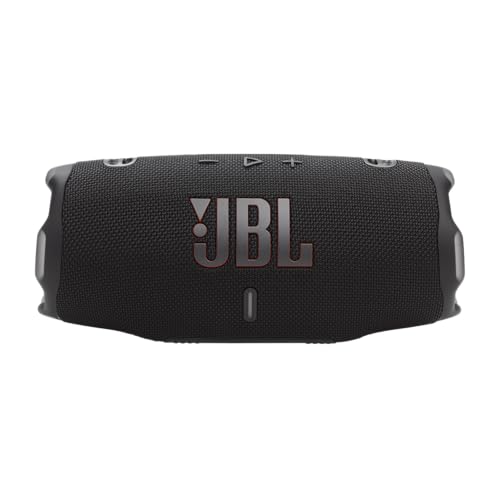
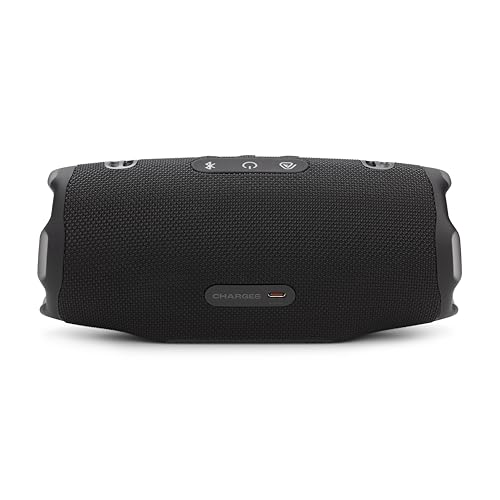
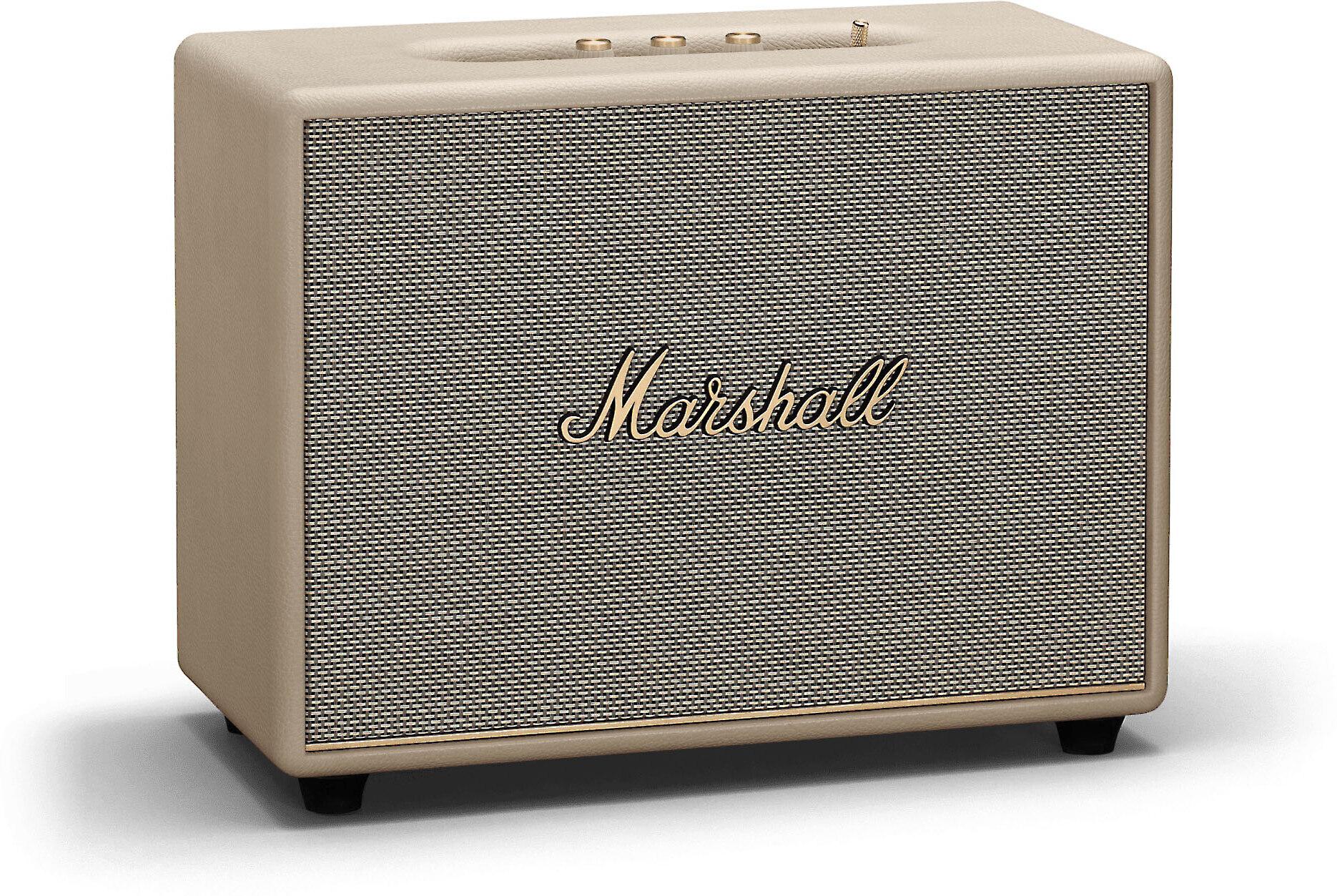
When you're shopping for a Bluetooth speaker, you might think all options are basically the same—wireless audio boxes that play your music. But dig deeper, and you'll discover these devices fall into completely different categories with vastly different purposes. The JBL Charge 6 and Marshall Woburn III perfectly illustrate this divide: one's built for life on the go, while the other aims to be the centerpiece of your home audio setup.
Understanding this fundamental difference is crucial before you spend your hard-earned money. At the time of writing, these speakers sit in completely different price brackets—the JBL Charge 6 costs roughly one-third of what you'll pay for the Marshall Woburn III. But that price gap reflects more than just build quality; it represents two entirely different philosophies about how and where you'll enjoy your music.
The speaker market has evolved dramatically over the past decade. Portable Bluetooth speakers emerged around 2010 as smartphone companions, prioritizing convenience and battery life over pure sound quality. Home audio systems, meanwhile, have existed for decades but recently gained Bluetooth connectivity to stay relevant in our wireless world.
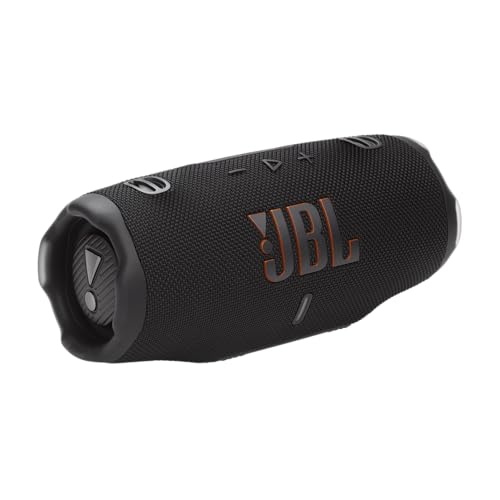
The JBL Charge 6, released in 2025, represents the latest evolution of portable speakers. It packs advanced features like AI-powered sound processing and industry-leading waterproofing into a package you can literally throw in your backpack. The Marshall Woburn III, launched in 2022, takes a different approach—it's essentially a traditional home stereo system wrapped in Marshall's iconic amplifier aesthetic and enhanced with modern connectivity.
These categories matter because they determine everything from driver configuration (the actual speakers inside the box) to power requirements. Portable speakers must balance sound quality against battery life, weight, and durability. Home speakers can focus entirely on audio performance since they're plugged into wall power and don't need to survive being dropped in a pool.
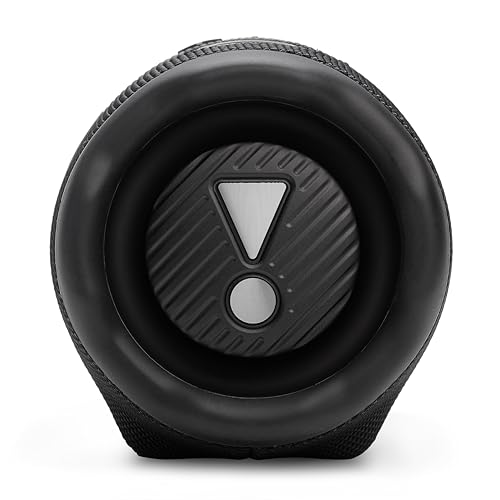
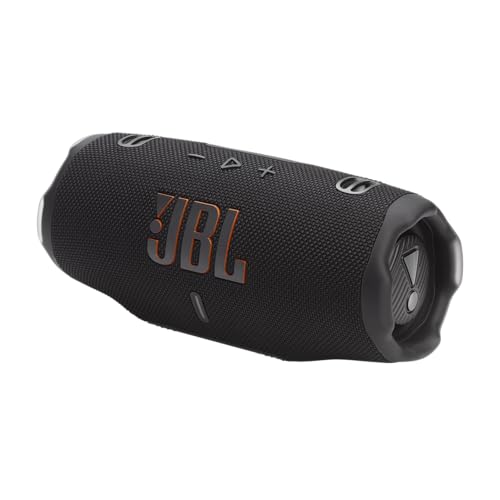
The JBL Charge 6 showcases how much portable audio has advanced since its early days. At its heart lies a two-way driver system—a 53mm x 93mm oval woofer (the speaker that handles bass and midrange frequencies) paired with a 20mm tweeter (for high frequencies like cymbals and vocals). This might sound simple, but JBL's implementation is anything but basic.
The oval woofer design is particularly clever. Traditional round speakers waste space in rectangular enclosures, but this racetrack shape maximizes the speaker area within the Charge 6's compact cylindrical body. The result is more bass output than you'd expect from something this size.
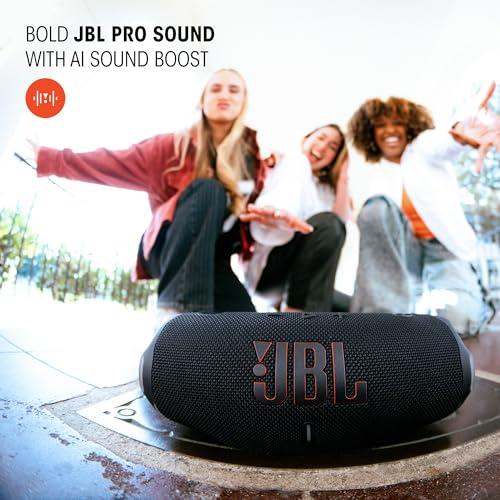
What really sets the Charge 6 apart is its AI Sound Boost technology—essentially a smart computer processor that analyzes your music in real-time and adjusts the drivers to prevent distortion. Think of it like having a sound engineer constantly monitoring your music and making micro-adjustments to keep everything clean, even when you crank the volume for that beach party.
The speaker delivers 45 watts of total power, which translates to about 90 decibels at one meter—loud enough to fill a backyard but not overwhelming in smaller spaces. More importantly, that IP68 rating means it's completely waterproof and dustproof. You can literally submerge this thing in a pool (up to 1.5 meters for 30 minutes) and it'll keep playing.
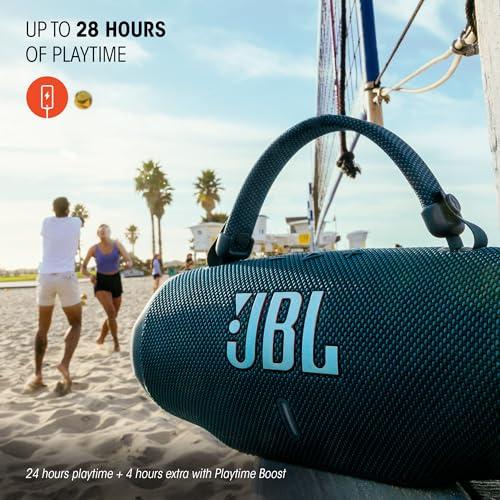
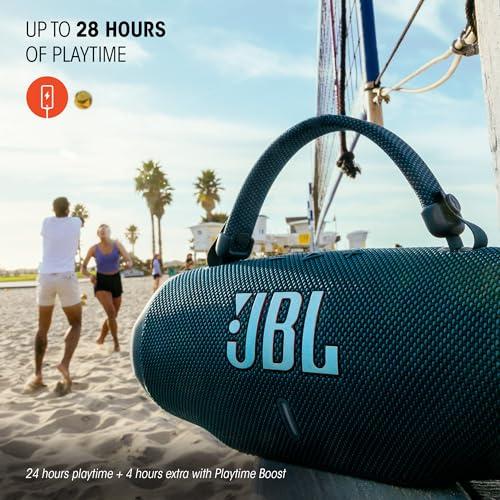
Battery technology deserves special mention here. The 34Wh lithium-ion battery provides up to 24 hours of playback, extendable to 28 hours with Playtime Boost mode (which reduces bass frequencies to conserve power). For context, that's enough juice to soundtrack an entire camping weekend. The USB-C charging port doubles as an output, turning your speaker into a powerbank for your phone—a genuinely useful feature when you're away from outlets.
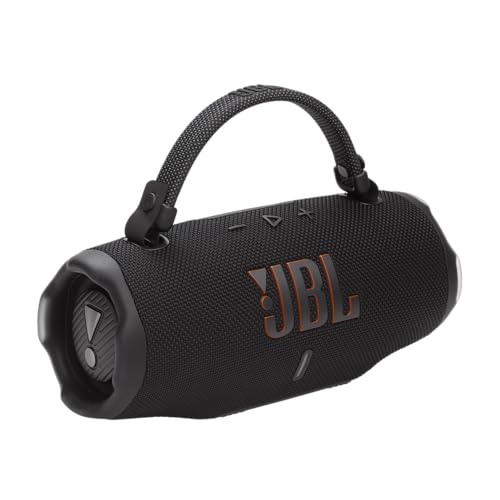
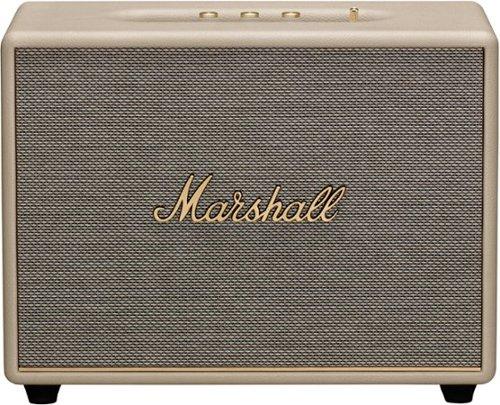
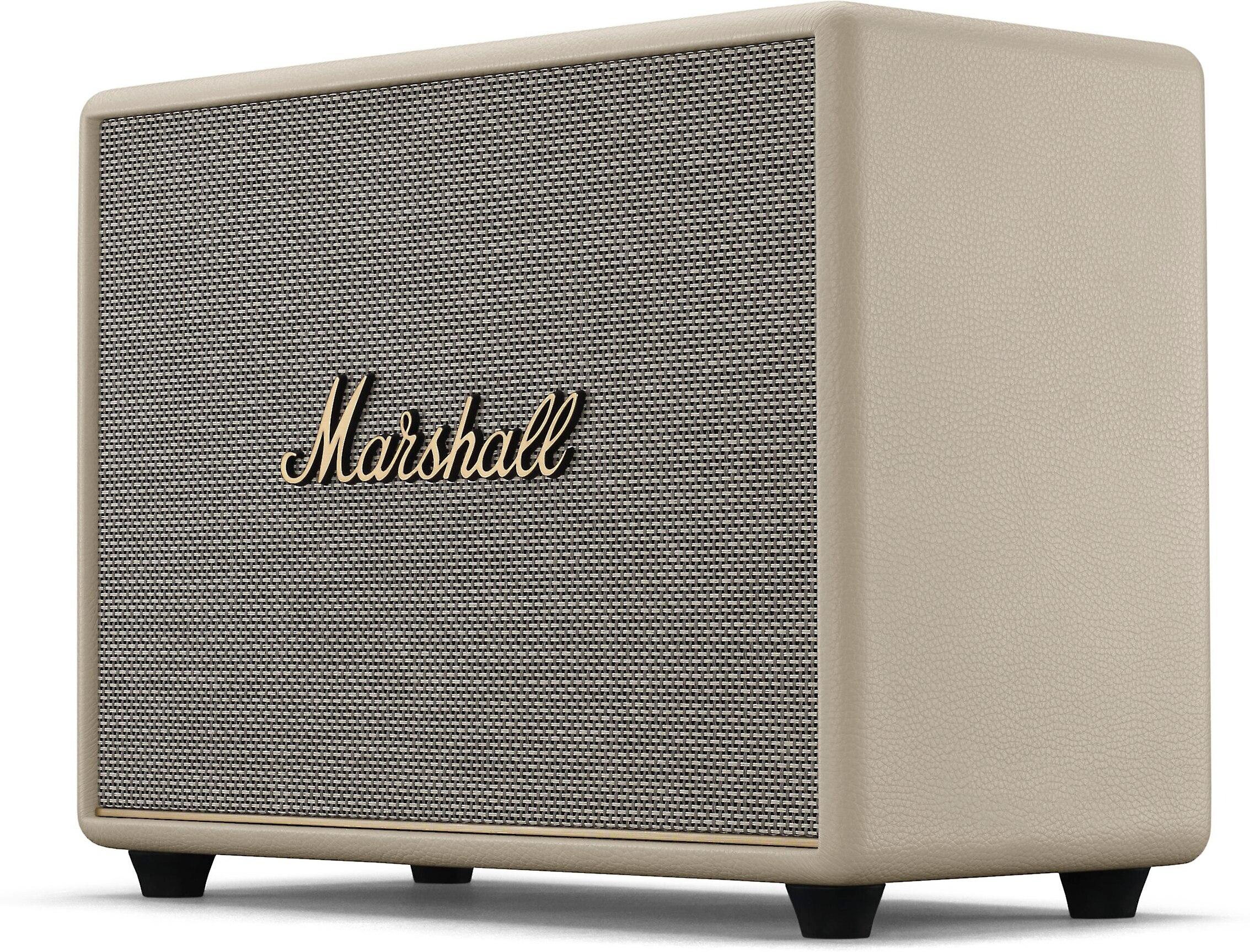
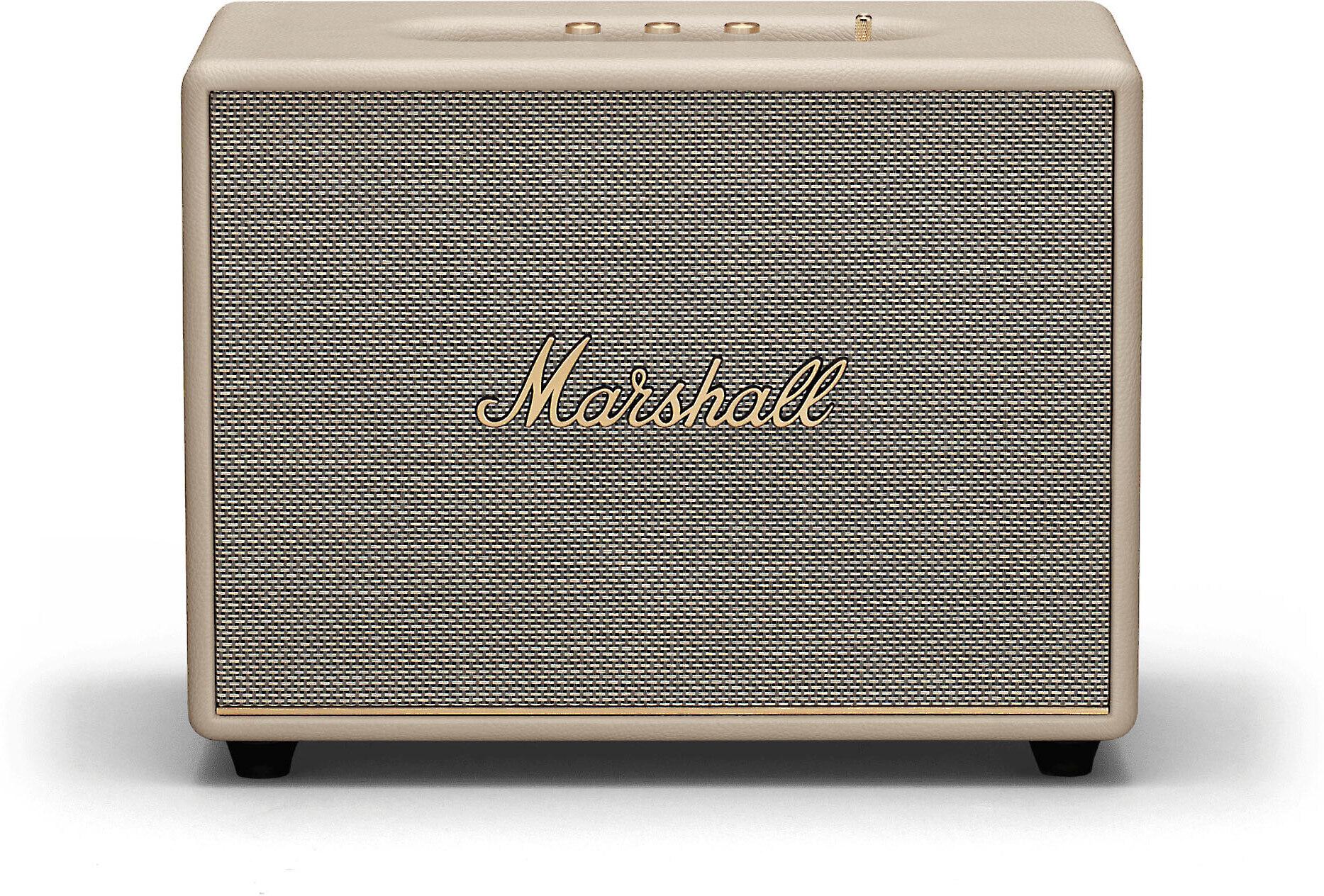
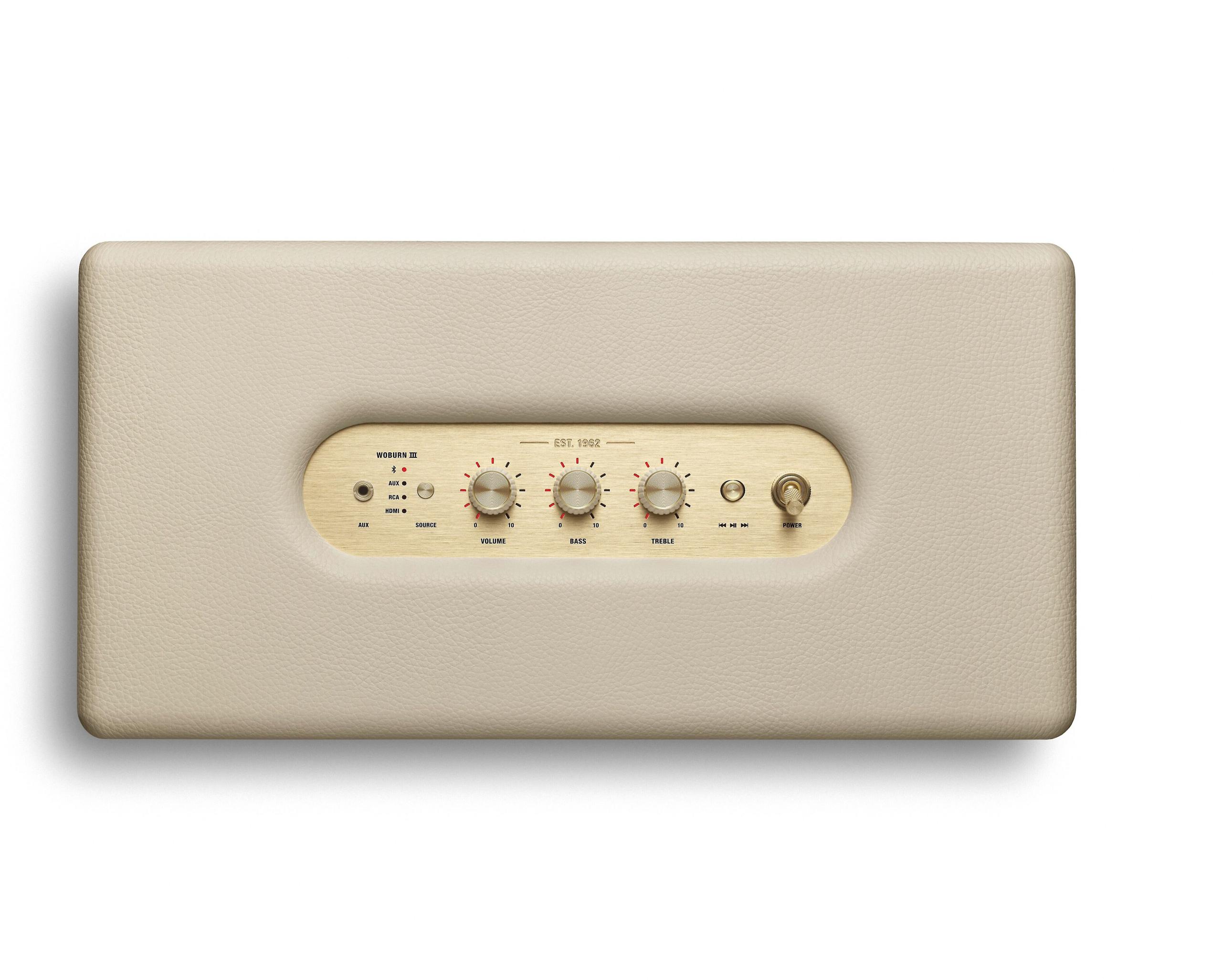
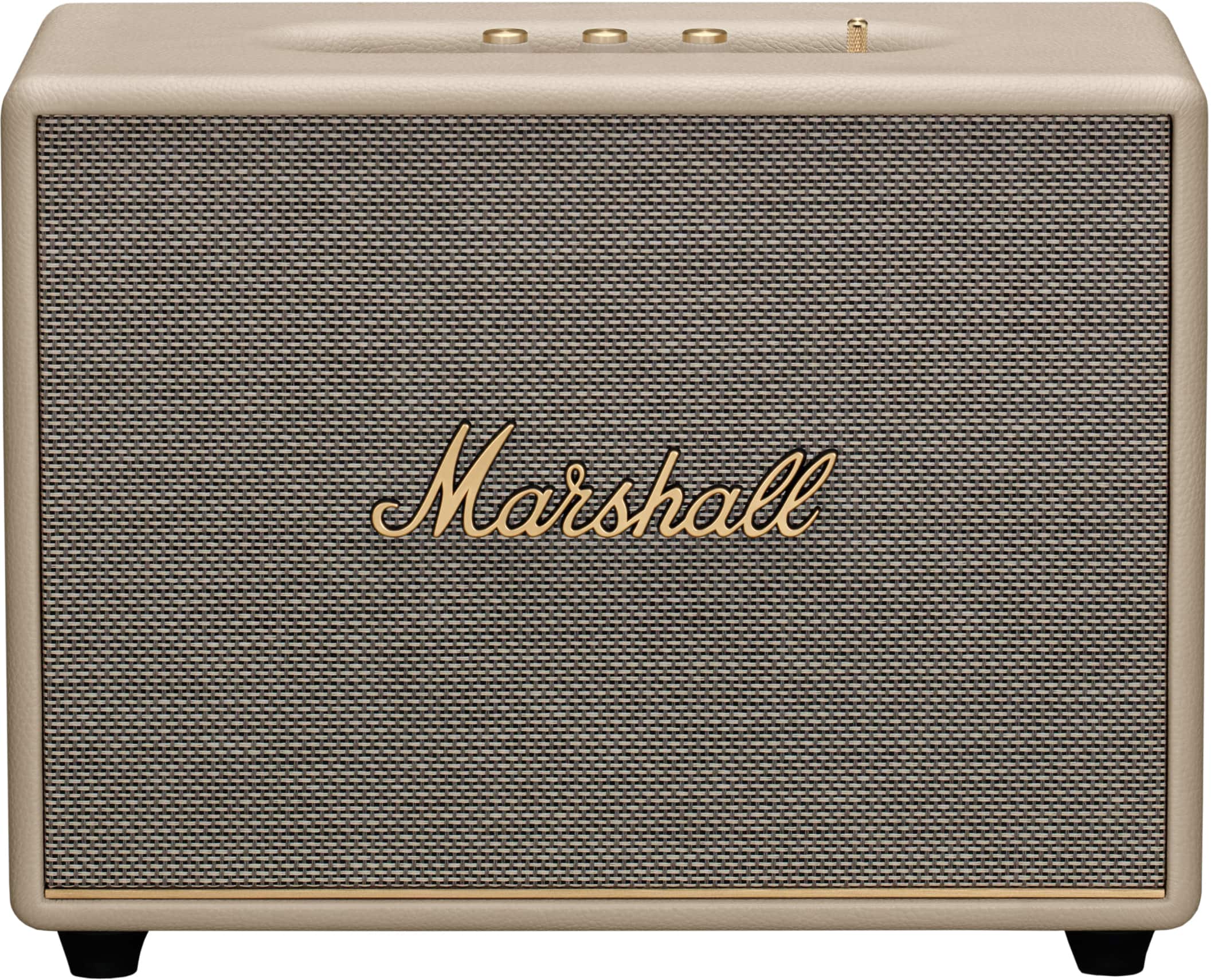
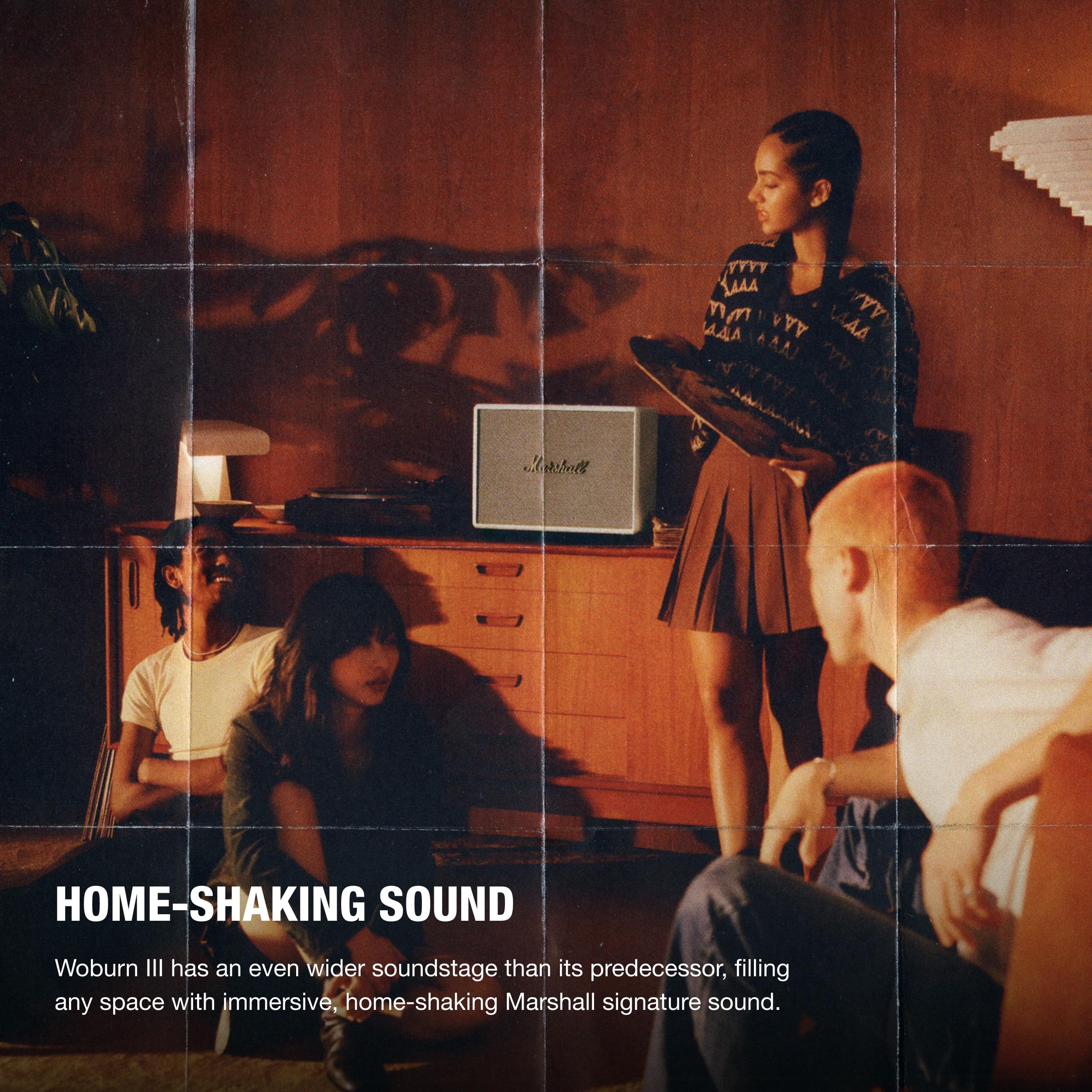
The Marshall Woburn III approaches audio from a completely different angle. Instead of compromising for portability, Marshall built this as a no-compromise home audio system. The three-way driver configuration tells the story: a 6-inch woofer handles bass, two 2-inch midrange drivers reproduce vocals and instruments, and two 0.75-inch tweeters create crisp highs.
This separation of frequency duties is crucial for audio quality. Instead of asking one driver to handle everything (like most portable speakers), each driver specializes in its frequency range. The result is cleaner sound with better instrument separation—you can actually distinguish between the bass guitar and kick drum in complex music.
The power difference is substantial: 150 watts total output versus the Charge 6's 45 watts. That translates to a maximum volume of 100.5 decibels—loud enough to fill large rooms without strain. But it's not just about volume; those extra watts provide headroom for dynamic music passages. When an orchestra swells or a rock song hits its chorus, the Woburn III has power reserves to maintain clean sound.
The frequency response extends down to 35Hz, compared to the Charge 6's 56Hz low-end rolloff. That 21Hz difference might not sound like much, but it's the difference between feeling bass in your chest versus just hearing it. This deeper bass response comes from the larger 6-inch woofer and the spacious internal cabinet, which allows for proper acoustic design.
Sound quality evaluation requires understanding several key metrics. Frequency response shows how evenly a speaker reproduces different frequencies—ideally, you want relatively flat response across the audible spectrum (20Hz to 20kHz) with gentle roll-offs at the extremes.
The Marshall Woburn III clearly wins the technical specification battle. Its 35Hz low-frequency extension means it reproduces the fundamental frequencies of bass guitars, kick drums, and organ pedals that many speakers simply can't reach. The JBL Charge 6's 56Hz cutoff is still respectable for its size, but you're missing that bottom octave of musical information.
Maximum SPL (Sound Pressure Level) tells us about volume capabilities. The Woburn III's 100.5dB rating versus the Charge 6's 90dB represents more than just loudness—it indicates the speaker's ability to maintain clean sound at high volumes. Every 3dB increase requires doubling the power, so the Woburn III can play more than three times louder than the Charge 6 before distortion becomes problematic.
But specifications only tell part of the story. The Charge 6's AI Sound Boost technology actively prevents distortion, potentially making it sound cleaner at its maximum output than traditional speakers of similar power. User feedback consistently praises its ability to maintain clarity even when pushed hard—impressive for a portable speaker.
The Marshall Woburn III's three-way design creates a more spacious soundstage—that sense of width and depth in music reproduction. When listening to orchestral music or well-produced rock albums, instruments seem to occupy distinct positions rather than coming from a single point. This imaging quality is particularly noticeable in acoustic music, where the separation between guitar strings and vocal nuances becomes more apparent.
Bass quality differs significantly between the two. The Woburn III's larger woofer and cabinet volume produce what audiophiles call "controlled" bass—deep, tight, and well-defined rather than boomy. Hip-hop and electronic music benefit enormously from this capability, with bass lines remaining clear even during complex passages.
The Charge 6 takes a different approach, tuning its bass response for outdoor use where atmospheric absorption affects sound propagation. The result is punchier, more forward bass that cuts through ambient noise—perfect for pool parties but potentially overwhelming in quiet indoor spaces.
Directivity patterns also matter. The Woburn III's tweeters angle outward to create a wider sweet spot, while the Charge 6's cylindrical design radiates sound more evenly in all directions. For home use, the Woburn III excels when positioned correctly. For outdoor gatherings where people move around, the Charge 6's omnidirectional pattern works better.
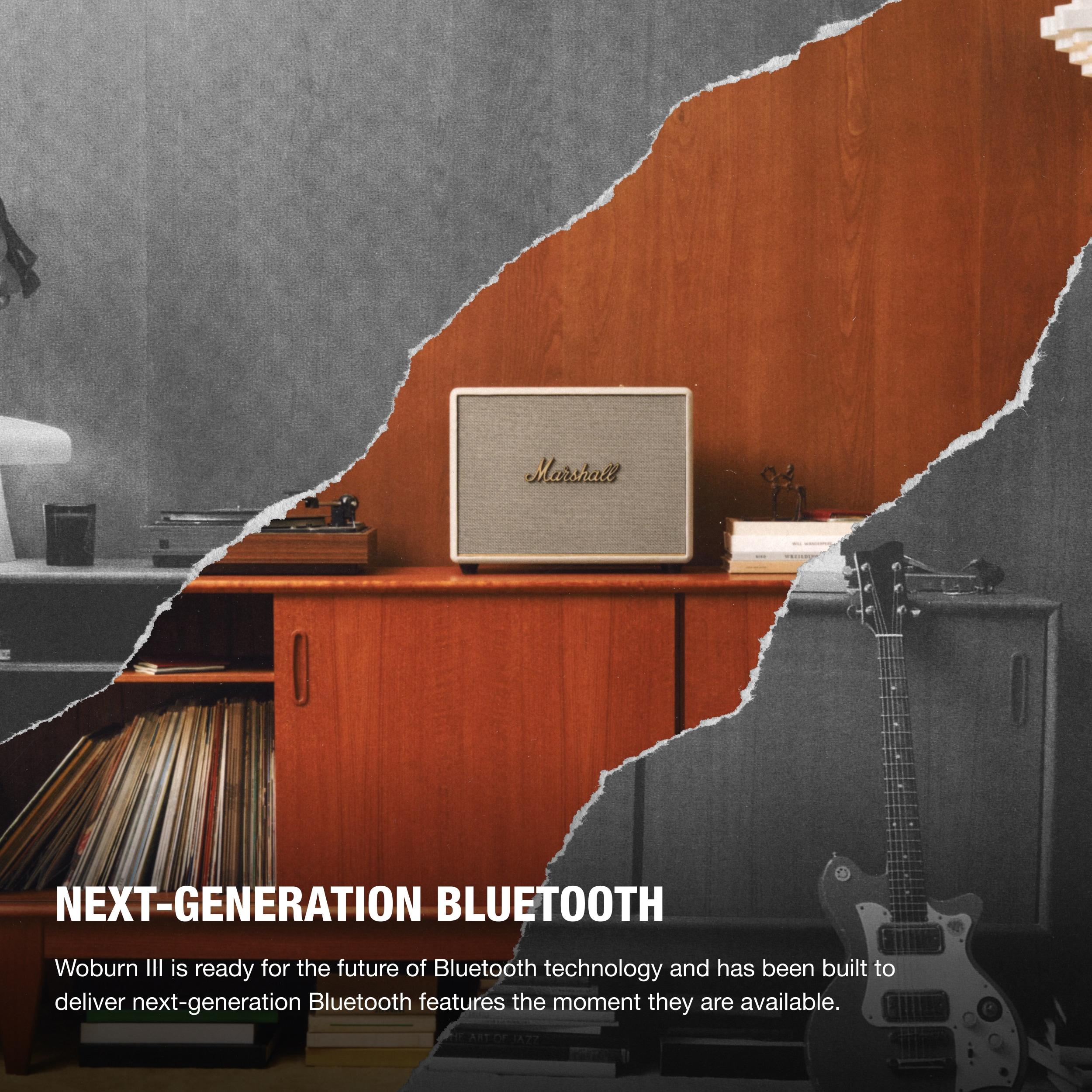
Both speakers support Bluetooth, but their implementations reveal their different target markets. The Charge 6 uses Bluetooth 5.4—the latest standard offering improved stability, lower latency, and better power efficiency. Its Auracast technology allows linking multiple compatible JBL speakers for multi-room or outdoor party setups, replacing the older PartyBoost system with a more flexible approach.
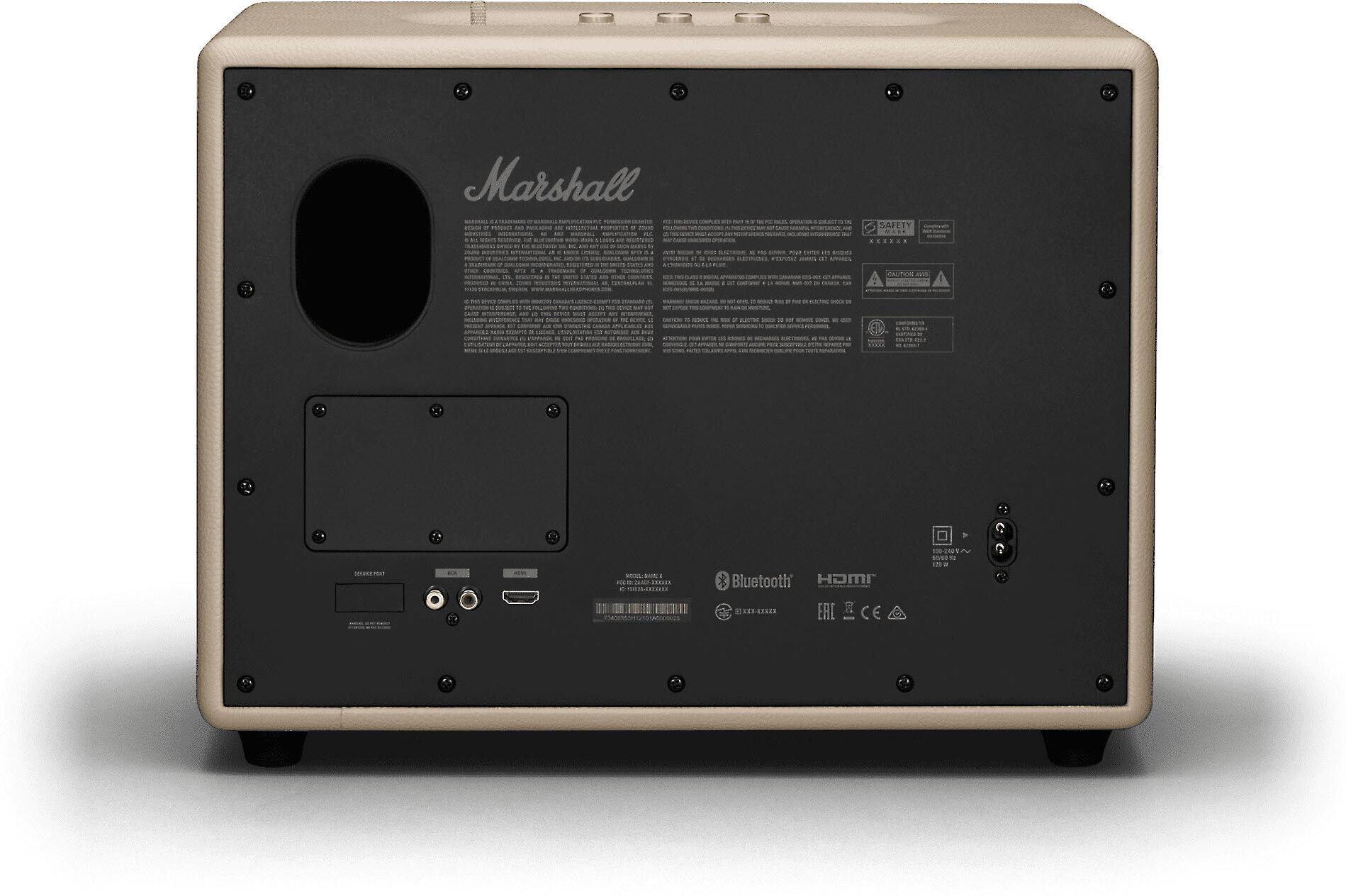
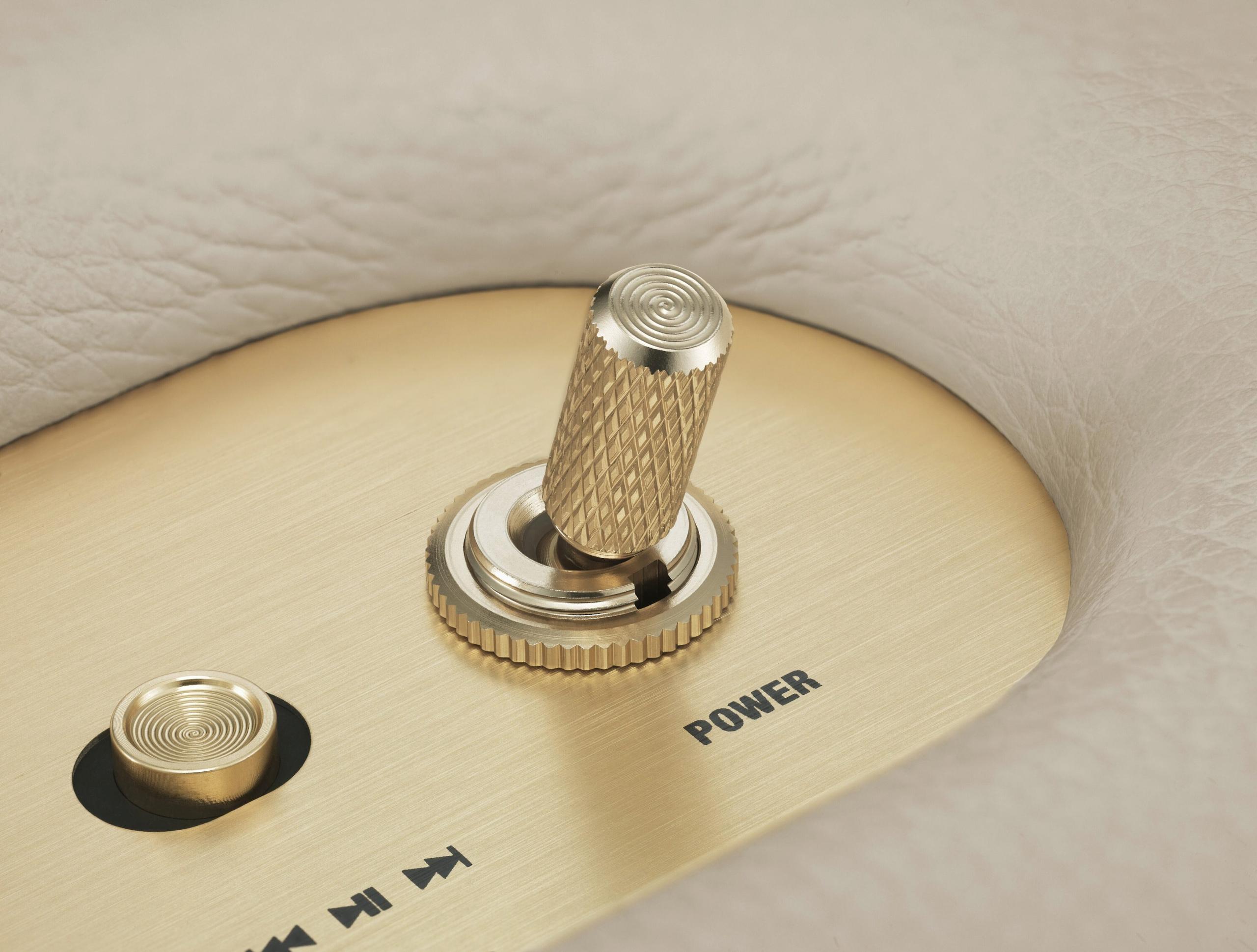
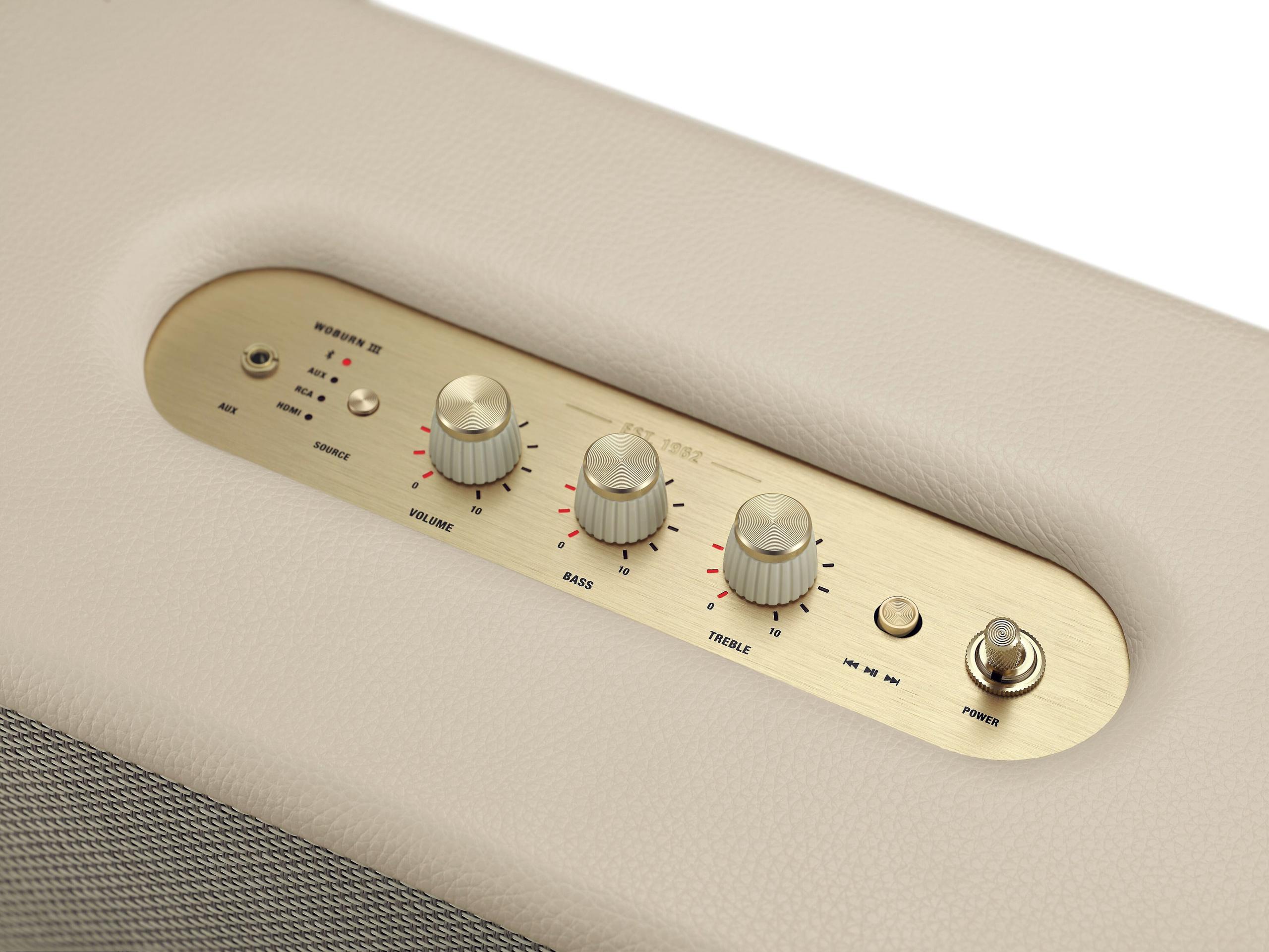
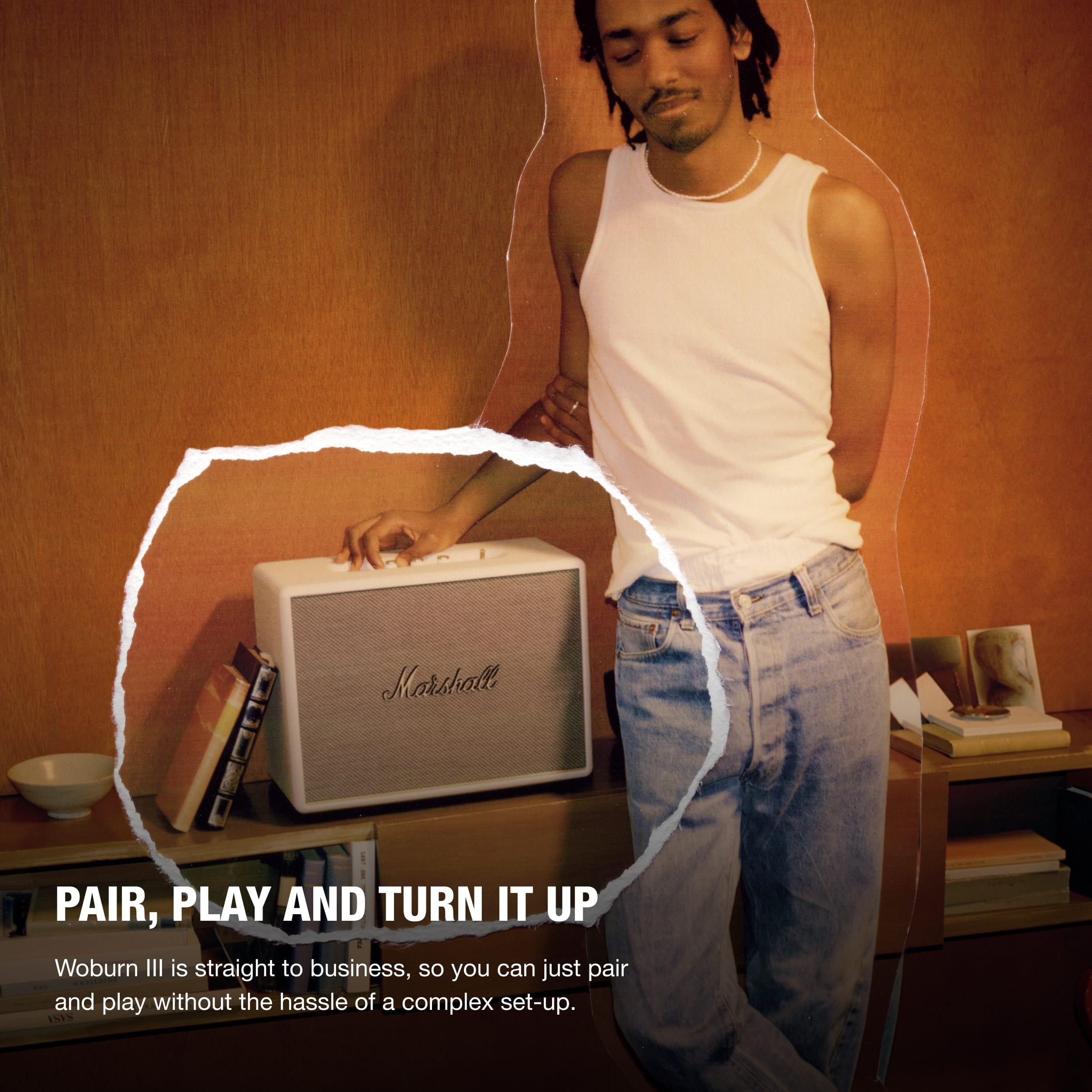
The Marshall Woburn III sticks with Bluetooth 5.2, which is perfectly adequate for home use. Where it differentiates itself is traditional connectivity: HDMI ARC lets it function as your TV's sound system, automatically switching on when you start watching Netflix. RCA and 3.5mm inputs accommodate turntables, CD players, and other analog sources that serious music listeners often prefer.
Lossless audio support varies between the two. The Charge 6 supports hi-res audio through its USB-C connection, handling up to 24-bit/192kHz files when connected to compatible sources like laptops or high-end music players. The Woburn III achieves lossless playback through its wired inputs and HDMI ARC, though Bluetooth remains compressed on both devices.
App integration shows another philosophical divide. JBL's app provides a seven-band equalizer for detailed sound customization—useful when the same speaker needs to work well in your apartment, at the beach, and everywhere in between. Marshall's app focuses on room correction features like placement compensation, acknowledging that this speaker will live in one spot and should be optimized for that specific acoustic environment.
If you're considering either speaker for TV duty, the choice becomes clearer. The Marshall Woburn III was explicitly designed for this role, with HDMI ARC handling all the technical complexity of TV integration. Connect one cable, and your TV automatically routes audio to the speaker while maintaining volume control through your existing remote.
The sonic benefits for TV watching are substantial. Dialog clarity improves dramatically compared to thin TV speakers, while action movies gain the bass response that makes explosions feel impactful. The Woburn III's dedicated midrange drivers excel at reproducing human speech, reducing the need to constantly adjust volume between quiet dialog and loud action sequences.
The Charge 6 can serve TV duty via Bluetooth, but the experience isn't seamless. Bluetooth introduces latency—a delay between video and audio that becomes noticeable during lip-sync moments. While modern TVs and devices implement latency compensation, it's never perfect. The Charge 6's USB-C audio input could theoretically solve this, but most TVs lack compatible outputs.
For dedicated home theater use, the Woburn III wins decisively. Its higher power output, better bass extension, and seamless TV integration justify the premium for anyone serious about improving their living room entertainment experience.
Value assessment goes beyond simple price comparisons. At the time of writing, the Marshall Woburn III costs roughly three times more than the JBL Charge 6, but that premium buys substantially different capabilities.
The Charge 6 delivers exceptional value for users who need versatility. One device serves as pool speaker, travel companion, emergency phone charger, and home audio system. That multi-purpose nature means it replaces several potential purchases while offering performance that genuinely impresses for its price point.
The Woburn III's value proposition centers on audio quality and home integration. If you're replacing cheap TV speakers while adding music playback capability, its cost makes sense against buying separate components. The build quality and driver configuration match speakers costing significantly more in traditional hi-fi channels.
Durability factors into long-term value. The Charge 6's IP68 rating and drop-proof construction suggest years of trouble-free use even with active lifestyles. The Woburn III's traditional construction prioritizes longevity through quality components rather than environmental protection.
Choose the JBL Charge 6 if you live an active lifestyle where music follows you everywhere. College students, outdoor enthusiasts, and frequent travelers benefit most from its combination of durability, battery life, and surprisingly good sound quality. The powerbank feature alone justifies ownership for many users—having backup power for your phone during camping trips or power outages provides real utility beyond music playback.
The speaker excels in social situations where flexibility matters. Pool parties, beach trips, backyard barbecues, and dorm room gatherings all benefit from its worry-free durability and room-filling volume. The PartyBoost linking capability means you can expand your setup as needed without replacing your original investment.
For apartment dwellers or anyone with space constraints, the Charge 6 serves double duty as both home speaker and portable companion. While it won't match the Woburn III's audio quality, it provides respectable performance for casual listening while maintaining the flexibility to travel when needed.
The Marshall Woburn III makes sense for users who prioritize sound quality and home integration over portability. Empty nesters, apartment dwellers with dedicated listening spaces, and anyone frustrated with TV speaker quality should consider its capabilities seriously.
Music enthusiasts who appreciate vinyl records, high-resolution audio files, or acoustic music benefit from its superior driver configuration and power reserves. The three-way design reveals details in complex recordings that simpler speakers can't reproduce, making it worthwhile for anyone who considers music listening a primary hobby rather than background activity.
The aesthetic appeal shouldn't be overlooked either. Marshall's amplifier-inspired design makes this speaker a conversation piece that complements traditional or modern décor better than typical tech-focused designs.
The choice between these speakers ultimately depends on your lifestyle and priorities. If you need one device to handle multiple scenarios—from home listening to outdoor adventures—the JBL Charge 6 offers unmatched versatility at a reasonable price point. Its combination of durability, battery life, and surprisingly good sound quality makes it the safer choice for most buyers.
However, if you're building a dedicated home audio setup and portability isn't important, the Marshall Woburn III delivers substantially better sound quality and home theater integration. Its higher cost reflects genuinely superior audio engineering rather than just premium branding.
Consider your listening habits, living situation, and budget carefully. The Charge 6 excels as a Swiss Army knife solution—good at many things without excelling at any one aspect. The Woburn III focuses entirely on home audio excellence, delivering professional-level performance in exchange for giving up portability entirely.
Both speakers succeed brilliantly at their intended purposes, making either choice a winner when properly matched to your needs.
| JBL Charge 6 | Marshall Woburn III |
|---|---|
| Speaker Type - Determines where and how you'll use it | |
| Portable Bluetooth speaker with battery | Home audio system requiring AC power |
| Driver Configuration - More drivers generally mean better sound separation | |
| 2-way system: 53×93mm woofer + 20mm tweeter | 3-way system: 6" woofer + 2×2" midrange + 2×0.75" tweeters |
| Total Power Output - Higher wattage means louder, cleaner sound | |
| 45W RMS (good for outdoor/small rooms) | 150W RMS (fills large rooms easily) |
| Frequency Response - Lower bass numbers mean deeper, richer sound | |
| 56Hz-20kHz (solid bass for portable speaker) | 35Hz-20kHz (true deep bass reproduction) |
| Maximum Volume - Measured in decibels, 3dB = twice as loud | |
| 90dB at 1 meter (plenty for most situations) | 100.5dB at 1 meter (concert-level volume) |
| Durability Rating - IP ratings show water/dust protection | |
| IP68 (fully waterproof and dustproof) | No rating (indoor use only) |
| Battery Life - Only relevant for portable speakers | |
| 24-28 hours playbook (exceptional for portability) | AC power only (no battery backup) |
| Connectivity Options - More inputs mean greater device compatibility | |
| Bluetooth 5.4, USB-C audio, powerbank output | Bluetooth 5.2, HDMI ARC, RCA, 3.5mm aux |
| Weight - Critical for portability, irrelevant for home use | |
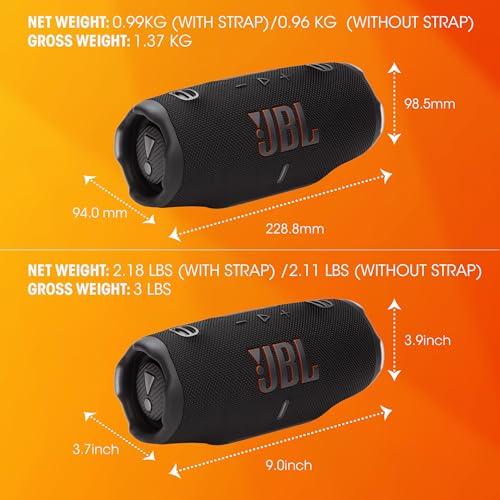
| 2.11 lbs (easily portable) | 16.42 lbs (permanent placement) |
| Smart Features - Modern conveniences and sound optimization | |
| AI Sound Boost, 7-band EQ app, PartyBoost linking | Dynamic Loudness, placement compensation, night mode |
| Best Use Cases - Where each speaker truly excels | |
| Travel, outdoor parties, multi-room flexibility | Home stereo, TV enhancement, critical listening |
The JBL Charge 6 is specifically designed for outdoor use with its IP68 waterproof rating, meaning it can be fully submerged in water and is completely dustproof. It also features a 24-hour battery life and rugged construction. The Marshall Woburn III requires AC power and has no weather protection, making it unsuitable for outdoor activities.
The Marshall Woburn III excels as a TV speaker with its dedicated HDMI ARC connection, allowing seamless integration with your TV and remote control. The JBL Charge 6 can connect via Bluetooth but may experience audio delay issues, making it less ideal for TV use.
The Marshall Woburn III delivers superior audio quality with its three-way driver system, 150W power output, and deeper bass response (35Hz vs 56Hz). However, the JBL Charge 6 offers surprisingly good sound quality for its size and includes AI Sound Boost technology to minimize distortion.
Both speakers support multi-device connectivity. The JBL Charge 6 uses Bluetooth 5.4 and can pair with two devices simultaneously, while the Marshall Woburn III offers Bluetooth 5.2 plus multiple wired inputs including HDMI ARC, RCA, and 3.5mm aux for connecting various audio sources.
The JBL Charge 6 works well in small spaces due to its compact size and ability to serve multiple purposes - home listening, outdoor use, and device charging. The Marshall Woburn III provides better sound quality but requires dedicated space and permanent placement.
The JBL Charge 6 supports PartyBoost technology, allowing you to wirelessly link multiple compatible JBL speakers for expanded sound coverage. The Marshall Woburn III doesn't offer multi-speaker connectivity and functions as a standalone home audio system.
Only the JBL Charge 6 has a battery, providing up to 24 hours of playback time (28 hours with Playtime Boost mode). The Marshall Woburn III requires constant AC power and has no battery backup capability.
The Marshall Woburn III is significantly louder with 150W power output and 100.5dB maximum volume, compared to the JBL Charge 6's 45W and 90dB output. The difference is substantial - the Marshall can play more than three times louder before distortion occurs.
The JBL Charge 6 is excellent for parties due to its portability, waterproof design, long battery life, and ability to link with other speakers. The Marshall Woburn III works well for indoor parties but lacks portability and weather protection for outdoor gatherings.
The Marshall Woburn III provides deeper, more powerful bass with its 6-inch woofer and frequency response down to 35Hz. The JBL Charge 6 offers respectable bass for its size (56Hz response) but cannot match the depth and power of the larger home speaker.
Only the JBL Charge 6 functions as a powerbank, allowing you to charge smartphones and other devices through its USB-C port. The Marshall Woburn III doesn't offer device charging capabilities.
The JBL Charge 6 offers exceptional value for users needing versatility - it serves as a portable speaker, powerbank, and home audio system in one device. The Marshall Woburn III provides better sound quality and home theater integration but at a significantly higher cost, making it worthwhile mainly for dedicated home audio enthusiasts.
We've done our best to create useful and informative comparisons to help you decide what product to buy. Our research uses advanced automated methods to create this comparison and perfection is not possible - please contact us for corrections or questions. These are the sites we've researched in the creation of this article: rtings.com - youtube.com - stereoguide.com - whathifi.com - youtube.com - elomymelo.com - soundguys.com - elomymelo.com - wifihifi.com - soundguys.com - jbl.com - whathifi.com - soundguys.com - youtube.com - smarthomesounds.co.uk - jbl.com - sweetwater.com - youtube.com - bestbuy.com - jbl.com.sg - jbl.com - dell.com - ca.jbl.com - soundguys.com - soundguys.com - dell.com - bestbuy.com - crutchfield.com - rtings.com - idownloadblog.com - digit.in - crutchfield.com - epicrewards.com.ph - ione.com.kh - youtube.com - onward.ph - economictimes.indiatimes.com

Privacy Policy
Terms and Conditions - Affiliate Policy
Home Security
© Copyright 2008-2026.
11816 Inwood Rd #1211, Dallas, TX 75244