






When it comes to portable speakers, we're living in a golden age. Gone are the days when "portable" meant tinny, weak sound that couldn't fill a bathroom, let alone compete with outdoor noise. Today's portable speakers deliver impressive audio quality, smart features, and enough battery life to soundtrack your entire weekend adventure. But with so many options, choosing the right one requires understanding what you actually need—and that's where the JBL Charge 6 and Sonos Roam 2 come in as two very different answers to the portable audio question.
Before diving into these specific models, it's worth understanding what separates great portable speakers from mediocre ones. The fundamental challenge engineers face is the "portable speaker triangle"—you can optimize for sound quality, battery life, or compact size, but improving one usually means compromising another.
Sound quality depends heavily on driver size (the actual speakers inside the unit), amplifier power, and the internal volume of the speaker cabinet. Larger drivers generally produce better bass and can handle more power without distortion, but they require bigger enclosures. Battery life is determined not just by battery capacity (measured in watt-hours), but also by how efficiently the amplifiers convert power to sound. Finally, portability isn't just about size—it's about weight distribution, durability features like water resistance, and practical considerations like carrying handles or wireless charging.
The most important performance metrics for portable speakers are maximum volume without distortion, frequency response (how well they reproduce different pitches), battery life under realistic conditions, and connectivity reliability. At the time of writing, the JBL Charge 6 and Sonos Roam 2 represent two distinct philosophies in balancing these competing demands.
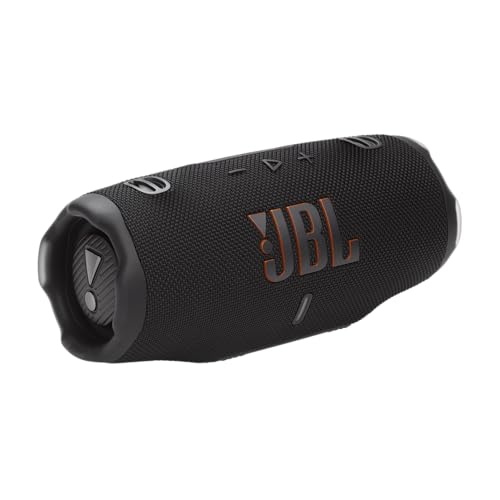
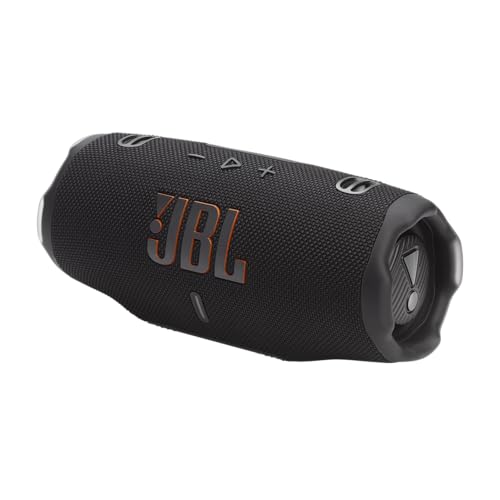
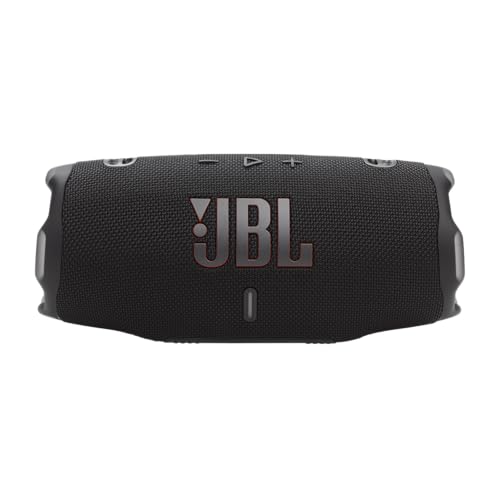
The JBL Charge 6, released in 2024, embodies the "power user" approach to portable speakers. JBL designed it for people who want maximum performance and endurance, even if that means carrying a slightly larger device. Think beach parties, camping trips, or backyard barbecues where you need sound that can compete with wind, waves, and conversation.
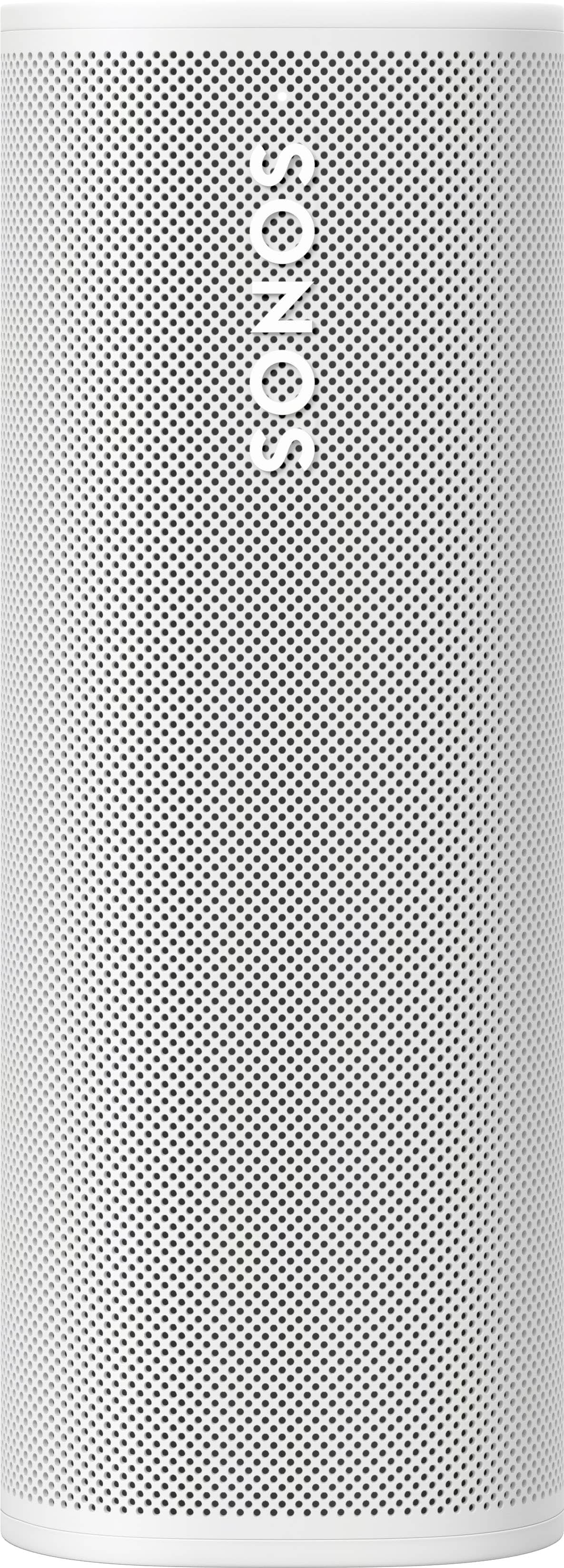
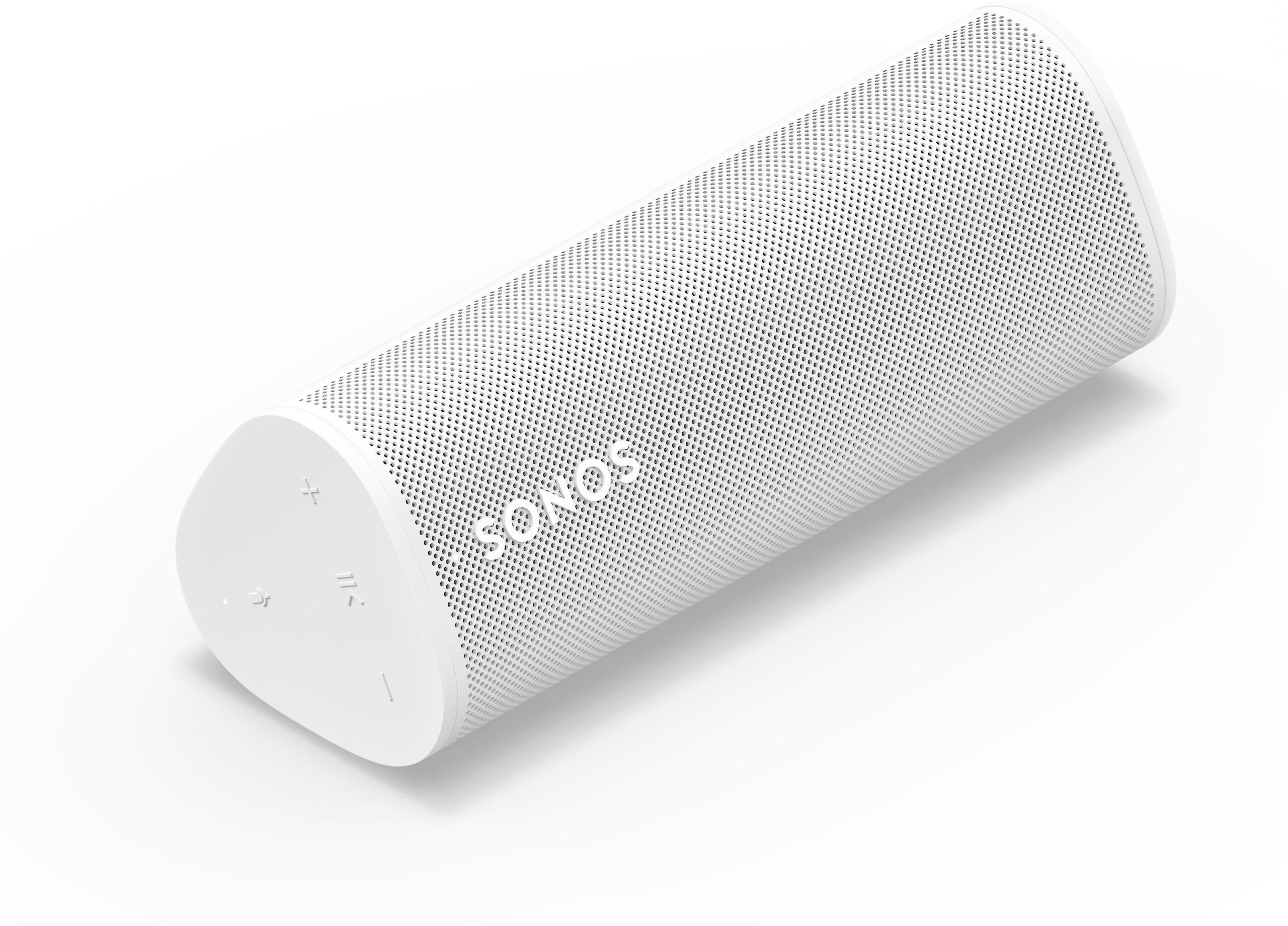
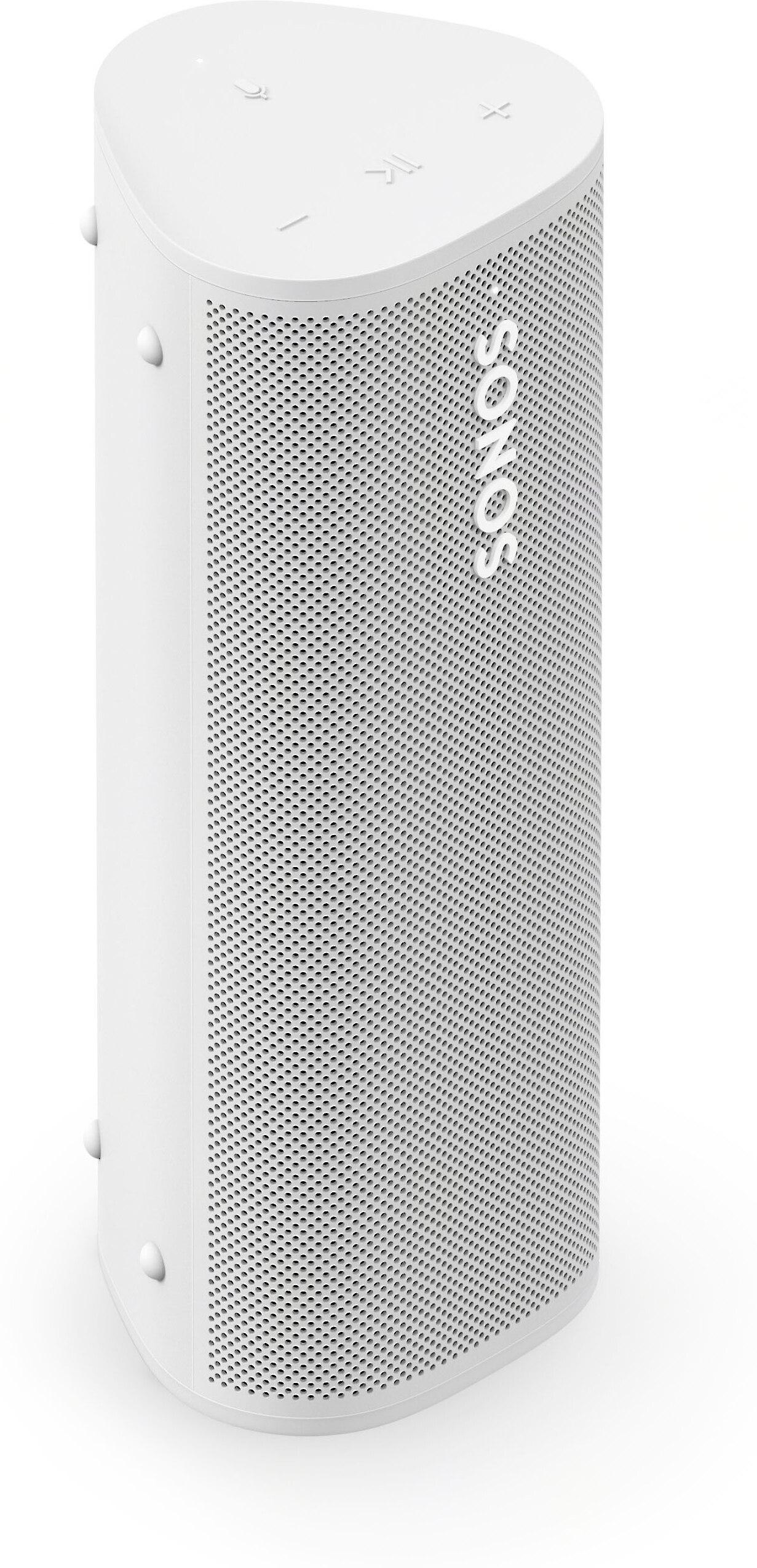
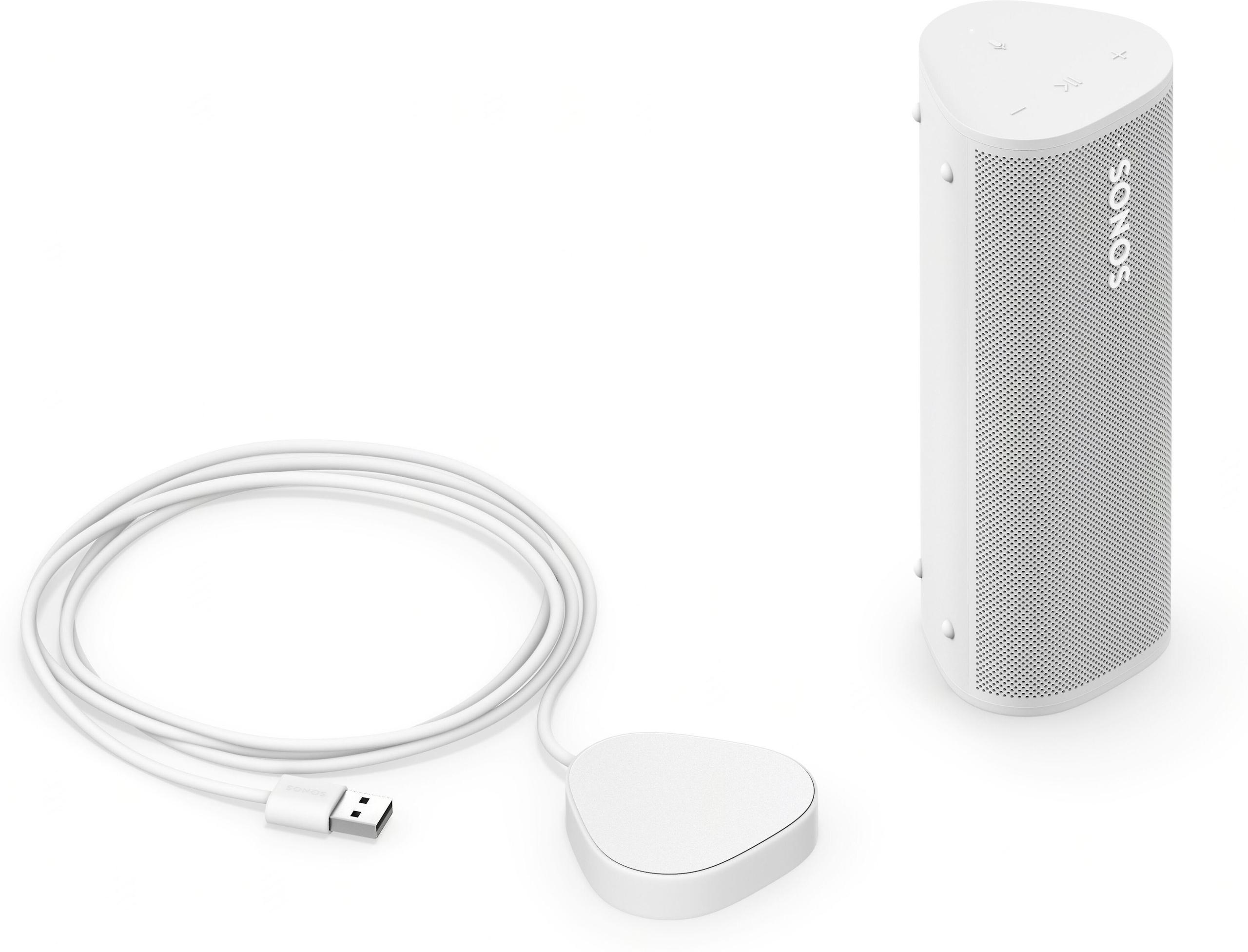
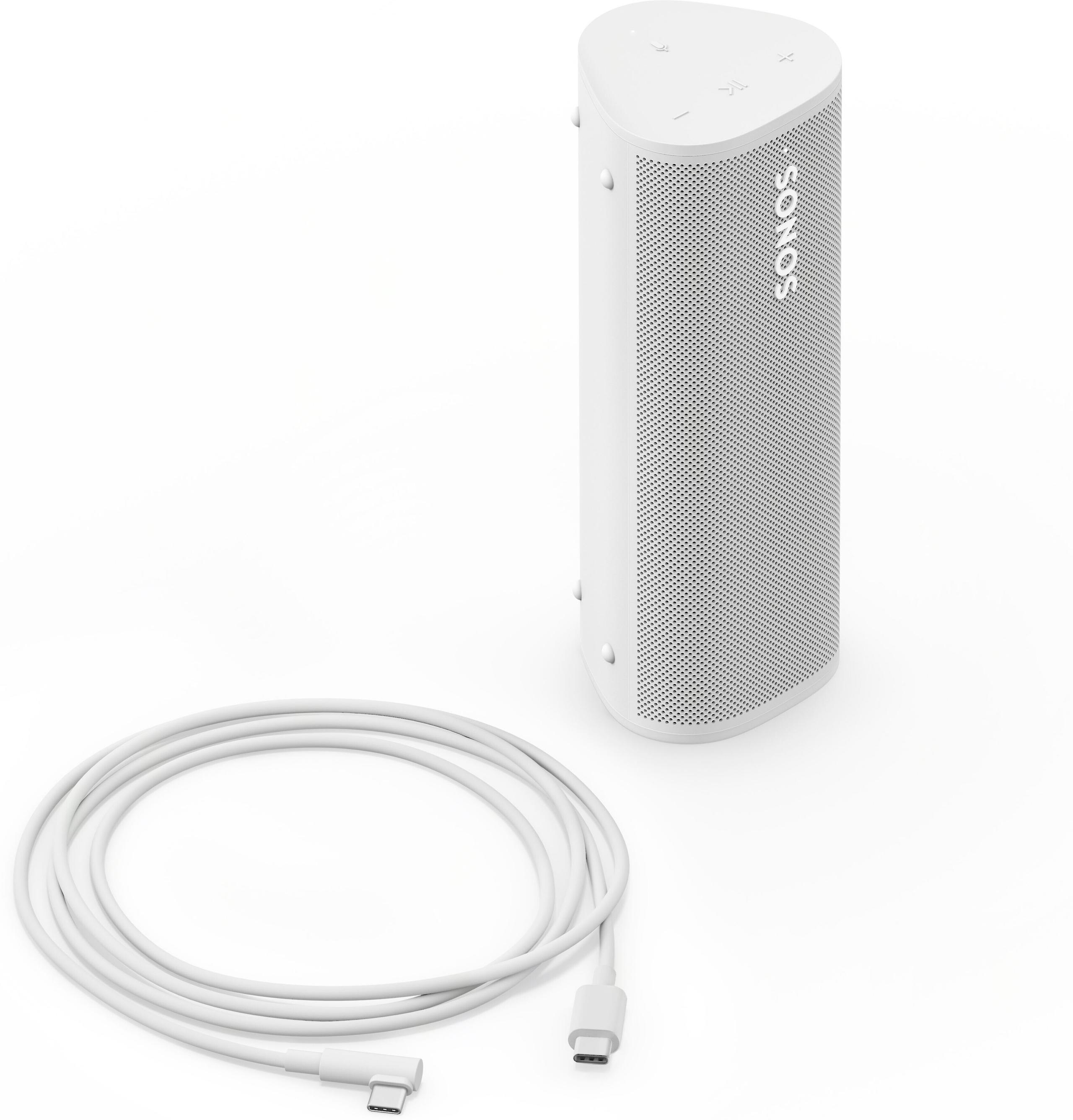
The Sonos Roam 2, also launched in 2024, takes what we might call the "smart integration" approach. Sonos built this speaker for people who want their portable audio to seamlessly blend with their home audio ecosystem. It's designed for someone who might start listening in their living room, carry the speaker to their bedroom, then take it outside for gardening—all while maintaining the same high-quality streaming and smart features they use indoors.
These aren't just marketing differences; they represent fundamentally different engineering priorities that affect everything from internal components to software features.
Let's start with the most obvious difference: sheer audio output. The JBL Charge 6 delivers 45 watts RMS (Root Mean Square) of power, which is a more honest measurement than the "peak power" numbers some manufacturers advertise. RMS tells you the continuous power output the speaker can maintain without distortion—basically, how loud it can play real music, not just test tones.
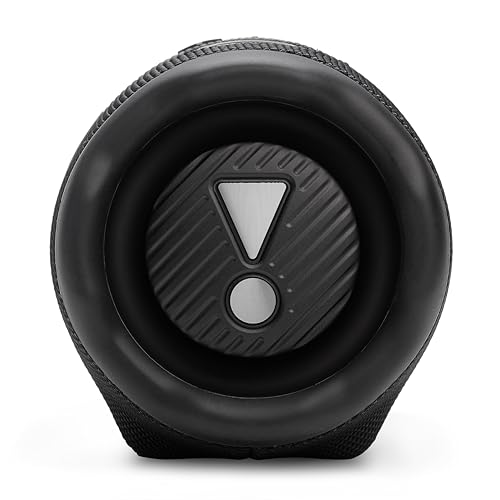
Those 45 watts are distributed between a large 53×93mm racetrack woofer (responsible for bass and midrange frequencies) and a 20mm dome tweeter (handling the high frequencies). The racetrack design is particularly clever—it's oval-shaped rather than circular, allowing JBL to fit a larger driver surface area into the rectangular speaker cabinet. More driver surface area generally means better bass response and higher maximum volume.
The Sonos Roam 2, in contrast, uses much smaller drivers optimized for clarity rather than maximum output. While Sonos doesn't publish exact power specifications, our research suggests it's significantly lower—probably in the 15-20 watt range based on size constraints and battery life. This isn't necessarily bad; it just serves a different purpose.
In practical terms, the power difference is substantial. The Charge 6 can easily fill a large outdoor space or compete with ambient noise at a busy beach. The Roam 2 excels in smaller spaces where its balanced sound signature shines, but it simply can't match the raw volume when you need to soundtrack a party.
Here's where the differences become most dramatic. The JBL Charge 6 offers up to 24 hours of continuous playback, with an optional "Playtime Boost" mode that extends this to 28 hours by reducing bass frequencies and optimizing power consumption. This isn't just a slight improvement—it's a fundamental shift in how you can use a portable speaker.
The 34 watt-hour battery inside the Charge 6 isn't just large; it's supplemented by sophisticated power management. The AI Sound Boost technology continuously analyzes the audio signal and optimizes the amplifier output to reduce unnecessary power consumption while maintaining sound quality. Think of it like having a smart assistant constantly adjusting the speaker's performance to maximize efficiency.
The Sonos Roam 2 provides 10 hours of playback from its 18 watt-hour battery. While this sounds limiting compared to the Charge 6, it's actually reasonable for a speaker this compact. The real question is whether 10 hours fits your usage patterns.
From our research into user experiences, 10 hours works fine for daily use—carrying the speaker from room to room, taking it to the backyard, or bringing it on day trips. But it falls short for weekend camping trips, beach days that stretch into the evening, or situations where you can't easily recharge. The Charge 6's extended battery life opens up use cases that simply aren't practical with shorter-lived speakers.
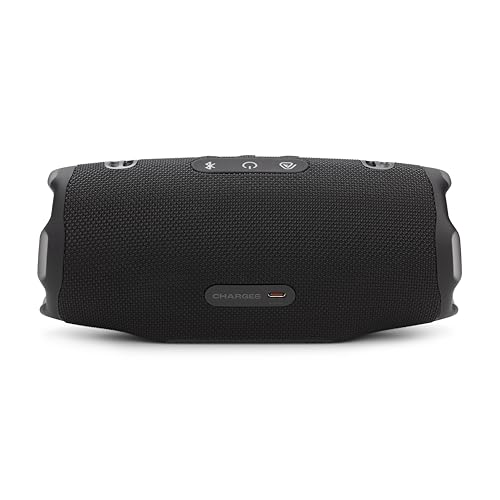
There's another practical advantage worth mentioning: the Charge 6 doubles as a power bank, allowing you to charge phones or other devices through its USB-C port. This feature transforms the speaker from just an audio device into a crucial piece of travel gear.
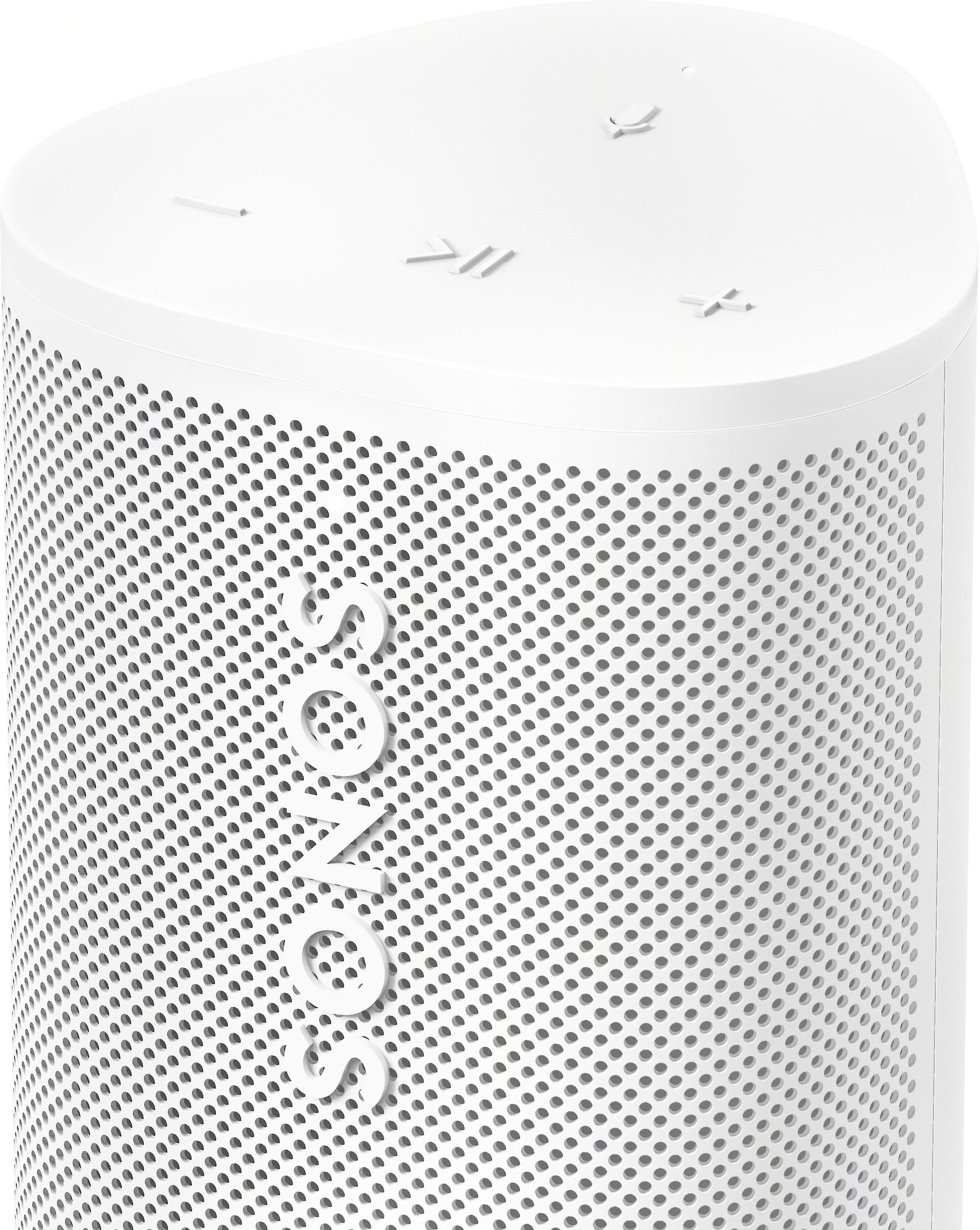
While the Charge 6 focuses on traditional audio performance, the Roam 2 brings sophisticated smart speaker capabilities to the portable category. The most impressive feature is Automatic Trueplay, which uses built-in microphones to continuously analyze the acoustic environment and adjust the speaker's frequency response accordingly.
Here's how it works: the microphones detect room acoustics, surface reflections, and even the speaker's orientation, then automatically adjust the equalizer to optimize sound for that specific situation. Place the speaker on a hard surface, and it reduces bass to compensate for surface coupling. Move it to a softer couch, and it increases bass to maintain balance. This isn't just a one-time calibration—it's continuous adaptation that happens in real-time.
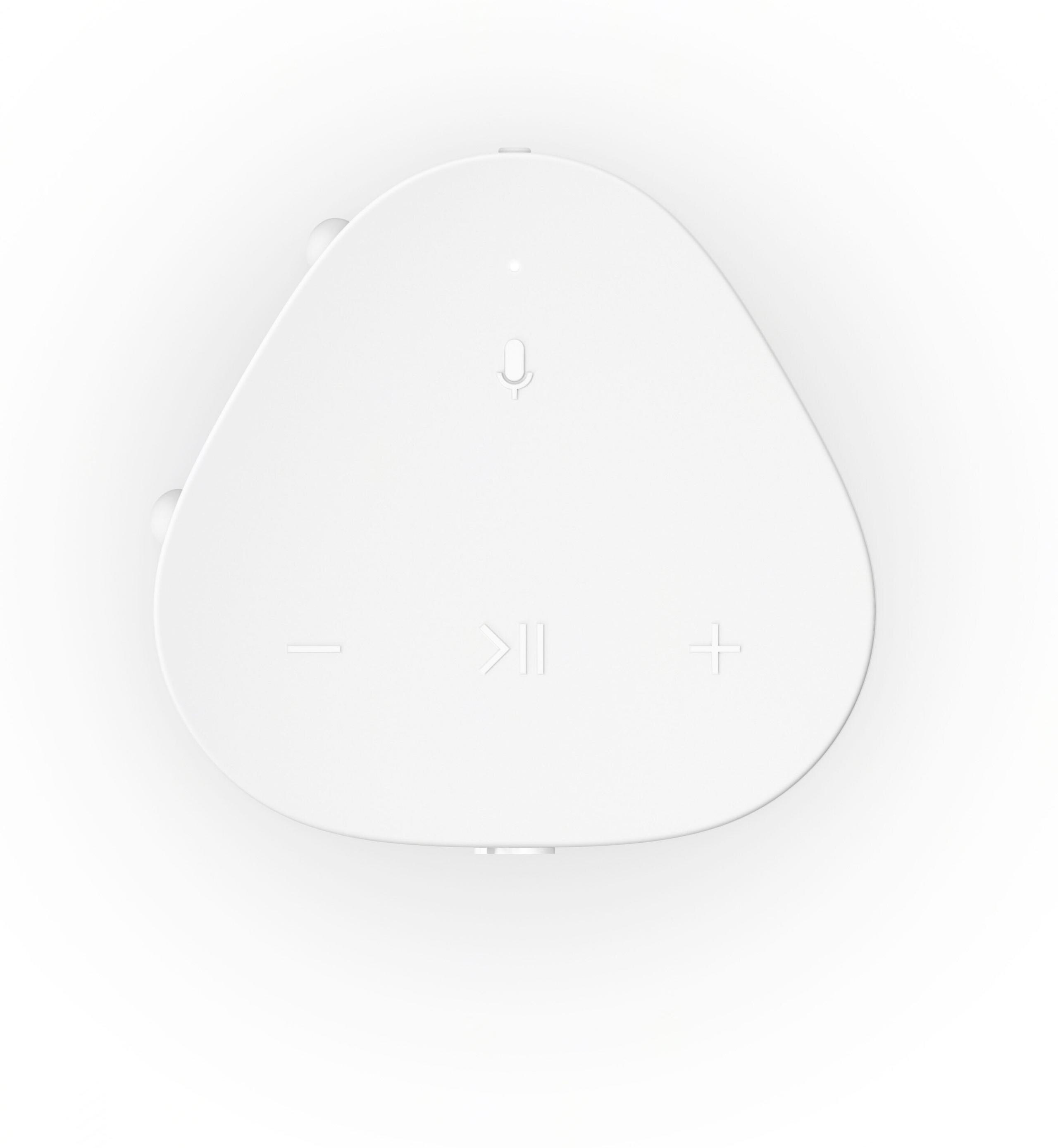
The Roam 2 also includes full voice assistant integration with both Sonos's own voice command system and Amazon Alexa. The far-field microphone array uses advanced beamforming (focusing on sound from specific directions while filtering out others) and multi-channel echo cancellation to reliably hear commands even when music is playing loudly.
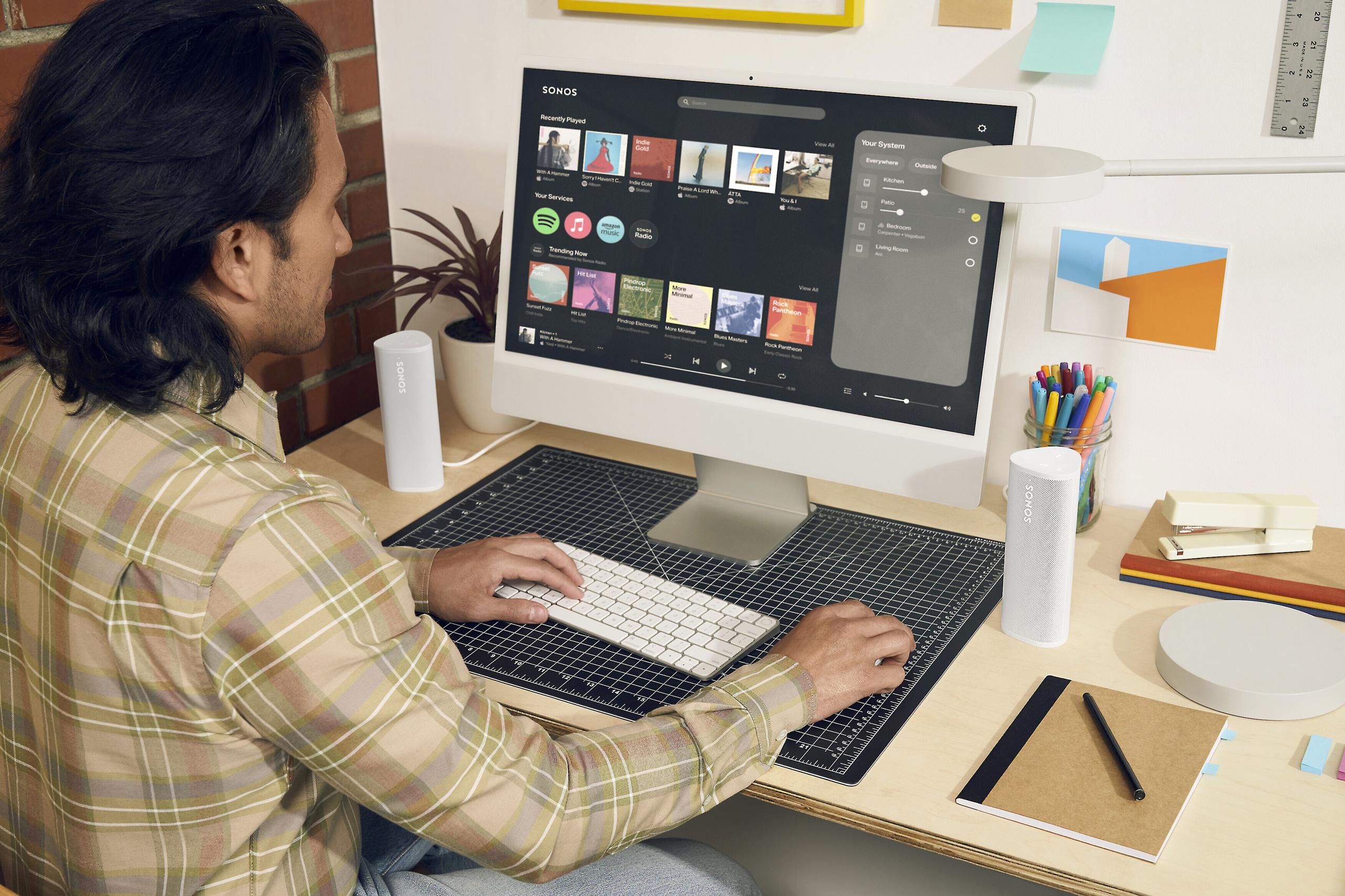
Perhaps most importantly for some users, the Roam 2 integrates seamlessly with the broader Sonos ecosystem. If you own other Sonos speakers, the Roam 2 can join multiroom audio groups, function as a surround sound speaker when paired with compatible Sonos soundbars, and maintain synchronized playback across your entire home audio system.
The JBL Charge 6 uses Bluetooth 5.4 exclusively, focusing on reliable, universal connectivity. Bluetooth 5.4 offers improved range and connection stability compared to earlier versions, plus support for Auracast—a new standard that allows multiple compatible speakers to connect wirelessly for synchronized party mode playback.
This approach prioritizes simplicity and compatibility. Any device with Bluetooth can connect immediately without apps, accounts, or network setup. The Charge 6 also supports lossless audio playback up to 24-bit/192kHz when connected via USB-C, which is particularly useful for high-quality music files or computer audio.
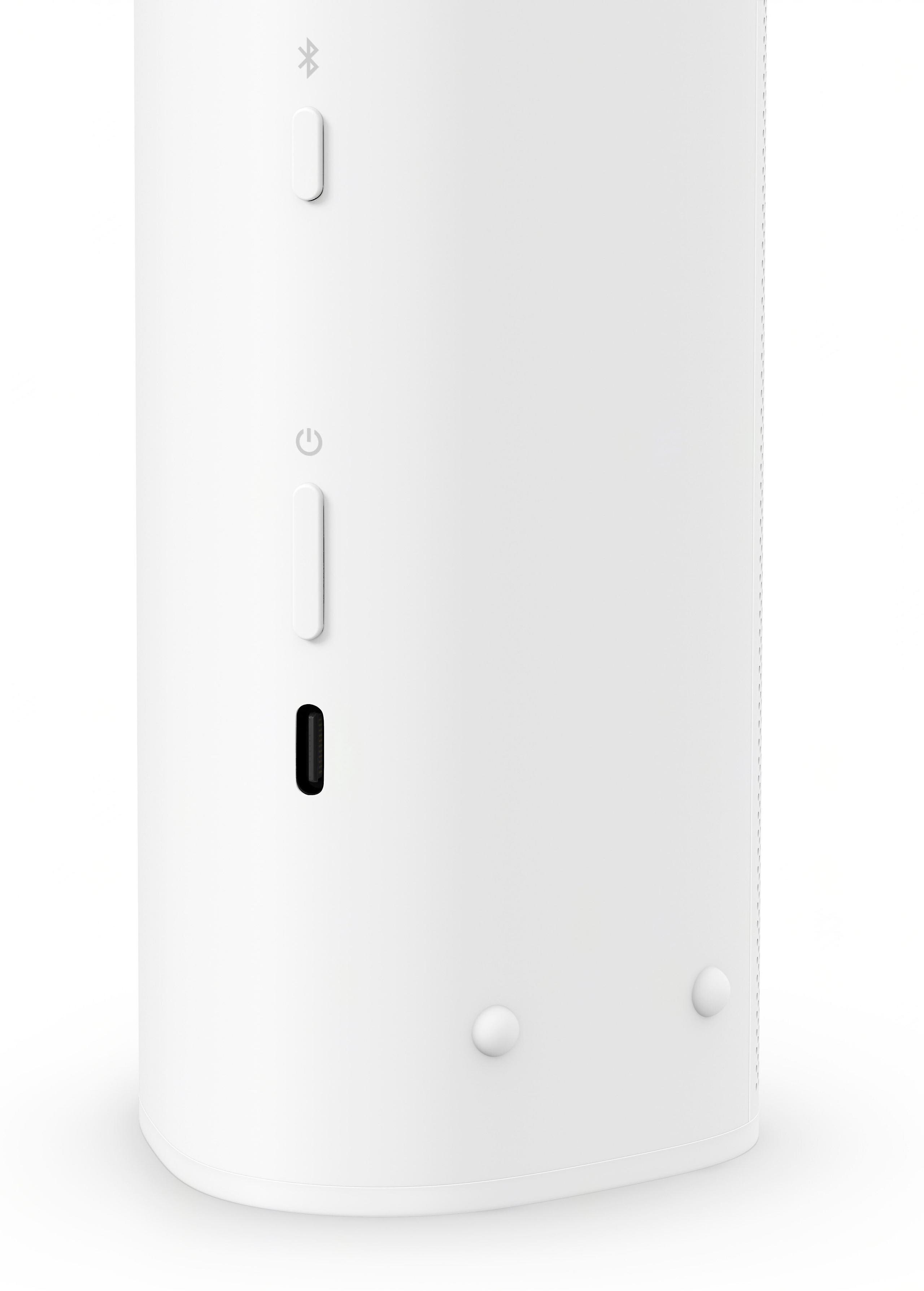
The Roam 2 takes a hybrid approach, supporting Bluetooth 5.2, Wi-Fi 5 (802.11ac), and Apple AirPlay 2. This flexibility allows it to stream high-quality audio over Wi-Fi when available, then seamlessly switch to Bluetooth when you take it outside your Wi-Fi range.
Wi-Fi connectivity offers several advantages: higher audio quality (no Bluetooth compression), more reliable connection without range limitations, and integration with streaming services that might not be available over Bluetooth. The automatic switching between Wi-Fi and Bluetooth is particularly elegant—start playing music on your home network, then walk outside and the speaker seamlessly continues playback over Bluetooth.
Both speakers meet high durability standards, but they're designed for different types of adventure. The Charge 6 achieves IP68 rating, meaning it's completely dustproof and can be fully submerged in up to 1.5 meters of water for 30 minutes. This makes it genuinely beach and pool-ready, not just splash-resistant.
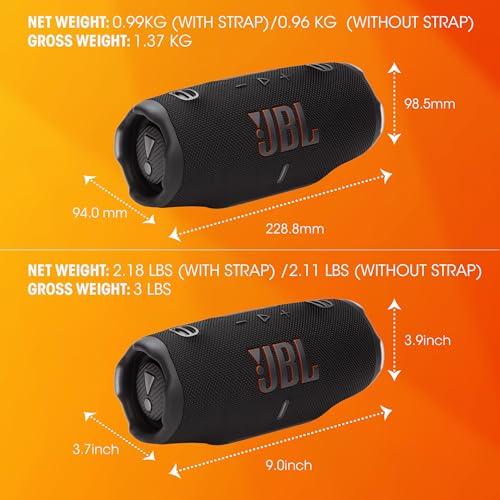
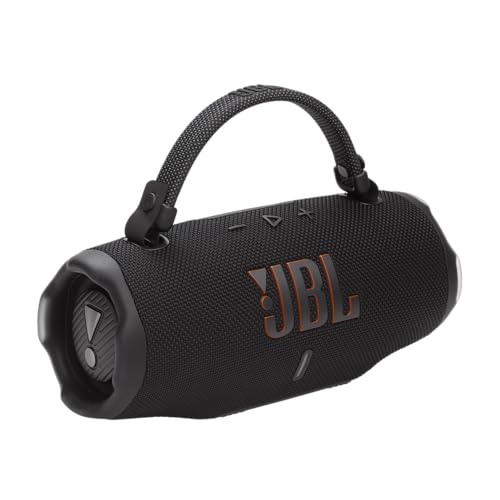
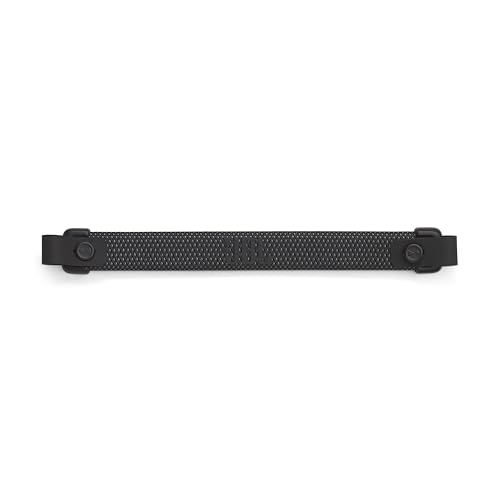
The speaker's construction emphasizes ruggedness, with a durable fabric grille covering the drivers and rubberized ends that provide grip and protect against drops. JBL claims it can survive 1-meter drops onto concrete, which speaks to its outdoor adventure focus. The removable carrying strap is a practical touch that makes the 2.1-pound weight more manageable during transport.
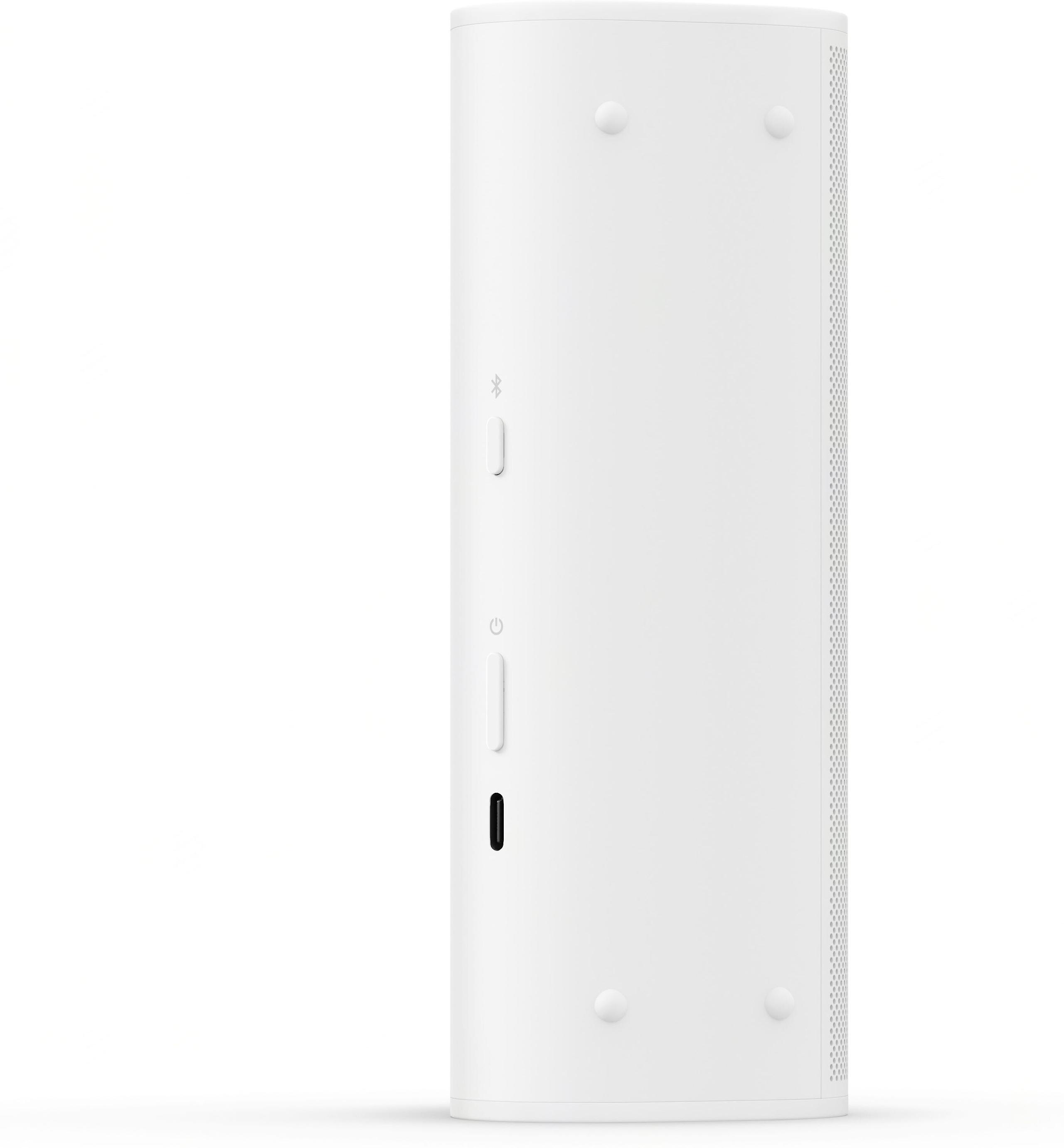
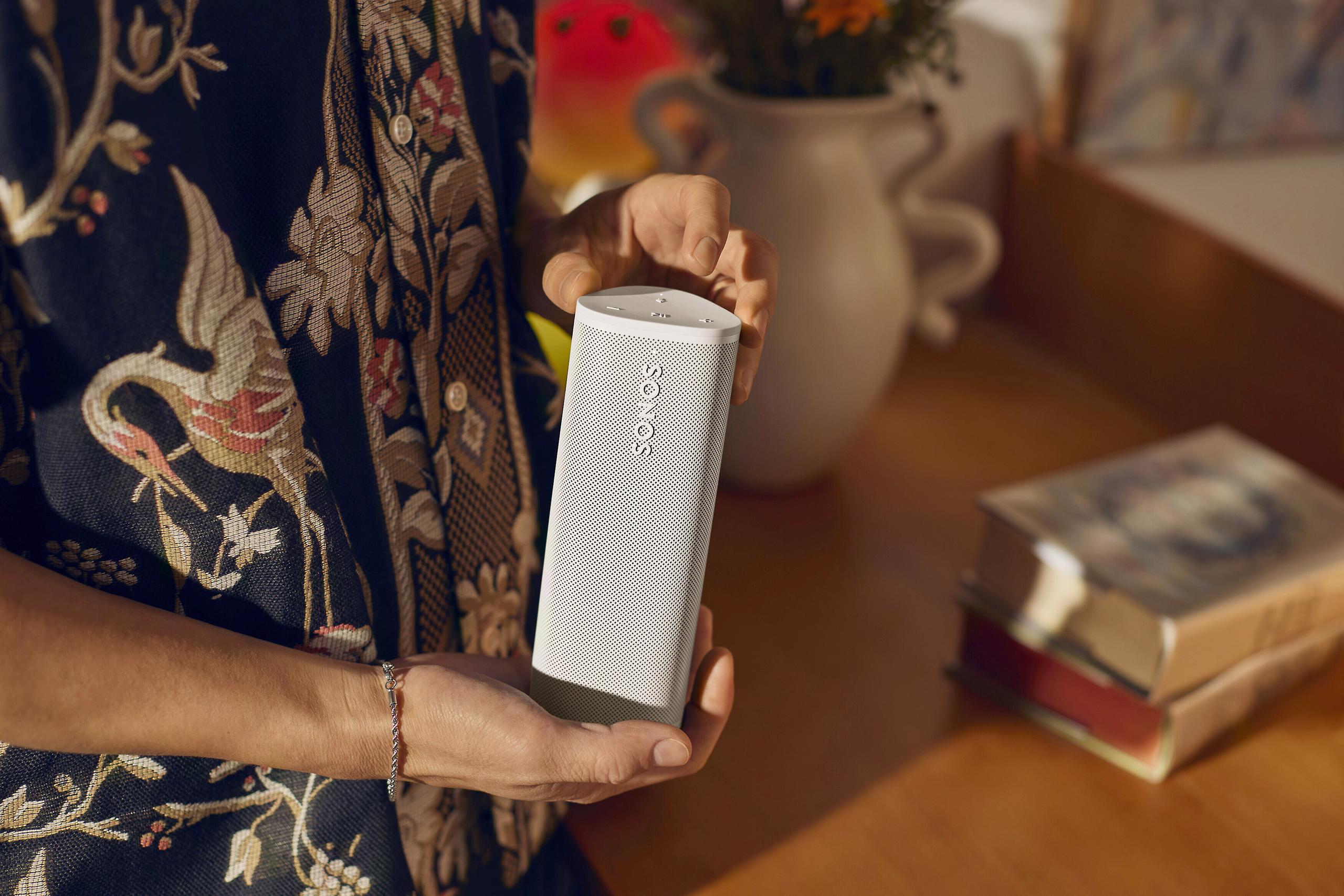
The Roam 2 earns an IP67 rating—dustproof and water-resistant, but not designed for full submersion. At less than half the weight of the Charge 6, it's genuinely pocketable and designed more for daily portability than extreme outdoor use. The compact vertical design (roughly the size of a large smartphone) makes it easy to fit in bags or find space on crowded surfaces.
Both speakers reflect thoughtful design, but for different priorities. The Charge 6 is built like outdoor gear—robust, powerful, and ready for abuse. The Roam 2 is designed like premium consumer electronics—refined, compact, and sophisticated.
Our research into user and expert reviews reveals interesting differences in sound character between these speakers. The Charge 6 prioritizes impact and presence, with strong bass response that remains controlled even at high volumes. The AI Sound Boost technology analyzes audio in real-time to prevent distortion, allowing the speaker to play louder and with more dynamic range than you'd expect from its size.
The frequency response extends down to 56 Hz, which captures most of the bass content in popular music. While it won't reproduce the deepest organ notes or the rumble of movie soundtracks, it provides satisfying bass for virtually all music genres. The sound signature tends toward slight bass emphasis, which works well for outdoor use where bass frequencies are often absorbed by open spaces.
The Roam 2 takes a more neutral approach, prioritizing accuracy and balance over maximum impact. Users consistently describe its sound as "clear and detailed" with excellent vocal reproduction and precise imaging. The Automatic Trueplay system helps maintain this balance across different environments, automatically compensating for acoustic challenges that might muddy the sound.
However, the trade-off is obvious in side-by-side comparisons. The Roam 2 simply cannot match the Charge 6's ability to fill large spaces or provide the visceral impact that makes music exciting at parties or outdoor gatherings.
At the time of writing, both speakers occupy similar price ranges in the premium portable speaker market, but they offer different value propositions that make direct price comparison somewhat misleading.
The Charge 6 delivers exceptional value if you prioritize traditional speaker performance metrics. The 24-hour battery life alone provides more than twice the listening time of most competitors, while the 45-watt output and robust construction justify the price for users who need maximum performance.
The power bank functionality adds practical value beyond audio—in emergency situations or extended outdoor adventures, the ability to charge essential devices could be genuinely important. When you factor in the rugged construction and water resistance, the Charge 6 represents solid value for users who will actually use these capabilities.
The Roam 2 offers value through integration and convenience rather than raw specifications. For users already invested in the Sonos ecosystem, its ability to seamlessly join multiroom audio setups and serve multiple functions (portable speaker, smart speaker, surround sound component) provides value that's difficult to quantify in simple dollar terms.
The compact size and wireless charging capability also provide daily convenience value. If you frequently move speakers around your home or office, the Roam 2's size and weight advantage becomes a significant practical benefit.
While neither speaker is designed primarily for home theater use, their different approaches make them suitable for different scenarios. The Charge 6 works well as a simple TV speaker upgrade for casual viewing, particularly outdoors or in secondary rooms where its powerful output and long battery life are advantages.
The Roam 2 offers more sophisticated home theater integration through the Sonos ecosystem. It can serve as a rear surround speaker when paired with compatible Sonos soundbars, creating a wireless surround sound system for smaller rooms. This isn't possible with the Charge 6, which lacks the necessary software integration and multi-speaker synchronization capabilities.
For users with existing Sonos home theater setups, the Roam 2 becomes part of a larger system rather than just a standalone portable speaker.
After extensive research and evaluation of user experiences, the choice between these speakers should be based on your primary use case and priorities.
Choose the JBL Charge 6 if you need a speaker that prioritizes performance and endurance. It's ideal for outdoor enthusiasts, frequent travelers, or anyone who regularly finds themselves in situations where reliable audio and long battery life are essential. The power bank function and rugged construction make it genuinely useful beyond just playing music.
The Charge 6 is particularly well-suited for people who want simple, reliable operation without the complexity of smart features or app dependencies. If you primarily use Bluetooth and want maximum bang for your buck in terms of audio output and battery life, it's the clear choice.
Choose the Sonos Roam 2 if you value integration, convenience, and smart features over maximum audio performance. It's perfect for users who want their portable speaker to seamlessly blend with their home audio system, or who frequently move speakers between indoor and outdoor environments.
The Roam 2 makes the most sense for people who already own or plan to invest in other Sonos products, where its true value lies in ecosystem integration rather than standalone performance. Its compact size and sophisticated features make it ideal for urban users or those who prioritize convenience and smart functionality over raw power.
Both speakers represent excellent engineering and clear design vision—they're just optimized for different lifestyles and priorities. The key is honestly assessing how you actually use portable speakers and choosing the one whose strengths align with your real-world needs rather than theoretical ideal scenarios.
| JBL Charge 6 | Sonos Roam 2 |
|---|---|
| Audio Power Output - Determines maximum volume and ability to fill large spaces | |
| 45W RMS (significantly louder, better for parties/outdoor use) | ~15-20W estimated (quieter but clearer, ideal for smaller spaces) |
| Battery Life - Critical for extended outdoor use and travel | |
| 24-28 hours (up to 4 days of typical use) | 10 hours (sufficient for daily use, requires frequent charging) |
| Water Resistance - Protection level for outdoor adventures | |
| IP68 (fully submersible up to 1.5m, pool/beach ready) | IP67 (splash-resistant, not designed for submersion) |
| Connectivity Options - Affects audio quality and smart features | |
| Bluetooth 5.4 only (universal compatibility, simple setup) | Bluetooth 5.2 + Wi-Fi + AirPlay 2 (higher quality streaming, smart features) |
| Size and Weight - Impacts daily portability | |
| 2.1 lbs, rectangular design with handle strap | 0.95 lbs, compact vertical design (half the weight) |
| Smart Features - Voice control and home integration capabilities | |
| None (pure audio focus, app-based EQ only) | Full voice assistants, multiroom audio, adaptive room tuning |
| Additional Functions - Extra utility beyond audio playback | |
| Power bank for charging devices via USB-C | Wireless Qi charging support, surround sound integration |
| Ecosystem Integration - Compatibility with existing audio systems | |
| Basic Auracast party mode with compatible JBL speakers | Full Sonos ecosystem integration, works as part of home theater setups |
| Charging Method - Convenience and flexibility | |
| USB-C wired only (3-hour full charge, 10-min quick charge) | USB-C wired + wireless Qi charging (faster charging, more convenient) |
The JBL Charge 6 is significantly louder with 45W RMS power output, making it much better suited for outdoor parties, beach gatherings, and large spaces. The Sonos Roam 2 prioritizes clarity over volume and works best in smaller, quieter environments where its balanced sound signature can shine.
The JBL Charge 6 offers exceptional 24-28 hours of playback time, making it ideal for multi-day trips and extended use. The Sonos Roam 2 provides 10 hours of battery life, which is sufficient for daily use but requires more frequent charging for longer adventures.
The JBL Charge 6 has superior water protection with IP68 rating, allowing full submersion up to 1.5 meters for pool and beach use. The Sonos Roam 2 has IP67 rating, providing excellent splash resistance but isn't designed for underwater use.
The Sonos Roam 2 excels in smart home integration with built-in voice assistants (Alexa and Sonos Voice), Wi-Fi connectivity, and seamless integration with other Sonos products. The JBL Charge 6 focuses on traditional Bluetooth connectivity without smart home features.
The JBL Charge 6 is superior for camping and extended travel due to its 24+ hour battery life, power bank function for charging devices, and rugged IP68 waterproof construction. The Sonos Roam 2 is more compact and lighter but requires frequent charging.
The Sonos Roam 2 can integrate into home theater systems as a rear surround speaker when paired with compatible Sonos soundbars, offering true wireless surround sound. The JBL Charge 6 works as a basic TV speaker upgrade but lacks advanced home theater integration features.
Sound quality depends on your needs: the JBL Charge 6 delivers more powerful bass and louder volume for energetic music, while the Sonos Roam 2 offers more balanced, detailed sound with Automatic Trueplay room correction that adapts to your environment.
Yes, the JBL Charge 6 includes a power bank function that can charge smartphones and other devices via USB-C, making it useful during emergencies or extended outdoor use. The Sonos Roam 2 doesn't offer device charging capabilities.
The Sonos Roam 2 is much more portable at less than 1 pound with a compact vertical design that fits easily in bags. The JBL Charge 6 weighs over 2 pounds but includes a detachable carrying strap for easier transport during outdoor activities.
The JBL Charge 6 uses Auracast technology to connect with other compatible JBL speakers for party mode. The Sonos Roam 2 offers more sophisticated multiroom audio through the Sonos ecosystem, allowing synchronized playback across different Sonos speakers throughout your home.
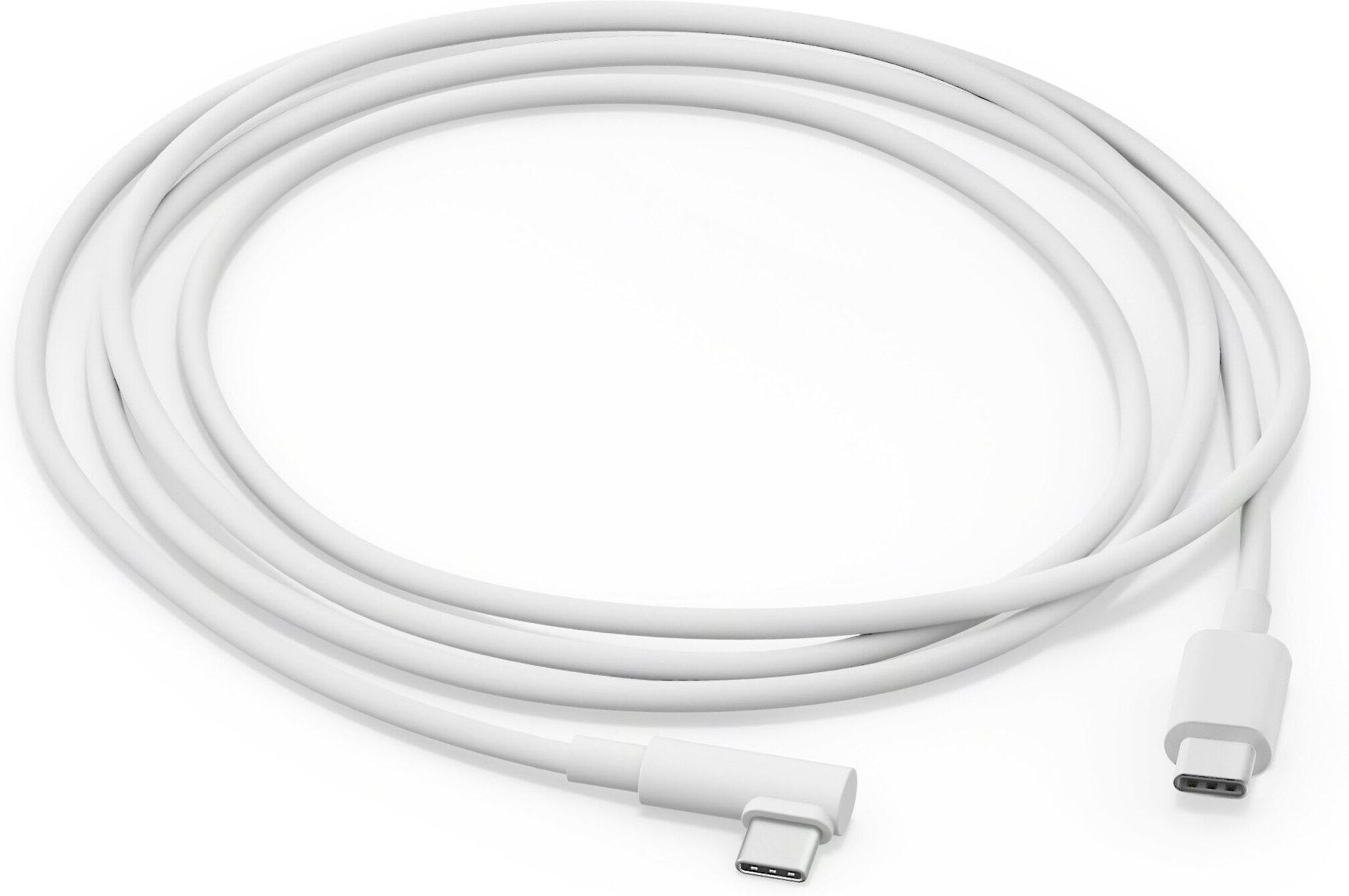
The Sonos Roam 2 offers more charging convenience with both USB-C wired charging and wireless Qi charging capability. The JBL Charge 6 uses USB-C only but includes fast charging that provides 150 minutes of playback from just 10 minutes of charging time.
Value depends on your priorities: the JBL Charge 6 provides exceptional value for users needing maximum battery life, loud volume, and rugged durability. The Sonos Roam 2 offers better value for users wanting smart features, compact portability, and integration with existing Sonos home audio systems.
We've done our best to create useful and informative comparisons to help you decide what product to buy. Our research uses advanced automated methods to create this comparison and perfection is not possible - please contact us for corrections or questions. These are the sites we've researched in the creation of this article: rtings.com - youtube.com - stereoguide.com - whathifi.com - youtube.com - elomymelo.com - soundguys.com - elomymelo.com - wifihifi.com - soundguys.com - jbl.com - whathifi.com - soundguys.com - youtube.com - smarthomesounds.co.uk - jbl.com - sweetwater.com - youtube.com - bestbuy.com - jbl.com.sg - jbl.com - dell.com - ca.jbl.com - soundguys.com - soundguys.com - dell.com - techradar.com - theshortcut.com - housebeautiful.com - youtube.com - cgmagonline.com - automatednow.com - bestbuy.com - nfm.com - creativeaudio.net - sonos.com - shop.menshealth.com - support.sonos.com - youtube.com - skybygramophone.com

Privacy Policy
Terms and Conditions - Affiliate Policy
Home Security
© Copyright 2008-2026.
11816 Inwood Rd #1211, Dallas, TX 75244