



Finding the right portable Bluetooth speaker can feel overwhelming with dozens of options flooding the market. Today we're comparing two speakers that couldn't be more different in their approach: the compact and adventure-ready JBL Charge 6 versus the party-focused powerhouse Ultimate Ears HYPERBOOM. While both deliver wireless audio on the go, they're designed for completely different lifestyles and use cases.
At the time of writing, the JBL Charge 6 sits in the budget-friendly mid-range category, while the Ultimate Ears HYPERBOOM commands nearly double the price as a premium party speaker. This price gap reflects fundamental differences in size, power, and intended use that go far beyond simple audio quality.
The portable Bluetooth speaker market spans everything from tiny keychain-sized devices to speakers that barely qualify as "portable." The sweet spot for most people lies somewhere between true pocket-sized convenience and room-filling sound quality. This is where the trade-offs become interesting and personal preference starts driving decisions.
When evaluating any portable speaker, you're essentially balancing five key factors: sound quality, volume output, battery life, durability, and actual portability. No speaker excels at everything – physics won't allow it. Bigger drivers produce better bass and higher volumes, but they require larger enclosures and more power. Better water protection adds weight and cost. Longer battery life means bigger, heavier batteries.
The JBL Charge 6, released in 2024, represents the "take anywhere" philosophy. It prioritizes true portability while delivering surprisingly good sound for its compact size. The Ultimate Ears HYPERBOOM, also from 2024, takes the opposite approach – it's technically portable but designed primarily for stationary use where maximum performance matters more than convenience.
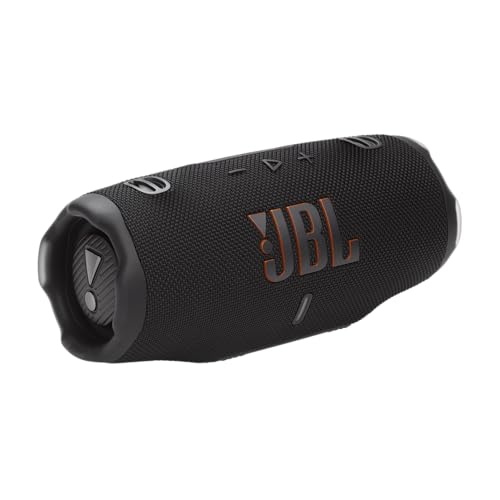
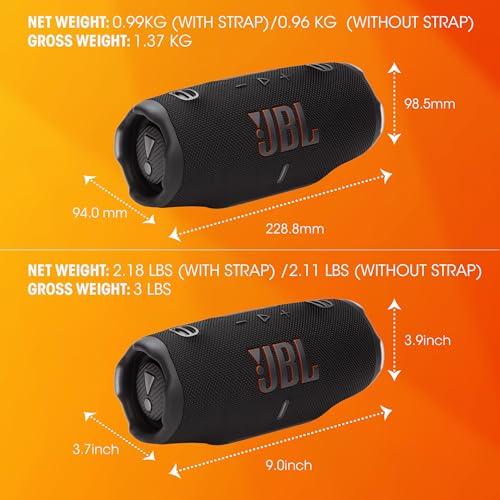
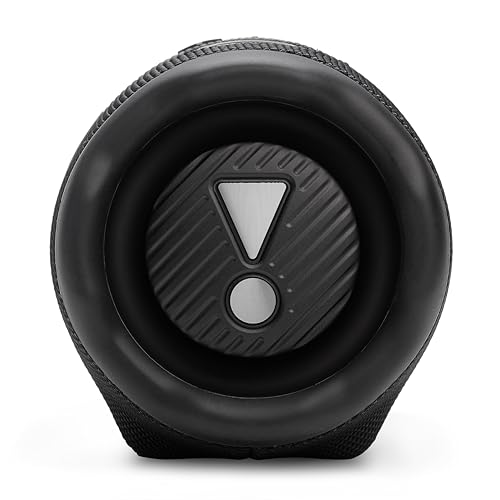
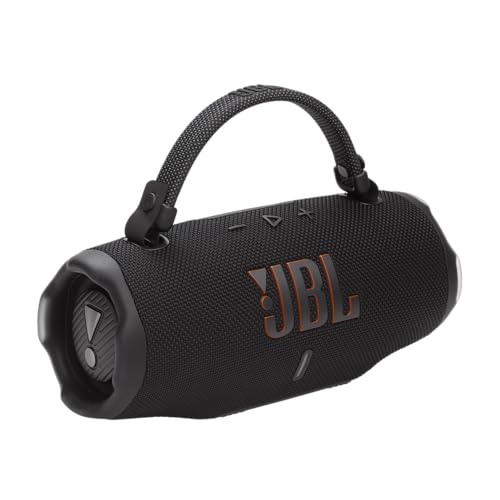
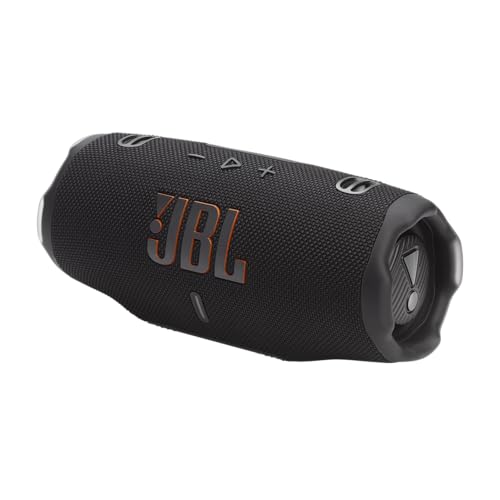
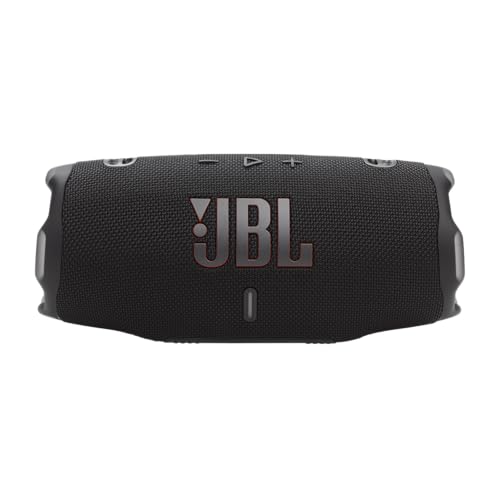
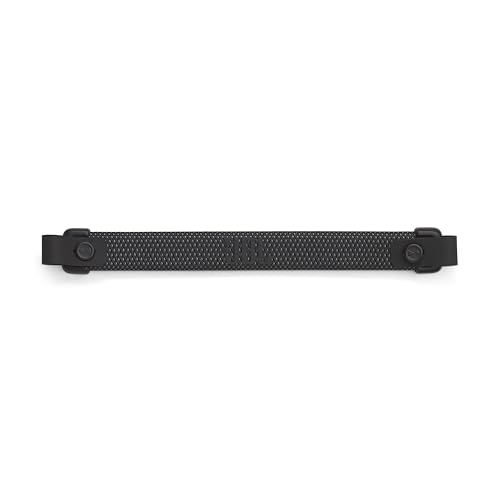
The JBL Charge 6 continues JBL's cylindrical design tradition, measuring roughly 9 inches long and weighing just over 2 pounds. This familiar tube shape isn't just aesthetic – it's engineered for durability and easy packing. The rubberized fabric exterior feels solid and provides grip, while the detachable carrying strap makes one-handed transport effortless. You can genuinely throw this speaker in a backpack and forget it's there until you need it.
JBL upgraded the Charge 6's water resistance to IP68 rating, meaning it's completely dustproof and can survive submersion up to 1.5 meters for 30 minutes. This represents a significant improvement over many competitors and makes it ideal for pool parties, beach trips, or camping where weather protection is crucial. The IP rating system uses two numbers – the first (6) indicates complete dust protection, while the second (8) means it can handle temporary submersion beyond simple splashing.
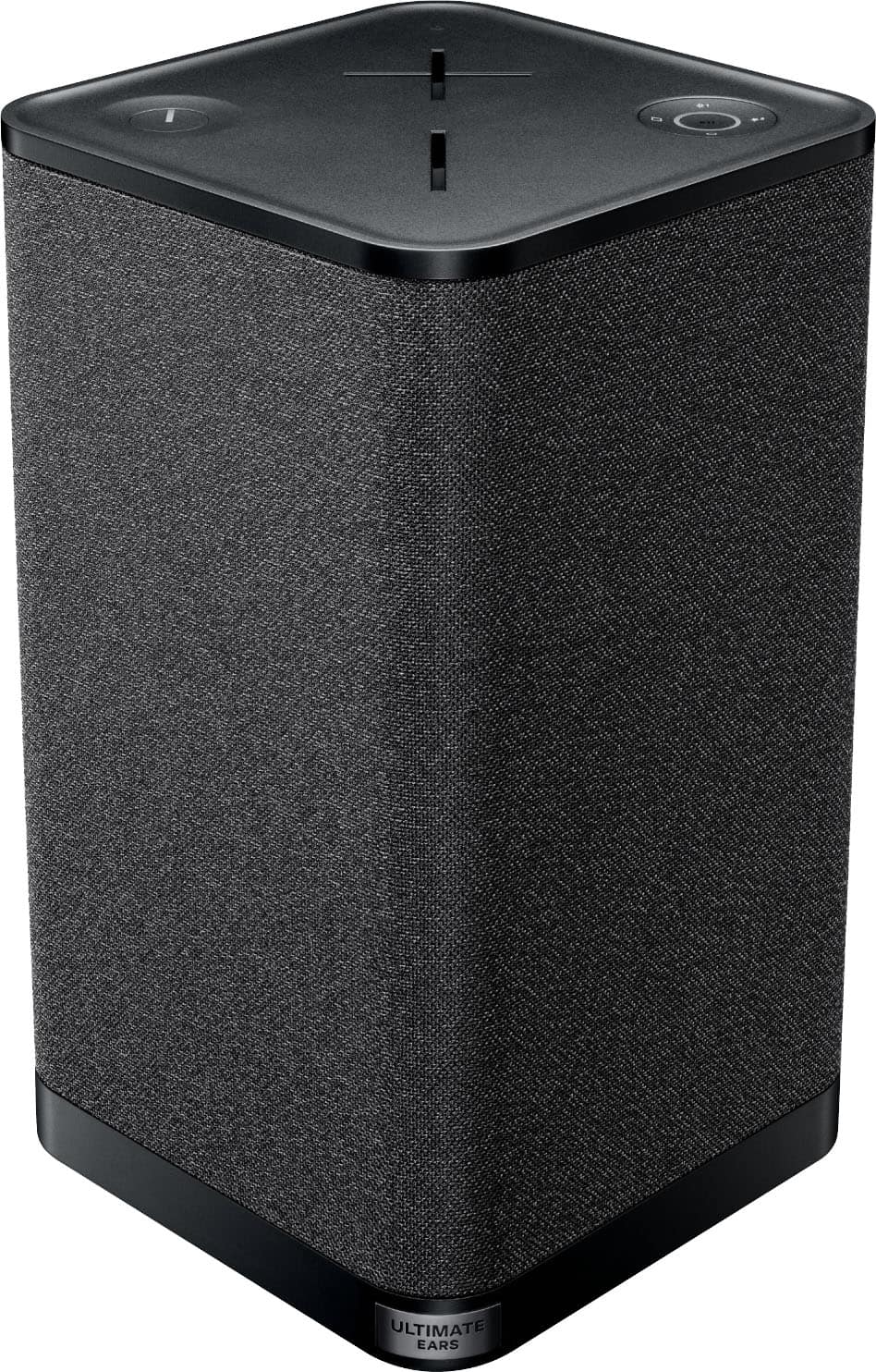
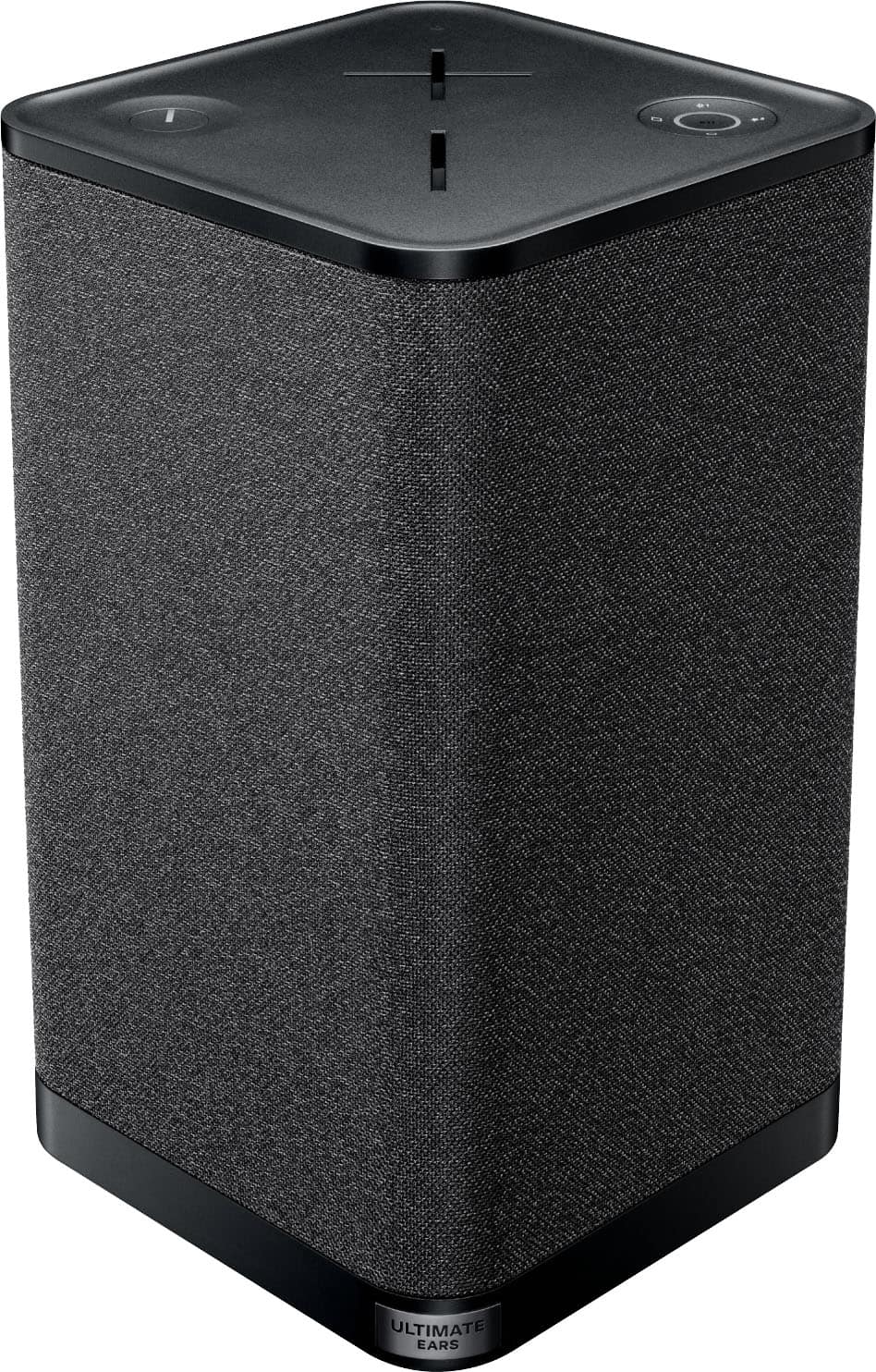
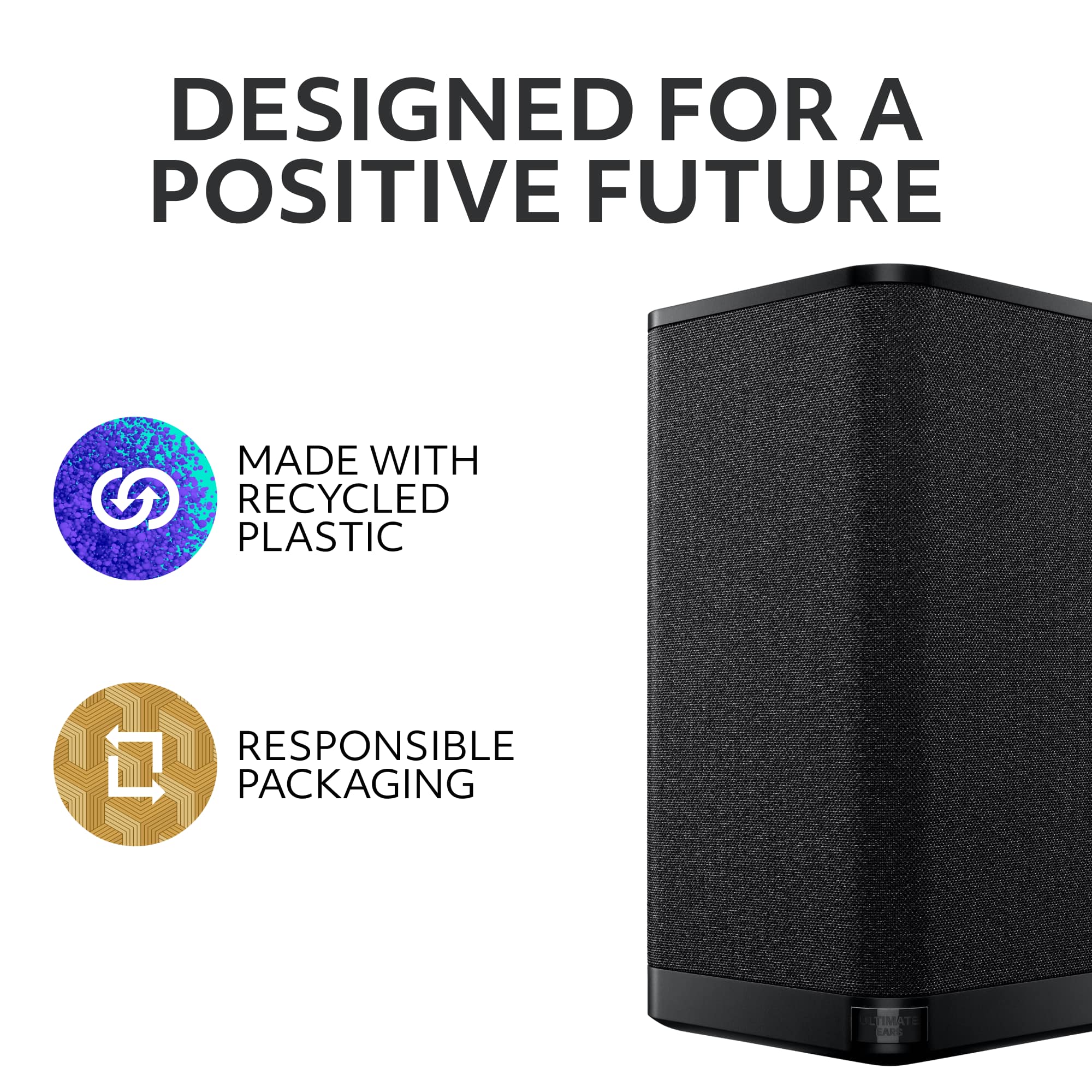
The Ultimate Ears HYPERBOOM, by contrast, embraces its role as a portable party system. At roughly 14 inches tall and weighing 13 pounds, it's built like a small tower speaker with a robust carrying handle. The cylindrical design enables 360-degree sound projection – audio radiates evenly in all directions rather than being focused forward like traditional speakers. This omnidirectional approach means you can place it in the center of a gathering and everyone gets consistent sound quality regardless of where they're sitting.
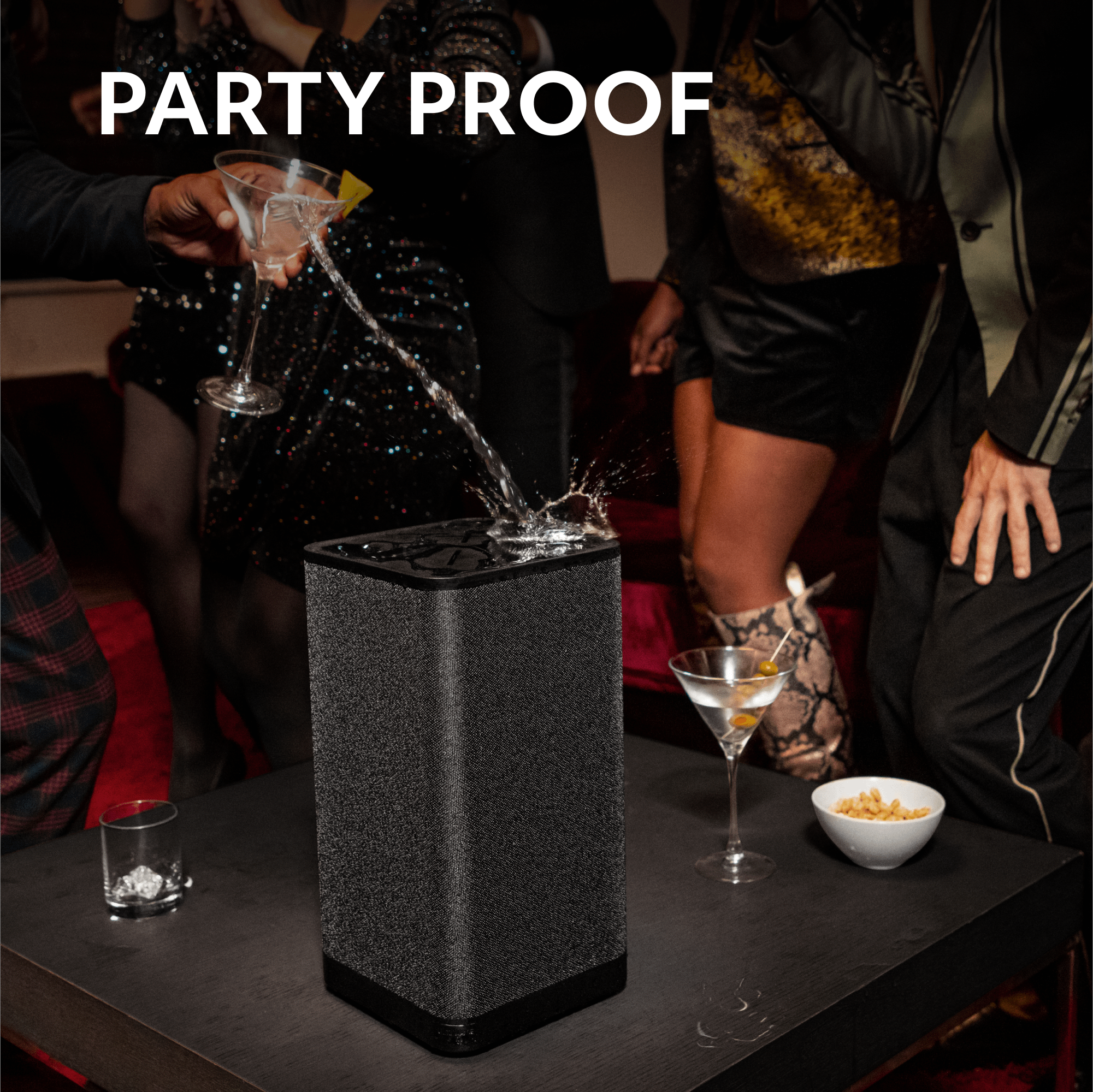
However, the HYPERBOOM only achieves IPX4 water resistance, meaning it handles splashing but can't survive submersion. This limitation reflects the engineering compromises needed to achieve its larger drivers and port designs.
Understanding speaker performance requires looking beyond marketing watts to the actual driver configuration and acoustic engineering. The JBL Charge 6 uses what's called a 2-way system: a dedicated woofer (53mm x 93mm oval driver) handles bass and midrange frequencies, while a separate 20mm tweeter reproduces high frequencies. This division of labor, managed by internal crossover circuitry, allows each driver to specialize in its optimal frequency range.
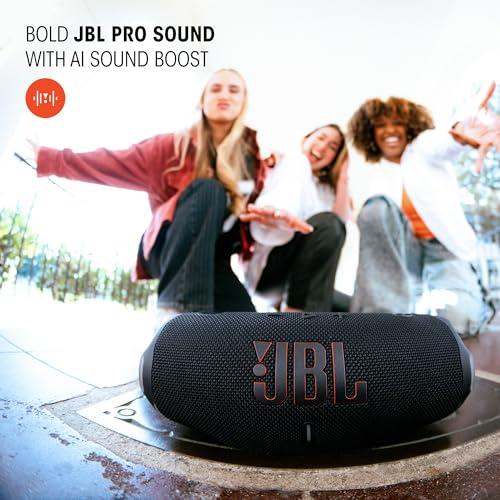
JBL's AI Sound Boost technology represents a fascinating development in speaker engineering. This real-time audio processing algorithm continuously analyzes the music signal and adjusts the drivers accordingly to minimize distortion while maximizing output. Think of it as an intelligent limiter that prevents the small drivers from being pushed beyond their physical limits while maintaining audio quality. Unlike room correction systems that use microphones, AI Sound Boost works purely through signal analysis, making it transparent to users.
The HYPERBOOM takes a different approach with dual 114mm woofers, dual 25mm tweeters, and massive passive radiators measuring 89mm x 190mm. Passive radiators are essentially speakers without magnets – they're driven by air pressure from the active drivers and help extend bass response without requiring additional amplification. The larger the passive radiator, the deeper the bass extension possible.
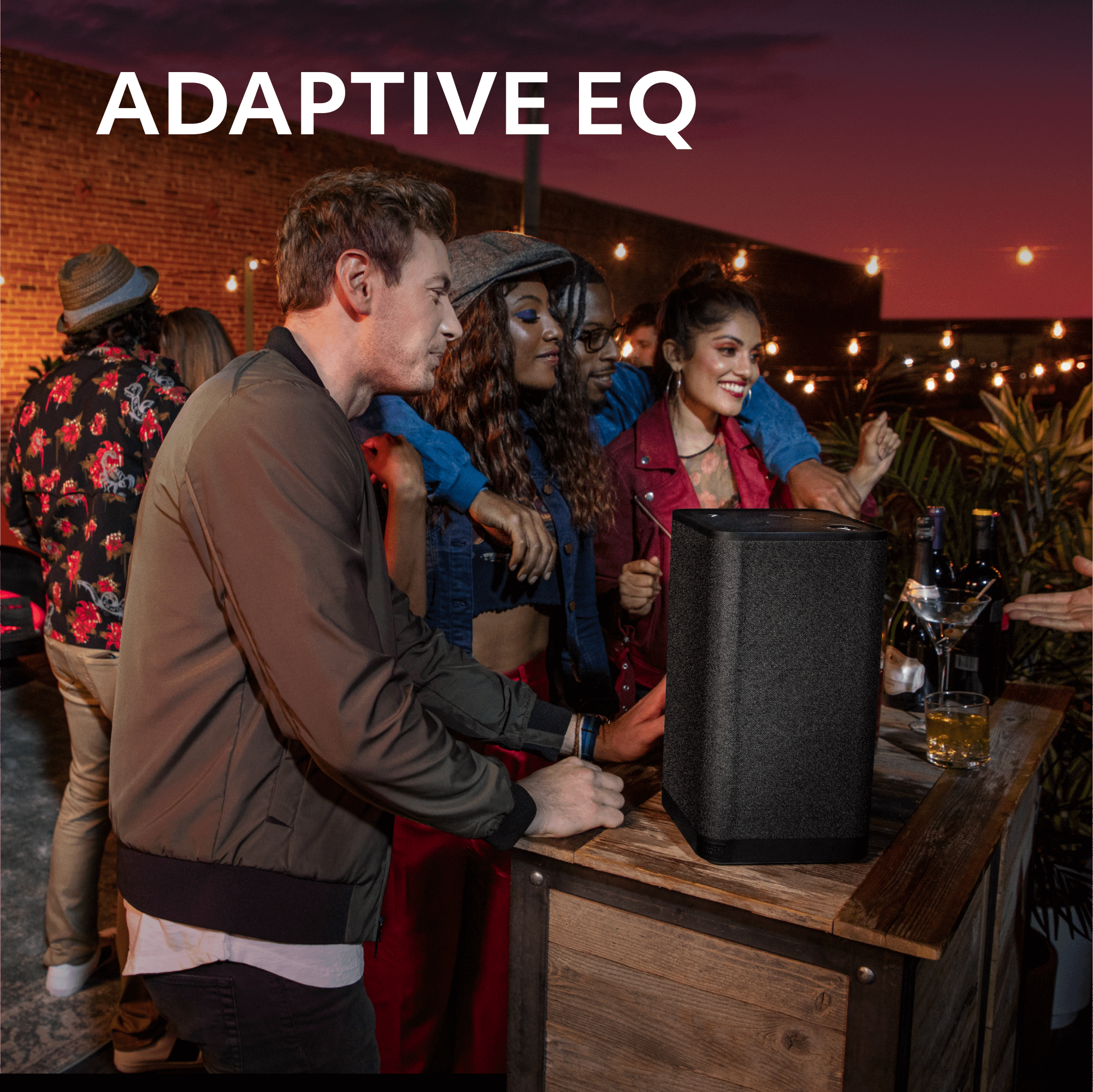
More importantly, the HYPERBOOM's Adaptive EQ technology actively listens to the acoustic environment and adjusts frequency response accordingly. If you move the speaker from an open patio to a corner of a room, it automatically compensates for the changed acoustics. This environmental awareness represents sophisticated audio engineering that goes beyond simple volume adjustment.
Here's where speaker specifications get tricky and marketing numbers become misleading. The JBL Charge 6 claims 45 watts RMS (Root Mean Square, which indicates continuous power handling rather than peak bursts), while the HYPERBOOM rates at 30 watts RMS. On paper, this suggests the smaller speaker should be louder – but real-world performance tells a completely different story.
The HYPERBOOM produces 100 dBC of maximum output, which is genuinely loud enough to fill large outdoor spaces and potentially damage hearing with prolonged exposure. The larger drivers, bigger enclosure volume, and sophisticated signal processing allow it to achieve this volume while maintaining audio quality. Driver size matters enormously for bass reproduction – those 114mm woofers can move significantly more air than the Charge 6's smaller oval driver.
The JBL Charge 6 delivers impressive volume for its size, but physics limits what's possible from a 2-pound speaker. Our research into user experiences suggests it handles personal listening and small gatherings well, but struggles to maintain bass impact at higher volumes. This is typical behavior for compact speakers – as volume increases, the small drivers reach their excursion limits and bass response suffers.
For context, every 3 dB increase in volume requires doubling the power, and every 10 dB increase sounds roughly twice as loud to human ears. The HYPERBOOM's ability to produce significantly higher volumes without compression makes it fundamentally better suited for party environments.
Both speakers claim identical 24-hour battery life, but they achieve this through different engineering approaches. The JBL Charge 6 uses a 34 Wh (watt-hour) lithium-ion polymer battery, while the HYPERBOOM employs a larger capacity battery system. The similar runtime despite different power outputs reflects the HYPERBOOM's more efficient driver design and the Charge 6's power management features.
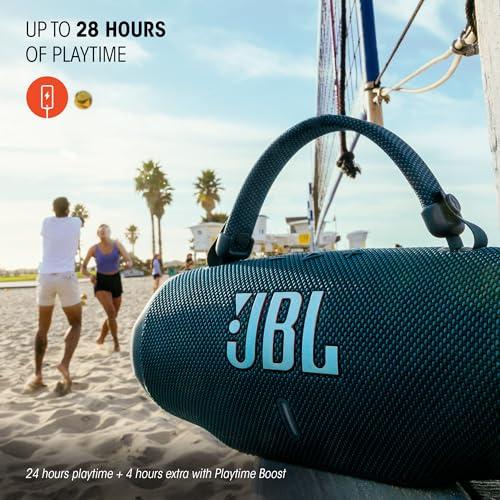
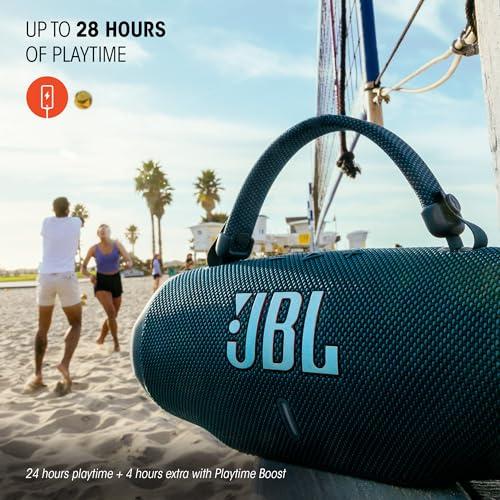
The Charge 6's Playtime Boost mode extends battery life to 28 hours by reducing bass frequencies and lower midrange – essentially trading audio quality for longevity. This feature makes sense for background listening or when you need maximum runtime over audio fidelity. The 10-minute quick charge providing 150 minutes of playback is genuinely useful for emergency situations.
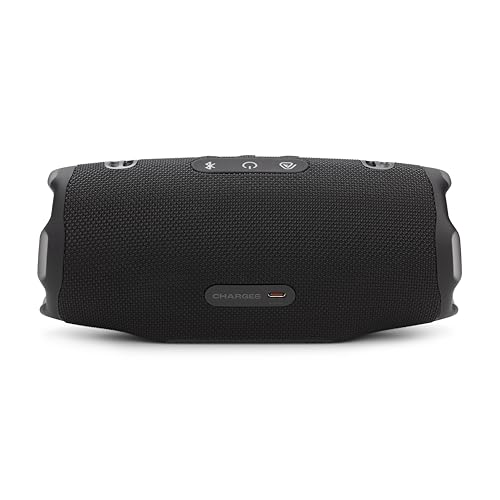
Both speakers function as power banks, letting you charge smartphones and tablets from their internal batteries. This dual-purpose design adds significant value, especially during camping trips or outdoor events where power outlets aren't available.
The JBL Charge 6's 3-hour full charge time beats the HYPERBOOM's 4-hour requirement, though neither represents particularly fast charging by modern standards. For stationary use, the extra hour may not matter, but for travel scenarios, faster charging provides more flexibility.
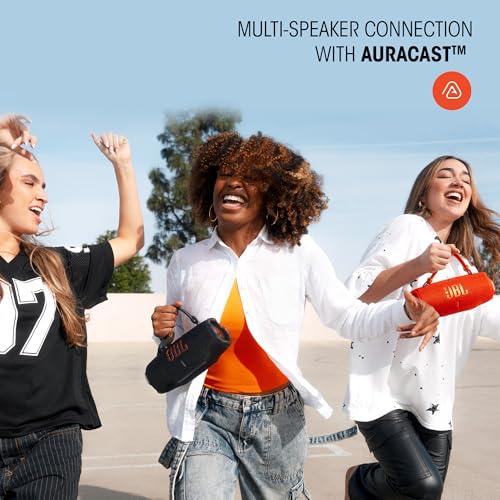
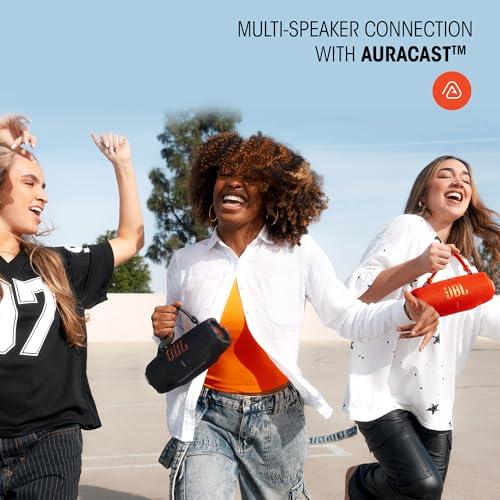
The JBL Charge 6 implements Bluetooth 5.4, the latest standard offering improved connection stability, lower latency, and better power efficiency compared to older versions. It also supports Auracast, a new technology that allows multiple speakers to connect and play synchronized audio from the same source. This represents a significant upgrade over previous party connection methods.
More impressively, the Charge 6 supports lossless audio playback up to 24-bit/192kHz through its USB-C connection. This wired option bypasses Bluetooth compression entirely, providing audiophile-quality reproduction for critical listening. While most people won't notice the difference with casual listening, this feature adds versatility for home use.
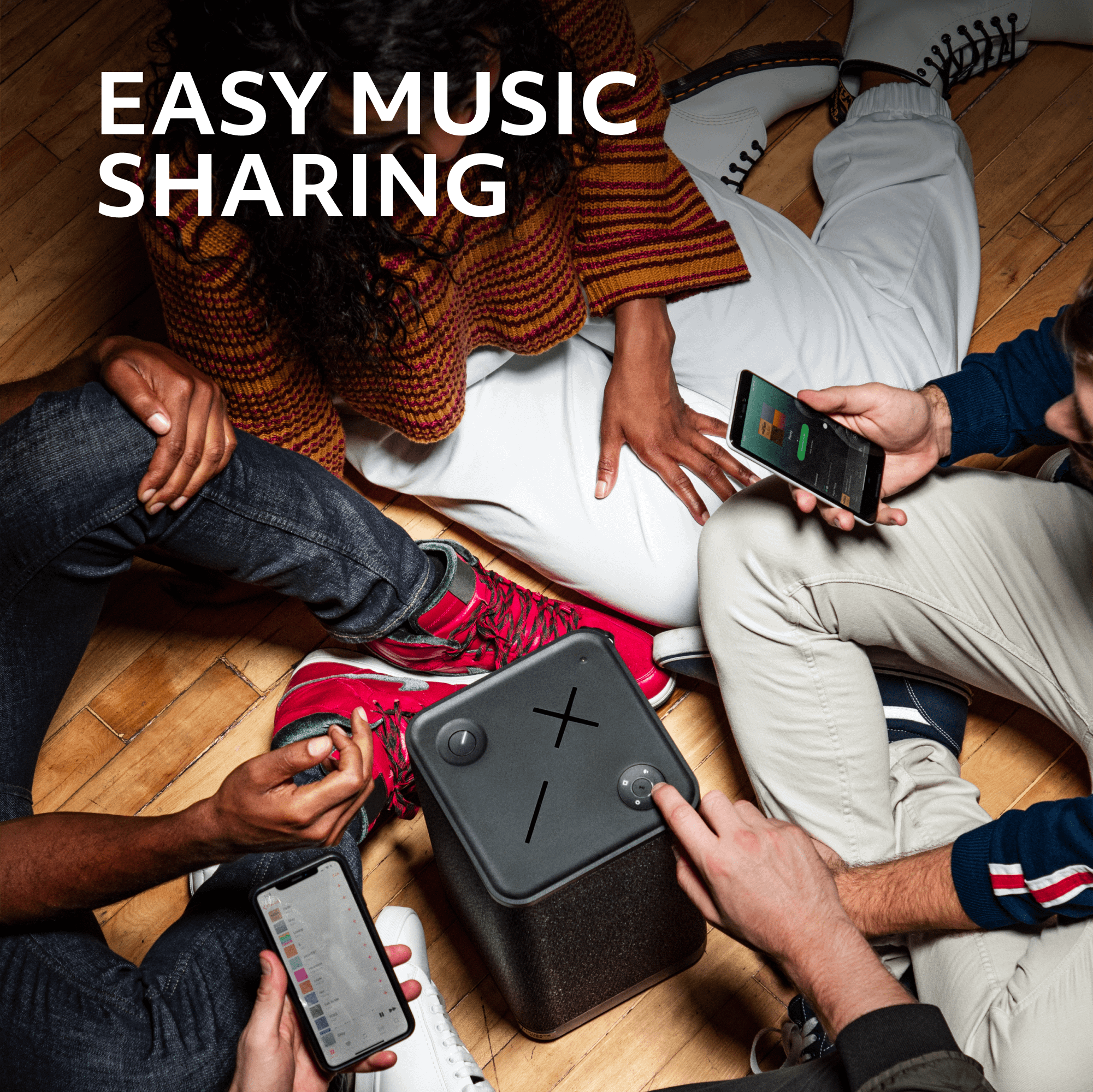
The HYPERBOOM focuses on party functionality with its PartyUp feature, allowing up to four different devices to take turns controlling music without interrupting playback. This eliminates the awkward silence that typically occurs when switching between DJ duties at gatherings. The speaker remembers up to eight paired devices and can maintain connections to two simultaneously.
Based on our research into user experiences and professional reviews, the performance differences between these speakers become clear in practical use. The JBL Charge 6 excels in scenarios where true portability matters – hiking, beach trips, camping, and daily carry situations. Users consistently praise its durability and water resistance, with many reporting it surviving submersion, sand exposure, and rough handling without issues.
However, some users familiar with the previous Charge 5 model report that the Charge 6 sacrifices some midrange clarity for improved bass response. This tuning change reflects current market preferences for more bass-heavy sound signatures, though it may not suit all musical genres equally well.
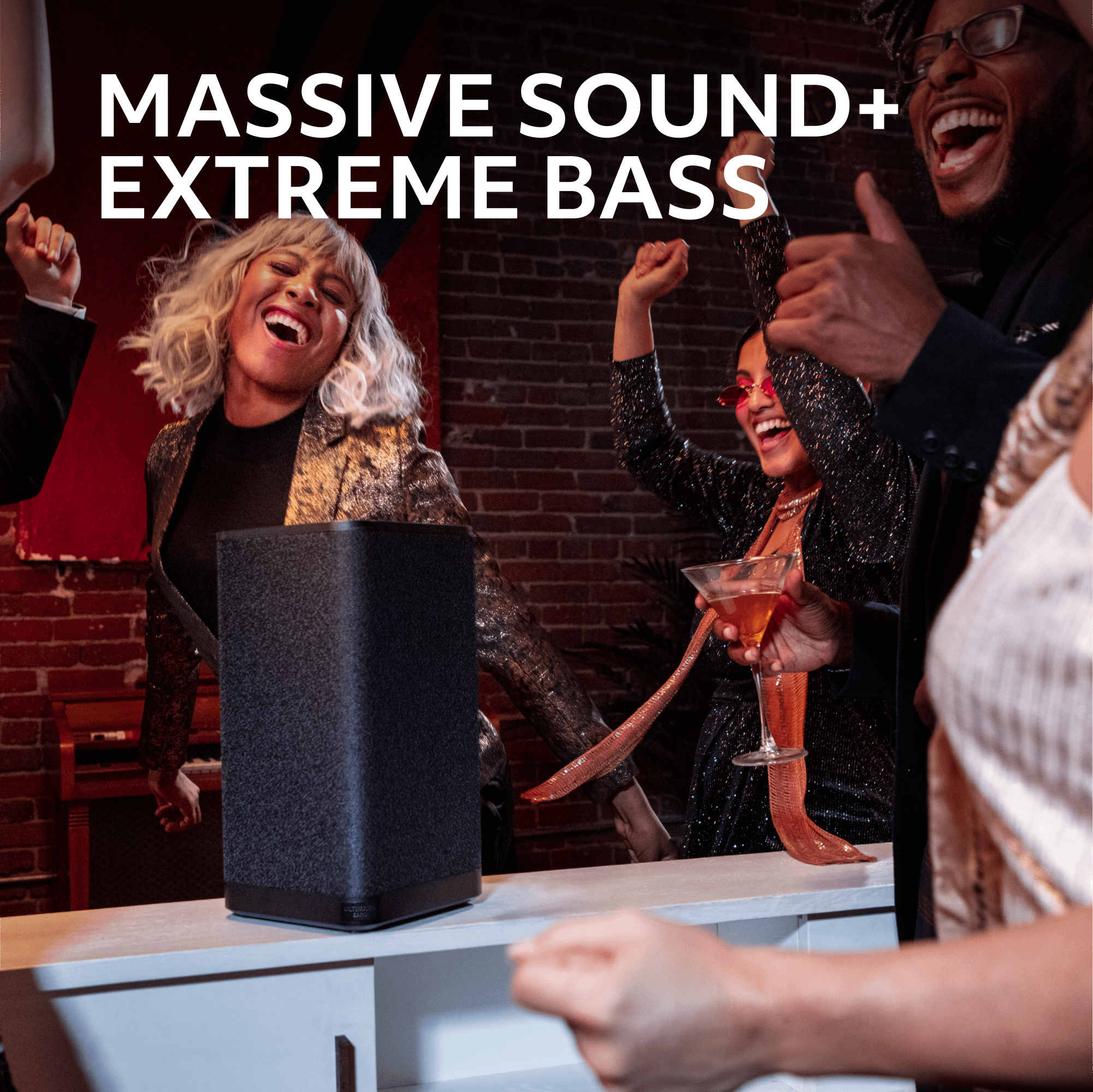
The HYPERBOOM receives overwhelming praise for its party performance and adaptive EQ functionality. Users report that it genuinely maintains consistent sound quality whether placed on a table, in a corner, or outdoors, thanks to its environmental compensation technology. The 360-degree sound projection eliminates the positioning concerns that plague directional speakers like the Charge 6.
Professional audio reviewers consistently note that the HYPERBOOM maintains its bass impact even at maximum volume, while smaller speakers typically suffer significant bass rolloff as they approach their limits. This performance characteristic makes it genuinely suitable for large gatherings where consistent audio quality matters more than convenience.
While both speakers target portable use, they offer interesting possibilities for home audio applications. The JBL Charge 6 works well as a bedroom or office speaker, providing better audio quality than most computer speakers or small bookshelf units. Its compact size makes it ideal for spaces where traditional speakers won't fit.
The HYPERBOOM can serve as a surprisingly capable home theater solution for smaller rooms or apartments where full surround sound systems aren't practical. Its 360-degree design works well for open floor plans, and the Adaptive EQ helps compensate for less-than-ideal room acoustics. While it can't replace dedicated home theater systems, it offers a simple, wireless alternative that requires no installation or setup.
Both speakers' USB-C connectivity adds versatility for home use, allowing direct connection to computers, tablets, or streaming devices without Bluetooth compression. This wired option is particularly valuable for video content where audio sync matters.
At the time of writing, the price difference between these speakers reflects their different target markets and engineering priorities. The JBL Charge 6 offers exceptional value for users who prioritize portability, water resistance, and everyday versatility. Its combination of features, durability, and audio quality at its price point makes it difficult to beat for general-purpose use.
The HYPERBOOM commands a significant premium but justifies it through superior audio performance, party-focused features, and sophisticated technology like Adaptive EQ. For users who regularly host gatherings or need maximum volume output, the additional cost provides tangible benefits that cheaper speakers simply cannot match.
Choose the JBL Charge 6 if you value true portability above all else. It's perfect for people who want a speaker that disappears into their lifestyle – backpackers, beach-goers, commuters, and anyone who needs reliable audio that can survive real-world conditions. Its IP68 rating makes it ideal for water-based activities, while its compact size ensures it never becomes a burden to carry.
The Charge 6 also makes sense for budget-conscious buyers who want modern features like Bluetooth 5.4, lossless audio capability, and power bank functionality without paying premium prices. It's an excellent choice for personal listening, small gatherings, and everyday use.
Choose the Ultimate Ears HYPERBOOM if you regularly entertain groups or need maximum audio performance in a portable package. It's designed for people who host backyard parties, tailgate events, or any gathering where music is central to the experience. The 360-degree sound and Adaptive EQ technology provide genuine advantages that smaller speakers cannot match.
The HYPERBOOM also suits users who want a single speaker solution for multiple scenarios – it can serve as both a party speaker and a sophisticated home audio system. While less convenient for daily transport, it offers performance and features that justify its premium positioning.
Ultimately, both speakers excel in their intended roles. The JBL Charge 6 proves that compact speakers can deliver impressive performance without sacrificing portability, while the HYPERBOOM demonstrates what's possible when size and weight constraints are relaxed in favor of maximum audio performance. Your choice should align with whether convenience or performance takes priority in your lifestyle.
| JBL Charge 6 | Ultimate Ears HYPERBOOM |
|---|---|
| Weight - Critical for true portability and daily carry | |
| 2.18 lbs (genuinely portable for travel and activities) | 13 lbs (requires deliberate transport planning) |
| Water Resistance - Essential for outdoor and water activities | |
| IP68 (fully waterproof, survives submersion up to 1.5m) | IPX4 (splash resistant only, not submersion-proof) |
| Maximum Volume Output - Determines ability to fill spaces | |
| Moderate output suitable for personal use and small groups | 100 dBC output fills large outdoor spaces effectively |
| Sound Projection - Affects speaker placement and listening experience | |
| Directional (requires positioning toward listeners) | 360-degree (consistent sound from any angle) |
| Driver Configuration - Impacts bass depth and overall audio quality | |
| Single 53×93mm woofer + 20mm tweeter | Dual 114mm woofers + dual 25mm tweeters + massive passive radiators |
| Audio Technology - Advanced features that enhance sound quality | |
| AI Sound Boost (real-time distortion prevention) | Adaptive EQ (automatically adjusts to room acoustics) |
| Battery Life - Standard vs extended playback duration | |
| 24 hours standard, 28 hours with Playtime Boost mode | 24 hours consistent performance |
| Charging Speed - Important for quick turnaround between uses | |
| 3 hours full charge, 10-minute quick charge for 150 minutes | 4 hours full charge, no quick charge feature |
| Connectivity Standard - Affects connection quality and features | |
| Bluetooth 5.4 with Auracast multi-speaker pairing | Bluetooth 4.2-5.0 with PartyUp for multiple device control |
| Lossless Audio Support - For audiophile-quality wired playback | |
| Up to 24-bit/192kHz via USB-C connection | Standard Bluetooth compression only |
| Multi-Device Features - Party and group listening capabilities | |
| Auracast speaker linking for synchronized playback | PartyUp allows 4 devices to control music seamlessly |
| App EQ Customization - Sound personalization options | |
| 7-band customizable EQ via JBL Portable app | 5-band customizable EQ via BOOM app |
| Powerbank Function - Device charging capability while playing music | |
| Yes, via USB-C port with fast charging support | Yes, via built-in USB port |
| Best Use Cases - Primary scenarios where each speaker excels | |
| Travel, water activities, personal listening, daily carry | Large parties, outdoor gatherings, stationary entertainment |
The JBL Charge 6 is significantly more portable, weighing just 2.18 pounds compared to the Ultimate Ears HYPERBOOM's 13-pound weight. The Charge 6 features a compact cylindrical design with a carrying strap that makes it easy to take anywhere, while the HYPERBOOM requires two-handed transport and is better suited for stationary use at parties or events.
The Ultimate Ears HYPERBOOM delivers significantly better sound quality with deeper bass, higher maximum volume (100 dBC), and 360-degree sound projection. It features dual 114mm woofers and advanced Adaptive EQ technology. The JBL Charge 6 offers impressive sound for its compact size but can't match the HYPERBOOM's bass depth and overall volume output due to physical constraints.
The JBL Charge 6 has superior water protection with an IP68 rating, meaning it's fully waterproof and can survive submersion up to 1.5 meters for 30 minutes. The Ultimate Ears HYPERBOOM only offers IPX4 splash resistance, making the Charge 6 the better choice for beach trips, pool parties, and water-based activities.
Both the JBL Charge 6 and Ultimate Ears HYPERBOOM offer 24 hours of battery life. However, the Charge 6 can extend to 28 hours with Playtime Boost mode and charges faster (3 hours vs 4 hours). The JBL Charge 6 also features 10-minute quick charging for 150 minutes of playback.
The Ultimate Ears HYPERBOOM is specifically designed for parties, offering much louder volume output, 360-degree sound projection, and PartyUp technology that allows multiple people to control music seamlessly. The JBL Charge 6 works well for small gatherings but lacks the volume and bass needed for larger outdoor parties.
The Ultimate Ears HYPERBOOM can serve as a capable home theater speaker for smaller rooms due to its high output and Adaptive EQ technology that adjusts to room acoustics. The JBL Charge 6 is better suited as a bedroom or office speaker rather than a primary home theater solution due to its more limited volume and bass output.
The Ultimate Ears HYPERBOOM costs nearly double the price of the JBL Charge 6. The premium is justified if you regularly host parties, need maximum volume, or want 360-degree sound. For personal use, travel, and water activities, the Charge 6 offers better value with its portability and durability features.
The JBL Charge 6 offers more customization with a 7-band EQ through the JBL Portable app, compared to the HYPERBOOM's 5-band EQ. However, the Ultimate Ears HYPERBOOM includes unique party features like PartyUp for multiple device control, while the Charge 6 offers Auracast for linking multiple speakers.
The JBL Charge 6 features newer Bluetooth 5.4 technology and supports lossless audio up to 24-bit/192kHz via USB-C connection. The Ultimate Ears HYPERBOOM uses older Bluetooth standards but offers superior party connectivity with its ability to connect up to 8 paired devices and seamless switching between 4 active devices.
The JBL Charge 6 is significantly more durable for outdoor adventures with its IP68 waterproof rating, drop-proof design, and compact form factor that's less likely to be damaged during transport. The Ultimate Ears HYPERBOOM is built solidly but its larger size and IPX4-only rating make it less suitable for rugged outdoor activities.
Yes, both the JBL Charge 6 and Ultimate Ears HYPERBOOM function as power banks to charge smartphones and tablets. The Charge 6 uses its USB-C port for device charging, while the HYPERBOOM has a dedicated USB charging port. Both can charge devices while playing music.
Choose the JBL Charge 6 if you prioritize portability, water resistance, travel use, or have a limited budget. It's perfect for personal listening, small gatherings, and outdoor activities. Choose the Ultimate Ears HYPERBOOM if you regularly host parties, need maximum volume and bass, or want a speaker that can serve as both a party system and home theater solution despite the higher cost.
We've done our best to create useful and informative comparisons to help you decide what product to buy. Our research uses advanced automated methods to create this comparison and perfection is not possible - please contact us for corrections or questions. These are the sites we've researched in the creation of this article: rtings.com - youtube.com - stereoguide.com - whathifi.com - youtube.com - elomymelo.com - soundguys.com - elomymelo.com - wifihifi.com - soundguys.com - jbl.com - whathifi.com - soundguys.com - youtube.com - smarthomesounds.co.uk - jbl.com - sweetwater.com - youtube.com - bestbuy.com - jbl.com.sg - jbl.com - dell.com - ca.jbl.com - soundguys.com - soundguys.com - dell.com - techradar.com - ultimateears.com - youtube.com - youtube.com - rtings.com - provantage.com - target.com - forum.mygolfspy.com - order.staplestechnologysolutions.com - youtube.com - publicsector.shidirect.com - ultimateears.com

Privacy Policy
Terms and Conditions - Affiliate Policy
Home Security
© Copyright 2008-2026.
11816 Inwood Rd #1211, Dallas, TX 75244