

When shopping for a Bluetooth speaker, you might think all portable speakers are created equal. But the reality is that "portable" can mean wildly different things depending on your needs. The JBL Charge 4 and Marshall Tufton perfectly illustrate this divide—one prioritizes true mobility while the other focuses on serious sound quality that just happens to be battery-powered.
Understanding these fundamental differences will save you from buyer's remorse and help you pick the speaker that actually matches how you'll use it. Let's dive deep into what sets these speakers apart and which one deserves your money.
The portable Bluetooth speaker market has evolved dramatically since the early 2010s. What started as tiny, tinny speakers that could barely fill a bedroom has branched into distinct categories serving completely different needs.
On one side, you have ultra-portable speakers like the JBL Charge 4, released in 2018, which prioritize convenience and durability. These speakers are designed to tag along on your adventures—whether that's a beach trip, hiking expedition, or just moving around your house. They're typically waterproof, lightweight, and designed to sound surprisingly good despite their compact size.
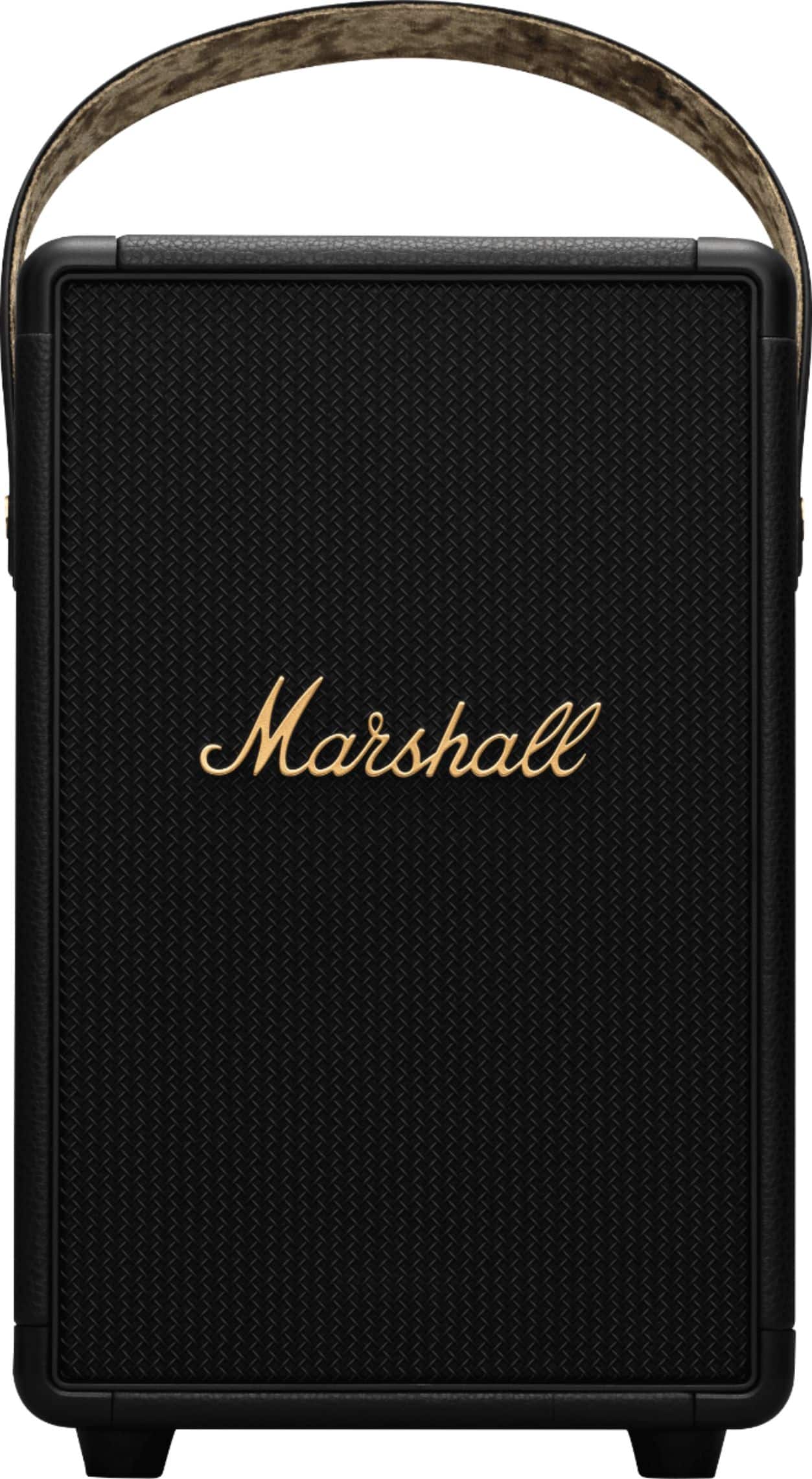
On the other side, speakers like the Marshall Tufton, which launched in 2019, take a "portable home speaker" approach. These are substantial devices that deliver room-filling sound but still run on batteries for placement flexibility. Think of them as powerful home speakers that happen to be cordless rather than traditional portable speakers that happen to be loud.
The key factors that separate great speakers from mediocre ones include audio power and clarity, battery management, build quality, and connectivity options. But the most important consideration is understanding which category matches your lifestyle and listening habits.
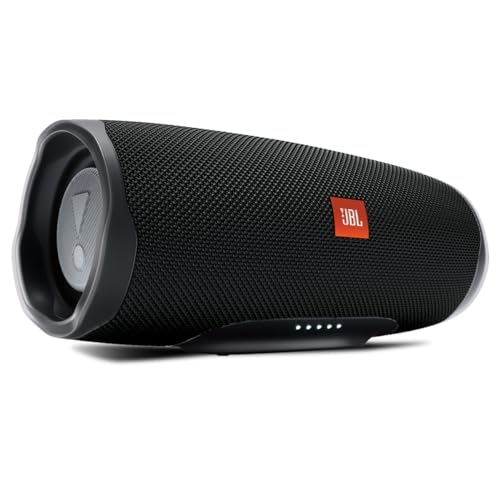
Here's where these speakers couldn't be more different. The JBL Charge 4 weighs just over 2 pounds and measures about 8.7 inches long—small enough to toss in a backpack or carry comfortably in one hand. Its cylindrical design makes it easy to grip, and the included carrying strap adds convenience.
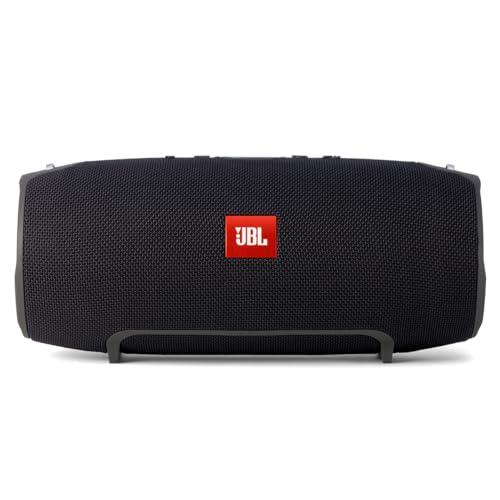
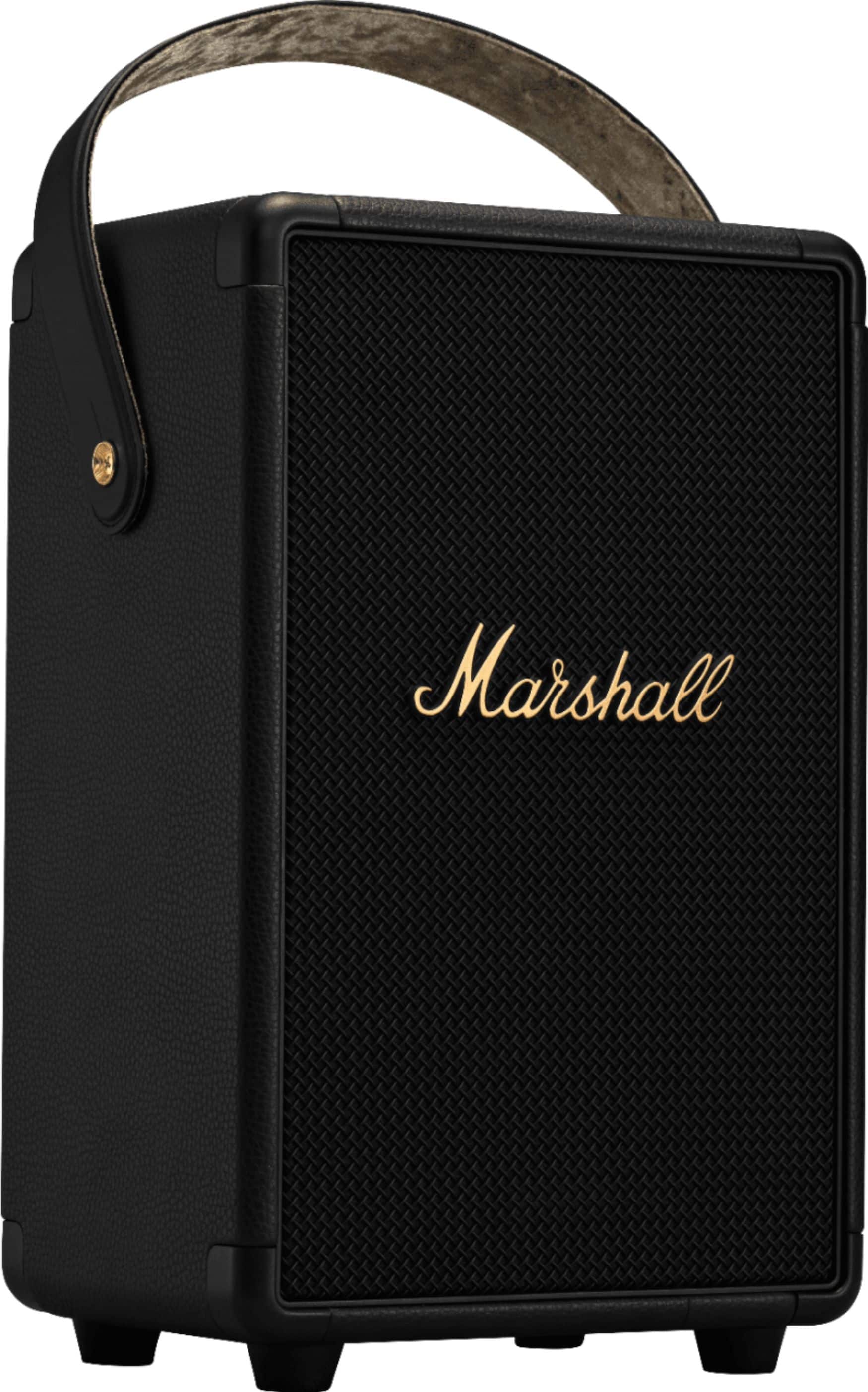
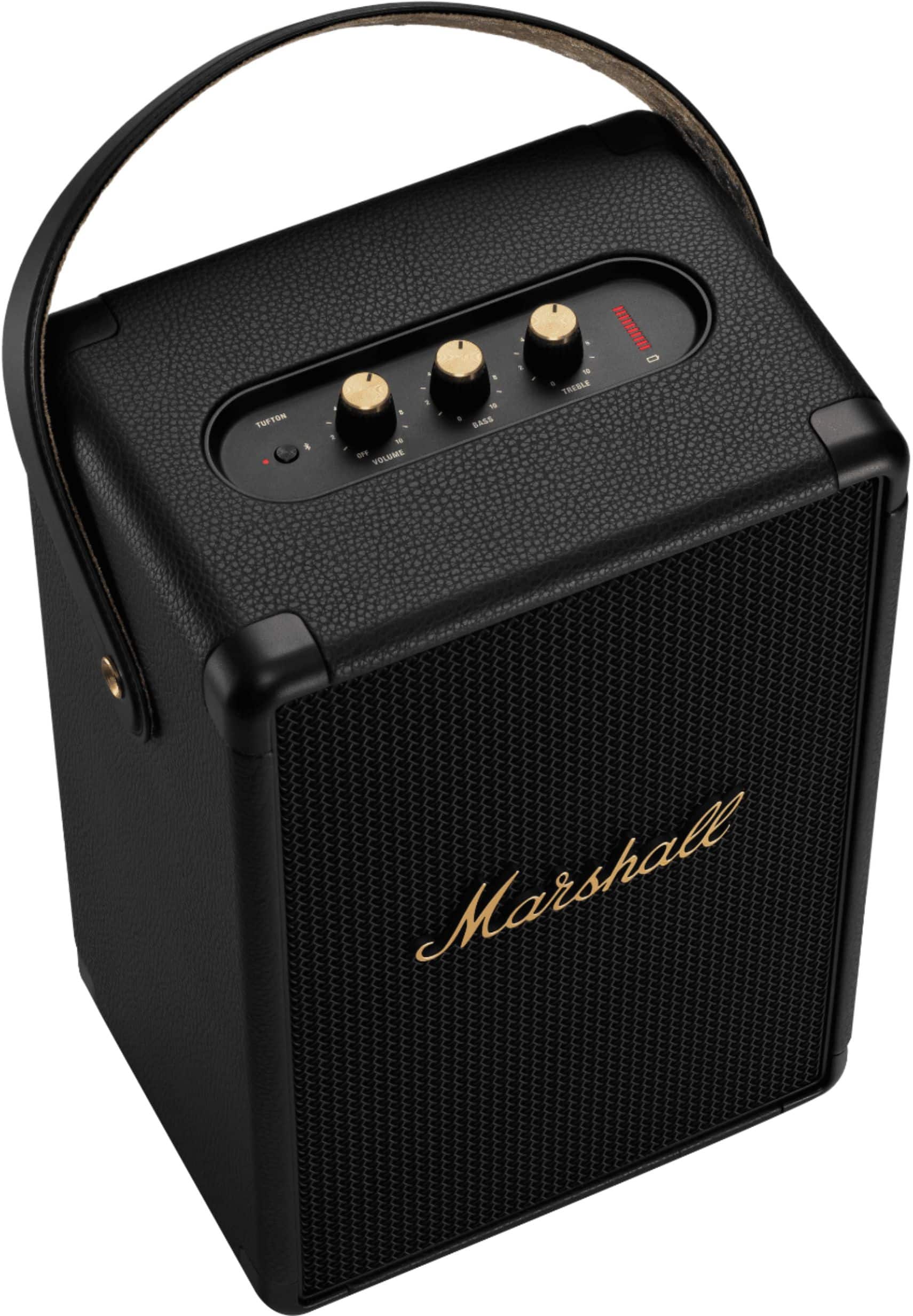
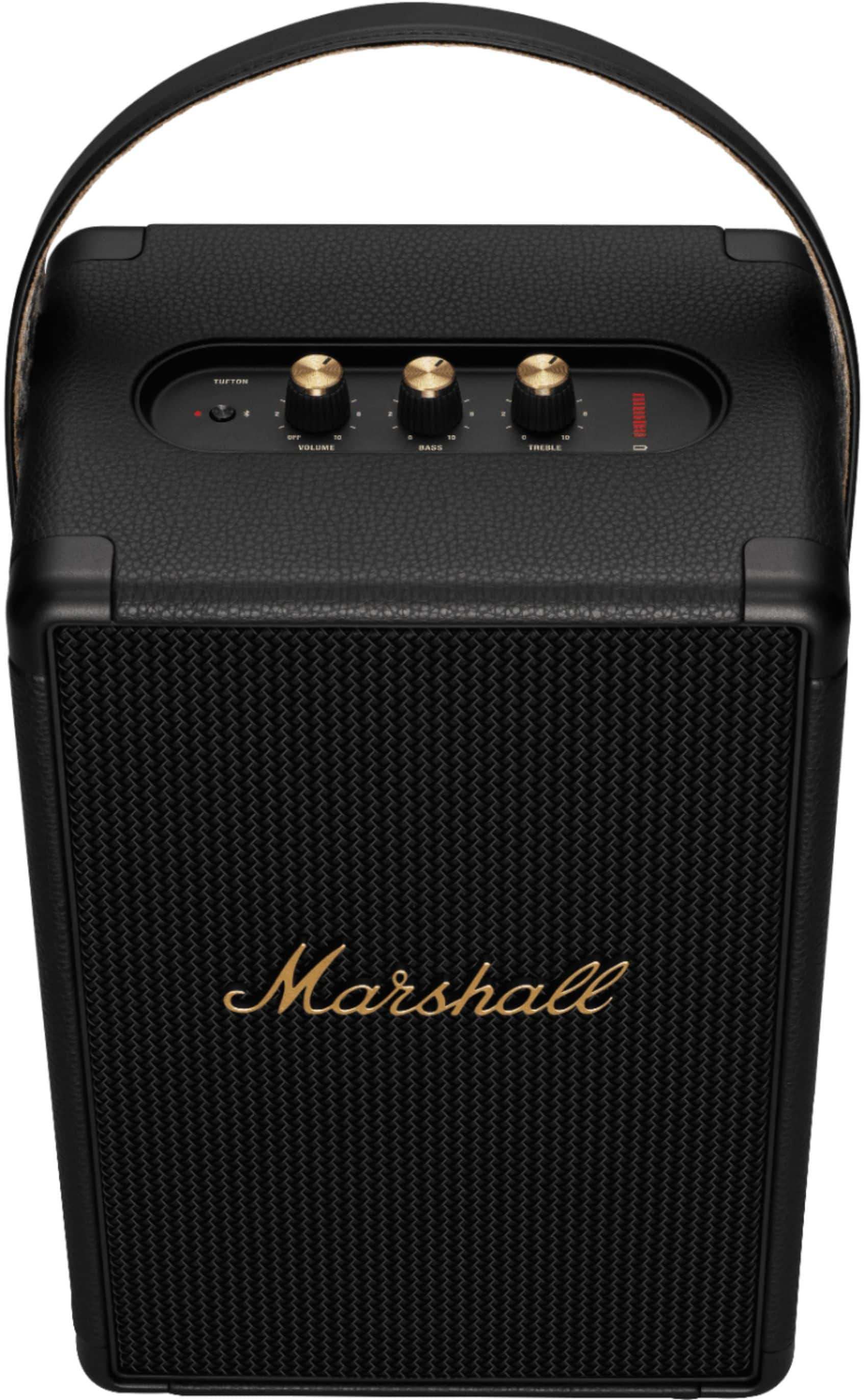
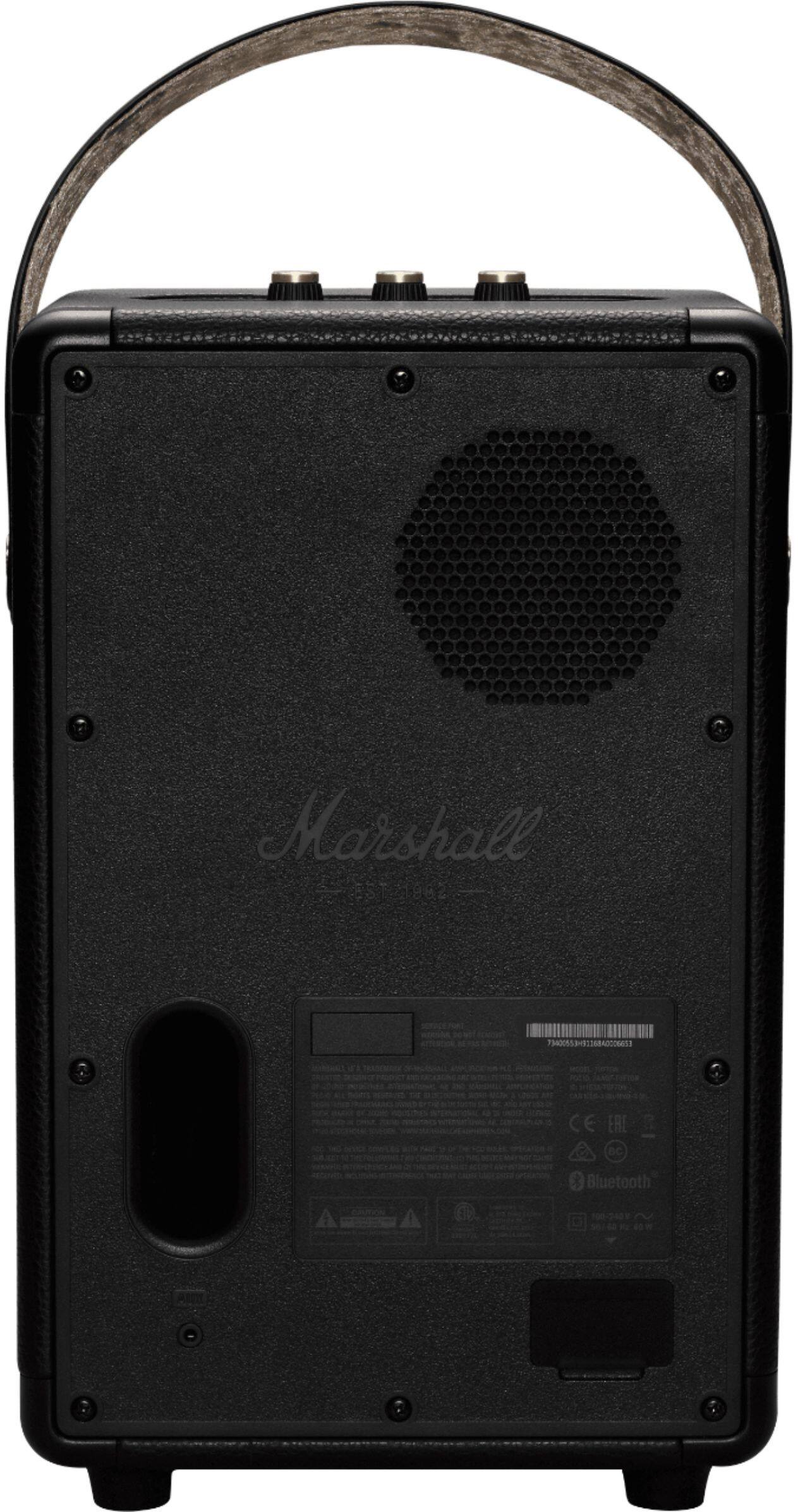
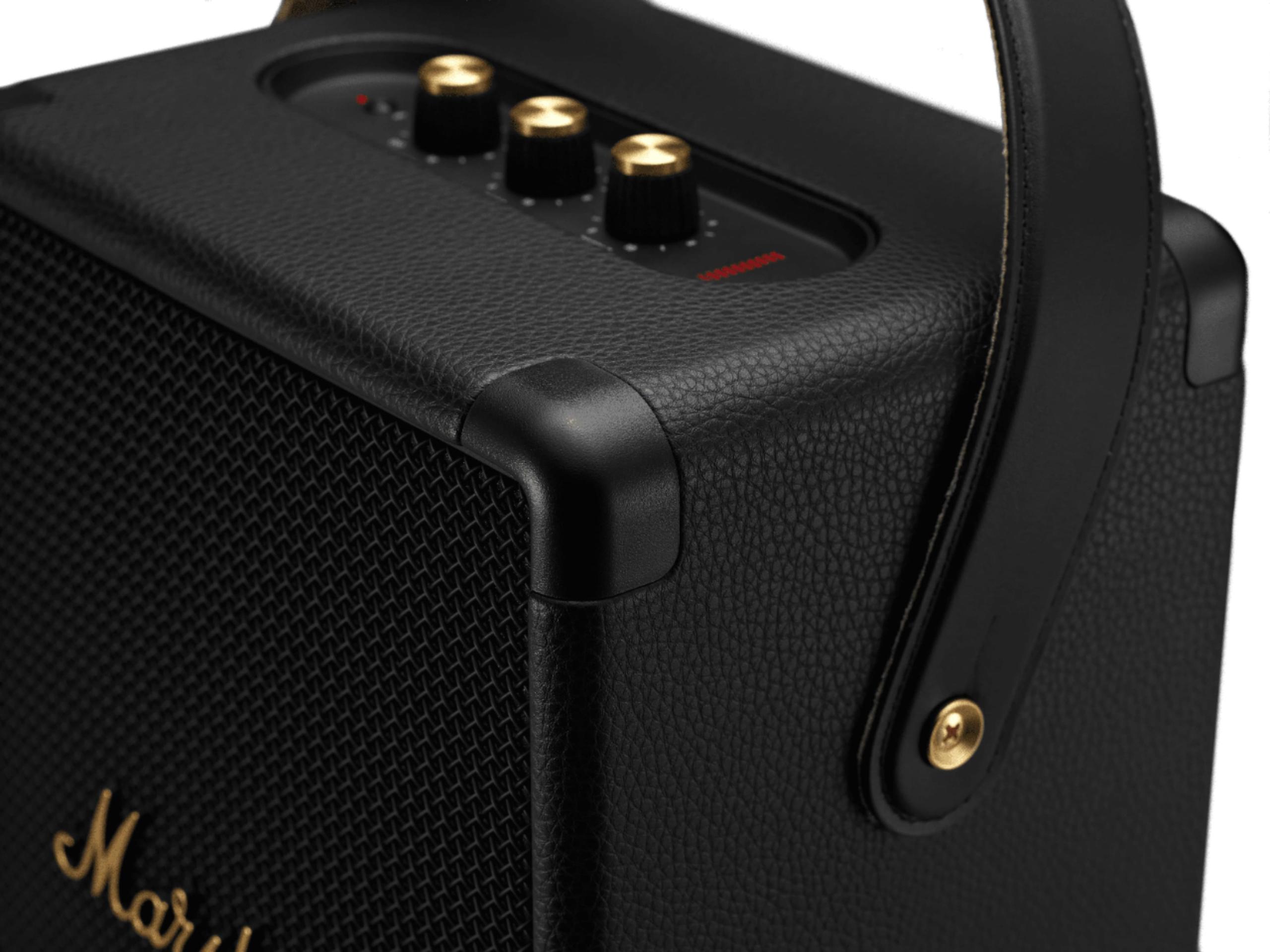
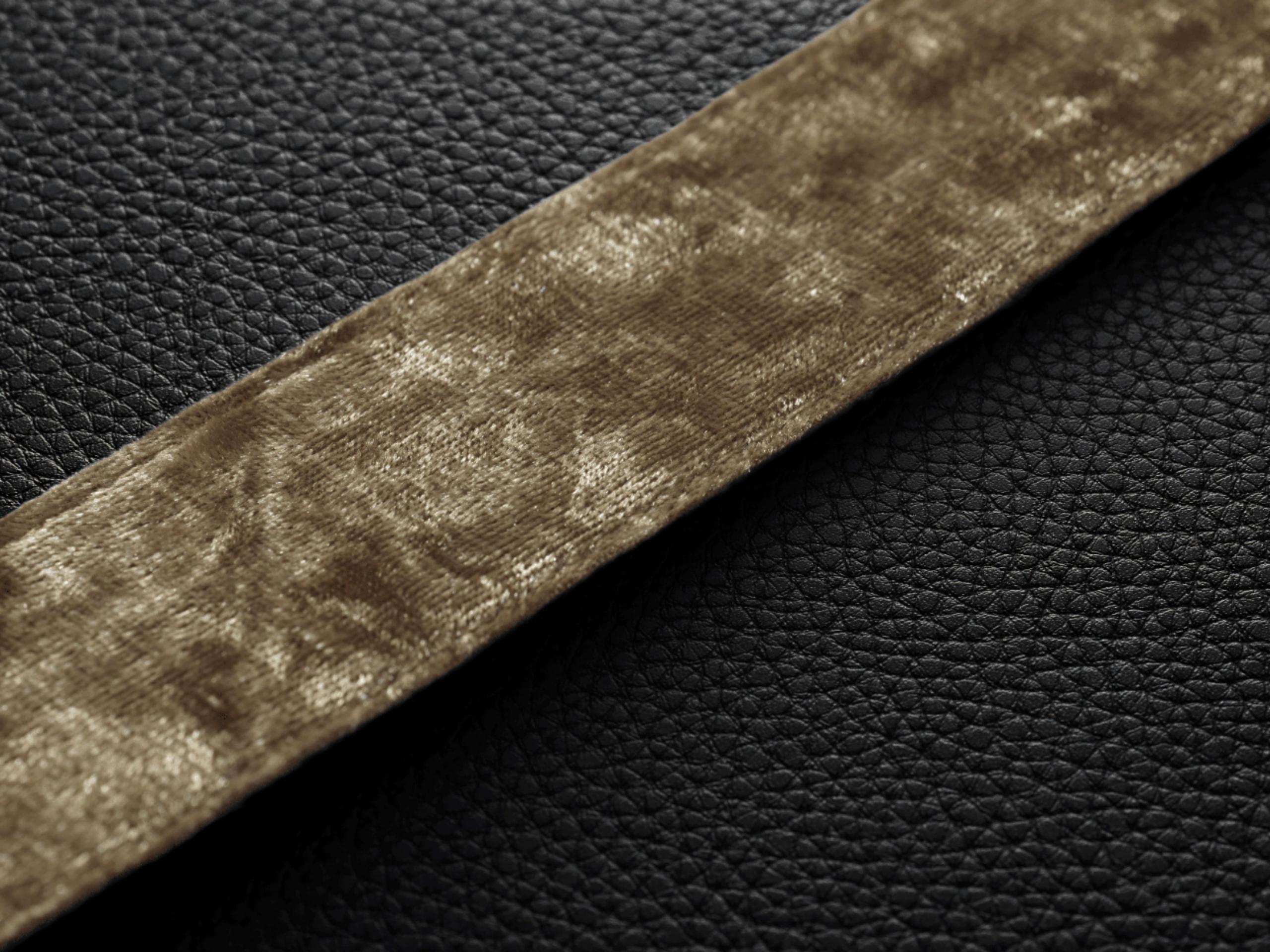
The Marshall Tufton, meanwhile, weighs nearly 11 pounds and stands over 13 inches tall. While it includes a guitar-inspired leather strap (a nice touch that nods to Marshall's amplifier heritage), you're definitely getting a workout carrying this thing around. It's "portable" in the sense that it's battery-powered and has a handle, but it's more like lugging a small guitar amp than carrying a speaker.
This size difference isn't just about convenience—it fundamentally changes how and where you'll use each speaker. The Charge 4 is genuinely travel-friendly and works great for outdoor activities. The Tufton is better thought of as a home speaker that you can move between rooms or take to the backyard without dealing with extension cords.
Raw power output tells a big part of the performance story. The Marshall Tufton produces 80 watts of total power through three separate Class D amplifiers (these are highly efficient digital amplifiers that don't waste energy as heat). The JBL Charge 4 generates 30 watts from a single amplifier system.
That power difference translates to a dramatic volume gap. The Tufton can reach 102 decibels, while the Charge 4 tops out around 80 decibels. Since decibels work on a logarithmic scale (meaning each 10 dB increase represents a doubling of perceived loudness), the Tufton can get genuinely loud enough for outdoor parties or filling large rooms.
But raw wattage doesn't tell the whole story. The Charge 4 uses its power more efficiently for its intended use case. Its single racetrack-shaped driver (50mm x 90mm) works with dual passive radiators—these are essentially speakers without magnets that move sympathetically with the main driver to enhance bass response. This clever engineering helps the Charge 4 punch above its weight class in terms of low-end response.
The Marshall Tufton uses a sophisticated 3-way speaker system—separate drivers handle different frequency ranges for cleaner sound reproduction. It has dedicated tweeters for high frequencies (like cymbals and vocal details), midrange drivers for vocals and most instruments, and a larger woofer for bass. This separation allows each driver to specialize in what it does best.
The frequency response tells an important story. The Tufton reaches down to 40Hz, capturing more of the deep bass that makes music feel full and impactful. The Charge 4 starts rolling off around 60Hz, which is still respectable but won't deliver the same visceral low-end punch.
However, our research into user reviews and expert opinions reveals an interesting trade-off. The Marshall Tufton tends to have what audio enthusiasts call a "V-shaped" sound signature—boosted bass and treble with recessed midrange frequencies. This makes music sound exciting and powerful, but vocals and lead instruments can feel distant or buried in the mix. Several reviews consistently mention this characteristic.
The JBL Charge 4, while less powerful, maintains better balance across frequencies. Vocals stay clear and present, making it more versatile for different music genres and content types like podcasts or phone calls.
This is where the JBL Charge 4 shows its outdoor DNA. Its IPX7 waterproof rating means it can be completely submerged in up to one meter of water for 30 minutes and emerge unscathed. This isn't just splash-resistant—you can literally drop it in a pool or take it in the shower.
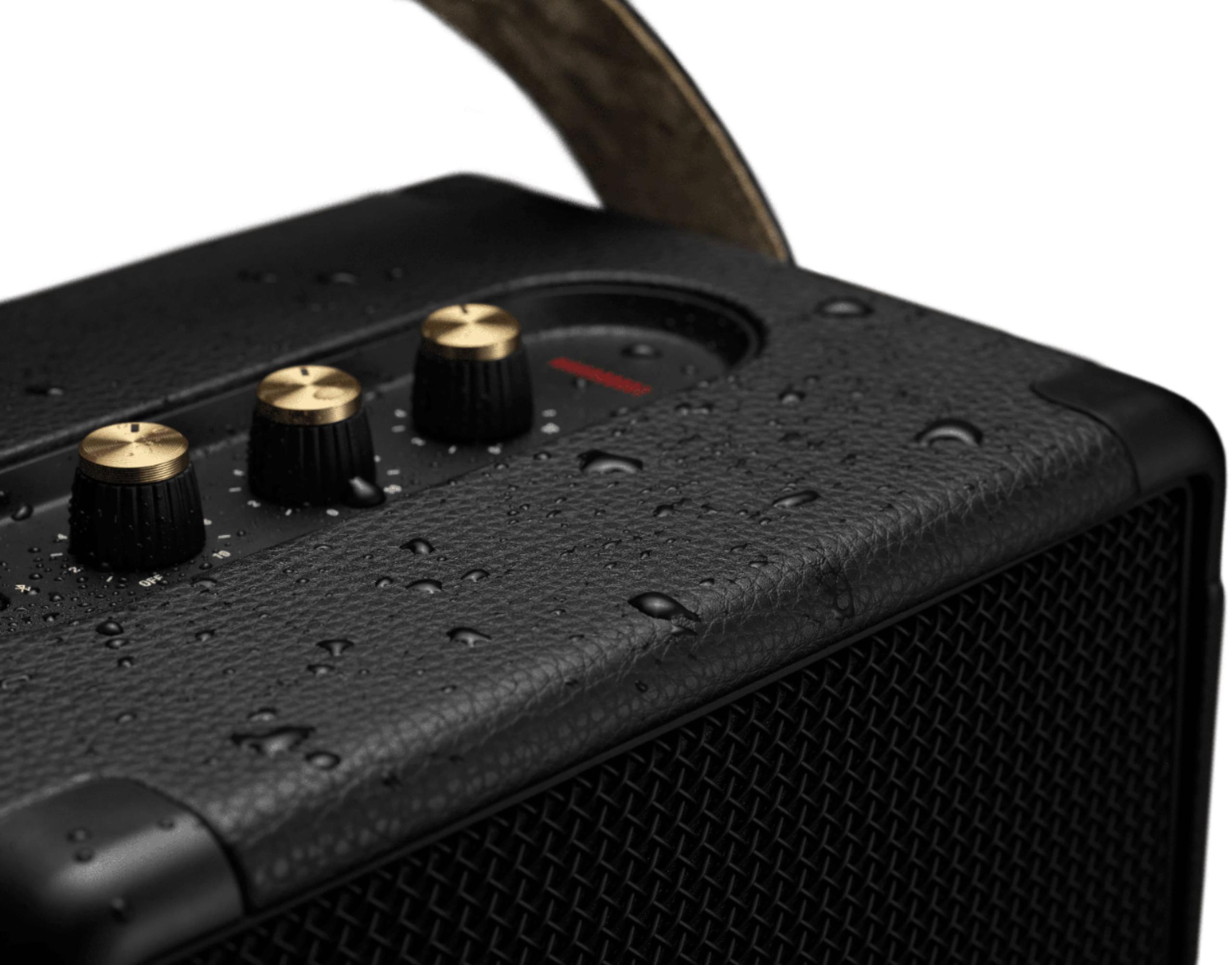
The Marshall Tufton only carries an IPX2 rating, which provides basic protection against light splashing from above. This makes sense given its target use case as a mostly-indoor speaker, but it limits outdoor versatility. You wouldn't want to leave it by the pool or take it to the beach.
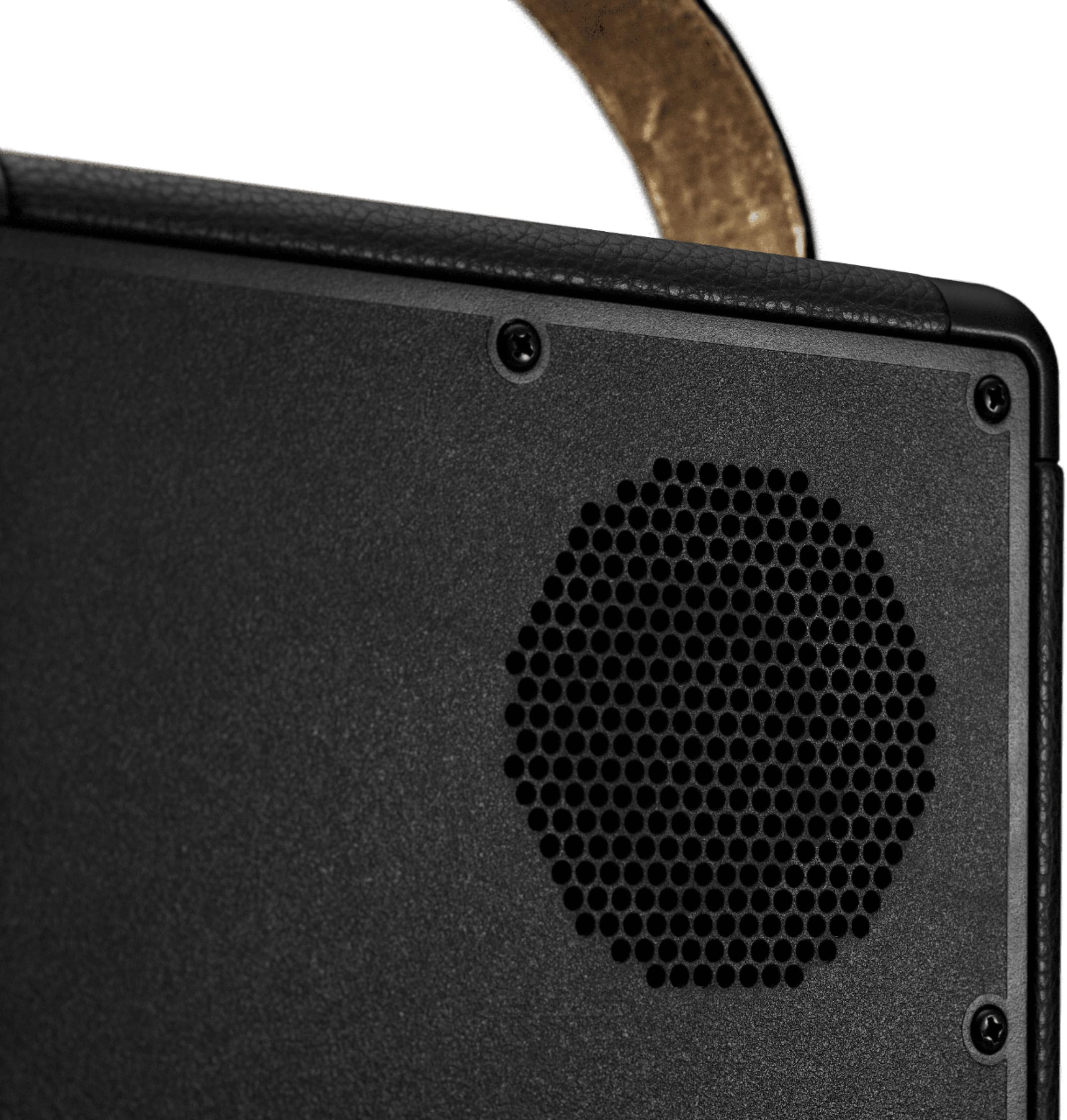
Both speakers feature rugged construction, but in different ways. The Charge 4 uses a tight fabric wrap over a rubber housing designed to bounce back from drops and bumps. The Tufton employs a more premium approach with its solid metal grille and flush-mounted corner caps, giving it that classic Marshall amplifier aesthetic.
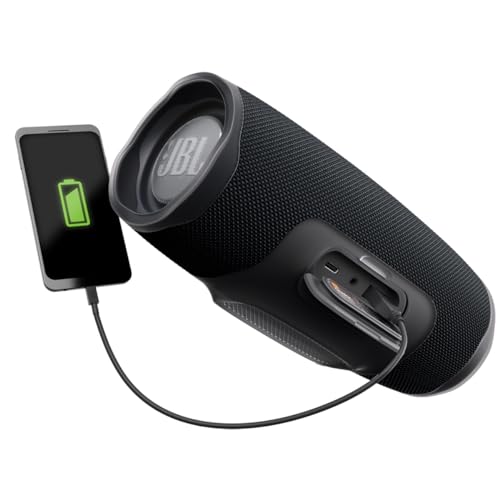
Both speakers claim 20 hours of battery life, but they achieve this differently and offer distinct additional features. The JBL Charge 4 includes a 7,500mAh battery that doubles as a power bank—you can charge your phone or tablet through its USB-A port. This feature alone can be a game-changer for extended outdoor adventures where wall outlets are scarce.
The Marshall Tufton focuses its larger battery capacity entirely on audio playback. It charges faster though—reaching full capacity in about 2.5 hours compared to the Charge 4's 4-hour charge time. The Tufton also offers a quick-charge feature, providing 4 hours of playback from just 20 minutes of charging.
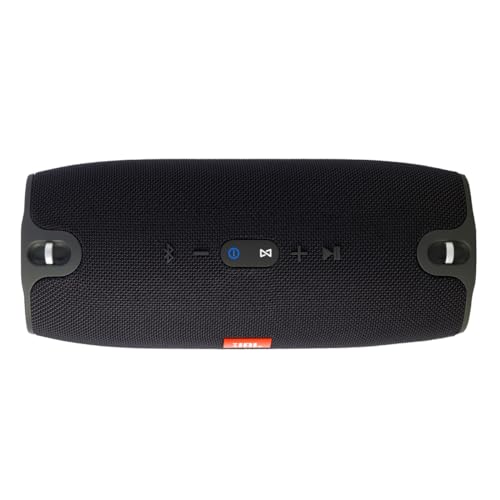
In real-world use, battery life depends heavily on volume levels and music content. Bass-heavy music at high volumes drains batteries faster than acoustic music at moderate levels. Both speakers include battery indicators, though the Tufton uses a more traditional LED system while the Charge 4 integrates status into its button layout.
The Marshall Tufton uses Bluetooth 5.0, which offers better range, more stable connections, and improved power efficiency compared to the Charge 4's Bluetooth 4.2. In practice, this means the Tufton maintains connection quality at greater distances and handles interference better in crowded wireless environments.
The Tufton also includes a 3.5mm auxiliary input for wired connections—useful for devices without Bluetooth or when you want to preserve battery life. The Charge 4 lacks this input but compensates with JBL Connect+, a proprietary technology that lets you wirelessly link over 100 compatible JBL speakers for larger sound systems.
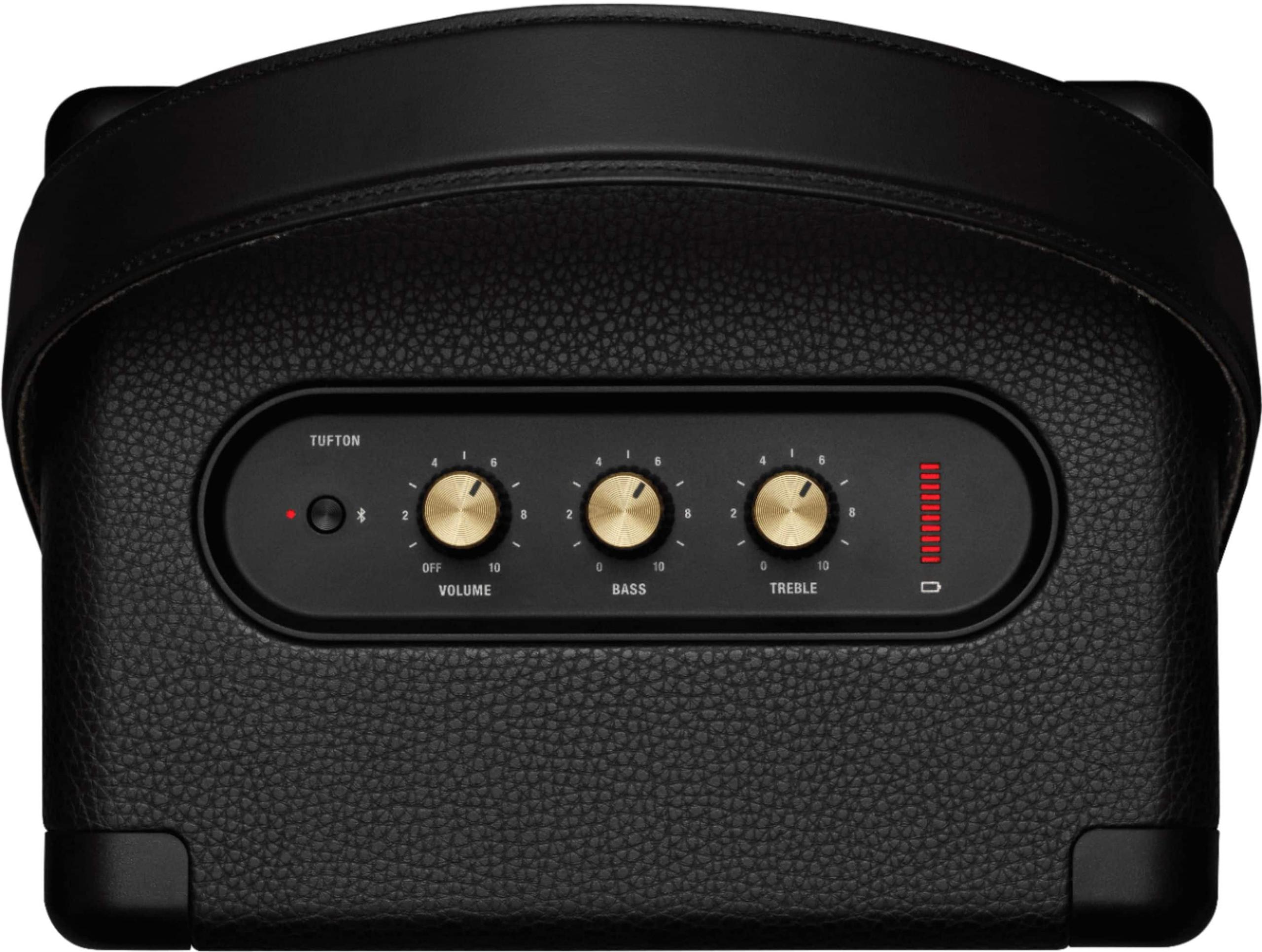
One standout feature of the Marshall Tufton is its analog control knobs for bass and treble adjustment. These physical controls let you tune the sound to your preferences or room acoustics without diving into smartphone apps. Many users appreciate this tactile approach, especially when the speaker is across the room.
Neither speaker is designed primarily for home theater use, but they can serve specific roles in a media setup. The Marshall Tufton could work as a powerful wireless speaker for casual TV watching, particularly in spaces where running speaker wire isn't practical. Its multi-directional sound design helps create a more enveloping audio experience than typical forward-firing speakers.
However, both speakers produce mono sound by default. While the Tufton creates a wider soundstage through its driver arrangement, true stereo separation requires pairing two units. For serious home theater use, dedicated stereo speakers or a proper soundbar system would serve you better.
The JBL Charge 4 could work for smaller setups like bedroom TVs or gaming stations where space and simplicity matter more than ultimate audio quality.
At the time of writing, these speakers occupy different price tiers, reflecting their distinct target markets and capabilities. The JBL Charge 4 typically sells for significantly less than the Marshall Tufton, making it an excellent value for users who need genuine portability and outdoor durability.
The Tufton's higher price reflects its premium materials, sophisticated driver system, and substantially more powerful amplification. Whether that premium is justified depends entirely on your use case and audio priorities.
For context, both speakers have seen price competition from newer models since their release. JBL has introduced the Charge 5 and Charge 6 with features like USB-C charging and improved sound quality. Marshall has expanded their portable lineup as well. However, the core value propositions of these original models remain compelling.
The JBL Charge 4 makes the most sense for active users who prioritize versatility and convenience. If you frequently take speakers to beaches, pools, camping trips, or other outdoor adventures, its waterproof design and power bank functionality provide real utility. It's also ideal for apartment dwellers who want good sound without overwhelming neighbors, or anyone who values having a speaker that can truly go anywhere.
Students, travelers, and outdoor enthusiasts will appreciate how the Charge 4 disappears into a backpack but delivers surprisingly full sound when needed. Its balanced audio signature works well for diverse content types, from music and podcasts to video calls.
The Marshall Tufton appeals to users who prioritize audio quality and don't mind sacrificing some portability for serious sound performance. If you host gatherings, have a large space to fill, or simply want the best possible audio from a battery-powered speaker, the Tufton delivers room-filling volume and deep bass that smaller speakers can't match.
Music enthusiasts who appreciate the Marshall brand aesthetic and want physical controls will find the Tufton satisfying. It's also great for users who want to upgrade their home audio without dealing with complex installations or permanent speaker placement.
These speakers represent two valid but different approaches to portable audio. The JBL Charge 4 excels as a true companion speaker—reliable, durable, and genuinely portable with useful bonus features. The Marshall Tufton prioritizes serious audio performance in a battery-powered package that still allows placement flexibility.
Your decision should align with how you actually listen to music. If you need a speaker that adapts to your lifestyle and follows you on adventures, the Charge 4 provides better overall value and versatility. If you want the best possible sound quality from a wireless speaker and don't mind the bulk, the Tufton justifies its premium with genuinely impressive audio performance.
Both speakers have stood the test of time since their respective releases, continuing to compete effectively against newer models. That longevity speaks to solid design decisions and enduring value propositions. Choose based on your priorities: mobility and versatility versus power and presence. Either way, you'll get a speaker that excels at what it was designed to do.
| JBL Charge 4 | Marshall Tufton |
|---|---|
| Audio Power - Determines maximum volume and room-filling capability | |
| 30W RMS (good for small to medium spaces) | 80W RMS (powerful enough for large rooms and outdoor parties) |
| Weight & Portability - Critical for actual mobility and travel | |
| 2.12 lbs / 965g (truly portable, one-hand carry) | 10.8 lbs / 4.9kg (requires two hands, limited portability) |
| Water Resistance - Essential for outdoor and poolside use | |
| IPX7 waterproof (fully submersible up to 1 meter) | IPX2 splash-resistant only (light rain protection) |
| Battery Life - Determines uninterrupted listening time | |
| Up to 20 hours (includes power bank for charging devices) | Up to 20 hours (audio playback only) |
| Sound Configuration - Affects audio quality and stereo imaging | |
| Single driver + dual passive radiators (balanced mono sound) | 3-way system: 2 tweeters, 2 midrange, 1 woofer (true stereophonic) |
| Frequency Response - Shows bass depth and treble extension | |
| 60Hz - 20kHz (limited deep bass but balanced) | 40Hz - 20kHz (deeper bass extension, more impactful low-end) |
| Maximum Volume - Important for party and outdoor use | |
| 80 dB (suitable for personal/small group listening) | 102 dB (loud enough for large gatherings) |
| Connectivity Options - Affects device compatibility and flexibility | |
| Bluetooth 4.2, USB-C charging, USB-A power output | Bluetooth 5.0, 3.5mm AUX input, better wireless range |
| Physical Controls - Impacts ease of use and sound customization | |
| Basic buttons for power/volume (no EQ adjustment) | Analog bass/treble knobs plus standard controls (immediate tuning) |
| Multi-Speaker Features - For expanding your sound system | |
| JBL Charge 4: JBL Connect+ (link 100+ speakers) | Marshall Tufton: Multi-host pairing (2 devices simultaneously) |
| Charging Features - Additional utility beyond audio playbook | |
| Functions as power bank for smartphones/tablets | No device charging capability |
| Build Materials - Affects durability and aesthetic appeal | |
| Durable fabric wrap with rubber housing | Premium metal grille with Marshall amplifier styling |
The JBL Charge 4 is significantly better for outdoor use thanks to its IPX7 waterproof rating, allowing full submersion in water up to 1 meter. The Marshall Tufton only has IPX2 splash resistance, making it unsuitable for poolside or beach use. The JBL Charge 4 is also much lighter at 2.12 pounds versus the Tufton's 10.8 pounds, making it easier to carry on outdoor adventures.
The Marshall Tufton gets significantly louder with a maximum output of 102 dB compared to the JBL Charge 4's 80 dB. The Tufton's 80W power output versus the Charge 4's 30W means it can fill large rooms and handle outdoor parties much better. If maximum volume is your priority, the Marshall Tufton is the clear winner.
Only the JBL Charge 4 can charge external devices through its built-in power bank feature via USB-A output. This makes it invaluable for camping trips or extended outdoor use where outlets aren't available. The Marshall Tufton focuses solely on audio playback and cannot charge other devices.
The Marshall Tufton delivers superior overall sound quality with its 3-way speaker system featuring separate tweeters, midrange drivers, and a woofer. It extends deeper into bass frequencies (40Hz vs 60Hz) and offers physical EQ controls for customization. However, the JBL Charge 4 provides more balanced midrange reproduction, making vocals clearer despite its smaller size.
Both the JBL Charge 4 and Marshall Tufton offer up to 20 hours of battery life under normal listening conditions. However, the Marshall Tufton charges faster at 2.5 hours versus the Charge 4's 4-hour charge time. The JBL Charge 4 uses some of its battery capacity for the power bank feature.
The JBL Charge 4 is far more portable, weighing just 2.12 pounds compared to the Marshall Tufton's 10.8 pounds. The Charge 4's compact cylindrical design fits easily in backpacks, while the Tufton requires two-handed carrying and is more suited for moving between rooms rather than true travel portability.
Yes, but differently. The JBL Charge 4 can connect to two devices simultaneously for shared music control and supports JBL Connect+ to link over 100 compatible speakers. The Marshall Tufton also supports multi-host functionality for two devices but focuses more on individual speaker performance than multi-speaker setups.
The Marshall Tufton produces significantly better bass with deeper extension down to 40Hz compared to the JBL Charge 4's 60Hz. The Tufton's dedicated woofer and higher power output deliver more impactful low-end response. However, the JBL Charge 4 uses dual passive radiators to enhance bass beyond what its size would normally allow.
The Marshall Tufton features physical analog knobs for bass and treble adjustment, allowing immediate sound customization without apps. The JBL Charge 4 doesn't offer EQ controls and relies on your device's built-in sound settings. For hands-on sound tuning, the Marshall Tufton provides superior control options.
The JBL Charge 4 typically offers better value for most users, combining solid sound quality with genuine portability, waterproofing, and power bank functionality at a lower price point. The Marshall Tufton justifies its premium pricing for users who prioritize maximum audio performance and don't mind sacrificing portability.
Both speakers use Bluetooth connectivity, but the Marshall Tufton features newer Bluetooth 5.0 for better range and stability versus the JBL Charge 4's Bluetooth 4.2. The Tufton also includes a 3.5mm AUX input for wired connections, while the JBL Charge 4 is wireless-only but includes USB-C for charging and USB-A for power output.
For home use, the Marshall Tufton is generally superior with its room-filling 80W power output, premium build quality, and physical controls that are convenient when the speaker is across the room. However, the JBL Charge 4 works well for smaller spaces like bedrooms or apartments where you don't want to overwhelm neighbors, plus its portability means easy room-to-room movement.
We've done our best to create useful and informative comparisons to help you decide what product to buy. Our research uses advanced automated methods to create this comparison and perfection is not possible - please contact us for corrections or questions. These are the sites we've researched in the creation of this article: rtings.com - whathifi.com - whathifi.com - soundguys.com - soundguys.com - streamtechreviews.com - youtube.com - versus.com - applevis.com - versus.com - jbl.com - jbl.com - walmart.com - comparisontabl.es - harmanaudio.com - manuals.plus - jbl.com.sg - jbl.com - mm.jbl.com - bestbuy.com - newpower99.com - forums.woot.com - techradar.com - youtube.com - youtube.com - bestbuy.com - trustedreviews.com - crutchfield.com - eriksonconsumer.com - youtube.com - runbazaar.com - marshall.com

Privacy Policy
Terms and Conditions - Affiliate Policy
Home Security
© Copyright 2008-2026.
11816 Inwood Rd #1211, Dallas, TX 75244