



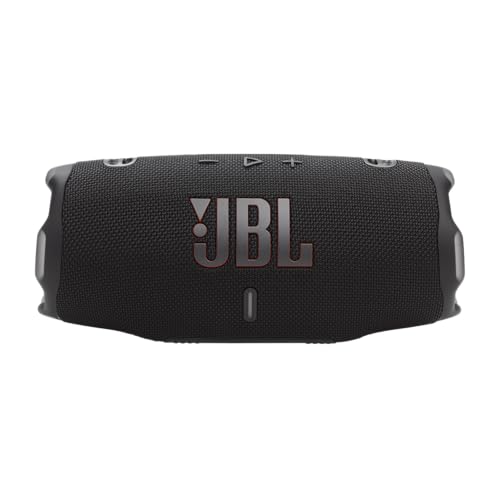
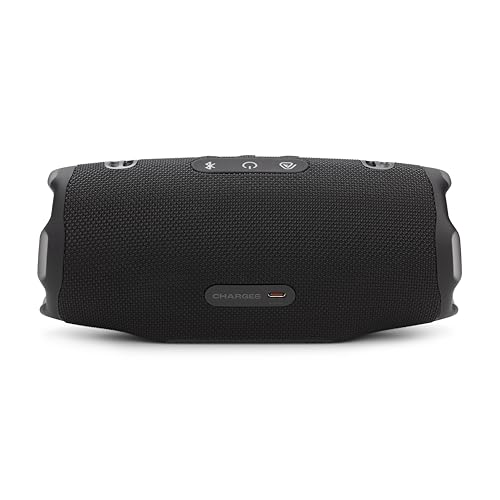
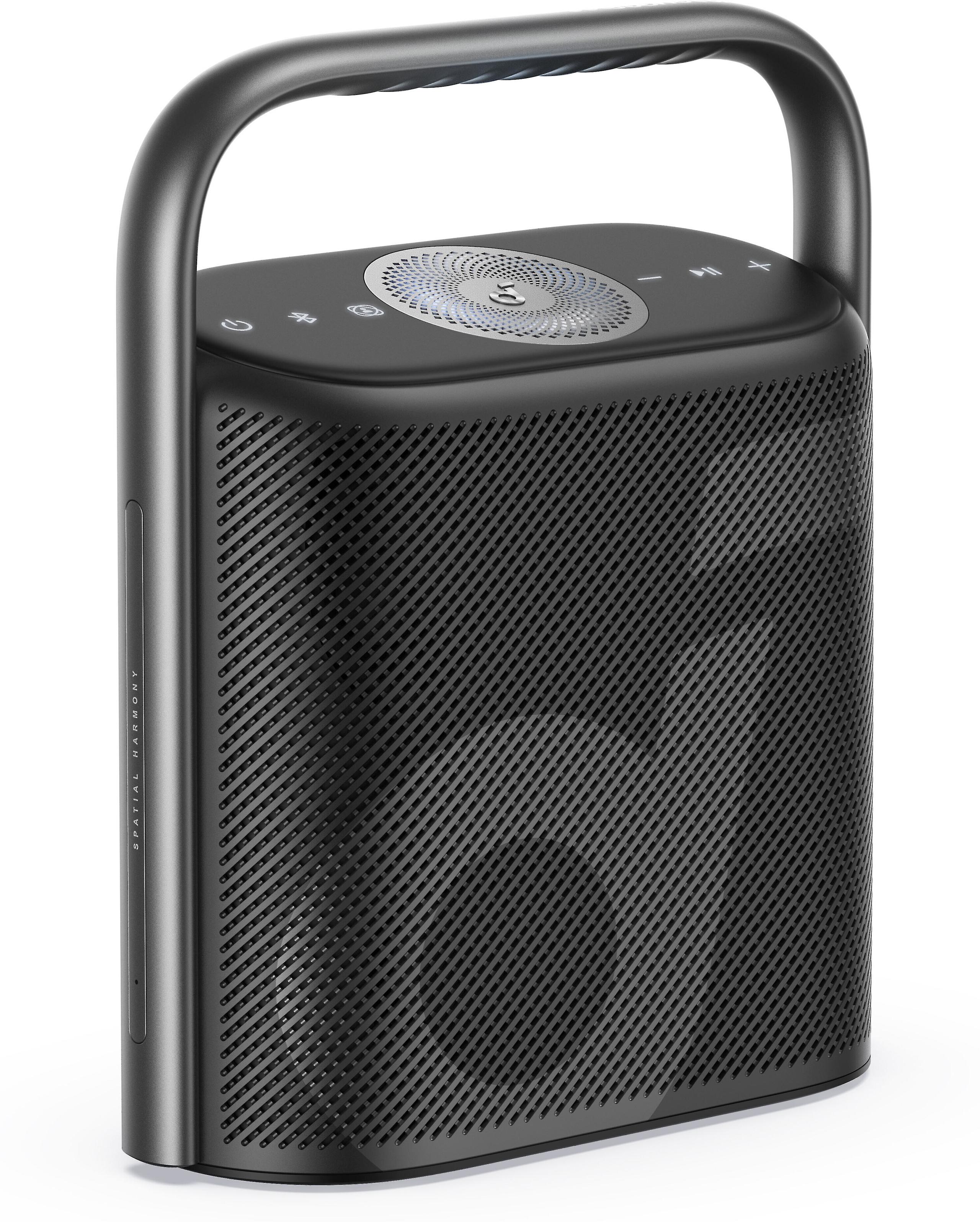

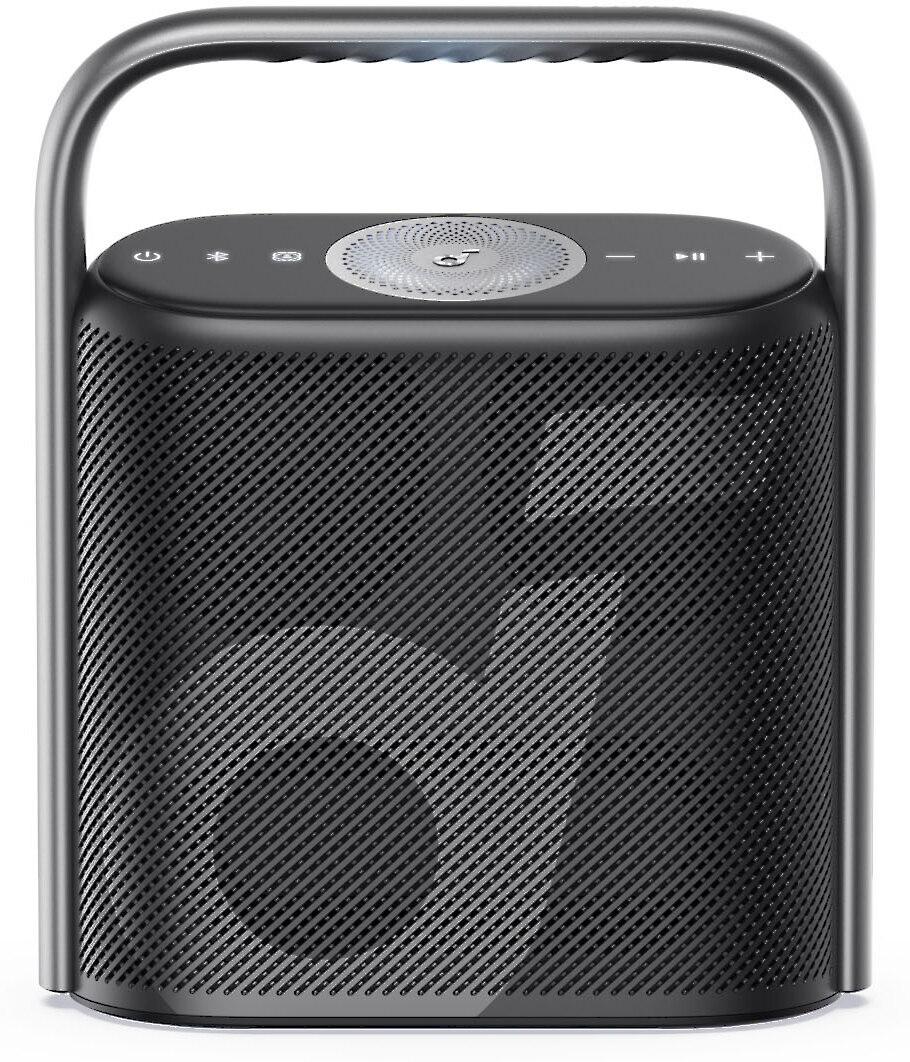

Portable Bluetooth speakers have become essential companions for our music-filled lives. Whether you're planning a beach day, setting up for a backyard barbecue, or just want better sound than your phone can deliver, choosing the right speaker can make or break your listening experience. Today we're comparing two compelling options that take very different approaches to portable audio: the rugged, marathon-running JBL Charge 6 and the audiophile-focused Anker Soundcore Motion X500.
At the time of writing, these speakers sit in similar price ranges but serve distinctly different purposes. The JBL Charge 6 prioritizes durability and epic battery life, while the Motion X500 focuses on sophisticated sound processing and audio quality. Understanding these fundamental differences will help you pick the right speaker for your specific needs.
Before diving into our comparison, it's worth understanding what separates today's Bluetooth speakers from the tinny, underpowered options from just a few years ago. Modern speakers pack serious technology into compact packages, balancing multiple competing demands: they need to sound good, last long on battery power, survive real-world abuse, and connect reliably to our devices.
The most important performance metrics for portable speakers include audio quality (how good they sound), battery life (how long they actually play music), durability (can they handle your lifestyle), and connectivity (how well they pair and stay connected). Some speakers excel in all areas, while others make deliberate trade-offs to shine in specific scenarios.
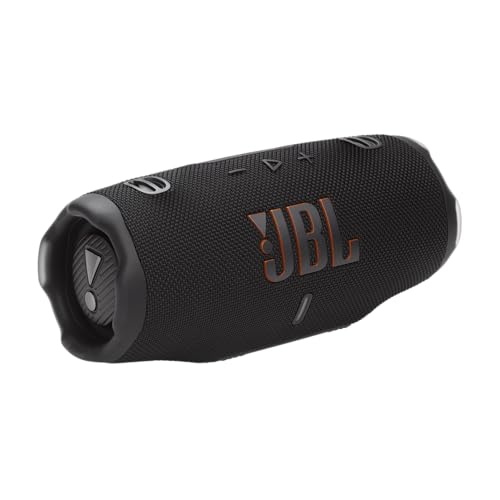
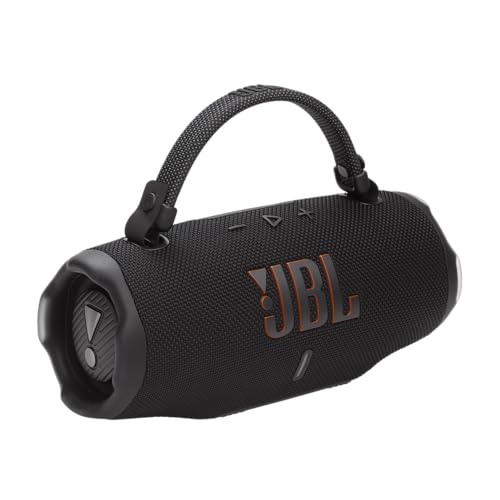
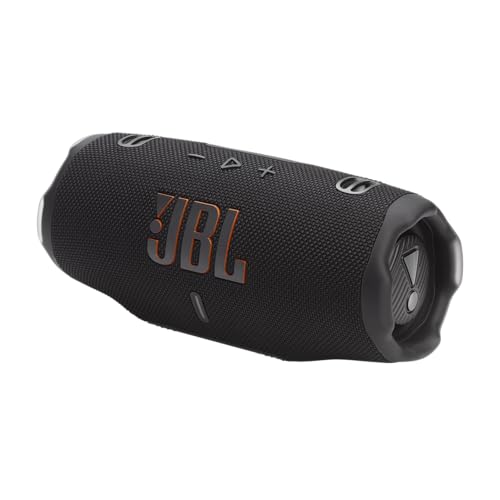
Released in 2024, the JBL Charge 6 represents JBL's latest thinking on what a portable speaker should be. This isn't just an incremental update—JBL completely redesigned the internal components while maintaining the familiar rugged aesthetic that made previous Charge models popular.
The standout feature is genuinely impressive battery life that puts most competitors to shame. We're talking about a speaker that can soundtrack your entire weekend camping trip without needing a charge. JBL achieved this through a combination of a larger battery pack and their new AI Sound Boost technology, which optimizes power consumption while maintaining audio quality.
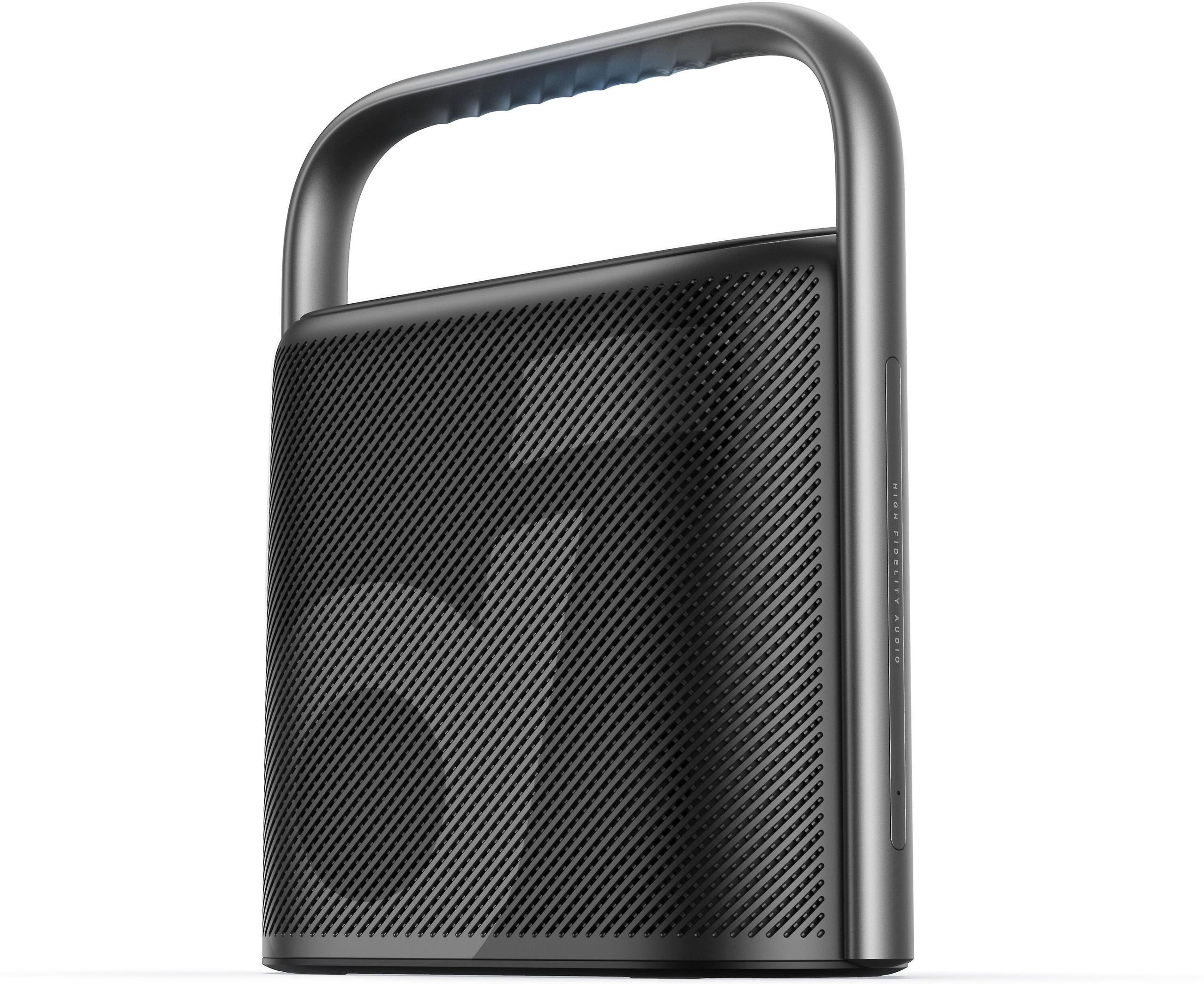
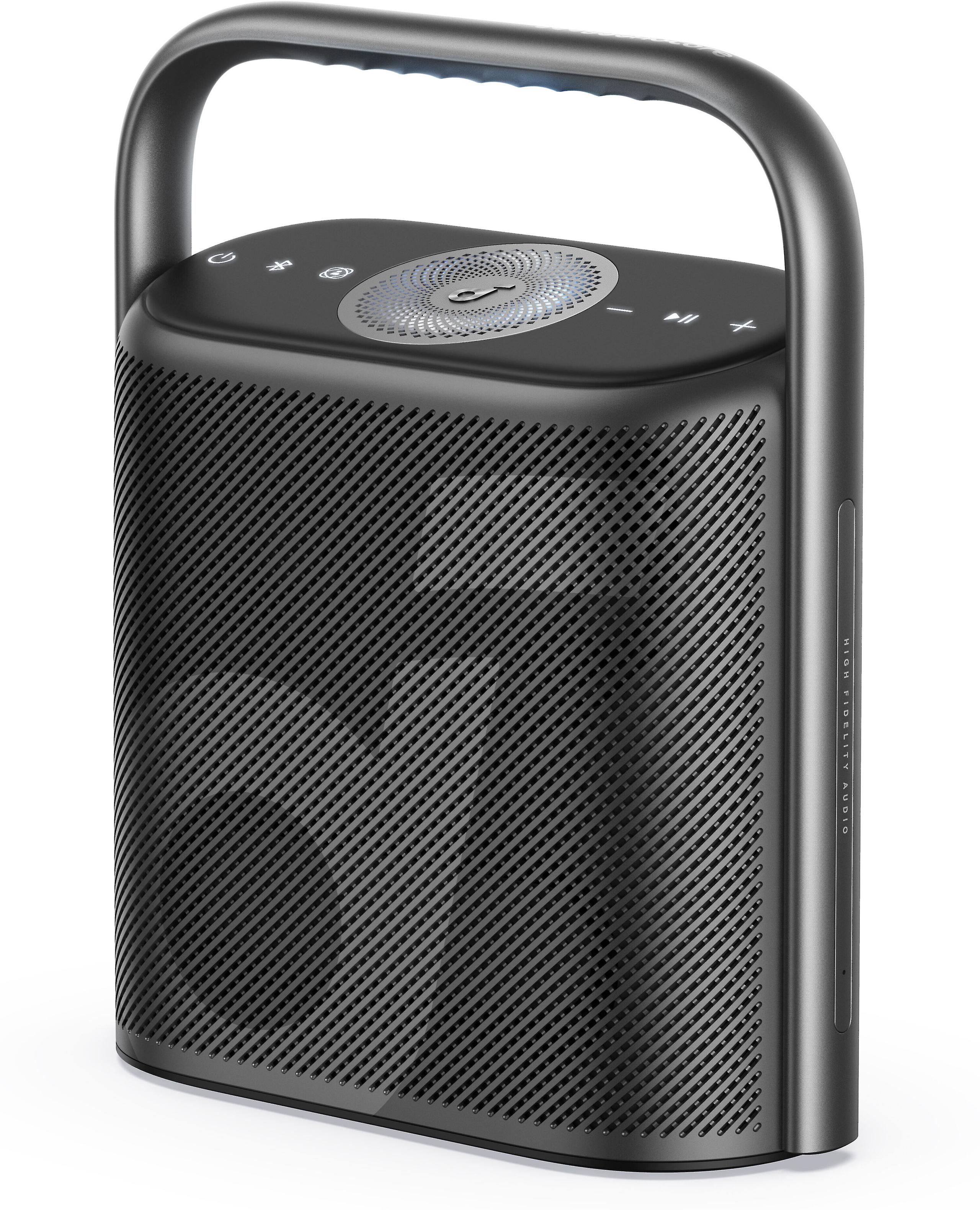
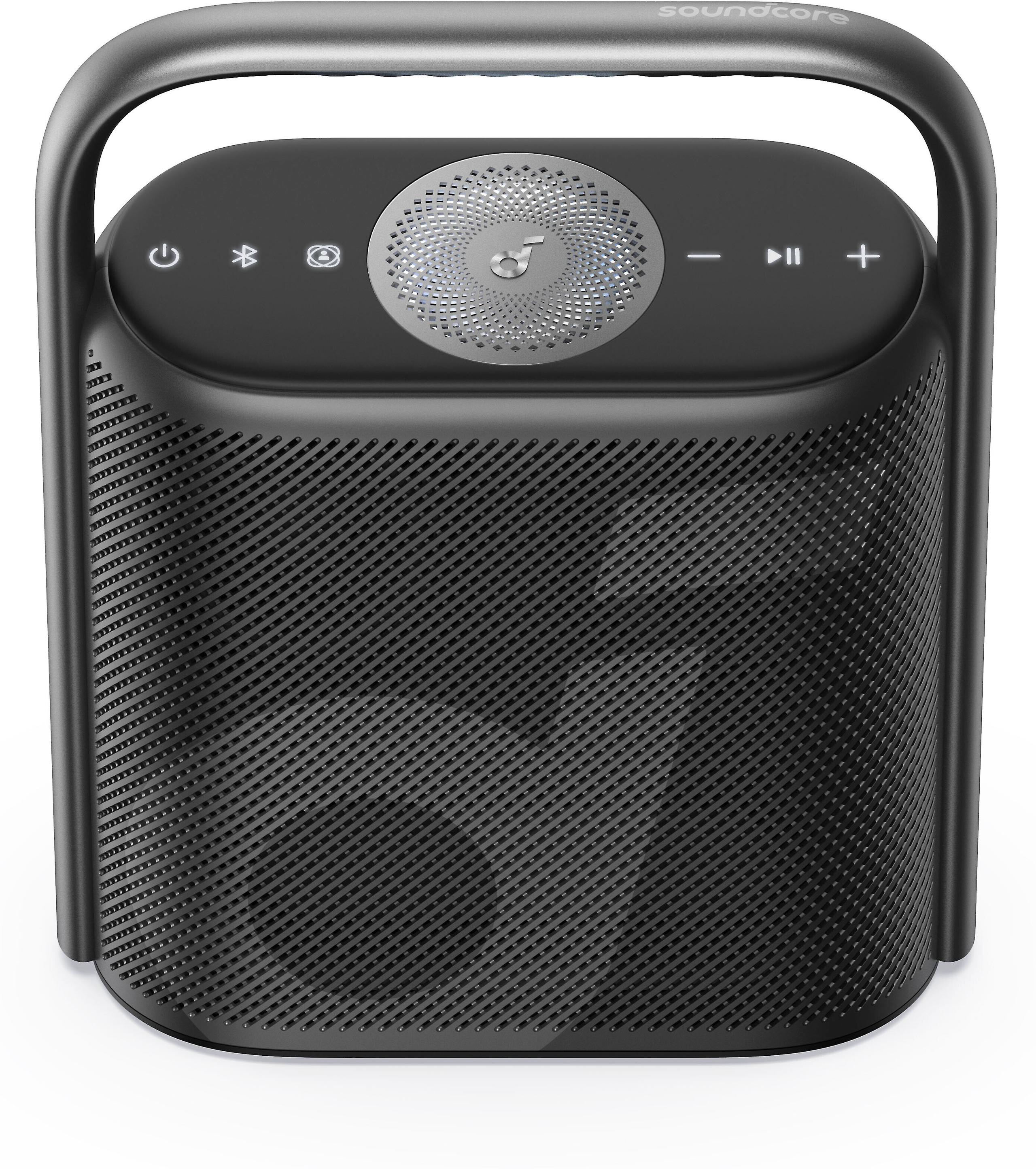
The Motion X500, launched in 2023, showcases Anker's push into premium audio territory. This speaker breaks from the typical cylindrical design most portable speakers use, opting instead for a more sophisticated rectangular form that hints at its different priorities.
What makes the Motion X500 unique is its spatial audio processing—technology that creates a sense of three-dimensional sound space that's unusual in portable speakers. Combined with support for LDAC (Sony's high-resolution Bluetooth codec), it targets listeners who want the best possible audio quality from their wireless connection.
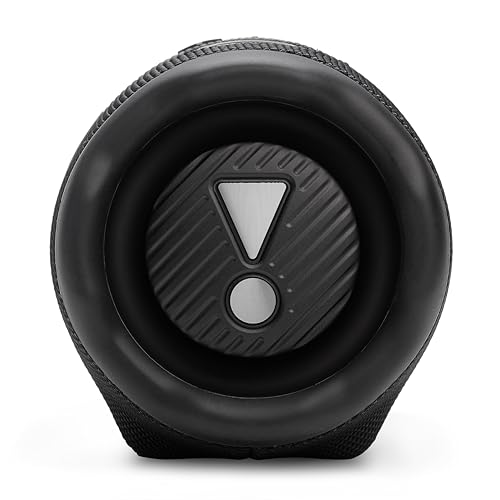
The JBL Charge 6 delivers 45 watts of total power through a carefully tuned two-driver system. JBL uses a larger oval woofer (53mm x 93mm) paired with a 20mm tweeter, plus dual passive radiators that boost bass response. This configuration produces what audio engineers call a "fun" sound signature—punchy bass that makes music feel energetic, clear mids for vocals, and bright highs that cut through ambient noise.
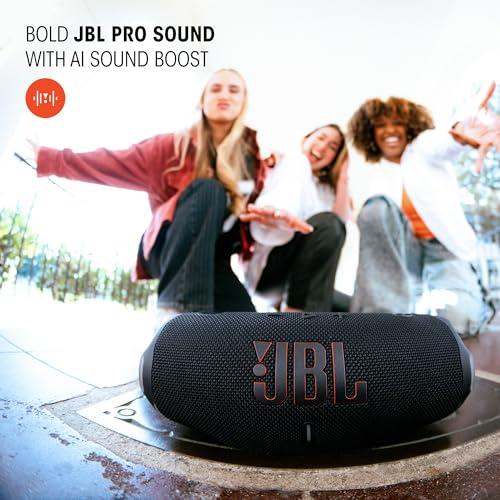
The real innovation lies in JBL's AI Sound Boost technology. This system continuously analyzes the music you're playing and adjusts the speaker's output in real-time to prevent distortion while maximizing volume and impact. Think of it as having a sound engineer constantly tweaking your audio to sound as good as possible given the speaker's physical limitations.
Based on extensive user feedback, the Charge 6 excels at making music sound engaging and lively. It's the kind of speaker that makes you want to turn up the volume because everything sounds so energetic and full. The trade-off is that it prioritizes impact over ultimate accuracy—audiophiles might find it slightly colored compared to reference-quality speakers.
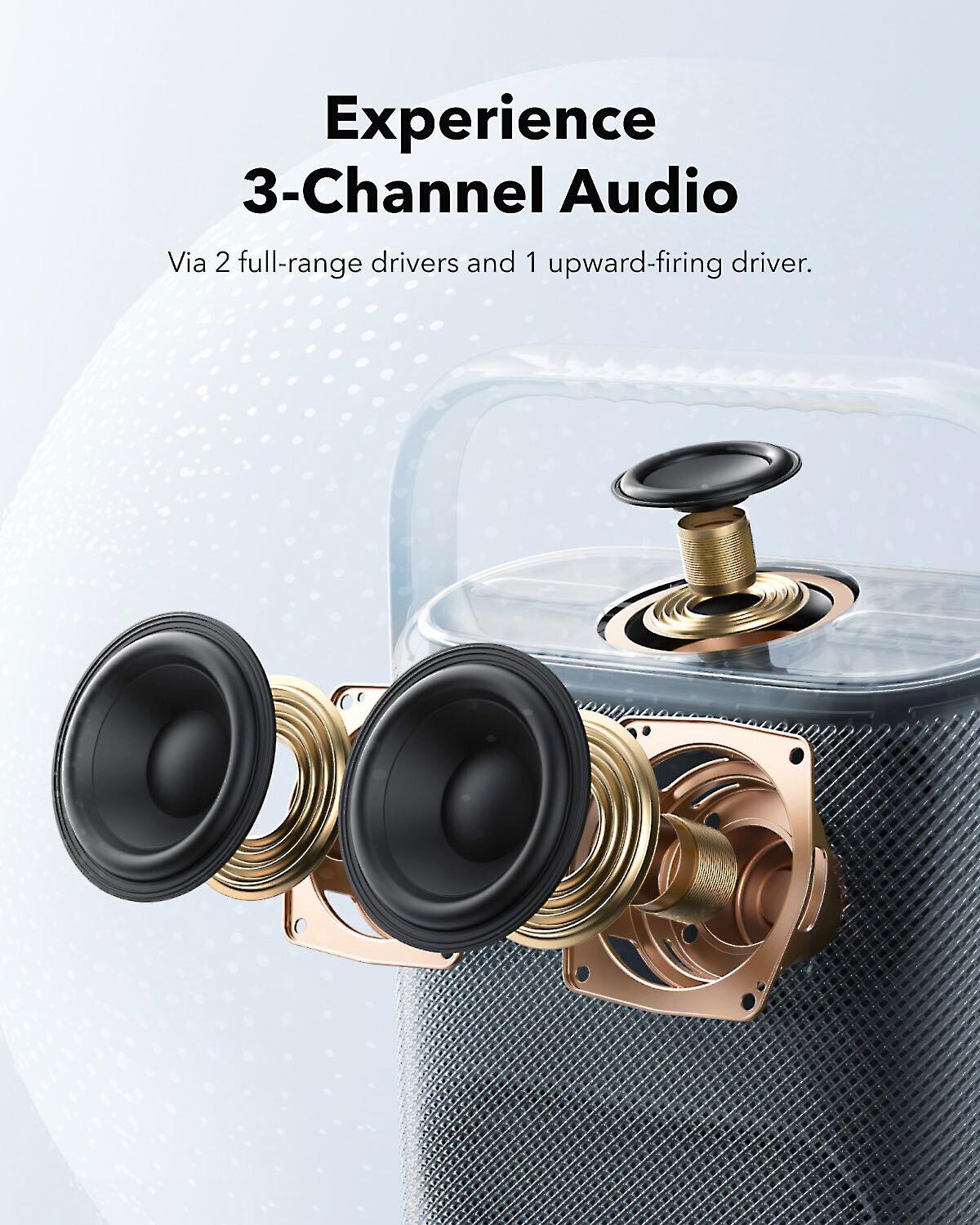
The Motion X500 takes a completely different approach with its three-driver configuration. Instead of just focusing forward, it includes an upward-firing driver that bounces sound off ceilings to create spatial audio effects. This creates what's called a "soundstage"—the sense that music is coming from a wider area rather than a single point source.
The speaker supports LDAC, which transmits up to 990 kilobits per second of audio data compared to standard Bluetooth's 328 kbps. For context, that's nearly three times more audio information reaching your speaker, which translates to noticeably better sound quality with compatible devices (mainly higher-end Android phones and dedicated music players).
User consensus suggests the Motion X500 produces more accurate, refined sound with excellent instrument separation and natural tonal balance. Vocals sound particularly impressive, with a clarity that reveals details you might miss on other portable speakers. However, it doesn't deliver the same visceral punch that makes the JBL so immediately engaging.
For pure audio quality and technical sophistication, the Motion X500 has clear advantages. Its spatial processing and LDAC support offer genuinely superior sound reproduction for critical listening. However, the JBL Charge 6 wins for versatility and crowd appeal—it simply makes more types of music sound exciting and engaging, especially in outdoor or party environments where technical accuracy matters less than pure energy.
This category reveals the starkest difference between these speakers' design philosophies.
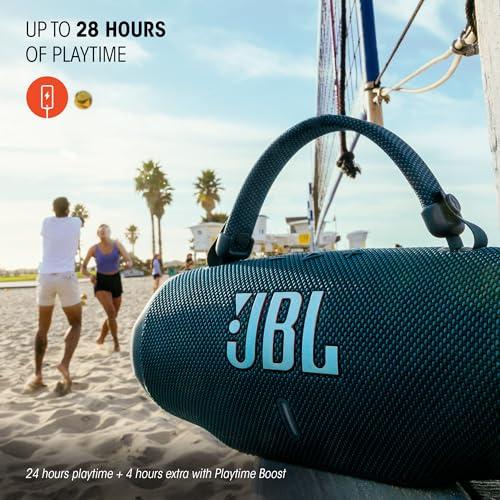
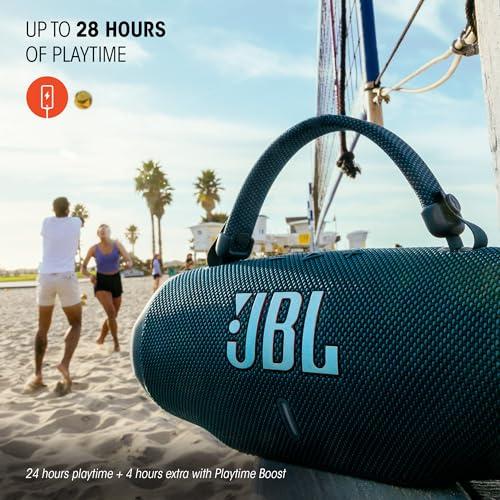
The JBL Charge 6 achieves something remarkable in portable audio: genuinely all-day battery life. JBL claims up to 28 hours of playback, and real-world testing by users consistently confirms 24-26 hours at moderate volumes. Even at higher volumes, you're looking at 15-18 hours—still exceptional by industry standards.
This performance comes from a large 34Wh lithium-ion battery combined with efficient power management. The speaker includes a "Playtime Boost" mode that extends battery life by reducing power to bass frequencies, though this comes with some sound quality trade-offs.
Perhaps more importantly, the Charge 6 doubles as a power bank, letting you charge phones or other devices through its USB-A port. This feature transforms the speaker from just an audio device into an essential piece of portable gear for extended outings.
The Motion X500 advertises 12 hours of playbook, but real-world performance tells a different story. Based on user reports, actual battery life ranges from 8-10 hours at typical listening volumes (around 80% maximum). This discrepancy between advertised and real-world performance represents one of the speaker's most significant weaknesses.
The shorter battery life stems from the power demands of spatial audio processing and the upward-firing driver. These features enhance sound quality but consume more energy than traditional speaker designs.
For anyone who values convenience and hates frequent charging, the JBL Charge 6 wins decisively. Its battery life advantage isn't marginal—it's transformational, changing how and where you can use the speaker. The Motion X500's battery performance, while adequate for indoor use, limits its versatility for extended outdoor activities.
The JBL Charge 6 earns its IP68 rating through comprehensive protection against both water and dust. Unlike the previous generation's IP67 rating, the new IP68 standard means the speaker can handle submersion in up to 1.5 meters of water for 30 minutes. More practically, it means you can use it confidently around pools, at the beach, or in dusty environments without worry.
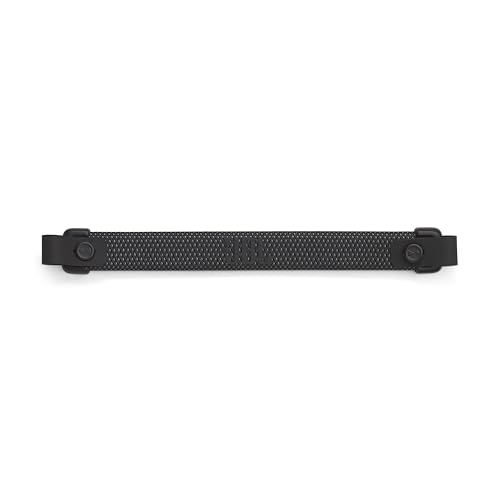
The build quality reflects JBL's understanding of how people actually use portable speakers. The fabric grille wraps around sturdy plastic housing that's designed to survive drops from up to one meter. A detachable carrying strap (new for this generation) makes transport easier while adding another layer of drop protection.
The Motion X500 features impressive build quality with premium materials and precise manufacturing. However, its IPX7 rating only protects against water—there's no dust protection. This limits its usefulness in sandy, dusty, or harsh outdoor environments where particles could potentially damage internal components.
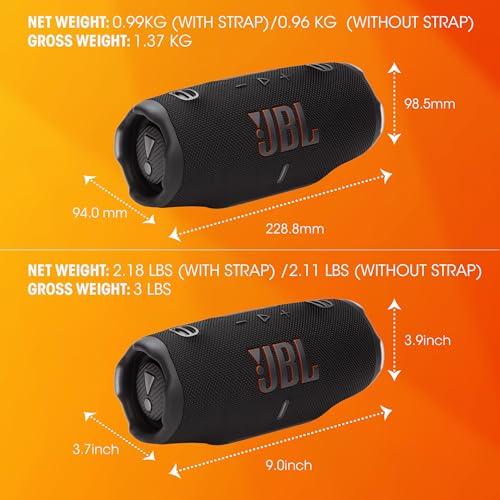
The rectangular design and heavier weight (1.6kg vs the JBL's 990g) suggest this speaker was designed more for stationary or semi-portable use rather than constant transport.
If you plan to use your speaker outdoors regularly, the JBL Charge 6 offers significantly better protection and peace of mind. The Motion X500 works fine for controlled environments but isn't built for adventure.
The JBL Charge 6 uses Bluetooth 5.4 with Auracast technology, which replaces JBL's previous PartyBoost system. Auracast represents a newer standard that allows multiple compatible speakers to connect and play synchronized audio. This technology works across different JBL models, not just identical speakers, making it more flexible for building multi-room audio systems.
The speaker also supports lossless audio playback through its USB-C connection, handling files up to 24-bit/192kHz resolution. This wired connection bypasses Bluetooth entirely, delivering the highest possible audio quality for critical listening sessions.
The Motion X500 implements Bluetooth 5.3 with comprehensive codec support, including the aforementioned LDAC standard. For users with compatible devices, this delivers significantly better wireless audio quality than standard Bluetooth connections.
The speaker pairs with Anker's Soundcore app, which provides detailed EQ control and spatial audio adjustments. The customizable ambient lighting adds a visual element that enhances the listening experience in darkened rooms.
The JBL offers better ecosystem integration and versatility through Auracast and its power bank functionality. The Motion X500 provides superior wireless audio quality through LDAC support, but only if you have compatible source devices.
The JBL Charge 6 thrives in situations where reliability and endurance matter most. Beach trips, camping excursions, pool parties, and outdoor gatherings all benefit from its exceptional battery life and rugged construction. The ability to charge your phone from the speaker eliminates one more thing to worry about during extended outings.
For home theater use, the Charge 6 can serve as a decent dialogue enhancement speaker when placed near your TV, though its mono output limits its effectiveness for this application. Its real strength lies in portable scenarios where convenience trumps absolute audio fidelity.
The Motion X500 excels in controlled environments where its audio processing can shine. Desktop listening, small room audio, and indoor gatherings benefit from its sophisticated sound reproduction and spatial effects. The speaker works particularly well for background music in living spaces, where its balanced sound signature won't become fatiguing over long listening sessions.
For home theater applications, the Motion X500 offers more potential as a dialogue or enhancement speaker, thanks to its superior midrange clarity and overall tonal balance. However, both speakers are ultimately designed for music reproduction rather than home theater integration.
At the time of writing, these speakers compete in similar price ranges, making the value comparison particularly interesting. The JBL Charge 6 typically commands a slight premium over the Motion X500, but pricing varies with sales and regional differences.
From a pure features-per-dollar perspective, the JBL offers exceptional value through its combination of long battery life, superior durability, and power bank functionality. These practical benefits provide daily utility that extends beyond just audio playback.
The Motion X500 justifies its pricing through advanced audio technology and premium build quality. For listeners who prioritize sound quality and have compatible high-resolution audio sources, the technical capabilities offer genuine value. However, the shorter battery life and limited durability reduce its versatility compared to the JBL.
After extensive research into user experiences and technical capabilities, both speakers succeed in their intended roles, but they serve different audiences and use cases.
You want a speaker that enhances your active lifestyle. The combination of 28-hour battery life, IP68 protection, and power bank functionality makes it an essential travel companion. It's the speaker you buy once and use everywhere without worry. The sound quality, while not audiophile-grade, provides engaging, energetic reproduction that works well across all music genres and listening environments.
You prioritize audio quality and plan to use your speaker primarily in controlled environments. The spatial audio processing, LDAC support, and refined sound signature offer a more sophisticated listening experience for those who appreciate technical audio excellence. Just accept that you'll be charging it more frequently and treating it more carefully.
For most buyers, the JBL Charge 6 represents the better overall value and more versatile choice. Its practical advantages—epic battery life, true outdoor durability, and device charging capability—provide daily benefits that extend far beyond just music playback. The sound quality, while perhaps not as technically refined as the Motion X500, delivers the kind of engaging, energetic audio that makes music enjoyable in real-world scenarios.
The Motion X500 appeals to a more specific audience: listeners who value audio quality above all else and have the source devices to take advantage of its high-resolution capabilities. It's a compelling choice for dedicated music enthusiasts who primarily listen indoors and don't mind more frequent charging in exchange for superior sound reproduction.
Both speakers succeed in their intended roles, but the JBL Charge 6's combination of practical features and solid audio performance makes it the more universally appealing choice for most buyers' needs and lifestyles.
| JBL Charge 6 | Anker Soundcore Motion X500 |
|---|---|
| Battery Life - Critical for extended use and travel | |
| Up to 28 hours real-world playback | 8-10 hours real-world playback at normal volume |
| Water/Dust Protection - Essential for outdoor durability | |
| IP68 (waterproof + dustproof, submersible to 1.5m) | IPX7 (water-resistant only, no dust protection) |
| Audio Power Output - Determines maximum volume and bass response | |
| 45W total (30W woofer + 15W tweeter) | 40W total (2×15W + 1×10W upward-firing) |
| Driver Configuration - Affects sound quality and spatial experience | |
| Traditional 2-way with dual passive radiators | 3-driver system with spatial audio processing |
| Bluetooth Technology - Impacts connection quality and audio resolution | |
| Bluetooth 5.4 with Auracast multi-speaker pairing | Bluetooth 5.3 with LDAC high-res codec support |
| Weight and Portability - Key factor for travel and outdoor use | |
| 990g (2.2 lbs) - highly portable | 1,627g (3.6 lbs) - better for stationary use |
| Power Bank Feature - Adds utility for device charging | |
| Built-in USB-A port for charging phones/devices | No power bank functionality |
| EQ Customization - Allows sound personalization | |
| 7-band customizable EQ via JBL Portable app | Custom EQ with spatial audio modes via Soundcore app |
| Multi-Speaker Connectivity - For whole-home or party audio | |
| Auracast technology (works with multiple JBL models) | TWS pairing with identical Motion X500 units only |
| Charging Time - How long you'll wait between uses | |
| 3 hours for full charge (10 min = 150 min playback) | 5-6 hours for full charge |
| Best Use Case - Where each speaker truly excels | |
| Outdoor adventures, travel, extended battery life needs | Indoor listening, audio quality focus, controlled environments |
The Anker Soundcore Motion X500 delivers superior audio quality with its three-driver spatial audio system and LDAC high-resolution codec support. It produces more refined, balanced sound with excellent instrument separation. The JBL Charge 6 offers more energetic, crowd-pleasing sound with punchy bass that's great for parties and outdoor use, but the Motion X500 wins for critical listening and audio accuracy.
The JBL Charge 6 dramatically outperforms with up to 28 hours of real-world playback time, while the Anker Soundcore Motion X500 provides only 8-10 hours at normal listening volumes. This makes the JBL Charge 6 far better for extended outdoor activities, travel, and situations where frequent charging isn't practical.
The JBL Charge 6 is significantly more durable with its IP68 rating, offering complete waterproof and dustproof protection including submersion up to 1.5 meters. The Motion X500 only has IPX7 water resistance with no dust protection. For beach trips, camping, or harsh outdoor conditions, the JBL Charge 6 is the clear winner.
Both speakers are primarily designed for music playback rather than home theater use. The Motion X500 works better as a TV dialogue enhancement speaker due to its superior midrange clarity and balanced sound signature. However, neither speaker offers the surround sound processing or dedicated center channel performance that home theater setups typically require.
The JBL Charge 6 is much more portable, weighing only 990g (2.2 lbs) with a compact cylindrical design and detachable carrying strap. The Motion X500 weighs 1,627g (3.6 lbs) with a larger rectangular form factor that's better suited for stationary or semi-portable use rather than constant transport.
The Anker Soundcore Motion X500 supports LDAC codec for high-resolution wireless audio up to 990 kbps, nearly three times more data than standard Bluetooth. The JBL Charge 6 supports lossless audio up to 24-bit/192kHz through its USB-C wired connection. For wireless high-res audio, the Motion X500 has the advantage if you have compatible Android devices.
The JBL Charge 6 uses Auracast technology to connect with multiple JBL speakers across different models for synchronized playback. The Motion X500 only supports TWS (True Wireless Stereo) pairing with another identical Motion X500 unit. For building multi-speaker systems, the JBL offers more flexibility.
The JBL Charge 6 typically offers better overall value due to its exceptional 28-hour battery life, superior durability, power bank functionality, and versatile performance. While the Motion X500 provides premium audio quality, its shorter battery life and limited outdoor durability reduce its versatility compared to the JBL.
The JBL Charge 6 delivers more powerful, punchy bass that's immediately engaging and great for outdoor use and parties. The Motion X500 produces more controlled, accurate bass with better integration across all frequencies. For bass impact and energy, choose the JBL; for bass accuracy and refinement, the Motion X500 is superior.
The JBL Charge 6 charges significantly faster, reaching full capacity in 3 hours with fast charging that provides 150 minutes of playback from just 10 minutes of charging. The Motion X500 requires 5-6 hours for a full charge with no fast charging feature, making the JBL more convenient for users who frequently need quick power-ups.
Only the JBL Charge 6 includes power bank functionality with a built-in USB-A port for charging phones and other devices. This feature makes it incredibly useful for camping, travel, and extended outdoor activities. The Anker Soundcore Motion X500 lacks this capability, limiting its utility as a portable power solution.
The Motion X500 excels with acoustic, jazz, classical, and vocal-focused music due to its accurate sound reproduction and spatial processing. The JBL Charge 6 performs better with electronic, rock, pop, and hip-hop genres that benefit from its energetic sound signature and powerful bass response. The JBL is more versatile across genres, while the Motion X500 specializes in refined musical reproduction.
We've done our best to create useful and informative comparisons to help you decide what product to buy. Our research uses advanced automated methods to create this comparison and perfection is not possible - please contact us for corrections or questions. These are the sites we've researched in the creation of this article: rtings.com - youtube.com - stereoguide.com - whathifi.com - youtube.com - elomymelo.com - soundguys.com - elomymelo.com - wifihifi.com - soundguys.com - jbl.com - whathifi.com - soundguys.com - youtube.com - smarthomesounds.co.uk - jbl.com - sweetwater.com - youtube.com - bestbuy.com - jbl.com.sg - jbl.com - dell.com - ca.jbl.com - soundguys.com - soundguys.com - dell.com - tomsguide.com - outeraudio.com - gadgetoid.com - soundguys.com - pcgamesn.com - hktvmall.com - elomymelo.com - youtube.com - jopanda.com - shop.menshealth.com - soundphilereview.com

Privacy Policy
Terms and Conditions - Affiliate Policy
Home Security
© Copyright 2008-2026.
11816 Inwood Rd #1211, Dallas, TX 75244