



Choosing the right portable Bluetooth speaker can feel overwhelming with so many options flooding the market. Two standout models that consistently draw attention are the JBL Charge 6 and the Beats Pill. While both promise excellent sound quality and all-day battery life, they take distinctly different approaches to portable audio.
Released in 2024, the Beats Pill marked Apple's return to the portable speaker market after nearly a decade away from the category. Meanwhile, the JBL Charge 6 arrived in 2025 as the latest evolution of JBL's most popular portable speaker line. At the time of writing, the Beats Pill typically costs about $50 less than the JBL Charge 6, making value comparison particularly important for budget-conscious buyers.
Before diving into specifics, it's worth understanding what makes a portable speaker truly great. The most important factors include sound quality (how clear and powerful the audio sounds), battery life (how long it plays without charging), durability (how well it survives drops and weather), and portability (how easy it is to carry around).
Sound quality depends on several technical elements. Power output, measured in watts, determines how loud a speaker can get. Frequency response tells you the range of sounds it can reproduce—lower numbers mean deeper bass, while higher numbers indicate clearer treble. Driver configuration refers to the individual speakers inside the housing, with separate woofers handling bass and tweeters managing high frequencies typically producing better sound than single-driver designs.
Water resistance ratings use IP codes, where the first number indicates dust protection and the second shows water resistance. An IP67 rating means complete dust protection and can handle water splashing, while IP68 adds submersion capability up to certain depths.
The JBL Charge 6 and Beats Pill represent two distinct design philosophies that immediately become apparent when you see them side by side.
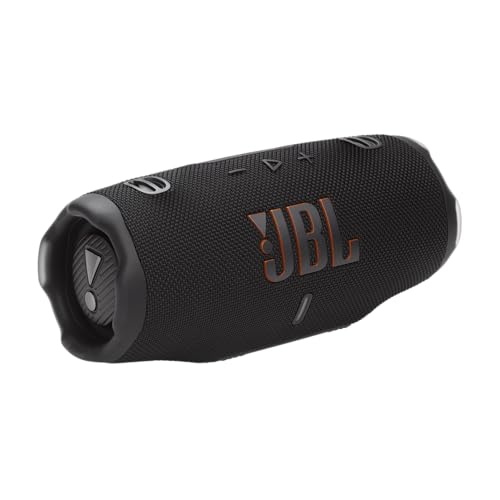
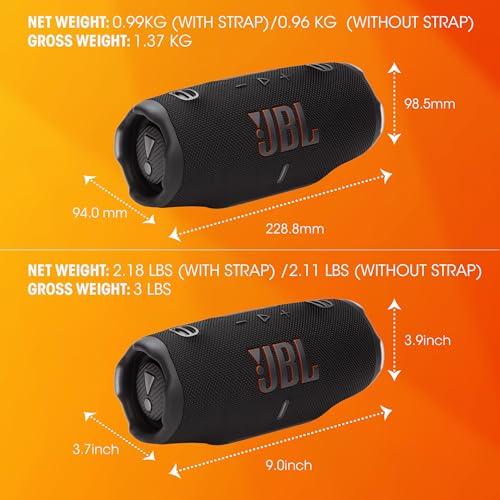
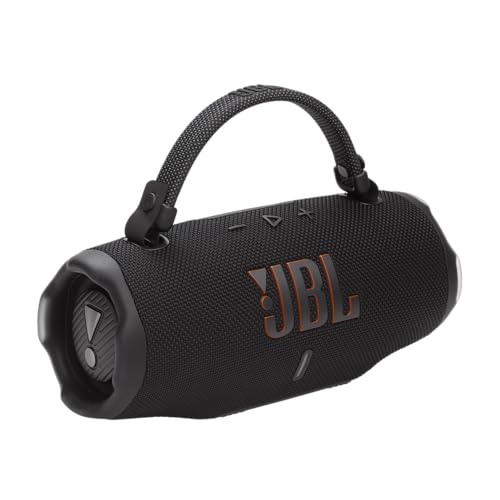
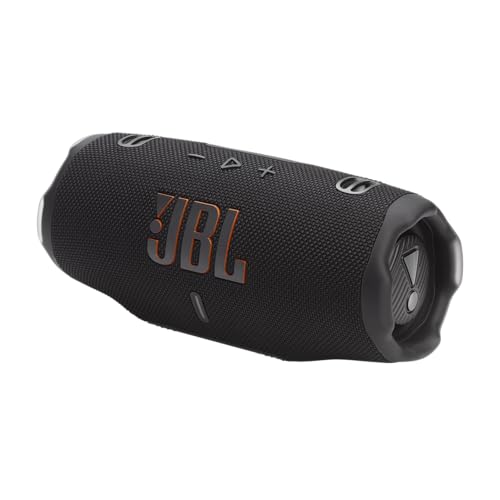
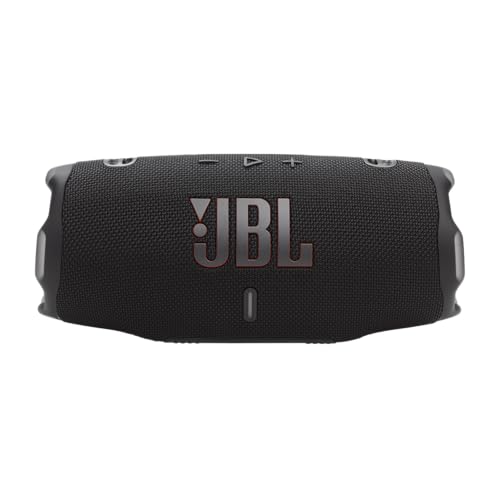
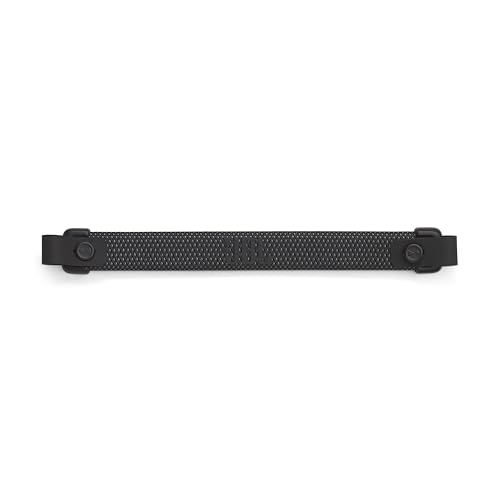
The JBL Charge 6 embraces a "maximum capability" approach. Weighing just over two pounds, it features a sturdy cylindrical design wrapped in durable fabric with a removable handle strap. JBL built this speaker for serious outdoor use, evidenced by its IP68 waterproof rating—meaning you can actually submerge it underwater up to 1.5 meters for 30 minutes without damage. The company also drop-tested it from one meter onto concrete, reflecting their confidence in its ruggedness.
What's particularly impressive is JBL's environmental commitment with the Charge 6. They constructed 85% of the plastic housing from post-consumer recycled materials and used 100% recycled fabric for the speaker grille. Even the packaging uses FSC-certified paper with soy-based inks, showing that durability doesn't require environmental compromise.
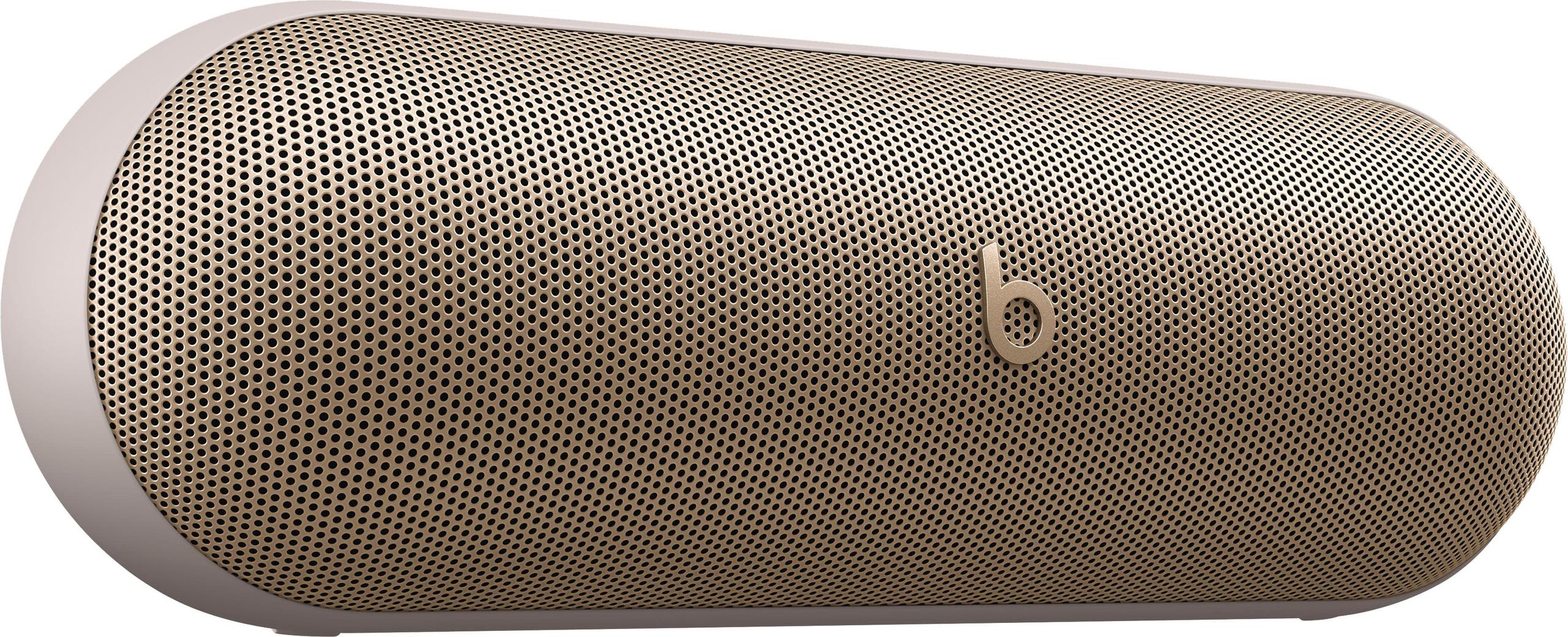
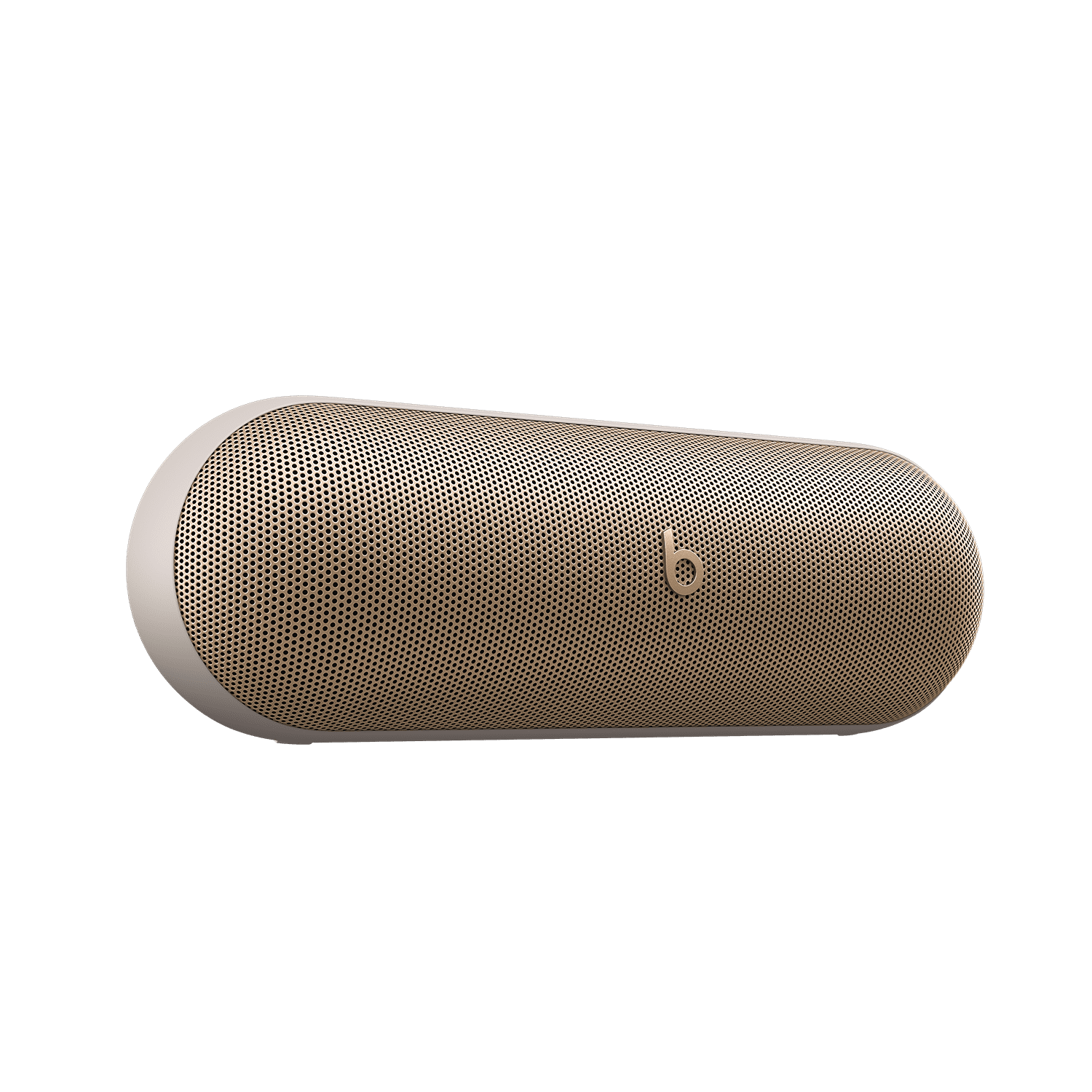
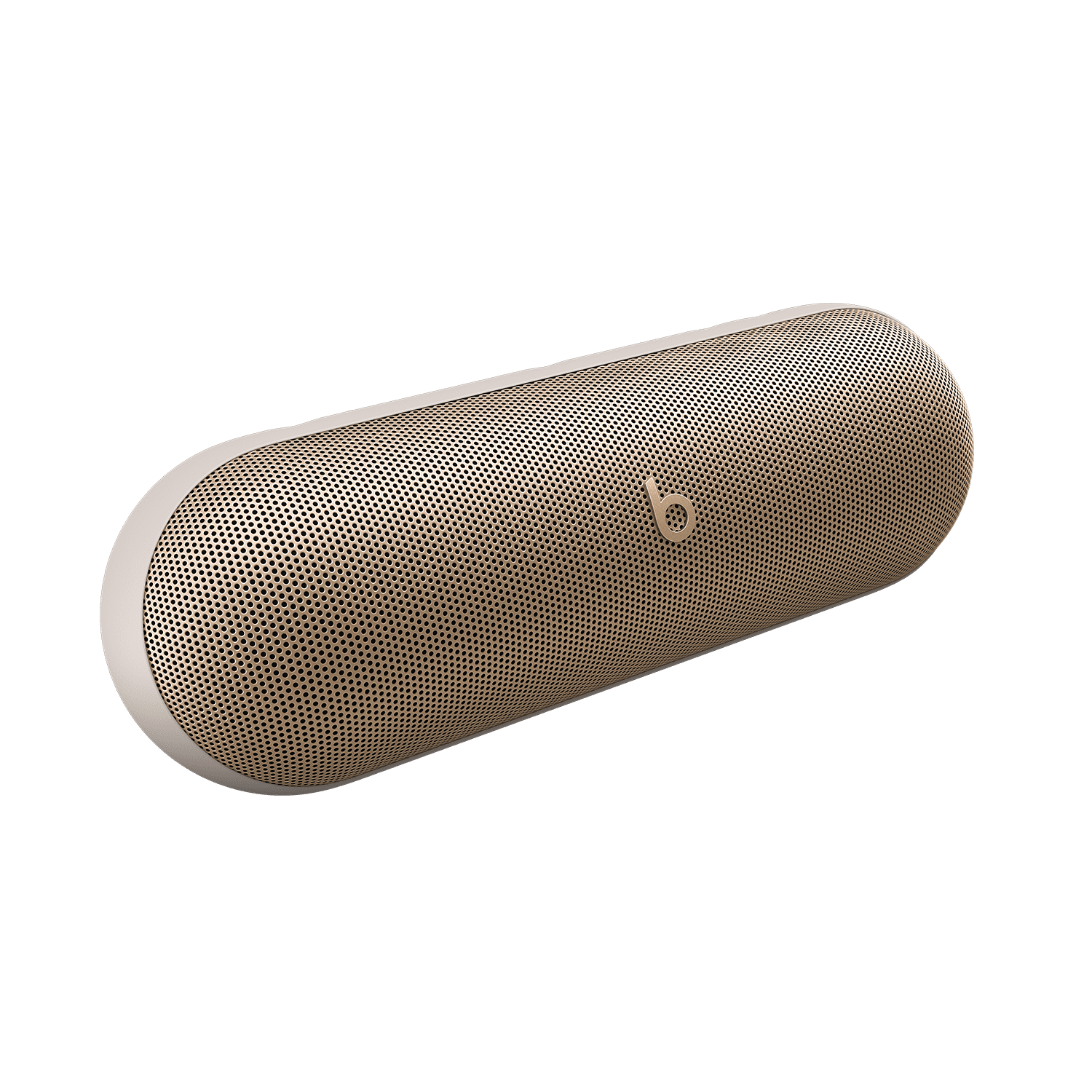
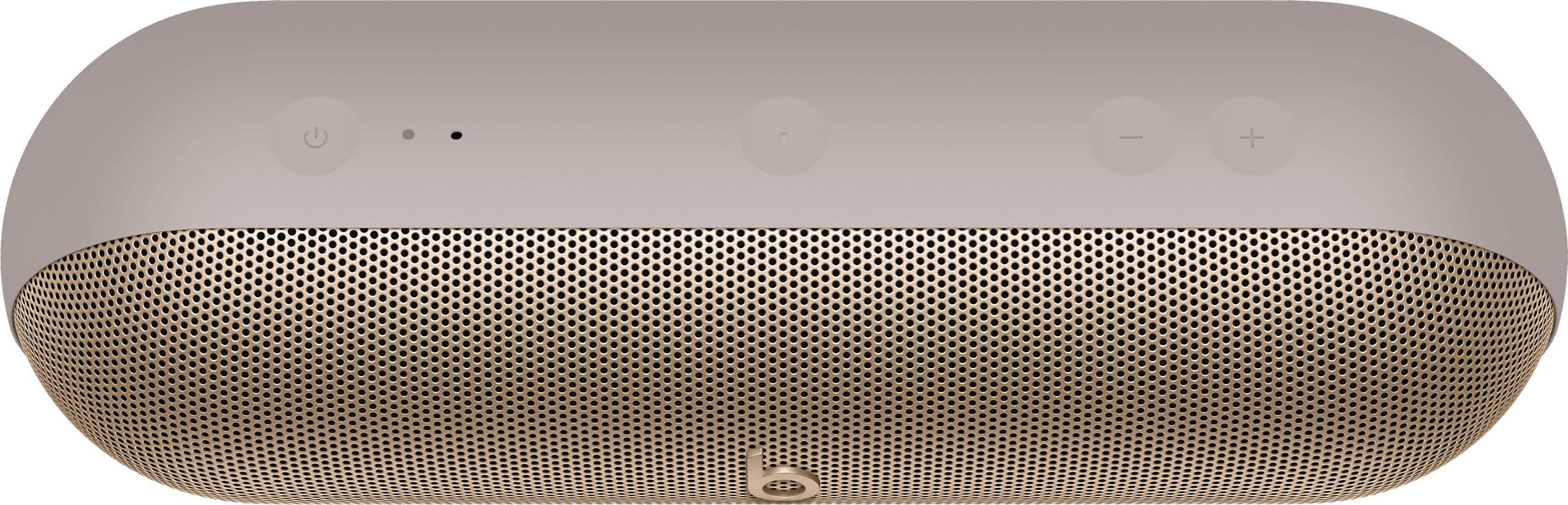
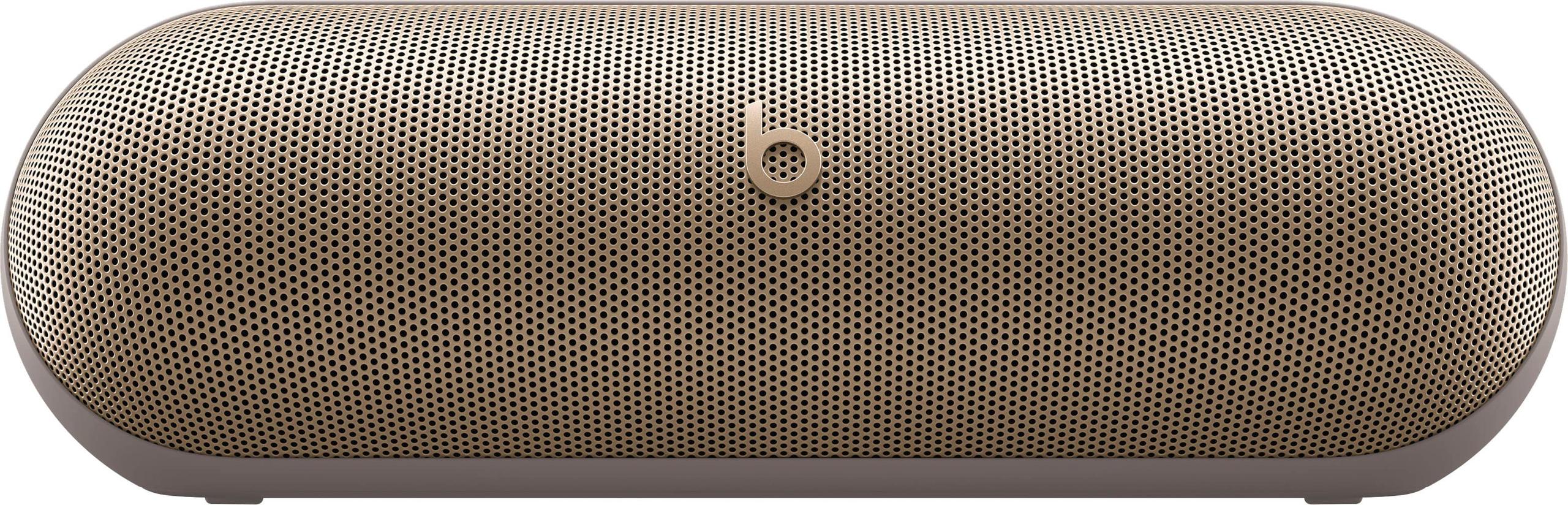
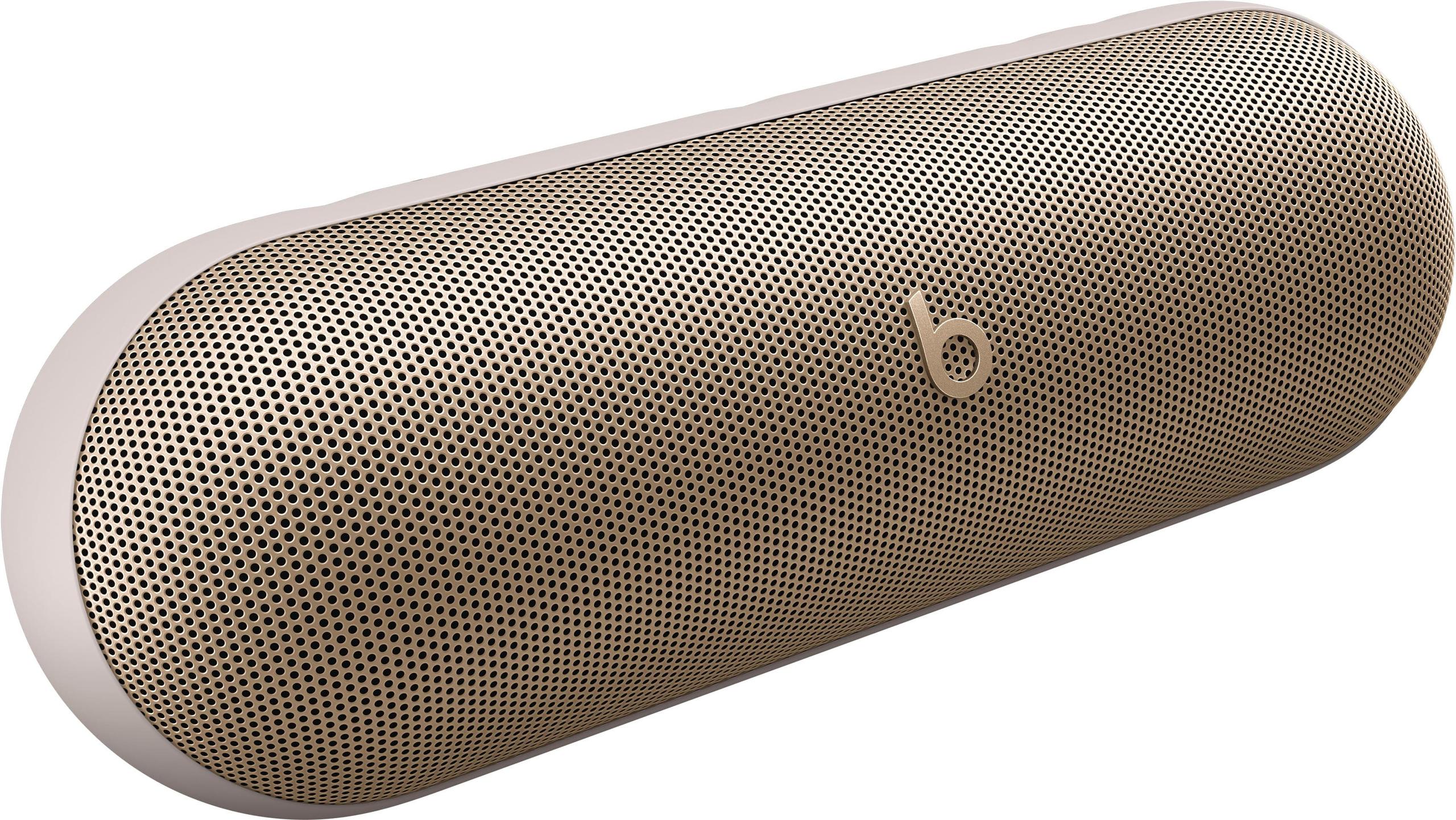
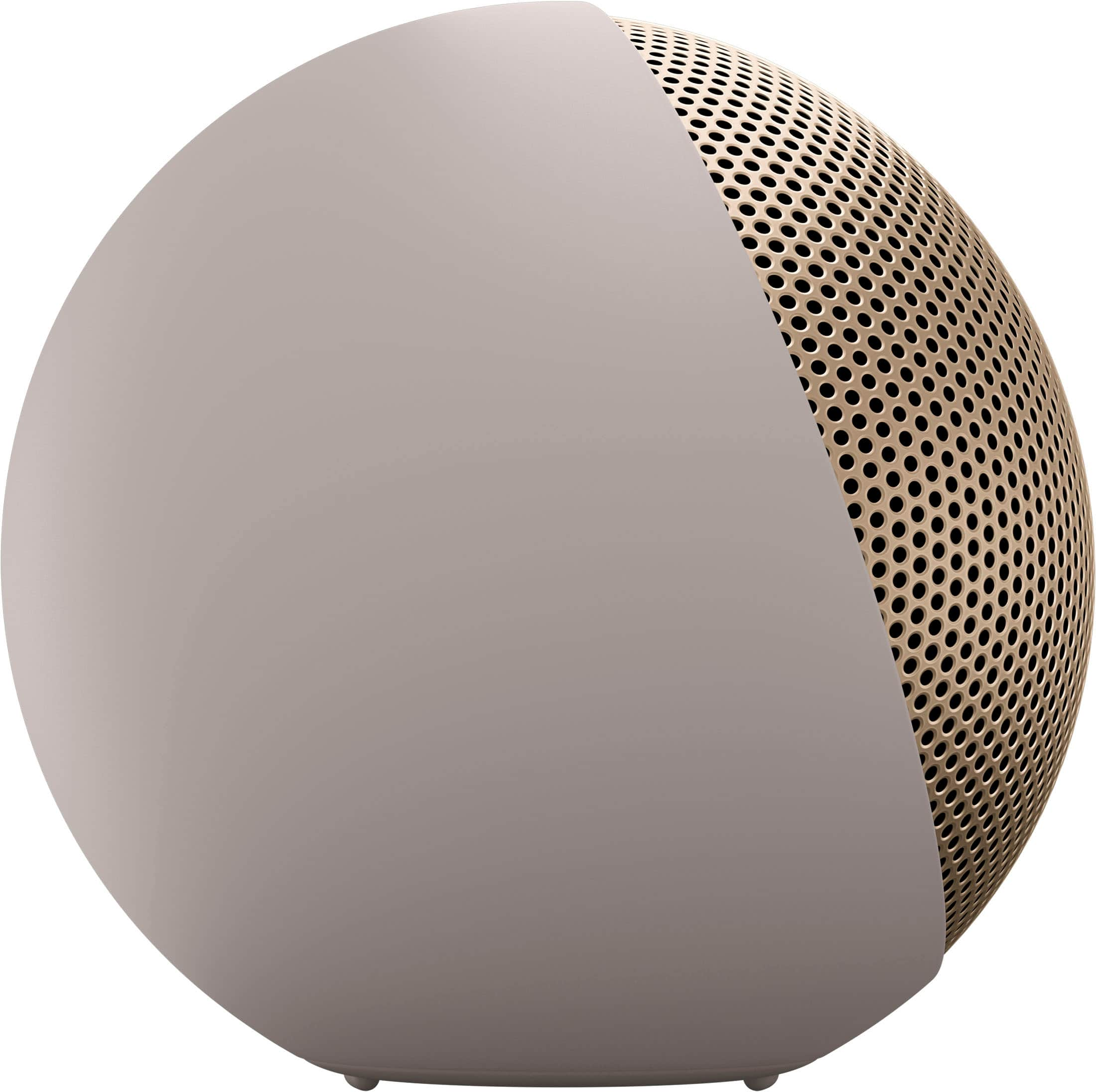
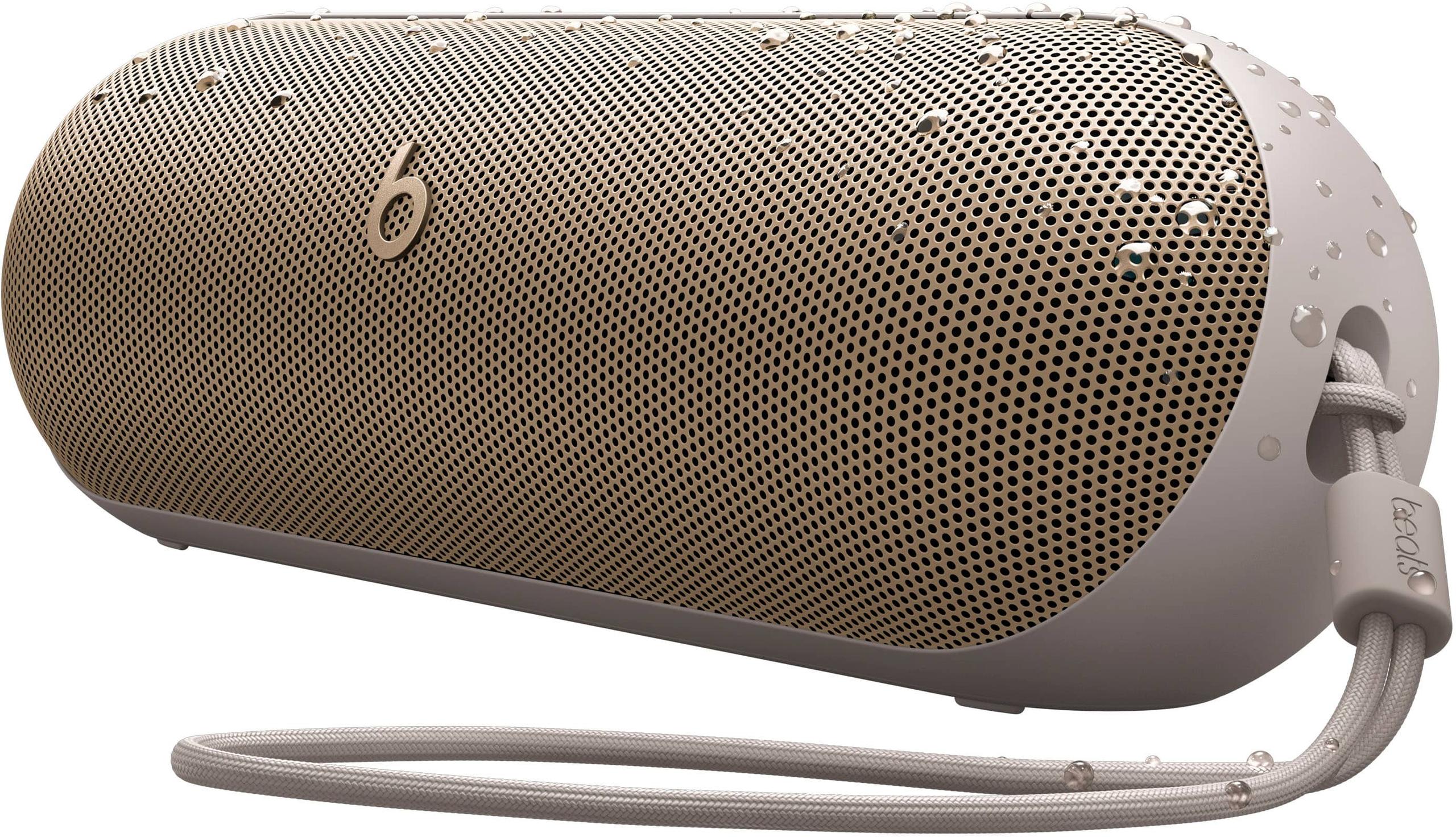
The Beats Pill takes a more refined approach, prioritizing style and portability. At 1.5 pounds, it's noticeably lighter than the JBL Charge 6 and features a sleeker, more modern aesthetic that looks at home in upscale environments. The integrated lanyard makes casual carrying effortless—you can easily slip it over your wrist or attach it to a backpack.
Beats designed the Beats Pill with a subtle 20-degree upward tilt, which helps direct sound toward your ears rather than bouncing off surfaces. This thoughtful detail demonstrates how the company considered real-world usage patterns. The IP67 water resistance provides adequate protection for most situations, though it can't handle submersion like the JBL Charge 6.
Sound quality represents the most significant difference between these speakers, and the distinction becomes clear once you understand their underlying technology.
The JBL Charge 6 delivers substantially more power with 45 watts RMS total output—30 watts dedicated to the woofer and 15 watts to the tweeter. This translates to significantly louder maximum volume and better performance when you need to fill larger spaces or compete with background noise.
The Beats Pill produces 12 watts total output, which might seem dramatically less on paper, but remember that wattage alone doesn't tell the complete story. How efficiently a speaker converts electrical power into acoustic energy matters enormously, and Beats optimized the Pill for maximum impact from its available power.
In practical terms, the JBL Charge 6 gets noticeably louder and maintains cleaner sound at high volumes. If you're planning beach parties or outdoor gatherings where you need serious volume, the Charge 6 delivers superior performance. However, for personal listening or small group settings, the Beats Pill provides perfectly adequate loudness.
The technical differences in driver design reveal each company's audio philosophy. The JBL Charge 6 uses a sophisticated 2-way system with a 53×93mm racetrack woofer and separate 20mm tweeter. This oval woofer design maximizes surface area within the cylindrical housing, allowing it to move more air and produce deeper bass. The dedicated tweeter handles high frequencies separately, resulting in clearer separation between different parts of the audio spectrum.
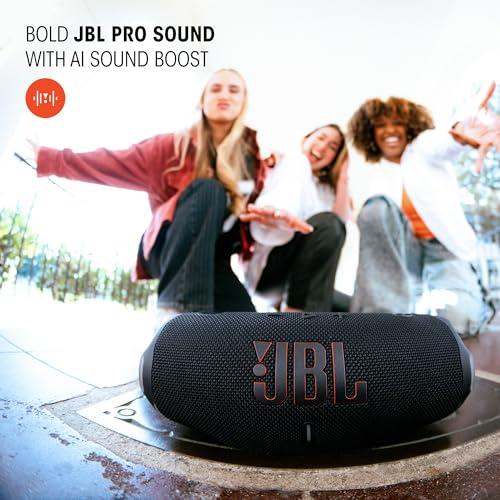
JBL's AI Sound Boost technology represents a significant advancement in the Charge 6. This proprietary algorithm analyzes your music in real-time, adjusting the drivers to minimize distortion while maximizing output. Unlike simple bass boost features, AI Sound Boost works across the entire frequency range to ensure the speaker performs at its absolute limit without compromising sound quality.
The Beats Pill features its own impressive driver innovations. The redesigned racetrack woofer uses stronger neodymium magnets that generate 28% more motor force while displacing 90% more air volume compared to previous generations. The tweeter sits in its own dedicated housing, reducing vibration interference and improving clarity in the high frequencies.
These technical differences create distinct sound signatures. The JBL Charge 6 tends toward a more powerful, bass-forward presentation that excels with electronic music, hip-hop, and rock. The Beats Pill offers a more balanced, neutral sound profile that works well across all music genres, though it particularly shines with acoustic, jazz, and vocal-heavy content.
The JBL Charge 6 extends its frequency response down to 56 Hz, which means it can reproduce fairly deep bass frequencies. While it won't rattle windows like a dedicated subwoofer, it provides satisfying low-end response for a portable speaker. The upper range extends to 20 kHz, covering the full range of human hearing.
Perhaps more importantly, the JBL Charge 6 includes a comprehensive 7-band graphic equalizer through the JBL Portable app. This allows you to fine-tune the sound signature to match your preferences or compensate for different acoustic environments. Whether you want more bass for a party or clearer vocals for podcasts, the EQ provides significant flexibility.
The Beats Pill relies on its carefully tuned default sound signature without offering native EQ controls in the Beats app. While this might seem limiting, Beats invested considerable engineering effort into creating a balanced sound that works well without adjustment. Many users actually prefer this approach since it eliminates the guesswork of EQ tuning.
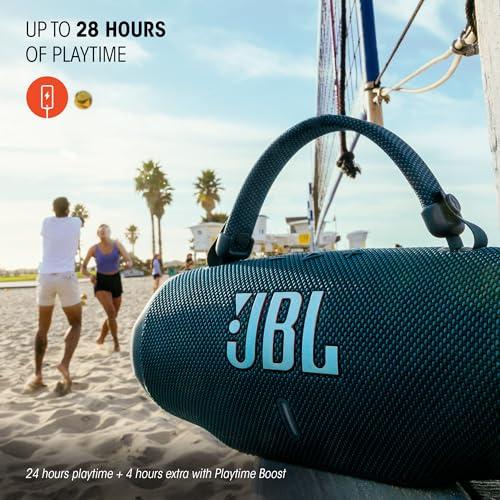
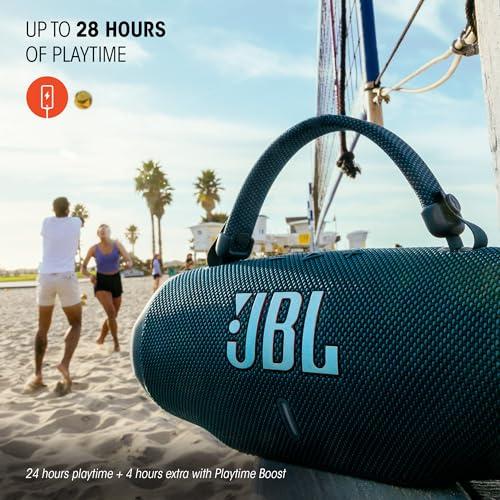
Both speakers claim 24 hours of battery life, but real-world performance varies based on volume levels and content. The JBL Charge 6 uses a larger 34Wh lithium-ion battery, while the Beats Pill employs a more compact 23.76Wh battery.
Based on user reports and testing data, the JBL Charge 6 delivers approximately 10 hours of continuous playback at 80% volume, while the Beats Pill provides around 9 hours at 90% volume. The difference isn't dramatic, but the Charge 6 maintains its advantage at higher volumes where its larger battery can sustain the increased power demands.
Charging characteristics differ meaningfully between the two speakers. The JBL Charge 6 requires about 3 hours for a complete charge but offers quick top-up capability—just 10 minutes of charging provides 2.5 hours of playback. The Beats Pill features even more impressive fast charging, delivering 2 hours of playback from just 10 minutes of charging time.
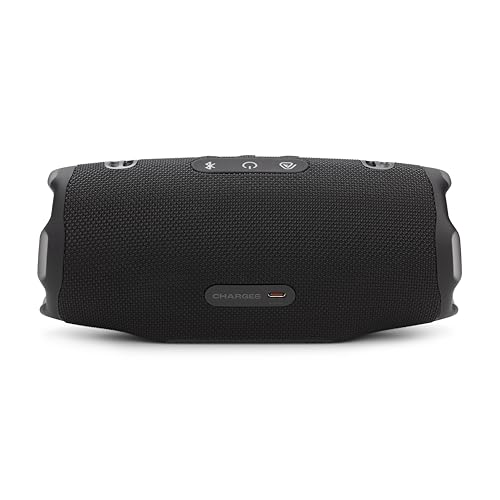
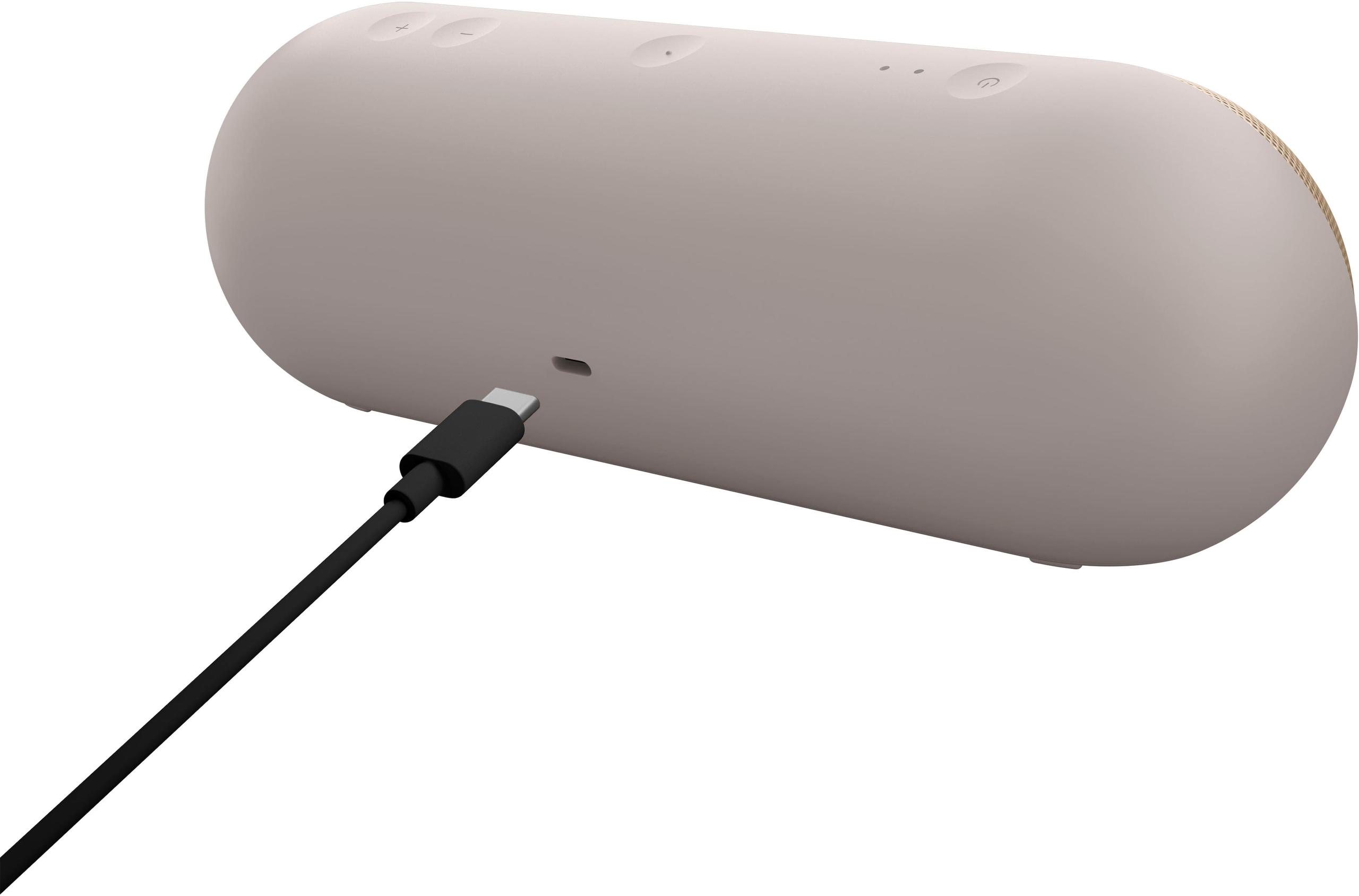
Both speakers double as power banks, allowing you to charge your phone or other devices through their USB-C ports. This feature proves invaluable during extended outdoor adventures when wall outlets aren't available.
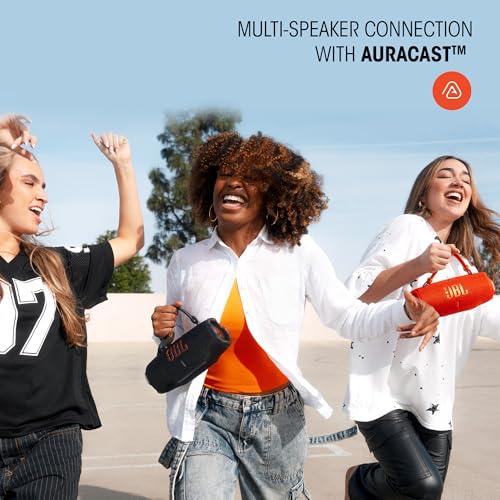
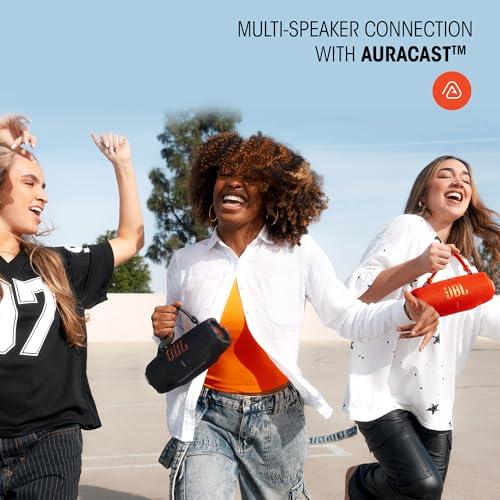
The connectivity features reveal each company's ecosystem approach. The JBL Charge 6 uses Bluetooth 5.4 with Auracast technology, JBL's latest multi-speaker pairing system. This allows you to connect multiple JBL speakers for expanded coverage or create stereo pairs for wider soundstage. The technology works seamlessly once set up, though it only works with other JBL Auracast-compatible speakers.
The Beats Pill implements Bluetooth 5.3 with its own multi-speaker features called Amplify Mode and Stereo Mode. These work similarly to JBL's system but are designed specifically for pairing multiple Beats Pill speakers together. The instant one-touch pairing with Apple devices provides a smoother experience for iPhone users.
Both speakers support USB-C audio input for lossless, wired playback. This feature becomes particularly valuable when using the speakers as desktop computer speakers or for critical listening where Bluetooth compression might be audible. The JBL Charge 6 supports high-resolution audio up to 24-bit/192kHz through its USB-C connection.
The Beats Pill includes voice assistant access and speakerphone functionality, features absent from the JBL Charge 6. For users who frequently take calls or want hands-free smart home control, these capabilities add meaningful value.
Durability testing reveals significant differences between these speakers. The JBL Charge 6 earned an IP68 rating, meaning it can handle complete submersion in fresh water up to 1.5 meters deep for 30 minutes. This makes it suitable for pool parties, beach trips, or even accidental drops in water.
The Beats Pill carries an IP67 rating, providing excellent protection against splashing and rain but not designed for submersion. For most users, this level of protection proves adequate, but water sports enthusiasts should consider the JBL Charge 6 for its superior water resistance.
Drop protection represents another area where the JBL Charge 6 excels. JBL specifically tested it to survive 1-meter drops onto concrete surfaces. While the Beats Pill feels well-built, it lacks this specific drop-testing certification.
Long-term user reports consistently praise both speakers for reliability, though the JBL Charge 6 tends to show fewer wear signs after extended outdoor use. The fabric covering on both speakers can collect dust and dirt, but both clean easily with gentle scrubbing.
For indoor use, including home theater applications, both speakers serve different roles. The JBL Charge 6 works well as a secondary speaker for casual TV watching or gaming, though its mono output means you're not getting true stereo separation. The USB-C lossless input makes it particularly suitable as a computer speaker for improved audio during video calls or music listening.
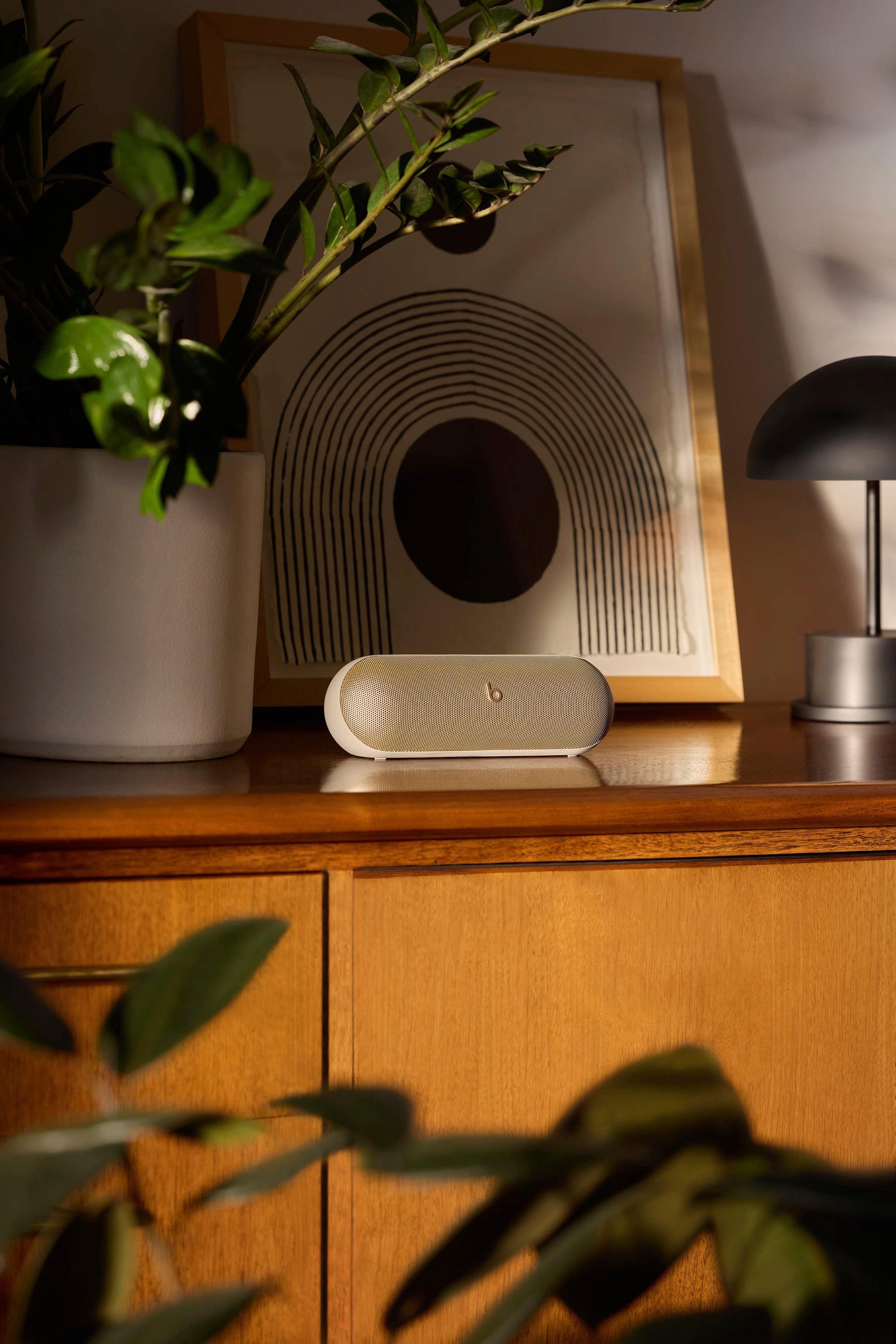
The Beats Pill excels in home environments due to its more balanced sound signature and smaller footprint. It won't overpower smaller rooms with excessive bass and integrates well with modern home aesthetics. The built-in microphone also enables hands-free calling, which proves useful for work-from-home scenarios.
Neither speaker replaces a dedicated home theater system, but both provide significant upgrades over laptop speakers or basic TV audio. For the best home theater experience with either speaker, consider pairing two units for proper stereo separation.
At the time of writing, the Beats Pill typically costs about $50 less than the JBL Charge 6, making value comparison crucial. The Beats Pill offers better bang for the buck if you prioritize portability, style, and smart features over maximum volume and waterproofing.
The JBL Charge 6 justifies its higher price through superior power output, comprehensive water protection, extensive sound customization, and multi-speaker connectivity. For users who demand maximum performance and don't mind the extra weight and cost, it delivers excellent value.
Choose the JBL Charge 6 if you frequently host outdoor gatherings, participate in water sports, or need maximum volume for large spaces. Its rugged construction and powerful output make it ideal for camping trips, beach parties, and poolside entertainment. The extensive EQ controls also appeal to audio enthusiasts who want to fine-tune their sound.
The Beats Pill suits users who prioritize portability, style, and balanced sound quality. It's perfect for commuters, travelers, and anyone who wants great audio without the bulk. The smart features and Apple ecosystem integration provide additional value for iPhone users.
For most casual users who want good sound quality and reasonable durability without breaking the bank, the Beats Pill represents the better value proposition. However, if you need a speaker that can handle serious outdoor adventures and deliver room-filling sound, the JBL Charge 6 proves worth the extra investment.
Both speakers excel in their intended roles, making the choice largely dependent on your specific needs, budget, and usage patterns. Neither represents a bad purchase—they simply serve different priorities in the portable speaker market.
| JBL Charge 6 Portable Bluetooth Speaker | Beats Pill Portable Bluetooth Speaker |
|---|---|
| Power Output - Determines maximum volume and sound quality at high levels | |
| 45W RMS (30W woofer + 15W tweeter) - significantly louder | 12W total - adequate for personal/small group listening |
| Water Resistance - Critical for outdoor and poolside use | |
| IP68 rating (submersible up to 1.5m for 30 minutes) | IP67 rating (splash-resistant, not submersible) |
| Weight and Portability - Affects ease of transport and daily carry | |
| 960g (2.11 lbs) with removable handle strap | 680g (1.5 lbs) with carrying lanyard - 40% lighter |
| Battery Life - Real-world performance at moderate to high volumes | |
| 24 hours claimed, ~10 hours at 80% volume | 24 hours claimed, ~9 hours at 90% volume |
| Sound Customization - Ability to tune audio to your preferences | |
| 7-band graphic EQ via JBL Portable app | No native EQ - relies on balanced factory tuning |
| Driver Configuration - Affects sound quality and frequency response | |
| 53×93mm racetrack woofer + 20mm tweeter (2-way system) | Redesigned racetrack woofer with enhanced tweeter housing |
| Frequency Response - Range of bass and treble reproduction | |
| 56 Hz - 20 kHz (deeper bass extension) | Not specified (balanced across spectrum) |
| Multi-Speaker Pairing - Expand sound coverage or create stereo | |
| Auracast technology for multiple JBL speakers | Amplify Mode and Stereo Mode for multiple Beats Pill units |
| Smart Features - Voice assistance and hands-free functionality | |
| No built-in microphone or voice assistant support | Voice assistant access, speakerphone, Find My integration |
| Charging Speed - How quickly you can get back to full power | |
| 3 hours full charge, 10 min = 2.5 hours playback | Fast charging: 10 min = 2 hours playback |
| USB-C Audio - Wired lossless audio input capability | |
| Up to 24-bit/192kHz high-resolution audio support | Lossless audio support (resolution not specified) |
| Build Materials - Durability and environmental considerations | |
| 85% recycled plastic, 100% recycled fabric grille | Premium materials with modern aesthetic design |
| Bluetooth Version - Affects connection stability and range | |
| Bluetooth 5.4 with enhanced connectivity features | Bluetooth 5.3 with instant Apple device pairing |
| Power Bank Function - Charge other devices on the go | |
| Yes, via USB-C port (larger 34Wh battery capacity) | Yes, via USB-C port (23.76Wh battery capacity) |
The JBL Charge 6 is significantly louder with 45W of power output compared to the Beats Pill's 12W. This means the JBL Charge 6 can fill larger spaces and outdoor areas much more effectively, making it better for parties and gatherings where you need serious volume.
The JBL Charge 6 delivers deeper and more powerful bass thanks to its larger 53×93mm racetrack woofer and 45W power output. While the Beats Pill has impressive bass for its size with its redesigned woofer, the JBL Charge 6 provides more room-filling low-end response, especially at higher volumes.
Both the JBL Charge 6 and Beats Pill claim 24 hours of battery life. In real-world use, the JBL Charge 6 provides about 10 hours at 80% volume, while the Beats Pill delivers around 9 hours at 90% volume. Both speakers also function as power banks to charge your phone.
The JBL Charge 6 offers superior water protection with an IP68 rating, allowing complete submersion up to 1.5 meters for 30 minutes. The Beats Pill has IP67 rating, which provides excellent splash and rain protection but isn't designed for submersion. Choose the JBL Charge 6 for pool parties and water sports.
The Beats Pill is much more portable at 680g (1.5 lbs) with a convenient carrying lanyard, making it 40% lighter than the JBL Charge 6. The JBL Charge 6 weighs 960g (2.1 lbs) but includes a removable handle strap for secure transport during outdoor adventures.
The JBL Charge 6 offers extensive sound customization with a 7-band graphic equalizer through the JBL Portable app, letting you fine-tune bass, mids, and treble. The Beats Pill doesn't include a native EQ but comes with carefully balanced factory tuning that works well across all music genres without adjustment.
Both speakers offer multi-device connectivity, but with different approaches. The JBL Charge 6 uses Auracast technology for connecting multiple JBL speakers together. The Beats Pill provides instant one-touch pairing with Apple devices and includes Amplify Mode for pairing multiple Beats Pill units together.
The Beats Pill includes a built-in microphone for speakerphone functionality and voice assistant access, making it great for conference calls and hands-free use. The JBL Charge 6 doesn't have a microphone, so it's purely for music playback without call capabilities.
The Beats Pill typically costs less while offering balanced sound, smart features, and excellent portability, making it better value for casual users. The JBL Charge 6 costs more but justifies the price with superior power, waterproofing, and sound customization for users who need maximum performance.
Both the JBL Charge 6 and Beats Pill support lossless audio through USB-C connections. The JBL Charge 6 specifically supports high-resolution audio up to 24-bit/192kHz, making it excellent for critical listening when connected to computers or high-quality audio sources.
The JBL Charge 6 is built for serious outdoor use with IP68 waterproofing, drop-testing from 1 meter, and rugged construction using 85% recycled plastic. The Beats Pill offers good durability with IP67 protection and premium materials, but the JBL Charge 6 better handles extreme conditions and rough handling.
For home use, the Beats Pill excels with its balanced sound signature, compact size, and built-in microphone for calls and voice assistants. The JBL Charge 6 works well as a computer speaker with its USB-C lossless input and customizable EQ, though both speakers output mono sound unless you pair two units for stereo.
We've done our best to create useful and informative comparisons to help you decide what product to buy. Our research uses advanced automated methods to create this comparison and perfection is not possible - please contact us for corrections or questions. These are the sites we've researched in the creation of this article: rtings.com - youtube.com - stereoguide.com - whathifi.com - youtube.com - elomymelo.com - soundguys.com - elomymelo.com - wifihifi.com - soundguys.com - jbl.com - whathifi.com - soundguys.com - youtube.com - smarthomesounds.co.uk - jbl.com - sweetwater.com - youtube.com - bestbuy.com - jbl.com.sg - jbl.com - dell.com - ca.jbl.com - soundguys.com - soundguys.com - dell.com - bestbuy.com - staples.com - connection.com - otza.com - target.com - quill.com - jumpplus.com - beatsbydre.com - apple.com - bhphotovideo.com - beatsbydre.com - vipoutlet.com

Privacy Policy
Terms and Conditions - Affiliate Policy
Home Security
© Copyright 2008-2026.
11816 Inwood Rd #1211, Dallas, TX 75244