

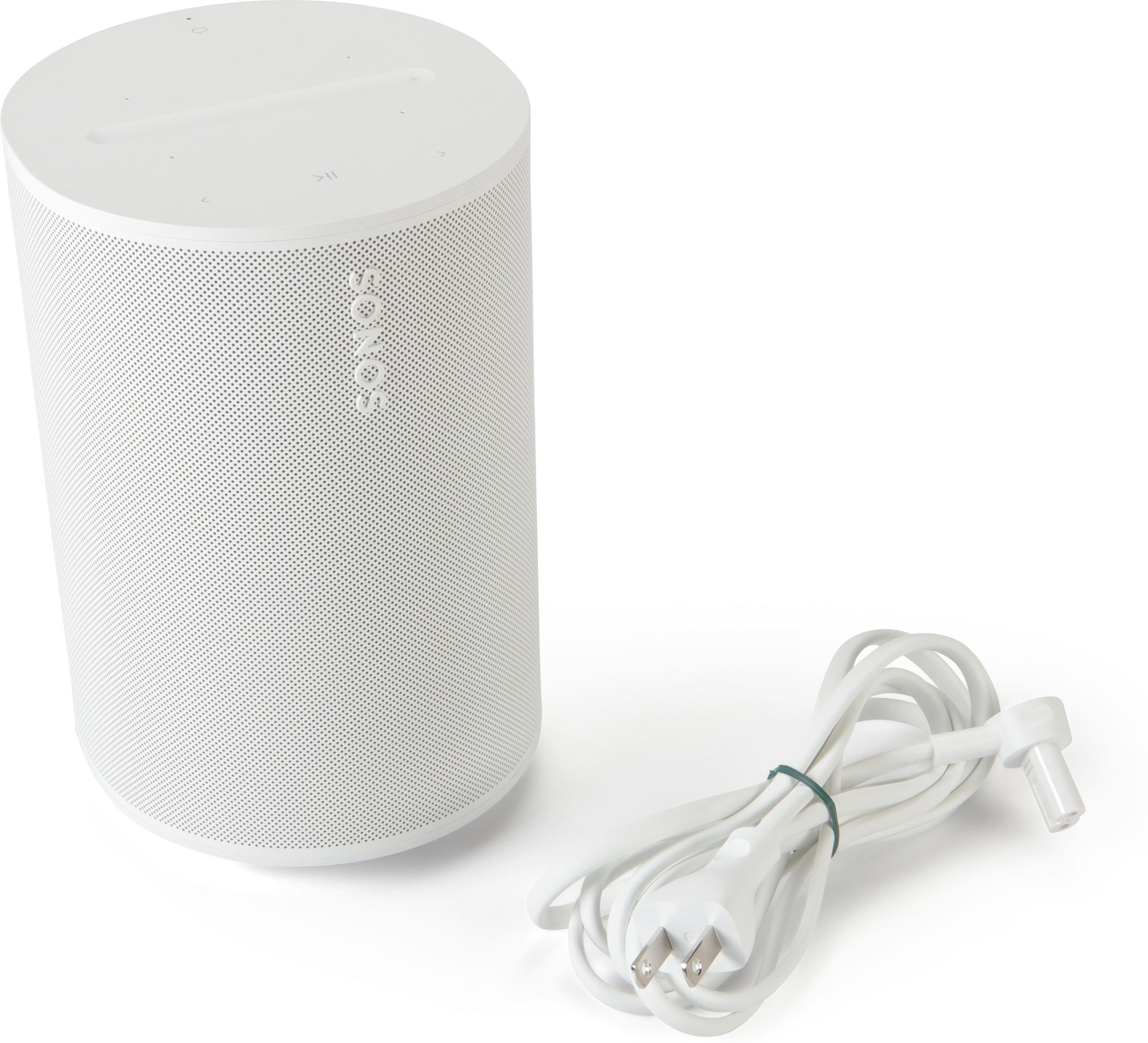
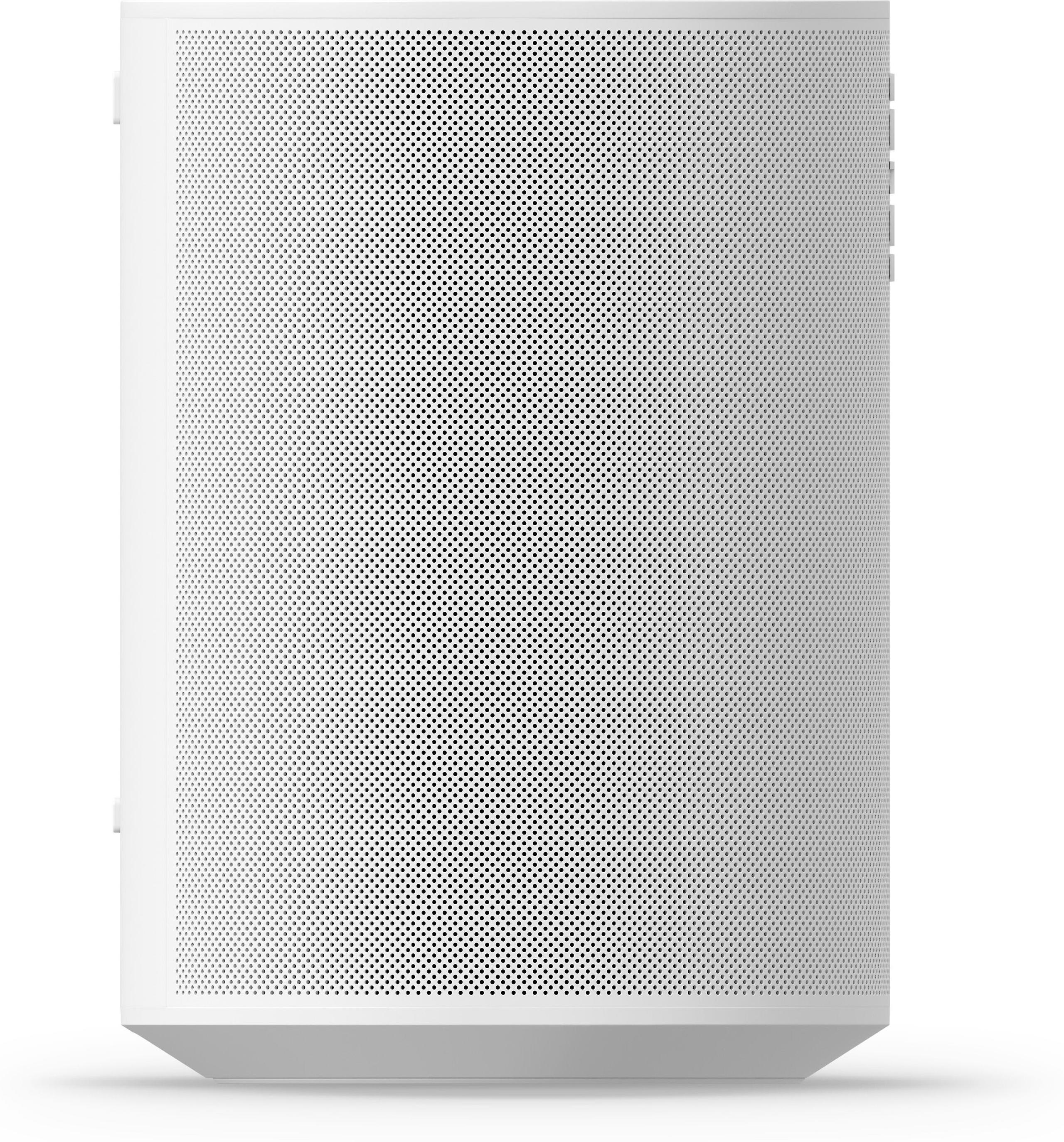
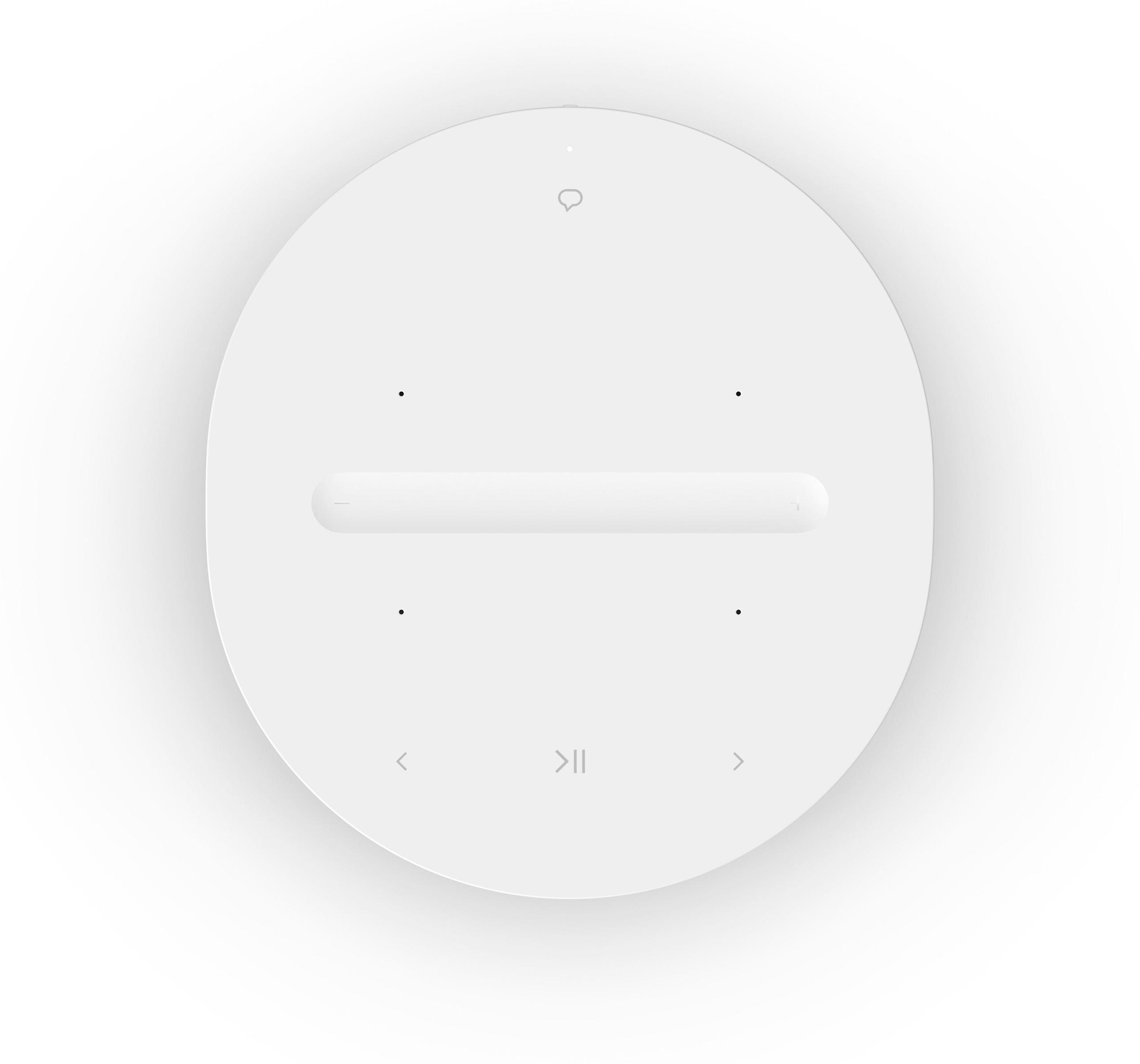
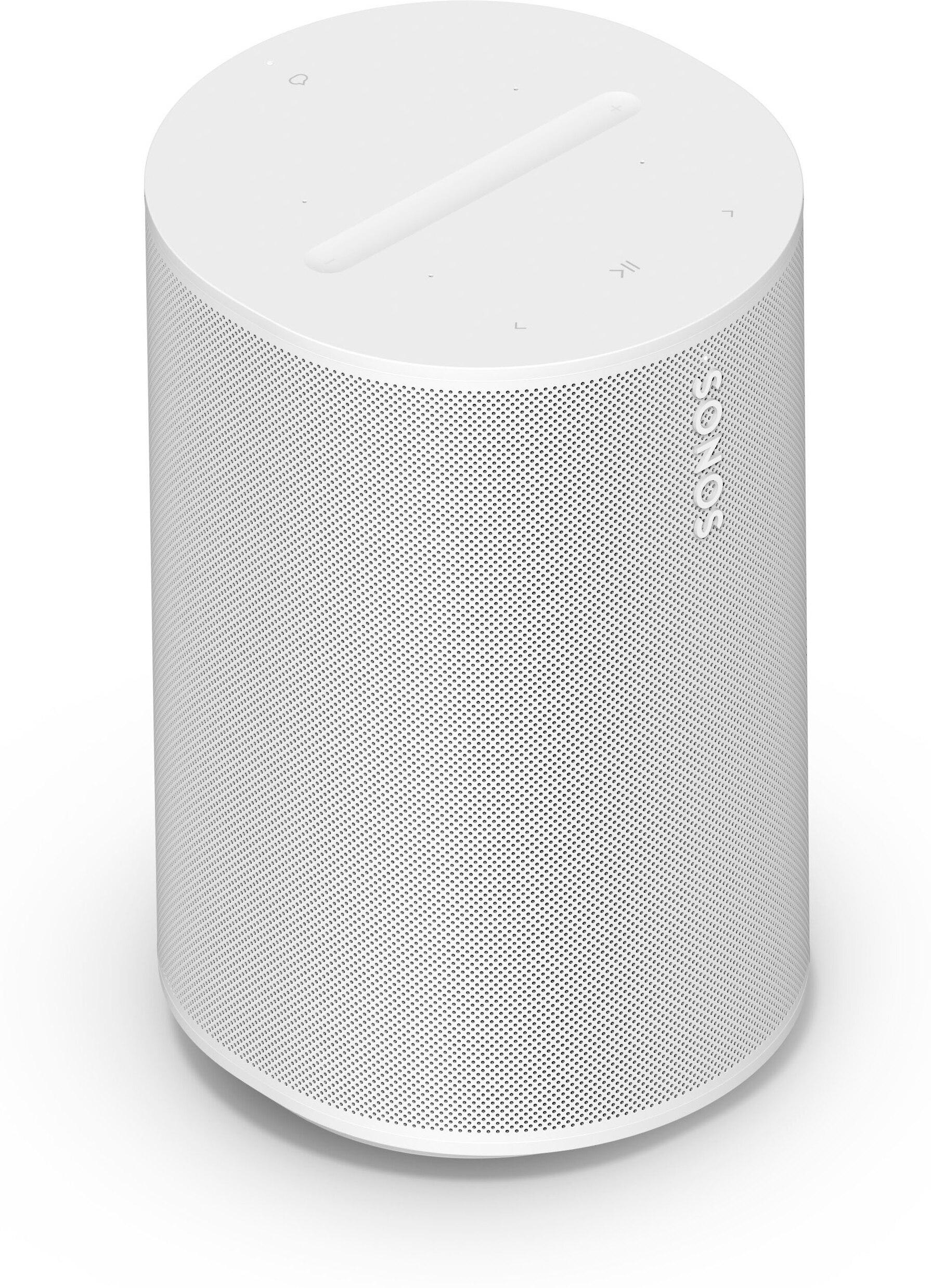
Choosing between the JBL Charge 4 and Sonos Era 100 isn't just about comparing two speakers—it's about deciding between two completely different approaches to enjoying music. These products represent opposite ends of the wireless audio spectrum: rugged portability versus refined home audio.
The wireless speaker market has exploded over the past decade, but buyers often get confused because not all wireless speakers serve the same purpose. Some are built for adventure, others for audiophile listening at home. Understanding this fundamental difference is crucial before spending your money.
Portable Bluetooth speakers like the JBL Charge 4 prioritize mobility, durability, and universal compatibility. They run on batteries, connect to any device with Bluetooth (a short-range wireless technology that creates a direct connection between your phone and speaker), and are built to survive real-world abuse.
Smart home speakers like the Sonos Era 100 focus on audio quality, smart features, and integration with your home's WiFi network. WiFi connectivity allows for higher-quality audio streaming, multi-room capabilities, and smart assistant integration—but requires a stable internet connection and AC power.
The key considerations when choosing between these categories include where you'll primarily use the speaker, whether you need battery power, your audio quality expectations, and how much you value smart home features versus simplicity.
The JBL Charge 4 launched in 2018 as part of JBL's popular Charge series, which has been a portable audio staple since 2012. JBL refined the formula over six generations, with the Charge 4 representing a sweet spot of features, durability, and price. Since its release, newer models like the Charge 5 have added better drivers and PartyBoost technology, but at the time of writing, the Charge 4 remains widely available and represents solid value in the portable category.
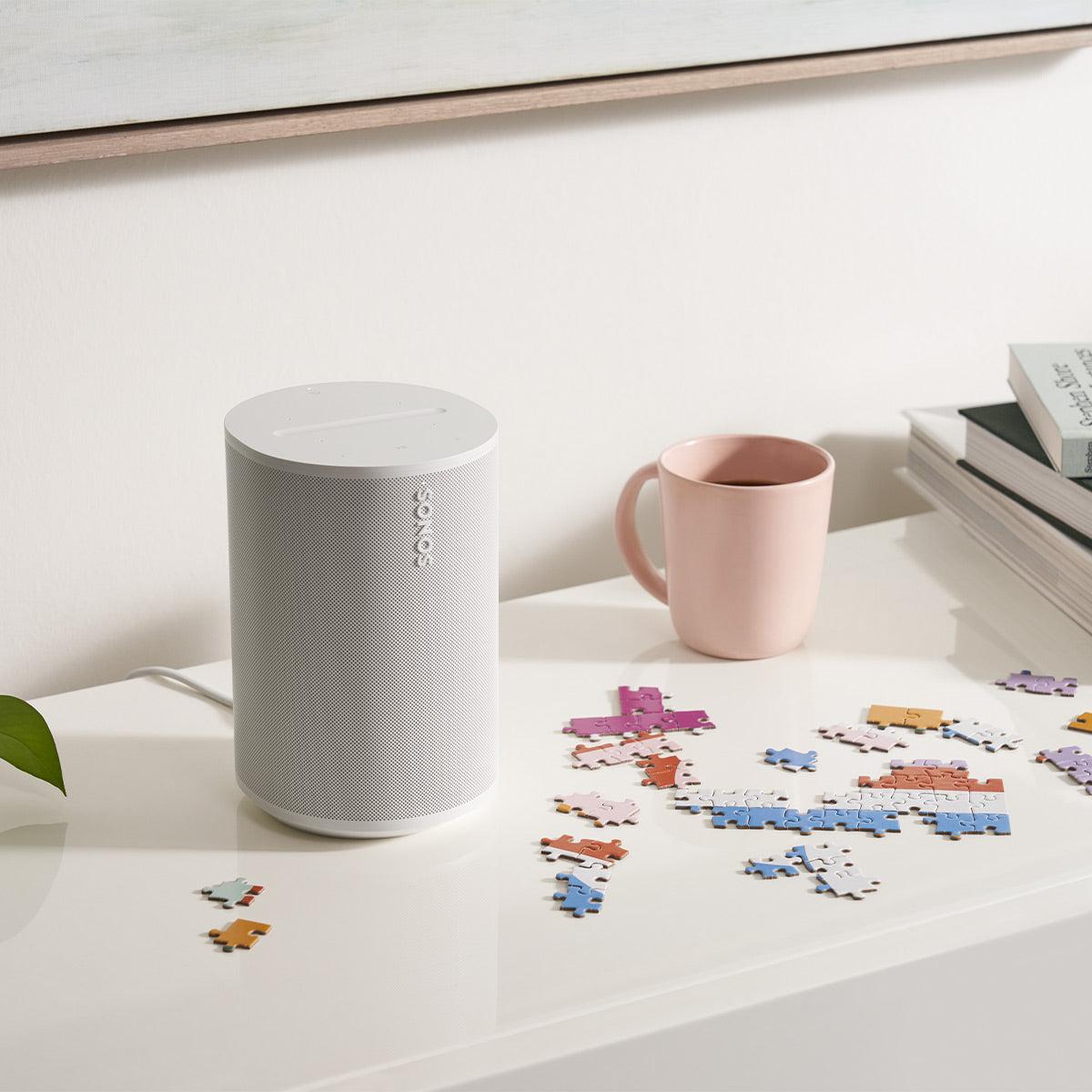
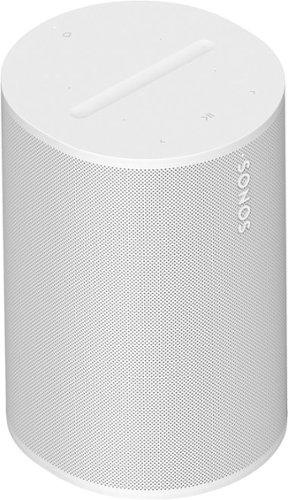
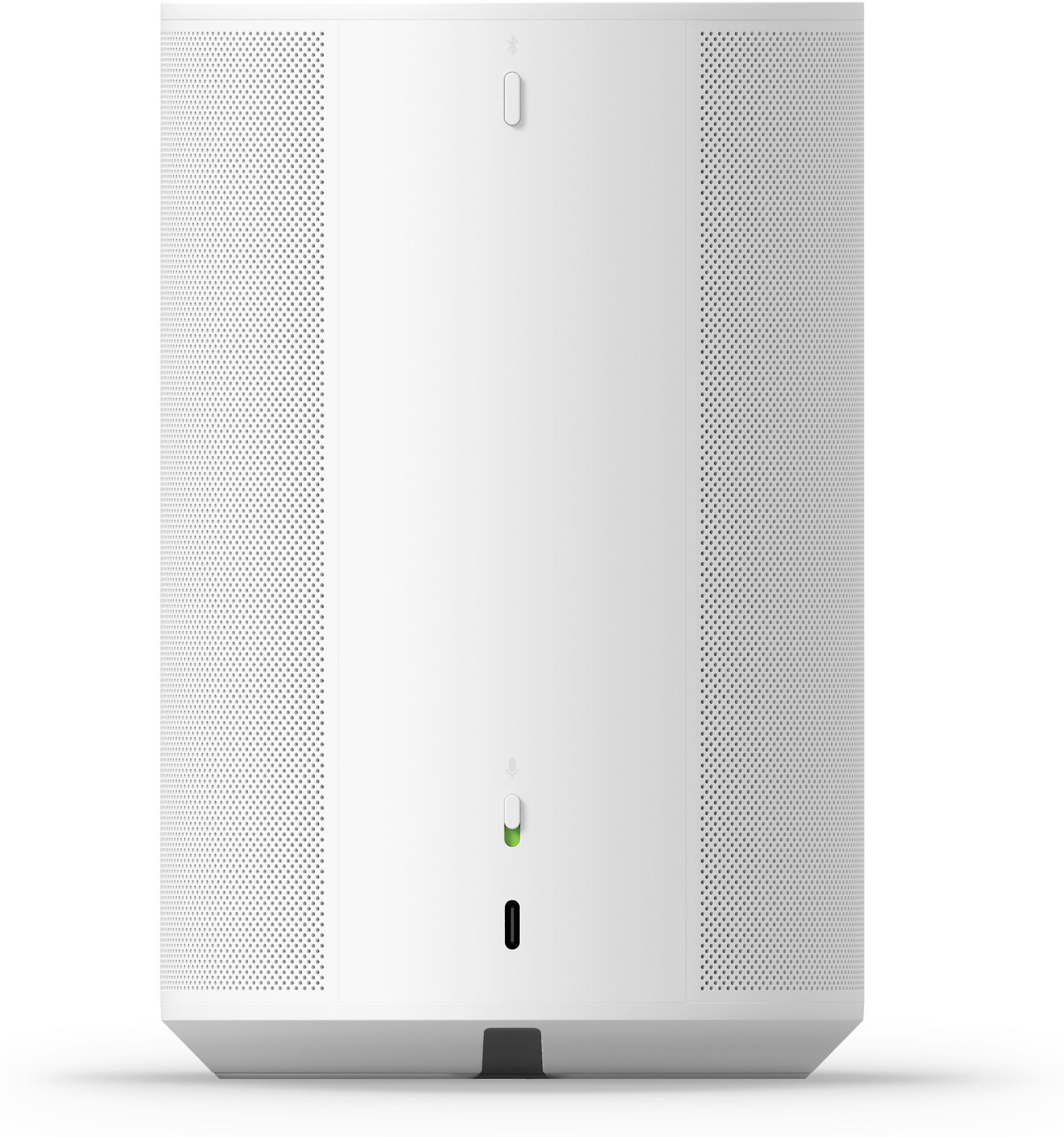
The Sonos Era 100 is much newer, arriving in March 2023 as part of Sonos's next-generation speaker lineup. It replaced the popular Sonos One, incorporating lessons learned from over two decades of home audio innovation. The Era 100 includes modern connectivity options like Bluetooth and USB-C that earlier Sonos speakers lacked, showing how the company has adapted to user demands for more flexible connectivity.
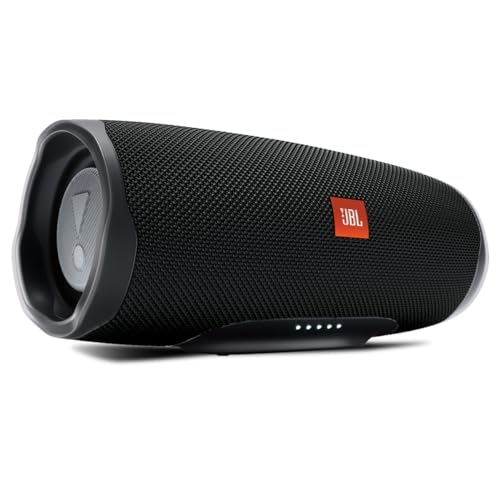
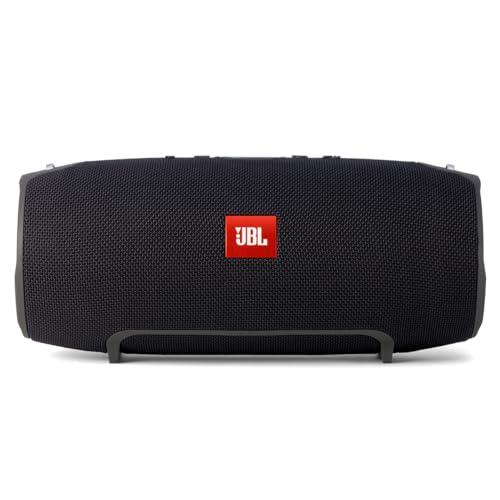
The philosophical differences between these speakers become apparent the moment you pick them up. The JBL Charge 4 feels substantial but not precious—its fabric covering and rubber base communicate "take me anywhere." At roughly 2 pounds, it's hefty enough to feel quality-built but light enough for backpack travel.
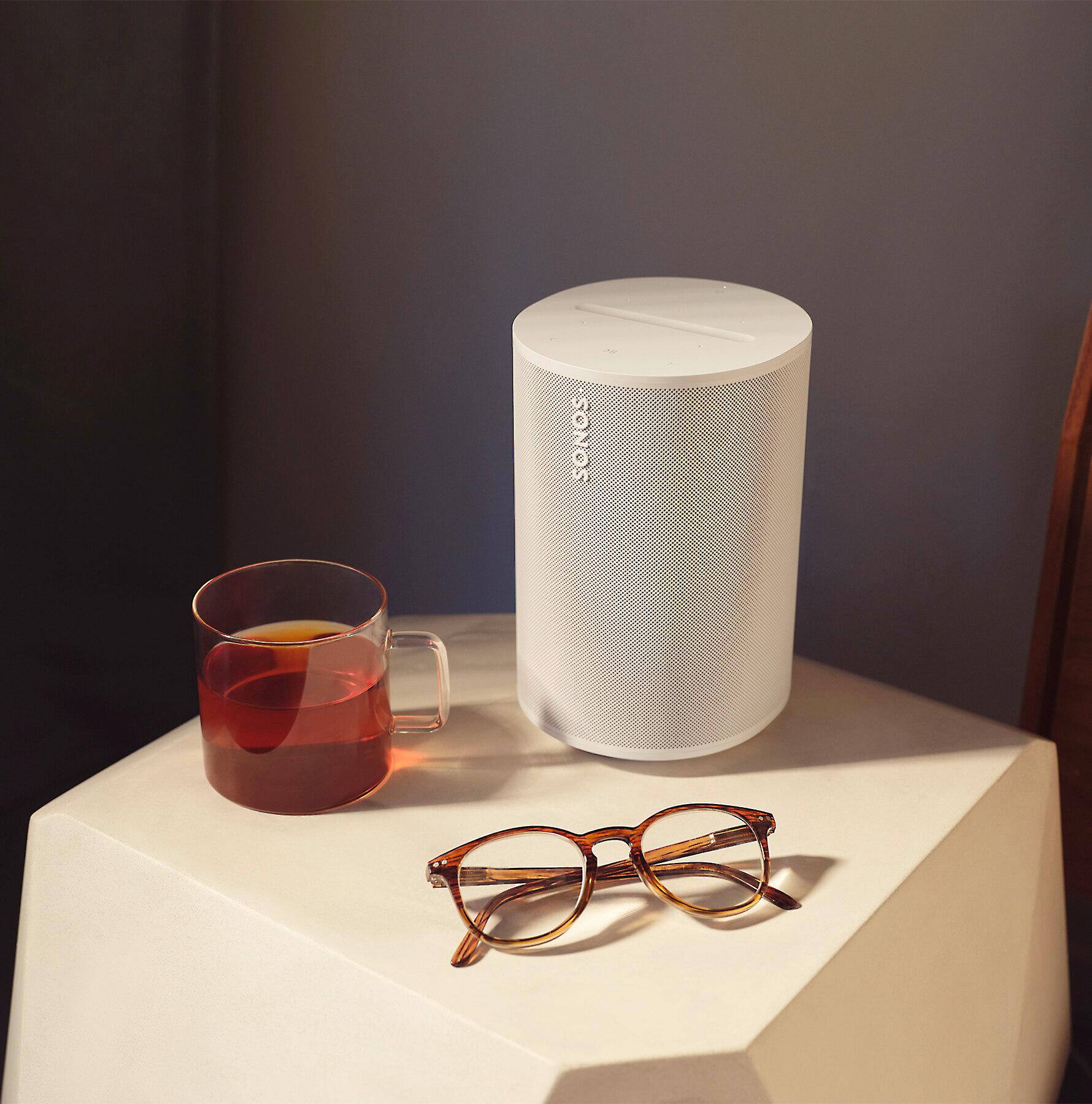
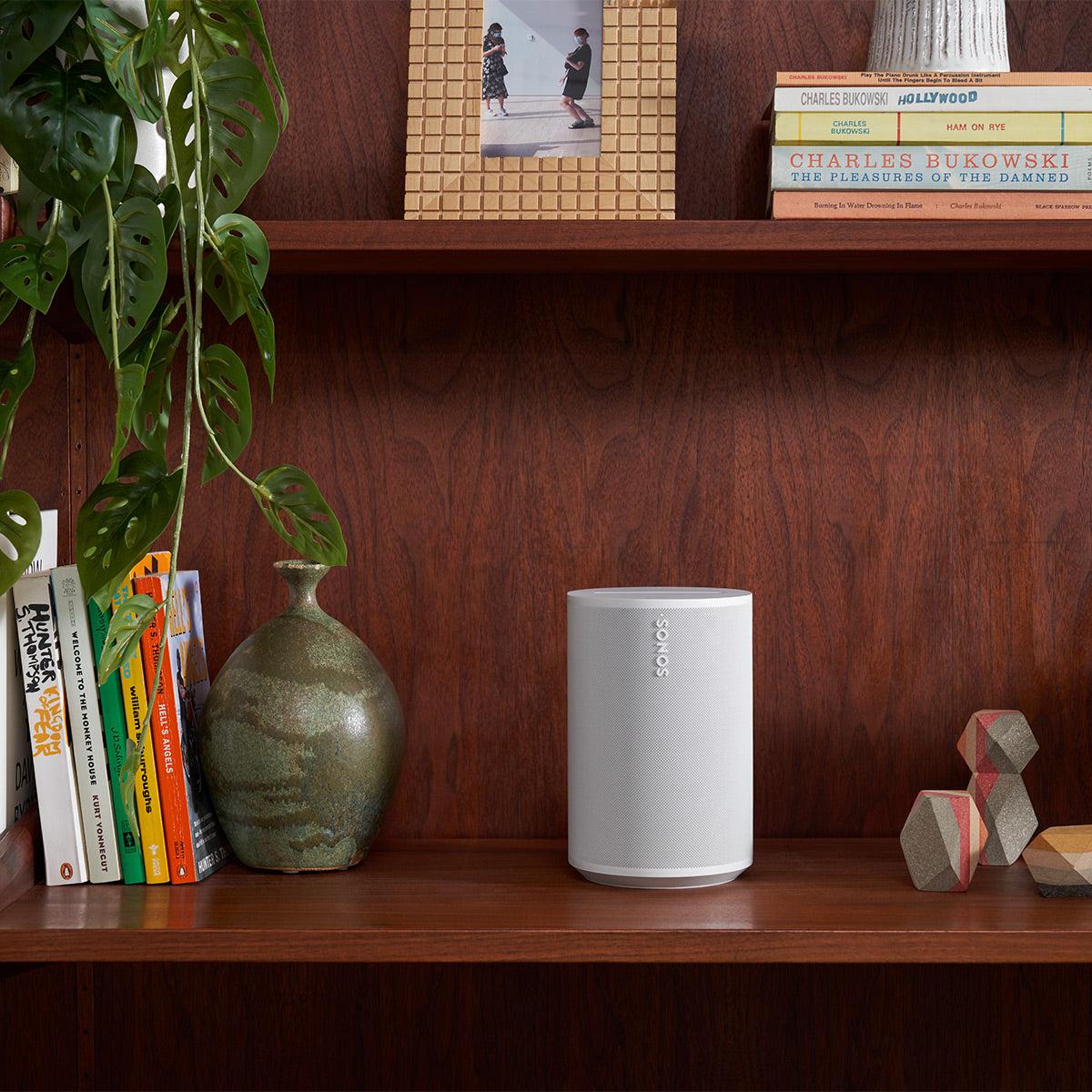
The Sonos Era 100, while compact at about 4.5 pounds, clearly signals its indoor intentions. The matte finish and refined curves suggest careful placement on a bookshelf or kitchen counter, not tossing into a beach bag.
This design philosophy extends to every technical decision. JBL wrapped the Charge 4's ports in a waterproof compartment and gave it an IPX7 rating, meaning it survives full submersion up to one meter for 30 minutes. The Era 100 is merely humidity-resistant—fine for a steamy bathroom but not a poolside party.
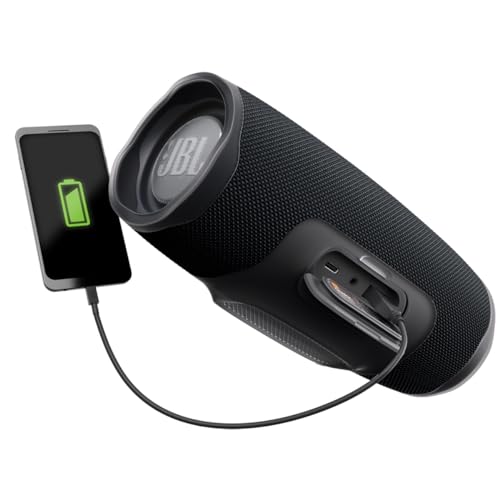
The power approach tells the same story. JBL built a massive 7500mAh lithium battery into the Charge 4, providing up to 20 hours of playback (though real-world usage typically yields 13-15 hours depending on volume and content). More cleverly, that battery doubles as a power bank, letting you charge your phone via the USB-A port—a lifesaver during camping trips or power outages.
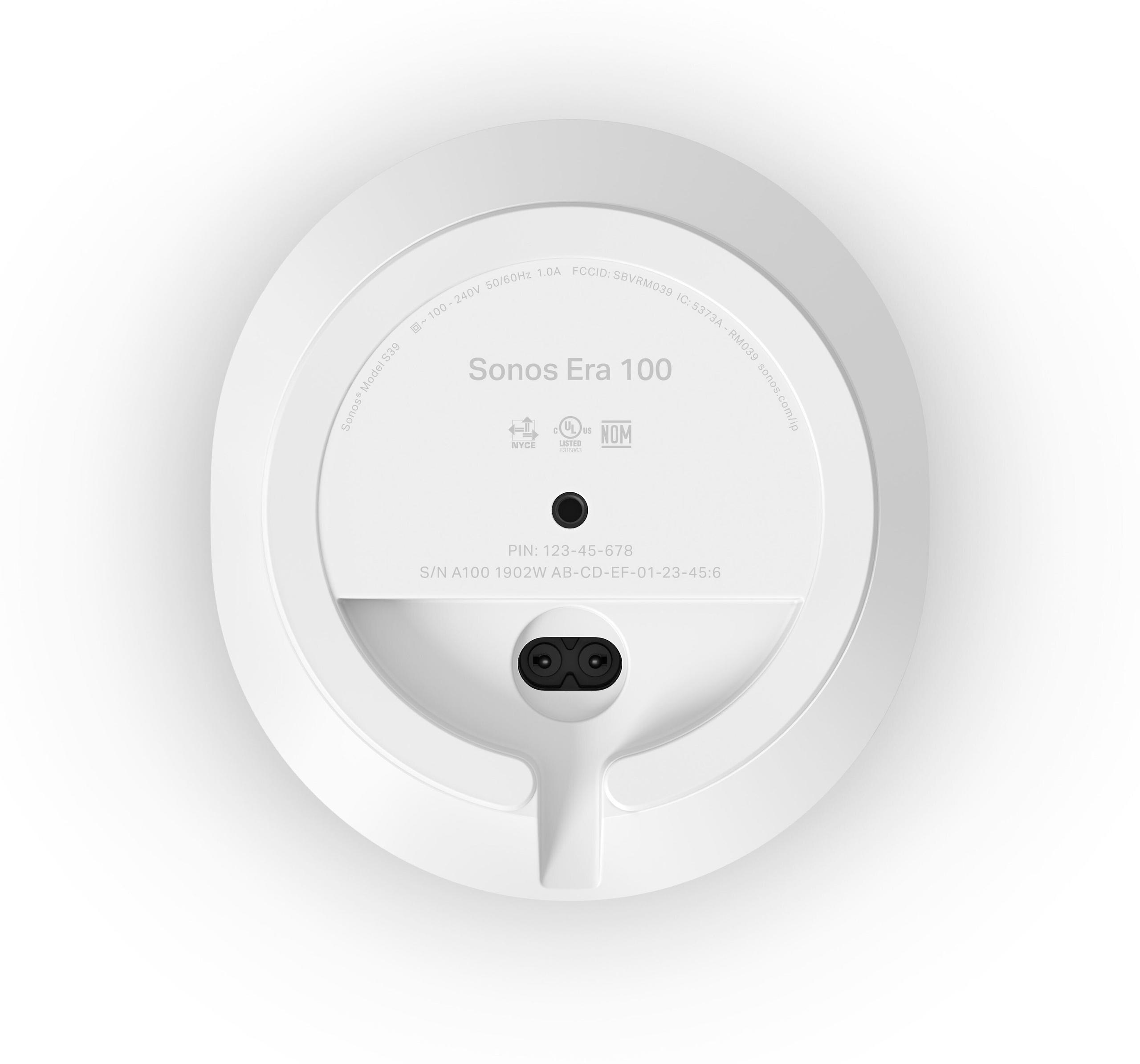
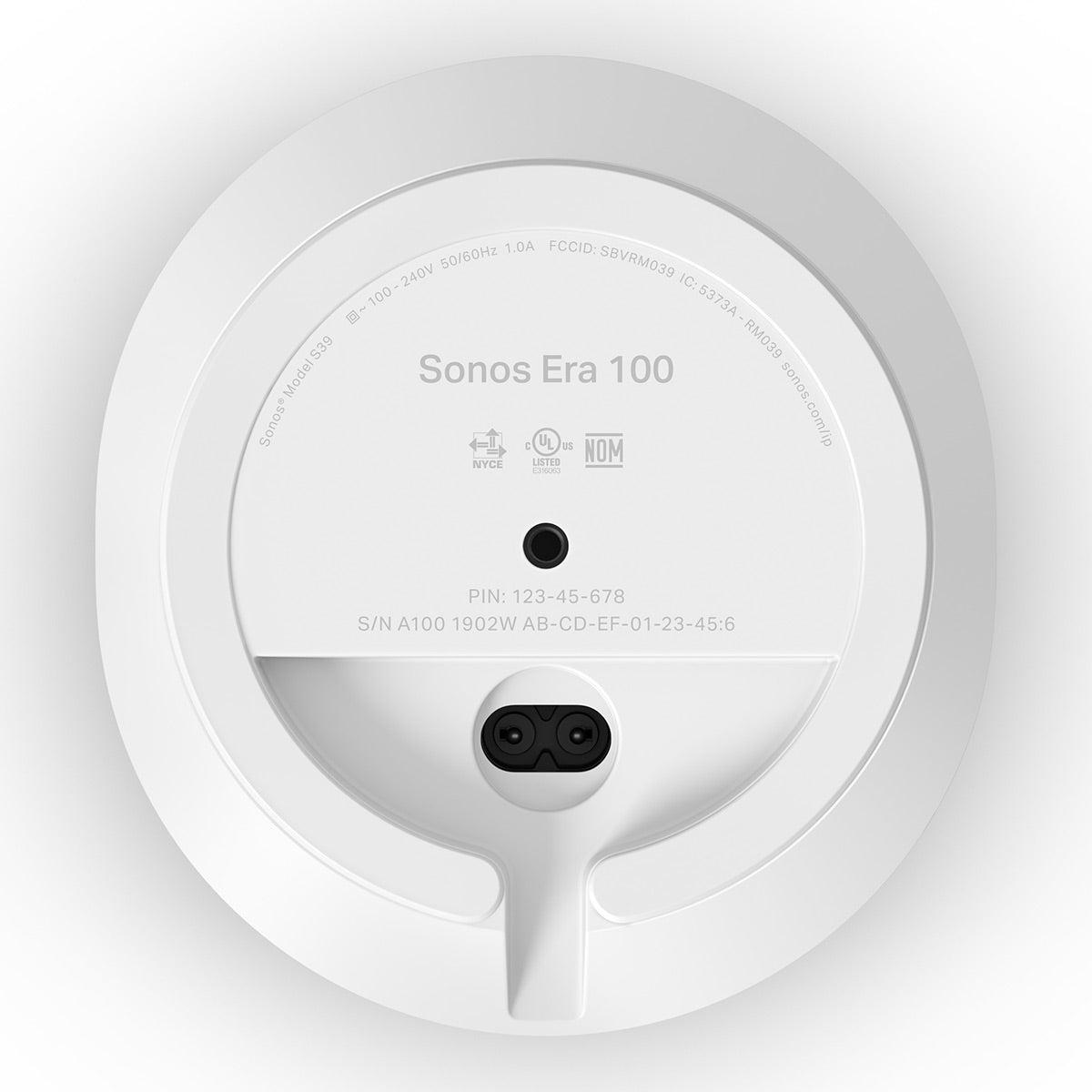
Sonos went the opposite direction, requiring AC power for the Era 100. This eliminates battery degradation concerns and allows for more powerful amplification, but tethers the speaker to wall outlets.
Here's where things get interesting from a technical standpoint. Despite the Sonos Era 100 costing significantly more at the time of writing, these speakers aren't directly competing on pure audio specs—they're optimized for different listening scenarios.
The JBL Charge 4 uses a single 50mm x 90mm racetrack driver (an oval-shaped speaker element that fits more surface area in a compact enclosure) powered by 30 watts RMS (Root Mean Square—a measure of continuous, not peak, power output). This mono configuration means all sound comes from one direction, but JBL adds two passive radiators—speaker-like elements that vibrate sympathetically to enhance bass without requiring additional amplification.
The Sonos Era 100 takes a more sophisticated approach with three separate Class-D amplifiers totaling 40 watts. Class-D amplifiers are highly efficient digital switching amplifiers that generate less heat and waste less power than traditional analog designs. More importantly, Sonos uses two angled tweeters (small drivers specialized for high frequencies) plus a dedicated mid-woofer, creating true stereo separation even from a single cabinet.
Frequency response describes which musical pitches a speaker can reproduce and how evenly it handles them. The JBL Charge 4 covers 60Hz to 20kHz, which sounds comprehensive but reveals limitations in practice. That 60Hz lower limit means it struggles with the deepest bass notes—the kind that make electronic music thump or add weight to acoustic bass guitars.
The Sonos Era 100 doesn't publish frequency response specs, but based on driver size and cabinet design, it likely extends deeper into bass territory while maintaining better treble detail thanks to its dedicated tweeters. The angled tweeter arrangement creates a wider stereo soundstage, making music feel more spacious and immersive.
Our research into expert and user reviews reveals consistent patterns. The JBL Charge 4 delivers well-balanced midrange frequencies where vocals and most instruments live, making it pleasant for casual listening across various music genres. However, the compressed dynamics at higher volumes and limited stereo separation make it less engaging for critical listening.
The Sonos Era 100 consistently receives praise for its detailed, nuanced presentation. The stereo separation allows instruments to occupy distinct positions in the mix, while the balanced frequency response maintains clarity at both low and high volumes. The Trueplay room correction technology—which uses the built-in microphones to analyze your room's acoustics and adjust EQ accordingly—helps optimize performance for your specific listening environment.
Connectivity represents perhaps the biggest philosophical divide between these speakers. The JBL Charge 4 embraces universal compatibility, connecting to any Bluetooth-enabled device within about 30 feet. Bluetooth 4.2 provides stable connections with minimal latency (delay between pressing play and hearing sound), making it suitable for watching videos. The 3.5mm auxiliary input offers a wired backup for any audio source.
JBL Connect+ technology allows linking over 100 compatible JBL speakers for massive audio installations—imagine synchronizing speakers throughout a large outdoor party. This feature works purely through the speakers themselves, requiring no apps or WiFi networks.
The Sonos Era 100 offers more connection options but with greater complexity. WiFi 6 (the latest wireless networking standard offering higher speeds and better device handling) enables lossless audio streaming from compatible services, delivering better sound quality than Bluetooth compression allows. The inclusion of Bluetooth 5.0 and Apple AirPlay 2 provides flexibility, but many advanced features require the Sonos ecosystem.
Multi-room audio represents Sonos's killer feature—you can synchronize music across multiple Sonos speakers throughout your home, control volume independently in each room, or group rooms together. This requires the Sonos app and WiFi network but creates a sophisticated whole-home audio experience impossible with traditional Bluetooth speakers.
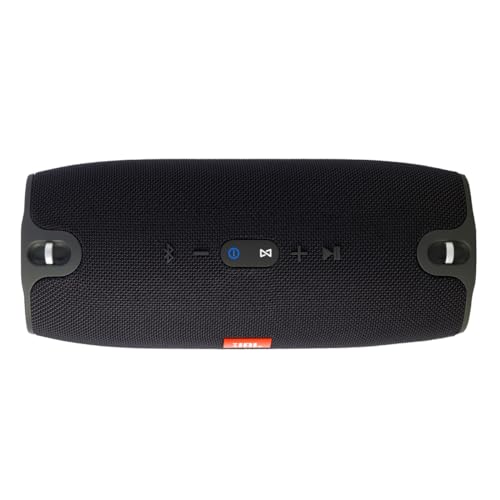
The JBL Charge 4 keeps things simple with basic physical controls for play/pause, volume, and Bluetooth pairing. No voice assistants, no smart home integration, no apps required for basic operation. This simplicity means fewer things to break and faster setup, but limits advanced functionality.
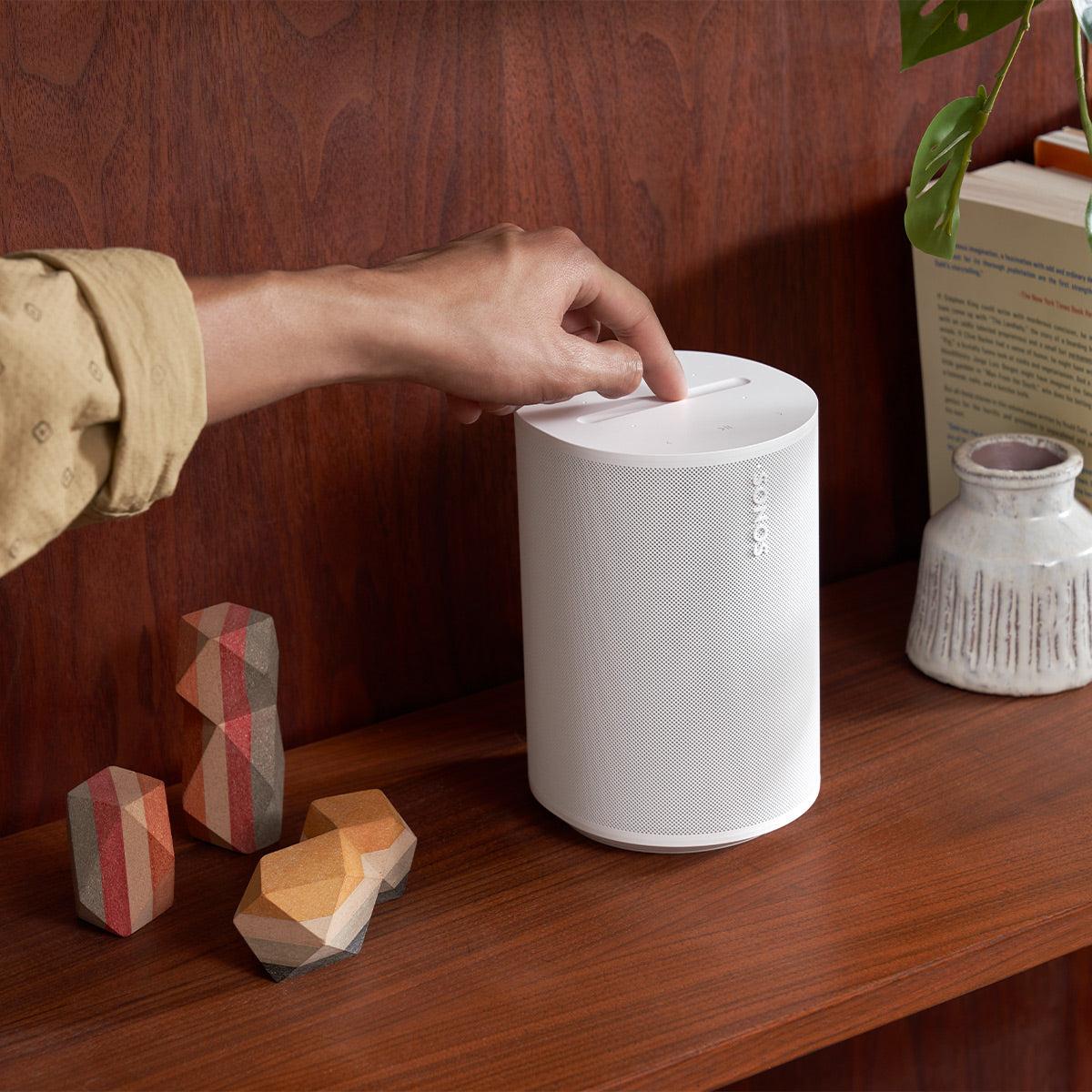
The Sonos Era 100 integrates Amazon Alexa and Sonos's own voice assistant, allowing hands-free music control, smart home device management, weather updates, and more. The far-field microphone array uses beamforming technology (focusing on sound from specific directions while rejecting noise from others) and multichannel echo cancellation to accurately hear commands even during loud music playback.
Voice control extends to the Trueplay tuning process—users can activate room optimization through voice commands, with the system using the built-in microphones to analyze acoustic characteristics and automatically adjust EQ settings.
The JBL Charge 4 dominates outdoor use cases. Beach trips, camping adventures, poolside parties, and backyard gatherings all favor its waterproof construction, long battery life, and power bank functionality. The mono audio output actually works well outdoors where stereo separation matters less and durability matters more.
For tailgating, the ability to charge phones while providing music makes the Charge 4 exceptionally practical. The rugged construction survives sandy beaches, accidental drops, and inevitable spills that would destroy most home audio equipment.
The Sonos Era 100 excels in dedicated listening environments. Kitchen placement works beautifully—voice control lets you skip tracks while cooking, and the balanced sound signature handles everything from morning news podcasts to dinner party jazz. Bedroom use benefits from the sleep timer features and gentle wake-up music capabilities.
For serious listening sessions, the Era 100's stereo separation and detailed frequency response reveal musical nuances that the JBL simply can't match. Acoustic music particularly benefits from the refined treble response and natural midrange presentation.
While neither speaker is primarily designed for home theater use, the Sonos Era 100 can function as surround speakers when paired with compatible Sonos soundbars like the Arc or Beam. This creates a true 5.1 surround sound system for movies and TV, though you'll need multiple Era 100s and a Sonos soundbar to achieve this setup.
The JBL Charge 4 offers no home theater integration beyond basic Bluetooth connectivity from your TV (if supported). However, its low latency makes it acceptable for casual TV watching when positioned near your seating area.
At the time of writing, these speakers occupy different price tiers, with the Sonos Era 100 commanding a significant premium over the JBL Charge 4. The price difference reflects their different target markets and feature sets.
The JBL Charge 4 offers exceptional value for portable audio needs. Beyond the obvious music playback, you're getting a waterproof design, emergency phone charging, and years of reliable operation. The battery will eventually degrade (typical lithium batteries lose capacity after 2-3 years of heavy use), but replacement is possible through JBL service centers.
The Sonos Era 100 justifies its higher price through superior audio quality, smart features, and ecosystem integration. However, the value proposition depends heavily on your commitment to the Sonos platform. Single-speaker use limits the multi-room benefits, while building a complete Sonos system requires substantial additional investment.
Choose the JBL Charge 4 if your lifestyle involves regular outdoor activities, travel, or situations where WiFi isn't guaranteed. Students, outdoor enthusiasts, and anyone prioritizing durability and battery life will appreciate its practical approach. The power bank functionality alone can justify the purchase for emergency preparedness.
The Sonos Era 100 makes sense for homebodies who value audio quality and smart home integration. If you're building or already own a smart home ecosystem, appreciate voice control, and primarily listen to music indoors, the Era 100's sophistication pays dividends.
For apartment dwellers or renters, the JBL Charge 4 offers more flexibility since you can take it anywhere you move. Homeowners investing in long-term audio solutions might prefer the Sonos Era 100's potential for system expansion.
Ultimately, both speakers excel in their intended roles. The key is matching your actual usage patterns to each speaker's strengths. The JBL Charge 4 rewards active lifestyles and values practicality, while the Sonos Era 100 satisfies discerning listeners who want their technology to disappear into smart, high-quality audio experiences.
Consider your primary listening environment, connectivity preferences, and whether you value mobility or audio refinement more highly. Both represent solid engineering approaches to wireless audio—just for completely different lives.
| JBL Charge 4 | Sonos Era 100 |
|---|---|
| Power Source - Determines where and how you can use the speaker | |
| Built-in 7500mAh battery, up to 20 hours playback | AC powered only, requires wall outlet |
| Water Resistance - Critical for outdoor use and accidents | |
| IPX7 waterproof (survives submersion up to 1 meter) | Humidity resistant only (indoor use) |
| Audio Configuration - Affects sound quality and stereo experience | |
| Mono output with single driver + dual passive radiators | True stereo with dual tweeters + mid-woofer |
| Power Output - Impacts volume and sound quality | |
| 30W RMS (optimized for outdoor listening) | 40W total via three Class-D amplifiers (audiophile tuning) |
| Connectivity Options - Determines device compatibility and features | |
| Bluetooth 4.2, 3.5mm aux input, JBL Connect+ | WiFi 6, Bluetooth 5.0, AirPlay 2, USB-C line-in |
| Smart Features - Voice control and home automation capabilities | |
| Basic physical controls only, no voice assistants | Amazon Alexa, Sonos Voice Control, Trueplay room tuning |
| Multi-Speaker Features - Expanding your audio system | |
| Connect 100+ JBL speakers via Bluetooth | Multi-room Sonos ecosystem, stereo pairing |
| Portability - Weight and design for mobile use | |
| 2.1 lbs, rugged fabric/rubber construction | 4.45 lbs, premium matte finish for home placement |
| Additional Functions - Bonus features that add value | |
| USB power bank for charging devices | Home theater integration as surround speakers |
| App Requirements - Setup complexity and ongoing management | |
| Optional JBL app, works without any apps | Requires Sonos app for setup and advanced features |
| Frequency Response - Range of musical notes the speaker can reproduce | |
| 60Hz-20kHz (limited deep bass extension) | Not specified (likely superior based on driver configuration) |
The JBL Charge 4 is significantly better for outdoor use. It features IPX7 waterproof rating, meaning it can survive full submersion in water, plus it runs on a built-in battery for up to 20 hours. The Sonos Era 100 requires AC power and is only humidity-resistant, making it unsuitable for outdoor activities like beach trips or camping.
The JBL Charge 4 works completely without WiFi using Bluetooth connectivity from any device. The Sonos Era 100 requires WiFi for most features including multi-room audio and voice control, though it does have Bluetooth capability as a backup connection method.
The Sonos Era 100 delivers superior sound quality with true stereo separation, dedicated tweeters, and room tuning technology. The JBL Charge 4 produces mono audio that's well-balanced for outdoor listening but lacks the detail and stereo imaging of the Era 100.
The JBL Charge 4 works immediately without any app - just pair via Bluetooth and play music. The Sonos Era 100 requires the Sonos app for initial setup and to access advanced features like multi-room audio and voice control.
The JBL Charge 4 is far more portable at 2.1 pounds with battery power and rugged construction designed for travel. The Sonos Era 100 weighs 4.45 pounds and needs to stay plugged into a wall outlet, making it a stationary home speaker.
Yes, the JBL Charge 4 includes a USB port that works as a power bank to charge phones and other devices. The Sonos Era 100 does not have phone charging capability since it's designed for home use.
The Sonos Era 100 includes built-in Amazon Alexa and Sonos Voice Control with far-field microphones for hands-free operation. The JBL Charge 4 has no voice assistant support and uses only physical button controls.
Both speakers support multi-speaker setups but differently. The JBL Charge 4 uses JBL Connect+ to link over 100 compatible speakers via Bluetooth. The Sonos Era 100 creates sophisticated multi-room systems with other Sonos speakers over WiFi.
The Sonos Era 100 excels for home use with superior audio quality, voice control, smart home integration, and the ability to create multi-room audio systems. The JBL Charge 4 works at home but is designed primarily for portable outdoor use.
The Sonos Era 100 can function as surround speakers when paired with compatible Sonos soundbars, creating true 5.1 home theater systems. The JBL Charge 4 has no home theater integration beyond basic Bluetooth audio from your TV.
Value depends on your needs. The JBL Charge 4 offers excellent value for portable use with waterproofing, long battery life, and phone charging. The Sonos Era 100 provides better value for home audio enthusiasts who want superior sound quality and smart features.
The JBL Charge 4 provides up to 20 hours of battery life and can charge other devices. The Sonos Era 100 has no battery and must remain plugged into AC power at all times.
We've done our best to create useful and informative comparisons to help you decide what product to buy. Our research uses advanced automated methods to create this comparison and perfection is not possible - please contact us for corrections or questions. These are the sites we've researched in the creation of this article: rtings.com - whathifi.com - whathifi.com - soundguys.com - soundguys.com - streamtechreviews.com - youtube.com - versus.com - applevis.com - versus.com - jbl.com - jbl.com - walmart.com - comparisontabl.es - harmanaudio.com - manuals.plus - jbl.com.sg - jbl.com - mm.jbl.com - bestbuy.com - newpower99.com - forums.woot.com - goodhousekeeping.com - tomsguide.com - techradar.com - youtube.com - whathifi.com - dxomark.com - rtings.com - abt.com - sonos.com - bhphotovideo.com - sonos.com - sonos.com - audiolab.com - en.community.sonos.com

Privacy Policy
Terms and Conditions - Affiliate Policy
Home Security
© Copyright 2008-2026.
11816 Inwood Rd #1211, Dallas, TX 75244