

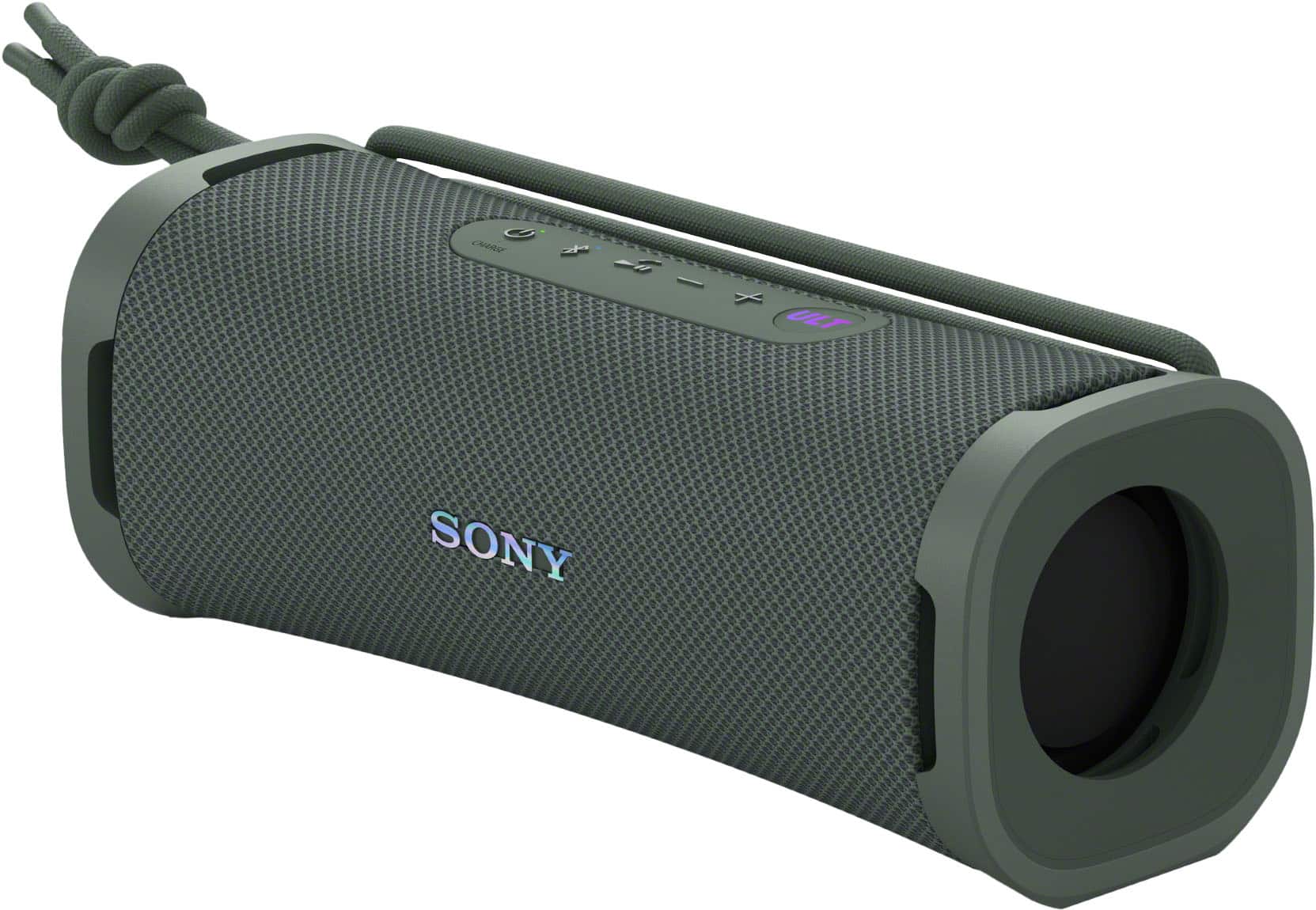
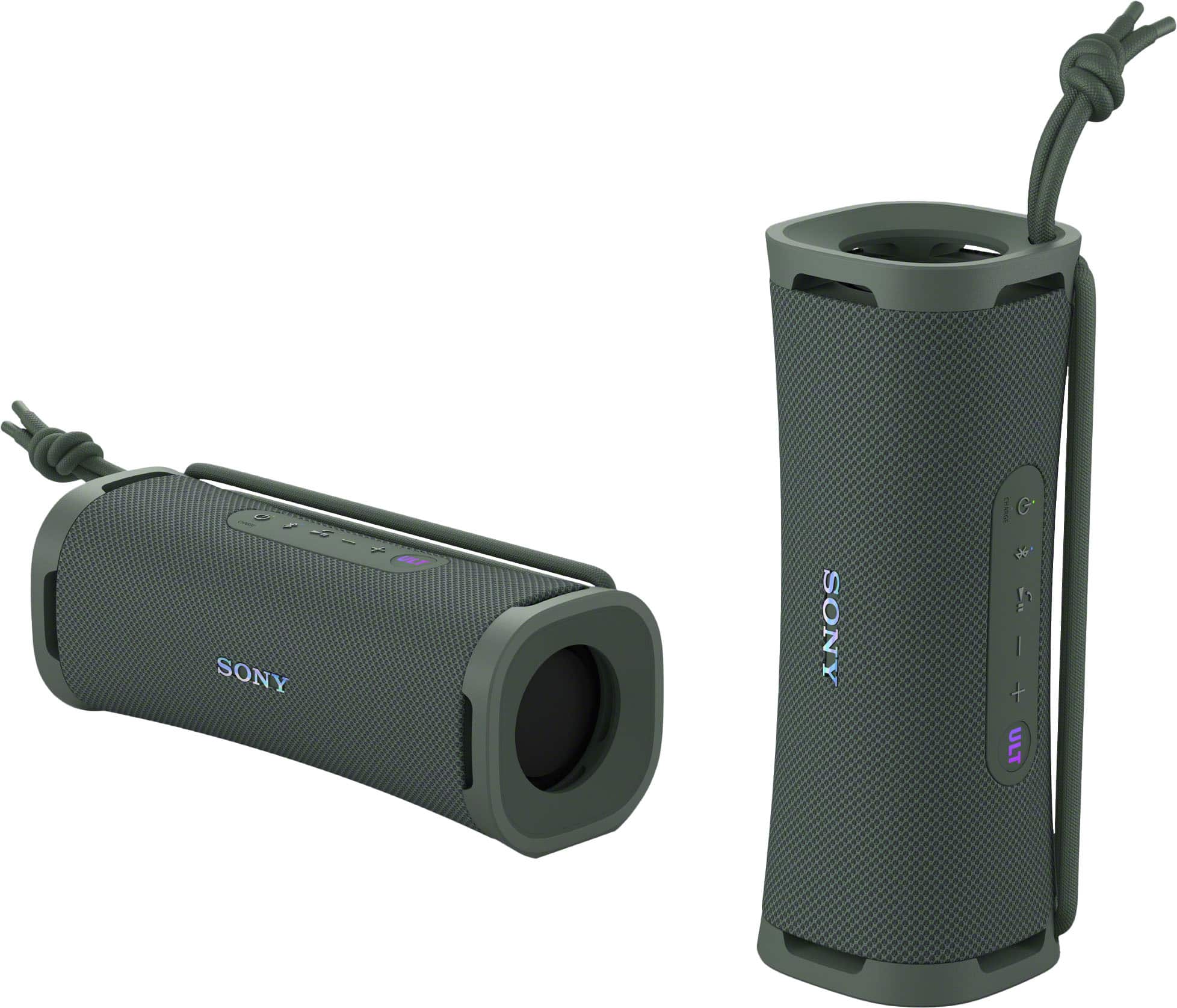
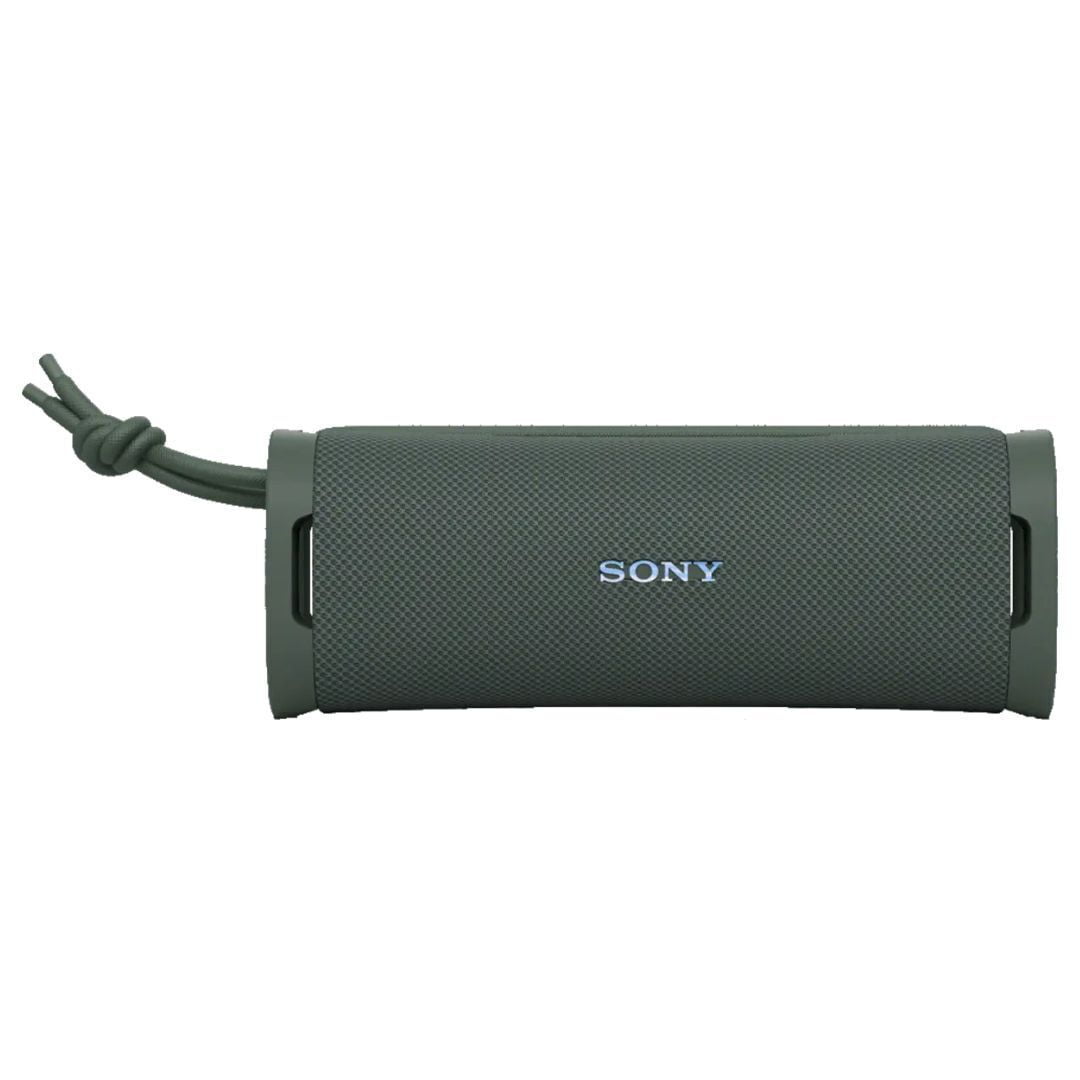


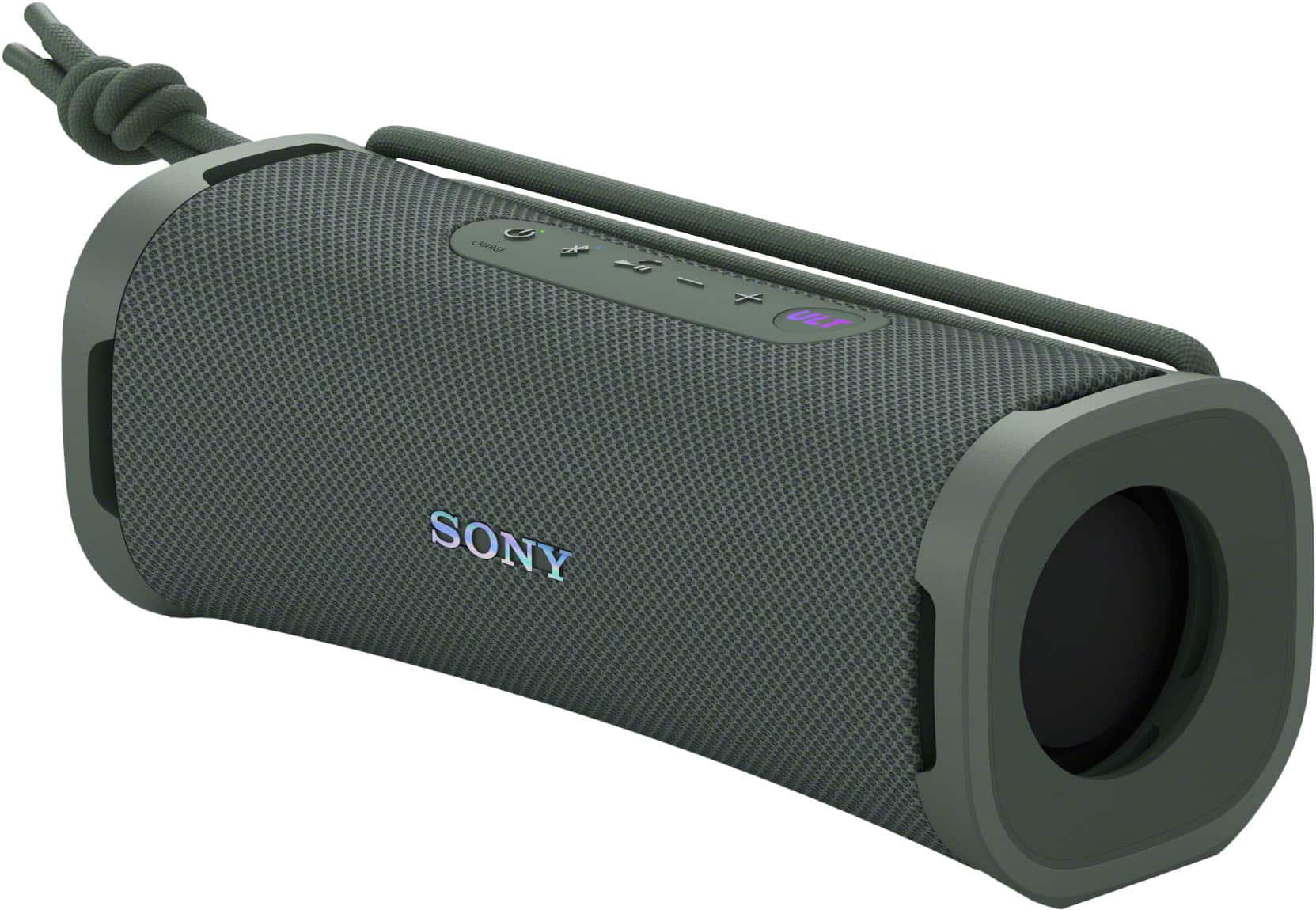
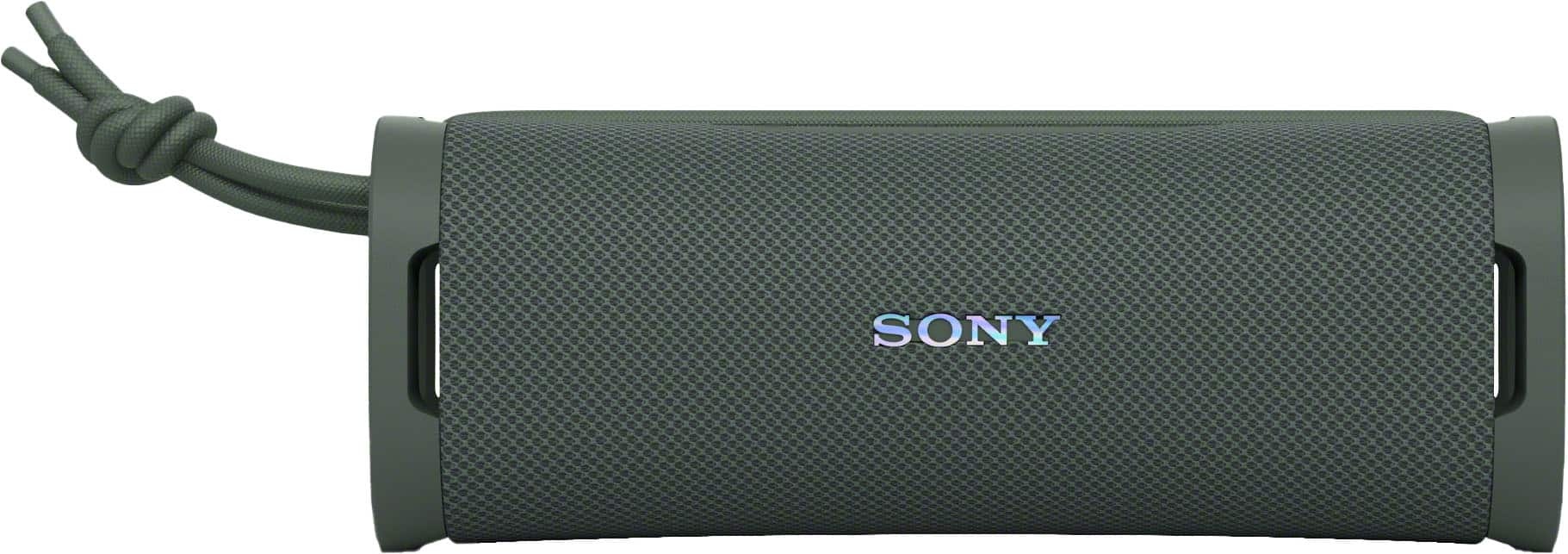

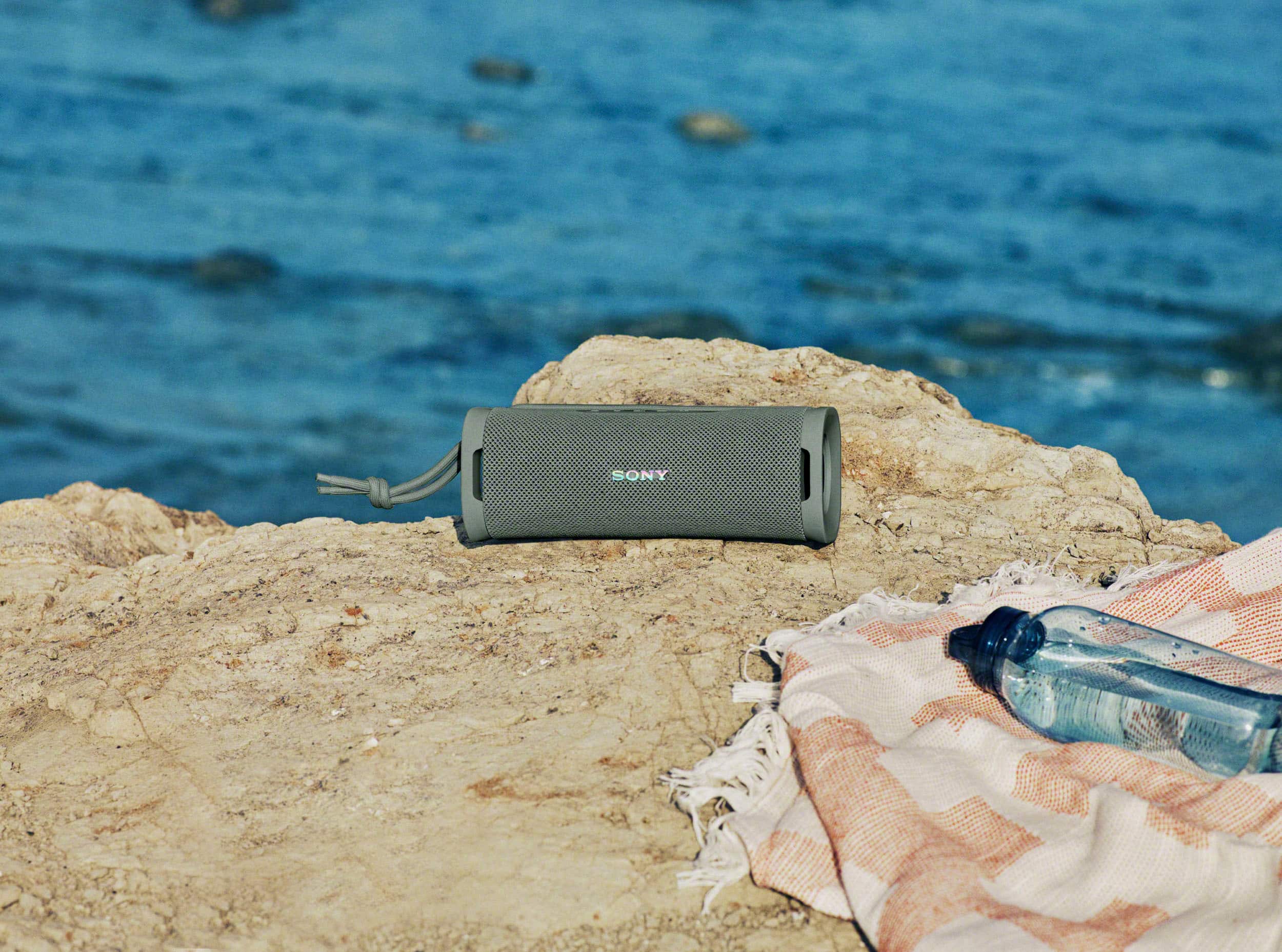


Portable Bluetooth speakers have evolved dramatically over the past decade, transforming from tinny afterthoughts to legitimate audio companions that can fill a room or power an outdoor party. But with hundreds of options flooding the market, choosing the right one can feel overwhelming. Today, we're comparing two speakers that represent different philosophies in portable audio: the established JBL Charge 4 and the newer Sony ULT FIELD 1.
Before diving into specifics, it's crucial to understand what separates excellent portable speakers from mediocre ones. The most important factors are sound quality (how accurately and powerfully the speaker reproduces music), battery life (how long it plays before needing a recharge), durability (whether it survives drops, water, and outdoor conditions), and connectivity features (how well it pairs with your devices and what extra functions it offers).
The tricky part is that these priorities often conflict. A speaker with massive battery life might be heavier and less portable. One that sounds amazing might sacrifice water resistance. The best speakers find clever ways to balance these competing demands, and that's exactly where these two models take different approaches.
The JBL Charge 4 arrived in 2018 during the height of the "bigger is better" era for portable speakers. JBL's strategy was straightforward: pack in a huge battery, robust drivers, and make it loud enough for any outdoor gathering. Six years later, the Sony ULT FIELD 1 represents a more refined approach that emerged as the market matured. Sony focused on audio engineering improvements and modern features rather than raw power.
This six-year gap matters more than you might think. In 2018, Bluetooth 4.2 was standard, smartphone batteries were smaller, and most people accepted that portable speakers would sound mediocre. By 2024, Bluetooth 5.3 offered better connectivity, phones lasted longer, and consumers expected near-audiophile quality from compact devices. These technological shifts influenced how each company designed their speaker.
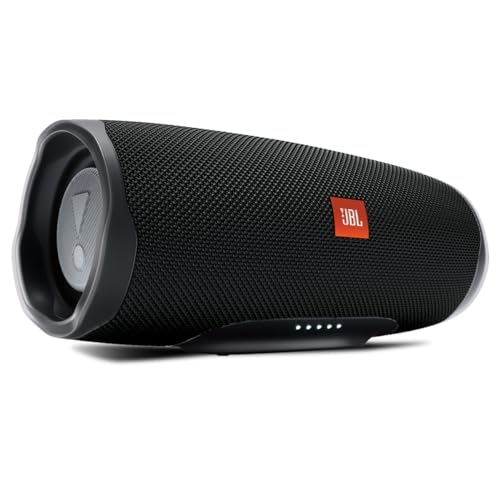
Sound quality represents the biggest difference between these speakers, and it comes down to their internal architecture. The JBL Charge 4 uses a single "racetrack" driver—imagine an oval-shaped speaker cone measuring 50x90mm—paired with two passive radiators. Passive radiators are essentially speaker cones without magnets that vibrate sympathetically to enhance bass response. This setup delivers mono audio, meaning all sound comes from one direction rather than creating left-right stereo separation.
The Sony ULT FIELD 1, by contrast, employs a more sophisticated woofer-tweeter configuration. The 83x42mm woofer handles bass and midrange frequencies, while a dedicated 16mm tweeter reproduces high frequencies. This separation allows each driver to specialize in what it does best, similar to how a good home stereo system divides the work between different speakers.
From our research into user experiences and expert reviews, this architectural difference creates noticeable sound quality distinctions. The JBL Charge 4 delivers impressive volume and punchy bass that works well for outdoor gatherings where raw power matters more than nuance. The midrange—where vocals and lead instruments live—comes through clearly, though the overall presentation lacks stereo depth.
The Sony ULT FIELD 1 takes a more refined approach. When its ULT bass mode is activated (more on this shortly), it provides better frequency balance and more accurate sound reproduction. However, without ULT mode engaged, many users describe the sound as thin or lacking presence. This creates an interesting dynamic where Sony's speaker depends heavily on its bass boost feature to sound its best.
For most listeners, the Sony's dual-driver design produces more natural-sounding music reproduction, especially for genres like jazz, classical, or acoustic music where instrument separation matters. The JBL excels with electronic music, hip-hop, or rock where volume and bass impact are priorities.
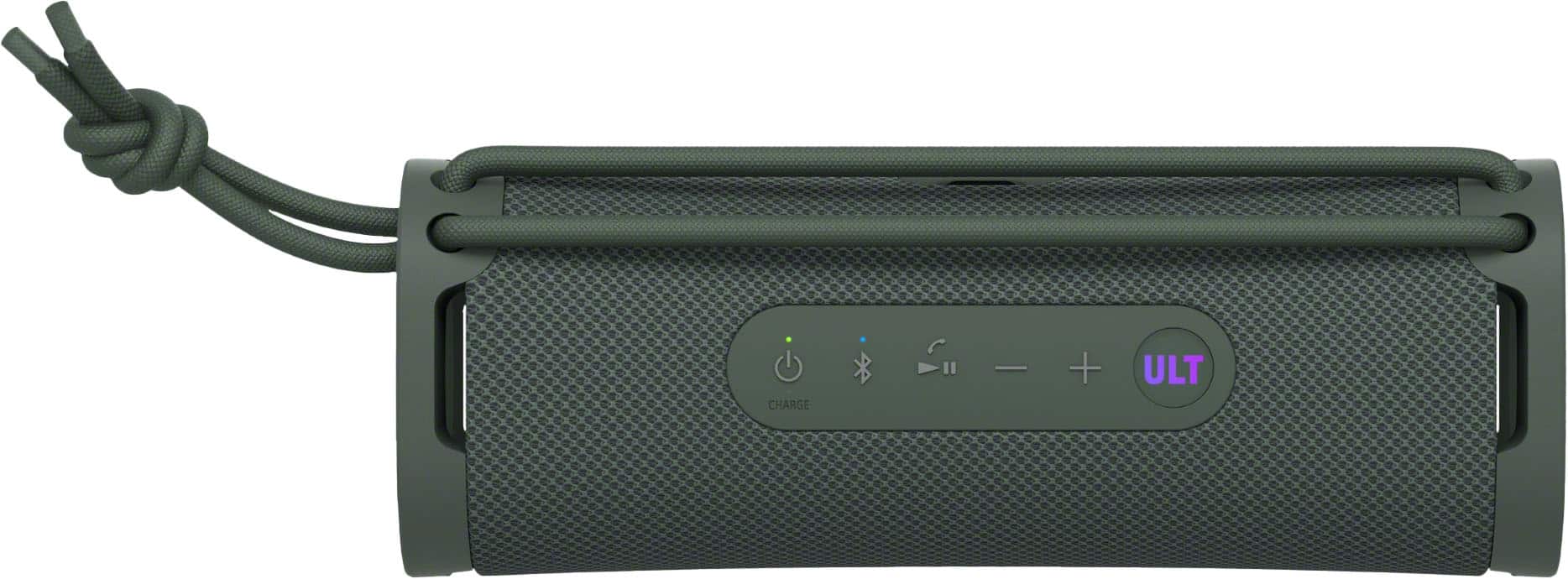
Sony's ULT button deserves special attention because it fundamentally changes the speaker's character. ULT stands for "ultra-low tone," and pressing this large, illuminated button boosts bass frequencies significantly. Based on user feedback, this isn't subtle—it's a dramatic shift that transforms the speaker from thin-sounding to full and engaging.
What makes this interesting is that Sony designed the ULT FIELD 1 to essentially require this feature for optimal listening. While some might see this as a flaw, it's actually clever engineering. By boosting specific frequency ranges digitally rather than physically, Sony achieves impressive bass response from a compact enclosure without sacrificing battery life or portability.
The JBL Charge 4, by comparison, delivers its sound signature consistently without requiring user intervention. Some prefer this straightforward approach, while others appreciate having control over their listening experience.
Battery performance represents another fundamental difference in philosophy. The JBL Charge 4 houses a massive 7,500mAh lithium-ion battery—roughly twice the capacity of most smartphones. This translates to approximately 20 hours of continuous playbook at moderate volumes, making it ideal for weekend camping trips or all-day beach sessions.
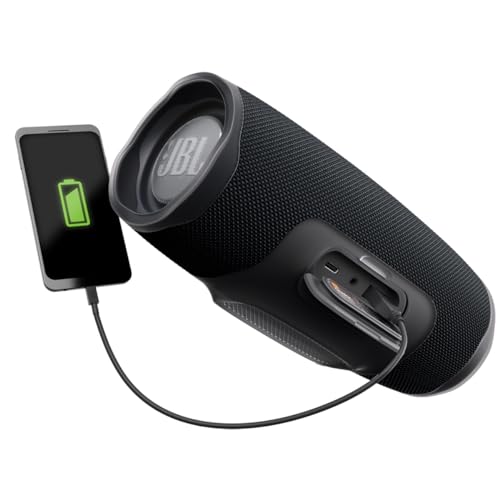
More importantly, the JBL functions as a powerbank, meaning you can charge your phone, tablet, or other USB devices from its battery. The USB-A output provides 5V/2A charging, which isn't the fastest available but works reliably for emergency power. This dual functionality makes the Charge 4 genuinely useful during extended outdoor activities where electrical outlets don't exist.
The Sony ULT FIELD 1 takes a different approach with its smaller 19.82Wh battery capacity. However, Sony's engineers achieved remarkable efficiency. With ULT mode engaged, users report around 12 hours of playback, but with ULT mode disabled, some tests show nearly 29 hours of runtime. This extreme efficiency comes from modern power management and the fact that the speaker sounds quieter (and uses less power) without bass boost.
For most users, 12 hours covers a full day's use, but the JBL's powerbank functionality and longer runtime make it more suitable for multi-day adventures or situations where you're sharing charging duties with friends.
The connectivity differences highlight how much wireless technology has advanced. The JBL Charge 4 uses Bluetooth 4.2, which was standard in 2018 but feels dated now. It can simultaneously connect to two devices and switch between them, which works well for sharing music duties at parties. The 3.5mm auxiliary input provides a wired backup option.
JBL's standout connectivity feature is Connect+, which allows you to wirelessly link over 100 compatible JBL speakers. While most people won't use 100 speakers, linking two or three can create impressive sound coverage for larger gatherings. This party-linking capability remains one of JBL's strongest selling points.
The Sony ULT FIELD 1 features Bluetooth 5.3, offering better range, more stable connections, and support for both SBC and AAC audio codecs. AAC provides better sound quality when streaming from iPhones or other compatible devices. The built-in microphone enables hands-free calling and voice assistant access, features the JBL lacks entirely.
Sony's app integration allows for a 7-band equalizer, letting you fine-tune the sound signature. However, there's a catch—you can't use the EQ simultaneously with ULT mode, forcing you to choose between bass boost or custom tuning.
Both speakers earn excellent marks for durability, though they achieve it differently. The JBL Charge 4 carries an IPX7 rating, meaning it can survive submersion in up to one meter of water for 30 minutes. The fabric and rubber construction feels substantial and has proven reliable over six years in the market.
The Sony ULT FIELD 1 ups the ante with an IP67 rating, adding dust protection to its water resistance. It also meets MIL-STD 810H shock standards, suggesting it can handle drops and impacts better. The included multi-way strap makes carrying more convenient, and at 1.4 pounds versus the JBL's 2.1 pounds, it's noticeably more portable.
From user reports, both speakers survive typical outdoor abuse well. The JBL's longer market presence provides more real-world durability data, while Sony's newer military-standard testing suggests robust protection.
Neither speaker is designed primarily for home theater use, but they can serve as convenient alternatives for casual TV watching or laptop audio enhancement. The JBL Charge 4's mono output limits its effectiveness for movie soundtracks that rely on stereo separation, though its clear midrange handles dialogue well.
The Sony ULT FIELD 1's woofer-tweeter configuration provides better frequency separation for dialogue and sound effects, making it more suitable for casual movie watching. The ULT bass mode can enhance action sequences, though both speakers lack the dynamic range and positioning accuracy that dedicated home theater systems provide.
For either speaker, you'd want to position it centrally below your TV and accept that you're getting enhanced laptop speakers rather than true home theater audio.
At the time of writing, both speakers occupy different price segments, with the Sony ULT FIELD 1 generally positioned as the more affordable option despite being newer. This creates an interesting value proposition where the newer speaker costs less while offering more modern features.
The JBL Charge 4's value comes from its proven reliability, exceptional battery life, and powerbank functionality. If you frequently find yourself in situations where device charging matters, the JBL justifies its higher price through pure utility. The Connect+ party linking feature adds value for users who already own compatible JBL speakers or plan to build a multi-speaker setup.
The Sony ULT FIELD 1 delivers better sound quality per dollar, modern connectivity, and thoughtful features like the carrying strap. However, its dependency on ULT mode for optimal sound means you're essentially required to use a feature that reduces battery life.
When evaluating portable speakers, certain performance characteristics matter more than others. Sound quality trumps everything else—a speaker that sounds poor at any volume is ultimately useless. Battery life comes second because dead speakers provide no entertainment value. Durability ranks third since outdoor speakers face harsh conditions.
Based on our research into user experiences and expert reviews, the Sony ULT FIELD 1 edges ahead on pure sound quality when properly configured. Its woofer-tweeter design simply reproduces music more accurately across different genres. The JBL Charge 4 wins on battery life and utility features, making it better for extended adventures.
Volume capability matters for outdoor use, and here the JBL maintains an advantage. Its 30W output and mono configuration deliver more decibels per watt, crucial for overcoming ambient noise at beaches or campsites.
The JBL Charge 4 makes the most sense for users who prioritize longevity and utility over audio refinement. Choose it if you frequently go camping, spend long days at the beach, or attend multi-day festivals where charging opportunities are limited. The powerbank feature alone can justify the purchase for heavy outdoor users. It's also the better choice if you already own JBL Connect+ compatible speakers or plan to build a multi-speaker system.
The Sony ULT FIELD 1 suits users who want the best sound quality available in this category while maintaining good portability. Pick it if you listen to diverse music genres, value modern features like voice assistant support, or prefer more refined audio reproduction. It's ideal for daily use around the house, backyard gatherings, or casual outdoor activities where extreme battery life isn't critical.
Both speakers represent solid engineering, but they serve different user profiles. The JBL Charge 4 remains an excellent choice for power users who need maximum utility and proven reliability. Its age doesn't diminish its core strengths—exceptional battery life and robust construction.
The Sony ULT FIELD 1 offers better overall value for most users, delivering superior sound quality and modern features at a competitive price point. However, its dependency on ULT mode for optimal sound and lack of powerbank functionality limit its appeal for certain use cases.
Your choice ultimately depends on whether you prioritize utility features and raw endurance (JBL) or sound quality and modern connectivity (Sony). Both will serve you well, but understanding these fundamental differences will help you pick the one that matches your actual listening habits and usage scenarios.
| JBL Charge 4 | Sony ULT FIELD 1 |
|---|---|
| Audio Architecture - Determines overall sound quality and stereo capability | |
| Single 50x90mm racetrack driver + dual passive radiators (mono audio) | 83x42mm woofer + 16mm tweeter (better frequency separation) |
| Power Output - Affects maximum volume and outdoor performance | |
| 30W RMS (louder for parties and noisy environments) | Lower wattage (sufficient for most casual listening) |
| Battery Life - Critical for extended outdoor use | |
| Up to 20 hours (exceptional for multi-day adventures) | Up to 12 hours with ULT mode, 28+ hours without ULT mode |
| Powerbank Feature - Ability to charge other devices | |
| Yes, 5V/2A USB-A output (game-changer for camping/beach trips) | No powerbank capability |
| Water/Dust Protection - Essential for outdoor durability | |
| IPX7 waterproof (submersible to 1 meter) | IP67 dust and waterproof (better overall protection) |
| Bluetooth Technology - Affects connection quality and range | |
| Bluetooth 4.2 (older but reliable) | Bluetooth 5.3 with SBC/AAC codecs (modern, better quality) |
| Multi-Speaker Connectivity - For larger sound setups | |
| JBL Charge 4 Connect+ links 100+ speakers | Stereo pairing with other Sony ULT FIELD 1 units only |
| Built-in Microphone - For hands-free calls and voice assistants | |
| No microphone (music playback only) | Yes, with echo cancellation and voice assistant support |
| Sound Enhancement Features - Special audio modes | |
| None (consistent sound signature) | ULT button for significant bass boost (essential for best sound) |
| Weight and Portability - Important for frequent transport | |
| 2.12 lbs (heavier but manageable) | 1.43 lbs with multi-way carrying strap (more portable) |
| App Integration - Customization and control options | |
| Basic JBL Connect app (speaker linking only) | Sony Music Center app with 7-band EQ (can't use with ULT mode) |
| Release Year - Indicates technology generation | |
| 2018 (mature, proven technology) | 2024 (modern features and efficiency) |
The Sony ULT FIELD 1 generally offers better sound quality due to its woofer-tweeter configuration that separates frequencies more accurately. However, it sounds thin without the ULT bass mode engaged. The JBL Charge 4 provides consistent, powerful mono audio that's great for outdoor use but lacks stereo separation.
The JBL Charge 4 offers up to 20 hours of playback with its massive 7,500mAh battery, making it ideal for extended outdoor adventures. The Sony ULT FIELD 1 provides 12 hours with ULT mode on, but can achieve nearly 29 hours with ULT mode disabled, showing impressive efficiency.
Yes, the JBL Charge 4 functions as a powerbank and can charge phones, tablets, and other devices through its USB-A port. The Sony ULT FIELD 1 does not have powerbank capability, focusing instead on audio performance and portability.
Both speakers offer excellent durability. The JBL Charge 4 has IPX7 waterproof rating and can be submersed in water. The Sony ULT FIELD 1 has IP67 rating with both dust and water protection, plus MIL-STD shock compliance, making it slightly more robust overall.
Neither speaker is designed for home theater use, but the Sony ULT FIELD 1 performs better for casual TV watching due to its woofer-tweeter design that handles dialogue more clearly. Both lack true stereo separation and surround sound capabilities needed for proper home theater audio.
The JBL Charge 4 gets significantly louder with its 30W output and mono configuration designed for maximum volume. It's better suited for large outdoor gatherings, beach parties, or anywhere you need to overcome ambient noise. The Sony ULT FIELD 1 is better for smaller groups.
The JBL Charge 4 uses Connect+ technology to link with over 100 compatible JBL speakers for massive sound setups. The Sony ULT FIELD 1 only supports stereo pairing with another identical Sony speaker, limiting your expansion options.
The Sony ULT FIELD 1 uses modern Bluetooth 5.3 with better range and stability, plus supports AAC codec for higher quality audio from iPhones. The JBL Charge 4 uses older Bluetooth 4.2 but can connect to two devices simultaneously for easy music sharing.
The Sony ULT FIELD 1 has a built-in microphone supporting voice assistants and hands-free calling with echo cancellation. The JBL Charge 4 has no microphone and doesn't support voice assistants or phone calls.
The Sony ULT FIELD 1 is more portable at 1.43 pounds with an included multi-way carrying strap. The JBL Charge 4 weighs 2.12 pounds and lacks a carrying strap, but its larger size houses the bigger battery and powerbank features.
The Sony ULT FIELD 1 offers app-based sound customization with a 7-band equalizer, though you can't use it simultaneously with the ULT bass mode. The JBL Charge 4 has no sound customization options and maintains a consistent audio signature.
The Sony ULT FIELD 1 typically offers better value with superior sound quality, modern features, and competitive pricing. However, the JBL Charge 4 provides better value for users who need maximum battery life, powerbank functionality, or multi-speaker connectivity for large gatherings.
We've done our best to create useful and informative comparisons to help you decide what product to buy. Our research uses advanced automated methods to create this comparison and perfection is not possible - please contact us for corrections or questions. These are the sites we've researched in the creation of this article: rtings.com - whathifi.com - whathifi.com - soundguys.com - soundguys.com - streamtechreviews.com - youtube.com - versus.com - applevis.com - versus.com - jbl.com - jbl.com - walmart.com - comparisontabl.es - harmanaudio.com - manuals.plus - jbl.com.sg - jbl.com - mm.jbl.com - bestbuy.com - newpower99.com - forums.woot.com - rtings.com - youtube.com - youtube.com - soundguys.com - techradar.com - electronics.sony.com - thesonyshop.ca - bestbuy.com - electronics.sony.com - sony.ca - stereoguide.com - youtube.com - electronics.sony.com

Privacy Policy
Terms and Conditions - Affiliate Policy
Home Security
© Copyright 2008-2026.
11816 Inwood Rd #1211, Dallas, TX 75244