

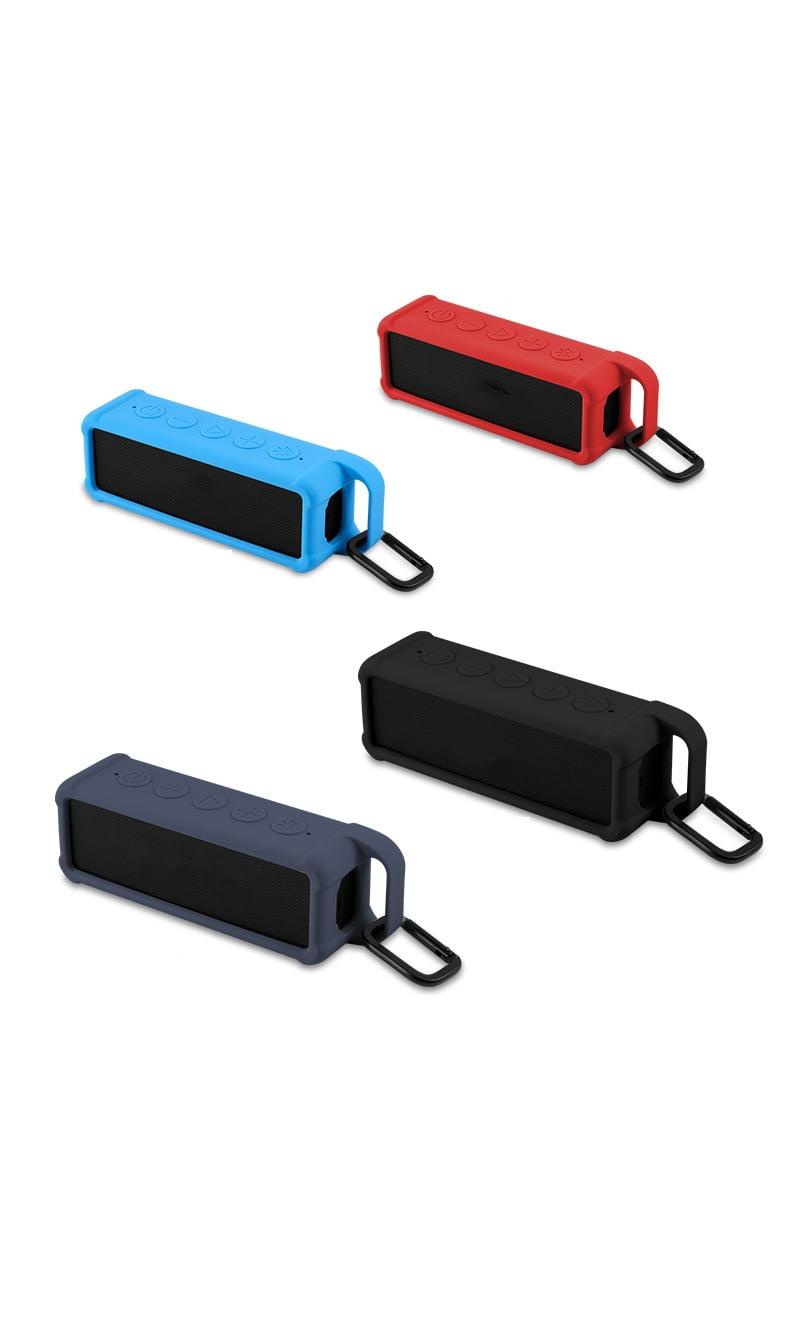
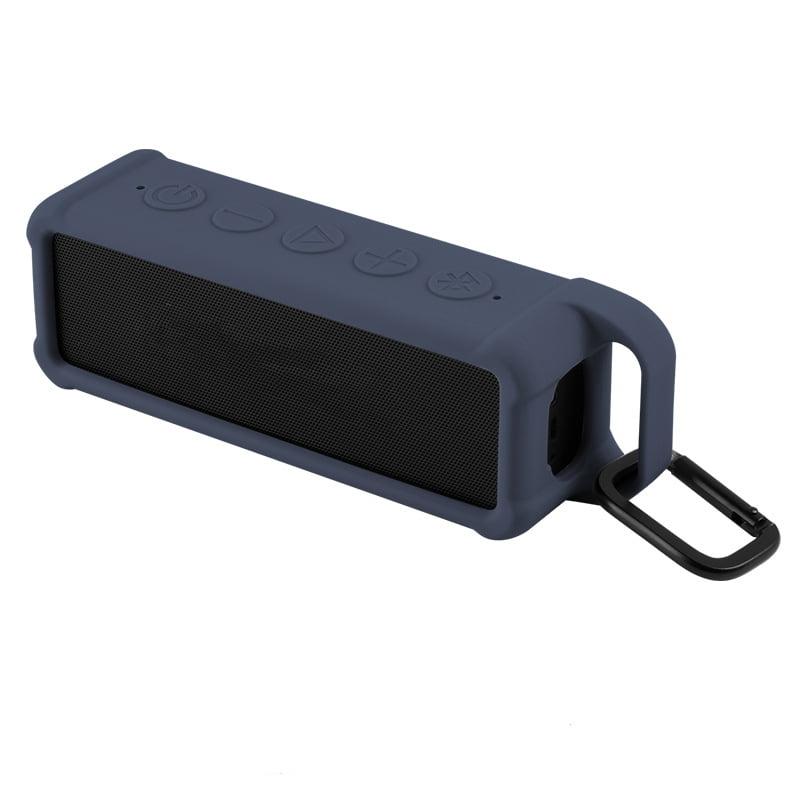
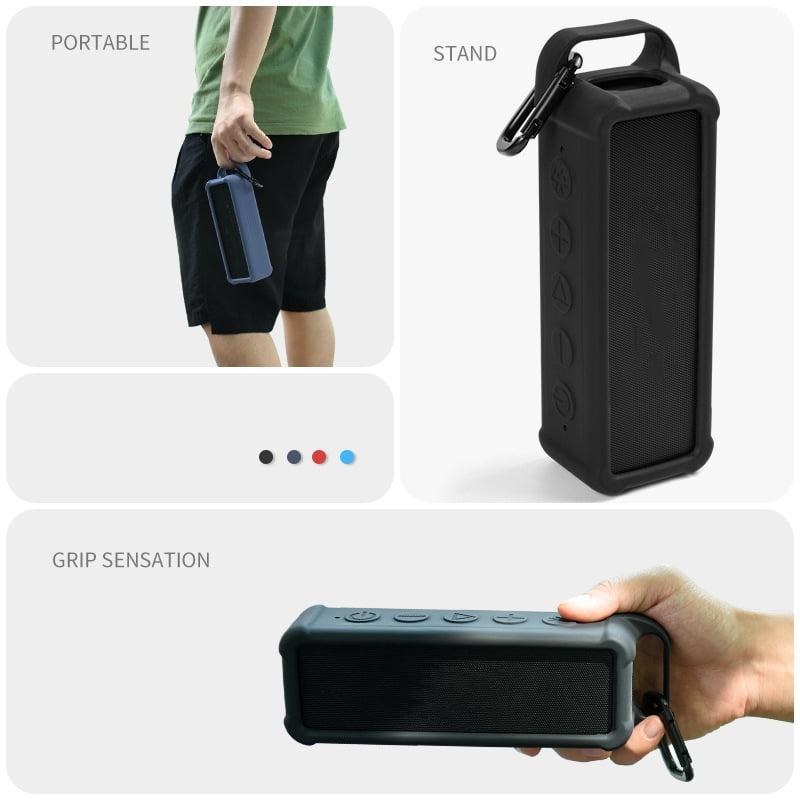
Portable Bluetooth speakers have become essential companions for our increasingly mobile lives. Whether you're hosting a backyard barbecue, heading to the beach, or just want better sound than your phone's tiny speakers can deliver, choosing the right portable speaker can make a significant difference in your listening experience. Today, we're diving deep into two popular options that represent very different approaches to portable audio: the mid-premium JBL Charge 4 and the budget-friendly Anker Soundcore 2.
These speakers, released in 2018 and 2017 respectively, have maintained their popularity despite newer models entering the market. That staying power says something important about their design and value propositions. But which one deserves a spot in your bag or on your shelf?
Before we dive into the specifics, it's worth understanding what makes a great portable Bluetooth speaker. The most crucial factors include audio quality (how good it sounds), portability (size and weight), battery life, durability, and special features that add value beyond basic music playback.
Audio quality in portable speakers is primarily determined by driver size and power output. Drivers are the components that actually produce sound by vibrating to push air and create sound waves. Larger drivers and more power generally mean better sound, but they also mean bigger, heavier speakers. Power output, measured in watts (W), tells you how loud a speaker can get and how much energy it uses to produce sound.
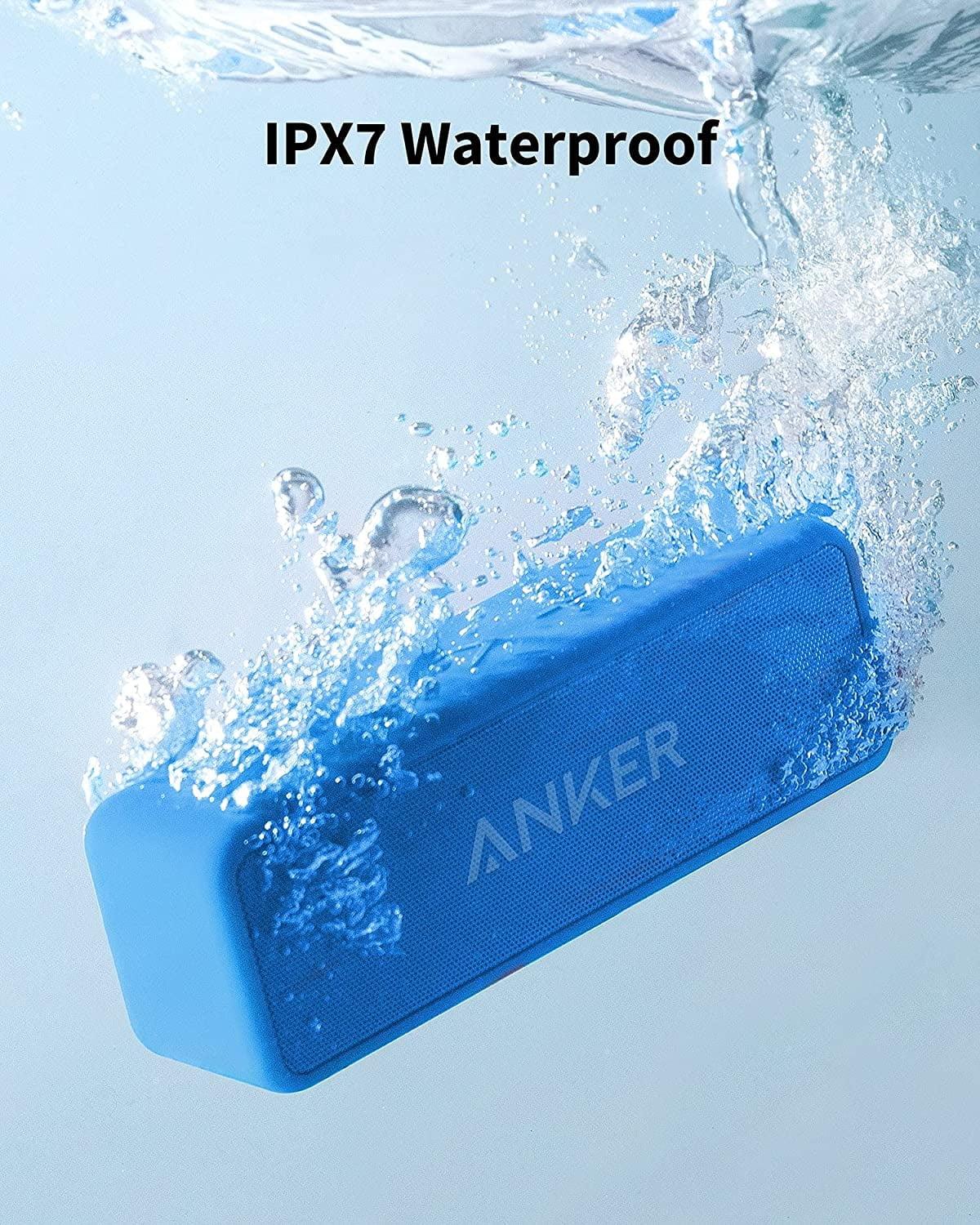
Water resistance has become almost mandatory for portable speakers, rated using IP (Ingress Protection) codes. An IPX7 rating, which both our speakers share, means they can survive being submerged in up to one meter of water for 30 minutes – essentially making them fully waterproof for practical purposes.
The JBL Charge 4 and Anker Soundcore 2 represent two distinct philosophies in portable speaker design. JBL took a "premium features and performance" approach, while Anker focused on delivering solid performance at an incredibly accessible price point.
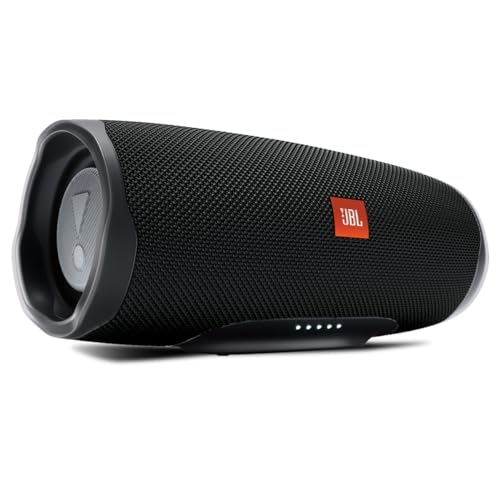
The most immediately obvious difference between these speakers is their size. The JBL Charge 4 is substantially larger at roughly 8.7 x 3.7 x 3.7 inches and weighing just over two pounds. In contrast, the Anker Soundcore 2 measures about 6.5 x 2.1 x 1.8 inches and weighs less than a pound. This isn't just a minor difference – the JBL is more than twice as heavy.
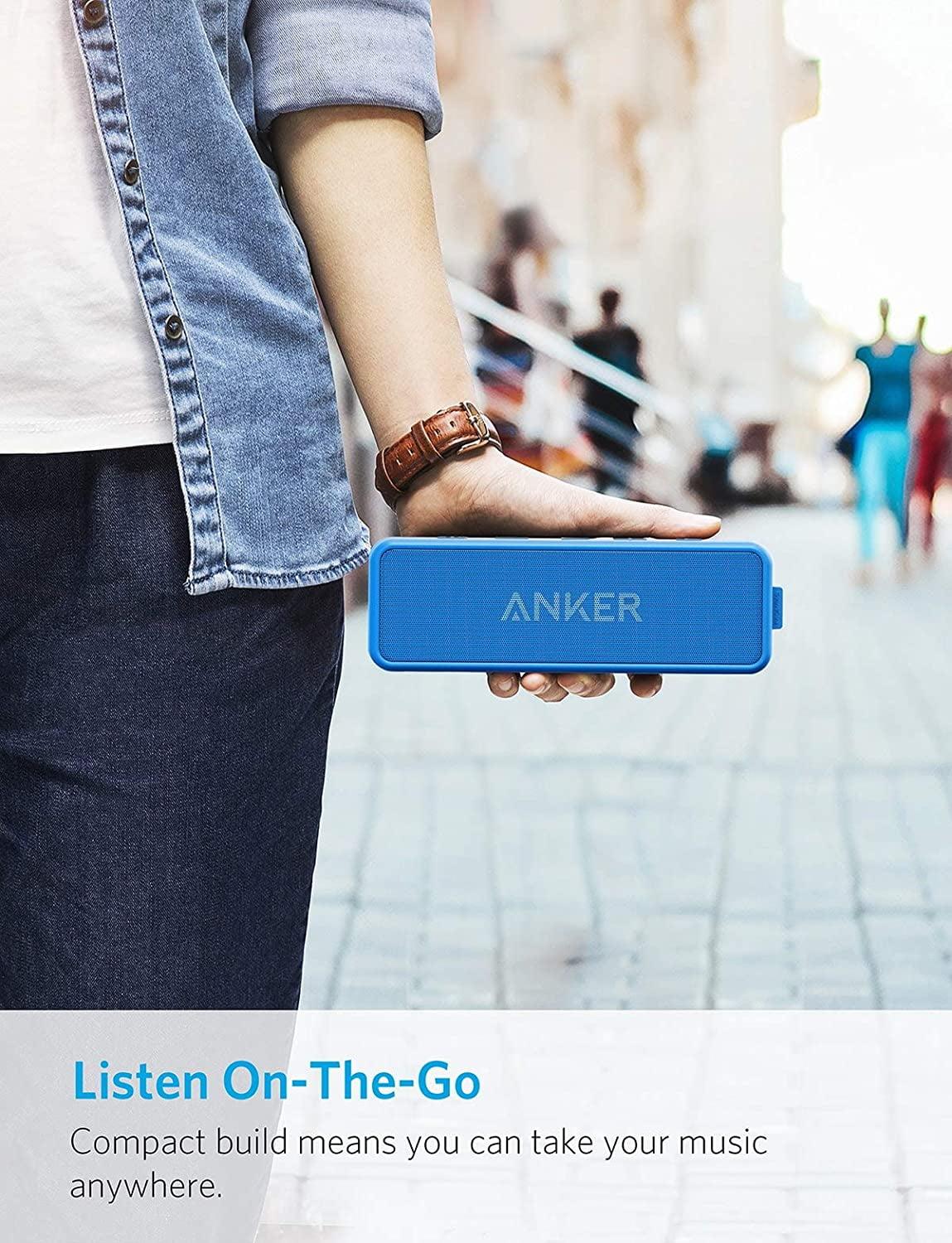
This size difference immediately tells you something about their intended use cases. The Anker Soundcore 2 slips easily into a backpack side pocket or purse, making it genuinely portable for daily commuting or travel. The JBL Charge 4, while still portable, is more of a "destination speaker" – something you bring to the beach, park, or party rather than carry everywhere.
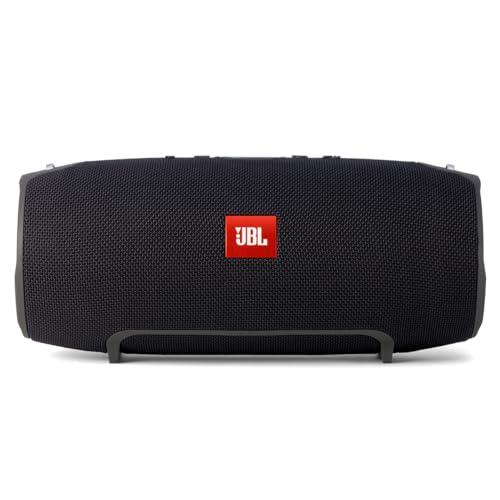
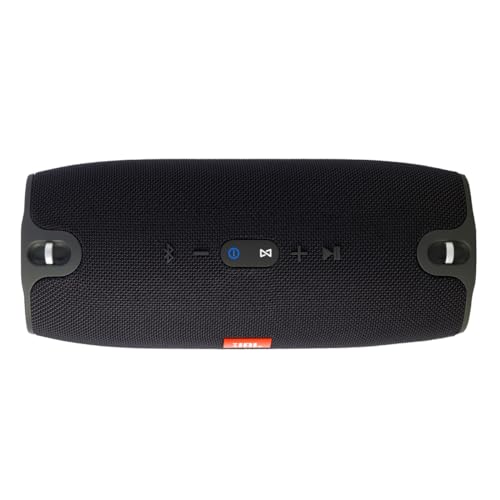
Build quality varies significantly between the two. The JBL Charge 4 features a premium construction with durable fabric covering and rugged rubber accents. The materials feel substantial and confidence-inspiring. User reports consistently praise its ability to survive drops, bumps, and rough handling. The button layout is intuitive, with tactile feedback that works well even when wearing gloves or in wet conditions.
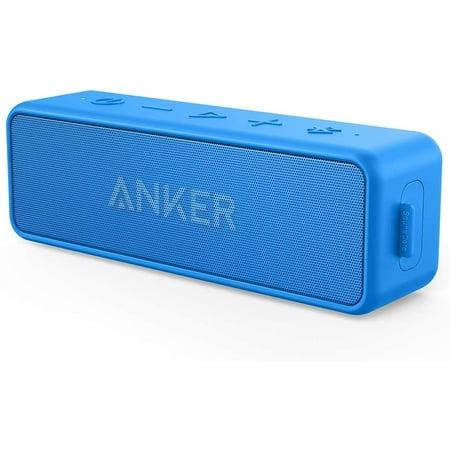
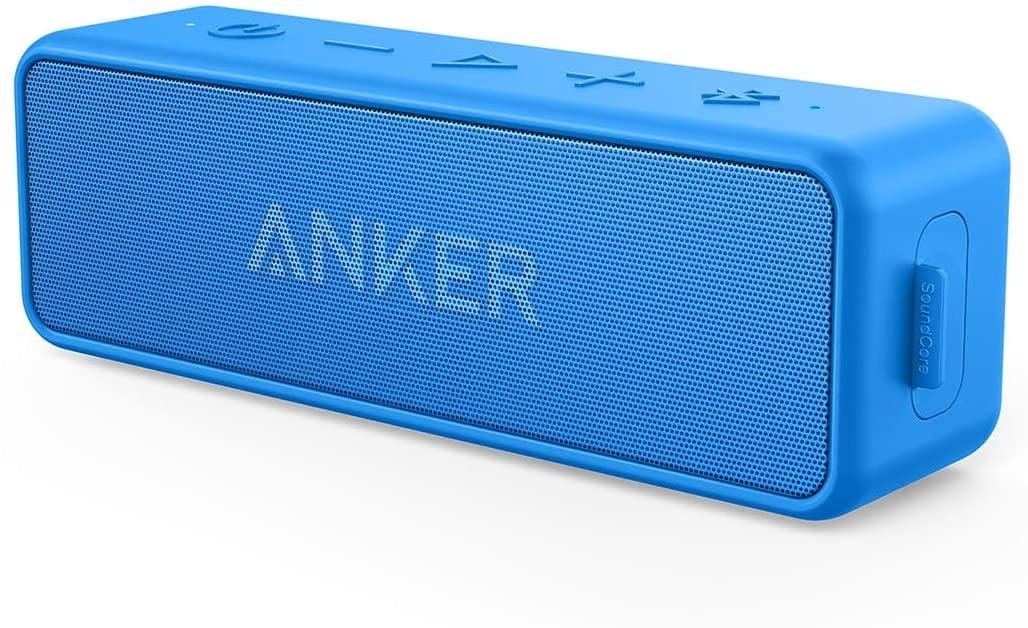
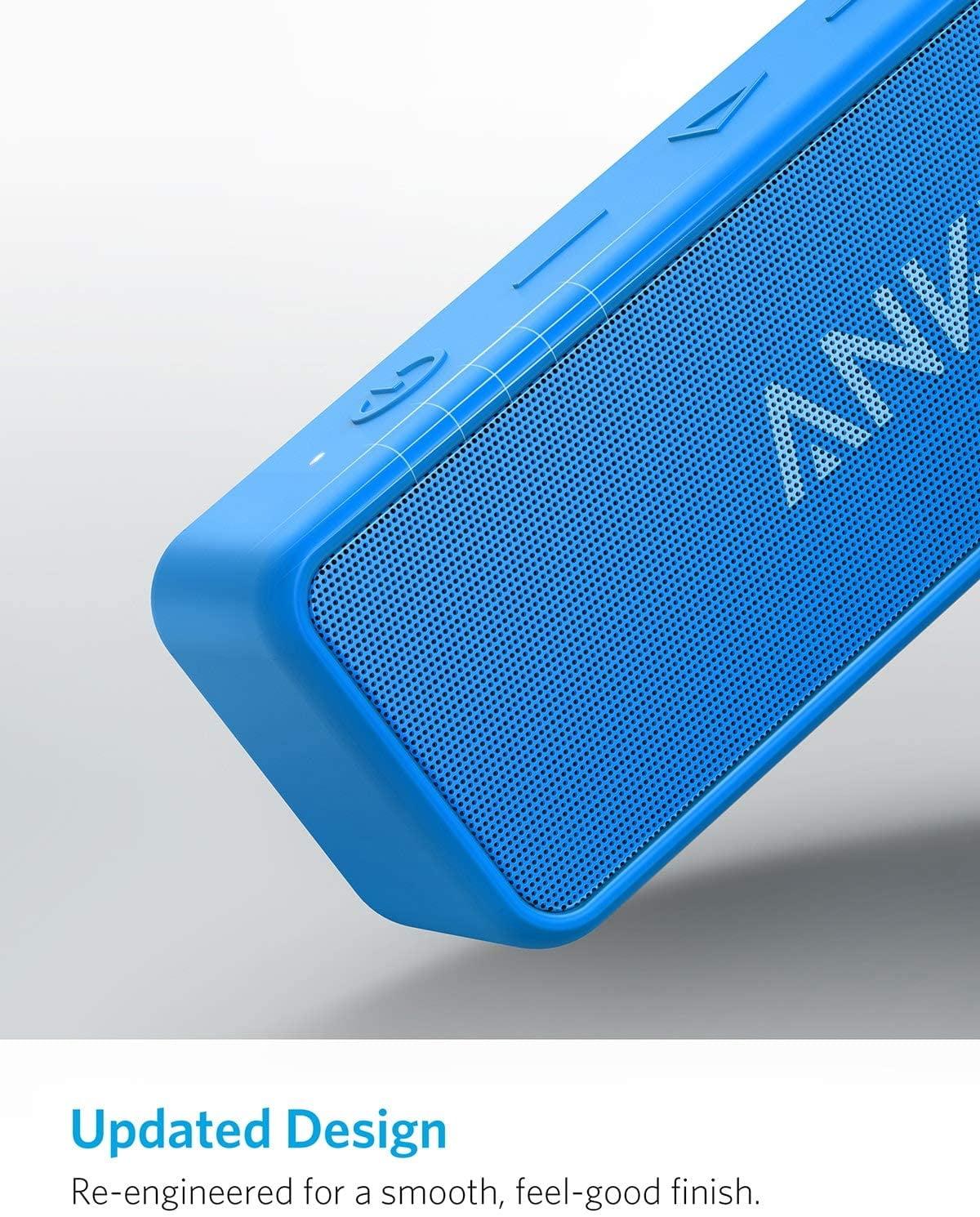
The Anker Soundcore 2 uses a rubberized plastic construction that feels solid but less premium. However, don't mistake "less premium" for "cheap" – the build quality is impressive for its price range. The rubberized finish provides excellent grip but tends to attract fingerprints and dust. The buttons have a satisfying click, though they're smaller and might be harder to operate in challenging conditions.
Both speakers earn their IPX7 waterproof ratings, but real-world testing suggests the JBL Charge 4 might be slightly more robust in harsh conditions due to its more substantial construction and better-sealed ports.
This is where the JBL Charge 4 justifies its higher price point most clearly. The audio performance difference between these speakers is substantial and immediately noticeable.
The JBL Charge 4 packs a single 30-watt RMS (Root Mean Square – a measure of continuous power output) driver with dual passive radiators. Passive radiators are essentially speakers without magnets that vibrate sympathetically with the main driver to enhance bass response. This setup allows JBL to achieve much deeper, more powerful bass than would be possible with the main driver alone.
The frequency response of 60Hz to 20kHz means the JBL Charge 4 can reproduce most of the audible spectrum effectively. That 60Hz lower limit is particularly impressive for a portable speaker – it means you'll actually hear and feel bass drums, not just hear their upper harmonics.
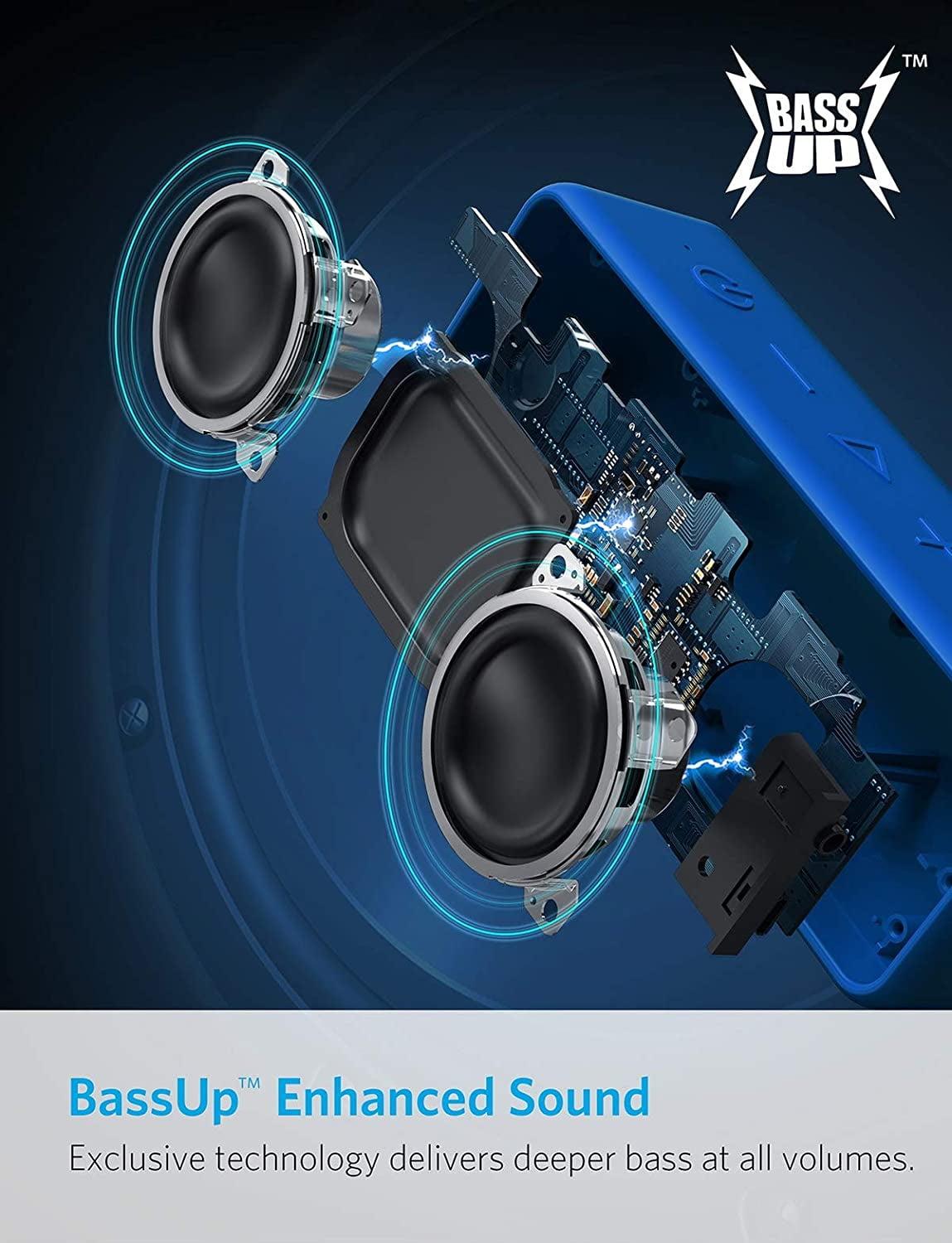
In contrast, the Anker Soundcore 2 uses dual 6-watt drivers for a total of 12 watts. While Anker's BassUp technology and spiral bass port design help maximize the low-end response, physics ultimately wins – you can't get the same bass depth and power from smaller drivers and less amplification.
However, the Anker Soundcore 2 punches well above its weight class. The sound is remarkably clean and distortion-free, even at higher volumes. The dual-driver setup provides better stereo separation than the JBL Charge 4's mono configuration, though the JBL's larger soundstage and more powerful output often compensate for this technical disadvantage.
Volume and Dynamic Range
The JBL Charge 4 gets significantly louder – loud enough for outdoor gatherings of 15-20 people or more. The Anker Soundcore 2 is better suited for personal listening or small group settings of 3-5 people. Neither speaker exhibits significant compression or distortion at reasonable listening levels, but the JBL maintains its composure better at maximum volume.
Sound Signature Differences
The JBL Charge 4 delivers a warmer, more balanced sound with present but not overwhelming bass, clear midrange vocals, and adequate treble. It's the kind of sound signature that works well with most music genres and doesn't become fatiguing during extended listening sessions.
The Anker Soundcore 2 tends toward a slightly brighter, more neutral sound signature. While it lacks the deep bass extension of the JBL, what bass is present is tight and controlled. Vocals come through clearly, though they can sometimes get overshadowed by the bass in bass-heavy tracks.
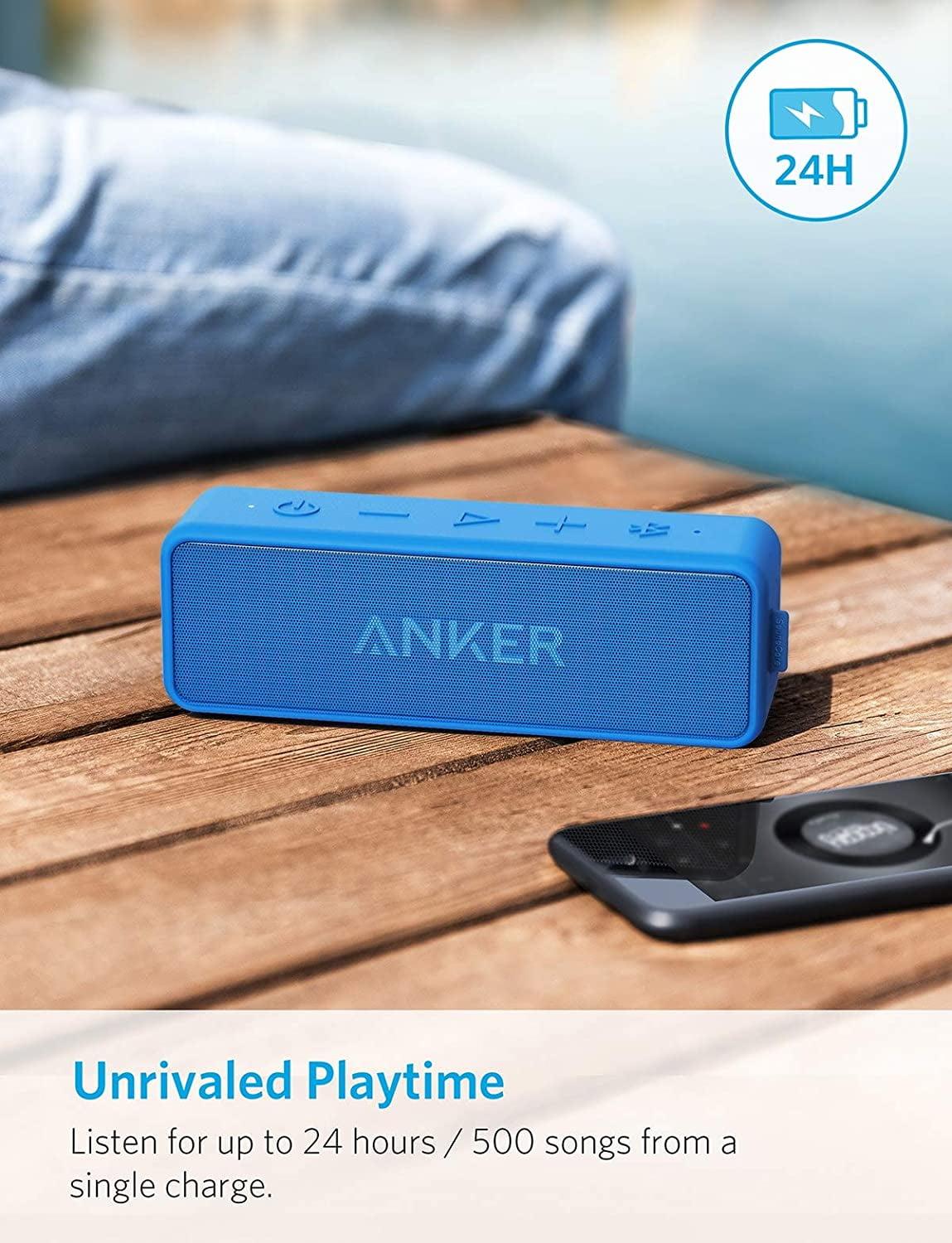
Here's where things get interesting. Despite having a much smaller battery (5,200mAh vs 7,500mAh), the Anker Soundcore 2 actually delivers longer playback time – up to 24 hours compared to the JBL Charge 4's 20 hours. This difference comes down to power efficiency. The Anker's lower-power drivers simply don't drain the battery as quickly.
More importantly for many users, the Anker Soundcore 2 charges faster, requiring only 3 hours for a full charge compared to 4 hours for the JBL Charge 4. When you're packing for a trip or getting ready for an event, that hour difference can matter.
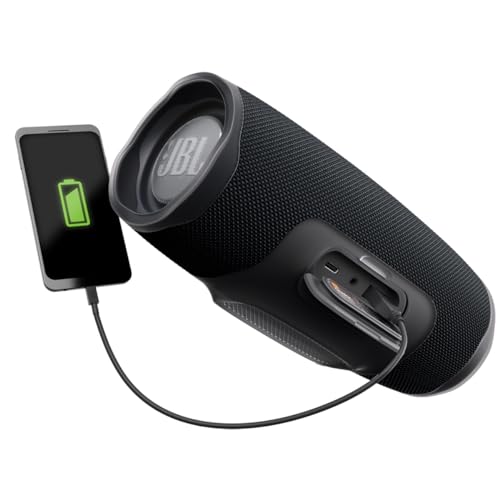
However, the JBL Charge 4 includes a killer feature that the Anker lacks entirely: power bank functionality. The JBL can charge your smartphone, tablet, or other USB devices through its USB-A output port. This feature alone can justify the price difference for many users, especially those who spend time outdoors or away from power outlets regularly.
The charging port differences are also worth noting. The JBL Charge 4 uses USB-C, which is becoming the universal standard and charges more efficiently. The Anker Soundcore 2 still uses micro-USB, which feels dated in 2024 but keeps costs down.
Both speakers use Bluetooth 4.2, which provides solid connectivity and decent range. However, the JBL Charge 4 typically achieves better range in real-world conditions – often reaching 200 feet in ideal conditions compared to about 90 feet for the Anker Soundcore 2.
The JBL Charge 4 supports simultaneous connection to two devices, allowing easy switching between sources without re-pairing. This is incredibly convenient when sharing music duties at a party or switching between your phone and laptop.
JBL's Connect+ technology is a standout feature that allows you to wirelessly link over 100 compatible JBL speakers. While most people won't use anywhere near 100 speakers, being able to pair two JBL Charge 4 units for true stereo sound or significantly louder output is genuinely useful.
The Anker Soundcore 2 includes a built-in microphone for hands-free calling – something the JBL Charge 4 surprisingly lacks. If you frequently take calls while using your speaker, this could be a deciding factor.
Both speakers include 3.5mm auxiliary inputs for wired connections, which can be useful for devices without Bluetooth or when you want to conserve battery.
Neither speaker is designed primarily for home theater use, but they can serve as bedroom TV speakers or provide audio for casual video watching. The JBL Charge 4's more powerful output and better bass response make dialogue clearer and action scenes more impactful. However, both speakers are mono, which means you won't get true stereo separation for movies.
For serious home theater use, you'd want to consider JBL's Connect+ feature to pair two JBL Charge 4 units for left and right channels, though at that point you'd be approaching the cost of dedicated bookshelf speakers or a soundbar that would likely perform better.
Since the 2017-2018 release of these speakers, Bluetooth speaker technology has continued advancing. Newer models often include features like app-based EQ controls, Wi-Fi connectivity, voice assistant integration, and improved codec support. Neither the JBL Charge 4 nor Anker Soundcore 2 includes these modern features, though both manufacturers have released newer models that do.
However, this older technology isn't necessarily a disadvantage. Both speakers have proven their reliability and longevity. The simpler feature sets mean fewer things can go wrong, and both have received numerous firmware updates to improve performance and compatibility.
At the time of writing, the price difference between these speakers is significant – the Anker Soundcore 2 typically costs less than half what you'd pay for the JBL Charge 4. This price gap raises an important question: does the JBL deliver twice the value?
For pure audio quality, the answer is clearly yes. The JBL Charge 4 sounds substantially better, gets much louder, and includes premium features like power bank functionality and multi-speaker connectivity. If sound quality is your primary concern and you can accommodate the larger size, the JBL represents good value despite its higher price.
However, the Anker Soundcore 2 delivers exceptional value in its price category. It sounds good – genuinely good, not just "good for the price" – while offering superior portability and respectable features. For many users, especially those prioritizing budget and portability, the Anker provides 80% of the experience at less than half the cost.
Choose the JBL Charge 4 if:
Choose the Anker Soundcore 2 if:
Both speakers succeed admirably at their intended missions. The JBL Charge 4 delivers premium performance and features that justify its higher price for users who prioritize audio quality and advanced functionality. The Anker Soundcore 2 provides remarkable value, offering solid performance and essential features at an accessible price point.
Your choice ultimately depends on your priorities, budget, and use cases. If you can afford the premium and value superior sound quality, the JBL Charge 4 won't disappoint. If you need something genuinely portable at a budget-friendly price, the Anker Soundcore 2 delivers far more than you'd expect for the money.
Either way, you're getting a capable, waterproof portable speaker that will serve you well for years to come. The real winner here might be the consumer – having such strong options at different price points means there's likely a perfect fit for your specific needs and budget.
| JBL Charge 4 | Anker Soundcore 2 |
|---|---|
| Audio Power - Determines maximum volume and bass depth | |
| 30W RMS (single driver + dual passive radiators) | 12W total (dual 6W drivers) |
| Size & Weight - Critical for portability and daily carry | |
| 8.7 x 3.7 x 3.7 inches, 2.12 lbs (substantial but manageable) | 6.5 x 2.1 x 1.8 inches, 0.9 lbs (truly pocket-portable) |
| Battery Life - How long your music lasts | |
| Up to 20 hours (larger battery, higher power consumption) | Up to 24 hours (smaller battery, more efficient) |
| Charging Speed - How quickly you're back to full power | |
| 4 hours (USB-C charging port) | 3 hours (micro-USB charging port) |
| Power Bank Feature - Charges your devices on the go | |
| Yes (USB-A output, 5V/2A) - major convenience feature | No power bank capability |
| Water Resistance - Protection level for outdoor use | |
| IPX7 (fully waterproof, submersible to 1m for 30 mins) | IPX7 (identical waterproof rating) |
| Multi-Speaker Connectivity - Expand your sound system | |
| JBL Charge 4 Connect+ (link 100+ compatible speakers) | No multi-speaker pairing capability |
| Hands-Free Calling - Take calls through the speaker | |
| No built-in microphone | Built-in microphone for hands-free calls |
| Bluetooth Range - Connection distance in ideal conditions | |
| Up to 200 feet (superior antenna design) | Up to 90 feet (standard range) |
| Sound Quality - The most noticeable difference in daily use | |
| Deeper bass, louder volume, warmer sound signature | Clean, balanced sound but limited bass depth |
| Build Quality - Durability and premium feel | |
| Durable fabric + rubber housing (premium materials) | Rubberized plastic (solid but attracts fingerprints) |
| Voice Assistant Support - Access Siri/Google Assistant | |
| No voice assistant integration | Supports voice assistants through connected phone |
The JBL Charge 4 delivers significantly better sound quality with its 30W RMS output compared to the Anker Soundcore 2's 12W total power. The JBL produces deeper bass, clearer vocals, and gets much louder without distortion. While the Anker Soundcore 2 sounds good for its price range, the JBL Charge 4 offers substantially superior audio performance across all frequencies.
The Anker Soundcore 2 is much more portable, weighing less than 1 pound compared to the JBL Charge 4's 2.12 pounds. The Anker easily fits in backpacks or purses, while the JBL Charge 4 is more of a destination speaker. For daily commuting and travel, the Anker Soundcore 2 is the clear winner for true portability.
The Anker Soundcore 2 offers up to 24 hours of battery life compared to the JBL Charge 4's 20 hours. The Anker also charges faster at 3 hours versus 4 hours for the JBL. However, the JBL Charge 4 can charge your phone and other devices as a power bank, which the Anker Soundcore 2 cannot do.
Neither the JBL Charge 4 nor Anker Soundcore 2 is designed primarily for home theater use, as both are mono speakers. The JBL Charge 4 works better for TV audio due to its more powerful output and clearer dialogue reproduction. For serious home theater use, you'd want to pair two JBL Charge 4 units using Connect+ for stereo sound.
This depends on your priorities. The Anker Soundcore 2 offers exceptional value at its lower price point, delivering solid performance for casual listening. The JBL Charge 4 costs significantly more but provides substantially better sound quality, power bank functionality, and premium features. The Anker Soundcore 2 gives you 80% of the experience at roughly half the cost.
Yes, both the JBL Charge 4 and Anker Soundcore 2 have IPX7 waterproof ratings, meaning they can be submerged in up to 1 meter of water for 30 minutes. Both are excellent for pool parties, beach trips, and outdoor adventures. The JBL Charge 4 may be slightly more durable due to its more robust construction materials.
The JBL Charge 4 gets significantly louder with its 30W output, making it suitable for outdoor gatherings of 15-20 people or more. The Anker Soundcore 2 is better suited for personal listening or small groups of 3-5 people. For parties and larger gatherings, the JBL Charge 4 is the clear choice.
The JBL Charge 4 features Connect+ technology that allows you to wirelessly link over 100 compatible JBL speakers for expanded sound coverage. The Anker Soundcore 2 does not offer multi-speaker connectivity. This makes the JBL Charge 4 more versatile for creating larger sound systems or true stereo pairs.
The JBL Charge 4 offers superior connectivity with longer Bluetooth range (up to 200 feet), dual device pairing, and USB-C charging. The Anker Soundcore 2 includes a built-in microphone for hands-free calling, which the JBL Charge 4 lacks. Both have 3.5mm aux inputs and similar Bluetooth 4.2 connectivity.
For camping, the JBL Charge 4 is generally better due to its power bank feature that can charge your devices, making it incredibly useful when away from power sources. However, the Anker Soundcore 2 offers longer battery life and faster charging, plus superior portability for hiking. Your choice depends on whether device charging or maximum portability is more important.
The JBL Charge 4 features premium construction with durable fabric and rugged rubber housing that feels more substantial and confidence-inspiring. The Anker Soundcore 2 uses solid rubberized plastic that's well-built for its price range but attracts fingerprints. Both earn their IPX7 ratings, but the JBL Charge 4 likely offers better long-term durability due to superior materials.
If budget is your primary concern, the Anker Soundcore 2 delivers remarkable performance for its lower price point. It offers clean, balanced sound, excellent portability, and long battery life. However, if you can stretch your budget, the JBL Charge 4 provides substantially better audio quality and premium features that justify the higher cost for serious music listeners.
We've done our best to create useful and informative comparisons to help you decide what product to buy. Our research uses advanced automated methods to create this comparison and perfection is not possible - please contact us for corrections or questions. These are the sites we've researched in the creation of this article: rtings.com - whathifi.com - whathifi.com - soundguys.com - soundguys.com - streamtechreviews.com - youtube.com - versus.com - applevis.com - versus.com - jbl.com - jbl.com - walmart.com - comparisontabl.es - harmanaudio.com - manuals.plus - jbl.com.sg - jbl.com - mm.jbl.com - bestbuy.com - newpower99.com - forums.woot.com - community.anker.com - forums.androidcentral.com - community.anker.com - youtube.com - community.anker.com - community.anker.com - wirelessplace.com - cnet.com - youtube.com - walmart.com - us.ankerwork.com - support.soundcore.com

Privacy Policy
Terms and Conditions - Affiliate Policy
Home Security
© Copyright 2008-2026.
11816 Inwood Rd #1211, Dallas, TX 75244