


Choosing between the JBL Charge 4 and Anker Soundcore Motion X500 reveals two fundamentally different approaches to portable Bluetooth speakers. After diving deep into user reviews, expert testing, and technical specifications, it's clear these speakers serve distinctly different needs despite competing in the same category.
The portable Bluetooth speaker market has exploded over the past decade, transforming from basic wireless audio boxes into sophisticated entertainment systems. Today's buyers face a complex decision matrix involving sound quality, battery life, durability, and advanced features like spatial audio processing. Understanding these trade-offs is crucial for making the right choice.
Before comparing these specific models, let's establish what separates excellent portable speakers from mediocre ones. The most critical factors include driver quality (the components that actually produce sound), amplifier power (how much electrical energy drives those drivers), battery capacity (measured in milliamp-hours or mAh), and digital signal processing (DSP, which fine-tunes the audio before it reaches your ears).
Sound quality in portable speakers involves significant engineering compromises. Unlike full-size speakers that can dedicate separate drivers to different frequency ranges, portable units must squeeze bass, midrange, and treble performance into compact enclosures. This is where passive radiators become important - these are speaker-like components that don't receive electrical signals but vibrate in response to air pressure changes inside the speaker, effectively extending bass response without requiring additional powered drivers.
Water resistance ratings follow the Ingress Protection (IP) standard. The "X7" in IPX7 means the speaker can survive temporary submersion in water up to one meter deep for 30 minutes. This makes both our contenders suitable for poolside parties or accidental drops in shallow water.
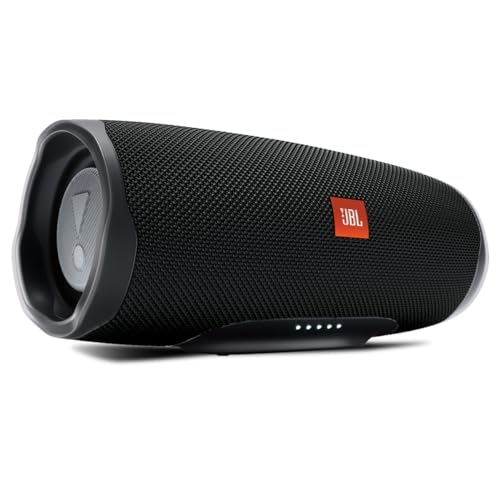
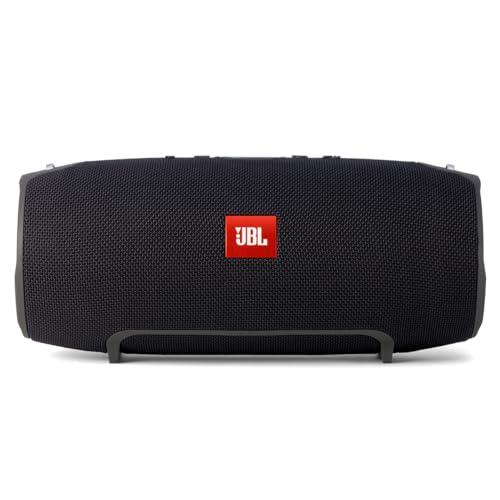
The JBL Charge 4, released in 2018, represents JBL's tried-and-true approach to portable audio. Its cylindrical design measures roughly 8.7 inches long and weighs just over 2 pounds, making it genuinely portable for hiking, camping, or beach trips. The fabric and rubber construction feels built for abuse, with sealed ports protecting against water and dust intrusion.
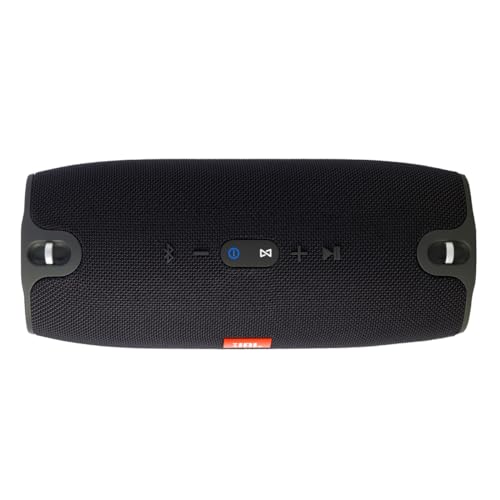
JBL's design team clearly prioritized function over form. The button layout is intuitive, the carrying form factor works well with backpacks, and the overall aesthetic screams "throw me in your gear bag." This utilitarian approach has served JBL well - the Charge series has become synonymous with outdoor audio reliability.
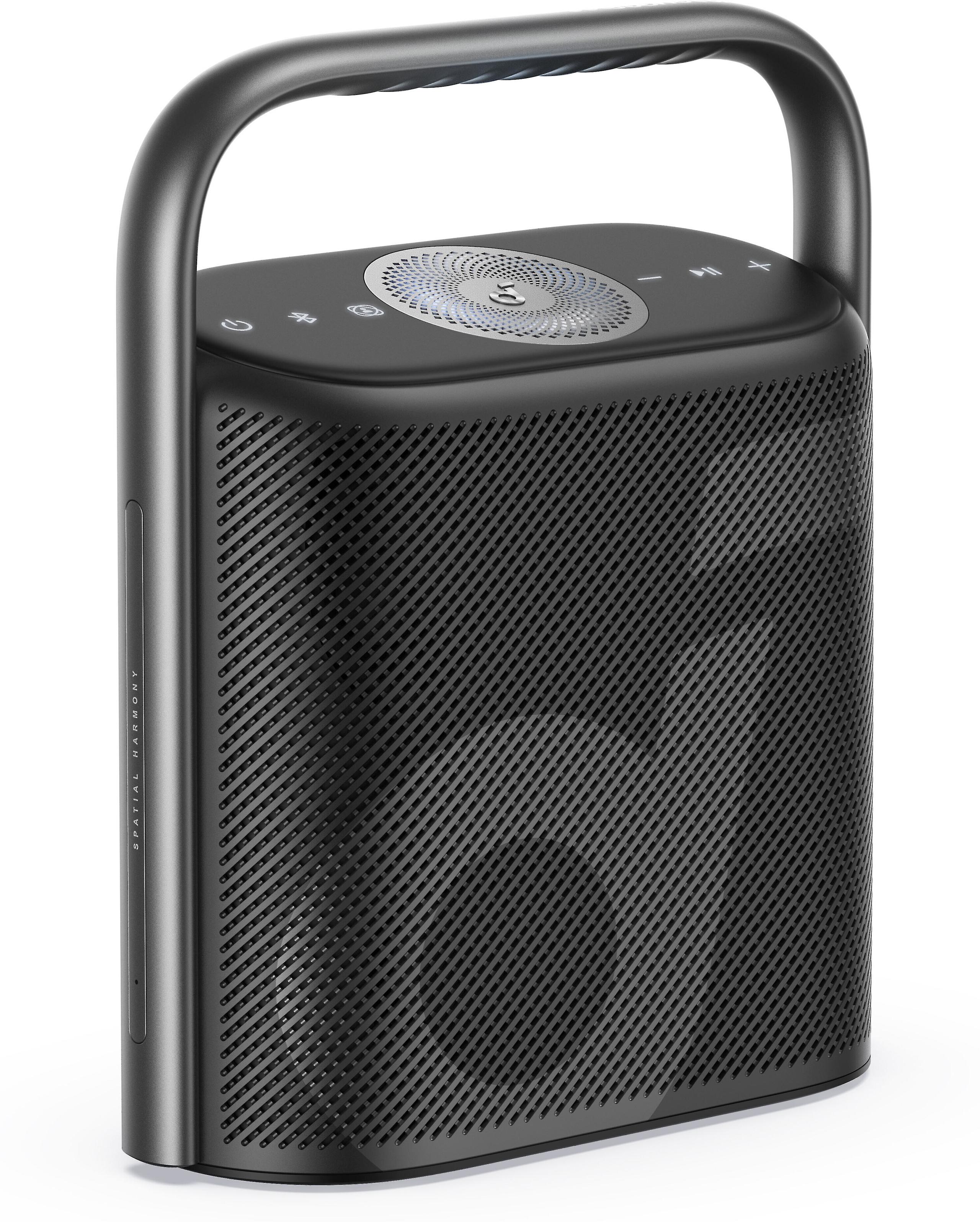
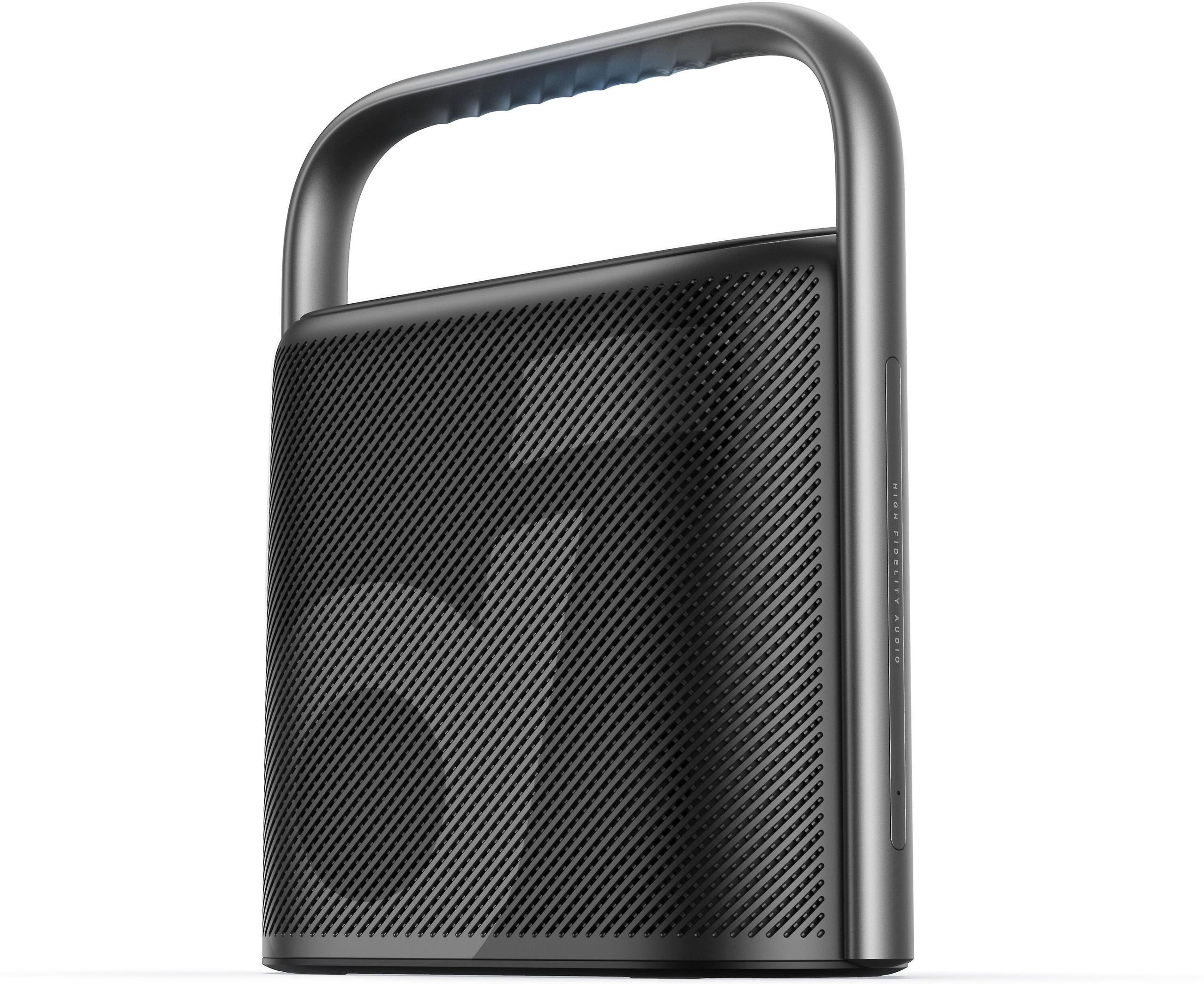
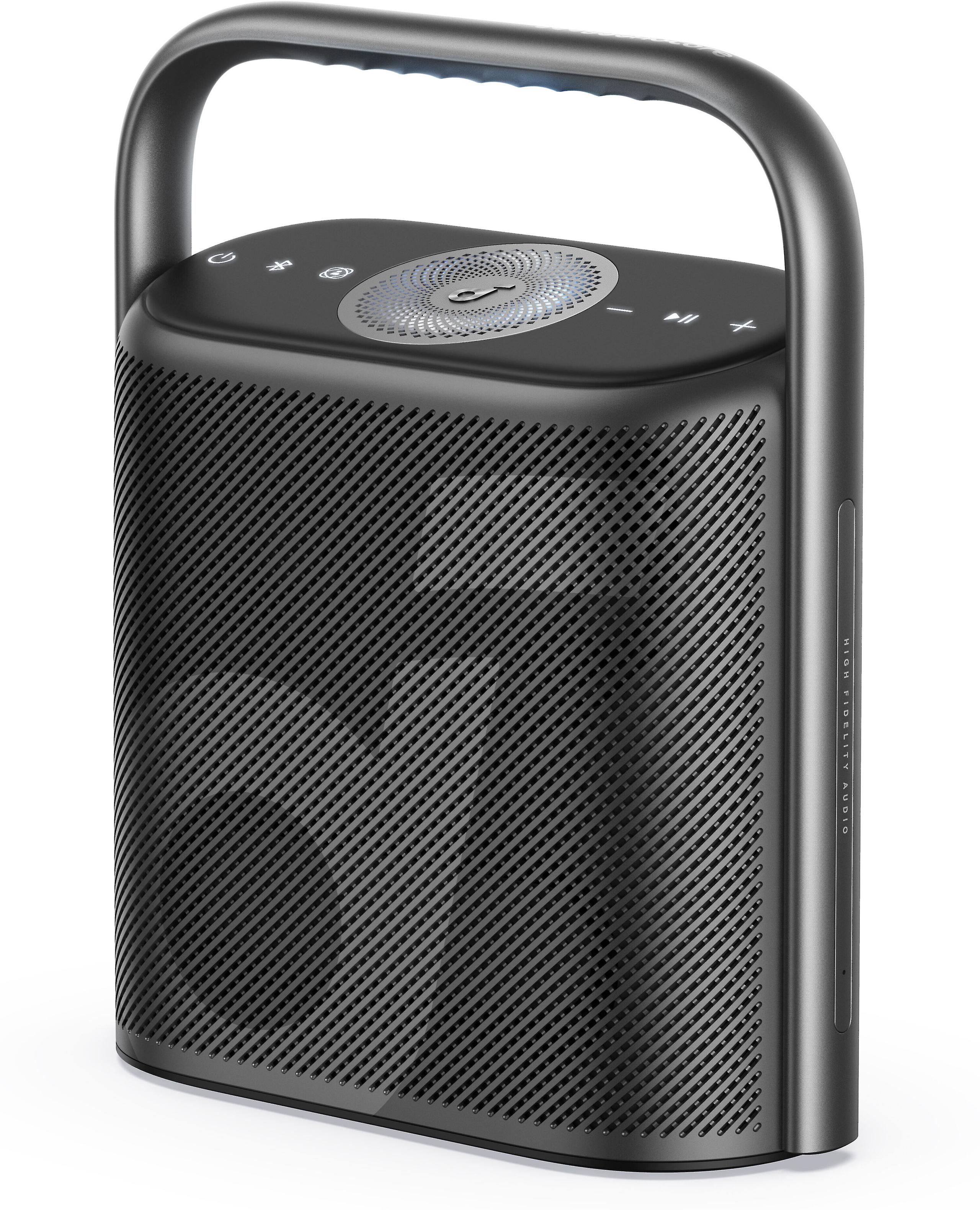
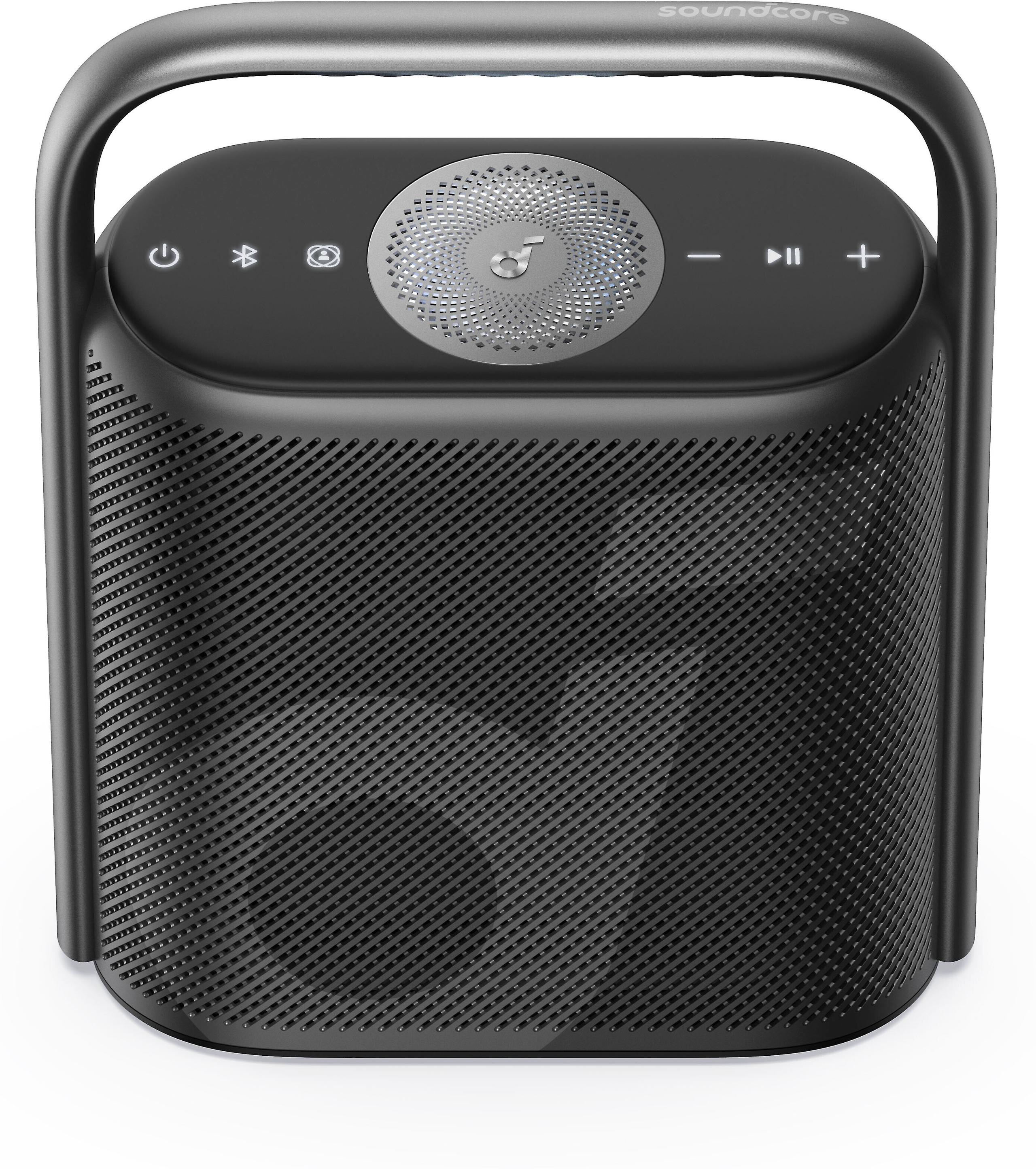
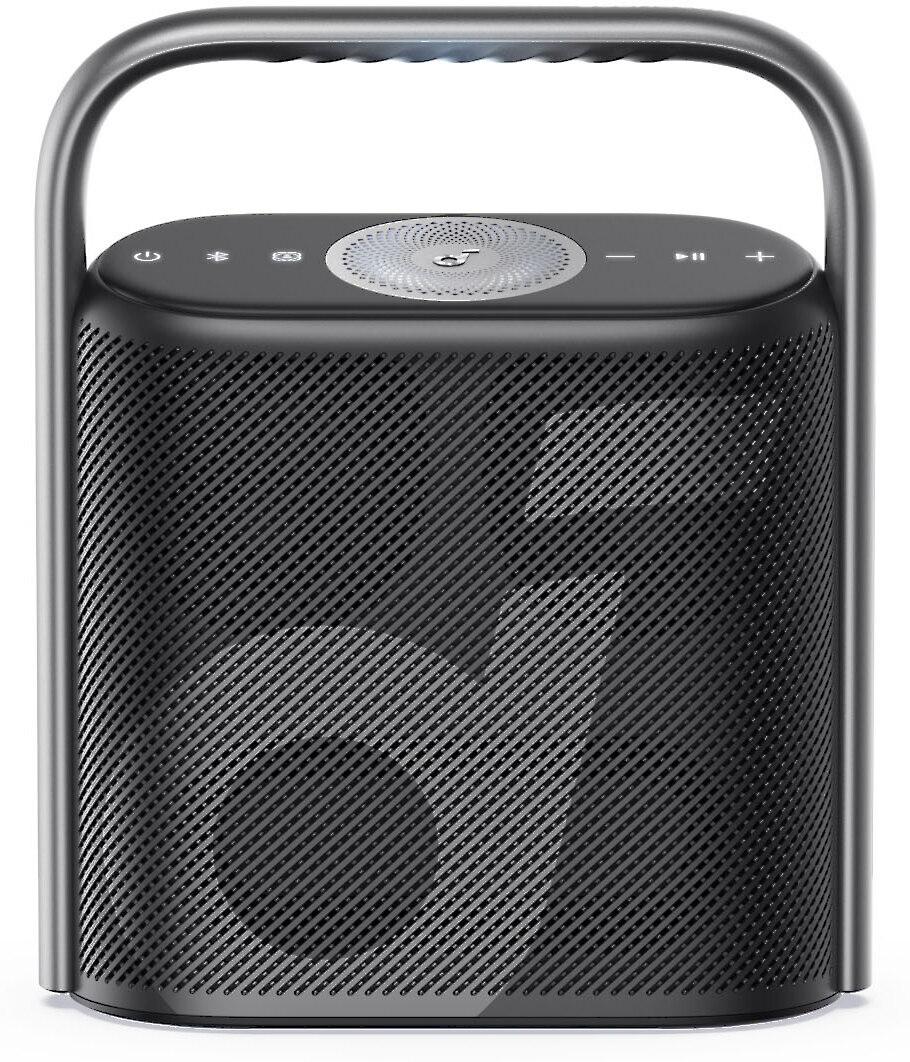
The Anker Soundcore Motion X500, arriving in 2023, takes a completely different design philosophy. At roughly the same weight but with a more rectangular footprint, it looks more like premium home audio equipment than camping gear. The aluminum construction and ambient lighting effects suggest Anker targeted users who want something that looks sophisticated on a kitchen counter or patio table.
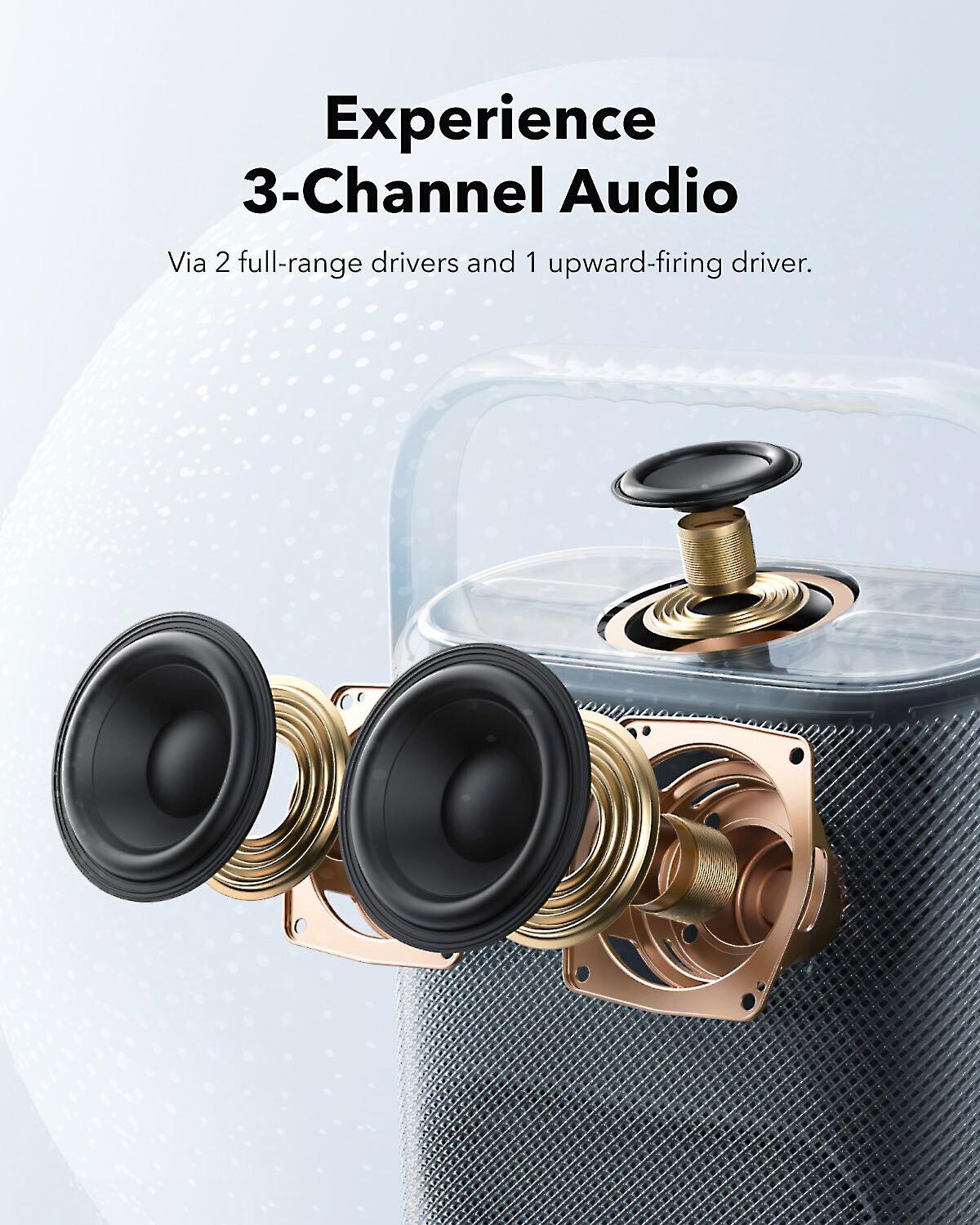
This newer design incorporates a unique three-driver layout with two forward-facing drivers and one pointing upward. This upward-firing driver is key to the Motion X500's spatial audio claims - it bounces sound off ceilings and walls to create a more immersive listening experience. The concept borrows from high-end home audio, where ceiling-mounted or upward-firing speakers create "height channels" for surround sound systems.
Sound quality represents the most nuanced comparison between these speakers. The JBL Charge 4 uses a single racetrack-shaped driver (50x90mm) paired with dual passive radiators. This traditional approach focuses on consistent, balanced sound reproduction across the frequency spectrum.
Based on extensive user feedback and professional testing, the Charge 4 delivers what many describe as a "safe" sound signature. The midrange frequencies - where vocals and most instruments live - come through clearly without excessive coloration. The bass response, while not earth-shaking, provides enough low-end punch for most music genres without overwhelming the mix. The high frequencies (treble) tend toward the conservative side, avoiding harshness but sometimes lacking the sparkle that makes cymbals and acoustic guitar strings sound crisp.
The Charge 4's frequency response officially ranges from 60Hz to 20kHz, which covers most audible music content. However, that 60Hz lower limit means truly deep bass notes - the kind you feel in your chest at live concerts - simply aren't reproduced. This limitation is common in portable speakers due to size constraints.
The Motion X500 takes a more ambitious approach with its 40-watt tri-driver system. The two main drivers handle traditional left and right stereo duties, while the upward-firing unit creates what Anker calls spatial audio. This processing attempts to make the speaker sound larger than its physical dimensions by reflecting sound off room surfaces.
User reviews consistently praise the Motion X500's bass response, particularly when using the "Spatial Dynamic" EQ setting. The extra 10 watts of power compared to the Charge 4 becomes apparent in the low frequencies, where the Motion X500 can push more air and create more substantial bass impact. The treble response also receives high marks for detail and clarity, making it better suited for acoustic music and podcast listening where voice intelligibility matters.
However, the Motion X500's spatial audio processing works best in indoor environments with reflective surfaces. Outdoors, where many portable speakers see heavy use, this advantage largely disappears. The upward-firing driver essentially becomes wasted power and battery drain when there's nothing above to reflect sound back to listeners.
Battery performance reveals the starkest difference between these speakers. The JBL Charge 4 packs a massive 7,500mAh battery that delivers genuinely impressive endurance. JBL's 20-hour playback claim proves realistic at moderate volume levels, with real-world testing showing 12-15 hours even at louder settings.
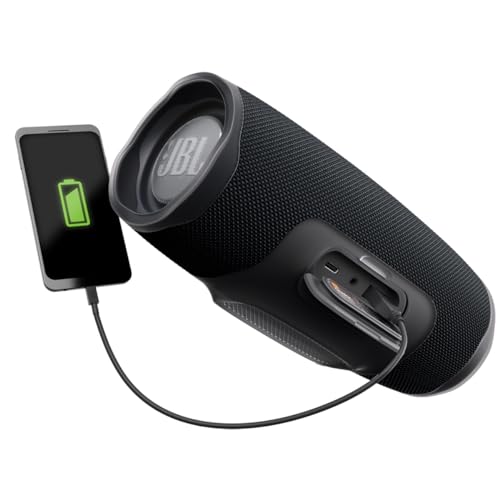
More importantly, the Charge 4 includes power bank functionality through its USB-A port. This feature transforms the speaker into a portable phone charger, delivering up to 2 amps of charging current. For camping trips or beach days where outlets are scarce, this dual functionality provides genuine utility beyond just playing music.
The engineering behind this battery life involves more than just cramming in more cells. JBL optimized the Charge 4's amplifier efficiency and power management systems to minimize energy waste. The speaker also includes intelligent battery monitoring that prevents deep discharge damage, extending overall battery lifespan.
The Motion X500 disappoints significantly in battery performance. Its 4,900mAh capacity delivers the advertised 12 hours only under ideal conditions - low volume, simple music, and minimal use of spatial audio processing. Real-world usage at party volumes typically yields 6-8 hours, which barely covers a full day of outdoor activities.
The Motion X500's shorter battery life stems partly from its more complex audio processing. The DSP algorithms that create spatial effects consume additional power, as does driving three separate drivers instead of one main driver plus passive radiators. Anker also omitted power bank functionality, meaning the smaller battery serves only the speaker itself.
This battery performance gap represents perhaps the most decisive factor for many users. The Charge 4's endurance advantage becomes exponentially more valuable during extended outings where charging opportunities don't exist.
Both speakers support Bluetooth 5.x standards for reliable wireless connectivity, but their implementation differs significantly. The JBL Charge 4 uses Bluetooth 4.2 with basic SBC codec support - the standard compression format that all Bluetooth devices understand. While this ensures universal compatibility, it doesn't deliver the best possible audio quality from high-resolution music sources.
The Charge 4 compensates with practical connectivity options, including a 3.5mm auxiliary input for direct wired connections. This proves valuable when Bluetooth isn't available or when connecting older devices. The speaker also supports JBL Connect+, allowing users to wirelessly link over 100 compatible JBL speakers for massive outdoor gatherings.
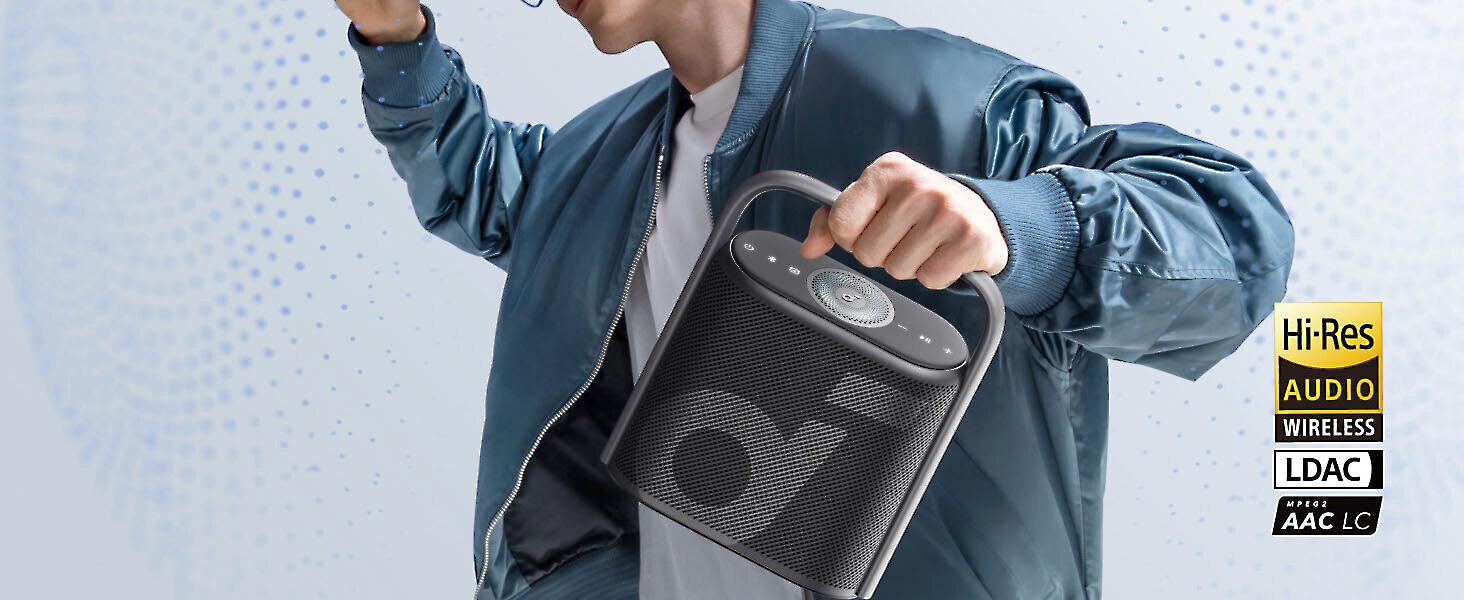
The Motion X500 brings significantly more advanced connectivity features. Its Bluetooth 5.3 implementation supports multiple audio codecs including LDAC (Sony's high-resolution wireless format), AAC (preferred by Apple devices), and standard SBC. LDAC can transmit nearly three times more data than standard Bluetooth audio, preserving more detail from high-quality music files.
However, LDAC support requires compatible Android devices and drains battery faster due to increased processing demands. The Motion X500 also lacks an auxiliary input, making it Bluetooth-only for audio connectivity.
The Motion X500's smartphone app provides extensive customization options including custom EQ curves, ambient lighting control, and spatial audio adjustments. The JBL Charge 4 includes a basic app with minimal features - essentially just speaker pairing and basic controls.
Both speakers carry IPX7 waterproof ratings, meaning they'll survive splashes, rain, and even brief submersion. However, their real-world durability differs based on construction approaches.
The JBL Charge 4 has earned a reputation for exceptional ruggedness through years of user testing. Its fabric covering resists tears and stains, while the rubber end caps absorb impact from drops. The sealed port covers stay secure even after thousands of open/close cycles, maintaining water resistance over time.
Multiple long-term user reviews describe Charge 4 units surviving drops onto concrete, sand infiltration, and extended exposure to salt water without performance degradation. The speaker's simple internal design with fewer complex components contributes to its reliability.
The Motion X500, being newer to market, hasn't undergone the same extended real-world testing. Its aluminum construction feels premium but may show scratches and dents more readily than the Charge 4's fabric covering. The more complex internal electronics - multiple drivers, advanced DSP, and ambient lighting systems - create additional potential failure points.
However, Anker's reputation for build quality and customer service provides confidence in the Motion X500's long-term reliability. The company typically stands behind its products with responsive warranty support.
The JBL Charge 4 excels for users who prioritize outdoor adventures and extended battery life. Campers, hikers, beach-goers, and anyone who spends significant time away from power outlets will appreciate its endurance and ruggedness. The power bank functionality adds genuine utility for smartphone users during extended outings.
Pool parties, tailgating, and outdoor gatherings represent the Charge 4's ideal environment. Its sound signature works well for background music at moderate volumes, and the Connect+ feature allows scaling up for larger crowds. The speaker's conservative sound tuning avoids fatigue during extended listening sessions.
The Motion X500 targets users who want premium audio experiences with occasional portability. Home users who primarily listen indoors but occasionally want to move their speaker to the patio or balcony will appreciate its sophisticated sound processing and attractive aesthetics.
The Motion X500 particularly excels for near-field listening - situations where you're sitting relatively close to the speaker, such as desktop use, small gatherings, or personal listening sessions. Its spatial audio processing creates a more immersive experience in these scenarios compared to traditional mono speakers.
For home theater supplementation, the Motion X500's spatial processing can enhance the audio experience when watching movies or streaming content on tablets or laptops. While not a replacement for dedicated surround systems, it provides more engaging audio than built-in device speakers.
The speaker market has evolved significantly since the Charge 4's 2018 release. Early portable Bluetooth speakers focused primarily on basic functionality - wireless music playback with reasonable battery life. The JBL Charge 4 represents the refinement of this traditional approach, perfecting the fundamentals rather than pursuing cutting-edge features.
By 2023, when the Motion X500 arrived, consumer expectations had shifted toward advanced features like spatial audio, app-based customization, and premium aesthetics. Anker's approach reflects broader industry trends toward incorporating smart home integration, advanced DSP, and multi-codec support.
The timing difference also explains their Bluetooth implementations. Bluetooth 4.2 was state-of-the-art in 2018, while 5.3 brings improvements in connection stability, lower latency, and better power efficiency. However, these advances don't dramatically change the listening experience for most users.
At the time of writing, both speakers compete in similar price ranges, typically between $150-200 depending on sales and availability. This pricing similarity makes the choice more about matching features to usage patterns than finding the better deal.
The JBL Charge 4 delivers superior value for users who prioritize reliability and battery life. Its cost-per-hour of playback beats virtually any competitor, and the power bank functionality adds measurable utility. For users who primarily listen outdoors or during extended activities, the Charge 4's practical advantages justify its more conservative audio approach.
The Motion X500 provides better value for users who prioritize audio quality and advanced features. Its spatial audio processing, codec support, and customization options deliver a more sophisticated listening experience that justifies the shorter battery life for many users.
Consider the Charge 4 if you frequently use speakers during camping, beach trips, or other extended outdoor activities. Its battery life and ruggedness make it the clear choice for adventure-oriented users. The power bank functionality adds significant value for smartphone-dependent users who spend time away from outlets.
Choose the Motion X500 if you primarily listen at home or in controlled environments where its spatial audio processing can shine. Users who value premium aesthetics, advanced features, and superior sound quality will find the shorter battery life an acceptable trade-off.
For most users, the decision ultimately comes down to usage patterns. The JBL Charge 4 excels as an outdoor companion that never lets you down, while the Anker Soundcore Motion X500 serves as a premium audio experience with occasional portability. Both speakers excel in their intended roles - the key is matching those roles to your specific needs and listening habits.
| JBL Charge 4 | Anker Soundcore Motion X500 |
|---|---|
| Audio Output Power - Higher wattage generally means louder volume and better bass | |
| 30W RMS (single driver + passive radiators) | 40W (tri-driver system: 2x15W + 1x10W upward) |
| Driver Configuration - Affects soundstage and stereo separation | |
| Single racetrack driver (50x90mm) with dual passive radiators | Three-driver layout with upward-firing spatial audio driver |
| Battery Capacity - Determines how long you can listen without charging | |
| 7,500mAh (up to 20 hours playback) | 4,900mAh (up to 12 hours playbook) |
| Powerbank Function - Can charge your phone when outlet isn't available | |
| Yes, USB-A output up to 2A for device charging | No powerbank capability |
| Bluetooth Version & Codecs - Newer versions offer better connection stability | |
| Bluetooth 4.2 with SBC codec only | Bluetooth 5.3 with LDAC, AAC, and SBC support |
| Water Resistance - Critical for outdoor and poolside use | |
| IPX7 (submersible up to 1m for 30 minutes) | IPX7 (submersible up to 1m for 30 minutes) |
| Weight & Dimensions - Affects true portability for travel | |
| 965g (2.12 lbs), 220×95×93mm | 1,627g (3.58 lbs), 191×81×228mm |
| Charging Time - How long you wait between uses | |
| 4 hours via USB-C | 5-6 hours via USB-C |
| Wired Audio Input - Useful for older devices or when Bluetooth fails | |
| 3.5mm auxiliary input included | No auxiliary input (Bluetooth only) |
| Multi-Speaker Pairing - Create bigger sound for parties | |
| JBL Charge 4 Connect+ (link 100+ compatible speakers) | TWS pairing with identical Motion X500 units only |
| App Features - Sound customization and additional controls | |
| Basic app with minimal customization | Advanced Soundcore app with custom EQ and lighting control |
| Release Year - Indicates how current the technology is | |
| 2018 (proven reliability, older Bluetooth) | 2023 (latest features, newer technology) |
The JBL Charge 4 significantly outperforms the Anker Soundcore Motion X500 in battery life, offering up to 20 hours of playback compared to the Motion X500's 12 hours. In real-world use at moderate to high volumes, the Charge 4 typically delivers 12-15 hours while the Motion X500 provides 6-8 hours. Additionally, the JBL Charge 4 can charge your phone or other devices through its USB port, making it a portable power bank as well.
The Anker Soundcore Motion X500 generally delivers superior sound quality with its 40W tri-driver system and spatial audio processing. It offers deeper bass, clearer highs, and a more immersive soundstage compared to the JBL Charge 4. However, the Charge 4 provides more consistent, balanced sound across all volume levels and works well for extended listening sessions without fatigue. The Motion X500 is better for audiophiles, while the Charge 4 excels for casual listening.
Both speakers feature IPX7 water resistance, but the JBL Charge 4 is better suited for outdoor adventures. Its rugged fabric construction, exceptional battery life, and power bank functionality make it ideal for camping, hiking, and beach use. The Anker Soundcore Motion X500 can handle outdoor use but its shorter battery life and premium aluminum finish make it better suited for controlled environments like patios or poolside use.
The Anker Soundcore Motion X500 can achieve slightly higher maximum volume levels due to its 40W power output compared to the Charge 4's 30W. However, the difference isn't dramatic, and the JBL Charge 4 maintains better sound quality consistency at high volumes. Both speakers can fill medium-sized rooms or outdoor spaces adequately, but neither is designed for large party environments.
The Anker Soundcore Motion X500 is better suited for supplementing TV audio due to its spatial audio processing and clearer dialogue reproduction. Its upward-firing driver creates a more immersive experience when watching movies or streaming content. The JBL Charge 4 can improve TV audio over built-in speakers but lacks the sophisticated processing that makes the Motion X500 more engaging for home theater use.
The Anker Soundcore Motion X500 features superior Bluetooth technology with version 5.3 and support for high-quality codecs like LDAC and AAC, providing better audio quality from compatible devices. The JBL Charge 4 uses older Bluetooth 4.2 with basic SBC codec support, but it includes a 3.5mm auxiliary input for wired connections when Bluetooth isn't available or desired.
Yes, but the systems work differently. The JBL Charge 4 supports JBL Connect+, allowing you to wirelessly link over 100 compatible JBL speakers for massive sound coverage. The Anker Soundcore Motion X500 only supports TWS (True Wireless Stereo) pairing with another identical Motion X500 unit to create left and right stereo channels.
The JBL Charge 4 is more portable, weighing 965g compared to the Motion X500's 1,627g. Its cylindrical design fits better in backpacks and its rugged construction handles travel abuse better. The Anker Soundcore Motion X500 has a more premium but bulkier rectangular design that's better suited for moving around the house rather than frequent travel.
The JBL Charge 4 charges faster at approximately 4 hours via USB-C, while the Anker Soundcore Motion X500 requires 5-6 hours for a full charge. Given the Charge 4's much longer battery life, you'll need to charge it less frequently, making the overall charging experience more convenient for regular use.
Value depends on your priorities. The JBL Charge 4 offers exceptional value for users who need long battery life, outdoor durability, and power bank functionality. The Anker Soundcore Motion X500 provides better value for users prioritizing superior sound quality, modern features, and premium aesthetics. Both speakers compete in similar price ranges, making the choice about matching features to your specific needs.
The Anker Soundcore Motion X500 only connects via Bluetooth - there's no auxiliary input for wired devices. The JBL Charge 4 includes both Bluetooth and 3.5mm wired connectivity options. However, the Motion X500 supports advanced Bluetooth codecs for better wireless audio quality from compatible smartphones and tablets.
For primarily home use, the Anker Soundcore Motion X500 is generally the better choice with its superior sound quality, spatial audio processing, and attractive design that complements home decor. The JBL Charge 4 works well at home but truly excels when you need to take your music on outdoor adventures or extended trips where its battery life and ruggedness become major advantages.
We've done our best to create useful and informative comparisons to help you decide what product to buy. Our research uses advanced automated methods to create this comparison and perfection is not possible - please contact us for corrections or questions. These are the sites we've researched in the creation of this article: rtings.com - whathifi.com - whathifi.com - soundguys.com - soundguys.com - streamtechreviews.com - youtube.com - versus.com - applevis.com - versus.com - jbl.com - jbl.com - walmart.com - comparisontabl.es - harmanaudio.com - manuals.plus - jbl.com.sg - jbl.com - mm.jbl.com - bestbuy.com - newpower99.com - forums.woot.com - tomsguide.com - outeraudio.com - gadgetoid.com - soundguys.com - pcgamesn.com - hktvmall.com - elomymelo.com - youtube.com - jopanda.com - shop.menshealth.com - soundphilereview.com

Privacy Policy
Terms and Conditions - Affiliate Policy
Home Security
© Copyright 2008-2026.
11816 Inwood Rd #1211, Dallas, TX 75244