

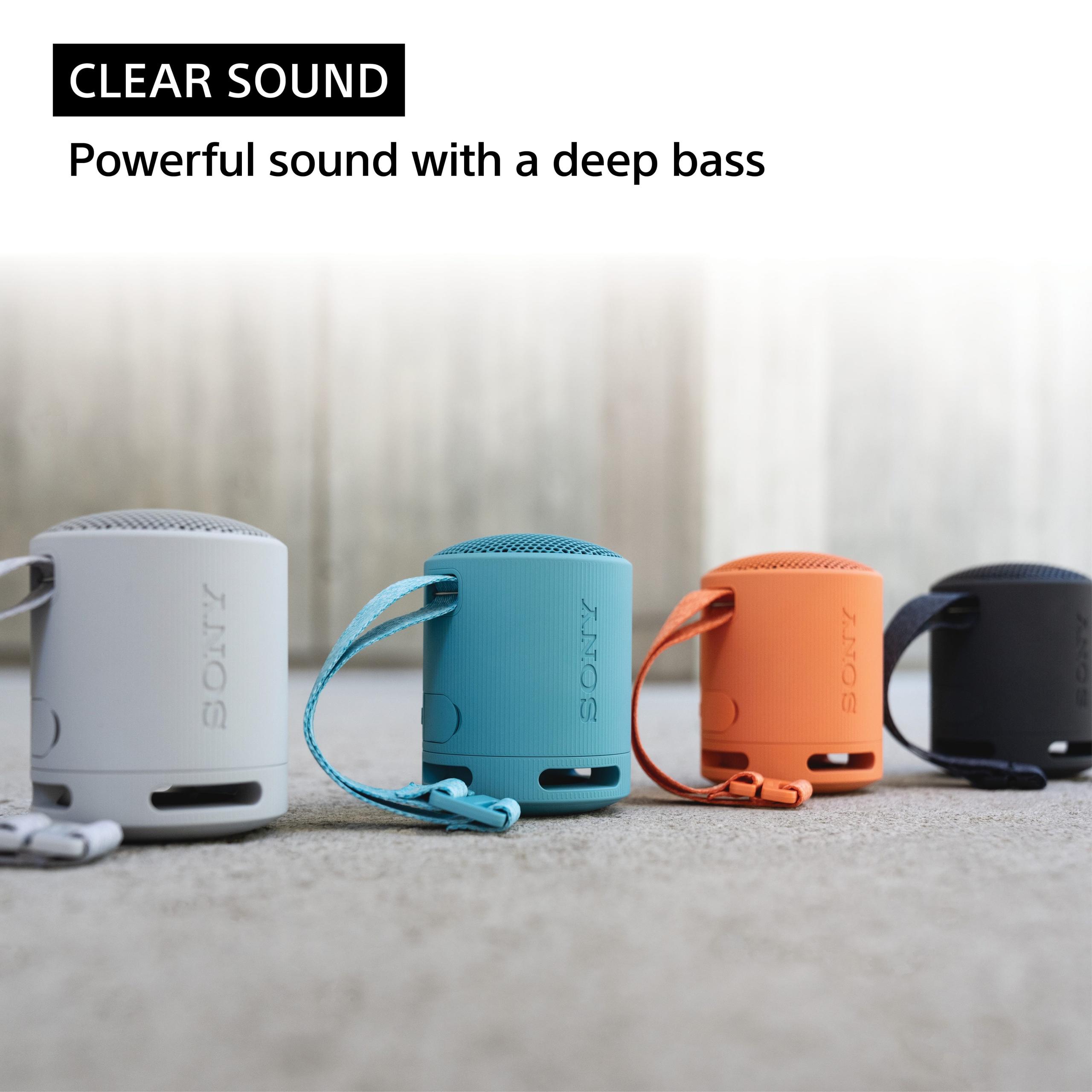


When you're shopping for a portable Bluetooth speaker, you're essentially choosing how you want to experience music away from home. The speaker market has exploded over the past few years, giving us everything from tiny pocket-sized options to party-ready powerhouses. Today, we're comparing two speakers that represent very different philosophies: the JBL Charge 4, a mid-sized workhorse that's been a crowd favorite since 2018, and the Sony XB100, an ultra-compact newcomer from 2023 that's redefining what "portable" really means.
Before diving into specifics, let's talk about what really matters in a portable Bluetooth speaker. Unlike your home stereo system, portable speakers need to balance several competing demands: sound quality, battery life, durability, and actual portability. The challenge is that improving one area often means compromising another.
The most critical performance metrics include frequency response (how well the speaker reproduces different pitches from deep bass to crisp highs), power output (measured in watts, which largely determines volume), battery life, and build quality. Water resistance has become essential, with most speakers now featuring IPX ratings that tell you exactly how much water exposure they can handle.
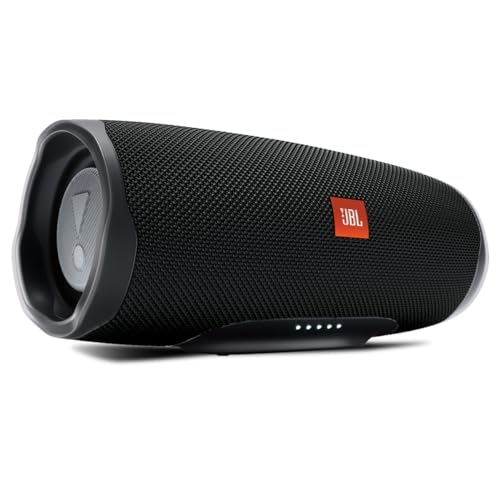
The JBL Charge 4 launched in 2018 during the height of the "bigger is better" portable speaker trend. JBL designed it as a do-everything speaker that could handle beach parties, camping trips, and daily use while doubling as a power bank for your devices. At the time of writing, it sits in the premium portable speaker category, reflecting its robust feature set and proven reliability.
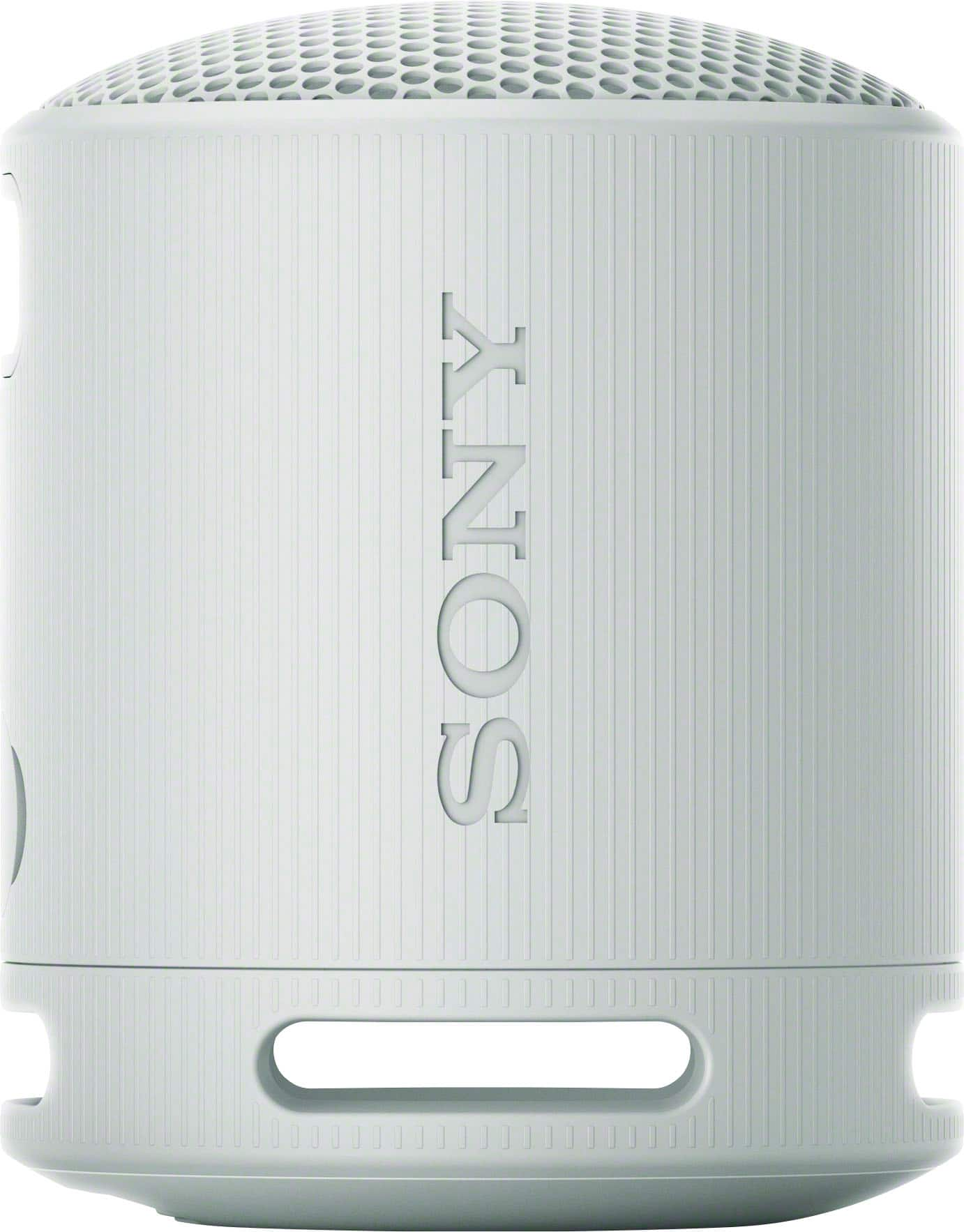
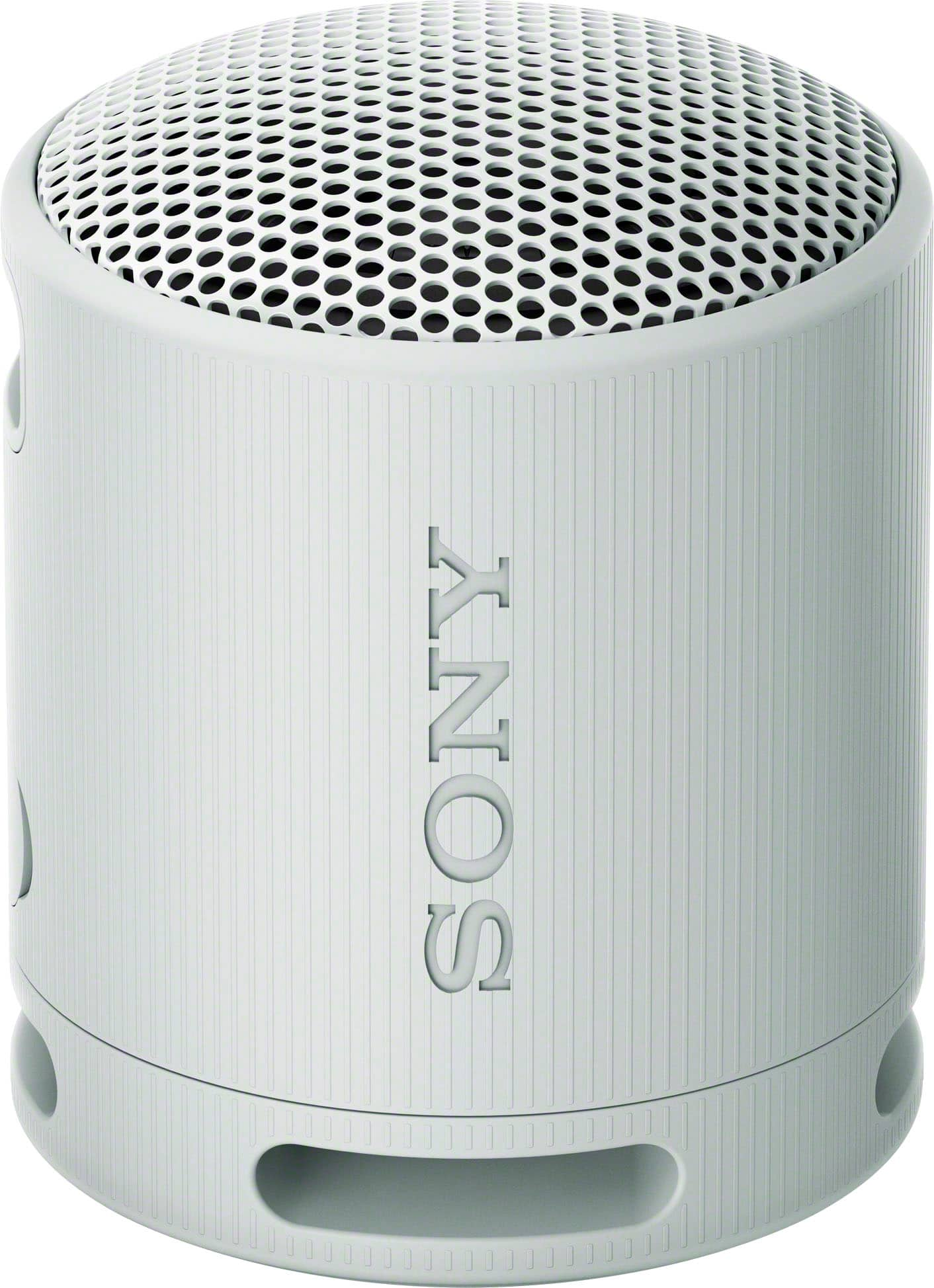
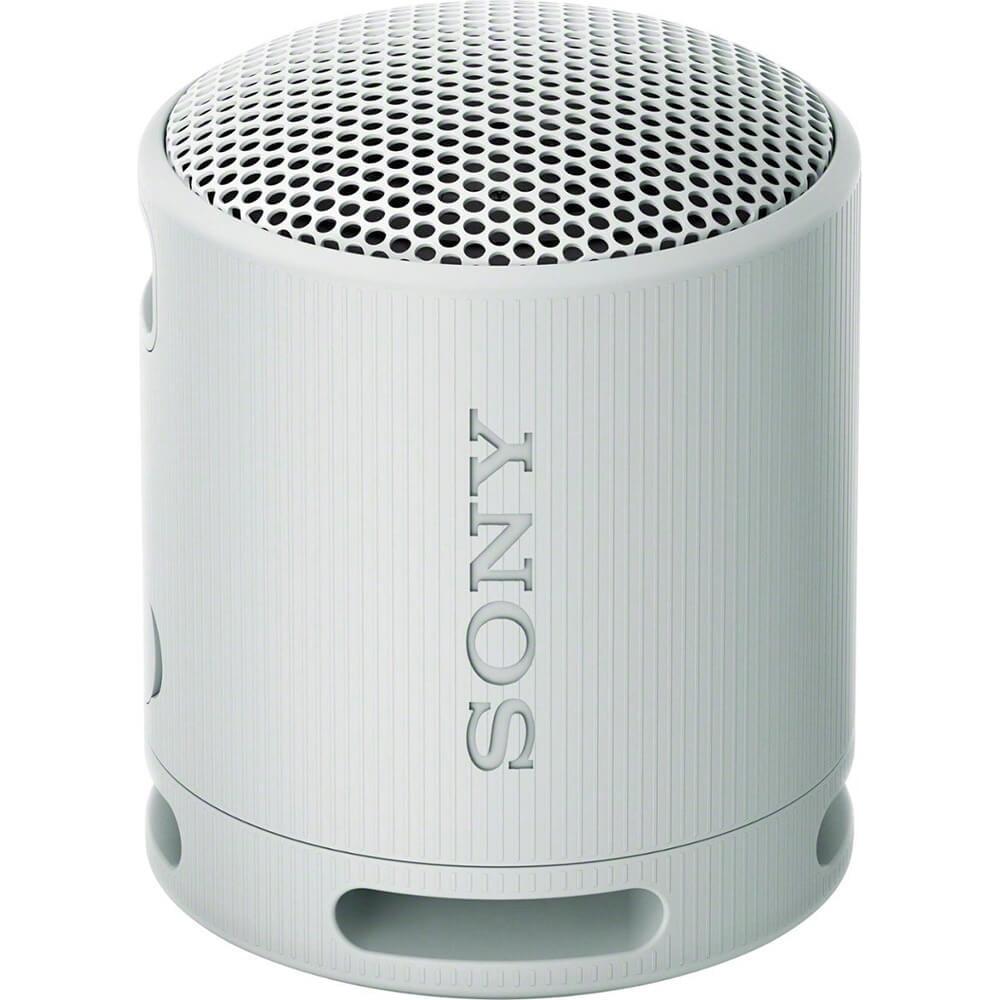
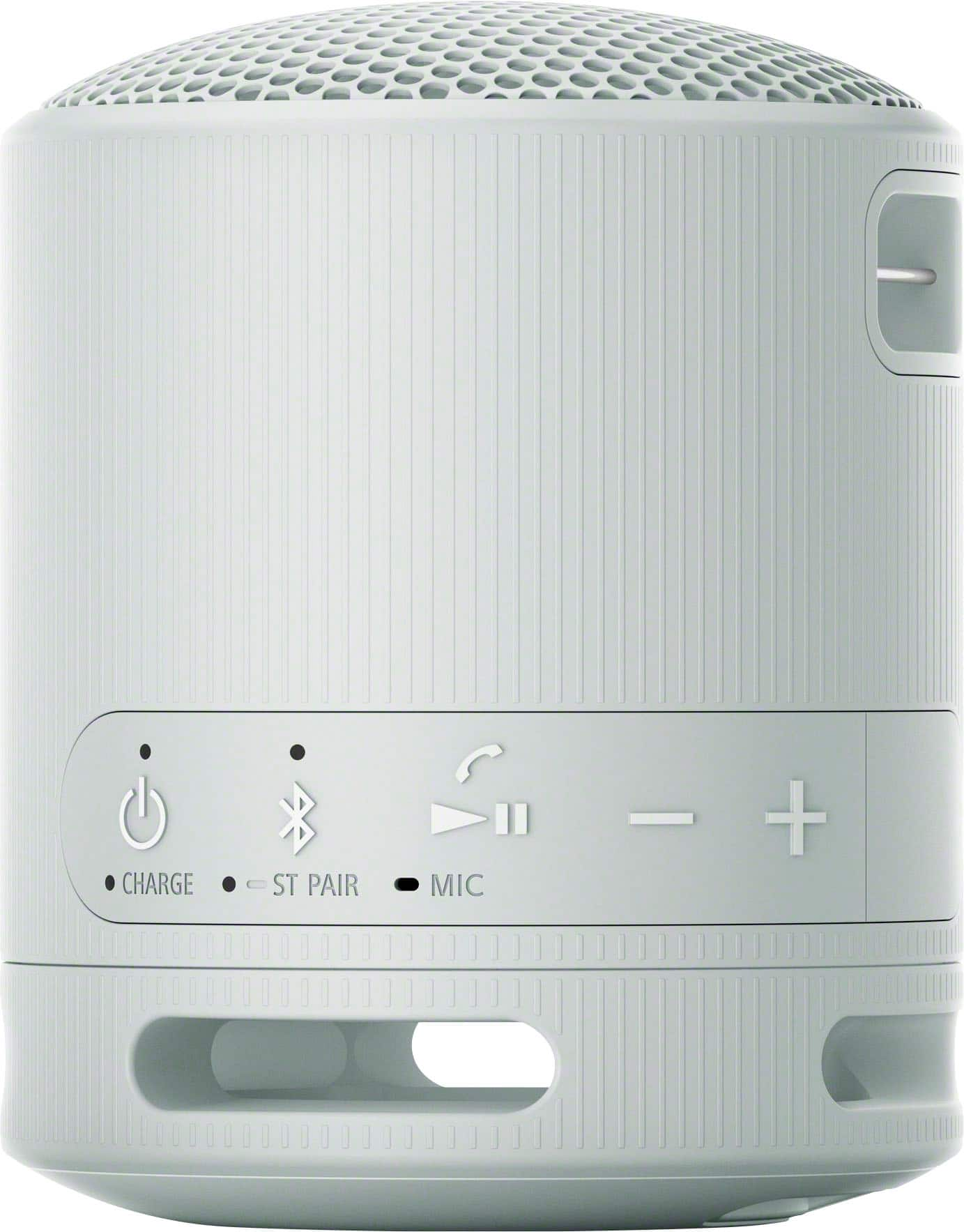
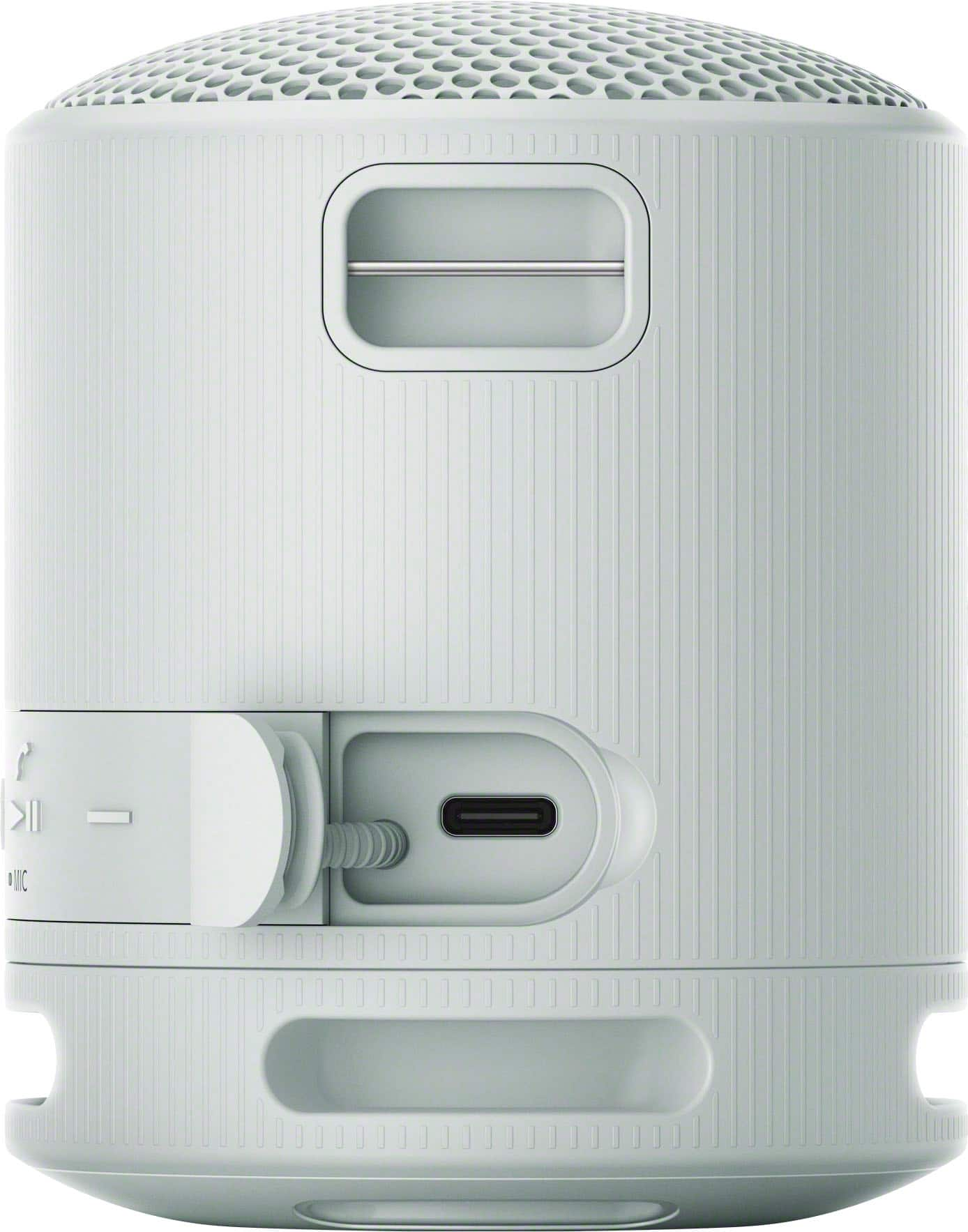
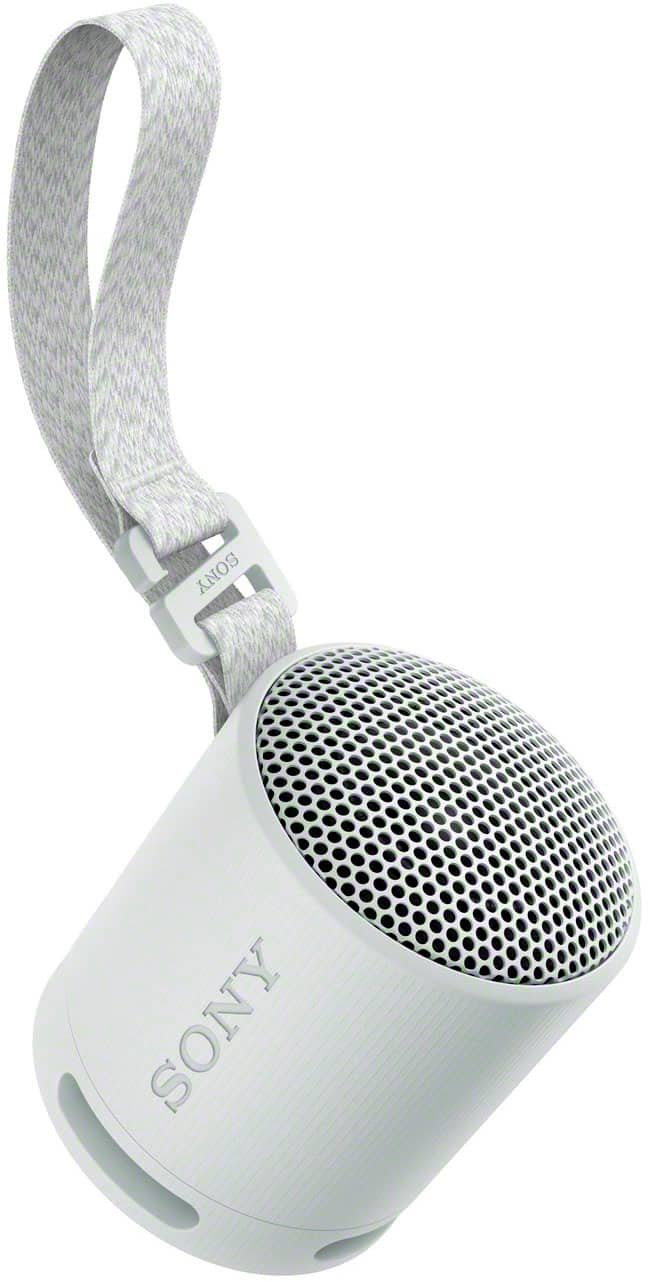
The Sony XB100, arriving five years later in 2023, takes a completely different approach. Sony recognized that many users wanted true pocket-portability above all else, creating an ultra-compact speaker that prioritizes convenience and value. It's positioned in the budget category, making quality portable audio accessible to almost everyone.
These five years between releases represent significant evolution in Bluetooth technology, battery efficiency, and manufacturing techniques. The Sony XB100 benefits from Bluetooth 5.3 (versus the Charge 4's 4.2), improved digital signal processing, and more efficient amplification that squeezes impressive sound from tiny drivers.
Here's where the fundamental difference between these speakers becomes crystal clear. The JBL Charge 4 delivers 30 watts of power through a sophisticated driver system that includes a large racetrack-shaped transducer (50x90mm) paired with dual passive radiators. Those passive radiators are essentially speaker cones without magnets that vibrate sympathetically with the main driver, amplifying bass response without requiring additional power or space for active drivers.
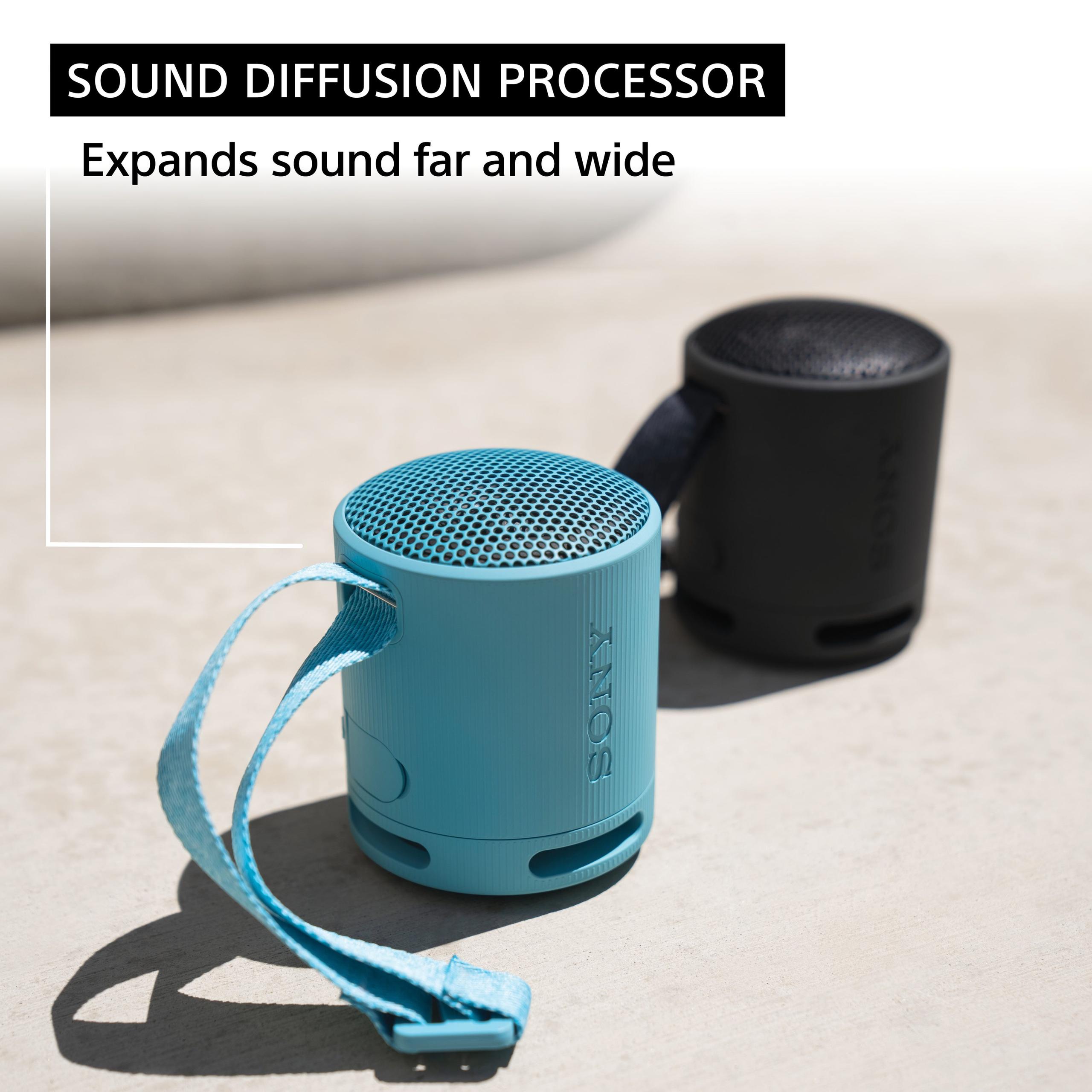
In contrast, the Sony XB100 works with just 2.5 watts and a single 46mm full-range driver plus one passive radiator. The power difference might seem dramatic, but watts don't tell the whole story. The Sony uses advanced Sound Diffusion Processing to create a surprisingly wide soundstage from its tiny footprint.
The JBL Charge 4 handles frequencies from 60Hz to 20kHz, which means it can reproduce most of the bass you'll hear in modern music, though it won't shake the ground like a dedicated subwoofer. Its larger drivers and cabinet volume allow for more natural bass reproduction without the artificial boosting that makes some small speakers sound muddy.
The Sony XB100 extends down to 20Hz on paper, but physics limits what a tiny speaker can actually produce. However, Sony's engineers have tuned it cleverly – the bass that is present feels surprisingly full and punchy for such a small package. The trade-off comes in overall volume and the ability to maintain sound quality when pushed hard.
From our research into user experiences and expert reviews, the JBL Charge 4 clearly wins for groups, outdoor use, and anyone who wants their music to fill a space. The Sony XB100 excels for personal listening, where its intimate sound signature and impressive clarity for the size become real advantages.
This is where things get interesting technically. The JBL Charge 4 is essentially a mono speaker – it has one forward-facing driver, so you don't get true stereo separation unless you pair two units using JBL's Connect+ technology. However, its larger size and driver configuration create a more expansive sound that feels bigger than its mono output might suggest.
The Sony XB100 faces the same mono limitation, but Sony's Sound Diffusion Processing works to spread the sound in multiple directions. Interestingly, user reviews consistently mention that the speaker sounds significantly better when laid on its side rather than standing upright, because this changes how the treble (high frequencies) reach your ears.
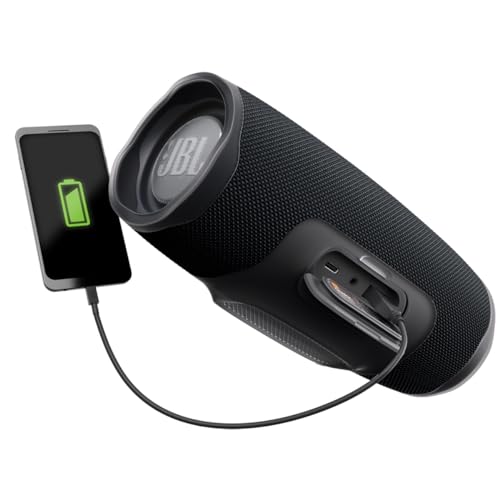
Battery performance reveals another philosophical difference. The JBL Charge 4 packs a massive 7500mAh lithium-ion battery that provides up to 20 hours of playback. More importantly, it functions as a power bank, letting you charge your phone or tablet through its USB-A port. This dual functionality makes it incredibly practical for camping, long beach days, or anywhere you need both music and device charging.
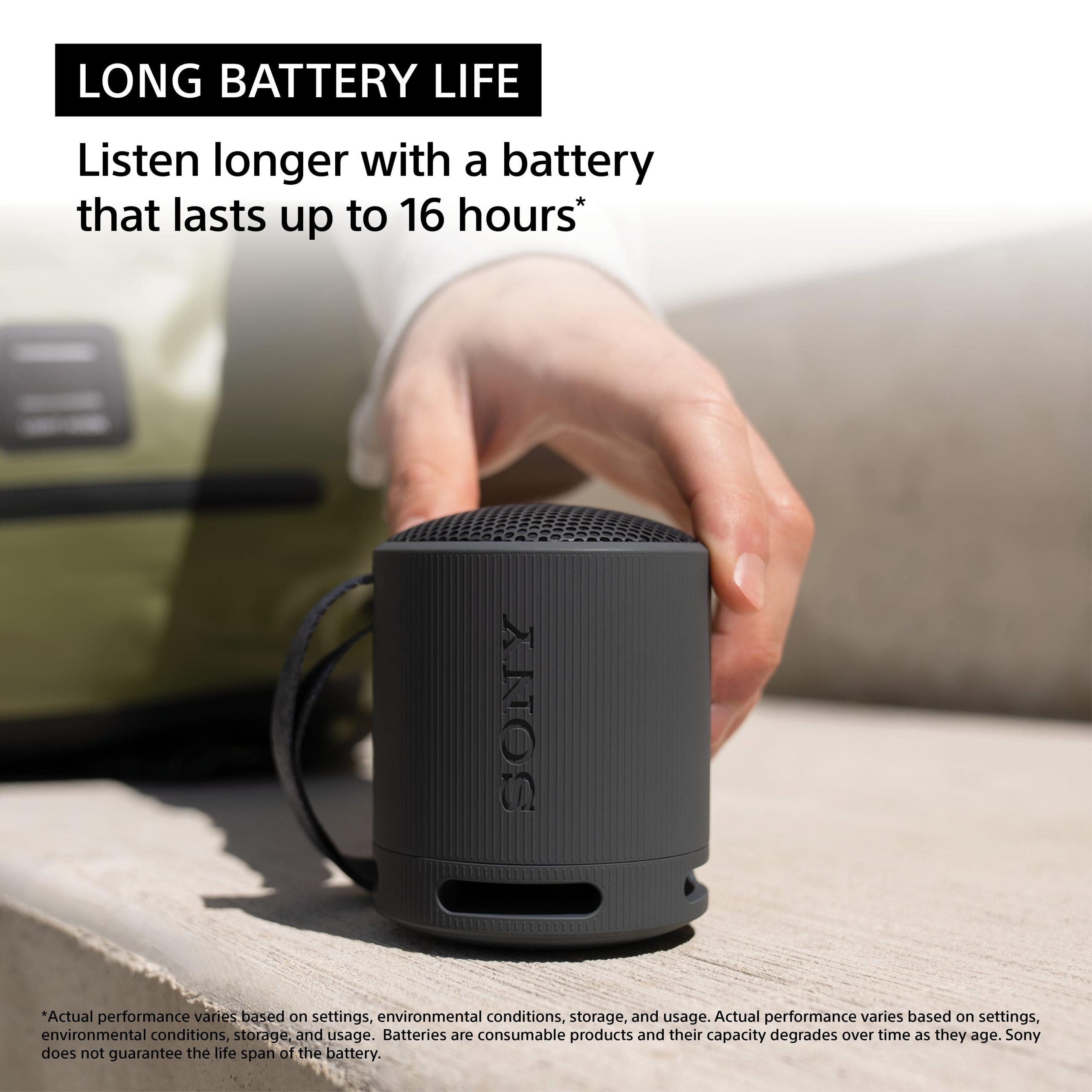
The Sony XB100 offers 16 hours of playback from a much smaller battery, which is actually impressive given its size and power efficiency. The trade-off is no power bank function – it's purely focused on audio. However, it charges in just 2 hours compared to the Charge 4's 4-hour charging time, making it more convenient for quick top-ups.
Battery life claims always depend on volume levels and content, but both speakers seem to meet their advertised numbers when used at moderate volumes. Push either speaker to maximum volume consistently, and you'll see significantly reduced battery life.
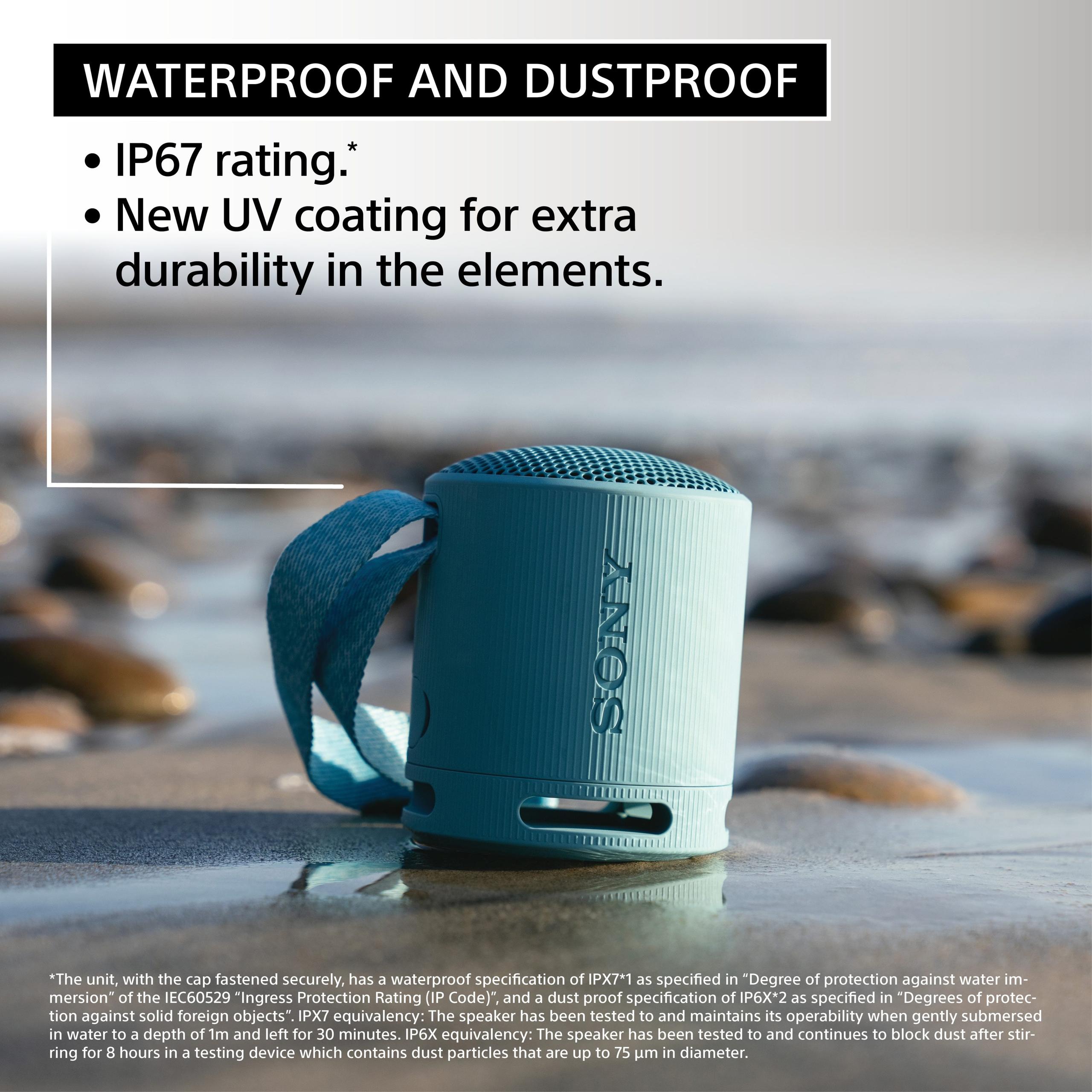
Both speakers carry IP67 ratings, meaning they're completely dust-proof and can survive being submerged in up to one meter of water for 30 minutes. This isn't just splash-resistance – you can literally drop either speaker in a pool and fish it out without damage.
The JBL Charge 4 feels more robust overall, with its durable fabric covering and rubber end caps designed to survive drops, bumps, and general rough handling. Its larger size actually works in its favor here, as there's more material to absorb impacts.
The Sony XB100 benefits from being so small that it's easy to protect, and its compact size means it's less likely to suffer damage from falls. However, its lighter construction feels less substantial, though this hasn't translated to reliability issues based on user feedback we've reviewed.
The technology gap between 2018 and 2023 shows clearly in connectivity. The Sony XB100 uses Bluetooth 5.3, which offers better range, more stable connections, and improved power efficiency compared to the Charge 4's Bluetooth 4.2. In practical terms, this means fewer dropouts and better performance in environments with lots of wireless interference.
However, the JBL Charge 4 has JBL Connect+, which lets you link over 100 compatible JBL speakers for truly massive sound setups. This ecosystem approach has real value if you already own other JBL speakers or plan to expand your setup. The Sony XB100 can pair with one other XB100 for stereo sound, but lacks the broader ecosystem connectivity.
Both speakers handle phone calls, but the Sony XB100 includes Echo Cancelling technology that makes conversations clearer, especially in noisy environments. This is particularly useful since small speakers often struggle with call quality due to their compact microphones.
At the time of writing, these speakers target completely different budget ranges. The JBL Charge 4 sits in the premium portable category, justifying its higher price with superior audio performance, longer battery life, and the valuable power bank function. For users who want one speaker to handle multiple scenarios – from personal listening to small parties – it offers strong value despite the higher upfront cost.
The Sony XB100 represents exceptional value in the budget category, delivering sound quality that punches well above its price class. It's positioned as an impulse purchase that won't break the bank, making it perfect for trying portable audio or as a secondary speaker for specific situations.
Neither speaker is designed for home theater use, but they can serve as temporary solutions in specific situations. The JBL Charge 4 can work as a basic TV speaker upgrade via its 3.5mm aux input, though its mono output and lack of specialized audio processing make it far from ideal. Its decent volume output and clear midrange do help with dialogue clarity compared to thin TV speakers.
The Sony XB100 is simply too small and lacks the necessary inputs for meaningful home theater use. It's best thought of as a purely personal or small-space solution.
The JBL Charge 4 makes sense for users who want versatility above all else. If you're someone who brings music to beach trips, camping adventures, or backyard gatherings, its combination of robust audio, extended battery life, and device charging capability justifies the larger size and higher cost. It's also the obvious choice if you want to occasionally use your speaker for small group listening or need something that can get loud without distorting.
The Sony XB100 is perfect for personal listening enthusiasts who prioritize ultimate portability. If your primary use cases involve commuting, travel, or solo listening in small spaces, its pocket-friendly size and impressive-for-the-price audio quality make it hard to beat. It's also an excellent first portable speaker for anyone curious about the category without wanting to make a significant investment.
The Sony XB100 represents more modern design thinking with its efficient use of space, advanced Bluetooth connectivity, and sophisticated digital processing. Its Bluetooth 5.3 support means it'll work well with future devices and likely maintain stable connections longer than older Bluetooth versions.
The JBL Charge 4, while using older Bluetooth technology, benefits from JBL's extensive ecosystem and proven reliability. Its Connect+ technology works with a huge range of existing JBL speakers, giving it staying power even as newer models emerge.
These speakers succeed in completely different ways. The JBL Charge 4 remains an excellent choice for users who want serious audio performance and practical utility in a portable package. Its ability to charge devices while delivering robust sound makes it genuinely useful for outdoor adventures and group listening situations.
The Sony XB100 excels at being exactly what it promises: a tiny speaker that sounds much bigger than it has any right to. For personal listening and maximum portability, it's hard to argue with the combination of size, sound quality, and value it offers.
Your choice ultimately depends on how you plan to use your speaker. Need something for groups and outdoor activities? The JBL Charge 4 is the clear winner. Want the most portable option that still sounds good and won't drain your budget? The Sony XB100 is an easy recommendation. Both speakers represent smart design choices for their intended use cases, making either a solid purchase when matched to the right user.
| JBL Charge 4 Portable Bluetooth Speaker | Sony XB100 Compact Bluetooth Speaker |
|---|---|
| Audio Power Output - Determines maximum volume and room-filling capability | |
| 30W RMS with racetrack driver + dual passive radiators | 2.5W with single full-range driver + passive radiator |
| Physical Size & Weight - Critical for true portability | |
| 8.7" x 3.7" x 3.7", 2.12 lbs (requires bag/backpack) | 3.0" x 3.7", 0.6 lbs (genuinely pocket-sized) |
| Battery Life - How long you can listen without charging | |
| Up to 20 hours (4-hour charge time) | Up to 16 hours (2-hour charge time) |
| Power Bank Function - Can charge your devices | |
| Yes, 7500mAh battery charges phones/tablets via USB-A | No, audio-only functionality |
| Water Resistance - Protection level for outdoor use | |
| IP67 (submersible up to 1 meter for 30 minutes) | IP67 (submersible up to 1 meter for 30 minutes) |
| Bluetooth Technology - Affects connection stability and range | |
| Bluetooth 4.2 with dual device pairing | Bluetooth 5.3 with more efficient connectivity |
| Multi-Speaker Capability - Expanding your sound system | |
| JBL Connect+ links 100+ compatible speakers | Stereo pairing with one additional XB100 |
| Audio Inputs - Wired connection options | |
| 3.5mm AUX input for non-Bluetooth devices | USB-C charging only (no audio inputs) |
| Frequency Response - Range of sound reproduction | |
| 60Hz-20kHz (better bass extension, fuller sound) | 20Hz-20kHz (impressive specs but physics-limited by size) |
| Hands-Free Calling - Built-in microphone quality | |
| Basic hands-free with built-in mic | Echo Cancelling technology for clearer calls |
| Release Year & Technology - How current the tech is | |
| 2018 design with proven reliability | 2023 with modern efficiency and processing |
The JBL Charge 4 is significantly better for outdoor parties due to its 30W power output compared to the Sony XB100's 2.5W. The JBL Charge 4 can fill larger spaces with sound and maintain audio quality at higher volumes, while the Sony XB100 is designed more for personal listening in smaller spaces.
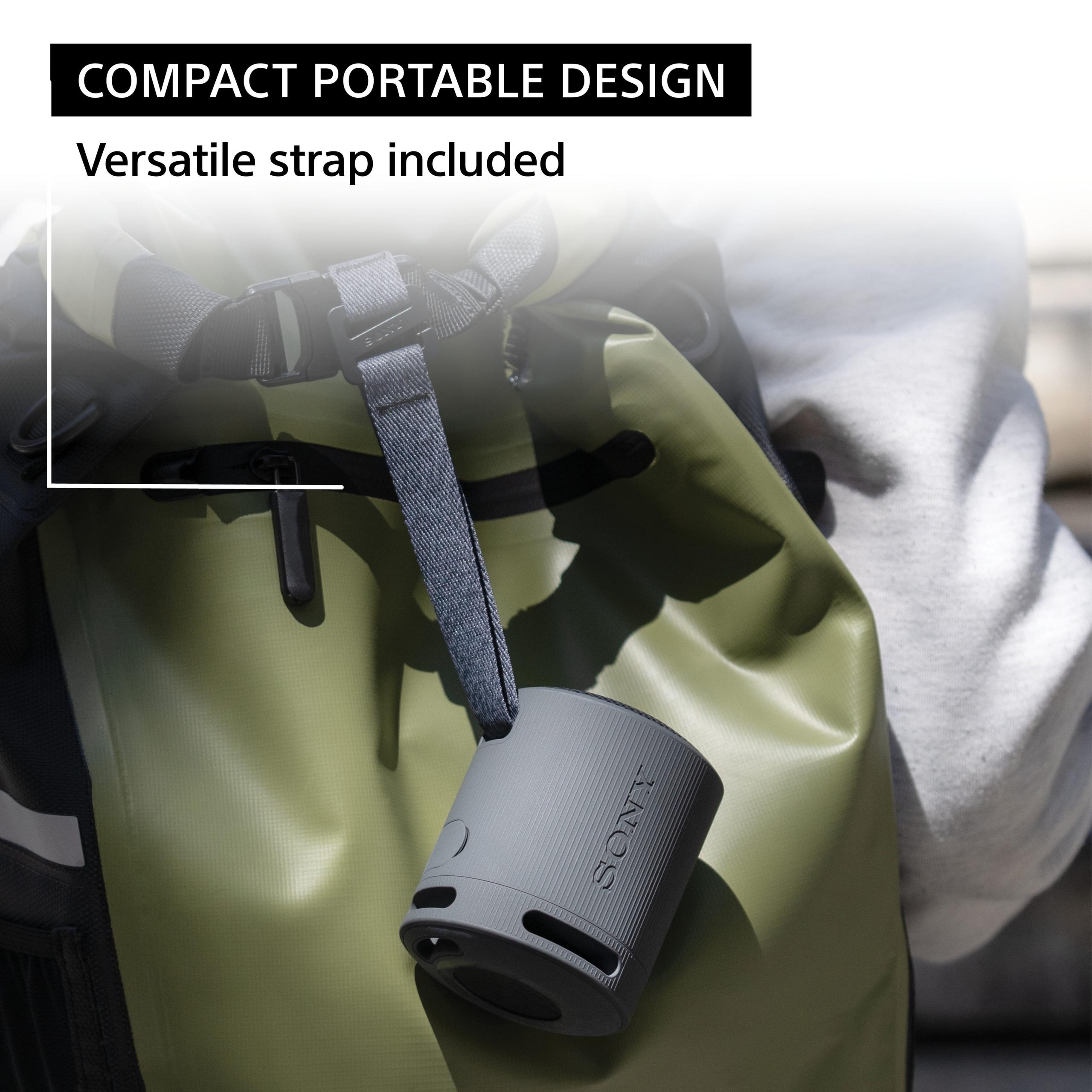
The Sony XB100 is genuinely pocket-sized at 3.0" x 3.7" and weighs just 0.6 lbs, making it smaller than a soda can. The JBL Charge 4 measures 8.7" x 3.7" x 3.7" and weighs 2.12 lbs, requiring a bag or backpack for transport. The Sony XB100 offers true portability while the JBL Charge 4 prioritizes performance over compactness.
Only the JBL Charge 4 can charge external devices through its built-in power bank function with a 7500mAh battery and USB-A output port. The Sony XB100 focuses purely on audio and doesn't offer device charging capabilities. This makes the JBL Charge 4 more versatile for camping trips and extended outdoor use.
Both the JBL Charge 4 and Sony XB100 offer identical IP67 water resistance, meaning both can be fully submerged in up to 1 meter of water for 30 minutes. Neither has an advantage in water protection, so you can safely use either speaker at the pool or beach without worry.
The JBL Charge 4 offers up to 20 hours of playback but takes 4 hours to fully charge. The Sony XB100 provides up to 16 hours of playback with a much faster 2-hour charging time. While the JBL Charge 4 lasts longer, the Sony XB100 is more convenient for quick charging sessions.
The JBL Charge 4 delivers superior overall sound quality with its larger drivers, better bass response, and ability to maintain clarity at higher volumes. The Sony XB100 sounds impressive for its tiny size but can't match the fuller, more dynamic sound of the JBL Charge 4. However, for personal listening at moderate volumes, the Sony XB100 performs surprisingly well.
The JBL Charge 4 supports JBL Connect+ technology, allowing you to link over 100 compatible JBL speakers for massive sound setups. The Sony XB100 can only pair with one additional Sony XB100 unit for stereo sound. The JBL Charge 4 offers much more expandability for future speaker additions.
The Sony XB100 has an advantage for phone calls with its Echo Cancelling technology that ensures clearer conversations, especially in noisy environments. While the JBL Charge 4 also supports hands-free calling, it lacks the advanced call processing features of the Sony XB100.
The Sony XB100 uses modern Bluetooth 5.3 for more stable connections, better range, and improved power efficiency. The JBL Charge 4 uses older Bluetooth 4.2 but supports connecting to two devices simultaneously. The Sony XB100 has more advanced Bluetooth technology while the JBL Charge 4 offers practical dual-device connectivity.
This depends on your needs and budget. The Sony XB100 offers exceptional value in the budget category with impressive sound quality for its compact size. The JBL Charge 4 provides better overall value if you need the extra features like power bank functionality, louder volume, and multi-speaker connectivity, justifying its higher price point.
Neither the JBL Charge 4 nor Sony XB100 is designed for home theater applications. The JBL Charge 4 could serve as a basic TV speaker upgrade via its AUX input, but both lack the stereo separation and specialized audio processing needed for quality home theater sound. They're best used as portable music speakers.
The Sony XB100 is clearly better for travel and commuting due to its pocket-sized dimensions and lightweight design. You can easily carry it anywhere without bulk or weight concerns. The JBL Charge 4 is too large for convenient travel use, though it's better if you're staying in one location and want superior sound quality and device charging capability.
We've done our best to create useful and informative comparisons to help you decide what product to buy. Our research uses advanced automated methods to create this comparison and perfection is not possible - please contact us for corrections or questions. These are the sites we've researched in the creation of this article: rtings.com - whathifi.com - whathifi.com - soundguys.com - soundguys.com - streamtechreviews.com - youtube.com - versus.com - applevis.com - versus.com - jbl.com - jbl.com - walmart.com - comparisontabl.es - harmanaudio.com - manuals.plus - jbl.com.sg - jbl.com - mm.jbl.com - bestbuy.com - newpower99.com - forums.woot.com - techradar.com - bestbuy.com - bestbuy.com - tomsguide.com - electronics.sony.com - sony-asia.com - sony.com - sony.com - thesonyshop.ca - cornellstore.com - bestbuy.com

Privacy Policy
Terms and Conditions - Affiliate Policy
Home Security
© Copyright 2008-2026.
11816 Inwood Rd #1211, Dallas, TX 75244