

Portable Bluetooth speakers have evolved from simple wireless sound boxes into sophisticated devices that can transform any space. Whether you're planning a beach party, setting up in your backyard, or just want better sound for your daily routines, choosing the right speaker means understanding what matters most to you: pure performance, unique features, or the sweet spot between both.
Today we're comparing two speakers from JBL's lineup that represent completely different philosophies. The JBL Charge 4, released in 2018, embodies the practical approach - maximum battery life, solid audio, and genuine utility. The JBL Pulse 5, launched in 2023, takes the experiential route with its mesmerizing 360-degree light show that syncs to your music. Both deliver JBL's signature sound, but they're designed for entirely different users and situations.
At the time of writing, these speakers sit in different price tiers, with the Pulse 5 commanding a significant premium over the Charge 4. The question isn't just which sounds better - it's which approach to portable audio makes more sense for your lifestyle and budget.
Before diving into specifics, it's worth understanding what separates great portable speakers from mediocre ones. Sound quality obviously matters, but in portable speakers, it's about more than just frequency response (how well the speaker reproduces different pitches from deep bass to crisp treble). You need consistent performance across volume levels, minimal distortion when pushed hard, and enough power to actually fill your intended space.
Battery life becomes crucial when you're away from outlets. There's nothing more frustrating than having your speaker die during a gathering. Water resistance ratings like IPX7 (can handle submersion up to 1 meter for 30 minutes) or IP67 (adds dust protection) determine whether your speaker survives real-world adventures.
Connectivity features matter too - can you connect multiple devices? Link multiple speakers together? The codec support (the compression method used for Bluetooth audio) affects sound quality, though most users won't notice differences between modern options.
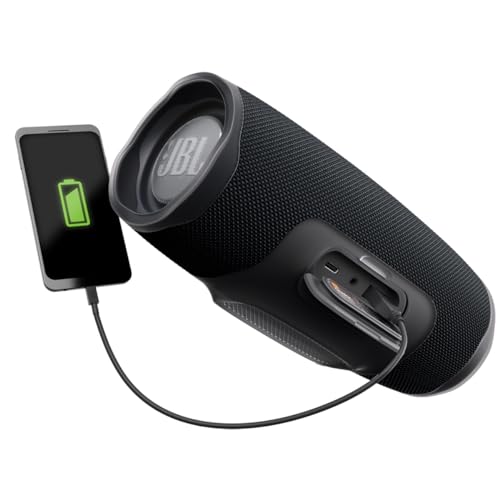
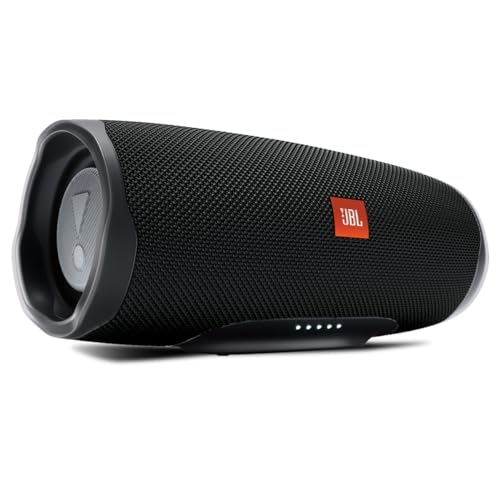
The Charge 4 represents JBL's "no-nonsense" approach to portable audio. Released in 2018, it arrived during a period when portable speakers were becoming more reliable and battery-focused, rather than feature-packed. The name "Charge" isn't just marketing - this speaker literally charges your other devices through its USB-A port, functioning as a 7500mAh power bank.
This dual functionality sets it apart immediately. During research, we found countless stories of users relying on their Charge 4 to keep phones alive during camping trips or beach days. The 30W RMS output (RMS means "root mean square" - essentially the continuous power the speaker can handle) might not sound impressive on paper, but it's delivered through a well-tuned racetrack driver (an oval-shaped speaker element) and dual passive radiators (elements that vibrate sympathetically to enhance bass without requiring additional power).
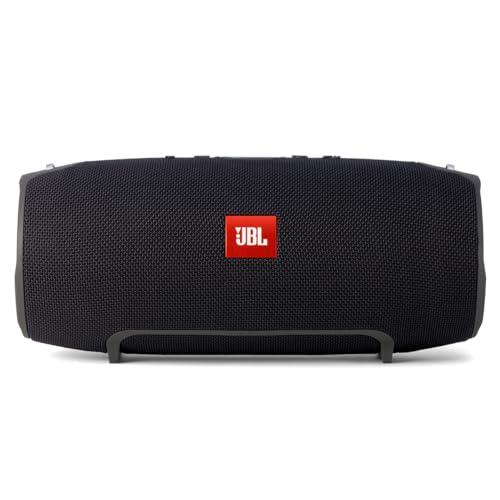
The build quality emphasizes durability over aesthetics. The fabric covering resists wear, while the rubberized base and ports create the IPX7 water resistance. However, the lack of dust protection means fine sand or particles can still cause problems - something to consider for beach use.
What really impressed us during research was the consistency of the Charge 4's performance. Users report that the speaker maintains its character across volume levels, avoiding the harshness that plagues many portable speakers when pushed to maximum output. The frequency response extends down to 60Hz, which isn't sub-bass territory but provides enough low-end punch for most music genres.
The JBL Connect+ feature deserves special mention. This protocol allows linking over 100 compatible JBL speakers together, creating truly impressive sound systems for large gatherings. While most users won't need 100 speakers, even pairing two Charge 4 units creates genuine stereo separation and significantly more volume.
Five years later, JBL released the Pulse 5, and the portable speaker landscape had changed dramatically. By 2023, basic Bluetooth connectivity was solved, battery technology had improved, and manufacturers were looking for ways to differentiate their products beyond just sound quality.
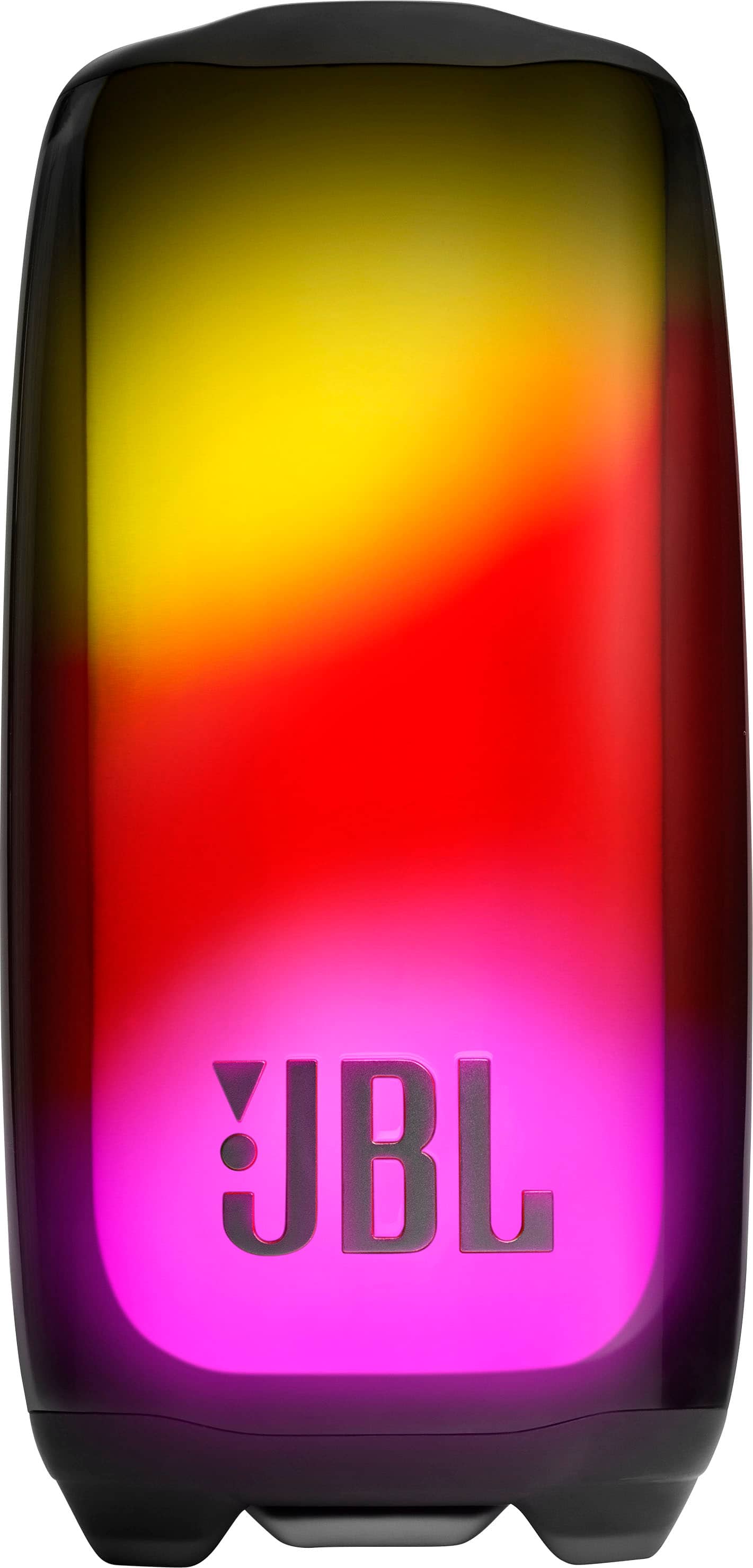
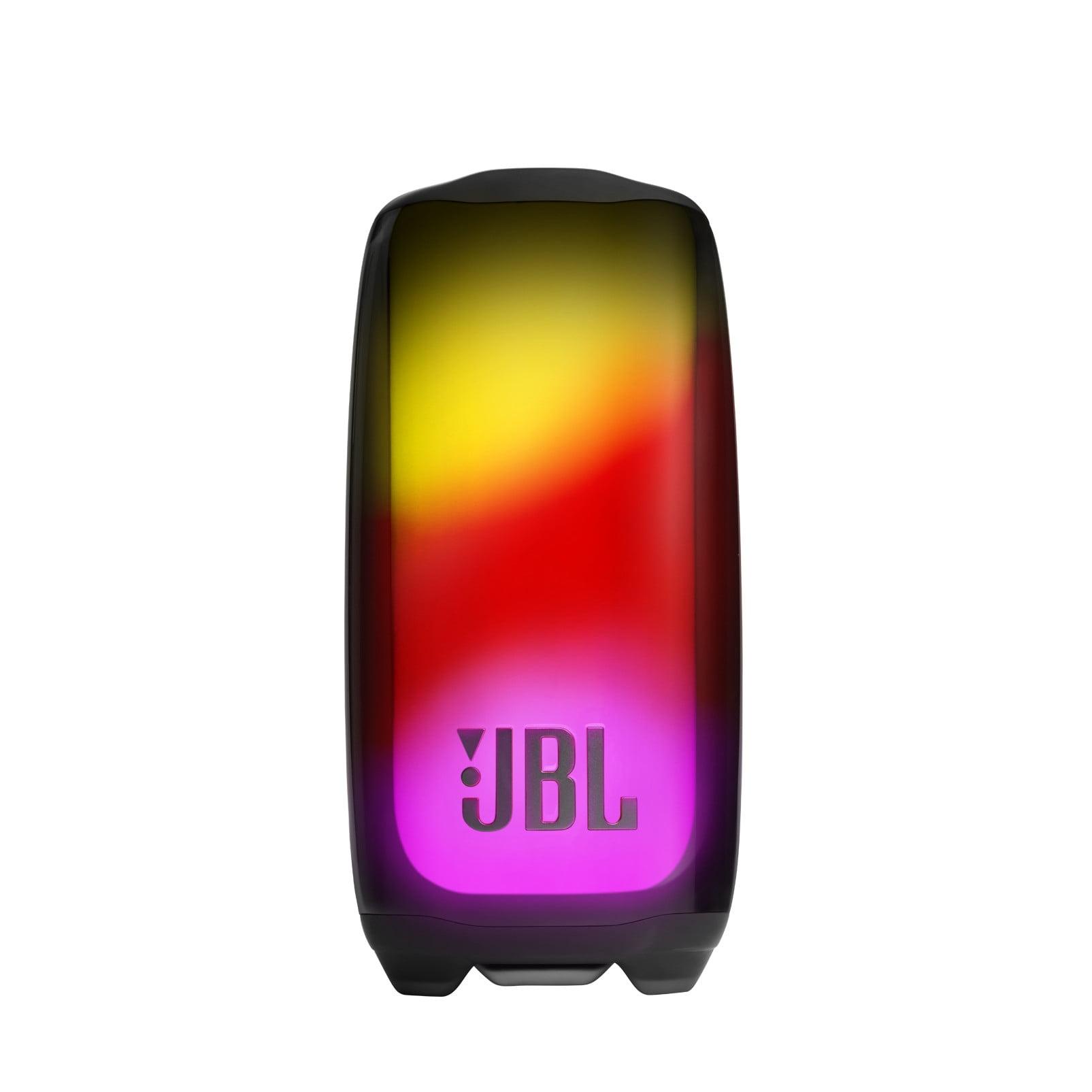
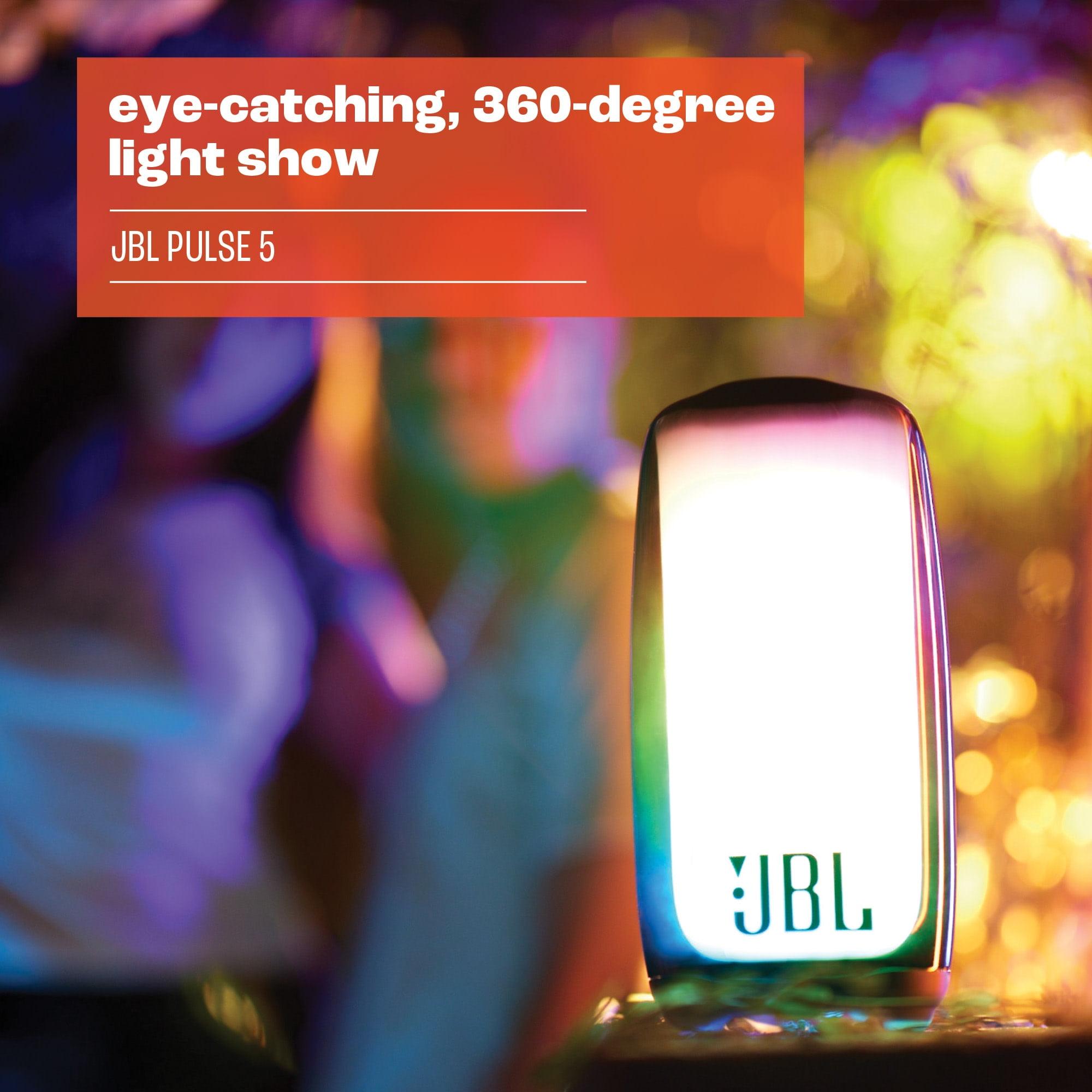
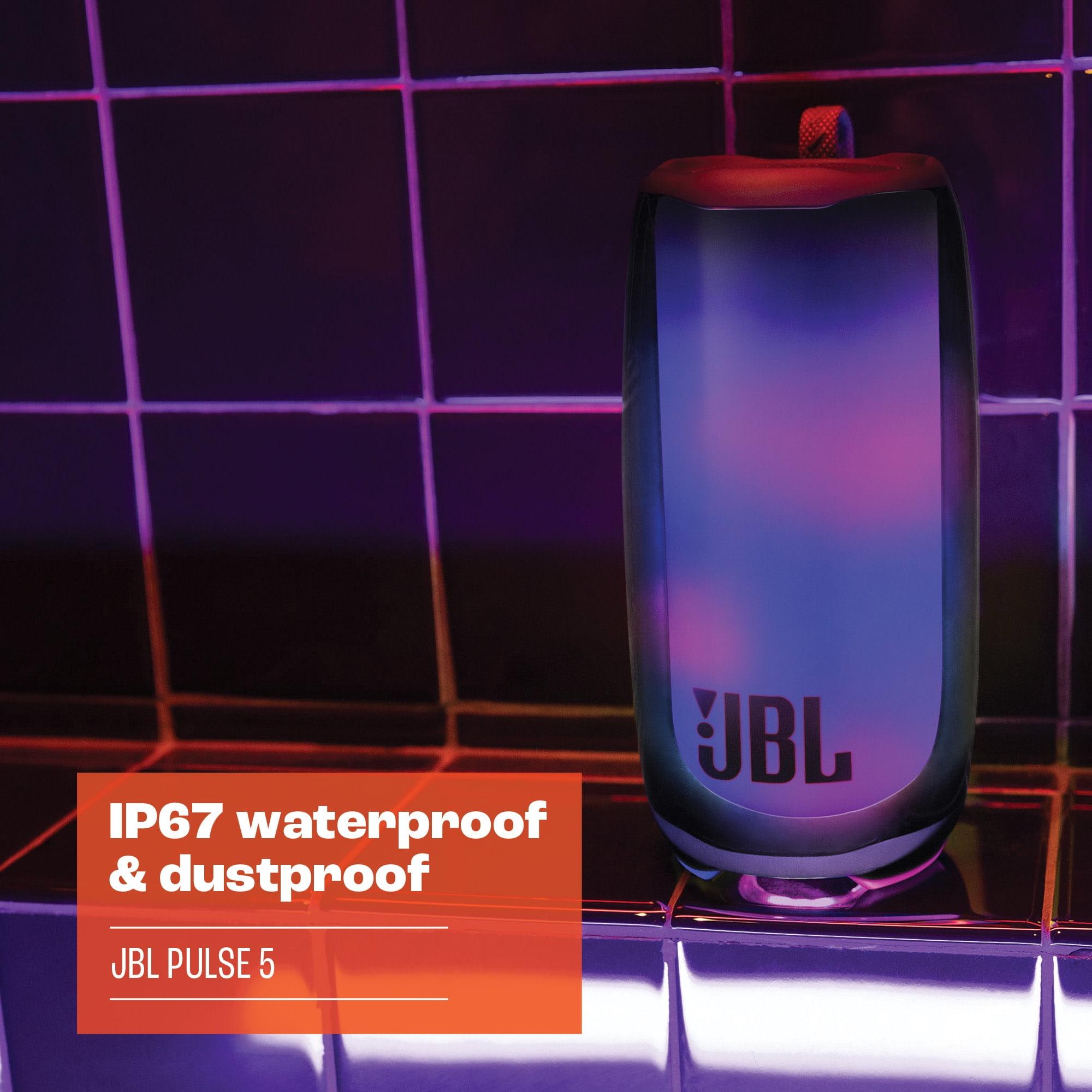
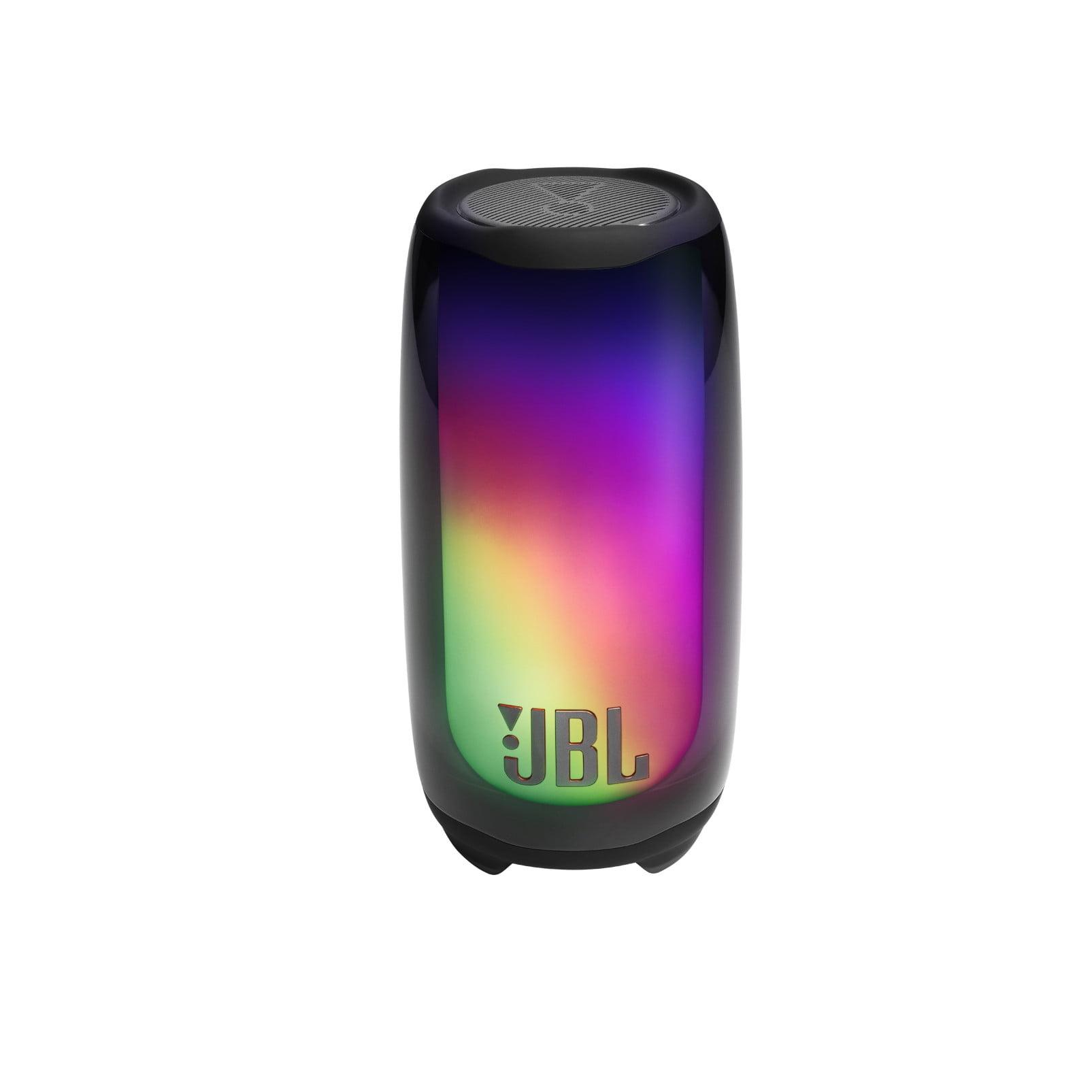
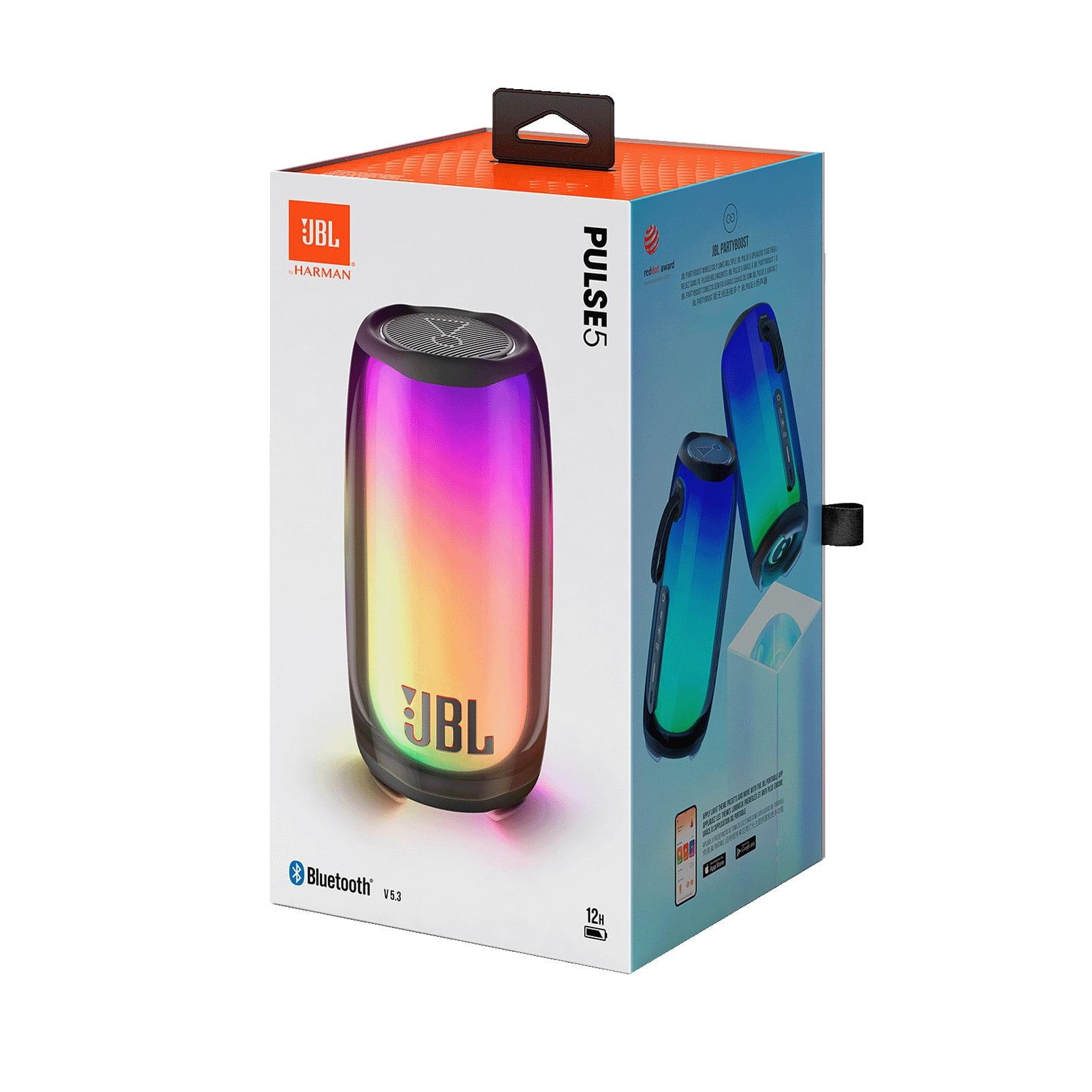
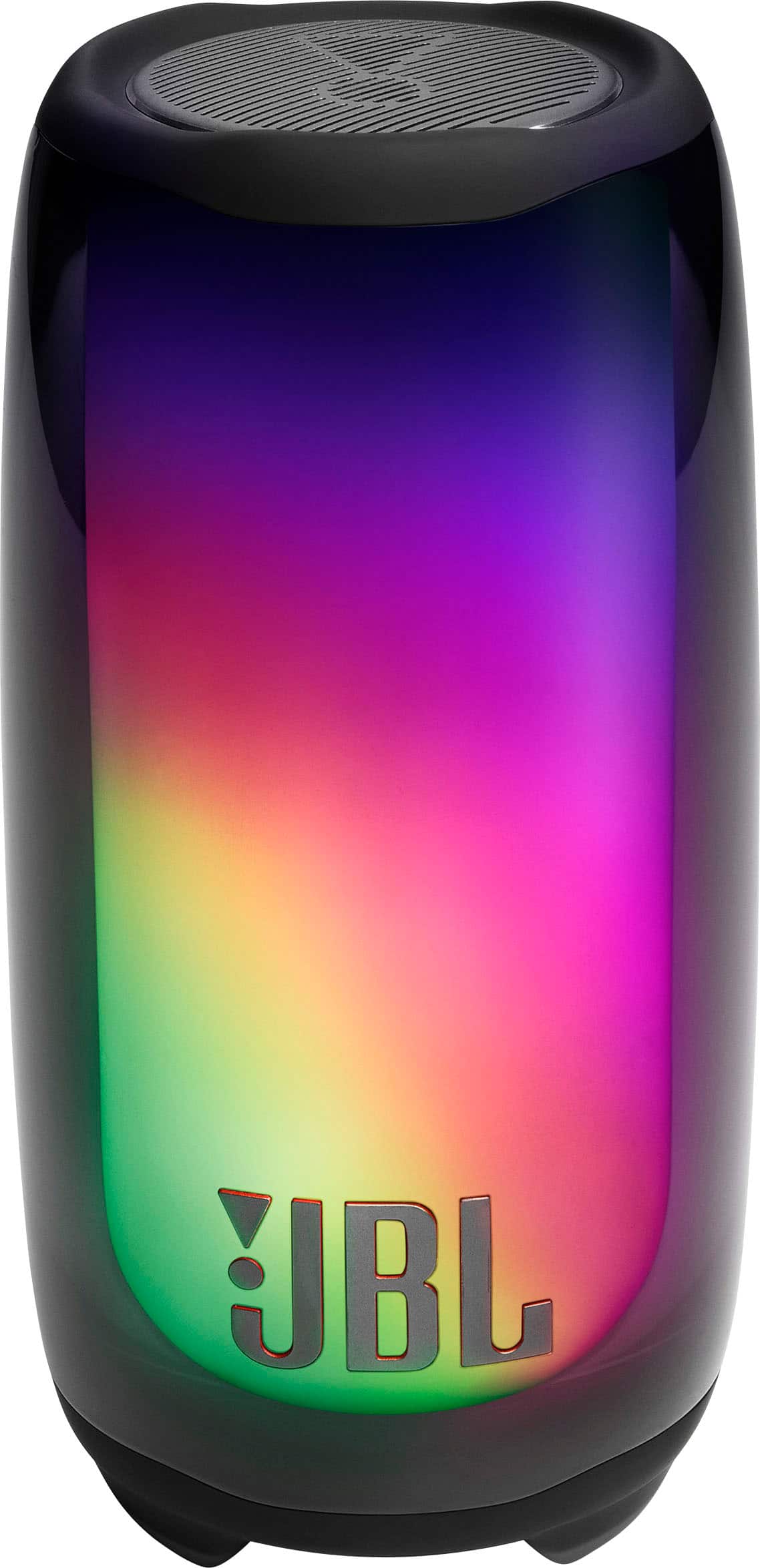
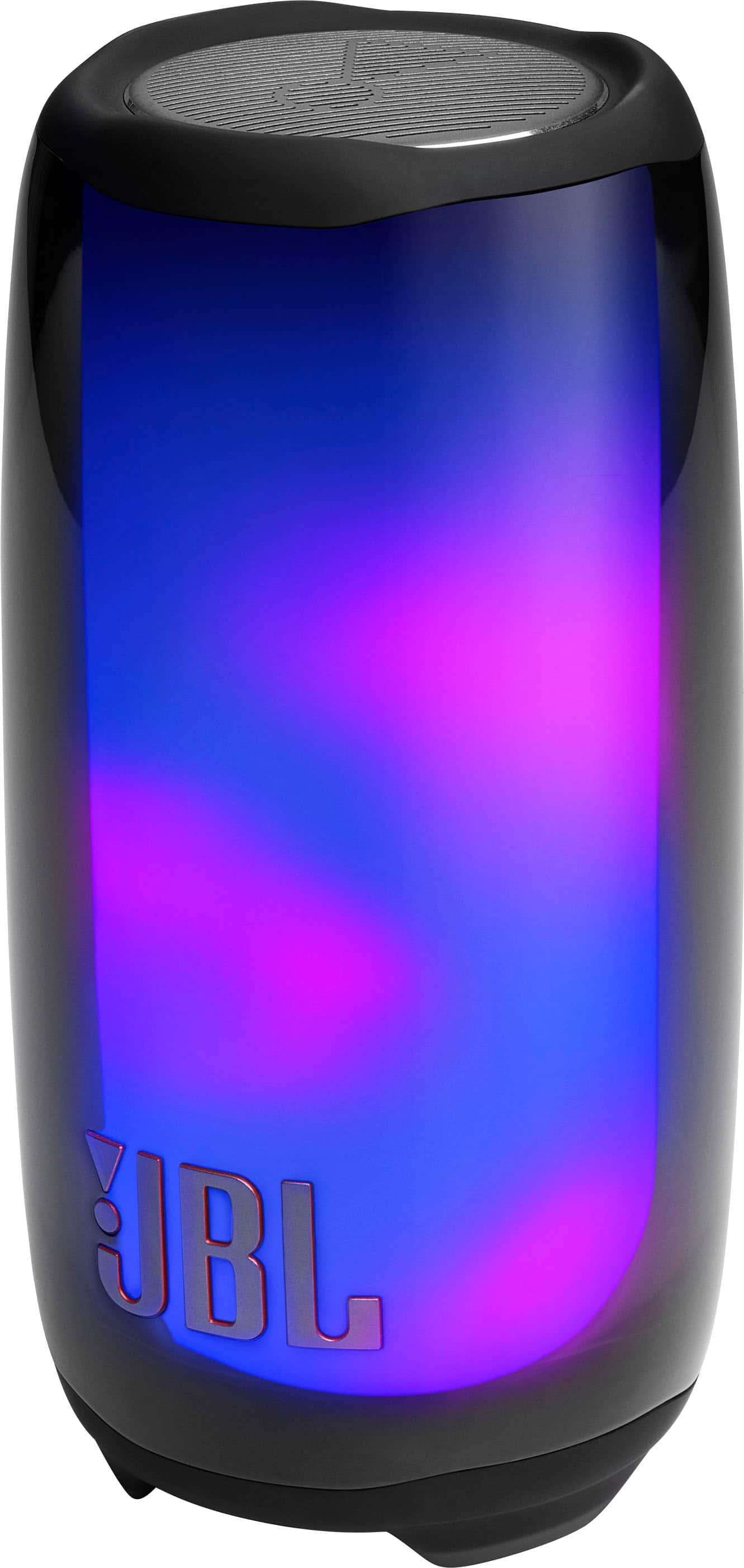
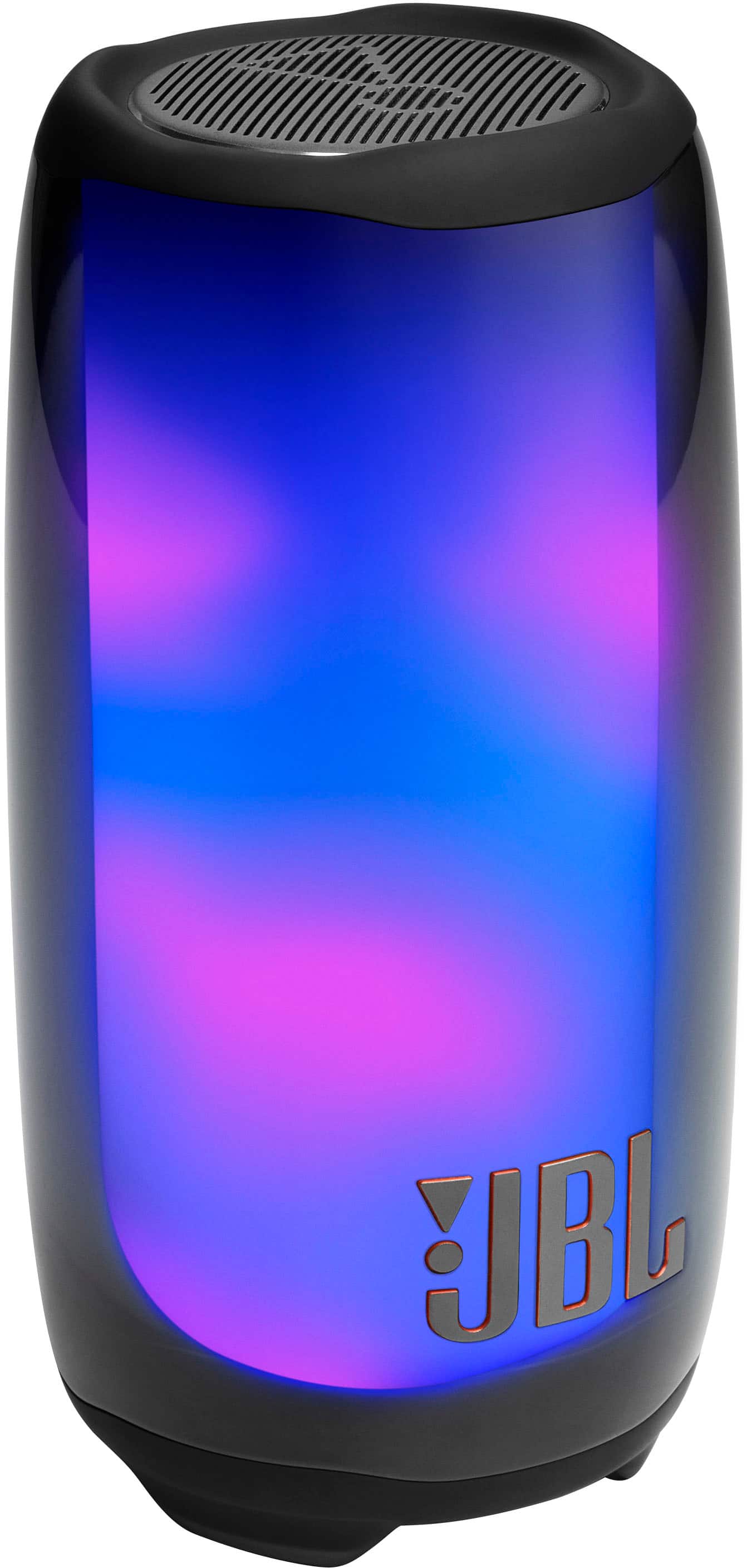
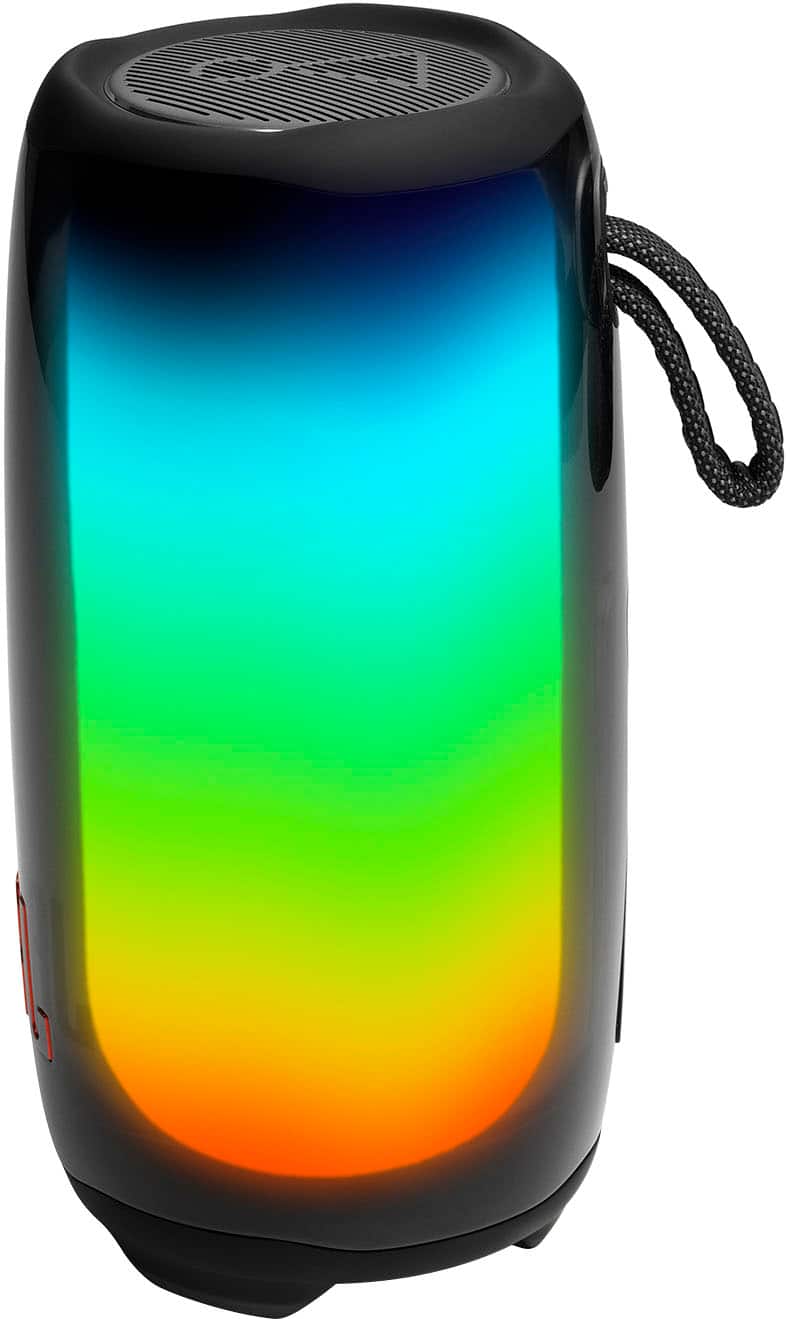
The Pulse 5's defining feature is its 360-degree customizable LED light show. This isn't just decorative lighting - it's a sophisticated system with multiple zones, color mixing, and beat-detection algorithms that create genuinely impressive visual displays. The transparent cylindrical design houses these LEDs throughout the speaker body, creating an effect that's immediately striking in any room.
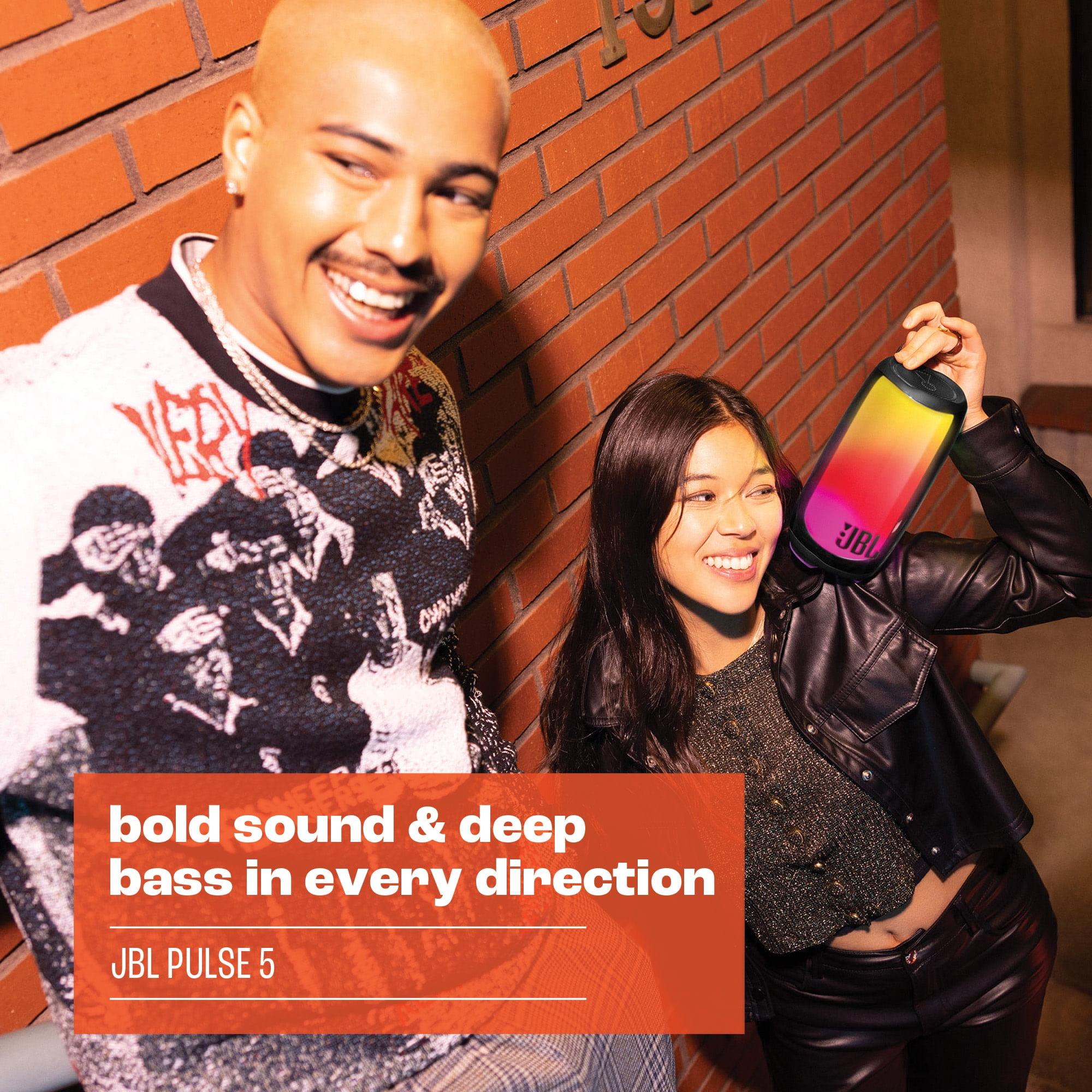
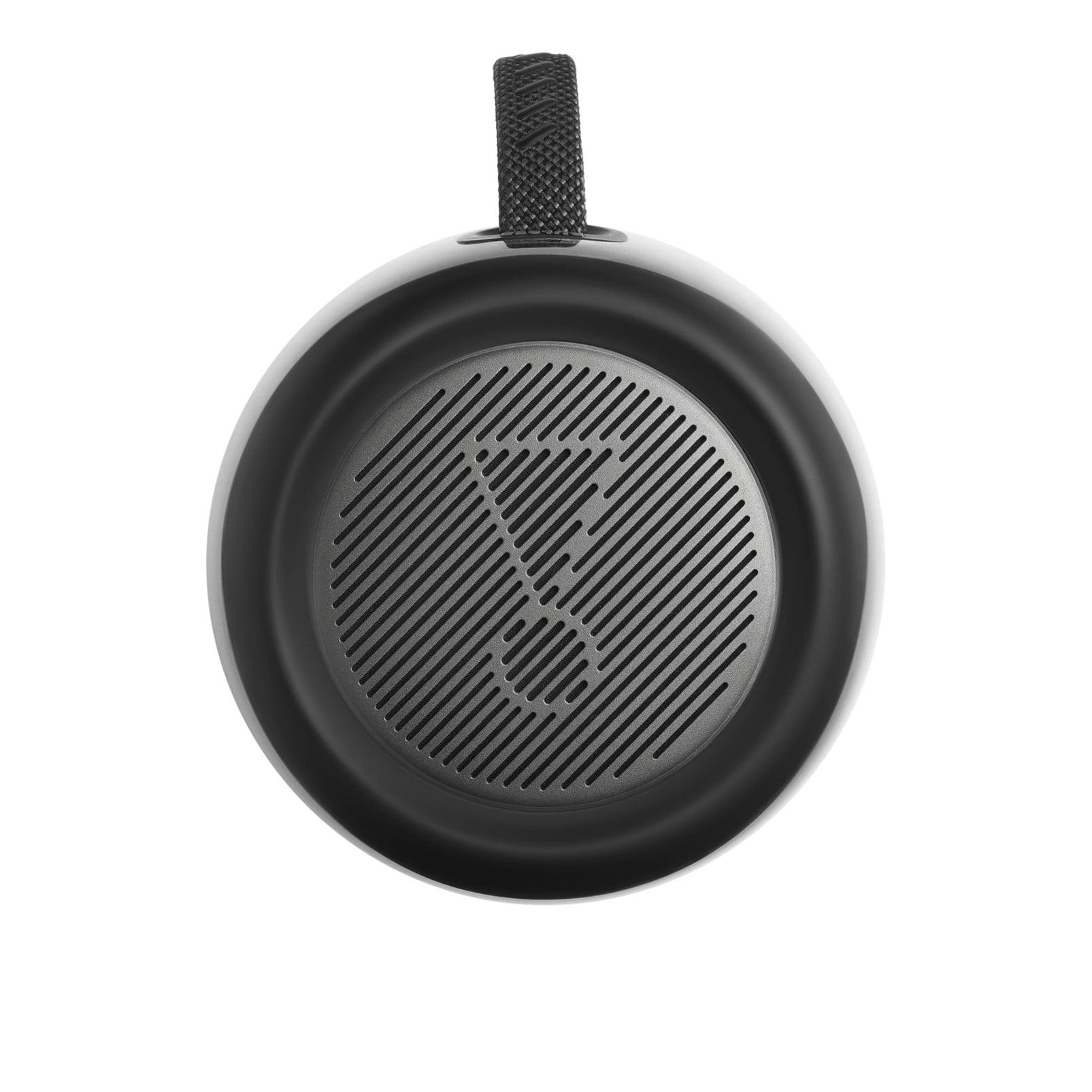
But JBL didn't ignore the audio side. The Pulse 5 uses an upward-firing driver configuration combined with a separate tweeter (the small speaker element that handles high frequencies). This creates omnidirectional sound - meaning the audio spreads in all directions rather than projecting forward like the Charge 4. The total power output reaches 40W, split between a 30W woofer and 10W tweeter.
This design philosophy creates a very different listening experience. Where the Charge 4 projects sound toward you, the Pulse 5 fills the entire room. In our research, users consistently noted how the Pulse 5 makes small gatherings feel more immersive, with everyone getting consistent sound quality regardless of where they're positioned.
The tradeoff comes in battery life. That impressive LED system consumes significant power, dropping real-world performance to 6-8 hours with lights active - roughly half what JBL advertises and far less than the Charge 4's marathon 15-18 hour real-world performance.
This comparison gets interesting because both speakers achieve good sound quality through entirely different methods. The Charge 4 uses traditional forward-firing drivers, creating focused sound that's excellent for direct listening. Its racetrack driver design allows for more surface area than a circular driver of the same size, improving efficiency and reducing distortion.
The Pulse 5's omnidirectional approach trades some focus for room-filling capability. The upward-firing configuration means sound bounces off ceilings and walls, creating a more diffuse but spatially impressive presentation. This works beautifully for background music and party atmospheres but can feel less engaging for critical listening.
Frequency response tells part of the story. The Charge 4 reaches down to 60Hz, while the Pulse 5 only manages 70Hz in the bass region. That 10Hz difference is audible - the Charge 4 delivers slightly more bass weight and impact. However, the Pulse 5's separate tweeter provides cleaner high-frequency reproduction, especially noticeable with acoustic music and vocals.
Both speakers benefit from JBL's tuning philosophy, which emphasizes clarity in the midrange where most music content lives. Neither will satisfy bass-heads looking for deep, room-shaking low end, but both provide enough low-frequency energy to feel full and engaging with most music genres.
The Pulse 5 gains an advantage through its companion app, which includes a graphic equalizer. This lets you adjust the sound signature to your preferences - boost bass for hip-hop, enhance treble for podcasts, or create custom curves for specific music genres. The Charge 4 offers no such customization, playing everything with its fixed tuning.
Battery performance reveals the fundamental difference between these speakers' design priorities. The Charge 4's 27Wh battery delivers legitimate all-day performance. In our research, users consistently report 15-18 hours of real-world playback at moderate volumes, with some achieving the full 20-hour rating at lower levels.
This endurance comes from efficient power management and the absence of power-hungry features. The single driver configuration requires less amplification than multi-driver systems, while the lack of LED lighting eliminates a major power drain.
The Pulse 5 faces a more complex challenge. Its 12-hour rating assumes the LED system operates at lower brightness levels, but most users want the full light show experience. At normal party volumes with engaging light patterns, expect 6-7 hours maximum. That LED system alone can consume as much power as the audio amplification.
This difference fundamentally affects how you use each speaker. The Charge 4 works for weekend camping trips, all-day beach sessions, or daily use without constant charging anxiety. The Pulse 5 needs more planning - it's best suited for shorter events or situations where you can easily recharge between uses.
Both speakers handle water well, but their protection approaches differ. The Charge 4's IPX7 rating means it survives accidental submersion and handles poolside splashing without issues. However, it offers no dust protection, making it vulnerable to sand and fine particles that can clog ports or affect driver performance.
The Pulse 5's IP67 rating adds dust protection, theoretically making it more versatile for outdoor use. However, the clear acrylic construction shows every fingerprint, scratch, and scuff mark. Users report that the pristine appearance degrades quickly with regular handling, potentially affecting both aesthetics and light transmission quality.
In practical terms, the Charge 4 handles rough treatment better. Its fabric covering hides minor damage, while the solid construction tolerates drops and impacts well. The Pulse 5 requires more careful handling to maintain its visual appeal - important since the light show is its primary selling point.
The five-year gap between these speakers shows clearly in their connectivity features. The Charge 4 uses Bluetooth 4.2, which works reliably but lacks some modern conveniences. Connection stability is good, and the ability to connect two devices simultaneously works well for shared listening.
The Pulse 5 includes Bluetooth 5.3, offering better connection stability, lower latency for video watching, and improved power efficiency. In practice, both connect quickly and maintain stable connections, but the Pulse 5 shows slightly better performance in crowded wireless environments.
Neither speaker includes Wi-Fi, voice assistants, or advanced streaming features - they're purely Bluetooth devices. The Charge 4 includes a 3.5mm auxiliary input for wired connections, while both speakers can connect to JBL's party pairing systems (Connect+ for the Charge 4, PartyBoost for the Pulse 5).
While neither speaker is designed specifically for home theater use, both can serve as upgrade options for TV audio in smaller rooms. The Charge 4's forward-firing design actually works well for dialog clarity when positioned below or beside a TV. Its consistent midrange reproduction handles spoken content clearly, though the mono output means no spatial effects for movie soundtracks.
The Pulse 5's creates a more immersive experience for movie watching, with its omnidirectional sound helping create ambient sound effects that seem to come from multiple directions. However, the upward-firing design can make dialog seem less focused and clear compared to the Charge 4.
For music listening at home, the Pulse 5 excels as background audio. Its room-filling sound and visual appeal make it excellent for dinner parties, casual listening, or any situation where ambiance matters as much as audio quality. The Charge 4 works better for focused listening sessions where you want direct, engaging sound.
The Charge 4 makes sense for practical users who prioritize functionality and value. If you spend time outdoors, travel frequently, or want a speaker that just works without fuss, its combination of long battery life, power bank functionality, and solid audio quality provides excellent utility. The lower price point (at the time of writing) makes it particularly attractive for budget-conscious buyers who don't need flashy features.
Students, outdoor enthusiasts, and anyone who values reliability over novelty will appreciate the Charge 4's straightforward approach. It's also ideal for situations where you might need to charge other devices - camping trips, beach days, or emergency preparedness kits.
The Pulse 5 targets users who view their speaker as entertainment beyond just audio. If you host gatherings, appreciate unique design elements, or want something that creates atmosphere as much as it plays music, the light show justifies the premium price and shorter battery life. It's also appealing for anyone who wants their tech to be conversation starters or social media worthy.
The Pulse 5 works best for users who primarily listen at home or in situations where charging is readily available. It's less practical for extended outdoor use but far more impressive for indoor parties and gatherings.
These speakers represent fundamentally different approaches to portable audio. The Charge 4 maximizes practical utility - it lasts longer, charges your devices, and delivers consistent performance at a reasonable price. The Pulse 5 creates experiences - its light show genuinely enhances parties and gatherings, while its modern connectivity and audio customization options appeal to users who want more control over their listening experience.
Neither choice is wrong, but one will clearly suit your lifestyle better than the other. Consider how you actually use portable speakers: Do you need all-day battery life more than visual effects? Is reliable outdoor performance more important than party ambiance? Are you buying primarily for audio quality or for the complete audiovisual experience?
The Charge 4 remains relevant despite its 2018 release because it solves real problems effectively. The Pulse 5 represents where portable speakers are heading - toward entertainment devices that do more than just play music. Your choice depends on whether you're ready to embrace that future or prefer the proven reliability of traditional portable speaker design.
At the time of writing, the price difference between these speakers is significant enough that budget considerations may make the decision for many users. But for those willing to pay for unique features, the Pulse 5 delivers an experience that no traditional speaker can match.
| JBL Charge 4 | JBL Pulse 5 |
|---|---|
| Battery Life - Critical for outdoor use and all-day listening | |
| Up to 20 hours (15-18 hours real-world usage) | Up to 12 hours advertised (6-8 hours with light show active) |
| Audio Output Power - Determines maximum volume and clarity | |
| 30W RMS mono output | 40W total (30W woofer + 10W tweeter) |
| Water/Dust Protection - Essential for outdoor durability | |
| IPX7 (waterproof, no dust protection) | IP67 (waterproof and dustproof) |
| Special Features - What sets each speaker apart | |
| USB-A power bank for charging devices, JBL Connect+ | 360-degree customizable LED light show, PartyBoost |
| Sound Design - Affects how music fills your space | |
| Forward-firing driver with passive radiators | Upward-firing 360-degree omnidirectional sound |
| Frequency Response - Determines bass depth and treble clarity | |
| 60Hz - 20kHz (slightly better bass extension) | 70Hz - 20kHz (separate tweeter for clearer highs) |
| Bluetooth Version - Affects connection stability and features | |
| Bluetooth 4.2 | Bluetooth 5.3 (more stable, lower latency) |
| Weight - Important for true portability | |
| 965g (2.12 lbs) | 1.47kg (3.2 lbs) |
| App Features - Customization and control options | |
| Basic speaker linking and party mode | Graphic EQ, extensive light show customization |
| Release Year - Indicates technology generation | |
| 2018 (proven, mature design) | 2023 (latest connectivity and features) |
| Best Use Case - Who should choose this speaker | |
| Outdoor adventures, extended use, budget-conscious buyers | Indoor parties, ambiance creation, visual entertainment |
The JBL Charge 4 significantly outperforms the JBL Pulse 5 in battery life. The Charge 4 delivers up to 20 hours of playback time, with real-world usage typically achieving 15-18 hours. The Pulse 5 offers only 12 hours advertised, but with the LED light show active, actual battery life drops to 6-8 hours. For extended outdoor use or all-day listening, the Charge 4 is the clear winner.
The primary difference is that the JBL Pulse 5 features a customizable 360-degree LED light show that syncs with your music, while the JBL Charge 4 focuses on practical functionality with power bank capabilities. The Charge 4 can charge your devices through its USB-A port, making it ideal for outdoor adventures. The Pulse 5 prioritizes visual entertainment and ambiance creation over utility features.
Both speakers deliver quality JBL sound, but with different approaches. The JBL Charge 4 offers focused, forward-firing audio that's excellent for direct listening, with slightly better bass extension down to 60Hz. The JBL Pulse 5 provides 360-degree omnidirectional sound that fills rooms more evenly, plus includes a separate tweeter for clearer highs and app-based EQ customization. Choose the Charge 4 for focused listening or the Pulse 5 for room-filling ambient sound.
Yes, both speakers offer water protection, but at different levels. The JBL Charge 4 has IPX7 waterproof rating, allowing submersion up to 1 meter for 30 minutes, but offers no dust protection. The JBL Pulse 5 features superior IP67 rating, providing both waterproof and dustproof protection. However, the Pulse 5's clear acrylic finish shows scratches and fingerprints more readily than the Charge 4's durable fabric covering.
Yes, but each speaker uses different pairing technologies. The JBL Charge 4 supports JBL Connect+, allowing you to link over 100 compatible JBL speakers together for massive sound systems. The JBL Pulse 5 uses the newer PartyBoost feature, which connects with other PartyBoost-compatible speakers but isn't compatible with Connect+ devices. Both systems work well for creating multi-speaker setups, but they're not cross-compatible.
The JBL Charge 4 is significantly better for outdoor adventures. Its 20-hour battery life means you won't need to recharge during weekend trips, and the built-in power bank can keep your phone charged in emergencies. The Charge 4 is also more rugged and handles rough treatment better. While the JBL Pulse 5 has better dust protection, its 6-8 hour real-world battery life and delicate clear finish make it less suitable for extended outdoor use.
Neither speaker is designed specifically for home theater, but both can improve TV audio in smaller rooms. The JBL Charge 4 works better for dialog clarity due to its forward-firing design, making voices sound focused and clear. The JBL Pulse 5 creates a more immersive experience with its 360-degree sound, helping ambient effects seem to come from multiple directions. However, both are mono speakers, so they won't provide true stereo separation for movies.
The JBL Charge 4 provides better value for pure audio performance and practical features. You get longer battery life, power bank functionality, and solid sound quality at a lower price point. The JBL Pulse 5 commands a premium primarily for its LED light show and newer connectivity features. Choose the Charge 4 if you prioritize functionality and value, or the Pulse 5 if you're willing to pay extra for unique visual entertainment.
Sound customization options differ significantly between these speakers. The JBL Charge 4 has a fixed sound signature with no EQ options - what you hear is what you get. The JBL Pulse 5 includes a graphic equalizer through the JBL Portable app, allowing you to adjust bass, treble, and midrange to match your music preferences. If sound customization is important to you, the Pulse 5 is the better choice.
The JBL Charge 4 is more travel-friendly despite both being "portable" speakers. It weighs 965g compared to the Pulse 5's 1.47kg, and its superior battery life means less frequent charging during travel. The Charge 4 can also charge your devices, reducing the number of chargers you need to pack. The Pulse 5's delicate clear finish and shorter battery life make it less ideal for frequent travel.
The JBL Pulse 5 has more advanced Bluetooth 5.3 connectivity compared to the Charge 4's Bluetooth 4.2. This means the Pulse 5 offers better connection stability, lower latency for video watching, and improved performance in crowded wireless environments. Both speakers can connect to two devices simultaneously, but the Pulse 5 switches between devices more seamlessly and maintains stronger connections at longer distances.
The JBL Pulse 5 excels at parties and social gatherings thanks to its mesmerizing 360-degree light show that creates instant ambiance. Its omnidirectional sound ensures everyone gets consistent audio quality regardless of position, and the visual effects genuinely enhance party atmospheres. The JBL Charge 4 focuses purely on audio and utility, making it better for smaller groups or situations where you need reliable, long-lasting performance without visual flair.
We've done our best to create useful and informative comparisons to help you decide what product to buy. Our research uses advanced automated methods to create this comparison and perfection is not possible - please contact us for corrections or questions. These are the sites we've researched in the creation of this article: rtings.com - whathifi.com - whathifi.com - soundguys.com - soundguys.com - streamtechreviews.com - youtube.com - versus.com - applevis.com - versus.com - jbl.com - jbl.com - walmart.com - comparisontabl.es - harmanaudio.com - manuals.plus - jbl.com.sg - jbl.com - mm.jbl.com - bestbuy.com - newpower99.com - forums.woot.com - digitaltrends.com - youtube.com - target.com - rtings.com - jbl.com - jblonlinestore.com - harmanaudio.com - assistivetech.com.au - stereoguide.com - mm.jbl.com - jbl.com - creativeaudio.net

Privacy Policy
Terms and Conditions - Affiliate Policy
Home Security
© Copyright 2008-2026.
11816 Inwood Rd #1211, Dallas, TX 75244