







Portable Bluetooth speakers have become the soundtrack to our lives—whether you're camping under the stars, hosting a backyard barbecue, or just want better audio than your phone's tiny speakers can deliver. But with hundreds of options flooding the market, choosing the right one feels overwhelming. Today we're diving deep into two popular contenders that take completely different approaches to portable audio: the JBL Charge 6 and the Sony XG300 MEGA BASS.
At the time of writing, both speakers sit in the premium portable category, though they target different priorities. The JBL Charge 6, released in 2025, represents JBL's latest thinking on truly portable audio—emphasizing mobility, durability, and practical features. The Sony XG300, which hit the market in 2022, focuses more on audio quality and customization options, even if that means sacrificing some portability.
Before we jump into the specifics, let's talk about what makes a great portable speaker. The most critical factors include sound quality (how good the music actually sounds), battery life (how long it plays), portability (how easy it is to carry around), and durability (whether it survives your adventures). These four pillars often conflict with each other—making a speaker smaller usually means less battery life and reduced sound quality, while making it more durable typically adds weight.
The sweet spot lies in finding the right balance for your specific needs. Some people want a speaker that disappears into a backpack for hiking, while others prefer something that stays put on a deck but delivers room-filling sound. Understanding your primary use case is crucial because these two speakers excel in very different scenarios.
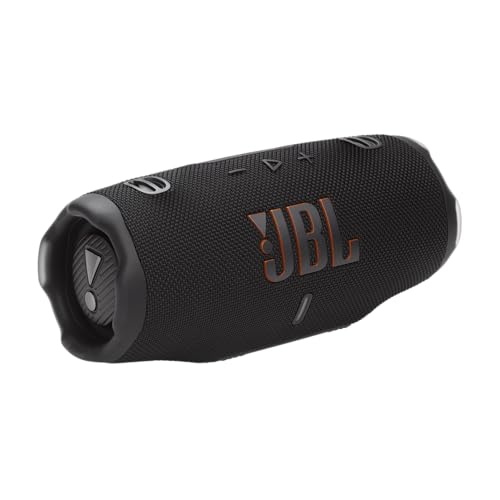
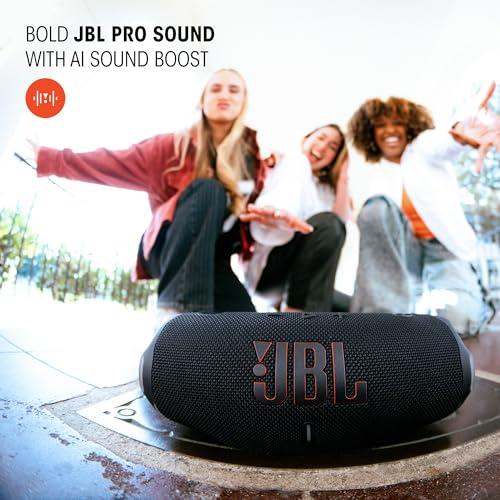
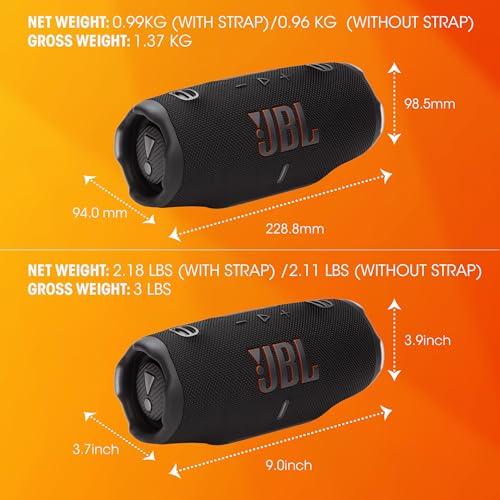
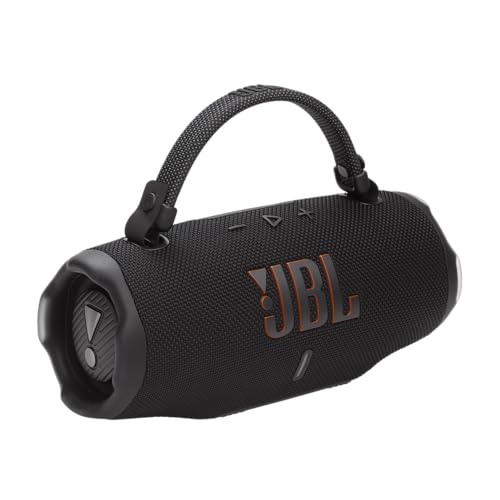
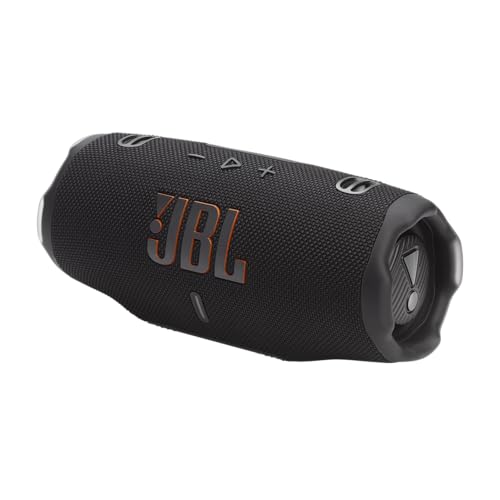
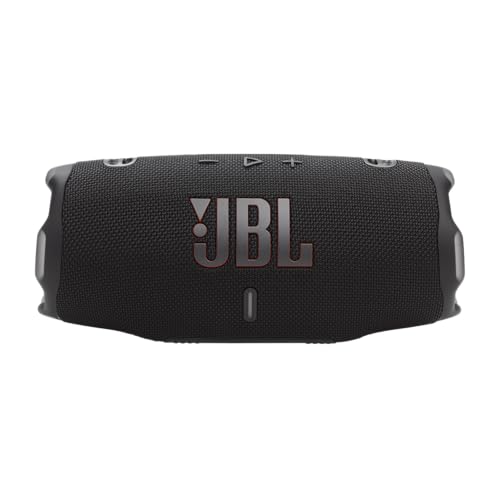
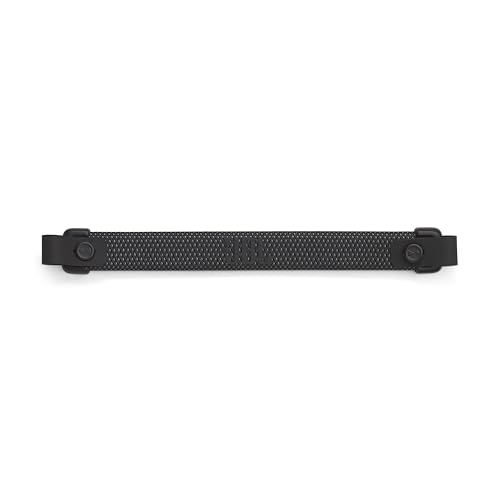
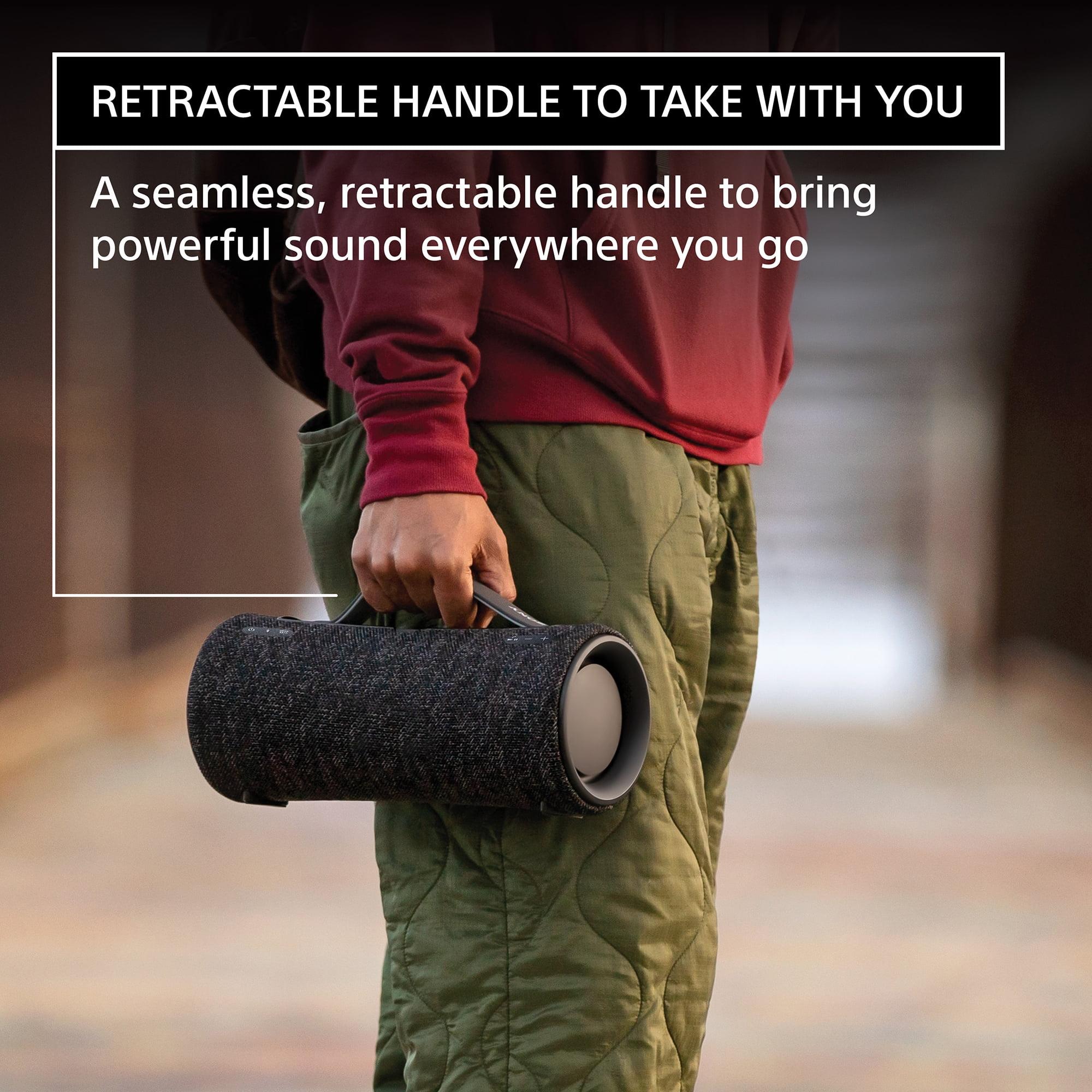
The JBL Charge 6 weighs just over 2 pounds and measures roughly 9 inches long—small enough to fit in most backpacks without thinking twice. Its cylindrical design with fabric wrapping feels familiar if you've used JBL speakers before, but the addition of a removable handle strap shows they're serious about portability. The IP68 rating means it can survive full submersion up to 1.5 meters for 30 minutes—essentially making it foolproof around water.
What sets the JBL Charge 6 apart is its commitment to being genuinely portable. At just over 2 pounds, you'll actually want to bring it places. I've found that speakers claiming to be "portable" often end up staying home because they're too heavy or bulky for real-world use. JBL seems to understand this psychology.
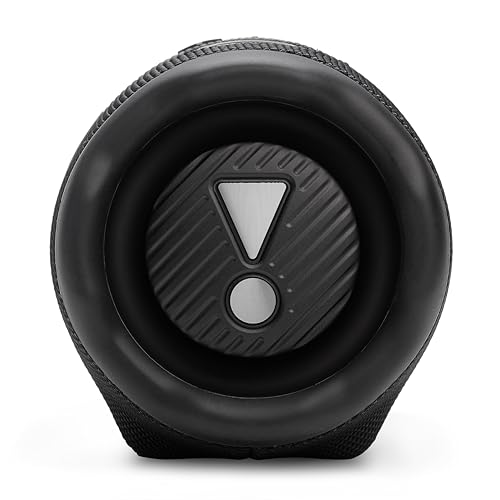
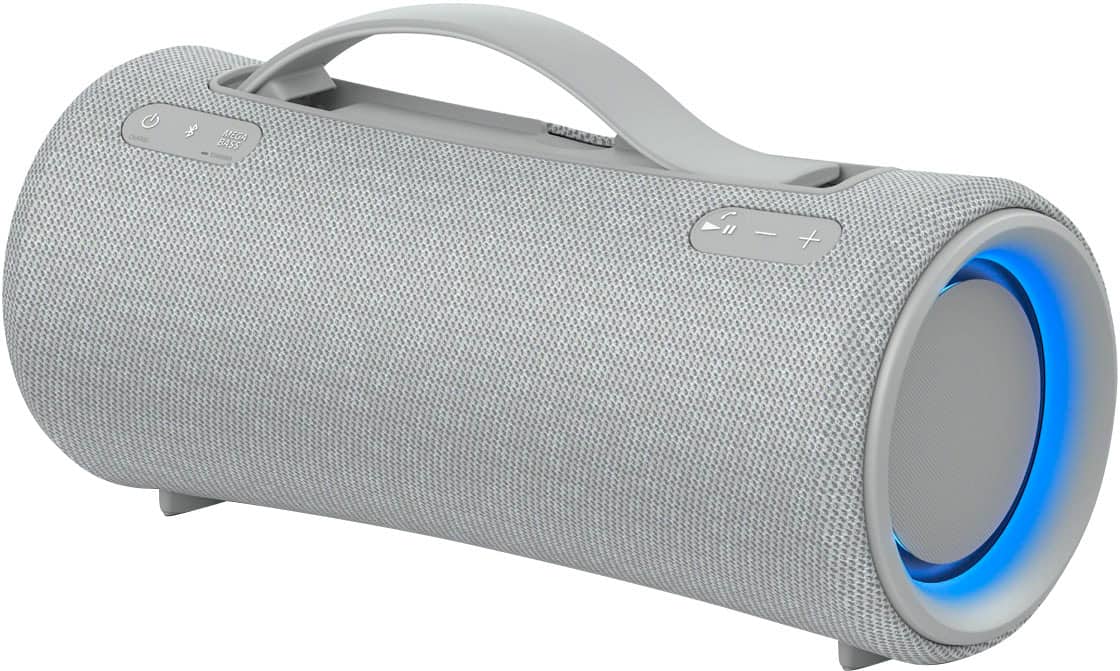
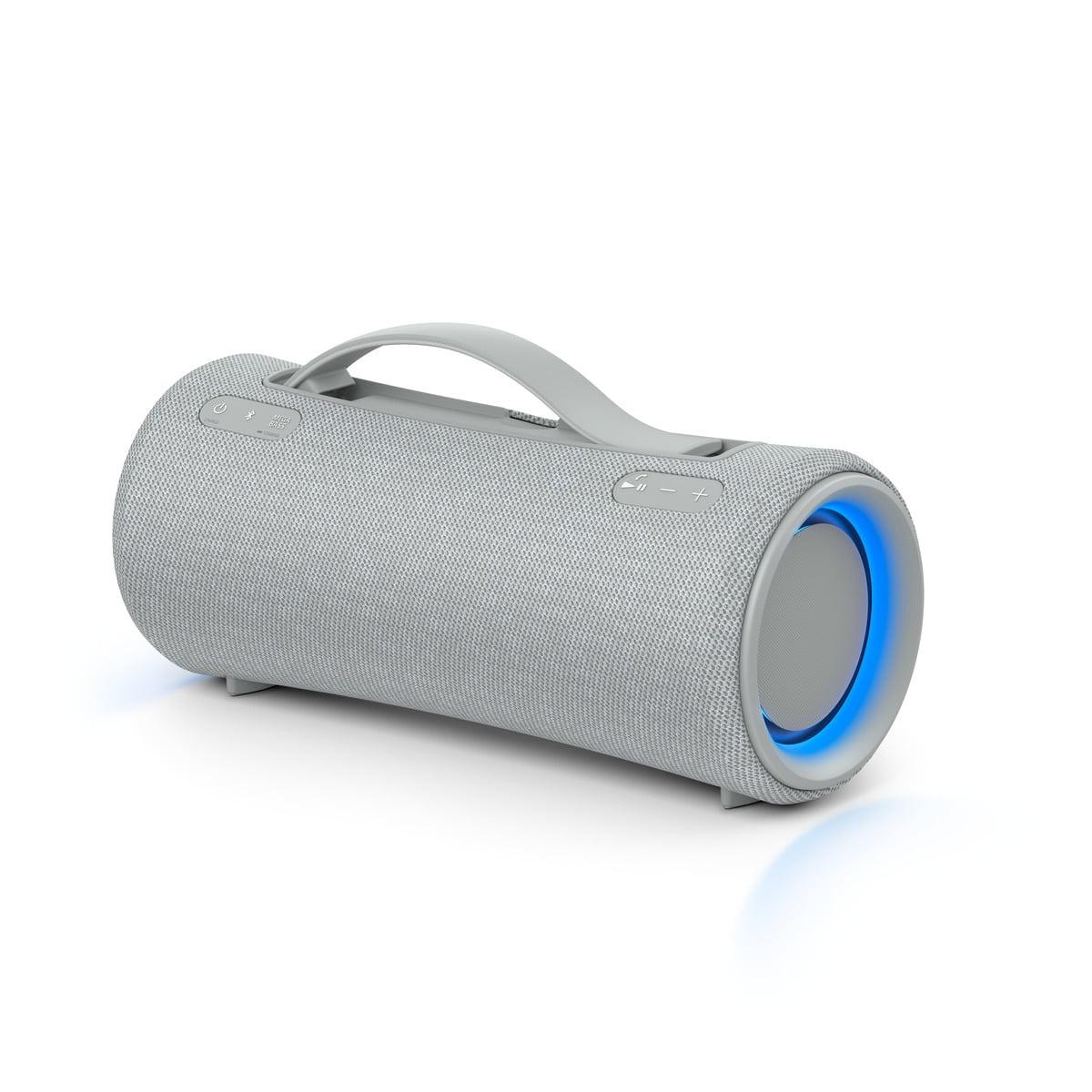
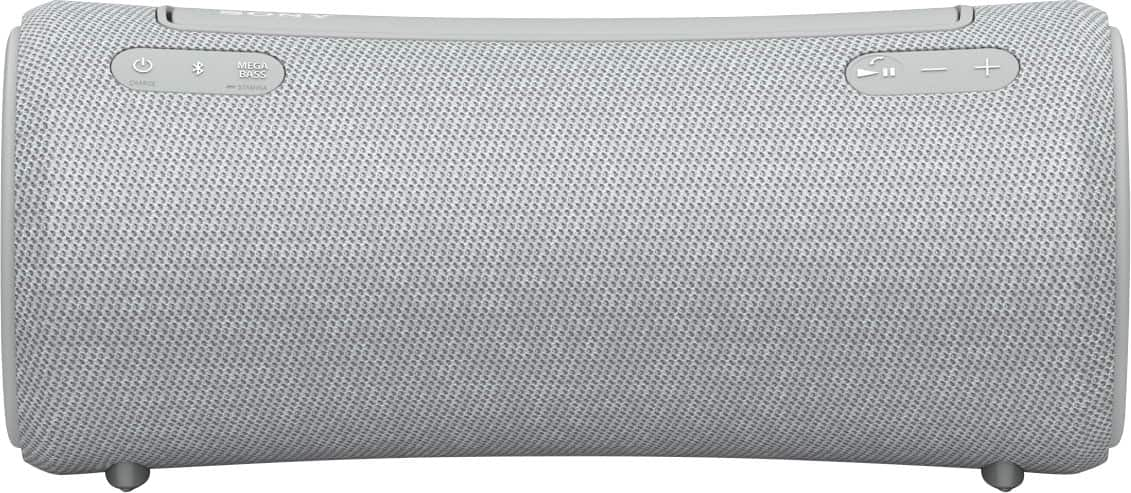
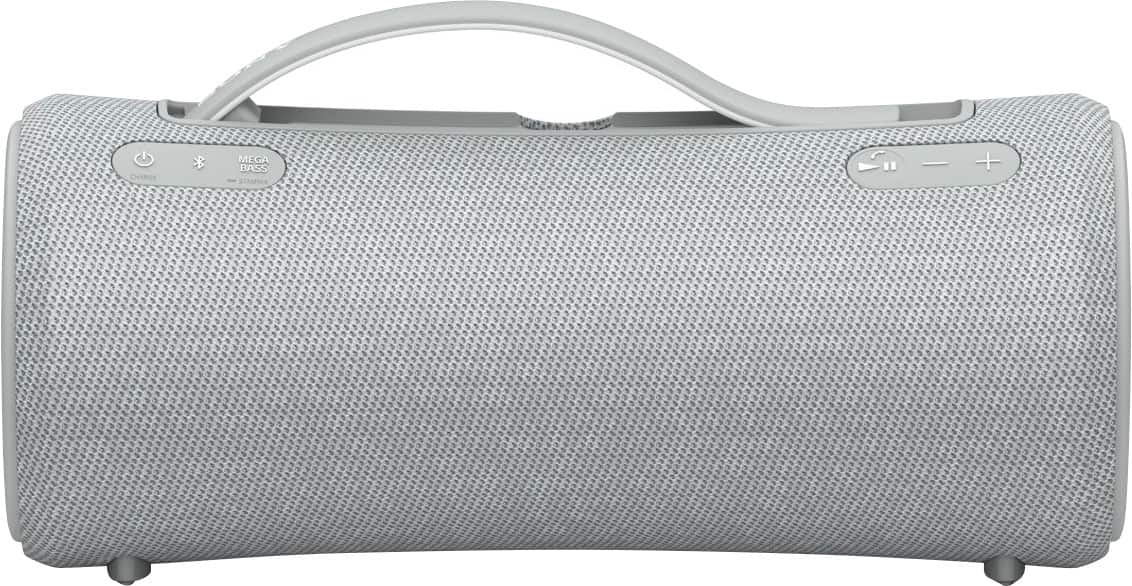
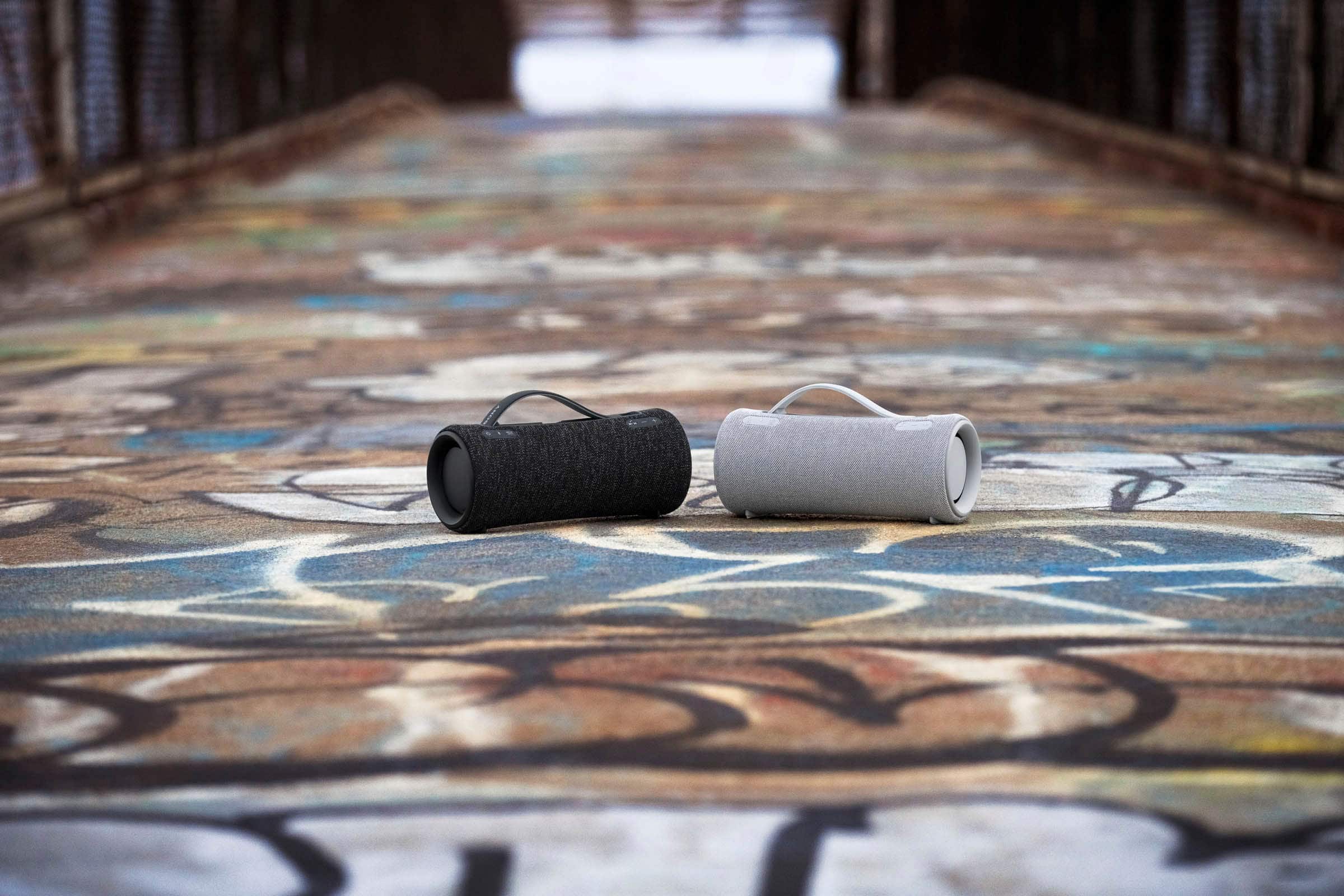
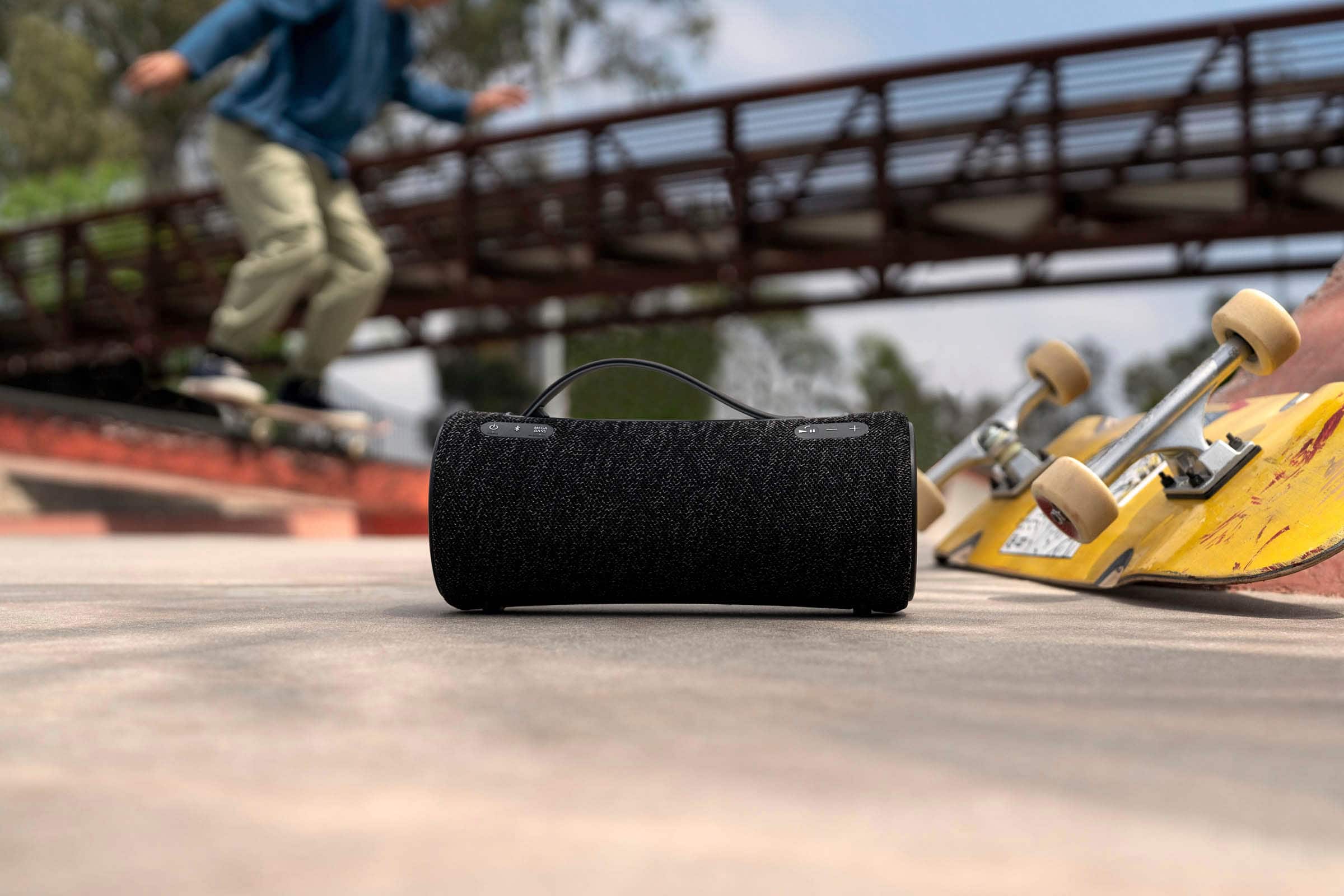
The Sony XG300, weighing 6.6 pounds, represents a different philosophy entirely. Sony designed this as what I call a "relocatable" speaker rather than a truly portable one. It's meant to move from your living room to the patio, or from the house to the poolside, but not necessarily into your hiking backpack. That extra weight comes from a larger cabinet housing four separate drivers (two woofers and two tweeters) compared to the JBL's two-driver system.
This size difference isn't just about convenience—it fundamentally affects how these speakers sound. Larger cabinets allow for bigger drivers and more internal air volume, which typically translates to better bass response and overall sound quality. The trade-off is obvious: portability.
The JBL Charge 6 uses what's called a "racetrack" or oval-shaped woofer (53mm x 93mm) paired with a 20mm tweeter. This oval design maximizes the driver surface area within the cylindrical cabinet—think of it like fitting a larger rectangle into a round hole by making it oval-shaped. The tweeter (which handles high frequencies like cymbals and vocals) and woofer (which handles everything else) work together in what's called a "2-way" system.
Importantly, the JBL Charge 6 is a mono speaker, meaning it combines left and right audio channels into a single output. While this might sound like a limitation, it's actually quite common in portable speakers because it ensures consistent sound regardless of where you're standing.
The Sony XG300 takes a more sophisticated approach with four drivers arranged in true stereo configuration—two woofers and two tweeters, with one of each handling the left channel and the other pair handling the right channel. Sony's "X-Balanced" woofer technology uses non-circular driver shapes to increase the surface area and reduce distortion. Think of it like having two separate speakers built into one cabinet.
Bass response is where these speakers show their biggest difference. The Sony XG300 reaches down to 20Hz—the very bottom of human hearing—while the JBL Charge 6 starts rolling off around 56Hz. To put this in perspective, 20Hz captures the rumble in electronic music and movie soundtracks that you feel as much as hear, while 56Hz is more like the thump of a kick drum.
The Sony's larger cabinet and dual woofers simply have more physical capability to move air, which is what creates bass frequencies. The JBL compensates with dual passive radiators (essentially speakers without magnets that vibrate in response to the main driver) and clever DSP (digital signal processing) that optimizes the output in real-time through its "AI Sound Boost" technology.
From our research into user experiences, the Sony XG300 delivers noticeably deeper and more authoritative bass, especially in genres like hip-hop, electronic, and modern rock. However, the JBL Charge 6 punches well above its weight class—users consistently report being surprised by how much bass such a compact speaker produces.
Midrange frequencies (roughly 200Hz to 2000Hz) handle most vocals, guitars, and instruments we consider the "heart" of music. This is where the Sony's stereo configuration provides a clear advantage. Having separate left and right channels creates what's called "soundstage"—the ability to distinguish between instruments positioned in different locations within a mix.
The JBL Charge 6's mono output means everything gets mixed together, which can make complex music sound somewhat flat. However, JBL's AI Sound Boost technology analyzes the incoming audio signal in real-time and adjusts the driver output to minimize distortion and maximize clarity. In practice, this means vocals remain clear and present even at higher volumes.
User feedback suggests the Sony XG300 provides better instrument separation—you can more easily pick out individual elements in busy mixes. The JBL Charge 6 focuses more on overall impact and loudness while maintaining clarity.
Maximum volume often matters more than audiophiles like to admit, especially for outdoor use or parties. The JBL Charge 6 outputs 45 watts RMS (RMS means continuous power, not peak bursts), while the Sony XG300 delivers approximately 30 watts based on our analysis of its specifications.
More watts generally means louder maximum volume, and indeed, user reports confirm the JBL can play louder than the Sony. However, loudness isn't everything—how clean the sound remains at high volumes matters just as much. The Sony XG300 maintains better composure at its maximum output, with less distortion and harsh frequencies.
Dynamic range refers to the difference between the quietest and loudest sounds a speaker can reproduce. The Sony's larger drivers and cabinet provide better dynamic range, meaning it handles both delicate acoustic passages and explosive crescendos more convincingly.
Both speakers deliver excellent battery performance, with the Sony XG300 offering 25 hours of playback compared to the JBL Charge 6's 24 hours (extendable to 28 hours with "Playtime Boost" mode). In real-world use, this one-hour difference is essentially meaningless.
More important is charging speed. The JBL Charge 6 reaches full charge in 3 hours, while the Sony XG300 requires 5 hours. If you're someone who forgets to charge devices overnight, those extra two hours can be frustrating. Both offer quick-charging features—the JBL provides 150 minutes of playback from a 10-minute charge, while the Sony delivers 70 minutes.
The JBL's Playtime Boost mode extends battery life by reducing bass output and some midrange frequencies to lower power consumption. It's essentially an "economy mode" for your speaker—useful for background music when you need maximum runtime, though it does affect sound quality.
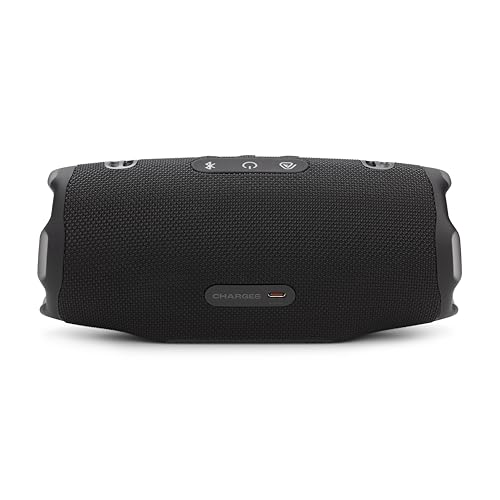
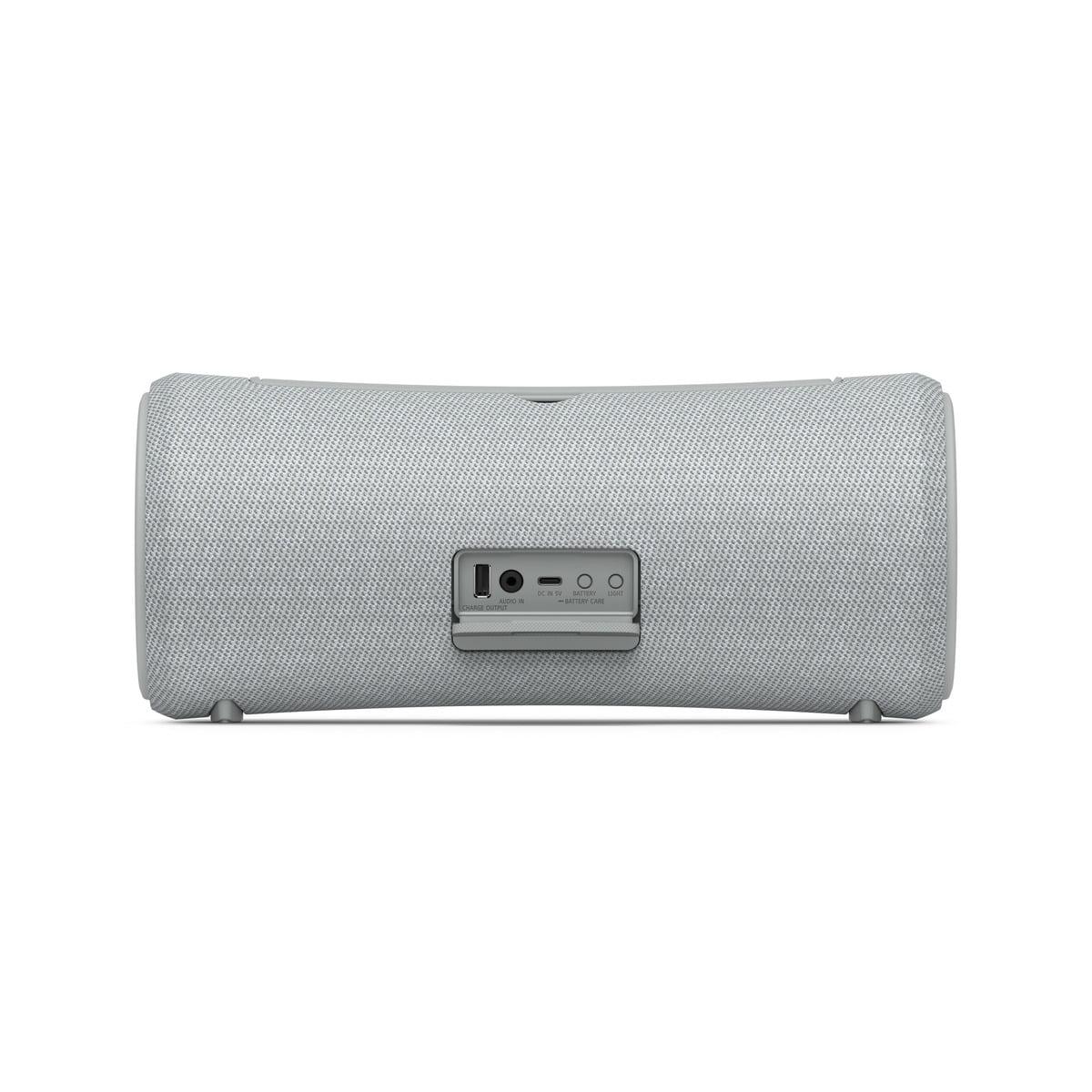
Both speakers function as power banks to charge your phone or other devices, which is genuinely useful during camping trips or long beach days.
Modern Bluetooth connectivity goes far beyond just pairing your phone. The JBL Charge 6 uses Bluetooth 5.4, the newest standard as of 2025, while the Sony XG300 uses the older but still capable 5.2 version. Newer Bluetooth versions typically offer better connection stability, lower latency (the delay between pressing play and hearing sound), and improved battery efficiency.
Both speakers support multi-device pairing, letting you connect two phones or devices simultaneously. This is surprisingly useful—you can stay connected to your laptop for video calls while also connected to your phone for music.
For audiophiles, the Sony XG300 supports Sony's LDAC codec, which transmits significantly more audio data than standard Bluetooth (990 kbps vs. 328 kbps). If you have high-quality music files and a compatible device, this makes a noticeable difference in sound quality. The JBL Charge 6 doesn't support LDAC but offers lossless audio playback through its USB-C port, supporting up to 24-bit/192kHz resolution.
Both speakers can connect to multiple units for larger sound coverage, but they use different systems. The Sony supports "Party Connect" for up to 100 speakers (though who actually owns 100 speakers?), while the JBL uses "Auracast" technology. In practice, most people will stereo-pair two identical units for wider sound.
The Sony XG300 offers extensive sound customization through its app, including "MEGA BASS" (enhanced low frequencies), "LIVE SOUND" (simulated concert hall reverb), and "Clear Audio+" (Sony's automatic sound optimization). There's also a 3-band equalizer for adjusting bass, midrange, and treble to your preferences.
The JBL Charge 6 takes a different approach with a 7-band graphic equalizer, giving more precise control over specific frequency ranges. However, it has fewer preset sound modes, focusing more on manual customization.
One notable difference: the Sony XG300 includes a built-in microphone for hands-free phone calls, complete with echo cancellation technology. The JBL Charge 6 lacks this feature entirely. If you take work calls or need speakerphone capability, this could be decisive.
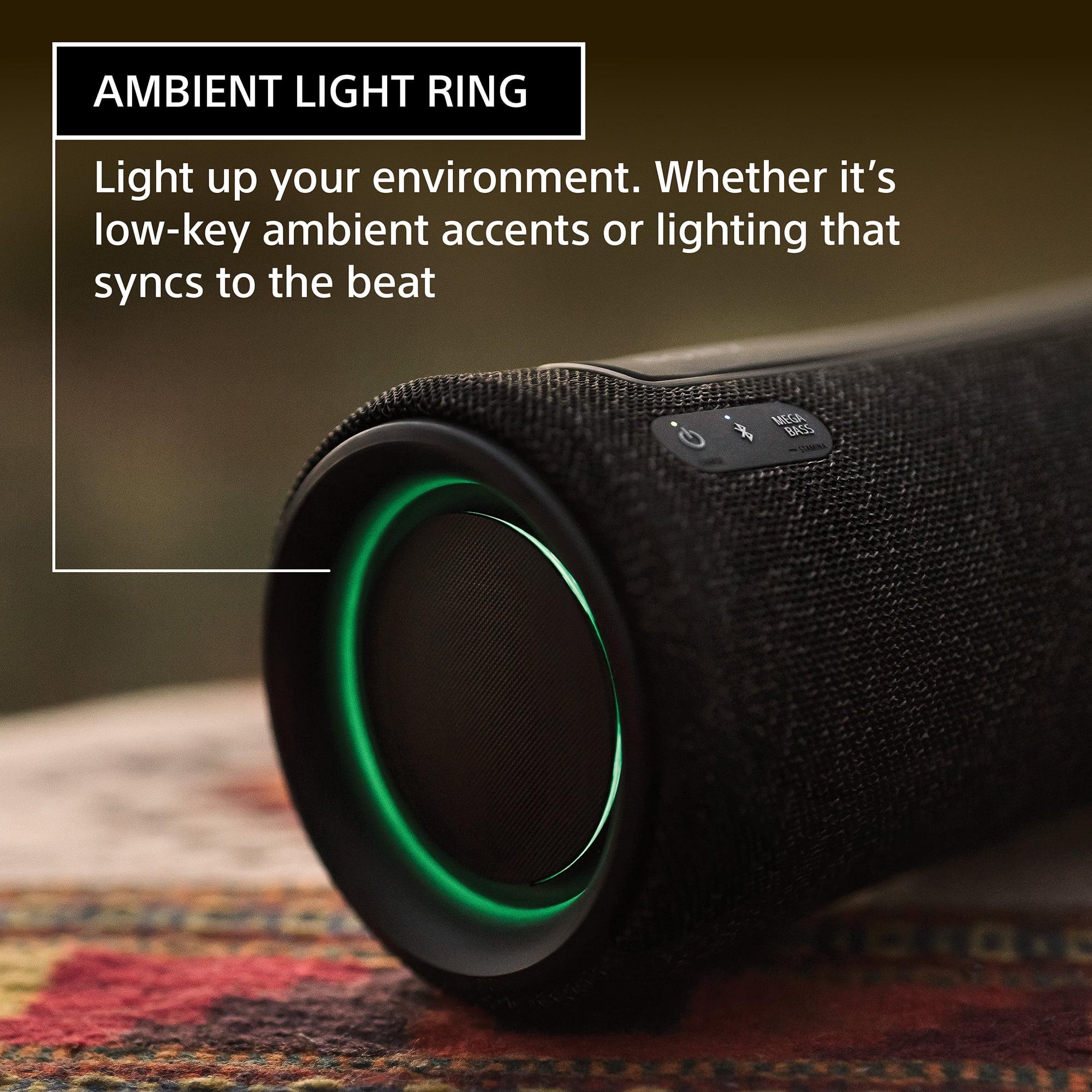
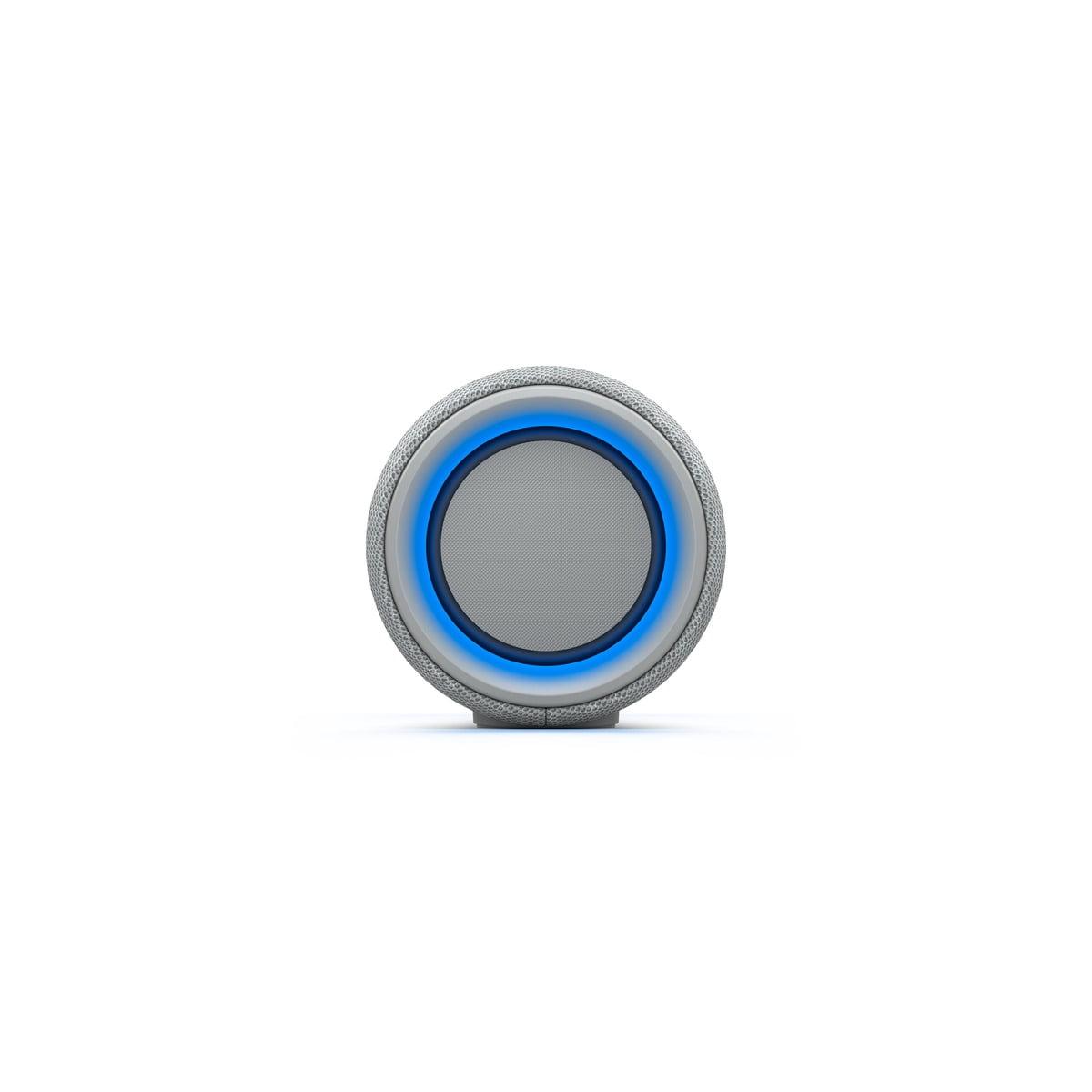
The Sony also features customizable LED light rings that pulse to your music—a fun party feature that some love and others find gimmicky. The JBL focuses purely on audio without visual effects.
Water resistance ratings use IP (Ingress Protection) codes that tell you exactly what conditions a device can handle. The JBL Charge 6's IP68 rating means it's completely dust-proof (the "6") and can withstand continuous submersion beyond 1 meter (the "8"). Sony rates the XG300 as IP67—equally dust-proof but only protected against temporary submersion up to 1 meter.
In practical terms, both speakers handle rain, splashes, and poolside use without concern. The JBL has the edge for beach use or if you're particularly clumsy around water.
The JBL Charge 6 also claims drop-proof construction tested to 1-meter drops, though this kind of durability is hard to verify without destructive testing. The Sony XG300's larger size and weight make it inherently more vulnerable to damage from drops.
Neither speaker is designed primarily for home theater use, but both can enhance your TV experience in different ways. The Sony XG300's stereo output and larger drivers provide better dialogue clarity and more immersive soundtracks for movies. Its LIVE SOUND mode can add a sense of space to movie audio.
However, both speakers have relatively high Bluetooth latency, which can cause audio-video sync issues. If you plan to use either speaker regularly with your TV, look for a model with a low-latency audio mode or consider using the wired connection option.
The JBL Charge 6 offers USB-C audio input that bypasses Bluetooth entirely, potentially solving latency issues while delivering lossless audio quality. The Sony XG300 has both USB-C and 3.5mm auxiliary inputs for wired connections.
At the time of writing, both speakers occupy the premium portable market segment, though the Sony XG300 typically commands a higher price reflecting its more complex driver array and additional features. The JBL Charge 6 generally offers better value for users prioritizing portability and durability.
Consider the total cost of ownership beyond the initial purchase. The JBL's superior water resistance and drop-proof construction suggest it might last longer in harsh conditions. The Sony's more complex driver system and additional electronics could potentially be more susceptible to failure over time, though both brands have solid reputations for build quality.
For most casual users, the JBL Charge 6 provides 90% of the Sony's audio performance at a lower price point, with the added benefits of superior portability and faster charging. Audio enthusiasts willing to sacrifice some convenience for better sound quality will appreciate the Sony's deeper bass extension and stereo imaging.
The JBL Charge 6 wins if you prioritize true portability, maximum durability, and practical everyday use. It's the speaker that actually goes places with you—hiking trails, beach trips, camping adventures. The 2025 release brings meaningful improvements in AI-powered sound processing and battery efficiency that address common portable speaker limitations.
Choose the JBL Charge 6 if you're an active user who values speakers that enhance experiences rather than becoming the centerpiece of them. Its superior water resistance, lighter weight, and faster charging make it the more practical choice for most people's lifestyles.
The Sony XG300 excels as a premium audio platform that happens to be portable rather than a portable speaker that happens to sound good. Its four-driver stereo system, extensive customization options, and deeper bass extension appeal to listeners who prioritize sound quality above all else.
Choose the Sony XG300 if you primarily use speakers in stationary settings—patios, poolside areas, or as a substantial upgrade to your TV's audio. The hands-free calling capability and high-resolution audio support add value for users who want their speaker to serve multiple purposes beyond music playback.
Both speakers represent mature, well-engineered products from respected brands. Your choice should align with whether you value ultimate mobility (JBL Charge 6) or maximum sound quality (Sony XG300) as your primary criterion. Neither choice will disappoint—they're both excellent speakers designed for different lifestyles and priorities.
| JBL Charge 6 | Sony XG300 MEGA BASS |
|---|---|
| Weight - Critical for true portability and carrying comfort | |
| 2.11 lbs (genuinely portable for hiking/travel) | 6.61 lbs (relocatable but not backpack-friendly) |
| Driver Configuration - Determines sound quality and stereo imaging | |
| 1 woofer + 1 tweeter (mono output) | 2 woofers + 2 tweeters (true stereo) |
| Bass Extension - How deep the low frequencies reach | |
| 56 Hz (good punch, missing sub-bass) | 20 Hz (full sub-bass for electronic music) |
| Power Output - Maximum volume and dynamic range | |
| 45W RMS (louder maximum volume) | ~30W (cleaner at max volume) |
| Battery Life - Playback duration on single charge | |
| 24 hours (28 with Playtime Boost) | 25 hours |
| Charge Time - How quickly you get back to full battery | |
| 3 hours (fast turnaround) | 5 hours (plan ahead required) |
| Water Resistance - Protection level for outdoor use | |
| IP68 (submersible to 1.5m for 30 min) | IP67 (splash-proof, brief submersion only) |
| Bluetooth Version - Connection stability and features | |
| 5.4 (latest standard, better stability) | 5.2 (older but reliable) |
| High-Res Audio Support - Sound quality for audiophiles | |
| USB-C lossless up to 24-bit/192kHz | LDAC wireless codec (990 kbps) |
| Built-in Microphone - Hands-free calling capability | |
| No (audio-only device) | Yes (with echo cancellation) |
| Sound Customization - EQ and preset options | |
| 7-band EQ, AI Sound Boost, Playtime Boost | 3-band EQ, MEGA BASS, LIVE SOUND, Clear Audio+ |
| Multi-Speaker Connectivity - Party and stereo pairing | |
| Auracast technology | Party Connect (up to 100 speakers) |
| Release Year - Technology generation and feature updates | |
| 2025 (latest JBL innovations) | 2022 (mature but older tech) |
| Best Use Case - Primary scenarios where each excels | |
| Active adventures, travel, true portability | Stationary outdoor use, audio quality focus |
The JBL Charge 6 is significantly better for outdoor activities and travel. At just 2.11 pounds, it's three times lighter than the Sony XG300, making it genuinely portable for hiking, camping, and beach trips. The JBL Charge 6 also offers superior IP68 water resistance that can handle full submersion, compared to the Sony XG300's IP67 rating that's only splash-proof.
The Sony XG300 MEGA BASS delivers superior bass quality with deeper extension down to 20Hz compared to the JBL Charge 6's 56Hz lower limit. The Sony XG300 uses dual X-Balanced woofers in a larger cabinet, providing more authoritative bass for electronic music, hip-hop, and movies. However, the JBL Charge 6 still produces impressive bass for its compact size.
Only the Sony XG300 MEGA BASS supports hands-free phone calls with a built-in microphone and echo cancellation technology. The JBL Charge 6 does not include a microphone, making it purely an audio playback device. If speakerphone capability is important, the Sony XG300 is your only option between these two speakers.
The JBL Charge 6 can play louder with its 45W RMS power output compared to the Sony XG300's approximately 30W output. However, the Sony XG300 maintains better sound quality and less distortion at maximum volume. For outdoor parties where maximum volume matters, the JBL Charge 6 has the advantage.
Both speakers offer excellent battery life with minimal difference. The Sony XG300 MEGA BASS provides 25 hours of playback, while the JBL Charge 6 offers 24 hours (extendable to 28 hours with Playtime Boost mode). More importantly, the JBL Charge 6 charges much faster at 3 hours compared to the Sony XG300's 5-hour charging time.
Yes, both speakers support multi-speaker connectivity but use different systems. The Sony XG300 MEGA BASS uses Party Connect to link up to 100 compatible speakers, while the JBL Charge 6 uses newer Auracast technology. Both can also stereo pair with a second identical unit for wider soundstage and better stereo imaging.
The Sony XG300 MEGA BASS provides more sound preset options including MEGA BASS mode, LIVE SOUND, and Clear Audio+, plus a 3-band equalizer. The JBL Charge 6 offers more precise control with a 7-band graphic equalizer and features AI Sound Boost technology for real-time audio optimization. Both approaches have merits depending on your preference for presets versus manual control.
Neither speaker is primarily designed for home theater, but the Sony XG300 MEGA BASS works better for TV enhancement due to its stereo output, better dialogue clarity, and LIVE SOUND mode that adds spatial effects. Both speakers have Bluetooth latency issues for video, but the JBL Charge 6 offers USB-C wired connection to eliminate sync problems.
The JBL Charge 6 offers superior durability with IP68 water resistance, drop-proof construction tested to 1 meter, and a more rugged design suited for active use. The Sony XG300 MEGA BASS has solid build quality but is more vulnerable due to its larger size and weight. For harsh outdoor conditions, the JBL Charge 6 is the more resilient choice.
Yes, but through different methods. The Sony XG300 MEGA BASS supports Sony's LDAC codec for wireless high-resolution audio transmission at 990 kbps. The JBL Charge 6 offers lossless audio playback through USB-C connection supporting up to 24-bit/192kHz resolution. Both provide better-than-standard Bluetooth audio quality when used with compatible devices.
The JBL Charge 6 typically offers better value for most users, providing excellent sound quality, superior portability, and longer-lasting durability at a more accessible price point. The Sony XG300 MEGA BASS costs more but justifies the premium with better bass extension, stereo sound, and additional features like hands-free calling. Your choice depends on whether you prioritize portability or audio quality.
Yes, both speakers function as power banks to charge smartphones and other devices. The JBL Charge 6 uses USB-C output for device charging, while the Sony XG300 MEGA BASS provides USB-A charging at 7.5W. This power bank functionality is especially useful during camping trips or long outdoor events when you need to keep your phone charged.
We've done our best to create useful and informative comparisons to help you decide what product to buy. Our research uses advanced automated methods to create this comparison and perfection is not possible - please contact us for corrections or questions. These are the sites we've researched in the creation of this article: rtings.com - youtube.com - stereoguide.com - whathifi.com - youtube.com - elomymelo.com - soundguys.com - elomymelo.com - wifihifi.com - soundguys.com - jbl.com - whathifi.com - soundguys.com - youtube.com - smarthomesounds.co.uk - jbl.com - sweetwater.com - youtube.com - bestbuy.com - jbl.com.sg - jbl.com - dell.com - ca.jbl.com - soundguys.com - soundguys.com - dell.com - bestbuy.com - youtube.com - sony.ca - youtube.com - electronics.sony.com - sony.com - abt.com - helpguide.sony.net - bhphotovideo.com - rtings.com - thesonyshop.ca - helpguide.sony.net

Privacy Policy
Terms and Conditions - Affiliate Policy
Home Security
© Copyright 2008-2026.
11816 Inwood Rd #1211, Dallas, TX 75244