

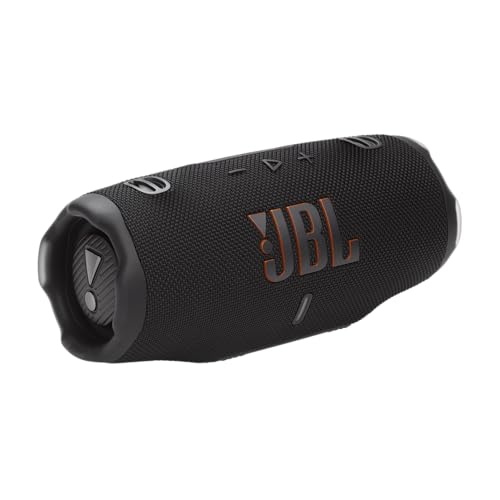


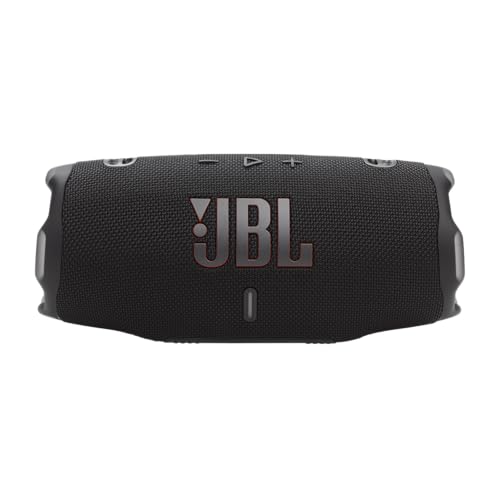
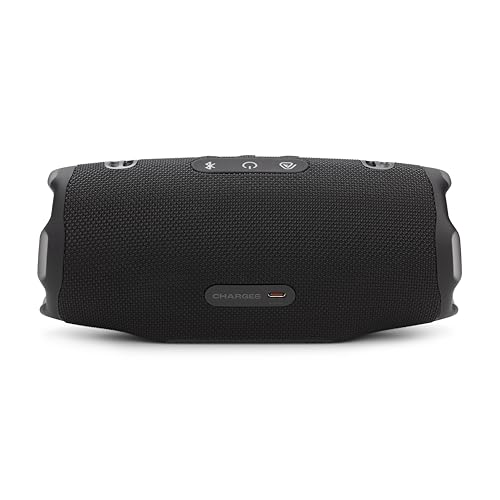
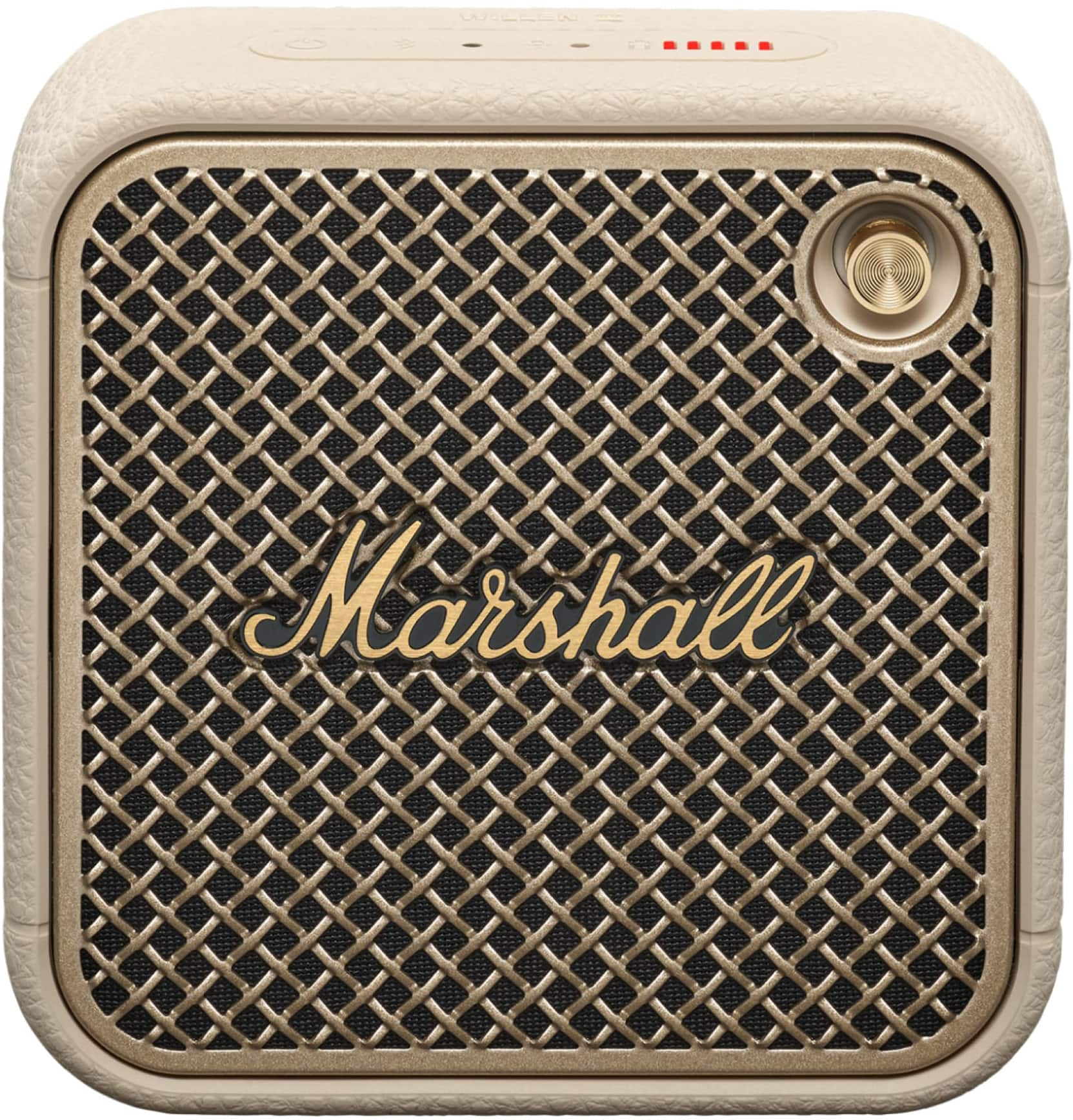

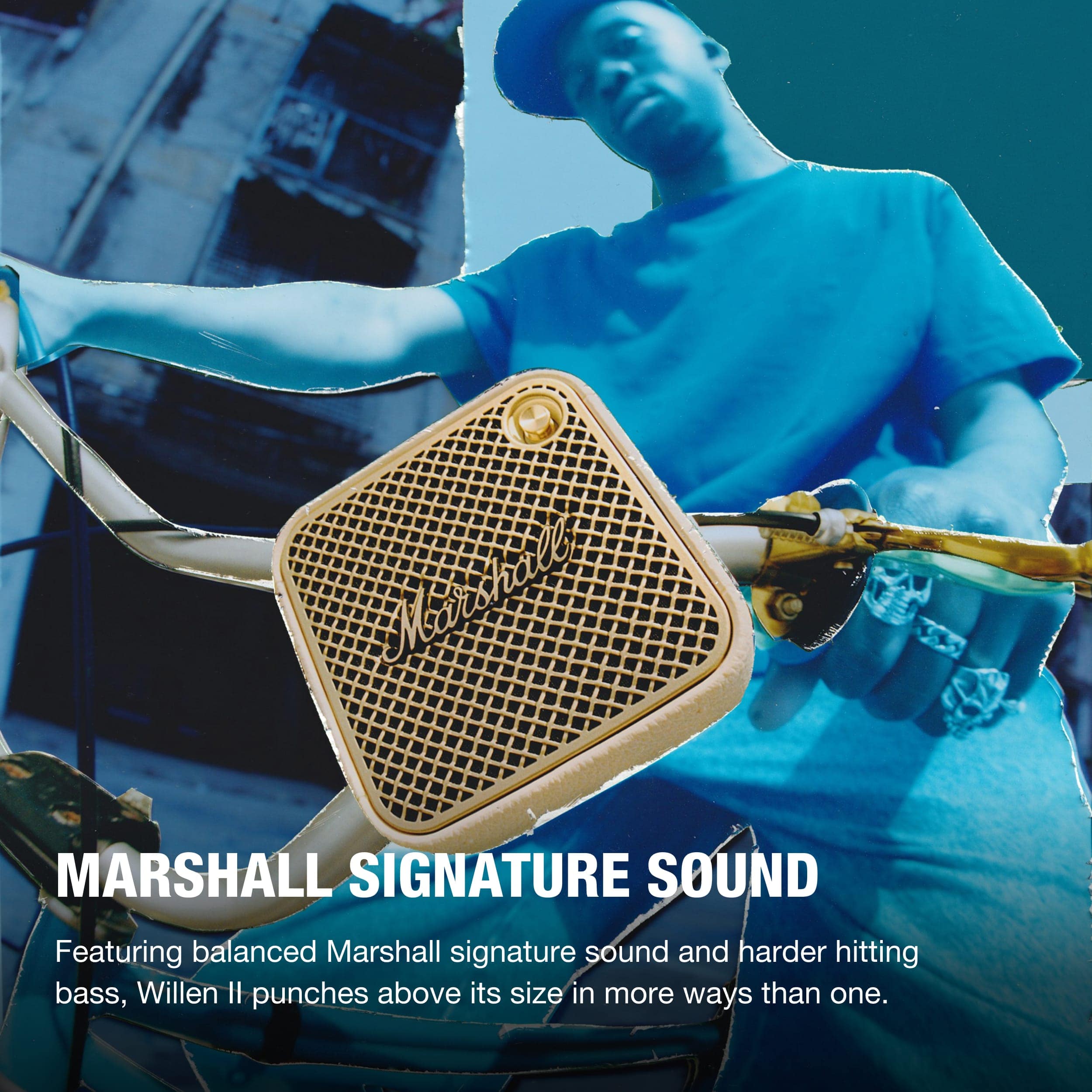
When it comes to portable Bluetooth speakers, the market has become incredibly diverse over the past few years. Two speakers that perfectly illustrate this variety are the JBL Charge 6 and the Marshall Willen II. While both are portable speakers that connect wirelessly to your devices, they represent completely different approaches to what a portable speaker should be.
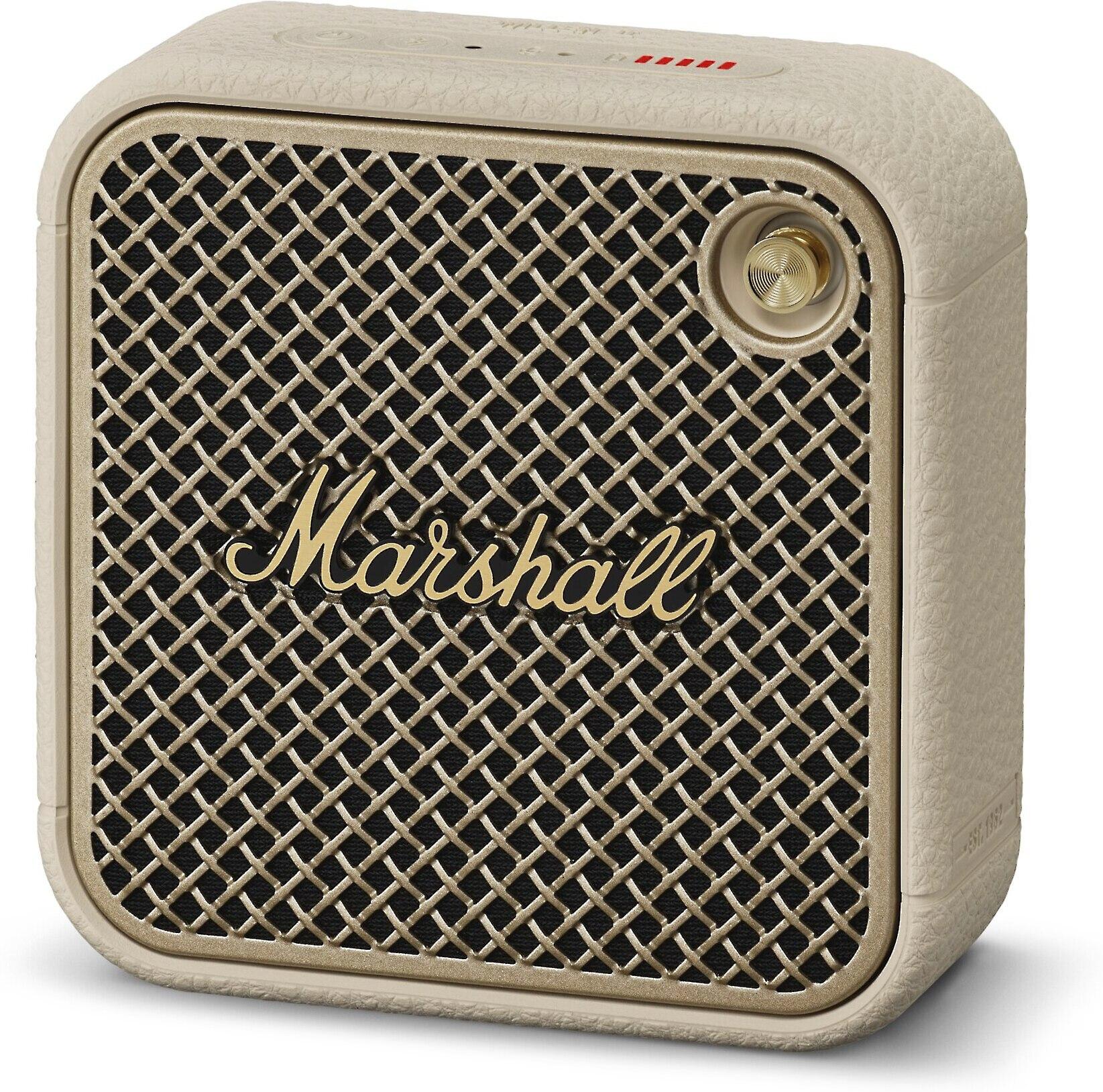
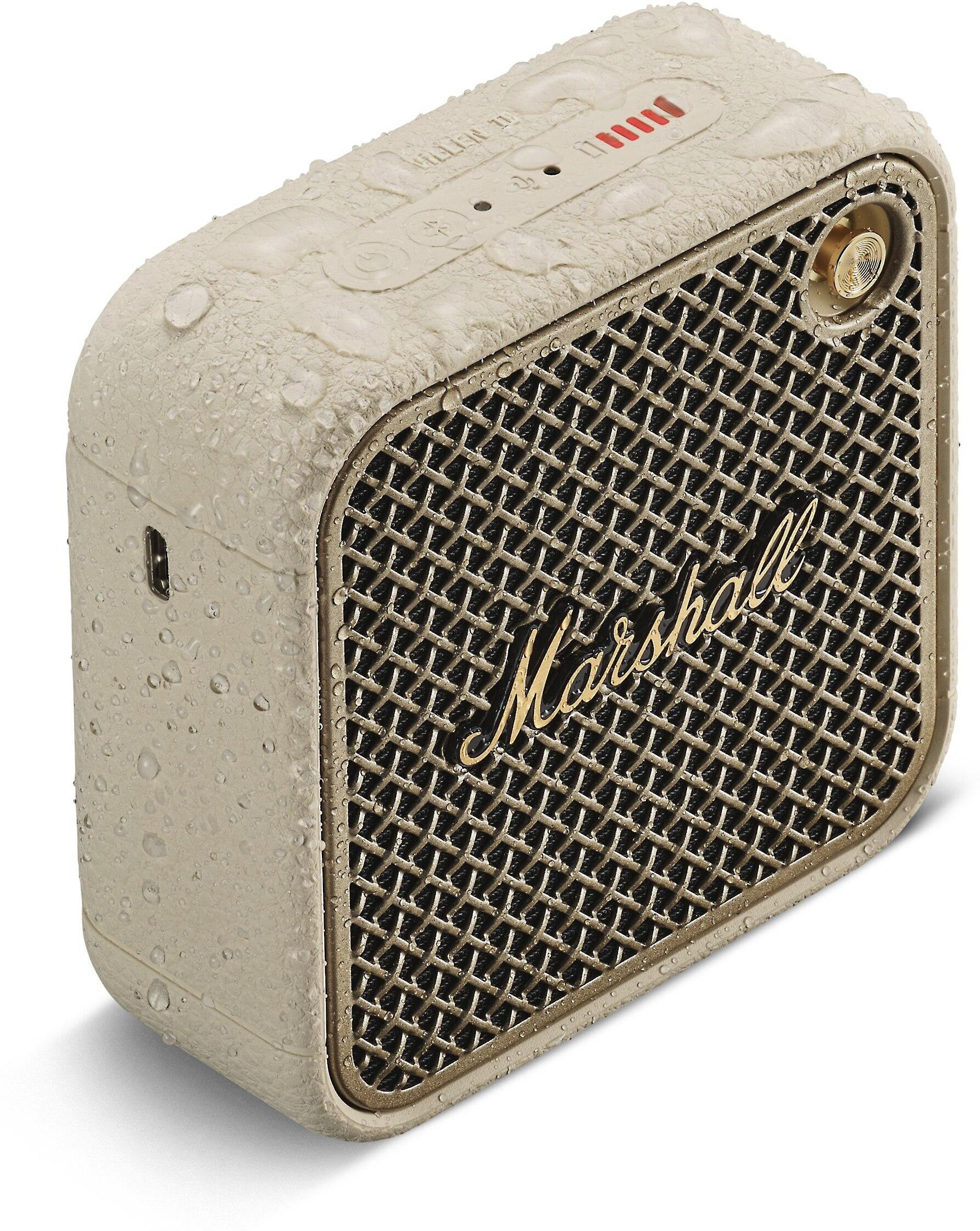
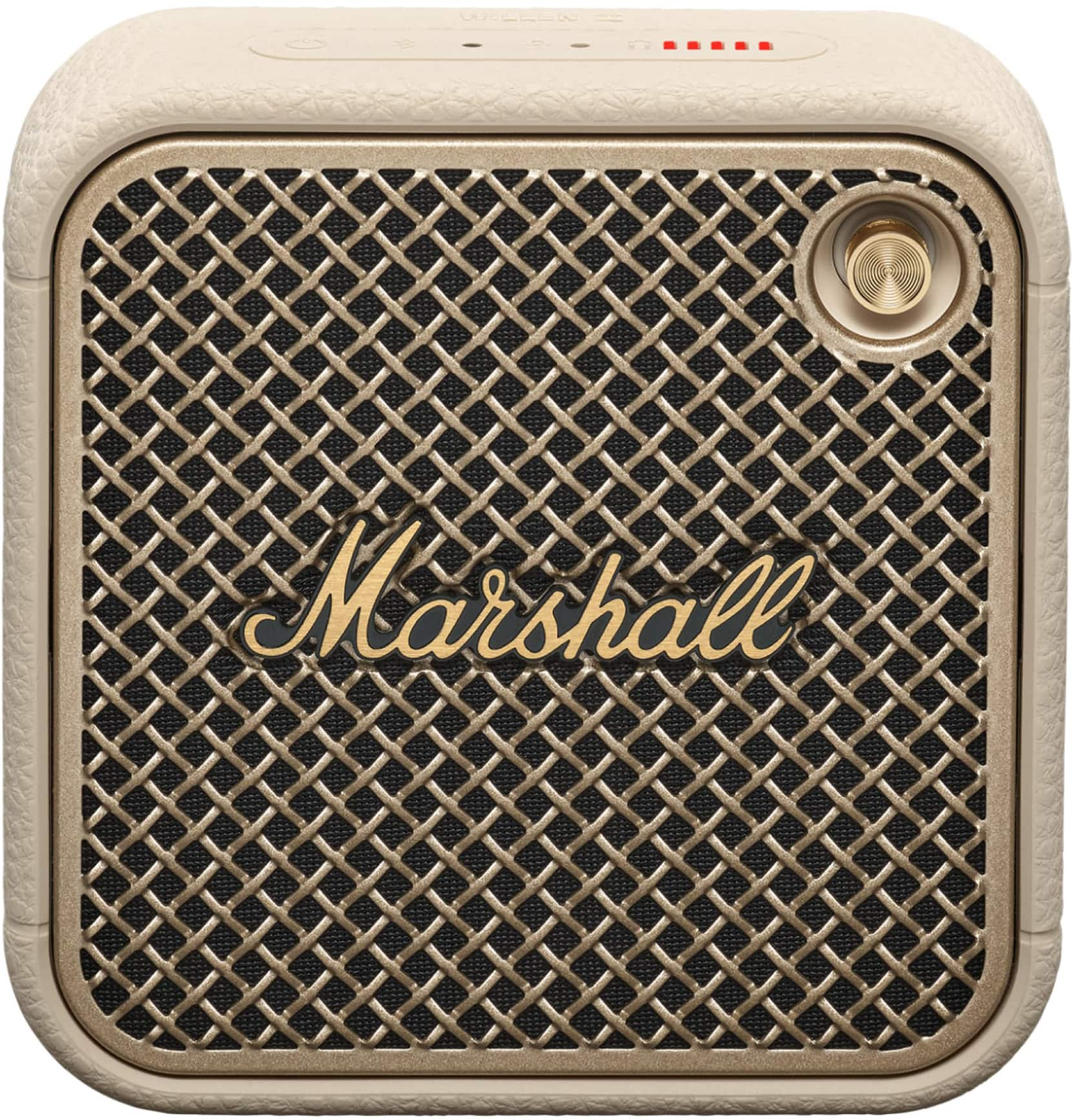
The JBL Charge 6, released in 2024, is JBL's latest evolution of their popular mid-size speaker line. It's designed for people who want serious sound quality and marathon battery life without stepping up to a full-size home speaker. The Marshall Willen II, which hit the market in late 2023, takes the opposite approach—it's all about being so small and light that you'll never think twice about bringing it along, while still delivering that signature Marshall sound that guitar players have loved for decades.
At the time of writing, these speakers sit in different price categories, with the JBL Charge 6 commanding a premium price for its features and power, while the Marshall Willen II positions itself as a more affordable option that doesn't skimp on build quality or essential features.
The portable speaker market has evolved into distinct categories based on how and where people actually use them. Some folks want a speaker that can replace their home stereo for outdoor parties. Others need something that disappears into their backpack but still makes their morning run more enjoyable.
The most important considerations when choosing between any two portable speakers come down to a few key areas: how they sound, how long they last on a charge, how tough they are, and whether they're practical for your specific lifestyle. The JBL Charge 6 and Marshall Willen II make very different compromises in each of these areas.
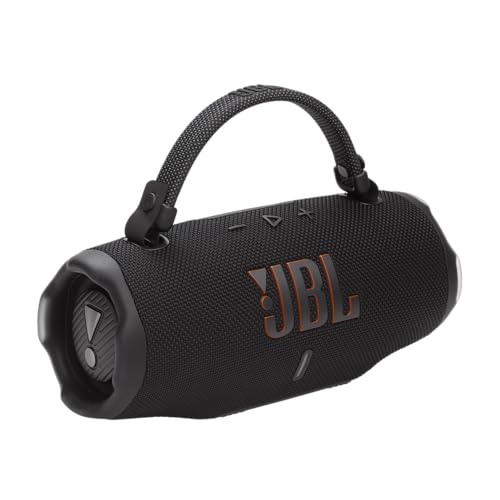
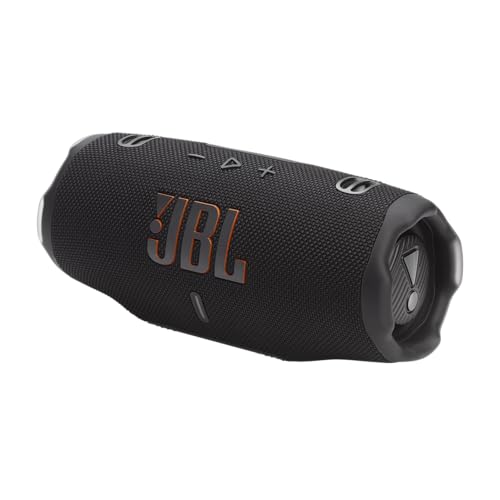
The JBL Charge 6 doesn't mess around when it comes to audio hardware. It packs a total of 45 watts RMS (RMS stands for Root Mean Square—basically the continuous power the speaker can handle without distortion) split between a large oval woofer handling bass and midrange frequencies and a separate tweeter for the highs. This two-way driver configuration is similar to what you'd find in proper bookshelf speakers, just scaled down for portability.
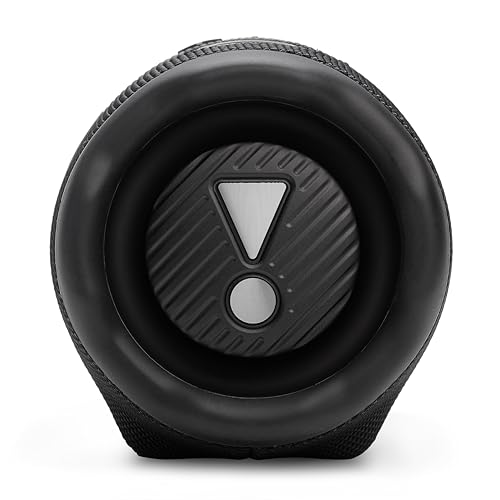
What makes this setup special is the oval woofer design. Instead of using a traditional round driver, JBL engineered an oval-shaped bass driver that measures 53mm by 93mm. This shape lets them fit more surface area into the cylindrical speaker body, which translates to better bass response and more air movement. The speaker also includes dual passive radiators—these are essentially drivers without magnets that vibrate in response to the main woofer's movement, amplifying the bass frequencies.
The frequency response of 56Hz to 20kHz means this speaker can reproduce everything from the deep thump of electronic music to the shimmer of cymbals. That 56Hz low-end extension is particularly impressive for a portable speaker—it's getting into territory where you can actually feel the bass, not just hear it.
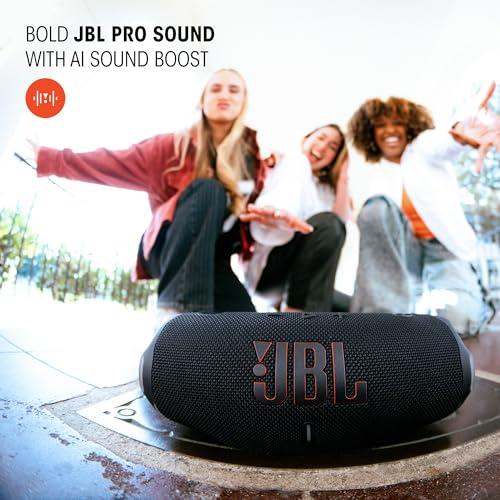
One of the most interesting technical features is JBL's AI Sound Boost technology. This is computational audio processing that analyzes the music in real-time and adjusts the speaker's output to maximize performance while preventing distortion. Think of it as having a sound engineer constantly tweaking the audio to get the best possible sound from the hardware. Unlike many digital processing features, you can't turn this off—it's baked into how the speaker operates.
The Marshall Willen II takes a completely different approach with its single 2-inch full-range driver powered by 10 watts. A full-range driver means one speaker cone handles all frequencies instead of splitting the work between multiple drivers. This typically means some compromises, but it also allows for a much simpler, smaller design.
What the Marshall Willen II lacks in raw power, it makes up for in clarity and precision. The frequency response of 75Hz to 20kHz shows it can't dig as deep into bass territory as the JBL Charge 6, but based on our research into user reviews and expert opinions, the midrange performance is exceptional. Voices, guitars, and most instruments sit in this midrange, which is why many listeners find the Marshall surprisingly satisfying despite its smaller size.
The two passive radiators help extend the bass response beyond what you'd normally expect from such a small driver, but physics is physics—you're not going to get earth-shaking low end from a speaker this size.
For indoor use, the differences become quite apparent. The JBL Charge 6 can easily fill a medium-sized room with sound, making it suitable as a desktop speaker for working from home or background music during dinner parties. The bass response means movie soundtracks and music with electronic elements sound full and engaging.
The Marshall Willen II excels in near-field listening situations—when you're within a few feet of the speaker. For podcast listening, audiobooks, or acoustic music while working, many users report preferring its clarity and lack of overwhelming bass. It's also less likely to bother neighbors in apartment situations since it doesn't push deep bass frequencies that travel through walls.
For outdoor use, the JBL Charge 6 has a clear advantage in larger spaces. Beach trips, camping with a group, or backyard gatherings benefit from the extra volume and bass response. However, the Marshall Willen II is perfect for personal outdoor activities where you want music but don't want to disturb others or carry extra weight.
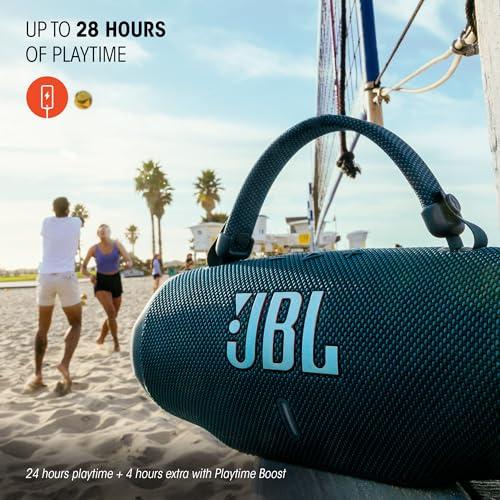
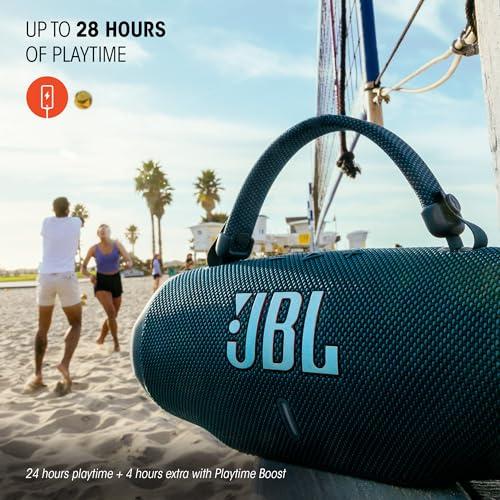
Battery performance is where these speakers show their different priorities most clearly. The JBL Charge 6 is built for endurance, offering up to 28 hours of playback when you enable its Playtime Boost feature. This mode reduces bass output and adjusts the EQ to minimize power consumption, extending the standard 24-hour battery life by an additional four hours.
This kind of battery endurance is genuinely useful for extended camping trips, multi-day festivals, or situations where charging opportunities are scarce. The speaker uses a substantial 34 Wh (watt-hour) lithium-ion polymer battery—that's more capacity than many laptops had just a few years ago.
The Marshall Willen II offers 17 hours of playback, which is still impressive for its size but clearly positioned for different use cases. Where it shines is in charging convenience. A full charge takes just 2.5 hours compared to the JBL Charge 6's 3-hour charging time, but more importantly, a quick 20-minute charge gives you 5.5 hours of playback time.
This fast-charging capability means you can top off the battery while getting ready in the morning or during a lunch break and have enough power for the rest of the day. It's the kind of feature that becomes invaluable for people with unpredictable schedules or who frequently forget to charge their devices overnight.
The JBL Charge 6 also functions as a power bank, meaning you can use it to charge your phone or other devices through its USB-C port. This dual functionality can be a trip-saver when you're away from wall outlets for extended periods.
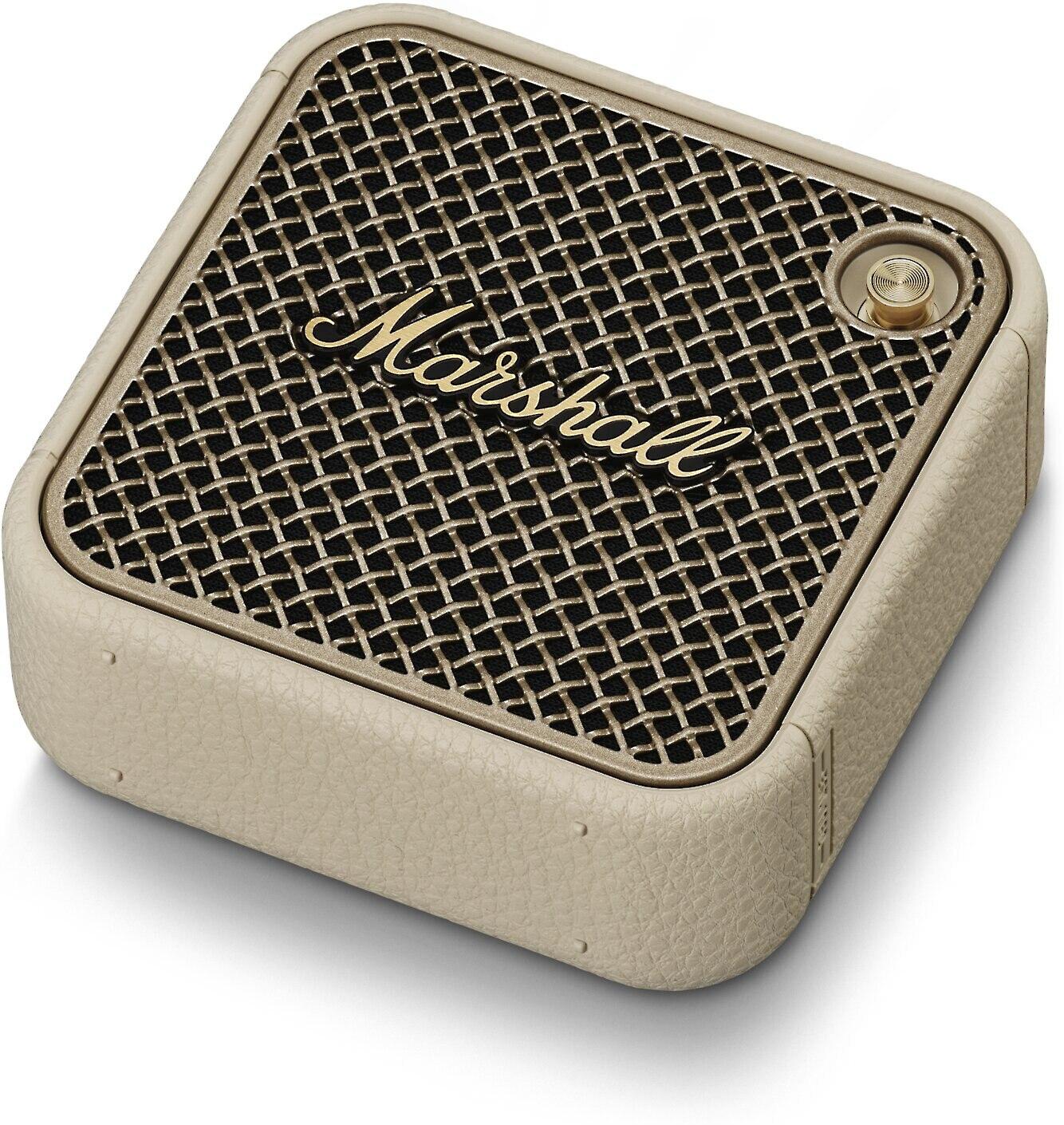
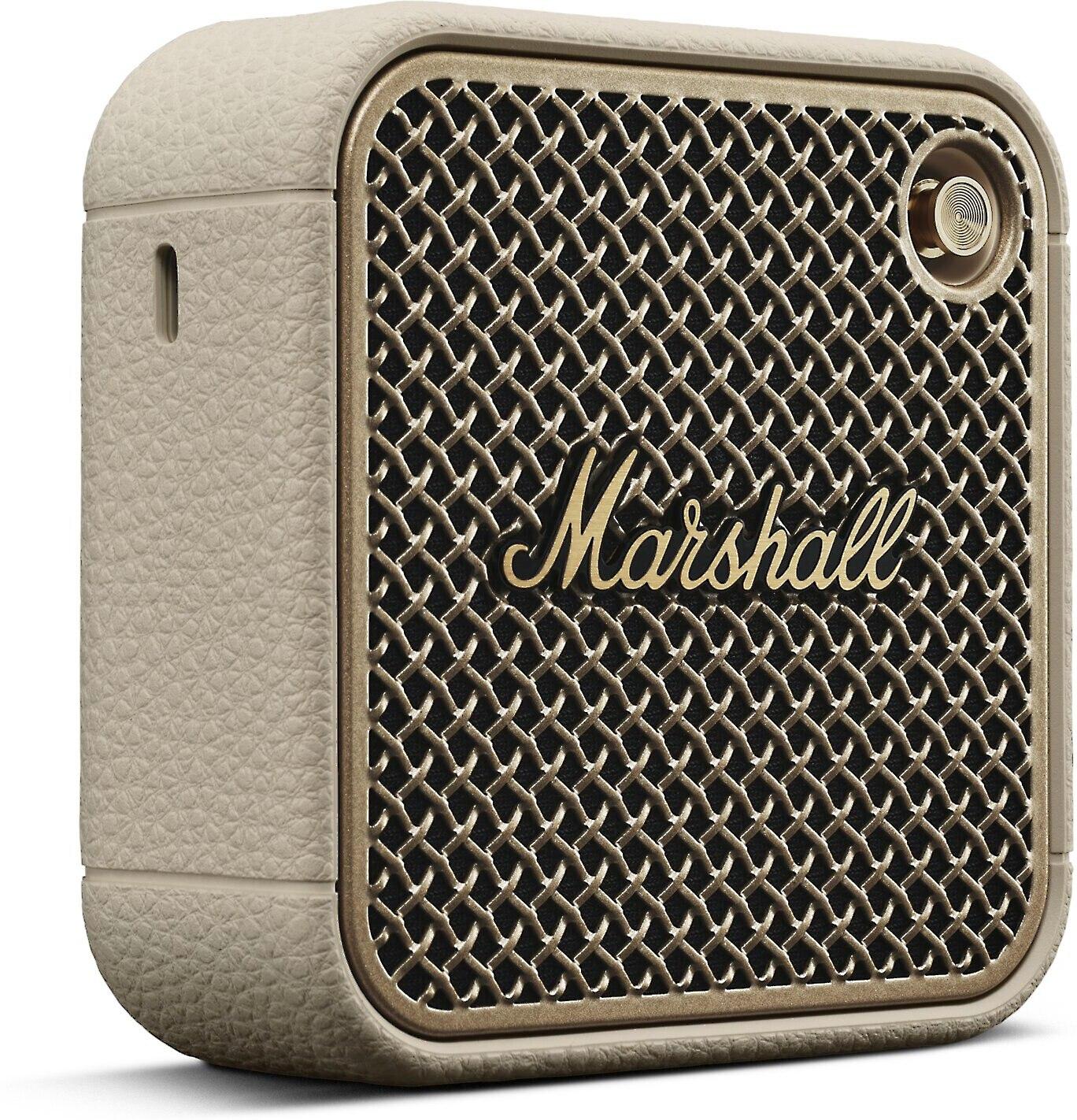
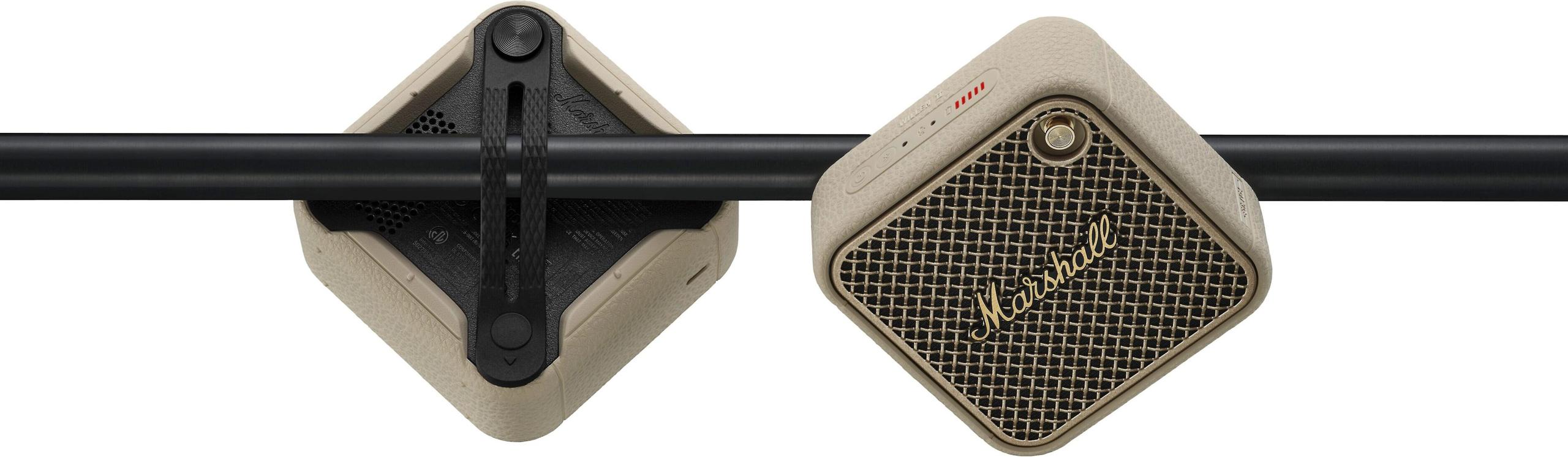
The portability difference between these speakers is dramatic and immediately obvious. The Marshall Willen II measures just 4 inches square and less than 2 inches deep, weighing only 0.79 pounds. To put that in perspective, it's smaller and lighter than most hardcover books.
The built-in rubber mounting strap is more than just a carrying handle—it's designed to secure the speaker to backpack straps, bicycle handlebars, belt loops, or anything else you can wrap it around. This makes it perfect for active use scenarios where you need your hands free but want your music to follow you.
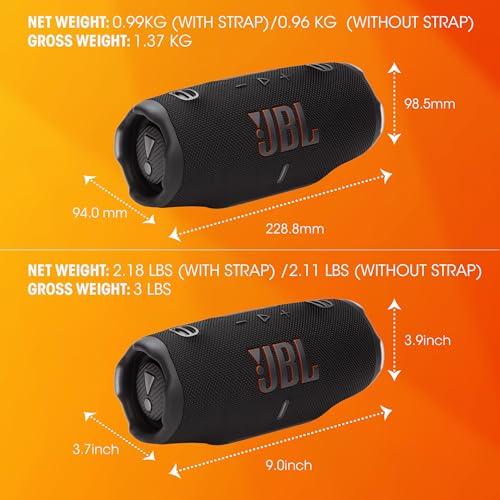
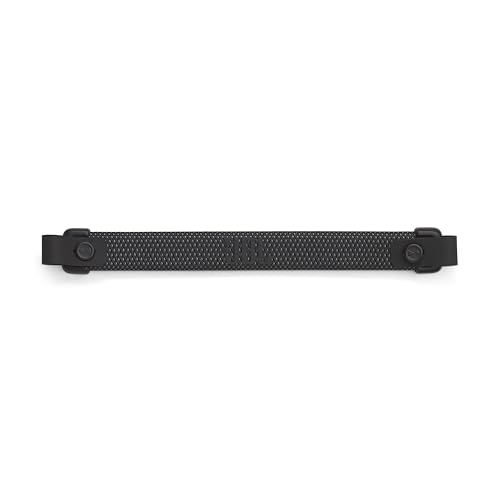
The JBL Charge 6, while still portable at just over 2 pounds, represents a different philosophy. At roughly 9 inches long and 4 inches in diameter, it's clearly designed to be carried rather than worn. The detachable carrying strap helps, but this isn't a speaker you'll forget you're carrying.
For travel situations, this size difference becomes crucial. The Marshall Willen II disappears into any bag or even a large pocket, while the JBL Charge 6 requires dedicated space in your luggage and adds noticeable weight to your load.
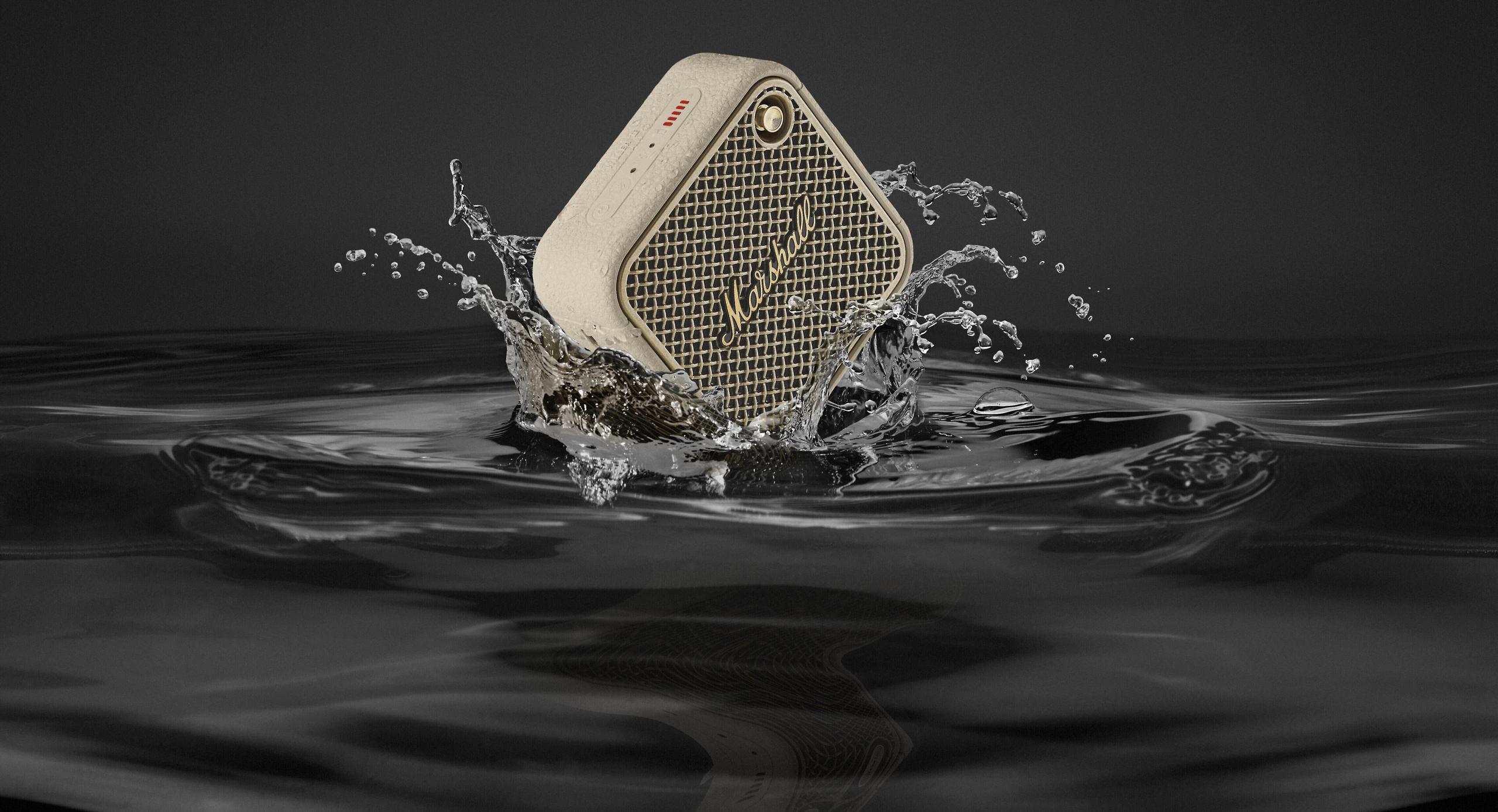
Both speakers take water and dust protection seriously, but with slightly different approaches. The JBL Charge 6 achieves an IP68 rating, which is the highest standard for consumer electronics. This means it's completely dustproof and can handle submersion in up to 1.5 meters of water for 30 minutes. JBL also tests it to survive 1-meter drops onto concrete.
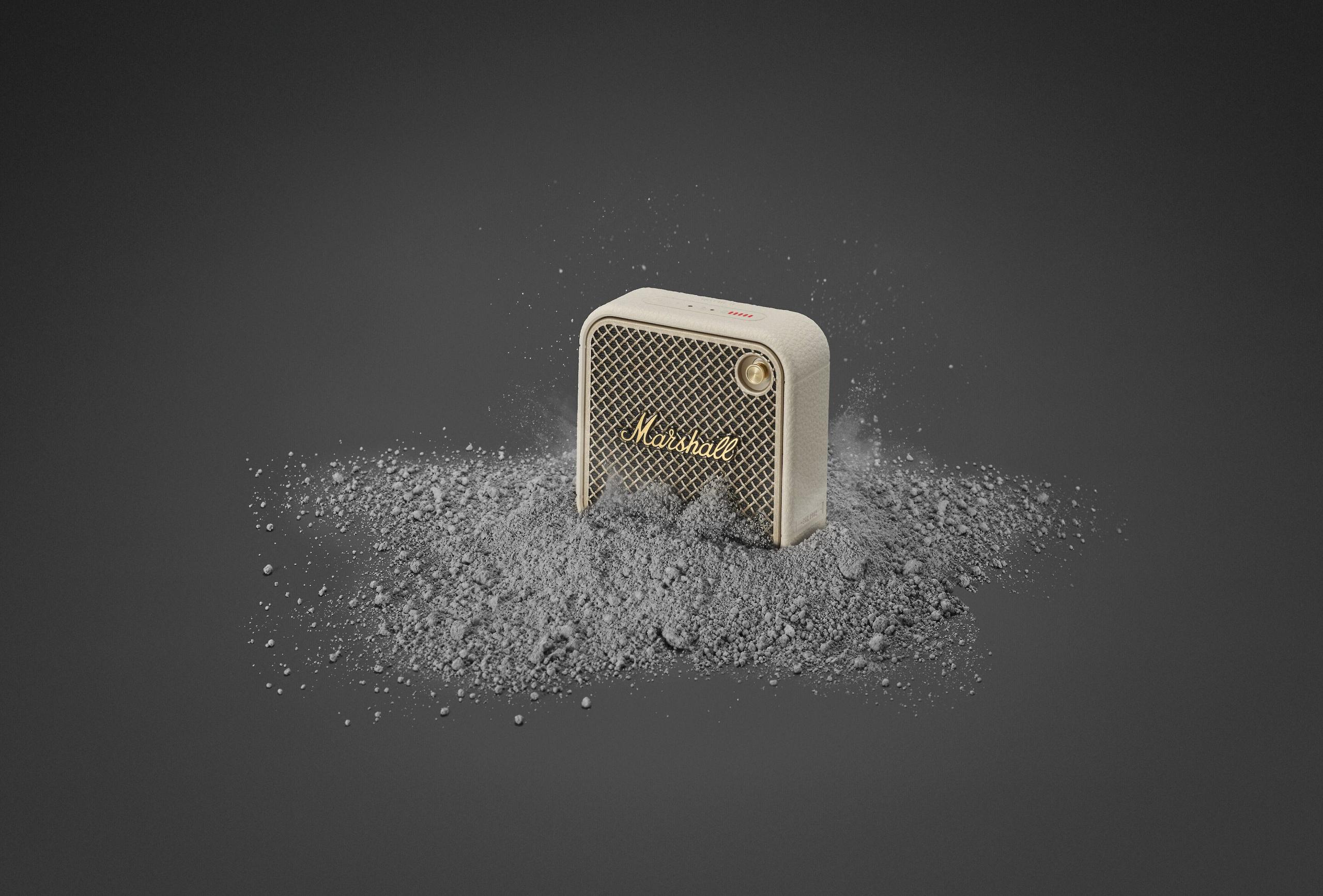
The Marshall Willen II earns an IP67 rating, which is still excellent protection—fully dustproof and waterproof for submersion up to 1 meter for 30 minutes. The difference between IP67 and IP68 is subtle in real-world use, but the IP68 rating suggests the JBL Charge 6 can handle more extreme water exposure.
Both speakers feature rugged construction with rubberized housing and metal grilles, but they're designed for different types of abuse. The JBL Charge 6 is built to survive the chaos of group activities—being knocked over at parties, getting sand and dirt in the crevices during beach trips, or being tossed into the back of a truck with camping gear.
The Marshall Willen II is engineered more for the consistent wear and tear of daily carry—bouncing around in backpacks, getting compressed under other gear, or being clipped to moving objects during active use.
Both speakers support modern Bluetooth standards, but with different focuses. The JBL Charge 6 uses Bluetooth 5.4 and includes Auracast technology, which allows wireless connection to multiple speakers without the audio quality degradation you get with older multi-speaker systems. The JBL Portable app provides a 7-band equalizer, letting you fine-tune the sound across different frequency ranges to match your preferences or compensate for acoustic environments.
The AI Sound Boost feature continuously analyzes the audio and optimizes the speaker's performance automatically. This isn't just marketing—the technology actually adjusts crossover points, compression, and limiting in real-time to prevent distortion while maximizing loudness and clarity.
The Marshall Willen II uses Bluetooth 5.3 with support for future Auracast functionality through firmware updates. The Marshall app provides preset EQ modes rather than custom adjustment—"Marshall," "Voice," and "Push" modes that emphasize different frequency ranges for different types of content.
One unique feature of the Marshall Willen II is its multi-directional control knob, which works just like the controls on classic Marshall amplifiers. You can adjust volume, skip tracks, and control playback with intuitive physical movements rather than hunting for tiny buttons.
At the time of writing, these speakers occupy different value propositions entirely. The JBL Charge 6 commands a premium price but delivers proportionally more performance—roughly 4.5 times the power output, significantly longer battery life, and additional features like power bank functionality.
The Marshall Willen II offers compelling value for its price point, delivering impressive sound quality and premium build materials at a more accessible cost. When you factor in the convenience features like fast charging and the mounting system, it presents strong value for users who prioritize portability.
The cost-per-watt analysis favors the JBL Charge 6 heavily, but this metric ignores the portability advantages that are difficult to quantify. For many users, the ability to bring quality audio to situations where larger speakers simply aren't practical creates value that transcends raw specifications.
While neither speaker is designed primarily for home theater use, they can serve as supplementary audio in specific scenarios. The JBL Charge 6 works well as a portable solution for outdoor movie nights or when you want to extend your home audio system to a patio or deck. Its USB-C connection supports lossless audio up to 24-bit/192kHz, making it suitable for high-quality audio sources.
The stereo separation limitation (both speakers are mono unless paired with identical units) means they're not ideal replacements for proper stereo speakers, but the JBL Charge 6 can provide surprisingly satisfying movie audio for casual viewing scenarios.
The Marshall Willen II is better suited for personal viewing on tablets or laptops, where its clear midrange reproduction enhances dialogue intelligibility without overwhelming bass that might disturb others.
The choice between these speakers comes down to understanding your primary use cases and priorities. The JBL Charge 6 makes sense if you frequently find yourself providing audio for groups, spending extended time away from power sources, or if you listen to music genres that benefit from strong bass response. It's the speaker for people who want one device that can handle everything from background music while working to pumping up a beach party.
The Marshall Willen II is ideal for individuals who lead active lifestyles and need audio that can keep up without weighing them down. It's perfect for commuters, hikers, cyclists, or anyone who values the convenience of always having quality audio available without planning around it.
For music preferences, bass-heavy genres like electronic music, hip-hop, and rock clearly favor the JBL Charge 6, while acoustic music, podcasts, and vocal-centric content often sound more engaging on the Marshall Willen II due to its midrange clarity.
Budget-conscious buyers will find the Marshall Willen II delivers remarkable performance for its price point, especially when the portability advantages align with their needs. The JBL Charge 6 justifies its premium pricing with measurably superior specifications and features, but only if you'll actually use that extra capability.
Both speakers represent excellent execution of their respective design philosophies. The JBL Charge 6 succeeds as a no-compromise portable speaker that doesn't sacrifice performance for portability. The Marshall Willen II achieves the more difficult goal of creating a truly pocketable speaker that still sounds like a much larger device.
Your decision should ultimately be based on honest assessment of how and where you'll actually use the speaker most often. Both will serve you well in their intended roles, but choosing the right tool for your specific needs will make a significant difference in your daily satisfaction with the purchase.
| JBL Charge 6 | Marshall Willen II |
|---|---|
| Power Output - Determines maximum volume and bass impact | |
| 45W RMS (30W woofer + 15W tweeter) | 10W RMS (single full-range driver) |
| Driver Configuration - Affects sound quality and frequency range | |
| Dual drivers: 53mm x 93mm oval woofer + 20mm tweeter with passive radiators | Single 2-inch full-range driver with dual passive radiators |
| Frequency Response - Shows how deep the bass goes and treble extension | |
| 56Hz - 20kHz (deeper bass for fuller sound) | 75Hz - 20kHz (less bass but excellent midrange clarity) |
| Battery Life - Critical for extended outdoor use | |
| Up to 28 hours with Playtime Boost (24 hours standard) | 17 hours standard playback |
| Charging Time - Important for daily convenience | |
| 3 hours full charge, 10 min = 150 min playback | 2.5 hours full charge, 20 min = 5.5 hours playback (much faster quick charging) |
| Water/Dust Rating - Durability for outdoor activities | |
| IP68 (submersible to 1.5m for 30 min, highest rating) | IP67 (submersible to 1m for 30 min, excellent protection) |
| Size & Weight - Affects portability and travel convenience | |
| 228.8 x 98.5 x 94.0 mm, 990g with strap (larger but more powerful) | 100.5 x 100.5 x 43.4 mm, 360g (ultra-compact, pocket-sized) |
| Bluetooth Version - Impacts connection stability and features | |
| Bluetooth 5.4 with Auracast multi-speaker pairing | Bluetooth 5.3 LE with 100m range, future Auracast support |
| App Features - Customization and control options | |
| JBL Charge 6: 7-band custom EQ, AI Sound Boost, Playtime Boost mode | Marshall Willen II: Preset EQ modes (Marshall, Voice, Push), Stack Mode |
| Special Features - Unique capabilities that set each apart | |
| Power bank functionality, AI Sound Boost processing, lossless USB-C audio | Built-in mounting strap, ultra-fast charging, iconic Marshall amplifier design |
| Best Use Cases - Where each speaker excels | |
| Group gatherings, camping trips, home desktop use, bass-heavy music | Personal listening, active sports, commuting, travel, podcasts/audiobooks |
The JBL Charge 6 is significantly louder with 45 watts of power compared to the Marshall Willen II's 10 watts. The JBL Charge 6 can fill medium to large rooms and handle outdoor gatherings, while the Marshall Willen II is better suited for personal listening and small spaces.
The JBL Charge 6 offers up to 28 hours of playback with Playtime Boost enabled (24 hours standard), while the Marshall Willen II provides 17 hours of battery life. However, the Marshall Willen II charges much faster - a 20-minute charge gives you 5.5 hours of playback versus the JBL Charge 6's 10-minute charge for 150 minutes of playback.
The Marshall Willen II is dramatically more portable, weighing only 0.79 pounds and measuring just 4 inches square. It includes a built-in rubber strap for attaching to backpacks or bike handlebars. The JBL Charge 6 weighs over 2 pounds and is much larger, making it less convenient for active use but still manageable for camping or beach trips.
The JBL Charge 6 delivers much stronger bass response with its frequency range extending down to 56Hz and dedicated woofer design. The Marshall Willen II has a frequency response starting at 75Hz but excels in midrange clarity, making it excellent for vocals, podcasts, and acoustic music. For bass-heavy genres like hip-hop or electronic music, the JBL Charge 6 is the clear winner.
Yes, both speakers are waterproof but with different ratings. The JBL Charge 6 has an IP68 rating and can be submerged up to 1.5 meters for 30 minutes. The Marshall Willen II has an IP67 rating and can handle submersion up to 1 meter for 30 minutes. Both are excellent for beach, pool, or outdoor use in wet conditions.
This depends on your priorities. The JBL Charge 6 offers more power, longer battery life, and additional features like power bank functionality, justifying its higher price for users who need maximum performance. The Marshall Willen II provides excellent value for its price point, especially for users who prioritize portability and fast charging over raw power output.
The Marshall Willen II includes a built-in microphone for hands-free calling, making it suitable for conference calls and phone conversations. The JBL Charge 6 does not have a built-in microphone, so it cannot be used for hands-free calling - it's focused purely on music playback.
The Marshall Willen II excels at podcast and audiobook playback due to its exceptional midrange clarity and vocal reproduction. Its smaller size and clear dialogue reproduction make it ideal for personal listening. While the JBL Charge 6 can certainly handle spoken content well, its strengths lie more in music playback with fuller bass response.
The JBL Charge 6 offers more advanced app control through the JBL Portable app, including a 7-band custom equalizer, AI Sound Boost settings, and Playtime Boost mode. The Marshall Willen II uses the Marshall Bluetooth app with preset EQ modes (Marshall, Voice, Push) rather than custom adjustment, plus Stack Mode for connecting multiple speakers.
Both speakers support multi-speaker connectivity but through different technologies. The JBL Charge 6 uses Auracast technology for connecting to other compatible JBL speakers. The Marshall Willen II will support Auracast in future firmware updates and currently offers Stack Mode for pairing with other Marshall speakers.
The Marshall Willen II is specifically designed for active outdoor use with its ultra-lightweight design, built-in mounting strap, and compact size that won't weigh you down during hiking or cycling. The JBL Charge 6 is better suited for stationary outdoor activities like camping or beach trips where you don't need to carry it while being active.
The Marshall Willen II charges faster with a 2.5-hour full charge time, while the JBL Charge 6 takes 3 hours for a complete charge. The Marshall Willen II also offers superior quick-charging convenience - just 20 minutes of charging provides 5.5 hours of playback, making it more practical for daily use when you forget to charge overnight.
We've done our best to create useful and informative comparisons to help you decide what product to buy. Our research uses advanced automated methods to create this comparison and perfection is not possible - please contact us for corrections or questions. These are the sites we've researched in the creation of this article: rtings.com - youtube.com - stereoguide.com - whathifi.com - youtube.com - elomymelo.com - soundguys.com - elomymelo.com - wifihifi.com - soundguys.com - jbl.com - whathifi.com - soundguys.com - youtube.com - smarthomesounds.co.uk - jbl.com - sweetwater.com - youtube.com - bestbuy.com - jbl.com.sg - jbl.com - dell.com - ca.jbl.com - soundguys.com - soundguys.com - dell.com - whatsthebest.co.uk - youtube.com - crutchfield.com - goodhousekeeping.com - abt.com - bestbuy.com - theaudio.co - store.moma.org - av-connection.com - rtings.com - electronicexpress.com

Privacy Policy
Terms and Conditions - Affiliate Policy
Home Security
© Copyright 2008-2026.
11816 Inwood Rd #1211, Dallas, TX 75244