




When you're shopping for a portable Bluetooth speaker, you're not just buying a device—you're investing in countless hours of music enjoyment, whether that's poolside parties, camping trips, or simply filling your living room with better sound than your phone can provide. The portable speaker market has exploded with options, but two models that consistently catch attention are the JBL Charge 4 and the Soundcore BOOM 2. These speakers represent fundamentally different philosophies about what makes a great portable audio experience.
The modern portable speaker market demands devices that excel across multiple areas. Sound quality remains paramount, but durability has become equally important as people take these speakers everywhere from beach vacations to construction sites. Battery life can make or break your outdoor adventure, while connectivity features determine how seamlessly the speaker integrates into your daily routine.
What's particularly interesting is how speaker manufacturers have started targeting different user personalities. Some prioritize reliability and simplicity, while others want the latest features and maximum customization. The JBL Charge 4, released in 2018, represents the "set it and forget it" approach—solid performance across the board without unnecessary complexity. The Soundcore BOOM 2, arriving more recently, embodies the "feature-packed" philosophy, cramming in everything from customizable equalizers to synchronized light shows.
Since 2018, Bluetooth technology has improved significantly with version 5.3 offering better range and stability, while battery technology has become more efficient. Audio processing has also advanced, allowing for more sophisticated sound tuning and bass enhancement technologies that weren't feasible in earlier generations.
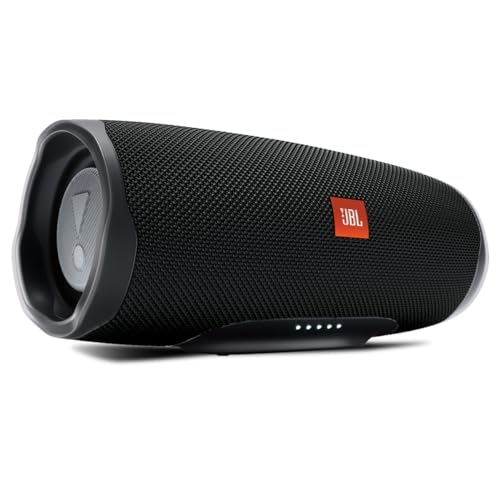
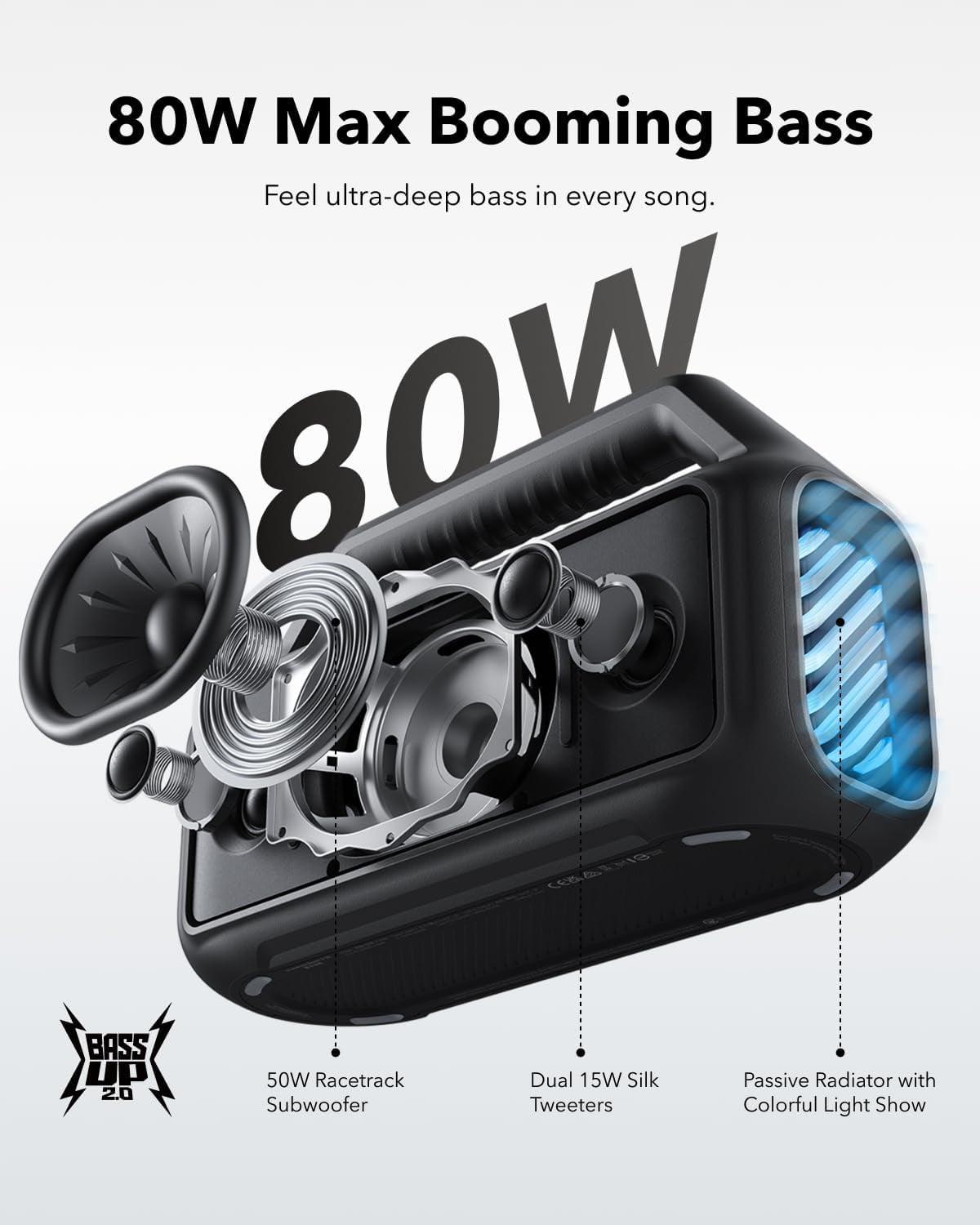
The most fundamental difference between these speakers lies in their audio architecture. The JBL Charge 4 uses what's called a mono configuration—essentially one main driver (the part that actually produces sound) measuring 50x90mm, paired with dual passive radiators. Passive radiators are like speakers without magnets that vibrate sympathetically to enhance bass response. Think of them as acoustic helpers that make the bass feel fuller without requiring additional power.
This mono setup means that when you play stereo music (which has separate left and right channels), the Charge 4 combines both channels into a single output. You're not getting the spatial separation that makes music feel wider and more immersive, but you are getting consistent sound no matter where you position yourself relative to the speaker.
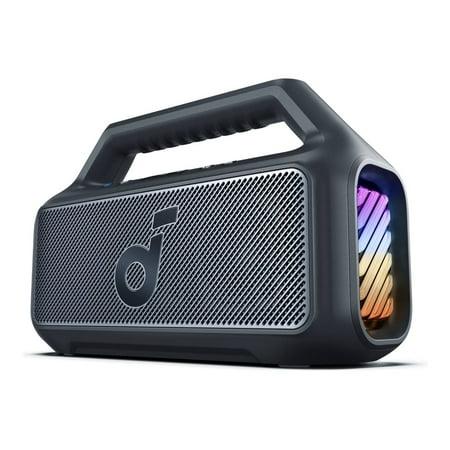
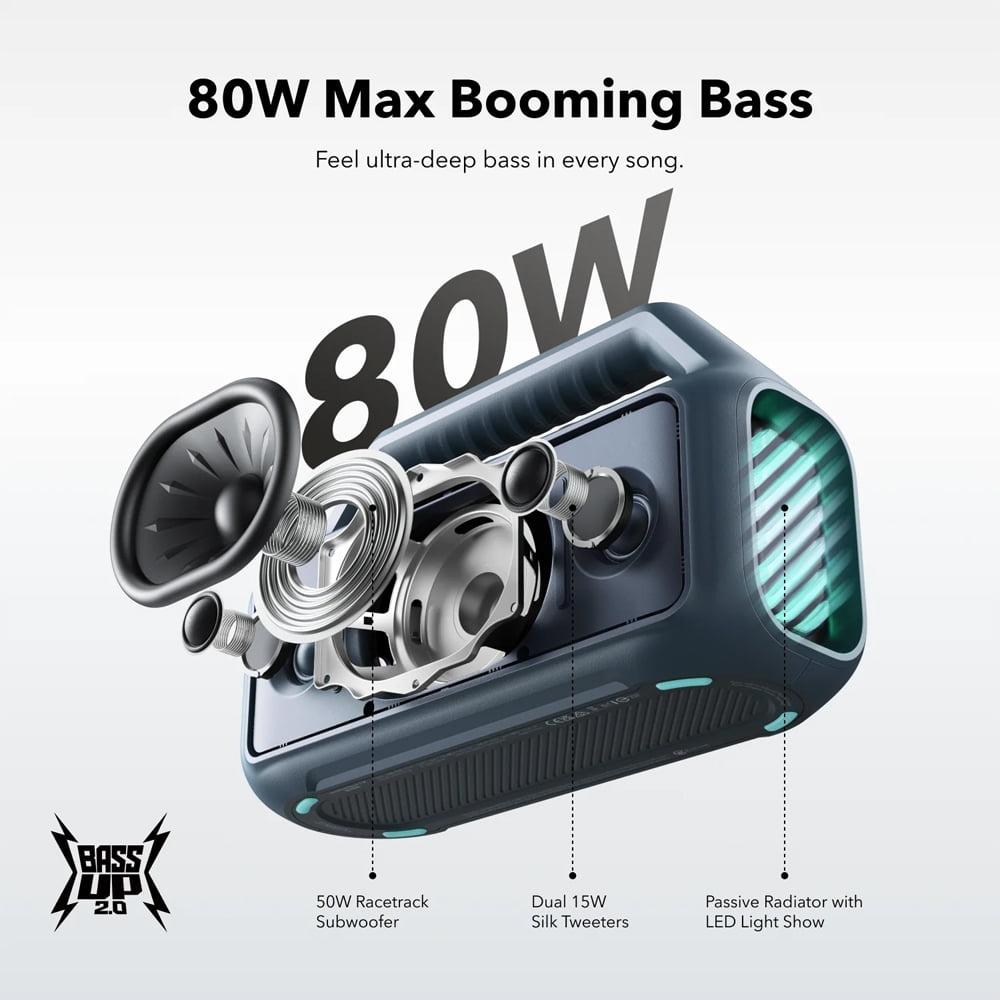
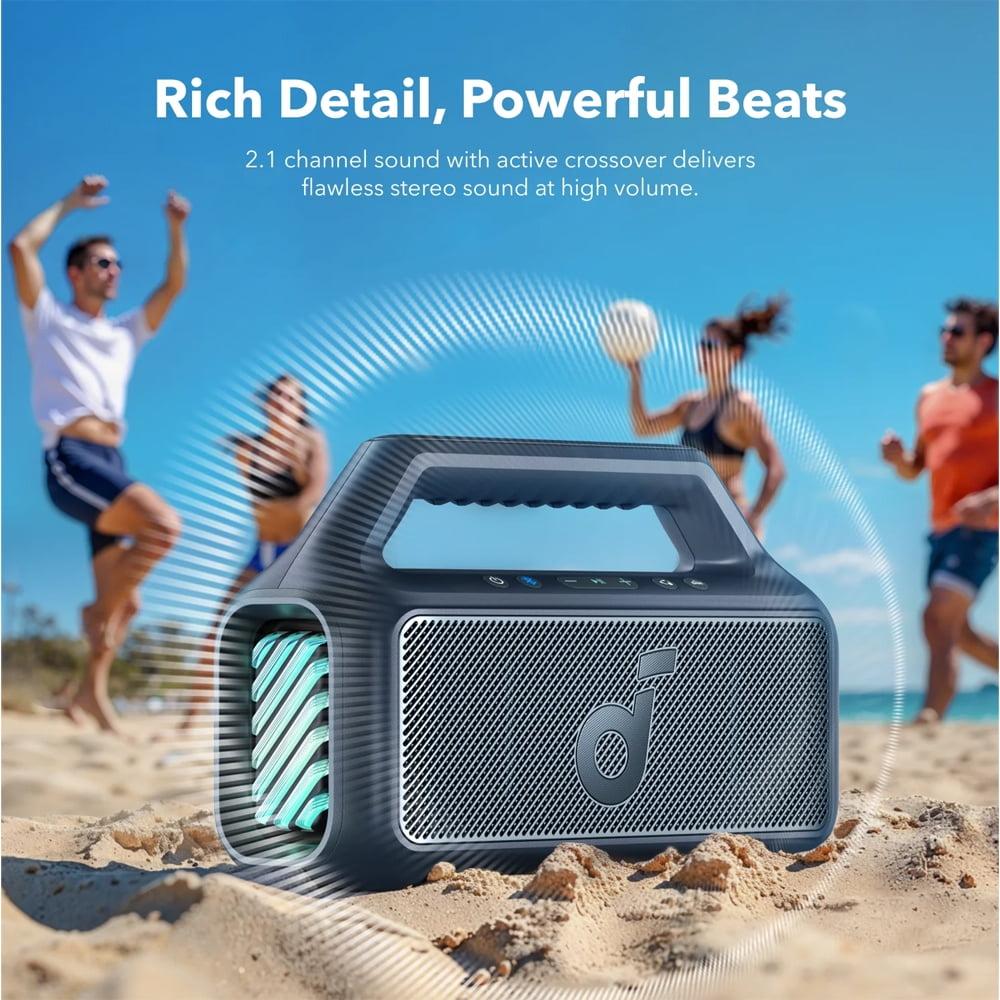
The Soundcore BOOM 2, conversely, implements a proper 2.1 stereo system. This includes two separate 20mm tweeters (specialized drivers for high frequencies like cymbals and vocals) and a dedicated 90x120mm subwoofer (focused on low frequencies like bass drums and synths). This configuration delivers true stereo separation, meaning you can actually hear instruments positioned left and right in the mix, creating a much more immersive listening experience.
Raw power numbers tell part of the story, but they require context. The JBL Charge 4 outputs 30W RMS (Root Mean Square—essentially the continuous power it can sustain), while the BOOM 2 claims 80W peak output, jumping to 140W with its BassUp feature engaged.
However, power ratings can be misleading. What matters more is how cleanly each speaker handles its maximum volume. Based on extensive user feedback and expert analysis, the Charge 4 maintains remarkable clarity even when pushed to its limits. There's minimal compression (when loud sounds get artificially reduced to prevent distortion), meaning your music sounds consistent whether you're listening at moderate or maximum volume.
The BOOM 2 definitely gets louder—noticeably so—but shows more compression artifacts at maximum volume. This isn't necessarily bad; it just means you need to find the sweet spot where it sounds best, which is typically around 80-85% of maximum volume.
Frequency response describes which musical frequencies (from deep bass to bright treble) a speaker can reproduce and how well. The JBL Charge 4 covers 60Hz to 20kHz, while the BOOM 2 extends deeper to 45Hz-20kHz.
That 15Hz difference at the bottom end is more significant than it sounds. The BOOM 2 can reproduce those chest-thumping sub-bass frequencies that make electronic music and hip-hop feel visceral. The Charge 4 delivers respectable bass, but it's more controlled and balanced—better for acoustic music, rock, and spoken content where you don't want bass overwhelming other elements.
The BOOM 2's BassUp technology deserves special mention. This isn't just an EQ boost—it's dynamic processing that analyzes your music in real-time and enhances bass frequencies intelligently. At lower volumes, this can boost mid-bass by over 2dB and upper-bass by more than 4dB, making music sound fuller even when you can't crank the volume.
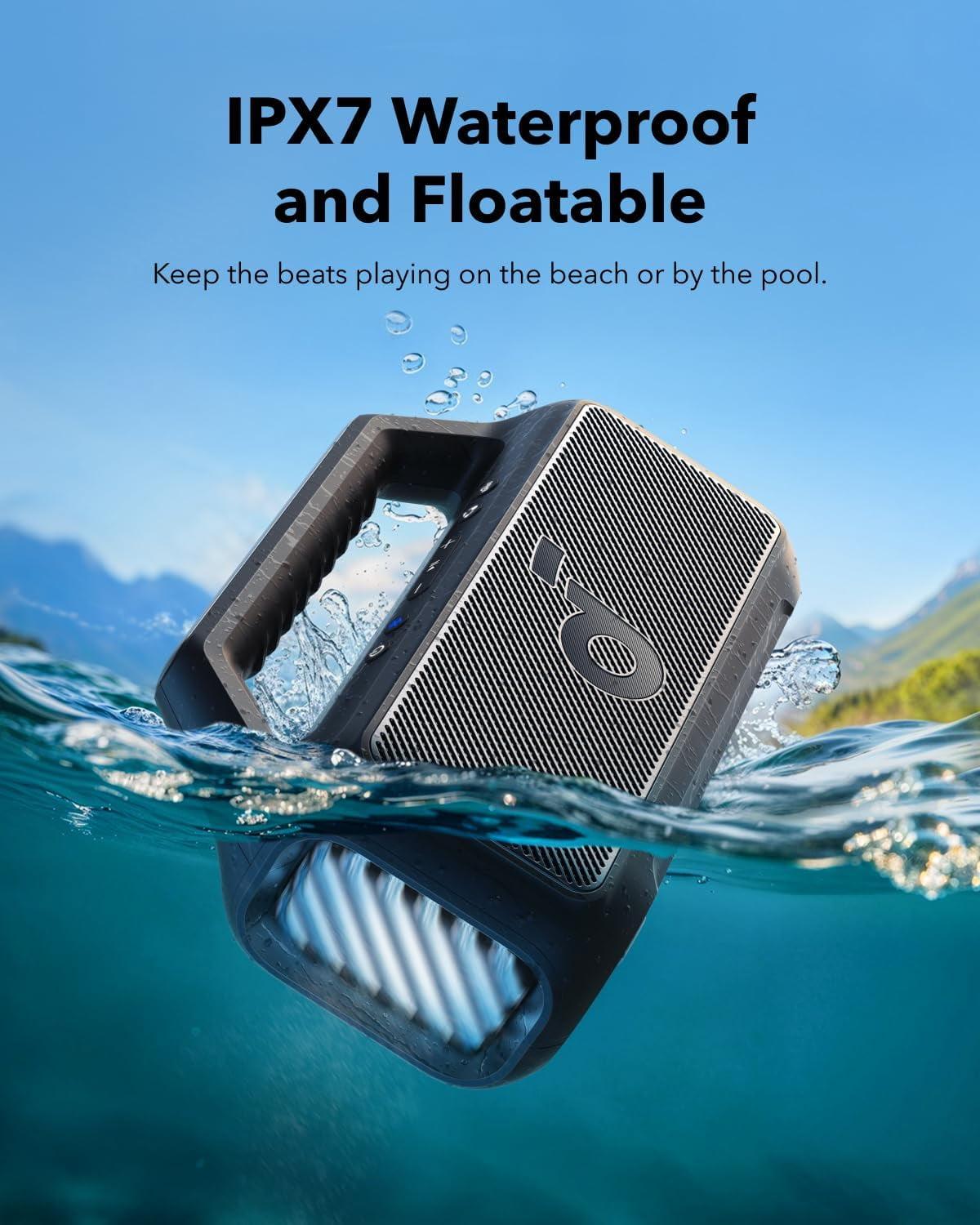
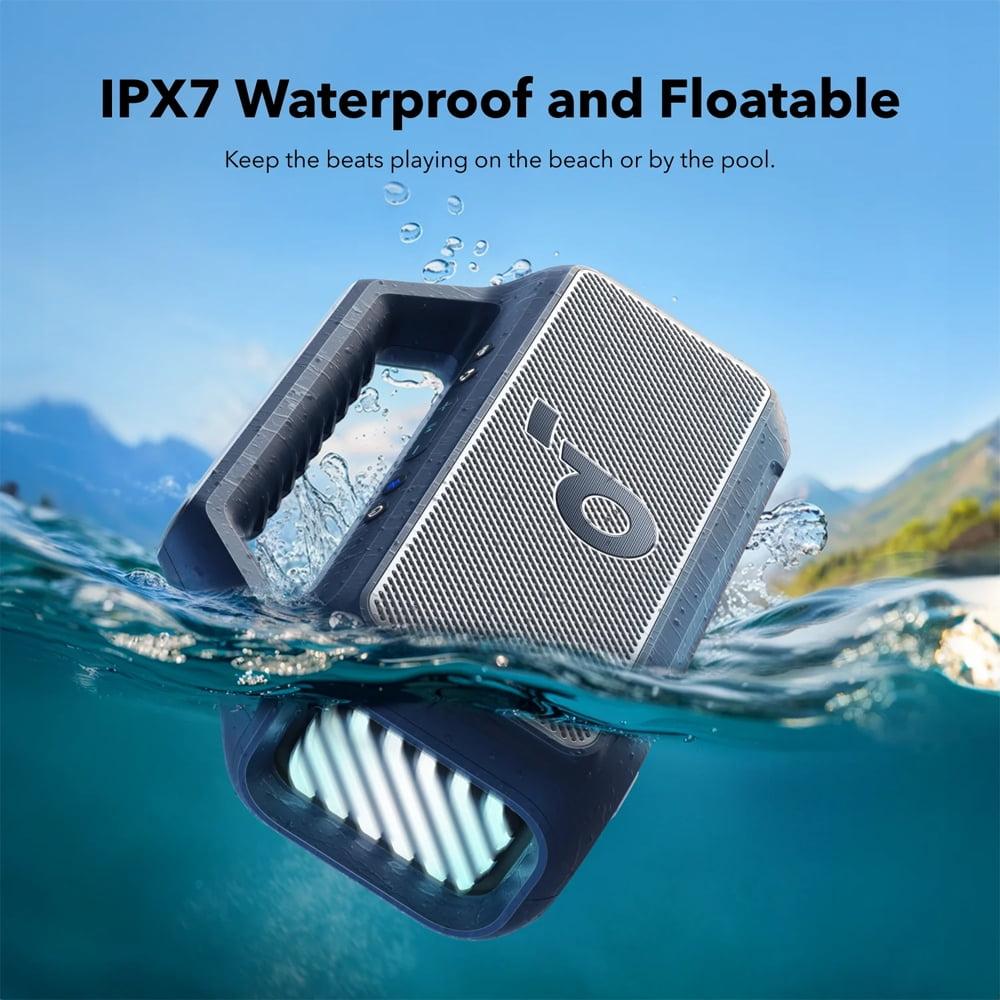
Both speakers carry IPX7 waterproof ratings, meaning they can survive submersion in up to one meter of water for 30 minutes. But there are practical differences in how this plays out.
The JBL Charge 4 achieves this through a combination of sealed ports and rubber gaskets. Its fabric exterior might seem less protective than plastic, but JBL's engineering here is proven—this speaker has survived countless beach days and pool parties since 2018. The fabric also provides better grip when wet and ages more gracefully than plastic.
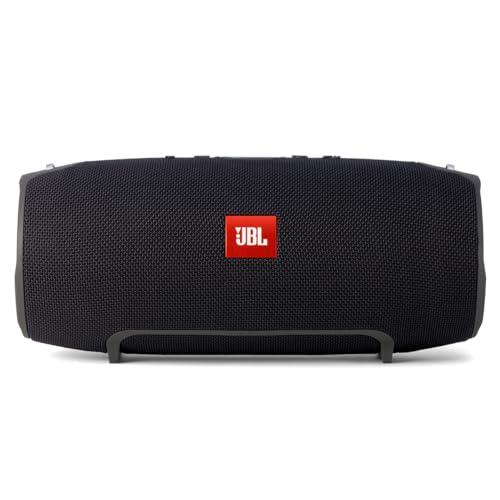
The BOOM 2 takes a different approach with its all-plastic construction and an interesting party trick: it floats. This might seem gimmicky, but it's genuinely useful for pool parties or lake trips. However, the plastic surface can show scratches over time, especially if you're frequently tossing it in bags or backpacks.
Weight and size matter more than spec sheets suggest. The Charge 4 weighs 965 grams and fits comfortably in most backpack side pockets. Its football-like shape distributes weight well when carried by hand. After years on the market, it's proven itself as a true grab-and-go speaker.
The BOOM 2 at 1.66kg is noticeably heftier—nearly double the weight. This isn't necessarily negative if you're setting up at a campsite or beach location, but it's less appealing for hiking or frequent transport. The extra weight comes from that larger battery and more substantial driver arrangement, so there's a performance trade-off here.
Manufacturer battery claims always deserve skepticism, and these speakers are no exception. Both claim around 20-24 hours of playback, but real-world performance varies dramatically based on usage patterns.
The JBL Charge 4 consistently delivers closer to 13 hours in mixed-use scenarios—some quiet listening, some moderate volume, occasional powerbank usage. This is actually quite good for a speaker of this size, and the battery degradation over years of use has proven minimal based on long-term user reports.
The BOOM 2's battery story is more complex. With lights disabled and at moderate volumes, it can indeed approach that 24-hour claim. But enable those eye-catching LED effects and push the volume up, and you might see 8-12 hours instead. The BassUp feature also consumes additional power, so heavy bass listeners will see reduced runtime.
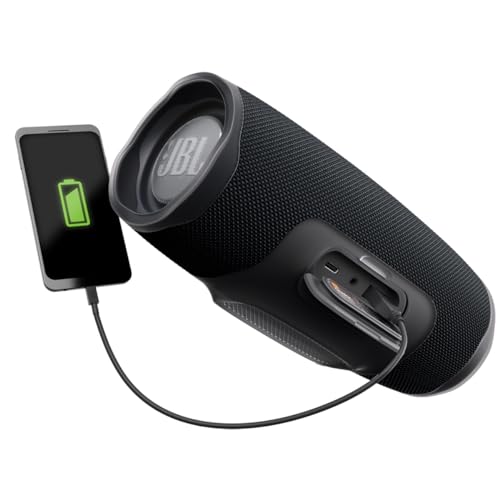
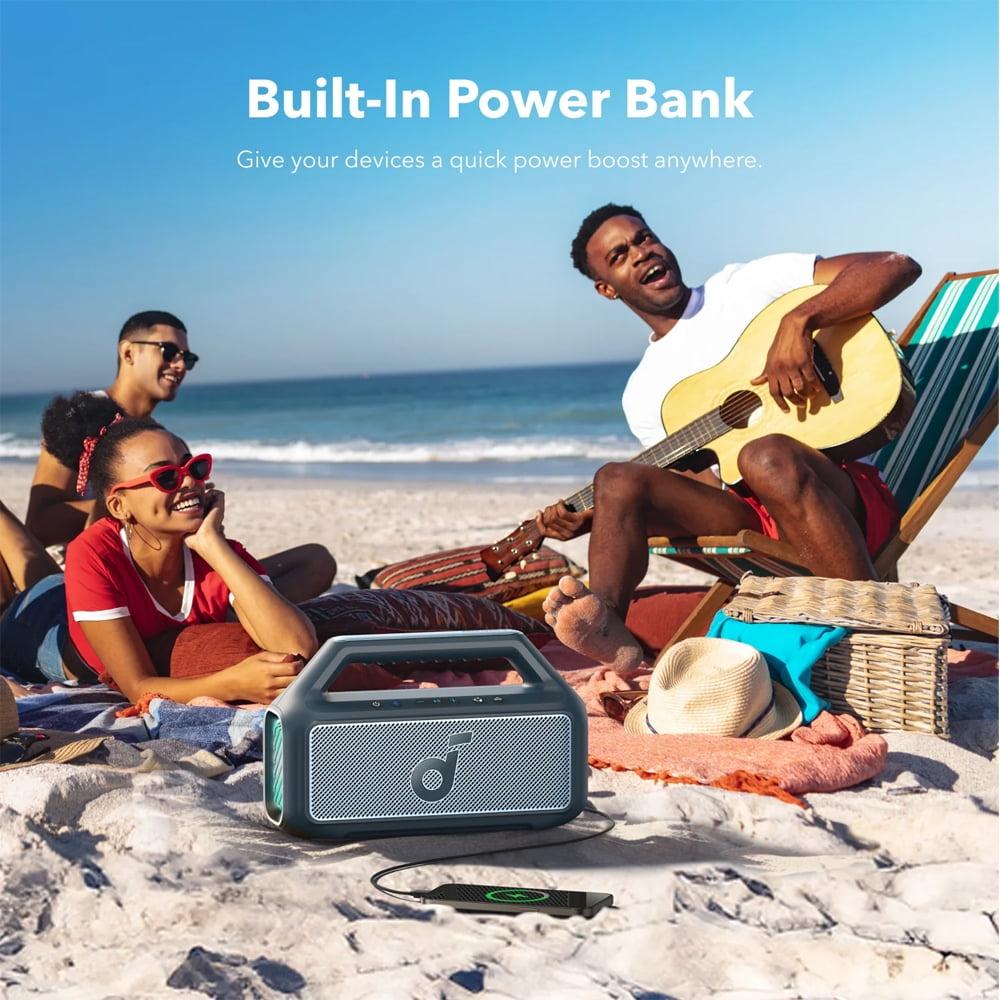
Both speakers can charge your phone or other devices, but with different capabilities. The Charge 4 provides 5V/2A output through its USB-A port—enough to charge most phones at near-normal speeds. The BOOM 2 offers 5V/1A, which is slower but still useful for emergency charging.
This might seem like a minor feature, but it's surprisingly valuable for camping trips or long beach days where you're away from traditional power sources. The Charge 4's higher output makes it more practical as a backup battery.
The technology gap shows clearly here. The JBL Charge 4 uses Bluetooth 4.2, which was solid in 2018 but shows its age in range and connection stability compared to newer standards. It reliably maintains connection within typical indoor/outdoor ranges and can pair with two devices simultaneously—useful for sharing DJ duties at parties.
The BOOM 2 leverages Bluetooth 5.3, offering significantly better range (up to 100 meters in ideal conditions) and more stable connections. The improved protocol also handles interference better, important in crowded wireless environments like apartments or outdoor festivals.
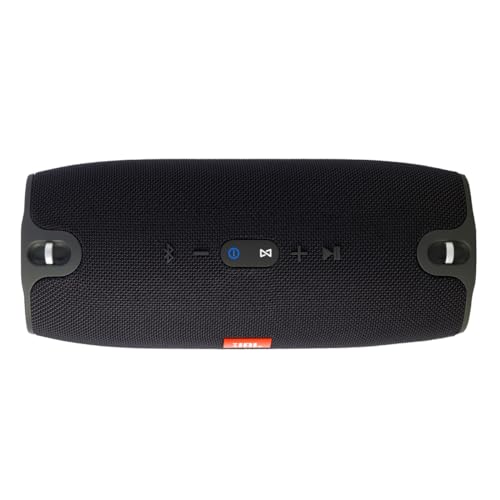
Here's where the philosophical differences become stark. The JBL Charge 4 takes a minimalist approach—what you hear out of the box is what you get. No EQ, no sound profiles, no customization beyond basic controls. For some users, this simplicity is liberating.
The BOOM 2 goes full-featured with the Soundcore app providing a 9-band equalizer, preset sound profiles, and complete control over the light show effects. The EQ capability alone transforms this speaker, allowing you to dial in the exact sound signature you prefer for different music genres.
Both speakers can link with additional units, but through different systems. The Charge 4 uses JBL Connect+, compatible with over 100 JBL speakers from that generation. The BOOM 2 uses PartyCast 2.0, which works with other recent Soundcore speakers and can maintain stereo separation when pairing two identical units.
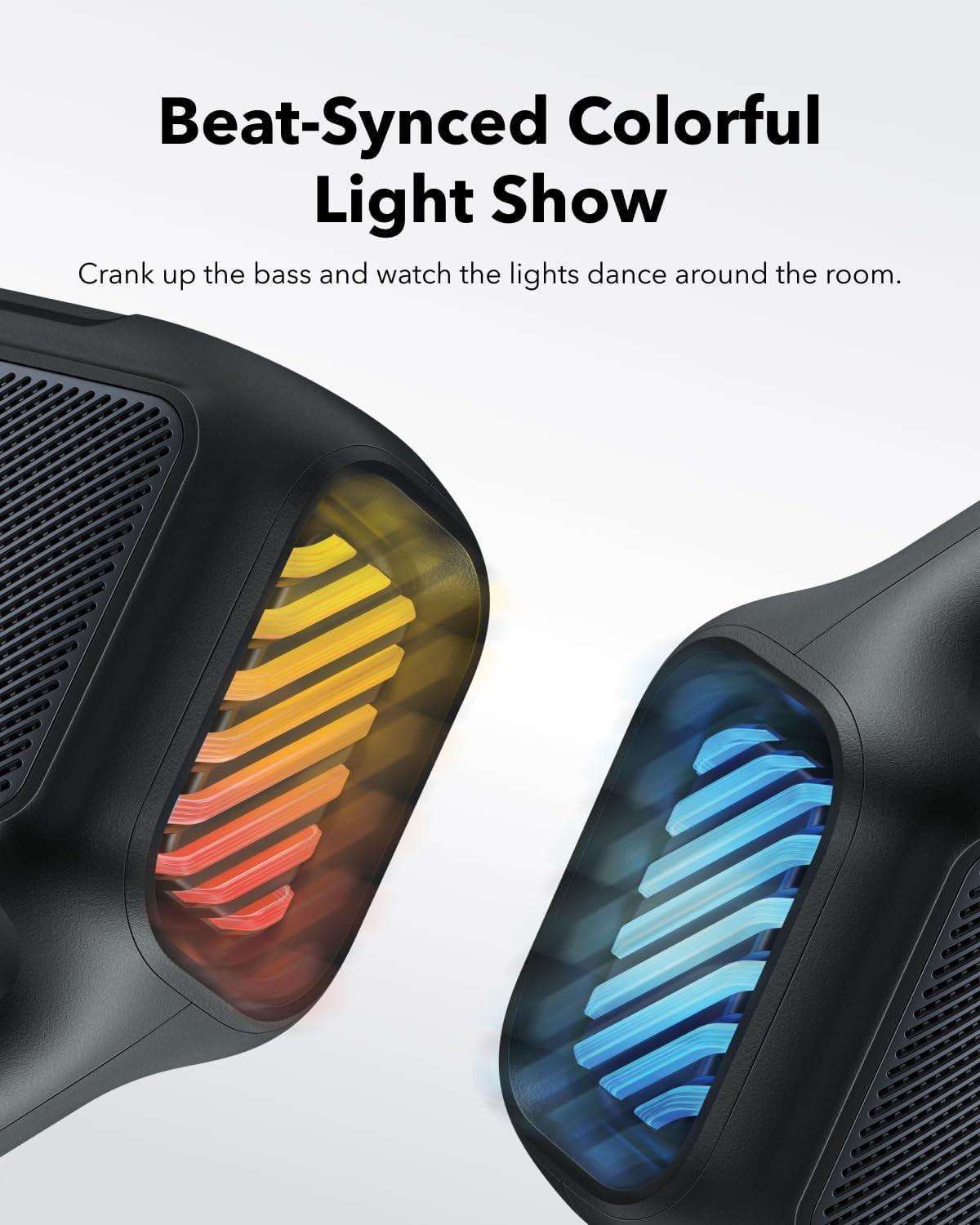
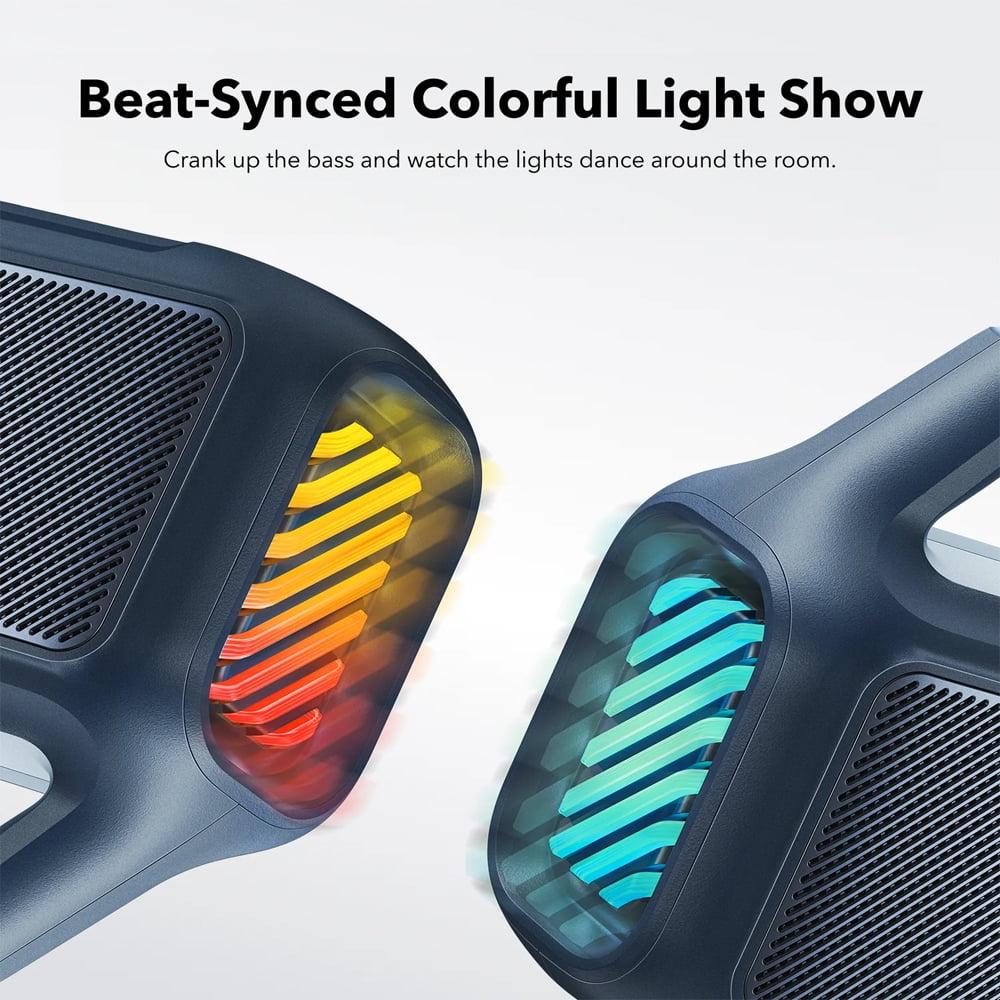
The BOOM 2's LED light show deserves dedicated discussion because it significantly impacts the user experience. These aren't just decorative lights—they're beat-synchronized RGB LEDs built into the passive radiators that pulse and change with your music.
For parties and gatherings, this feature is genuinely engaging. The lights respond to bass hits, change colors with the music's mood, and can be customized through the app. However, they're also a significant battery drain and might feel gimmicky for everyday listening. The fact that you can disable them entirely means you get the best of both worlds.
Neither speaker is designed primarily for home theater use, but they can serve as temporary improvements over TV speakers. The BOOM 2's stereo separation gives it an edge here, providing better dialogue clarity and a wider soundstage for movies. Its deeper bass response also enhances action movie soundtracks.
The Charge 4 works adequately for casual TV watching but lacks the spatial audio that makes movie dialogue feel more natural. Both speakers support 3.5mm auxiliary input for direct connection to TVs without Bluetooth capabilities.
For backyard barbecues or beach gatherings, the BOOM 2 is the clear winner. Its higher volume output fills larger spaces effectively, while the light show adds visual interest as daylight fades. The bass response makes dance music and hip-hop feel more engaging.
The Charge 4 excels in smaller outdoor settings where conversation might be happening alongside music. Its more balanced sound signature doesn't overwhelm voices, and its longer-proven durability provides confidence for rough outdoor use.
The Charge 4's size and weight advantages become crucial for frequent travelers. It fits easily in carry-on luggage and won't dominate your backpack space. The simpler operation also means fewer things to configure when you just want music.
At the time of writing, both speakers occupy similar price segments but offer different value propositions. The BOOM 2 typically provides more features per dollar—you're getting stereo sound, app customization, visual effects, and modern Bluetooth in a package that often costs less than the Charge 4.
However, the JBL Charge 4 commands its price through proven reliability, superior high-volume performance, and the confidence that comes with a established brand reputation. JBL's service network and replacement part availability also factor into long-term value.
Choose the JBL Charge 4 if you prioritize simplicity, portability, and proven reliability. It's ideal for travelers, campers, and anyone who wants great sound without complexity. The balanced audio signature works well across all music genres, and its durability track record provides confidence for long-term ownership.
The Soundcore BOOM 2 makes sense if you want maximum features and don't mind slightly larger size. It's perfect for party hosts, bass enthusiasts, and tech lovers who enjoy customizing their audio experience. The stereo sound and visual effects create a more engaging experience for social gatherings.
Consider your primary use cases carefully. If this speaker will mainly live in a backpack or travel bag, the Charge 4's portability advantages are significant. If it's destined for poolside parties and outdoor gatherings, the BOOM 2's extra features and volume make more sense.
Both speakers represent excellent engineering for their respective philosophies. Your choice ultimately depends on whether you value simplicity and portability over features and customization. Either way, you're getting a speaker that will provide years of reliable music enjoyment.
| JBL Charge 4 | Soundcore BOOM 2 |
|---|---|
| Audio Configuration - Determines stereo vs mono sound experience | |
| Mono (single driver + dual passive radiators) | 2.1 Stereo (dual tweeters + dedicated subwoofer) |
| Power Output - Affects maximum volume and room-filling capability | |
| 30W RMS (cleaner at max volume) | 80W peak, 140W with BassUp (significantly louder) |
| Frequency Response - Shows bass depth and treble extension | |
| 60Hz-20kHz (balanced, limited sub-bass) | 45Hz-20kHz (deeper bass, more impactful for electronic music) |
| Weight and Portability - Critical for travel and outdoor use | |
| 965g (highly portable, fits in backpack pockets) | 1.66kg (less portable but acceptable for stationary use) |
| Battery Life - Real-world performance varies significantly from claims | |
| Up to 20 hours claimed, ~13 hours typical use | Up to 24 hours claimed, 8-12 hours with lights/bass features |
| Powerbank Output - Useful for charging devices during outdoor activities | |
| 5V/2A (faster phone charging) | 5V/1A (slower but adequate emergency charging) |
| Bluetooth Version - Affects connection range and stability | |
| 4.2 (reliable but limited range) | 5.3 (extended 100m range, better stability) |
| Water Resistance - Essential for poolside and beach use | |
| IPX7 waterproof (submersible, proven durability) | IPX7 waterproof + floats (unique advantage for water activities) |
| Sound Customization - Important for matching personal preferences | |
| No EQ or app controls (fixed sound signature) | 9-band EQ via app (full customization available) |
| Visual Features - Adds entertainment value for parties | |
| None (focus on audio only) | Beat-synced RGB light show (customizable, battery drain) |
| Multi-Speaker Connectivity - For larger gatherings | |
| JBL Connect+ (100+ compatible speakers) | PartyCast 2.0 (100+ speakers, maintains stereo separation) |
| Build Materials - Affects durability and aesthetics over time | |
| Fabric + rubber (ages well, scratch resistant) | Plastic housing (prone to scratches but easy to clean) |
The Soundcore BOOM 2 is significantly better for outdoor parties due to its 80W power output (nearly triple the JBL Charge 4's 30W), deeper bass response, and beat-synced light show that creates atmosphere as daylight fades. The BOOM 2 can fill larger outdoor spaces with sound, while the Charge 4 is better suited for smaller, intimate gatherings where conversation might be happening alongside music.
Both speakers claim similar battery life (20-24 hours), but real-world performance differs significantly. The JBL Charge 4 consistently delivers around 13 hours in typical use and maintains this performance over years of ownership. The Soundcore BOOM 2 can achieve longer battery life only when lights are disabled and bass features aren't heavily used—otherwise expect 8-12 hours with full features enabled.
The JBL Charge 4 delivers balanced, mono sound that works well for all music genres and maintains clarity at maximum volume. The Soundcore BOOM 2 provides true stereo separation with dedicated tweeters and subwoofer, offering deeper bass and more immersive sound, but shows more compression at maximum volume. The BOOM 2 is better for bass-heavy music, while the Charge 4 excels with vocals and acoustic content.
The JBL Charge 4 is significantly more portable at 965g compared to the BOOM 2's 1.66kg weight. The Charge 4 fits easily in backpack pockets and carry-on luggage, making it ideal for frequent travelers. The BOOM 2 is nearly twice as heavy and better suited for stationary use at destinations rather than frequent transport.
While neither is designed primarily for home theater, the Soundcore BOOM 2 performs better for TV audio due to its stereo separation and deeper bass response, which enhances movie dialogue clarity and action sequences. The JBL Charge 4's mono configuration provides adequate TV audio improvement but lacks the spatial separation that makes movie soundtracks more engaging.
Both speakers offer IPX7 waterproof rating (submersible up to 1 meter for 30 minutes), but with different advantages. The JBL Charge 4 has proven long-term durability in wet conditions since its 2018 release. The Soundcore BOOM 2 adds the unique feature of floating on water, making it ideal for pool parties and lake activities where it might accidentally fall in.
The Soundcore BOOM 2 offers extensive app integration through the Soundcore app, including a 9-band equalizer, preset sound profiles, and complete control over light effects. The JBL Charge 4 takes a minimalist approach with no app-based customization—the sound signature you hear out of the box is what you get, which some users prefer for simplicity.
The JBL Charge 4 provides superior power bank functionality with 5V/2A output, charging most phones at near-normal speeds. The Soundcore BOOM 2 offers slower 5V/1A charging, which is adequate for emergency situations but less practical for regular device charging during extended outdoor activities.
The Soundcore BOOM 2 uses modern Bluetooth 5.3 with up to 100-meter range and better connection stability, especially in crowded wireless environments. The JBL Charge 4 uses older Bluetooth 4.2 technology, which is reliable within typical ranges but offers shorter distance and less interference resistance compared to the BOOM 2's newer standard.
Both speakers support multi-speaker connectivity but through different systems. The JBL Charge 4 uses JBL Connect+ to link with over 100 compatible JBL speakers from that generation. The Soundcore BOOM 2 uses PartyCast 2.0, which works with other recent Soundcore speakers and can maintain true stereo separation when pairing two identical units.
The Soundcore BOOM 2 typically offers more features per dollar, including stereo sound, app customization, visual effects, and modern Bluetooth connectivity. The JBL Charge 4 commands its price through proven reliability, superior high-volume clarity, and established brand reputation with better long-term service support.
The JBL Charge 4 works excellently across all music genres with its balanced sound signature, making it ideal for mixed playlists, podcasts, and acoustic music. The Soundcore BOOM 2 excels with electronic music, hip-hop, and dance genres due to its powerful bass response and stereo separation, but the customizable EQ allows optimization for any musical preference.
We've done our best to create useful and informative comparisons to help you decide what product to buy. Our research uses advanced automated methods to create this comparison and perfection is not possible - please contact us for corrections or questions. These are the sites we've researched in the creation of this article: rtings.com - whathifi.com - whathifi.com - soundguys.com - soundguys.com - streamtechreviews.com - youtube.com - versus.com - applevis.com - versus.com - jbl.com - jbl.com - walmart.com - comparisontabl.es - harmanaudio.com - manuals.plus - jbl.com.sg - jbl.com - mm.jbl.com - bestbuy.com - newpower99.com - forums.woot.com - soundcore.com - audioholics.com - community.anker.com - trustedreviews.com - soundcore.com - manuals.plus - soundcore.com - youtube.com - community.anker.com - soundandvision.com

Privacy Policy
Terms and Conditions - Affiliate Policy
Home Security
© Copyright 2008-2026.
11816 Inwood Rd #1211, Dallas, TX 75244