

When you're shopping for a portable Bluetooth speaker, the sheer number of options can feel overwhelming. But here's the thing: not all portable speakers are created equal, and the JBL Charge 4 and Sony ULT FIELD 7 perfectly illustrate why understanding your specific needs matters more than just looking at spec sheets.
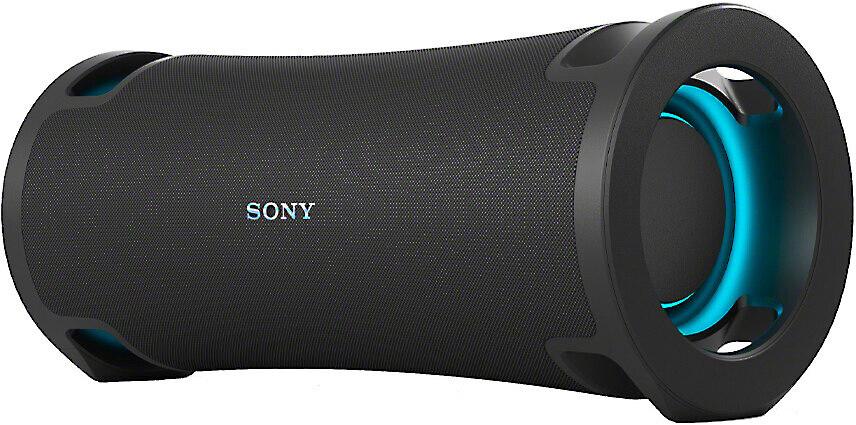
These two speakers represent fundamentally different philosophies in portable audio design. The JBL Charge 4, released in 2018, focuses on true day-to-day portability with practical features that extend beyond just playing music. The Sony ULT FIELD 7, launched in 2024, takes a "portable powerhouse" approach, prioritizing maximum sound output and party features while still being moveable. Think of it as the difference between a versatile Swiss Army knife and a powerful specialized tool.
Before diving into specifics, let's establish what really matters in portable speakers. The most critical factors are size-to-performance ratio, battery life, durability, and sound quality. But here's where it gets interesting: these factors often conflict with each other.
Larger speakers typically sound better because they can house bigger drivers (the components that actually create sound waves) and have more internal air space for bass response. However, bigger also means heavier and less convenient to carry. The sweet spot depends entirely on how you plan to use your speaker.
Sound quality in portable speakers involves several technical aspects. Frequency response tells you the range of sounds a speaker can reproduce, measured in Hertz (Hz) for low sounds and kilohertz (kHz) for high sounds. Human hearing spans roughly 20Hz to 20kHz, so speakers covering this range can theoretically reproduce all audible sounds. However, the real story lies in how evenly they reproduce these frequencies and at what volume levels.
Driver configuration significantly impacts performance. A driver is essentially a motorized cone that moves air to create sound waves. Single-driver speakers must handle all frequencies through one component, while multi-driver systems use specialized components: woofers for bass, tweeters for treble, and sometimes mid-range drivers for vocals and instruments.
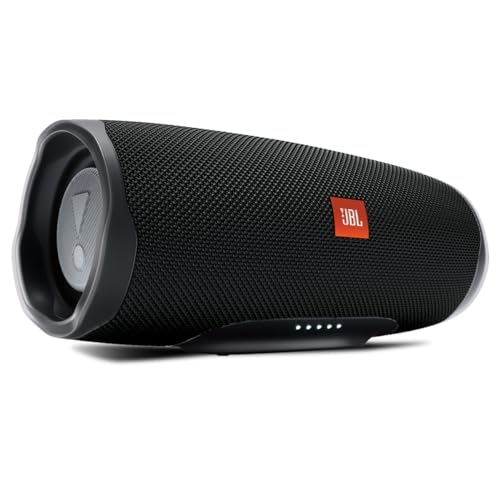
The size difference between these speakers immediately reveals their intended purposes. The JBL Charge 4 measures roughly 8.7 inches long and weighs just over 2 pounds, making it genuinely portable for daily activities. You can toss it in a backpack, carry it to the beach, or move it around your house without thinking twice.
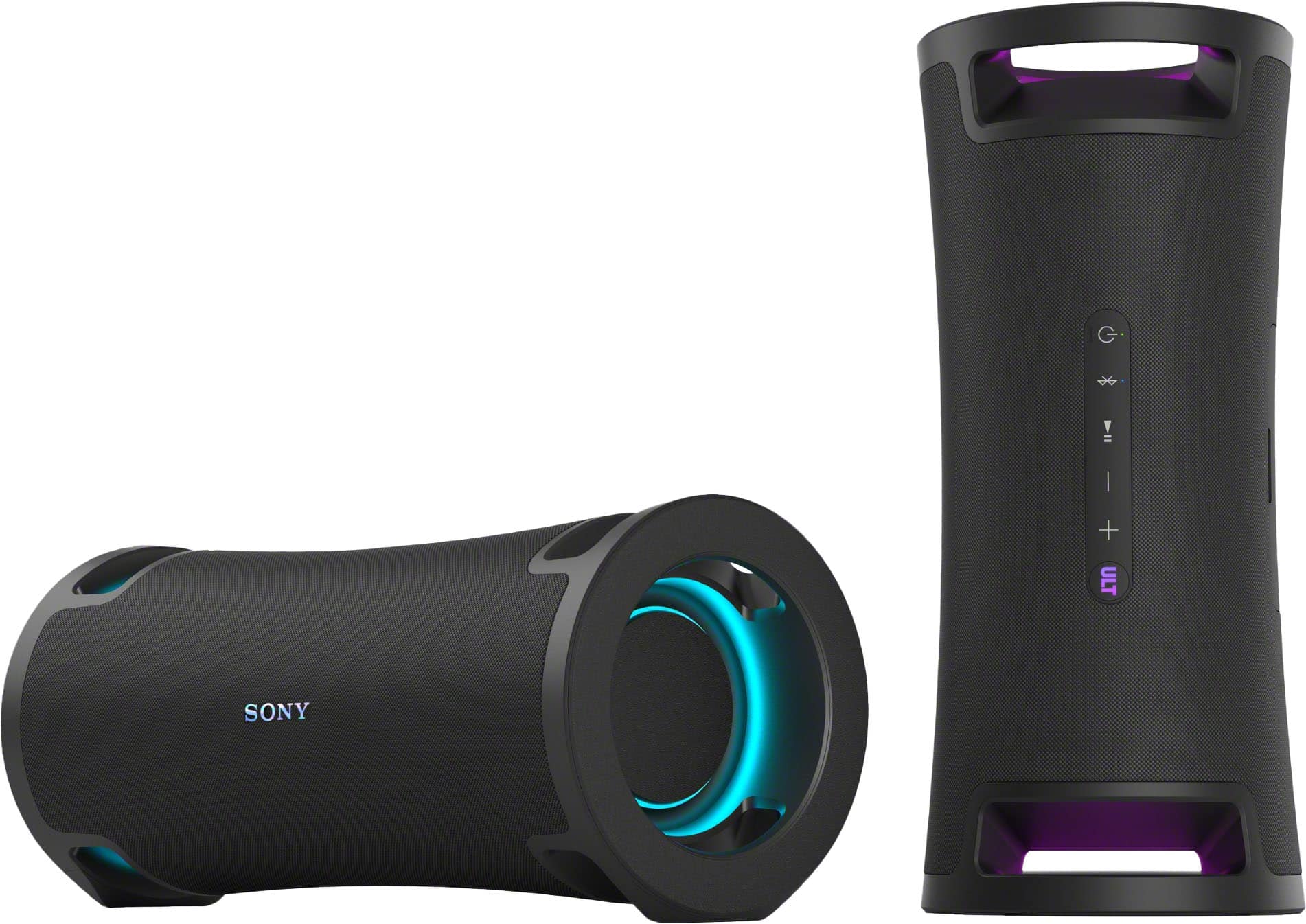
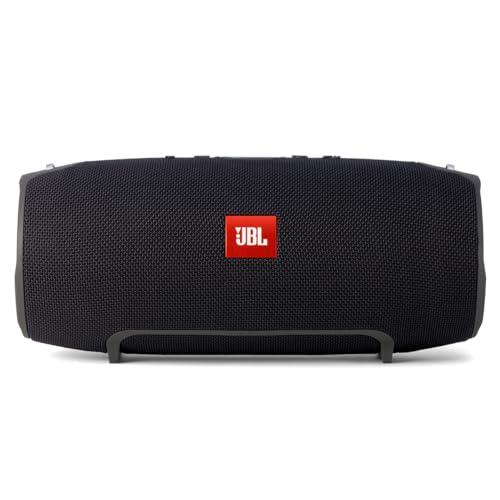
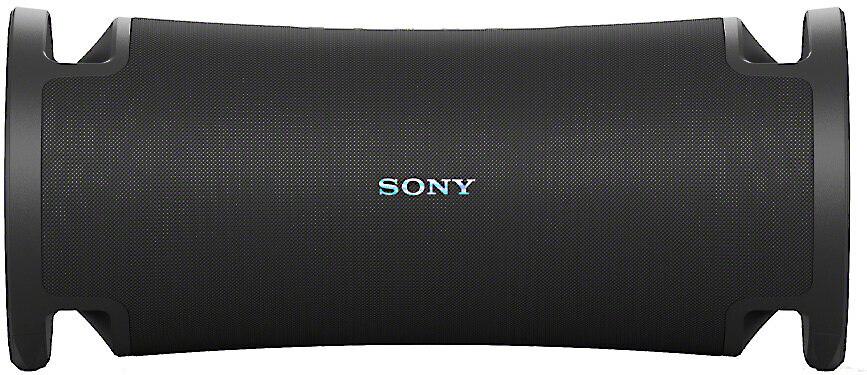
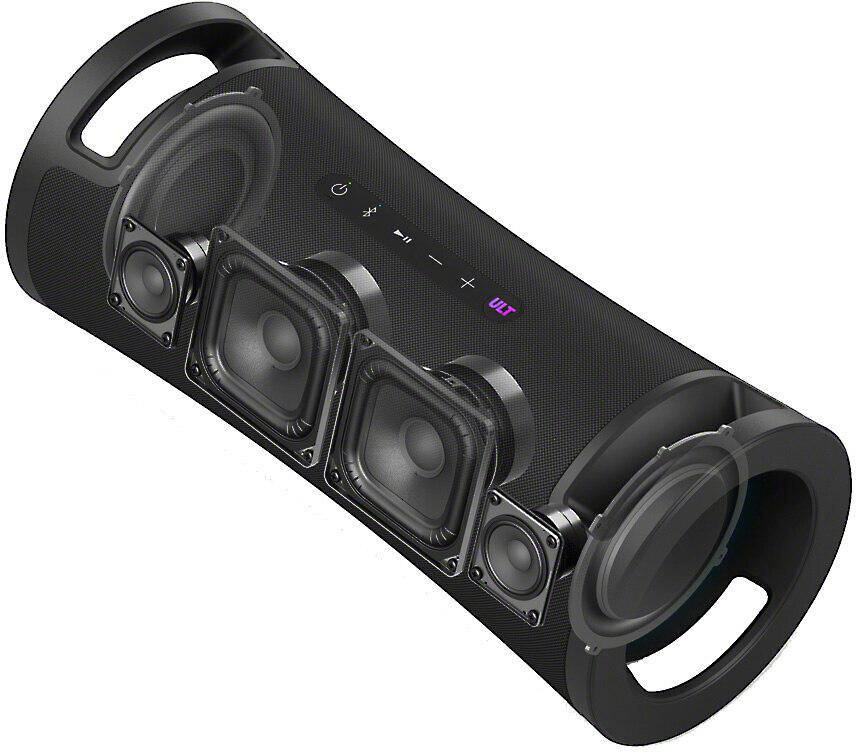
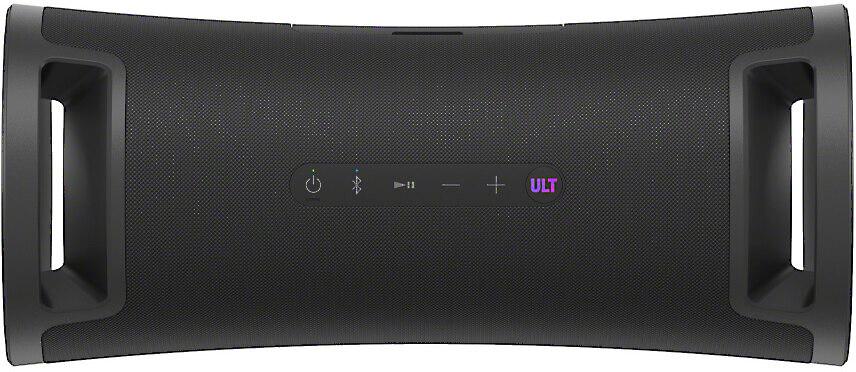
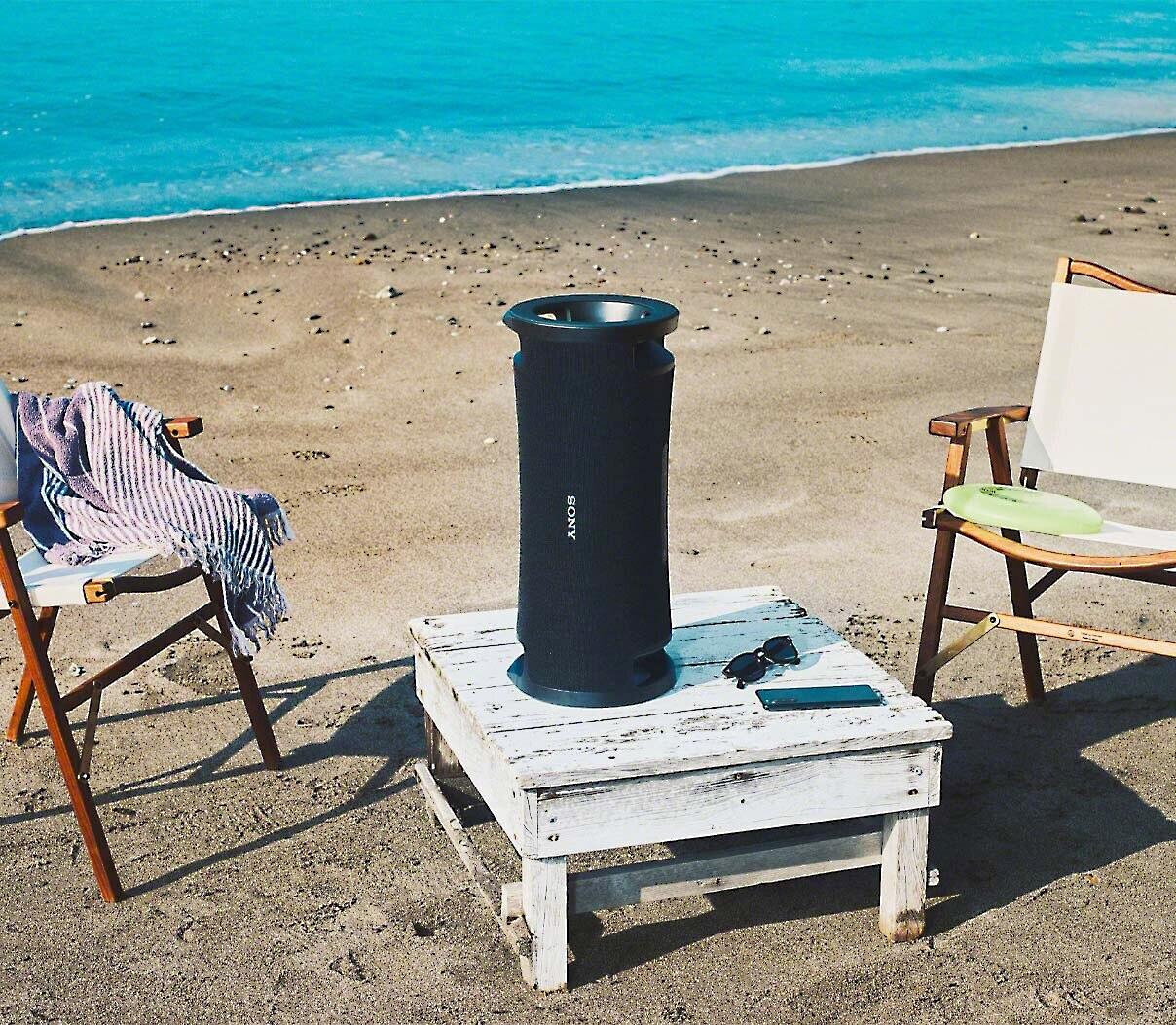
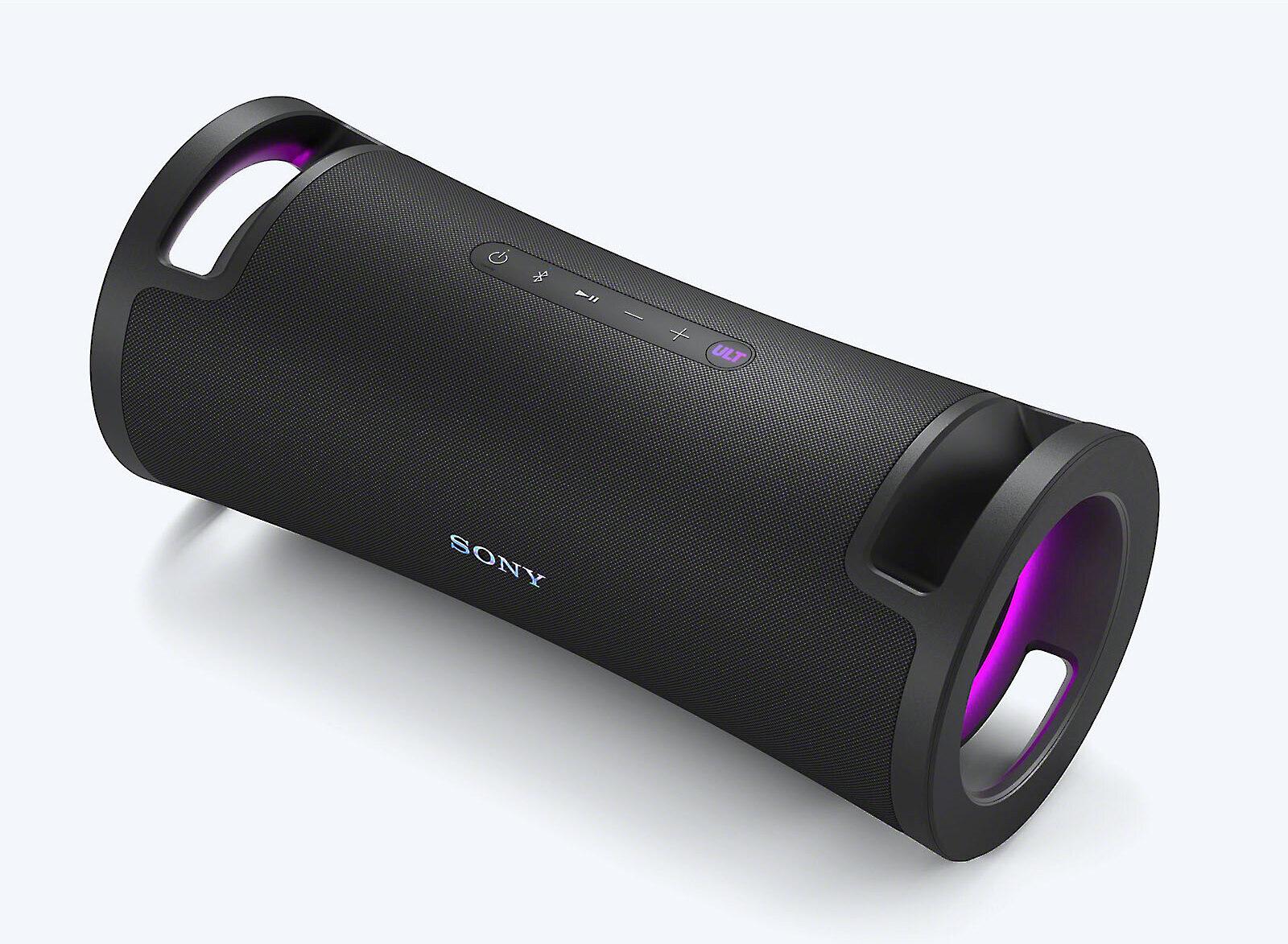
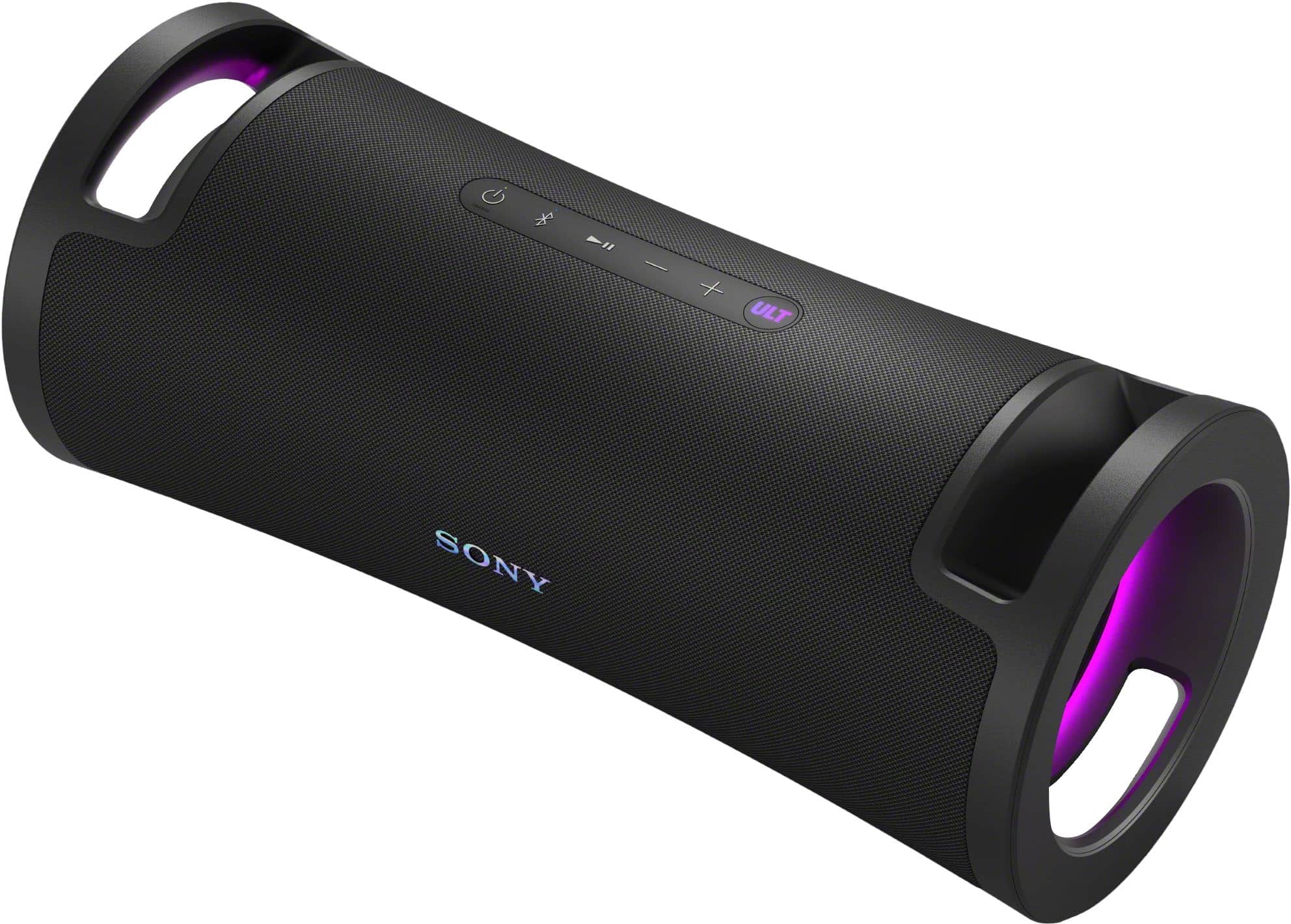
The Sony ULT FIELD 7, at over 20 inches wide and nearly 14 pounds, requires more intentional transport planning. Those integrated carry handles aren't decorative – you'll need them. This speaker is "portable" in the sense that it's not permanently installed, but it's really designed for moving between locations rather than constant carrying.
This size difference isn't arbitrary. Sony's engineering team prioritized acoustic performance, which generally requires larger internal volumes and bigger drivers. The trade-off is obvious: better sound at the cost of convenience. JBL chose the opposite approach, maximizing portability while still delivering respectable audio quality.
The performance gap between these speakers is substantial, and it starts with their fundamental audio architecture. The JBL Charge 4 uses a mono configuration with a single proprietary driver measuring 50 x 90mm (that's roughly 2 x 3.5 inches). This racetrack-shaped driver design increases surface area compared to traditional circular drivers, improving efficiency and reducing distortion.
JBL enhances bass response through dual passive radiators – essentially unpowered speakers that vibrate sympathetically with the main driver to reinforce low frequencies. This is a clever engineering solution for extracting more bass from a compact enclosure without requiring additional amplifiers or power consumption.
However, mono audio means no stereo separation. Music mixed in stereo gets collapsed into a single channel, losing the spatial information that places instruments across a soundstage. You can achieve stereo by pairing two Charge 4 speakers using JBL's Connect+ technology, but that doubles your investment and carrying burden.
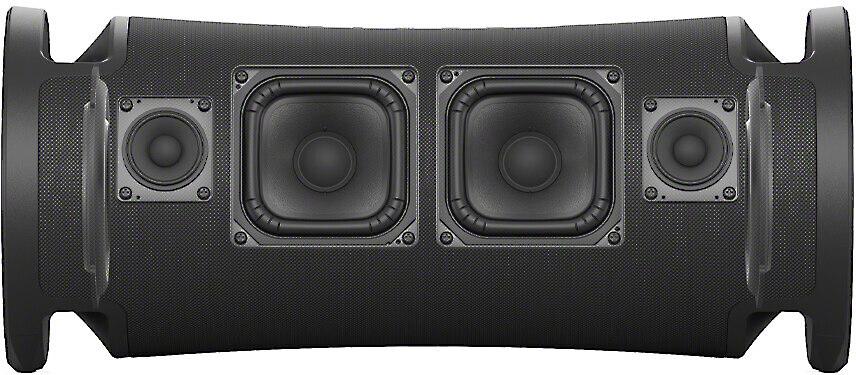
The Sony ULT FIELD 7 takes a dramatically different approach with true stereo architecture featuring separate left and right channels. Each channel includes a 4.49-inch woofer for bass and mid-range frequencies, plus a 1.81-inch tweeter for treble. This configuration allows each driver to specialize in its optimal frequency range, reducing distortion and improving clarity.
Sony's X-Balanced Speaker Unit technology deserves explanation. Traditional circular drivers waste space within square speaker enclosures, leaving unused corners. Sony's non-circular design maximizes the driver's surface area within the available space, increasing sound pressure (volume) and improving bass response while reducing distortion. It's an elegant engineering solution to an age-old problem.
The power difference is equally significant. The JBL Charge 4 outputs 30 watts RMS (Root Mean Square – a measurement of continuous power output), while the Sony ULT FIELD 7 delivers 45 watts. More power means higher volume levels and better dynamic range – the difference between the quietest and loudest sounds the speaker can reproduce simultaneously.
Bass performance reveals another fundamental difference in approach. The JBL Charge 4 provides what most users describe as balanced, tasteful bass that doesn't overwhelm vocals or mid-range instruments. Its frequency response extends down to 60Hz, which covers most musical bass content but misses the deepest sub-bass frequencies you feel in your chest at live concerts.
The Sony ULT FIELD 7 takes bass seriously with its ULT POWER SOUND technology offering two distinct modes. "Deep Bass" mode emphasizes the lowest frequencies for maximum impact, while "Attack Bass" mode focuses on punch and rhythm. This customization acknowledges that different music genres benefit from different bass treatments – electronic dance music wants deep rumble, while rock music needs tight, punchy bass drums.
Based on our research of user experiences, the Sony's bass extension and impact significantly surpass the JBL's capabilities. However, this comes with a caveat: more bass often means less balanced sound. Some users find the Sony's bass modes excessive for acoustic music or podcasts, where the enhanced low frequencies can muddy vocals and instruments.
Battery performance involves more than just runtime numbers. The JBL Charge 4 offers approximately 20 hours of playback from its 7500mAh lithium-ion battery, while the Sony ULT FIELD 7 extends this to 30 hours with its larger battery pack.
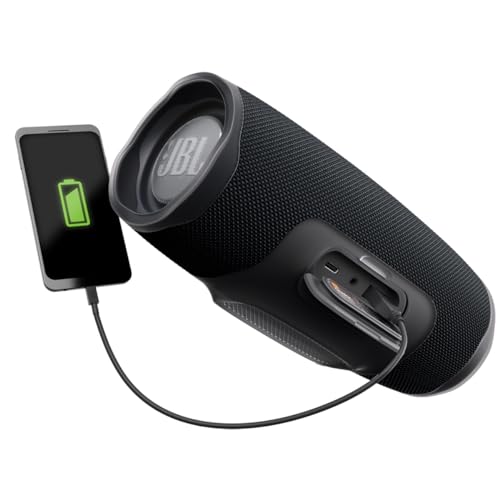
However, the JBL Charge 4 includes a unique feature that Sony doesn't match: power bank functionality. You can charge smartphones, tablets, or other USB devices directly from the speaker's battery through its USB-A output port. This feature proves invaluable during camping trips, beach days, or any situation where wall outlets are scarce.
The power bank capability transforms the Charge 4 from just an audio device into a multi-functional tool. During extended outdoor activities, this feature can be more valuable than slightly longer music playback, especially when your phone battery is critical for navigation or emergency communication.
Battery degradation over time affects both speakers, but replacement costs and availability differ significantly. The JBL Charge 4, being older and more popular, has established third-party repair options. The newer Sony ULT FIELD 7 will likely require manufacturer service for battery replacement, which could be more expensive.
Both speakers target outdoor use but approach durability differently. The JBL Charge 4 carries an IPX7 waterproof rating, meaning it can survive submersion in up to 1 meter of water for 30 minutes. This protection handles poolside splashes, rain exposure, or accidental drops in shallow water.
However, IPX7 doesn't guarantee dust protection. The "X" in the rating means dust resistance wasn't tested or certified. For beach use or dusty outdoor environments, this could be problematic over time.
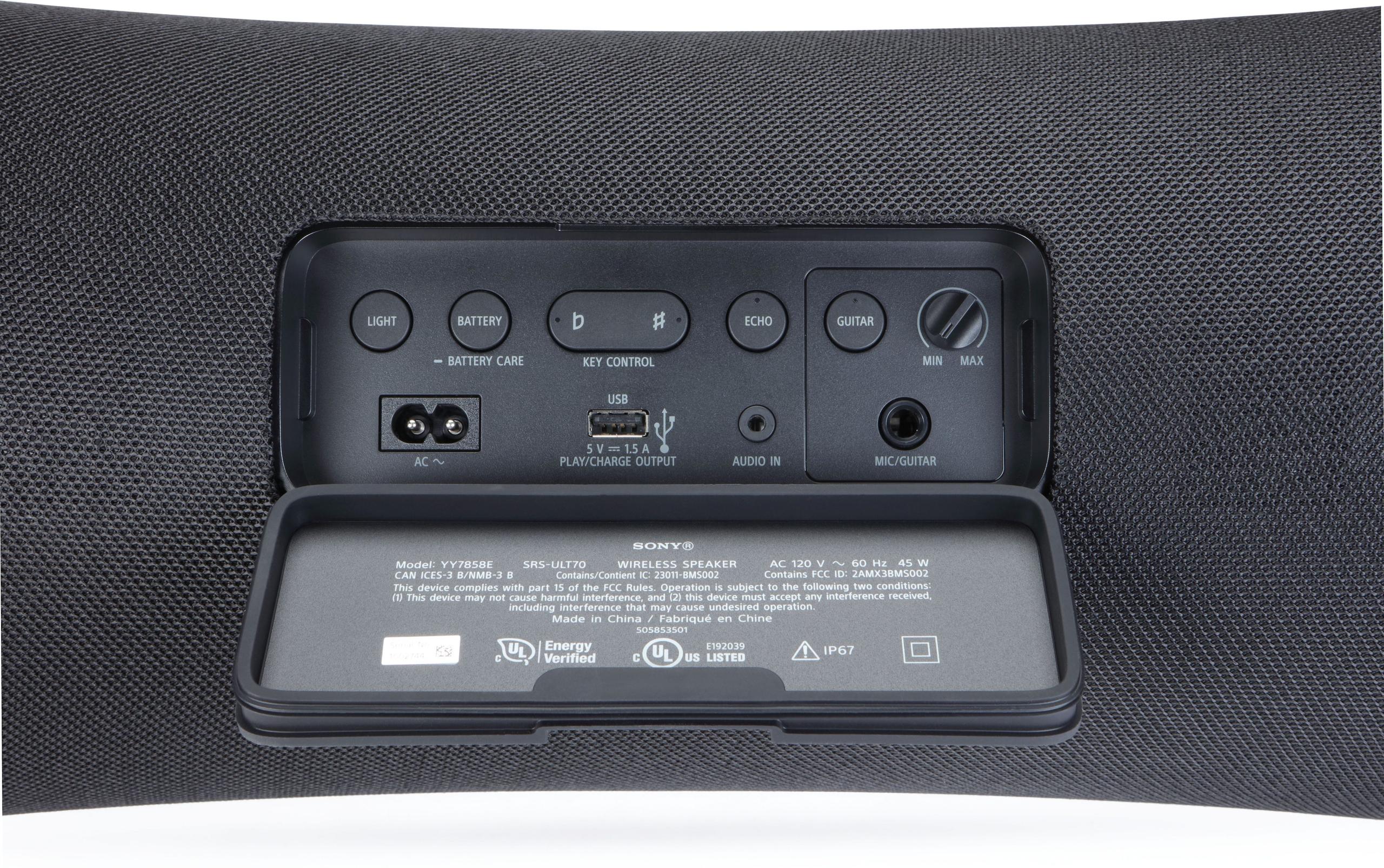
The Sony ULT FIELD 7 earns a superior IP67 rating, providing complete dust protection (the "6") plus the same water submersion resistance (the "7"). Additionally, Sony includes rustproof treatment for metal components, acknowledging that outdoor speakers face corrosive environments like salt air.
Build quality reflects different design priorities. The JBL Charge 4 uses durable fabric and rubber housing optimized for frequent handling and transport. It's designed to bounce around in backpacks and survive casual abuse. The Sony ULT FIELD 7 feels more substantial and premium but shows wear more easily due to its size and materials.
Bluetooth performance has evolved significantly since 2018, and this generational gap shows in these speakers. The JBL Charge 4 uses Bluetooth 4.2, which was standard when it launched but lacks some modern conveniences. Connection stability is generally reliable, and it can pair with two devices simultaneously for shared listening.
The Sony ULT FIELD 7 benefits from Bluetooth 5.2, offering improved connection stability, lower power consumption, and support for advanced audio codecs like LDAC. LDAC transmits approximately three times more data than standard Bluetooth audio, preserving more musical detail from high-quality source files.
For most users streaming from Spotify or Apple Music, LDAC's benefits are minimal since these services compress audio anyway. However, if you listen to high-resolution audio files or use streaming services' lossless options, LDAC provides audible improvements in clarity and detail.
Both speakers support multi-speaker connectivity but through different ecosystems. JBL's Connect+ technology can link over 100 compatible speakers, creating massive synchronized audio systems. Sony's Party Connect offers similar functionality but only with Sony speakers and includes synchronized LED lighting effects.
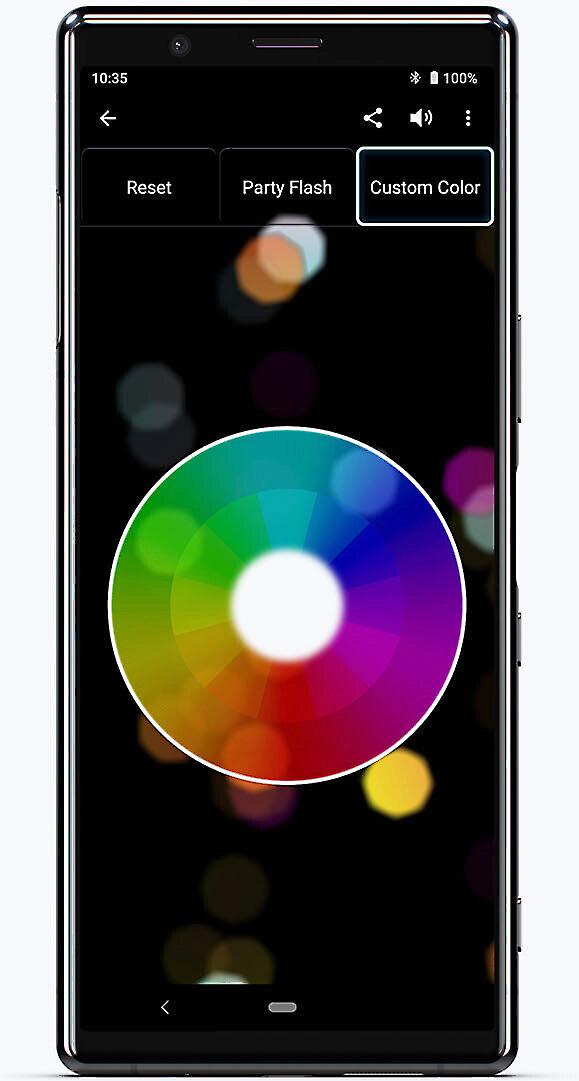
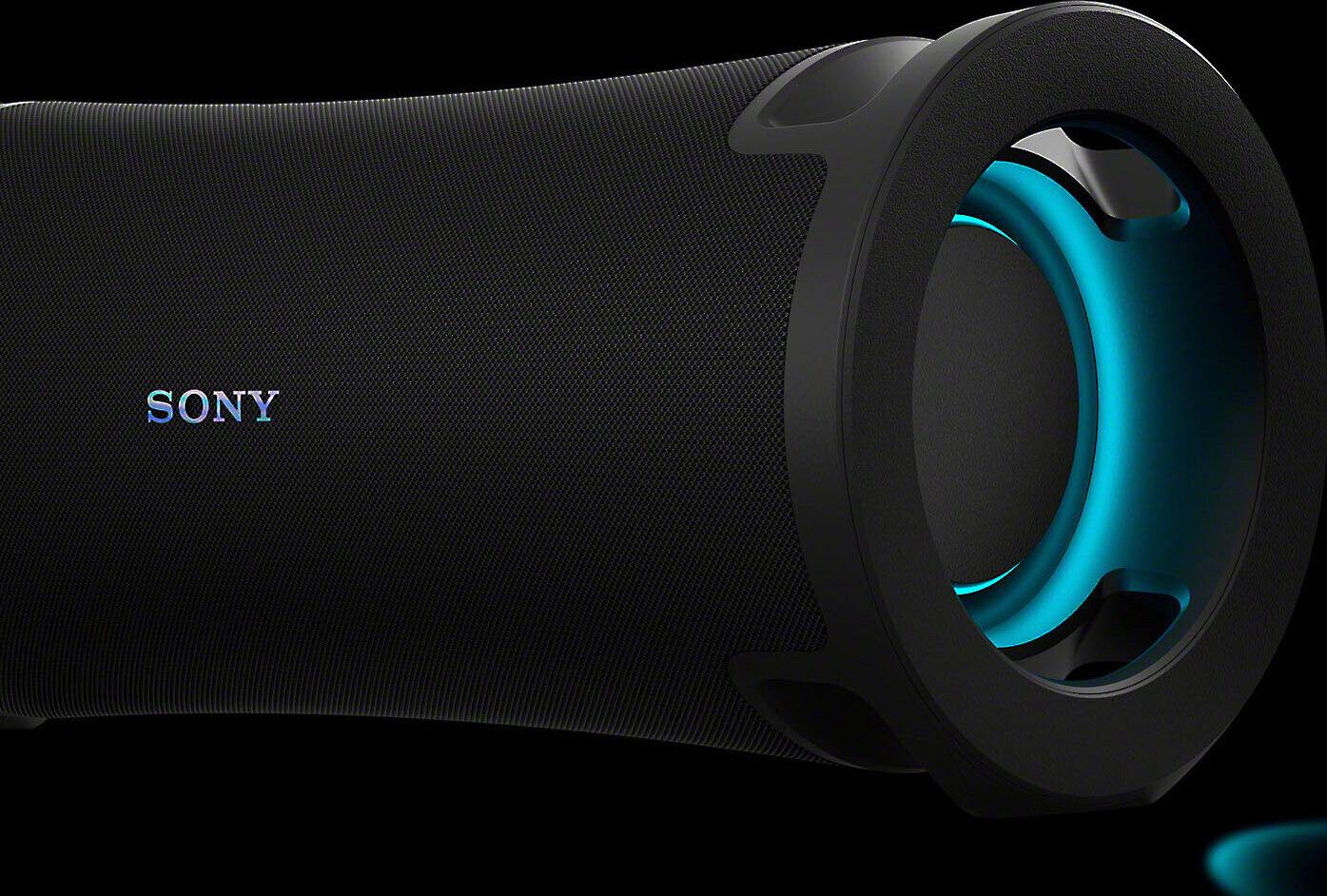
The Sony ULT FIELD 7 includes several features absent from the JBL Charge 4, starting with its LED lighting system. Multi-colored lights sync with music rhythm and bass lines, creating visual entertainment for parties. While some users find this gimmicky, it genuinely enhances outdoor gatherings and distinguishes your speaker from the crowd.
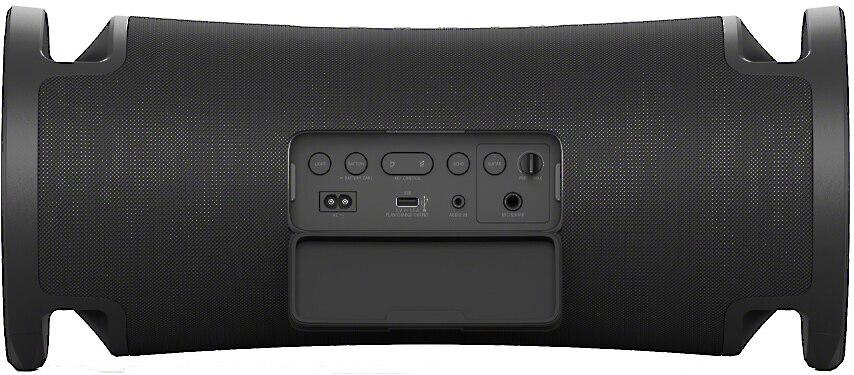
More practically significant is the 6.3mm guitar/microphone input with volume control. This transforms the speaker into a mini PA system for karaoke, acoustic performances, or presentations. Combined with the powerful amplifier and speakers, this feature opens use cases impossible with the JBL Charge 4.
Sound Field Optimization represents Sony's attempt at smart audio processing. The speaker analyzes ambient noise and adjusts its sound profile accordingly. In theory, this maintains clarity when competing with background noise like conversation or wind. In practice, results vary depending on the environment and music type.
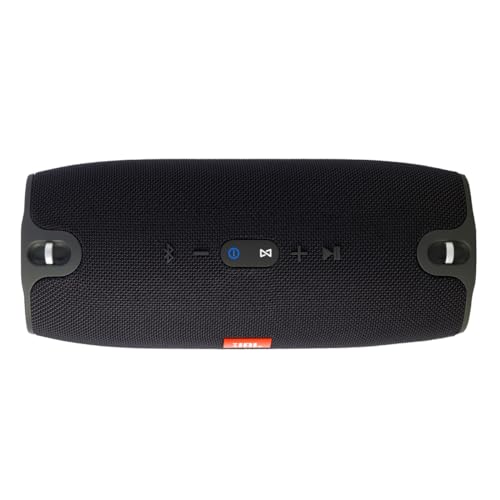
The JBL Charge 4 focuses on simplicity and reliability over advanced features. Its control interface uses physical buttons for all functions, reducing reliance on smartphone apps and ensuring consistent operation even with older devices.
While both speakers target portable use, their indoor performance differs significantly. The Sony ULT FIELD 7 can serve as a temporary or secondary home theater speaker for smaller rooms. Its stereo configuration and powerful amplification provide adequate performance for TV audio or music listening in apartments or bedrooms.
However, neither speaker approaches dedicated home theater equipment performance. The JBL Charge 4 particularly struggles in larger indoor spaces due to its mono configuration and limited power output. It excels for personal listening or small room background music but can't fill living rooms with immersive sound.
For outdoor movie nights or patio entertainment, the Sony ULT FIELD 7 provides sufficient volume and clarity for groups, while the JBL Charge 4 works better for intimate gatherings.
At the time of writing, these speakers occupy different price segments, with the Sony ULT FIELD 7 commanding a significant premium over the JBL Charge 4. This price difference reflects their distinct target markets and capabilities.
The JBL Charge 4 offers exceptional value for users prioritizing portability and practical features. Its power bank functionality alone can justify the investment for outdoor enthusiasts, while its audio quality satisfies most casual listening needs. The lower price point makes it accessible for students, travelers, and anyone wanting reliable portable audio without major investment.
The Sony ULT FIELD 7 targets users willing to pay premium prices for superior performance and features. Its value proposition depends heavily on usage patterns – if you regularly host gatherings or need powerful portable audio, the additional cost makes sense. For occasional use, the price premium becomes harder to justify.
The JBL Charge 4, launched in 2018, represents mature Bluetooth speaker technology. While still functional and reliable, it lacks newer features like advanced codecs, smart processing, or app-based customization. However, this simplicity can be advantageous – fewer software dependencies mean fewer potential failure points.
The Sony ULT FIELD 7 showcases 2024 technology including advanced Bluetooth, smart audio processing, and comprehensive app integration. These features provide more customization and theoretically better performance, but also introduce complexity and potential software-related issues.
The JBL Charge 4 suits users who prioritize practical portability above all else. Students carrying speakers between dorm rooms, beach-goers wanting reliable audio with device charging capability, and casual listeners who need good-enough sound quality will find it ideal. Its durability and simplicity make it particularly appealing for active lifestyles where equipment faces regular transport and environmental challenges.
Choose the JBL Charge 4 if you need a speaker that truly goes everywhere with you, if the power bank feature provides real utility in your lifestyle, or if you're budget-conscious but still want respectable audio quality.
The Sony ULT FIELD 7 targets users who host regular gatherings, value maximum audio performance, and can accommodate larger equipment. Its party features, powerful sound output, and advanced technology justify the premium for users who frequently entertain or need professional-quality portable audio.
Choose the Sony ULT FIELD 7 if you regularly host parties or events, if audio quality takes priority over portability, or if features like karaoke capability and lighting effects add value to your use cases.
Neither speaker is objectively better – they're optimized for different priorities. The JBL Charge 4 excels at being your daily audio companion, while the Sony ULT FIELD 7 serves as your go-to entertainment centerpiece. Understanding which role matters more in your life determines which speaker deserves your investment.
| JBL Charge 4 Portable Bluetooth Speaker | Sony ULT FIELD 7 Portable Speaker |
|---|---|
| Size & Weight - Critical for daily portability | |
| 8.7" x 3.7" x 3.7", 2.12 lbs (fits in backpacks) | 20.16" x 8.82" x 8.74", 13.89 lbs (needs dedicated transport) |
| Power Output - Determines maximum volume and room-filling capability | |
| 30W RMS (suitable for small to medium groups) | 45W (can fill large outdoor spaces) |
| Audio Configuration - Affects soundstage and stereo separation | |
| Mono speaker with dual passive radiators | True stereo with separate woofers and tweeters |
| Battery Life - How long you can listen without charging | |
| Up to 20 hours playback | Up to 30 hours playback |
| Power Bank Feature - Can charge your devices | |
| Yes, USB-A output charges phones/tablets | No device charging capability |
| Water Resistance - Protection for outdoor use | |
| IPX7 (waterproof but no dust protection) | IP67 (waterproof and dustproof - better overall protection) |
| Bluetooth Version - Affects connection quality and features | |
| Bluetooth 4.2 (reliable but older standard) | Bluetooth 5.2 with LDAC codec support (better audio quality) |
| Bass Enhancement - Low-frequency performance | |
| Dual passive radiators for balanced bass | ULT modes: Deep Bass and Attack Bass (much more powerful) |
| Additional Features - Entertainment and connectivity extras | |
| JBL Connect+ (link 100+ speakers), 3.5mm AUX | LED light show, guitar/mic input, Sound Field Optimization |
| Multi-Device Pairing - Connect multiple phones/tablets | |
| Connects 2 devices simultaneously | Standard single device connection |
| Target Use Case - Who this speaker is designed for | |
| Daily carry, travel, adventure companion | Party speaker, large gatherings, semi-permanent setups |
The JBL Charge 4 is significantly better for daily portability at just 2.12 pounds and 8.7 inches long, easily fitting in backpacks or bags. The Sony ULT FIELD 7 weighs nearly 14 pounds and measures over 20 inches wide, making it more suitable for moving between locations rather than constant carrying.
The Sony ULT FIELD 7 delivers superior sound quality with 45W of power, true stereo separation, and dedicated woofers and tweeters. The JBL Charge 4 offers balanced mono audio with 30W output that's perfectly adequate for personal listening but can't match the Sony's room-filling capabilities and bass response.
The Sony ULT FIELD 7 offers up to 30 hours of playback compared to the JBL Charge 4's 20 hours. However, the JBL Charge 4 includes a unique power bank feature that can charge your phone or tablet, which many users find more valuable than the extra 10 hours of music playback.
Both work for outdoor use, but the Sony ULT FIELD 7 is specifically designed for parties with its powerful 45W output, LED light show, and ability to fill large outdoor spaces with sound. The JBL Charge 4 works better for smaller gatherings of 5-10 people due to its lower power output.
The Sony ULT FIELD 7 has superior IP67 rating providing complete dust and water protection, while the JBL Charge 4 has IPX7 rating (waterproof but no dust certification). However, the JBL Charge 4 is built for more frequent handling and transport with its rugged fabric and rubber construction.
Neither speaker is ideal for home theater use, but the Sony ULT FIELD 7 can serve as temporary TV audio for smaller rooms thanks to its stereo configuration and 45W power output. The JBL Charge 4 lacks the power and stereo separation needed for effective TV audio enhancement.
The JBL Charge 4 offers exceptional value with its combination of portability, power bank feature, and solid audio quality at a lower price point. The Sony ULT FIELD 7 commands a premium but delivers significantly better performance and features - the value depends on whether you need its party-focused capabilities.
Yes, both support multi-speaker connectivity. The JBL Charge 4 uses Connect+ technology to link over 100 JBL speakers for synchronized audio. The Sony ULT FIELD 7 uses Party Connect to link up to 100 Sony speakers with synchronized sound and LED lighting effects.
The Sony ULT FIELD 7 is significantly better for bass with its ULT POWER SOUND technology offering Deep Bass and Attack Bass modes, plus larger dedicated woofers. The JBL Charge 4 provides balanced, tasteful bass but cannot match the Sony's low-frequency impact and depth.
The Sony ULT FIELD 7 uses newer Bluetooth 5.2 with LDAC codec support for higher audio quality, while the JBL Charge 4 uses Bluetooth 4.2. However, the JBL Charge 4 can connect to two devices simultaneously for shared listening, which the Sony ULT FIELD 7 cannot do.
This depends on your needs. The JBL Charge 4 offers practical features like power bank functionality and simple operation. The Sony ULT FIELD 7 includes entertainment features like LED lighting, guitar/microphone input for karaoke, and advanced sound processing - better for parties but more complex to use.
Choose the JBL Charge 4 if you need true daily portability, value the power bank feature, or want reliable performance at a lower price point. Choose the Sony ULT FIELD 7 if you regularly host gatherings, prioritize maximum sound quality and bass, or want advanced party features like lighting and karaoke capabilities.
We've done our best to create useful and informative comparisons to help you decide what product to buy. Our research uses advanced automated methods to create this comparison and perfection is not possible - please contact us for corrections or questions. These are the sites we've researched in the creation of this article: rtings.com - whathifi.com - whathifi.com - soundguys.com - soundguys.com - streamtechreviews.com - youtube.com - versus.com - applevis.com - versus.com - jbl.com - jbl.com - walmart.com - comparisontabl.es - harmanaudio.com - manuals.plus - jbl.com.sg - jbl.com - mm.jbl.com - bestbuy.com - newpower99.com - forums.woot.com - rtings.com - hifipicks.com - thesonyshop.ca - techradar.com - rtings.com - sony-africa.com - videoandaudiocenter.com - sony.com - youtube.com - johnlewis.com

Privacy Policy
Terms and Conditions - Affiliate Policy
Home Security
© Copyright 2008-2026.
11816 Inwood Rd #1211, Dallas, TX 75244