

When you're shopping for a portable Bluetooth speaker, the sheer number of options can feel overwhelming. Two speakers that often come up in discussions represent completely different approaches to portable audio: the premium JBL Charge 4 and the budget-friendly Anker Soundcore Mini. While both deliver music wirelessly, they're designed for entirely different users and situations.
At the time of writing, these speakers sit at opposite ends of the price spectrum—the Anker Soundcore Mini costs roughly what you'd spend on a nice dinner out, while the JBL Charge 4 commands a premium price that's about five to six times higher. This dramatic price difference isn't arbitrary; it reflects fundamentally different design philosophies and target audiences.
Before diving into specifics, it's worth understanding what separates good portable speakers from mediocre ones. The most important factors are audio performance (how good it sounds and how loud it gets), battery life (how long it plays), build quality (how well it survives real-world use), and connectivity options (how it connects to your devices and what extra features it offers).
Audio performance involves several technical aspects that directly impact your listening experience. Frequency response refers to the range of sounds a speaker can reproduce—from deep bass notes around 60Hz to crisp high frequencies at 20,000Hz (20kHz). Power output, measured in watts (W), indicates how loud a speaker can get, though more watts doesn't always mean better sound quality. Signal-to-noise ratio (SNR) measures how much clean audio signal you get versus unwanted background noise—higher numbers mean cleaner sound.
The JBL Charge 4, released in 2018, represented JBL's effort to create a rugged, outdoor-focused speaker with serious power. Since then, the portable speaker market has evolved significantly, with newer models offering features like app-based equalizers, voice assistant integration, and improved battery chemistry. However, the core design principles that made the Charge 4 successful—robust build quality, powerful audio output, and multi-device functionality—remain relevant today.
The Anker Soundcore Mini has been updated multiple times since its original release, with the current 2024 version incorporating lessons learned from years of budget speaker development. Anker's approach has always focused on delivering maximum value by prioritizing the features most users actually need while cutting costs on premium materials and niche features.
The most significant difference between these speakers lies in their audio capabilities, and the gap is substantial. The JBL Charge 4 packs a 30W RMS (Root Mean Square) output—RMS is the technical standard for measuring continuous power output, giving you a more accurate picture than peak power ratings that some manufacturers use to inflate specifications.
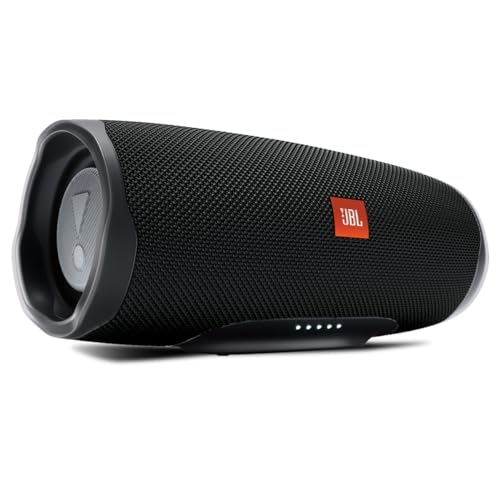
This power advantage translates into real-world performance differences that are immediately noticeable. The JBL Charge 4 can fill a medium-sized room with authority, maintain clarity at high volumes, and deliver the kind of bass response that makes music feel impactful rather than thin. Its racetrack-shaped driver (50mm x 90mm) is specifically designed to move more air than traditional round drivers, while dual passive radiators—essentially speakers without magnets that vibrate sympathetically with the main driver—enhance bass response without requiring additional amplification.
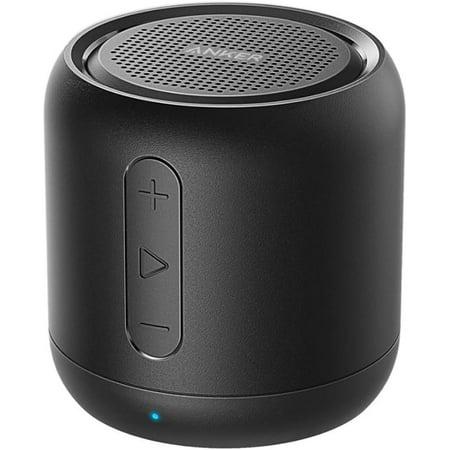
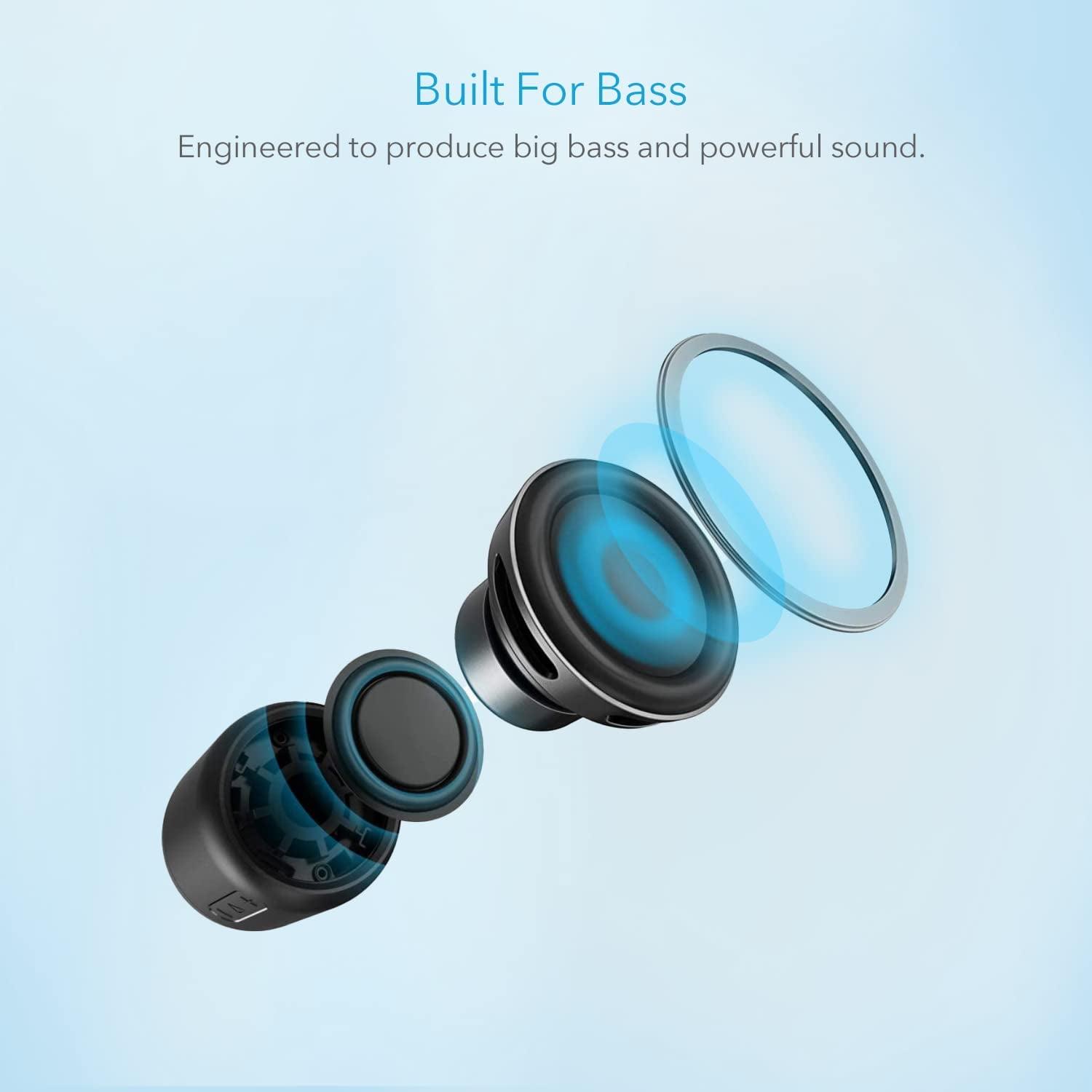
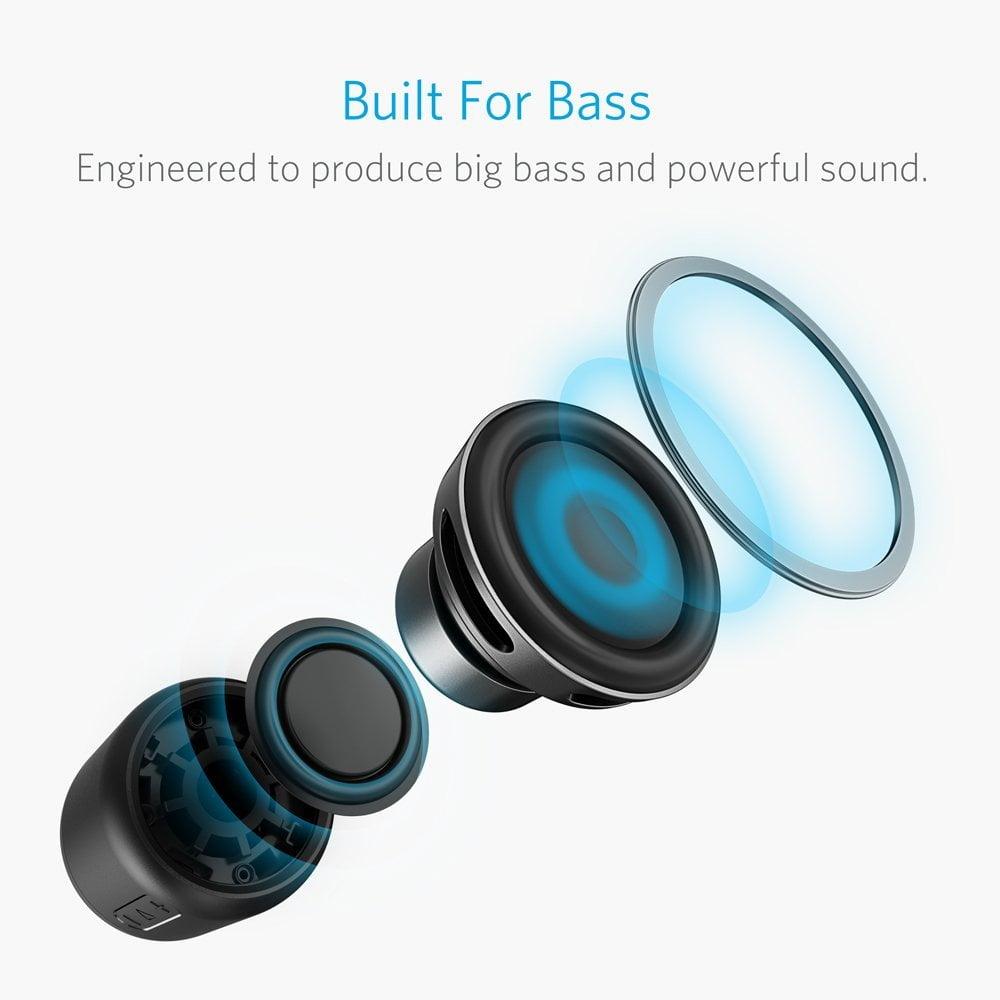
In contrast, the Anker Soundcore Mini works with just 5W of power, which initially sounds limiting. However, Anker's engineers have done impressive work maximizing this modest output. The speaker includes a passive radiator that helps extend bass response beyond what you'd expect from such a small driver, and its top-firing design creates 360-degree sound dispersion that can effectively fill smaller spaces.
Based on extensive research into user experiences and professional reviews, the audio quality difference is substantial but not necessarily decisive for every user. The JBL Charge 4 delivers fuller, more dynamic sound with genuine bass impact that enhances everything from hip-hop to rock music. However, the Anker Soundcore Mini provides surprisingly competent audio quality for personal listening or background music in smaller spaces.
One technical limitation both speakers share is their mono design—they don't produce true stereo sound with left and right channel separation. The JBL Charge 4 addresses this through its Connect+ feature, allowing you to pair two units for genuine stereo sound, while the Anker Soundcore Mini relies on its omnidirectional design to create a more spacious mono presentation.
For frequency response, the JBL Charge 4 handles the full 60Hz to 20kHz range effectively, meaning it can reproduce both deep bass notes and crisp high frequencies. The Anker Soundcore Mini doesn't publish detailed frequency response specifications, but user reports suggest it handles midrange frequencies (where vocals and most instruments live) quite well, with limited extension in the deep bass and high treble regions.
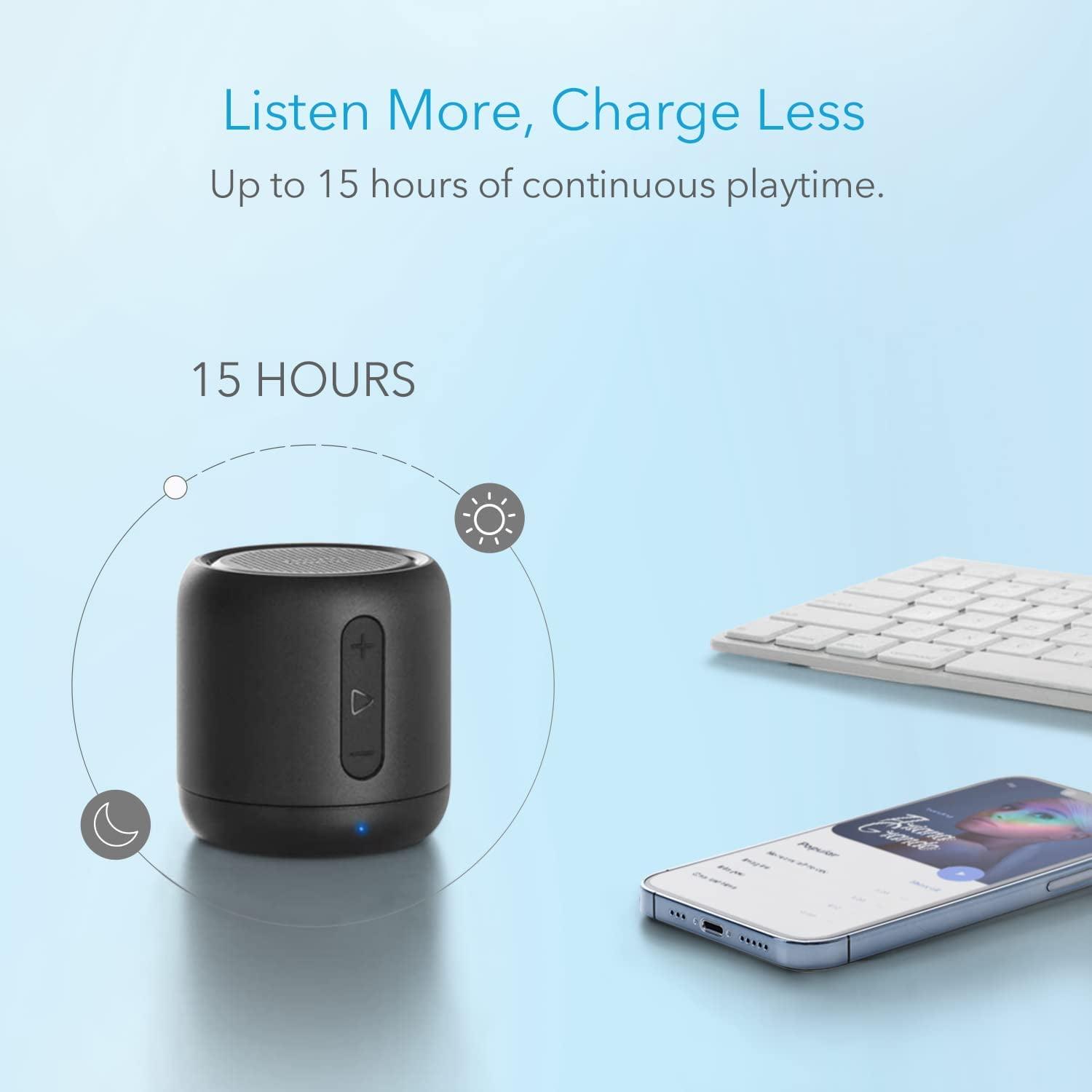
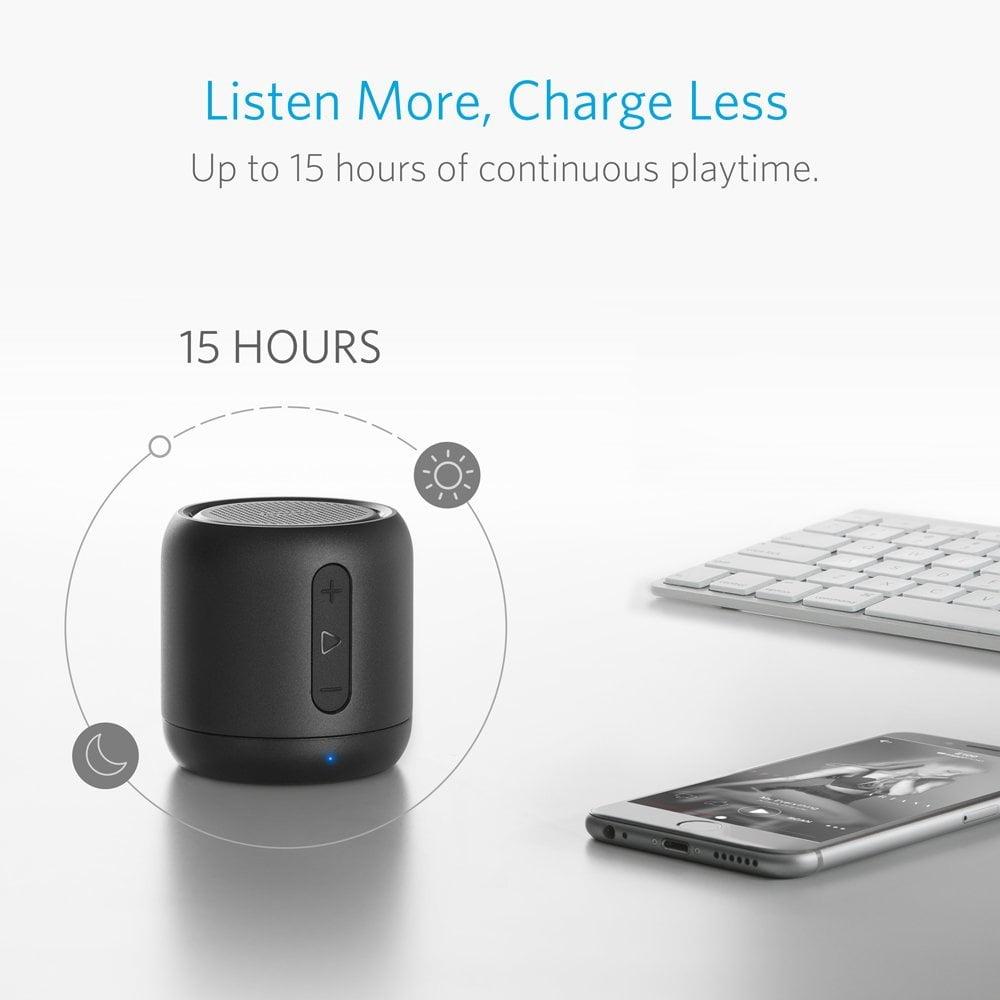
Battery performance reveals an interesting reversal of expectations. Despite costing significantly less, the Anker Soundcore Mini actually delivers superior battery efficiency, providing up to 15 hours of continuous playback. This achievement comes from Anker's focus on power management and their decision to optimize every component for energy efficiency rather than maximum performance.
The JBL Charge 4 offers up to 20 hours of rated playbook time, though real-world performance typically lands between 13-16 hours depending on volume levels and music content. Bass-heavy music and higher volumes drain the battery faster due to the increased power demands of driving that larger driver and dual passive radiators.
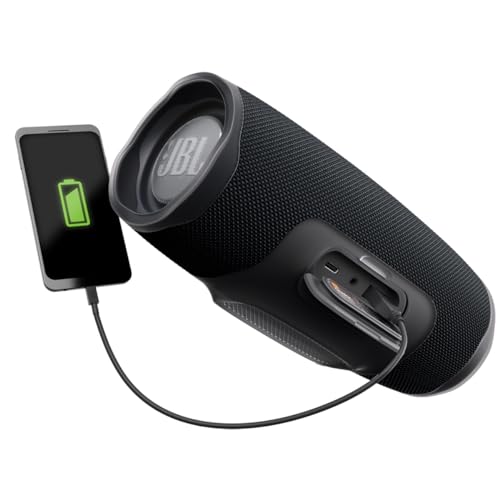
However, the JBL Charge 4 includes a unique feature that sets it apart: power bank functionality. Its 7500mAh battery can charge your smartphone, tablet, or other USB devices through a dedicated USB-A port that outputs 5V at 2A. This dual-purpose design makes it invaluable for camping trips, beach days, or anywhere you might need emergency device charging. The Anker Soundcore Mini lacks this capability, focusing its smaller battery entirely on audio playback.
Both speakers charge via USB connections, though the JBL Charge 4 uses the more modern USB-C standard while the Anker Soundcore Mini still relies on the older micro-USB connector—a minor but noticeable difference in convenience since USB-C is becoming the universal standard for newer devices.
The construction quality difference between these speakers reflects their price positioning and intended use cases. The JBL Charge 4 earns its premium pricing through genuinely rugged construction featuring an IPX7 waterproof rating. This technical certification means the speaker can survive complete submersion in up to one meter of water for 30 minutes—perfect for poolside use, beach trips, or accidental dunking.
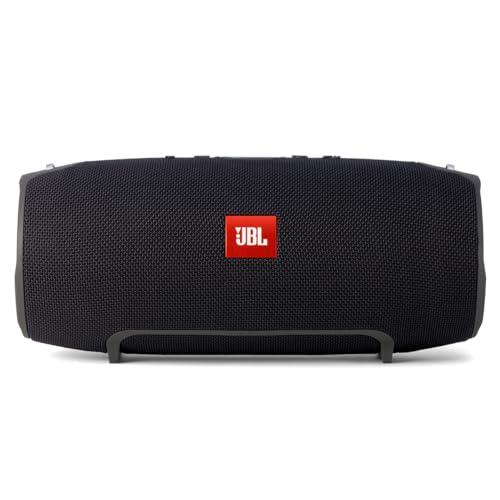
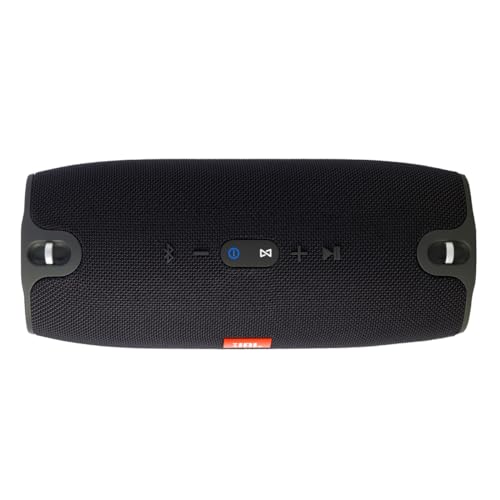
Beyond water resistance, the JBL Charge 4 uses durable fabric wrapping over a robust internal frame, with rubberized end caps that protect the ports and controls. This construction approach prioritizes longevity and abuse resistance over cost savings. Users report these speakers surviving drops, sand exposure, and years of outdoor use without significant degradation.
The Anker Soundcore Mini takes a more pragmatic approach to build quality. While it lacks official water resistance ratings, it features solid construction for its price point, including a metal grille protecting the driver and rubber feet that prevent sliding on smooth surfaces. The materials feel substantial enough for normal indoor use and careful outdoor handling, though it's clearly not designed for the harsh treatment that outdoor adventures can involve.
This durability difference has practical implications for how you can use each speaker. The JBL Charge 4 thrives in challenging environments—camping trips, beach parties, poolside gatherings, or anywhere moisture and rough handling are concerns. The Anker Soundcore Mini works best in controlled environments where its compact size and portability matter more than weather resistance.
Both speakers offer Bluetooth connectivity using version 4.x standards, which provide reliable connections with good range and stability. However, their approaches to additional features reveal different design philosophies.
The JBL Charge 4 emphasizes scalability and premium wireless features. Its Connect+ technology allows linking up to 100 compatible JBL speakers for massive sound setups—imagine the possibilities for outdoor events or large gatherings. It also supports simultaneous connection to two devices, letting you and a friend take turns controlling music without constantly re-pairing devices.
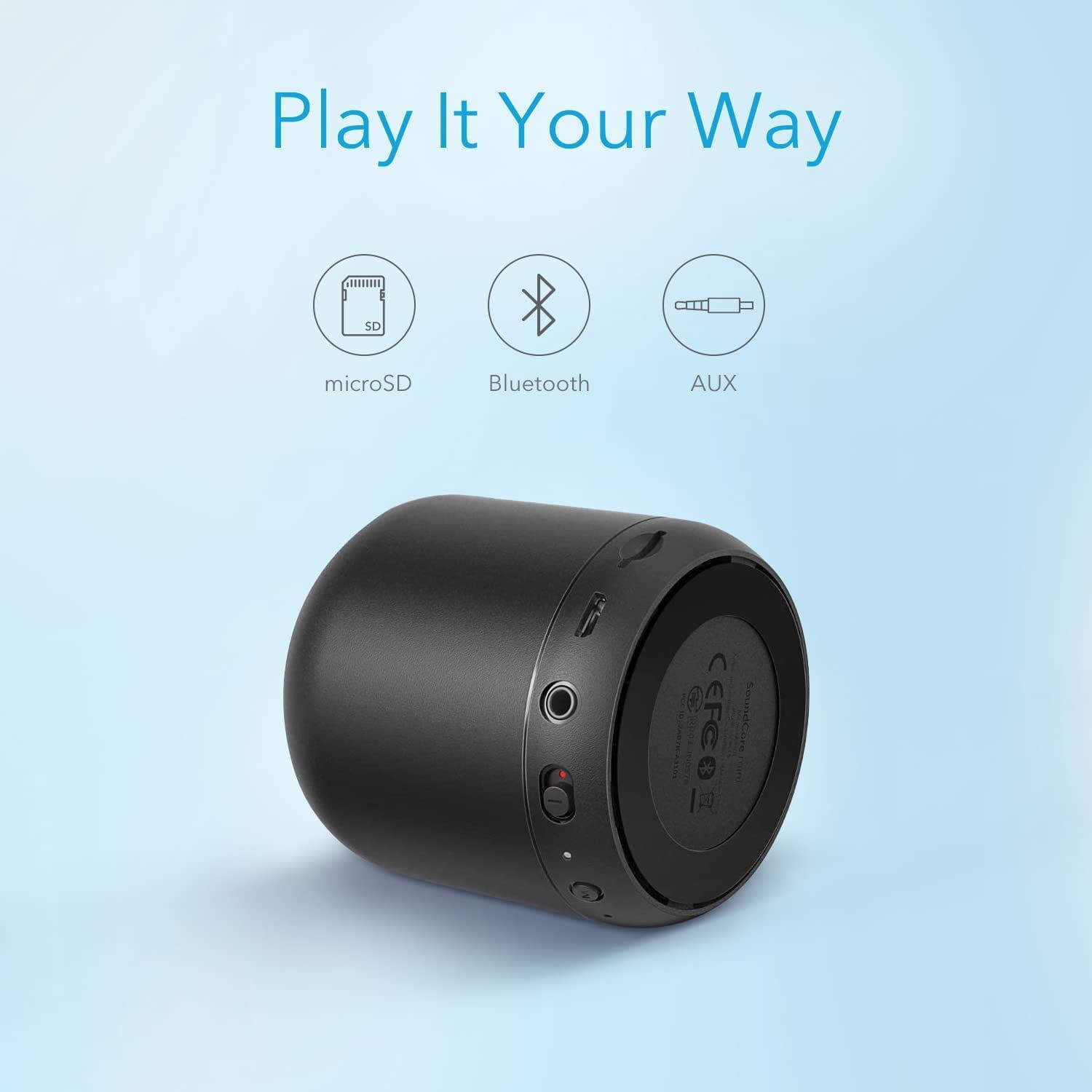
The Anker Soundcore Mini takes a more versatile approach to input options. Beyond Bluetooth, it includes a 3.5mm auxiliary input, microSD card slot for direct music playback, and even FM radio functionality. This variety of connection methods makes it more flexible when dealing with devices that lack Bluetooth, older music collections stored on memory cards, or situations where you want to listen to radio content.
One notable difference is microphone capability. The Anker Soundcore Mini includes a built-in microphone for hands-free calling, while the JBL Charge 4 surprisingly lacks this feature entirely. For users who frequently take calls while working or want voice assistant functionality, this represents a genuine advantage for the less expensive speaker.
The JBL Charge 4 also lacks app-based control or equalization options, unlike newer JBL models. This means you're stuck with its default sound signature, which generally works well but offers no customization options for different music styles or personal preferences.
While both speakers are designed primarily for portable use, they can serve roles in home entertainment systems, though with significant limitations. Neither speaker offers the multi-channel surround sound capabilities that dedicated home theater systems provide, but they can enhance TV audio or serve as secondary speakers in smaller rooms.
The JBL Charge 4 makes more sense for home theater enhancement due to its superior audio output and ability to pair with a second unit for stereo sound. Its powerful bass response can add impact to movie soundtracks, and its high volume capability works well in larger living spaces. However, its mono design and lack of specific home theater features like dialogue enhancement or night mode limit its effectiveness compared to dedicated soundbars.
The Anker Soundcore Mini could serve as a bedroom TV speaker or provide audio for smaller displays, but its limited power output restricts its usefulness in typical living room settings. Its compact size makes it convenient for placement near a TV, but don't expect it to transform your viewing experience dramatically.
For serious home theater use, both speakers are better viewed as temporary solutions or supplements to dedicated audio systems rather than primary components.
When evaluating these speakers, certain performance characteristics matter more than others depending on your intended use. For outdoor use and larger gatherings, maximum volume without distortion becomes crucial—here the JBL Charge 4 clearly excels. Its ability to maintain audio quality at high volumes makes it suitable for beach parties or camping groups where ambient noise requires louder playback.
Bass response significantly impacts perceived audio quality, especially with modern music genres. The JBL Charge 4 delivers genuine low-end impact that makes music feel more engaging and dynamic. The Anker Soundcore Mini provides adequate bass for its size, but it can't compete with the larger speaker's ability to reproduce deep, powerful bass notes.
Battery efficiency becomes critical for extended use situations. Here, the Anker Soundcore Mini's 15-hour rating actually surpasses many users' daily needs, while the JBL Charge 4's longer rated runtime comes with the bonus of device charging capability.
Durability matters most for speakers that will face harsh conditions. The JBL Charge 4's waterproof rating and rugged construction justify the premium for users who need reliability in challenging environments.
The Anker Soundcore Mini makes perfect sense for students, casual listeners, travelers, or anyone seeking basic Bluetooth functionality without premium pricing. Its combination of decent audio quality, exceptional battery life, and multiple input options provides genuine value for users who primarily need personal listening capability or background music in smaller spaces.
Choose the Anker Soundcore Mini if you're budget-conscious, need maximum portability, prefer diverse connectivity options, or primarily use speakers indoors. It's also ideal as a secondary speaker for travel or situations where losing or damaging an expensive speaker would be problematic.
The JBL Charge 4 targets users who prioritize audio performance, need outdoor durability, or require power bank functionality. Its premium pricing makes sense for frequent outdoor enthusiasts, music lovers who notice audio quality differences, or users who need a speaker capable of handling demanding social situations.
Choose the JBL Charge 4 if audio quality matters significantly to you, you need weather resistance, you frequently use speakers outdoors, or you want the flexibility of charging devices from your speaker. It's particularly valuable for camping, beach trips, outdoor parties, or any situation where speaker durability and performance are more important than minimal cost.
These speakers represent two valid but completely different approaches to portable audio. The Anker Soundcore Mini proves that budget speakers don't have to be disappointing, delivering legitimate functionality at a fraction of premium pricing. Meanwhile, the JBL Charge 4 demonstrates what additional investment can provide in terms of audio performance, durability, and versatility.
Your choice should align with your specific needs, budget, and intended use cases. If you need basic wireless audio capability and want to spend as little as possible while still getting decent quality, the Anker Soundcore Mini represents exceptional value. If you can invest in better performance and need a speaker capable of handling more demanding situations, the JBL Charge 4 justifies its premium pricing through superior capabilities across multiple dimensions.
Both speakers succeed within their intended market segments, making the decision more about understanding your priorities than identifying a clear winner. Consider your budget, intended use cases, and performance requirements to determine which approach better matches your needs.
| JBL Charge 4 Portable Bluetooth Speaker | Anker Soundcore Mini Portable Bluetooth Speaker |
|---|---|
| Audio Power Output - Determines maximum volume and room-filling capability | |
| 30W RMS with dual passive radiators (fills medium-large spaces) | 5W with single passive radiator (suitable for personal/small room use) |
| Water Resistance - Critical for outdoor and poolside use | |
| IPX7 waterproof rating (submersible up to 1 meter) | No official water resistance (indoor/protected outdoor use only) |
| Battery Life - How long you can listen without recharging | |
| Up to 20 hours rated, 13-16 hours real-world usage | Up to 15 hours continuous playback with superior efficiency |
| Power Bank Function - Ability to charge other devices | |
| Yes, 7500mAh battery charges phones/tablets via USB-A port | No power bank capability |
| Multi-Speaker Connectivity - For larger sound setups | |
| JBL Connect+ links up to 100+ compatible speakers | No multi-speaker pairing |
| Input Options - Flexibility for different audio sources | |
| Bluetooth 4.2, 3.5mm AUX input | Bluetooth 4.0, 3.5mm AUX, microSD card, FM radio |
| Built-in Microphone - For hands-free calls and voice assistants | |
| No microphone included | Yes, built-in microphone for calls |
| Physical Size - Portability and storage considerations | |
| 220 x 95 x 93mm, 965g (larger but more powerful) | 175 x 175 x 175mm, 200g (ultra-compact and lightweight) |
| Frequency Response - Range of sounds the speaker can reproduce | |
| 60Hz-20kHz with >80dB signal-to-noise ratio | Not specified, optimized for midrange clarity |
| Simultaneous Device Pairing - Connect multiple phones/tablets | |
| Yes, connects to 2 devices simultaneously | Single device connection only |
| Charging Port - Convenience and future-proofing | |
| USB-C (modern standard) | Micro-USB (older standard, slower charging) |
| Release Year - Age of technology and features | |
| 2018 (established design, proven reliability) | 2024 updated version (recent improvements) |
The JBL Charge 4 is significantly better for outdoor use thanks to its IPX7 waterproof rating, which allows it to be submerged in up to 1 meter of water for 30 minutes. It also features rugged construction with durable fabric and rubber housing designed for harsh conditions. The Anker Soundcore Mini lacks water resistance and is better suited for indoor or protected outdoor environments.
The JBL Charge 4 delivers substantially better sound quality with its 30W power output, larger racetrack driver, and dual passive radiators that produce deeper bass and higher volume levels. The Anker Soundcore Mini offers decent sound quality for its size with a 5W driver, but cannot match the audio performance, bass response, or maximum volume of the larger JBL speaker.
The Anker Soundcore Mini actually provides better battery efficiency with up to 15 hours of continuous playback despite its lower cost. The JBL Charge 4 offers up to 20 hours rated battery life, though real-world usage typically ranges from 13-16 hours depending on volume levels and content.
Only the JBL Charge 4 can charge external devices through its built-in power bank feature, using a USB-A port that outputs 5V/2A. This makes it valuable for camping or emergency situations. The Anker Soundcore Mini does not include power bank functionality and focuses its battery entirely on audio playback.
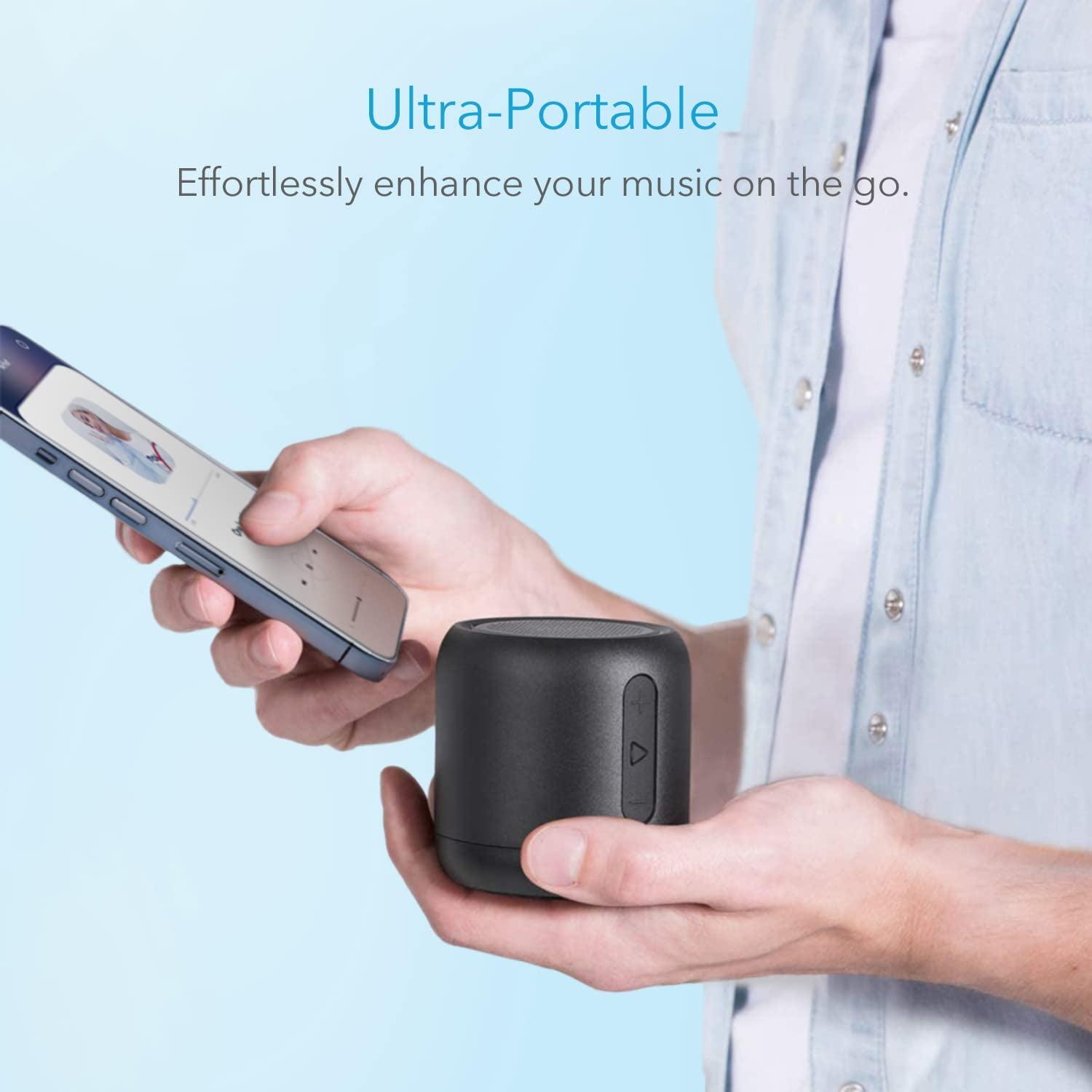
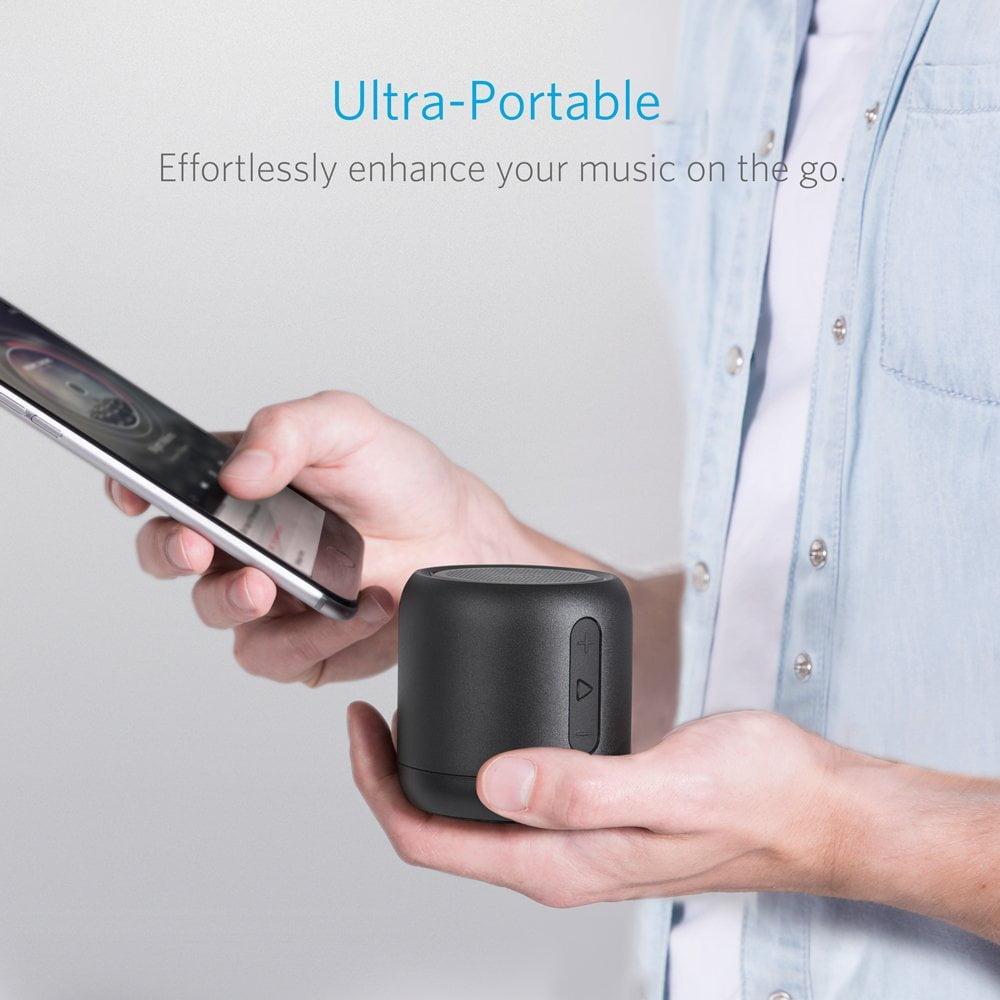
The Anker Soundcore Mini is much more portable, weighing only 200g compared to the JBL Charge 4's 965g. Its compact cube design (6.9 inches on each side) makes it extremely easy to pack in luggage or carry in a bag, while the JBL speaker is larger and heavier but offers significantly more features and performance.
The JBL Charge 4 can connect to two devices simultaneously, allowing easy switching between phones or tablets without re-pairing. It also supports JBL Connect+ for linking up to 100+ compatible speakers. The Anker Soundcore Mini connects to only one device at a time but offers more input options including microSD cards and FM radio.
The Anker Soundcore Mini offers exceptional value for budget-conscious buyers, providing legitimate Bluetooth speaker functionality at a fraction of premium speaker costs. The JBL Charge 4 justifies its higher price through superior audio quality, waterproof construction, power bank capability, and advanced connectivity features, making it better value for users who need these premium features.
Only the Anker Soundcore Mini includes a built-in microphone for hands-free calling. Surprisingly, the JBL Charge 4 lacks microphone functionality entirely, so it cannot be used for phone calls or voice assistant commands.
The JBL Charge 4 gets significantly louder with its 30W power output compared to the Anker Soundcore Mini's 5W output. The JBL can fill medium to large outdoor spaces with authority, while the Anker is better suited for personal listening or small indoor gatherings.
Neither speaker is ideal for serious home theater use since both are mono speakers without surround sound capabilities. However, the JBL Charge 4 could serve as a TV audio upgrade in smaller rooms due to its superior bass response and volume output. The Anker Soundcore Mini might work for bedroom TVs or smaller displays but lacks the power for typical living room setups.
The Anker Soundcore Mini offers more diverse connectivity with Bluetooth, 3.5mm AUX, microSD card slot, and FM radio functionality. The JBL Charge 4 focuses on wireless connectivity with Bluetooth 4.2 and 3.5mm AUX input, emphasizing multi-speaker pairing and device charging over input variety.
Choose the Anker Soundcore Mini if you're budget-conscious, need maximum portability, want diverse input options, or primarily use speakers indoors. Select the JBL Charge 4 if you prioritize audio quality, need outdoor durability and waterproofing, want power bank functionality, or require a speaker capable of filling larger spaces with high-quality sound.
We've done our best to create useful and informative comparisons to help you decide what product to buy. Our research uses advanced automated methods to create this comparison and perfection is not possible - please contact us for corrections or questions. These are the sites we've researched in the creation of this article: rtings.com - whathifi.com - whathifi.com - soundguys.com - soundguys.com - streamtechreviews.com - youtube.com - versus.com - applevis.com - versus.com - jbl.com - jbl.com - walmart.com - comparisontabl.es - harmanaudio.com - manuals.plus - jbl.com.sg - jbl.com - mm.jbl.com - bestbuy.com - newpower99.com - forums.woot.com - outeraudio.com - soundcore.com - youtube.com - unwiredforsound.com - community.anker.com - youtube.com - soundcore.com - community.anker.com

Privacy Policy
Terms and Conditions - Affiliate Policy
Home Security
© Copyright 2008-2026.
11816 Inwood Rd #1211, Dallas, TX 75244