



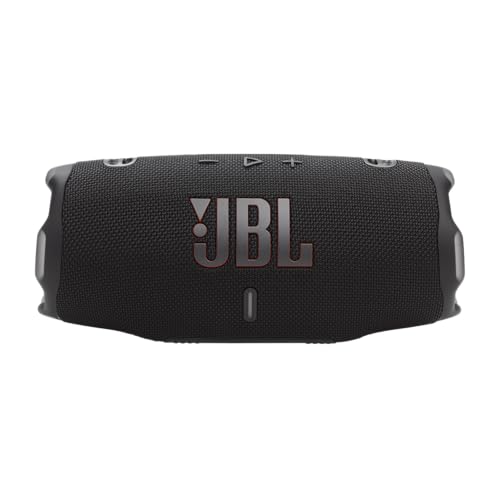
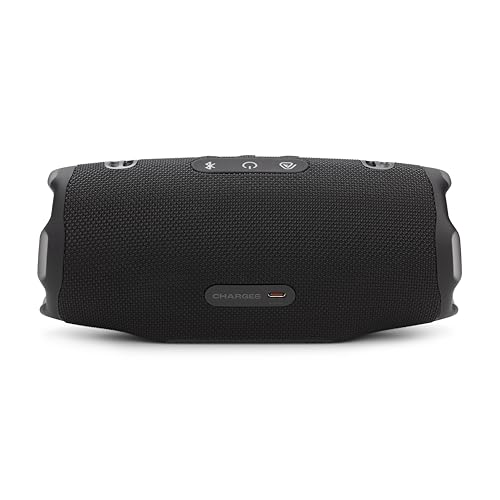

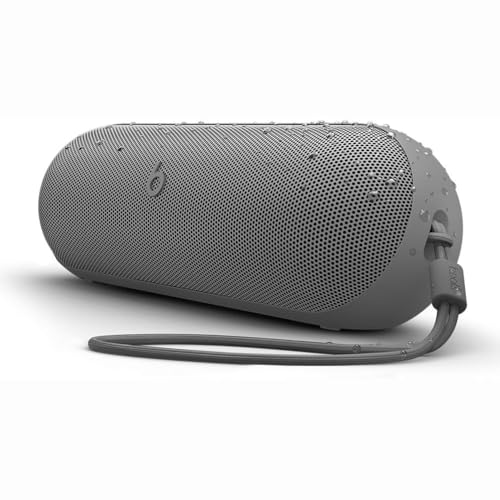
The portable Bluetooth speaker market has exploded over the past decade, transforming from basic wireless audio devices into sophisticated entertainment systems that can handle everything from poolside parties to conference calls. Two speakers that perfectly illustrate this evolution are the JBL Charge 6 and the Beats Pill Kim Kardashian Edition—though they take remarkably different approaches to achieving audio excellence.
Both speakers launched in 2024, representing significant updates to their respective lineages. The JBL Charge 6 continues JBL's tradition of building rugged, feature-packed speakers that prioritize raw performance and durability. Meanwhile, the Beats Pill marks a complete redesign after nearly a decade of absence from the market, focusing on refined audio quality and premium aesthetics rather than pure power.
Understanding which speaker suits your needs requires digging into the technical details that make each unique. At the time of writing, these speakers occupy different price tiers, with the JBL Charge 6 positioned as a premium option and the Beats Pill targeting a more accessible price point—though both deliver compelling value propositions in their own right.
Before diving into specifics, it's worth understanding what separates good portable speakers from great ones. The most important factors are sound quality across different volume levels, battery life that actually matches real-world usage, durability that can handle your lifestyle, and connectivity options that work seamlessly with your devices.
Sound quality isn't just about loudness—it's about how cleanly a speaker reproduces bass, midrange, and treble frequencies without distortion. The best speakers maintain their composure at high volumes, delivering clear vocals and punchy bass without the harsh, compressed sound that plagues cheaper models. Battery life claims often represent ideal conditions, so real-world performance at moderate to high volumes becomes crucial. Durability means more than just water resistance; it includes how well the speaker handles drops, temperature extremes, and daily wear and tear.
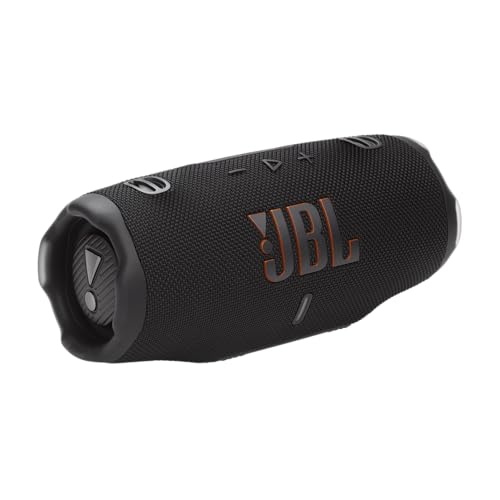
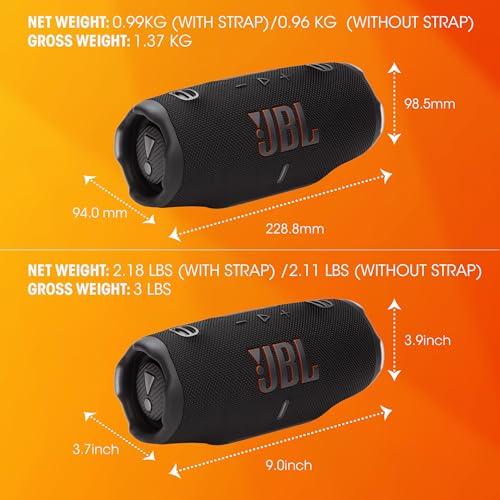
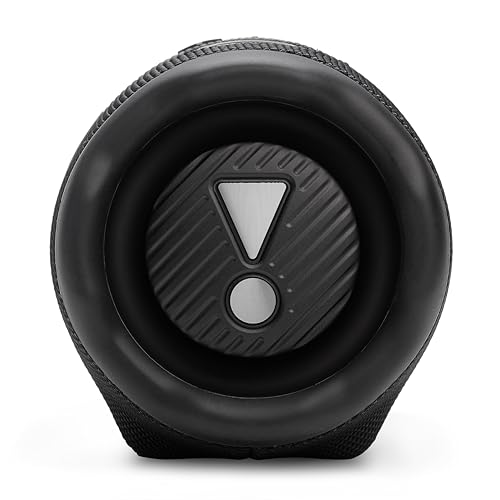
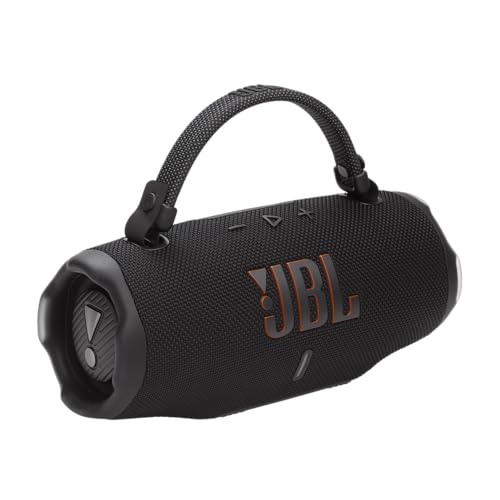
The fundamental difference between these speakers lies in their design philosophy. The JBL Charge 6 weighs nearly a full kilogram (2.18 pounds with its carrying strap) and measures roughly 9 inches long—substantial for a portable speaker but necessary to house its powerful drivers and large battery. This size allows JBL to include a 53×93mm oval woofer paired with a 20mm tweeter, delivering a total of 45 watts RMS of power. The larger cabinet also provides space for dual passive radiators (speaker elements that move with the music but don't have their own power source) that enhance bass response.
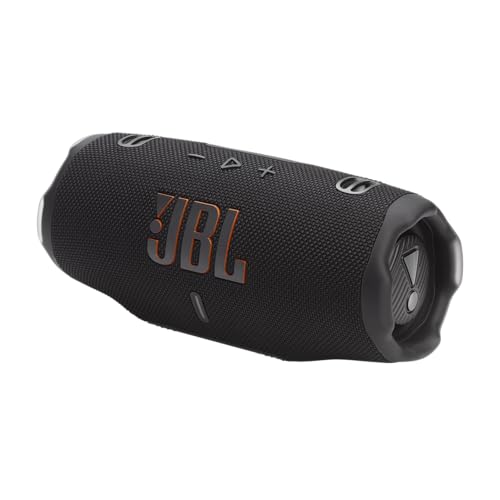
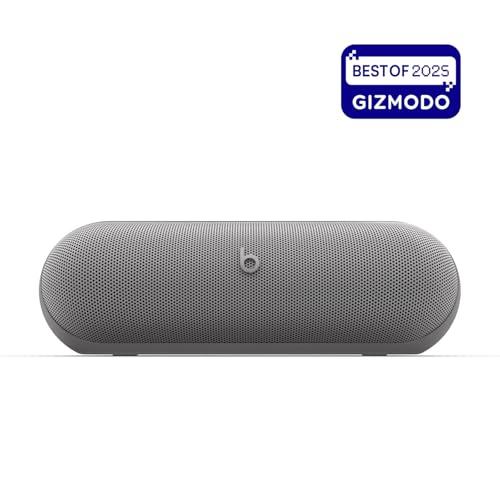
The Beats Pill, by contrast, weighs just 680 grams (1.5 pounds) and measures about 8.6 inches long with a much slimmer profile. This compact design prioritizes portability over raw power, making it significantly easier to toss in a backpack or carry around campus. Despite its smaller size, Beats engineered a new racetrack woofer that displaces 90% more air than previous Pill models, while neodymium magnets provide 28% greater motor force—technical improvements that help the smaller speaker punch above its weight class.
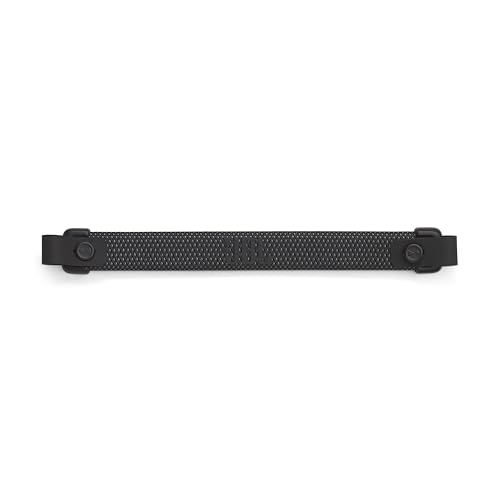
The size difference matters more than you might think. The JBL Charge 6 feels substantial in your hands, conveying quality and durability. Its removable carrying strap makes transport manageable, though you'll always know you're carrying it. The Beats Pill practically disappears in a bag, and its 20-degree upward tilt (the speaker angles sound slightly upward when placed on a surface) helps direct audio toward listeners rather than into the ground or furniture.
Here's where things get interesting. Based on extensive research into user reviews and professional testing, these speakers take fundamentally different approaches to sound reproduction, and the "better" choice depends entirely on your priorities and listening preferences.
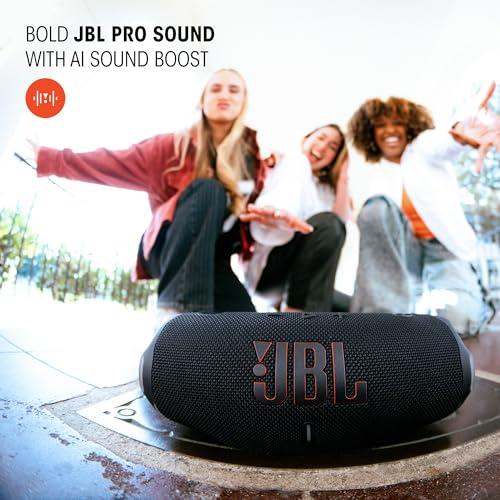
The JBL Charge 6 is all about power and presence. With 45 watts of amplification driving its larger drivers, it can fill rooms and outdoor spaces with authority. JBL's new AI Sound Boost technology continuously analyzes the audio signal in real-time, adjusting the drivers to prevent distortion while maximizing output. This means you can push the Charge 6 to impressive volume levels before it starts to complain—crucial for outdoor gatherings or larger spaces where you need the sound to carry.
The frequency response spans from 56 Hz to 20 kHz, which translates to solid bass extension (though not room-shaking like a subwoofer) and crisp highs. Most importantly, the JBL Charge 6 includes a 7-band equalizer in its companion app, allowing you to fine-tune the sound to your preferences or the music you're playing. Want more bass for hip-hop? Boost the low end. Prefer clearer vocals for podcasts? Adjust the midrange frequencies accordingly.
The Beats Pill takes a different approach entirely. Rather than chasing maximum volume, Beats focused on creating a refined, balanced sound signature that sounds good out of the box. The redesigned racetrack woofer and separate tweeter housing work together to minimize distortion, particularly at higher volumes where many portable speakers start to sound harsh and compressed.
Multiple reviews consistently note that the Beats Pill maintains cleaner sound quality as you turn up the volume, with less of the harshness and distortion that can make extended listening fatiguing. The downside? It simply can't match the raw output of the JBL Charge 6. If you're trying to provide music for a backyard barbecue, the JBL will serve you better. But for personal listening or small gatherings, the Beats Pill's refinement becomes more valuable than pure volume.
Both speakers include features that go beyond basic Bluetooth connectivity, but they focus on different strengths. The JBL Charge 6 embraces connectivity and customization. Its Bluetooth 5.4 support includes Auracast technology, which allows you to link multiple compatible JBL speakers for synchronized playback—imagine setting up speakers throughout your house or yard, all playing the same music perfectly in sync. You can also pair two Charge 6 speakers in stereo mode, with one handling left-channel audio and the other handling right-channel audio for a wider soundstage.
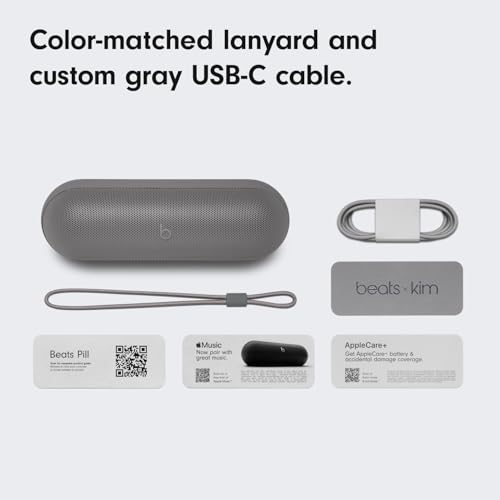
The Beats Pill takes a more streamlined approach but includes one standout feature: lossless USB-C audio input. This means you can connect it directly to your phone, laptop, or music player via USB-C cable and bypass Bluetooth entirely, getting uncompressed, high-resolution audio that sounds noticeably better than wireless transmission. For serious listening sessions at your desk or in your dorm room, this wired connection delivers audio quality that rivals much more expensive speakers.
The Beats Pill also includes built-in speakerphone functionality with noise-learning algorithms—technical features that help it understand and filter out background noise during calls. This makes it genuinely useful for video conferences or hands-free phone calls, something the JBL Charge 6 can't do since it lacks a microphone entirely.
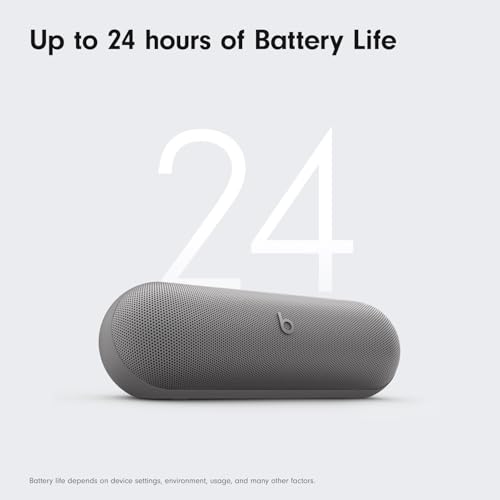
Both speakers claim 24 hours of battery life, but real-world performance tells a more nuanced story. These claims typically assume moderate volume levels (around 50%) and specific types of music that don't stress the drivers heavily. Push either speaker to party volume levels, and you'll see significantly less runtime.
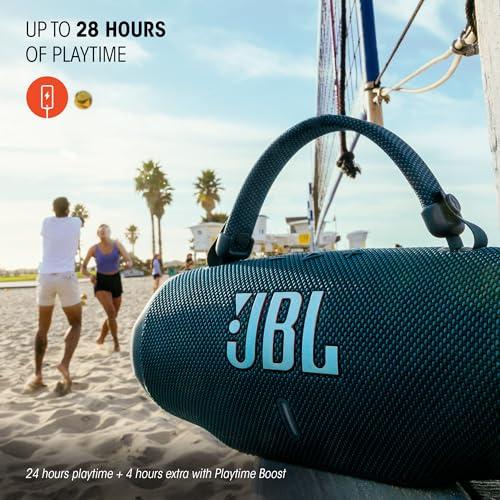
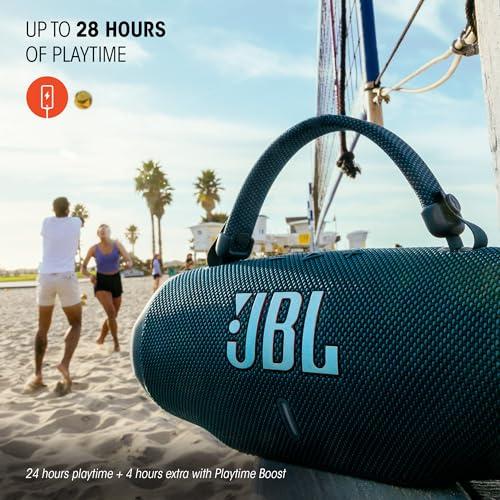
The JBL Charge 6 includes a clever feature called Playtime Boost that can extend battery life to 28 hours by reducing bass output and adjusting the EQ to prioritize efficiency over sound quality. It's not something you'd want to use for critical listening, but it's brilliant for situations where you need the speaker to last all day—think camping trips or long outdoor events where charging isn't an option.
Both speakers double as power banks, allowing you to charge your phone or other devices through their USB ports. This feature proves surprisingly useful during travel or outdoor activities where wall outlets aren't available. The JBL Charge 6's larger battery provides more capacity for charging other devices, though the trade-off is the additional weight you'll carry.
Fast charging capabilities differ meaningfully between the two. The Beats Pill offers superior quick-charge performance: 10 minutes of charging provides up to 2 hours of playback. The JBL Charge 6 requires 10 minutes for 150 minutes of playback—still respectable, but not quite as efficient. For users who frequently forget to charge their devices, this difference could be significant.
The durability story reveals another fundamental difference in design philosophy. The JBL Charge 6 earned an IP68 rating, the highest level of water and dust protection available in consumer electronics. This means it can survive submersion in up to 1.5 meters of water for 30 minutes—essentially making it waterproof rather than just water-resistant. JBL also claims it can survive drops from one meter onto concrete, though this hasn't been independently verified across all testing scenarios.
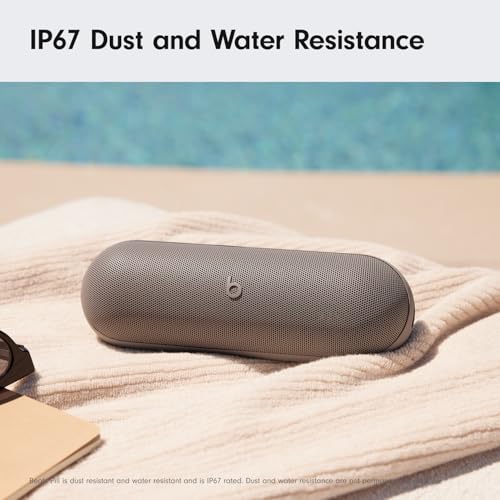
The Beats Pill carries an IP67 rating, which provides excellent protection against splashes, rain, and brief submersion, but isn't designed for extended underwater use. For most users, IP67 proves more than adequate for poolside use, beach trips, or getting caught in the rain. The difference between IP67 and IP68 matters primarily if you're genuinely rough on your electronics or frequently use speakers around water.
Both speakers use premium materials and solid construction, but the JBL Charge 6 feels engineered for abuse in ways the Beats Pill doesn't. The fabric grille on the JBL stretches taut over the drivers without flex, while the overall construction suggests it could handle being tossed in a backpack with camping gear or beach equipment without concern.
While neither speaker is designed specifically for home theater use, both can serve as desktop audio solutions or supplement your TV's built-in speakers in smaller rooms. The Beats Pill's lossless USB-C connection makes it particularly attractive for computer audio, delivering quality that rivals dedicated desktop speakers while maintaining wireless flexibility when needed.
For TV audio, the JBL Charge 6's higher output power and customizable EQ help it compete with soundbars in smaller spaces. Its ability to pair with a second unit in stereo mode could even create a budget-friendly surround sound solution for dorm rooms or apartments where a full home theater system isn't practical.
However, both speakers output mono audio when used individually (they downmix stereo sources to single-channel output), which limits their effectiveness for immersive movie watching or gaming. Stereo separation—having distinct left and right audio channels—contributes significantly to the sense of space and directionality that makes movies and games more engaging.
Based on extensive research into user experiences and professional reviews, clear patterns emerge about who benefits most from each speaker's strengths.
Choose the JBL Charge 6 if you frequently host gatherings, spend time outdoors, or need maximum versatility. Its superior volume output, extensive battery life, multi-speaker connectivity, and extreme durability make it ideal for people with active lifestyles. The 7-band EQ proves invaluable for audiophiles who want control over their sound, while the IP68 rating provides peace of mind for outdoor adventures. At the time of writing, it commands a premium price, but that investment pays dividends if you need the extra performance and features.
The Beats Pill makes more sense for users prioritizing portability, refined audio quality, and style. Its lighter weight and more compact size make it perfect for students, commuters, or anyone who needs high-quality audio in a truly portable package. The lossless USB-C input elevates it above most competitors for desktop use, while the built-in speakerphone functionality adds practical value for remote work or studying. At its more accessible price point (at the time of writing), it delivers impressive performance per dollar.
Neither speaker is objectively better than the other—they're optimized for different users and use cases. The JBL Charge 6 represents the Swiss Army knife approach: maximum features, power, and versatility in a package that can handle anything you throw at it. The Beats Pill embodies the refined tool philosophy: doing fewer things but doing them exceptionally well, with a focus on portability and audio quality over raw power.
If you can only own one portable speaker and need it to handle everything from quiet studying to outdoor parties, the JBL Charge 6 justifies its premium pricing through sheer capability. But if you value portability, refined sound quality, and elegant design over maximum volume and features, the Beats Pill delivers exceptional value and performance that will satisfy most users' needs.
The decision ultimately comes down to honest self-assessment: How do you actually use portable speakers? Do you need maximum volume for gatherings, or is personal/small group listening more your style? Do you prioritize having every possible feature, or would you prefer a more streamlined, portable solution? Answer those questions honestly, and the right choice becomes clear.
| JBL Charge 6 Portable Bluetooth Speaker | Beats Pill Kim Kardashian Edition Wireless Speaker |
|---|---|
| Power Output - Determines maximum volume and room-filling capability | |
| 45W RMS (30W woofer + 15W tweeter) - significantly louder | Not specified - refined sound but lower volume output |
| Weight & Portability - Critical for travel and daily carrying | |
| 960g (2.11 lbs) - substantial but manageable with strap | 680g (1.5 lbs) - 41% lighter, truly portable |
| Water Resistance - Protection level for outdoor/poolside use | |
| IP68 - submersible up to 1.5m for 30 minutes | IP67 - splash/rain resistant, brief submersion only |
| Driver Configuration - Affects sound quality and frequency response | |
| 53×93mm oval woofer + 20mm tweeter with dual passive radiators | Redesigned racetrack woofer + separate tweeter (90% more air displacement) |
| Battery Life - Real-world playback duration | |
| Up to 24 hours (28 hours with Playtime Boost mode) | Up to 24 hours with more efficient power management |
| Sound Customization - Ability to adjust audio to your preferences | |
| 7-band EQ via JBL Portable app - extensive control | No EQ - engineered fixed sound signature |
| Bluetooth Version - Connection stability and range | |
| Bluetooth 5.4 with Auracast multi-speaker connectivity | Bluetooth 5.3 with standard pairing |
| Wired Audio Input - Lossless audio quality option | |
| USB-C charging only (no audio input) | USB-C audio input supporting 24-bit/192kHz lossless playback |
| Built-in Microphone - Hands-free calling capability | |
| No microphone - music playback only | Yes - speakerphone with noise-learning algorithm |
| Multi-Speaker Features - Expanding your audio system | |
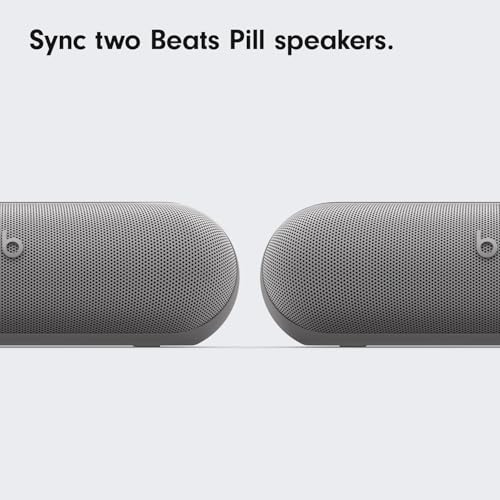
| Auracast party mode + stereo pairing with second Charge 6 | Amplify mode (louder mono) + Stereo mode with second Beats Pill |
| Fast Charging - Quick power-up when battery is low | |
| 10 minutes = 150 minutes playback | 10 minutes = 2 hours playback (33% more efficient) |
| Frequency Response - Audio range and bass extension | |
| 56 Hz - 20 kHz with AI Sound Boost processing | Not specified - balanced signature with improved bass |
The JBL Charge 6 is significantly louder with 45W RMS power output, making it better for outdoor gatherings and larger rooms. The Beats Pill Kim Kardashian Edition focuses on refined sound quality rather than maximum volume, making it ideal for personal listening and smaller spaces.
The Beats Pill is much more portable at 680g (1.5 lbs) compared to the JBL Charge 6 at 960g (2.11 lbs). The Beats Pill is 41% lighter and has a slimmer profile, making it easier to carry in backpacks or bags for travel.
The JBL Charge 6 offers superior water protection with IP68 rating, allowing submersion up to 1.5 meters for 30 minutes. The Beats Pill has IP67 rating, which protects against splashes and brief submersion but isn't designed for extended underwater exposure.
Only the JBL Charge 6 offers sound customization with a 7-band equalizer through its companion app. The Beats Pill Kim Kardashian Edition has a fixed, engineered sound signature with no EQ adjustment options.
Both speakers offer up to 24 hours of battery life, but the JBL Charge 6 can extend to 28 hours with Playtime Boost mode. The Beats Pill charges more efficiently, providing 2 hours of playback from just 10 minutes of charging compared to 150 minutes from the JBL Charge 6.
The Beats Pill includes a built-in speakerphone with noise-learning algorithms for clear hands-free calling. The JBL Charge 6 does not have a microphone and cannot be used for phone calls or voice commands.
Yes, both support multi-speaker setups. The JBL Charge 6 uses Auracast technology for party mode and stereo pairing. The Beats Pill offers Amplify mode for louder mono sound and Stereo mode for true left/right channel separation when using two units.
The JBL Charge 6 delivers more powerful, room-filling sound with deeper bass extension and higher volume capabilities. The Beats Pill Kim Kardashian Edition provides more refined, balanced audio with less distortion at higher volumes, making it better for critical listening.
The Beats Pill supports lossless audio playback up to 24-bit/192kHz through its USB-C port, providing superior sound quality for wired connections. The JBL Charge 6 only uses USB-C for charging and doesn't support wired audio input.
The JBL Charge 6 is built for more extreme outdoor conditions with IP68 waterproofing, drop-proof certification from 1 meter, and more robust construction. The Beats Pill offers good durability with IP67 protection but is designed more for everyday portable use than extreme outdoor activities.
Both the JBL Charge 6 and Beats Pill function as power banks to charge smartphones and other USB devices. The JBL Charge 6 has a larger battery capacity, providing more charging power for other devices.
The Beats Pill Kim Kardashian Edition typically offers better value with refined audio quality, lossless wired audio, and premium design at a lower price point. The JBL Charge 6 justifies its higher cost with more power output, extensive features, superior durability, and sound customization options.
We've done our best to create useful and informative comparisons to help you decide what product to buy. Our research uses advanced automated methods to create this comparison and perfection is not possible - please contact us for corrections or questions. These are the sites we've researched in the creation of this article: rtings.com - youtube.com - stereoguide.com - whathifi.com - youtube.com - elomymelo.com - soundguys.com - elomymelo.com - wifihifi.com - soundguys.com - jbl.com - whathifi.com - soundguys.com - youtube.com - smarthomesounds.co.uk - jbl.com - sweetwater.com - youtube.com - bestbuy.com - jbl.com.sg - jbl.com - dell.com - ca.jbl.com - soundguys.com - soundguys.com - dell.com - digitalreviews.net - routenote.com - androidcentral.com - youtube.com - beatsbydre.com - youtube.com - rtings.com - youtube.com - rtings.com - youtube.com - macrumors.com - consolecreatures.com - tomsguide.com - beatsbydre.com - bestbuy.ca - beatsbydre.com - designertale.com - yearbookscanning.com - moneycontrol.com

Privacy Policy
Terms and Conditions - Affiliate Policy
Home Security
© Copyright 2008-2026.
11816 Inwood Rd #1211, Dallas, TX 75244