

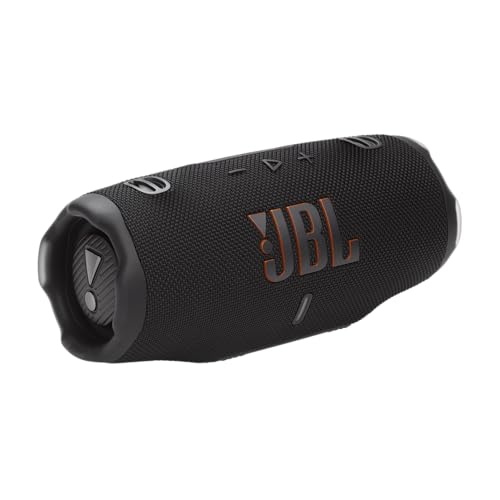


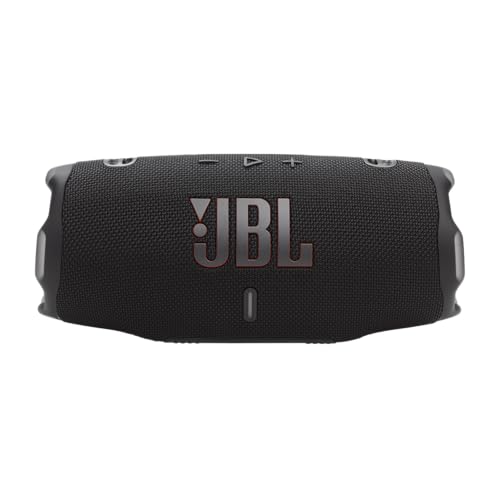
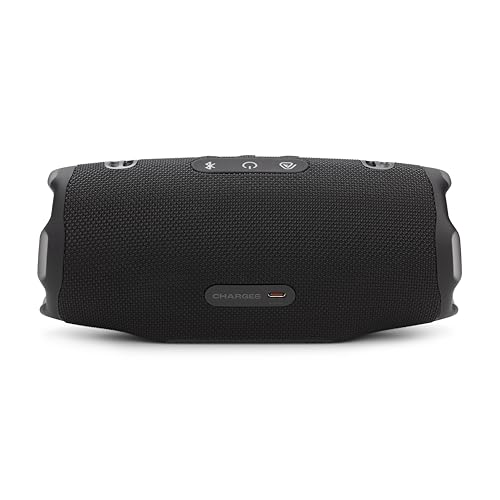
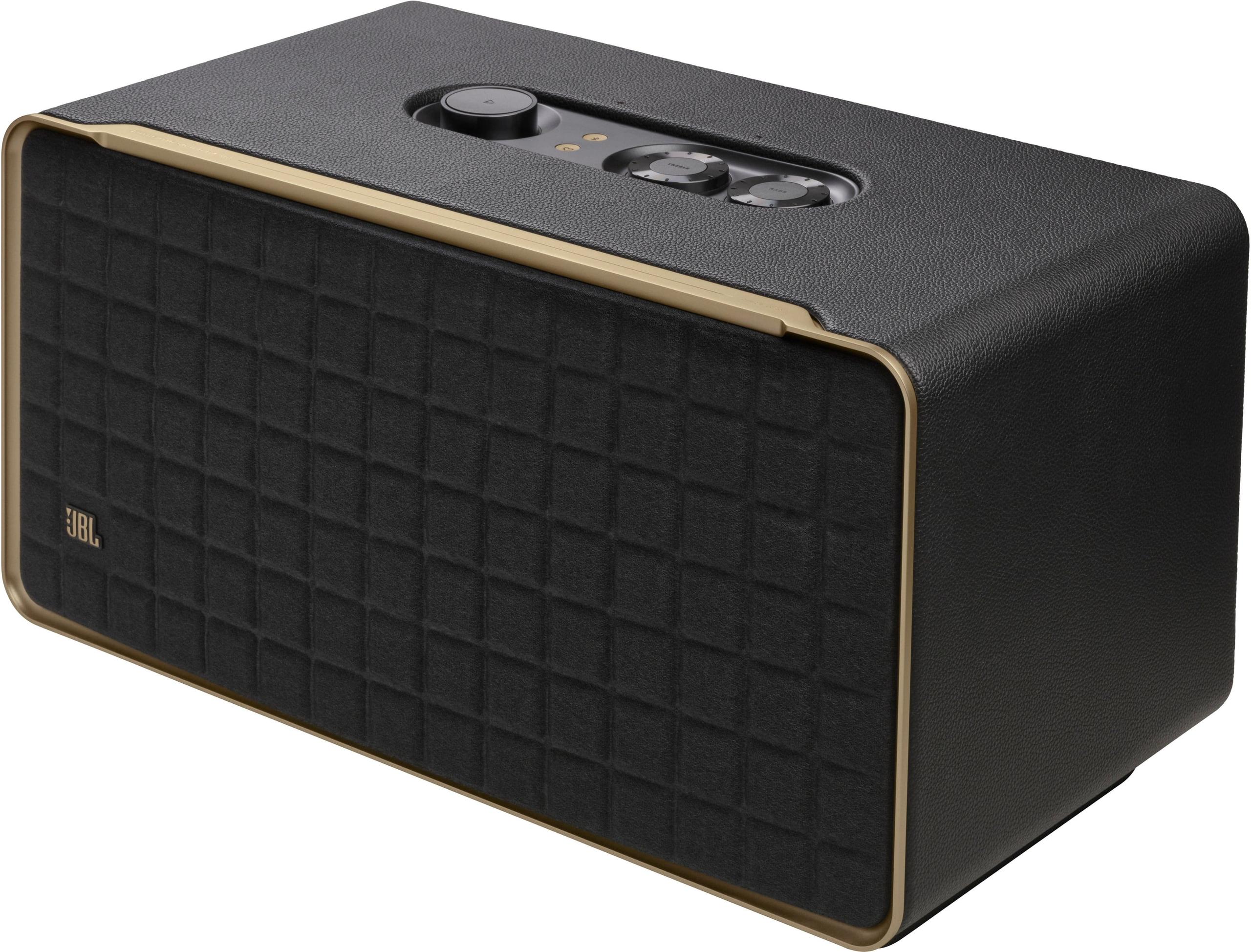
When you're shopping for a new speaker, it's easy to get overwhelmed by the sheer number of options available. JBL, one of the most trusted names in audio, offers two compelling but completely different approaches to home audio: the rugged JBL Charge 6 portable speaker and the premium JBL Authentics 500 smart home speaker. These aren't competing products in the traditional sense—they're designed for entirely different lifestyles and use cases.
The speaker market has evolved dramatically over the past decade. We've moved from simple Bluetooth connections to sophisticated smart home integration, from basic stereo sound to immersive spatial audio experiences. Understanding which type of speaker fits your lifestyle is crucial to making the right choice.
Before diving into specifics, it's important to understand what we're dealing with here. Portable Bluetooth speakers like the JBL Charge 6 are engineered around mobility, durability, and convenience. They need to sound good while being tough enough to survive drops, water exposure, and constant transport. These speakers make compromises in absolute sound quality to achieve portability and ruggedness.
Smart home speakers like the JBL Authentics 500 take the opposite approach. They're designed to stay in one place and deliver the best possible sound quality for their size and price point. They integrate with your home's digital ecosystem, offering voice control, multi-room audio, and advanced signal processing that would be impossible in a portable design.
The key considerations when choosing between these categories include where you'll primarily use the speaker, whether you need portability, your budget constraints, and how important advanced features like voice control are to your daily routine.
Released in 2024, the JBL Charge 6 represents JBL's latest thinking on portable audio. At the time of writing, it sits in the mid-range pricing category for premium portable speakers—not the cheapest option, but offering excellent value for its feature set.
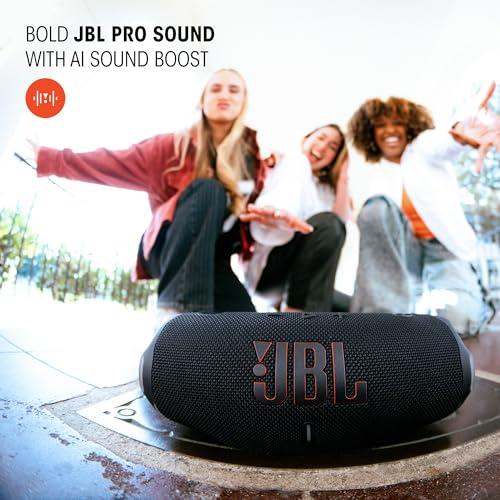
The most significant upgrade in this generation is JBL's AI Sound Boost technology. This isn't marketing fluff—it's a real-time audio processing system that analyzes your music as it plays and adjusts the speaker's drivers accordingly. Think of it as having a tiny audio engineer inside the speaker, constantly tweaking the sound to prevent distortion and maximize clarity. This technology allows the Charge 6 to push its drivers harder than previous generations without the harsh distortion you'd typically hear at high volumes.
The speaker delivers 45 watts of RMS power through what's called a 2-way system. This means it has two different types of drivers: a larger woofer (53mm x 93mm) that handles bass and midrange frequencies, and a smaller tweeter (20mm) dedicated to high frequencies like cymbals and vocal clarity. The oval-shaped woofer is particularly clever—it maximizes the available space inside the speaker's housing while maintaining the compact form factor that makes it portable.
What sets the Charge 6 apart from cheaper portable speakers is its IP68 rating. This is the highest level of dust and water protection you'll find in consumer electronics. The "6" means it's completely dust-tight, while the "8" indicates it can survive submersion in up to 1.5 meters of water for 30 minutes. This isn't just splash-resistant—you can literally drop it in a pool and retrieve it later.
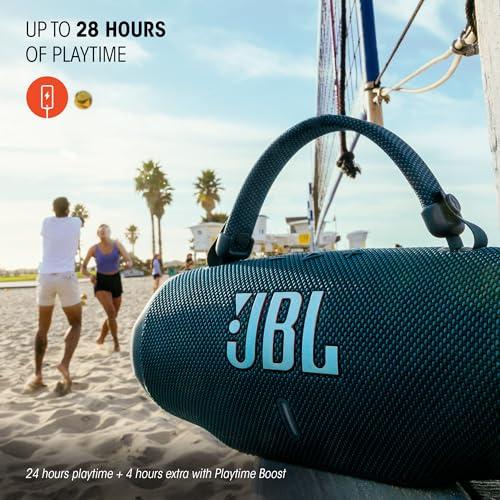
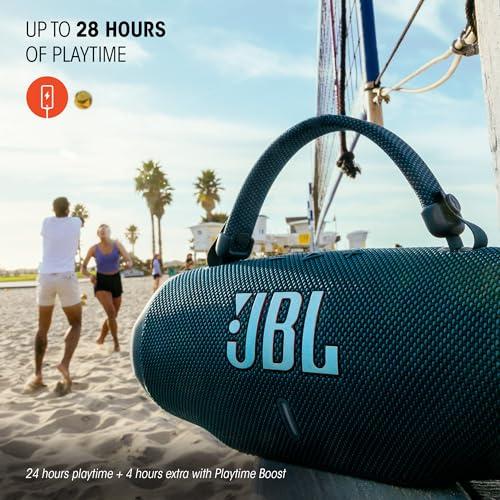
The battery performance is where the Charge 6 truly shines. With up to 24 hours of standard playback (extending to 28 hours with Playtime Boost enabled), it outlasts virtually every competitor in its class. Playtime Boost is an interesting feature that reduces bass output to conserve battery power—essentially trading some sound quality for longer runtime when you're far from a power source.
Perhaps most importantly for many users, the speaker doubles as a powerbank. The USB-C port can output power to charge your phone or other devices, making it a genuine multi-tool for outdoor adventures or emergency situations.
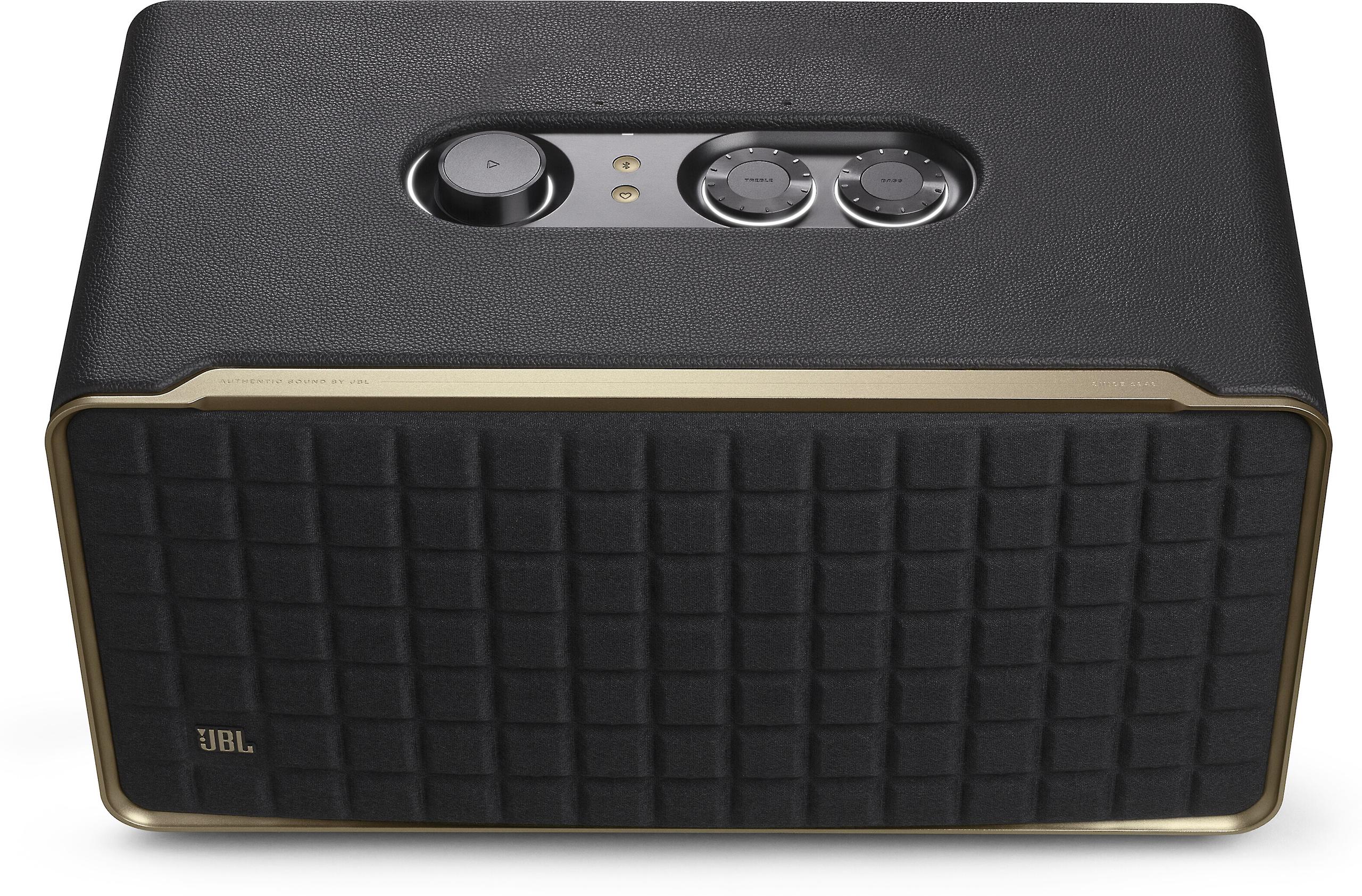
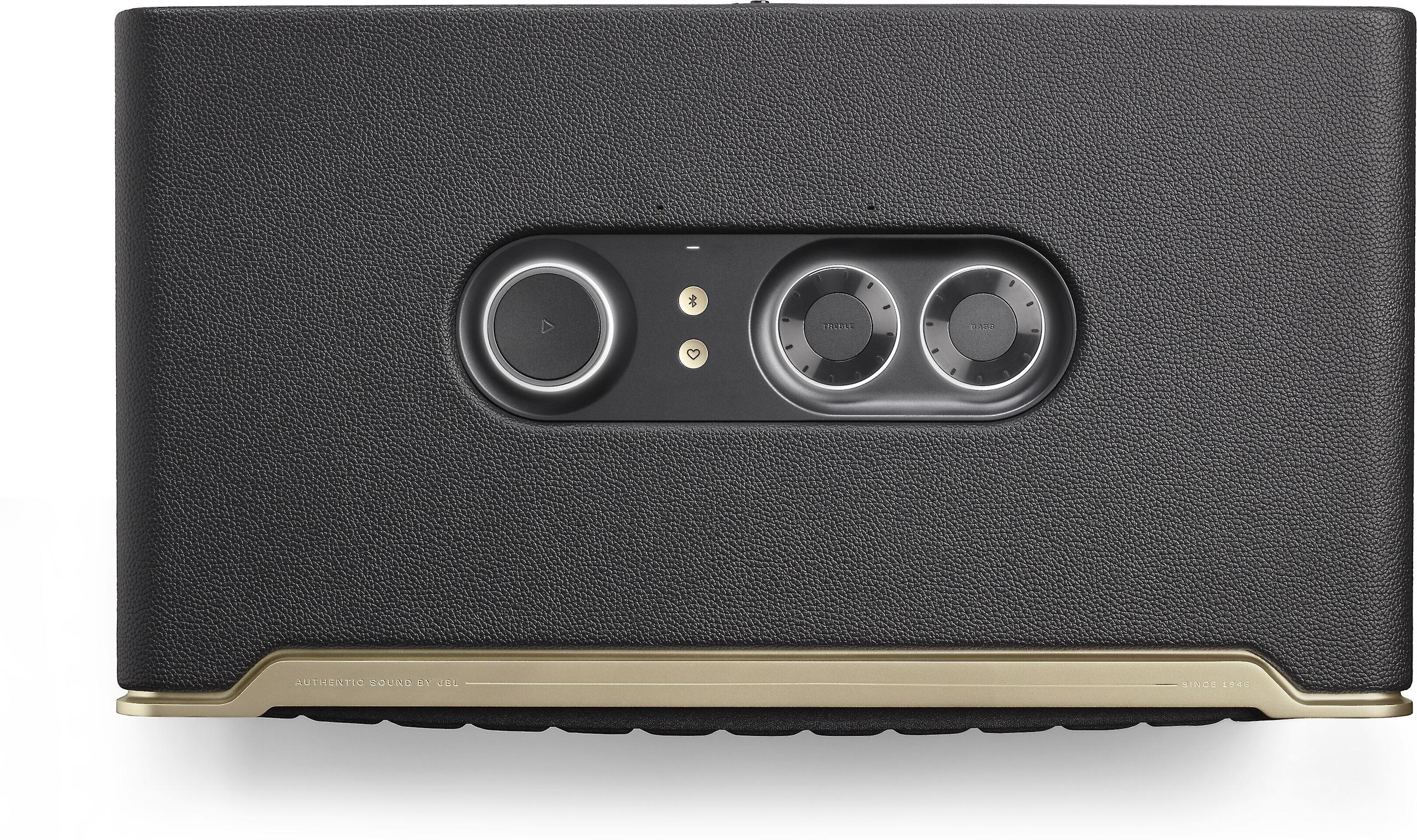
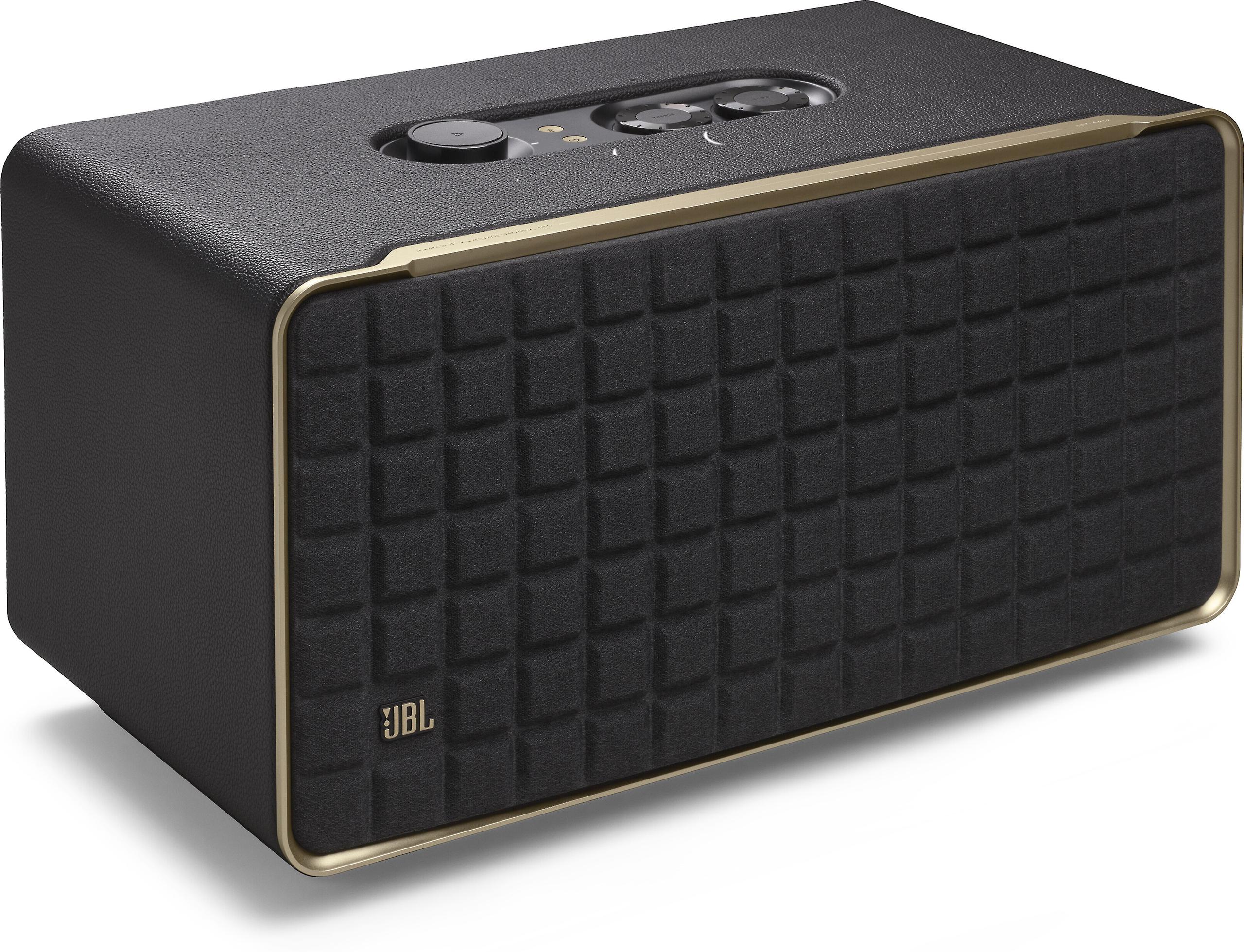
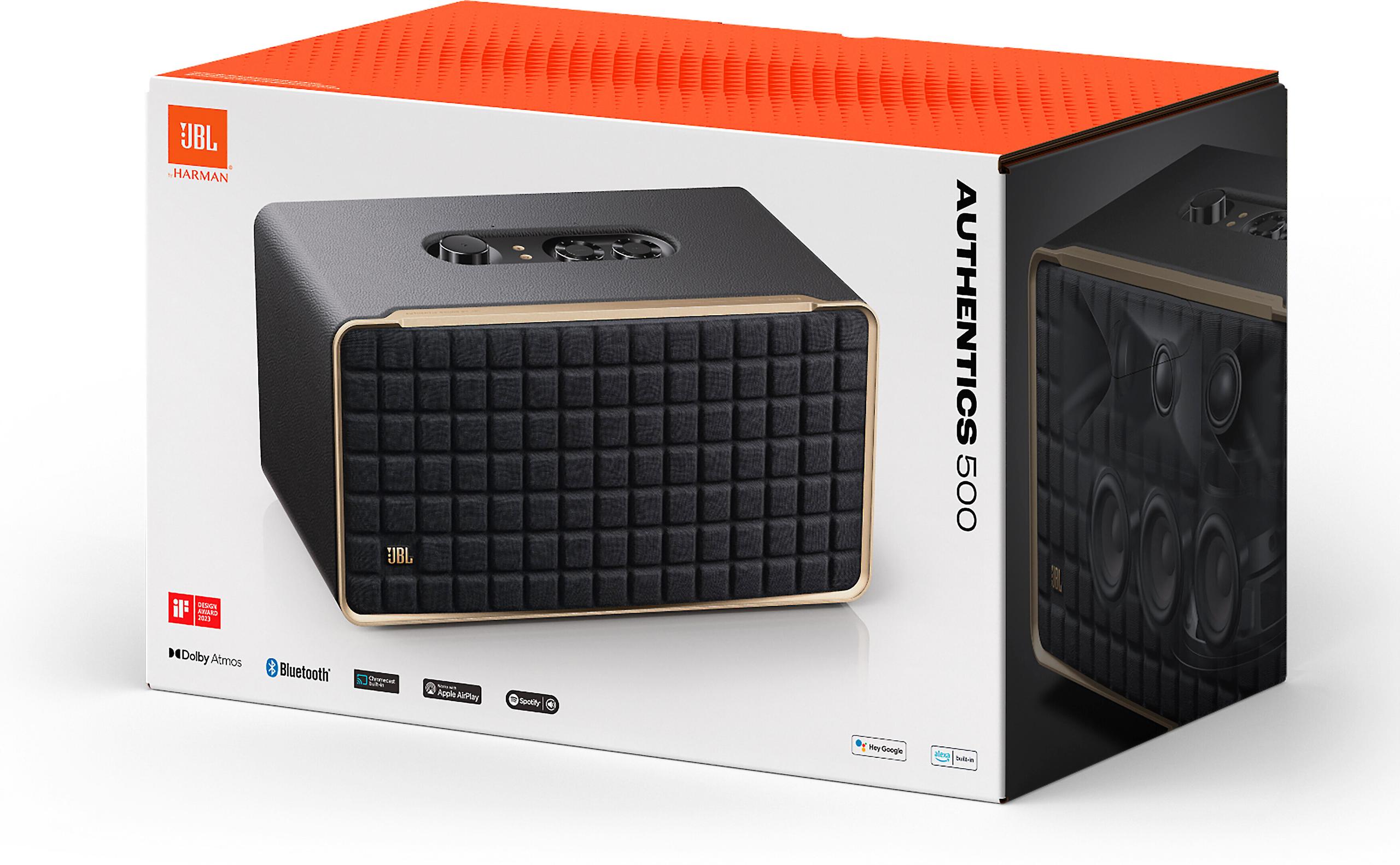
The JBL Authentics 500, released in 2023, represents JBL's entry into the premium smart speaker market. At the time of writing, it commands a significantly higher price than the Charge 6—roughly three times as much—but delivers correspondingly more sophisticated technology.
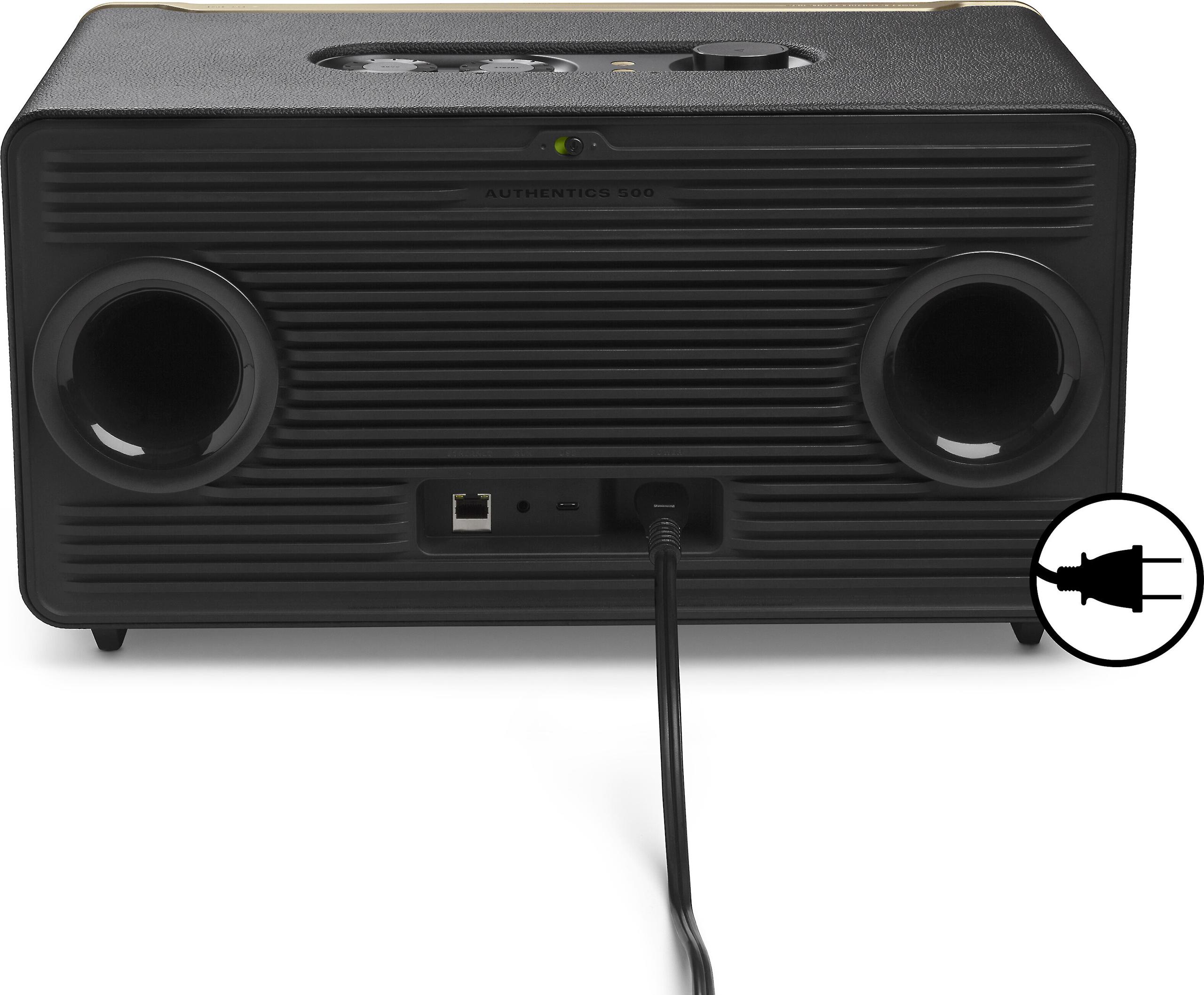
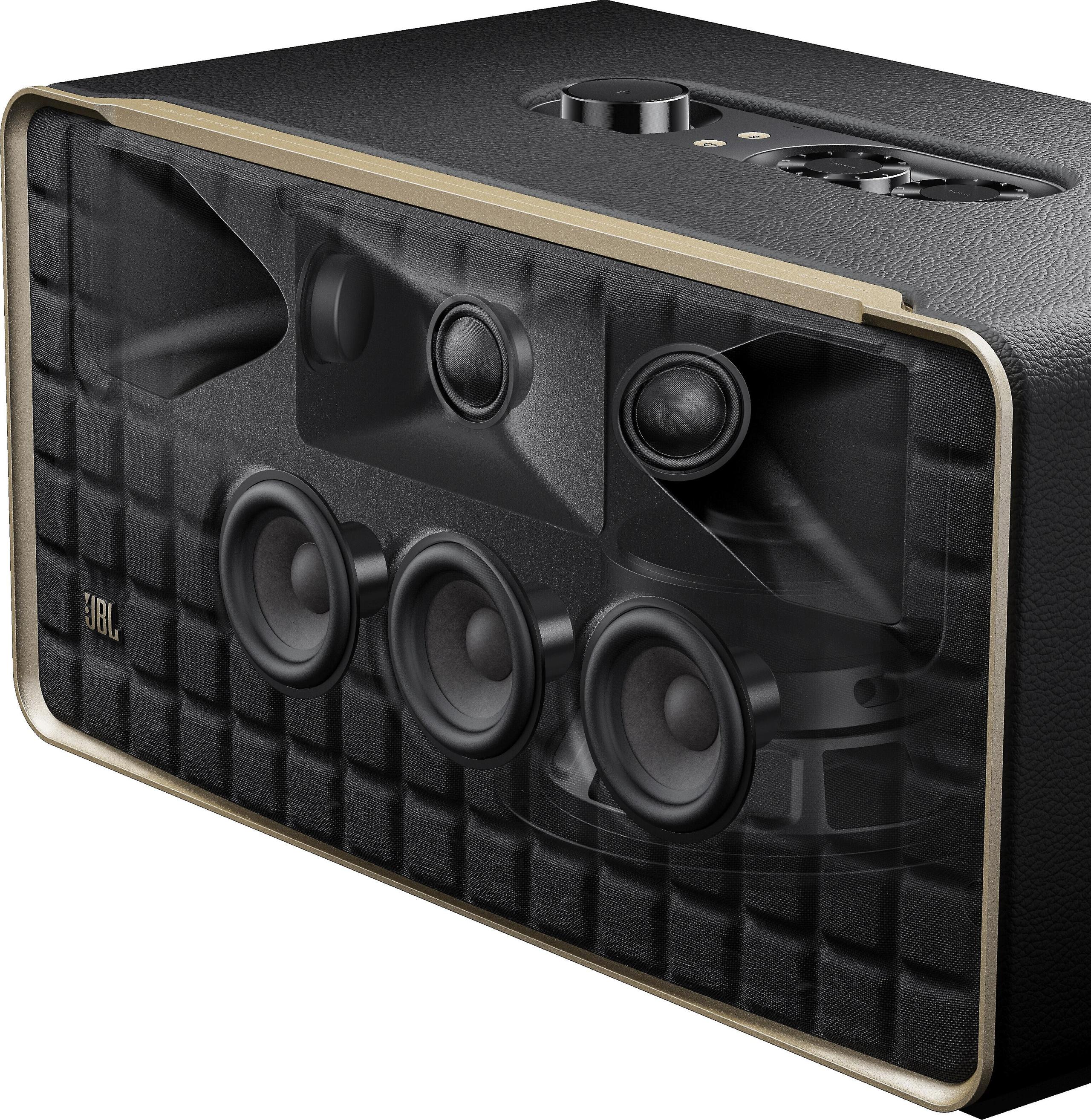
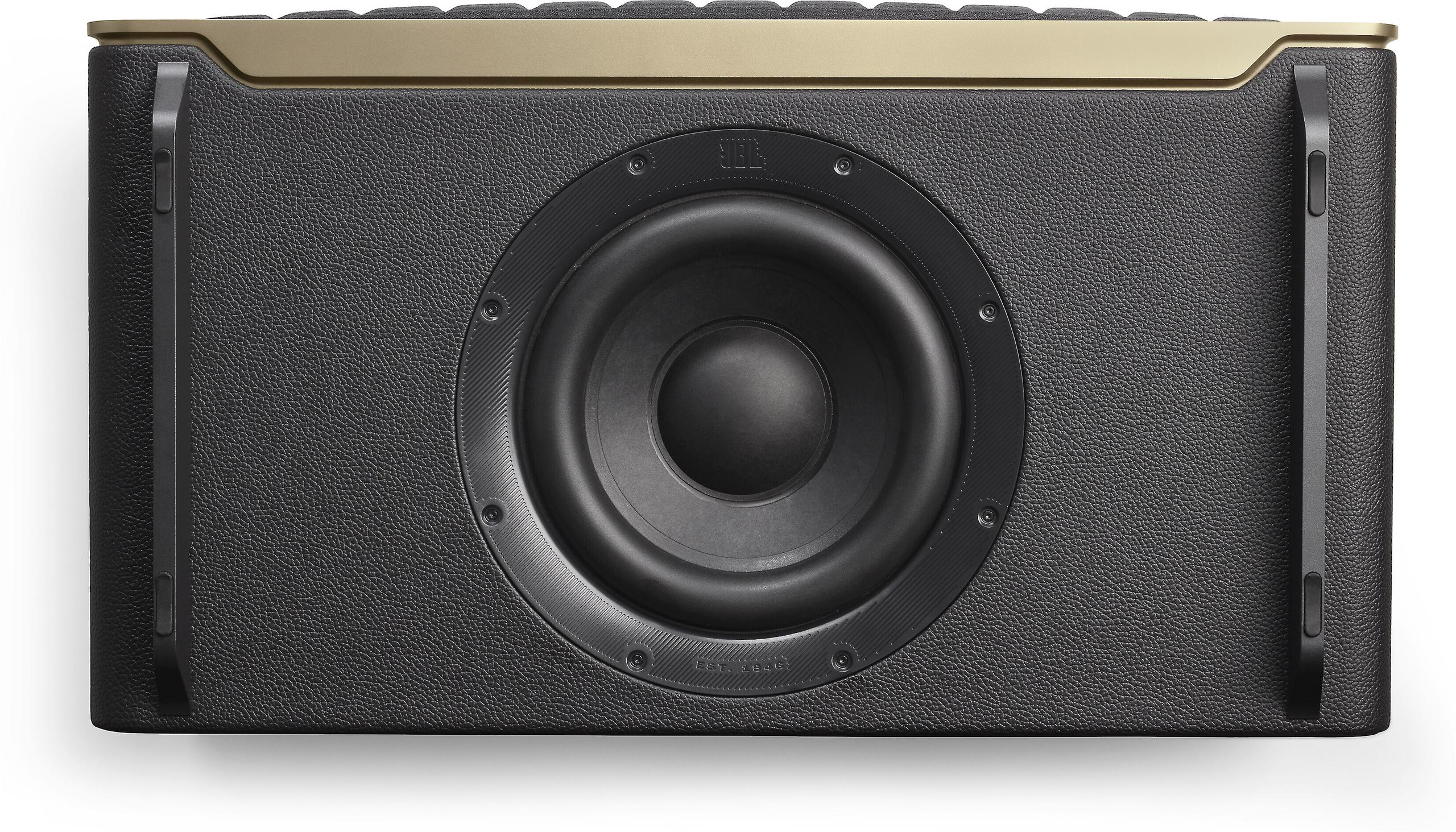
This speaker employs what's called a 3.1-channel system, which is borrowed from home theater terminology. It features three separate tweeters, three midrange drivers, and one dedicated subwoofer, totaling 270 watts of power. This multi-driver approach allows for genuine stereo separation and much more detailed sound reproduction than any single-driver portable speaker could achieve.
The standout feature is Dolby Atmos support. Dolby Atmos isn't just a marketing term—it's a spatial audio technology that creates the illusion of sound coming from above and around you, not just from left and right. When you're listening to properly mastered Atmos music, instruments seem to float in three-dimensional space around your listening position. This technology was originally developed for movie theaters and has only recently made its way into home audio systems.
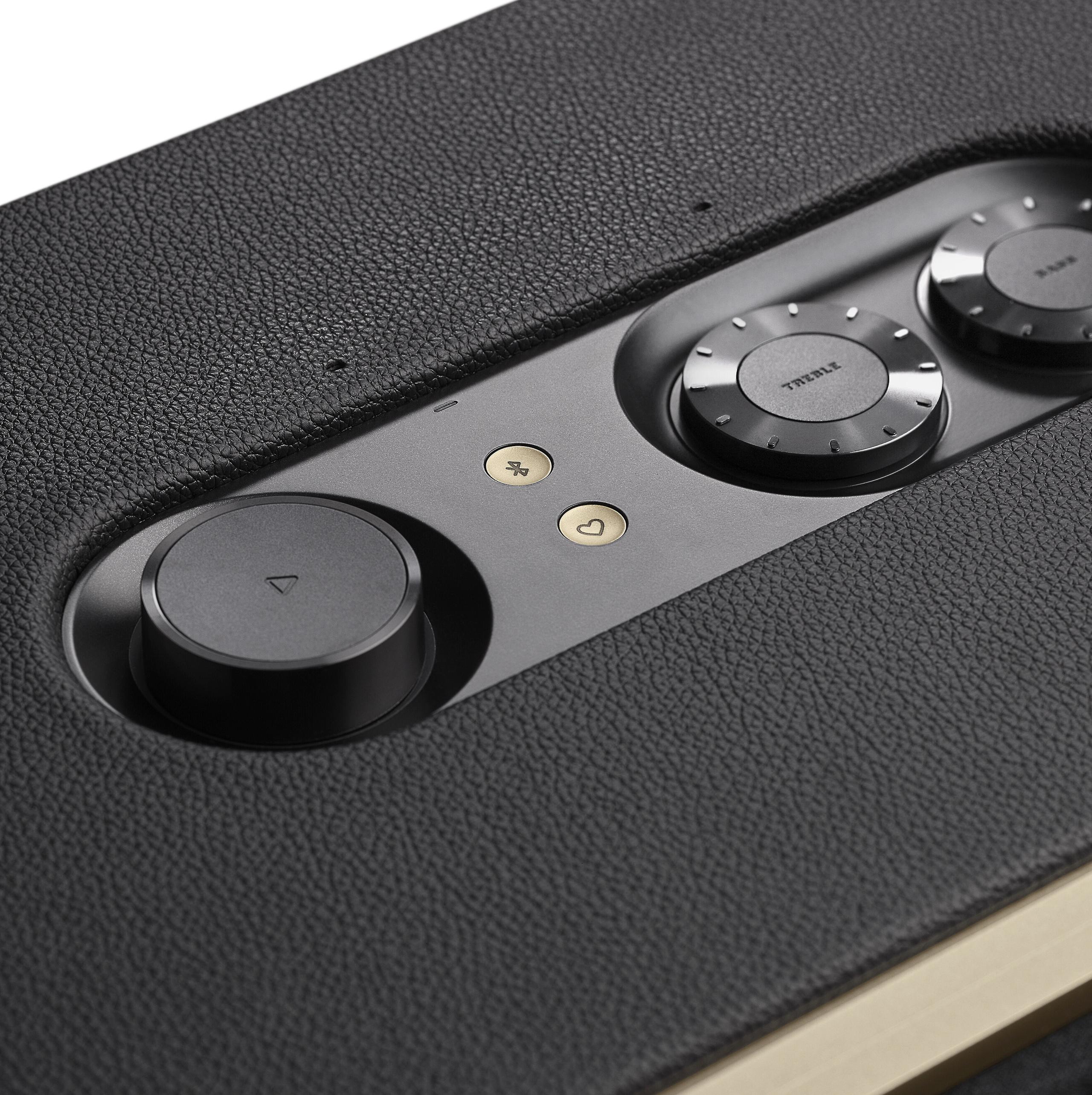
What makes the Authentics 500 particularly unique is its dual voice assistant integration. Most smart speakers force you to choose between Amazon Alexa or Google Assistant, but this speaker supports both simultaneously. You can say "Hey Google" to control your Nest thermostat and "Alexa" to order from Amazon, all through the same device. This flexibility is rare in the smart speaker market.
The speaker also includes self-tuning room correction, a technology typically found in much more expensive audio systems. Using built-in microphones, it analyzes your room's acoustics and automatically adjusts its sound output to compensate for factors like wall reflections, furniture placement, and room size. This means the speaker will sound optimized whether you place it on a bookshelf in a small bedroom or on a table in a large living room.
Based on our research of professional reviews and user feedback, the audio quality differences between these speakers are substantial and reflect their different design priorities.
The JBL Charge 6 delivers impressive sound for its size, with notably improved bass response compared to its predecessor. The AI Sound Boost technology does make a measurable difference—reviewers consistently note that it maintains clarity at high volumes better than the previous Charge 5. However, it's still constrained by physics. No portable speaker can move as much air as a larger stationary unit, which limits how deep the bass can go and how wide the soundstage can be.
The frequency response of 56 Hz to 20 kHz means the Charge 6 can reproduce most of the audible spectrum, but it won't give you the chest-thumping bass you feel at concerts. What it does provide is well-balanced sound that works well for most music genres, from acoustic folk to electronic dance music.
The JBL Authentics 500, by contrast, extends down to 40 Hz—that 16 Hz difference represents significantly more bass depth. More importantly, its 6.5-inch subwoofer can move much more air than the portable speaker's drivers, creating bass you can actually feel. The three-tweeter array provides exceptional detail in high frequencies, revealing subtle elements in recordings that smaller speakers simply cannot reproduce.
The spatial audio capabilities of the Authentics 500 create a listening experience that's qualitatively different from traditional stereo speakers. When listening to Dolby Atmos-mastered tracks, the soundstage extends well beyond the physical speaker, creating an immersive bubble of sound around the listener.
The connectivity differences between these speakers reflect their intended use cases and target markets.
The JBL Charge 6 keeps things relatively simple with Bluetooth 5.4 and the new Auracast technology. Auracast is JBL's latest approach to multi-speaker connectivity, replacing their older PartyBoost system. This allows you to wirelessly connect multiple compatible JBL speakers for a larger sound system, though it's not backward compatible with older JBL speakers.
One notable upgrade is lossless audio support via USB-C. This means you can connect directly to your phone or computer and bypass Bluetooth's audio compression entirely, accessing hi-resolution audio files at up to 24-bit/192kHz quality. This is a significant step up from standard Bluetooth audio quality, though you'll need high-quality source material to hear the difference.
The JBL Authentics 500 operates in an entirely different connectivity universe. Wi-Fi 6 support provides rock-solid network connectivity for streaming high-quality audio. It supports Apple AirPlay for seamless integration with iPhones and Macs, Google Chromecast for Android devices, and traditional Bluetooth when needed.
The dual voice assistant integration deserves special attention. Having both Google Assistant and Alexa available means you're not locked into one ecosystem. If you have Philips Hue lights (which work better with Google) and Amazon Echo devices elsewhere in your home, the Authentics 500 can control both systems without forcing you to choose sides in the smart home wars.
The construction philosophy of these speakers couldn't be more different, reflecting their intended environments.
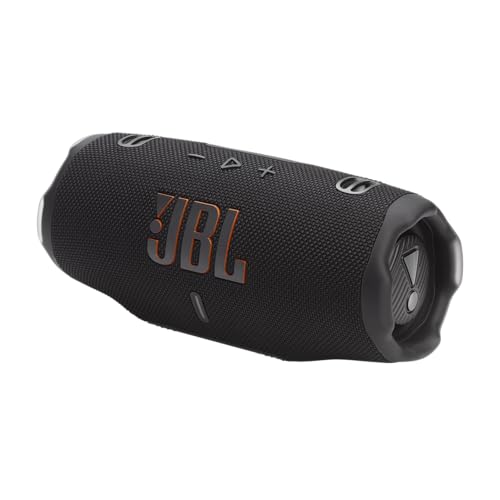
The JBL Charge 6 is built like a piece of outdoor equipment. The IP68 rating isn't just about water resistance—it means the speaker is sealed against dust, sand, and dirt. The fabric grille can withstand UV exposure without fading, and the rubber end caps protect the speaker during drops. JBL claims it can survive falls from up to one meter onto concrete, which our research suggests is conservative—many users report their speakers surviving much more dramatic accidents.
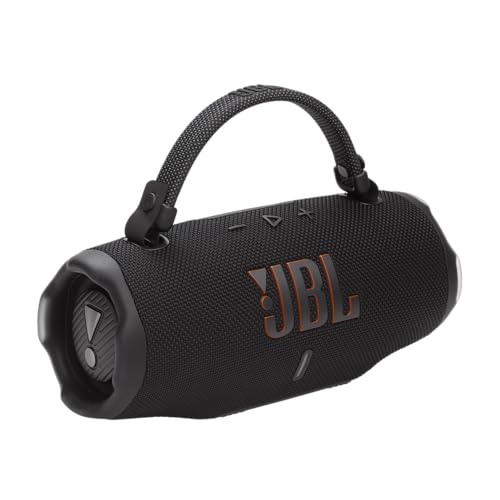
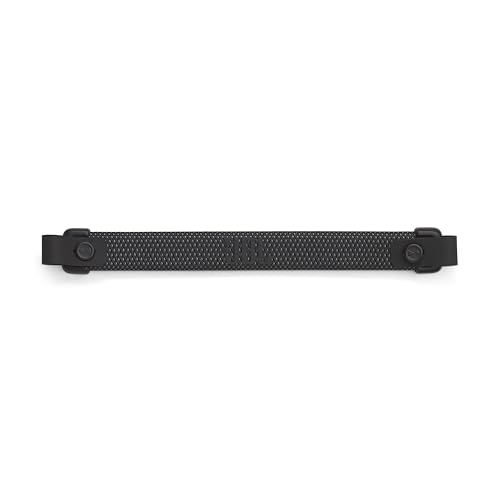
The detachable handle is a thoughtful upgrade from previous generations. You can configure it as a traditional carrying handle or as a hanging loop, and it can be removed entirely if you prefer a cleaner look when the speaker is stationary.
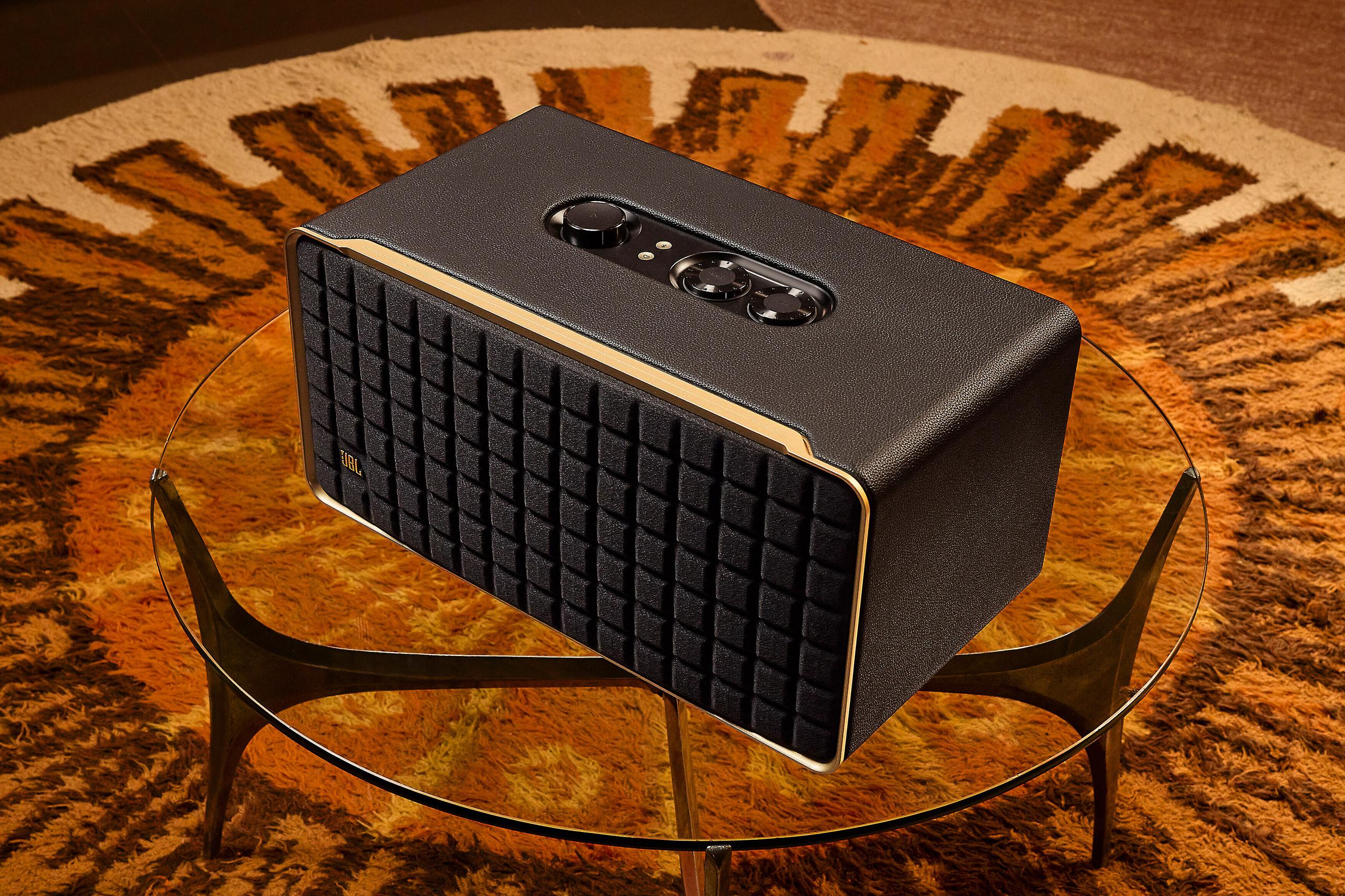
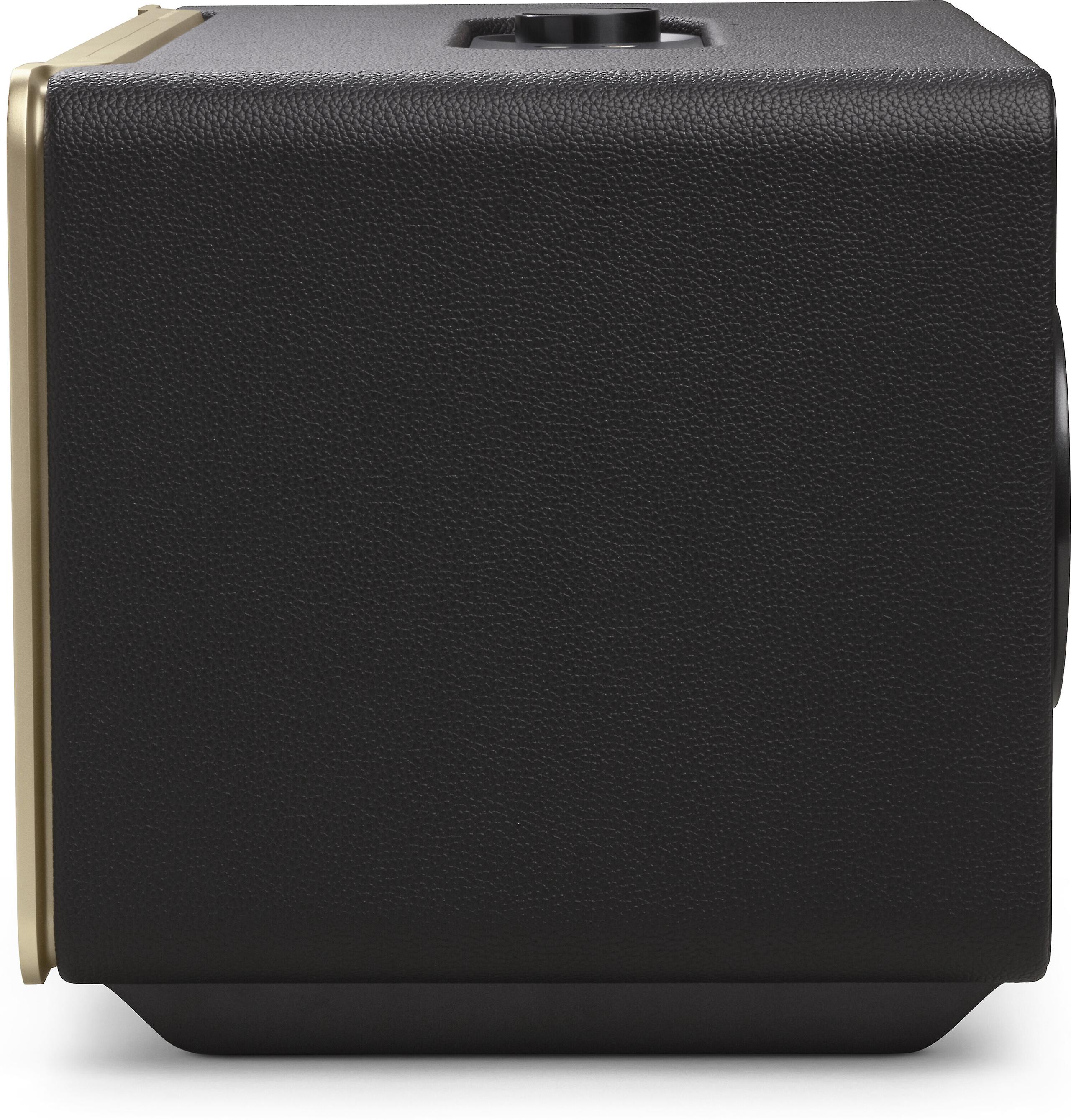
The JBL Authentics 500 prioritizes premium materials over ruggedness. The aluminum frame provides structural rigidity while looking sophisticated enough for a living room. The cloth grille is acoustically transparent but not designed for outdoor exposure. This speaker belongs indoors, on a shelf or table where it won't be moved frequently.
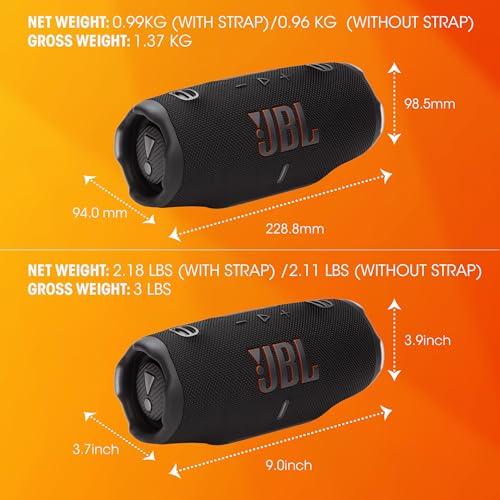
The weight difference tells the story: the portable Charge 6 weighs just under 1 kg, while the Authentics 500 weighs 7.8 kg. That's not a bug—it's a feature. The heavier weight comes from the larger drivers, robust internal amplification, and solid construction that contribute to better sound quality.
This is perhaps the most fundamental difference between these products. The JBL Charge 6 runs on an internal battery rated at 34 Wh (equivalent to 7.2V/4722mAh), providing up to 28 hours of playback with Playtime Boost enabled. Even with the feature disabled, you'll get around 24 hours of typical listening—enough for a long weekend camping trip without needing to recharge.
The fast charging is genuinely useful: 10 minutes of charging provides 2.5 hours of playback. The USB-C port serves double duty, charging the speaker and allowing it to charge other devices. This powerbank functionality has proven invaluable during power outages or extended outdoor activities.
The JBL Authentics 500 requires constant AC power, consuming less than 2 watts in standby mode. This always-on design enables the voice assistant features and instant response to commands, but it means the speaker is completely tethered to wall power.
For home theater use, these speakers serve very different roles. The JBL Charge 6 can provide decent sound for casual TV watching, but it's not really designed for this purpose. Its mono output (unless you pair two speakers) and portable-optimized tuning make it unsuitable for serious home theater applications.
The JBL Authentics 500 excels as a TV audio upgrade. Its Dolby Atmos support and 3.1-channel configuration provide a legitimate home theater experience. While it won't replace a full surround sound system, it offers dramatically better dialogue clarity and music reproduction than built-in TV speakers. The self-tuning room correction adapts to your room's acoustics, optimizing the sound whether your TV is wall-mounted or on a stand.
At the time of writing, the JBL Charge 6 represents excellent value in the premium portable speaker market. It's not the cheapest option available, but the combination of long battery life, rugged construction, AI Sound Boost technology, and powerbank functionality justifies the price premium over basic Bluetooth speakers.
The JBL Authentics 500 commands a significant price premium but delivers correspondingly advanced technology. The dual voice assistant integration, Dolby Atmos support, room correction, and premium build quality position it as a serious alternative to dedicated hi-fi speakers for many listeners.
Choose the JBL Charge 6 if your lifestyle involves frequent travel, outdoor activities, or simply moving your speaker between locations. It's perfect for beach trips, camping adventures, poolside parties, and hotel rooms. The powerbank functionality makes it genuinely useful beyond just playing music. If you want one speaker that can handle whatever life throws at it, this is your choice.
The JBL Authentics 500 is ideal for listeners who want to invest in their home audio setup. If you have a dedicated listening room, want to upgrade your TV's audio, or are building a smart home ecosystem, this speaker delivers premium performance. The spatial audio capabilities and room correction make it suitable for serious music listening, while the voice assistant integration handles daily smart home tasks.
Consider your primary use case carefully. If you find yourself constantly moving speakers around your house or taking them outside, portability trumps absolute sound quality. If you have a spot where a speaker will live permanently and you want the best possible sound, the stationary approach delivers superior results.
The choice ultimately comes down to lifestyle and priorities. Both speakers excel in their respective categories, but they serve fundamentally different needs. Choose based on where and how you actually listen to music, not on theoretical scenarios you might never encounter.
| JBL Charge 6 | JBL Authentics 500 |
|---|---|
| Power Output - Determines volume and sound quality potential | |
| 45W RMS total (impressive for portable size) | 270W RMS total (dramatically more powerful) |
| Speaker Configuration - Affects stereo imaging and sound quality | |
| 2-way mono (woofer + tweeter + passive radiators) | 3.1-channel (3 tweeters + 3 midrange + subwoofer) |
| Frequency Response - How deep bass goes and high treble extends | |
| 56 Hz - 20 kHz (good bass for portable speaker) | 40 Hz - 20 kHz (significantly deeper bass extension) |
| Portability - Critical for lifestyle compatibility | |
| Fully portable with detachable handle (990g weight) | Stationary only (7.8kg weight, requires AC power) |
| Water/Dust Protection - Essential for outdoor use | |
| IP68 rated (submersible to 1.5m for 30 minutes) | None (indoor use only) |
| Battery Life - Freedom from power outlets | |
| Up to 28 hours with Playtime Boost (24 hours standard) | AC powered only (always plugged in) |
| Smart Features - Voice control and home automation | |
| None (basic Bluetooth connectivity only) | Dual voice assistants (Google Assistant + Alexa) |
| Audio Technology - Advanced sound processing features | |
| AI Sound Boost real-time optimization | Dolby Atmos spatial audio + room correction |
| Connectivity Options - How you can connect devices | |
| Bluetooth 5.4, USB-C lossless audio, Auracast pairing | WiFi 6, Bluetooth 5.3, AirPlay, Chromecast, Ethernet |
| Multi-Room Audio - Expanding to whole-house sound | |
| Auracast wireless speaker linking | JBL One app multi-room system |
| Charging/Power Features - Useful secondary functions | |
| Built-in powerbank for charging devices | Always-on for instant voice commands |
| Best Use Cases - Where each speaker excels | |
| Travel, outdoor activities, beach, camping, pool parties | Home theater upgrade, dedicated listening room, smart home hub |
| Setup Complexity - Getting started difficulty | |
| Plug-and-play (pair via Bluetooth immediately) | Moderate (WiFi setup, app configuration, voice training) |
The JBL Charge 6 is specifically designed for outdoor use with its IP68 waterproof rating, meaning it can survive submersion in water up to 1.5 meters deep. It's also drop-proof from 1 meter and built to handle sand, dust, and UV exposure. The JBL Authentics 500 has no water resistance and is designed exclusively for indoor use with premium materials that aren't built for outdoor conditions.
The JBL Authentics 500 is excellent for home theater use with its Dolby Atmos support, 270W power output, and 3.1-channel speaker system that provides clear dialogue and immersive sound. The JBL Charge 6 can work for casual TV watching but lacks the power and spatial audio capabilities needed for a proper home theater experience.
Only the JBL Charge 6 has a battery, offering up to 28 hours of playback with Playtime Boost enabled or 24 hours in standard mode. It also functions as a powerbank to charge your devices. The JBL Authentics 500 requires constant AC power and has no battery option, making it completely stationary.
The JBL Authentics 500 supports both Amazon Alexa and Google Assistant simultaneously, allowing full smart home control and voice commands. The JBL Charge 6 has no voice assistant support and relies on basic Bluetooth connectivity for audio playback only.
The JBL Authentics 500 delivers significantly better sound quality with 270W of power, deeper bass extension down to 40Hz, genuine stereo separation, and Dolby Atmos spatial audio. The JBL Charge 6 sounds impressive for its portable size but is limited by physics and the need to fit in a compact, battery-powered design.
Both speakers support multi-speaker connectivity but use different systems. The JBL Charge 6 uses Auracast technology to wirelessly link with other compatible JBL speakers. The JBL Authentics 500 supports multi-room audio through the JBL One app and can integrate with whole-house audio systems.
The JBL Charge 6 is designed specifically for travel with its lightweight design, detachable handle, 28-hour battery life, and rugged construction. The JBL Authentics 500 weighs 17.2 pounds, requires wall power, and isn't built for transport, making it unsuitable for travel use.
The JBL Authentics 500 outputs 270W of total power through its 3.1-channel system, while the JBL Charge 6 delivers 45W through its 2-way portable design. This means the JBL Authentics 500 can play much louder and with significantly more bass impact in larger rooms.
The JBL Authentics 500 connects directly to WiFi and supports Apple AirPlay, Google Chromecast, and voice commands for streaming services like Spotify and Apple Music. The JBL Charge 6 relies on Bluetooth connection from your phone or device to access streaming services, with optional USB-C lossless audio connection.
The JBL Charge 6 offers excellent value for portable audio with long battery life, rugged construction, and versatile functionality at a mid-range price point. The JBL Authentics 500 costs significantly more but delivers premium home audio features, smart home integration, and substantially better sound quality for dedicated listening spaces.
Neither the JBL Charge 6 nor the JBL Authentics 500 includes a built-in microphone for hands-free phone calls. The JBL Authentics 500 has microphones for voice assistant commands only, while the JBL Charge 6 has no microphone at all.
For permanent living room use, the JBL Authentics 500 is the better choice with its premium sound quality, smart home integration, room correction technology, and furniture-quality design. The JBL Charge 6 works for casual listening but is better suited for situations where you need portability rather than dedicated home audio performance.
We've done our best to create useful and informative comparisons to help you decide what product to buy. Our research uses advanced automated methods to create this comparison and perfection is not possible - please contact us for corrections or questions. These are the sites we've researched in the creation of this article: rtings.com - youtube.com - stereoguide.com - whathifi.com - youtube.com - elomymelo.com - soundguys.com - elomymelo.com - wifihifi.com - soundguys.com - jbl.com - whathifi.com - soundguys.com - youtube.com - smarthomesounds.co.uk - jbl.com - sweetwater.com - youtube.com - bestbuy.com - jbl.com.sg - jbl.com - dell.com - ca.jbl.com - soundguys.com - soundguys.com - dell.com - 9to5google.com - youtube.com - community.roonlabs.com - techradar.com - mm.jbl.com - jbl.com - youtube.com - greentoe.com - jbl.com - projectorscreen.com - rtings.com - projectorscreenstore.com - stereoguide.com

Privacy Policy
Terms and Conditions - Affiliate Policy
Home Security
© Copyright 2008-2026.
11816 Inwood Rd #1211, Dallas, TX 75244