

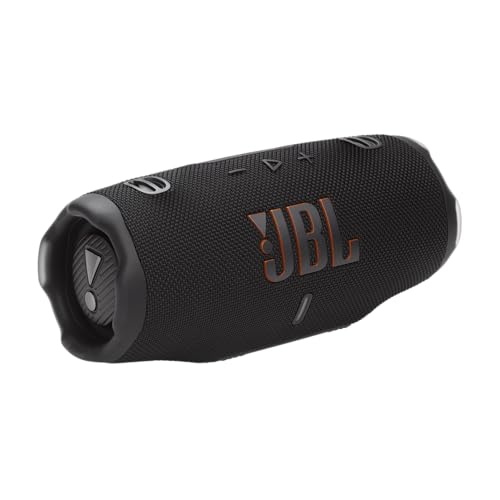


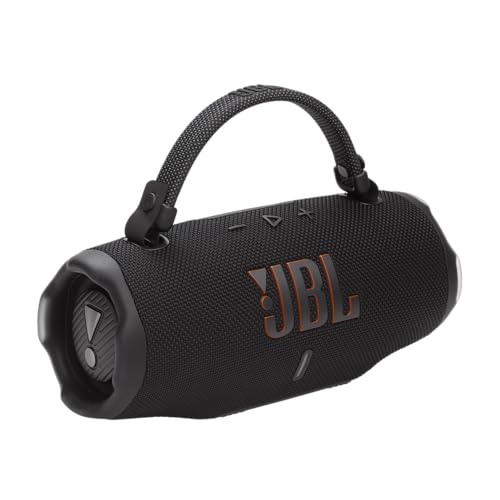
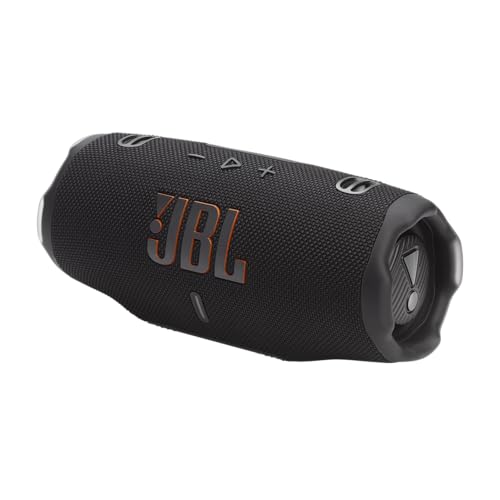
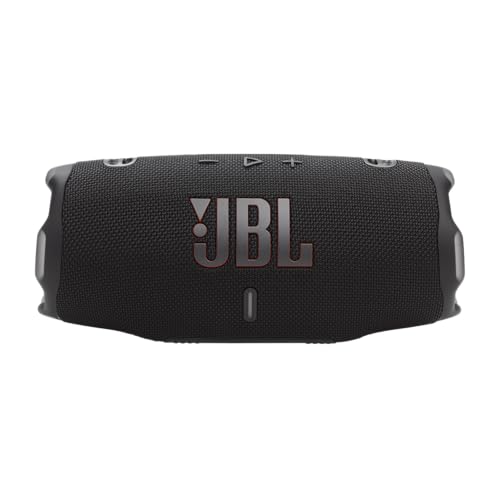
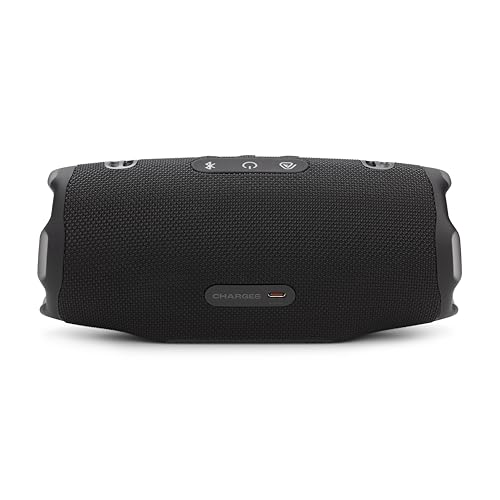
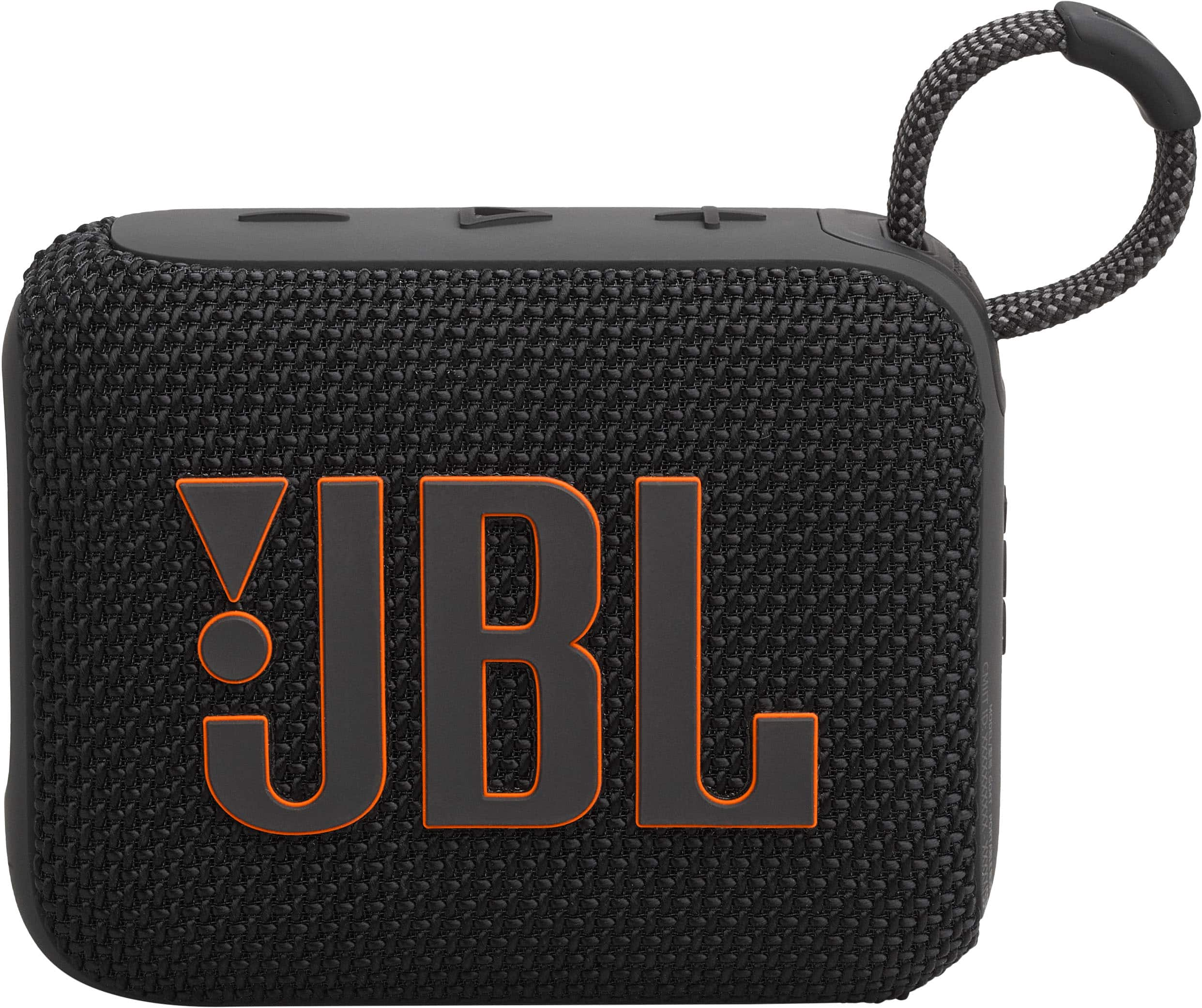
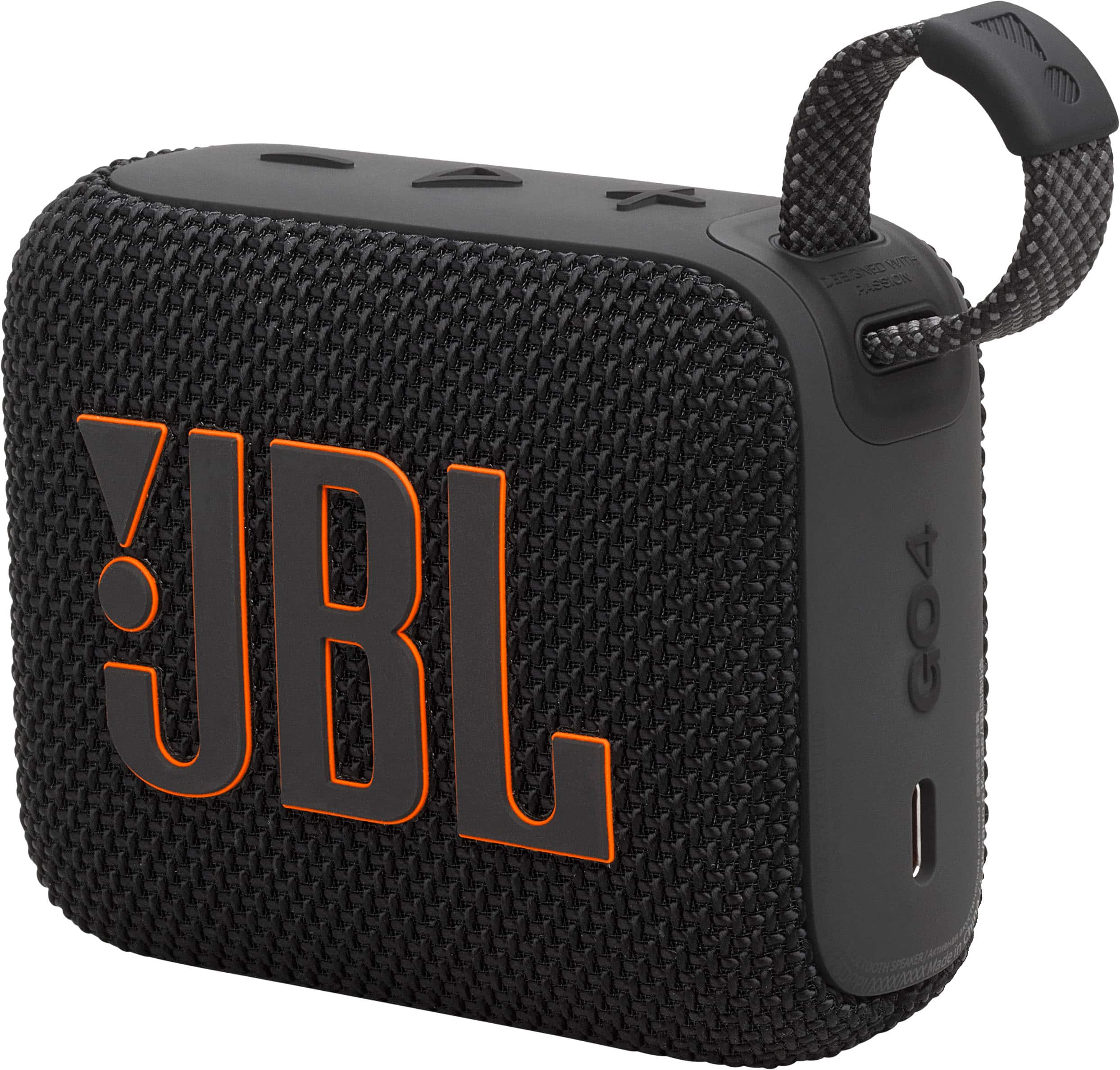
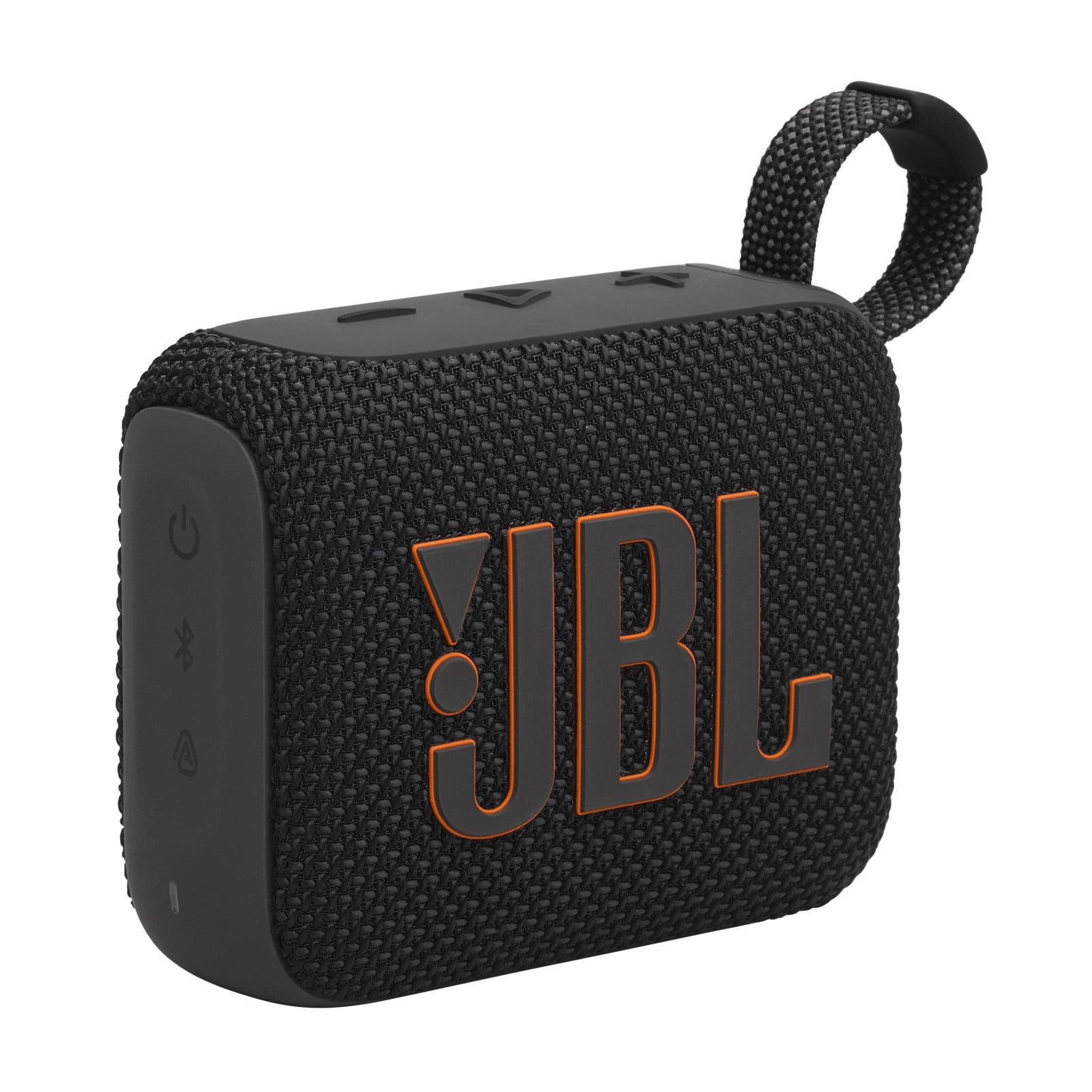

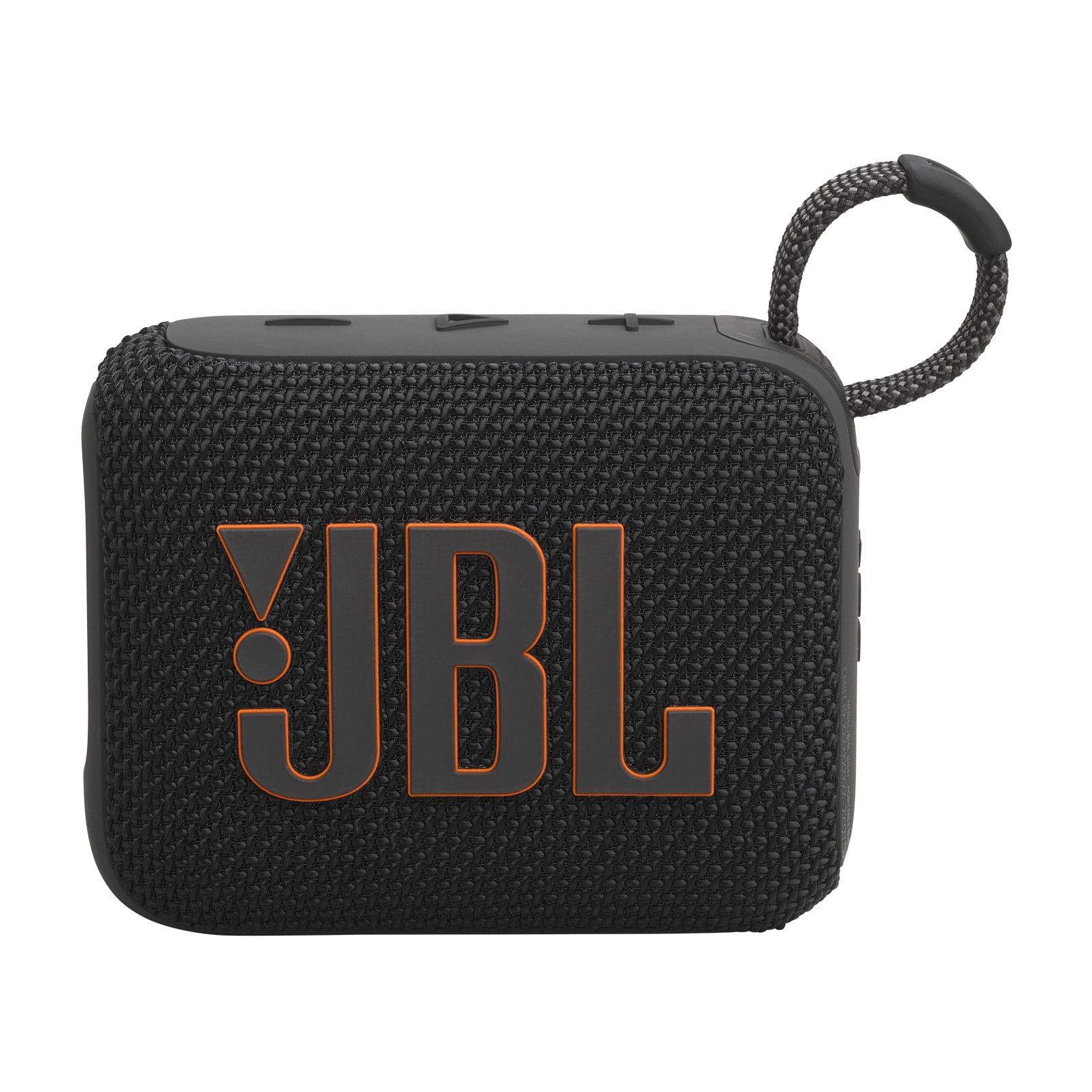
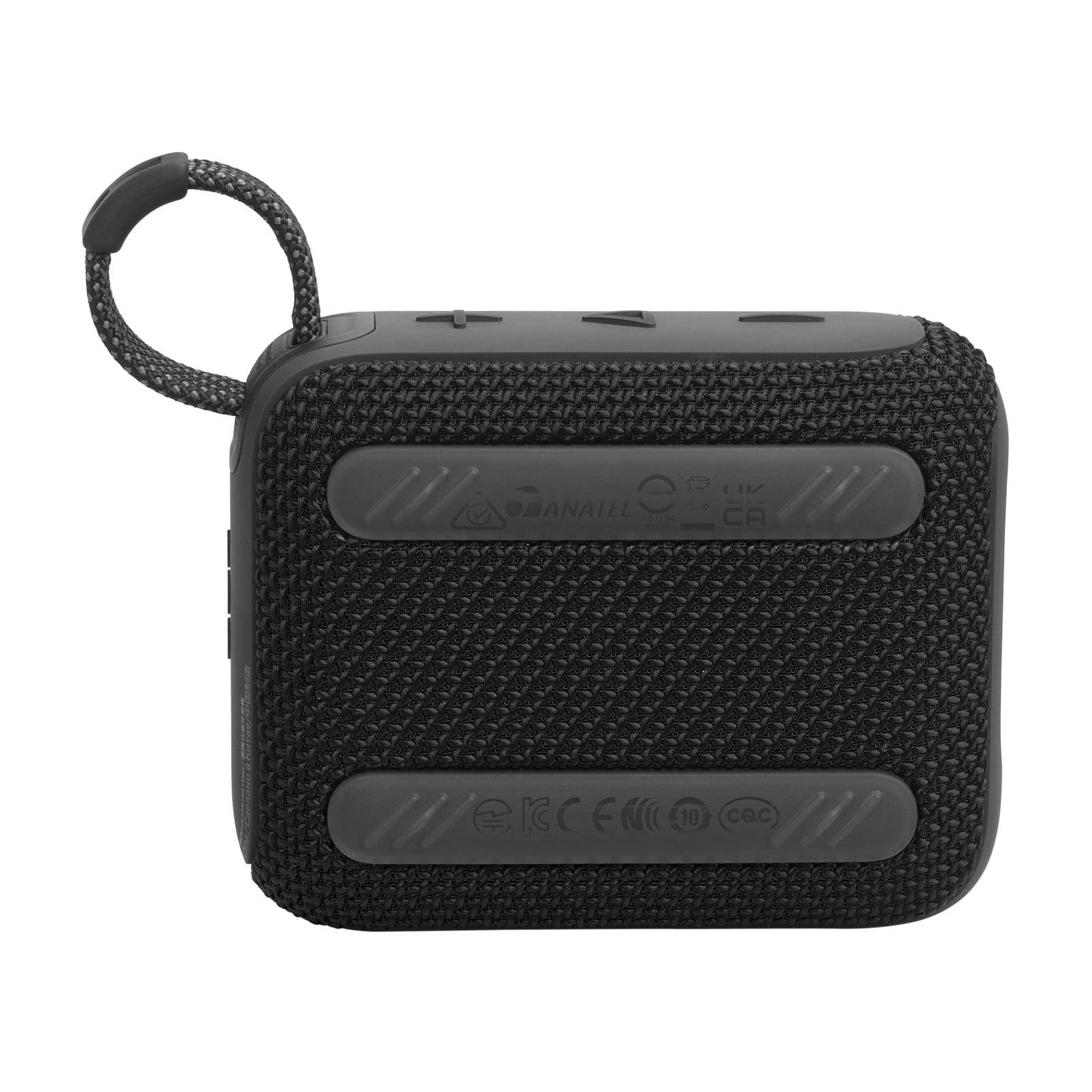
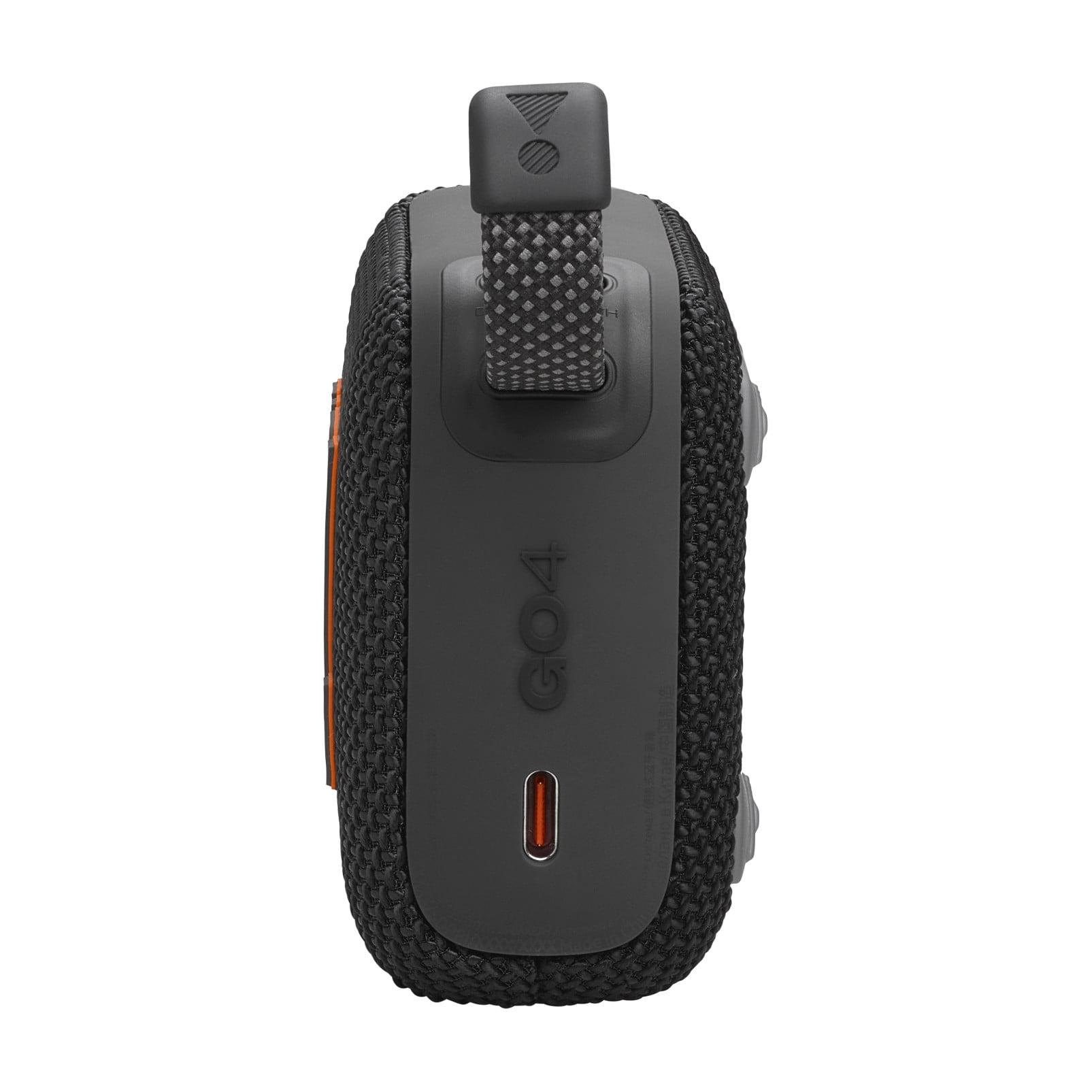
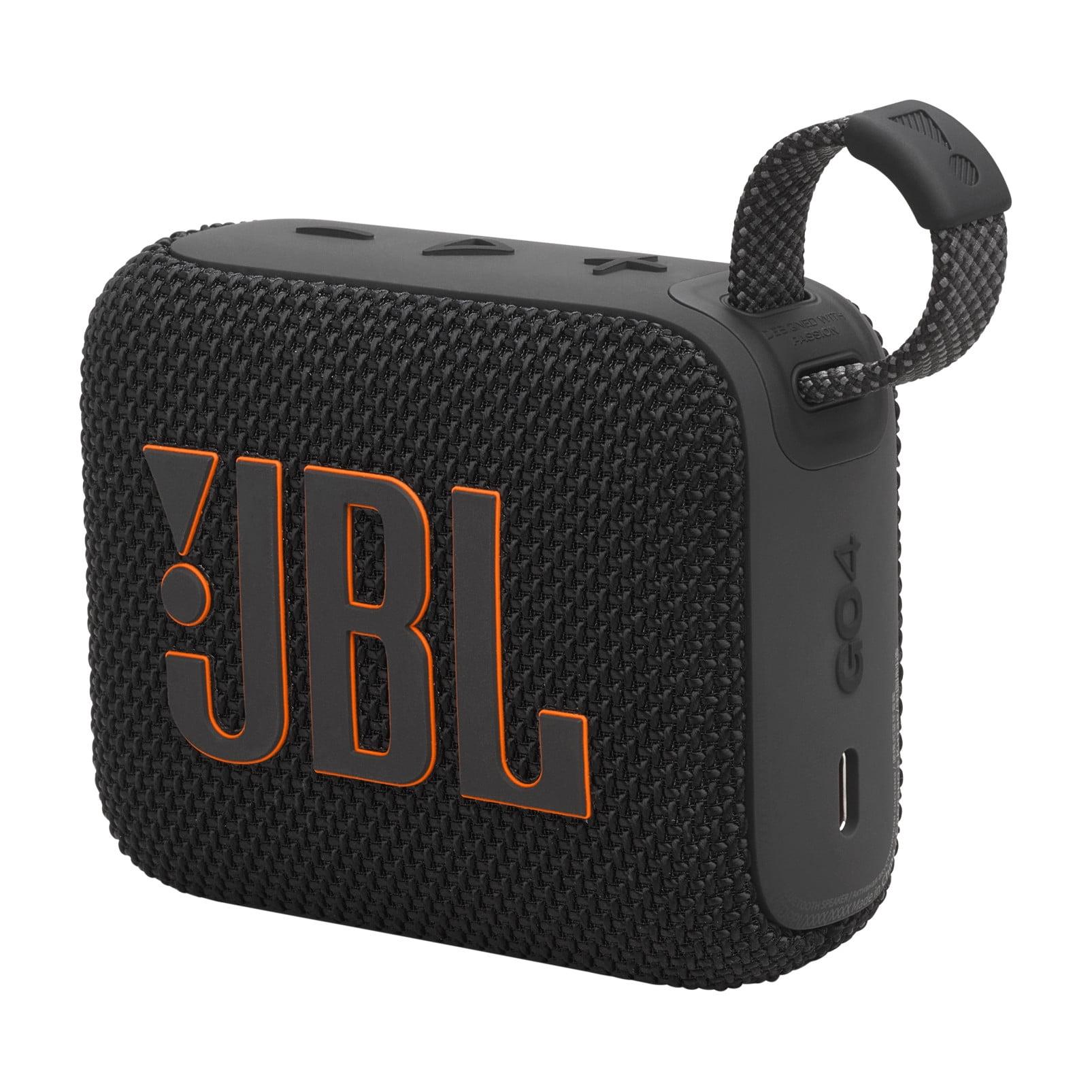
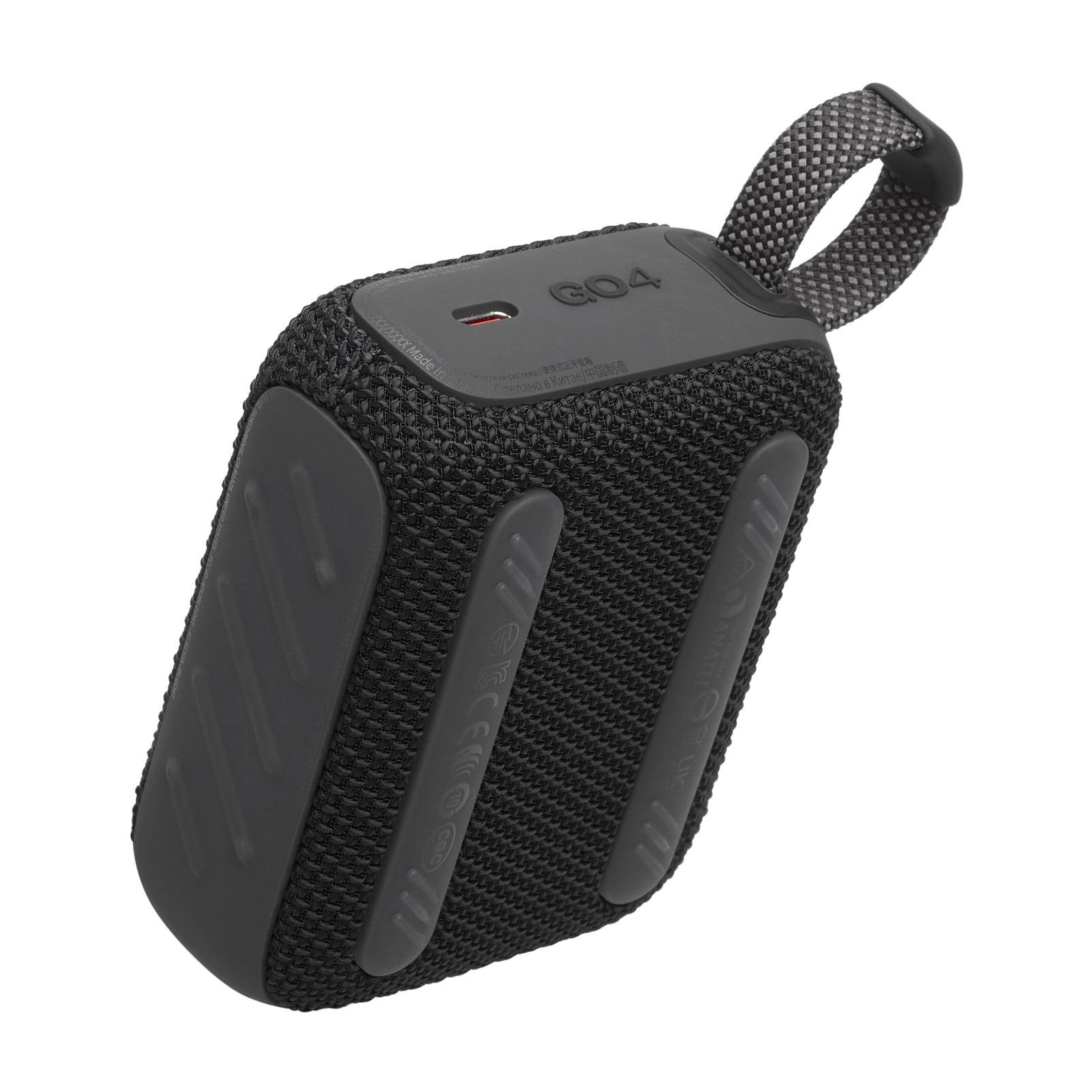
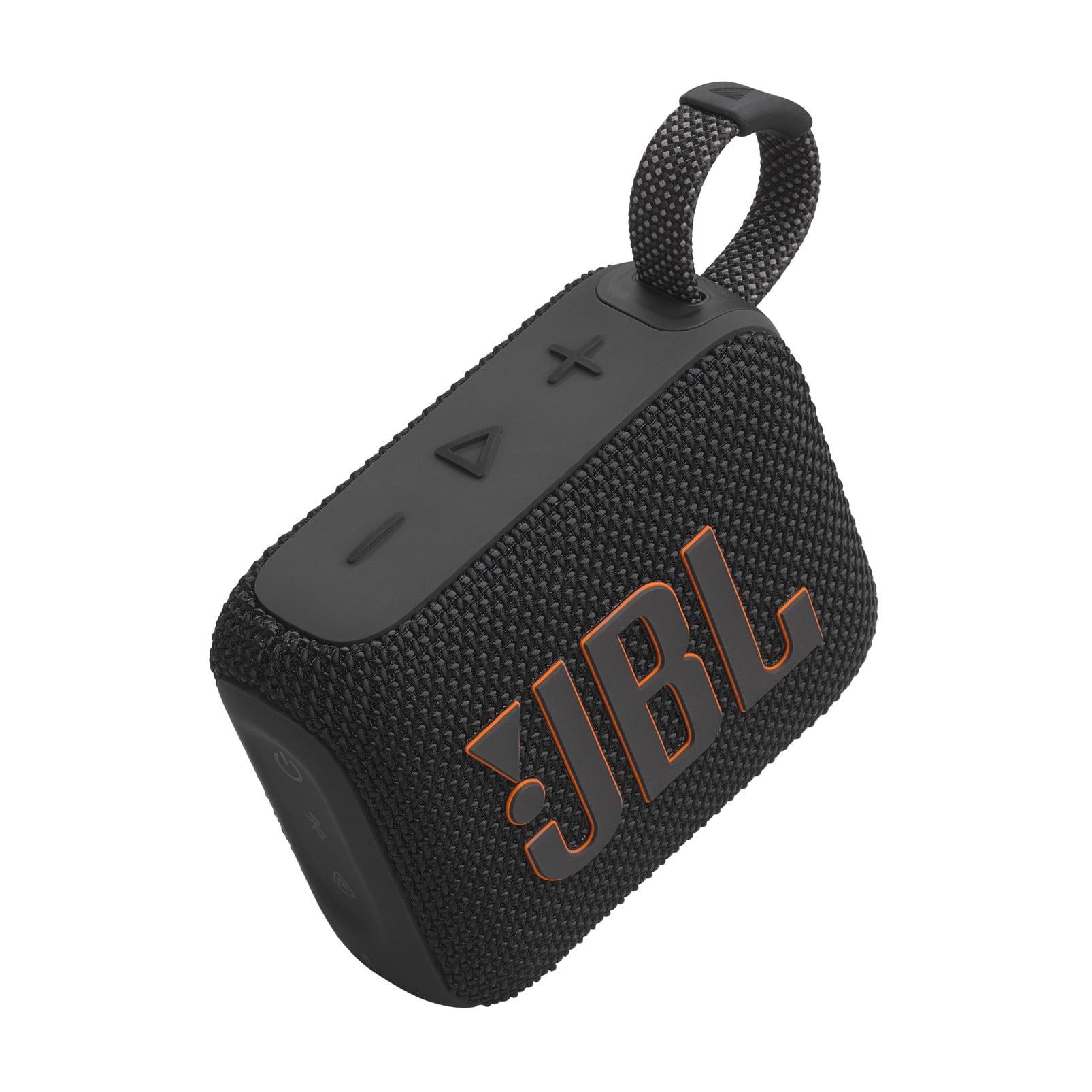
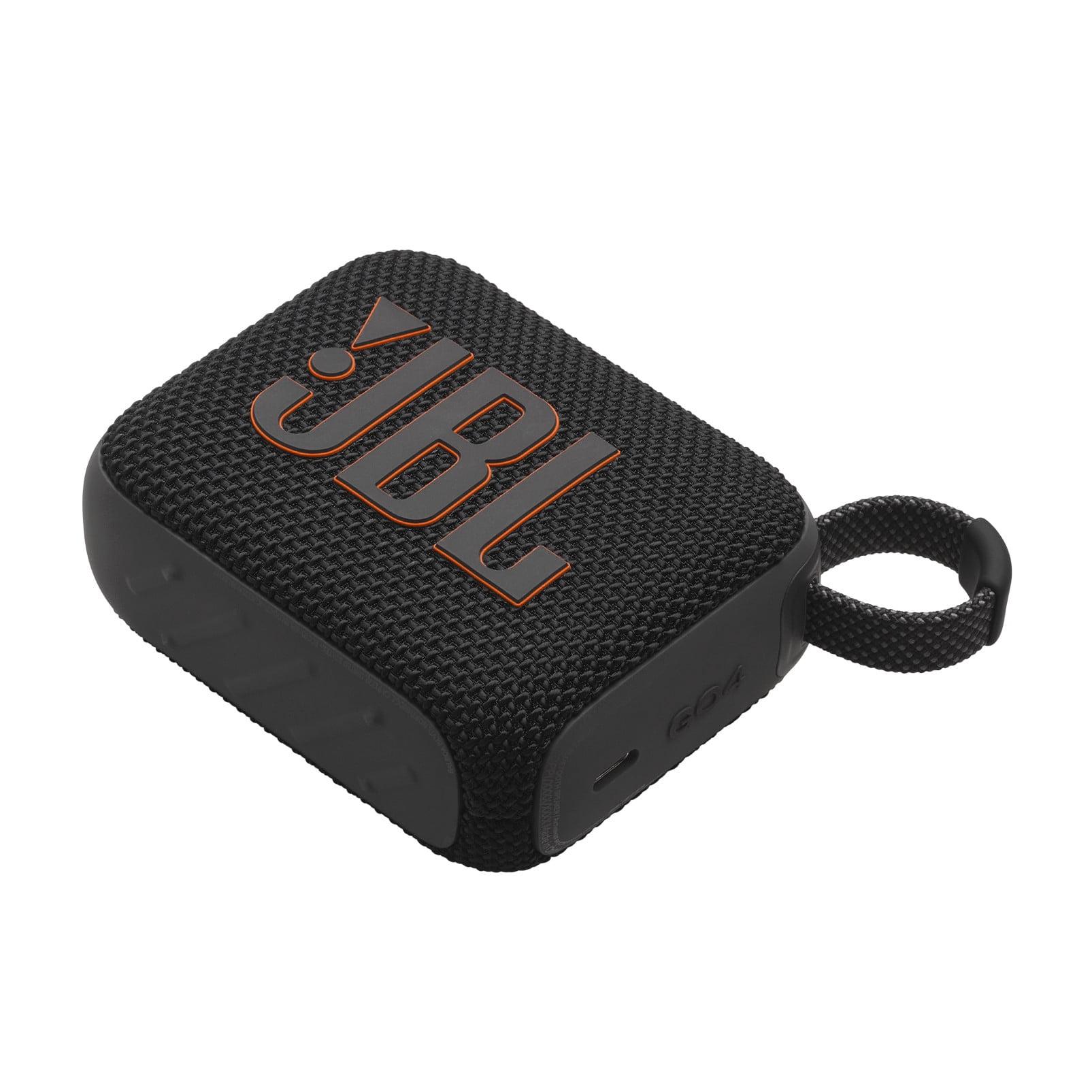
When JBL released the Charge 6 in 2024, they weren't trying to replace their ultra-portable lineup—they were doubling down on serious portable audio. Meanwhile, the Go 4, also launched in 2024, represents the opposite philosophy: maximum portability at minimum cost. These speakers don't compete directly; they serve completely different needs within the same household.
Understanding which approach fits your lifestyle requires diving deeper than spec sheets. Let's break down what actually matters when choosing between these fundamentally different takes on portable audio.
Portable Bluetooth speakers exist on a spectrum from "fits in your pocket" to "portable but powerful." The fundamental physics haven't changed—larger speakers move more air, produce deeper bass, and achieve higher volumes. What has evolved dramatically is how much performance manufacturers can squeeze from compact designs.
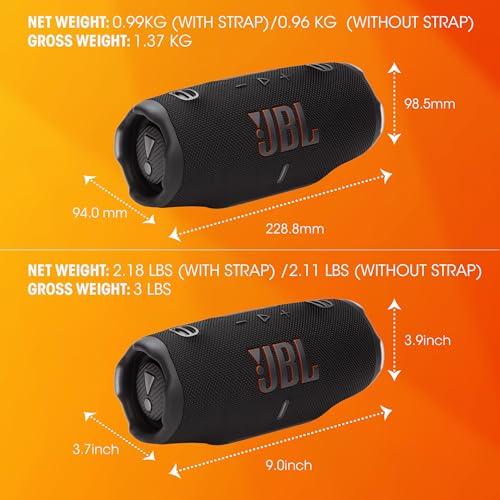
The Charge 6 weighs nearly a kilogram and occupies roughly the space of a large water bottle. That's still portable, but it's "grab it when you're headed somewhere" portable, not "always in your bag" portable. The Go 4, at 190 grams, disappears into jacket pockets and backpacks without thought.
This size difference drives everything else—battery capacity, driver size, amplifier power, and ultimately, what each speaker can accomplish acoustically.
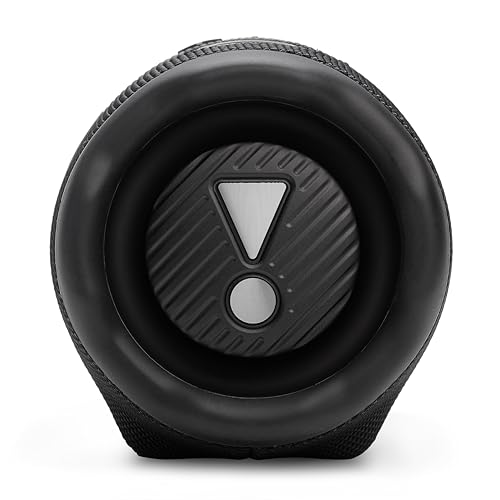
The Charge 6 delivers 45 watts total output through a sophisticated two-way system: a 53mm × 93mm oval woofer handling bass and midrange frequencies, paired with a 20mm tweeter for high frequencies. This bi-amplified setup (meaning separate amplifiers for each driver) allows for 30 watts dedicated to the woofer and 15 watts to the tweeter.
Compare this to the Go 4's single 45mm driver pushing 4.2 watts total. That's roughly a 10:1 power difference, but power alone doesn't tell the complete story.
What this means practically: The Charge 6 can fill a medium-sized room or outdoor space with clear, undistorted audio. It's loud enough for background music at a backyard barbecue with 15-20 people. The Go 4 works best for personal listening or intimate conversations—think desk audio while working or quiet music for 2-3 people in a hotel room.
Frequency response describes which musical notes and sounds a speaker can reproduce effectively. Human hearing spans roughly 20 Hz to 20,000 Hz, but most of the musical "meat" lives between 80 Hz and 8,000 Hz.
The Charge 6 reaches down to 56 Hz, meaning it can reproduce the fundamental frequencies of bass guitars, kick drums, and male vocals with authority. Its 56 Hz to 20 kHz range covers nearly the entire spectrum of musical content.
The Go 4 starts at 90 Hz—still respectable for its size, but missing those deepest bass notes that give music its foundation. You'll hear bass guitars, but they won't have the chest-thumping impact of the larger speaker.
In real-world terms: Hip-hop, electronic music, and rock benefit significantly from the Charge 6's deeper bass extension. Acoustic music, podcasts, and jazz translate surprisingly well through the Go 4, where midrange clarity matters more than sub-bass.
Maximum volume tells only part of the story—how a speaker sounds at different volume levels matters enormously. Both speakers hit roughly 83-85 dB maximum output, but they reach that limit very differently.
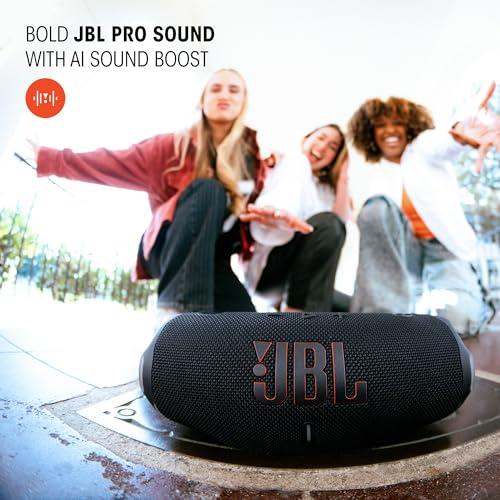
The Charge 6 maintains composure and clarity even when pushed hard, thanks to JBL's AI Sound Boost technology. This real-time audio processing analyzes the incoming signal and adjusts the amplifier to prevent distortion while maximizing output. Think of it as a smart limiter that knows exactly how hard it can push the drivers without breaking up.
The Go 4 reaches its volume ceiling more quickly. Push it too hard, and you'll hear compression (where loud and soft sounds get squashed together) and eventual distortion. This isn't a flaw—it's physics. A 4.2-watt amplifier and single small driver can only do so much.
Practical impact: The Charge 6 sounds confident and controlled at all volume levels. The Go 4 shines at moderate volumes but protests when asked to compete with noisy environments.
Battery technology has improved dramatically in recent years, but capacity still correlates directly with physical size. The Charge 6's 4,722 mAh battery dwarfs the Go 4's 850 mAh capacity.
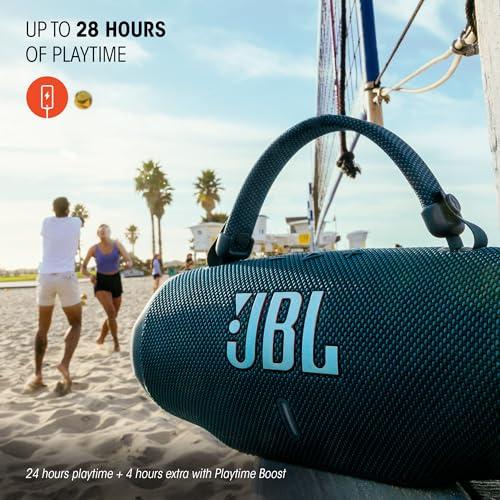
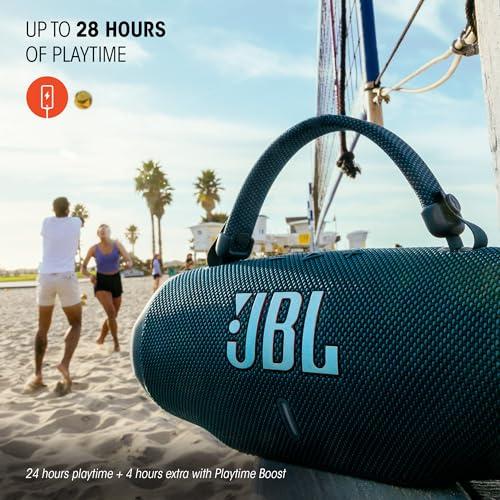
This translates to 24 hours of playback for the Charge 6 versus 7-9 hours for the Go 4. Both speakers include "Playtime Boost" modes that extend battery life by reducing bass output and overall power consumption, gaining the Charge 6 an additional 4 hours and the Go 4 roughly 2 hours.
The real-world difference is significant. The Charge 6 can soundtrack an entire weekend camping trip on a single charge. The Go 4 needs daily charging with regular use—more like a smartphone than a set-and-forget audio device.
However, the Go 4 charges to full capacity in 3 hours, same as the Charge 6. Since it's more likely to be near a charger regularly (due to its portability), the shorter battery life becomes less problematic in practice.
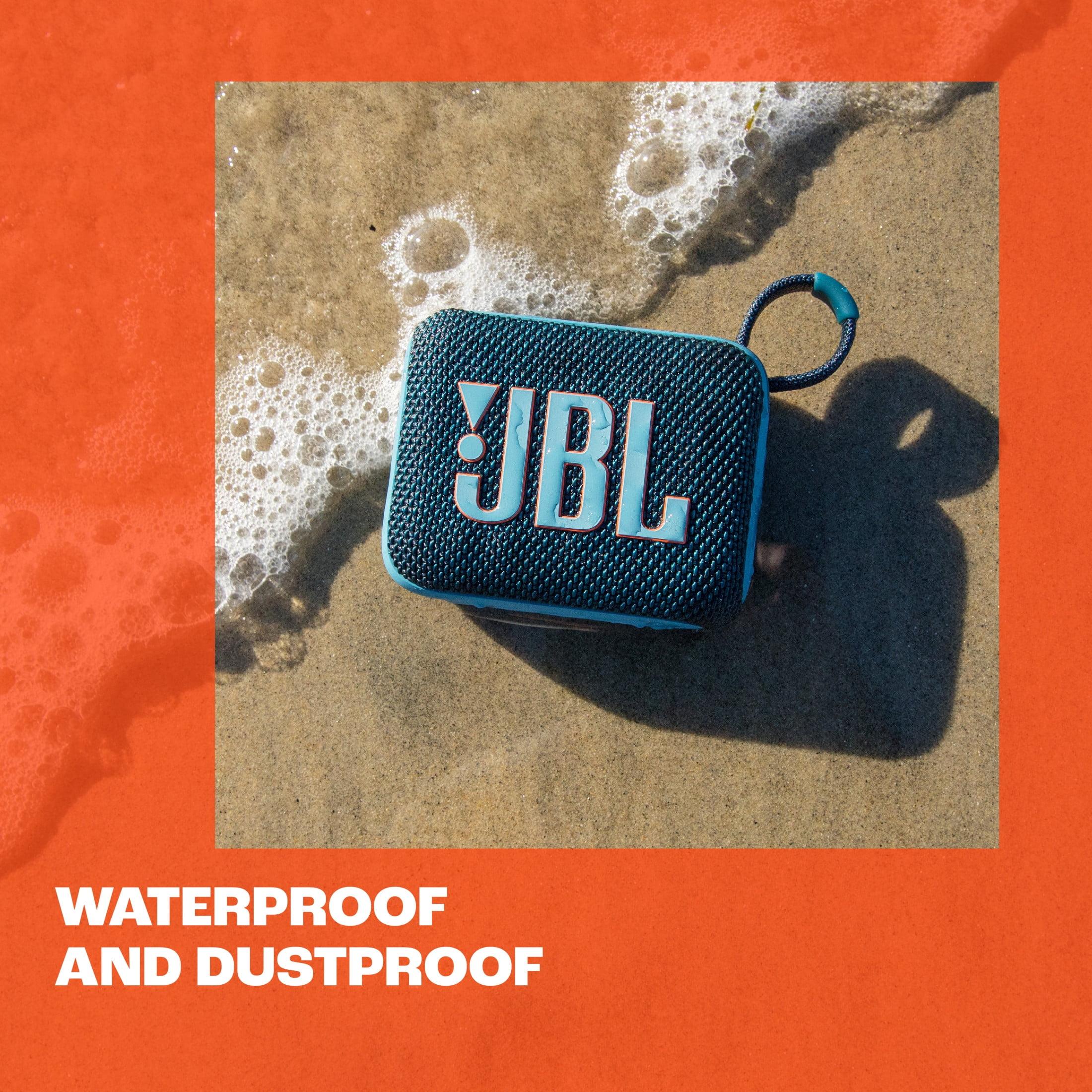
Both speakers earned impressive water resistance ratings, but with important distinctions. The Charge 6 achieves IP68 protection, meaning it can survive complete submersion up to 1.5 meters for 30 minutes. The Go 4 earns IP67 certification—excellent for splashes, rain, and brief submersion, but not intended for underwater adventures.
JBL also claims the Charge 6 can survive drops from one meter onto concrete. While we can't verify this specific claim, the larger speaker's more substantial construction and rubberized exterior certainly inspire more confidence during rough handling.
The Go 4's smaller size actually works in its favor here—it's less likely to be damaged in a fall simply because it has less mass and impact force. Its compact footprint also makes it easier to protect in bags or pockets.
Both speakers support modern Bluetooth standards (5.4 for the Charge 6, 5.3 for the Go 4), but connectivity features diverge significantly.
The Charge 6 includes lossless audio support via USB-C, accepting high-resolution audio files up to 24-bit/192kHz. This wired connection bypasses Bluetooth's compression entirely, delivering studio-quality sound when connected to compatible devices. It's a feature audiophiles will appreciate when using the speaker as a desktop or bedside audio system.
Both speakers support Auracast, JBL's modern take on multi-speaker connectivity. This lets you pair two identical speakers for stereo sound or connect multiple different JBL Auracast speakers for whole-house audio. It's more flexible than older pairing systems and works across JBL's entire 2024 lineup.
The Charge 6 also functions as a power bank, charging phones and other devices through its USB-A port. This feature proves invaluable during outdoor adventures when the speaker's massive battery can keep your phone alive for navigation or emergency communication.
At the time of writing, these speakers occupy completely different price brackets—the Charge 6 costs roughly five times more than the Go 4. This isn't a simple "better vs. worse" comparison; it's about value alignment with your specific needs.
The Go 4 represents exceptional value in the ultra-portable category. For the price of a few coffee shop visits, you get genuinely good sound quality, modern connectivity features, and JBL's reliable build quality. It's the speaker you can afford to throw in every bag, buy as gifts, or replace without stress if it gets lost or damaged.
The Charge 6 costs significantly more but justifies this through dramatically better performance and features. Cost per watt of clean audio output, the larger speaker actually represents better value. Plus, features like the power bank function, lossless audio support, and marathon battery life add utility beyond pure audio performance.
Neither speaker is designed as a home theater solution, but both can serve specific roles in a media setup.
The Charge 6 makes an excellent desktop or bedside speaker for casual movie watching, especially when connected via USB-C for lossless audio. Its mono output (unless paired with a second unit) limits stereo imaging, but the sound quality and volume capability work well for personal viewing scenarios.
The Go 4 works better as a portable solution for tablets, laptops, or phones when you need better audio than built-in speakers provide. It's not going to transform your movie-watching experience, but it's perfect for improving dialogue clarity or adding some body to music while cooking or cleaning.
For serious home theater applications, you'd want to look at JBL's dedicated soundbars or bookshelf speakers rather than portable models.
The Charge 6 introduces several meaningful technical improvements over its 2021 predecessor. AI Sound Boost represents genuine innovation—real-time audio analysis that optimizes driver performance to prevent distortion while maximizing output. This isn't marketing fluff; it's sophisticated digital signal processing that makes the speaker sound bigger and cleaner than its physical size should allow.
The move to Auracast connectivity also future-proofs both speakers. Unlike proprietary pairing systems, Auracast is an open standard that should work with compatible devices from multiple manufacturers as the technology proliferates.
The Go 4 may seem like a simple evolution, but JBL has managed to improve bass response and overall clarity while maintaining the same compact footprint as previous generations. The integration of app-based EQ controls in such an affordable speaker also represents meaningful progress in democratizing audio customization.
The Charge 6 makes sense if you:
The Go 4 is ideal if you:
After extensive research into user experiences and expert reviews, neither speaker is objectively "better"—they excel at completely different tasks.
The Go 4 succeeds brilliantly at being truly portable while delivering surprisingly good sound quality for its size and price. It's the speaker that disappears into your daily routine until you need it, then delivers exactly what you expect without drama or compromise.
The Charge 6 offers legitimate high-quality portable audio with the convenience features and battery life to serve as your primary speaker for many scenarios. It's portable enough for any reasonable adventure but powerful enough to satisfy when you really want to hear your music properly.
The choice comes down to whether you prioritize "always with me" convenience or "sounds genuinely good" performance. Both are valid approaches, and many households would benefit from owning both—the Go 4 for daily carry and the Charge 6 for when audio quality matters.
Given the significant price difference, start by honestly assessing how you actually use portable speakers. If you're constantly wishing your current speaker were louder, clearer, or had more bass, the Charge 6 addresses those concerns directly. If you just want decent audio that's always available and never inconvenient, the Go 4 nails that brief perfectly.
| JBL Charge 6 | JBL Go 4 |
|---|---|
| Audio Power Output - Determines maximum volume and sound clarity | |
| 45W total (30W woofer + 15W tweeter) with dual drivers | 4.2W from single 45mm driver |
| Frequency Response - Shows bass depth and overall sound range | |
| 56 Hz – 20 kHz (deep bass extension for full sound) | 90 Hz – 20 kHz (limited bass but clear mids/highs) |
| Battery Life - Critical for outdoor use and extended listening | |
| 24 hours standard (28 with Playtime Boost) | 7 hours standard (9 with Playtime Boost) |
| Weight & Portability - Affects daily carry convenience | |
| 988g / 2.2 lbs (manageable but substantial) | 190g / 0.4 lbs (true pocket-sized portability) |
| Water Resistance - Important for outdoor and poolside use | |
| IP68 (full submersion up to 1.5m for 30 minutes) | IP67 (splash resistant, brief water exposure) |
| Bluetooth Version - Affects connection stability and range | |
| Bluetooth 5.4 (latest standard, best performance) | Bluetooth 5.3 (excellent modern connectivity) |
| EQ Customization - Allows personalized sound tuning | |
| 7-band hardware EQ via JBL Charge 6 app | App-based EQ with preset options |
| Power Bank Function - Charges other devices on the go | |
| Yes, USB-A output for device charging | No power bank capability |
| Lossless Audio Support - Higher quality wired connection | |
| Yes, USB-C up to 24-bit/192kHz resolution | No lossless audio support |
| Maximum Volume - Determines suitability for groups vs personal use | |
| ~85-90 dB (fills medium-large spaces effectively) | ~83 dB (personal listening, small groups only) |
| Charging Time - How quickly you can get back to full battery | |
| 3 hours full charge, 10 min = 150 min playback | 3 hours full charge |
| Multi-Speaker Pairing - Connects multiple speakers for bigger sound | |
| Auracast technology for stereo pairing and party mode | Auracast technology for stereo pairing and party mode |
The JBL Charge 6 is significantly better for outdoor parties and gatherings. With 45 watts of power output compared to the JBL Go 4's 4.2 watts, the Charge 6 can fill large outdoor spaces with clear, loud sound that won't get lost in ambient noise. Its 24-hour battery life also means it can soundtrack an entire event without needing a recharge.
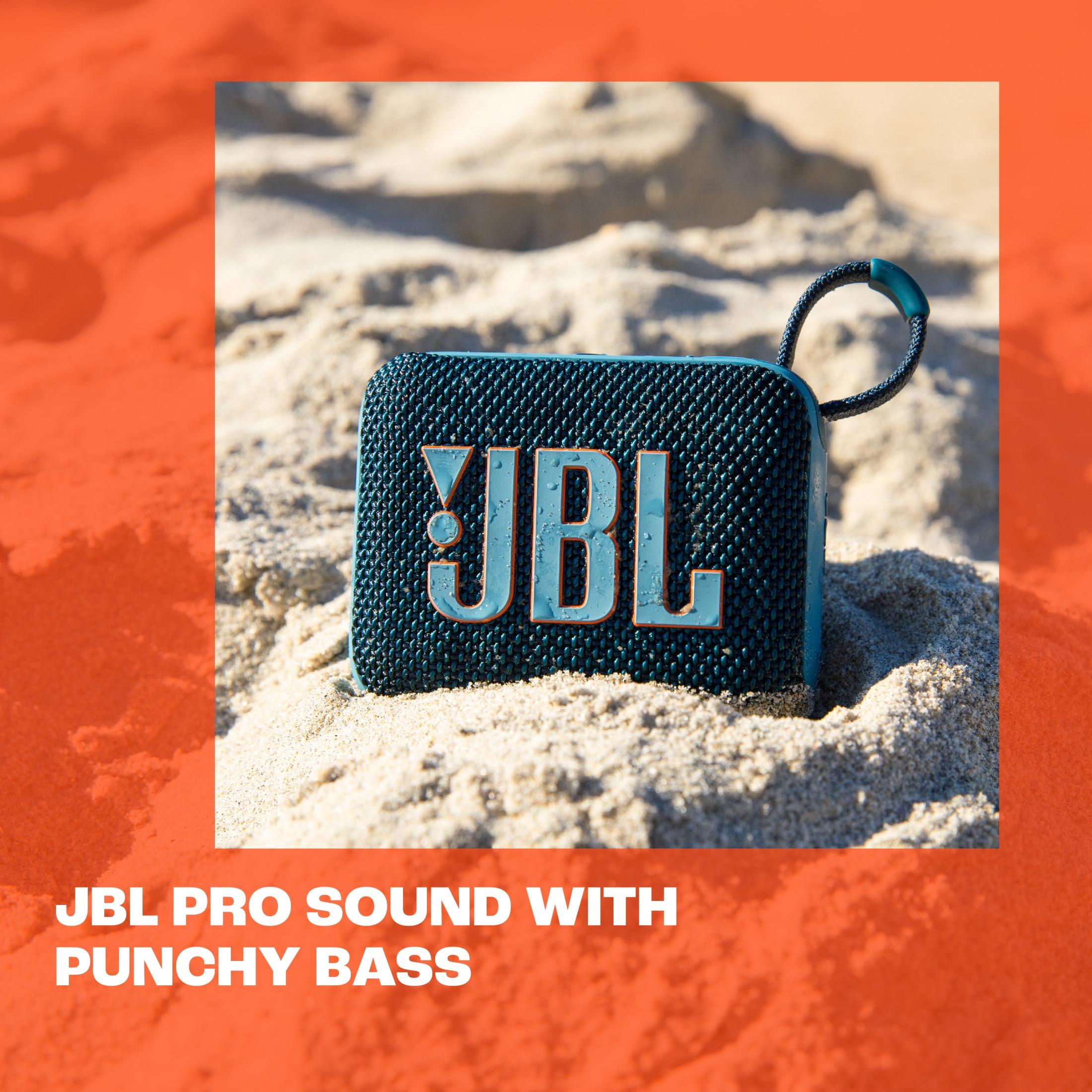
The primary difference is bass response and overall volume capability. The JBL Charge 6 features dual drivers with frequency response down to 56 Hz, delivering deep, punchy bass that the JBL Go 4 simply cannot match with its single driver and 90 Hz lower limit. The Charge 6 also plays significantly louder while maintaining clarity at high volumes.
The JBL Go 4 is far more portable, weighing just 190 grams compared to the JBL Charge 6's 988 grams. The Go 4 easily fits in jacket pockets and bags without adding noticeable weight, making it ideal for commuting, travel, and everyday carry situations where true portability matters most.
The JBL Charge 6 offers exceptional battery life with up to 24 hours of playback (28 hours with Playtime Boost), while the JBL Go 4 provides 7-9 hours depending on volume and settings. For extended outdoor use or multi-day trips, the Charge 6 is clearly superior, but the Go 4 offers sufficient battery for daily personal use.
Both speakers offer excellent water protection, but with different capabilities. The JBL Charge 6 has IP68 rating for full submersion up to 1.5 meters, making it perfect for poolside or beach use. The JBL Go 4 features IP67 rating, providing excellent protection against splashes and rain but not intended for underwater use.
Value depends entirely on your needs. The JBL Go 4 offers exceptional value for casual listening and ultra-portability at its budget-friendly price point. The JBL Charge 6 justifies its higher cost with dramatically better sound quality, longer battery life, and premium features like power bank functionality for users who prioritize audio performance.
Yes, both the JBL Charge 6 and JBL Go 4 support Auracast technology for connecting multiple speakers. You can pair two identical speakers for stereo sound or connect multiple different JBL Auracast-enabled speakers for party mode. This feature works seamlessly across JBL's 2024 speaker lineup.
The JBL Charge 6 is superior for home listening, offering much better sound quality with its dual-driver system and 45-watt output. It also supports lossless audio via USB-C connection for the highest possible sound quality when connected to computers or audio devices. The Go 4 works well as a personal desktop speaker but can't match the Charge 6's room-filling performance.
Only the JBL Charge 6 includes power bank functionality, allowing you to charge phones and other devices through its USB-A port thanks to its large 4,722 mAh battery. The JBL Go 4 does not offer device charging capability due to its smaller 850 mAh battery designed primarily for speaker operation.
The JBL Charge 6 offers superior durability with its IP68 waterproof rating, drop-proof construction (tested for 1-meter drops), and more robust build quality. While the JBL Go 4 is well-built for its size with IP67 water resistance, the Charge 6's larger construction and enhanced protection make it better suited for demanding outdoor adventures.
For personal listening and travel, the choice depends on priorities. The JBL Go 4 excels with its ultra-compact size, making it perfect for solo listening, hotel rooms, and minimal luggage impact. The JBL Charge 6 offers much better sound quality but requires more space and weight consideration, making it better suited for travelers who prioritize audio performance over ultimate portability.
Neither the JBL Charge 6 nor the JBL Go 4 includes a built-in microphone for hands-free calling or conference calls. Both speakers are designed purely for music playback and audio streaming, so you'll need to use your phone's microphone for any voice communication while using either speaker for audio output.
We've done our best to create useful and informative comparisons to help you decide what product to buy. Our research uses advanced automated methods to create this comparison and perfection is not possible - please contact us for corrections or questions. These are the sites we've researched in the creation of this article: rtings.com - youtube.com - stereoguide.com - whathifi.com - youtube.com - elomymelo.com - soundguys.com - elomymelo.com - wifihifi.com - soundguys.com - jbl.com - whathifi.com - soundguys.com - youtube.com - smarthomesounds.co.uk - jbl.com - sweetwater.com - youtube.com - bestbuy.com - jbl.com.sg - jbl.com - dell.com - ca.jbl.com - soundguys.com - soundguys.com - dell.com - tomsguide.com - outeraudio.com - youtube.com - techradar.com - corporategift.com - jbl.com - target.com - dell.com - projectorscreen.com - mm.jbl.com

Privacy Policy
Terms and Conditions - Affiliate Policy
Home Security
© Copyright 2008-2026.
11816 Inwood Rd #1211, Dallas, TX 75244