




Choosing the right portable Bluetooth speaker can feel overwhelming with so many options on the market. Today, we're comparing two very different approaches to portable audio: the JBL Charge 4 and the Bose SoundLink Flex 2nd Gen. These speakers represent distinct philosophies—one prioritizes raw power and marathon battery life, while the other focuses on refined audio quality in an ultra-compact package.
Understanding what makes each speaker unique will help you pick the one that matches your lifestyle and listening habits. Let's dive into what separates these two popular options.
Before we get into specifics, it's worth understanding what matters most in a portable speaker. The "portable" part seems obvious, but there's actually a spectrum from pocket-sized speakers to larger units that are still technically portable but require dedicated bag space.
The most important factors are audio performance (how good it sounds and how loud it gets), battery life (how long it plays between charges), build quality (especially water resistance), and of course, actual portability. The sweet spot varies dramatically based on how you plan to use your speaker.
Some people want something they can toss in a backpack for daily commutes, while others need a speaker that can handle weekend camping trips or backyard parties. This fundamental difference in use cases explains why the JBL Charge 4 and Bose SoundLink Flex 2nd Gen took such different design approaches.
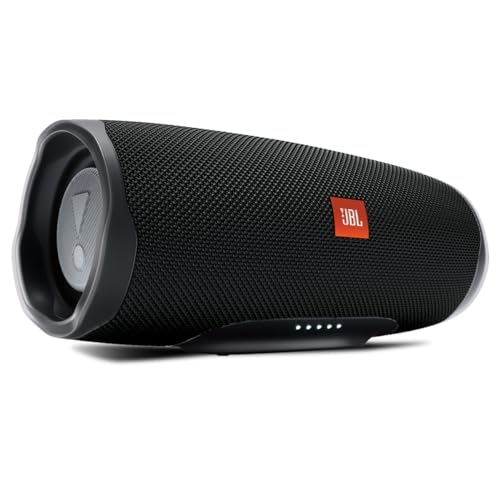
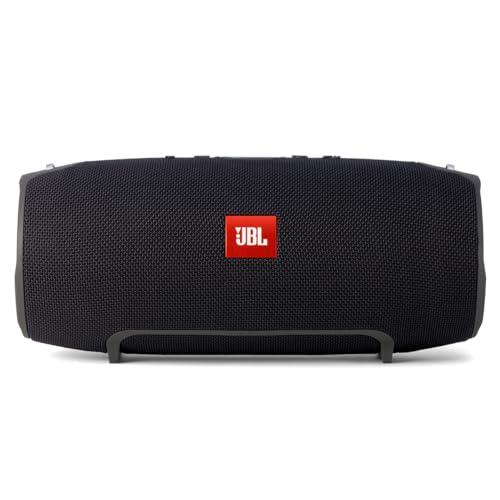
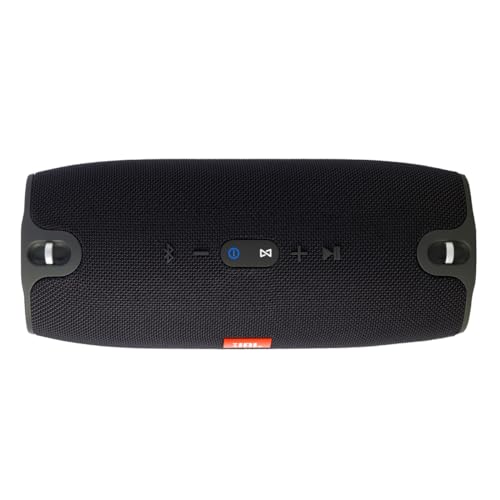
The JBL Charge 4 launched in 2018 as part of JBL's established Charge series, which has always prioritized power and utility over pure portability. At nearly 1,000 grams (about 2.1 pounds) with dimensions of 220 x 95 x 93 mm, it's substantial but still manageable for most users. The design philosophy is clear: maximize audio performance and battery life within a form factor that's still reasonably portable.
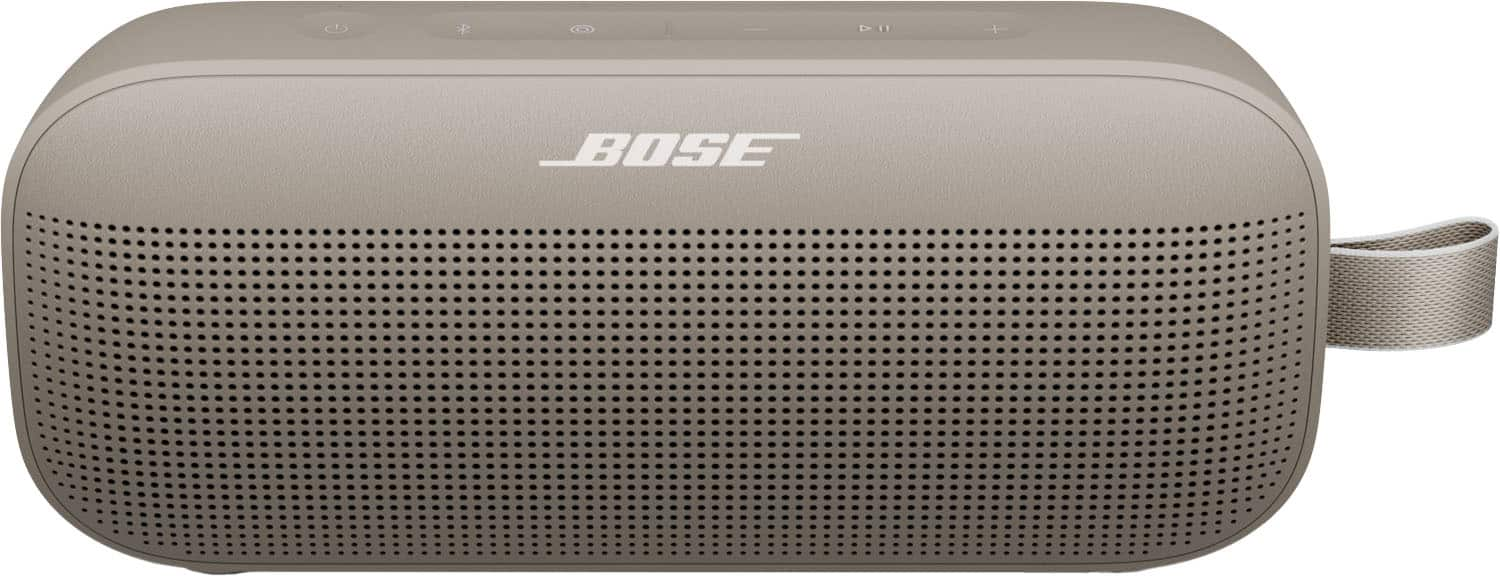
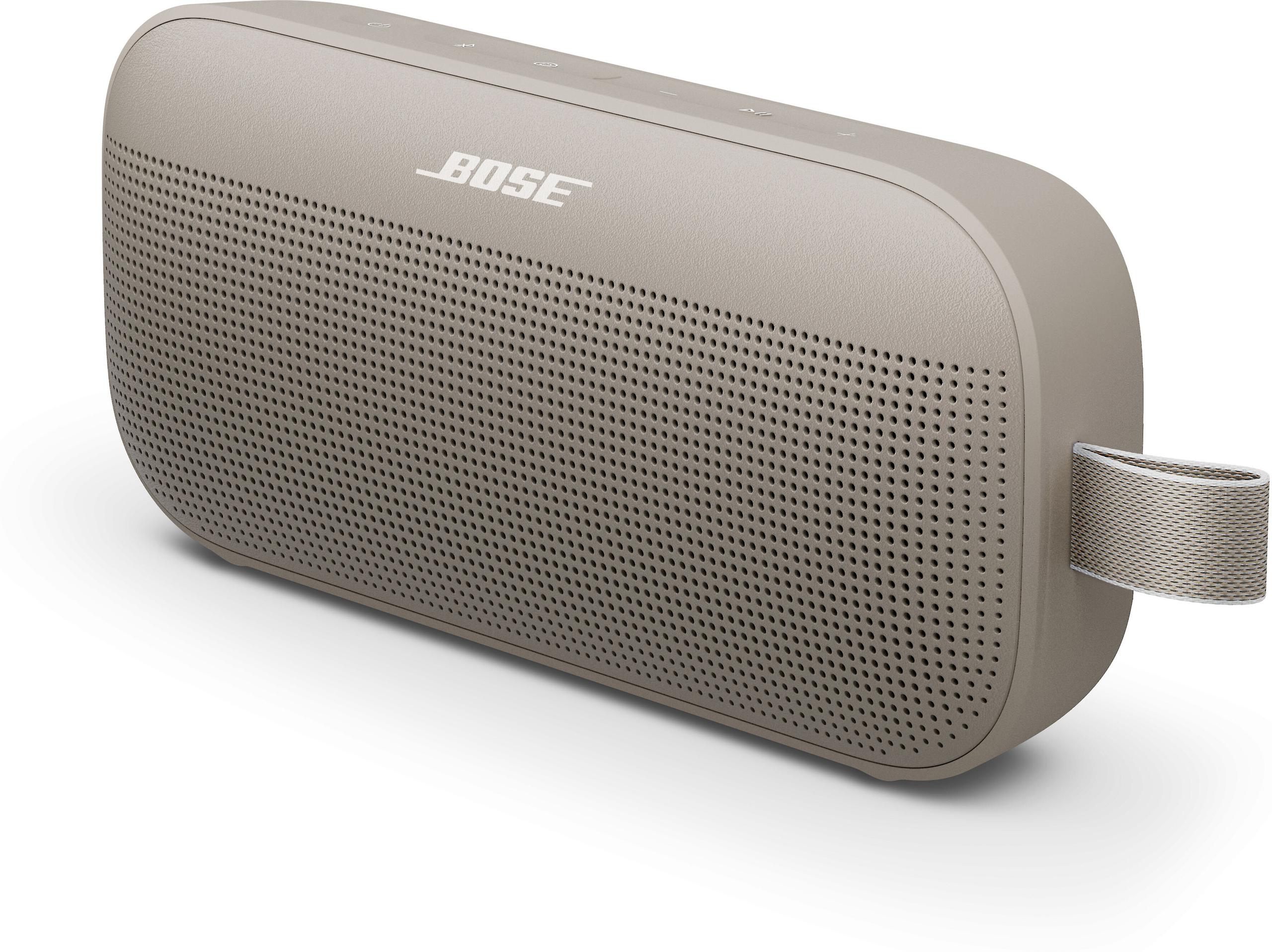
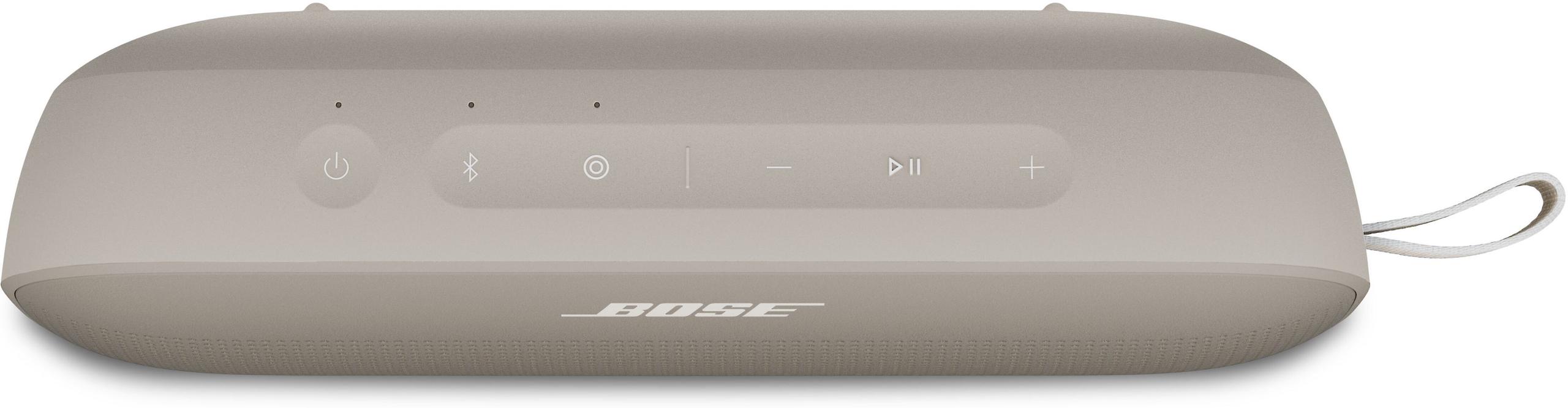
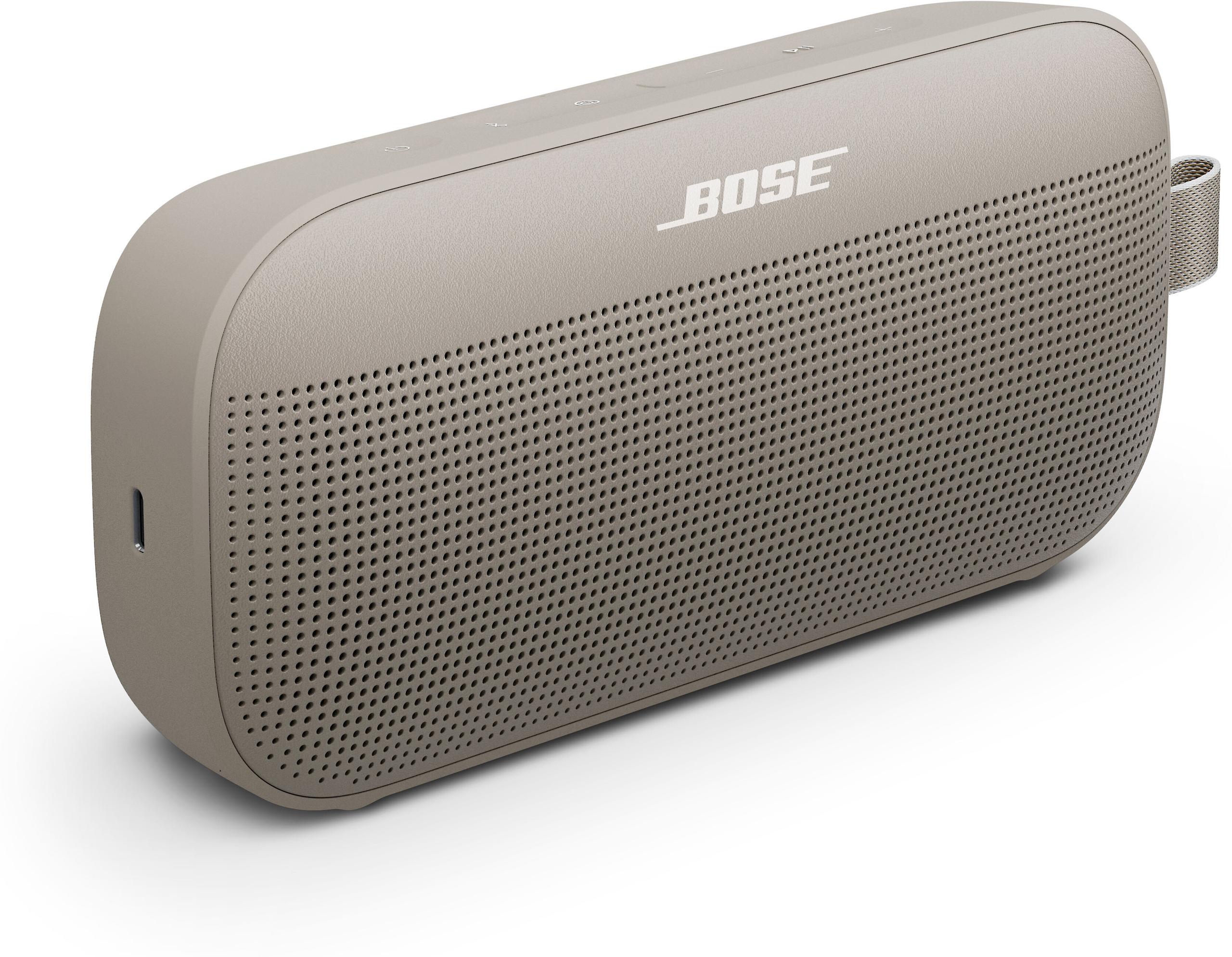
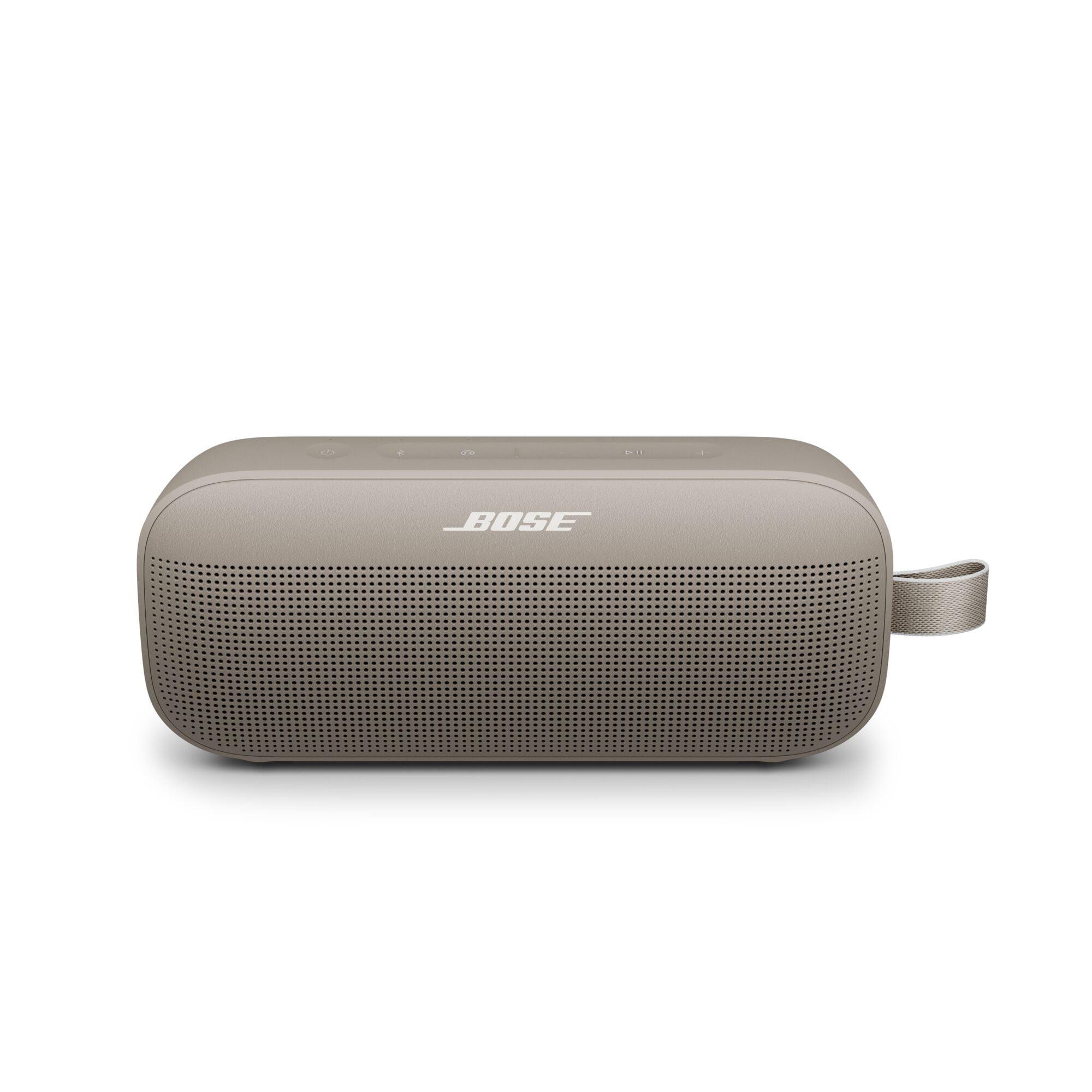
The Bose SoundLink Flex 2nd Gen arrived much more recently in 2024, benefiting from years of technological advancement. Weighing just 589 grams (about 1.3 pounds) with a compact rectangular design, it represents the modern trend toward true everyday portability without sacrificing too much audio quality.
The six-year gap between these releases matters more than you might think. Bluetooth technology, battery efficiency, and digital signal processing have all improved significantly during this period.
This is where things get really interesting, and it's probably the most important factor for most buyers.
The JBL Charge 4 delivers 30W RMS (Root Mean Square—essentially the continuous power output) compared to the Bose SoundLink Flex 2nd Gen's 20W. That 50% power advantage translates directly into louder maximum volume and more headroom before distortion sets in.
More importantly, the JBL Charge 4 features dual passive radiators alongside its main 50 x 90mm racetrack driver. Passive radiators are essentially speakers without magnets that move in response to air pressure changes from the main driver. This design effectively extends low-frequency response—you get much deeper, more impactful bass than the speaker's size would normally allow.
The frequency response tells the story: the JBL Charge 4 reaches down to 60Hz, while the Bose SoundLink Flex 2nd Gen starts rolling off around 64Hz. That 4Hz difference might seem small, but it's the difference between feeling bass drum kicks in your chest versus just hearing them.
For outdoor gatherings, beach trips, or any situation where you need to fill space with sound, the JBL Charge 4 simply delivers more impact. Users consistently report that it can handle party-level volumes without becoming harsh or distorted.
Here's where the Bose SoundLink Flex 2nd Gen fights back. Despite its smaller size and lower power output, it delivers remarkably clear, detailed audio with excellent instrument separation. This means you can pick out individual instruments in complex musical passages rather than everything blending together.
The Bose SoundLink Flex 2nd Gen also includes PositionIQ technology, which automatically detects whether the speaker is upright, lying flat, or hanging from its built-in loop, then adjusts the sound accordingly. This isn't just a gimmick—it genuinely improves audio quality by optimizing the frequency response for different orientations.
The treble response (higher frequencies) is notably more refined on the Bose SoundLink Flex 2nd Gen. Where the JBL Charge 4 can sound slightly harsh at high volumes, the Bose maintains composure and delivers crisp highs without fatigue.
Both speakers are technically mono—they have a single audio channel rather than separate left and right channels. However, they handle this limitation differently.
The JBL Charge 4 uses its single large driver and dual passive radiators to create a big, room-filling sound. It's optimized for maximum impact from one position. The Bose SoundLink Flex 2nd Gen focuses more on creating a balanced, natural sound that works well from multiple listening positions.
For true stereo sound, you'd need to pair two units of either speaker, which both support through their respective apps and wireless protocols.
This is perhaps the biggest differentiator between these two speakers, and it significantly impacts how you'll actually use them.
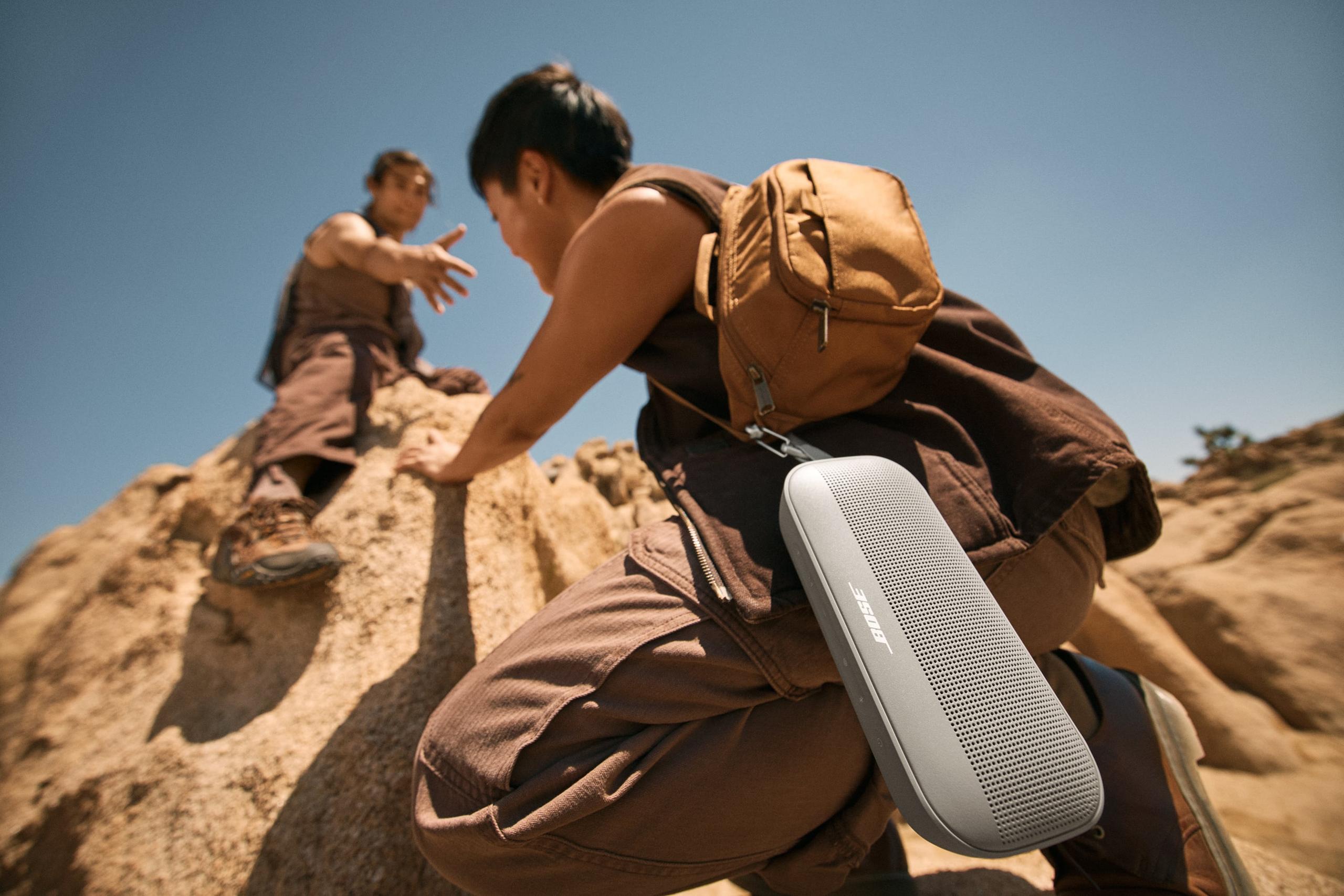
The Bose SoundLink Flex 2nd Gen weighs 589 grams and measures just 20.14 x 9.04 x 5.23 cm. To put that in perspective, it's roughly the size of a paperback book and weighs less than a typical tablet. It includes a silicone loop that makes it easy to attach to backpacks, belt loops, or carabiners.
The JBL Charge 4, at 965 grams and significantly larger dimensions, requires more intentional packing. It's not something you'll casually toss in a purse or small backpack—you need to plan for it.
This size difference creates distinct use cases. The Bose SoundLink Flex 2nd Gen excels as a true everyday carry speaker—something you might take to work, use in hotel rooms, or carry while hiking. The JBL Charge 4 is better suited for planned activities where you're already bringing a bag or gear.
Both speakers feel well-built, but they use different approaches. The JBL Charge 4 combines durable fabric with rugged rubber housing, creating a speaker that can handle rough treatment. It feels substantial and confidence-inspiring.
The Bose SoundLink Flex 2nd Gen uses a mix of aluminum, fabric, nylon, plastic, and silicone. Despite being lighter, it doesn't feel cheap or fragile. The build quality feels premium throughout, which is typical for Bose products.
This might be the JBL Charge 4's strongest advantage. Its 27Wh battery (7,500mAh capacity) delivers up to 20 hours of playback at moderate volumes. Real-world testing by users consistently shows 13-15 hours even with mixed volume levels, which means most people can go a week or more between charges.
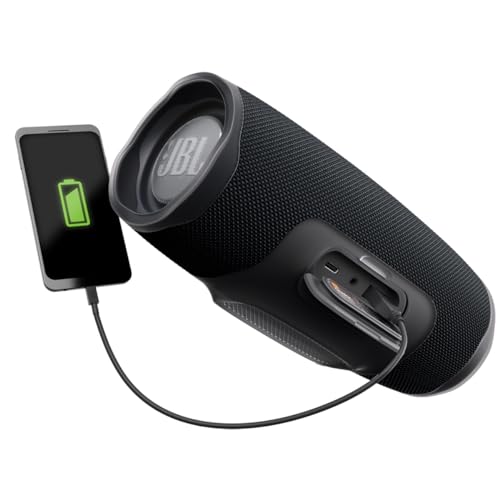
But here's the killer feature: the JBL Charge 4 doubles as a power bank. Its USB-A output port can charge your smartphone, tablet, or other devices while still playing music. This makes it invaluable for camping, long beach days, or any situation where power outlets are scarce.
The Bose SoundLink Flex 2nd Gen offers a more modest 12 hours of battery life, which is still respectable but requires more frequent charging. It includes a battery protection mode that preserves power when unused for extended periods with low charge—a thoughtful touch that extends overall battery lifespan.
For most casual users, 12 hours is plenty for daily use. But if you're someone who forgets to charge devices regularly or needs multi-day capability, the JBL Charge 4's endurance is unmatched in this category.
Both speakers handle water well, but with slightly different approaches.
The JBL Charge 4 carries an IPX7 rating, meaning it can survive full submersion in up to one meter of water for 30 minutes. It's designed to handle pool parties, beach trips, and even accidental drops in water.
The Bose SoundLink Flex 2nd Gen has an IP67 rating. The "6" indicates complete dust protection (the JBL Charge 4 doesn't have an official dust rating), while the "7" provides the same water resistance as the JBL. For practical purposes, both speakers are equally capable in wet environments.
The difference is in dust protection—the Bose SoundLink Flex 2nd Gen is officially dust-tight, making it better suited for sandy beaches or dusty camping conditions.
This is where the six-year age gap between products becomes apparent.
The JBL Charge 4 uses Bluetooth 4.2, which was standard when it launched but feels dated now. Connection range is adequate but not exceptional, and it occasionally struggles with the latest smartphone optimizations.
The Bose SoundLink Flex 2nd Gen includes Bluetooth 5.3, offering significantly better range (up to 275 feet in ideal conditions), more stable connections, and lower latency. It also supports advanced audio codecs like AAC and aptX, which can improve sound quality when streaming from compatible devices.
The Bose SoundLink Flex 2nd Gen includes multipoint connectivity, meaning it can maintain connections to two devices simultaneously and seamlessly switch between them. If you're listening to music from your laptop and get a call on your phone, it handles the transition automatically.
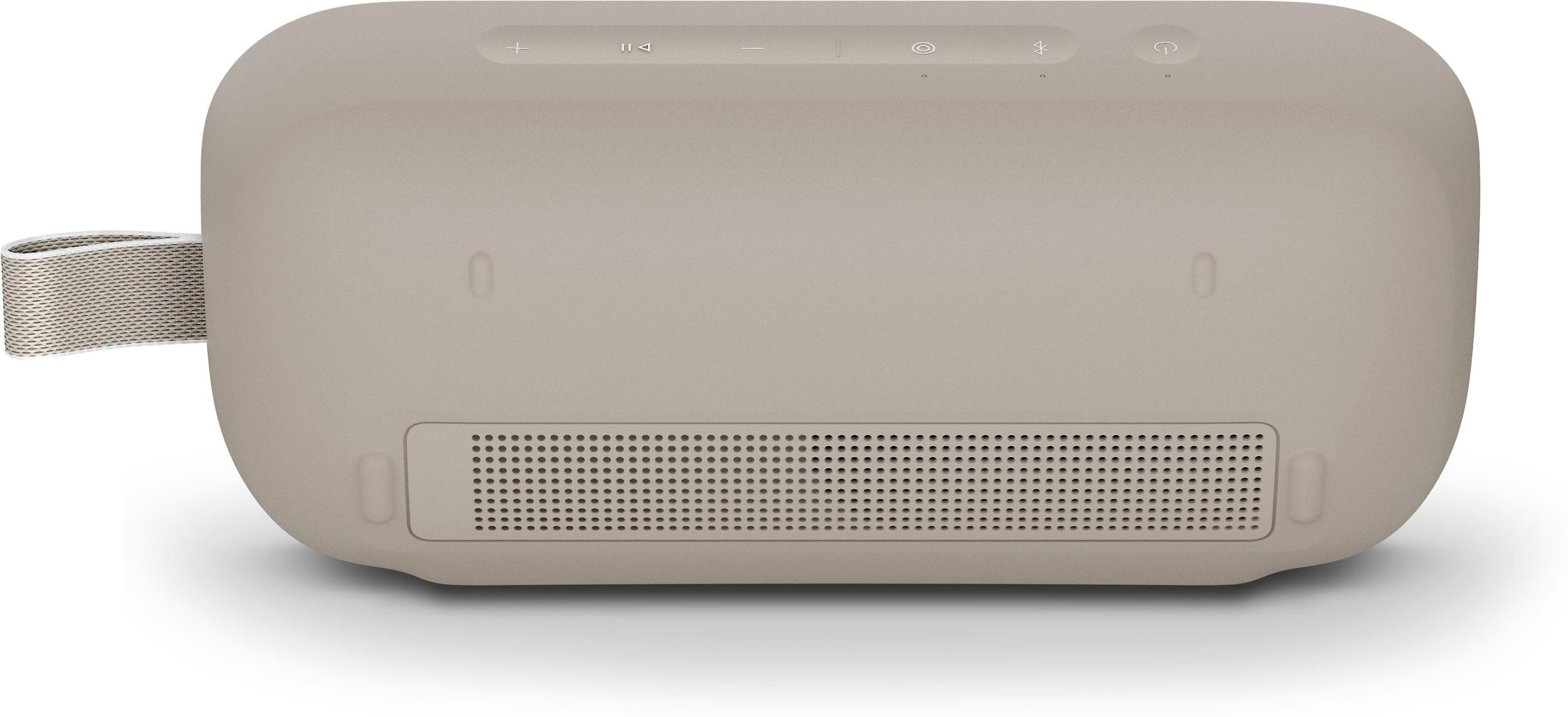
It also features a customizable shortcut button that can be programmed through the Bose app for functions like Spotify quick-access, voice assistant activation, or speaker pairing.
The JBL Charge 4 supports JBL Connect+, which allows linking up to 100+ compatible JBL speakers for larger sound systems. While impressive in scope, this feature is less useful in daily life than the Bose's modern connectivity options.
The JBL Charge 4 includes a 3.5mm auxiliary input, which is becoming rare but still valuable for connecting devices that don't support Bluetooth or for situations where you want to preserve battery life on your source device.
The Bose SoundLink Flex 2nd Gen is Bluetooth-only but includes a built-in microphone for hands-free calls, which the JBL Charge 4 lacks.
Neither speaker is designed as a primary home theater solution, but both can serve as convenient secondary audio sources.
The JBL Charge 4's higher power output and deeper bass make it more suitable for enhancing TV audio in smaller spaces. Its aux input also makes it easy to connect directly to TV outputs. However, the mono audio design means you won't get true left/right separation for movies.
The Bose SoundLink Flex 2nd Gen's superior audio clarity makes dialogue more intelligible, which is crucial for TV watching. Its compact size makes it easy to position optimally, and PositionIQ ensures good sound regardless of placement.
For casual TV enhancement, either speaker works, but dedicated soundbars or home theater systems remain better choices for serious viewing.
At the time of writing, these speakers occupy different price segments that reflect their distinct approaches.
The Bose SoundLink Flex 2nd Gen typically commands a premium price that's justified by its modern features, compact design, and refined audio quality. It represents good value for users who prioritize portability and don't need maximum volume or extended battery life.
The JBL Charge 4, being an older model, often sells for less than its original launch price, making it an excellent value for power users who want maximum audio performance and utility features like power bank capability.
The value equation depends entirely on your priorities. For most casual users, the Bose SoundLink Flex 2nd Gen's combination of portability, audio quality, and modern features provides better daily value. For users who need maximum battery life, power bank functionality, or frequently use their speaker for group gatherings, the JBL Charge 4 delivers more practical utility.
Based on extensive research into user experiences and expert reviews, certain performance characteristics matter more than others:
Audio clarity at moderate volumes is more important than maximum loudness for most users. The Bose SoundLink Flex 2nd Gen excels here with its refined tuning and excellent detail retrieval.
Battery life reliability trumps peak specifications. The JBL Charge 4's consistent 13-15 hour real-world performance is more valuable than theoretical 20-hour ratings.
Connection stability affects daily satisfaction more than maximum Bluetooth range. The Bose SoundLink Flex 2nd Gen's modern Bluetooth 5.3 implementation provides noticeably fewer dropouts and reconnection issues.
Build quality consistency matters for long-term ownership. Both speakers have proven reliable, but the JBL Charge 4's longer market presence provides more data points for durability assessment.
These speakers serve different masters, and both do their jobs exceptionally well.
The JBL Charge 4 remains the champion for users who view their portable speaker as outdoor adventure gear. Its combination of powerful audio, marathon battery life, and power bank utility makes it invaluable for camping, beach trips, and extended outings. Despite being older technology, it delivers where it counts most for power users.
The Bose SoundLink Flex 2nd Gen represents the evolution of portable audio toward true everyday utility. It provides premium audio quality in a package so compact and well-designed that you'll actually carry it regularly. For most users, this daily utility trumps the JBL Charge 4's occasional advantages in specific scenarios.
The choice ultimately comes down to whether you need a speaker for special occasions and demanding use cases (JBL Charge 4) or want an excellent audio companion for daily life (Bose SoundLink Flex 2nd Gen). Both represent strong value propositions within their intended use cases, making either a solid choice depending on your priorities and listening habits.
Consider your typical usage patterns honestly—most people overestimate how often they'll need maximum volume or all-day battery life while underestimating how much they'll appreciate true portability and refined audio quality in daily use.
| JBL Charge 4 | Bose SoundLink Flex 2nd Gen |
|---|---|
| Power Output - Determines maximum volume and bass impact | |
| 30W RMS (significantly louder, better for parties) | 20W (adequate for personal/small group listening) |
| Battery Life - Critical for extended use without charging | |
| 20 hours (exceptional, plus power bank function) | 12 hours (good for daily use, requires more frequent charging) |
| Weight & Size - Impacts daily portability and travel convenience | |
| 965g, 220×95×93mm (substantial but manageable) | 589g, 201×90×52mm (ultra-portable, fits in small bags) |
| Water Resistance - Protection for outdoor and wet environments | |
| IPX7 (fully submersible, excellent for pools/beach) | IP67 (submersible plus dust-tight, better all-around protection) |
| Bluetooth Version - Affects connection stability and range | |
| 4.2 (older standard, adequate range and stability) | 5.3 (modern standard, extended range up to 275ft, more stable) |
| Audio Design - Core approach to sound reproduction | |
| Single driver + dual passive radiators (powerful bass) | Single driver + PositionIQ (clarity and adaptive tuning) |
| Frequency Response - Determines bass depth and overall range | |
| 60Hz-20kHz (deeper bass extension) | 64Hz-20kHz (slightly less bass but more balanced) |
| Additional Features - Extra functionality beyond basic audio | |
| USB-A power bank, 3.5mm aux input, Connect+ pairing | Multipoint Bluetooth, built-in mic, customizable shortcut button |
| Audio Codecs - Sound quality when streaming wirelessly | |
| Standard SBC (basic quality) | SBC, AAC, aptX (higher quality streaming from compatible devices) |
| Release Year - Indicates technology generation and ongoing support | |
| 2018 (proven reliability, older tech) | 2024 (latest features, modern connectivity, ongoing updates) |
The JBL Charge 4 is significantly louder with 30W power output compared to the Bose SoundLink Flex 2nd Gen's 20W. The JBL can fill larger outdoor spaces and handle party-level volumes, while the Bose is better suited for personal listening or small groups.
The JBL Charge 4 has superior battery life with up to 20 hours of playback versus 12 hours for the Bose SoundLink Flex 2nd Gen. The JBL also functions as a power bank to charge your phone, making it ideal for extended outdoor use.
The Bose SoundLink Flex 2nd Gen is much more portable, weighing only 589g compared to the JBL Charge 4's 965g. The Bose has a compact rectangular design with a carrying loop, making it easier to pack and carry daily.
Yes, both speakers are excellent for outdoor use. The JBL Charge 4 has IPX7 waterproof rating and can be fully submerged, while the Bose SoundLink Flex 2nd Gen has IP67 rating with both water and dust protection. The JBL provides more volume for larger outdoor gatherings.
Sound quality depends on your priorities. The JBL Charge 4 delivers more powerful bass and volume, while the Bose SoundLink Flex 2nd Gen offers superior clarity, detail, and instrument separation. The Bose also features PositionIQ technology that adjusts sound based on speaker placement.
Only the Bose SoundLink Flex 2nd Gen has a built-in microphone for hands-free calls. The JBL Charge 4 lacks this feature, so you'll need to use your phone directly for calls.
The Bose SoundLink Flex 2nd Gen has superior connectivity with Bluetooth 5.3, multipoint connection (connects to two devices simultaneously), and support for high-quality audio codecs like aptX. The JBL Charge 4 uses older Bluetooth 4.2 technology.
Value depends on your needs. The Bose SoundLink Flex 2nd Gen typically offers better value for casual users who prioritize portability and modern features. The JBL Charge 4 provides excellent value for those needing maximum battery life and power bank functionality.
Yes, both support multi-speaker pairing. The JBL Charge 4 uses JBL Connect+ to link with over 100 compatible JBL speakers, while the Bose SoundLink Flex 2nd Gen can pair with another identical Bose speaker for stereo sound through the Bose app.
The JBL Charge 4 is significantly better for bass-heavy music thanks to its dual passive radiators and larger size. It reaches lower frequencies (60Hz) and delivers more impactful bass. The Bose SoundLink Flex 2nd Gen has more balanced sound with lighter bass emphasis.
Neither speaker is designed for home theater, but both can enhance TV audio in smaller spaces. The JBL Charge 4 offers more volume and bass impact, plus it has a 3.5mm aux input for direct TV connection. The Bose SoundLink Flex 2nd Gen provides clearer dialogue but less overall impact.
Both speakers are built to last, but they emphasize different aspects. The JBL Charge 4 has a proven track record since 2018 with rugged fabric and rubber construction. The Bose SoundLink Flex 2nd Gen uses premium materials including aluminum and offers better dust protection with its IP67 rating.
We've done our best to create useful and informative comparisons to help you decide what product to buy. Our research uses advanced automated methods to create this comparison and perfection is not possible - please contact us for corrections or questions. These are the sites we've researched in the creation of this article: rtings.com - whathifi.com - whathifi.com - soundguys.com - soundguys.com - streamtechreviews.com - youtube.com - versus.com - applevis.com - versus.com - jbl.com - jbl.com - walmart.com - comparisontabl.es - harmanaudio.com - manuals.plus - jbl.com.sg - jbl.com - mm.jbl.com - bestbuy.com - newpower99.com - forums.woot.com - techradar.com - worldwidestereo.com - bose.com - howtogeek.com - bose.com - crutchfield.com - visions.ca - pcrichard.com - staples.com - rtings.com - bose.com - soundguys.com

Privacy Policy
Terms and Conditions - Affiliate Policy
Home Security
© Copyright 2008-2026.
11816 Inwood Rd #1211, Dallas, TX 75244