

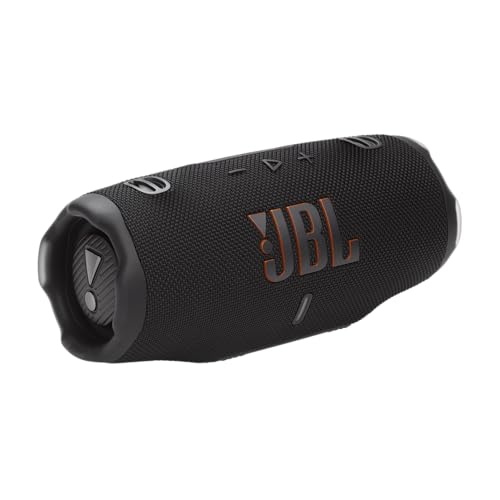


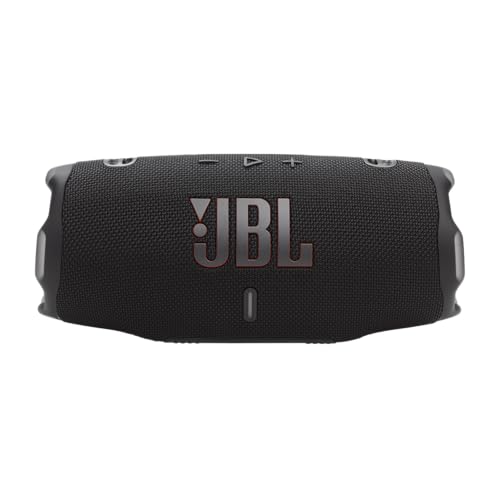
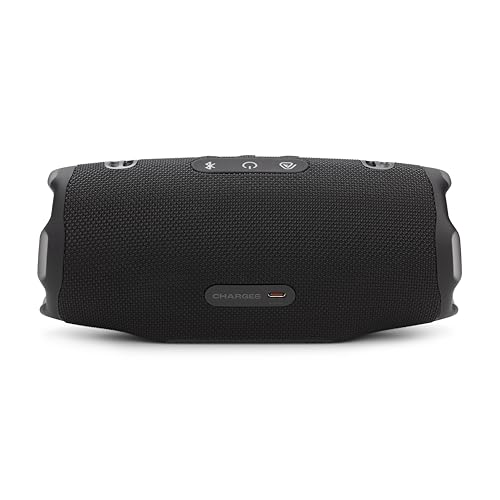
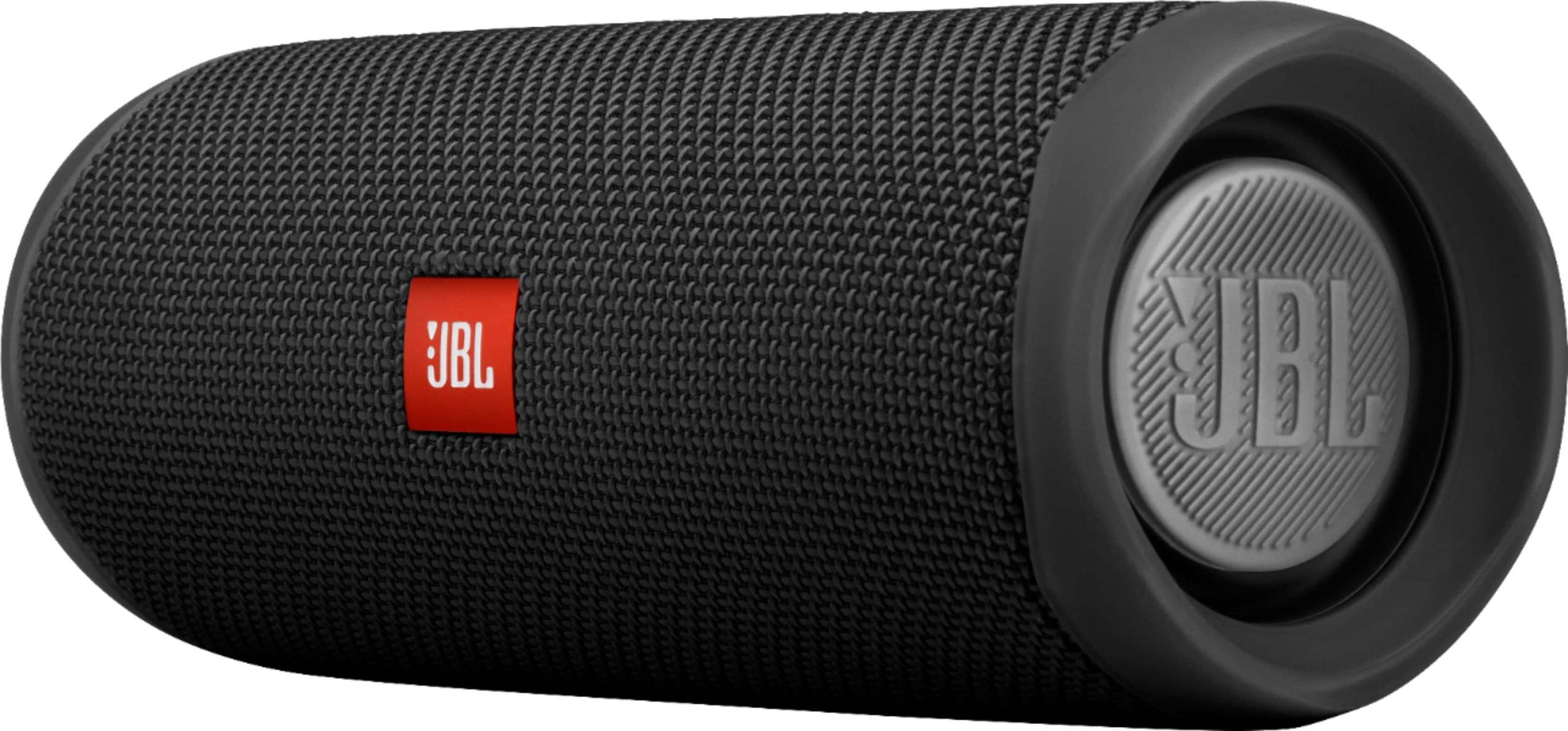
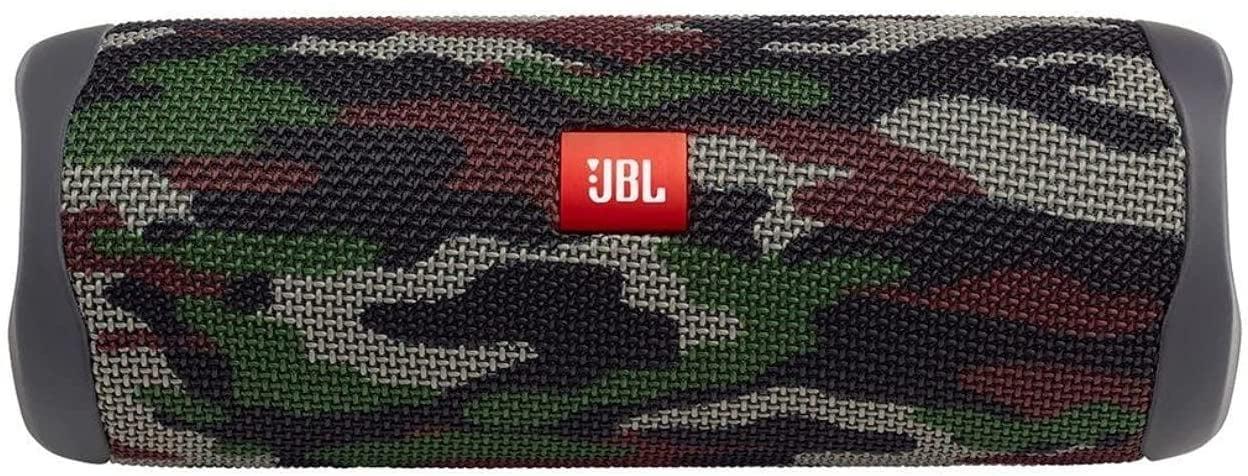
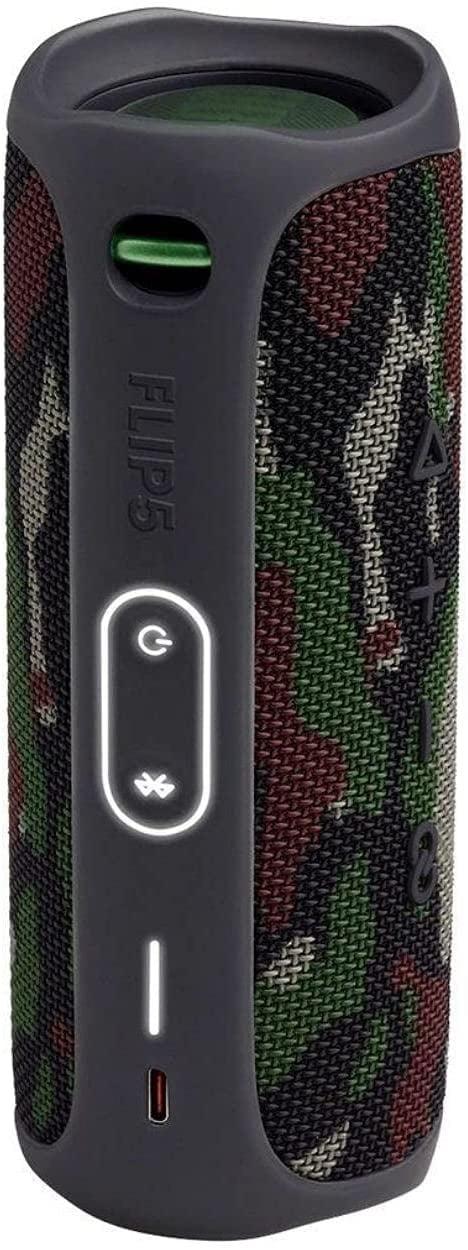
Shopping for a portable Bluetooth speaker can feel overwhelming with dozens of options at every price point. Today we're comparing two popular JBL speakers that represent very different approaches to portable audio: the premium JBL Charge 6 and the budget-friendly JBL Flip 5. While both deliver JBL's signature sound in a portable package, they're designed for different users and situations.
Before diving into specifics, let's talk about what actually matters when choosing a portable speaker. The most important factors are sound quality (how good it sounds), battery life (how long it plays), durability (how well it survives drops and water), and portability (how easy it is to carry around).
Sound quality comes down to several technical aspects. Frequency response tells us which musical notes the speaker can reproduce—lower numbers mean deeper bass, while higher numbers mean crisper treble. Power output, measured in watts, determines how loud the speaker can play without distorting. The driver configuration (the actual speakers inside) affects how well different frequencies are reproduced.
Battery capacity, measured in watt-hours (Wh) or milliamp-hours (mAh), determines playback time, while charging speed affects downtime between uses. Water resistance ratings like IPX7 or IP68 tell us exactly how much water exposure the speaker can handle—crucial information for pool parties or beach trips.
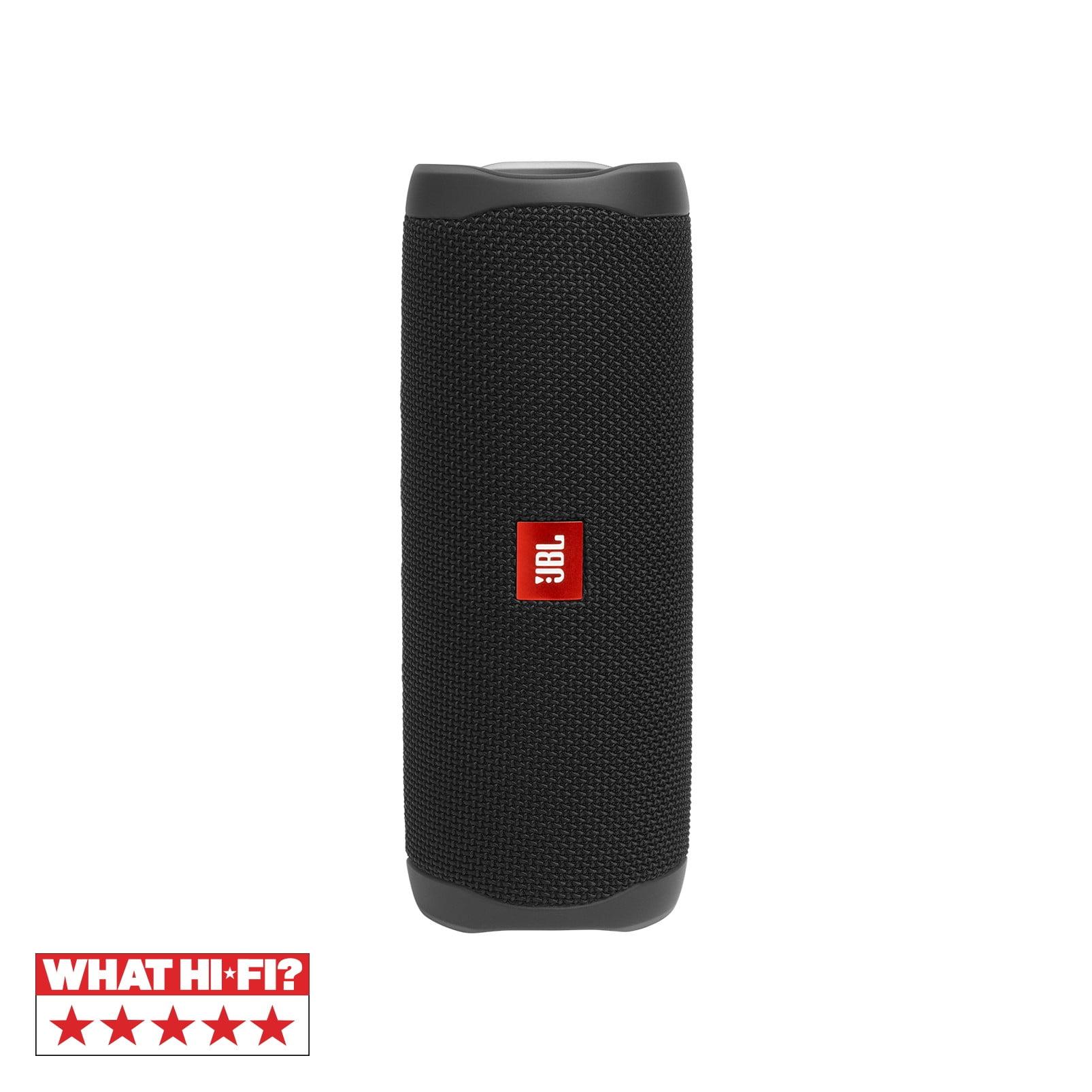
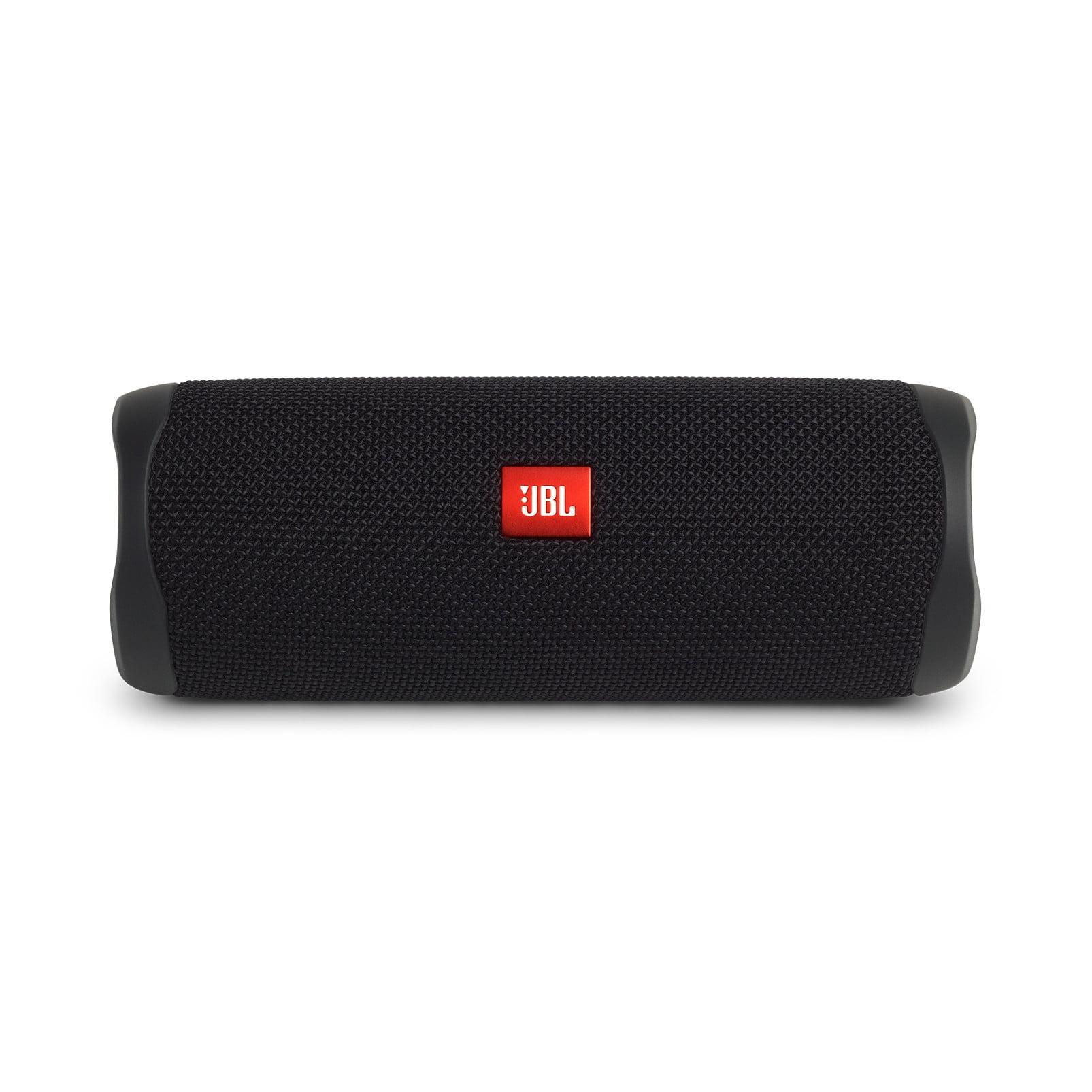
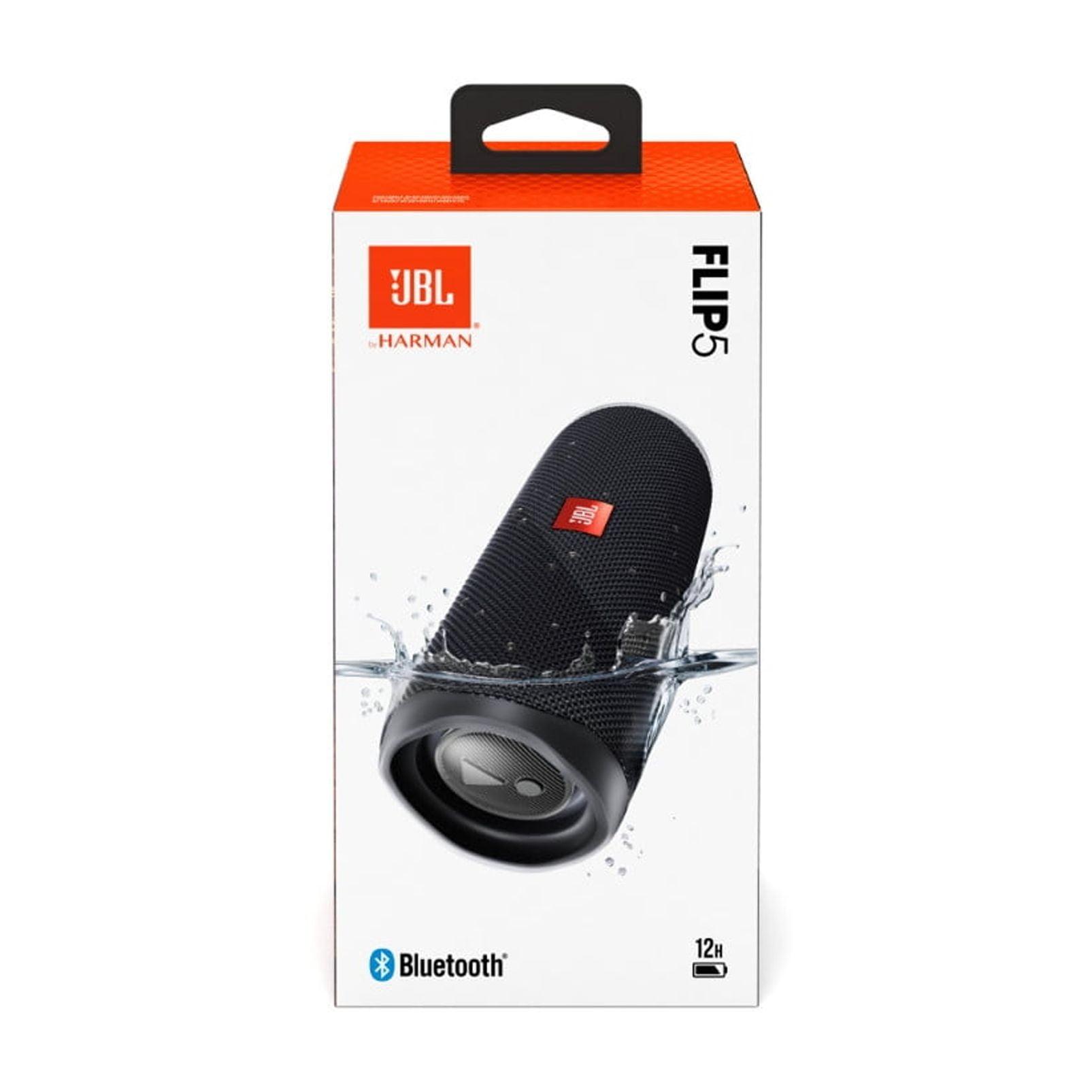
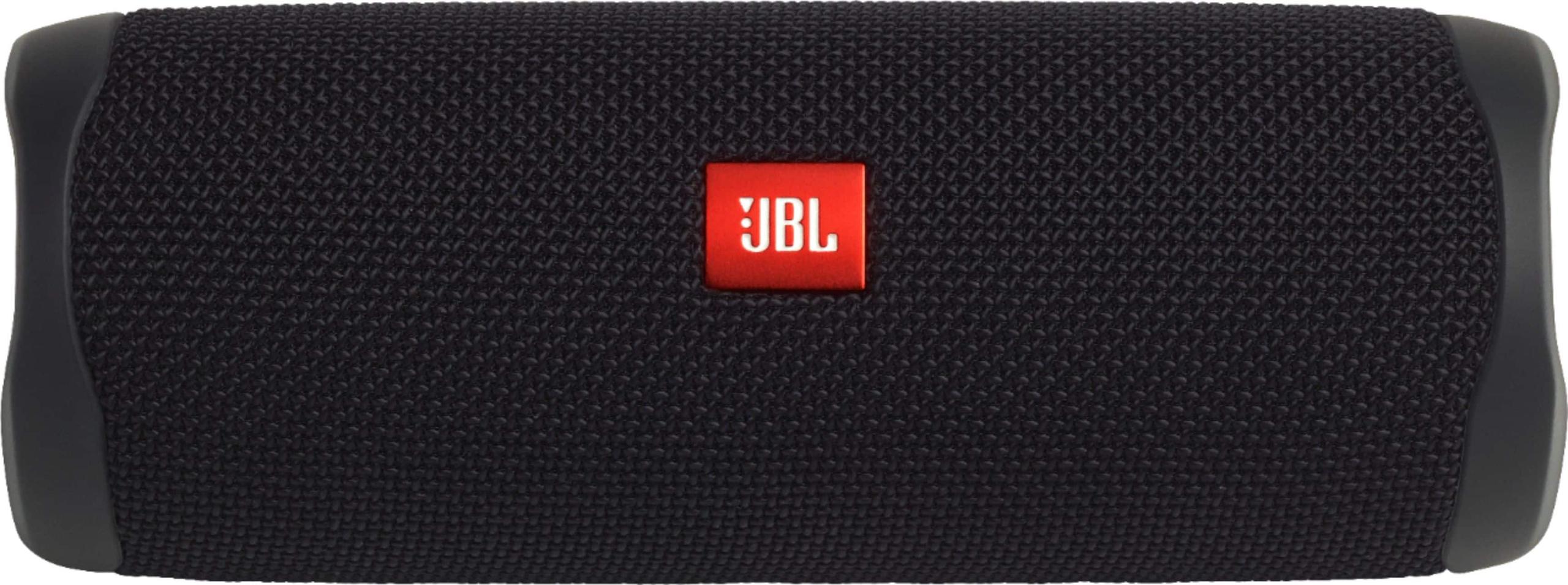
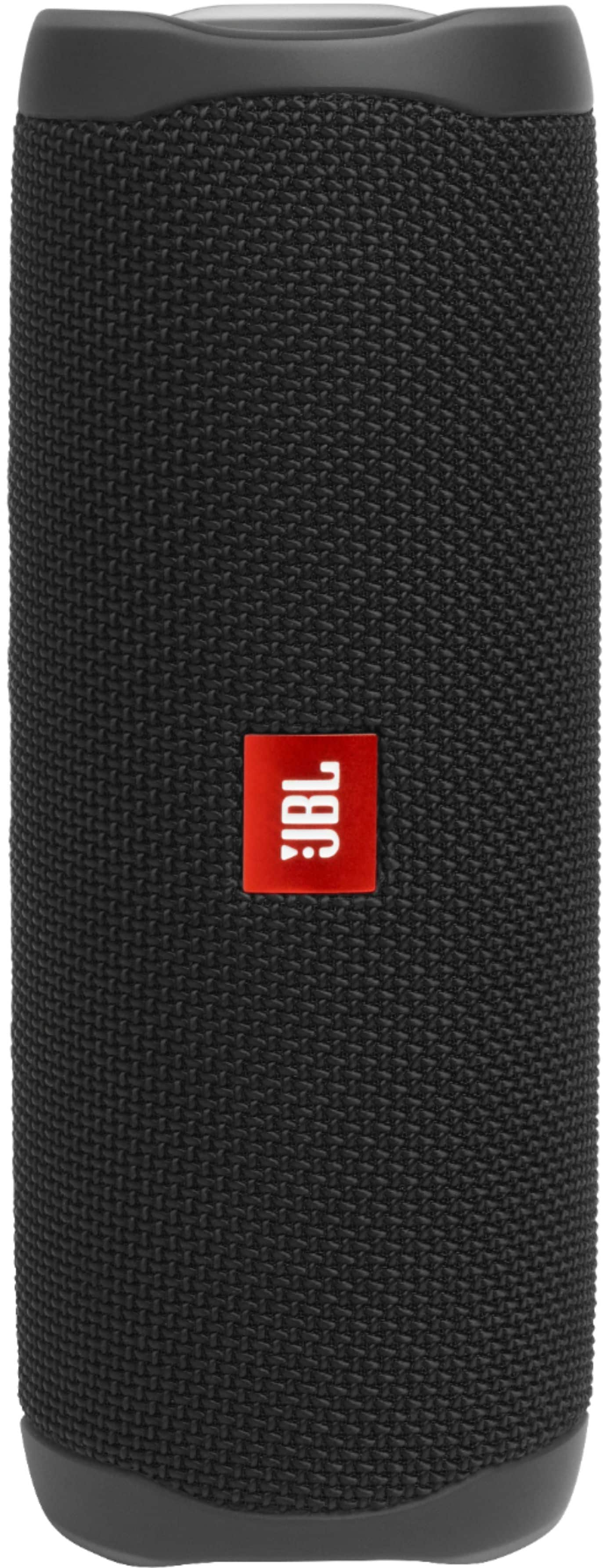
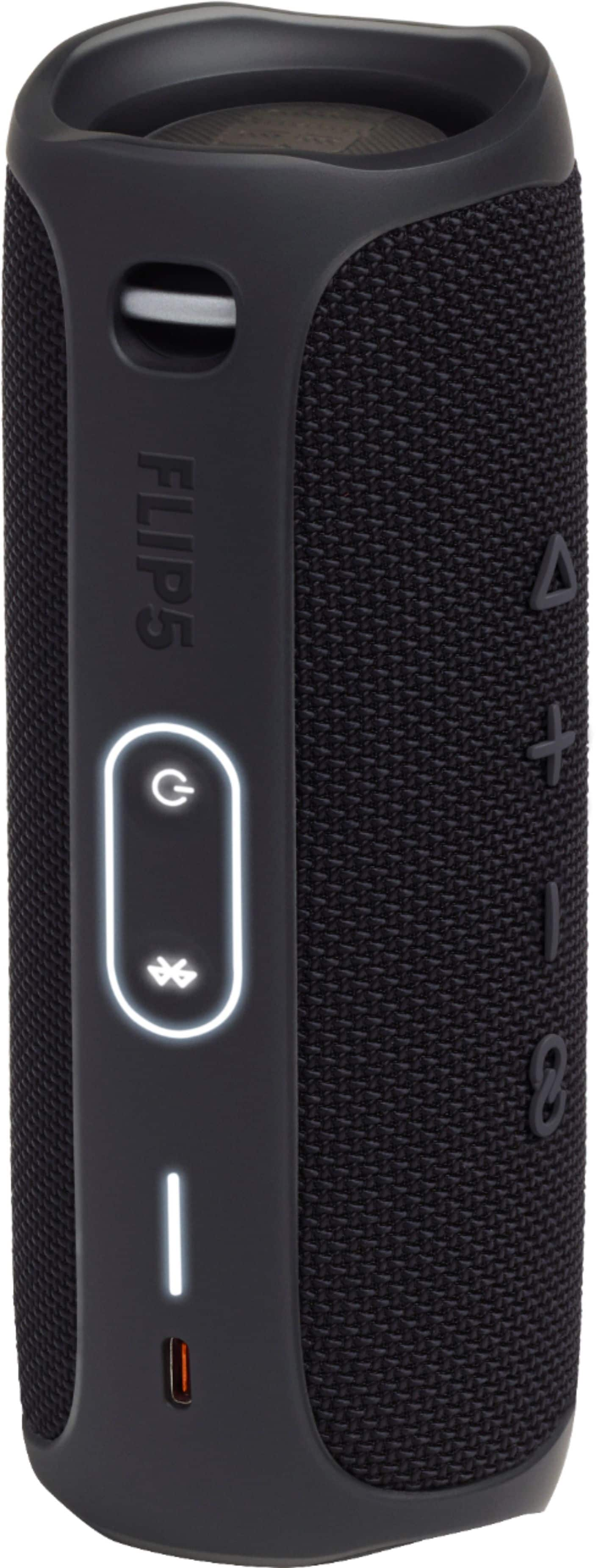
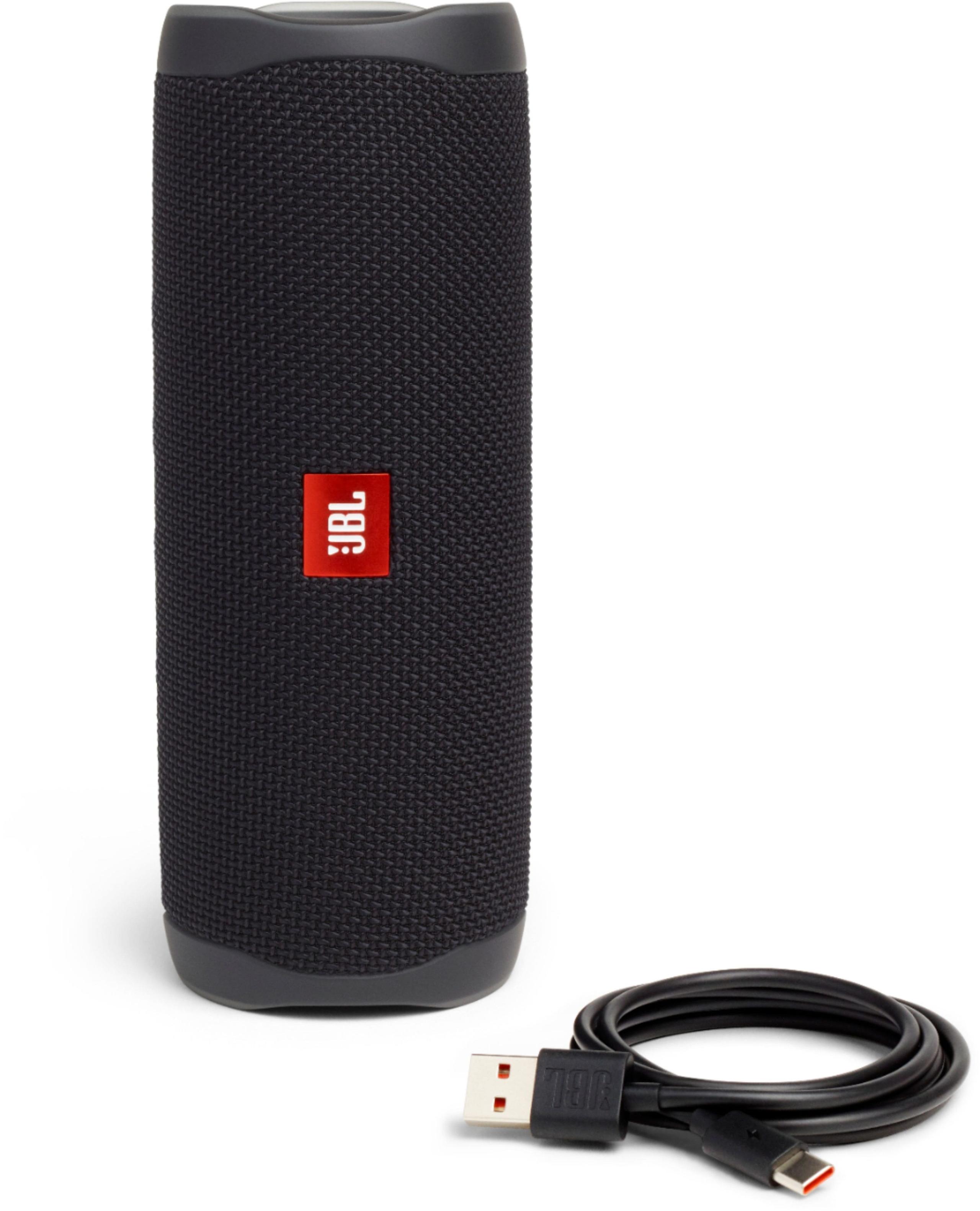
The JBL Flip 5 launched in 2019 as an affordable entry point into JBL's portable speaker lineup. It represented solid engineering at a budget-friendly price, featuring basic waterproofing and decent sound for its size. The speaker used Bluetooth 4.2 technology and JBL's older PartyBoost connectivity system for linking multiple speakers.
Fast-forward to 2024, and the JBL Charge 6 arrived with significant technological advances. This newer speaker incorporates Bluetooth 5.4, advanced audio processing algorithms, and improved materials. The five-year gap between releases shows in every aspect—from battery technology to driver design to connectivity features.
During this period, portable speaker technology evolved considerably. Battery efficiency improved, allowing longer playback times in smaller packages. Bluetooth technology advanced from version 4.2 to 5.4, offering better connection stability and new features like multi-device pairing. Water resistance standards also became more stringent, with IP68 becoming the new premium standard.
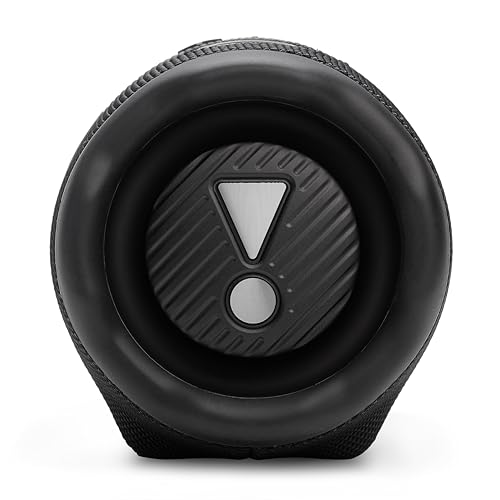
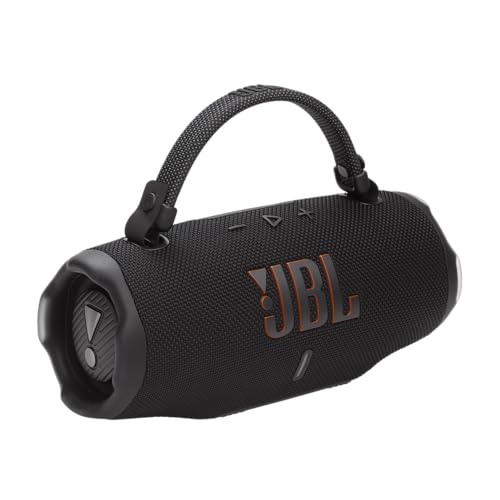
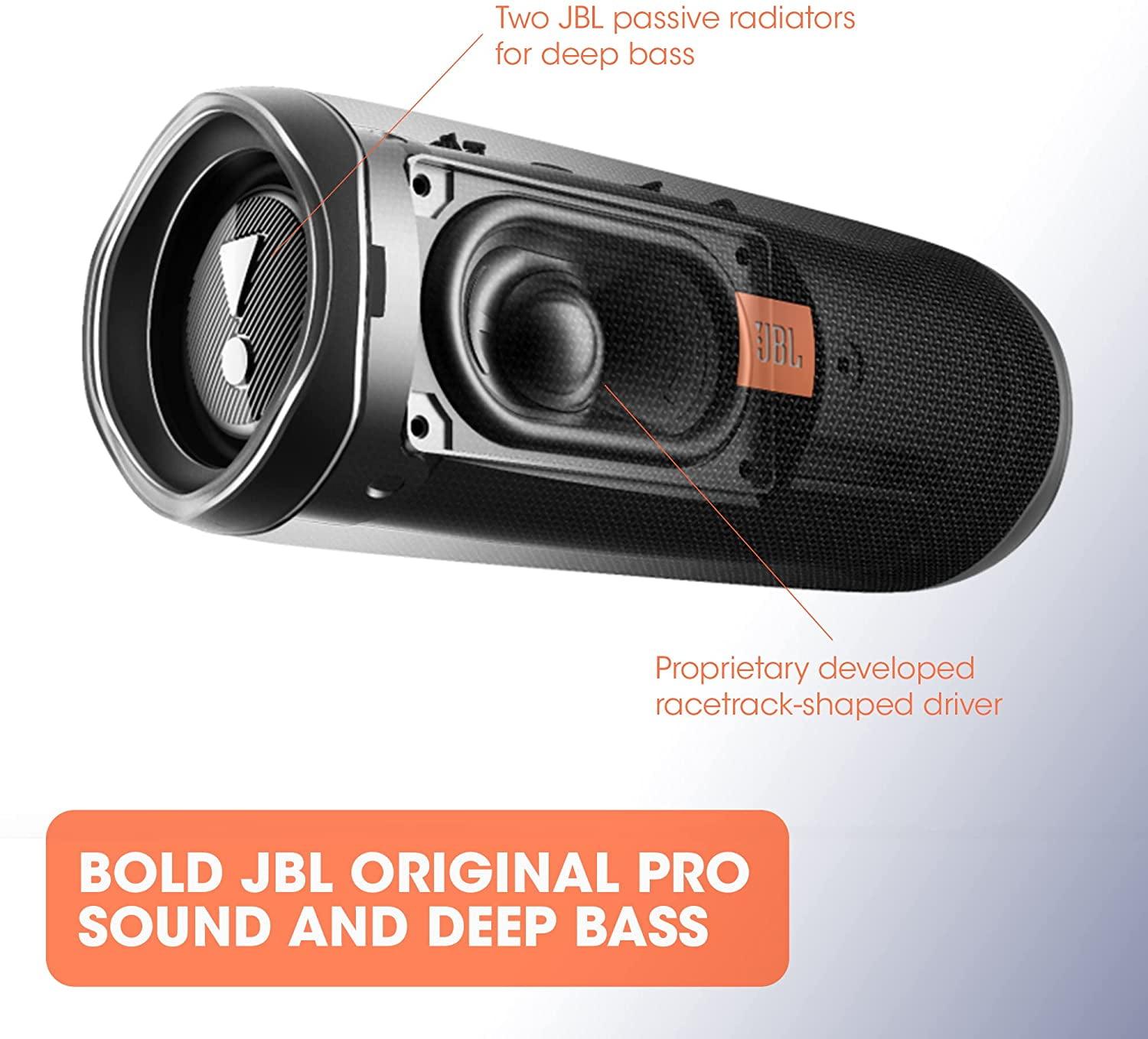
This is where the JBL Charge 6 truly separates itself from the JBL Flip 5. The Charge 6 delivers 45 watts of total power through a sophisticated two-way driver system—a 53mm x 93mm oval woofer handling bass and midrange, plus a 20mm tweeter for high frequencies. This crossover design means each driver specializes in specific frequency ranges, resulting in cleaner, more accurate sound reproduction.
The Flip 5, by contrast, uses a single 20-watt racetrack-shaped driver to handle all frequencies. While this design keeps costs down and maintains compact dimensions, it creates compromises. A single driver simply cannot excel at both deep bass and crisp highs simultaneously.
The frequency response numbers tell the story clearly. The Charge 6 reaches down to 56 Hz, while the Flip 5 bottoms out at 65 Hz. That 9 Hz difference represents significantly deeper bass response—the kind you feel in your chest rather than just hear. For reference, the lowest note on a bass guitar is around 41 Hz, so the Charge 6 gets much closer to reproducing those fundamental low frequencies.
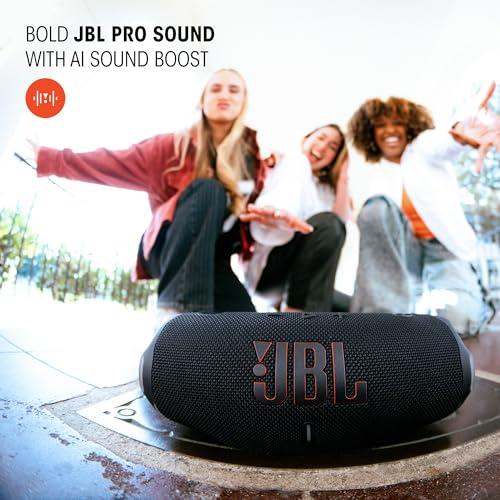
Based on our research of expert reviews and user feedback, the performance gap becomes obvious in practical use. The JBL Charge 6 maintains its composure at high volumes, thanks partly to its AI Sound Boost technology—a real-time audio processing system that analyzes music and adjusts the drivers to prevent distortion. This means you can crank up the volume at outdoor gatherings without the muddy, compressed sound that plagues smaller speakers.
The Flip 5, while respectable for its size, shows its limitations when pushed hard. Multiple reviews note that the midrange frequencies seem to disappear at higher volumes, while the treble becomes thin and harsh. This is typical behavior for single-driver systems under stress.
For home theater use, neither speaker is ideal since both output mono sound (combining left and right channels). However, the Charge 6 supports Auracast technology, allowing you to pair two units for true stereo separation. The Flip 5's older PartyBoost system can link multiple speakers but doesn't create proper stereo pairs.
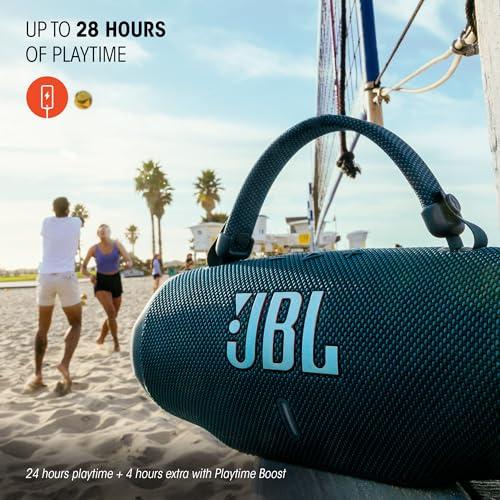
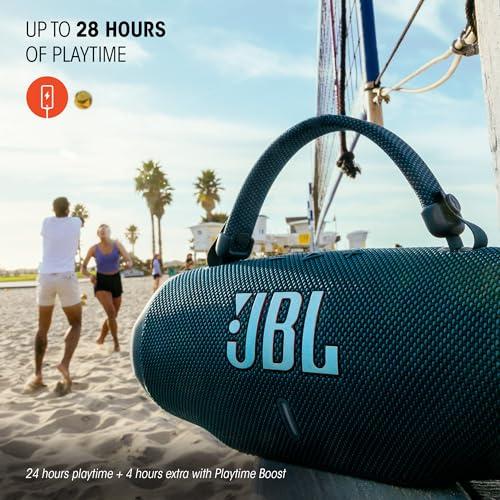
Battery performance showcases another major advantage of newer technology. The JBL Charge 6 packs a 34 wh lithium-ion battery delivering up to 24 hours of playback—and up to 28 hours with Playtime Boost enabled. Playtime Boost is essentially an energy-saving EQ preset that reduces power-hungry bass frequencies to extend runtime, though with some impact on sound quality.
The Flip 5 manages up to 12 hours from its smaller battery. While respectable for 2019, this runtime feels limiting by today's standards, especially for camping trips or all-day events where charging opportunities are scarce.
Charging technology has also advanced significantly. The Charge 6 includes fast charging that provides 2.5 hours of playback from just 10 minutes plugged in—perfect for those "oh no, I forgot to charge it" moments before heading out. The Flip 5 charges faster overall (2.5 hours vs 3 hours) due to its smaller battery, but lacks quick-charge capabilities.
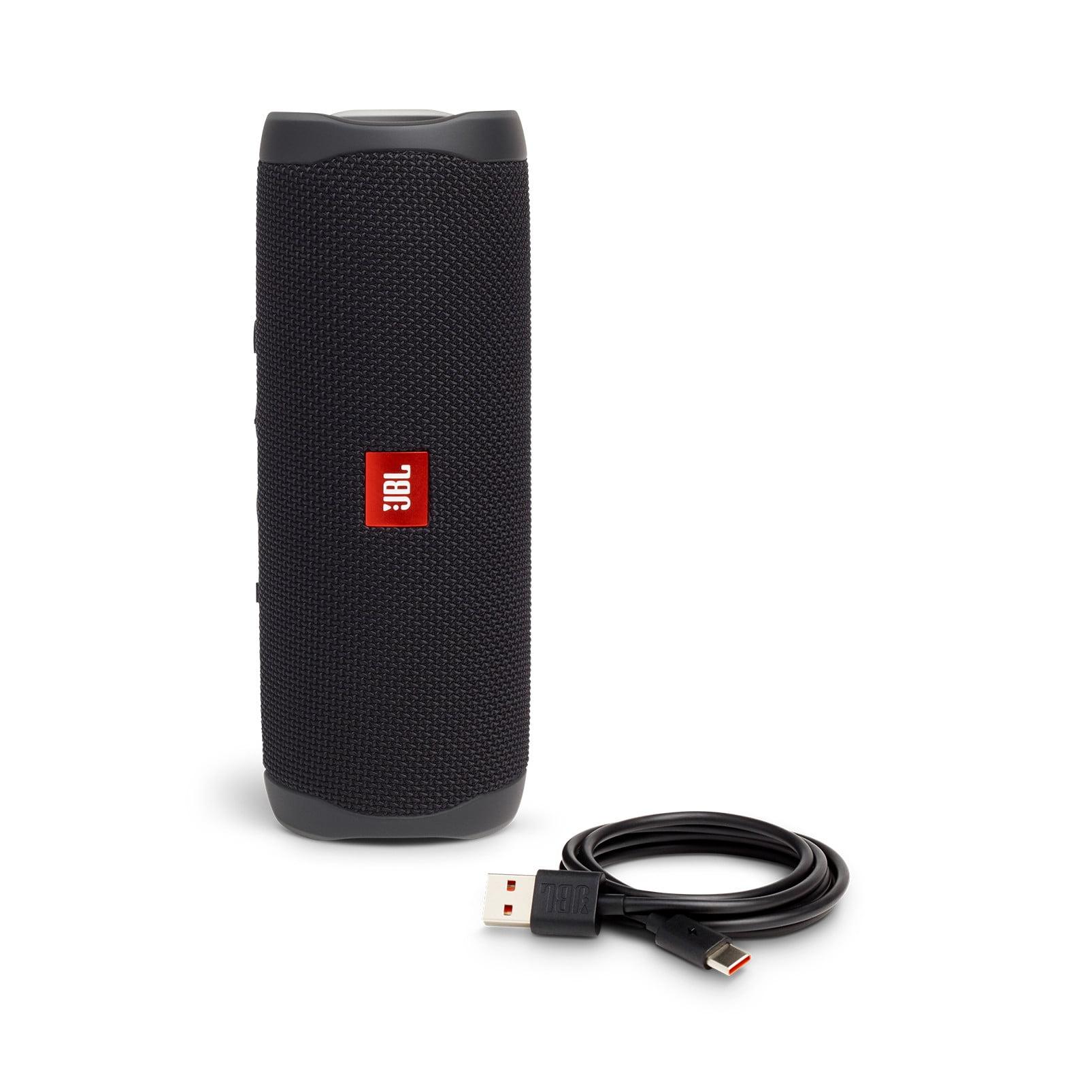
Perhaps more importantly, the Charge 6 doubles as a power bank, letting you charge phones or tablets through its USB-C port. This feature transforms the speaker from an audio device into an essential piece of outdoor gear. The Flip 5 offers no such functionality.
Both speakers handle water well, but with different capabilities. The JBL Flip 5 carries an IPX7 rating, meaning it survives submersion in up to one meter of water—perfectly adequate for poolside use or getting caught in rain.
The JBL Charge 6 steps up to IP68 protection, the highest standard for consumer electronics. This rating means complete dust protection plus submersion resistance up to 1.5 meters for 30 minutes. More importantly, IP68 covers continuous submersion rather than just temporary dunking, making it suitable for more extreme water activities.
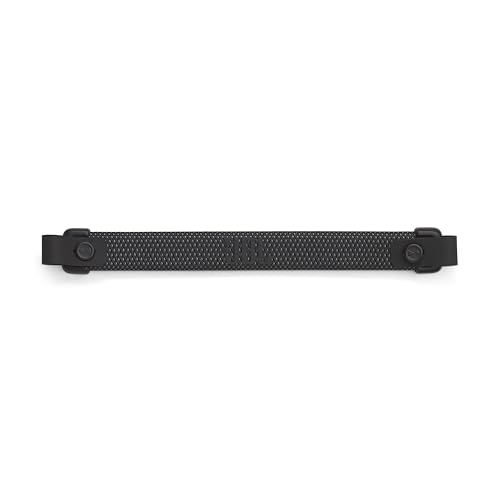
JBL also claims the Charge 6 survives drops from one meter onto concrete—a drop-proof certification the Flip 5 lacks. While we haven't personally tested this claim, the Charge 6's more robust construction and protective carry strap suggest better survivability for rough handling.
The materials tell a sustainability story too. The Charge 6 incorporates 85% post-consumer recycled plastic and 100% recycled fabric for its speaker grille. While this doesn't affect performance, it reflects JBL's evolving environmental commitments since 2019.
Connectivity showcases how much Bluetooth technology has evolved. The JBL Flip 5 uses Bluetooth 4.2 with basic A2DP and AVRCP profiles—perfectly functional but limited by 2019 standards. Connection range stays around 33 feet, and you can pair one device at a time.
The JBL Charge 6 leverages Bluetooth 5.4, offering several advantages. Multi-device pairing lets you connect two phones simultaneously—great for sharing DJ duties at parties. The newer Bluetooth standard also provides better connection stability and lower latency, reducing the delay between pressing play and hearing sound.
Auracast technology represents the biggest connectivity upgrade. This new standard replaces JBL's older PartyBoost system, allowing effortless linking of multiple compatible speakers. While PartyBoost speakers can chain together for louder sound, Auracast enables true stereo pairing and more sophisticated multi-room setups.
The Charge 6 also accepts lossless audio input through its USB-C port, supporting up to 24-bit/192kHz resolution. This wired connection bypasses Bluetooth compression entirely, delivering audiophile-quality sound when connected to computers or high-end music sources. The Flip 5 offers USB-C only for charging.
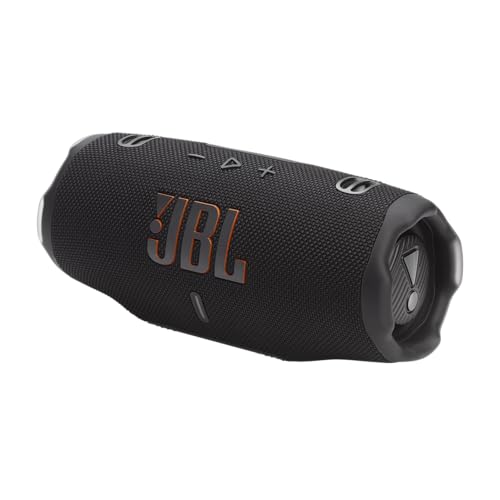
Here's where the JBL Flip 5 fights back. At 540 grams and compact cylindrical dimensions, it disappears into backpacks and fits comfortably in most cup holders. The design prioritizes pure portability above all else.
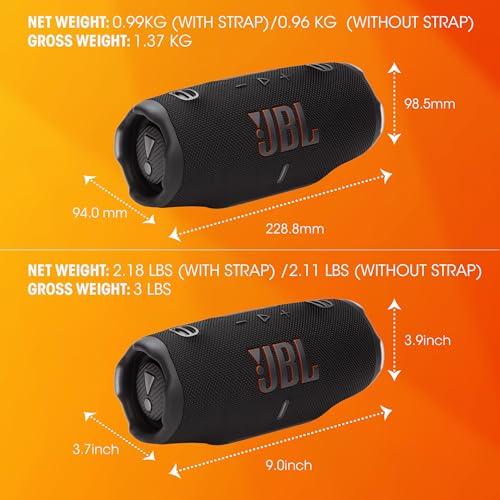
The JBL Charge 6 weighs nearly twice as much at 990 grams and measures significantly larger in all dimensions. While still portable, it's more of a "take to the beach house" speaker than a "slip into your laptop bag" companion. The included carry strap helps, but physics is physics.
This size difference directly enables the Charge 6's performance advantages. Larger speakers can move more air, creating deeper bass and higher maximum volumes without distortion. The bigger cabinet also allows for proper two-way driver separation, improving overall sound quality.
At the time of writing, the JBL Flip 5 typically sells for significantly less than the Charge 6—often landing well under $100 during sales versus the Charge 6's premium positioning. This price gap raises important value questions.
For the extra investment, the Charge 6 delivers roughly double the power output, double the battery life, significantly better bass response, enhanced water resistance, modern connectivity features, and power bank functionality. That's substantial added value, but only if you'll actually use these improvements.
The Flip 5 represents excellent value for buyers seeking basic portable audio without premium features. It handles casual listening well, survives pool parties, and won't break the budget. For many users, this meets their needs perfectly.
Choose the JBL Flip 5 if you prioritize ultimate portability and budget-conscious shopping. It excels for personal listening, small gatherings, and situations where every ounce matters. College students, casual listeners, and anyone needing basic waterproof audio will find it perfectly adequate.
The Flip 5 also makes sense for multiple-speaker scenarios. Buying two Flip 5s might cost less than one Charge 6 while providing stereo separation and wider sound coverage, though without the individual speaker quality or battery life.
Choose the JBL Charge 6 for serious outdoor use, extended listening sessions, and situations demanding higher quality audio. The extra battery life alone justifies the premium for camping, beach days, or anywhere charging opportunities are limited. The power bank functionality adds genuine utility for modern smartphone users.
For home use, the Charge 6 makes more sense unless space is extremely tight. Its superior drivers and power handling create a more satisfying listening experience, whether you're working from home or entertaining guests.
The JBL Charge 6 represents a clear evolution in portable speaker technology, offering substantially better performance across nearly every metric. However, the JBL Flip 5 remains relevant for users prioritizing portability and value over ultimate performance.
Consider your primary use cases honestly. If you mainly listen while walking, commuting, or in small spaces, the Flip 5's compact size and lower price make perfect sense. If you frequently find yourself wanting more bass, longer battery life, or the ability to charge devices on the go, the Charge 6's premium features justify the investment.
Both speakers deliver JBL's reliable build quality and signature sound character. The choice ultimately comes down to whether you need the Charge 6's advanced capabilities or if the Flip 5's simplicity better matches your lifestyle and budget. Either way, you're getting a solid portable speaker that will serve you well for years to come.
| JBL Charge 6 | JBL Flip 5 |
|---|---|
| Power Output - Determines maximum volume and bass depth | |
| 45W RMS (30W woofer + 15W tweeter) | 20W RMS (single driver) |
| Driver Configuration - Affects sound quality across all frequencies | |
| 2-way system: 53mm x 93mm oval woofer + 20mm tweeter | Single racetrack-shaped driver |
| Frequency Response - Lower numbers mean deeper bass | |
| 56 Hz - 20 kHz (deeper bass extension) | 65 Hz - 20 kHz (adequate for size) |
| Battery Life - Critical for outdoor and extended use | |
| 24-28 hours (with Playtime Boost mode) | Up to 12 hours |
| Charging Time - How long you're without music | |
| 3 hours full charge, 10 min = 150 min playback | 2.5 hours full charge, no fast charging |
| Water/Dust Resistance - Protection level for outdoor adventures | |
| IP68 (submersion to 1.5m for 30 minutes) | IPX7 (submersion to 1m temporarily) |
| Bluetooth Version - Newer versions offer better connectivity | |
| Bluetooth 5.4 with Auracast multi-speaker pairing | Bluetooth 4.2 with PartyBoost |
| Multi-Device Support - Convenience for shared listening | |
| Up to 2 devices simultaneously | Single device connection |
| USB-C Functionality - Beyond just charging | |
| Input/output for lossless audio + powerbank function | Charging only |
| Weight - Portability vs performance tradeoff | |
| 990g (2.18 lbs) with strap | 540g (1.2 lbs) |
| Dimensions - Size impact on portability | |
| 228.8 x 98.5 x 94.0mm (larger, room-filling sound) | 180 x 74 x 69mm (ultra-portable) |
| App Features - Sound customization options | |
| 7-band EQ, Playtime Boost, firmware updates | Basic 3-band EQ via JBL Charge 6 app compatibility |
| Additional Features - Value-added functionality | |
| AI Sound Boost, powerbank, drop-proof to 1m | PartyBoost connectivity, 11 color options |
| Release Year - Technology generation and future-proofing | |
| 2024 (latest tech, modern connectivity standards) | 2019 (proven reliability, older standards) |
The JBL Charge 6 delivers significantly better sound quality with its 45W two-way driver system featuring a dedicated woofer and tweeter. The JBL Flip 5 uses a single 20W driver that handles all frequencies, which limits its ability to produce deep bass and clear highs simultaneously. The Charge 6 also includes AI Sound Boost technology that prevents distortion at high volumes.
The JBL Charge 6 offers up to 24-28 hours of playback time, while the JBL Flip 5 provides up to 12 hours. The Charge 6 also functions as a powerbank to charge your devices, making it ideal for extended outdoor activities where charging opportunities are limited.
The JBL Flip 5 is significantly more portable, weighing only 540g compared to the Charge 6's 990g. The Flip 5 easily fits in backpacks and cup holders, making it perfect for personal use and travel. However, the JBL Charge 6 includes a carry strap to improve portability despite its larger size.
The JBL Charge 6 offers superior IP68 water resistance, allowing submersion up to 1.5 meters for 30 minutes and complete dust protection. The JBL Flip 5 has IPX7 rating, which protects against temporary submersion up to 1 meter but offers no dust protection. Both are suitable for pool parties and beach use.
Neither the JBL Charge 6 nor JBL Flip 5 are ideal for home theater use since both output mono sound. However, you can pair two Charge 6 speakers using Auracast technology for true stereo separation. The Flip 5 supports PartyBoost for multiple speaker connections but doesn't create proper stereo pairs.
The JBL Charge 6 features modern Bluetooth 5.4 with multi-device pairing, Auracast technology, and USB-C input for lossless audio playback. The JBL Flip 5 uses older Bluetooth 4.2 with single-device connection and basic PartyBoost linking. The Charge 6 provides more versatile and future-proof connectivity.
The JBL Charge 6 excels for outdoor parties with its 45W power output, extended 24-hour battery life, and powerbank functionality. It maintains sound quality at high volumes and can charge guests' phones. The JBL Flip 5 works for smaller gatherings but may struggle with volume and bass in larger outdoor spaces.
The JBL Flip 5 provides excellent entry-level value for casual listeners prioritizing portability and basic features. The JBL Charge 6 costs significantly more but delivers double the power, battery life, and advanced features like powerbank functionality and superior water resistance, making it better value for serious users.
The JBL Charge 6 offers a comprehensive 7-band equalizer through the JBL Portable app, allowing precise sound customization. The JBL Flip 5 provides basic 3-band EQ controls. The Charge 6 also includes Playtime Boost mode for extended battery life with adjusted sound profile.
The JBL Charge 6 delivers significantly better bass performance with its dedicated 53mm x 93mm oval woofer and frequency response down to 56 Hz. The JBL Flip 5 reaches only 65 Hz and uses a single driver that cannot match the Charge 6's bass depth and punch, especially at higher volumes.
The JBL Flip 5 charges faster overall (2.5 hours vs 3 hours) due to its smaller battery. However, the JBL Charge 6 offers superior fast-charging with 10 minutes providing 150 minutes of playback time. The Charge 6 also charges via USB-C and can charge other devices while playing music.
Choose the JBL Flip 5 for ultra-portability, budget-conscious buying, and personal listening in small spaces. Select the JBL Charge 6 for outdoor adventures, extended listening sessions, serious audio quality, and situations where powerbank functionality is valuable. The Charge 6 suits users wanting premium features and performance.
We've done our best to create useful and informative comparisons to help you decide what product to buy. Our research uses advanced automated methods to create this comparison and perfection is not possible - please contact us for corrections or questions. These are the sites we've researched in the creation of this article: rtings.com - youtube.com - stereoguide.com - whathifi.com - youtube.com - elomymelo.com - soundguys.com - elomymelo.com - wifihifi.com - soundguys.com - jbl.com - whathifi.com - soundguys.com - youtube.com - smarthomesounds.co.uk - jbl.com - sweetwater.com - youtube.com - bestbuy.com - jbl.com.sg - jbl.com - dell.com - ca.jbl.com - soundguys.com - soundguys.com - dell.com - whathifi.com - seriousinsights.net - youtube.com - youtube.com - harmanaudio.com - cdwg.com - gzhls.at - kh.jbl.com - support.jbl.com - mm.jbl.com - bestbuy.com - soundguys.com

Privacy Policy
Terms and Conditions - Affiliate Policy
Home Security
© Copyright 2008-2026.
11816 Inwood Rd #1211, Dallas, TX 75244