







Portable Bluetooth speakers have evolved dramatically over the past few years, transforming from basic audio accessories into powerful, feature-packed entertainment hubs. Whether you're planning a beach trip, hosting a backyard barbecue, or just want better sound around the house, choosing the right speaker can make or break your audio experience.
Today we're comparing two standout options that represent different philosophies in portable audio: the JBL Charge 6 and the Ultimate Ears EVERBOOM. Both speakers target music lovers who demand quality sound on the go, but they take notably different approaches to delivering that experience.
Before diving into the specifics, it's worth understanding what separates great portable speakers from mediocre ones. The most critical factors are audio performance (how good it sounds), battery endurance (how long it lasts), and build quality (how well it survives real-world use). Beyond these basics, modern speakers often include features like waterproofing, power bank functionality, and multi-speaker pairing capabilities.
The challenge for manufacturers is balancing these competing demands within size and weight constraints that keep speakers truly portable. This is where the JBL Charge 6 and Ultimate Ears EVERBOOM diverge in their design philosophies, each making different tradeoffs to appeal to specific user needs.
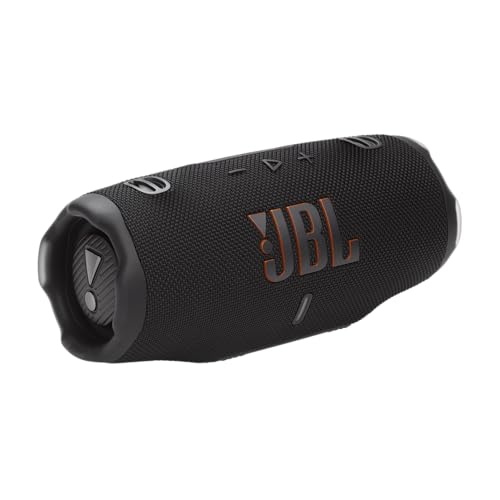
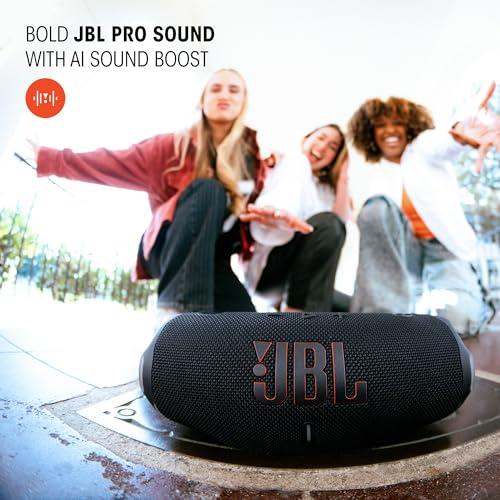
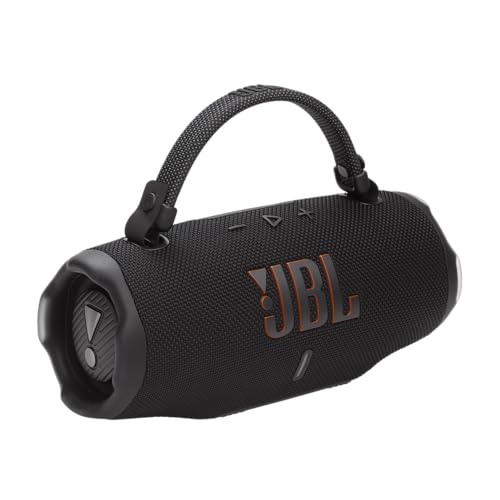
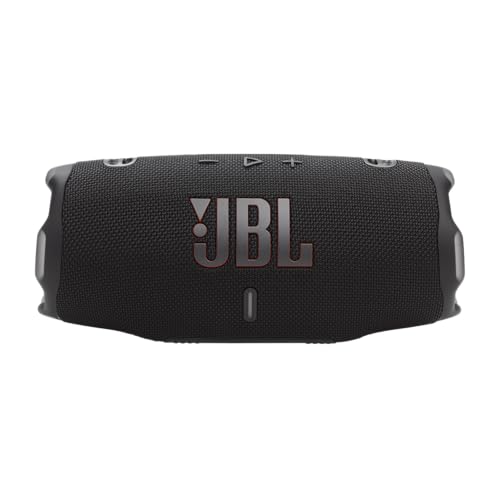
The JBL Charge 6 arrived in 2025 as the latest evolution of JBL's popular Charge series, which has built a reputation for combining solid audio performance with exceptional battery life. JBL used this latest generation to introduce their AI Sound Boost technology—a real-time audio processing system that analyzes music as it plays to optimize driver performance and minimize distortion. This represents a significant technological leap from previous generations that relied on more traditional digital signal processing.
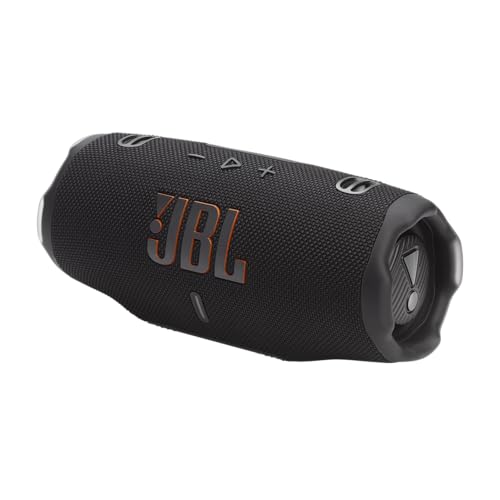
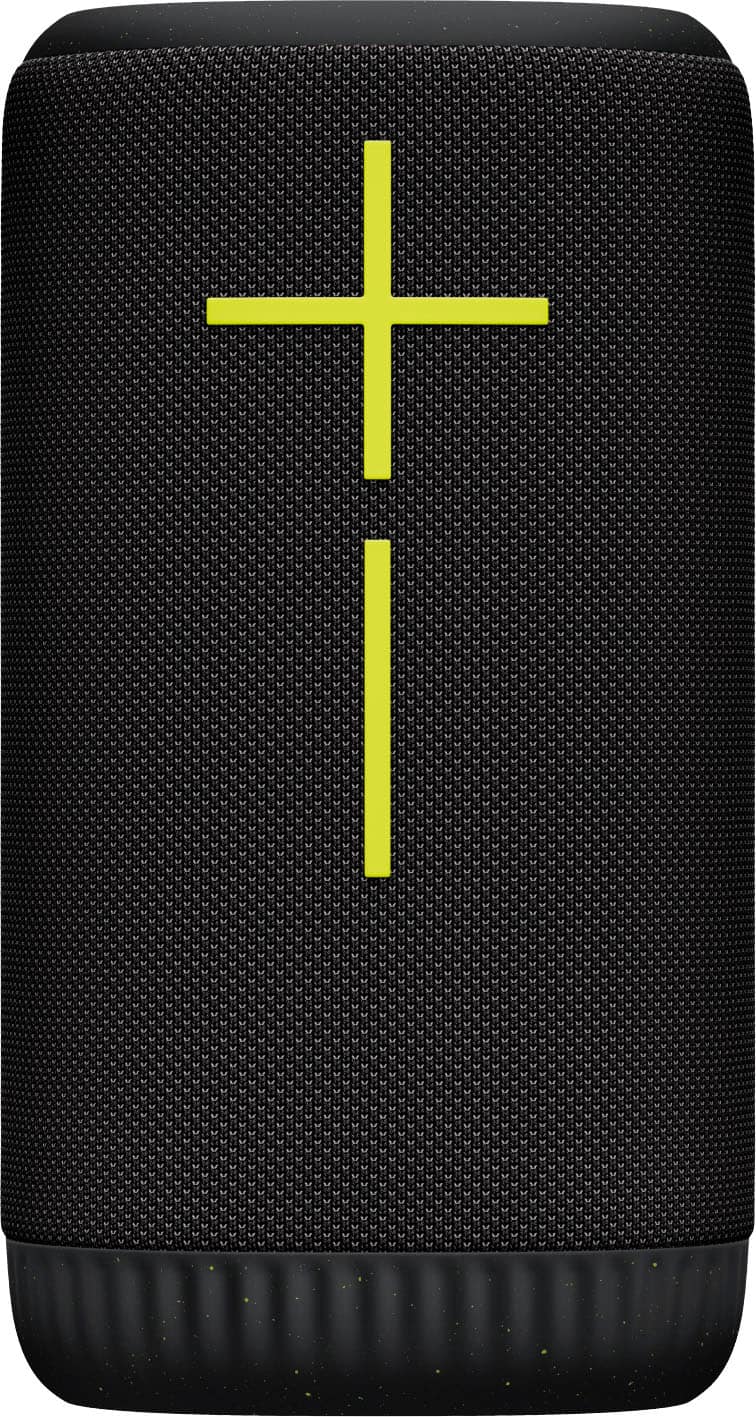
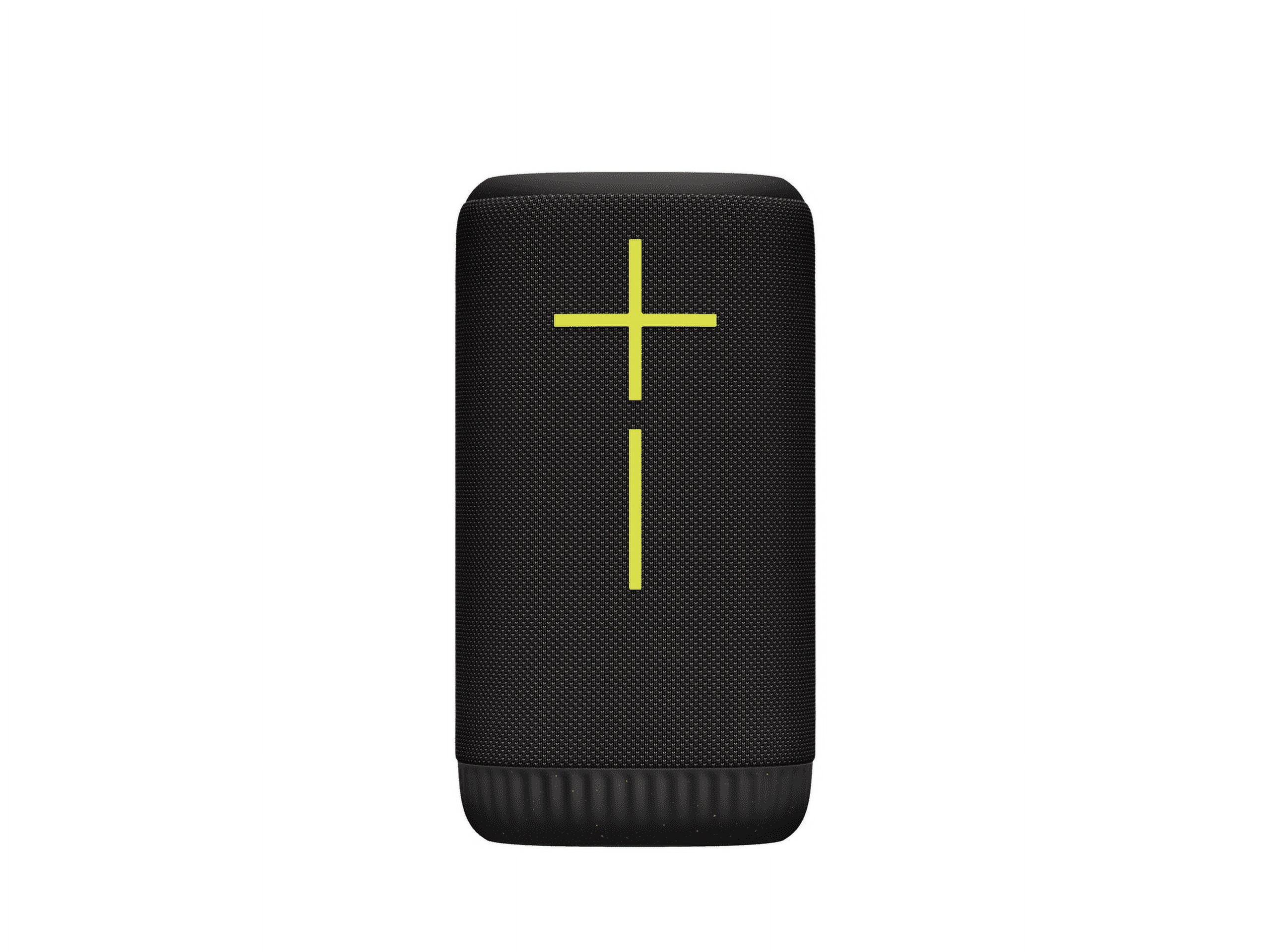
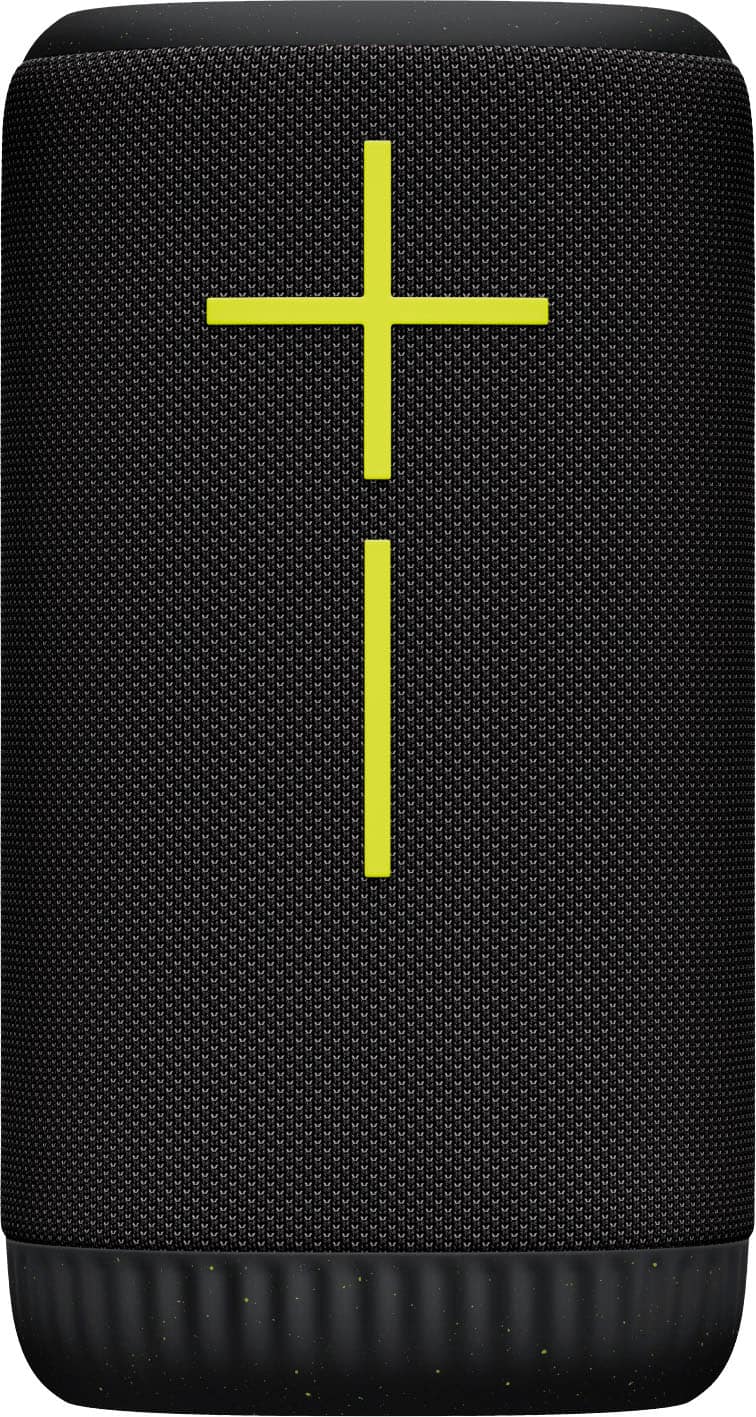
The Ultimate Ears EVERBOOM, released in 2024, takes a different approach entirely. Instead of focusing primarily on raw power output, UE emphasized versatility and 360-degree sound dispersion. The most unique addition is a built-in megaphone function, complete with microphone, that lets users make announcements to groups—something no other major portable speaker manufacturer has attempted.
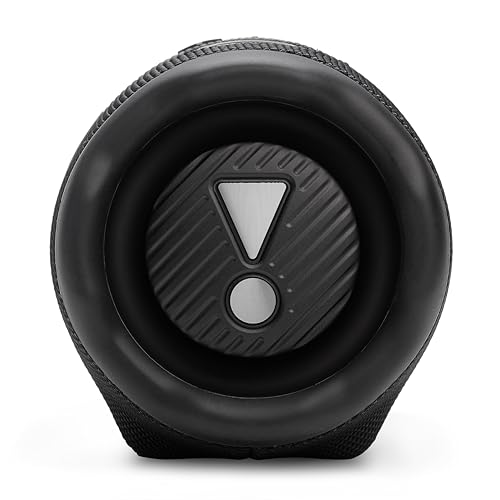
The fundamental difference between these speakers lies in their driver architecture, which directly impacts how they reproduce music. The JBL Charge 6 uses a traditional 2-way system with a dedicated 53×93mm woofer (the larger driver that handles bass and midrange frequencies) paired with a separate 20mm tweeter (the smaller driver focused on high frequencies). This separation allows each driver to specialize in its optimal frequency range, typically resulting in clearer, more detailed sound reproduction.
The Ultimate Ears EVERBOOM takes a different path with a single 56×56mm full-range driver designed to handle the entire frequency spectrum. While this might sound like a limitation, UE's engineers have optimized this approach for their signature 360-degree sound dispersion. Instead of projecting sound primarily in one direction like the JBL Charge 6, the EVERBOOM radiates audio evenly in all directions.
From our research into user experiences and professional reviews, the JBL Charge 6 generally delivers more precise audio reproduction, particularly noticeable in complex musical passages where instrument separation matters. The dedicated tweeter provides clearer highs, while the larger woofer produces more authoritative bass response. However, this comes with the tradeoff of directional sound—you need to position yourself in front of the speaker for optimal performance.
The EVERBOOM's omnidirectional approach sacrifices some precision for consistency. No matter where you sit relative to the speaker, the sound remains balanced. This makes it particularly valuable for group listening scenarios, like poolside gatherings where people are scattered around the speaker rather than sitting directly in front of it.
Raw power output tells an important story about maximum volume capabilities and dynamic range. The JBL Charge 6 delivers a substantial 45 watts RMS (Root Mean Square—a measurement of continuous power output rather than peak power), split between 30 watts for the woofer and 15 watts for the tweeter. This represents genuine power that the speaker can sustain without distortion, not marketing peak numbers that speakers can only hit for brief moments.
Ultimate Ears doesn't publish specific wattage figures for the EVERBOOM, which often indicates lower power output than competitors who proudly advertise their numbers. Based on volume comparisons in reviews, the EVERBOOM appears to produce roughly 20-30% less maximum volume than the Charge 6, though the 360-degree dispersion can make it seem louder in certain room configurations.
The practical impact becomes clear at higher volumes. The JBL Charge 6 can fill large outdoor spaces without strain, maintaining relatively clean audio even when pushed to maximum volume. The EVERBOOM performs admirably at moderate volumes but shows more compression and distortion when asked to fill big spaces with sound.
Frequency response—the range of audio frequencies a speaker can reproduce—reveals important differences in how these speakers handle different types of music. The JBL Charge 6 operates from 56 Hz to 20 kHz, while the EVERBOOM covers 70 Hz to 20 kHz. That 14 Hz difference in the low end might seem small, but it's significant in the bass-heavy frequencies where every hertz counts.
In practical terms, the Charge 6 will reproduce deeper bass notes in hip-hop, electronic music, and movie soundtracks more accurately. The difference becomes particularly noticeable with bass-heavy genres where that extra low-end extension adds weight and impact to the music. Neither speaker will shake the room like a full-size subwoofer, but the Charge 6 gets closer to that full-range experience.
The EVERBOOM's higher bass cutoff isn't necessarily a weakness—it reflects UE's tuning philosophy that prioritizes balanced, consistent sound over maximum bass impact. Many listeners actually prefer this approach for acoustic music, podcasts, and vocal-heavy content where excessive bass can muddy the overall presentation.
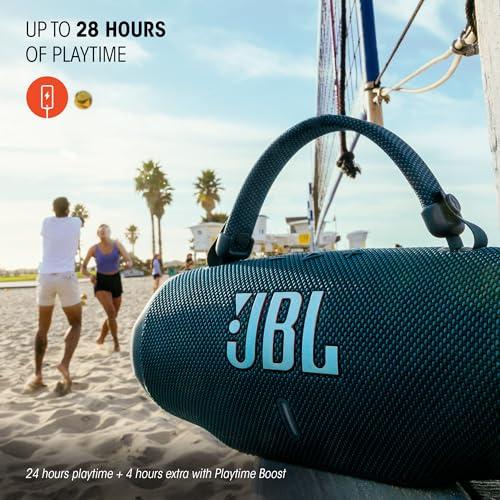
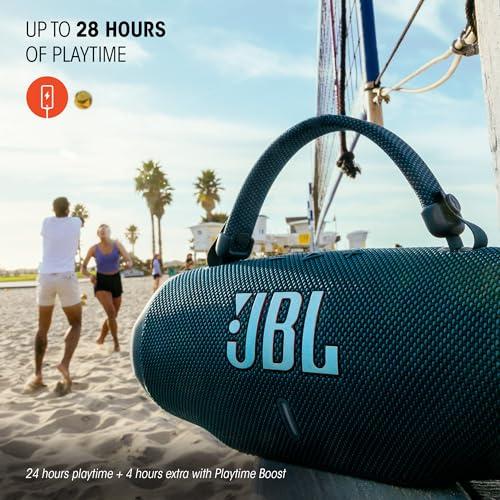
Battery performance has become increasingly critical as portable speakers take on longer adventures and more demanding use cases. This is where the JBL Charge 6 establishes a commanding lead with its industry-leading 24-hour battery life, extendable to 28 hours using Playtime Boost mode.
Playtime Boost represents an clever engineering solution—it's essentially an EQ preset that reduces bass frequencies and lower-midrange content to minimize power consumption from the battery-hungry woofer. While this slightly impacts sound quality by reducing bass impact, it can add crucial hours during extended camping trips or festival weekends where charging opportunities are limited.
The Ultimate Ears EVERBOOM offers a respectable 20 hours of playback, which still outperforms many competitors but falls short of the Charge 6's endurance. For most users, 20 hours covers several days of typical use, but the extra 4-8 hours from the JBL can be the difference between making it through a long weekend or needing to find power.
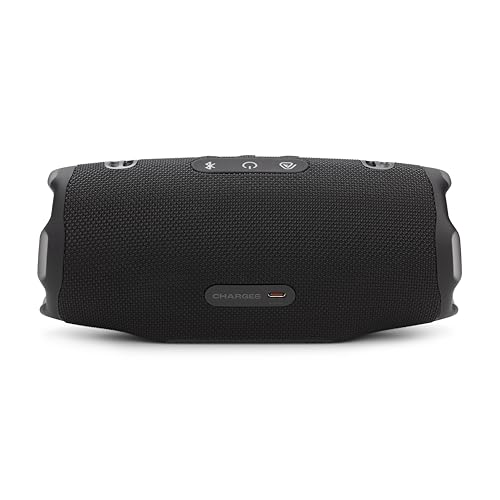
The JBL Charge 6 includes something the EVERBOOM lacks entirely: power bank functionality. This lets you charge smartphones, tablets, or other USB-C devices directly from the speaker's battery. While this feature drains the speaker's battery faster, it adds significant practical value during outdoor adventures where multiple devices need power.
At the time of writing, few portable speakers include this capability, making it a genuine differentiator for the Charge 6. The peace of mind from knowing your speaker can emergency-charge your phone during a camping trip or power outage shouldn't be underestimated.
Both speakers target users who plan to take their audio outdoors, but they approach durability differently. The JBL Charge 6 achieves an IP68 rating—the highest standard for consumer electronics. This means complete dust protection and the ability to survive submersion in up to 1.5 meters of water for 30 minutes. Additionally, JBL claims the speaker can survive 1-meter drops onto concrete.
The Ultimate Ears EVERBOOM carries an IP67 rating, which provides excellent protection but falls just short of the Charge 6's maximum rating. The practical difference is minimal for most users—both speakers will survive rain, pool splashes, and sandy beach conditions without issue.
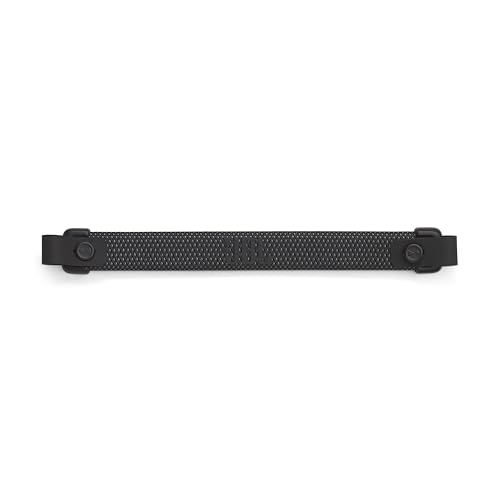
Where the EVERBOOM gains an advantage is in its floating capability and integrated carabiner clip. The floating feature is genuinely useful for pool parties or boat trips, while the carabiner provides secure attachment to backpacks, tents, or other gear. The JBL Charge 6 includes a handle strap instead, which offers easier carrying but less versatile attachment options.
Modern Bluetooth speakers need to do more than just play music, and both speakers include contemporary connectivity features with some key differences. The JBL Charge 6 uses the latest Bluetooth 5.4 standard, which provides improved connection stability and slightly better range compared to the EVERBOOM's Bluetooth 5.1 implementation.
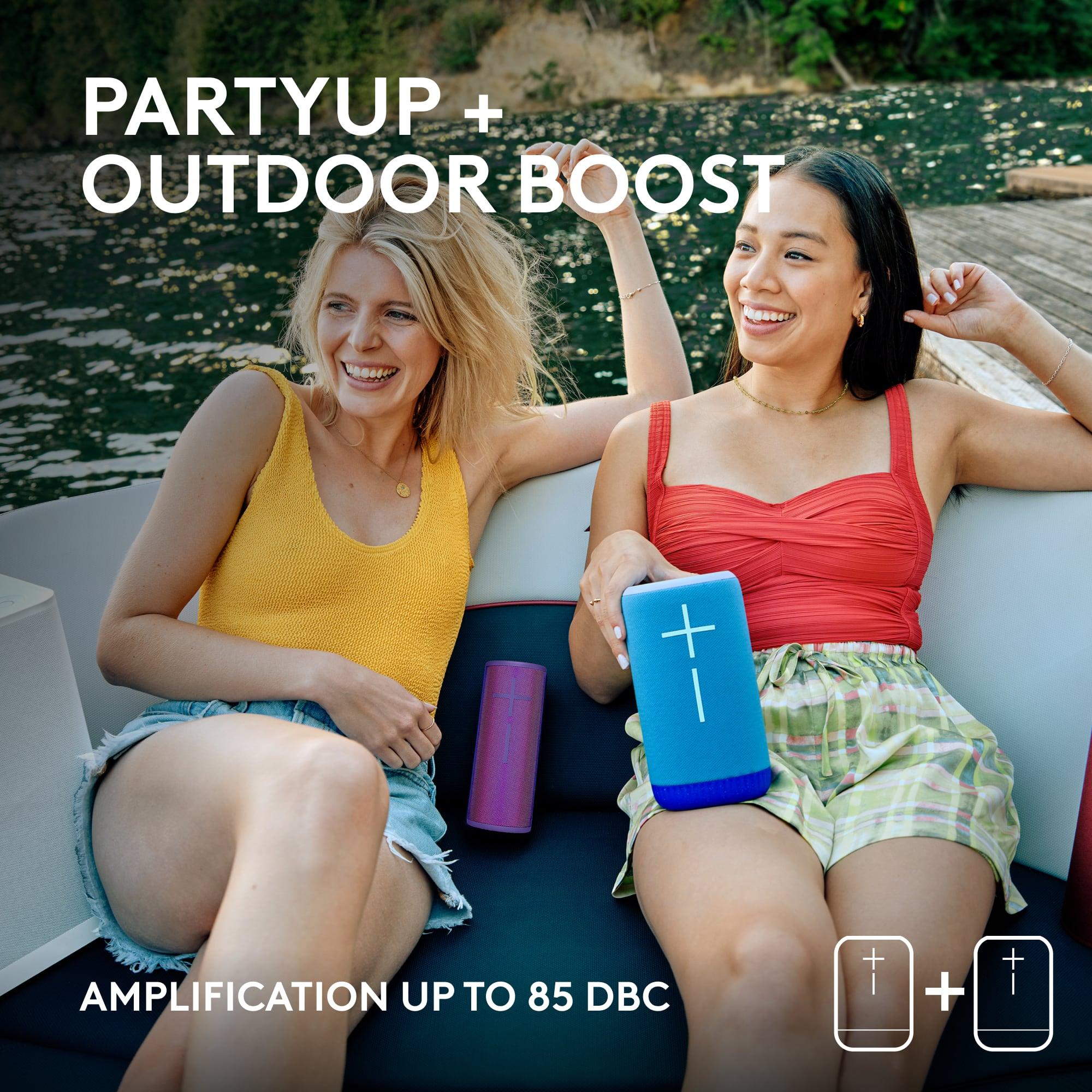
More significantly, the speakers use incompatible multi-speaker pairing systems. The Charge 6 supports JBL's new Auracast technology for connecting multiple speakers, while the EVERBOOM uses Ultimate Ears' established PartyUp system. Neither approach is inherently superior, but if you already own speakers from either brand, compatibility becomes a deciding factor.
The EVERBOOM includes NFC pairing—a tap-to-connect feature that speeds up initial device pairing but isn't essential functionality. Both speakers offer customizable EQ through their respective smartphone apps, though JBL's 7-band EQ provides more granular control than UE's preset-focused approach.
The JBL Charge 6's standout feature is AI Sound Boost—real-time audio processing that analyzes music as it plays to optimize driver performance. This isn't marketing fluff; it's a genuine technical advancement that helps the speaker maintain cleaner audio at higher volumes by preventing driver overexcursion and managing power distribution more intelligently.
The Ultimate Ears EVERBOOM counters with its integrated megaphone function, complete with built-in microphone. While this might sound gimmicky, it's genuinely useful for coaches, camp counselors, or anyone who needs to address groups outdoors. The outdoor boost button is another practical touch, optimizing the sound profile for open-air listening where different acoustic challenges exist.
While both speakers are designed for portability, they can serve as convenient home audio solutions. The JBL Charge 6's directional sound profile and higher power output make it better suited for TV audio enhancement when positioned near your viewing area. The lossless Hi-Res audio support via USB-C connection also provides superior sound quality for critical listening compared to Bluetooth compression.
The EVERBOOM's 360-degree design works well in bedrooms or kitchens where you want consistent sound throughout the space, but the omnidirectional approach isn't ideal for focused TV watching where you want sound directed toward your seating position.
At the time of writing, these speakers occupy different price tiers, with the JBL Charge 6 positioned as the more affordable option despite being the newer product. This pricing creates a clear value advantage for the Charge 6, delivering superior battery life, higher power output, better protection rating, and power bank functionality at a lower cost.
The Ultimate Ears EVERBOOM's premium pricing becomes harder to justify based purely on performance metrics. You're paying extra for the unique 360-degree design, megaphone functionality, and Ultimate Ears' brand reputation for smooth sound character. These features have value, but they need to align with your specific needs to justify the price difference.
The JBL Charge 6 emerges as the clear choice for users prioritizing core performance metrics and value. Choose it if you need maximum battery endurance for extended outdoor adventures, want power bank functionality for device charging, or simply want the most speaker performance for your dollar. The higher power output and deeper bass response also make it better for large gatherings or outdoor parties where filling space with sound matters.
The Ultimate Ears EVERBOOM justifies its premium pricing for specific use cases. Choose it if you frequently host group gatherings where 360-degree sound dispersion provides benefits, need the megaphone functionality for coaching or presentations, or prioritize the floating design for water activities. The smoother sound signature also appeals to listeners who prefer balanced audio over maximum bass impact.
For most buyers focused on getting excellent portable audio performance, the JBL Charge 6 represents the better investment. It delivers superior core functionality at a more attractive price point, making it the sensible choice for anyone who wants great sound, long battery life, and robust durability without paying for specialized features they might not use.
The EVERBOOM remains a solid speaker, but it occupies a narrower niche where its unique features justify the premium pricing. Unless those specific capabilities align with your needs, the Charge 6 offers better overall value and performance for most portable audio applications.
| JBL Charge 6 | Ultimate Ears EVERBOOM |
|---|---|
| Battery Life - Critical for outdoor adventures and extended use | |
| 24 hours (28 with Playtime Boost mode) | 20 hours |
| Audio Power Output - Determines maximum volume and bass impact | |
| 45W RMS (30W woofer + 15W tweeter) | Not specified (estimated lower based on performance) |
| Driver Configuration - Affects sound clarity and frequency separation | |
| 2-way: 53×93mm woofer + 20mm tweeter | Single 56×56mm full-range driver |
| Sound Design Philosophy - How audio is projected | |
| Directional (best when facing speaker) | 360-degree omnidirectional |
| Frequency Response - Shows bass depth and treble extension | |
| 56 Hz - 20 kHz (deeper bass capability) | 70 Hz - 20 kHz (less low-end extension) |
| Water/Dust Protection - Higher rating means better outdoor durability | |
| IP68 (maximum protection, submersible) | IP67 (excellent protection, floats) |
| Power Bank Function - Can charge your devices in emergencies | |
| Yes (USB-C output for device charging) | No |
| Bluetooth Version - Newer versions offer better connectivity | |
| 5.4 (latest standard, improved stability) | 5.1 (reliable but older) |
| Multi-Speaker Pairing - Connect multiple speakers together | |
| Auracast (newer standard, limited compatibility) | PartyUp (established system, wide UE compatibility) |
| Unique Features - Special capabilities that set each apart | |
| AI Sound Boost, lossless USB-C audio, Playtime Boost | Built-in megaphone, NFC pairing, Outdoor Boost button |
| Physical Design - Affects portability and placement options | |
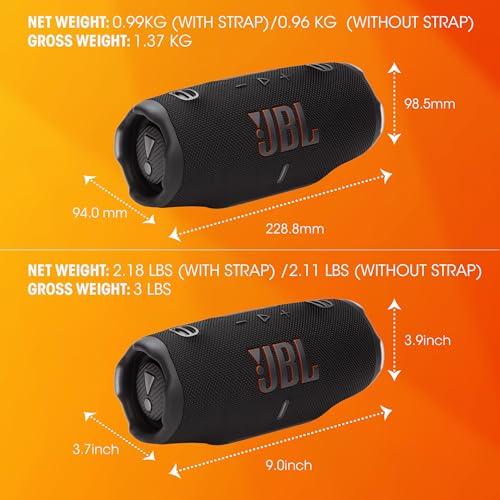
| Rectangular with handle strap, 990g | Cylindrical with carabiner clip, 960g |
| App Control Features - Customization through smartphone apps | |
| 7-band customizable EQ | 4 preset sound modes + custom EQ |
| Included Accessories - What comes in the box | |
| Handle strap only | Carabiner clip + USB-C cable |
The JBL Charge 6 generally offers better sound quality for most listeners due to its 2-way driver system with a dedicated woofer and tweeter, delivering clearer highs and deeper bass. The Ultimate Ears EVERBOOM provides smoother, more balanced sound with its 360-degree design, making it better for group listening but less precise for critical listening.
The JBL Charge 6 offers superior battery life with 24 hours of playback, extendable to 28 hours using Playtime Boost mode. The Ultimate Ears EVERBOOM provides 20 hours of battery life, which is still excellent but falls short of the Charge 6's endurance for extended outdoor adventures.
The JBL Charge 6 has a slight edge with its IP68 rating, offering maximum dust and water protection including submersion up to 1.5 meters. The Ultimate Ears EVERBOOM features IP67 protection, which is still excellent for outdoor use, plus it floats in water and includes a carabiner for secure attachment.
Only the JBL Charge 6 includes power bank functionality, allowing you to charge smartphones and other USB-C devices directly from the speaker's battery. The Ultimate Ears EVERBOOM does not offer device charging capabilities.
The JBL Charge 6 delivers higher maximum volume with its 45W RMS power output and produces deeper bass with its frequency response starting at 56 Hz. The EVERBOOM has less raw power and bass extension (70 Hz), but its 360-degree design can make it seem louder in certain room configurations.
The JBL Charge 6 works better for home theater use due to its directional sound design and higher power output, making it more suitable for TV audio enhancement. The Ultimate Ears EVERBOOM is better for ambient home listening but less ideal for focused TV watching due to its omnidirectional sound dispersion.
The JBL Charge 6 provides better overall value, offering superior battery life, higher power output, power bank functionality, and maximum water protection at a lower price point. The EVERBOOM commands a premium for its unique features like the megaphone function and 360-degree design.
Both speakers support multi-speaker pairing but use different systems. The JBL Charge 6 uses Auracast technology for connecting multiple speakers, while the Ultimate Ears EVERBOOM uses PartyUp connectivity. These systems are not compatible with each other.
For large outdoor parties, the JBL Charge 6 excels with its higher power output and longer battery life. For smaller gatherings where people surround the speaker, the EVERBOOM's 360-degree sound distribution provides more even coverage for all listeners.
The JBL Charge 6 features AI Sound Boost technology for optimized audio processing, lossless Hi-Res audio via USB-C, and power bank functionality. The Ultimate Ears EVERBOOM offers a built-in megaphone with microphone, NFC quick pairing, and an Outdoor Boost button for environmental sound optimization.
The JBL Charge 6 has a rectangular design with a handle strap, weighing 990g, making it easy to carry but less versatile for attachment. The EVERBOOM features a cylindrical design with an integrated carabiner clip at 960g, offering more attachment options for backpacks and gear.
Choose the JBL Charge 6 if you prioritize maximum battery life, power bank functionality, higher volume output, and better value for money. Select the Ultimate Ears EVERBOOM if you need 360-degree sound for group listening, want the megaphone feature, or prefer the floating design and carabiner attachment for water activities.
We've done our best to create useful and informative comparisons to help you decide what product to buy. Our research uses advanced automated methods to create this comparison and perfection is not possible - please contact us for corrections or questions. These are the sites we've researched in the creation of this article: rtings.com - youtube.com - stereoguide.com - whathifi.com - youtube.com - elomymelo.com - soundguys.com - elomymelo.com - wifihifi.com - soundguys.com - jbl.com - whathifi.com - soundguys.com - youtube.com - smarthomesounds.co.uk - jbl.com - sweetwater.com - youtube.com - bestbuy.com - jbl.com.sg - jbl.com - dell.com - ca.jbl.com - soundguys.com - soundguys.com - dell.com - whathifi.com - networkhardwares.com - rtings.com - techradar.com - cdw.com - colamco.com - pcnation.com - ultimateears.com - staples.com - youtube.com - ir.logitech.com - rtings.com

Privacy Policy
Terms and Conditions - Affiliate Policy
Home Security
© Copyright 2008-2026.
11816 Inwood Rd #1211, Dallas, TX 75244