

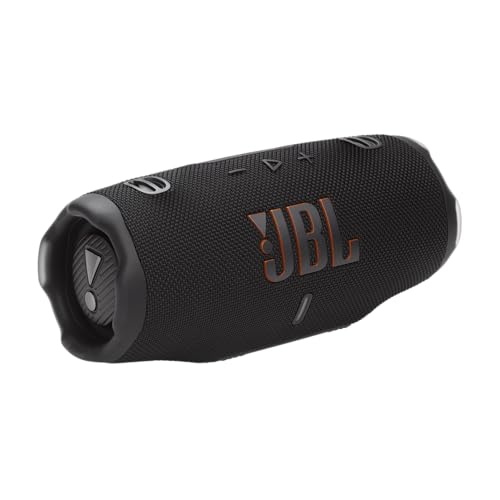


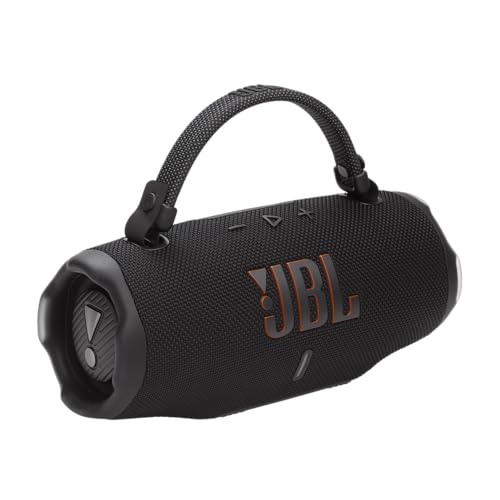
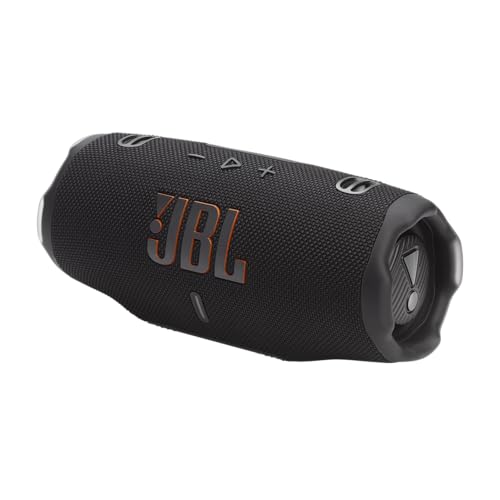
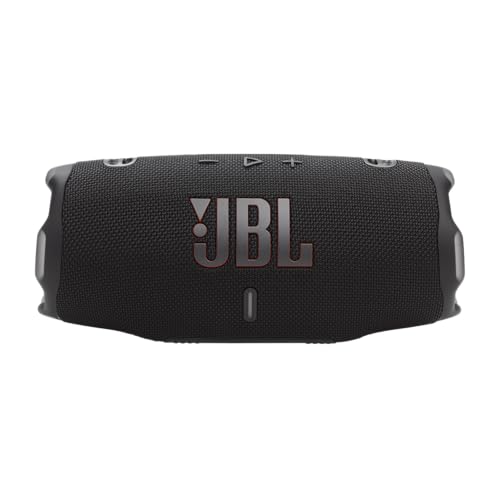
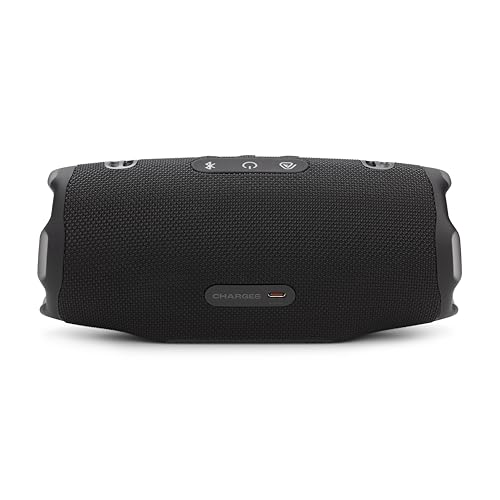
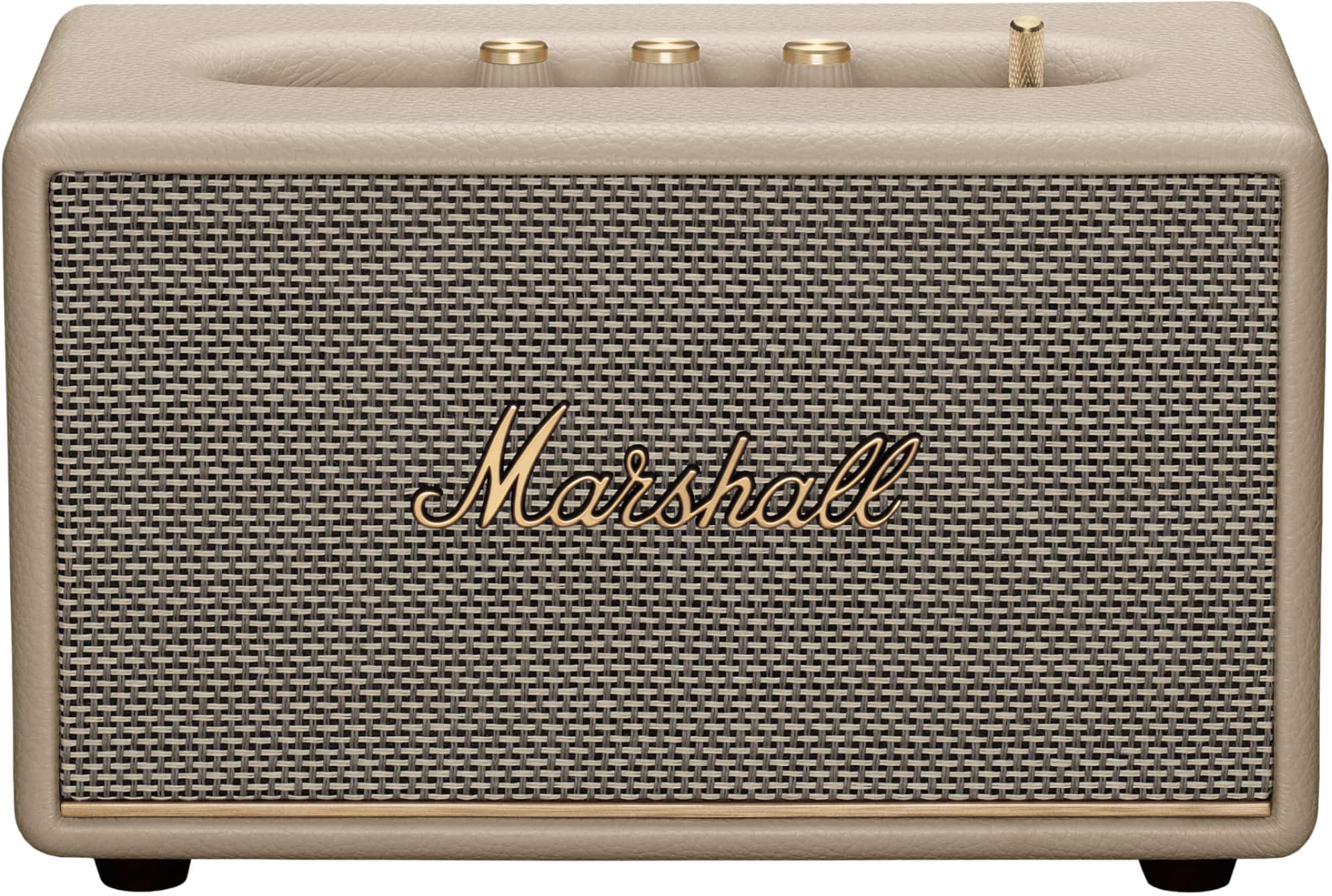
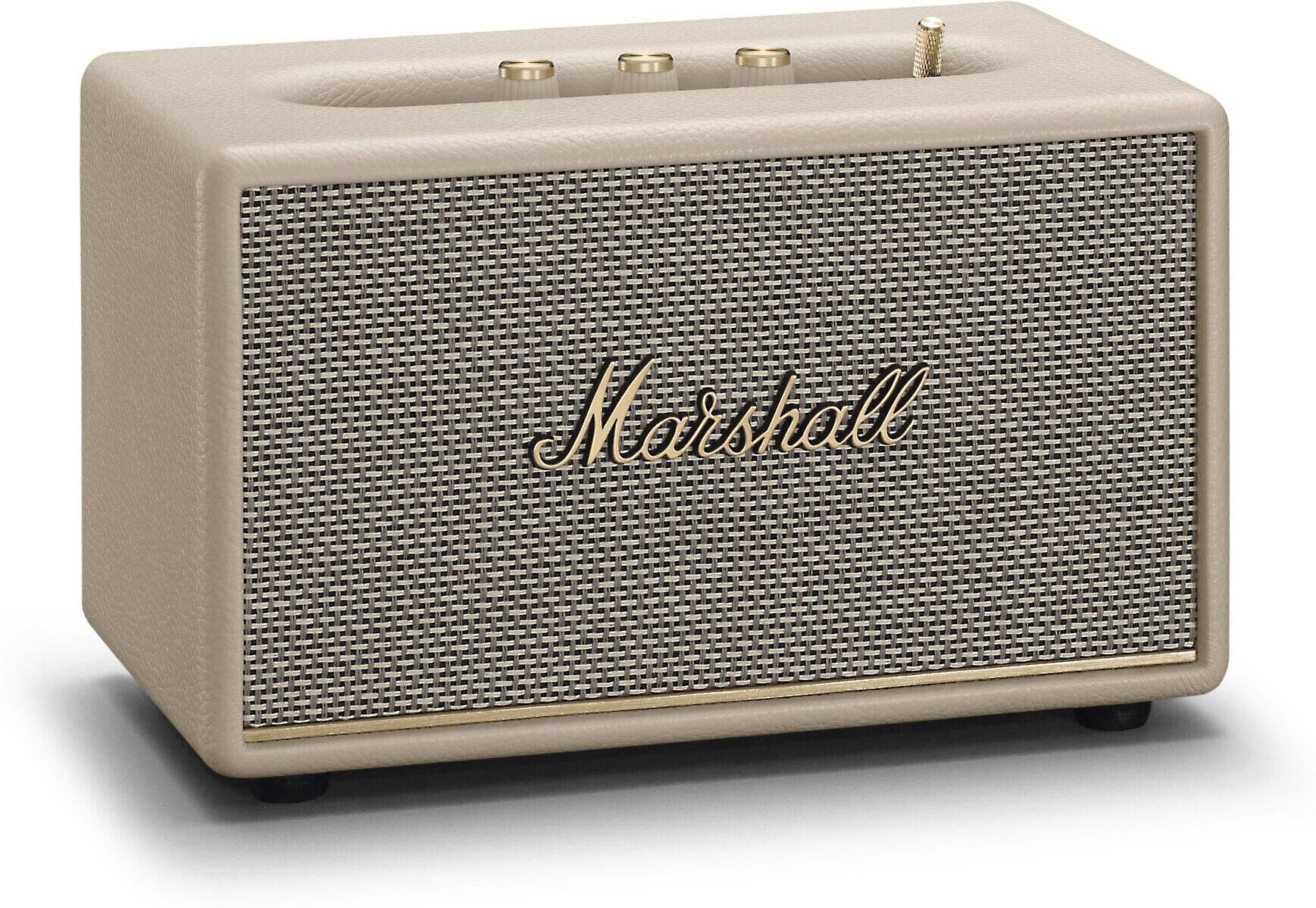


When shopping for a Bluetooth speaker, you'll quickly discover that not all speakers are created equal—or even designed for the same purpose. The JBL Charge 6 and Marshall Acton III perfectly illustrate this divide. One prioritizes going anywhere you do, while the other focuses on delivering the best possible sound in your living space.
Understanding this fundamental difference is crucial before diving into specifications and features. The Bluetooth speaker market has evolved into two distinct categories: portable battery-powered units designed for mobility, and stationary AC-powered speakers optimized for consistent home audio performance. These approaches involve real tradeoffs between convenience and sound quality, durability and audio fidelity.
The Marshall Acton III arrived in 2022 as part of Marshall's push into the home audio market, building on decades of guitar amplifier heritage. Meanwhile, the JBL Charge 6 represents JBL's latest 2025 entry in their flagship portable series, incorporating newer Bluetooth 5.4 technology and improved battery chemistry that wasn't available just a few years ago.
This timing difference matters more than you might think. The JBL Charge 6 benefits from recent advances in battery technology, offering longer runtime and faster charging than previous generations. It also includes Auracast technology—a new Bluetooth standard that allows multiple speakers to connect wirelessly without the traditional limitations of older pairing methods.
Before comparing these speakers, it's worth understanding what actually affects sound quality in ways you'll notice. Driver configuration—how many speakers are inside and how they're arranged—plays a huge role in what you hear. Frequency response tells you how low the bass goes and how high the treble extends, measured in Hertz (Hz). Amplification power, measured in watts, affects maximum volume and how clean the sound stays when cranked up.
But here's what many people don't realize: more watts doesn't automatically mean better sound. A well-designed 30-watt speaker can often sound better than a poorly designed 60-watt one. The quality of the amplifiers, the tuning of the drivers, and how everything works together matters more than raw numbers.
The Marshall Acton III takes a fundamentally different approach to sound reproduction than the JBL Charge 6, and this difference shapes everything about how they perform.
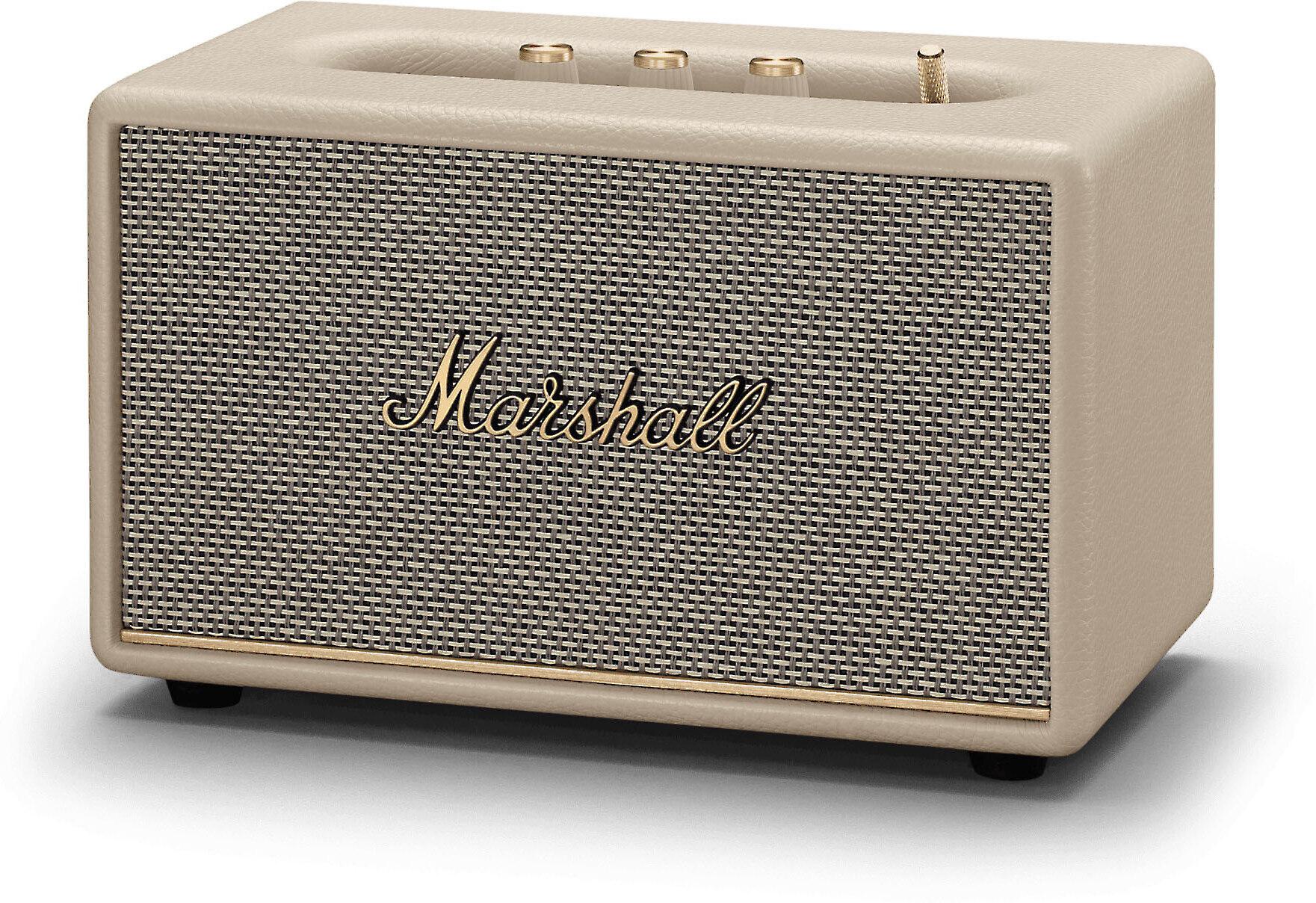
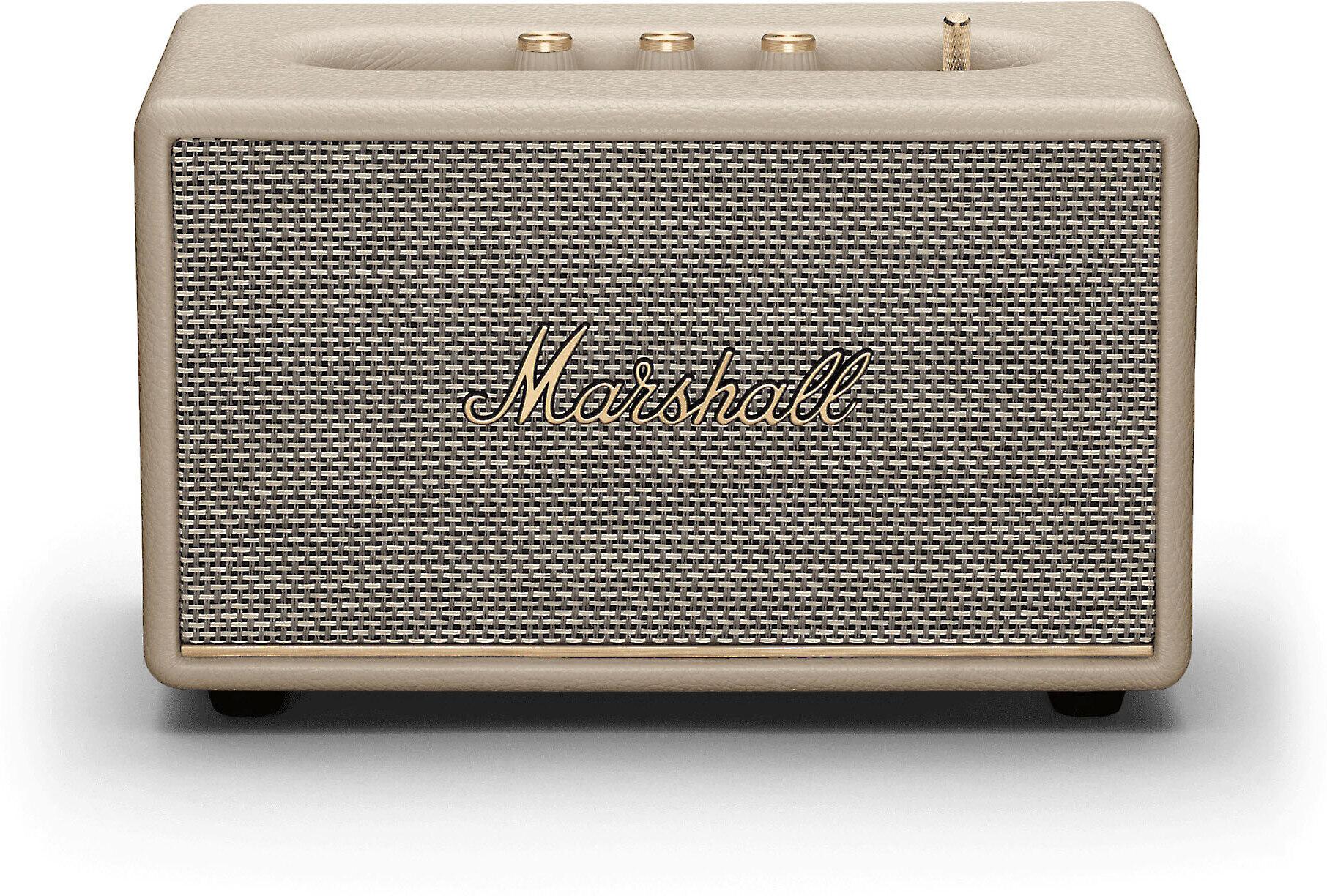
The Marshall Acton III employs what's called a three-driver stereo system—think of it as having three separate speakers inside, each with its own dedicated amplifier. There's a 4-inch woofer (the larger driver that handles bass and midrange) getting 30 watts of power, plus two 0.75-inch tweeters (smaller drivers for high frequencies) each receiving 15 watts. This tri-amplified setup allows for true stereo separation, meaning you get distinct left and right audio channels just like wearing headphones.
In contrast, the JBL Charge 6 uses a two-driver mono system: one oval-shaped woofer measuring 53mm by 93mm paired with a single 20mm tweeter. While this might sound inferior, there's method to the madness. Mono audio ensures you get consistent sound no matter where you're positioned relative to the speaker—crucial when you're moving around at a beach or campsite.
The stereo advantage of the Marshall Acton III becomes immediately apparent when listening to music with distinct left-right panning, like The Beatles' later recordings or modern electronic music. You'll hear instruments positioned across a wide soundstage, creating a more immersive listening experience. The JBL Charge 6 can't replicate this spatial effect as a single unit, though you can pair two together for stereo mode through the JBL app.
Here's where frequency response numbers become meaningful in real-world use. The Marshall Acton III reaches down to 45Hz, while the JBL Charge 6 bottoms out at 56Hz. That 11Hz difference might not sound like much, but it represents the difference between feeling the deep rumble of movie soundtracks and electronic music versus just hearing it.
To put this in perspective, the lowest note on a standard bass guitar is around 41Hz. The Marshall Acton III can reproduce this fundamental frequency, while the JBL Charge 6 relies more on harmonics—the higher-frequency overtones that help your brain fill in the missing low end. Both approaches work, but the Marshall delivers more visceral bass impact in controlled environments.
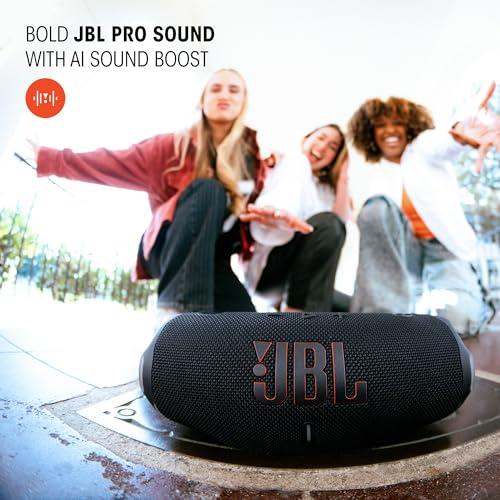
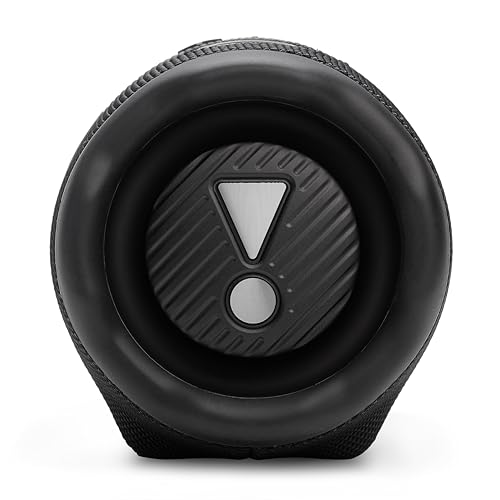
The JBL Charge 6 compensates cleverly with dual passive radiators—essentially speaker cones without magnets that vibrate sympathetically to boost bass response. Combined with JBL's AI Sound Boost technology (which analyzes audio in real-time to optimize driver performance), the JBL Charge 6 punches well above its weight class for bass output, especially impressive given its portable constraints.
Maximum volume matters, but how a speaker handles different volume levels matters more. The Marshall Acton III can reach 95 decibels at one meter—loud enough to fill a medium-sized room without strain. More importantly, it maintains its tonal balance across volume levels thanks to something called Dynamic Loudness, which automatically adjusts the frequency response to keep music sounding natural whether you're listening softly or cranking it up.
The JBL Charge 6 approaches volume differently. While it can get surprisingly loud for outdoor use, our research into user experiences reveals that dynamic compression becomes noticeable at maximum volume—meaning the bass gets reduced to prevent distortion. This is actually smart engineering for a portable speaker, prioritizing clean sound over raw volume, but it means the Marshall Acton III has more headroom for peak performance.
Both speakers handle Bluetooth connectivity well, but they take different approaches to additional connection options.
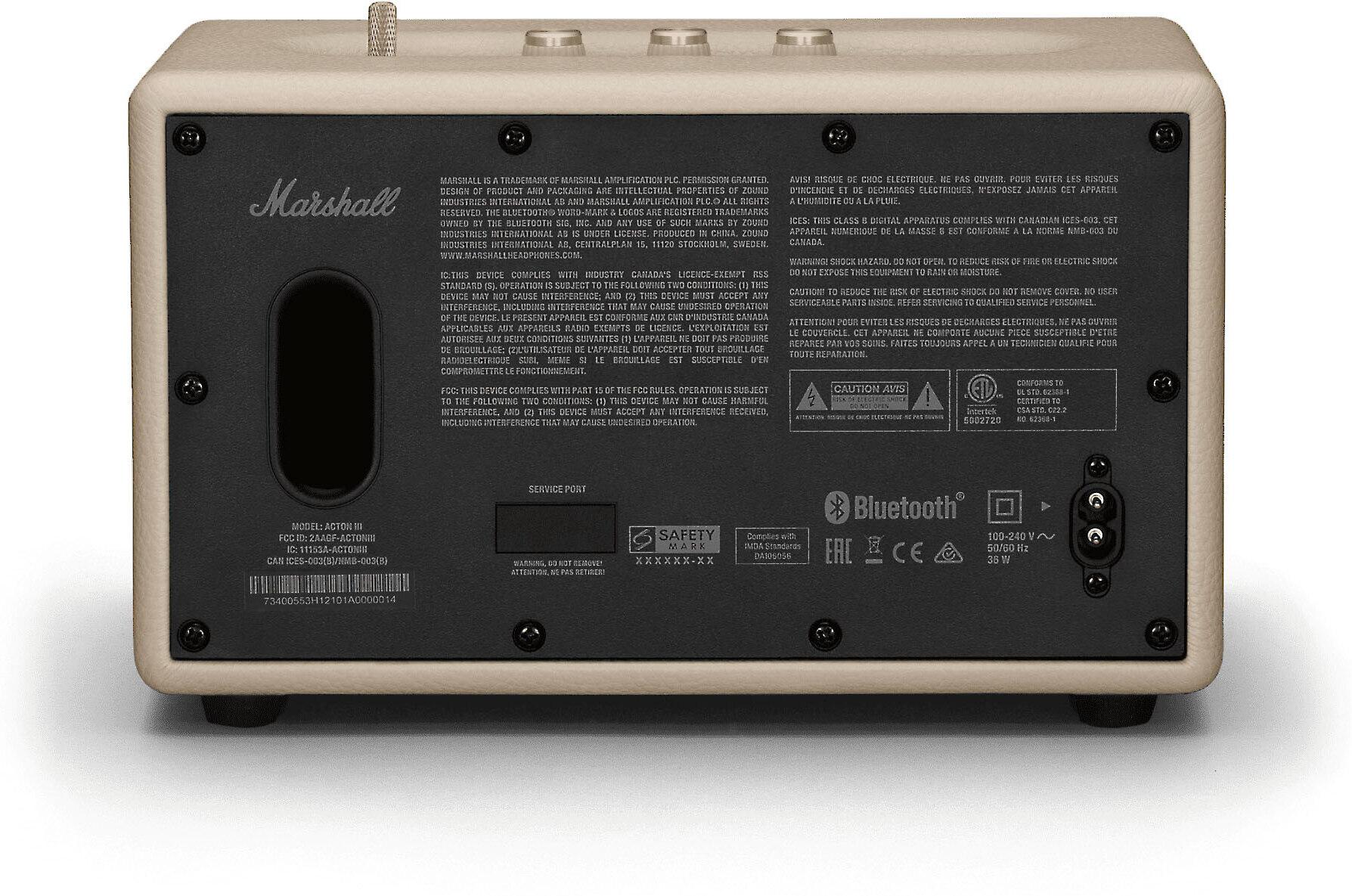
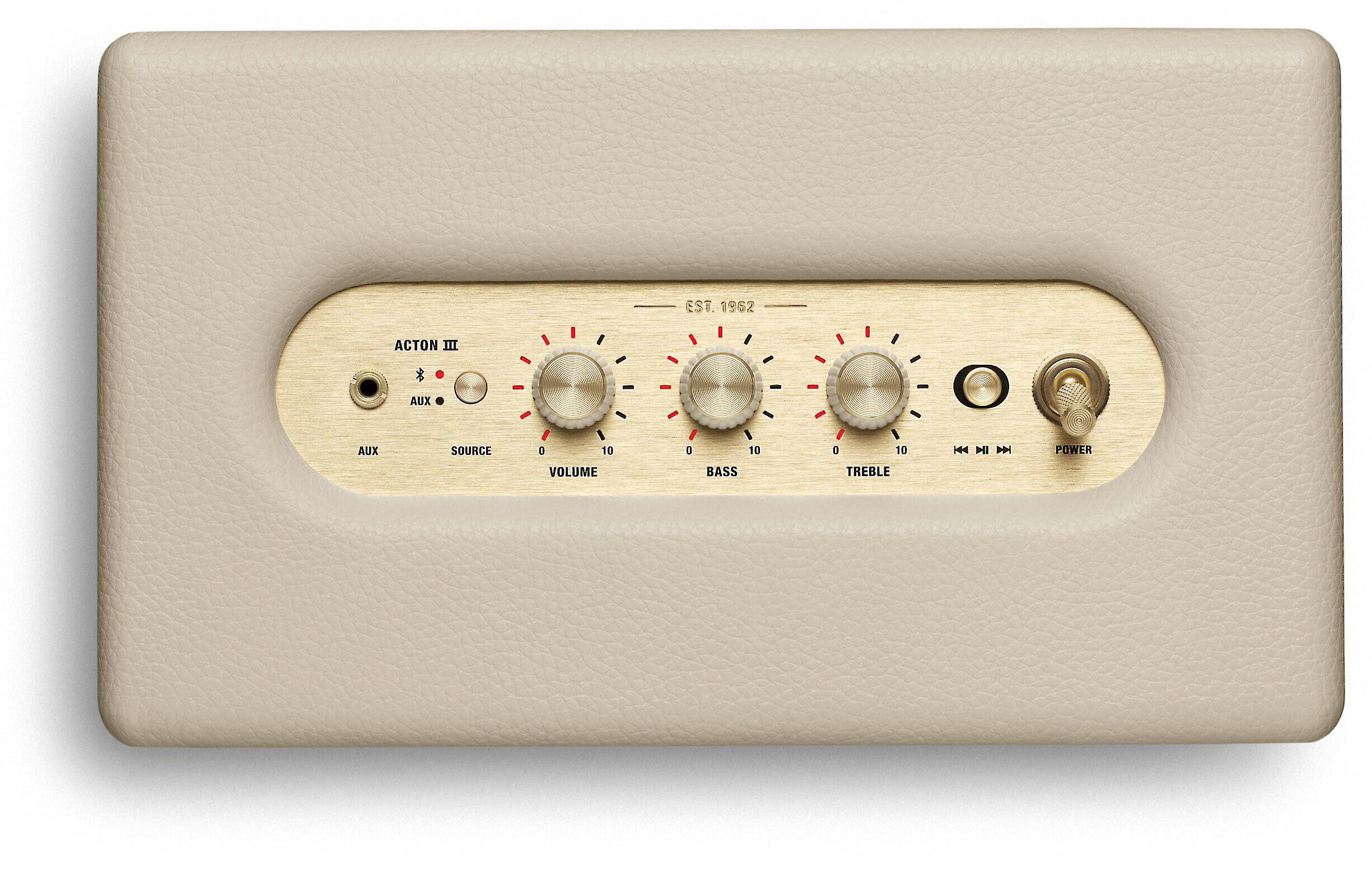
The Marshall Acton III includes a 3.5mm auxiliary input—that familiar headphone jack that's disappearing from phones but still useful for connecting older devices, vinyl setups with Bluetooth transmitters, or computers without Bluetooth capability. This might seem minor until you need it, then it becomes invaluable.
Meanwhile, the JBL Charge 6 offers USB-C connectivity that serves double duty: it can handle lossless audio up to 24-bit/192kHz resolution (much higher quality than Bluetooth can transmit), while simultaneously allowing the speaker to charge your phone or tablet. This powerbank functionality essentially gives you a backup battery pack that happens to play excellent music.
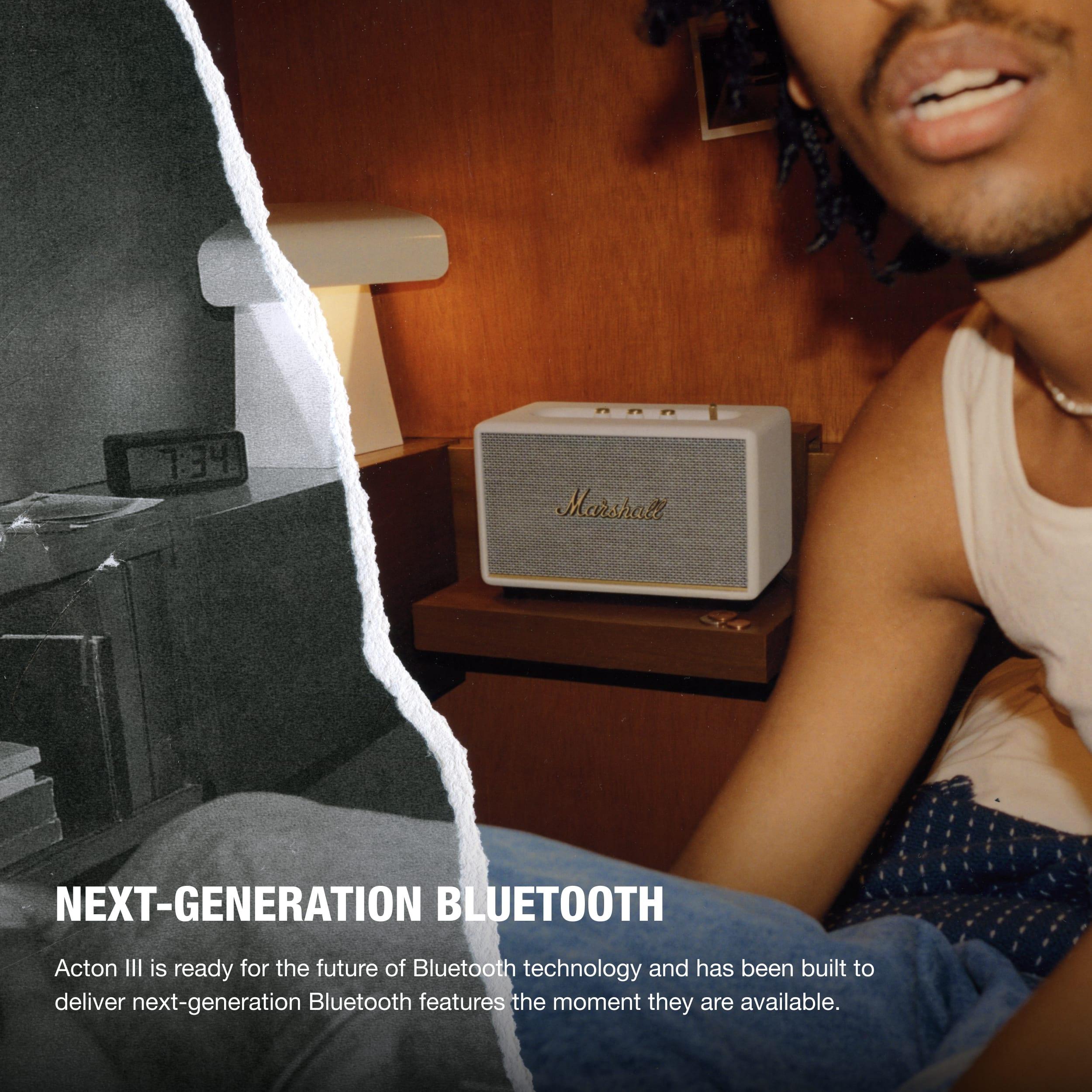
The JBL Charge 6 also incorporates Bluetooth 5.4 compared to the Marshall Acton III's Bluetooth 5.2. While both are modern standards, the newer version in the JBL offers improved range and the previously mentioned Auracast capability for connecting multiple speakers without the traditional limitations.
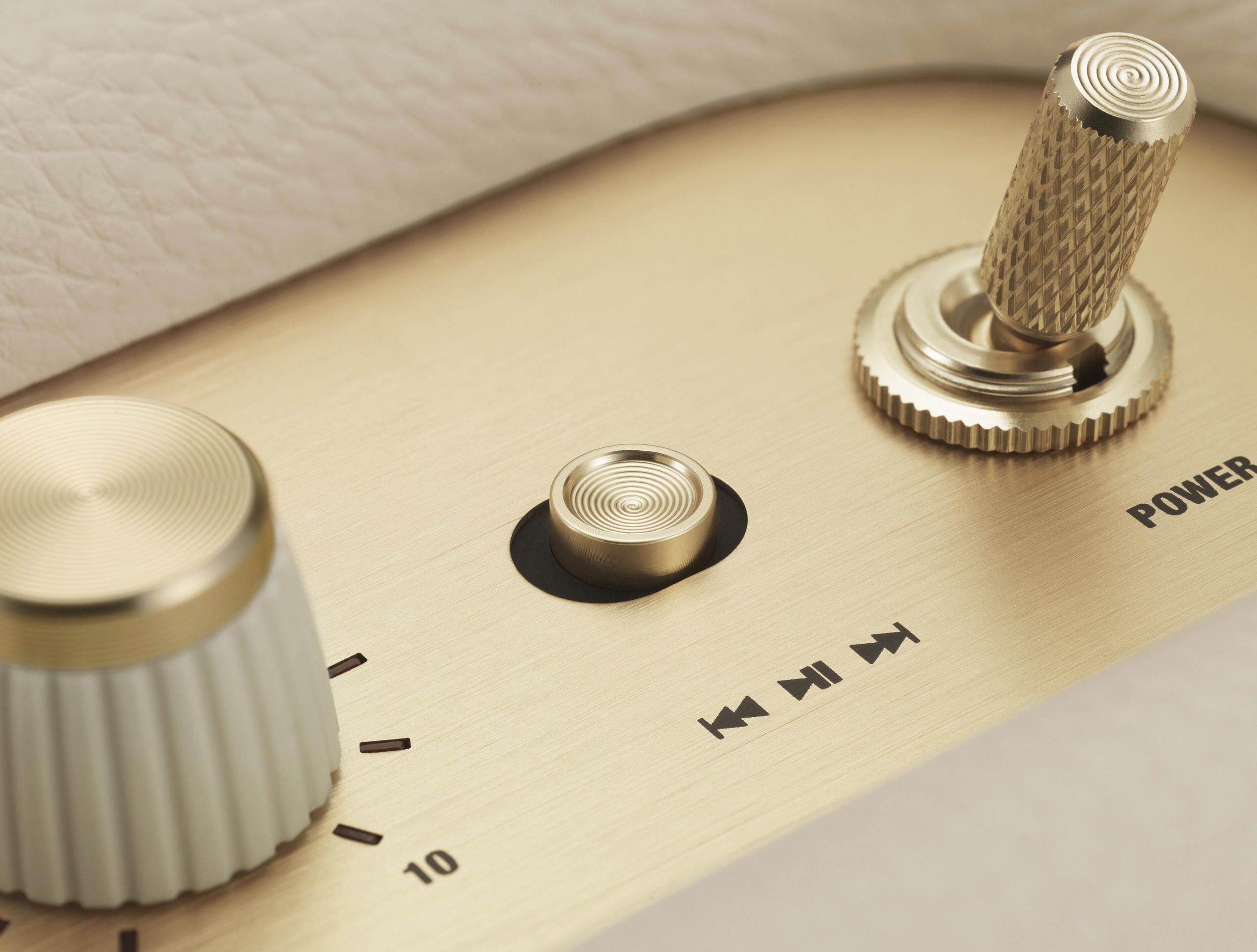
This is where personal preference really comes into play. The Marshall Acton III features physical brass control knobs for volume, bass, and treble—the same style you'd find on Marshall's guitar amplifiers. These aren't just aesthetic choices; they provide immediate, tactile feedback. Want more bass? Turn the knob and hear the change instantly. No phone required, no app to open, no Bluetooth connection to maintain.
The JBL Charge 6 takes the opposite approach, relegating most sound adjustments to the JBL Portable app. While this means fewer physical controls to potentially break or get damaged by water, it also means you need your phone handy for sound customization. The app does offer more precision with a 7-band equalizer compared to the Marshall's simpler bass/treble knobs, but convenience varies depending on how you use your speaker.
This is perhaps the most obvious difference, but it's worth examining the engineering choices behind each approach.
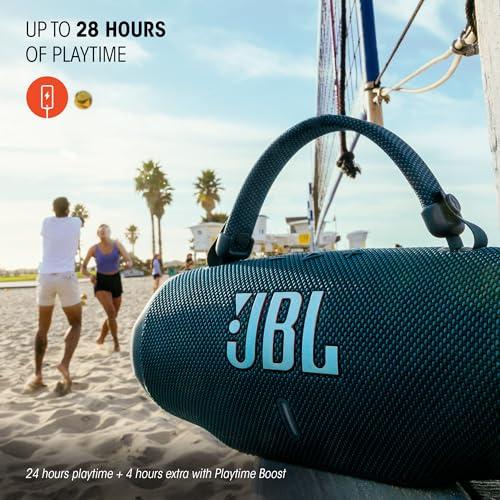
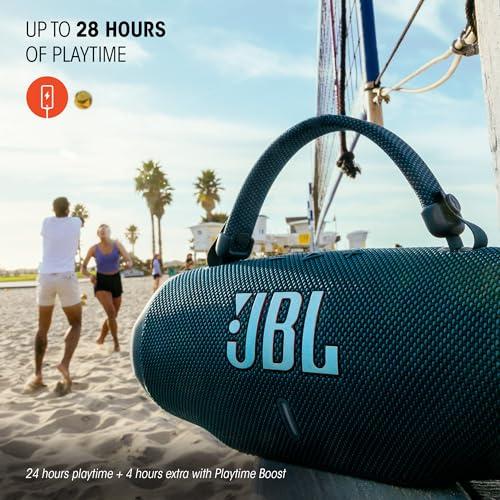
The JBL Charge 6 delivers an impressive 24 hours of playback time, extensible to 28 hours with Playtime Boost mode—essentially an EQ preset that reduces bass frequencies to conserve battery. This isn't just marketing fluff; independent testing confirms these numbers hold up at moderate listening volumes. The fast-charging capability provides 150 minutes of playback from just 10 minutes of charging, which can be a lifesaver during short breaks on long trips.
The Marshall Acton III requires constant AC power, which eliminates battery anxiety but restricts placement to locations near outlets. This isn't necessarily a disadvantage if you're setting up a permanent listening station, but it does mean the speaker can't follow you to the deck, garage, or anywhere electricity doesn't reach.
The JBL Charge 6 boasts an IP68 rating—the highest standard for consumer electronics. This means it's completely dustproof and can survive submersion in 1.5 meters of water for 30 minutes. More practically, it means rain, pool splashes, sandy beaches, and dusty campsites won't faze it. JBL also claims it can survive 1-meter drops onto concrete, though this is harder to verify in real-world conditions.
The Marshall Acton III offers no environmental protection, making it strictly an indoor speaker. Spilled drinks, humid bathrooms, or dusty workshops could pose risks to its longevity.
Both speakers integrate with smartphone apps, but they serve different purposes.
The JBL Charge 6's app focuses on practical functionality: multi-speaker pairing through Auracast, the 7-band equalizer, Playtime Boost activation, and firmware updates. The Auracast feature deserves special mention—it allows you to create stereo pairs or party mode setups with other compatible JBL speakers without the traditional limitations of older Bluetooth multi-connect standards.
The Marshall Acton III's app is simpler but includes a clever feature called Placement Compensation. This technology adjusts the speaker's output based on where it's positioned in a room—near a wall, in a corner, or out in the open—to optimize sound quality for different acoustic environments.
If you're considering either speaker as part of a home theater setup, the Marshall Acton III has clear advantages. Its stereo output and lower frequency response make it more suitable for enhancing TV audio, especially for dialogue clarity and music soundtracks. The 3.5mm input also allows direct connection to TV headphone outputs.
However, both speakers have limitations for serious home theater use. Neither supports advanced audio codecs like Dolby Digital, and both introduce slight latency (delay) when using Bluetooth that can cause audio-video sync issues. For critical home theater applications, you'd want dedicated soundbars or wired speakers.
At the time of writing, these speakers occupy similar price ranges but target completely different users. The JBL Charge 6 generally costs less and offers exceptional value for anyone needing versatile, durable audio with extensive battery life. When you factor in the powerbank functionality, waterproofing, and multi-environment capability, the value proposition becomes compelling for active lifestyles.
The Marshall Acton III commands a premium for superior audio quality, premium materials, and design aesthetics. You're paying for better drivers, more sophisticated amplification, and the iconic Marshall brand heritage. If sound quality is your primary concern and the speaker will live in one location, that premium feels justified.
Based on user feedback and expert consensus, the JBL Charge 6 excels in scenarios where flexibility matters: beach trips where sand and water are concerns, camping where battery life is crucial, moving between rooms where portability helps, or outdoor parties where you need volume without wall power. The powerbank feature proves especially valuable during power outages or extended outdoor activities.
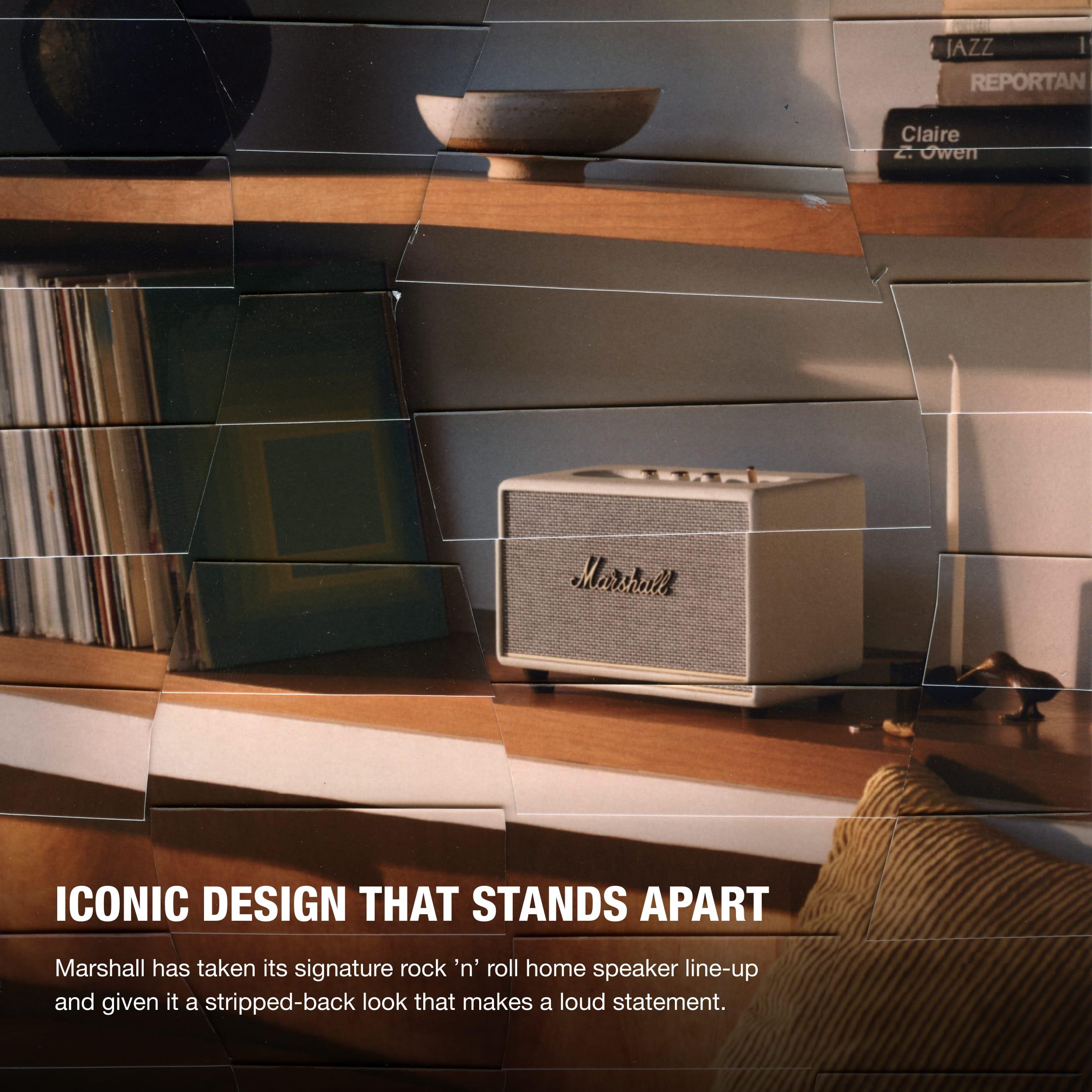
The Marshall Acton III shines in scenarios prioritizing audio quality: desktop computer audio where you want better sound than built-in speakers, bedroom listening where stereo separation enhances the experience, or kitchen background music where consistent power means never worrying about charging. The physical controls make it particularly appealing for situations where you don't want to fumble with your phone to adjust volume.
Choose the JBL Charge 6 if your lifestyle involves regular movement between locations, outdoor activities, or situations where battery power matters. It's particularly compelling for younger users, frequent travelers, or anyone who values versatility over absolute audio fidelity. The waterproofing alone makes it worth considering if you live in a humid climate or have pets and kids around.
Choose the Marshall Acton III if audio quality trumps portability in your priorities. It's ideal for users setting up a dedicated listening space, those who appreciate tactile controls, or anyone who values the aesthetic contribution of well-designed audio equipment. If you already have portable options and want something specifically for home use, the Marshall's advantages become more pronounced.
The reality is that these speakers serve fundamentally different needs, and the "better" choice depends entirely on how you plan to use it. The JBL Charge 6 maximizes practical utility and versatility, while the Marshall Acton III maximizes audio performance and design appeal. Both execute their respective visions well, making either a solid choice within their intended domains.
Understanding your own listening habits and environments will guide you to the right decision better than any specification sheet. Consider where you'll use it most, what features matter in those situations, and whether portability or sound quality takes priority in your specific use case.
| JBL Charge 6 | Marshall Acton III |
|---|---|
| Speaker Type - Determines where and how you can use it | |
| Portable battery-powered (24-hour runtime) | Stationary AC-powered (requires wall outlet) |
| Audio Configuration - Affects sound quality and spatial experience | |
| Mono (1.0 channel) with 45W total output | Stereo (2.0 channel) with 60W total output |
| Driver Setup - Determines frequency range and clarity | |
| 2-driver: 53×93mm woofer + 20mm tweeter | 3-driver: 4" woofer + dual 0.75" tweeters |
| Frequency Response - How deep the bass goes and treble extends | |
| 56Hz-20kHz (good bass for portable size) | 45Hz-20kHz (deeper bass, better for music detail) |
| Water/Dust Protection - Critical for outdoor and kitchen use | |
| IP68 (fully waterproof, survives submersion) | None (indoor use only) |
| Physical Controls - Convenience for volume and sound adjustment | |
| App-based EQ with 7-band customization | Physical brass knobs for volume, bass, treble |
| Connectivity Options - How you connect devices | |
| Bluetooth 5.4, USB-C (lossless audio + charging) | Bluetooth 5.2, 3.5mm aux input |
| Multi-Speaker Capability - For larger spaces or stereo sound | |
| Auracast pairing with other JBL Charge 6 units | No multi-speaker connectivity |
| Additional Features - Extra functionality beyond audio | |
| Powerbank (charges phones/tablets via USB-C) | Placement compensation via app |
| Weight and Portability - Important for travel and movement | |
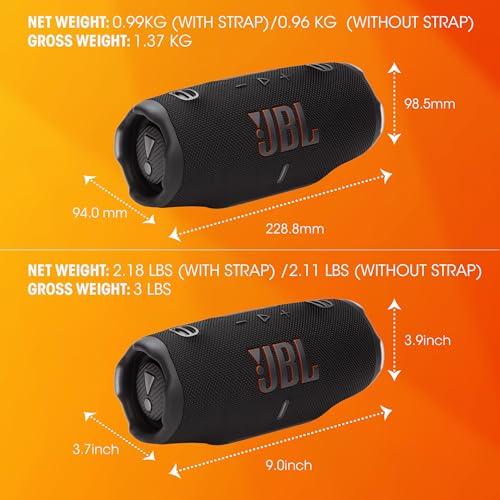
| 2.11 lbs with carrying handle | 6.28 lbs, designed as furniture piece |
| Best Use Cases - Where each speaker truly excels | |
| Outdoor activities, travel, multi-room flexibility | Home listening, desktop audio, consistent location |
The JBL Charge 6 is significantly better for outdoor use with its IP68 waterproof rating, 24-hour battery life, and rugged portable design. The Marshall Acton III requires AC power and has no water protection, making it unsuitable for outdoor activities.
The Marshall Acton III is better suited for home theater use due to its stereo sound separation, deeper bass response (45Hz), and 3.5mm aux input for direct TV connection. The JBL Charge 6 outputs mono audio and may have slight Bluetooth latency issues with video content.
The Marshall Acton III delivers superior sound quality with its three-driver stereo system, 60W of power, and deeper frequency response. The JBL Charge 6 offers good sound for its portable size but can't match the Marshall's audio fidelity and stereo separation.
The Marshall Acton III offers better standalone use with physical brass control knobs for volume, bass, and treble adjustment. The JBL Charge 6 relies heavily on its mobile app for sound customization, though basic playback works without a phone.
Only the JBL Charge 6 has a battery, providing up to 24-28 hours of playback time depending on settings. The Marshall Acton III requires constant AC power connection and has no battery capability.
The JBL Charge 6 supports Auracast technology for pairing multiple compatible JBL speakers in stereo or party mode. The Marshall Acton III doesn't offer multi-speaker connectivity and functions as a standalone unit only.
The JBL Charge 6 is significantly more durable with IP68 waterproofing, dustproofing, and drop-proof design rated for 1-meter falls. The Marshall Acton III is built for indoor use only with no environmental protection ratings.
Yes, the JBL Charge 6 functions as a powerbank and can charge phones and tablets through its USB-C port. The Marshall Acton III doesn't offer device charging capability.
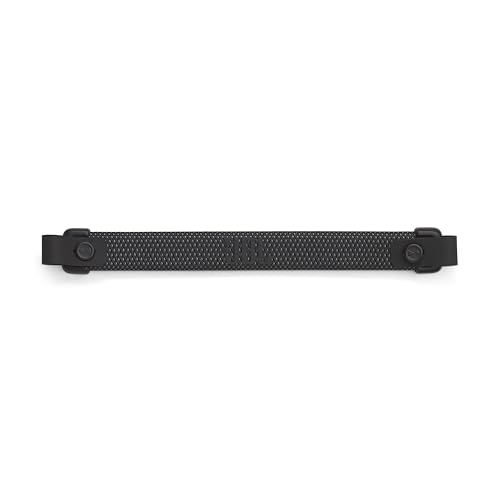
The JBL Charge 6 is designed for travel with its compact size, 2.11-pound weight, carrying handle, and long battery life. The Marshall Acton III weighs 6.28 pounds and requires wall power, making it impractical for travel.
Both speakers offer sound adjustment but through different methods. The Marshall Acton III has dedicated physical knobs for immediate bass and treble control. The JBL Charge 6 provides more detailed 7-band EQ customization through its mobile app.
The Marshall Acton III includes a 3.5mm auxiliary input for connecting non-Bluetooth devices like older MP3 players or computers. The JBL Charge 6 relies primarily on Bluetooth connectivity but offers high-quality USB-C audio input.
The answer depends on your needs. The JBL Charge 6 offers excellent value for portable use with its battery life, durability, and powerbank features. The Marshall Acton III provides better value for stationary home listening with superior audio quality and stereo sound.
We've done our best to create useful and informative comparisons to help you decide what product to buy. Our research uses advanced automated methods to create this comparison and perfection is not possible - please contact us for corrections or questions. These are the sites we've researched in the creation of this article: rtings.com - youtube.com - stereoguide.com - whathifi.com - youtube.com - elomymelo.com - soundguys.com - elomymelo.com - wifihifi.com - soundguys.com - jbl.com - whathifi.com - soundguys.com - youtube.com - smarthomesounds.co.uk - jbl.com - sweetwater.com - youtube.com - bestbuy.com - jbl.com.sg - jbl.com - dell.com - ca.jbl.com - soundguys.com - soundguys.com - dell.com - bestbuy.com - youtube.com - bestbuy.com - pocket-lint.com - bestbuy.com - crutchfield.com - premiumsound.com.au - marshall.com - 2001audiovideo.com - youtube.com - t3.com - bestbuy.com - youtube.com

Privacy Policy
Terms and Conditions - Affiliate Policy
Home Security
© Copyright 2008-2026.
11816 Inwood Rd #1211, Dallas, TX 75244