

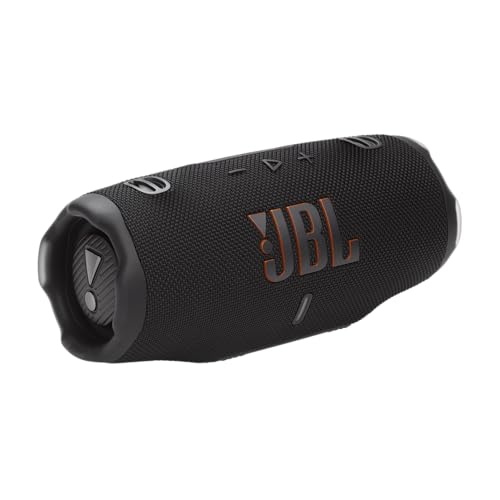


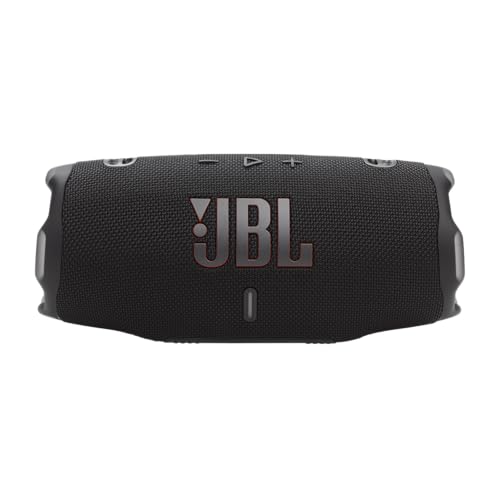
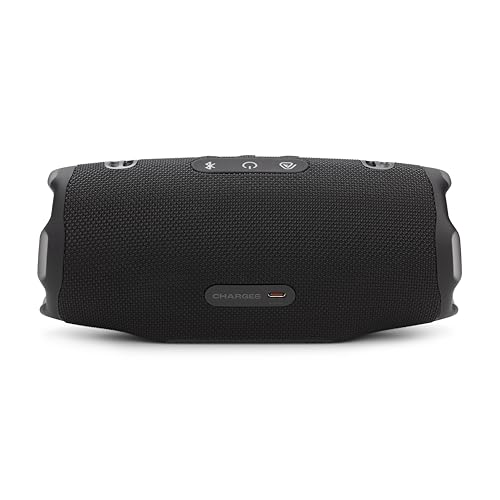
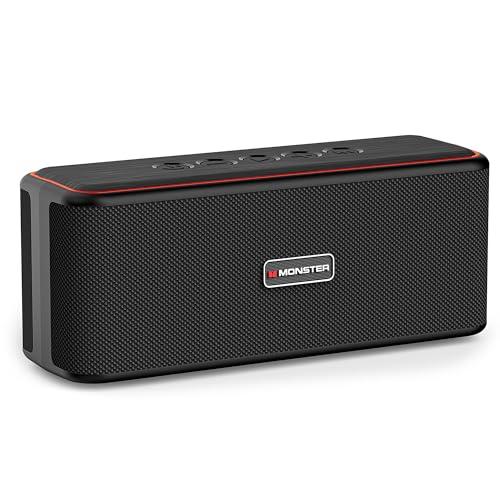
When you're looking for a portable Bluetooth speaker that can actually fill a room with sound, you're entering territory where the right choice can make or break your listening experience. The portable speaker market has exploded over the past few years, and two models that represent very different approaches to this challenge are the JBL Charge 6 and the Monster Shock Plus S21.
The JBL Charge 6, released in 2024, represents JBL's latest evolution of their popular Charge series—a line that's been refined over nearly a decade. Meanwhile, the Monster Shock Plus S21, launched in 2025, showcases Monster's attempt to offer serious performance at a more accessible price point. These speakers illustrate two distinct philosophies: premium engineering with a price to match versus smart compromises that deliver solid performance without breaking the bank.
Before diving into the specifics, it's worth understanding what separates a truly good portable speaker from the dozens of mediocre options flooding the market. The best portable speakers need to excel across several demanding criteria that often conflict with each other.
Audio performance sits at the top of the list—there's no point in a speaker that doesn't sound good. But "good sound" in a portable package is trickier than it seems. These speakers need to produce clear, balanced audio at both whisper-quiet volumes for late-night listening and room-filling levels for parties. The physics of small speakers work against deep bass, so engineering tricks like passive radiators (extra drivers that vibrate with the air movement from the main drivers) become crucial.
Battery life has become a make-or-break feature. A speaker that dies mid-party is worse than no speaker at all. But longer battery life often means bigger, heavier designs, creating an immediate tension with portability.
Durability matters because these speakers live rough lives—thrown in backpacks, dropped on concrete, splashed by pool water, and coated in beach sand. The IP rating system helps here: IPX6 means the speaker can handle powerful water jets but isn't submersible, while IP68 means it can actually go underwater for extended periods and is completely dustproof.
Finally, connectivity and convenience features separate the good from the great. Modern speakers need rock-solid Bluetooth connections, the ability to pair with multiple devices, and ideally some way to connect non-Bluetooth sources.
The most significant difference between the JBL Charge 6 and Monster Shock Plus S21 lies in their approach to audio reproduction, and the numbers tell a compelling story.
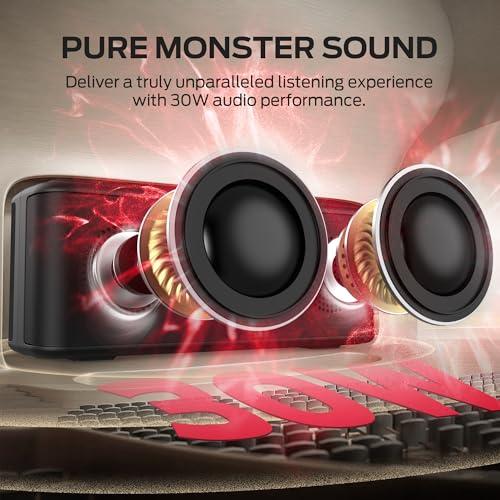
The JBL Charge 6 packs 45 watts RMS of total power—30 watts dedicated to its woofer and 15 watts to its tweeter. RMS (Root Mean Square) power represents the continuous power a speaker can handle, not peak power, making it a more honest measurement than the inflated peak wattage figures some manufacturers use. In contrast, the Monster Shock Plus S21 delivers 30 watts of stereo output.
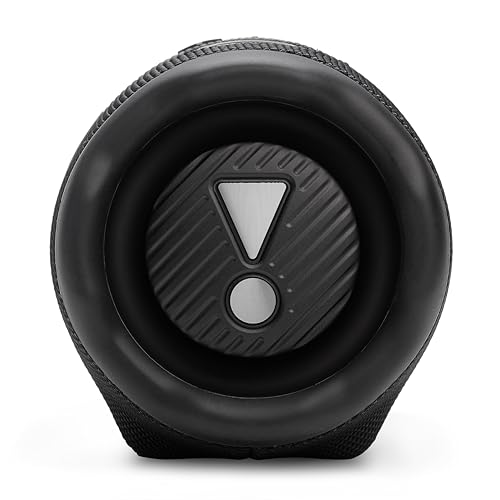
But raw power only tells part of the story. The JBL Charge 6 uses a sophisticated driver arrangement with a 53mm x 93mm oval woofer—that racetrack shape maximizes the driver surface area within the limited cabinet space, pushing more air for better bass response. This pairs with a 20mm dome tweeter and dual passive radiators positioned on the speaker's sides.
Passive radiators deserve explanation because they're crucial to how small speakers produce bass. Think of them as speakers without magnets or voice coils—they're moved entirely by the air pressure changes created by the main woofer. When the woofer pushes air, the passive radiators extend the bass response lower than the main driver could achieve alone. The JBL Charge 6 positions these strategically to create more impactful low-end response.
The Monster Shock Plus S21 takes a different approach with its 2.0 stereo configuration and Monster's Pure Sound Technology. While the marketing term is vague, user reports suggest this focuses on balanced frequency response rather than maximum output. The Monster prioritizes clarity and stereo imaging over absolute volume and bass depth.
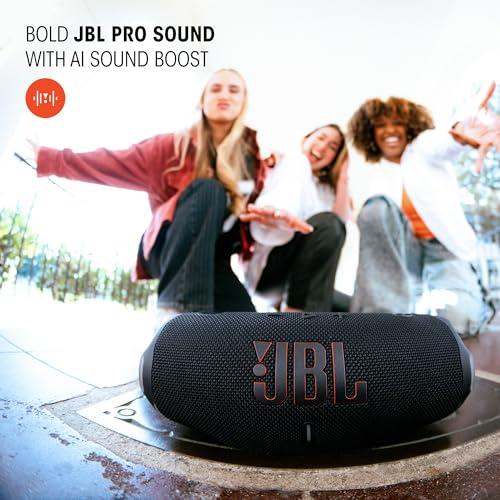
The most intriguing technical advancement in the JBL Charge 6 is AI Sound Boost—an always-on audio processing algorithm that analyzes music in real-time. This isn't just marketing speak; it's sophisticated digital signal processing (DSP) that examines the incoming audio signal and adjusts the drivers' behavior to maximize performance while preventing distortion. When the music demands more bass than the drivers can cleanly produce, AI Sound Boost subtly adjusts the signal to maintain clarity. This allows the Charge 6 to play louder and cleaner than speakers with similar power ratings.
Based on consensus from expert reviews and user feedback, the JBL Charge 6 delivers noticeably more volume and bass impact, particularly at higher listening levels. The Monster Shock Plus S21 holds its own at moderate volumes with balanced, pleasant sound, but the physics of its smaller drivers and lower power become apparent when pushed hard. For background music or small gatherings, both perform admirably. For larger spaces or outdoor use where you're competing with ambient noise, the JBL Charge 6 has a clear advantage.
Nothing kills the vibe like a dead speaker, which makes battery performance crucial. Here, the JBL Charge 6 absolutely dominates with specifications that seemed impossible just a few years ago.
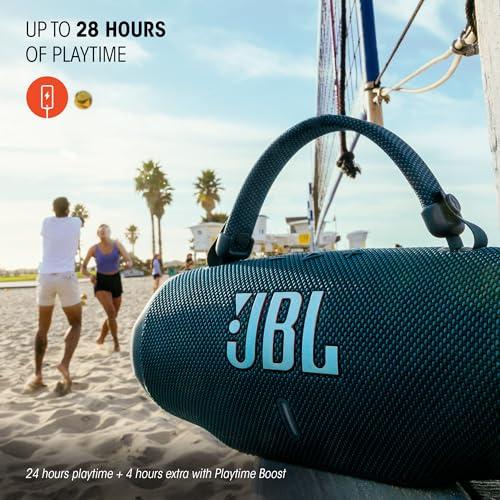
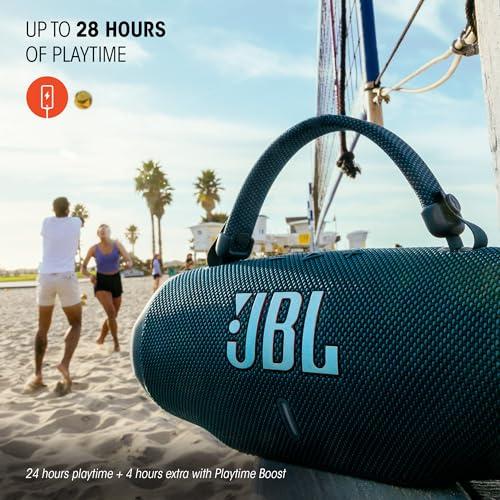
The Charge 6 claims up to 24 hours of playback from its 34 Wh lithium-ion polymer battery, with an innovative Playtime Boost mode extending that to 28 hours. Playtime Boost works by adjusting the EQ to reduce bass frequencies and lower-midrange content—the most power-hungry parts of the audio spectrum. While this compromises sound quality slightly, it's brilliant for situations where you need maximum runtime over maximum fidelity.
Real-world testing by reviewers suggests these numbers are achievable at moderate volume levels (around 50-60%), with 14-19 hours realistic at higher volumes. Even accounting for battery degradation over time, this represents exceptional endurance.
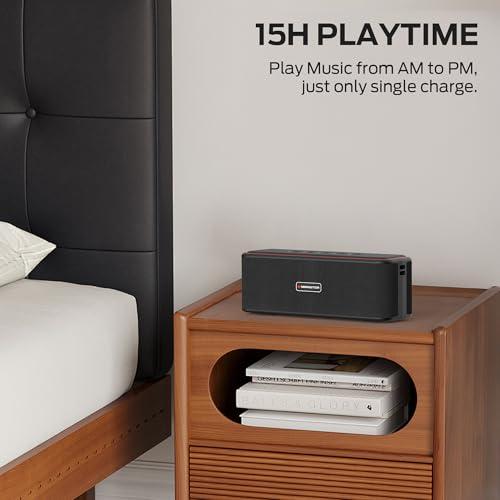
The Monster Shock Plus S21 offers a respectable 15 hours of playback, which matches or exceeds many competitors in its price range. However, it's significantly outclassed by the JBL Charge 6 in this crucial area.
Charging speed matters too, especially for spontaneous gatherings. The JBL Charge 6 supports fast charging that provides 150 minutes of playback from just 10 minutes of charging—enough to get through a quick gathering if you forgot to charge overnight. Full charging takes about 3 hours. The Monster Shock Plus S21 charges faster at 2 hours for a complete cycle, but without the impressive fast-charging capability.
The Charge 6 includes a unique power bank function, meaning you can charge your phone or tablet from the speaker's battery. This transforms it from just an audio device into a crucial piece of camping or travel gear. It's the kind of feature that seems minor until you desperately need it.
Portable speakers face abuse that would destroy most electronics, so durability engineering becomes critical. The JBL Charge 6 and Monster Shock Plus S21 take notably different approaches to protection.
The JBL Charge 6 earned an IP68 rating—the highest standard for consumer electronics. The "6" means complete protection against dust ingress, while the "8" indicates it can survive submersion up to 1.5 meters for 30 minutes. This isn't just splash-proof; it's truly waterproof. Combined with 1-meter drop-proof certification, the Charge 6 can handle serious outdoor adventures.
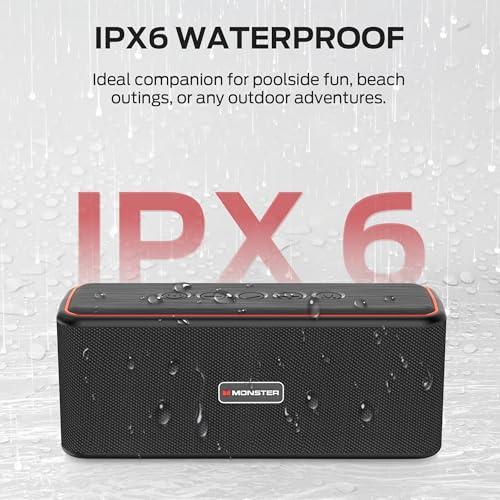
The Monster Shock Plus S21 carries an IPX6 rating—excellent water resistance against powerful jets and heavy rain, but not submersible. For most users, this level of protection proves sufficient for poolside use or outdoor gatherings, but it's not bombproof like the JBL.
These ratings matter more than you might expect. I've seen countless speakers fail from seemingly minor water exposure—a brief rain shower or accidental spill that penetrates the speaker grille and destroys the electronics. The difference between IPX6 and IP68 can mean the difference between a speaker that survives your lifestyle and one that becomes an expensive paperweight.
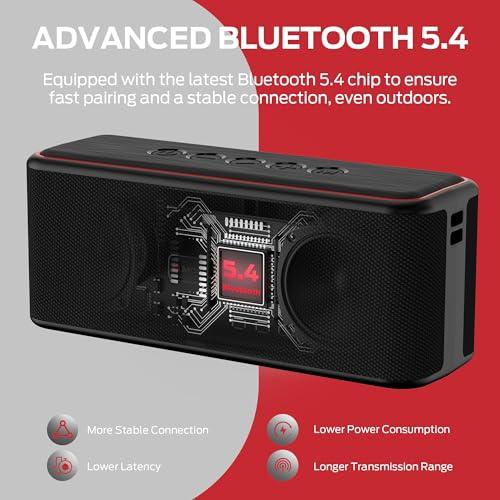
Both speakers use Bluetooth 5.4, the latest standard that offers improved connection stability and lower latency compared to older versions. However, their approaches to multi-device connectivity differ significantly.
The JBL Charge 6 supports Auracast, a new Bluetooth 5.4 feature that allows multiple compatible speakers to connect and play synchronized audio. This replaces JBL's older PartyBoost system and promises better compatibility with future JBL speakers. You can stereo-pair two Charge 6 units for true left-right channel separation, significantly improving the listening experience.
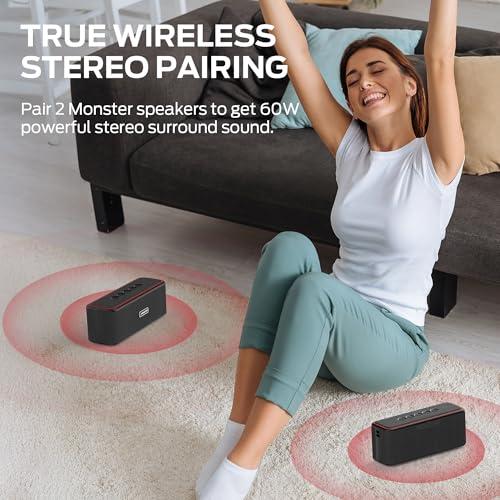
The Monster Shock Plus S21 uses True Wireless Stereo (TWS) pairing, allowing two units to combine for 60 watts of synchronized output. While effective, this older technology is more limited in its future expandability.
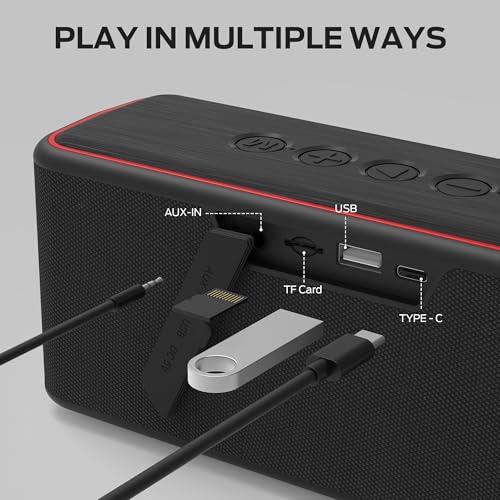
Where the Monster Shock Plus S21 shines is input versatility. It includes a 3.5mm AUX input, TF card (microSD) slot, and USB port for direct digital playback. This makes it incredibly flexible for users with older devices, those who prefer wired connections for lower latency, or situations where Bluetooth isn't available.
The JBL Charge 6 dropped the 3.5mm input found on earlier Charge models, but gained USB-C lossless audio playback supporting up to 24-bit/192kHz resolution. This appeals to audiophiles with high-resolution music files but requires compatible source devices.
Interestingly, only the Monster Shock Plus S21 includes a built-in microphone for hands-free calling—a feature JBL inexplicably omitted from the Charge 6.
While neither speaker is designed primarily for home theater use, both can serve as significant upgrades over TV speakers for casual viewing. The JBL Charge 6's superior power output and bass response make it more suitable for action movies or shows with dynamic soundtracks. Its USB-C lossless audio input could connect directly to compatible streaming devices for better-than-Bluetooth quality.
The Monster Shock Plus S21's AUX input provides universal compatibility with any TV or streaming device with a headphone output. For a secondary TV or bedroom setup, either speaker would dramatically improve dialogue clarity and overall audio experience compared to typical flat-screen TV speakers.
However, both speakers output mono audio when used solo (downmixing stereo sources), limiting their home theater effectiveness. True stereo requires pairing two units, which doubles the cost but creates a genuinely immersive experience.
At the time of writing, the JBL Charge 6 commands premium pricing that reflects its advanced engineering and brand reputation. The Monster Shock Plus S21 positions itself as a value-oriented alternative, typically priced significantly lower while still delivering respectable performance.
The JBL Charge 6 justifies its higher cost through genuinely superior performance metrics: longer battery life, higher output power, better durability, and advanced features like AI Sound Boost and power bank functionality. For users who prioritize maximum performance and don't mind paying for it, the engineering advances represent good value.
The Monster Shock Plus S21 offers compelling value for budget-conscious buyers who still want quality audio. Its connectivity versatility, decent battery life, and balanced sound make it attractive for users who need good-enough performance without premium pricing.
The decision between these speakers depends largely on your priorities and how you'll actually use them.
Choose the JBL Charge 6 if you prioritize maximum performance, plan to use it for large gatherings or outdoor activities, need exceptional battery life, or want the peace of mind that comes with true waterproofing. It's the better choice for power users who view their speaker as a significant investment in their music listening experience.
The Monster Shock Plus S21 makes more sense for casual listeners who want solid performance without premium pricing, need maximum connectivity flexibility, or primarily use speakers indoors or in controlled environments. Its hands-free calling capability and diverse input options make it more practical for some users despite lower overall performance.
For serious music lovers or anyone who regularly hosts gatherings, the JBL Charge 6's superior audio performance and marathon battery life justify the higher investment. For occasional users or those primarily seeking an upgrade from phone speakers, the Monster Shock Plus S21 delivers meaningful improvements at a more accessible price point.
Both represent solid choices within their respective market segments, but they serve notably different user needs and expectations. The key is honestly assessing your priorities and choosing the speaker that best matches your actual usage patterns rather than aspirational ones.
| JBL Charge 6 | Monster Shock Plus S21 |
|---|---|
| Power Output - Determines maximum volume and sound quality at high levels | |
| 45W RMS (30W woofer + 15W tweeter) | 30W stereo output |
| Battery Life - Critical for extended use and outdoor activities | |
| 24 hours standard, up to 28 hours with Playtime Boost | 15 hours |
| Charging Speed - Important for quick turnaround between uses | |
| 3 hours full charge, 10 min = 150 min playback | 2 hours full charge |
| Water/Dust Protection - Essential for outdoor and poolside use | |
| IP68 (submersible to 1.5m, dustproof) | IPX6 (splash-resistant, not submersible) |
| Drop Protection - Matters for durability during transport | |
| 1-meter drop-proof certified | Not specified |
| Audio Technology - Affects sound clarity and distortion handling | |
| AI Sound Boost real-time processing, 7-band EQ | Pure Sound Technology, limited EQ options |
| Connectivity Options - Determines device compatibility and flexibility | |
| Bluetooth 5.4, USB-C lossless audio (24-bit/192kHz) | Bluetooth 5.4, AUX-IN, TF card, USB port |
| Multi-Speaker Pairing - For stereo sound or larger coverage areas | |
| Auracast technology (connects with other JBL speakers) | TWS pairing (60W combined with second unit) |
| Built-in Microphone - For hands-free calling capability | |
| No microphone | Yes, with hands-free calling |
| Power Bank Function - Adds utility for charging devices | |
| Yes, can charge phones/tablets | No power bank feature |
| Weight - Affects portability for travel and outdoor use | |
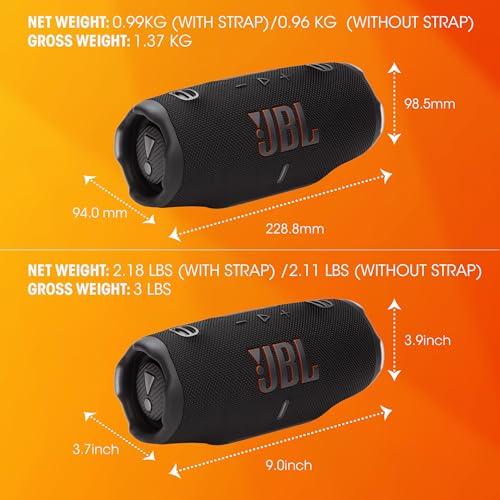
| 990g (2.18 lbs) with strap | 830-910g (1.83-2.01 lbs) |
| Frequency Response - Shows bass extension and overall audio range | |
| 56 Hz - 20 kHz | Not specified (dynamic drivers with balanced response) |
| Release Year - Indicates how current the technology is | |
| 2024 (latest generation with newest features) | 2025 (newest release, competitive pricing) |
The JBL Charge 6 is significantly louder with 45W RMS output compared to the Monster Shock Plus S21's 30W output. This means the JBL Charge 6 can fill larger rooms and outdoor spaces more effectively, making it better for parties and gatherings where you need to compete with ambient noise.
The JBL Charge 6 offers exceptional battery life with up to 24 hours of standard playback, extending to 28 hours with Playtime Boost mode. The Monster Shock Plus S21 provides 15 hours of playback, which is respectable but significantly less than the JBL Charge 6.
The JBL Charge 6 has superior water protection with an IP68 rating, meaning it can be submerged up to 1.5 meters for 30 minutes and is completely dustproof. The Monster Shock Plus S21 has an IPX6 rating, making it splash-resistant but not submersible, so it's fine for poolside use but not for underwater accidents.
Both speakers use Bluetooth 5.4 for wireless connectivity. However, the Monster Shock Plus S21 offers more connection options with AUX input, TF card slot, and USB port. The JBL Charge 6 focuses on wireless connectivity but adds USB-C for lossless audio playback from compatible devices.
The JBL Charge 6 generally delivers superior sound quality with its larger drivers, AI Sound Boost technology, and more powerful amplification. It produces deeper bass and cleaner sound at high volumes. The Monster Shock Plus S21 offers balanced, pleasant sound that's good for casual listening but can't match the JBL Charge 6's performance.
Only the Monster Shock Plus S21 includes a built-in microphone for hands-free calling. The JBL Charge 6 surprisingly omits this feature, so you'll need to use your phone directly for calls.
The JBL Charge 6 is better suited for outdoor adventures due to its IP68 waterproofing, 1-meter drop-proof rating, exceptional 24-28 hour battery life, and built-in power bank function to charge your devices. The Monster Shock Plus S21 is decent for outdoor use but lacks the extreme durability and extended battery life.
Both speakers support multi-speaker pairing. The JBL Charge 6 uses Auracast technology to connect with other compatible JBL speakers, while the Monster Shock Plus S21 uses TWS (True Wireless Stereo) to pair with another S21 unit for 60W combined output.
The Monster Shock Plus S21 charges faster with a 2-hour full charge time. The JBL Charge 6 takes 3 hours for a full charge but offers impressive fast charging where 10 minutes provides 150 minutes of playback time.
The Monster Shock Plus S21 typically offers better value for budget-conscious buyers, providing solid performance and versatile connectivity at a lower price point. The JBL Charge 6 costs more but delivers premium performance, exceptional battery life, and advanced features that justify the higher investment for serious users.
Both speakers can significantly improve TV audio over built-in TV speakers. The Monster Shock Plus S21 has an advantage with its AUX input for direct connection to any TV. The JBL Charge 6 offers more powerful sound but requires Bluetooth connectivity or a USB-C compatible device. Neither provides true stereo sound alone, so pairing two units works best for home theater use.
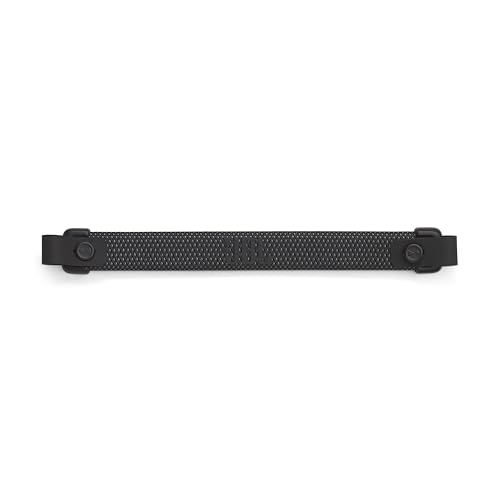
The Monster Shock Plus S21 is slightly more compact and lighter at 1.83-2.01 lbs compared to the JBL Charge 6 at 2.18 lbs. However, the JBL Charge 6 includes a detachable handle strap and power bank functionality that can be valuable for travel, despite being slightly heavier.
We've done our best to create useful and informative comparisons to help you decide what product to buy. Our research uses advanced automated methods to create this comparison and perfection is not possible - please contact us for corrections or questions. These are the sites we've researched in the creation of this article: rtings.com - youtube.com - stereoguide.com - whathifi.com - youtube.com - elomymelo.com - soundguys.com - elomymelo.com - wifihifi.com - soundguys.com - jbl.com - whathifi.com - soundguys.com - youtube.com - smarthomesounds.co.uk - jbl.com - sweetwater.com - youtube.com - bestbuy.com - jbl.com.sg - jbl.com - dell.com - ca.jbl.com - soundguys.com - soundguys.com - dell.com - shopabunda.com - manuals.plus - popsci.com - armorsound.com - manuals.plus - youtube.com - shopstaff.net - thestreet.com - rtings.com - youtube.com - businessinsider.com - youtube.com - youtube.com - mensjournal.com - ratebud.ai - youtube.com - ebay.com - monsterstore.com - newegg.com - angelenaspensacola.com

Privacy Policy
Terms and Conditions - Affiliate Policy
Home Security
© Copyright 2008-2026.
11816 Inwood Rd #1211, Dallas, TX 75244