

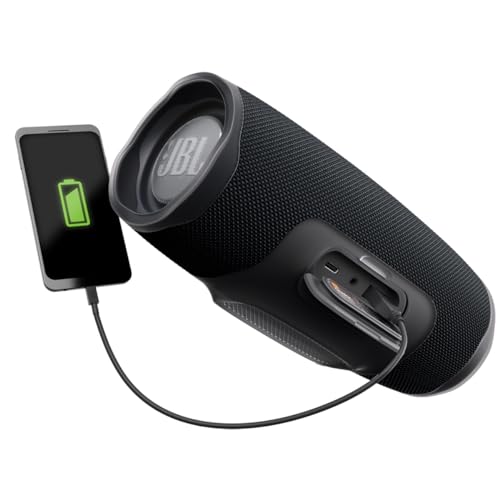
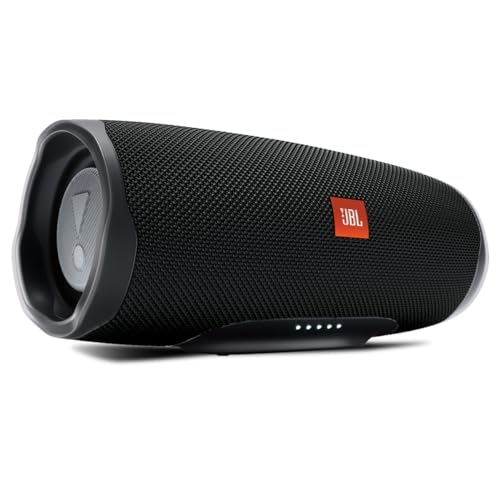
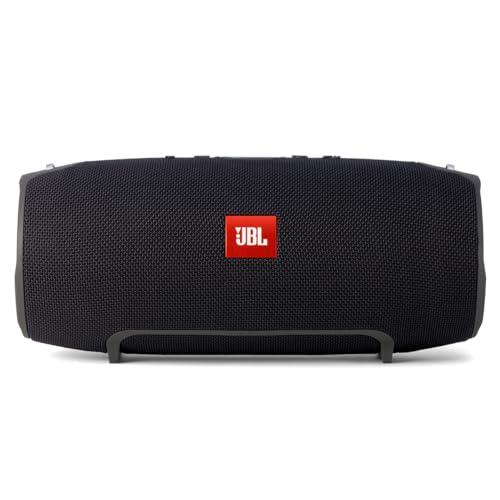
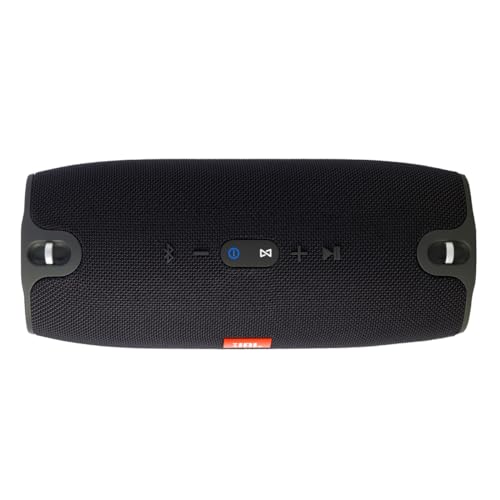
If you're hunting for a portable Bluetooth speaker that can handle everything from poolside parties to camping trips, you've probably stumbled across two popular contenders: the JBL Charge 4 and the Soundcore Boom 2 SE. Both promise powerful sound, rugged durability, and long battery life, but they take surprisingly different approaches to delivering great audio on the go.
The portable Bluetooth speaker market has exploded over the past decade, and for good reason. These devices have become our go-to companions for outdoor adventures, impromptu gatherings, and even as convenient desktop speakers for work-from-home setups. But with so many options flooding the market, choosing the right one can feel overwhelming.
Before diving into the specifics, let's talk about what actually matters when you're shopping for a portable Bluetooth speaker. The most important factors boil down to five key areas: sound quality, battery performance, durability, connectivity features, and overall value.
Sound quality isn't just about volume – though that certainly matters for outdoor use. You want clarity across different types of music, decent bass response without muddiness, and the ability to maintain that quality even when you crank up the volume. Battery life determines whether your speaker will last through that all-day beach trip or weekend camping adventure. Durability, especially water resistance, is crucial since these speakers are designed for active lifestyles.
Connectivity goes beyond just pairing with your phone. Modern speakers offer features like multi-device pairing, the ability to link multiple speakers together, and even power bank functionality. Finally, value isn't just about the cheapest option – it's about getting the most features and performance for your money.
The JBL Charge 4 launched in 2018 and quickly became a favorite among outdoor enthusiasts. JBL built their reputation on delivering reliable, well-balanced sound in rugged packages, and the Charge 4 continues that tradition. At the time of writing, it typically sells in the mid-range price segment, positioning itself as a premium option with proven performance.
The Soundcore Boom 2 SE, on the other hand, represents Anker's more aggressive approach to the speaker market. Released more recently, it comes in at a lower price point while packing in features that would have been considered premium just a few years ago. This reflects the rapid evolution of the Bluetooth speaker market, where newer entrants are pushing established brands to offer more value.
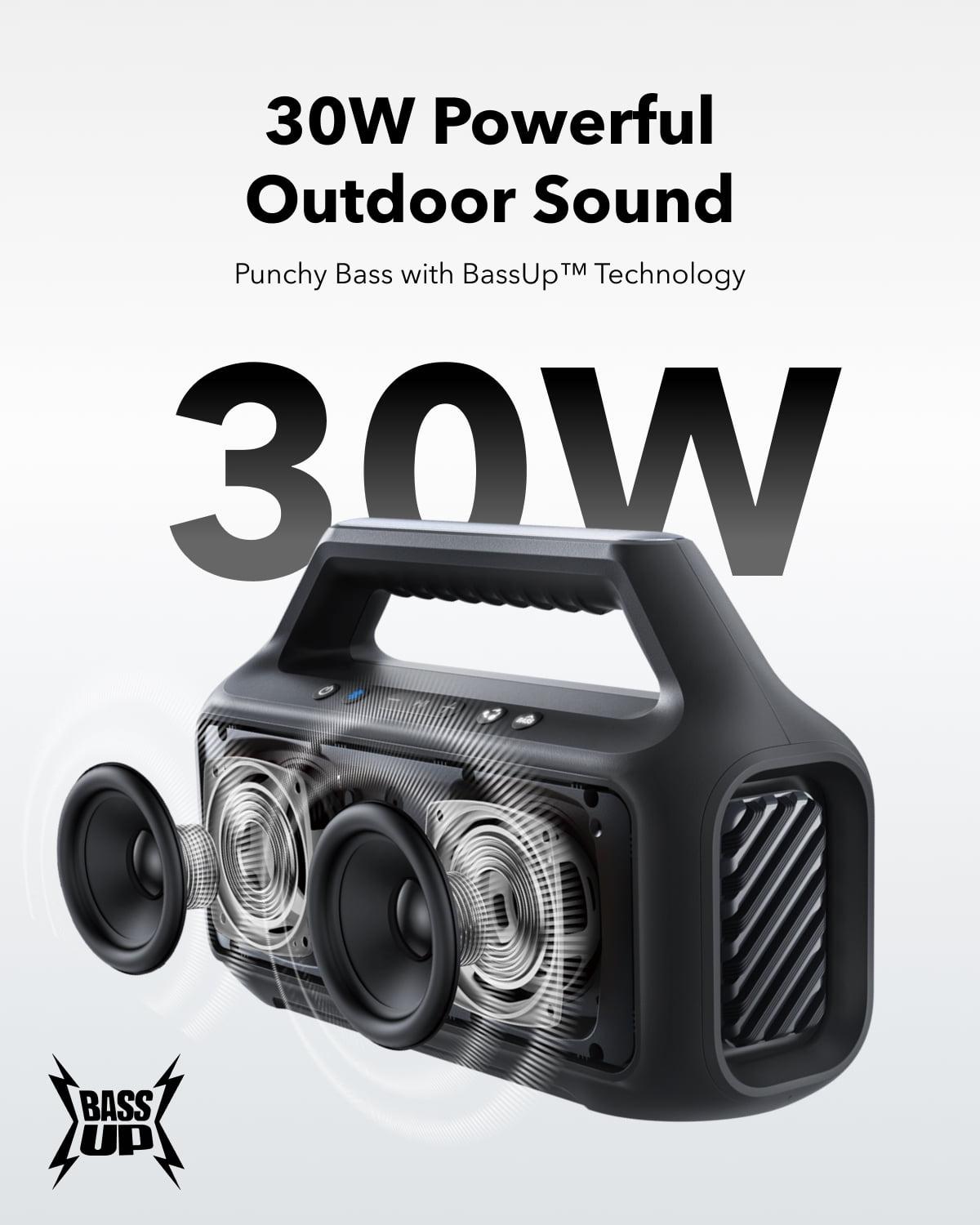
Here's where things get interesting. Both speakers claim 30W of output power, but they achieve this through completely different audio architectures, and the results are notably different.
The JBL Charge 4 uses what's called a single racetrack driver – a uniquely shaped speaker cone measuring 50x90mm – paired with dual passive radiators. Think of passive radiators as speakers without the motor; they vibrate in response to air pressure changes from the main driver, helping to enhance bass response. This setup creates what audio engineers call a mono configuration, meaning all sound comes from a single channel rather than separate left and right channels.
This approach has both advantages and drawbacks. The single driver handles everything from deep bass to crisp highs, which can create a cohesive sound signature. Based on extensive user feedback and professional reviews, the JBL Charge 4 excels at vocal clarity and midrange reproduction – perfect for podcasts, folk music, or acoustic performances. However, it struggles with very deep bass (those rumbling low notes in electronic music) and tends to roll off the highest frequencies, making cymbals and guitar harmonics sound somewhat muted.
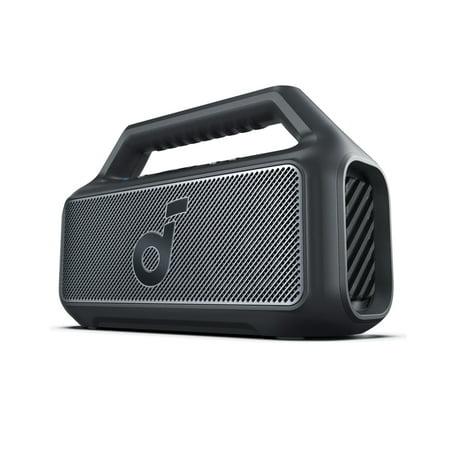
The Soundcore Boom 2 SE takes a fundamentally different approach with what's called a 2.1 channel system. This means it has separate speakers optimized for different frequency ranges: dual 15W silk dome tweeters handle the highs and midrange, while a dedicated 50W subwoofer focuses solely on bass reproduction. This is similar to how home theater systems work, where different speakers handle different parts of the audio spectrum.
This separation brings significant advantages. The dedicated subwoofer can push much deeper bass than the JBL Charge 4, especially when you activate Soundcore's BassUp technology. BassUp is essentially a digital signal processor that analyzes the audio in real-time and boosts low frequencies while adding harmonic enhancement – think of it as an intelligent bass boost that adapts to different songs.
From our research into user experiences and professional testing, the Soundcore Boom 2 SE delivers noticeably more impactful bass, making it particularly appealing for genres like hip-hop, electronic dance music, and modern pop. The separate tweeters also handle higher frequencies with more sparkle and detail than the JBL Charge 4.
However, this doesn't automatically make the Soundcore Boom 2 SE the winner. The JBL Charge 4's more conservative tuning can actually be preferable for certain listening scenarios. If you frequently listen to audiobooks, podcasts, or vocal-heavy music, the Charge 4's midrange focus keeps voices front and center without being overwhelmed by bass.
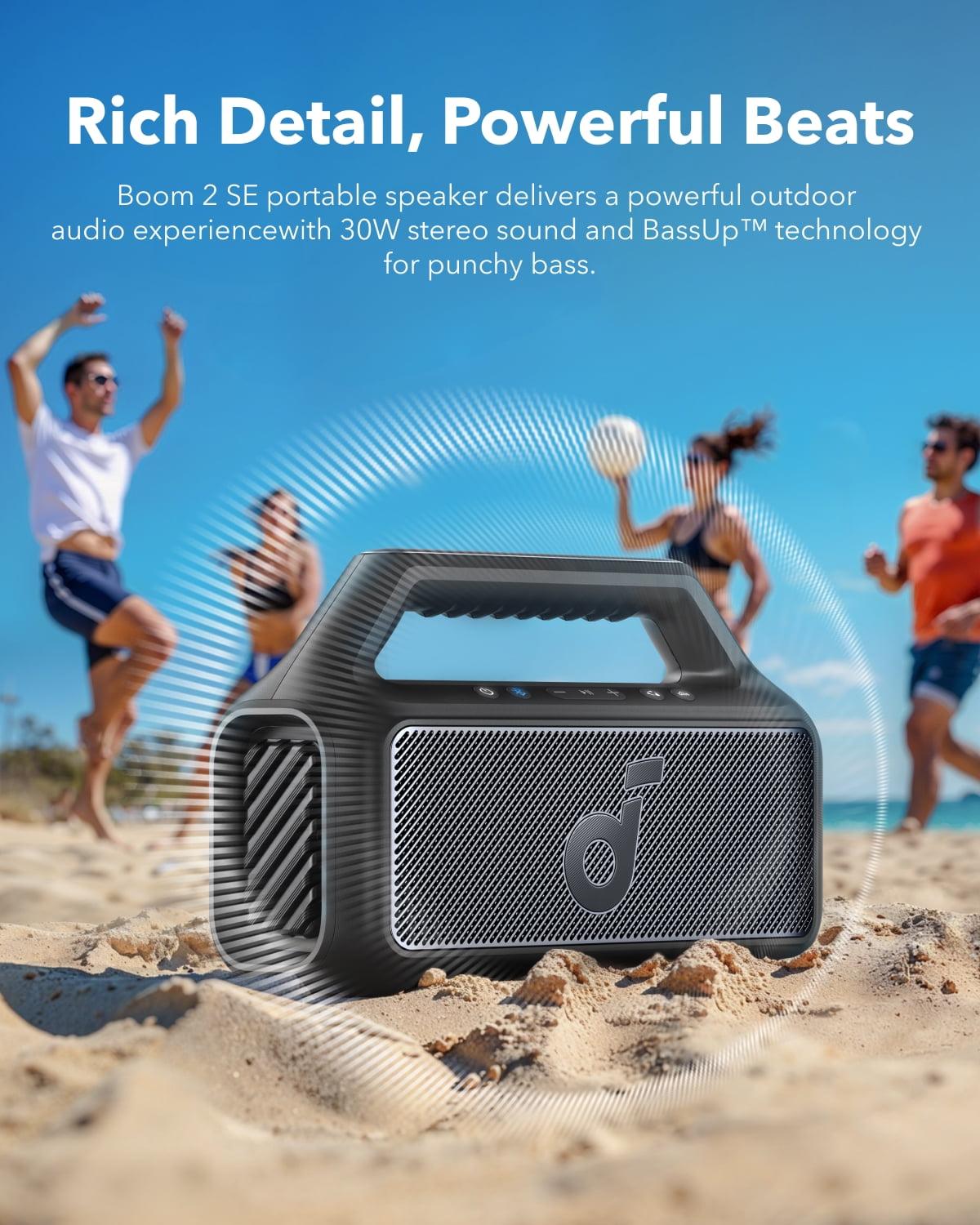
When it comes to getting loud – and maintaining quality while doing so – there are important differences between these speakers. The Soundcore Boom 2 SE generally achieves higher peak volumes thanks to its BassUp technology and dedicated driver configuration. More importantly, it maintains better sound quality at high volumes, with less compression and distortion creeping in.
The JBL Charge 4 tends to compress the audio more aggressively at maximum volume, meaning the dynamic range (the difference between quiet and loud parts of songs) gets squashed together. This makes music sound flatter and less engaging at party volumes. For small gatherings or personal listening, this isn't a dealbreaker, but for larger outdoor events, the Soundcore Boom 2 SE has a clear advantage.
Battery performance reveals another philosophical difference between these speakers. The JBL Charge 4 packs a substantial 7500mAh battery (27Wh total capacity), which translates to genuinely impressive endurance. In real-world testing by users and reviewers, it consistently delivers 13-15 hours of playback at moderate volumes, with some achieving the claimed 20 hours under ideal conditions.
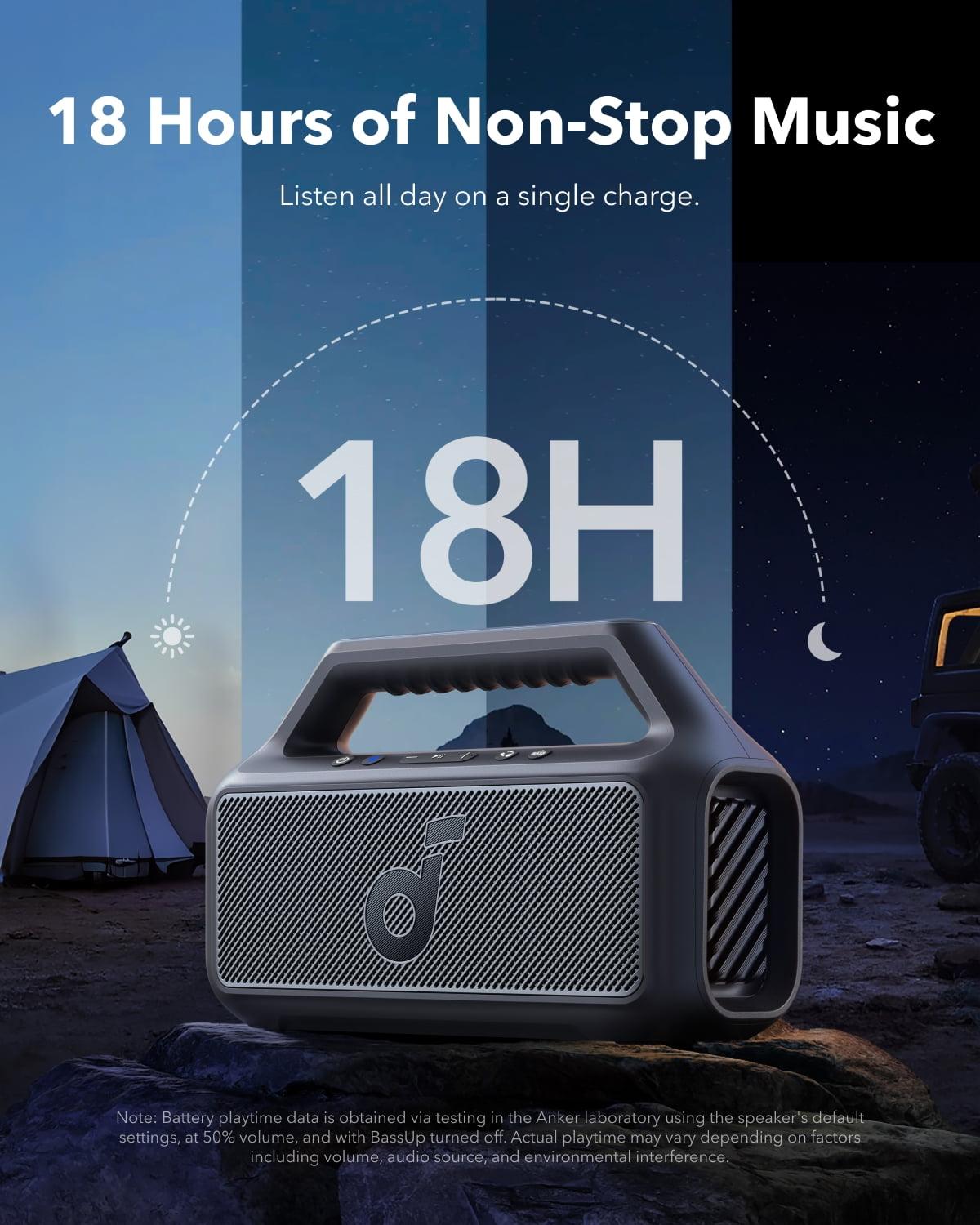
The Soundcore Boom 2 SE carries a smaller 3100mAh battery, resulting in shorter playback times – typically 12-14 hours with bass enhancement and LED effects disabled, dropping to 10-12 hours with all features active. The LED light show, while visually impressive, does consume additional power.
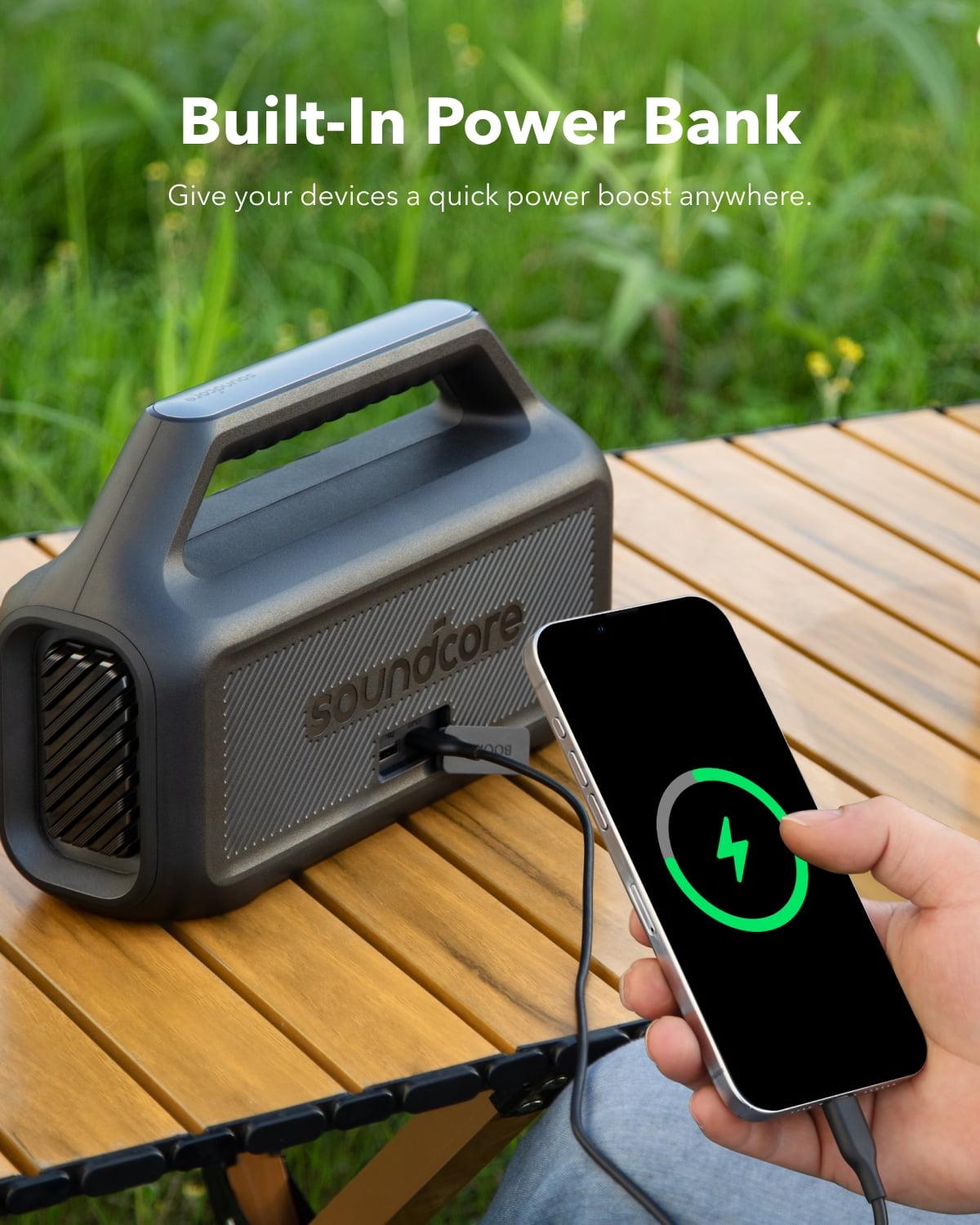
However, the battery story isn't just about runtime. Both speakers double as power banks, letting you charge your phone or tablet through their USB-A ports. The JBL Charge 4 offers more charging capacity thanks to its larger battery, making it more useful for extended off-grid adventures where you might need to charge multiple devices.
This difference in battery philosophy reflects their intended use cases. The JBL Charge 4 prioritizes maximum endurance for camping trips and long outdoor excursions. The Soundcore Boom 2 SE focuses more on shorter-duration, high-energy scenarios where visual effects and powerful bass matter more than all-day runtime.
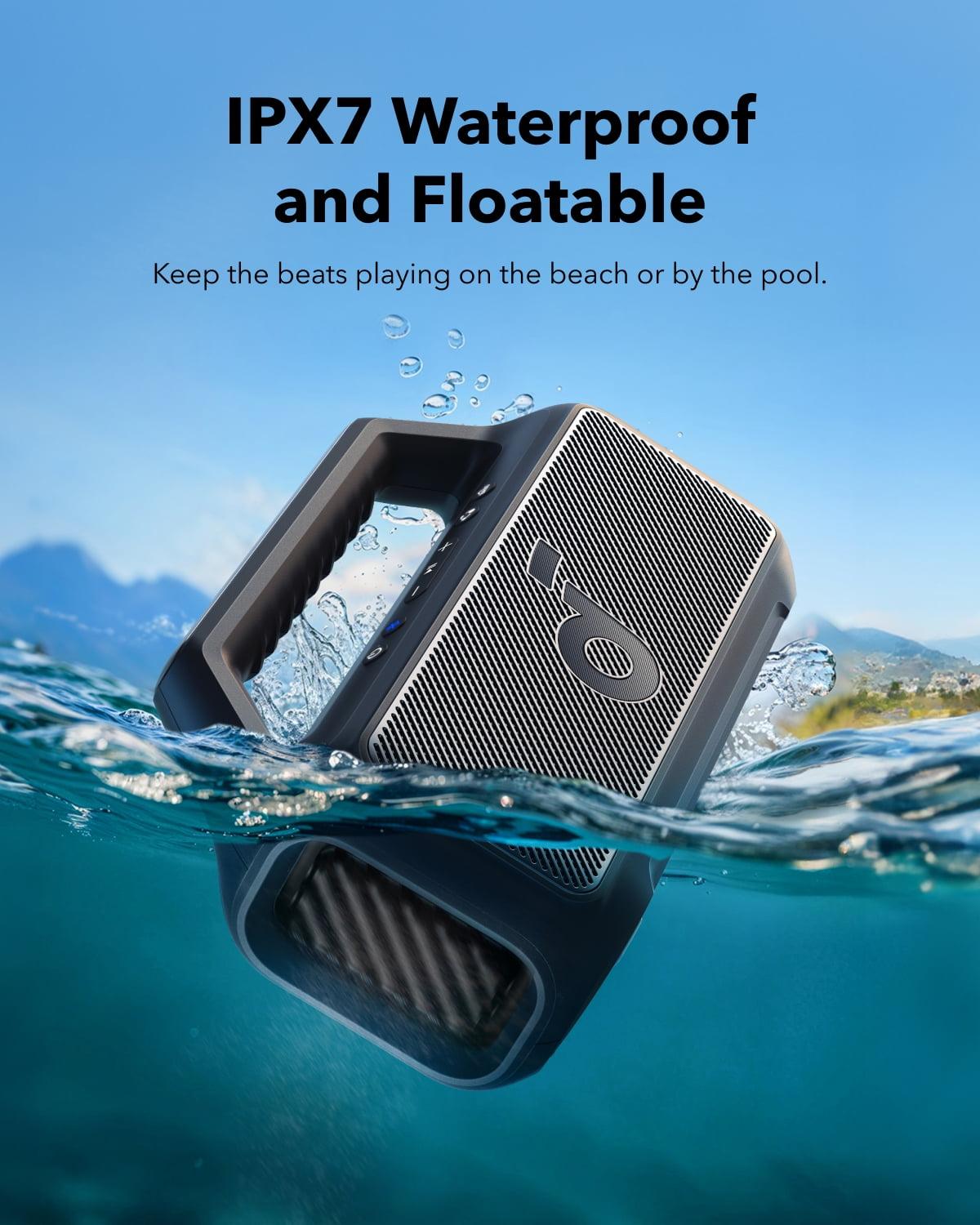
Both speakers earn IPX7 water resistance ratings, meaning they can survive submersion in up to one meter of water for 30 minutes. In practical terms, this means both can handle poolside splashes, beach spray, and even accidental drops into shallow water.
The JBL Charge 4 weighs in at a relatively lightweight 2.12 pounds, making it genuinely portable for hiking and travel. Its cylindrical design with fabric covering and rubber endcaps has proven durable over the years, though the fabric can show wear with heavy outdoor use.
The Soundcore Boom 2 SE takes a more rugged approach, weighing 3.75 pounds with a metal front grille and integrated carrying handle. More importantly, it's designed to float, which adds a layer of safety for poolside use. The extra weight reflects its more robust construction, but also makes it less ideal for activities where every ounce matters.
Here's where the generational differences between these speakers become apparent. The JBL Charge 4 uses Bluetooth 4.2, which was standard when it launched in 2018. While perfectly functional, it offers a more limited connection range and lacks some of the efficiency improvements found in newer Bluetooth versions.
The Soundcore Boom 2 SE leverages Bluetooth 5.3, the latest standard at the time of writing. This provides several advantages: extended range (up to 100 meters in ideal conditions), better connection stability, and improved battery efficiency. In practical terms, you'll experience fewer dropouts and can leave your phone further away while maintaining a solid connection.
Both speakers offer multi-speaker pairing capabilities, but through different ecosystems. The JBL Charge 4 uses JBL Connect+, which can link over 100 compatible JBL speakers for synchronized playback. The Soundcore Boom 2 SE offers PartyCast 2.0 with similar capabilities for Soundcore speakers.
Where they really differ is in app support and customization. The JBL Charge 4 has minimal app integration – you can manage speaker pairing and check battery levels, but that's about it. The Soundcore Boom 2 SE connects to a comprehensive app offering a 9-band equalizer, customizable LED light effects, and various sound profiles. For users who like to fine-tune their audio experience, this is a significant advantage.
One of the Soundcore Boom 2 SE's most distinctive features is its integrated LED light show with seven different effects: Rainbow, Flame, Lightning, Fireworks, Wave, Flash, and Energy. These lights sync to the music's beat, creating an audio-visual experience that can genuinely enhance party atmospheres.
While this might sound gimmicky, the implementation is surprisingly well-executed. The lights are bright enough to be visible outdoors during evening gatherings, and the beat-sync technology works reliably across different music genres. You can customize colors, brightness, and patterns through the app, or disable the lights entirely to conserve battery.
The JBL Charge 4 offers no visual effects, focusing purely on audio performance. Whether this is an advantage or disadvantage depends entirely on your preferences and use cases.
Neither speaker is designed as a primary home theater solution, but both can serve as quick upgrades to TV audio or as background music speakers. The JBL Charge 4's balanced midrange makes it decent for dialog clarity when watching movies, though you'll miss the deep rumble of movie soundtracks.
The Soundcore Boom 2 SE's enhanced bass response provides more of that cinematic low-end impact, making action movies more engaging. However, its mono configuration means you won't get true stereo separation. For serious home theater use, you'd want to pair two units in TWS (True Wireless Stereo) mode, though this obviously doubles the cost.
After researching extensive user feedback and professional reviews, clear usage patterns emerge for each speaker.
Choose the JBL Charge 4 if you're an active outdoor enthusiast who prioritizes portability, battery life, and reliable performance. Its lighter weight makes it ideal for backpacking, camping, and travel. The superior power bank capacity keeps your devices charged during extended off-grid adventures. The balanced sound signature works well for diverse music genres and spoken content. It's also the safer choice if you value brand reputation and proven long-term reliability.
The Soundcore Boom 2 SE is the better choice for social gatherings, poolside parties, and users who want maximum features for their money. Its superior bass response and higher volume capabilities make it more engaging for modern music genres. The LED light show adds genuine entertainment value for evening gatherings. The comprehensive app provides customization options that let you tailor the sound to your preferences. At the time of writing, it typically offers better value with more features at a lower price point.
For bass-heavy music genres like electronic, hip-hop, and modern pop, the Soundcore Boom 2 SE is clearly superior. For acoustic music, podcasts, and situations where vocal clarity matters most, the JBL Charge 4 maintains an edge.
The technology improvements since the JBL Charge 4's 2018 launch are evident in the Soundcore Boom 2 SE's more advanced features and lower price point. This reflects the rapid evolution of the Bluetooth speaker market, where newer entrants are leveraging improved components and manufacturing efficiencies to offer more value.
Ultimately, both speakers excel in their intended roles. The JBL Charge 4 remains a solid choice for users who prioritize proven reliability and maximum portability. The Soundcore Boom 2 SE represents the new generation of feature-rich speakers that deliver impressive performance at aggressive price points. Your choice should align with how you actually plan to use your speaker – and whether you value established reliability or cutting-edge features more highly.
| JBL Charge 4 | Soundcore Boom 2 SE |
|---|---|
| Audio Configuration - Determines sound quality and bass response | |
| Single 50x90mm racetrack driver + dual passive radiators (mono) | 2.1 channel: 50W subwoofer + dual 15W tweeters |
| Total Power Output - Affects maximum volume and clarity | |
| 30W RMS | 30W (80W with BassUp 2.0 technology) |
| Battery Capacity - Critical for all-day outdoor use | |
| 7500mAh (up to 20 hours claimed, 13-15 hours real-world) | 3100mAh (up to 18 hours, 10-12 hours with effects) |
| Water Resistance - Essential for poolside and beach use | |
| IPX7 waterproof (submersible to 1 meter) | IPX7 waterproof + floatable design |
| Weight - Affects portability for hiking and travel | |
| 2.12 lbs (965g) - highly portable | 3.75 lbs - more robust but less portable |
| Bluetooth Version - Impacts connection range and stability | |
| Bluetooth 4.2 (standard range, reliable but older) | Bluetooth 5.3 (100m range, better stability) |
| Sound Customization - Important for personalizing audio | |
| No EQ options, basic app functionality | 9-band EQ + customizable sound profiles via app |
| Multi-Speaker Pairing - Great for parties and large gatherings | |
| JBL Connect+ (links 100+ JBL speakers) | PartyCast 2.0 (links 100+ Soundcore speakers) |
| Power Bank Function - Useful for charging devices outdoors | |
| USB-A output with larger battery capacity | USB-A output with smaller battery capacity |
| Visual Effects - Enhances party atmosphere | |
| None (audio-only focus) | Beat-synced LED light show with 7 customizable effects |
| Release Year - Indicates technology generation | |
| 2018 (proven track record, older tech) | More recent (newer features, current tech) |
| Best Use Cases - Who should buy each speaker | |
| Camping, hiking, travel, vocal-focused music | Parties, poolside, bass-heavy music, visual entertainment |
The Soundcore Boom 2 SE delivers significantly better bass performance thanks to its dedicated 50W subwoofer and BassUp 2.0 technology. The JBL Charge 4 uses passive radiators for bass enhancement, but it can't match the deeper, more powerful low-end response of the Soundcore Boom 2 SE's dedicated subwoofer system.
The Soundcore Boom 2 SE achieves higher maximum volume levels and maintains better sound quality at peak volumes. While both speakers output 30W, the Soundcore Boom 2 SE's BassUp technology and 2.1 channel configuration allow it to get louder without the compression issues that affect the JBL Charge 4 at maximum volume.
The JBL Charge 4 offers superior battery life with its 7500mAh battery, providing 13-15 hours of real-world playback compared to the Soundcore Boom 2 SE's 10-14 hours from its smaller 3100mAh battery. The JBL Charge 4 also functions as a better power bank for charging other devices due to its larger battery capacity.
Yes, both the JBL Charge 4 and Soundcore Boom 2 SE feature IPX7 waterproof ratings, meaning they can be submerged in up to 1 meter of water for 30 minutes. However, the Soundcore Boom 2 SE has an advantage as it's designed to float, making it safer for poolside use.
The JBL Charge 4 is significantly more portable, weighing only 2.12 pounds compared to the Soundcore Boom 2 SE's 3.75 pounds. For backpacking, camping, and travel where weight matters, the JBL Charge 4 is the clear winner due to its compact, lightweight design.
The Soundcore Boom 2 SE offers extensive sound customization through its app, including a 9-band equalizer and multiple sound profiles. The JBL Charge 4 has minimal app functionality with no EQ options, so you're limited to its preset sound signature.
The Soundcore Boom 2 SE is superior for parties due to its louder volume, stronger bass response, and beat-synced LED light show with 7 different visual effects. The JBL Charge 4 lacks visual effects and doesn't get as loud, making the Soundcore Boom 2 SE more engaging for social events.
Neither speaker is designed as a primary home theater solution, but the Soundcore Boom 2 SE provides better cinematic impact with its enhanced bass response for action movies. The JBL Charge 4 offers clearer dialog due to its balanced midrange. For serious home theater use, you'd want to pair two of either speaker for stereo sound.
The Soundcore Boom 2 SE typically offers better value, providing more features like LED effects, app-based EQ, newer Bluetooth 5.3 connectivity, and superior bass performance at a lower price point. The JBL Charge 4 costs more but offers longer battery life and proven brand reliability.
Yes, both speakers support multi-speaker pairing. The JBL Charge 4 uses JBL Connect+ to link over 100 compatible JBL speakers, while the Soundcore Boom 2 SE uses PartyCast 2.0 to connect up to 100 Soundcore speakers. Both systems synchronize audio across all connected speakers.
The Soundcore Boom 2 SE features newer Bluetooth 5.3 technology with extended range (up to 100 meters) and better connection stability compared to the JBL Charge 4's Bluetooth 4.2. Both speakers can pair with two devices simultaneously, but the Soundcore Boom 2 SE offers more reliable connectivity.
Choose the JBL Charge 4 for acoustic music, podcasts, and vocal-heavy content due to its balanced midrange and clear voice reproduction. Select the Soundcore Boom 2 SE for electronic, hip-hop, pop, and bass-heavy genres where its dedicated subwoofer and BassUp technology provide more impactful low-end response.
We've done our best to create useful and informative comparisons to help you decide what product to buy. Our research uses advanced automated methods to create this comparison and perfection is not possible - please contact us for corrections or questions. These are the sites we've researched in the creation of this article: rtings.com - whathifi.com - whathifi.com - soundguys.com - soundguys.com - streamtechreviews.com - youtube.com - versus.com - applevis.com - versus.com - jbl.com - jbl.com - walmart.com - comparisontabl.es - harmanaudio.com - manuals.plus - jbl.com.sg - jbl.com - mm.jbl.com - bestbuy.com - newpower99.com - forums.woot.com - soundcore.com - gzhls.at - youtube.com - techradar.com - support.soundcore.com - digitaltrends.com - trustedreviews.com - soundguys.com

Privacy Policy
Terms and Conditions - Affiliate Policy
Home Security
© Copyright 2008-2026.
11816 Inwood Rd #1211, Dallas, TX 75244