

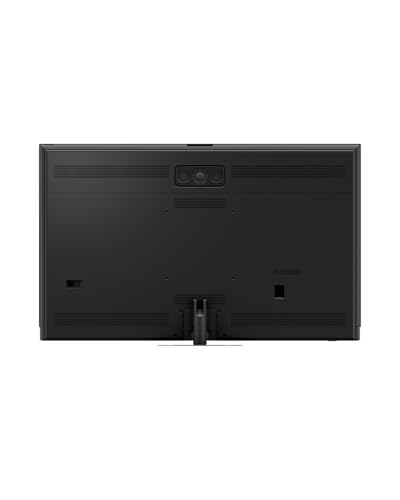

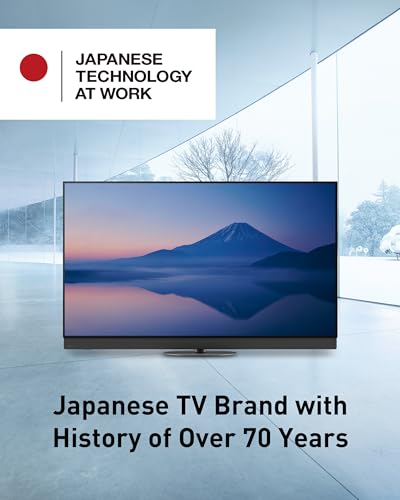
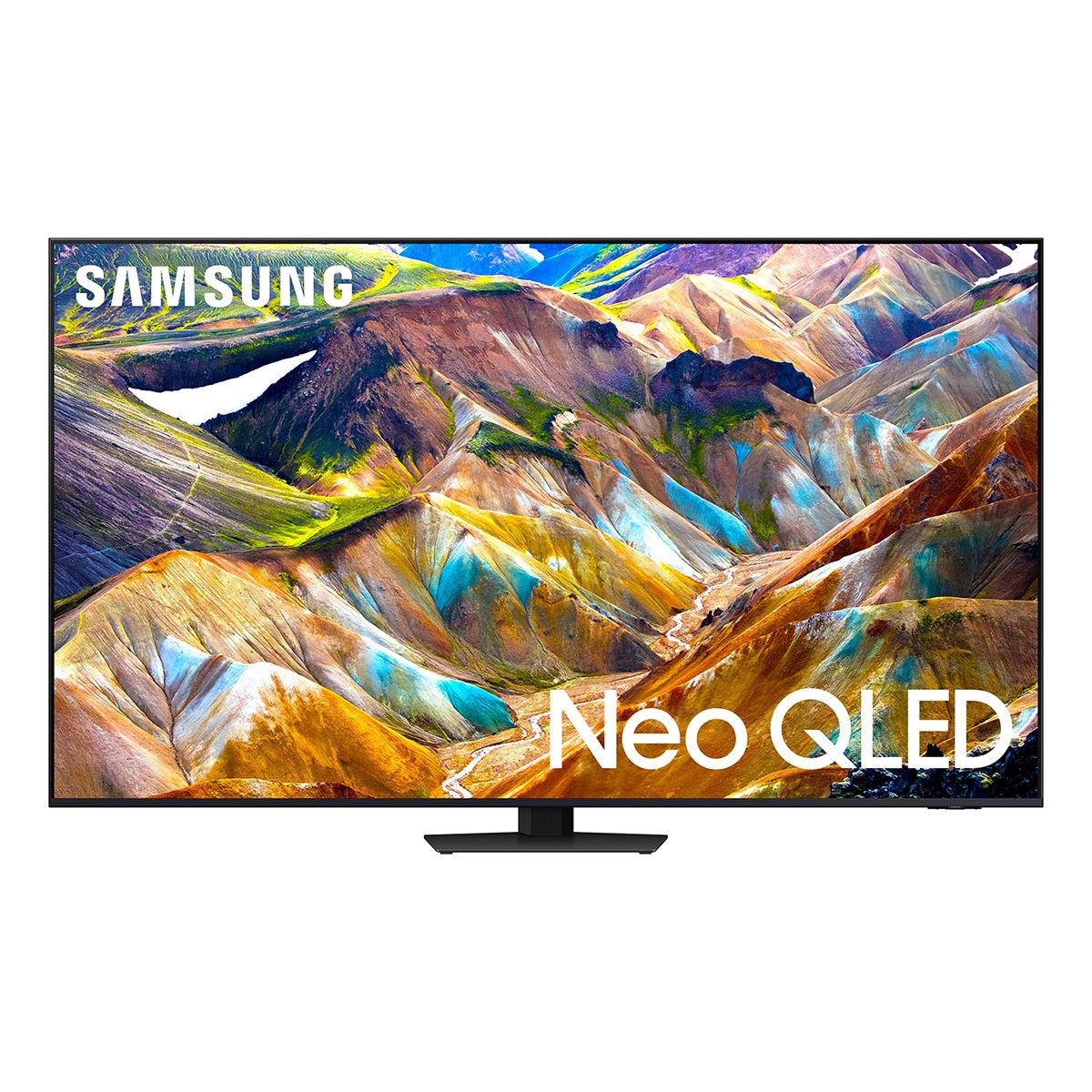
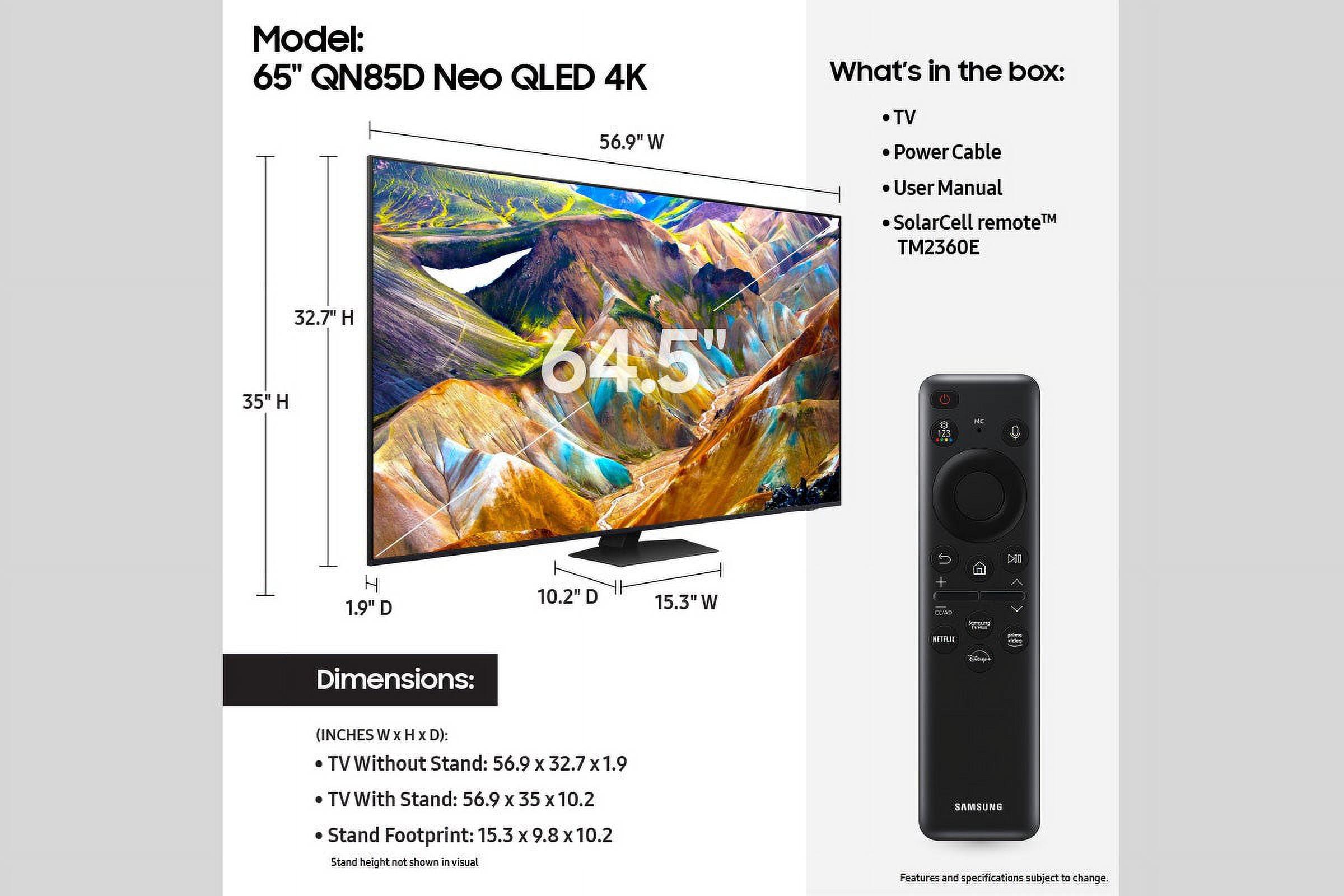
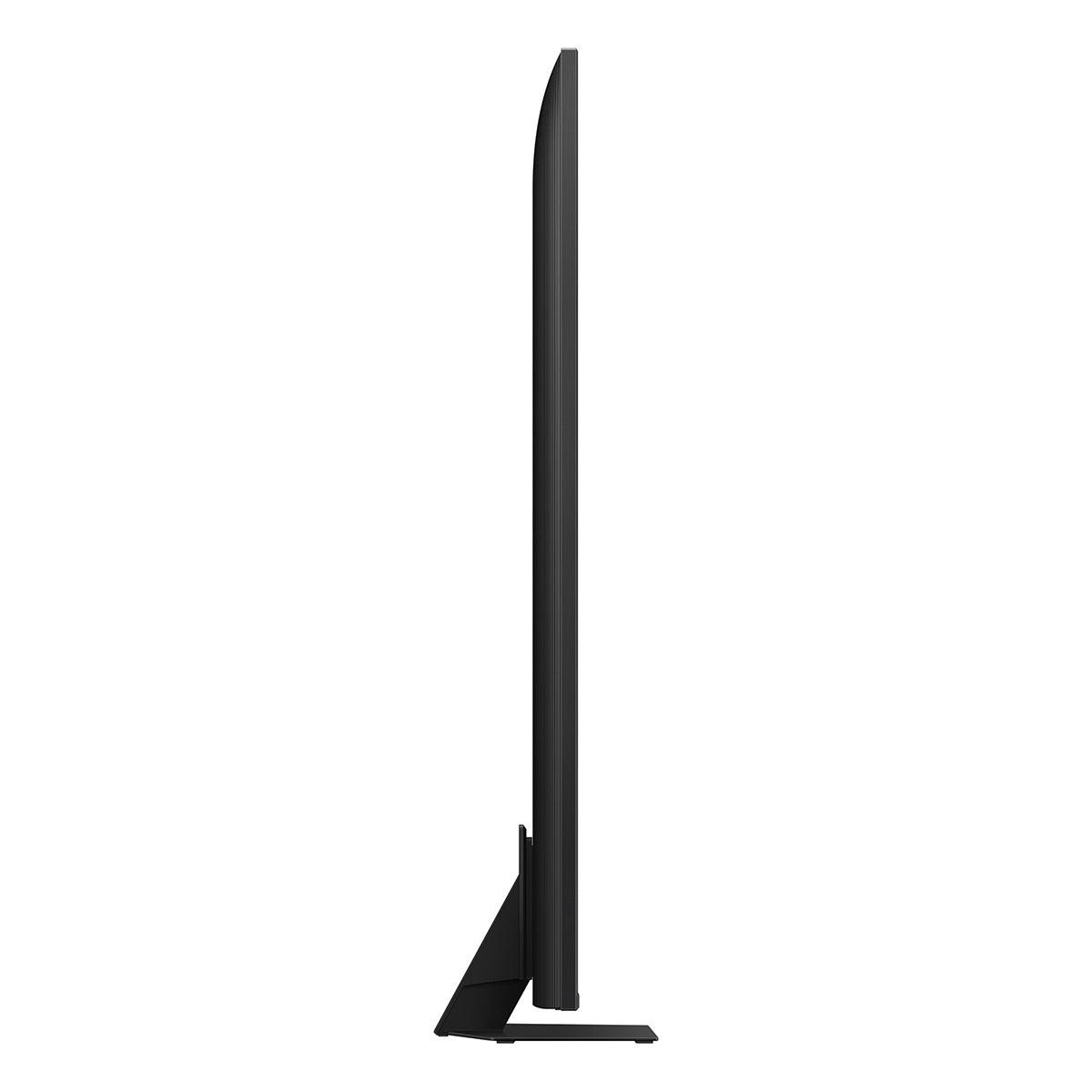

Shopping for a premium 65-inch TV feels overwhelming these days. Two excellent options that represent completely different approaches are the Panasonic Z95B Series OLED and the Samsung QN85D Neo QLED. At the time of writing, these TVs sit at opposite ends of the premium TV price spectrum, with the Panasonic costing nearly three times as much as the Samsung. But does that price difference translate to three times better performance? Let's break down what actually matters.
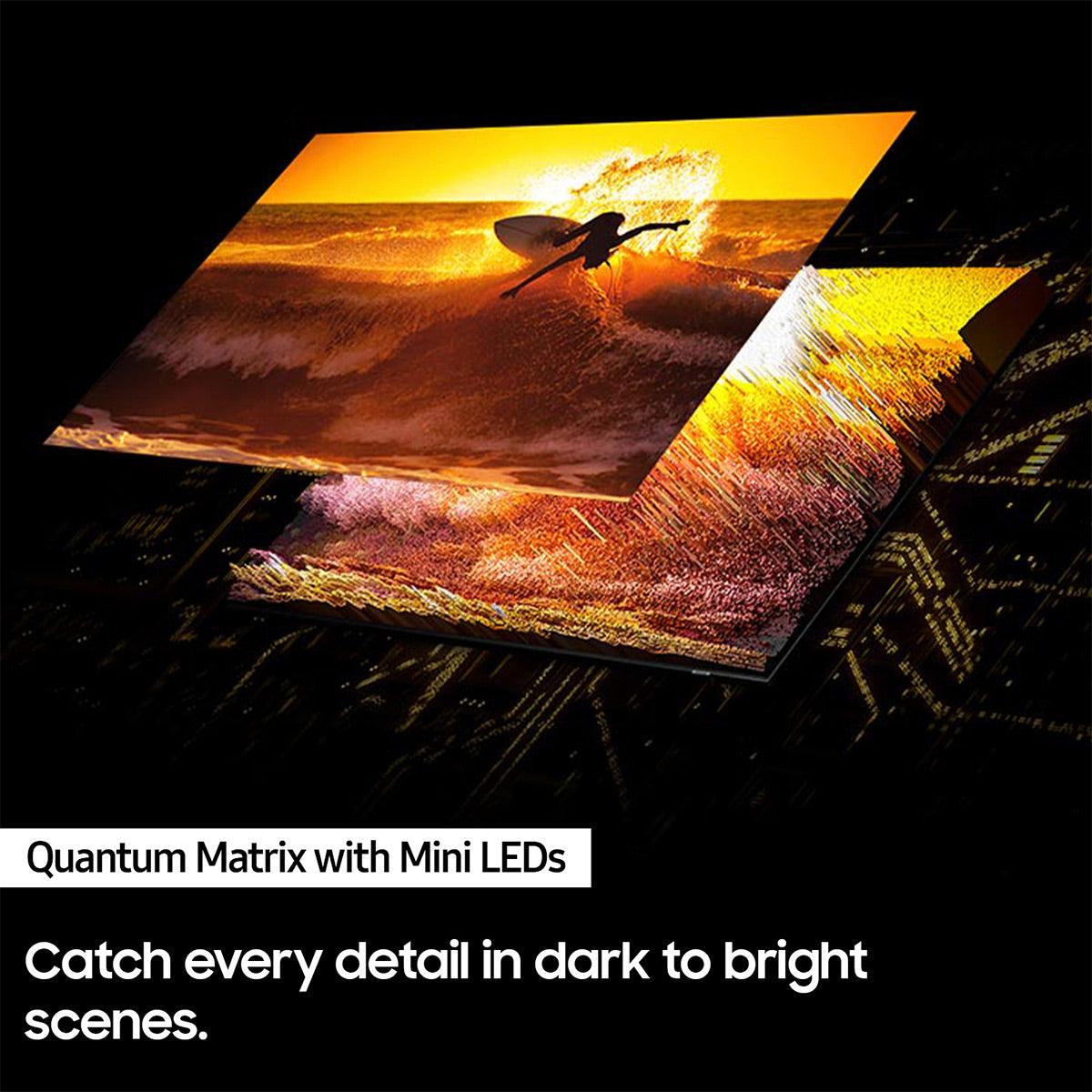
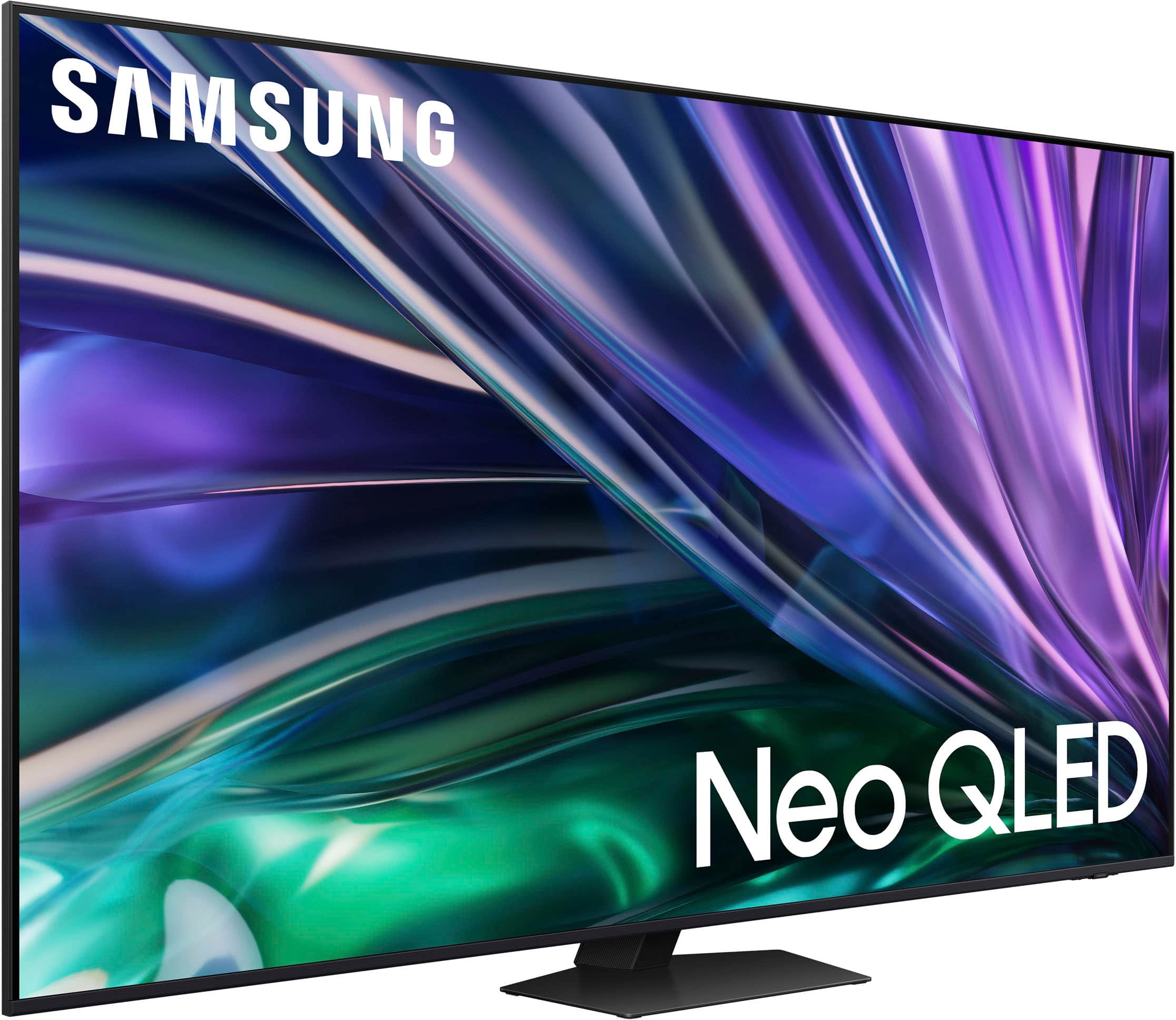
Before diving into specifics, you need to understand what separates these TVs at their core. The Panasonic Z95B uses OLED technology, where each individual pixel creates its own light. Think of it like having millions of tiny light bulbs that can turn completely on or off independently. The Samsung QN85D uses Neo QLED technology, which is Samsung's fancy name for LCD panels with mini-LED backlighting and quantum dot color enhancement.
Here's why this matters: OLED pixels can turn completely black, creating perfect contrast. Neo QLED uses thousands of tiny LED lights behind the screen to brighten or dim different areas, but it can't achieve true black since there's always some light bleeding through.
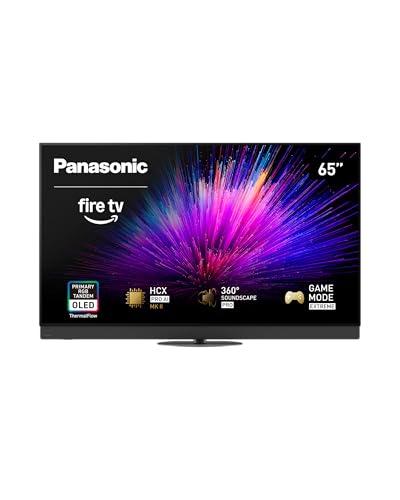
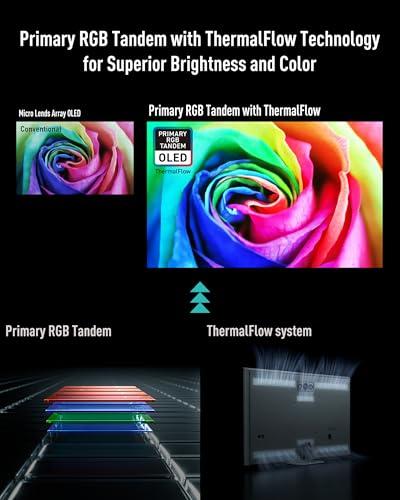
The Panasonic Z95B released in 2025 represents the latest evolution in OLED technology, featuring what's called a "Primary RGB Tandem" panel. This is a four-layer OLED structure that significantly boosts brightness compared to older OLED TVs – addressing the main weakness that OLED technology has historically faced. Meanwhile, the Samsung QN85D from 2024 uses a VA (Vertical Alignment) LCD panel with mini-LED backlighting, switching from the IPS-style panels Samsung used in previous QN85 models.
This is where the fundamental technology difference becomes crystal clear. The Panasonic Z95B achieves literally infinite contrast because its pixels can turn completely off. When you're watching a movie with a starfield in space, those black areas are actually black – no light whatsoever. It's stunning in person and something you notice immediately.
The Samsung QN85D, despite its impressive mini-LED backlighting system with local dimming zones, can't match this. Even with its zones dimmed as low as possible, some light still leaks through. However, Samsung has made significant improvements here. The VA panel switch means much better native contrast than previous QN85 models, and the mini-LED backlighting does an admirable job of getting close to OLED-like performance.
In practical terms, this means the Panasonic Z95B will look dramatically better in dark rooms. Those Netflix movie nights with the lights off? OLED wins every time. But here's where it gets interesting for the Samsung QN85D – it can get significantly brighter.
Peak brightness is where LCD technology traditionally dominates, and the Samsung QN85D follows this trend. While specific measurements vary, Neo QLED TVs typically reach much higher peak brightness levels than most OLEDs. This matters enormously if your TV room has windows or you watch during the day.
The Panasonic Z95B bucks the traditional OLED brightness limitations thanks to its tandem panel structure. This four-layer design (one red, one green, and two blue layers) pushes brightness to around 2,400 nits on small highlights – dramatically higher than previous OLED generations. Full-screen brightness reaches over 300 nits, which is excellent for OLED technology.
For HDR (High Dynamic Range) content, both TVs handle the format well, but differently. HDR makes bright objects really pop while keeping dark details visible, mimicking how your eyes see the real world. The Panasonic Z95B uniquely supports both major HDR formats – HDR10+ and Dolby Vision IQ – making it compatible with content from any streaming service or disc format.
The Panasonic Z95B takes a reference-monitor approach to color, aiming for absolute accuracy out of the box. Based on professional reviews, it achieves nearly perfect color reproduction in filmmaker mode, covering almost 100% of the DCI-P3 color space that most modern content uses. This means colors look exactly as the director intended.
The Samsung QN85D uses Quantum Dot technology, which enhances color volume – essentially how bright colors can get while staying accurate. Samsung typically tunes their displays for more saturated, punchy colors that many people prefer, especially for sports and bright content.
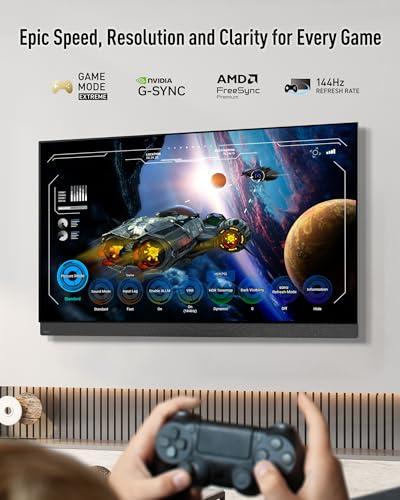
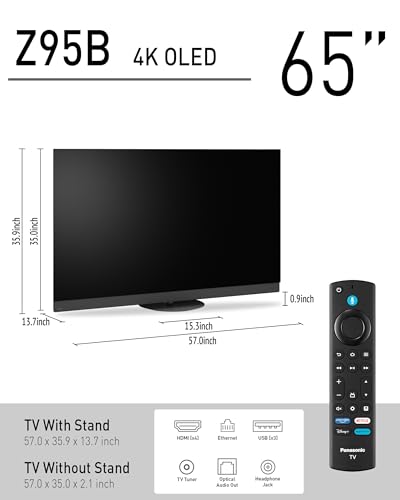
Both TVs target serious gamers, but with different strengths. The Panasonic Z95B supports 4K gaming at up to 144Hz – higher than most current consoles output but future-proofing for PC gaming and next-generation consoles. It includes two HDMI 2.1 ports with Variable Refresh Rate (VRR), which eliminates screen tearing, and supports both AMD FreeSync Premium and NVIDIA G-SYNC Compatible technologies.
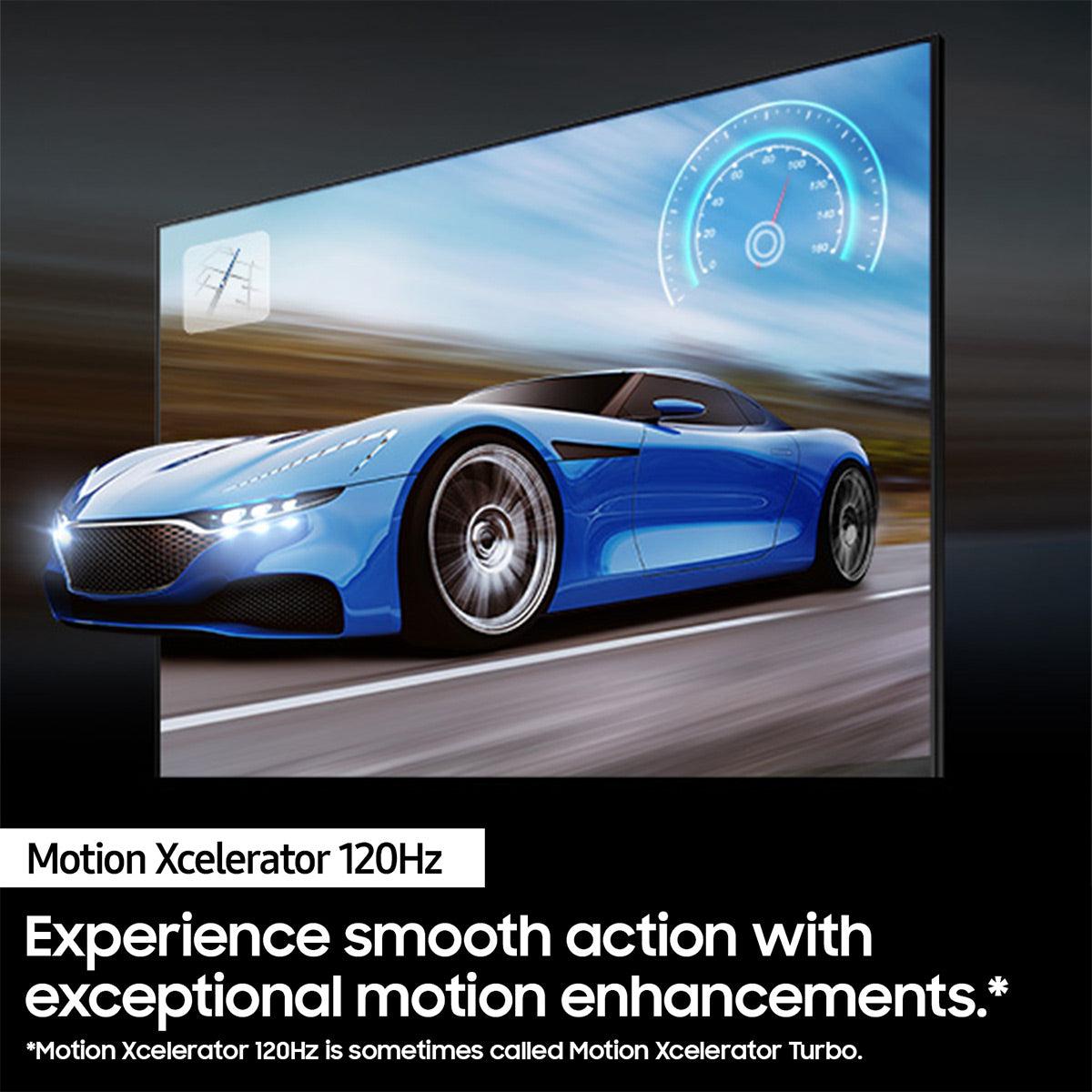
The OLED advantage shows clearly in gaming response times. Since pixels change states near-instantaneously, motion looks incredibly sharp with virtually no blur during fast action sequences. This pixel-level speed creates some of the clearest motion you'll see on any display.
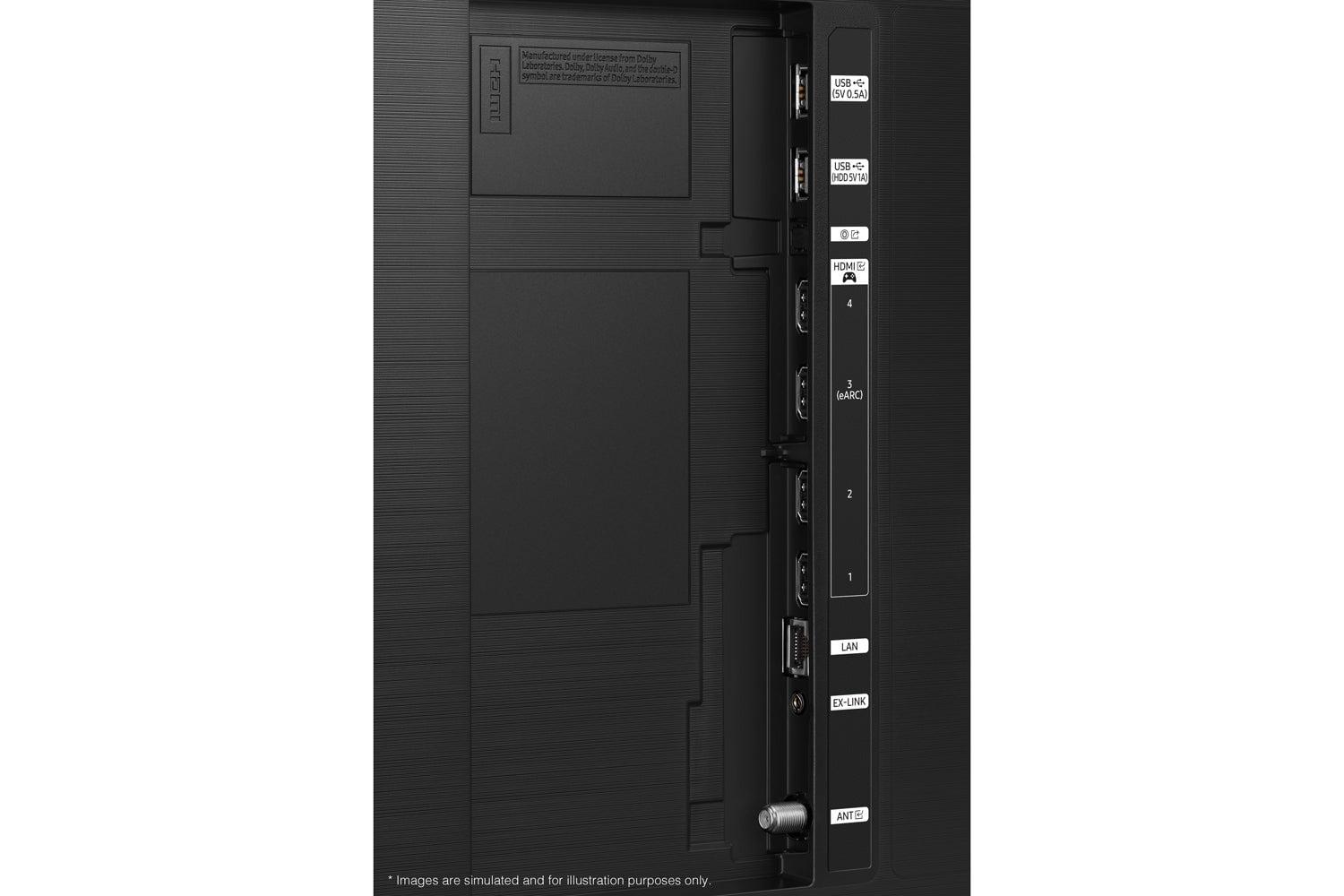
The Samsung QN85D counters with four HDMI 2.1 ports – crucial if you're connecting multiple gaming consoles, a PC, and other high-bandwidth devices. It supports 4K at 120Hz across all these ports with comprehensive VRR support. Input lag is excellent, though not quite matching OLED's instantaneous response.
For competitive gaming, the Panasonic Z95B's motion clarity gives it an edge. For convenience and connectivity, the Samsung QN85D wins with more ports and slightly more gaming-focused features.
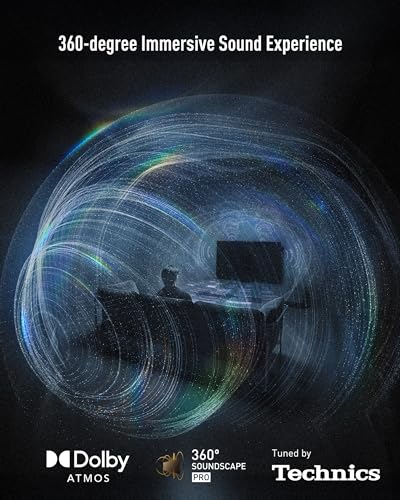
Here's where the Panasonic Z95B truly separates itself from the competition. Its built-in 360° Soundscape Pro audio system, tuned by Technics, delivers 170 watts through a 5.1.2 channel configuration. This isn't typical TV audio – it's a legitimate sound system built into the TV.
The system includes side-firing speakers, upward-firing drivers for Dolby Atmos effects, and even beam-forming technology that can direct sound to specific areas of your room. Based on user reports, many people are genuinely surprised they don't need to buy a separate soundbar, which could easily cost $300-800 additional.
The Samsung QN85D includes Dolby Atmos support and Object Tracking Sound Lite, which helps audio follow action across the screen. It's competent TV audio, but you'll likely want to add a soundbar for the full premium experience, adding to your total investment.
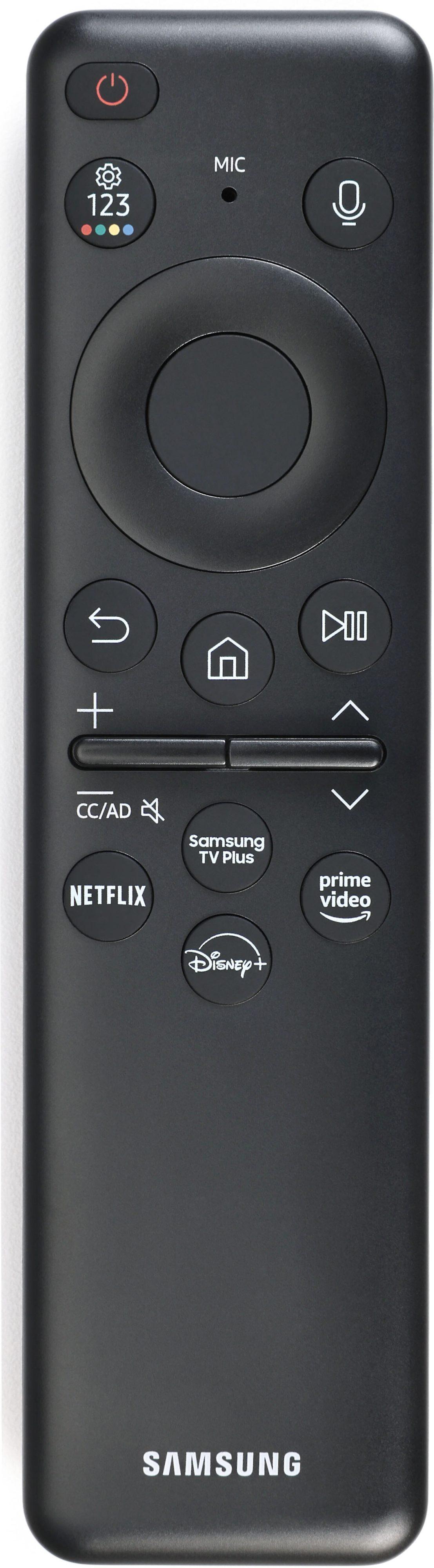
The Samsung QN85D runs Samsung's Tizen OS, consistently rated as one of the fastest and most responsive smart TV platforms. Navigation feels snappy, app loading is quick, and the interface includes useful features like Samsung TV Plus for free streaming channels and excellent voice control integration.
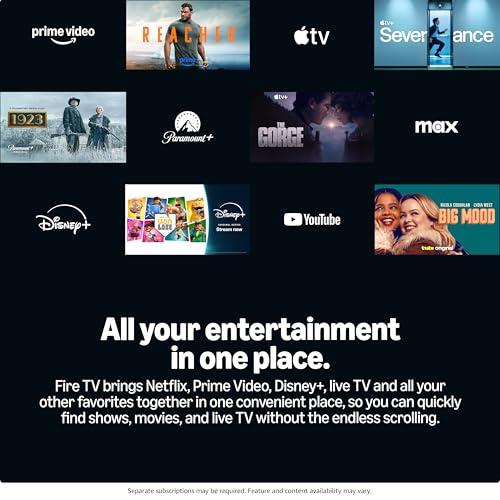
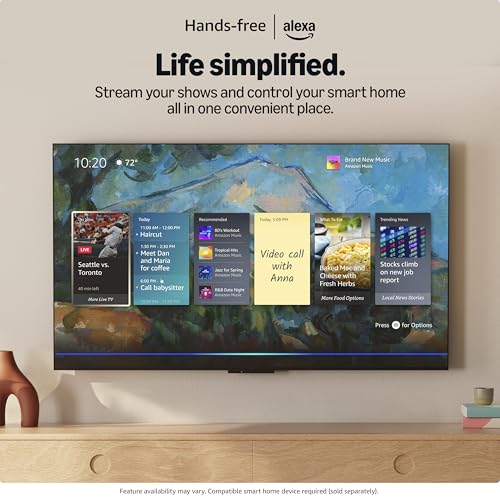
The Panasonic Z95B uses Amazon's Fire TV platform, which centers around Amazon's content ecosystem. While it includes all major streaming apps, some users find the interface occasionally laggy and more focused on Amazon's services than others.
For daily use, Tizen feels more polished and responsive, though Fire TV offers deeper integration if you're already invested in Amazon's ecosystem with Alexa devices and Prime Video.
Understanding specifications is one thing, but how do these differences play out in actual use? The Panasonic Z95B excels in controlled viewing environments. Movie nights in your basement home theater? OLED's perfect blacks and accurate colors create an almost cinematic experience that LCD technology simply cannot match.
But move that same TV to a bright living room with large windows, and the story changes. The Samsung QN85D cuts through ambient light more effectively, maintaining picture quality even when your room isn't optimized for TV viewing.
The viewing angle difference matters more than you might expect. OLED maintains color accuracy and contrast even when viewed from the side, making it better for rooms where people sit at angles to the TV. The Samsung QN85D's VA panel shows more color and contrast degradation from side angles, though it's not severe enough to be problematic for most room layouts.
OLED technology carries burn-in risk – permanent image retention from static content like news channel logos or gaming HUDs. Modern OLEDs include protective features like pixel shifting and automatic brightness limiting, but the risk remains with heavy static content usage. The Panasonic Z95B includes these protections, but you should still be mindful of leaving static images on screen for extended periods.
LCD technology like in the Samsung QN85D doesn't face burn-in risk. You can leave it on CNN all day or use it as a computer monitor without concern. For families with varied viewing habits, this reliability advantage shouldn't be understated.
At the time of writing, the price difference between these TVs is substantial – nearly three times as much for the Panasonic Z95B. Does the OLED justify this premium?
The answer depends entirely on your priorities and viewing environment. The Panasonic Z95B represents the pinnacle of current TV technology, delivering reference-quality pictures and eliminating the need for additional audio equipment. For dedicated home theater enthusiasts who primarily watch in dark rooms, the experience difference is genuinely dramatic.
The Samsung QN85D delivers roughly 80% of that premium experience at 40% of the cost. For most buyers, this represents exceptional value, especially considering the superior smart TV platform, better connectivity, and greater long-term reliability.
Choose the Panasonic Z95B if you're building a dedicated home theater space, primarily watch movies and prestige TV shows in dark environments, and want the absolute best picture quality available. The premium audio system sweetens the deal by eliminating soundbar costs. This TV makes sense for serious enthusiasts who understand they're paying a significant premium for the last 10-15% of performance improvement.
The Samsung QN85D makes more sense for typical living rooms with mixed lighting, families with diverse viewing habits, and anyone who wants excellent performance without flagship pricing. It's particularly compelling for gamers who need multiple HDMI 2.1 ports and bright-room viewers who can take advantage of its superior peak brightness.
Neither choice is wrong – they simply optimize for different priorities and budgets. The Samsung QN85D offers broader appeal and better practical value, while the Panasonic Z95B delivers an uncompromised premium experience for those willing to invest in perfection.
In my experience evaluating these technologies, most buyers are better served by the Neo QLED approach unless you have a dedicated viewing room and strong preferences for absolute picture quality. The Samsung QN85D gets you into premium TV territory without the flagship investment, making it the sensible choice for the majority of buyers looking to upgrade their viewing experience.
| Panasonic Z95B Series 65" OLED 4K Smart Fire TV | Samsung 65" QN85D Neo QLED 4K Smart TV |
|---|---|
| Display Technology - The fundamental difference affecting contrast and viewing experience | |
| Primary RGB Tandem OLED with 4-stack structure (perfect blacks, infinite contrast) | Neo QLED with Mini-LED backlighting and VA panel (excellent contrast, higher brightness) |
| Peak Brightness - Critical for HDR impact and bright room viewing | |
| ~2,400 nits (10% window), 300+ nits full screen (excellent for OLED) | Higher peak brightness typical of Mini-LED (better for daytime viewing) |
| Contrast Ratio - Determines how deep blacks appear and overall picture depth | |
| Near-infinite contrast (each pixel turns completely off) | Excellent local dimming contrast but cannot achieve true black |
| Viewing Angles - Important for rooms where people sit off to the sides | |
| Excellent color accuracy from wide angles (OLED advantage) | Good center viewing, some degradation from sides (VA panel limitation) |
| Gaming Features - Essential for console and PC gaming performance | |
| 4K @ 144Hz, 2 HDMI 2.1 ports, VRR/G-SYNC/FreeSync support | 4K @ 120Hz, 4 HDMI 2.1 ports, comprehensive VRR support |
| Audio System - Affects whether you need to buy a separate soundbar | |
| 360° Soundscape Pro 170W 5.1.2 system (potentially eliminates soundbar need) | Dolby Atmos with Object Tracking Sound Lite (likely requires soundbar upgrade) |
| HDR Format Support - Determines compatibility with different streaming services | |
| HDR10, HDR10+, Dolby Vision IQ, HLG (only TV supporting both major formats) | Standard HDR10 and Dolby Vision support |
| Smart TV Platform - Your daily interface for apps and streaming | |
| Fire TV OS with Alexa integration (Amazon-centric, occasional lag) | Samsung Tizen OS (fast, responsive, broad app support) |
| Burn-in Risk - Long-term durability consideration for static content | |
| Potential OLED burn-in with static images (news logos, gaming HUDs) | No burn-in risk with LCD technology (safe for any content) |
| Best Use Case - Optimal viewing environment and user type | |
| Dark room movie watching, home theater enthusiasts, audiophiles | Bright living rooms, mixed family use, budget-conscious premium buyers |
| Value Proposition - Performance per dollar consideration | |
| Premium flagship pricing for reference-quality experience | Excellent performance at significantly lower cost point |
The Panasonic Z95B OLED uses organic light-emitting diode technology where each pixel creates its own light and can turn completely black, while the Samsung QN85D Neo QLED uses mini-LED backlighting behind an LCD panel with quantum dot color enhancement. This fundamental difference means the Panasonic offers perfect blacks and infinite contrast, while the Samsung provides higher peak brightness for better daytime viewing.
The Panasonic Z95B OLED is significantly better for dark room viewing. Its OLED technology produces true blacks since pixels can turn completely off, creating exceptional contrast that makes movies look more cinematic. The Samsung QN85D, while excellent overall, cannot achieve the same level of deep blacks due to its LCD backlight technology.
The Samsung QN85D Neo QLED handles bright rooms better thanks to its higher peak brightness from mini-LED backlighting. It can overcome ambient light more effectively than the Panasonic Z95B, though the newer OLED does perform better in bright conditions than previous OLED generations due to its tandem panel design.
The Panasonic Z95B OLED includes a premium 360° Soundscape Pro audio system with 170W of power that many users find eliminates the need for a separate soundbar. The Samsung QN85D has decent built-in audio with Dolby Atmos support, but most users will want to add a soundbar for the full premium experience.
Both TVs offer excellent gaming features, but with different strengths. The Panasonic Z95B supports higher refresh rates up to 144Hz and has near-instantaneous pixel response for incredibly sharp motion. The Samsung QN85D offers four HDMI 2.1 ports versus two on the Panasonic, making it better for connecting multiple gaming consoles and devices.
The Samsung QN85D runs Samsung's Tizen OS, which is generally faster and more responsive with excellent app support and Samsung TV Plus for free content. The Panasonic Z95B uses Amazon's Fire TV platform, which integrates well with Alexa devices but can be occasionally laggy and is more Amazon-centric in its interface.
The Samsung QN85D Neo QLED offers significantly better value for most buyers, delivering excellent premium performance at a much lower price point than the Panasonic Z95B. The OLED commands a substantial premium for its reference-quality picture and built-in premium audio, making it worthwhile mainly for serious home theater enthusiasts.
The Panasonic Z95B OLED includes modern burn-in protection features like pixel shifting and brightness limiting, but some risk remains with heavy static content usage like news channels or gaming HUDs. The Samsung QN85D has no burn-in risk due to its LCD technology, making it more suitable for varied content consumption and family use.
The Panasonic Z95B OLED is tuned for reference-grade color accuracy straight out of the box, achieving nearly perfect color reproduction that matches filmmaker intentions. The Samsung QN85D uses Quantum Dot technology for vibrant, punchy colors that many prefer for sports and bright content, though it's typically more saturated than strictly accurate.
The Panasonic Z95B OLED maintains excellent color accuracy and contrast when viewed from the sides, making it ideal for rooms where people sit at various angles. The Samsung QN85D's VA panel shows more color and contrast degradation from side viewing angles, though it's not severe enough to be problematic for most room layouts.
The Panasonic Z95B OLED uniquely supports both major HDR formats - HDR10+ and Dolby Vision IQ - plus standard HDR10 and HLG, making it compatible with content from any streaming service or disc format. The Samsung QN85D supports the standard HDR formats but lacks HDR10+ support.
For a dedicated home theater room with controlled lighting, the Panasonic Z95B OLED is the clear choice. Its perfect blacks, infinite contrast, reference-grade colors, and premium built-in audio system create a truly cinematic experience that justifies the higher investment. The Samsung QN85D is better suited for multipurpose living rooms where brightness and versatility matter more than absolute picture quality.
We've done our best to create useful and informative comparisons to help you decide what product to buy. Our research uses advanced automated methods to create this comparison and perfection is not possible - please contact us for corrections or questions. These are the sites we've researched in the creation of this article: rtings.com - whathifi.com - techradar.com - tomsguide.com - youtube.com - youtube.com - youtube.com - avsforum.com - bestbuy.com - manuals.plus - na.panasonic.com - panasonic.com - displayspecifications.com - valueelectronics.com - flatpanelshd.com - valueelectronics.com - displayspecifications.com - flatpanelshd.com - bestbuy.com - rtings.com - youtube.com - youtube.com - avsforum.com - youtube.com - samsung.com - videoandaudiocenter.com - shopjetson.com - mysoundconcepts.com - samsung.com - merlinstv.com - youtube.com - samsung.com - samsung.com

Privacy Policy
Terms and Conditions - Affiliate Policy
Home Security
© Copyright 2008-2026.
11816 Inwood Rd #1211, Dallas, TX 75244