

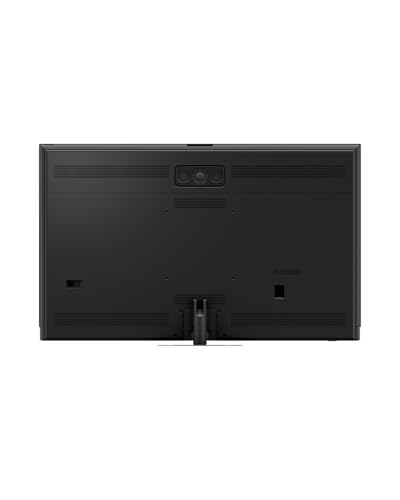

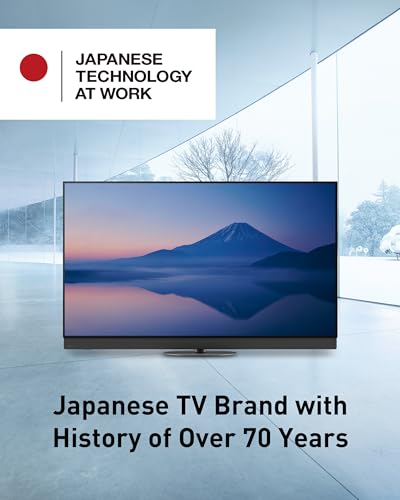
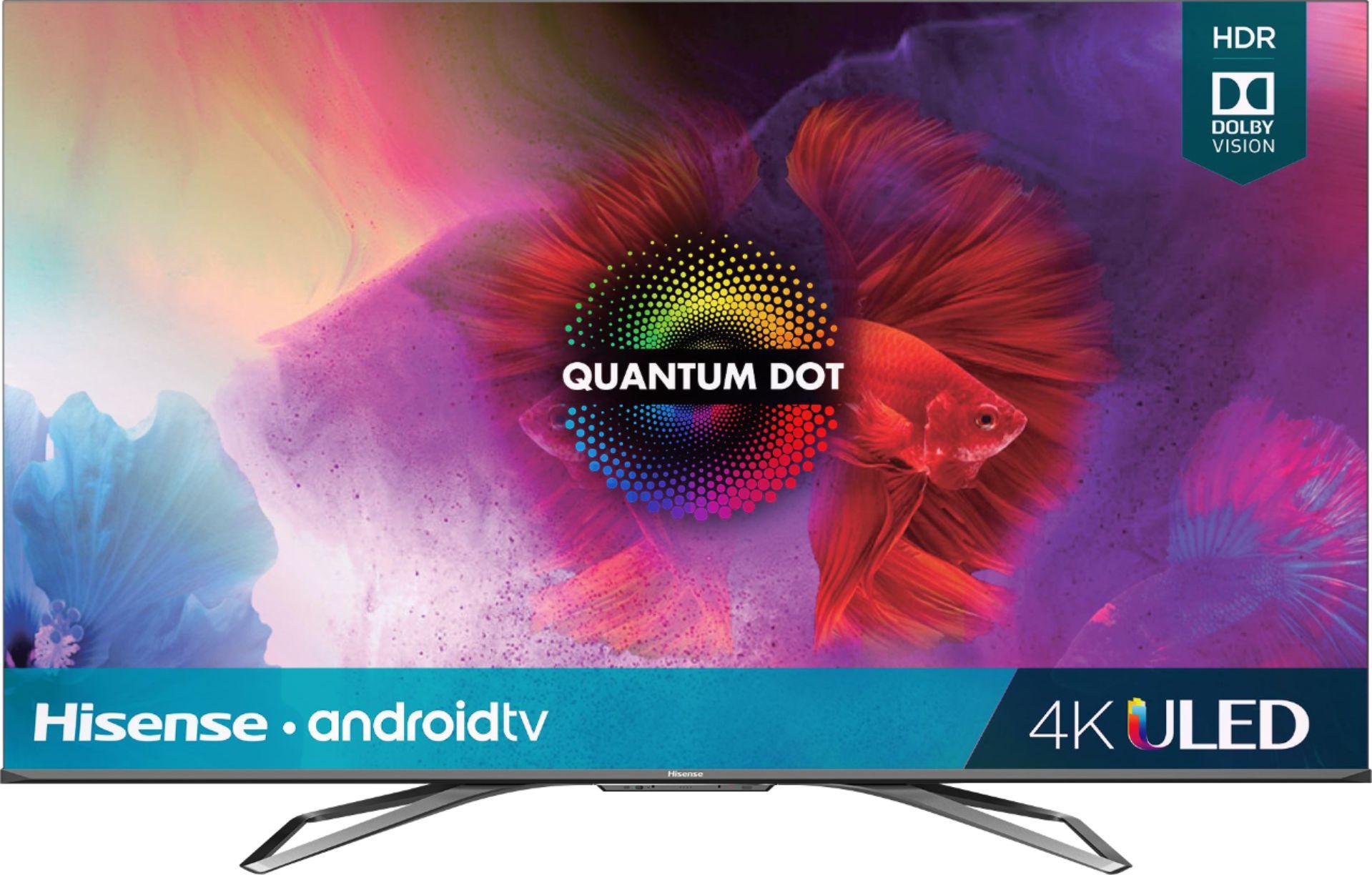
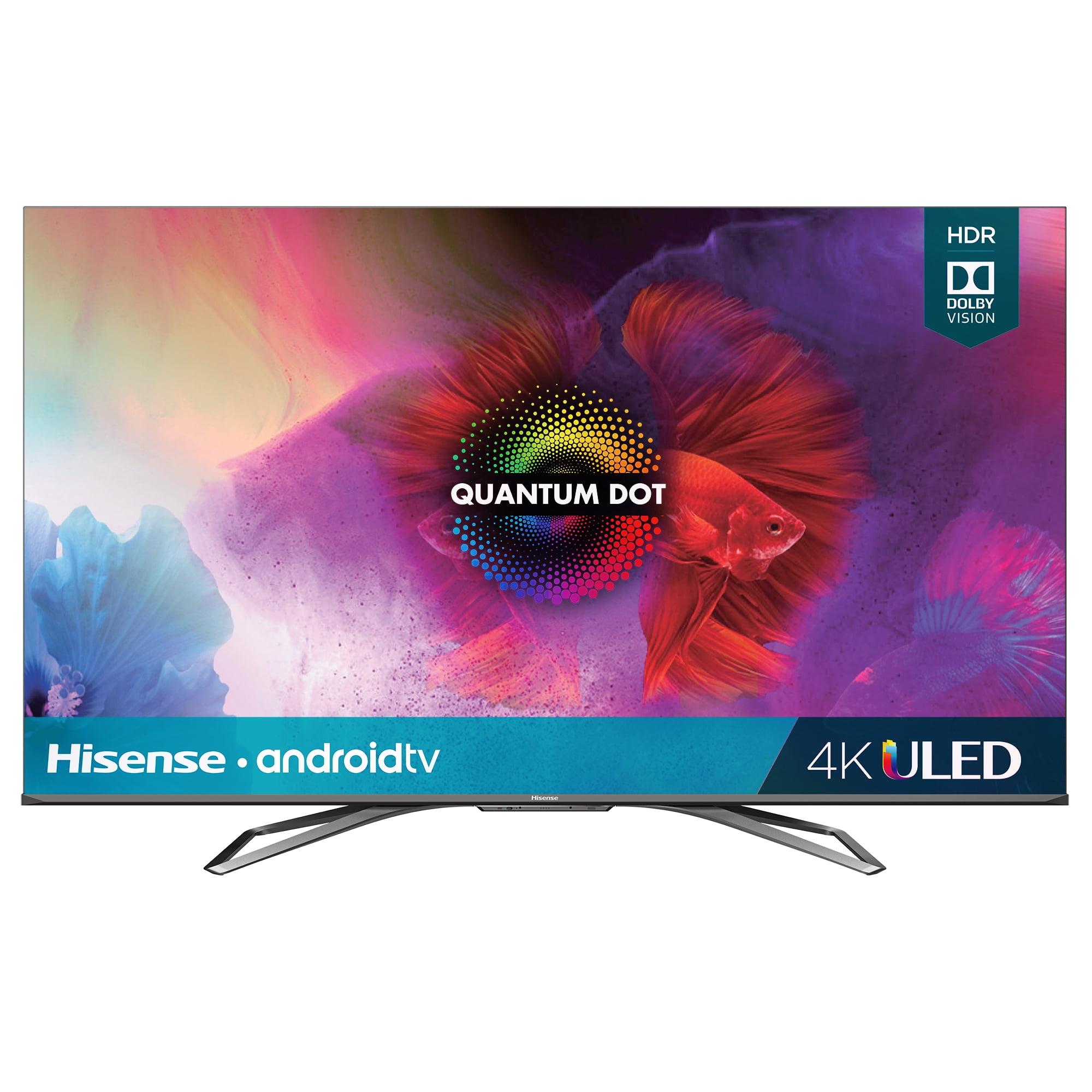
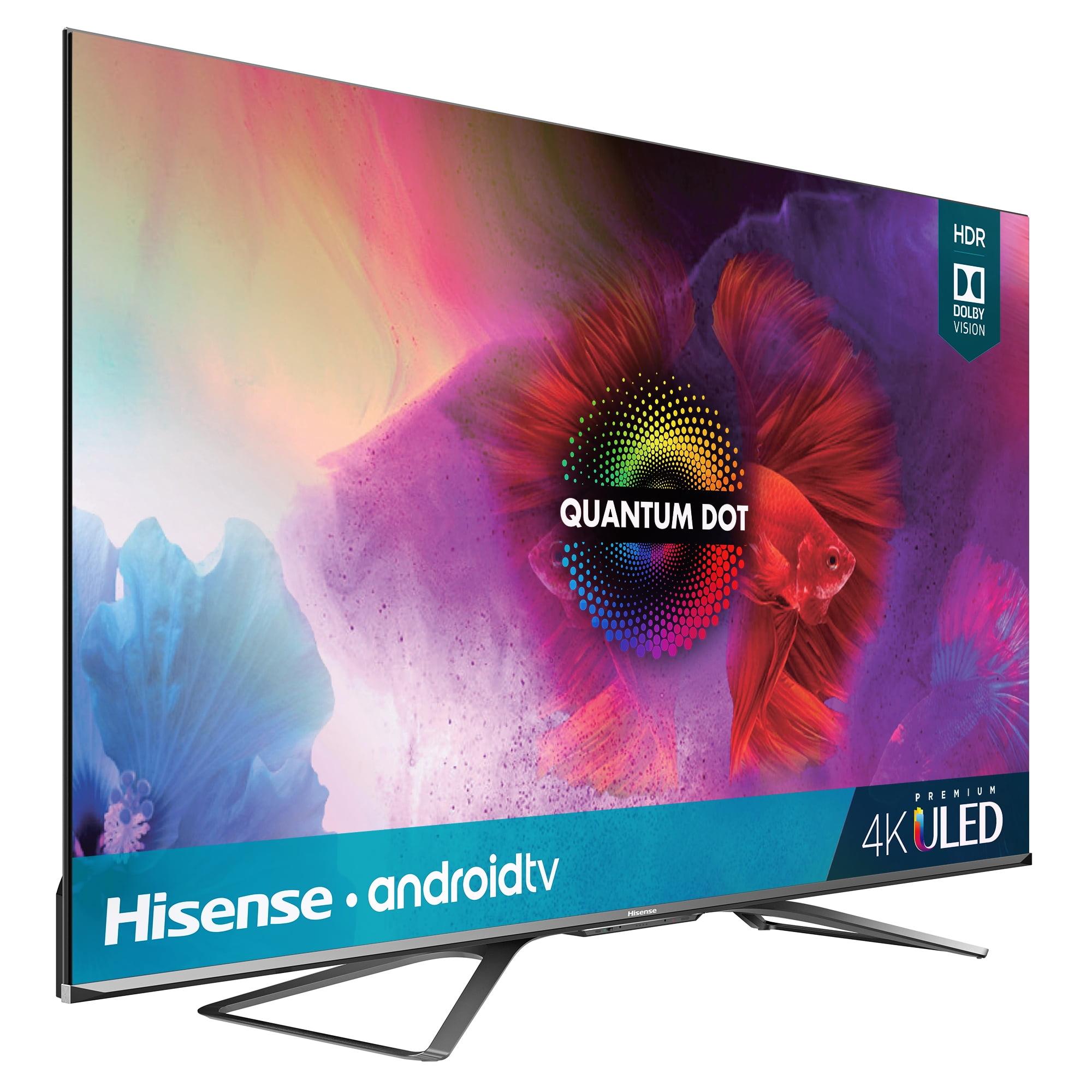

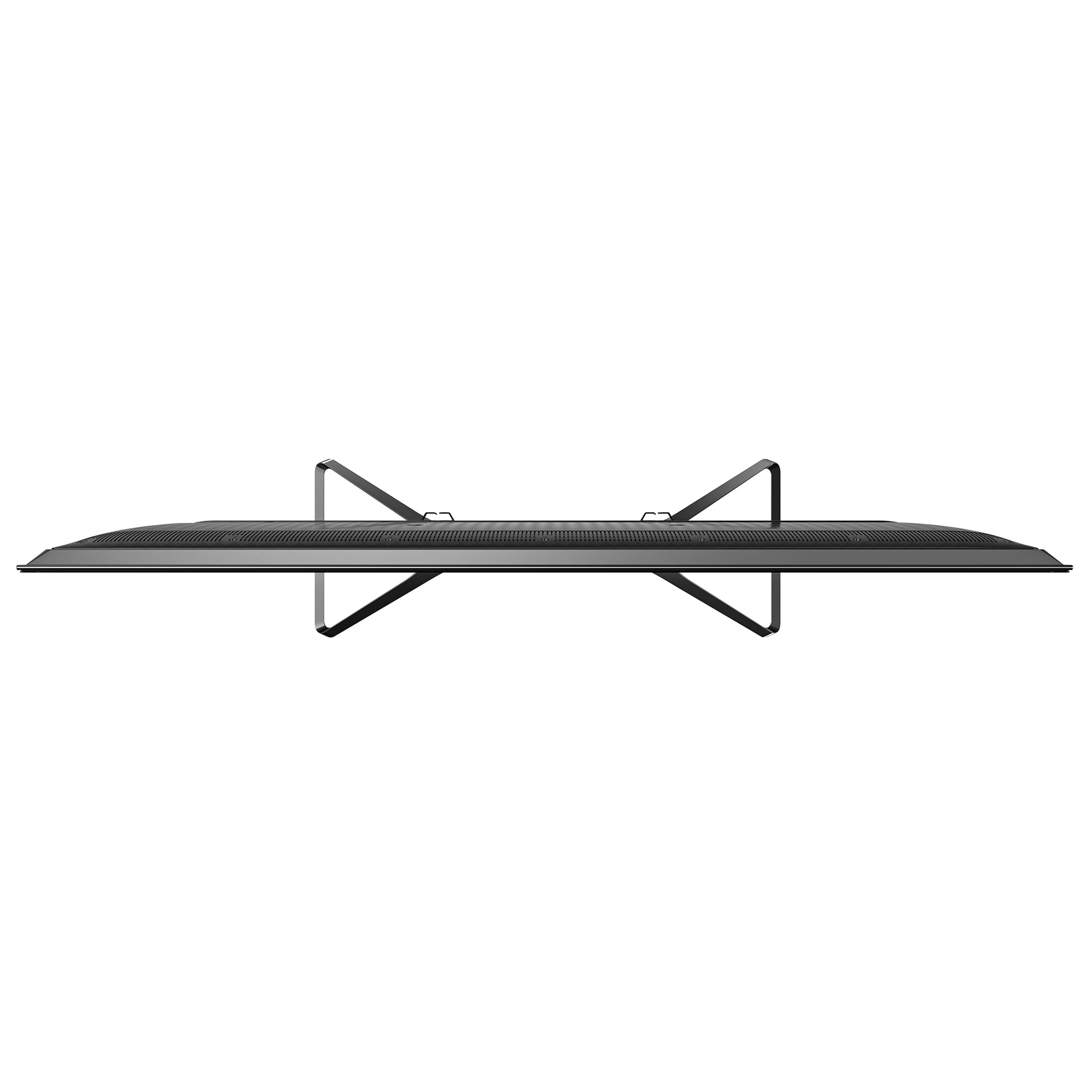
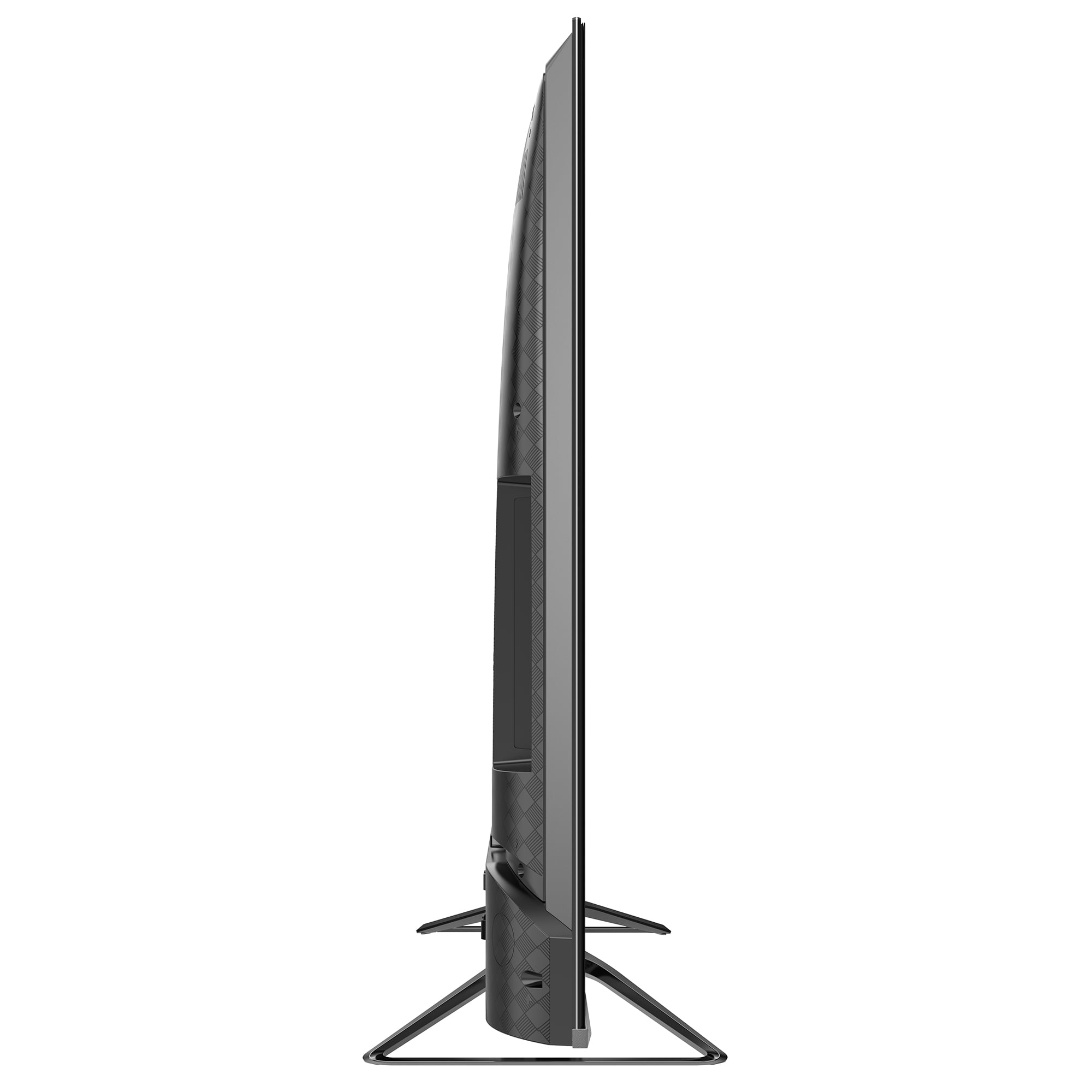
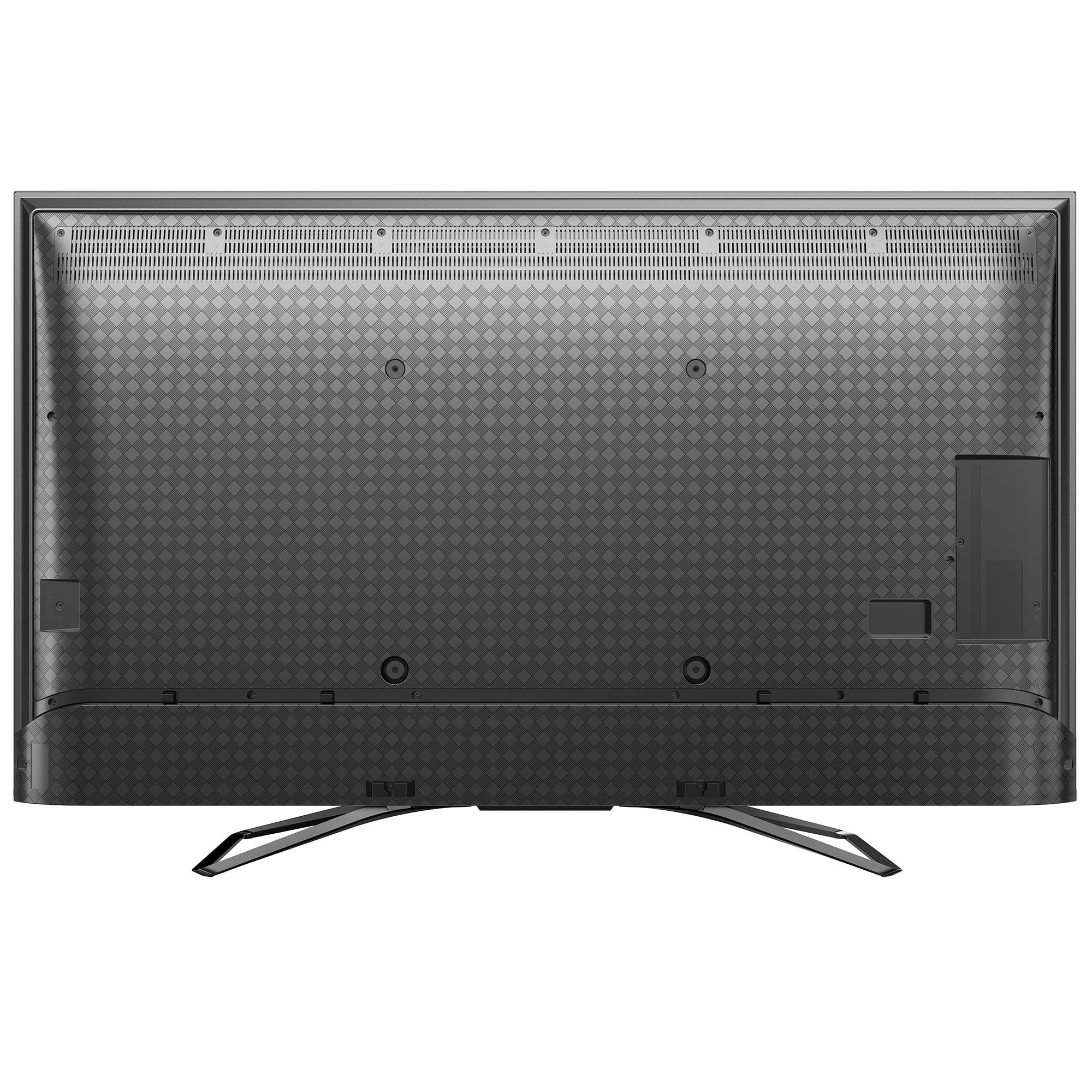
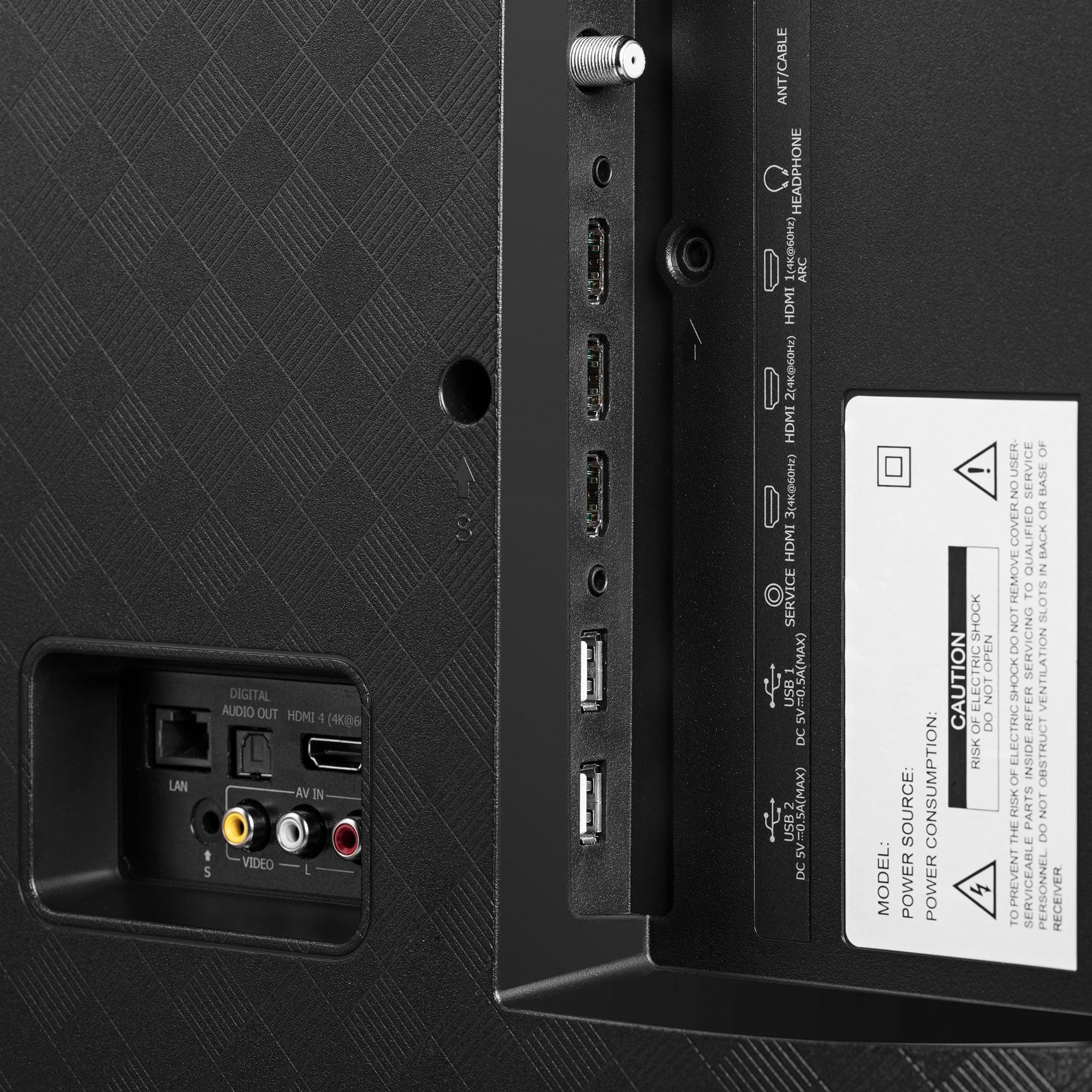
Choosing a premium 65-inch TV in today's market means navigating two fundamentally different display technologies, each with compelling advantages. The Panasonic Z95B Series OLED and Hisense H9G Quantum Series represent these competing approaches perfectly—one prioritizes absolute picture quality with cutting-edge OLED technology, while the other delivers exceptional brightness and value through advanced LCD engineering.
At the time of writing, these TVs sit in different price tiers but both target viewers who want premium features without paying flagship prices. The decision between them ultimately comes down to your viewing environment, priorities, and how you plan to use your TV. Let's dive deep into what makes each special.
Before comparing these specific models, it's crucial to understand what separates premium TVs from budget options. The key differentiators are contrast ratio (how deep blacks can get compared to bright whites), color accuracy (how closely colors match real life), peak brightness (how bright highlights can get), and motion handling (how smooth fast action looks).
OLED technology, found in the Panasonic Z95B, creates light at the pixel level. Each individual pixel can turn completely off, creating perfect blacks—something no backlit display can match. However, OLEDs traditionally struggled with brightness compared to LCD TVs.
Quantum Dot LCD technology, like in the Hisense H9G, uses a backlight with quantum dots (tiny semiconductor particles) to create more pure colors, while local dimming zones selectively dim parts of the backlight for better contrast. This approach can get much brighter than OLED but can't achieve true blacks.
The 2025 Panasonic represents a significant leap forward for OLED technology, while the Hisense showcases how sophisticated LCD technology has become at more accessible price points.
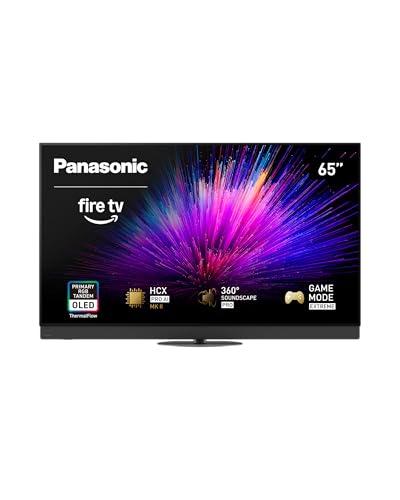
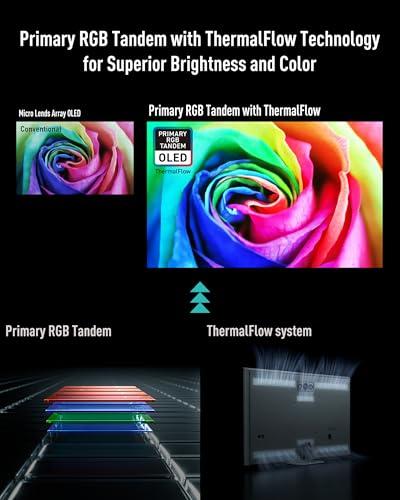
Released in 2025, the Panasonic Z95B marks the brand's premium return to the US market with their most advanced OLED panel ever. What makes this TV special isn't just that it's an OLED—it's the Primary RGB Tandem OLED panel technology that addresses OLED's traditional brightness limitations.
The Z95B uses a four-layer OLED structure (called "tandem" because layers work together) with one red layer, one green layer, and two blue layers. This might sound like marketing speak, but it has real-world benefits. The dual blue layers increase light efficiency by about 40% compared to previous OLED panels, meaning brighter highlights without the typical OLED brightness ceiling that made some HDR content look dim.
What's particularly clever is Panasonic's ThermalFlow cooling system. OLED panels get hot during peak brightness, which can cause them to dim automatically to prevent damage. Panasonic borrowed aerodynamic cooling techniques from race car design to keep the panel running at peak performance longer. This isn't just about specs—it means more consistent performance during bright HDR scenes.
The Panasonic Z95B includes the HCX Pro AI Processor MK II, which uses artificial intelligence to analyze and improve picture quality in real-time. This isn't the usual marketing AI—it actually makes streaming content look better by reducing compression artifacts (those blocky or blurry areas you sometimes see in Netflix shows) and upscaling lower-resolution content more naturally.
More importantly for movie lovers, the Z95B supports both Dolby Vision and HDR10+—a rare combination. Most TVs support one or the other because of licensing politics between competing standards. Having both means you'll get the best possible HDR experience regardless of the content source.
The TV also includes Filmmaker Mode, which automatically adjusts settings to match how directors intended their movies to look, and Prime Video Calibrated Mode for Amazon's content. These aren't just preset modes—they're carefully tuned profiles developed with content creators.
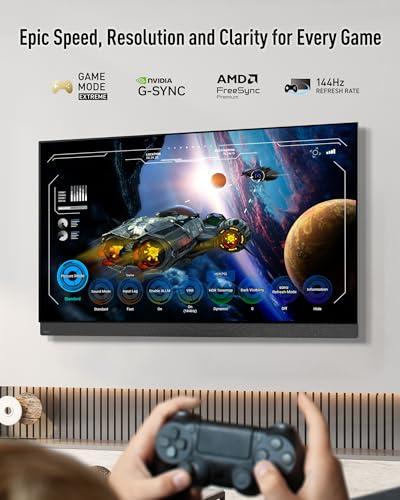
For gamers, the Panasonic Z95B is a significant upgrade over older OLEDs. It supports 4K at 144Hz on two HDMI 2.1 ports, which means incredibly smooth gameplay on PC or next-generation consoles. More importantly, it supports Variable Refresh Rate (VRR) technology, including AMD FreeSync Premium and NVIDIA G-SYNC Compatible modes.
VRR eliminates screen tearing and stuttering by synchronizing the TV's refresh rate with your gaming device's frame rate. If your game runs at 87 frames per second, the TV refreshes at 87Hz instead of forcing it into 60Hz or 120Hz buckets. The result is noticeably smoother gaming, especially in competitive titles.
The OLED's near-instantaneous pixel response time means virtually no motion blur—when you turn quickly in a first-person shooter, objects stay sharp instead of getting smeared across the screen.
The Hisense H9G represents the sophisticated end of LCD technology, using Quantum Dot enhancement and full-array local dimming to compete with much more expensive displays. While it lacks the perfect blacks of OLED, it compensates with exceptional brightness and value.
The H9G's standout feature is its ability to hit 1000 nits peak brightness—significantly brighter than most OLED TVs. This matters enormously if your TV faces windows or you watch during the day. HDR content, which relies on bright highlights to create impact, simply looks more dramatic on the H9G in bright rooms.
The 180 local dimming zones work behind the LCD panel to selectively brighten or dim different areas of the picture. While this can't match OLED's pixel-perfect control, it's sophisticated enough to make dark scenes look convincingly black while keeping bright elements punchy. You might notice some "blooming" (bright halos around objects on dark backgrounds), but it's minimal in well-implemented content.
Quantum Dots are nano-sized semiconductor particles that emit specific colors when hit with light. Instead of using standard LED backlights that produce somewhat impure colors, the H9G's quantum dot layer creates more saturated, accurate colors. The result is a wider color gamut—meaning it can display more of the colors that exist in real life.
This technology particularly shines with animated content and nature documentaries, where vivid colors make a dramatic difference. The Hisense H9G can display colors that would look oversaturated or impossible on standard LCD TVs.
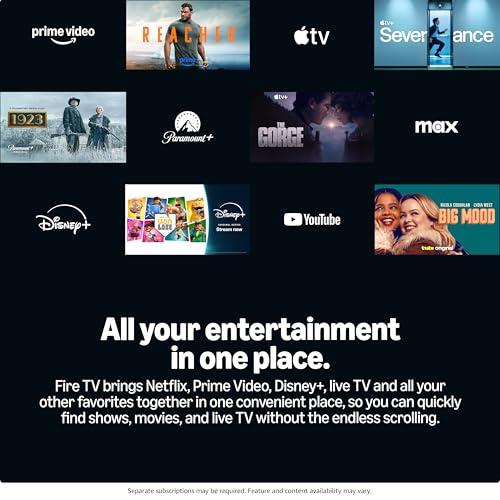
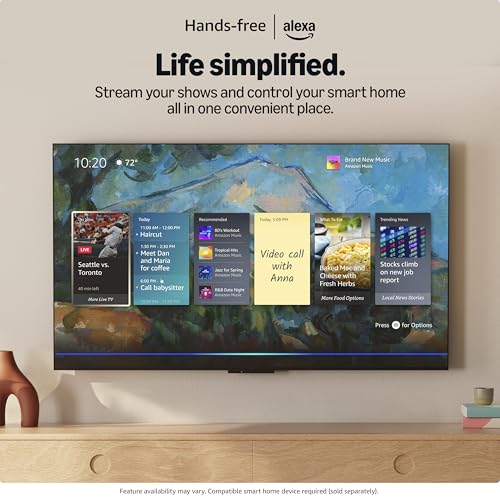
The H9G runs Android TV, which offers several advantages over the Panasonic Z95B's Fire TV platform. The interface is more responsive and intuitive, with better app selection through the Google Play Store. Chromecast built-in means seamless casting from phones and tablets, while hands-free Google Assistant (through built-in microphones) lets you control the TV and search content with voice commands.
The Android TV platform gets regular updates and has broader app compatibility, making it more future-proof than some proprietary TV operating systems.
In dark rooms, the Panasonic Z95B is simply superior. OLED's perfect blacks create an almost three-dimensional depth to images that LCD technology can't match. Dark scenes in movies like those in "Dune" or "Blade Runner 2049" showcase the technology's advantages—you'll see detail in shadows that gets lost on LCD displays, while bright elements pop with stunning contrast.
The Z95B's improved brightness means it can handle bright HDR highlights better than previous OLEDs while maintaining those perfect blacks. This combination creates a contrast ratio that's technically infinite—something no LCD can achieve.
In bright rooms, the Hisense H9G fights back effectively. Its 1000-nit peak brightness means HDR content maintains impact even with sunlight streaming through windows. The anti-glare coating reduces reflections, making it more viewable in challenging lighting conditions.
The Z95B, despite its brightness improvements, still struggles more in bright environments. OLED's reflective surface can be distracting, and while it's brighter than previous generations, it can't match LCD's peak output.
Both TVs excel at color accuracy, but differently. The Panasonic Z95B covers about 81% of the Rec. 2020 color standard (the ultimate target for HDR content), with particularly natural skin tones and subtle color gradations. Its processing is tuned more for cinematic accuracy.
The Hisense H9G delivers more saturated, punchy colors that can look more impressive initially. Its quantum dot technology excels at primary colors—reds, greens, and blues look particularly vivid. For sports and vibrant content, many viewers prefer this approach.
For serious gaming, the Panasonic Z95B is clearly superior. Its 4K@144Hz capability with full VRR support means smoother gameplay, especially on high-end gaming PCs. The OLED's instantaneous response time eliminates motion blur entirely.
The Hisense H9G offers solid gaming performance with low input lag and a native 120Hz panel, but lacks VRR support. This means potential screen tearing and stuttering when frame rates vary. For casual gaming, it's perfectly adequate, but competitive gamers will notice the difference.
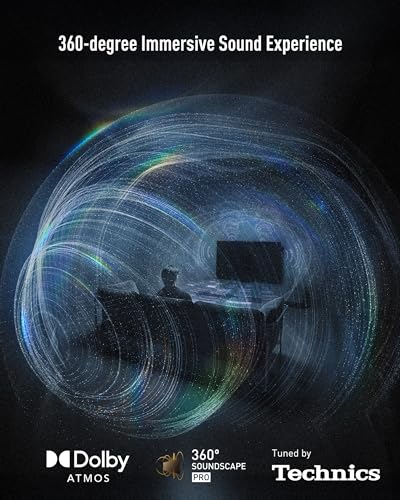
The Panasonic Z95B includes a genuinely impressive 360° Soundscape Pro audio system tuned by Technics. With 170 watts across multiple drivers including up-firing speakers for Dolby Atmos effects, it's one of the few TVs where the built-in audio might eliminate your need for a soundbar.
The Hisense H9G has basic 20-watt stereo speakers that sound thin and lack bass. You'll almost certainly want to add a soundbar, which affects the total cost consideration.
If you've invested in a dedicated home theater room with controlled lighting, the Panasonic Z95B is the clear choice. Its perfect blacks, accurate colors, and excellent motion handling create a cinema-like experience that LCD technology can't match. The premium built-in audio system means fewer external components, cleaner setup, and better WAF (Wife Acceptance Factor).
The TV's comprehensive HDR support means you'll get the best possible experience regardless of whether you're watching Netflix (Dolby Vision), Amazon Prime (HDR10+), or 4K Blu-rays (various formats).
In a typical living room with windows and ambient lighting, the Hisense H9G often looks more impressive. Its superior brightness cuts through glare, while the quantum dot colors appear more vibrant in bright conditions. The responsive Android TV platform makes it better for families who use various streaming apps and casting features.
For daytime TV watching—news, sports, casual shows—the H9G's bright, colorful picture often looks more engaging than the Z95B's more subtle approach.
Gaming enthusiasts with PlayStation 5, Xbox Series X, or high-end PCs should strongly consider the Panasonic Z95B. The combination of 4K@144Hz, comprehensive VRR support, and zero input lag creates a competitive advantage in fast-paced games. The OLED's instant response time means what you see is exactly what's happening—no motion blur or ghosting.
However, if you primarily play casual games or use older consoles, the Hisense H9G offers adequate gaming performance at better value.
At the time of writing, these TVs occupy different price tiers, with the Panasonic Z95B commanding a significant premium for its OLED technology and advanced features. However, the value equation isn't straightforward.
The Z95B's exceptional built-in audio system effectively saves you several hundred dollars on a quality soundbar. Its comprehensive gaming features and HDR support make it more future-proof for next-generation content and gaming consoles.
The Hisense H9G offers impressive picture quality at a more accessible price point, but you'll likely need to budget for a soundbar. Its Android TV platform provides better smart TV features and longevity.
Choose the Panasonic Z95B if you prioritize absolute picture quality and have a controlled viewing environment. It's ideal for movie lovers, serious gamers, and anyone who wants a premium, integrated entertainment experience. The higher upfront cost is justified by superior performance and fewer required accessories.
Choose the Hisense H9G if you need maximum brightness for bright rooms, want excellent smart TV features, or are budget-conscious while still wanting premium features. It's perfect for typical living room setups and family use, though plan to add a soundbar for optimal audio.
Both represent excellent choices in their respective categories. The Z95B pushes OLED technology forward significantly, while the H9G proves that LCD technology can deliver impressive results at accessible prices. Your specific viewing environment and priorities should drive the final decision—but either way, you're getting a display that will deliver years of excellent entertainment.
| Panasonic Z95B Series 65" OLED | Hisense 65" H9G Quantum Series |
|---|---|
| Display Technology - Fundamentally different approaches to picture quality | |
| Primary RGB Tandem OLED with 4-layer structure | Quantum Dot LCD with 180-zone local dimming |
| Peak Brightness - Critical for HDR impact and bright room viewing | |
| ~800-900 nits (excellent for OLED, good for dark rooms) | 1,000+ nits (superior for bright rooms and daytime viewing) |
| Contrast Ratio - Determines how deep blacks look and overall picture depth | |
| Infinite (perfect pixel-level blacks) | ~5,000:1 with local dimming (very good for LCD) |
| Color Gamut Coverage - How many real-world colors the TV can display | |
| 81.4% Rec. 2020 (excellent cinema accuracy) | Wide color gamut via Quantum Dot (punchy, vibrant colors) |
| Gaming Features - Essential for next-gen console and PC gaming | |
| 4K@144Hz, VRR, FreeSync Premium, G-SYNC Compatible | Native 120Hz panel, Game Mode, no VRR support |
| HDR Format Support - Determines compatibility with streaming and disc content | |
| Dolby Vision, HDR10+, HDR10, HLG (rare dual premium support) | Dolby Vision, HDR10+, HDR10, HLG |
| Smart TV Platform - Affects daily usability and app selection | |
| Fire TV OS with Alexa (functional but dated interface) | Android TV with Google Assistant (modern, responsive interface) |
| Built-in Audio System - Can eliminate need for soundbar purchase | |
| 360° Soundscape Pro 5.1.2 system, 170W, Technics-tuned | Basic stereo speakers, 20W total (soundbar recommended) |
| Motion Handling - Important for sports and action content | |
| Near-instantaneous OLED response, optional BFI | Motion Rate 480 processing, native 120Hz panel |
| Viewing Angles - How picture quality holds up when viewed from the side | |
| Excellent (typical OLED advantage) | Moderate (typical LCD limitation) |
| Burn-in Risk - Long-term concern with static content like gaming UI | |
| Minimal risk with modern OLED, but still possible | No burn-in risk (LCD advantage) |
| Release Year & Technology Generation | |
| 2025 flagship with latest Primary RGB Tandem panel | Established quantum dot LCD technology |
The Panasonic Z95B Series 65" OLED delivers superior picture quality for movies with its perfect blacks, infinite contrast ratio, and Primary RGB Tandem OLED technology. The OLED panel creates true blacks that make dark movie scenes look incredibly realistic, while supporting both Dolby Vision and HDR10+ for the best possible HDR experience. The Hisense 65" H9G Quantum Series offers excellent picture quality with bright, vibrant colors through Quantum Dot technology, but can't match OLED's contrast performance in dark room movie watching.
The Hisense 65" H9G Quantum Series performs better in bright rooms with its 1,000+ nit peak brightness and anti-glare coating that reduces reflections. The quantum dot technology maintains color vibrancy even in challenging lighting conditions. While the Panasonic Z95B Series 65" OLED has improved brightness over previous OLED generations, it still struggles more with reflections and can appear dimmer in very bright environments.
The Panasonic Z95B Series 65" OLED is significantly better for gaming, especially with next-gen consoles and gaming PCs. It supports 4K at 144Hz, Variable Refresh Rate (VRR), AMD FreeSync Premium, and NVIDIA G-SYNC Compatible technologies for incredibly smooth gameplay. The OLED's near-instantaneous pixel response eliminates motion blur completely. The Hisense 65" H9G Quantum Series offers decent gaming with low input lag and a 120Hz panel but lacks VRR support, which can cause screen tearing.
The Panasonic Z95B Series 65" OLED has dramatically better built-in audio with its 360° Soundscape Pro system featuring 170 watts across multiple speakers, including up-firing drivers for Dolby Atmos. This Technics-tuned system potentially eliminates the need for a soundbar. The Hisense 65" H9G Quantum Series has basic 20-watt stereo speakers that most users will want to supplement with a soundbar for better audio quality.
The Hisense 65" H9G Quantum Series offers a better smart TV experience with its Android TV platform, which is more responsive and intuitive than Fire TV. It includes Chromecast built-in, hands-free Google Assistant, and access to the full Google Play Store. The Panasonic Z95B Series 65" OLED uses Fire TV with Alexa integration, which is functional but has a more dated interface and can feel less responsive.
The Panasonic Z95B Series 65" OLED is ideal for dedicated home theater rooms with controlled lighting. Its perfect blacks, infinite contrast, and accurate color reproduction create a cinema-like experience that LCD technology can't match. The excellent built-in audio system also reduces the need for additional components. The Hisense 65" H9G Quantum Series is better suited for typical living rooms rather than dedicated theater environments.
Both TVs support major HDR formats, but the Panasonic Z95B Series 65" OLED uniquely supports both Dolby Vision and HDR10+ - a rare combination that ensures optimal HDR experience regardless of content source. The Hisense 65" H9G Quantum Series also supports Dolby Vision, HDR10+, HDR10, and HLG, providing excellent HDR compatibility across streaming services and disc formats.
The Panasonic Z95B Series 65" OLED offers excellent viewing angles typical of OLED technology, maintaining color accuracy and contrast when viewed from the side. This makes it better for family viewing where people sit at different angles. The Hisense 65" H9G Quantum Series has more limited viewing angles, which is typical for LCD technology - colors can shift and contrast decreases when viewed from extreme side angles.
The Panasonic Z95B Series 65" OLED has minimal burn-in risk thanks to modern OLED technology and protective measures, but it's still technically possible with static content like gaming UI elements displayed for very long periods. The Hisense 65" H9G Quantum Series has no burn-in risk whatsoever since it uses LCD technology, making it worry-free for varied content consumption including gaming with static elements.
Value depends on your priorities and budget. The Hisense 65" H9G Quantum Series offers excellent features and picture quality at a more accessible price point, making it better value for budget-conscious buyers. However, the Panasonic Z95B Series 65" OLED includes premium features like exceptional built-in audio that can save money on additional equipment, potentially offering better overall value despite the higher upfront cost.
For sports, the choice depends on your viewing environment. The Hisense 65" H9G Quantum Series excels in bright rooms with its superior brightness and vibrant colors that make sports content pop. The Panasonic Z95B Series 65" OLED offers superior motion handling with its instantaneous response time, eliminating motion blur during fast action, but performs best in darker viewing conditions.
The Panasonic Z95B Series 65" OLED is more future-proof with its advanced gaming features (4K@144Hz, VRR support) that work with next-generation consoles and the latest OLED panel technology. However, the Hisense 65" H9G Quantum Series offers better smart TV longevity with Android TV's regular updates and broader app ecosystem, plus it has no burn-in concerns for long-term reliability.
We've done our best to create useful and informative comparisons to help you decide what product to buy. Our research uses advanced automated methods to create this comparison and perfection is not possible - please contact us for corrections or questions. These are the sites we've researched in the creation of this article: rtings.com - whathifi.com - techradar.com - tomsguide.com - youtube.com - youtube.com - youtube.com - avsforum.com - bestbuy.com - manuals.plus - na.panasonic.com - panasonic.com - displayspecifications.com - valueelectronics.com - flatpanelshd.com - valueelectronics.com - displayspecifications.com - flatpanelshd.com - rtings.com - bestbuy.com - techradar.com - youtube.com - digitaltrends.com - assets.hisense-usa.com - bestbuy.com - youtube.com - bestbuy.com

Privacy Policy
Terms and Conditions - Affiliate Policy
Home Security
© Copyright 2008-2026.
11816 Inwood Rd #1211, Dallas, TX 75244