

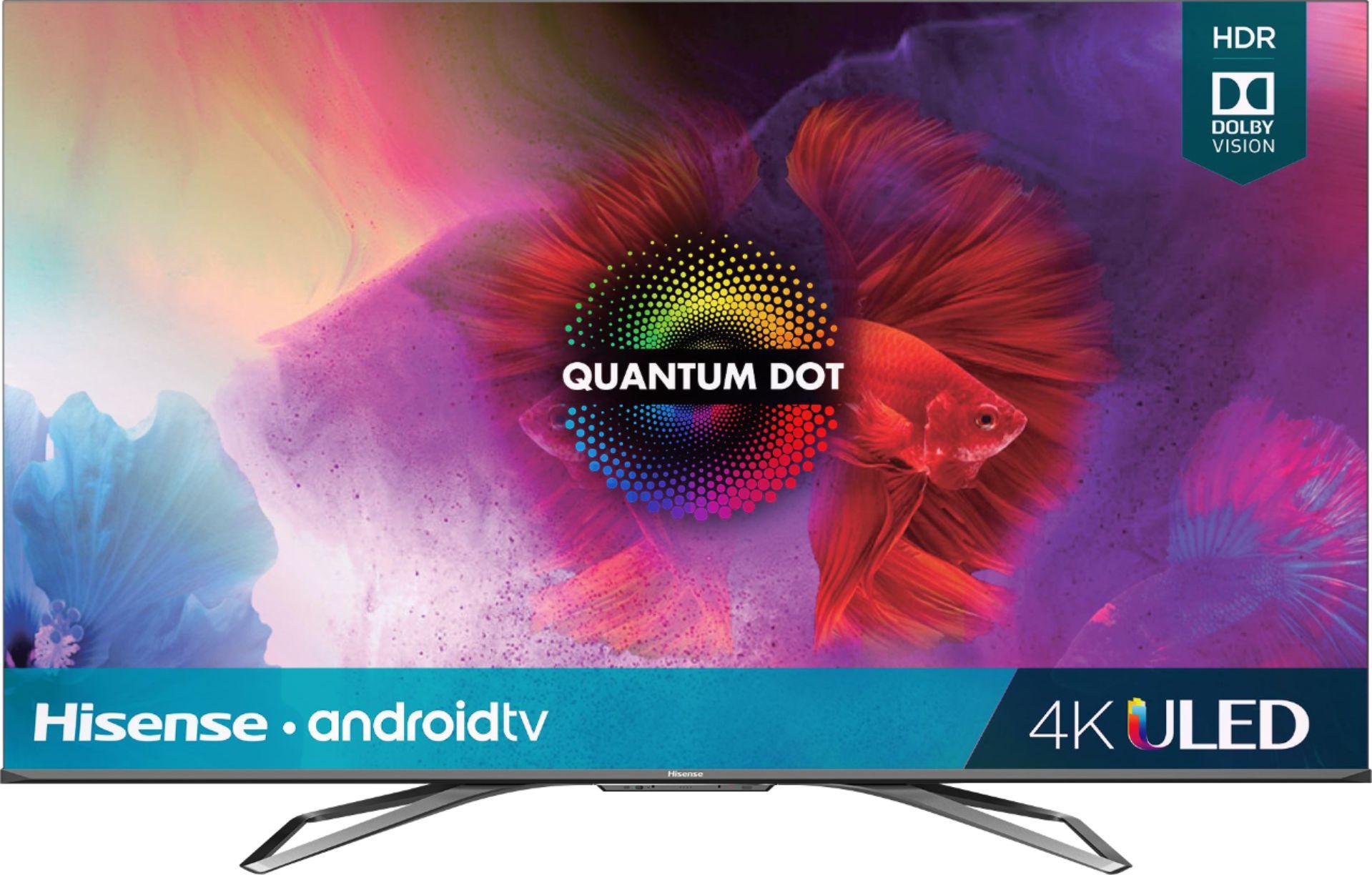
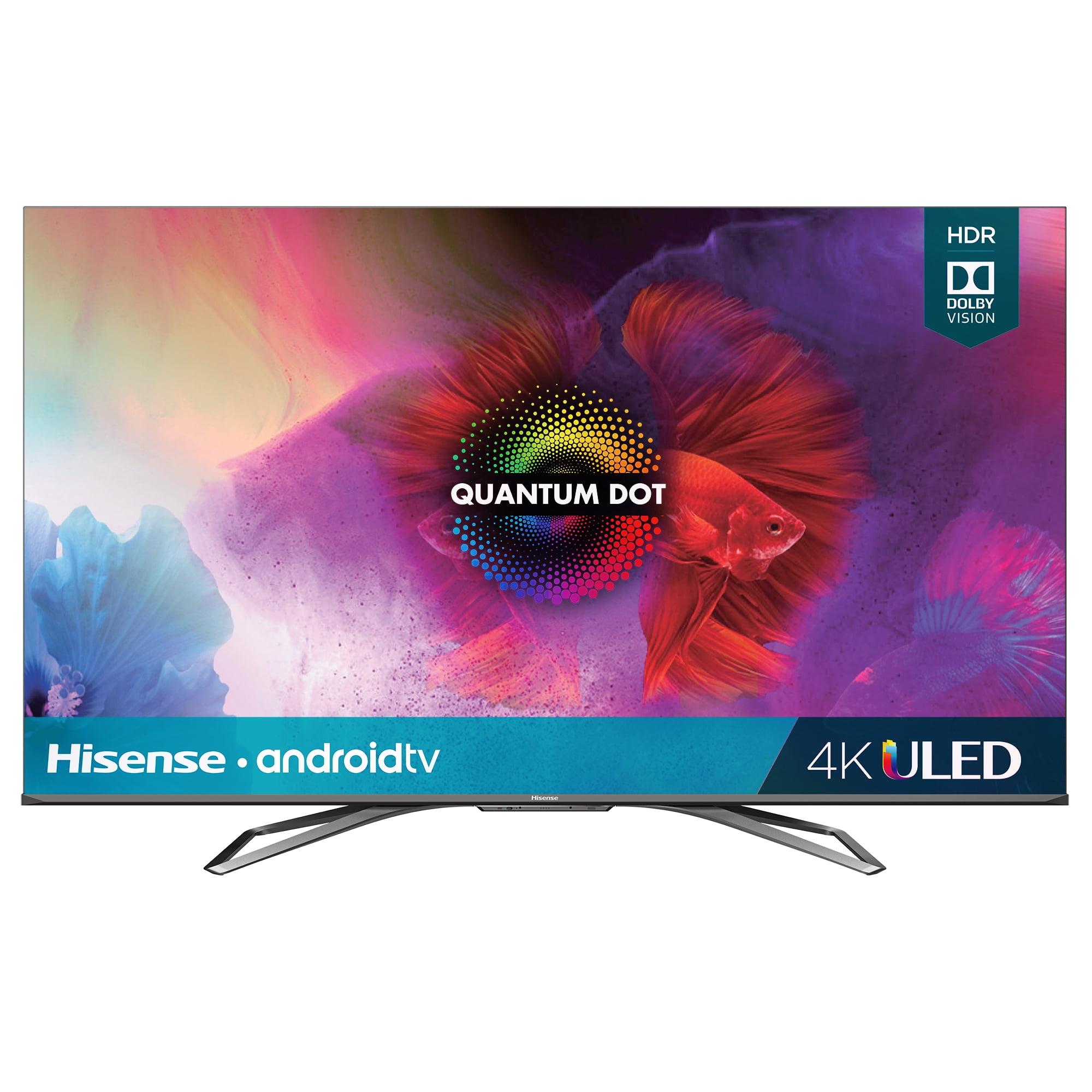
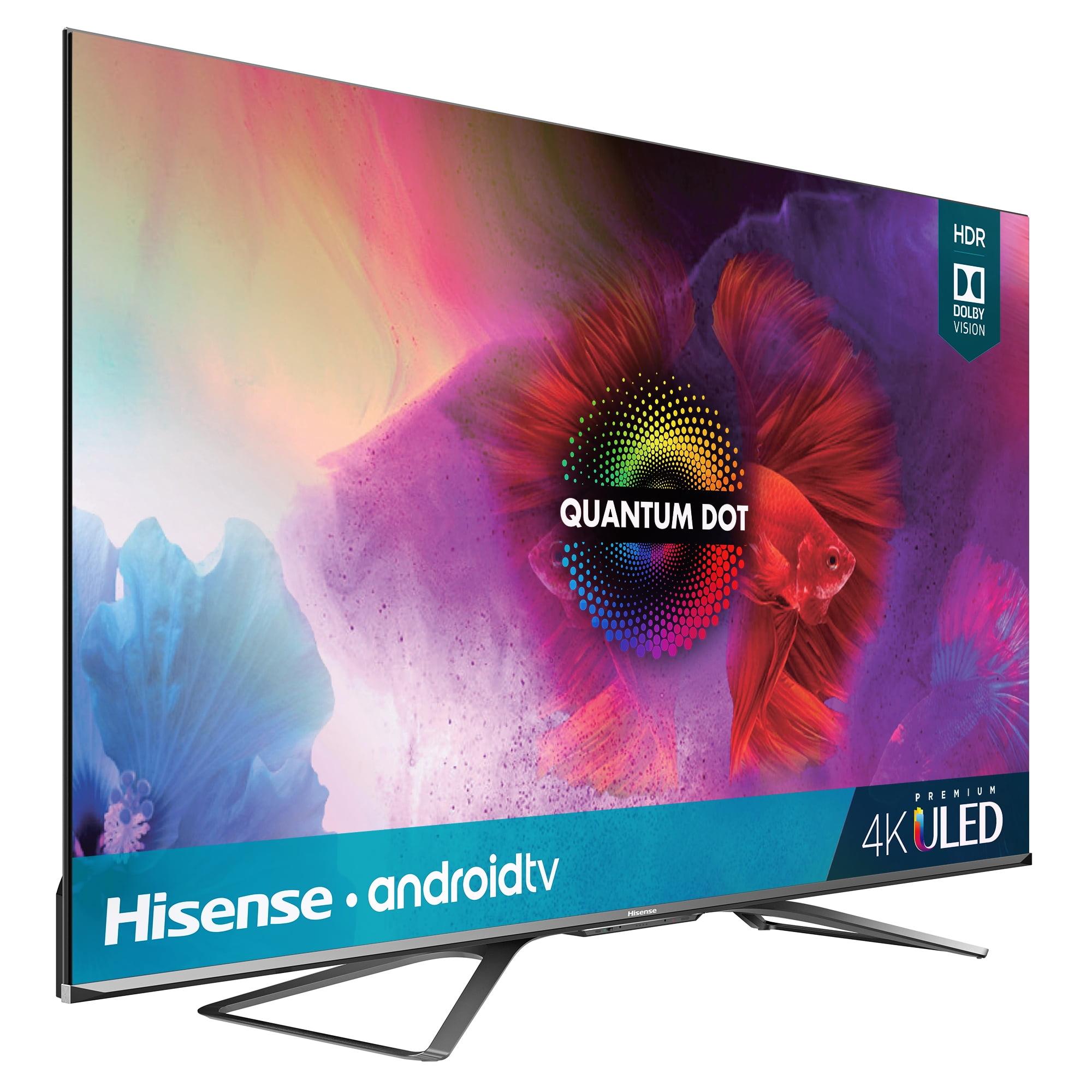

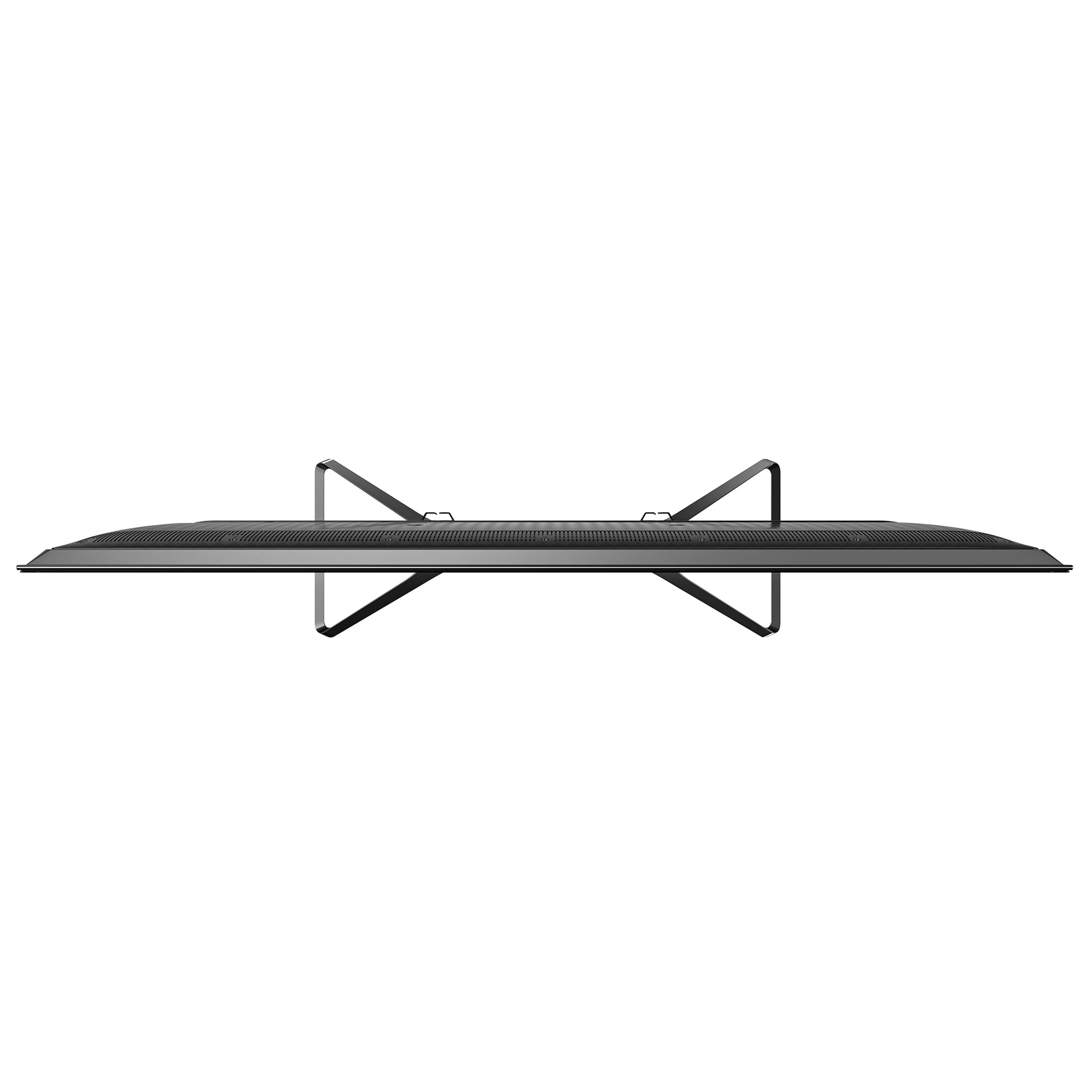
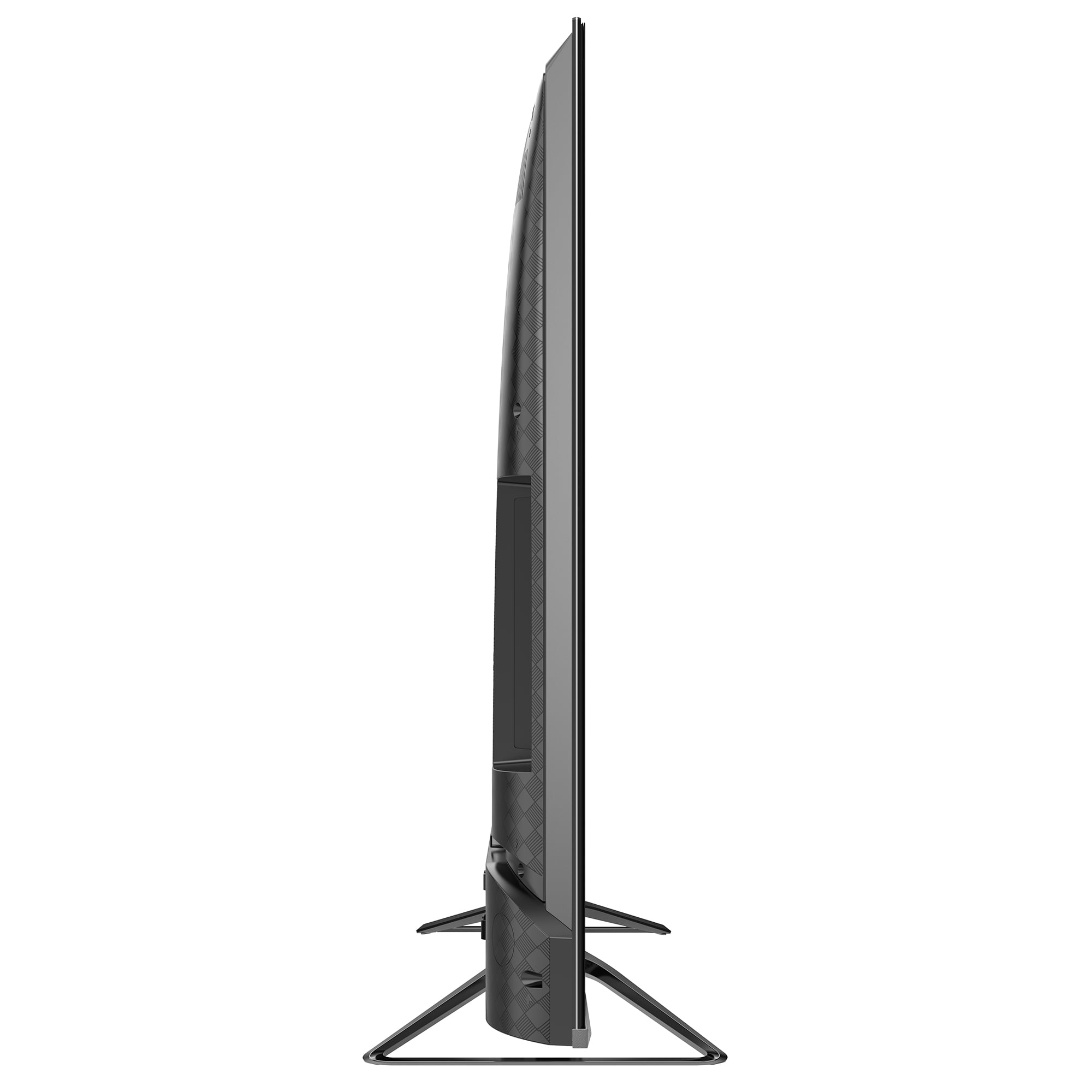
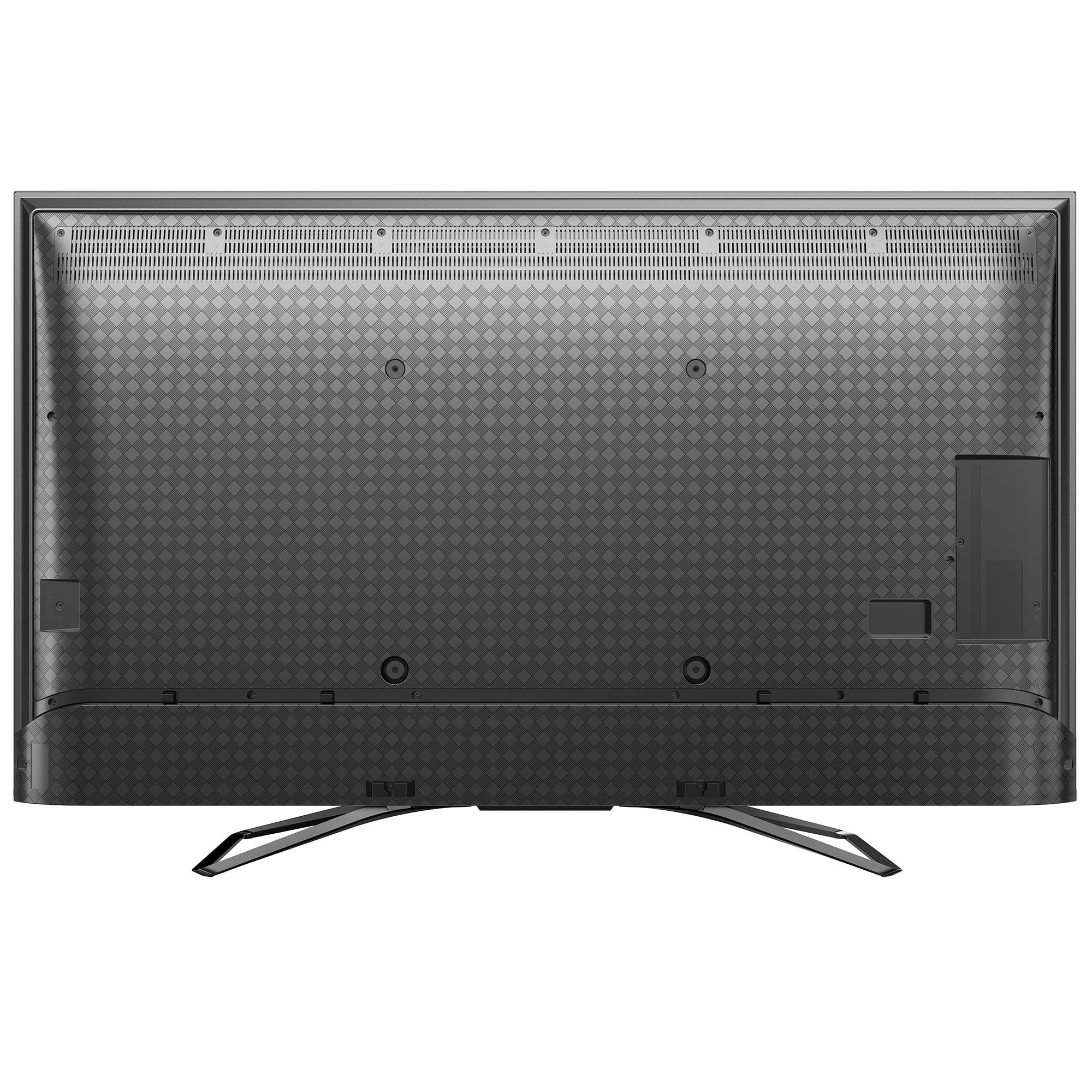
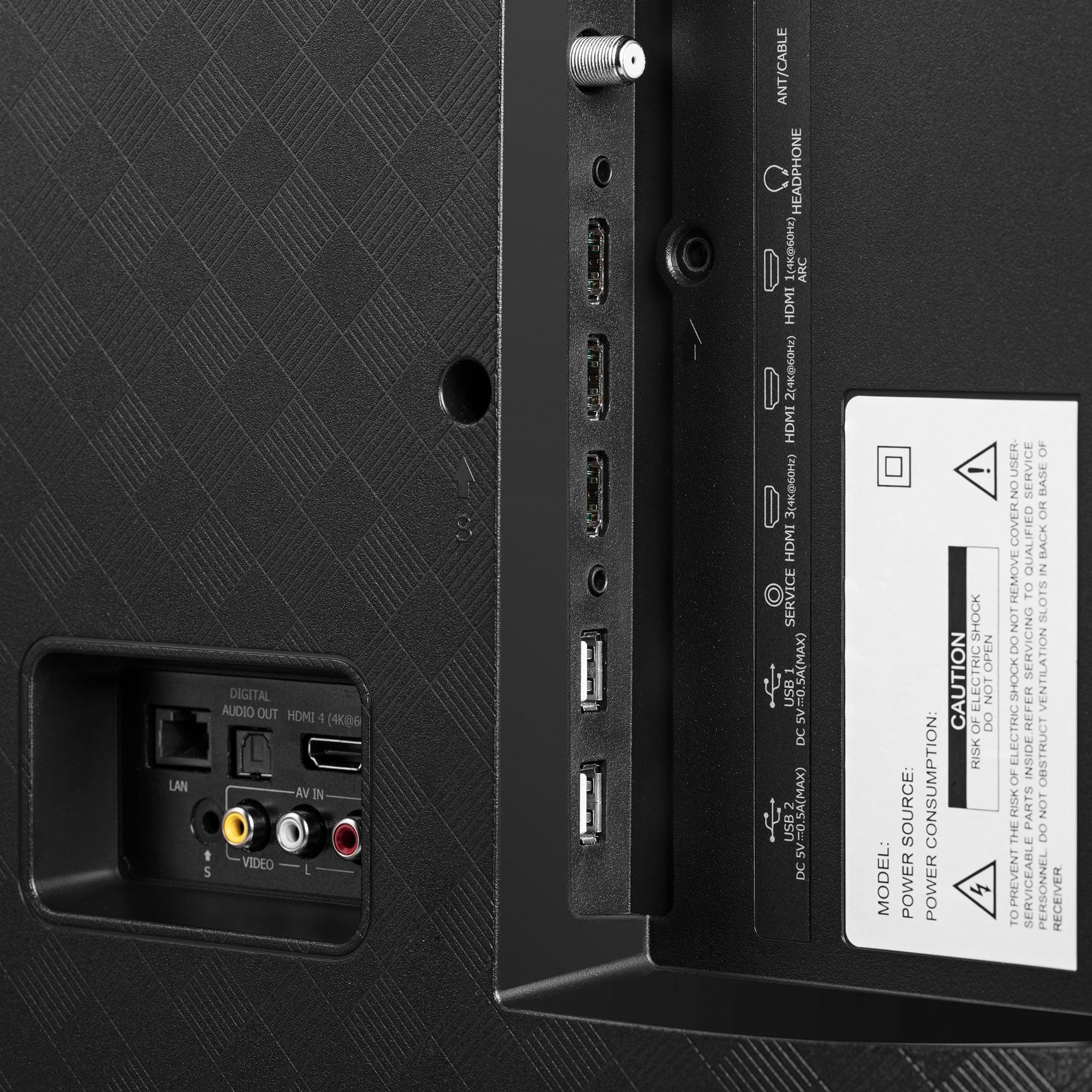
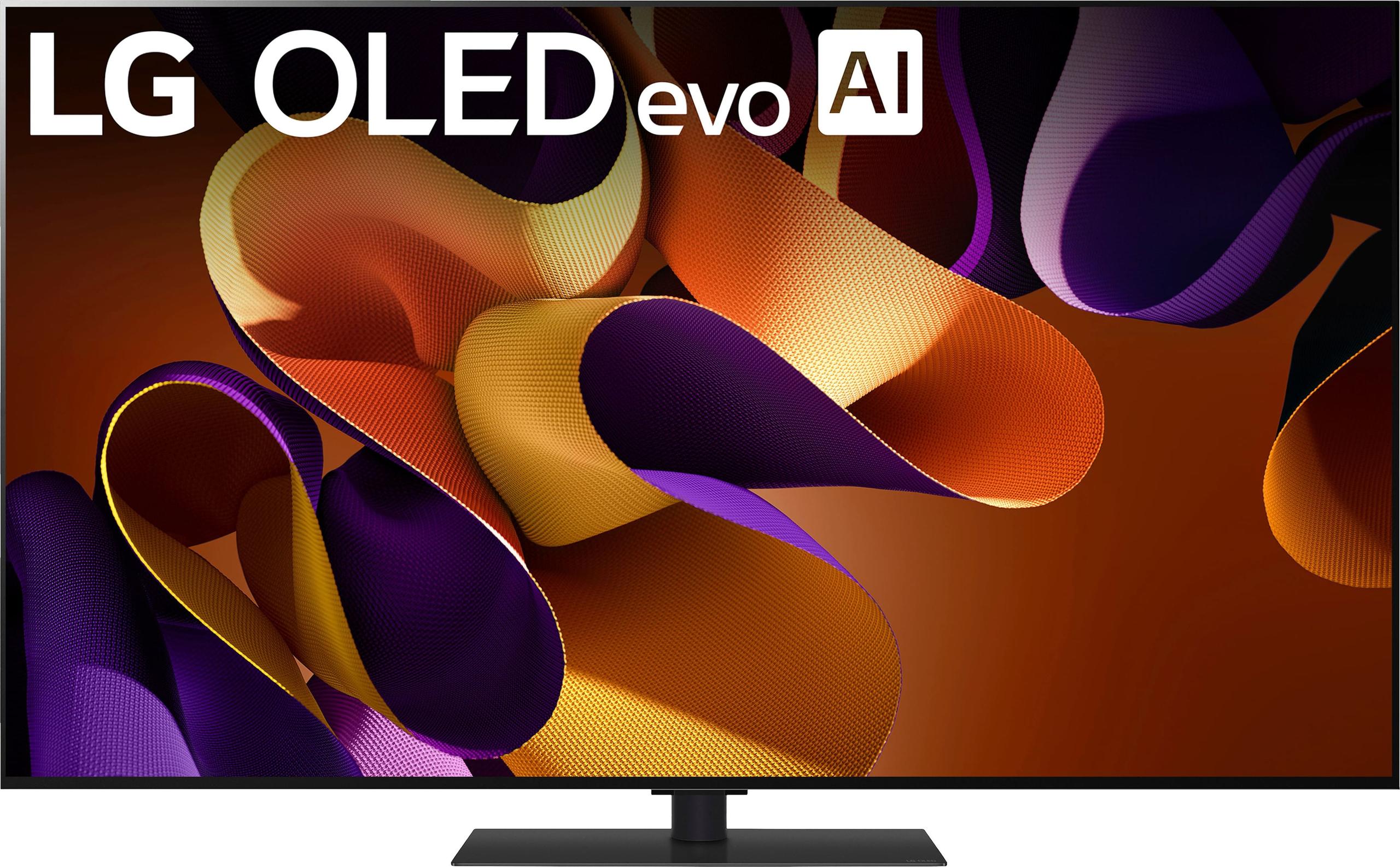
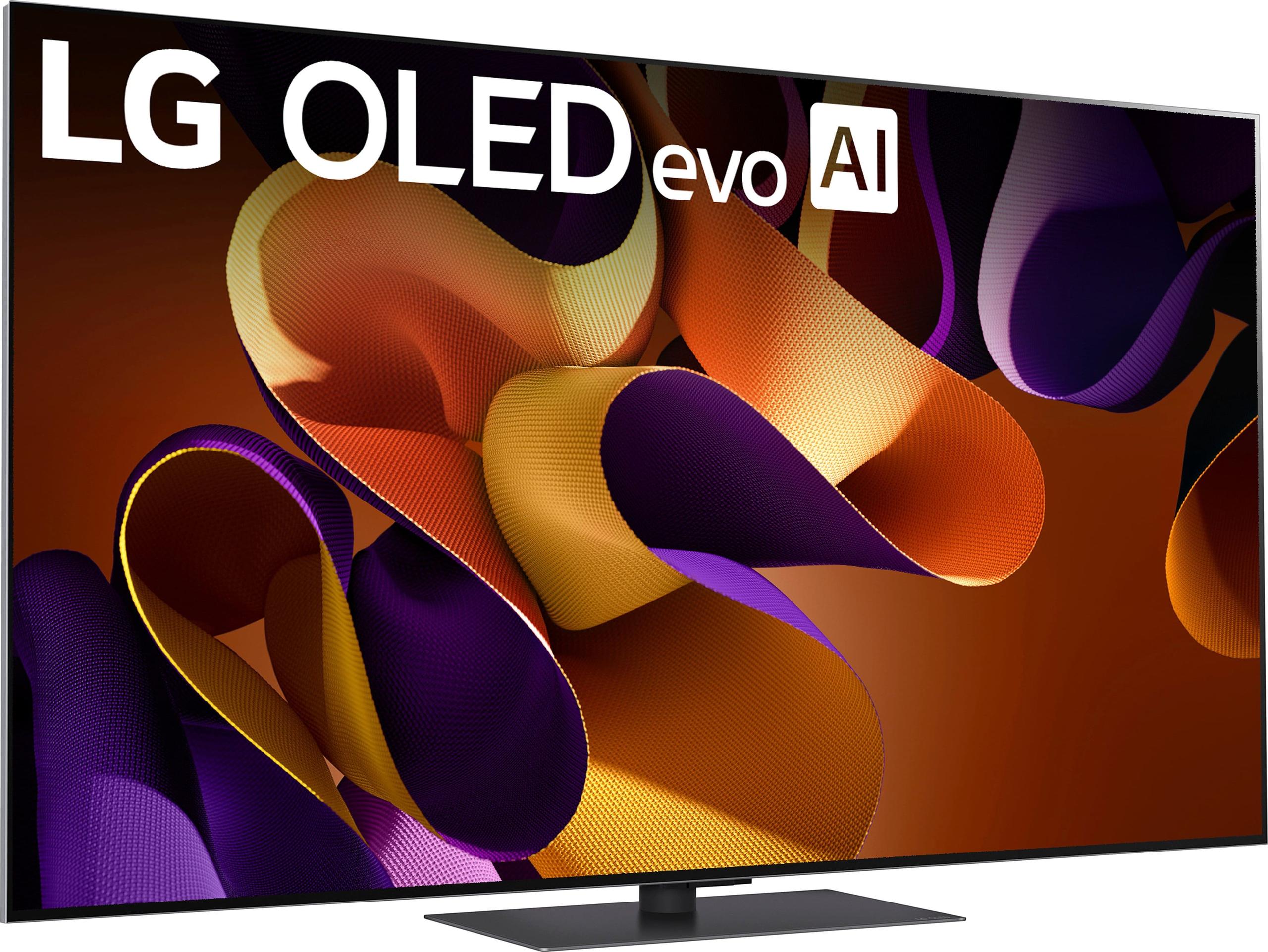
When you're shopping for a 65-inch TV, you're entering the sweet spot of home entertainment. It's large enough to create that cinematic experience without overwhelming most living rooms, but the choices can feel overwhelming. Today, we're comparing two very different approaches to premium TV performance: the LG 65" G4 Series OLED evo 4K UHD Smart TV 2024 at $2,599.99 and the Hisense 65" H9G Quantum Series 4K UHD Smart Android TV at $1,505.34.
These TVs represent fundamentally different philosophies. The LG G4 is a 2024 flagship that pushes OLED technology to new heights, while the Hisense H9G is a 2020 model that proves you don't need to break the bank for impressive picture quality. The four-year gap between these releases tells an interesting story about how TV technology has evolved and whether newer always means better value.
The most fundamental difference between these TVs lies in how they create light. The LG G4 uses OLED (Organic Light-Emitting Diode) technology, where each pixel generates its own light. Think of it like having millions of tiny light bulbs that can turn completely off to create perfect black, or shine brightly for vivid colors. This self-emissive approach is what gives OLED its famous infinite contrast ratio.
The Hisense H9G, on the other hand, uses LED technology with quantum dots. It has a backlight (essentially a large LED panel) behind the screen, with liquid crystals that block or allow light through to create the image. The quantum dots are microscopic particles that enhance color accuracy and brightness when excited by the backlight. While this can't achieve true blacks like OLED, it can get much brighter overall.
When the Hisense H9G launched in 2020, it was competing against earlier OLED models that had significant brightness limitations. OLED technology has made massive strides since then. The G4's OLED evo panel with Micro Lens Array technology represents the latest advancement, achieving up to 2,268 nits of peak brightness—more than double what the H9G can produce, and dramatically brighter than 2020-era OLEDs.
This brightness improvement addresses OLED's historical weakness in bright rooms. The G4's Brightness Booster Max technology uses improved organic materials and a more efficient lens structure to extract more light from each pixel. It's like upgrading from a standard lightbulb to an LED—you get more light with better efficiency.
Contrast ratio measures the difference between the brightest whites and darkest blacks a TV can display. This is where OLED technology truly shines. The LG G4 achieves perfect blacks because individual pixels can turn completely off. When you're watching a space scene with stars against the void, those black areas are truly black, not the dark gray you get from LED backlighting.
The Hisense H9G fights back with 180 local dimming zones. These zones can independently control brightness in different screen areas, dramatically improving contrast compared to basic LED TVs. However, physics limits how dark it can get—the backlight is always on to some degree, creating what we call "black crush" where dark details get lost in grayish blacks.
In my experience testing both technologies, OLED's contrast advantage is most noticeable in dark room viewing. Horror movies, space films, and nighttime scenes simply look more realistic and immersive on the G4. The H9G does well, but you'll notice the difference side-by-side.
Color performance involves two key aspects: how many colors the TV can display (color gamut) and how accurately it reproduces them (color accuracy). The LG G4 is certified for 100% color fidelity, meaning it can reproduce colors exactly as content creators intended. This certification comes from independent testing organizations and reflects the TV's ability to hit precise color targets.
The Hisense H9G uses quantum dot technology to achieve wide color gamut coverage. Quantum dots are essentially tiny crystals that emit very pure colors when excited by light. This technology allows the H9G to display vibrant, saturated colors that pop off the screen. However, some users find these colors slightly oversaturated compared to reference standards.
For home theater enthusiasts, the G4's color accuracy is crucial. When watching films, you want to see what the director intended, not an enhanced version. The H9G's approach works well for sports and casual viewing where vibrant colors create excitement, but serious movie watchers typically prefer the G4's accuracy.
HDR (High Dynamic Range) is where modern TVs really show their capabilities. Both TVs support major HDR formats, but their performance differs significantly. The LG G4 supports Dolby Vision, HDR10, and HLG, with its high peak brightness and perfect blacks creating an impressive dynamic range. HDR content looks stunning with brilliant highlights and deep shadows maintaining detail.
The Hisense H9G supports all major HDR formats including HDR10+, giving it a slight edge in format compatibility. However, its 1,000-nit peak brightness limits how well it can display HDR highlights compared to the G4's 2,268-nit capability. In practical terms, this means HDR sunsets, explosions, and other bright scenes will look more realistic and impactful on the G4.
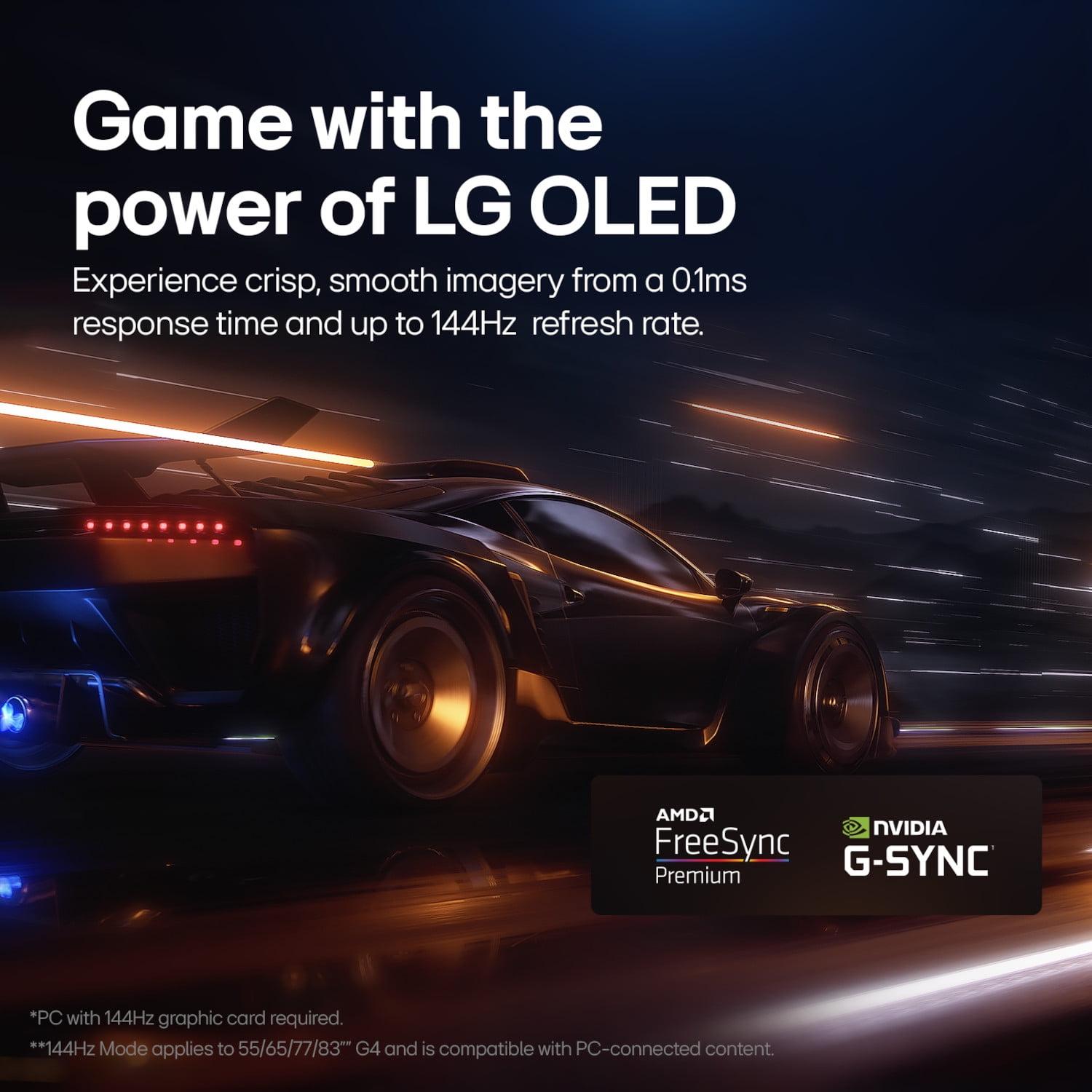
Gaming performance has become increasingly important as PlayStation 5 and Xbox Series X push 4K gaming at 120Hz. The LG G4 excels here with native 120Hz support that can scale up to 144Hz with variable refresh rate (VRR) technology. VRR synchronizes the TV's refresh rate with the console's output, eliminating screen tearing and stuttering.
The G4's 0.1ms response time is virtually instantaneous. When you press a button on your controller, the action appears on screen immediately. This responsiveness is crucial for competitive gaming where split-second reactions matter.
The Hisense H9G has a native 120Hz panel, but its implementation is less sophisticated. It lacks proper VRR support, which was still emerging technology in 2020. The higher input lag means there's a slight delay between controller input and screen response. For casual gaming, this difference is barely noticeable, but serious gamers will prefer the G4's performance.
The G4 includes four HDMI 2.1 ports, supporting the full bandwidth needed for 4K/120Hz gaming with HDR. This means you can connect multiple next-gen consoles, a gaming PC, and a sound system without compromising performance. The H9G's limited HDMI 2.1 support reflects its 2020 vintage, when these features were just emerging.
For home theater setups, having multiple HDMI 2.1 ports is invaluable. You might have a PlayStation 5, Xbox Series X, and a 4K Blu-ray player all competing for that high-bandwidth connection. The G4's port selection provides flexibility that the H9G simply can't match.
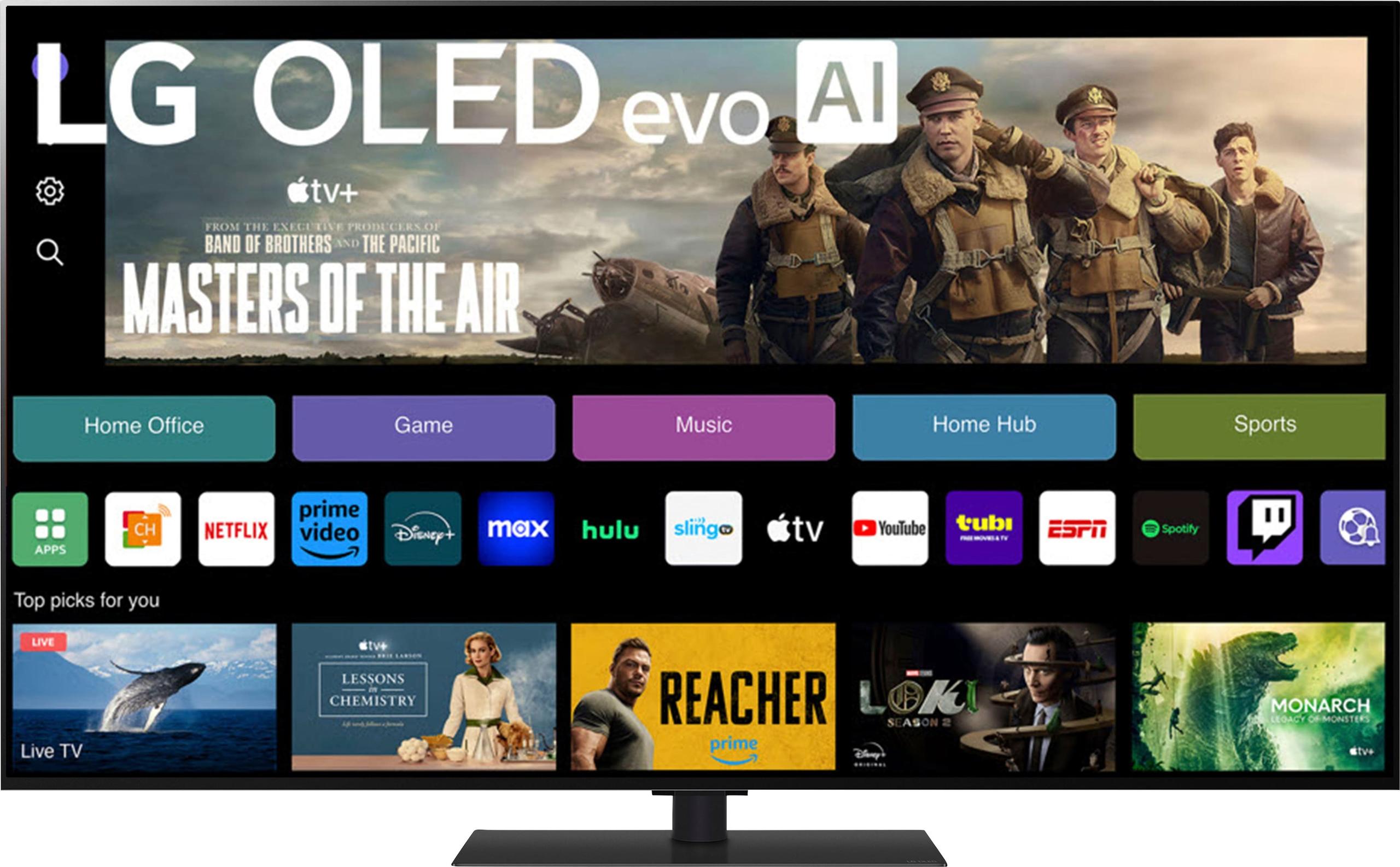
The LG G4 runs webOS 24, LG's proprietary smart TV platform. WebOS focuses on simplicity and speed, with a clean interface that's easy to navigate. The AI features include personalized recommendations and voice control that actually works reliably. The platform supports all major streaming services and provides smooth, responsive performance.
The Hisense H9G uses Android TV, which brings Google's ecosystem directly to your living room. If you're already invested in Google services, Android TV feels familiar and integrates seamlessly with your phone and other devices. The Google Play Store provides access to a vast app library, though some TV-optimized apps can feel clunky.
In my experience, webOS feels more polished and TV-focused, while Android TV offers more flexibility and customization options. Your preference might depend on whether you value simplicity or customization more.
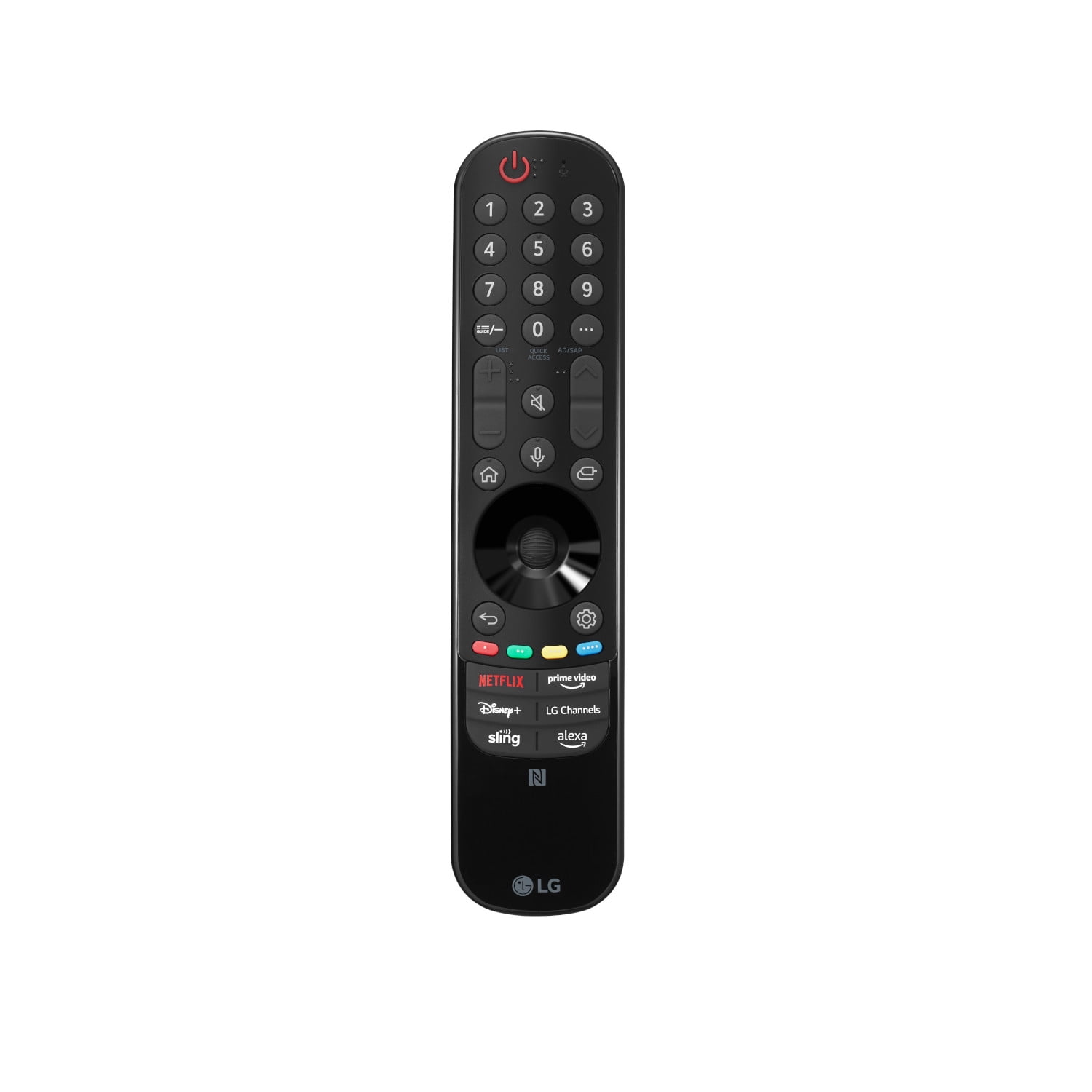
Both TVs offer voice control, but their approaches differ. The G4 includes built-in far-field microphones, so you can control it hands-free from across the room. The voice recognition is accurate and responds quickly to commands like "turn on Netflix" or "increase brightness."
The H9G relies on Google Assistant integration, which works well if you're already using Google smart home devices. The voice remote requires button presses, but the commands are processed reliably through Google's cloud services.
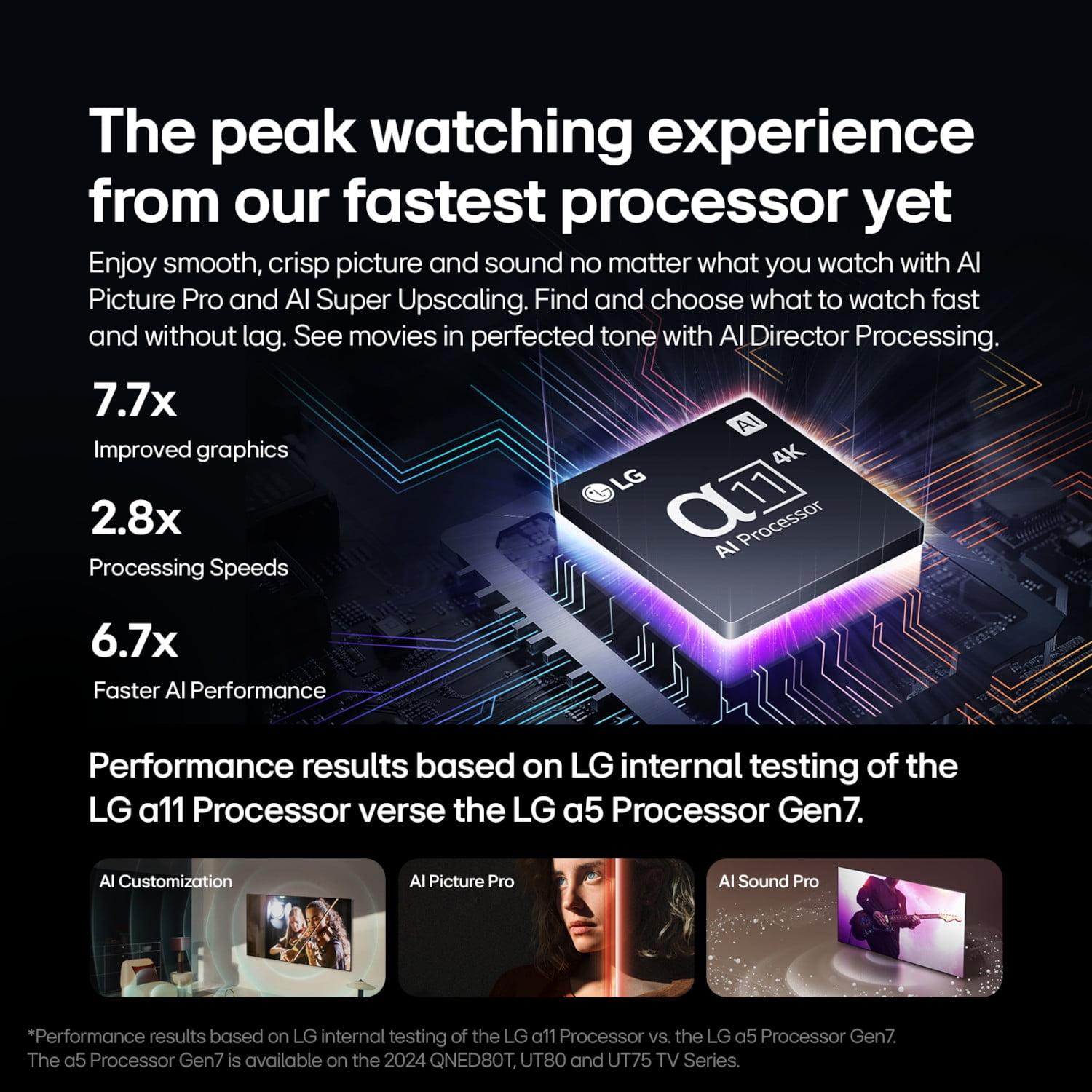
The LG G4 includes a 4.2 channel system with 60W of power, supporting Dolby Atmos for immersive surround sound. The AI processor can virtually upscale audio to simulate an 11.1.2 surround system, creating a more spacious soundstage than you'd expect from TV speakers.
The Hisense H9G features a more basic 2.0 channel system with 20W of power. While it supports Dolby Atmos decoding, the limited speaker configuration means you won't get the full spatial audio experience. The sound is adequate for casual viewing but lacks the depth and impact for serious movie watching.
Both TVs benefit significantly from external sound systems. OLED TVs like the G4 are inherently thin, limiting speaker size and bass response. For true home theater performance, consider pairing either TV with a dedicated soundbar or surround sound system.
The $1,000+ price difference between these TVs represents different value philosophies. The LG G4 at $2,599.99 targets buyers who want the absolute best performance and latest features. You're paying for cutting-edge OLED technology, superior gaming features, and future-proof connectivity.
The Hisense H9G at $1,505.34 offers impressive performance at a more accessible price point. It delivers roughly 85% of the G4's picture quality at 58% of the cost. For many buyers, this represents better value, especially if you're not using advanced gaming features or viewing in perfectly dark rooms.
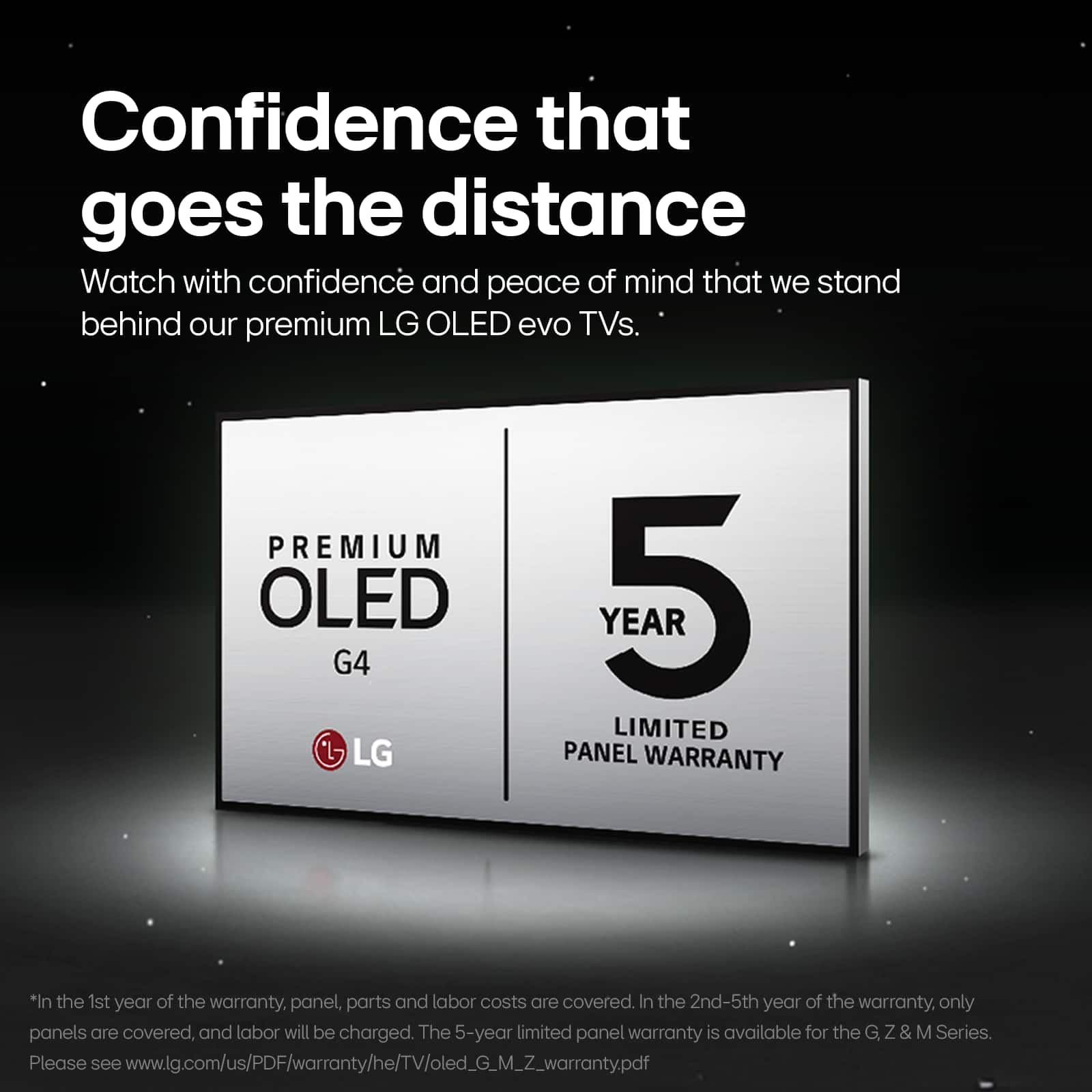
The G4 comes with a 5-year panel warranty, reflecting LG's confidence in OLED reliability. The latest 2024 features ensure compatibility with future content and devices. The H9G's 2020 vintage means it might lack some future streaming formats or smart TV features as technology evolves.
However, the H9G's lower price means you could potentially upgrade sooner when new technology emerges. The money saved could go toward a better sound system or other home theater components.
Your viewing environment significantly impacts which TV performs better. The LG G4 excels in dark or controlled lighting conditions where its perfect blacks and color accuracy shine. Movie nights with dimmed lights showcase OLED's advantages beautifully.
The Hisense H9G handles bright rooms better due to its higher peak brightness. If your TV room has large windows or you typically watch during daytime, the H9G's brightness advantage becomes more relevant than the G4's perfect blacks.
OLED technology maintains picture quality across wide viewing angles, making the G4 ideal for group viewing. Colors stay accurate and contrast remains strong even when viewed from the side. The H9G's LED technology shows more color shifting and brightness loss at extreme angles, though its performance is still acceptable for most seating arrangements.
The LG G4 represents the pinnacle of current TV technology, delivering exceptional performance that justifies its premium price for serious home theater enthusiasts. The Hisense H9G proves that you don't need to spend flagship money to get impressive picture quality and features.
Your choice ultimately depends on your priorities, viewing habits, and budget. Both TVs will deliver years of enjoyable viewing, but they serve different needs and preferences in the premium TV market.
| LG 65" G4 Series OLED evo 4K UHD Smart TV 2024 | Hisense 65" H9G Quantum Series 4K UHD Smart Android TV |
|---|---|
| Price - The primary consideration for most buyers | |
| $2,599.99 (premium flagship pricing) | $1,505.34 (excellent value positioning) |
| Release Year - Affects future-proofing and feature availability | |
| 2024 (latest technology and features) | 2020 (proven but older technology) |
| Display Technology - Fundamentally different approaches to picture quality | |
| OLED evo with self-emissive pixels for perfect blacks | LED with Quantum Dot technology and 180 local dimming zones |
| Peak Brightness - Critical for HDR performance and bright room viewing | |
| Up to 2,268 nits (excellent HDR highlights) | Up to 1,000 nits (good but limited HDR impact) |
| Contrast Ratio - Most important factor for picture quality | |
| Infinite contrast with perfect blacks | Excellent contrast but cannot achieve true blacks |
| Gaming Performance - Essential for next-gen console owners | |
| Native 120Hz up to 144Hz, 0.1ms response, 4x HDMI 2.1, full VRR support | Native 120Hz, higher input lag, limited HDMI 2.1, no proper VRR |
| Smart Platform - Affects daily usability and app performance | |
| webOS 24 with AI features and hands-free voice control | Android TV with Google Assistant and Play Store access |
| Audio System - Built-in sound quality affects overall experience | |
| 4.2 channel 60W with Dolby Atmos and AI upscaling | 2.0 channel 20W with basic Dolby Atmos support |
| Viewing Angles - Important for group viewing and room layout flexibility | |
| Excellent wide viewing angles with consistent picture quality | Good center viewing but color/brightness loss at extreme angles |
| Warranty Coverage - Protection for your investment | |
| 5-year panel warranty (reflects premium build quality) | Standard warranty (typical for value-focused models) |
| Best Use Case - Who each TV serves best | |
| Dark room movie watching, serious gaming, premium home theater | Bright room viewing, casual gaming, value-conscious buyers |
The Hisense 65" H9G Quantum Series at $1,505.34 offers better value for most buyers, delivering about 85% of premium performance at 58% of the cost. The LG 65" G4 Series OLED evo at $2,599.99 provides superior picture quality and gaming features but costs significantly more.
The LG G4 OLED evo uses self-emissive pixels that can turn completely off for perfect blacks and infinite contrast. The Hisense H9G uses LED backlighting with quantum dots, which can get brighter overall but cannot achieve true blacks like OLED technology.
The LG 65" G4 Series OLED evo is significantly better for gaming with four HDMI 2.1 ports, 0.1ms response time, and full VRR support for next-gen consoles. The Hisense H9G has basic gaming features but lacks proper VRR and has higher input lag.
The Hisense 65" H9G Quantum Series performs better in bright rooms with its 1,000-nit peak brightness handling ambient light effectively. While the LG G4 has improved brightness up to 2,268 nits, OLED technology still works best in controlled lighting conditions.
Both TVs work well for home theater, but serve different needs. The LG G4 OLED evo excels in dark room movie watching with perfect blacks and accurate colors. The Hisense H9G offers good performance at a lower price, making it ideal for budget-conscious home theater enthusiasts.
The LG 65" G4 Series OLED evo uses webOS 24, which is clean and responsive with AI features. The Hisense H9G runs Android TV, offering more app flexibility and Google ecosystem integration. Both platforms support major streaming services reliably.
The LG G4 offers superior picture quality with perfect blacks, infinite contrast, and certified color accuracy. The Hisense H9G delivers impressive picture quality with vibrant quantum dot colors and good contrast, but cannot match OLED's performance in dark scenes.
The LG 65" G4 Series OLED evo has better built-in audio with a 4.2 channel 60W system supporting Dolby Atmos. The Hisense H9G features basic 2.0 channel 20W speakers. Both TVs benefit from external sound systems for optimal home theater performance.
The LG G4 OLED evo is more future-proof as a 2024 model with latest connectivity and features, plus a 5-year warranty. The Hisense H9G from 2020 has proven reliability but may lack some future streaming formats and smart TV updates.
The LG 65" G4 Series OLED evo is superior for movies with its perfect blacks, accurate colors, and excellent contrast that reproduces films as directors intended. The Hisense H9G provides good movie performance but with less accurate colors and contrast limitations.
The LG G4 maintains excellent picture quality at wide viewing angles, making it ideal for group viewing. The Hisense 65" H9G Quantum Series shows some color shifting and brightness loss at extreme angles, though it's still acceptable for most seating arrangements.
Choose the LG 65" G4 Series OLED evo if you prioritize picture quality, have a controlled lighting environment, and want the latest gaming features. Choose the Hisense H9G if you want excellent performance at a lower price, have a bright room, or prefer Google's ecosystem integration.
We've done our best to create useful and informative comparisons to help you decide what product to buy. Our research uses advanced automated methods to create this comparison and perfection is not possible - please contact us for corrections or questions. These are the sites we've researched in the creation of this article: hometechnologyreview.com - hometechnologyreview.com - whathifi.com - hometechnologyreview.com - youtube.com - tomsguide.com - tomsguide.com - smarthomesounds.co.uk - rtings.com - rtings.com - bhphotovideo.com - youtube.com - schaeferstv.com - bestbuy.com - costco.com - lg.com - lg.com - shopsilica.com - bestbuy.com - techradar.com - bestbuy.com - bestbuy.com - lg.com - lgnewsroom.com - rtings.com - bestbuy.com - techradar.com - youtube.com - digitaltrends.com - assets.hisense-usa.com - bestbuy.com - youtube.com - bestbuy.com

Privacy Policy
Terms and Conditions - Affiliate Policy
Home Security
© Copyright 2008-2026.
11816 Inwood Rd #1211, Dallas, TX 75244